

You sit down, the stylist asks what you want, and your mind goes blank.
That is the real problem with this length. Too long to be short, too short to be long, and every photo you saved belongs to someone whose hair behaves nothing like yours.
Most haircuts for medium hair fail for that exact reason. The cut was chosen from an image instead of from your own density and texture. So this walks through the decision first, then the cuts, then what each one costs you in styling time afterward.
Why This Length Is the Easiest One to Get Wrong
Medium sits in an awkward definition. Too long to call short, not long enough to call long, and somewhere around the collarbone depending on who you ask.
That vagueness is the issue.
Short cuts have structure holding them up. Long hair has weight doing the work. Medium has neither, which means the cut itself has to do everything, and a badly judged one goes flat or triangular within a week of growing out.
The upside is real though. Braids, ponytails and half-up styles all become possible again, and washing and drying takes a fraction of what long hair demands.
Get the cut right and this length is genuinely low effort. Get it wrong and you will fight it every morning.
1. Haircuts for Medium Hair Start With Where the Length Sits

Decide the endpoint before anything else, because everything else follows from it.
Collarbone grazing is the safe default. It sits just below the shoulder, keeps enough weight to hold a shape, and still ties back on a bad day.
Shoulder length exactly is the risky one. Hair that stops right at the shoulder tends to flick outward where it hits the fabric, and unless the cut accounts for that you will be fighting a kick every morning.
So go slightly above or slightly below the shoulder line. Not right on it.
Bring a photo, then point at your own collarbone and say where you want it to land.
2. Match the Cut to Your Density, Not to the Photo
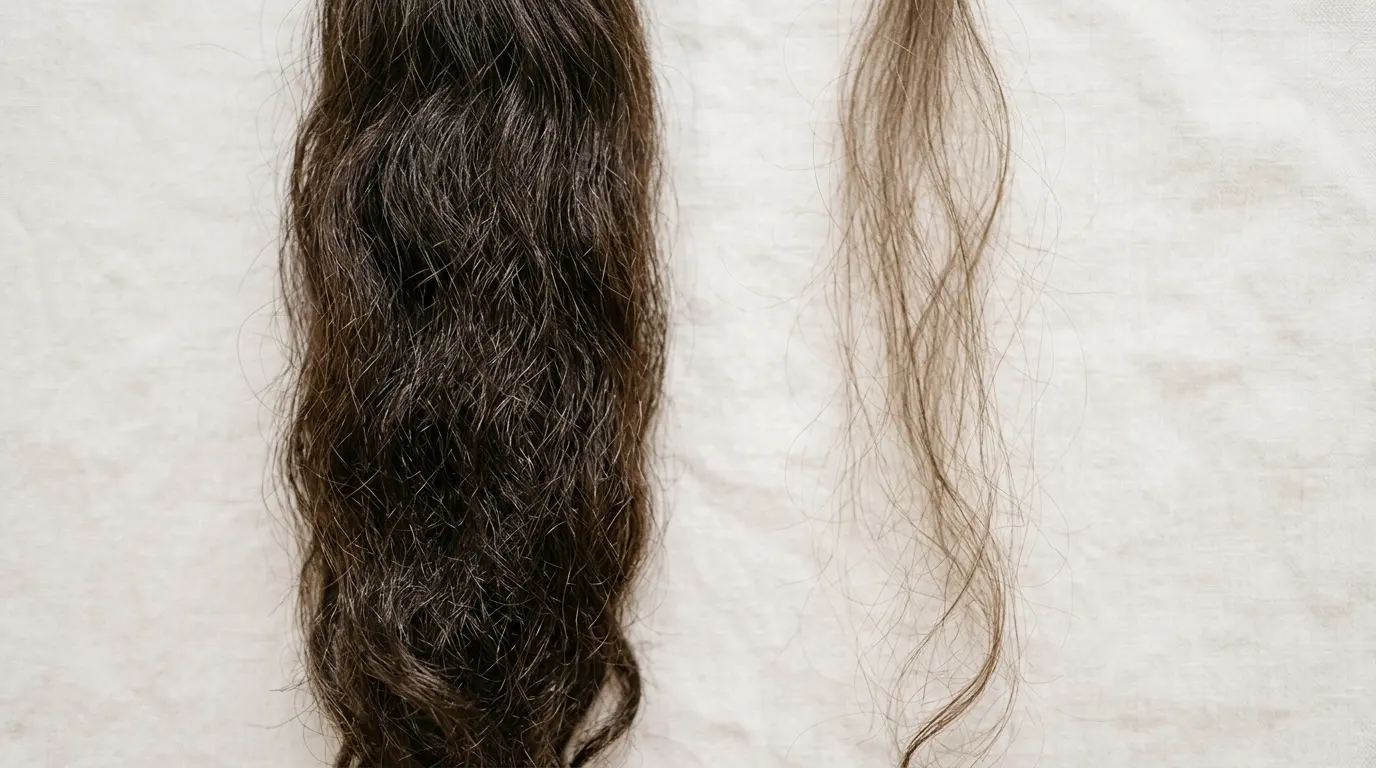
This is the part almost nobody plans for. Two people can ask for the identical cut and walk out with completely different hair.
Thick hair carries weight it needs removing. Ask for mid-shaft point-cut texturizing so the bulk comes out of the middle rather than the ends, otherwise the whole thing sits like a triangle.
Fine hair has the opposite problem. Long layers scatter what little density you have and the ends look sparse, so a haircut for medium hair female clients with fine hair usually works better with feathered ends and a soft root smudge rather than heavy layering.
Medium density gets the most freedom here.
Ask your stylist to tell you honestly which category you fall into.
3. The Blunt Long Bob for Anyone Not Ready to Go Short
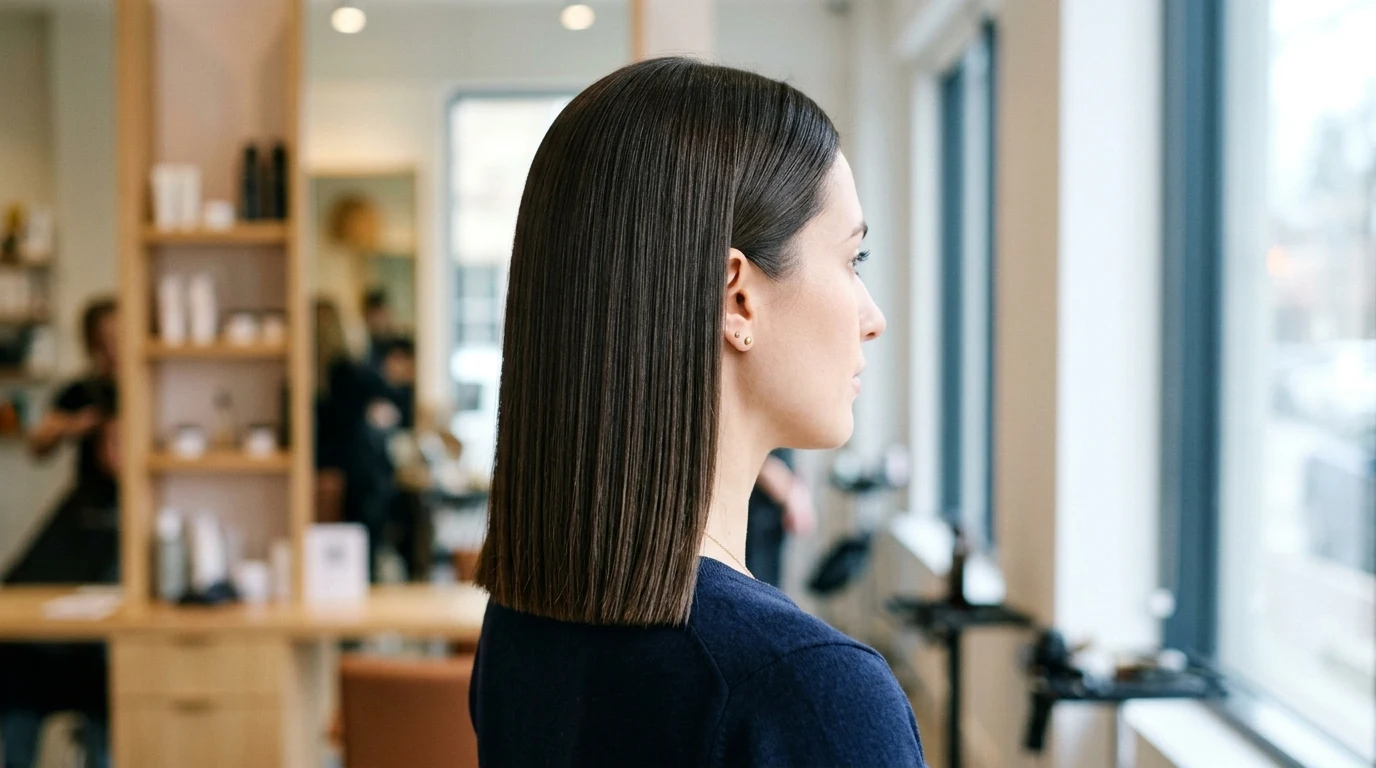
Want a bob but not the commitment? This is the answer and it has been for years.
The cut sits below the jaw with clean horizontal ends and minimal internal layering. Blunt edges make thin hair read as thicker because all the weight lands in one line at the bottom.
Among medium hair length cuts this is the most forgiving to grow out. It softens gradually rather than falling apart, which buys you an extra month between appointments.
Where it struggles is with a strong natural wave, since a blunt line plus a wave equals volume in places you did not ask for.
Straight or slightly wavy hair only.
4. Long Layers: Long Medium Haircuts for Women Who Want Movement

Layers do one job. They let hair move instead of hanging.
Kept long and started below the chin, they add lightness without sacrificing the density at your ends. The result reads as barely styled even on a day you did nothing, which is the point.
Of all the haircut styles for medium length hair, this is the lowest maintenance choice for most people.
But it needs a small amount of product to work. Without mousse or texturizing spray and a rough dry, long layers can sit flat against the head and lose the separation that made them worth cutting.
And no home attempts. Layers cut without training go wrong in ways a salon then has to remove length to fix.
5. Curtain Bangs and Face Framing Around the Cheekbone

Face framing is what makes a plain length look deliberate.
Curtain bangs are the version that suits most people, splitting softly at the center and sweeping outward. Cut properly, they need almost no daily work, which is the entire reason they became so popular.
Round brush them outward while drying if you want the seventies shape. Leave them alone if you do not.
Cute medium haircuts almost always have something happening around the face, whether that is a bang or just a shorter piece starting at the cheekbone.
Where curtain bangs fail is on very tight curl patterns, since the split relies on the hair falling in two directions and a coil will not do that.
6. Best Medium Length Haircuts for Women With Curls
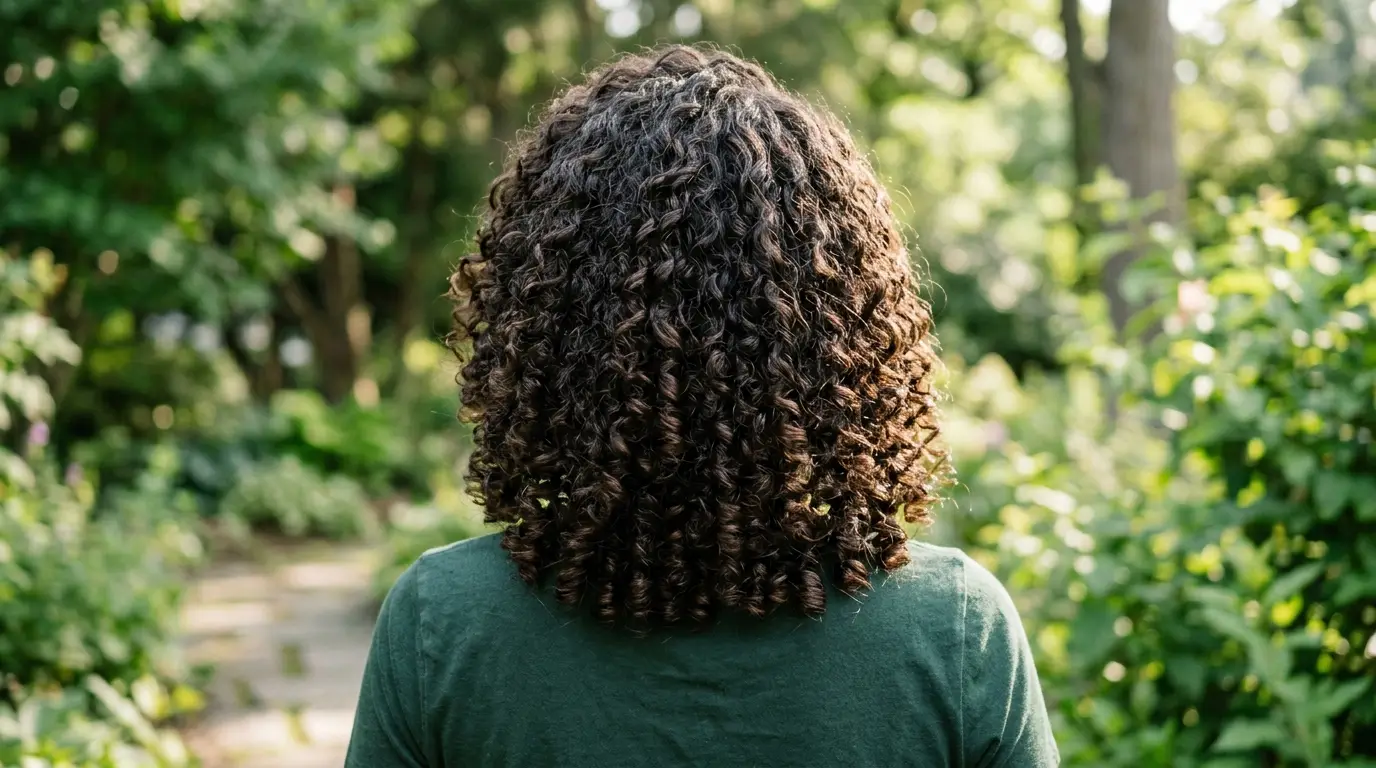
Curls need the cut approached completely differently, starting with the fact that it should be shaped dry.
Wet cutting on curly hair misjudges where every curl will actually sit once it springs up. A dry cut lets the stylist see the real shape.
Baby bangs are worth mentioning here because curls hold them up. On straight hair they can look severe, but a curl pattern gives them body and they never fall flat.
Diffuser drying and curl-specific products come with the territory. And watch for product buildup, which weighs curls down until the whole cut looks like it dropped an inch.
Clarify occasionally. That is usually what has gone wrong.
7. Haircuts for Mid Length Straight Hair That Stay Sleek
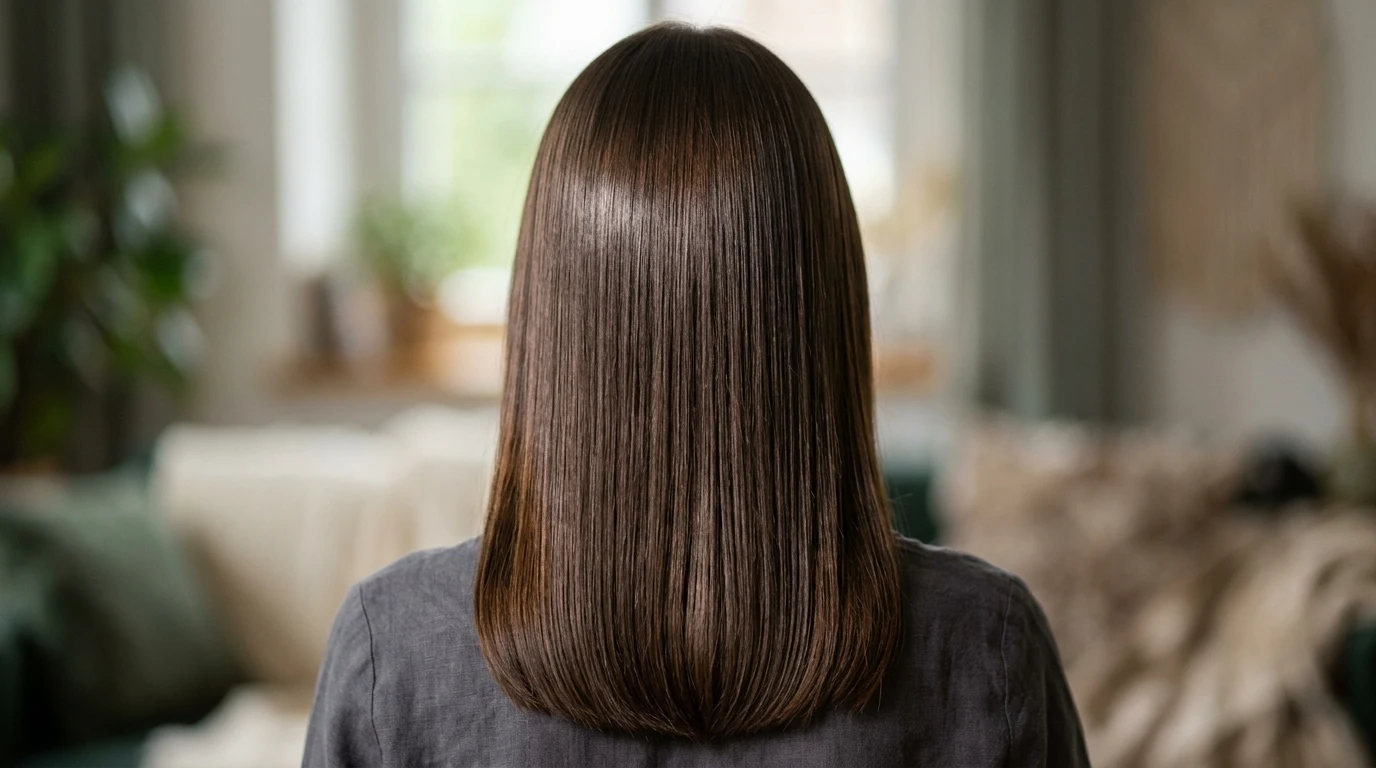
Straight hair at this length is the fastest to style and that is its whole advantage.
You are not spending forty minutes flat ironing. Medium is quick enough that a smooth finish is realistic on a weekday morning, which is not true at waist length.
Heat protectant first, always. Skipping it is how ends split, and split ends on a blunt cut are visible from across a room.
Then a lightweight serum or a frizz-fighting oil after, working from mid-length down. Never at the roots.
The honest downside for medium haircuts for women straight hair is that any unevenness in the cut shows immediately. There is no texture hiding it.
8. What to Actually Say at the Appointment
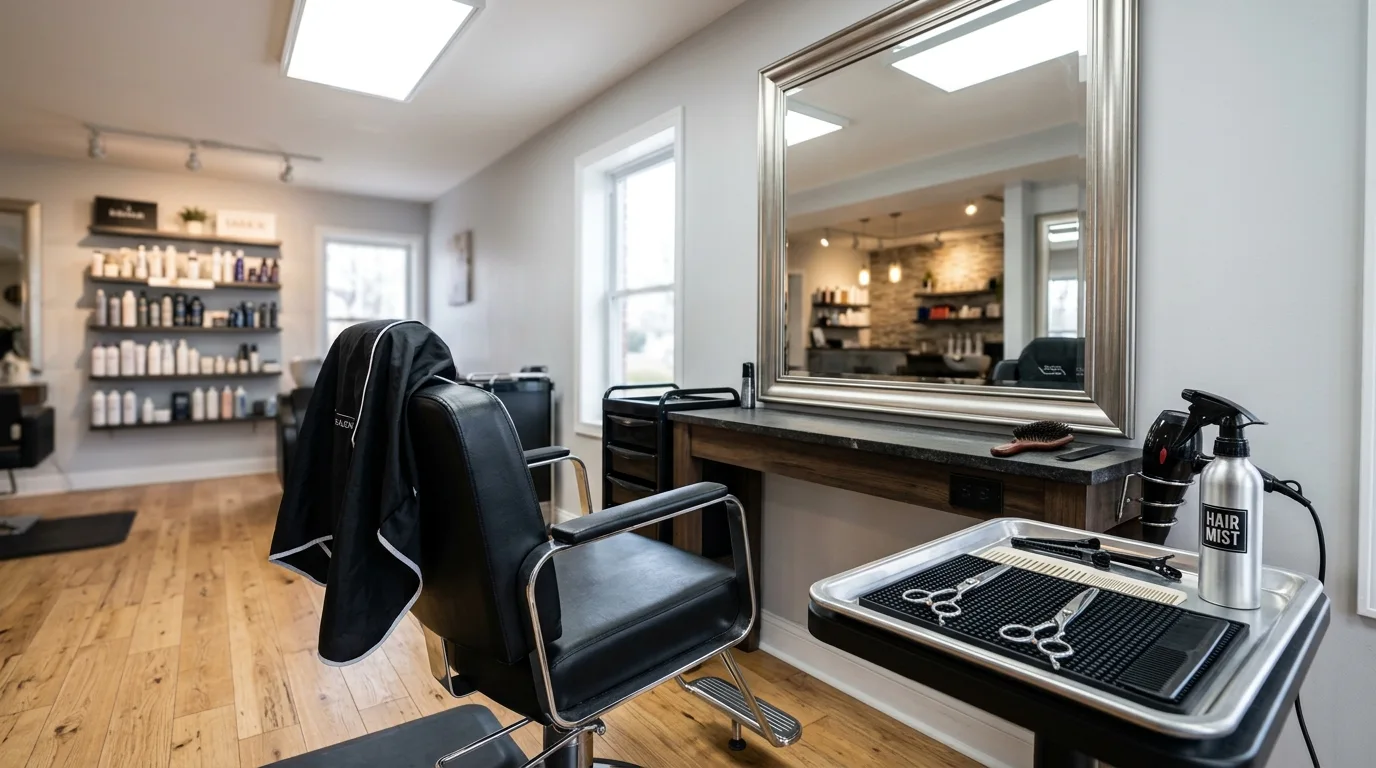
Photos help but they are not instructions. Words matter more.
Say the length in terms of a body landmark. Collarbone, jaw, top of the shoulder blade. Not inches, because nobody agrees on inches.
Mention any cowlick before they start, especially at the nape. A cowlick there wants to flip inward and a good stylist will build that flip into the graduation rather than fight it. Ignored, it sticks out sideways every single day.
Then say how much time you will realistically spend styling. Ten minutes and thirty minutes are different haircut medium hair conversations.
Be honest about that number. Everyone overestimates it.
9. Your Parting Does More Than the Cut Does
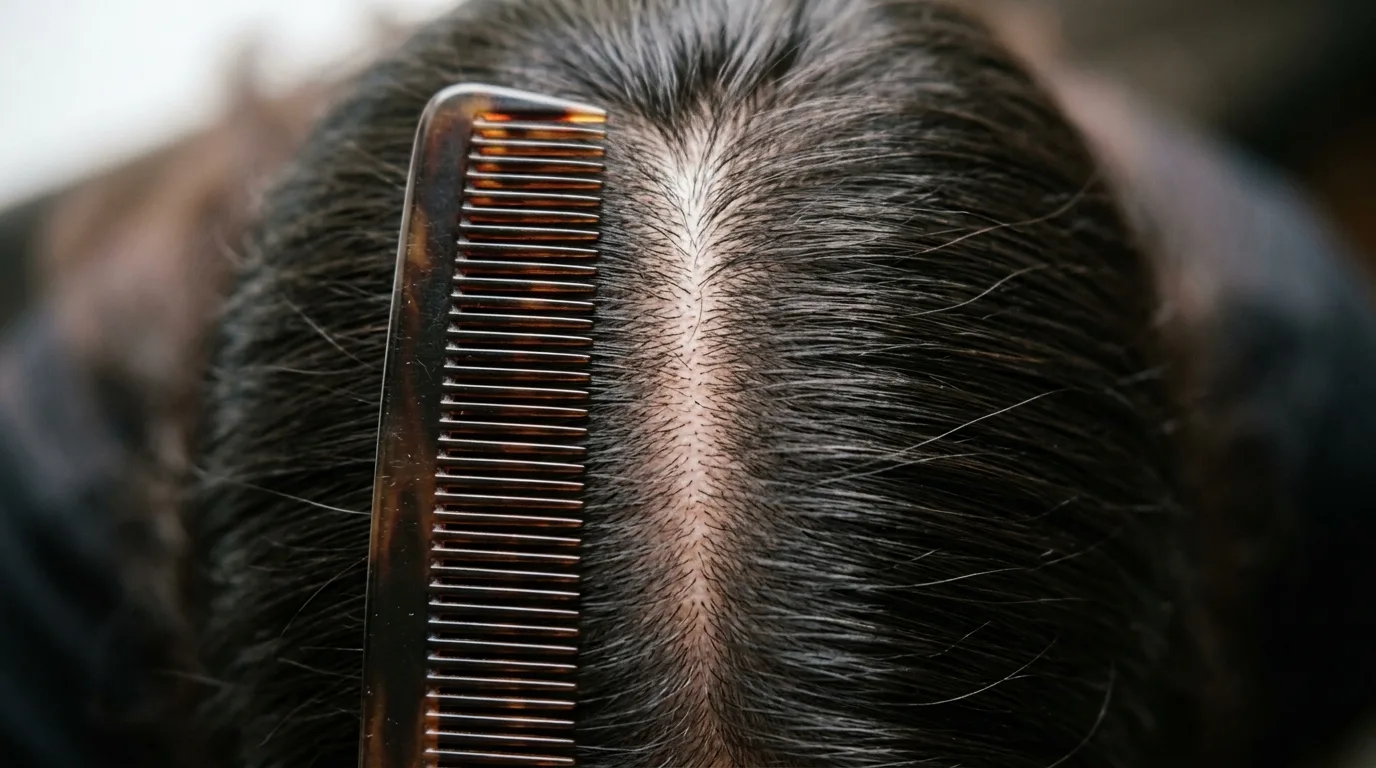
Free, instant, and most people never touch it.
A center part reads symmetrical and modern. It suits balanced features and works with almost any layered shape.
A deep side part lifts one side and creates height at the root, which is the closest thing to volume you get without product. On a flat crown it makes an immediate difference.
Switching a parting takes about a week of persuading before hair stops falling back. Damp hair, comb the new line, and let it dry there.
Any haircut for women medium in length responds noticeably to this. Try both before deciding the cut is wrong.
10. Waves With a Large Barrel and a Brush Out
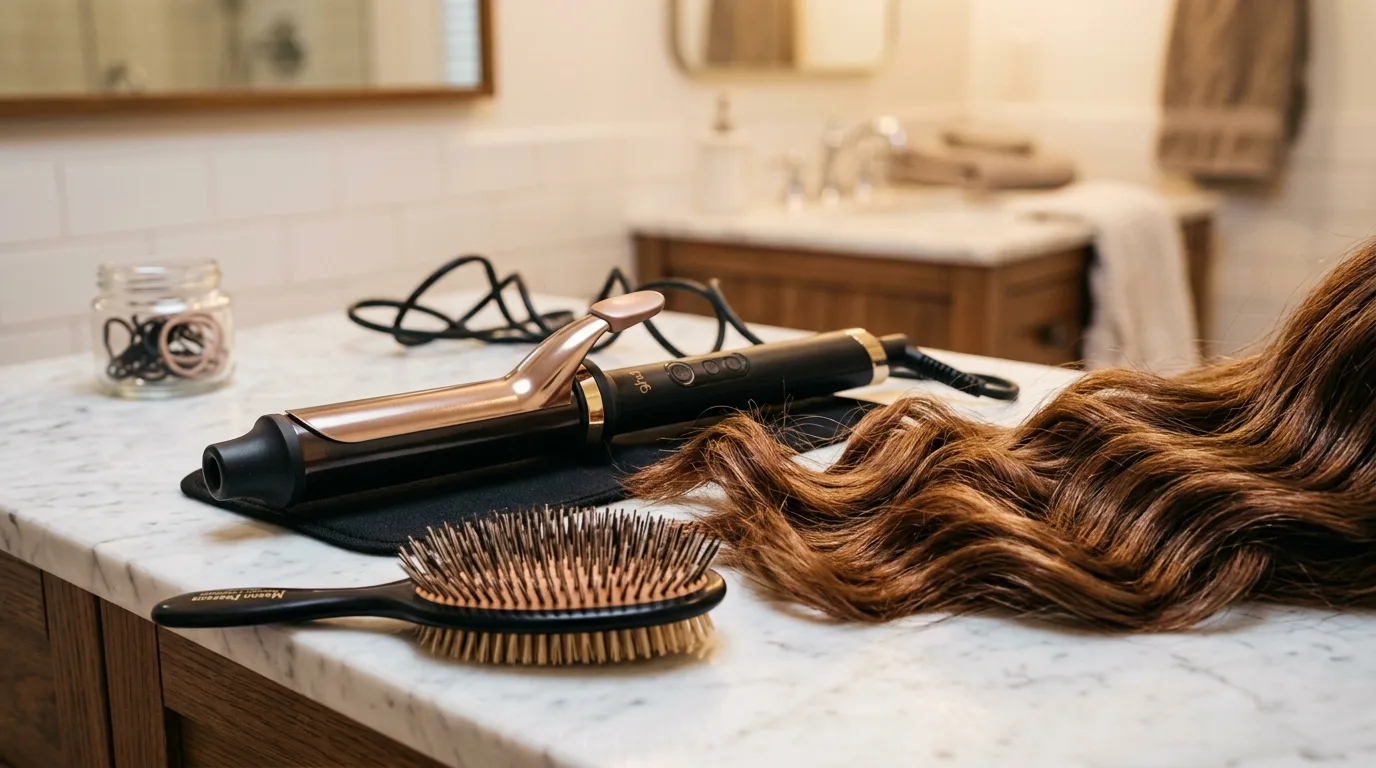
The soft S-wave is the default styling for this length and there is a specific way to get it.
Use the widest barrel you can hold comfortably. Small barrels produce ringlets, which is a completely different look.
Wrap sections loosely rather than tightly. Then alternate the direction of every other section, away from the face and toward it, because uniform curls read as set rather than natural.
Now the step people skip. Brush the whole thing out once it has cooled. That is what turns curls into waves.
Medium haircut styles for women photograph best like this, which is exactly why every gallery looks the same.
11. Piece-y Texture Instead of Smooth Curls
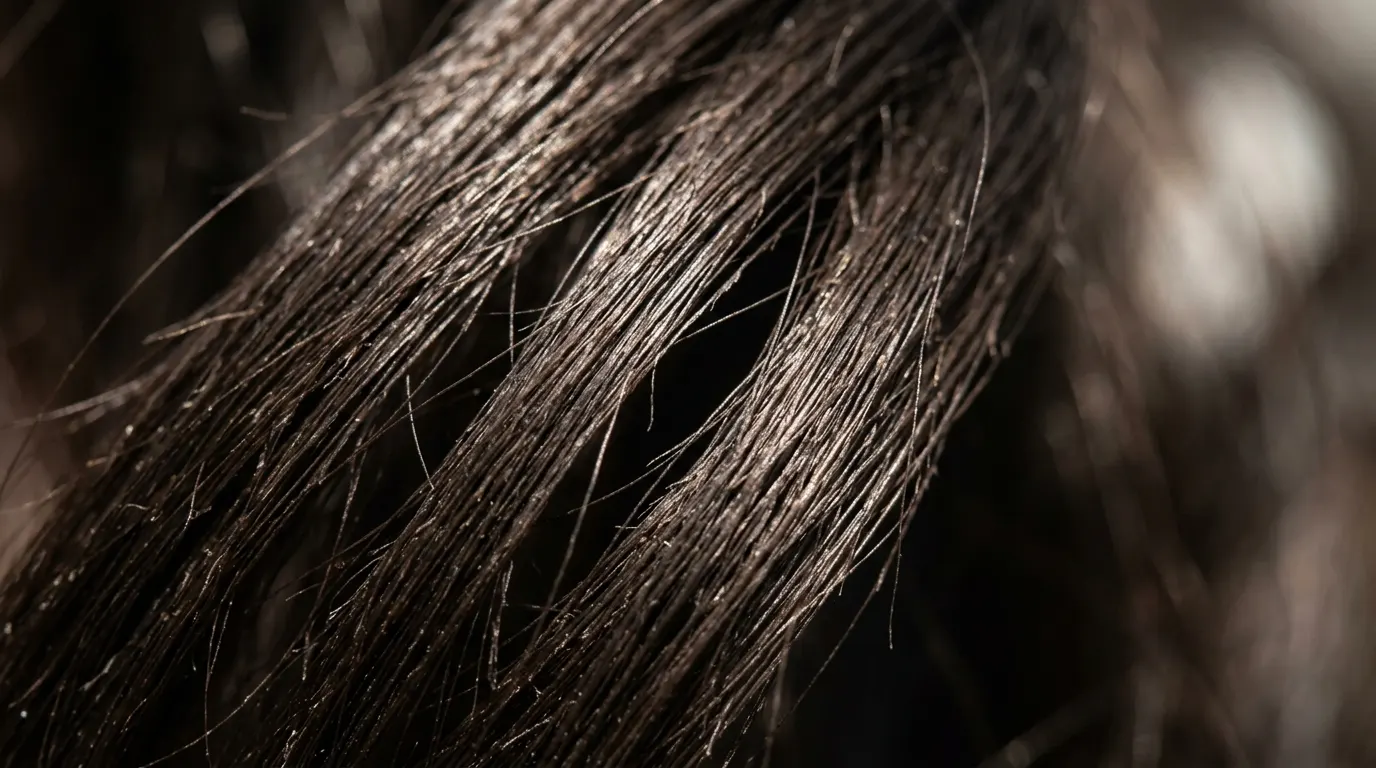
Want separation rather than polish? The technique changes.
Blow the hair out first for body, then work in sections. Twist each section along its length before it goes around the iron, which stops it curling into a smooth cylinder and gives you that broken up finish instead.
Mist each piece with hairspray as it drops rather than at the end. Setting them individually keeps them apart.
Dry texture spray at the roots finishes it.
The mistake is brushing afterward. Do not. This look only survives if the pieces stay separate, and one pass with a brush merges everything into a single soft mass.
12. The No-Heat Routes That Actually Work
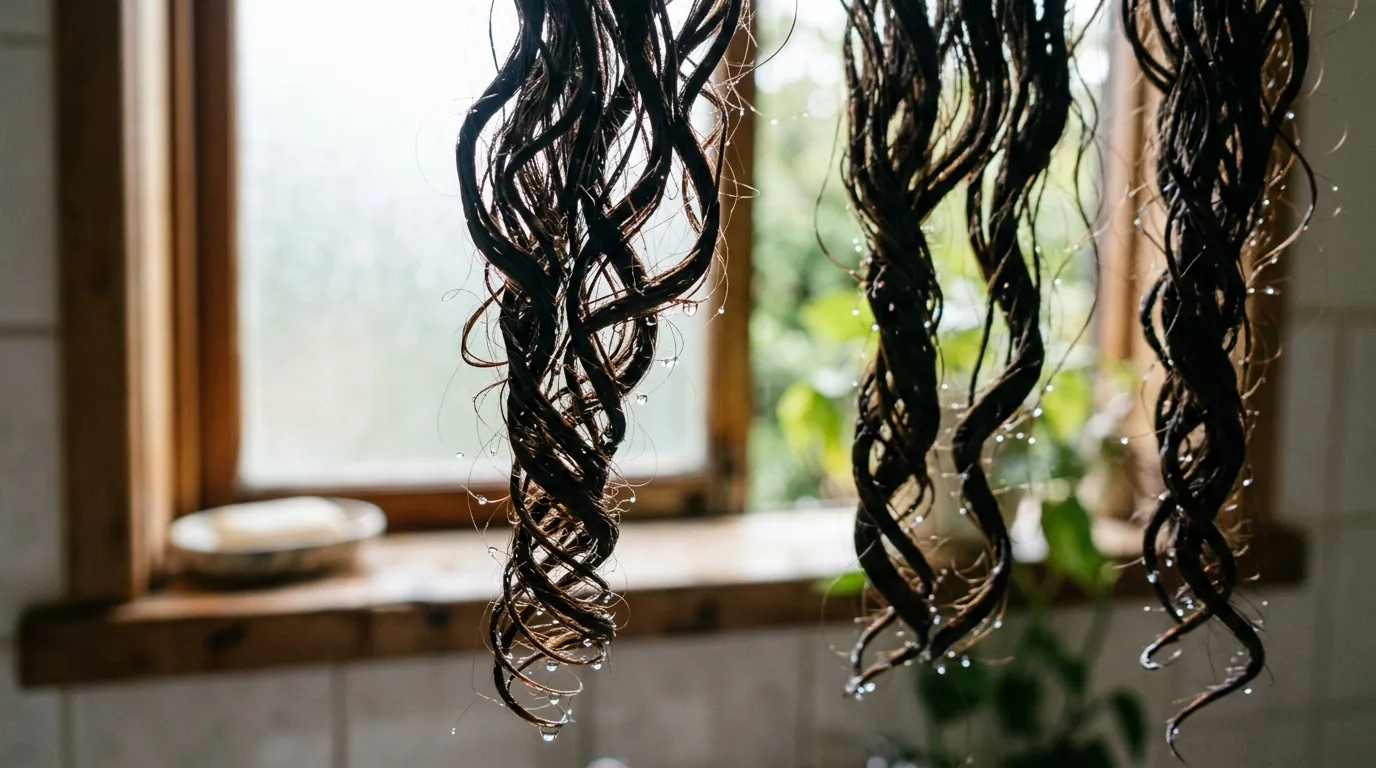
Some days the iron stays in the drawer.
For wave-prone hair, apply a mix of gel and cream to soaking wet hair, rake it through once for even coverage, then twist small subsections. Those twists tell the hair which direction to fall in as it dries, and the difference between doing this and not doing it is enormous.
Diffuse until damp, or let it air dry fully.
Then leave it alone. Never rake fingers through drying hair, because that is precisely how frizz forms.
Once it is bone dry, break the cast by squeezing sections between your palms. Squeeze, do not comb.
13. What Medium Length Cannot Do
Every length has limits and it is better to know them in advance.
A full top knot is often out of reach here. Not every strand at this length will gather, so you end up with pieces escaping at the nape no matter how tightly you pull.
Half-up top knots solve it neatly. So does a low chignon, which needs surprisingly little length to look finished.
Braiding gets easier though. Anything shorter makes a braid a struggle, and one thick braid down the back works fine on most haircuts for medium hair.
So plan formal events around a low style rather than a high one.
14. Trims, and Why Skipping Them Costs You
Six to eight weeks. That is the interval for keeping this length looking cut rather than grown out.
It sounds frequent and it feels expensive, but medium is unforgiving about it. Ends thin out and the shape blurs, and a blurred medium cut just reads as untidy long hair.
You are not losing length either. A trim removes the damaged part and the healthy part keeps growing.
Between visits, keep heat use down and stay off the highest setting on any tool.
The honest tradeoff with this length is exactly this. It looks effortless when it is fresh and rough when it is overdue, with less margin in between than either shorter or longer hair gives you.
15. Color That Does Not Trap You in Maintenance
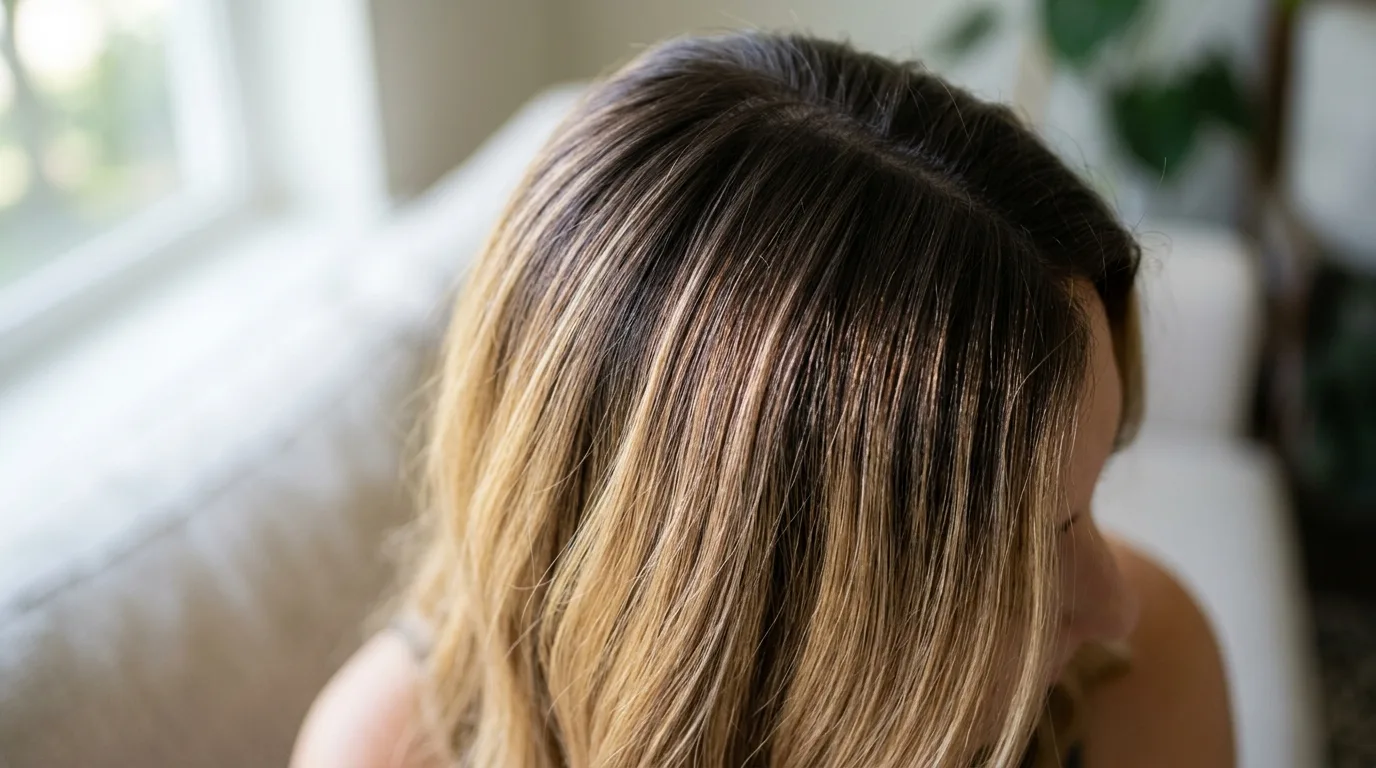
Color and cut are one decision at this length, because both grow out in view.
Deliberately dark roots blending into lighter mid-lengths is the low upkeep option. The regrowth is part of the design rather than a problem to fix, which buys you months.
Highlights add the appearance of depth and movement through layers, and on fine hair they can make a cut look thicker than it is.
Going silver or platinum? Purple shampoo once a week keeps brassiness down. Any other shade wants a color-safe shampoo instead.
Patch test any at-home dye twenty four hours before you use it, on skin, every single time. Reactions can develop even to a product you have used before.
Practical Tips Before You Book
Photograph your own hair from the back before the appointment. Most people have never seen what their length actually does back there.
Take two reference photos rather than one. Something you love and something you definitely do not, because ruling things out communicates faster than describing what you want.
Book a morning slot if you can. Stylists run behind as the day goes on, and a rushed cut at this length shows.
Wash your hair the day before rather than the morning of. Day-old hair shows its natural fall better than freshly washed hair does.
And plan the first styling attempt for a day you are not going anywhere.
Frequently Asked Questions
How do I know if medium length suits my face shape? Most faces work with it, which is why it stays popular. Rounder faces do better with length past the chin and some vertical movement near the face. Longer faces suit width around the cheekbones, which bangs or face framing provide. Squarer jawlines soften with any shape that is not cut straight at jaw level.
How long does it take to grow from short to medium? Hair averages around half an inch a month, so a chin length bob usually reaches collarbone somewhere in the region of eight months to a year. The awkward middle stretch is real. Regular shaping trims during the grow-out feel counterintuitive but keep the shape wearable while it happens.
Does medium length work with glasses? Very well, provided nothing sits at exactly frame height. Face framing that starts above the frames competes with them visually. Starting the shortest pieces at cheekbone level or below keeps both readable. Heavy bangs plus heavy frames is the combination to think twice about.
Should my hair be cut wet or dry? Depends entirely on texture. Straight hair is usually cut wet for precision. Wavy and curly hair benefits from dry cutting or at least a dry check at the end, since spring-up changes where everything lands. Ask which approach your stylist uses before booking if your hair has any wave to it.
What do I do if I hate it when I get home? Wait three washes before deciding anything. Salon styling exaggerates a cut and your hair needs to settle into its own fall. If you still dislike it after that, most salons will adjust within a couple of weeks at no charge, so call rather than living with it. Length cannot come back, but shape can be softened.
Booking the Cut With a Plan
Work out your density and your realistic styling time before you sit down. Those two answers narrow the options faster than any gallery will.
Then pick the length landmark, name the cowlicks, and say the honest number of minutes you will spend in the morning.
The haircuts for medium hair that people keep going back to are never the most complicated ones. They are the ones matched to the hair actually growing out of that head.
Everything else is styling, and styling can change tomorrow.
Related reads: The Best Short Haircuts for Fine Thin Hair to Boost Volume, The Definitive Guide to Finding a Haircut for Fine Thin Hair and Diamond Face Shape Haircut Options That Balance Sharp Features.