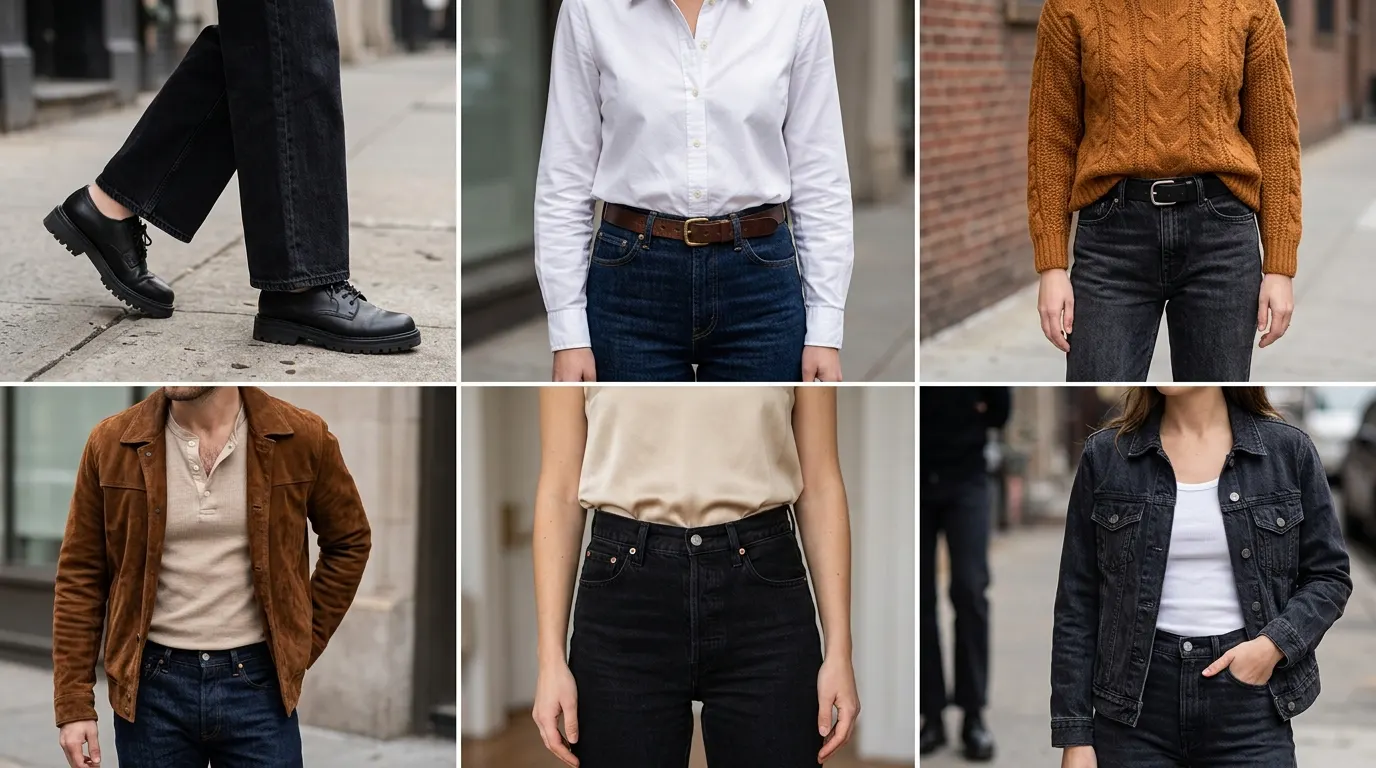


The summons arrives and says something useless like dress appropriately. No detail. No examples.
So you stand in front of your closet the night before with no idea whether jeans will get you sent home or whether a suit makes you look like you are trying too hard.
Both worries are reasonable. A jury duty outfit for women has to clear an actual dress code, survive hours of sitting on hard seating, and not draw any attention to itself. That is three different jobs from one outfit, and most guides only cover the first.
Why This Is Harder Than Dressing for an Interview
An interview lasts an hour. Jury service can run a full day, sometimes twelve hours between arriving and leaving, and you spend nearly all of it seated.
That changes the calculation completely. The waistband that feels fine standing at your mirror will dig in by the fourth hour. The shoes you wore to a wedding are not the shoes for walking corridors and standing repeatedly for the Pledge of Allegiance.
There is also a psychological layer nobody warns you about. You are making decisions that matter to strangers, and looking pulled together helps you feel steady while doing it.
So the target is respectful, comfortable, and completely forgettable.
1. Check Your Own Court’s Rules Before Anything Else
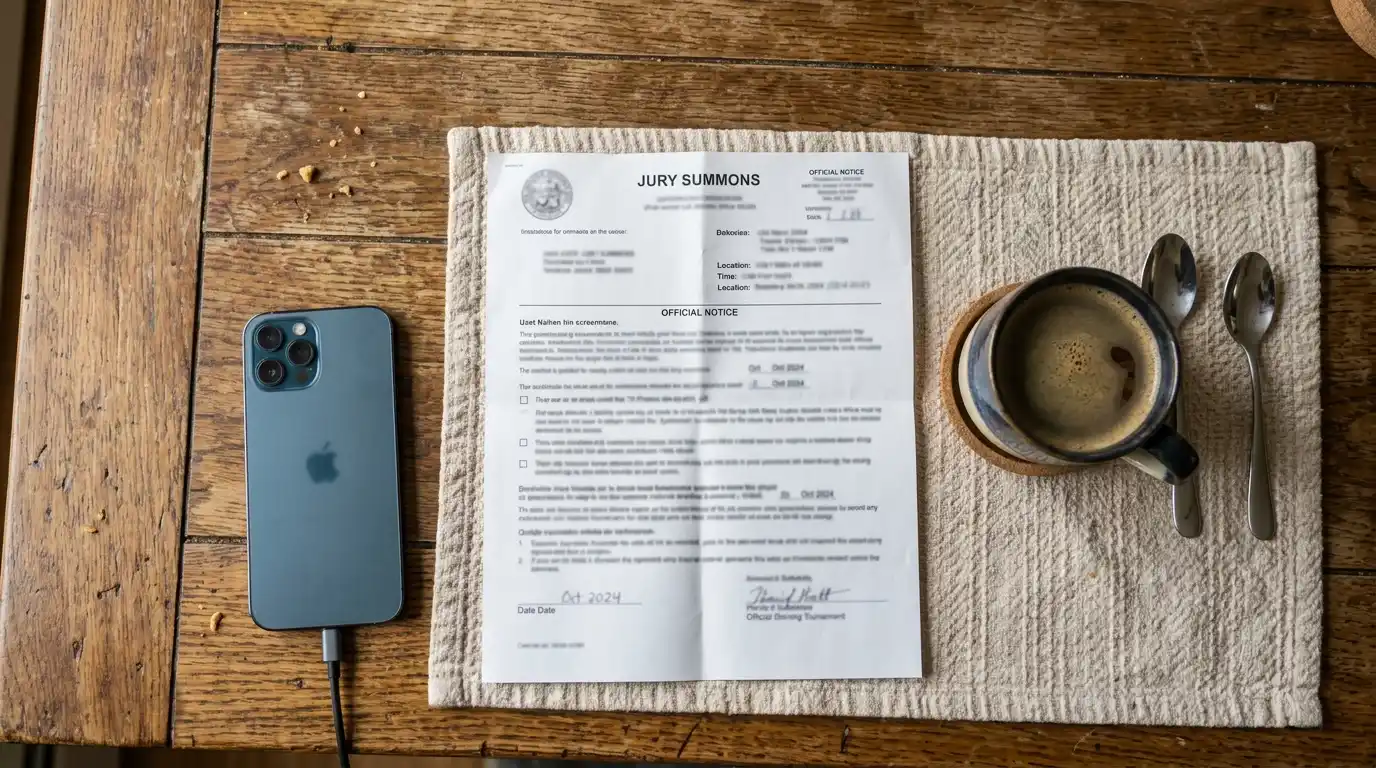
Rules vary by court and the differences are real, so start with the website printed on your summons.
Federal courts hold the strictest expectations. State and county courts run more relaxed, though they still expect you to look presentable.
The published wording gives you the actual limits. Maryland’s courts tell jurors to skip jeans, t-shirts, shorts, gym clothes, tank tops and half shirts. Cook County, which covers Chicago, asks for comfortable but proper dress and specifically rules out shorts, mini skirts, tank tops and halters. Nashville simply asks for neat and clean clothing suitable for a professional setting.
Five minutes on that page saves you the whole guessing exercise.
2. Business Casual for Jury Duty Is the Safe Baseline
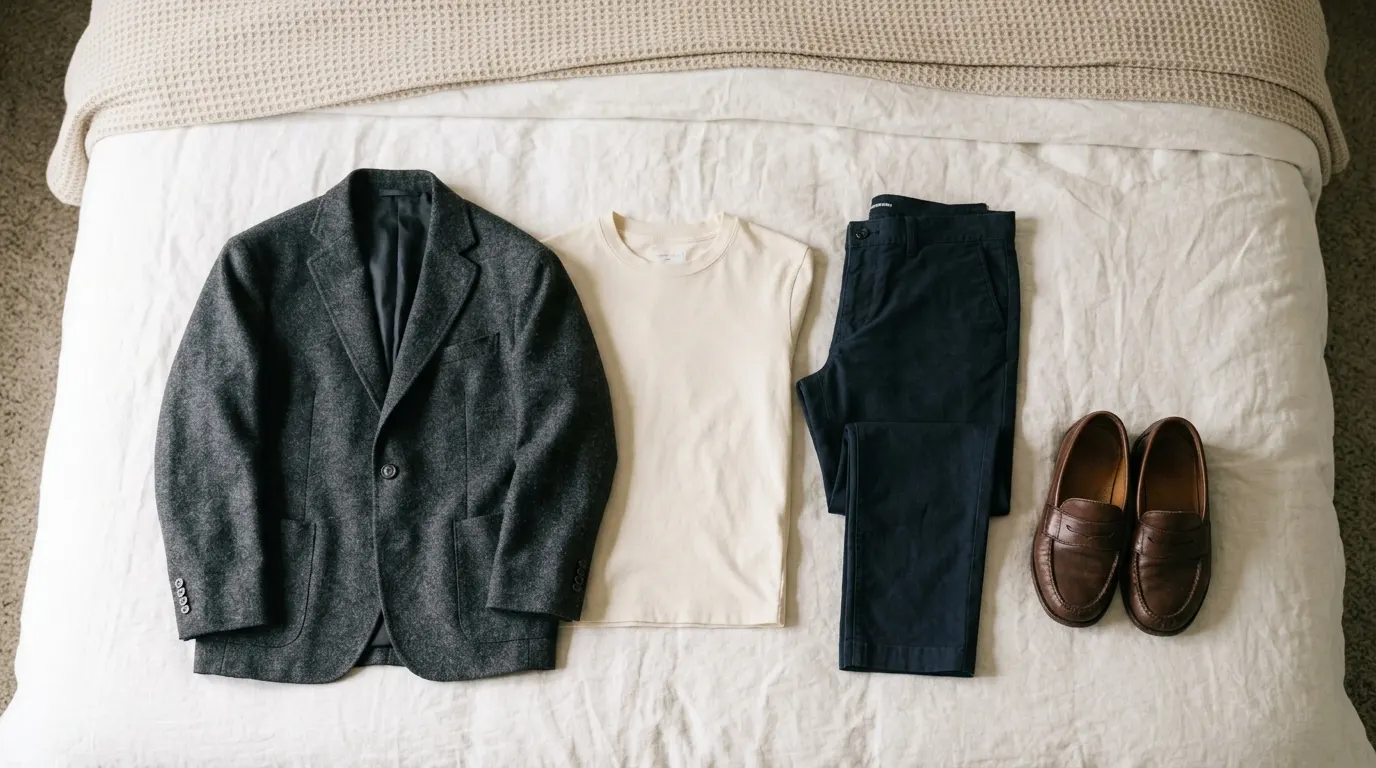
Across nearly all US courthouses, business casual is the expectation. That is the level to aim for when you have no other information.
In practice it means a blazer or cardigan over something plain, dress pants or a knee length skirt, and closed shoes. Nothing more complicated than that.
A useful formula: pantsuit, plain top, low heels or loafers, stud earrings. It works in every courtroom in the country.
You will never be turned away for being slightly overdressed. You can be sent home for the opposite, which makes the risk one sided.
Where this fails is if you own nothing structured at all. Then borrow a blazer rather than improvising.
3. Appropriate Attire for Jury Duty Starts at the Shoulders
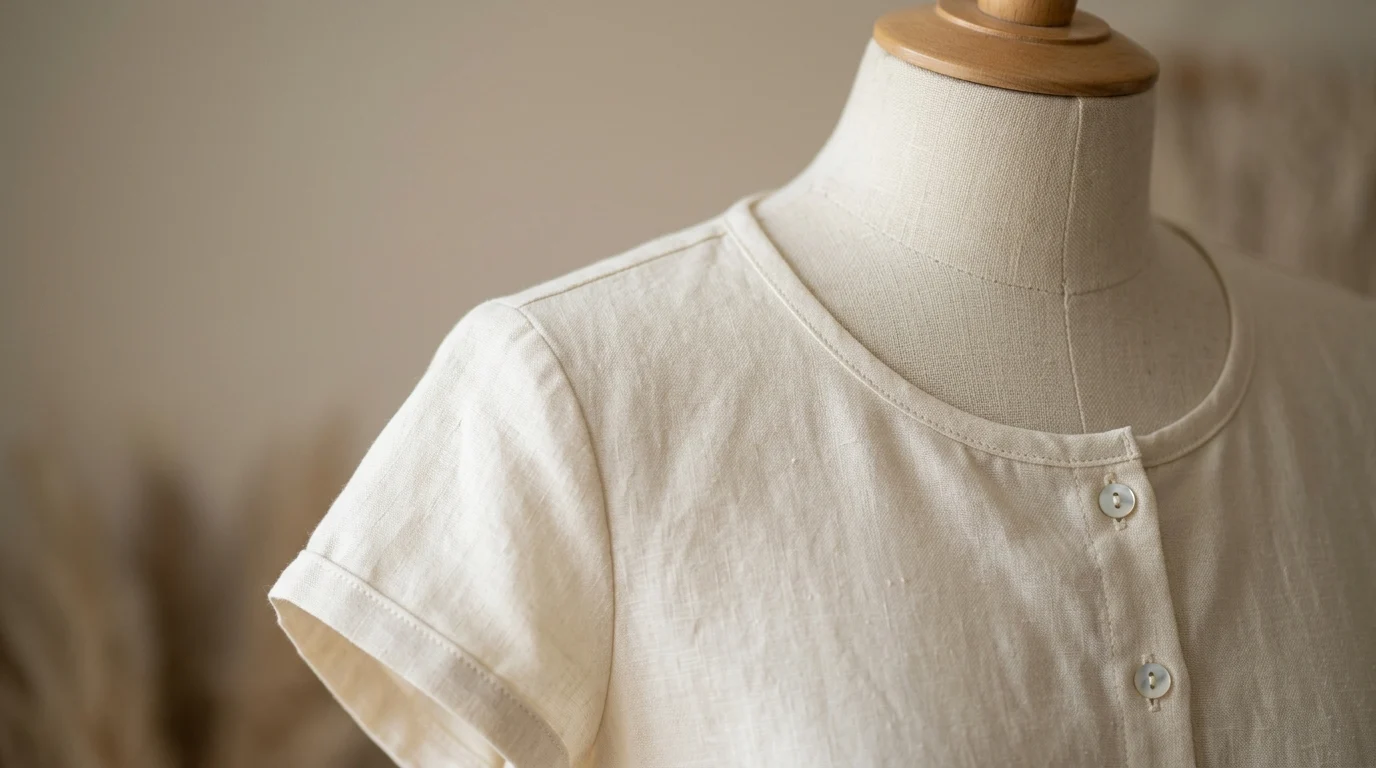
If one rule matters more than the rest, this is it. Shoulders stay covered.
Tank tops, halters and sleeveless shells all fall outside what courts accept, and this catches people out because the top itself can be expensive, well cut and otherwise conservative. The cut is the problem, not the quality.
Choose tops with at least a short sleeve. Necklines should sit high enough that nothing shifts when you lean forward to hear a witness.
A sheath or A line dress that covers shoulders and chest without restricting movement handles this in one piece.
The fix if you have already left the house is a cardigan in your bag, which is worth carrying anyway.
4. Hemlines Are Measured Sitting Down, Not Standing
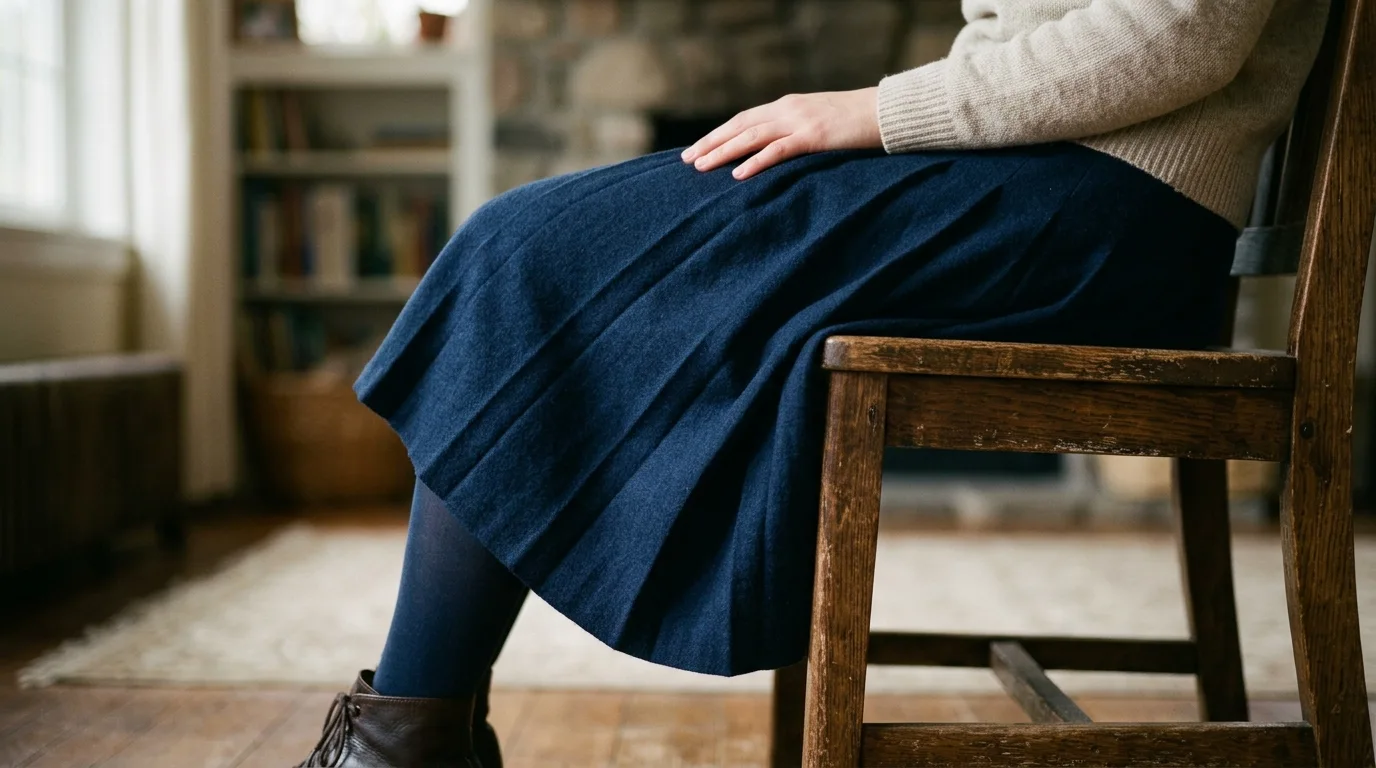
Here is the check almost nobody does. Sit down in the outfit before you commit to it.
A skirt that reads modest in the mirror can ride several inches up the thigh once you are in a chair, and you will be in that chair for hours with people in front of and below you.
Knee length is the shortest that works, and longer is easier. Anything above that starts feeling wrong in a room where you are the one passing judgment.
Test it on a hard dining chair rather than a sofa. Courtroom seating has no give, and that changes how fabric sits.
Wide leg or straight cut trousers avoid the question entirely.
5. Waistbands Are the Detail That Ruins the Day
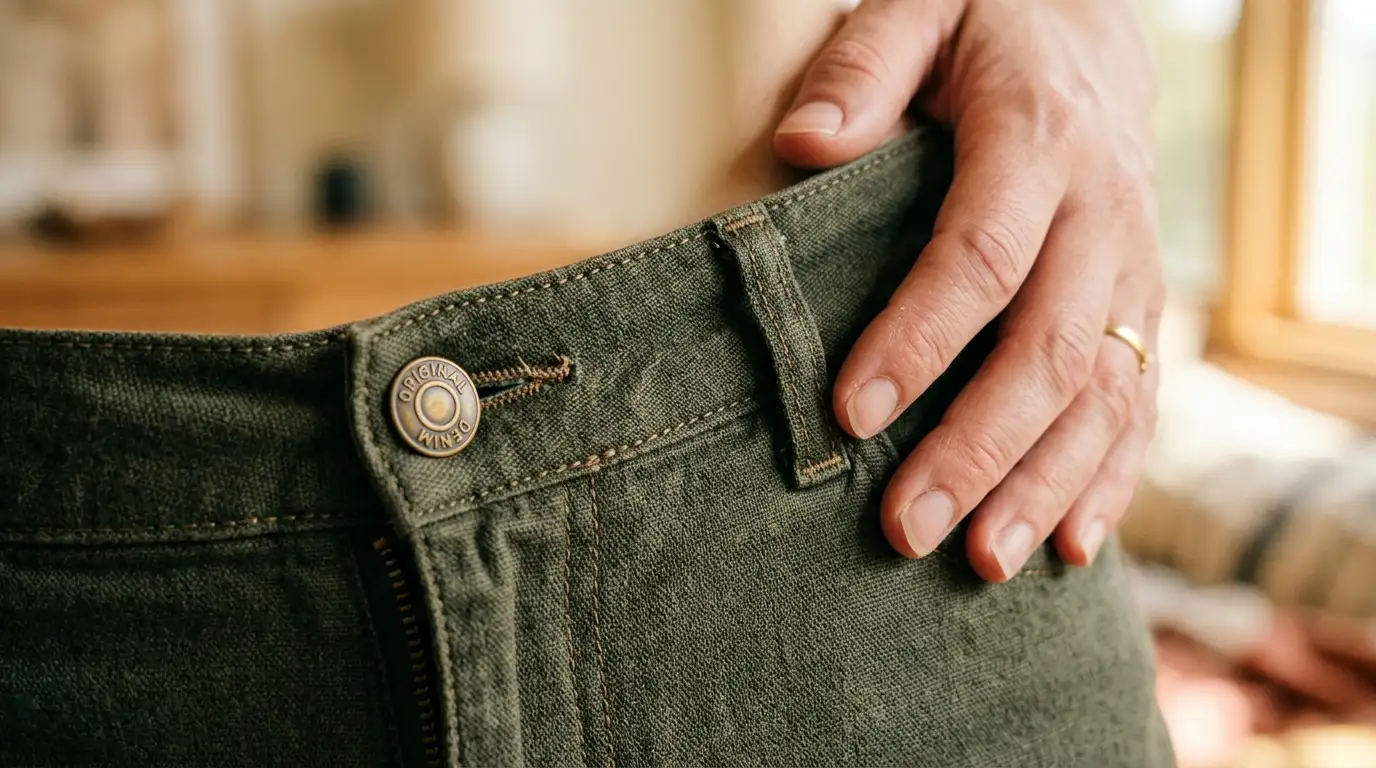
Nothing tight at the waist. That is the single most repeated piece of advice from people who have actually served.
A seated day puts constant pressure on that band. What feels fine at eight in the morning is genuinely uncomfortable by two in the afternoon, and you will fidget, which draws exactly the attention you are avoiding.
Straight leg trousers with a mid rise handle it best. Elastic waists hidden under a blazer are legitimate here and nobody can tell.
Skip anything you last wore standing all evening. That test proves nothing about sitting.
Also check your cardigan for bulk. Thick knits bunch at the waist once you sit, which is uncomfortable and looks untidy from the front.
6. Shoes You Have Already Broken In
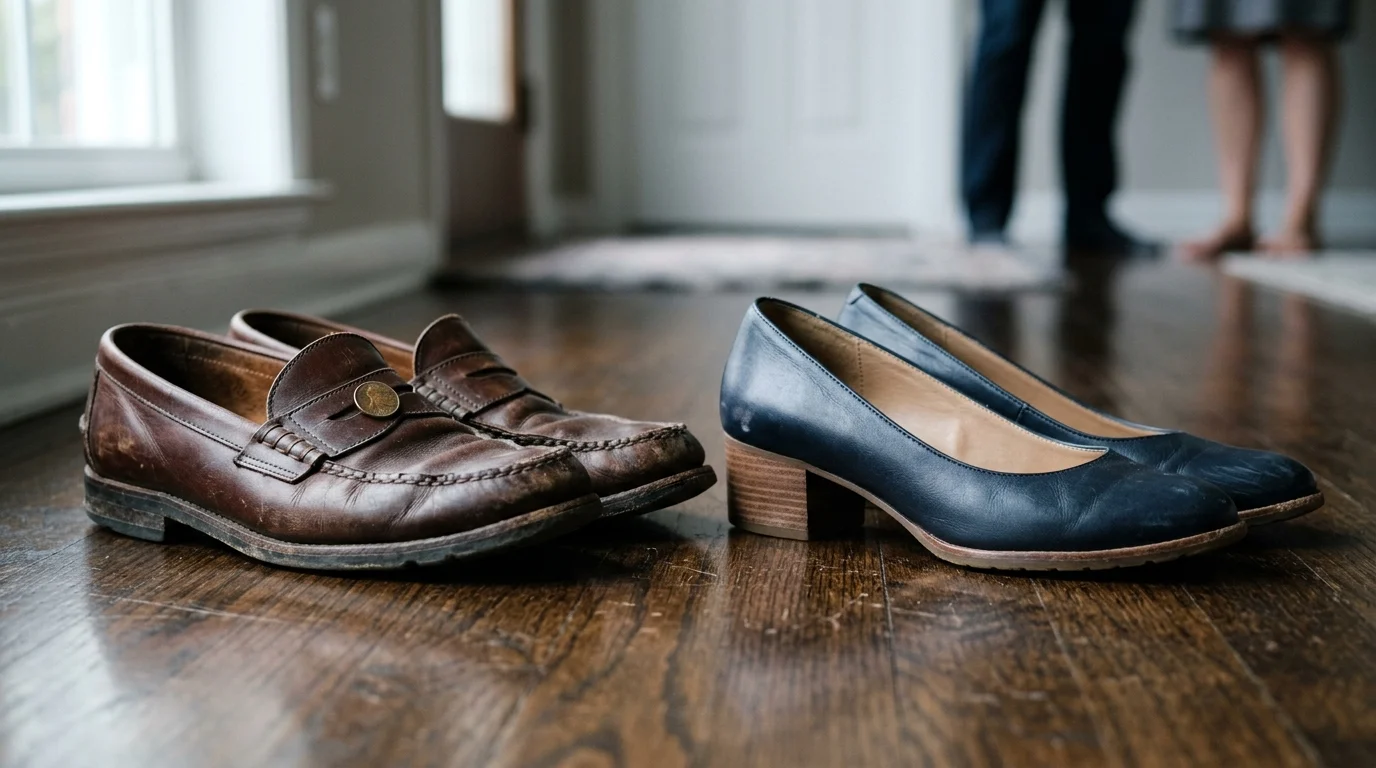
New shoes are the classic mistake. Courthouses involve hard floors, security lines, corridors and standing up repeatedly.
Loafers, broken in flats or dress shoes you have worn several times are the right category. Ballet flats work too.
Skip stilettos entirely. Hard floors plus repeated standing plus a full day is a bad combination, and heels that click announce your arrival every time you enter.
If you want height, a low block heel beats a flat, as long as it does not echo when you walk.
Athletic sneakers and sandals sit outside what courts consider proper dress, so those are out even though they are comfortable. Closed toe is the requirement.
7. Layers for a Courtroom That Runs Cold
Courthouses are air conditioned to a temperature nobody chose, and the jury box is often the coldest seat in the room.
Bring a blazer or cardigan even if the morning outside feels mild. Put it in your bag rather than deciding at the door.
This also solves a second problem at once. A structured coat over a casual base lifts the whole outfit to courtroom standard, so the layer that keeps you warm is the same layer that makes you look appropriate.
Seasonal fabric matters too. A scarf or tights gives you another adjustment point without changing the whole outfit.
Socks are worth thinking about. Breathable ones, and nothing that pinches or constricts.
8. Silence Everything You Wear
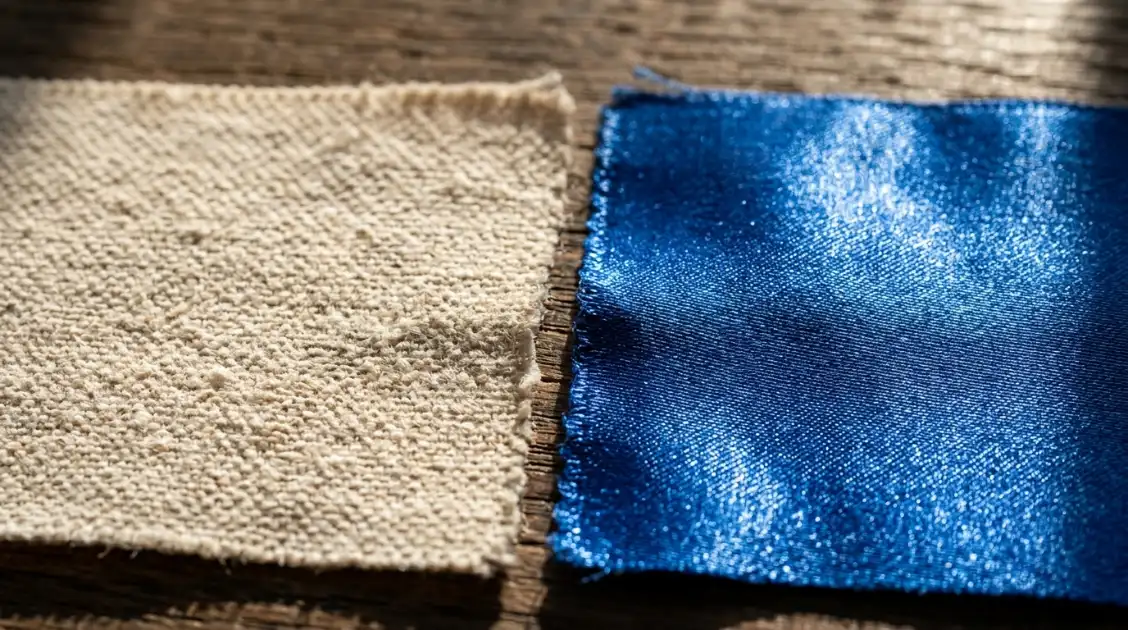
This one surprises people. Anything that makes noise when you move is a problem in a quiet room.
Silk blouses that rustle with every shift of position are the common culprit, and once you notice it you cannot stop noticing it. So does a bracelet stack, a heavy bag with hardware, and shoes that tap.
Test it at home by moving normally in front of a mirror for a minute. If you can hear the outfit, so can the court reporter.
Cotton, ponte and jersey are all quiet. Taffeta and stiff synthetics are not.
Metal is worth minimising for another reason too. Everything goes through a security screening, and fewer metal items means less time being wanded at every break.
9. Colors That Do the Job Without Being Noticed
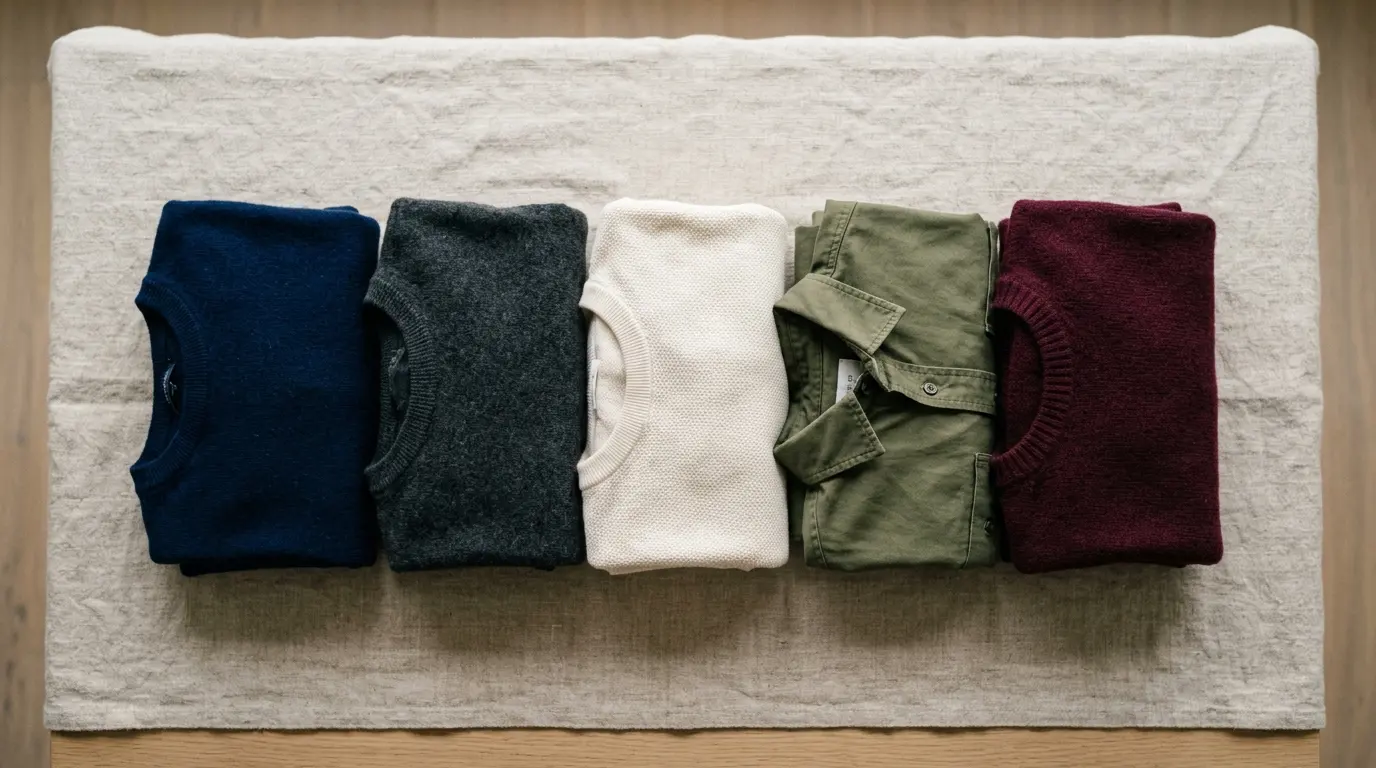
Neutral is the working principle, but neutral does not have to mean severe.
Navy, charcoal, black and khaki are the reliable base. Cream, soft blush, olive and burgundy all read as professional without feeling funereal.
Patterns are allowed if they stay quiet. A subtle stripe or a neutral check adds texture without pulling focus. Bold prints do the opposite.
Skip anything with graphics, logos or slogans. Visible brands can single you out during selection questioning, which is the last thing you want while lawyers are deciding who to keep.
Nail polish follows the same rule. Neutral or clear rather than anything that draws the eye to your hands.
10. Accessories Kept to the Minimum
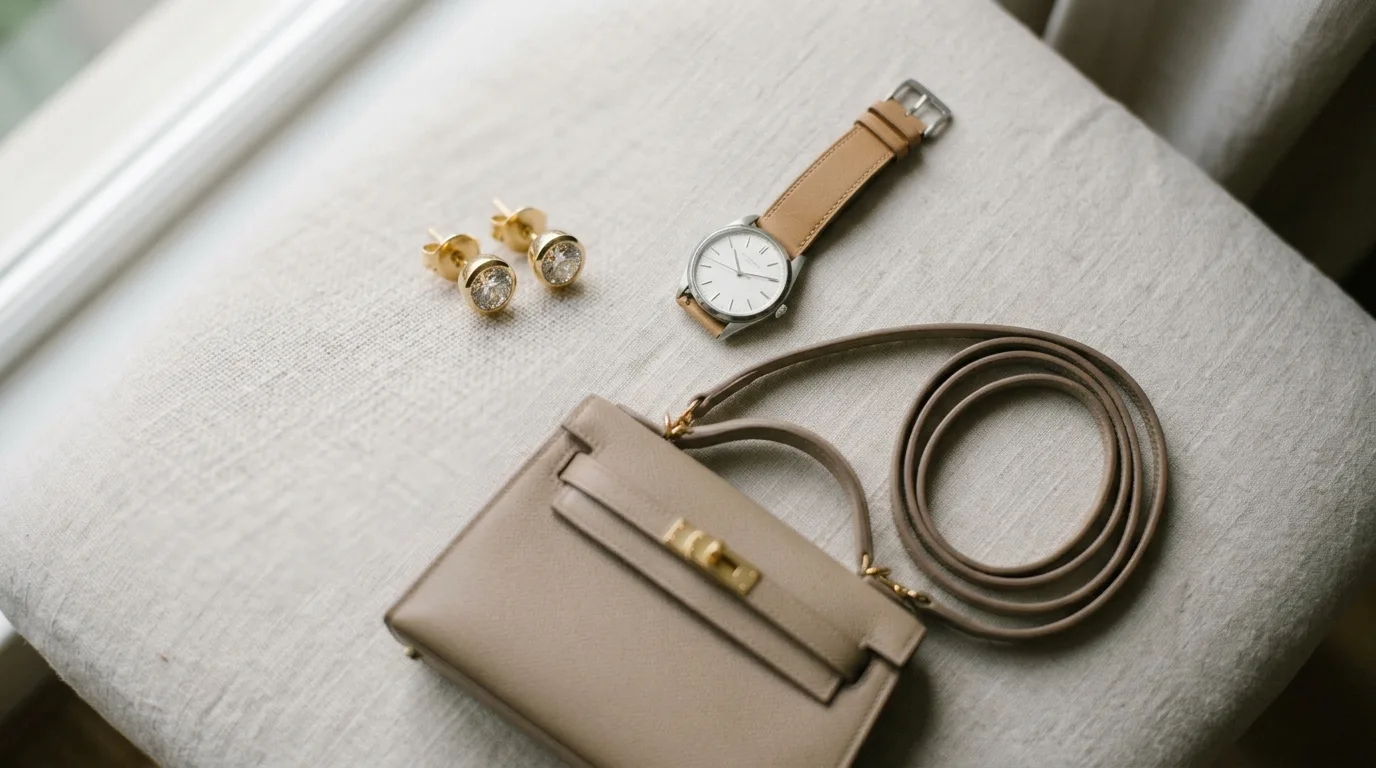
Every accessory should have a reason to be there. Anything decorative is a distraction in a room where you want to be background.
Stud earrings, a plain watch, a simple bag. That is a complete list.
One small personality piece is fine if the rest stays quiet, so a patterned clutch can work when everything else is plain. Two such pieces starts to compete.
Keep the bag itself practical. A quiet water bottle fits in most, and staying hydrated across a long seated day matters more than the bag looking sharp.
Avoid anything that could read as a statement of any kind. Political, religious or otherwise, save it for another day.
11. What Not to Wear to Jury Duty Under Any Court
Some things are out everywhere, regardless of how relaxed your local court is.
Ripped jeans. Shorts. Athletic wear. Beachwear. Flip flops. Graphic tees. Tank tops. Anything ultra short or tightly fitted.
Ordinary jeans sit in a grey area. Federal courts and some county courts prohibit them outright. In a more rural area you may get away with a dark clean pair if you pair them with a blazer or a dressier shirt, but that is a gamble on your specific courthouse.
If you want the jeans look without the risk, a black turtleneck with charcoal grey jeans reads as polished casual rather than weekend casual.
Read your summons wording before deciding.
12. About Dressing to Avoid Selection
People search for what to wear to jury duty to not get picked, so it is worth addressing honestly.
Service is a legal obligation. Deliberately trying to get out of it by dressing badly is not something I would advise, and lawyers see it constantly, so it rarely works the way people imagine.
What is true is that looking sloppy does affect how you are perceived. Attorneys and judges read appearance as a signal about how seriously you take the process.
So the honest version is this. Dress properly, answer the questions truthfully, and let selection go however it goes. That is the whole strategy.
13. Religious and Cultural Dress
Courts generally accommodate modest religious clothing without any issue, as long as it does not conflict with security screening requirements.
Head coverings, long skirts, and modest layering all fall within what is expected rather than outside it. Most courts have handled this many times before.
If you have a specific concern, contact the jury office ahead of your date rather than arriving with the question unresolved. They answer these calls routinely.
Security is the only real constraint. Anything that cannot be screened or that must stay on during a metal detector pass is worth flagging in advance so nobody is improvising at the entrance.
14. Plan It the Night Before, Fully Assembled
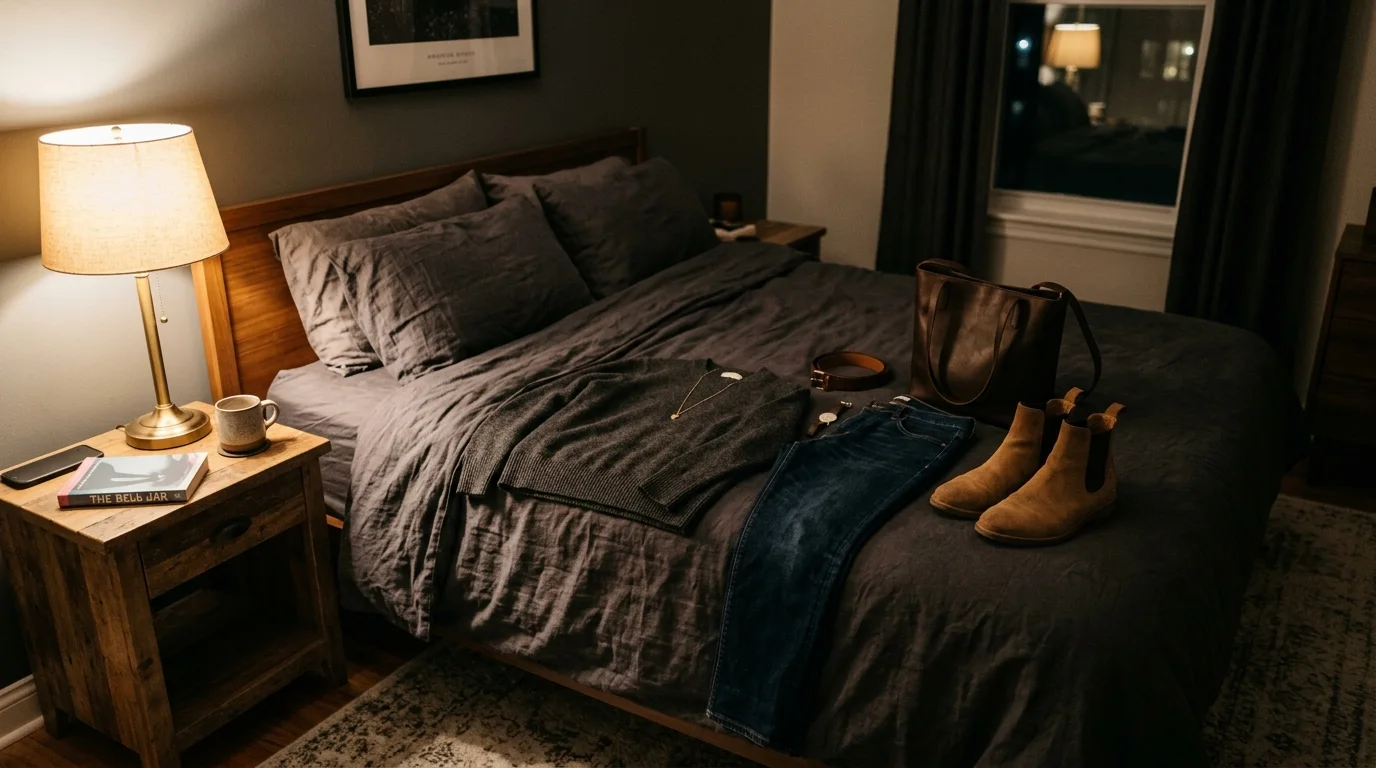
Give yourself one evening before your court date to sort this out.
Then do the full test. Put on everything including shoes, the layer, and the bag. Sit in it. Stand up. Walk the length of a room.
That fifteen minutes catches everything the mirror misses. The waistband, the hemline, the noise, the shoes rubbing, the cardigan bunching.
Lay it out for the morning once it passes. Court start times are early and unforgiving, and deciding at seven in the morning is how people end up in whatever is clean.
Check the weather too. Layers you can remove beat a single warm option.
Practical Tips for the Day Itself
Keep your metal in one bag rather than on your body. Belts, jewellery and keys all come off at screening, and you go through that line every time you return from lunch or a break.
Eat something light before sessions rather than heavy. Alertness matters more than usual when you are listening to testimony for hours.
Bring the cardigan even when you are sure you will not need it. The one time you leave it behind is the day the courtroom runs cold.
Assume nothing about timing. Some days end at lunch and some run long, so dress for the long version.
One honest downside of dressing properly. It is less comfortable than what you would choose for a long day at home, and there is no arrangement where it is not.
Frequently Asked Questions
How many days should I plan outfits for? Ask the jury office what the expected trial length is when you check in, since most summons cover one day of availability rather than a fixed run. Two interchangeable outfits built from the same neutral base will cover almost any outcome, and repeating trousers with a different top is completely normal.
What if I have a physical condition that makes standard clothing painful? Contact the jury office before your date. Courts handle accommodation requests routinely and would far rather know in advance than have someone struggling in the box. Nothing about this needs to be explained to other jurors.
Can I wear my hair up or does it matter? It does not matter. Neither does makeup, within reason. Anything that keeps hair out of your face is practical for a long day of note taking, and courts have no expectations here beyond looking tidy.
Is there a dress code for jury duty in every state? Not a single national one, no. Each court system publishes its own guidance, which is why the wording differs between the examples above. The overlap between them is large enough that business casual clears nearly all of them.
What should I carry besides the outfit? A book or notepad for the long waits, painkillers, a phone charger, and any medication you need on a schedule. Waiting rooms involve a great deal of nothing, and phones are often restricted inside the courtroom itself.
Getting It Right the First Time
Work in this order. Court website, then the layer, then the shoes, then everything else.
Do the sit down test before you commit, because that single check catches the waistband, the hemline and the noise all at once.
A good jury duty outfit for women is the one nobody in the room remembers afterward. Respectful enough that nothing about it gets noticed, comfortable enough that you can concentrate on the case rather than your clothes.
Then leave the house early. Parking is worse than you think.
Related reads: Game Day Outfit Black Women Actually Wear to the Stadium, What to Wear with Black Jeans for Sharp Daily Outfits and Red Clay Strays Concert Outfit Ideas That Last the Whole Set.