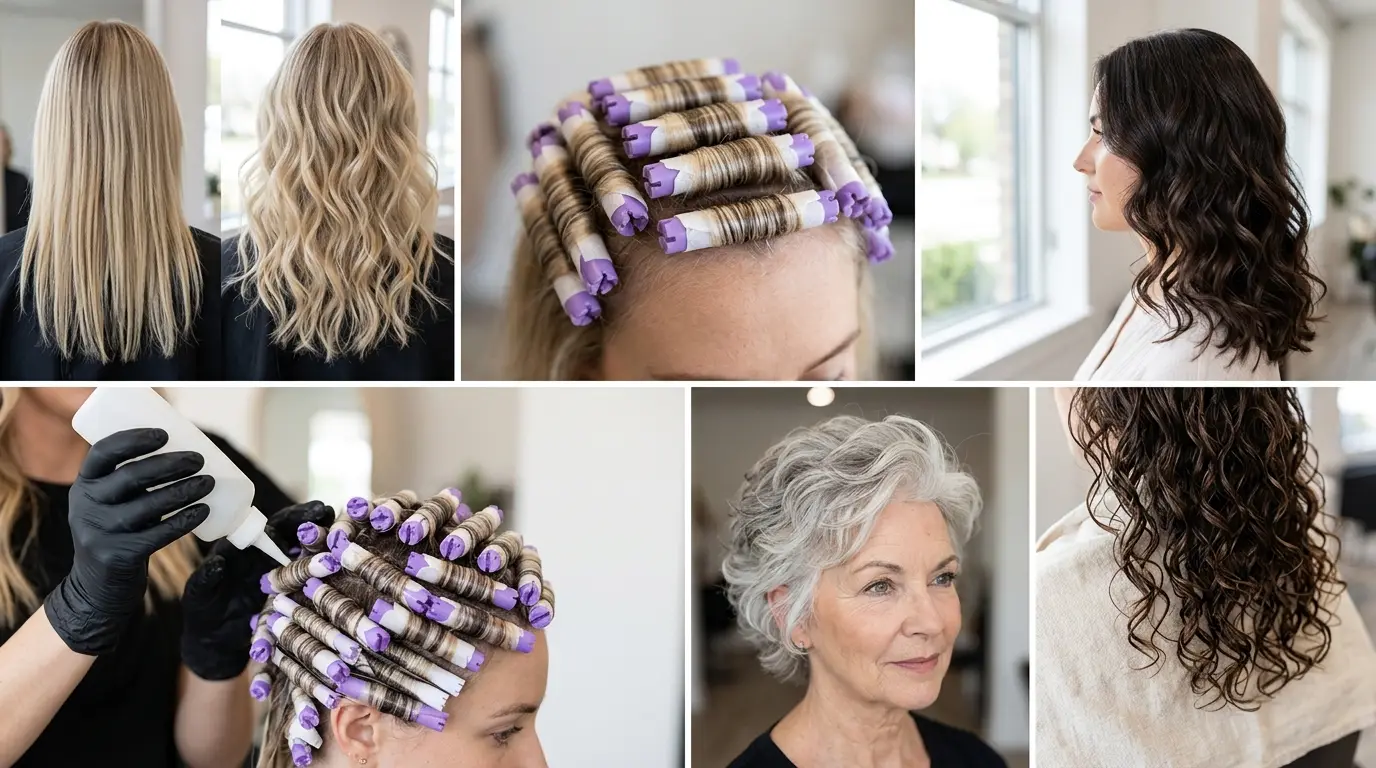

Loose wave patterns stretch flat under minimal downward tension, while tighter spirals fight to curl inward. Following a balanced wavy curly hair routine gives loose S-bends the structural lift they need without coating fine fibers in heavy butter residues.
Disclosure: This post contains affiliate links. If you purchase through them, we may earn a small commission at no extra cost to you. Always perform a patch test on a small area of skin before introducing new wash bars or styling resins to prevent contact irritation.
Equipment and Product Blueprint
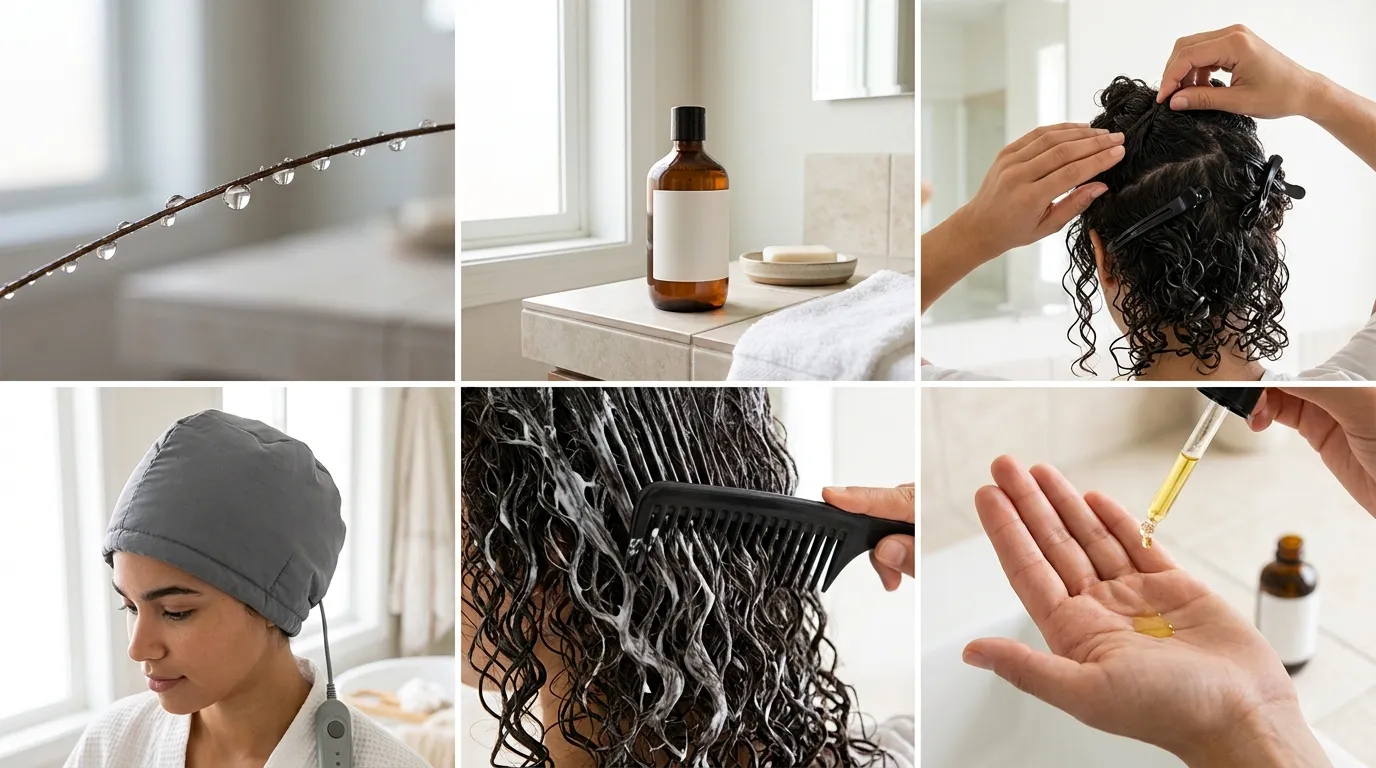
- 1 clarifying cleanser with sodium olefin sulfonate or chelating agents
- 1 lightweight rinse-out conditioner containing cetyl alcohol and marshmallow root
- 1 hard-hold styling gel formulated with PVP or polyquaternium polymers
- 1 seamless wide-tooth carbon comb
- 1 long-sleeve cotton t-shirt or smooth microfiber wrap
- 1 blow dryer equipped with a deep-bowl diffuser attachment
- 3 drops of pure squalane or jojoba oil for cast breaking
Cleanse the Scalp to Strip Mineral Drag
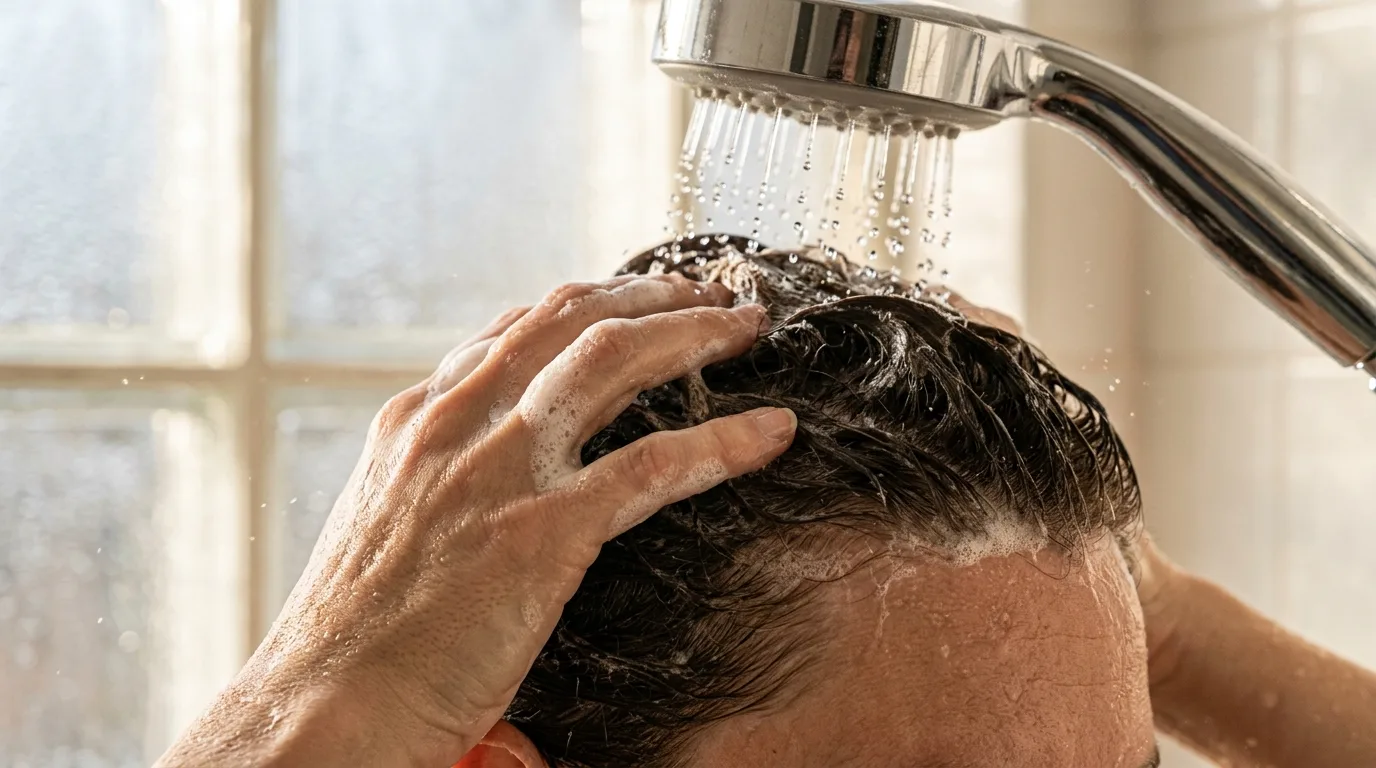
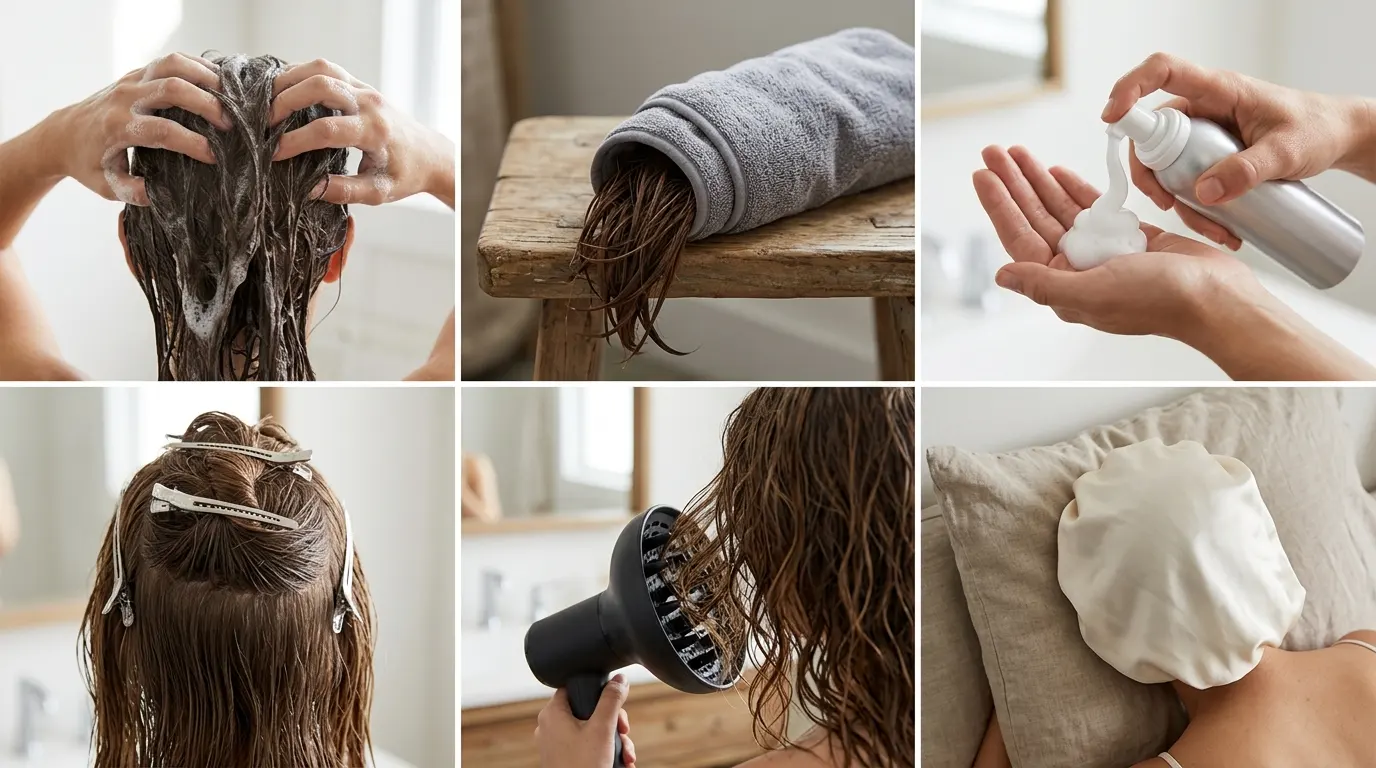
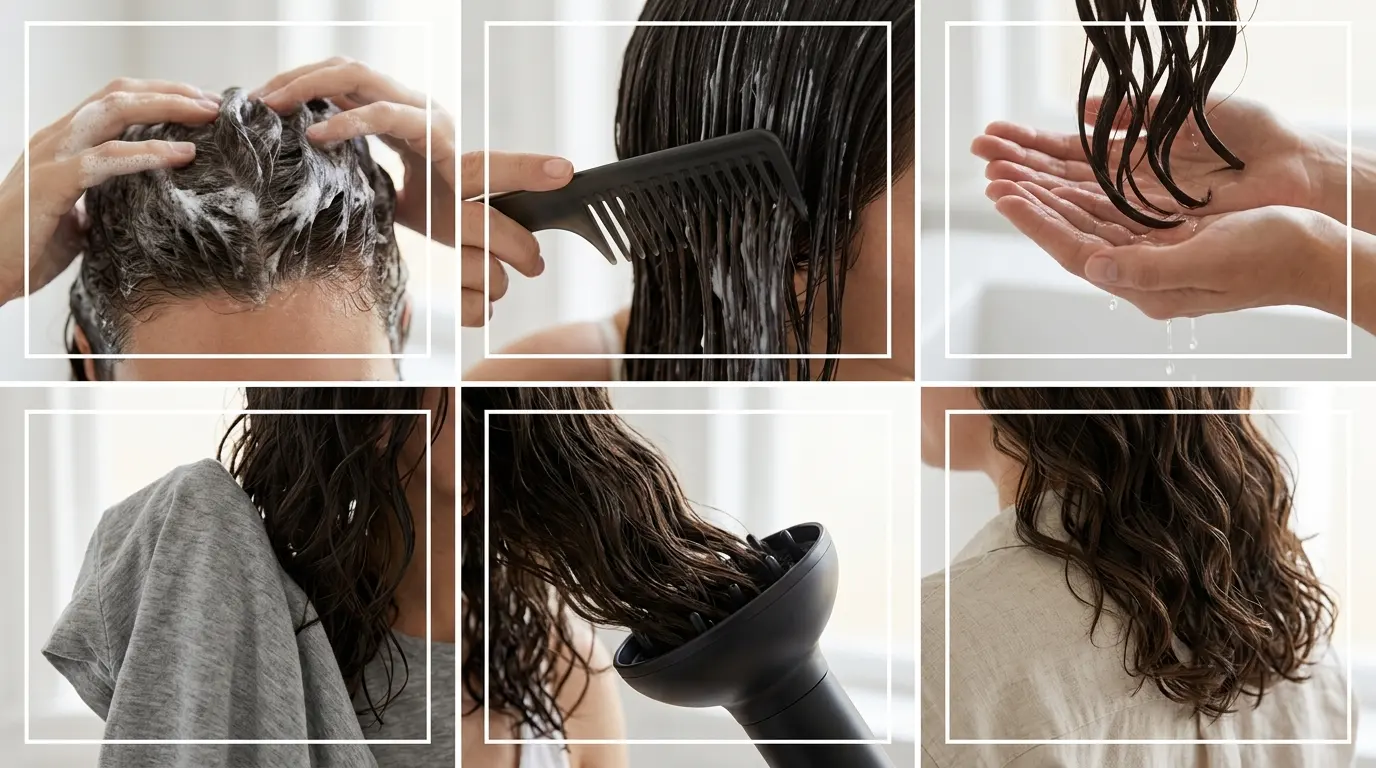
Begin by drenching strands with lukewarm water for two minutes until the scalp is completely saturated. Dispense a quarter-sized pool of clarifying shampoo into your palms and massage it vigorously into the scalp using the pads of your fingers for ninety seconds.
Loose waves collapse when product film builds up along the roots. Washing with a chelating cleanser every four to five washes removes hard water minerals and excess sebum that flatten natural wave springs.
Rinse thoroughly with lukewarm water until the scalp feels completely bare. Letting residual lather run down the mid-lengths is enough to cleanse delicate ends without drying out the cuticle.
Apply Slippery Conditioner and Comb Out Knots
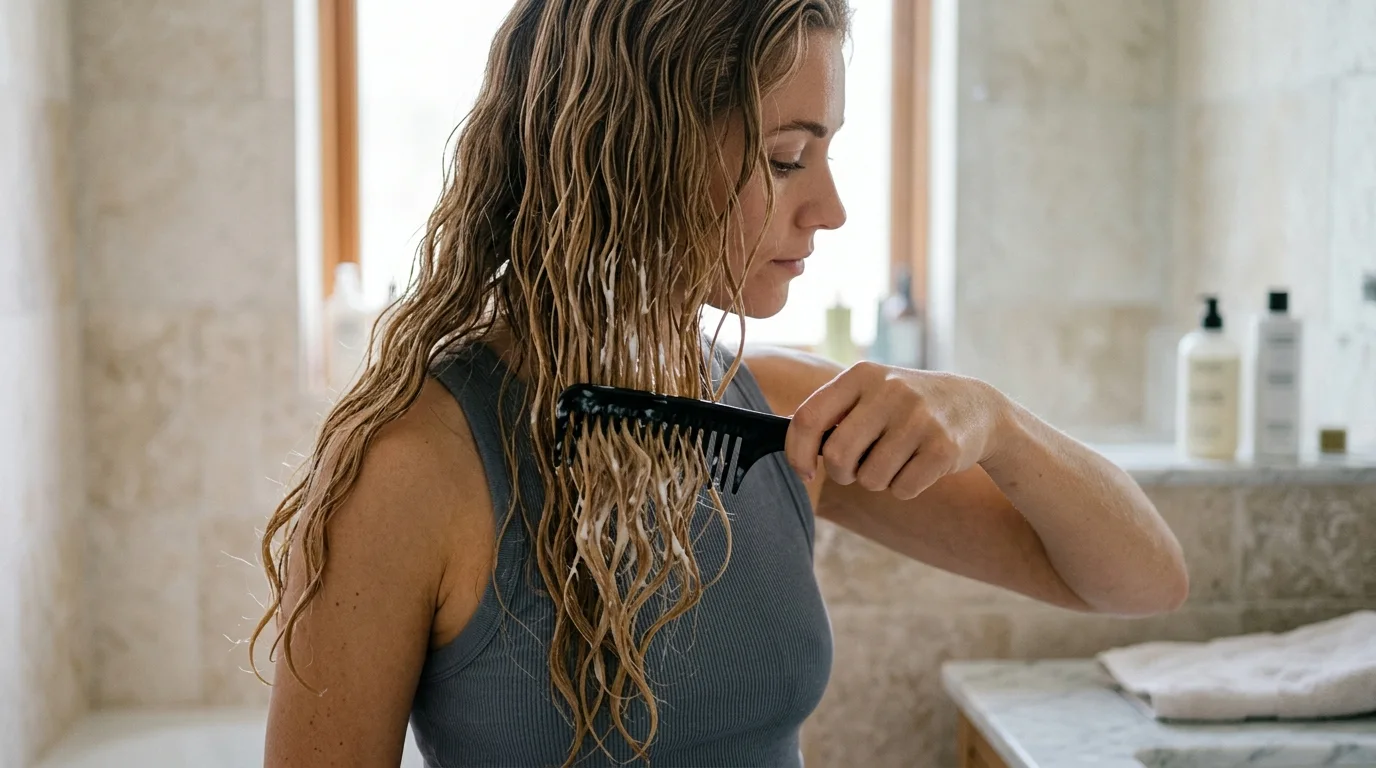
Smooth a nickel-sized dab of lightweight conditioner over the lower two-thirds of your hair, keeping the formula two inches away from the scalp seam. Coarse butters drag waves down, so look for featherweight fatty alcohols that provide surface slip without leaving grease behind.
Work a wide-tooth carbon comb through the bottom three inches of your hair first, gradually moving upward toward the ears.
Detangling wet strands saturated with conditioner prevents cuticle snapping. If your comb catches on a stubborn tangle, pause and gently work the knot apart with your fingertips instead of forcing the teeth downward.
Keep the water running on low during this phase so your hair remains dripping wet.
Squish to Condish and Form Defined Wave Clumps
Cup a small pool of warm water in your bare hands, lean forward at a forty-five-degree angle, and gather the ends of your hair into your open palms. Squeeze the hair upward toward the scalp with a firm pulsing motion until you hear a distinct squishing sound.
The wavy hair curly hair routine relies on this precise kinetic action: water pressure forces conditioner deeper into the strand while hydraulic action pushes individual hairs into thick, uniform ribbons.
Repeat this upward pulsing five to six times on the left side, then switch to the right.
Rinse out eighty percent of the conditioner by briefly dipping your head under a gentle shower stream, leaving a slick layer behind to maintain clump definition.
Glaze Hard-Hold Gel Over Dripping Wet Strands
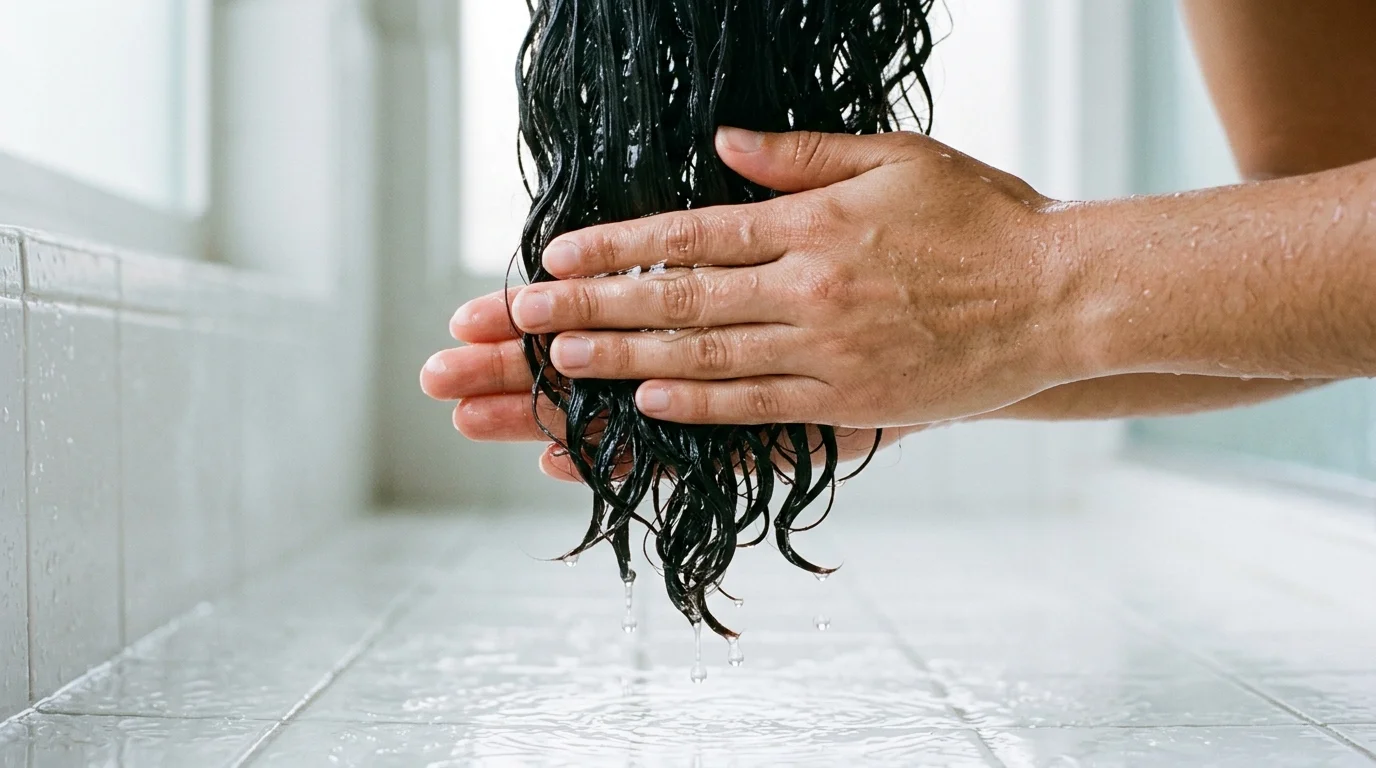
Step away from the water stream while your hair is still dripping wet. Rub a half-dollar-sized puddle of strong-hold gel between your palms until it forms a thin, transparent film across your skin.
Smooth your hands downward over the exterior surface of your hair clusters using gentle praying hands. Coating the surface without raking your fingers through prevents your freshly grouped wave ribbons from shredding into stringy strands.
Once the surface is evenly coated, cup the ends in your palms and scrunch upward toward your ears three times.
You should hear that same wet squishing noise, signaling that the styling polymers have blended with the water layer.
Micro-Plop Excess Water with a Smooth Cotton Fabric
Lay a clean cotton t-shirt flat across your open hands. Gently cup the ends of your hair in the fabric and press upward toward your scalp, squeezing firmly for three seconds before releasing.
Traditional terry cloth towels have raised loops that grab onto fine hair fibers, ripping clumps apart and generating instant halo frizz. A flat cotton weave absorbs excess moisture without disturbing the delicate polymer layer you just laid down.
Work your way around your head in four separate sections, spending no more than three minutes on the entire blotting process.
Stop blotting the moment your hair stops dripping freely and transitions to damp, defined clusters.
Secure with an Overnight Wrap for Effortless Morning Definition
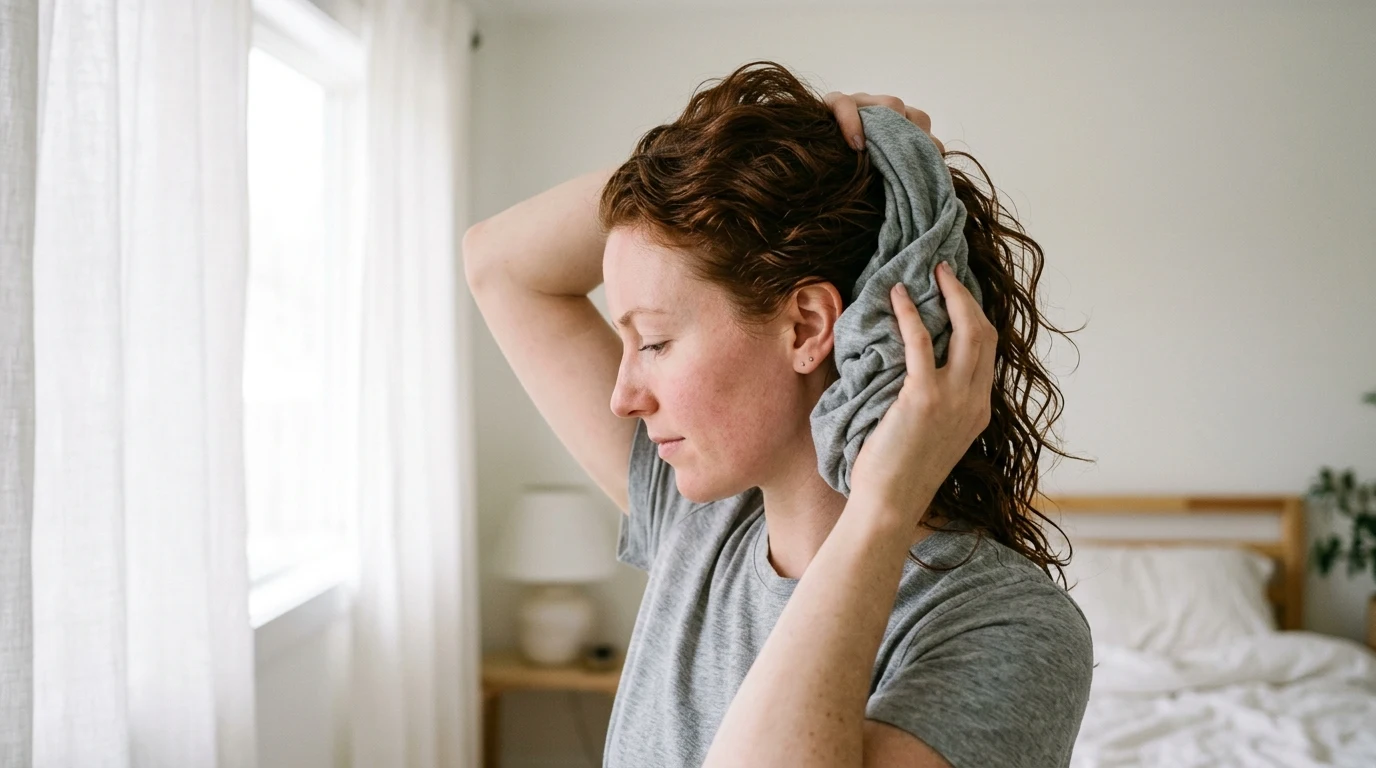
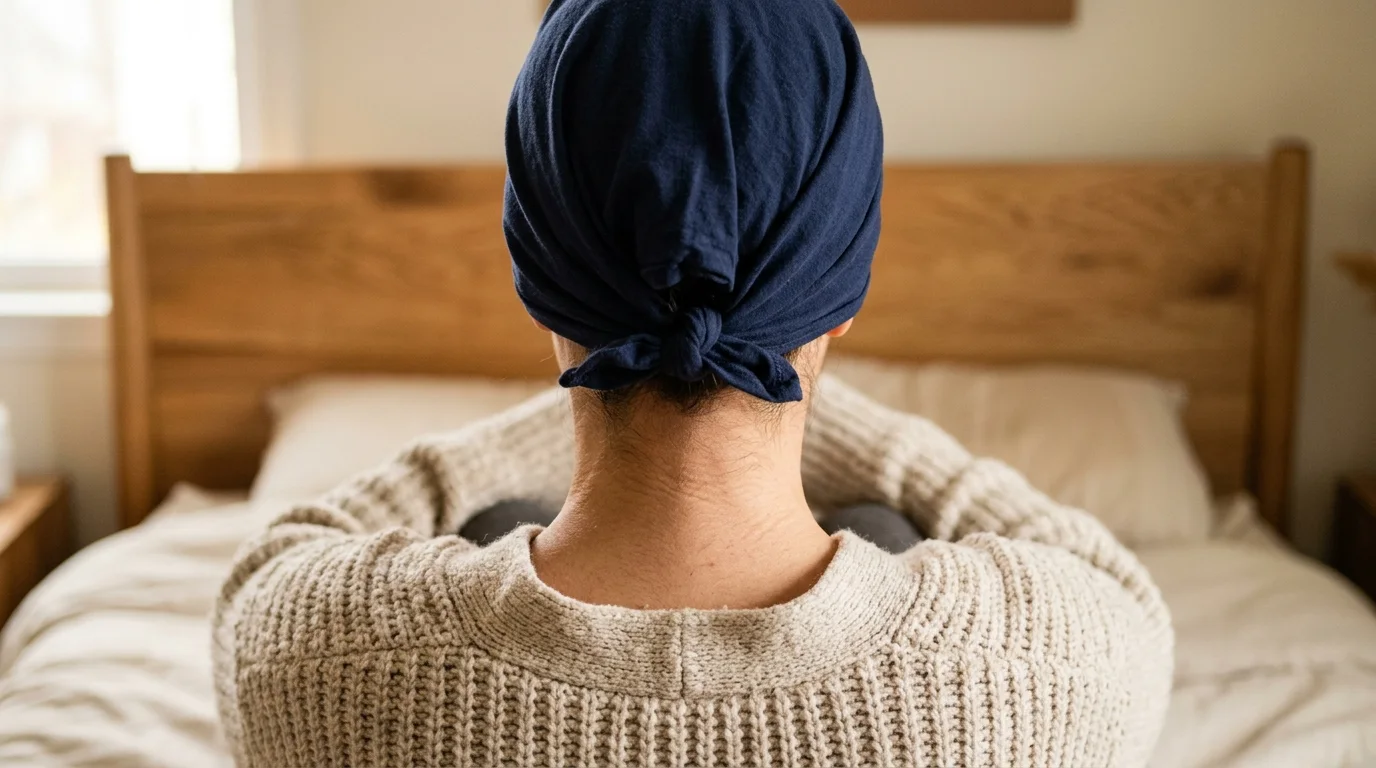
If you prefer styling before bed, lay an oversized long-sleeve cotton shirt on a flat bed with the neck hole facing you. Flip your head upside down, center your damp wave clumps onto the middle of the shirt fabric, and pull the bottom hem over the nape of your neck.
Tie the long sleeves securely across your forehead into a snug knot.
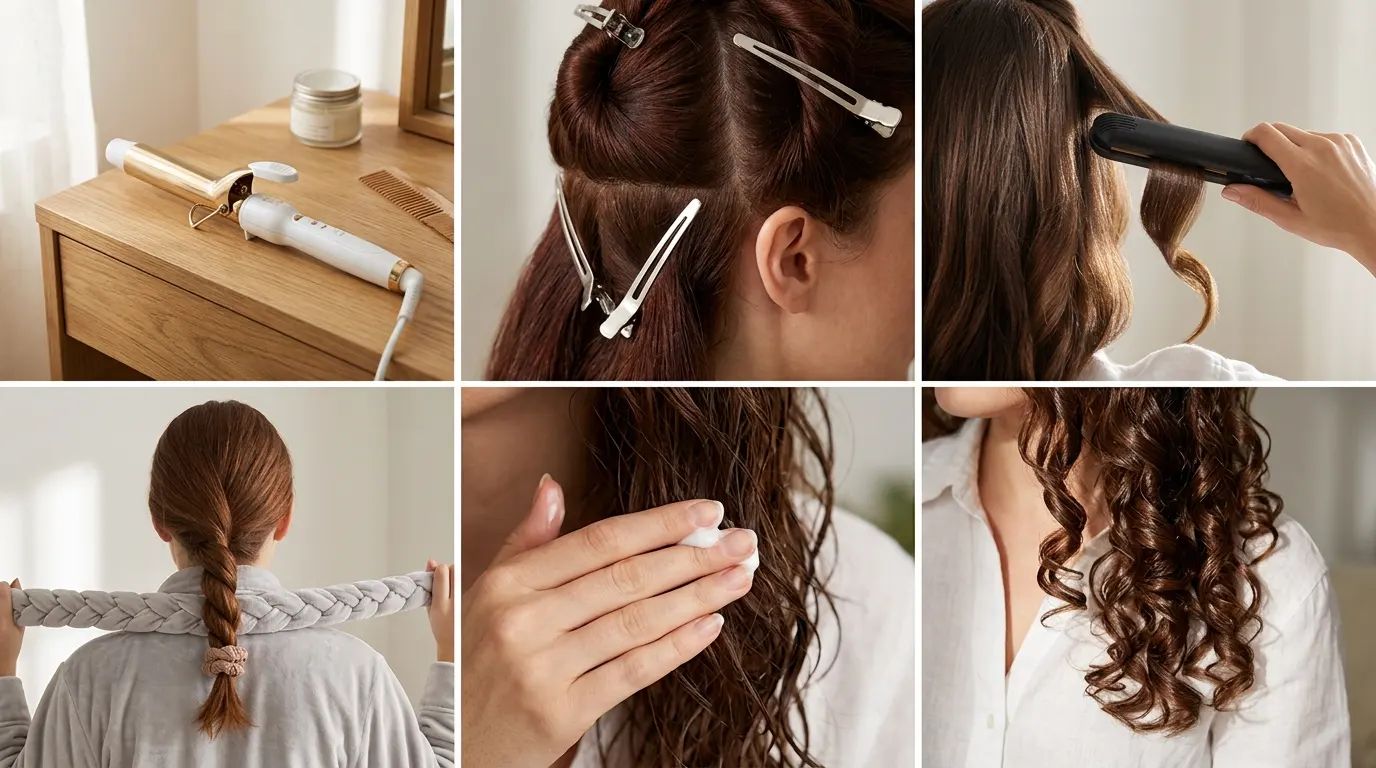
This gentle wrap provides an easy, low-effort technique for slightly wavy hair that keeps the roots lifted off the scalp while you rest.
Unwrap the shirt after twenty minutes if you plan to dry your hair immediately, or leave it in place overnight if you have thick strands that dry slowly.
Diffuse with Controlled Heat to Set the Cast
Attach a wide-bowl diffuser to your dryer and set the controls to medium heat and low airflow. Tilt your head to the right, scoop a cluster of damp waves into the bowl, and press the bowl gently against your scalp.
Hold the dryer completely stationary for forty-five seconds before turning the power off and moving to the next section.
Swinging the running dryer back and forth blows air across delicate surface strands, causing flyaways before the protective gel cast has a chance to harden into a solid shell.
Diffuse until your roots and mid-lengths are eighty-five percent dry, then allow the remaining moisture to air-dry over the next thirty minutes.
Break the Crust to Reveal Touchable Texture
Wait until your hair is one hundred percent dry and cool to the touch before touching it with your bare hands. Trying to break the gel shell while the interior fibers are still slightly damp causes instant, irreversible frizz.
Rub two drops of pure squalane oil between your palms to eliminate friction.
Cup your hands around the hardened hair bundles and squeeze upward toward your scalp to break the stiff polymer shell.
The crunch disappears completely, revealing pliable, touchable waves with a healthy sheen that hold their shape for days.
Rescuing Flat Roots and Midday Frizz Disasters
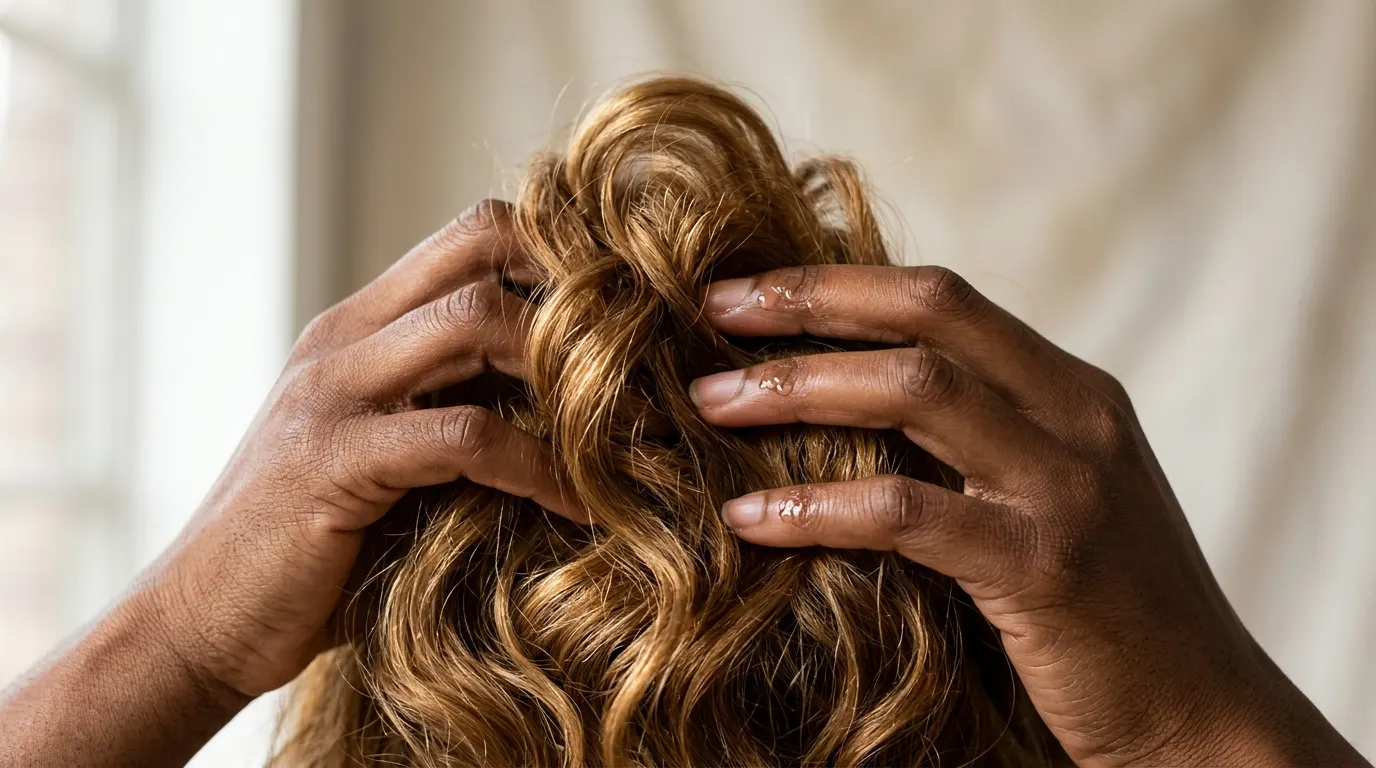
When your crown falls flat by mid-afternoon, friction from leaning against chair backs or excess scalp oil is usually the culprit. Rescuing the shape requires targeted hydration rather than piling on more heavy styling products.
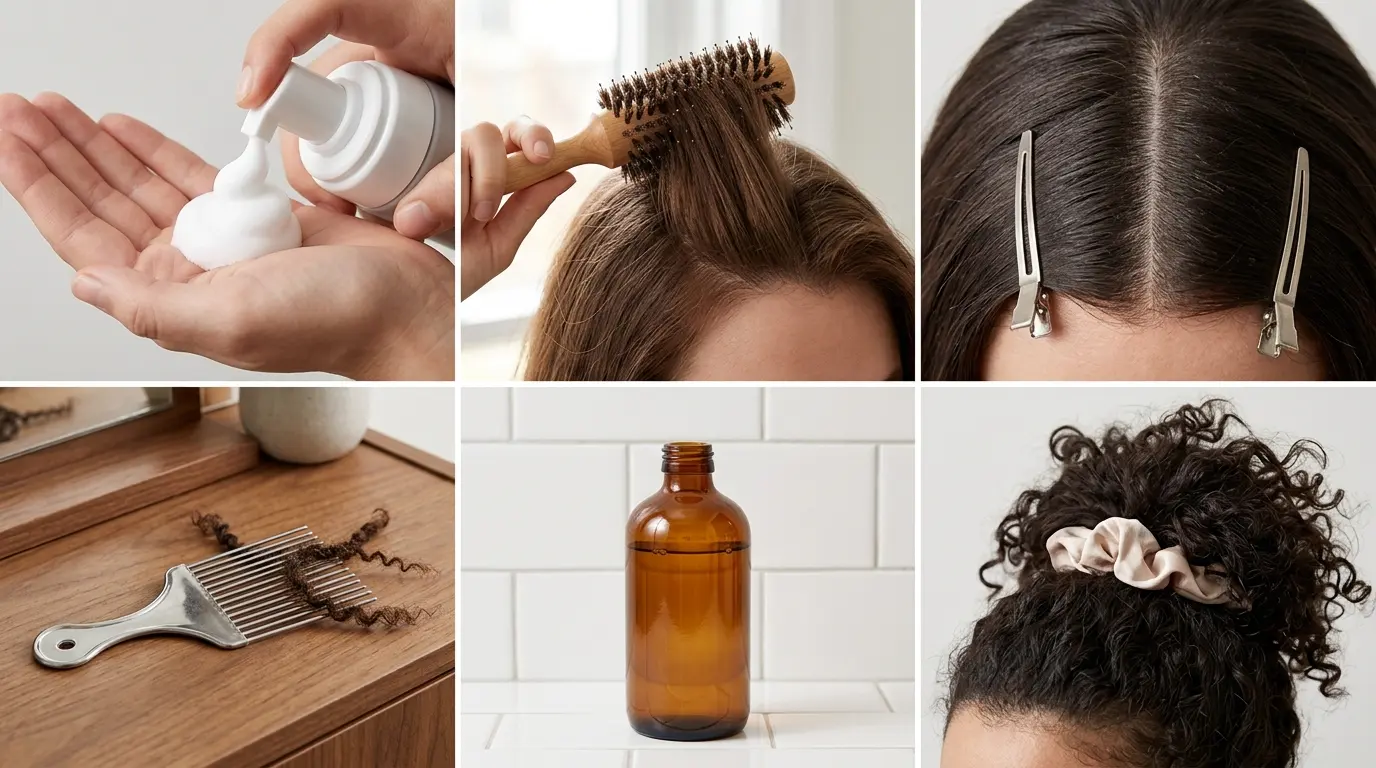
Fill a fine-mist spray bottle with eighty percent distilled water and twenty percent leave-in conditioner. Mist the flat zones from twelve inches away, wind the limp pieces around your index finger to recreate the spiral, and secure each loop to your scalp with a small metal duckbill clip for ten minutes.
If midday frizz appears along the top canopy, smooth one pump of lightweight styling foam over the surface with flat palms.
Avoid brushing dry waves with a bristle brush at all costs, as pulling bristles through dry clumps instantly transforms defined S-curves into a massive, tangled cloud.
Step Sequence for Your Wash Day
Keep your wash day orderly by sticking strictly to this chronological order of operations:
- Clarify the scalp using firm finger pad pressure.
- Coat mid-lengths with lightweight conditioner and comb out tangles.
- Pulse water upward through hair to form cohesive wave clumps.
- Glaze strong-hold gel over dripping wet strands with praying hands.
- Blot excess water with a smooth cotton t-shirt.
- Diffuse in stationary forty-five-second bursts until eighty-five percent dry.
- Let the hair cool completely, then scrunch out the stiff crunch using two drops of oil.
Disclaimer: Severe scalp tenderness, flaking, or rapid hair shedding should be evaluated by a board-certified dermatologist.
Frequently Asked Questions
Why do my waves fall flat only a few hours after washing?
Waves lose their shape when weighed down by heavy oils, styled on hair that was blotted too dry before applying gel, or touched while the cast was still setting. Using a lightweight, hard-hold gel on soaking wet hair creates the structural cast needed to keep the pattern lifted all day.
How often should wavy hair be washed with shampoo?
Washing two to three times per week works best for most wavy textures. Wavy scalps produce natural sebum that travels down the loose hair shaft much faster than it does on tight coils, meaning going longer than four days often leads to greasy roots and limp strands.
Can naturally wavy hair permanently turn into tight curly hair?
No cosmetic product or styling routine can alter your genetic follicle shape. A proper wavy curly routine simply coaxes your natural S-pattern into its tightest, most defined configuration by maximizing hydration and minimizing friction.
Should I apply styling gel to wet or damp hair?
Always apply gel to soaking wet hair right out of the shower. Applying styling polymers to damp hair creates uneven distribution, pulls clumps apart, and leaves sticky residue spots that feel stiff and look dull.
Related reads: Curly Hair Routine on Straight Hair That Actually Creates Lasting Shape, The Complete Reality of How to Dye Hair at Home by Hair Scenario and Curly Hairstyles for Natural Curls: Choosing One Your Hair Can Actually Hold.