
How do I get my fine hair to stay in an updo without sliding down my neck after an hour? Fine strands lack the natural coarseness needed to grip hairpins, which means standard styling advice usually fails within twenty minutes.
Achieving a secure fine hair updo requires changing how you create mechanical friction before inserting a single hairpin. Once you fix the structural base and stop treating fine texture like thick density, your buns and twists will hold all day.
Bobby Pins Slide Out Within One Hour

Smooth strands lack surface friction, allowing standard metal pins to glide right off the scalp. Coating the hair in serum or working on freshly conditioned hair removes whatever natural traction your cuticles had left.
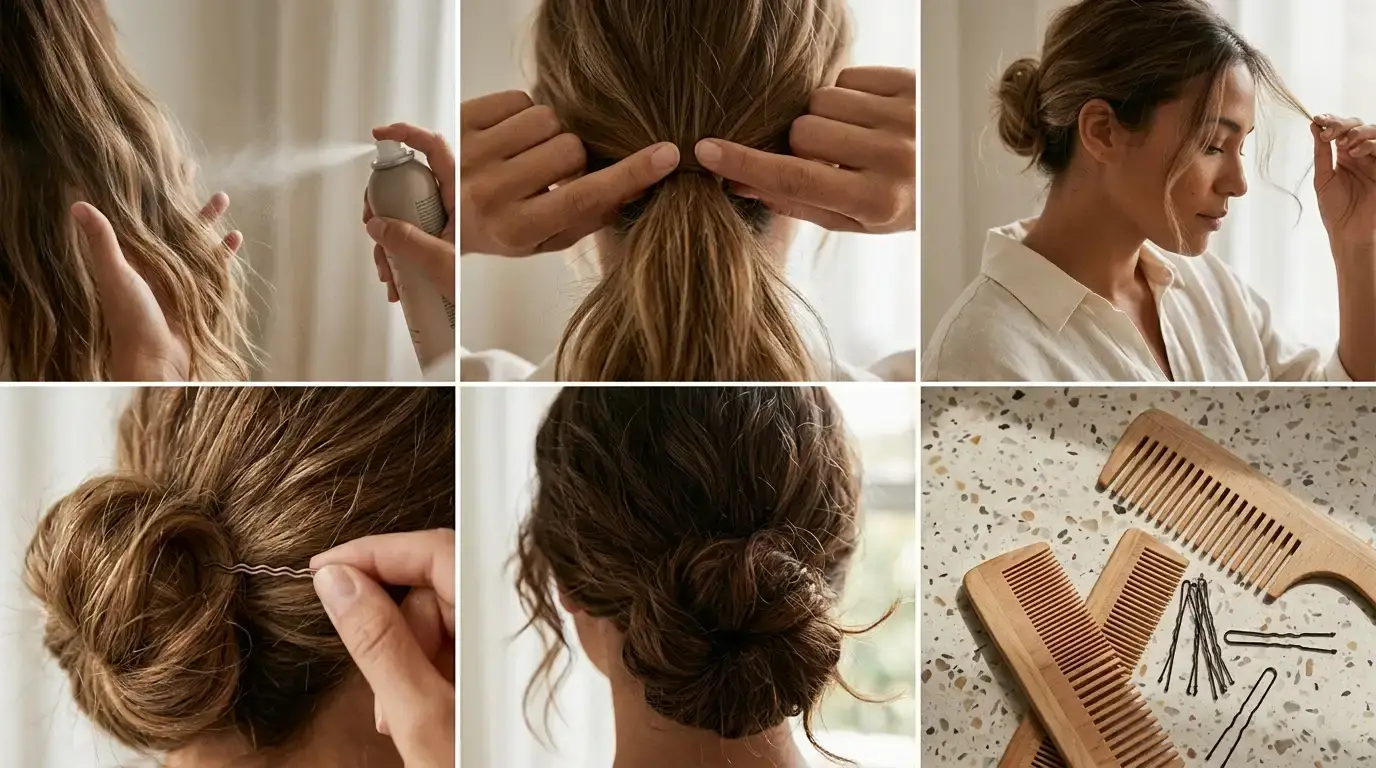
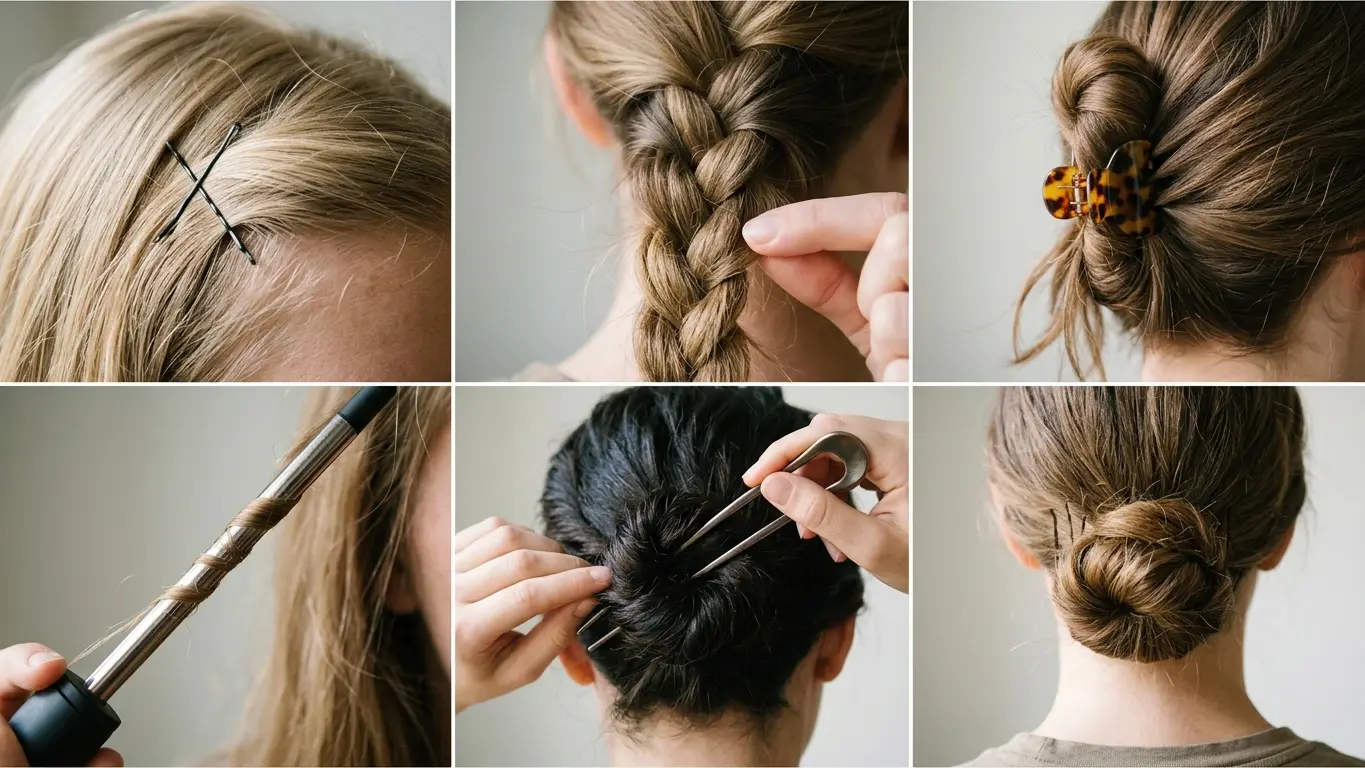
To anchor the style, mist dry texture spray directly onto the pins while they sit on a paper towel. Push the first pin upward against the direction of the hair, then cross a second pin directly over it in an X shape. The interlocking metal creates a physical clamp that cannot slide backward. A can of professional dry texture spray will run around 24 to 34 dollars in 2026, and a single light mist on your hardware will outlast a whole can of standard aerosol hairspray.
The Base of the Bun Looks the Size of a Nickel
Wrapping fine strands around a single hair elastic compresses all available density into a tiny, compacted knot. The tighter you pull, the smaller and flatter the finished bun appears.
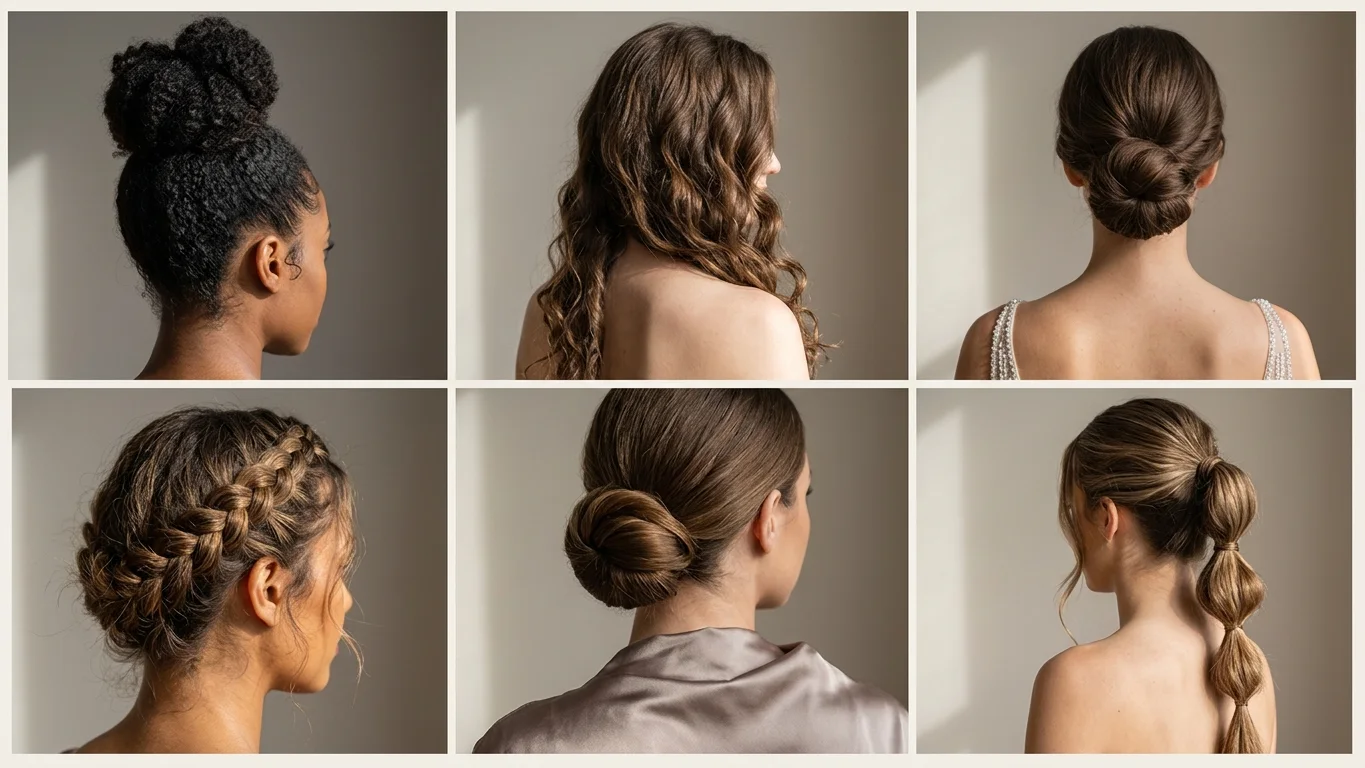
Split your gathered ponytail into two equal vertical halves instead of winding the full bundle at once. Twist the right section loosely outward, wrap it around the ponytail elastic, and pin the ends with two U-shaped hairpins. Then take the left section, twist it in the opposite direction, and wrap it around the outer perimeter of that first circle. Spreading the hair across two concentric rings doubles the visual footprint at the back of your head without needing artificial padding.
Backcombing Collapses into Fuzz Instead of Height
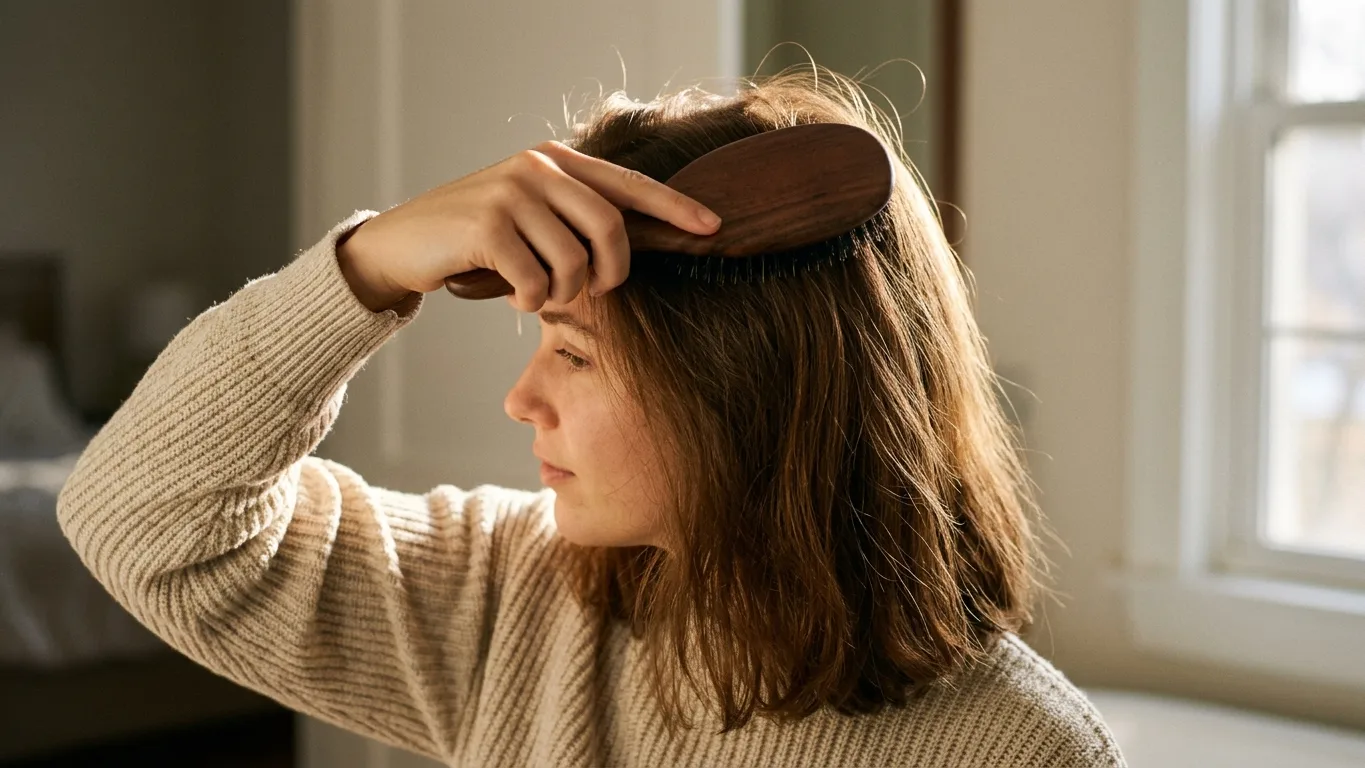
Aggressive, rapid teasing with a plastic comb breaks delicate strands and creates a bird nest canopy that drops flat within an afternoon. Fine hair breaks when forced backward repeatedly with fine teeth.
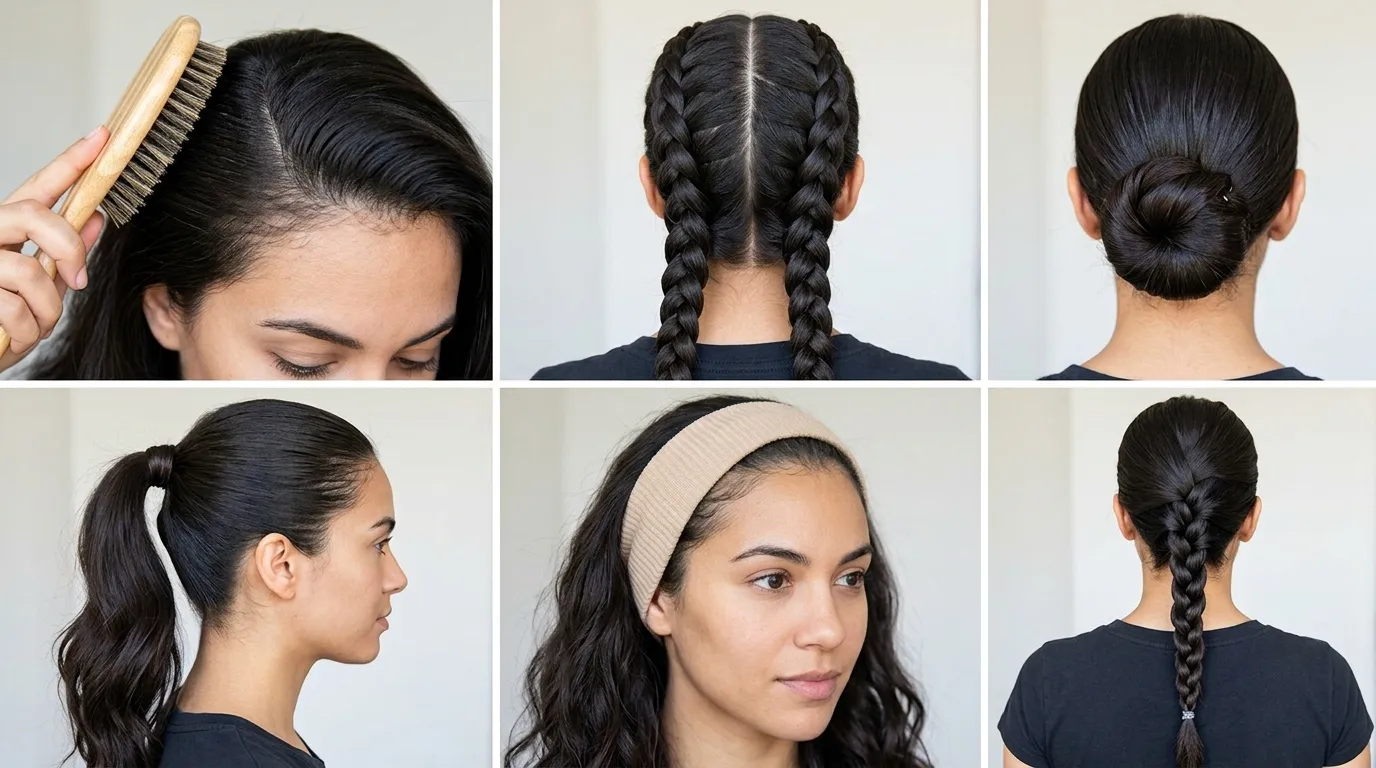
Hold a one inch section of hair straight up from the crown of your head. Place a natural boar bristle brush two inches above the roots, press down firmly toward the scalp in one single fluid motion, and remove the brush completely. Repeat that single stroke three times per section. Smooth the top layer lightly with the brush tip so the structure underneath stays hidden while the cushion remains locked at the root.
Your Scalp Shows Through the Part Lines
Pulling hair straight back into a tight bun spreads thin patches open, exposing pale scalp lines under harsh overhead lights. A rigid center part makes the front hairline look sparse.
Eliminate the hard part altogether using a tail comb to draw an irregular zig-zag line along the top of your head. Direct the front pieces backward at a forty-five degree angle rather than pulling them straight back. This angle lets the hair fall over its own roots, concealing bare spots along the crown while providing a much fuller appearance from the front profile.
Hair Elastics Slip Down Long Fine Strands
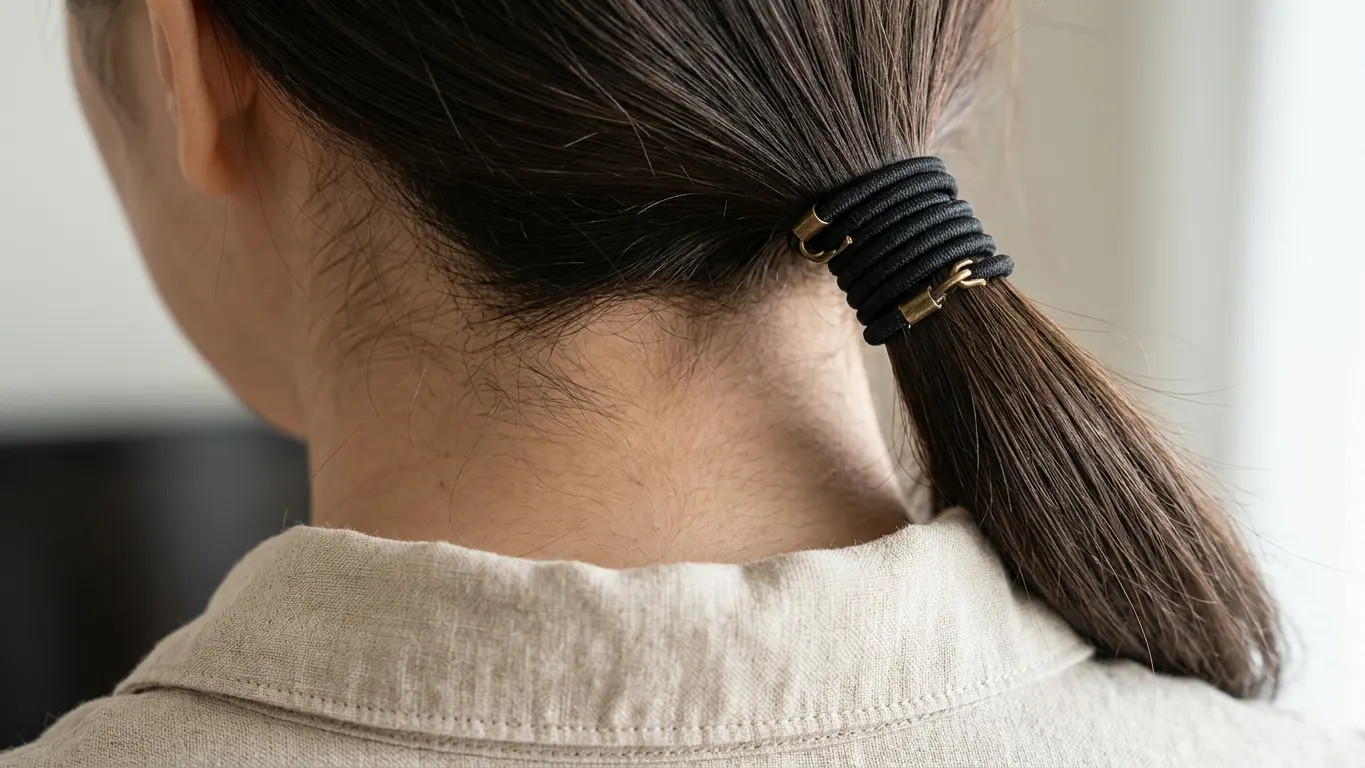
Standard fabric hair ties slide down slick lengths, pulling your whole style out of alignment before lunch. Elastic bands without silicone grip cannot hold low-density bundles under tension.
Switch to a bungee band with metal hooks on both ends or a miniature clear polyurethane elastic. Anchor the first hook into the base of your ponytail, wrap the elastic cord around the hair three times while keeping constant tension, and sink the second hook directly into the center of the gather. For easy long fine hair updos, this technique stops the ponytail base from sagging down the nape of your neck.
Short Strands at the Nape Fall Out Constantly
Haircuts with cropped necklines leave short baby hairs that refuse to reach a mid-level or high bun. These loose hairs drop down and look messy within minutes.
Turn your styling upside down by working in two distinct tiers. Gather everything from the ears down into a mini inverted twist, securing it flush against the nape with miniature snap clips. Then gather the top crown section and fold it down over those lower clips. When tackling a fine hair updo for short hair, pinning the bottom third separately stops the neck area from unraveling.
The Finished Updo Looks Paper Thin and Flat

Placing your style flush against the skull highlights a lack of density. Flat, tight styling compresses the silhouette and emphasizes thin hair texture.
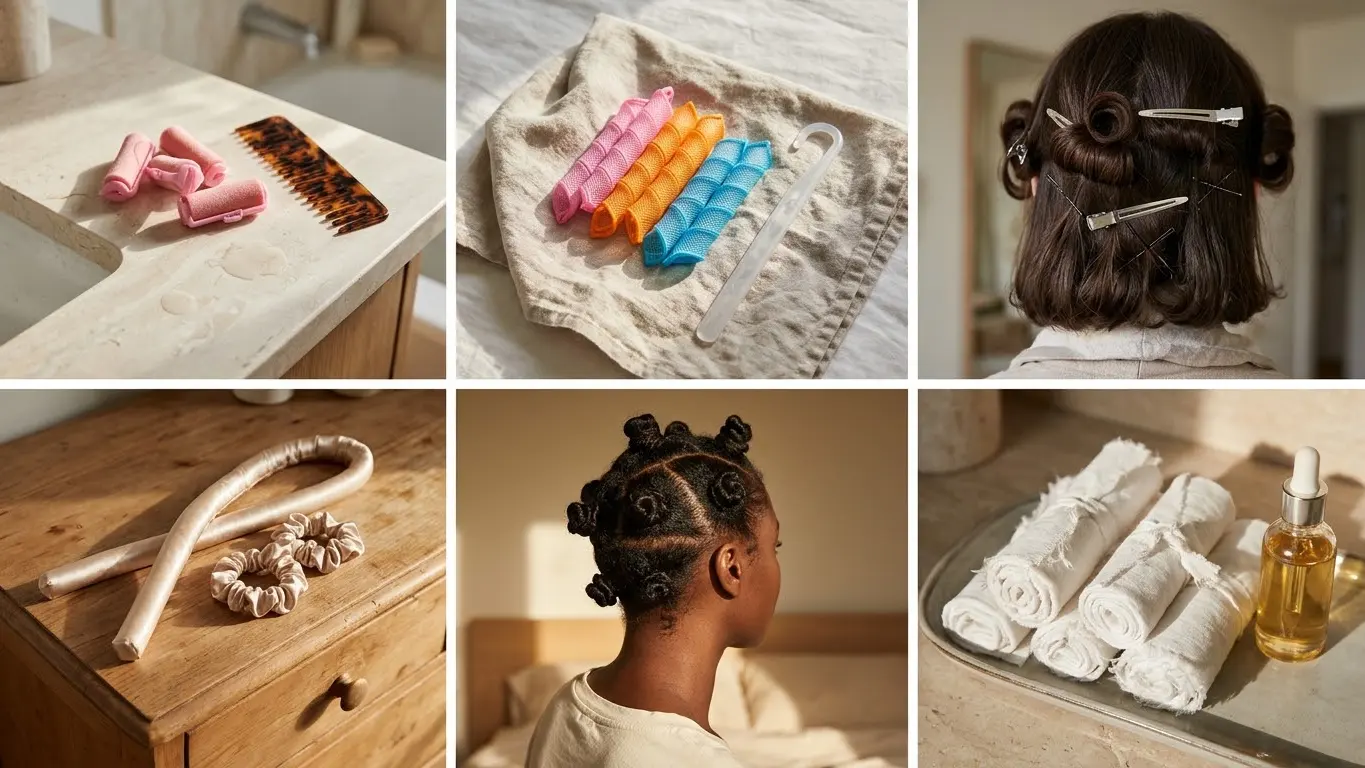
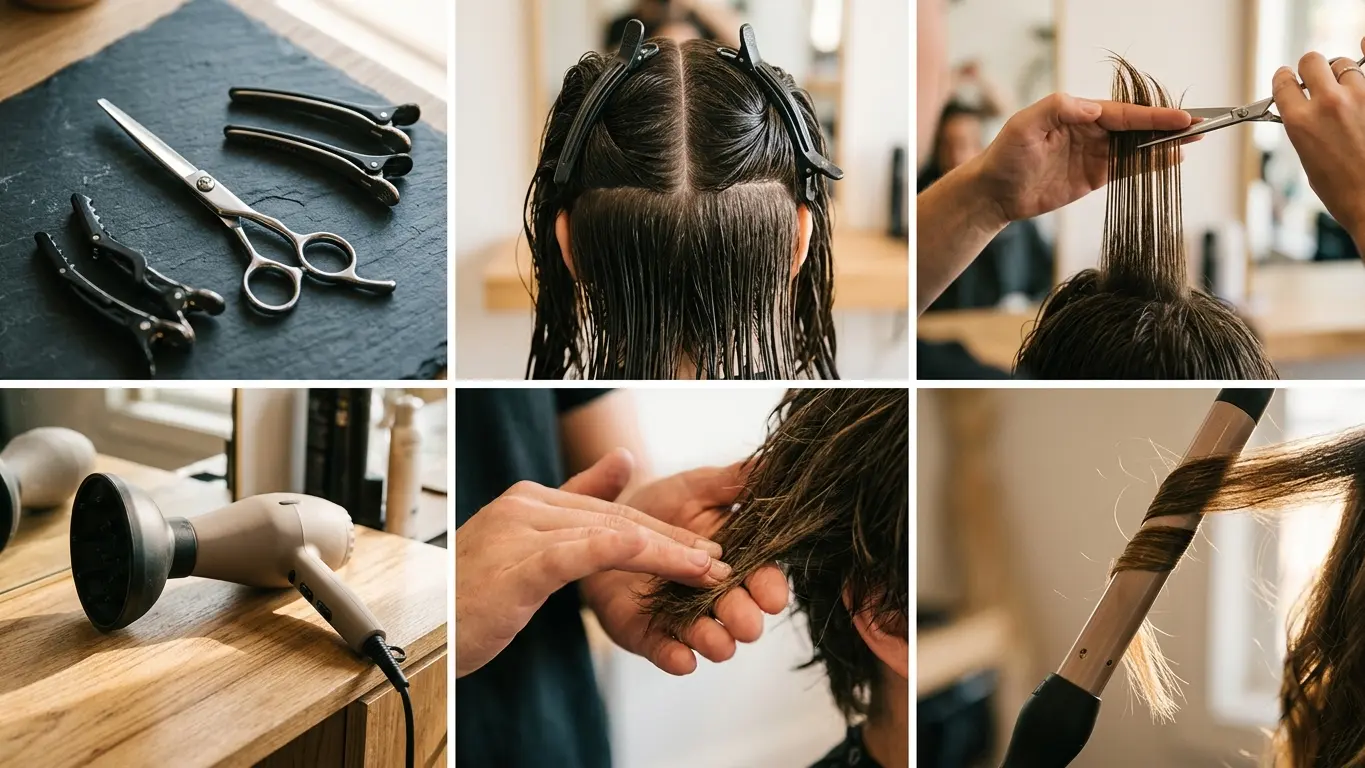
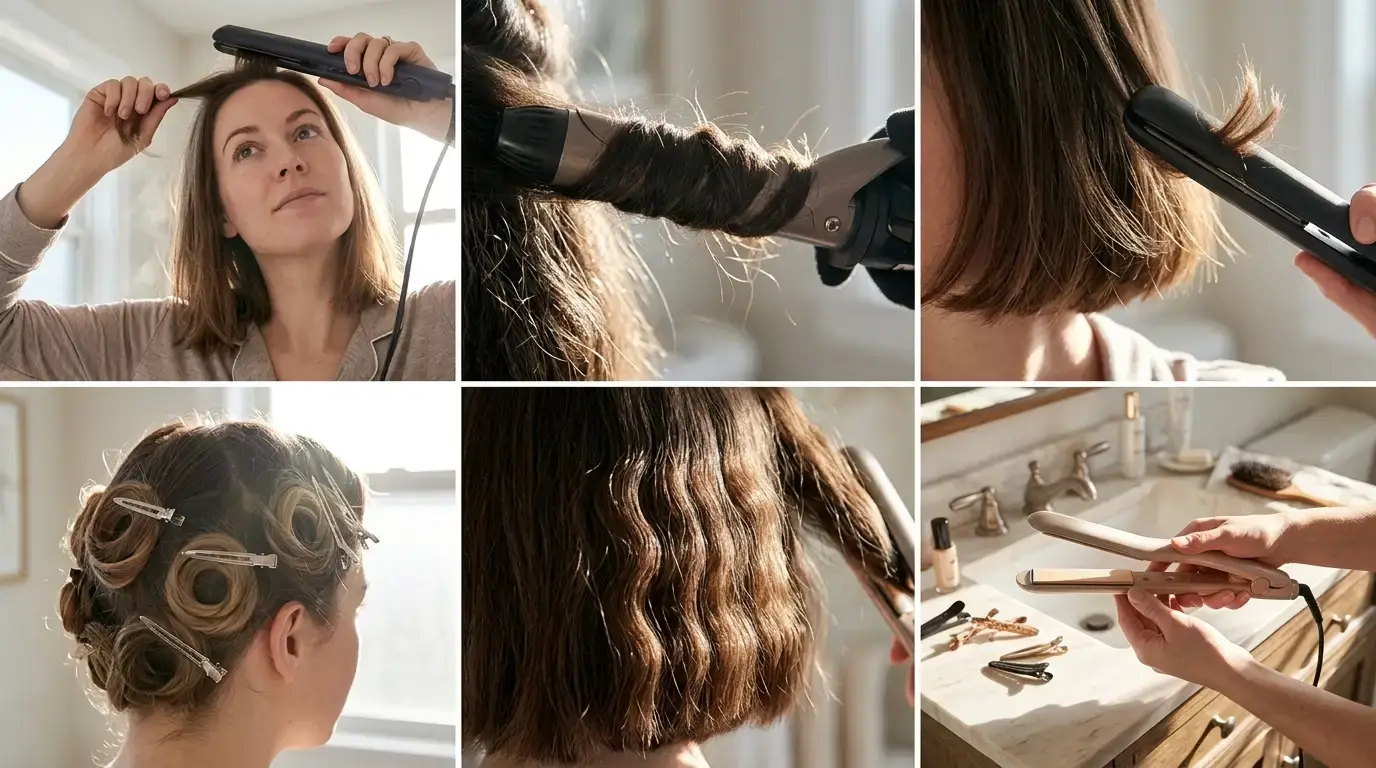
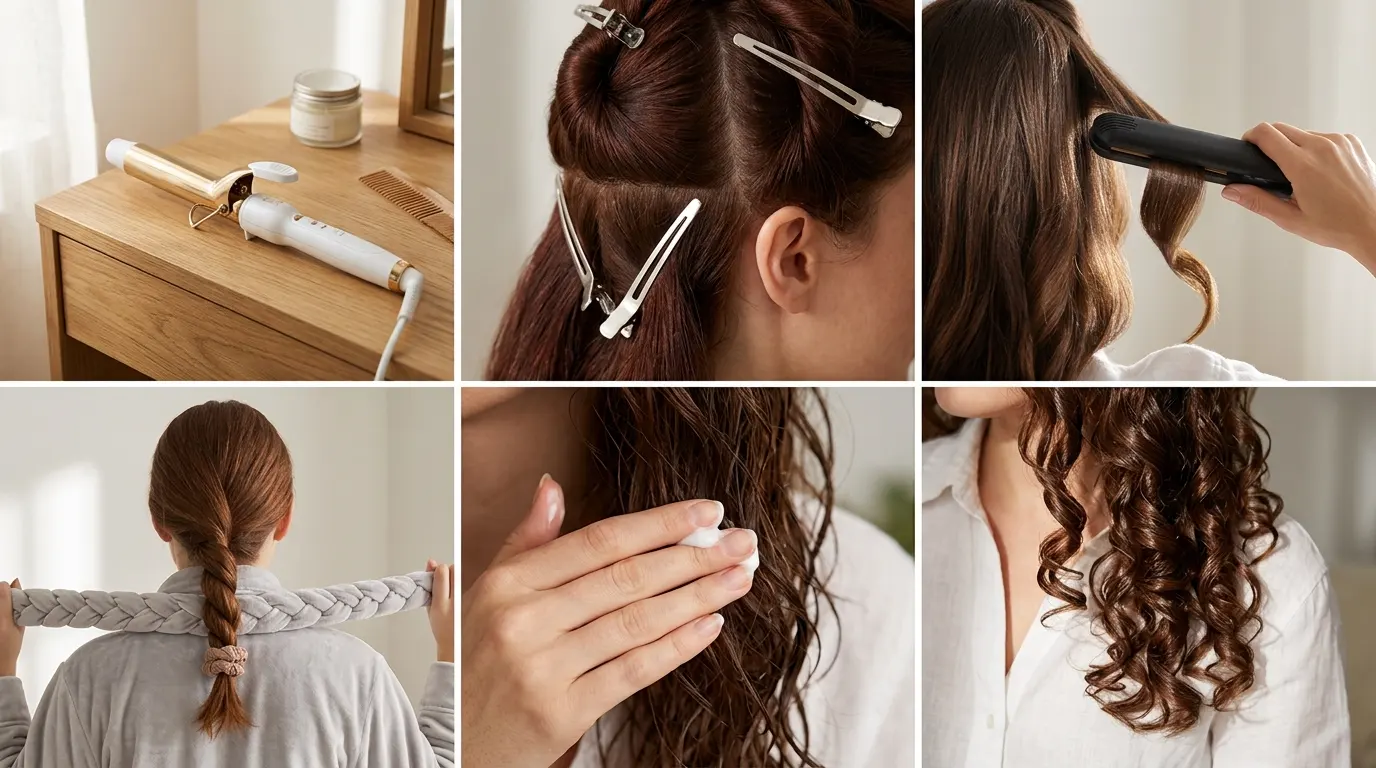
Introduce dimensional movement with heat tools before pinning anything up. Wrap thin sections around a 9 mm or 10 mm curling iron barrel for three seconds, focusing purely on the mid-lengths. Rake the curls out using a wide-tooth comb to build separated, airy waves. When you gather the pieces into a fine hair medium length updo, those tiny barrel waves create hollow pockets of air between strands, tricking the eye into seeing substantial density.
Trouble Spots and Mechanical Fixes for Fine Strands
| Problem | What Causes It | What to Do Instead |
|---|---|---|
| Bobby pins slide down | Slippery cuticle and smooth metal surfaces | Coat pins in texture spray and lock them in an X |
| Bun shrinks into a tiny ball | Compressing all hair into one single wrap | Split hair into two sections and pin in stacked rings |
| Front hairline looks bare | Pulling hair backward along a hard part line | Use an irregular zig-zag part directed at forty-five degrees |
| Updo droops by midday | Weight pulling on a single elastic loop | Fasten with a hooked bungee band under constant tension |
Loose Tendrils Turn Limp and Stringy
Pulling face-framing pieces out of an updo often backfires when natural facial oils weigh down fine ends. After an hour, those loose strands cluster into separate, oily threads.
Keep face pieces minimal by leaving out only two pencil-thin sections right in front of the ears. Dust the roots of those pieces with oil-absorbing powder before styling. Bend each piece with a flat iron away from the face, flicking your wrist at the cheekbone to create an arch that stays off the skin. Leaving fewer pieces out keeps the hair looking deliberate instead of limp.
Claw Clips Droop on Low Density Strands

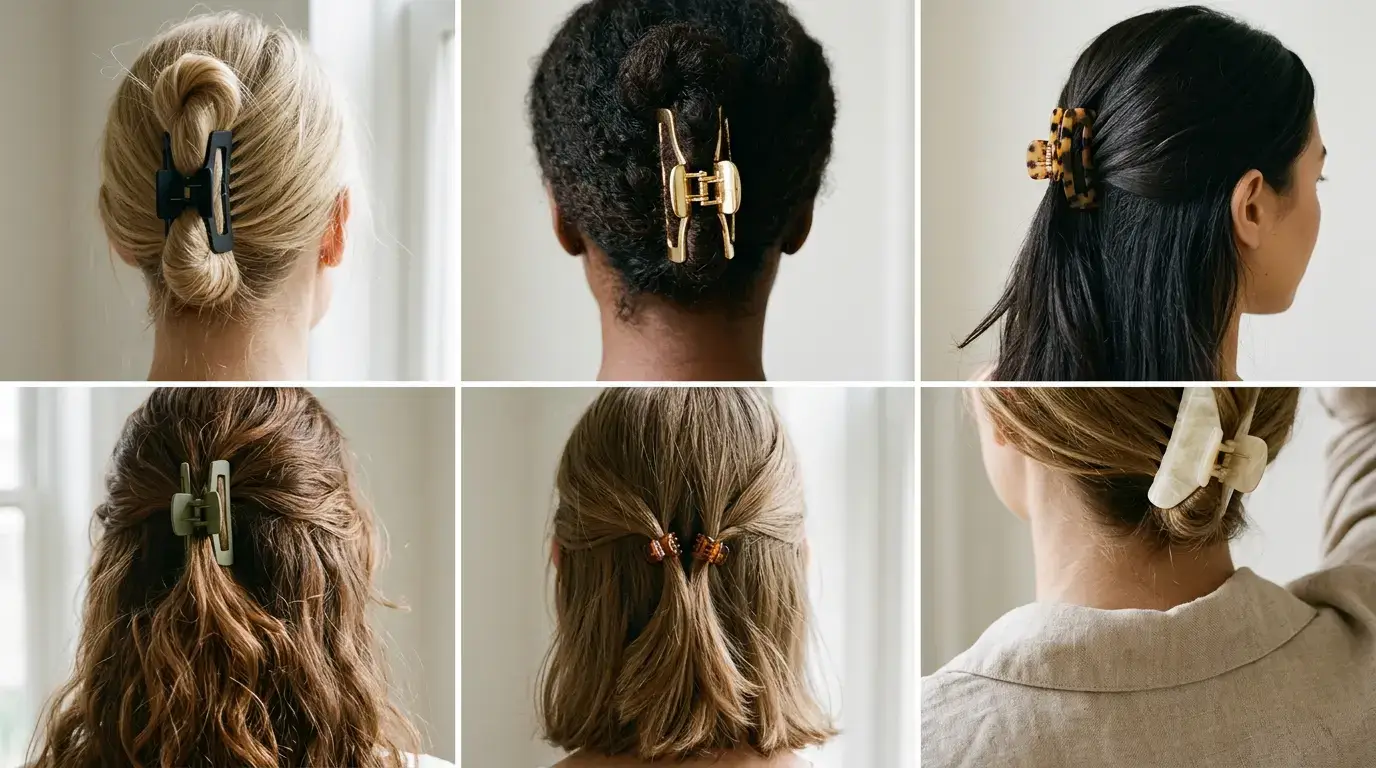
Standard four-inch claw clips slide straight off thin ponytails because the plastic teeth have too much space between them to compress low volume hair. The weight of the clip drags the style downward.
Use a two-inch micro claw clip with tightly spaced double teeth. Twist your hair upward into a French twist seam, fold the tail downward along the ridge, and clamp the teeth directly into the scalp hair alongside the fold. For an easy updo for thin fine hair, this compact clamp grips the base hair directly against the head, preventing the heavy plastic sway that pulls styles loose.
Braid Styles Look Like Narrow Shoelaces
Standard three-strand braids compress fine hair into a tight, narrow rope that exposes the scalp between passes. Traditional plaits make low density immediately obvious.
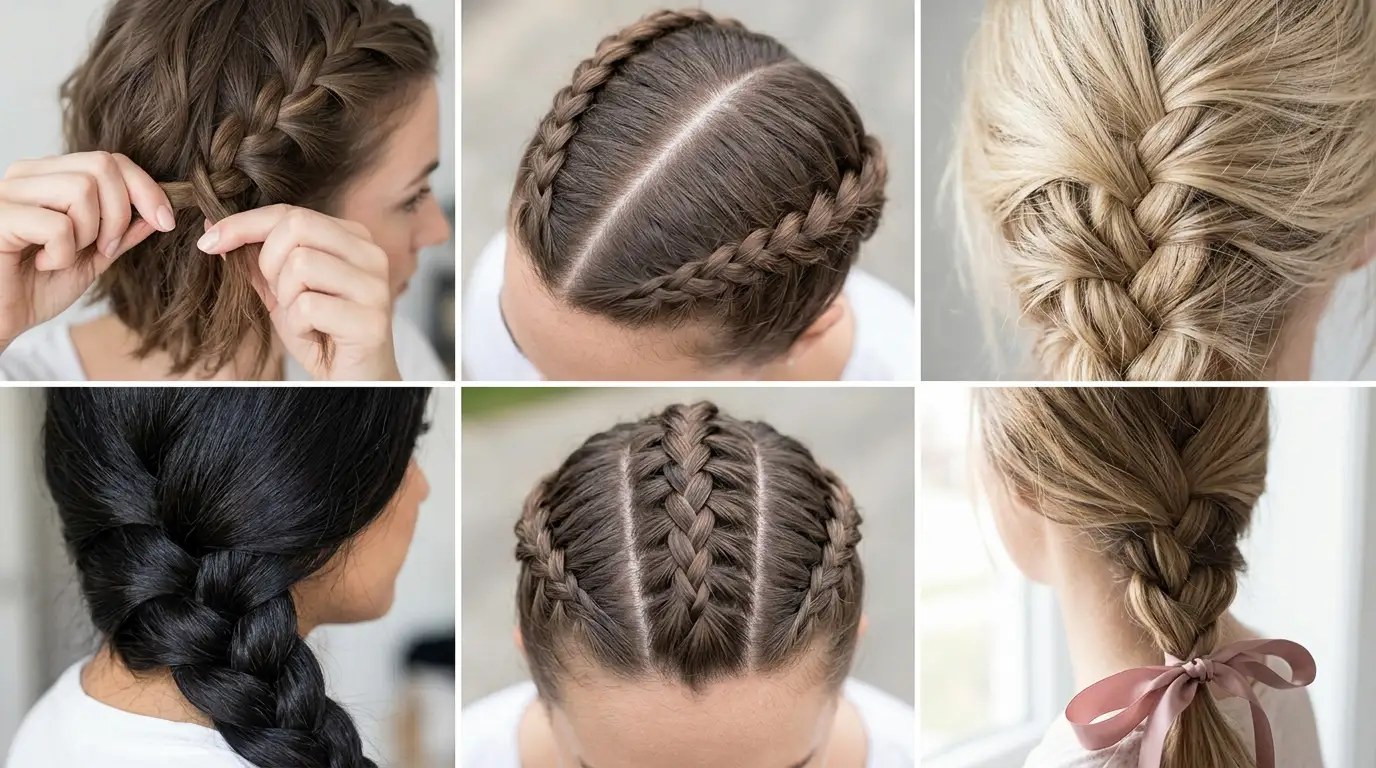
Weave a standard three-strand plait without pulling the strands taut. Once the elastic is tied at the bottom, pinch the outer edge of each braid curve between your thumb and forefinger. Pull gently outward by two millimeters, working from the ends upward to the base. This pancaking method doubles the visual width of the plait, turning a thin braid into a wide, decorative ribbon ready to coil into a chignon.
Updos for the Office Unravel Before Noon

Workplace hairstyles often fail because desk movement, headsets, and collar friction constantly rub against the bottom of the style. Friction against jackets pulls loose hairs free.
Anchor your hair using a secure structural fold rather than loose pins. Gather your hair at the occipital bone, twist the length into a tight vertical rope, fold it upward, and tuck the ends into a clean seam. Slide a three-prong metal hair fork through the right edge of the twist, touch the scalp, pivot the fork backward, and slide it flat across the head to the left. These fine hair updos for work will not budge through an eight-hour shift.
Wedding Guest Hairstyles Drop Volume During Photos
Humidity and long hours at formal events flatten fine hair that was styled solely with dry shampoo or soft pomade. By the evening reception, soft romantic waves usually drop straight.
Build an internal skeleton using hidden mini-braids. Take a half-inch section of hair near the crown, plait it into a tight braid against the scalp, and secure it with a clear elastic. Use this hidden anchor point to sink all your decorative hairpin stems directly into the woven core. If you need a fine hair updo wedding guest style, this internal framework keeps heavier accessories and soft outer layers locked firmly in place until the night ends.
Messy Styling Turns into Accidental Frizz

Creating an undone bun without structure makes fine strands look damaged and static-prone rather than effortlessly relaxed. Without defined shapes, the hair just appears uncombed.
Apply a pea-sized drop of water-based pomade to your palms, rub them together, and smooth the product over damp ends before blowing dry. Construct a clean, structured bun first. Once it is securely pinned, use the pointed end of a tail comb to gently loosen four small loops around the crown by two millimeters. This controlled fine hair messy updo method gives you lived-in separation while keeping the foundational core intact.
Short Cuts Lack the Length for a Full Knot
Cropped bobs and lob cuts cannot wrap into a traditional coil without pins popping loose on the sides. Forcing short layers into one central tie creates bulky lumps.
Work with multiple small gathering points across the lower head. Divide the back hair into three equal vertical columns. Twist each column upward into a small vertical roll and pin it flat against the scalp using two small salon grips. When you need a quick updo for fine hair that barely clears the shoulders, grouping three small rolls side by side creates the illusion of one intricate, continuous updo.
The Expensive Extension Mistake That Tears Fine Strands
The single mistake that costs the most money and wastes the most styling time is buying heavy, generic clip-in hair extensions to fake updo thickness.
Standard wefts weigh too much for fine roots to support. The heavy metal clips pull on delicate follicles, slide downward, and tear fragile strands out during removal. You end up spending between 150 and 300 dollars on extension packs that expose their thick fabric tracks the moment you try to sweep them into an updo.
Skip heavy extensions entirely. Add density to your updo by wrapping lightweight metallic embroidery cord or a folded silk scarf through the base loops of your bun. The fabric fills out the physical shape without adding pulling weight to your roots, costing under ten dollars and protecting your hair from mechanical tension damage.
Questions Real People Ask
How to determine if you have fine hair?
Take a single strand from your brush and roll it between your index finger and thumb. If you cannot feel the strand between your fingers, your hair diameter is fine. If you feel a distinct thread, your hair is medium or coarse.
Is fine hair and thin hair the same?
Fine hair refers to the physical width of the individual hair shaft, which is small in diameter. Thin hair refers to density, meaning you have fewer total hair follicles growing per square inch on your scalp. You can have fine hair with high density, or coarse hair with low density.
How can I make fine hair easier to style?
Skip heavy conditioning creams and silicones on styling days. Wash with a lightweight volumizing shampoo, skip rinse-out conditioner on the roots, and rough-dry a salt mist into damp strands to create artificial friction on the cuticle before you start pinning.
How do I do an updo on my own hair?
Set up a secondary hand mirror opposite your bathroom mirror so you can watch your hands working at the back of your head without twisting your neck. Anchor your foundational ponytail using your dominant hand to hold the base flush against the skull while your other hand winds the elastic.