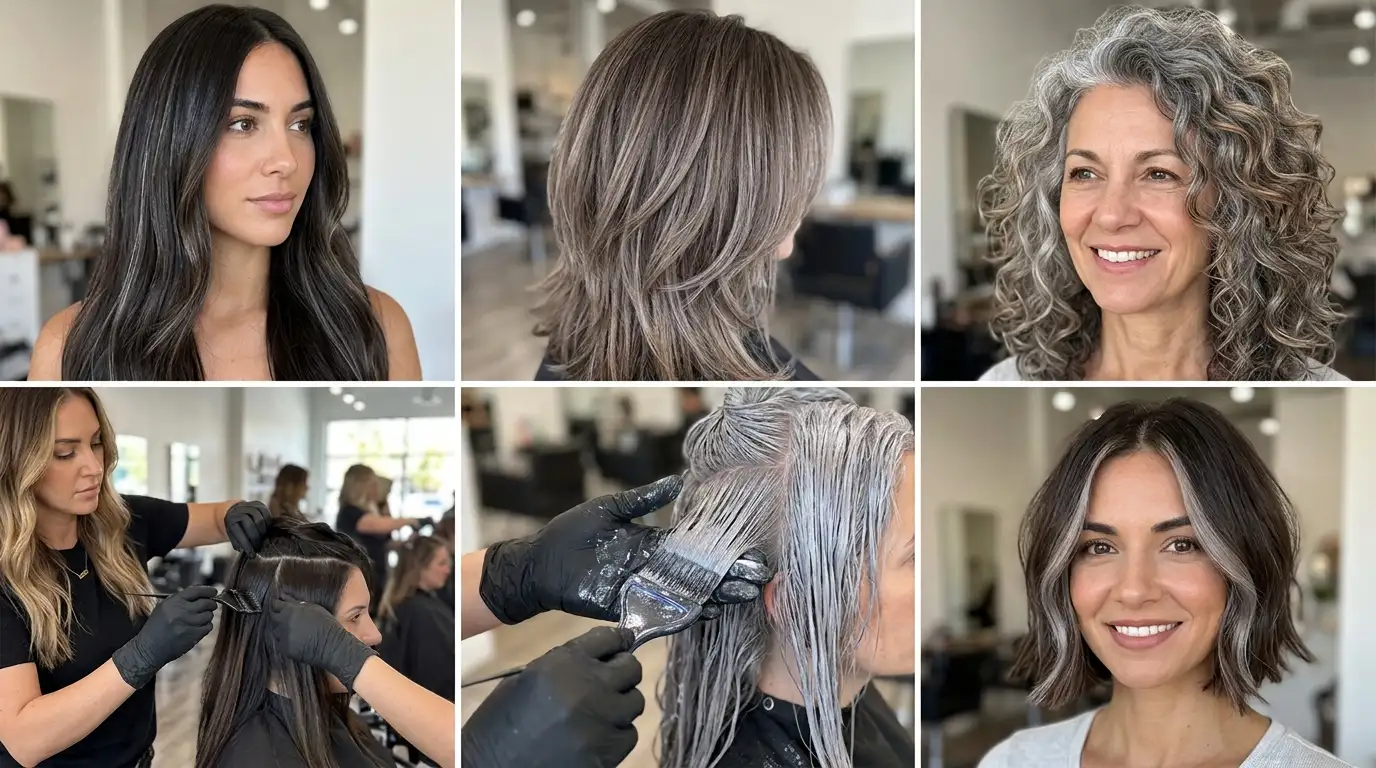

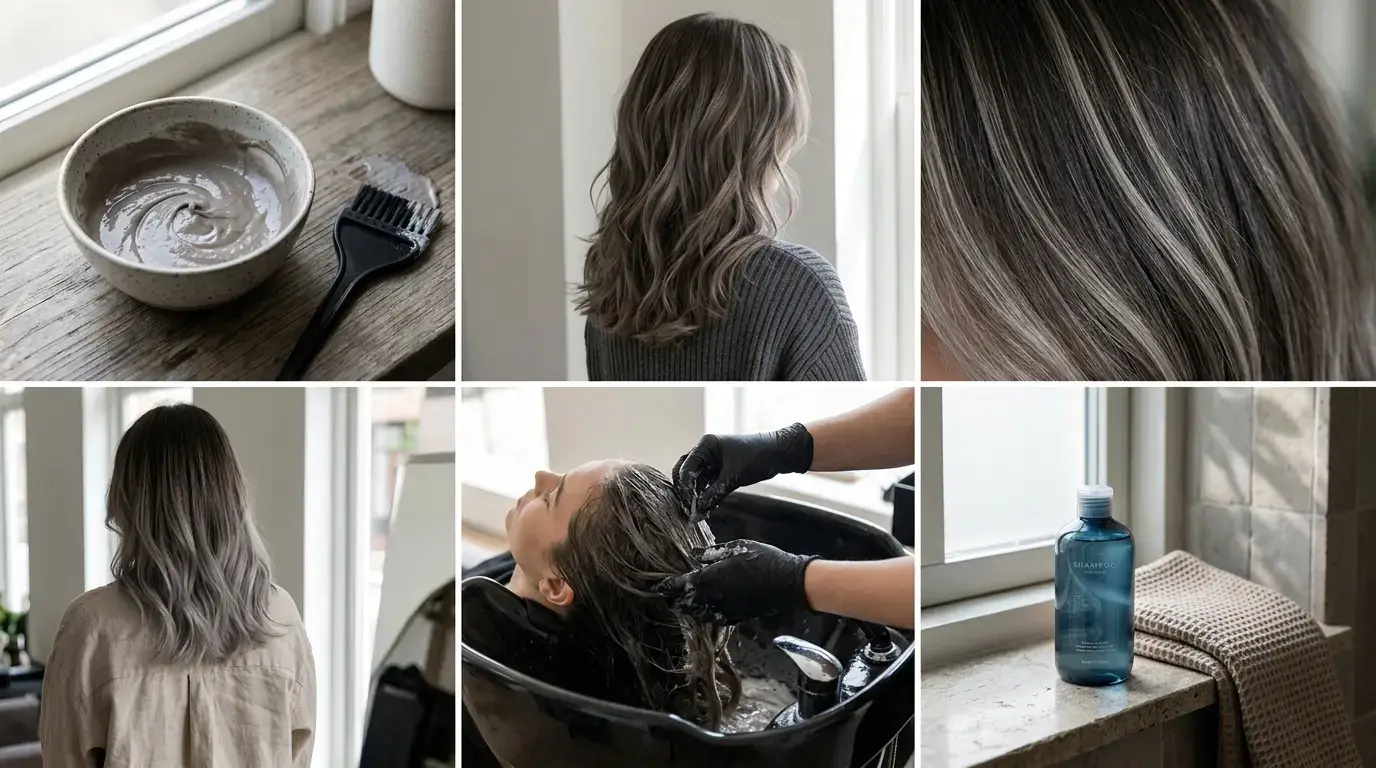
Ashy mushroom brown hair sits right at the intersection of earthy slate and muted taupe. It strips every trace of red or brass out of classic brunette hair, replacing warmth with violet, gray, and pale blue undertones. A true mushroom shade mimics the dusty underside of a portobello cap. Getting the depth right means assessing your current base level before touching a bowl of developer.
What Gives Mushroom Brown Hair Its Signature Tone
Balancing Ash Pigments Against Natural Base Levels
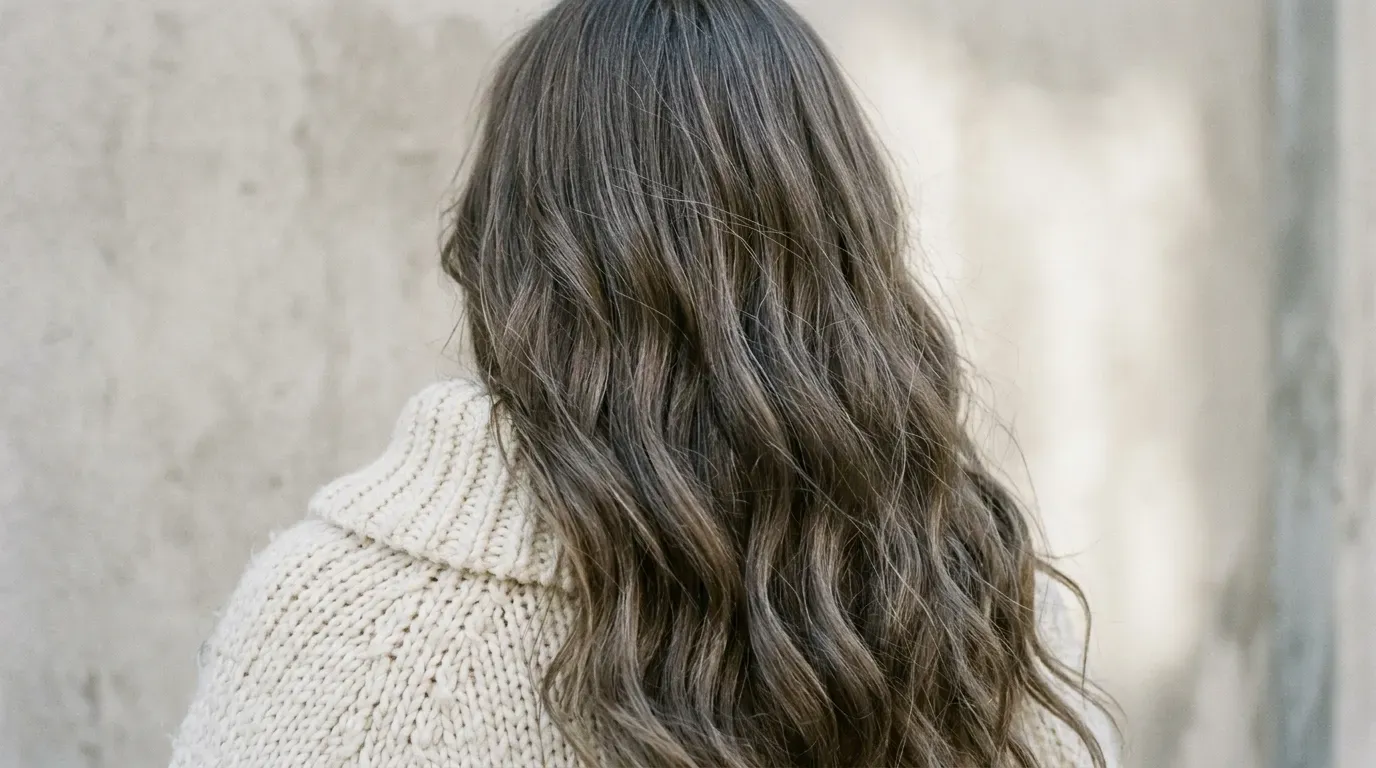
Achieving an ashy mushroom brown hair color requires placing cool pigments over a lightened canvas. Natural dark hair exposes orange and red undertones when lifted. To counter that underlying warmth, a colorist deposits a formula containing equal parts pearl, blue, and ash violet. The resulting shade reflects silver under direct light while staying grounded as a true brunette.
Combining Ash Brown Blonde Hair Tones
Mushroom shades borrow from both sides of the color wheel. Introducing ashy brown blonde hair tones through micro-slices creates visible separation without showing obvious stripes. Fine ash blonde on brown hair lifts the overall visual weight, especially around the face where heavy gray can make pale skin look dull.
Use a violet-based neutralizer if your lifted base reveals yellow, but switch to blue if you see stubborn copper.
Choosing Between Single Process Color And Dimension
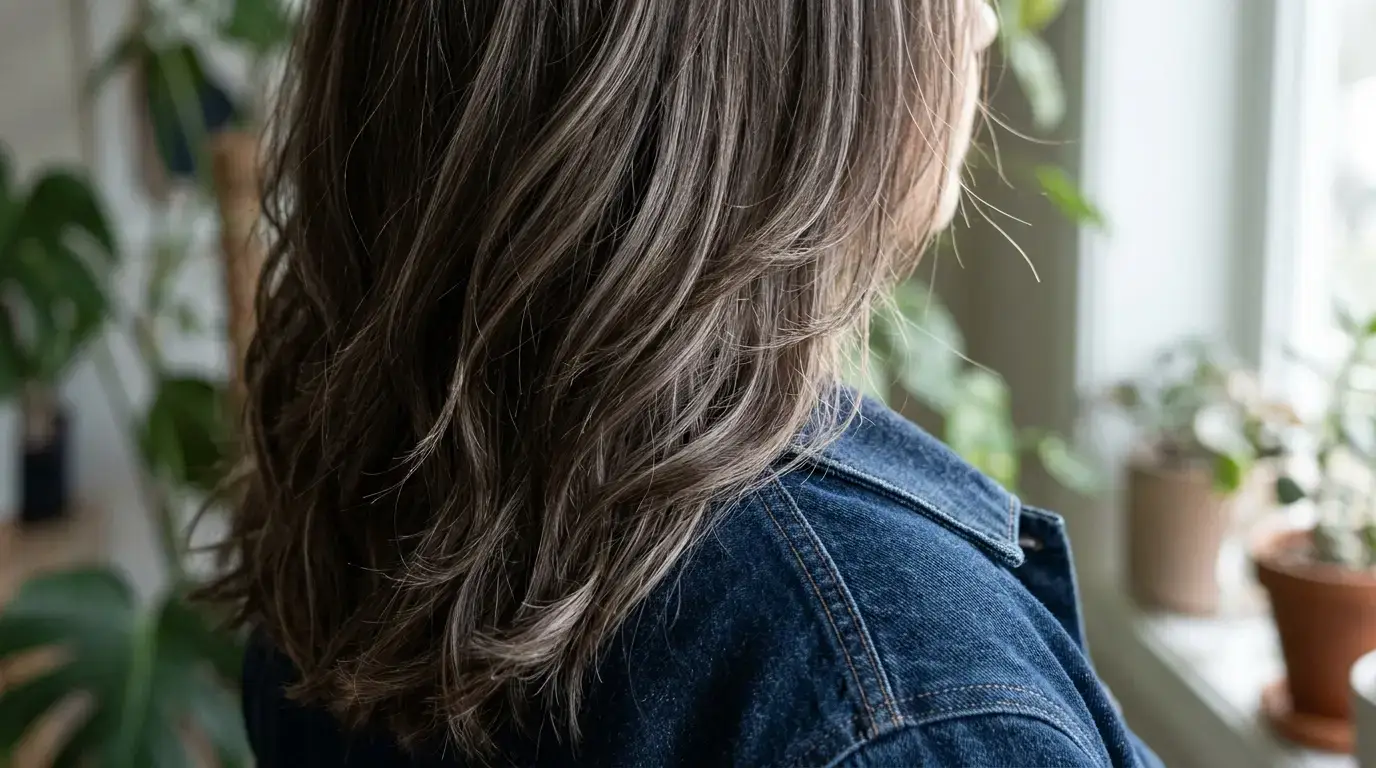
Ashy Mushroom Brown Hair With Highlights
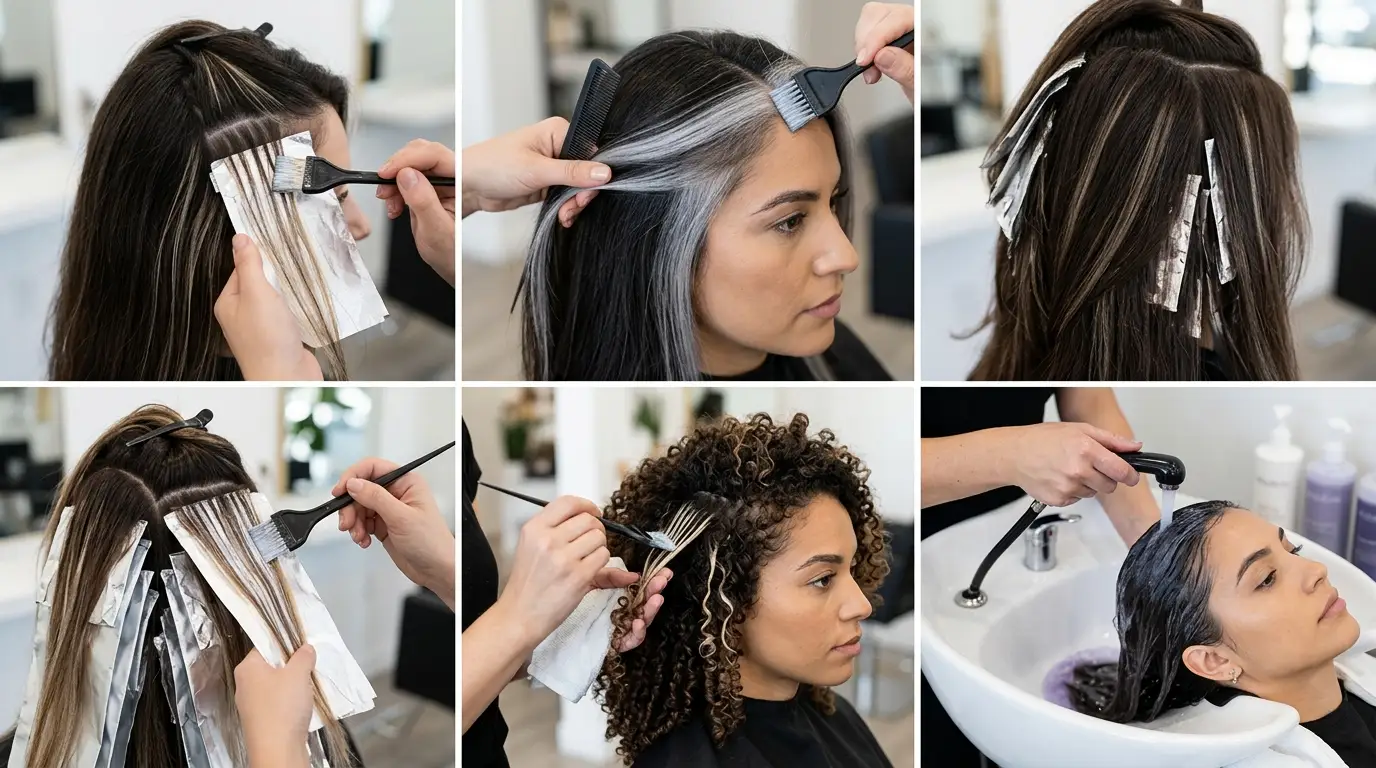
Adding lighter ribbons changes how light reflects off cooler strands. Wearing ashy mushroom brown hair with highlights prevents the dusty pigment from appearing flat or matte under indoor bulbs. Thin woven babylights concentrated through the crown create movement that catches the eye when styled into loose waves.
Placement For Mushroom Highlights On Dark Brown Hair
Darker bases need a deliberate approach. Painting mushroom highlights on dark brown hair requires lifting sections to at least level eight before toning them with a smoky taupe gloss. Leaving the roots in their natural level four or five depth gives the style an effortless grow-out phase that lasts up to twelve weeks.
Select a soft balayage instead of foil highlights if you prefer a subtle transition without blunt regrowth lines.
Assessing Undertones Before Formulating Your Shade
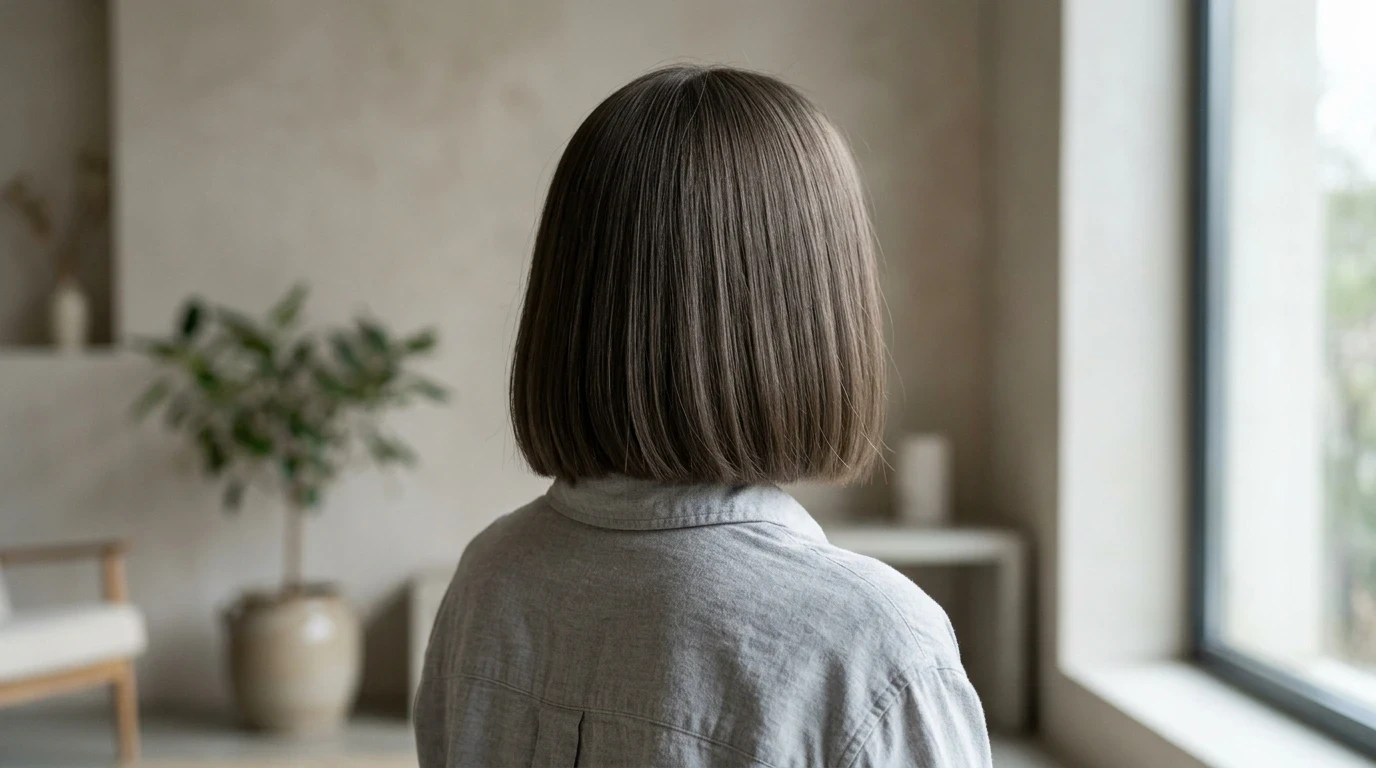
Finding The Right Tone For Cool Complexions
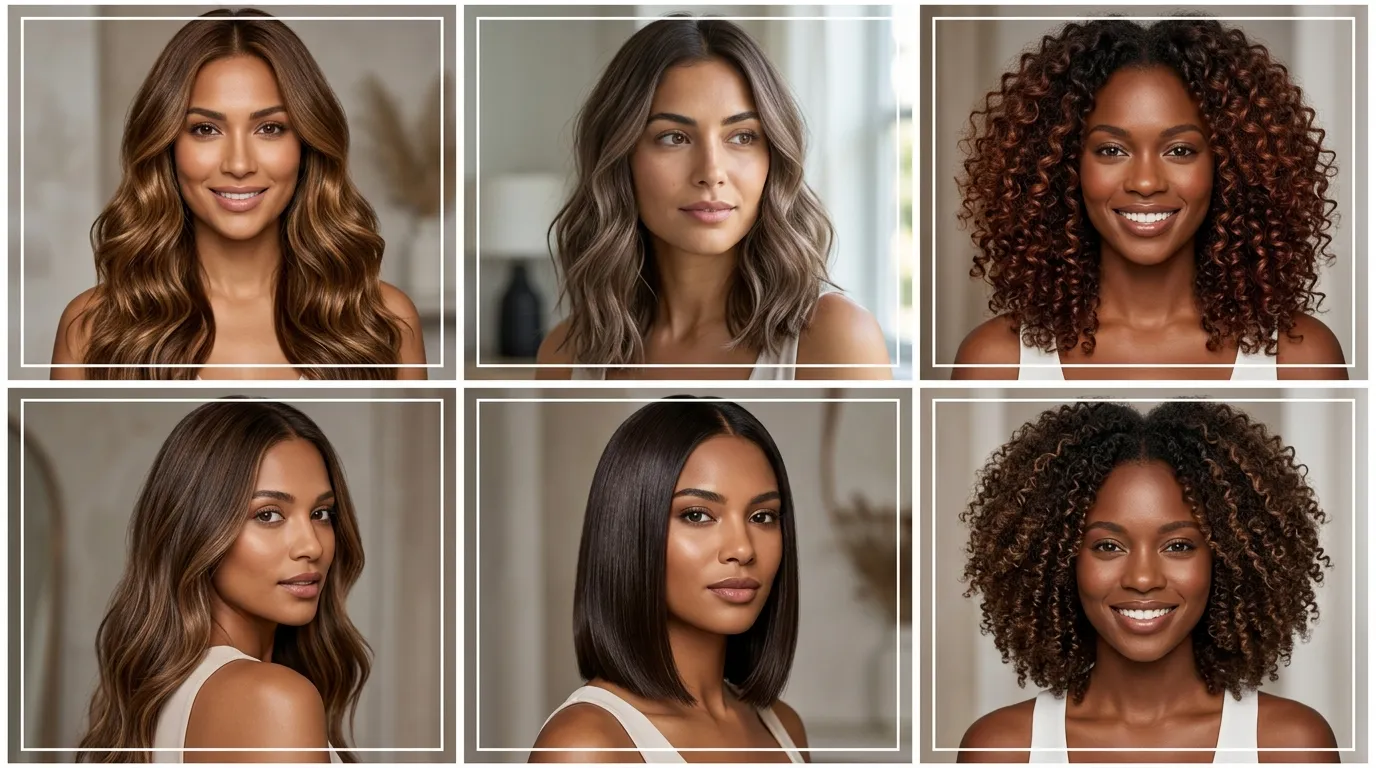
Skin tone determines whether an ashy mushroom brown look flatters your features or washes them out completely. Individuals with pink or blue skin undertones carry deep charcoal and graphite casts naturally. Layering intense ash mushroom brown hair over cool skin accentuates jawlines and makes light-colored eyes pop.
Adjusting For Golden And Mellow Skin
People with golden skin need a modified formulation. Pushing too much green or slate against mellow undertones turns the overall look sallow. Adding a dash of neutral beige into the cool brunette base softens the transition and keeps the skin radiant.
Check the veins on your inner wrist under natural daylight; purple veins handle true ash, while olive veins require a neutral-cool blend.
The Process For Getting The Color Without Bleach
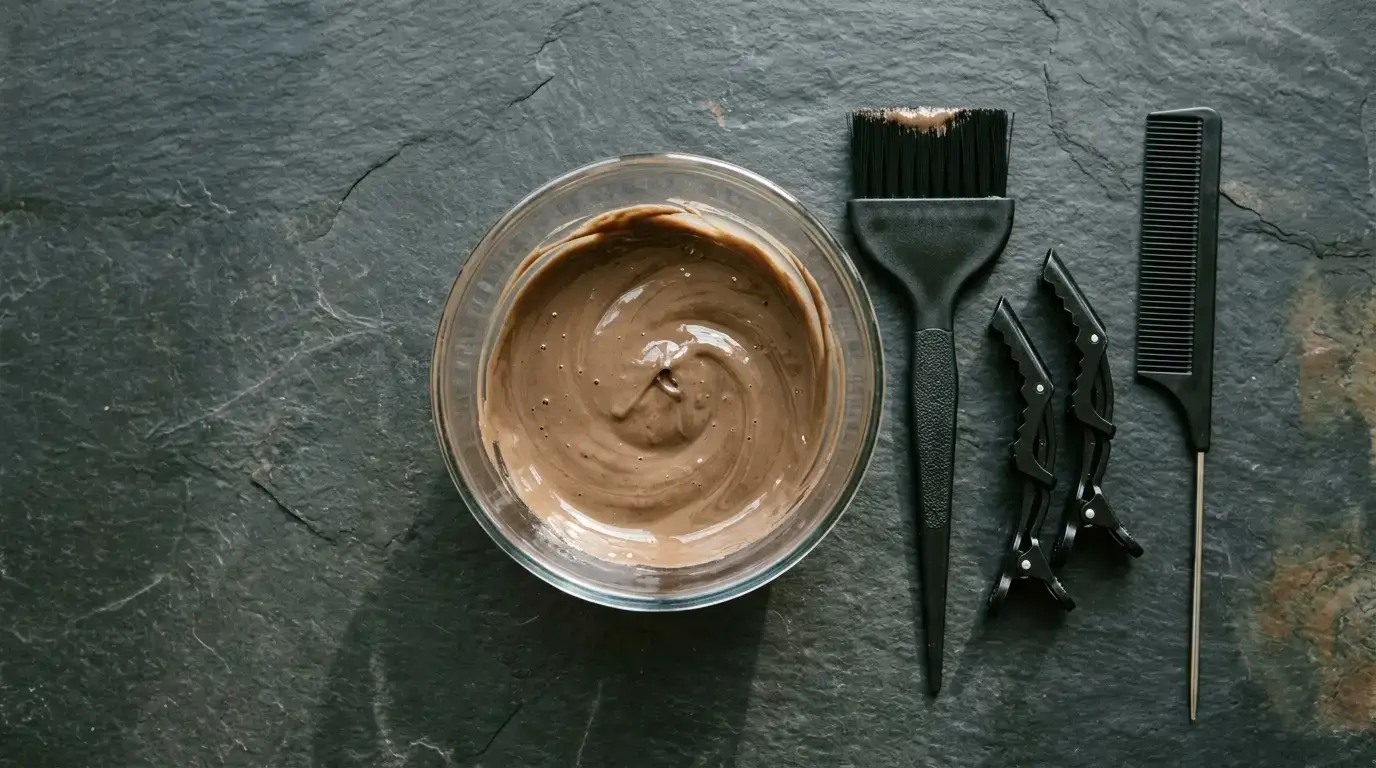
Mushroom Brown Hair Color Without Bleach On Light Bases
Skipping lightener is only possible under strict starting conditions. Achieving mushroom brown hair color without bleach works reliably if your current hair sits at a natural level six dark blonde or level seven light brown. High-lift permanent dyes formulated with double ash can bump the strand two levels lighter while simultaneously counteracting warmth.
Realistic Limits On Previously Colored Strands
Artificial dye will not lift artificial dye. If your hair already has dark box dye on it, a high-lift formula will only turn your virgin roots pale while leaving the ends muddy. In that scenario, removing existing cosmetic pigment with an acidic color reducer is mandatory before depositing cool ash.
Never apply high-lift ash tint over previously bleached ends, or the porous hair will grab pure blue dye and look ink-stained.
Step By Step Rules For Home Application
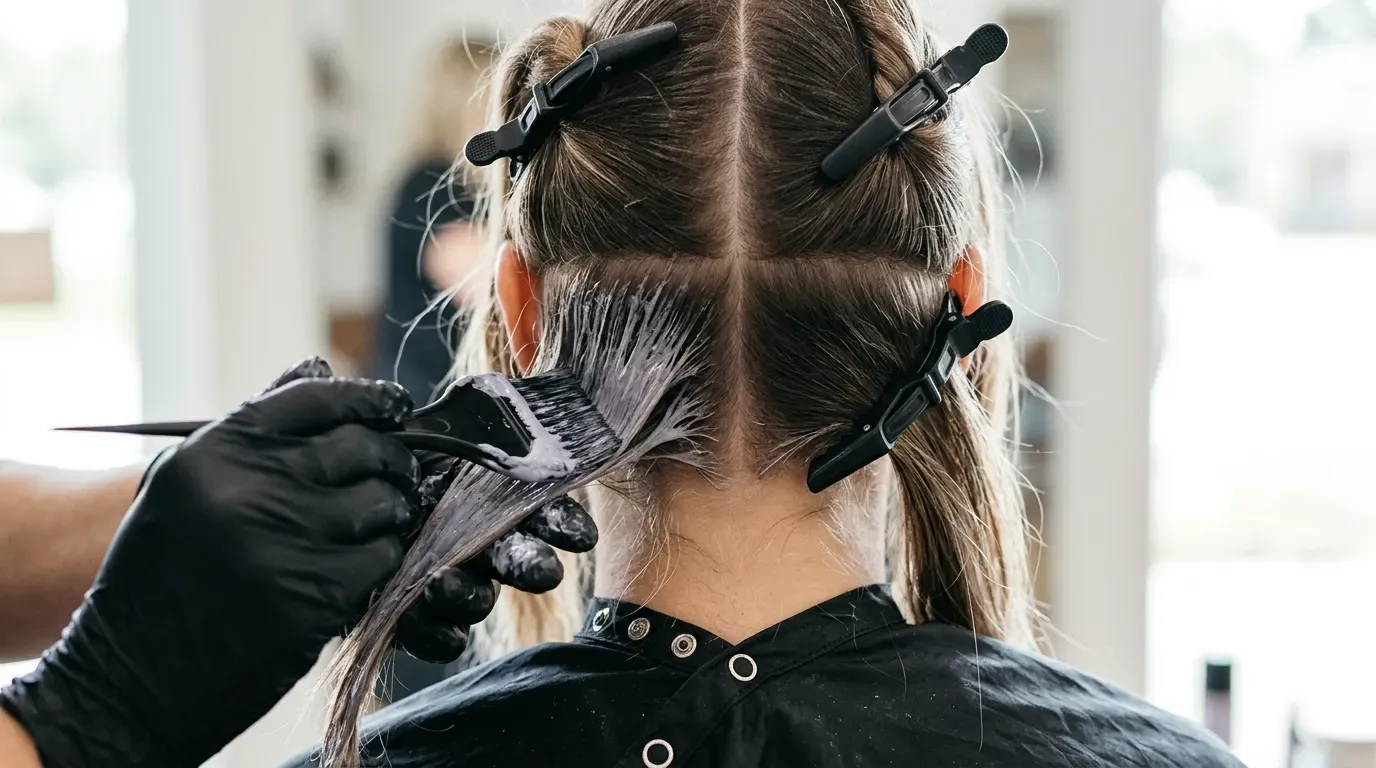
Preparing Mushroom Brown Hair Color At Home
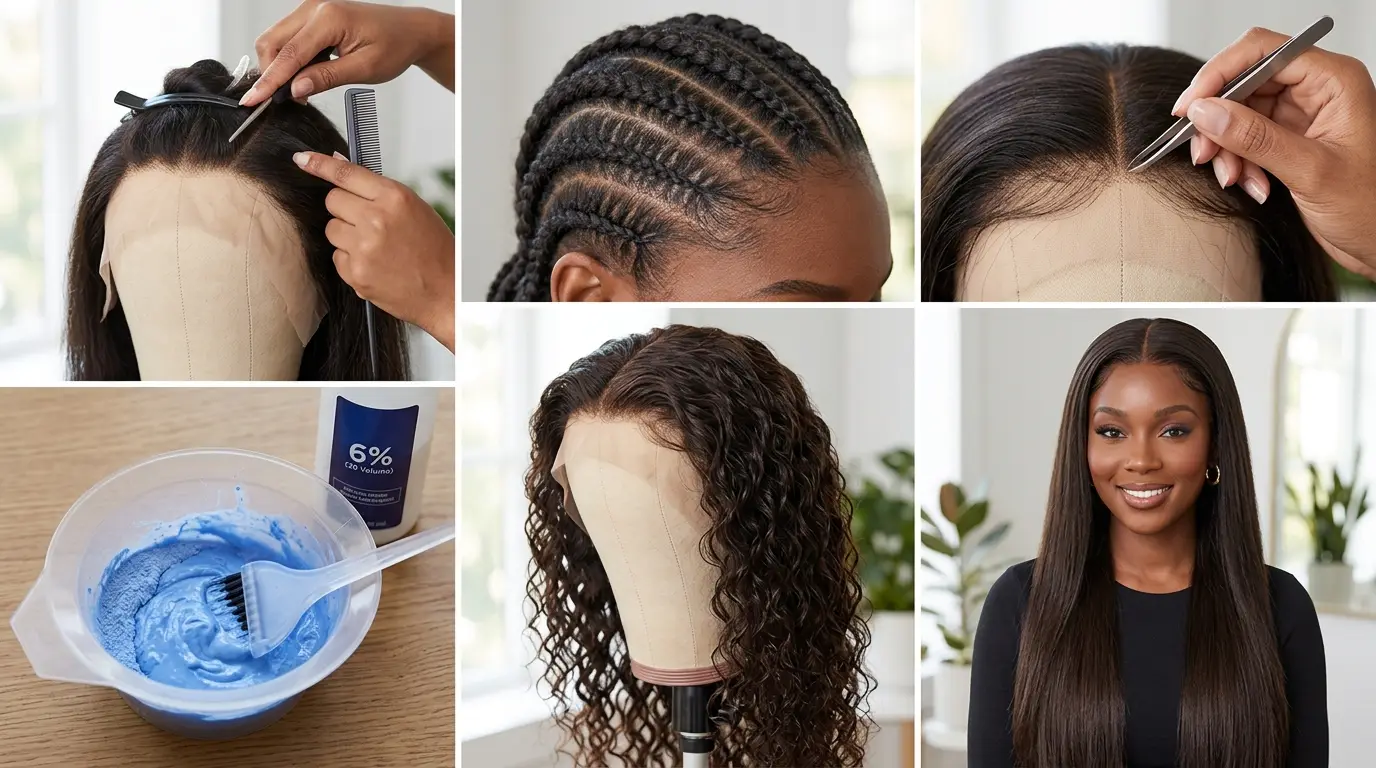
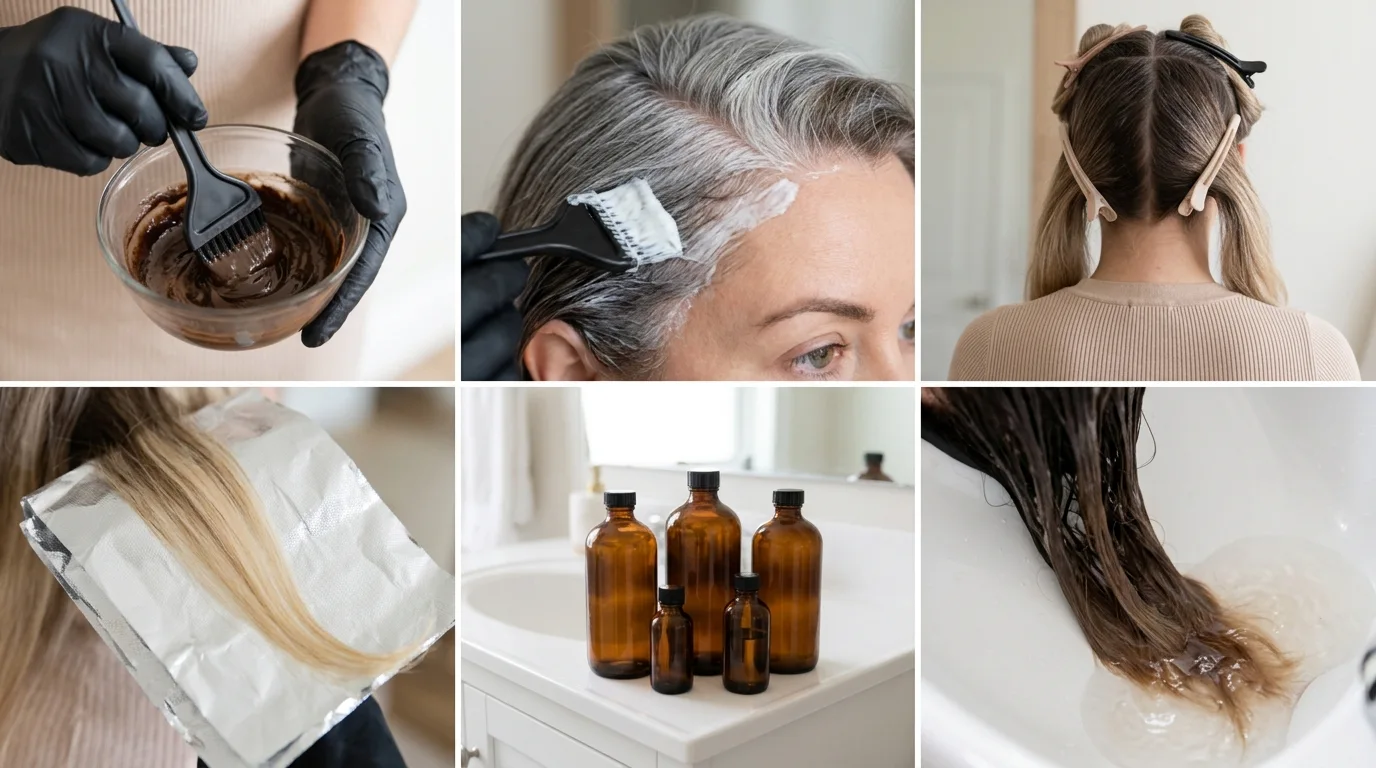
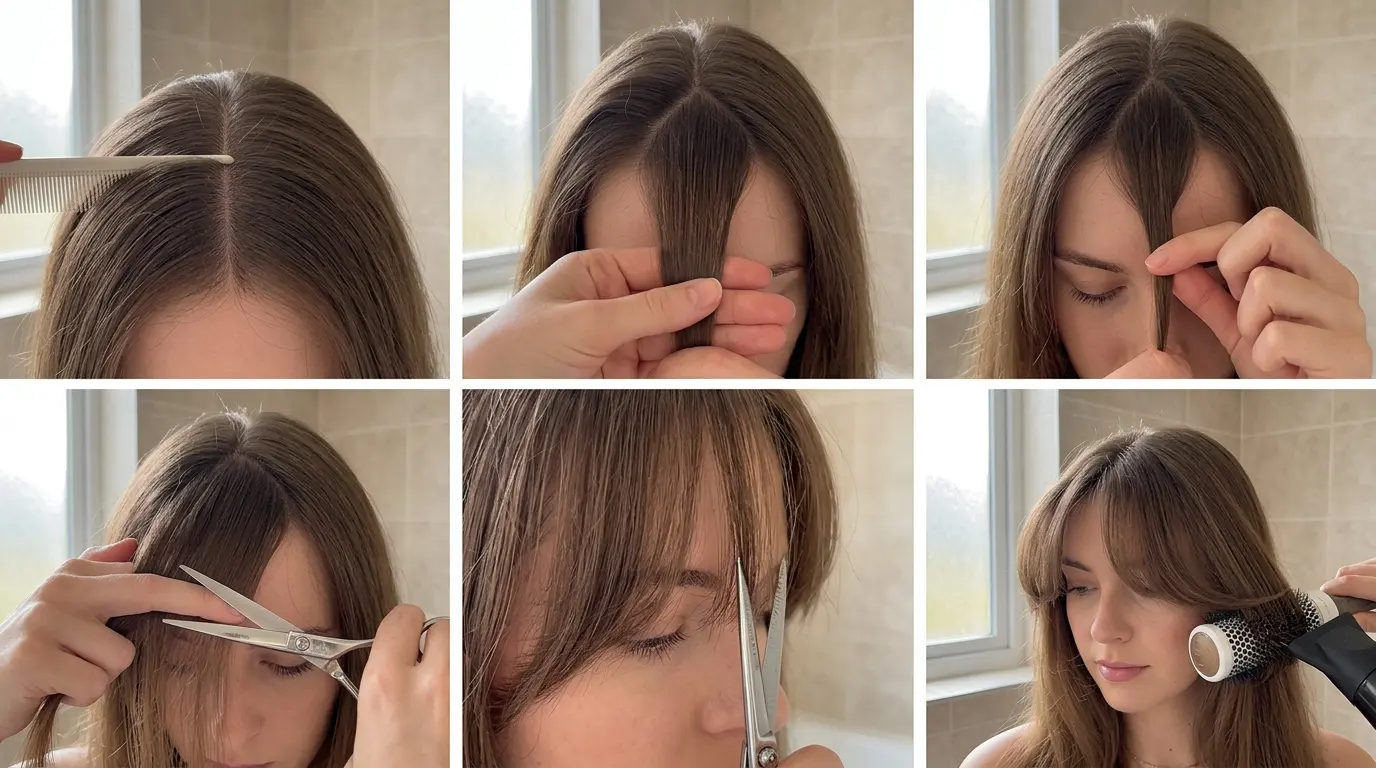
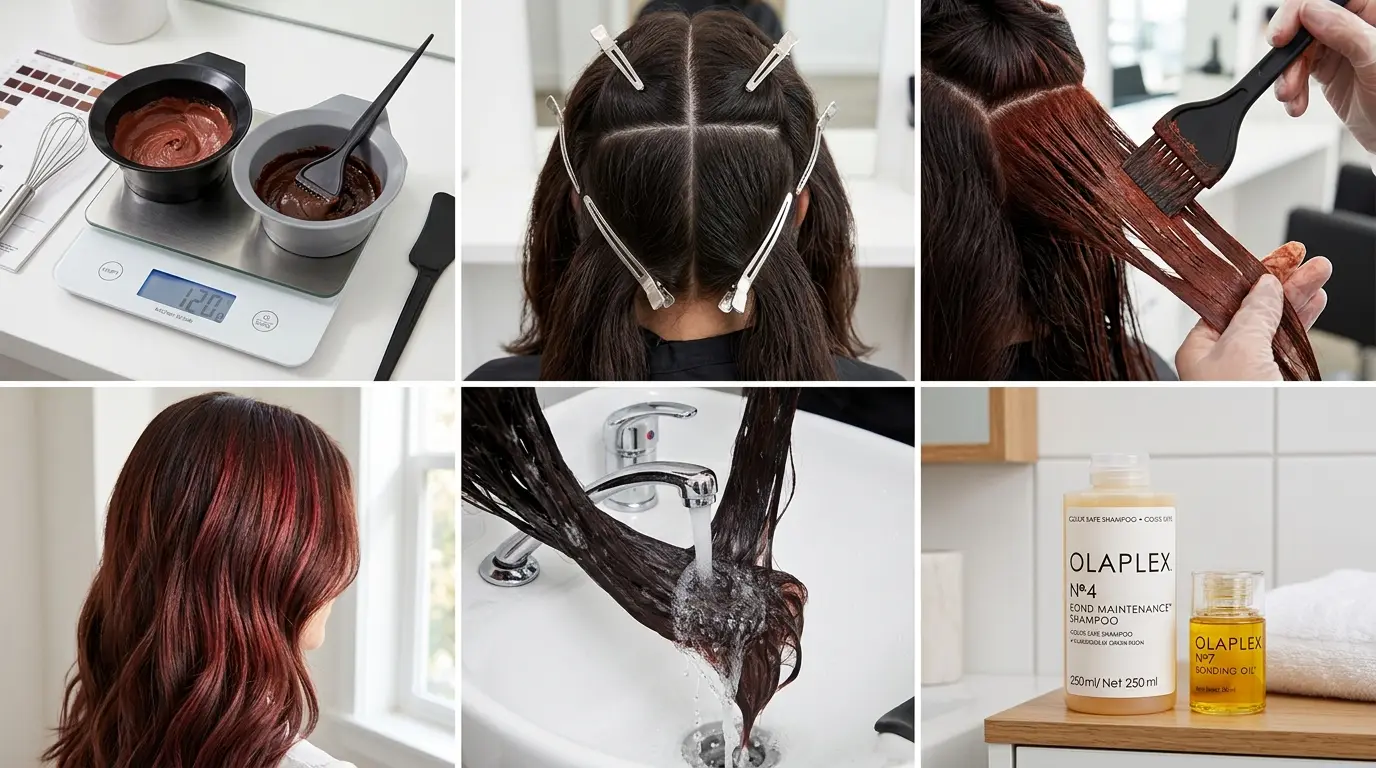
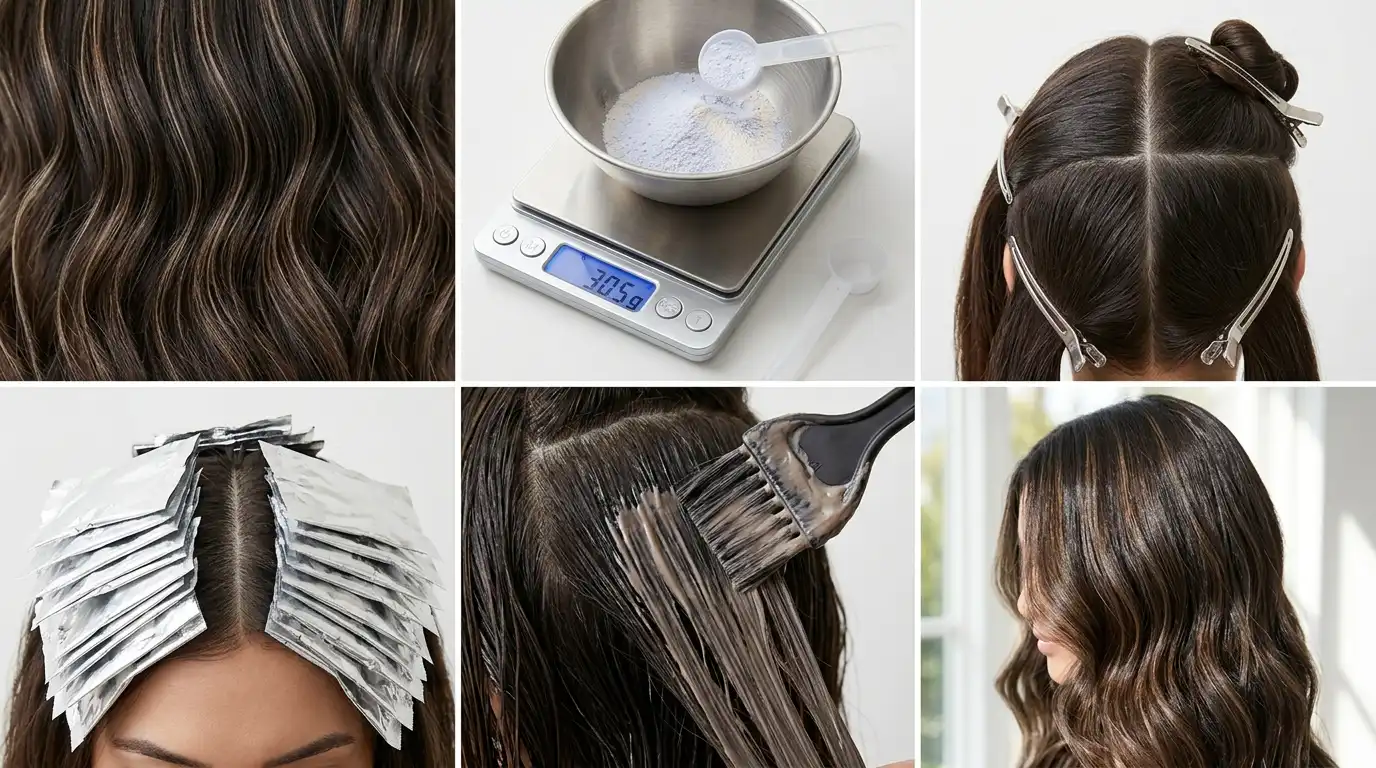
Dyeing your mane in your own bathroom requires strict timing. Applying mushroom brown hair color at home demands two boxes of color if your strands pass your collarbones. Divide the hair into four clean quadrants using plastic clips, avoiding metal tools that react with developer.
Sectioning And Saturating The Strands
Work from the nape of the neck forward in quarter-inch sections. Deposit the mixture at the mid-lengths first, moving to the ends, and finish with the roots during the final fifteen minutes of processing. The heat radiating from your scalp accelerates chemical reactions, causing roots to process twice as fast as the ends.
Always perform a strand test on a hidden half-inch section near your ear twenty-four hours before coating your entire head.
Formulating Dimensional Ash And Smoky Ombre
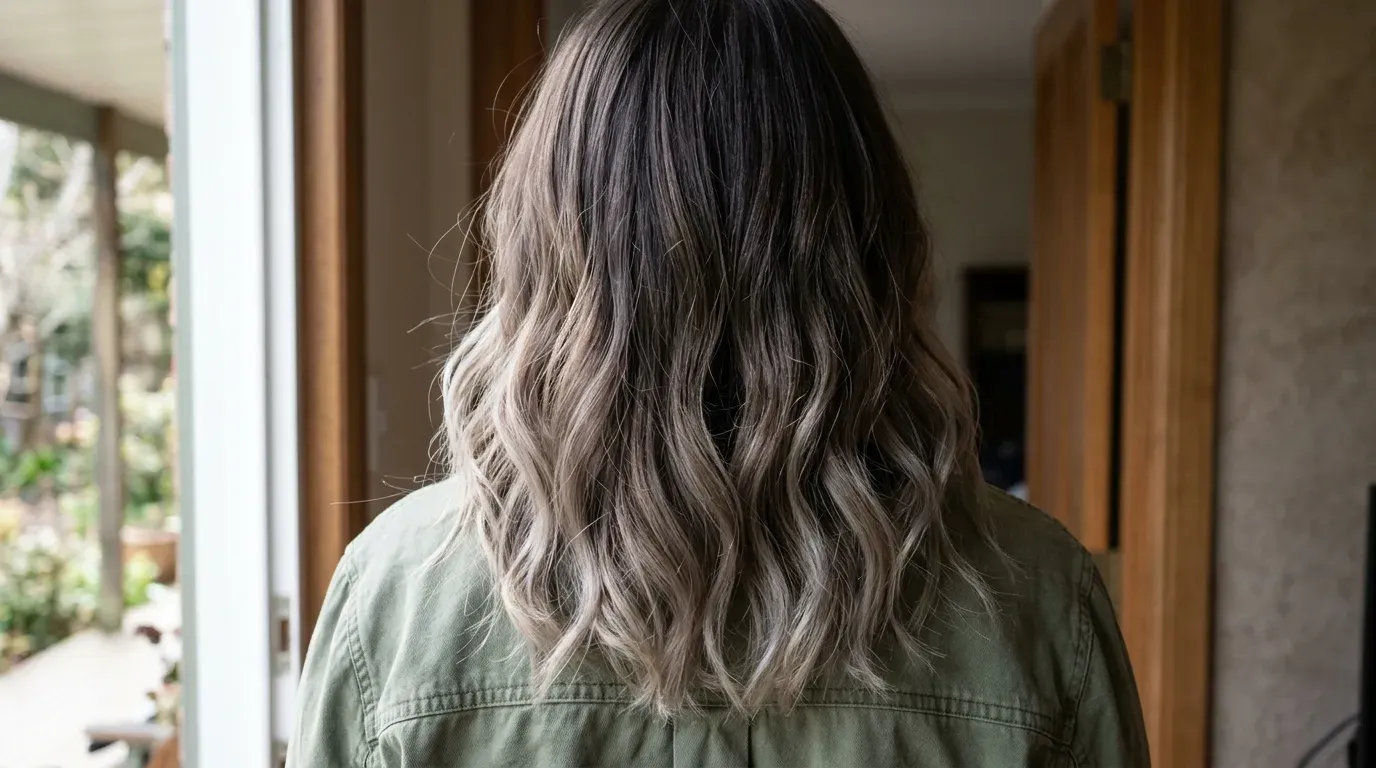
Blending Highlights And Lowlights For Depth
Uniform color can make ash shades look hollow. Weaving alternating highlights and lowlights creates depth by pairing cool taupe ribbons with deeper charcoal lowlights. This technique produces a mushroom bronde effect that prevents the overall color from looking powdery or aged.
Soft Blending Along The Demarcation Line
Transitioning from a dark root to smoky mushroom ends requires feathering the dye upward with a tint brush. Feathering softens the transition line so regrowth does not create a harsh horizontal shelf. A seamless melt lets you stretch salon appointments to four months.
Book an in-person gloss appointment halfway between color sessions to refresh the toners without processing your hair again.
Upkeep Routines And What Happens Over Time
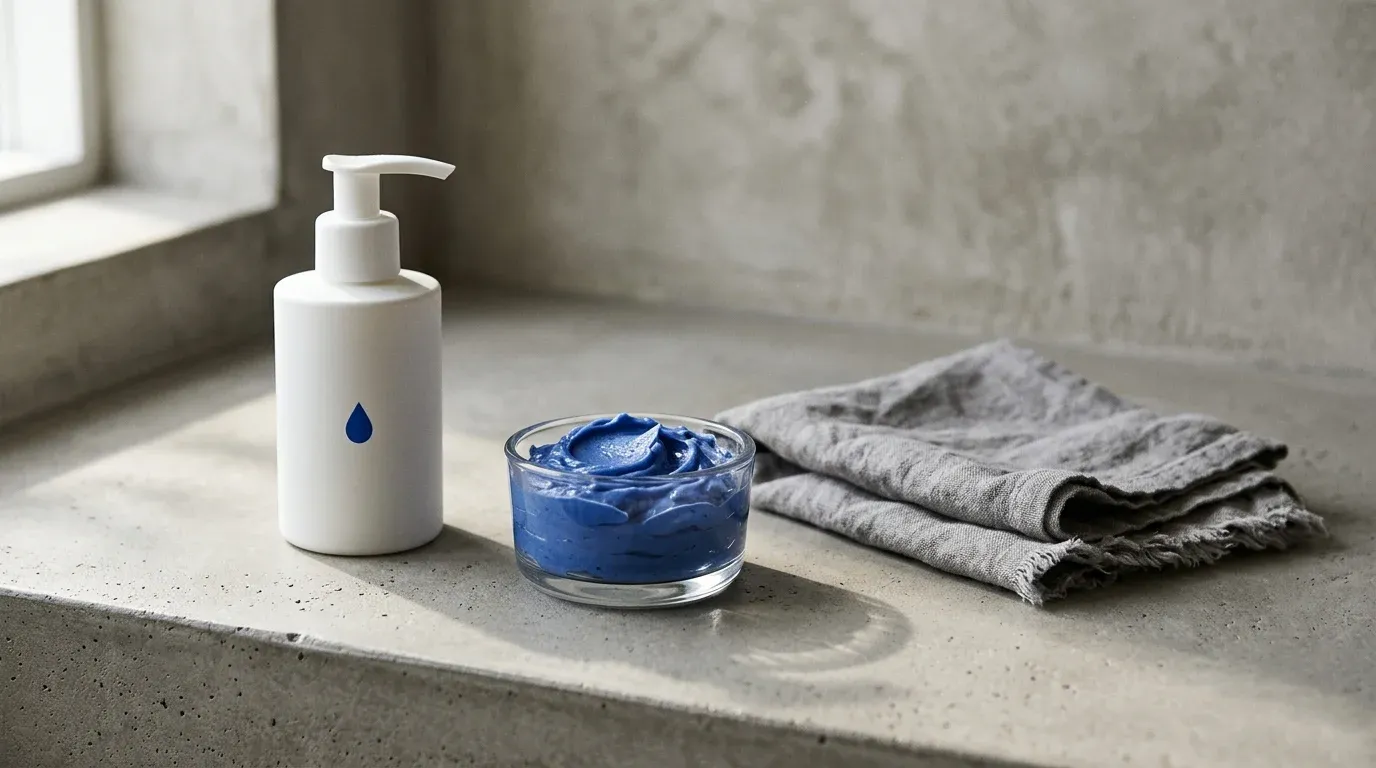
Managing Porosity And Water Temperature
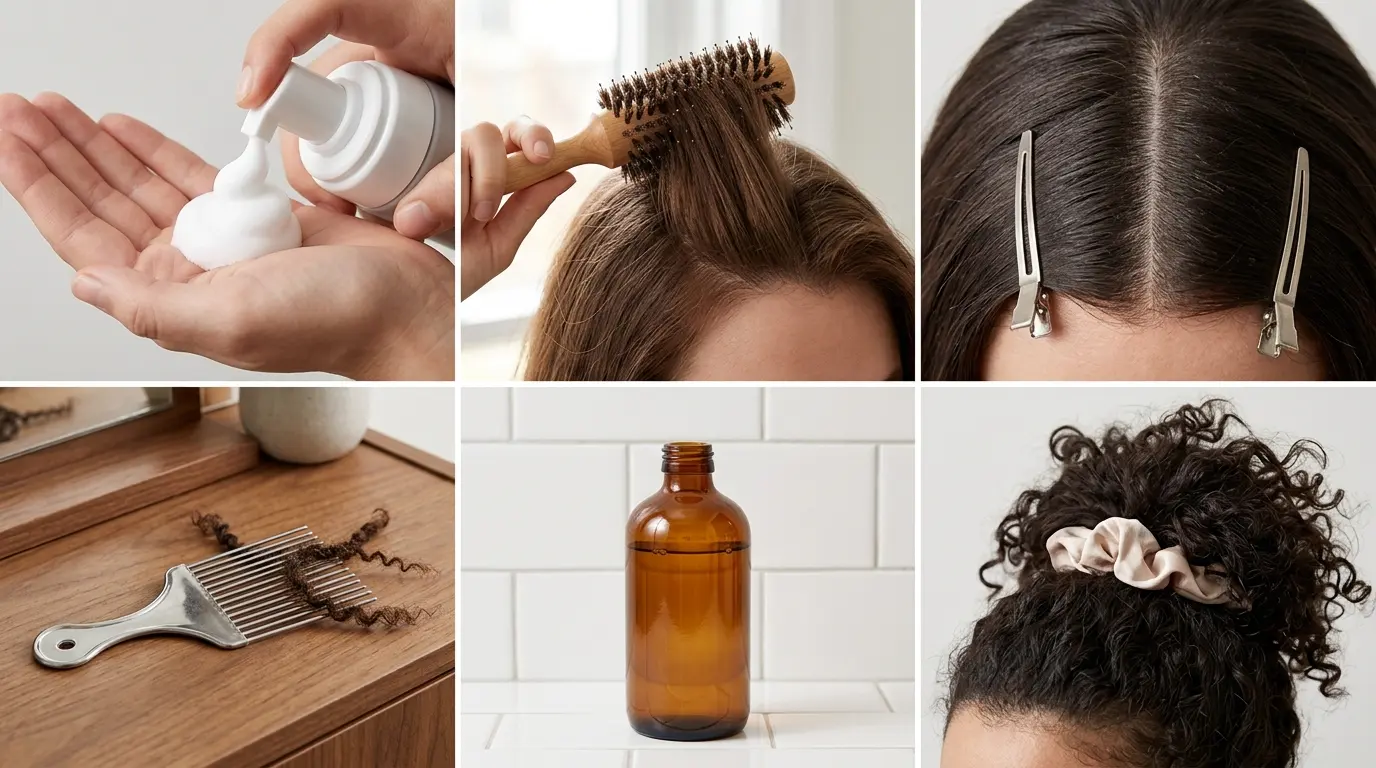
Cool toner molecules are smaller than warm red pigments, meaning they slip out of the hair cuticle rapidly. Washing with hot water expands the outer cuticle layer and washes away ash tones in fewer than four washes. Rinsing with cool water keeps the cuticle flat, locking the smoky hue inside the strand core.
Correcting Color Shifts With Blue Pigment
Tap water containing minerals causes cool brunette hair to drift brassy after three weeks. Counter orange hues by lathering with a blue-pigmented shampoo once every seven to ten days. Leave the blue foam on your head for three minutes before rinsing thoroughly. Expect to spend around 14 to 18 dollars in 2026 for a quality bond-protecting pigmented wash.
Switch to a sulfate-free cleansing cream on non-toning wash days to preserve essential moisture levels.
Frequently Asked Questions
Can You Get Mushroom Brown Over Red Dyed Hair
Neutralizing existing red dye requires two full color processes. You must first strip the red pigment using a sulfur-based color remover, followed by an application of green-based ash toner to cancel lingering crimson before depositing taupe.
How Often Do You Need To Tone Mushroom Brown Strands
In-salon glosses or at-home conditioning toners are required every three to five weeks. Cool pigments degrade rapidly under sunlight and thermal styling, exposing the underlying brassy foundation beneath the toner.
Will Purple Shampoo Fix Brassy Mushroom Brown Hair
Purple shampoo only neutralizes pale yellow tones in light blonde hair. Brunettes combating copper or orange shifts must use blue shampoo, because blue sits directly across from orange on the color wheel.
Living With Cool Earthy Brunette Hair
Ashy mushroom brown hair delivers a striking, modern look, but it demands consistent upkeep. Between strict cold-water rinses, periodic blue washes, and avoiding excessive heat, maintaining this earthy hue is an active commitment. When treated with proper hydration and regular glossing, the cool slate tone provides a sophisticated, low-shine finish that stands out effortlessly against traditional warm shades.