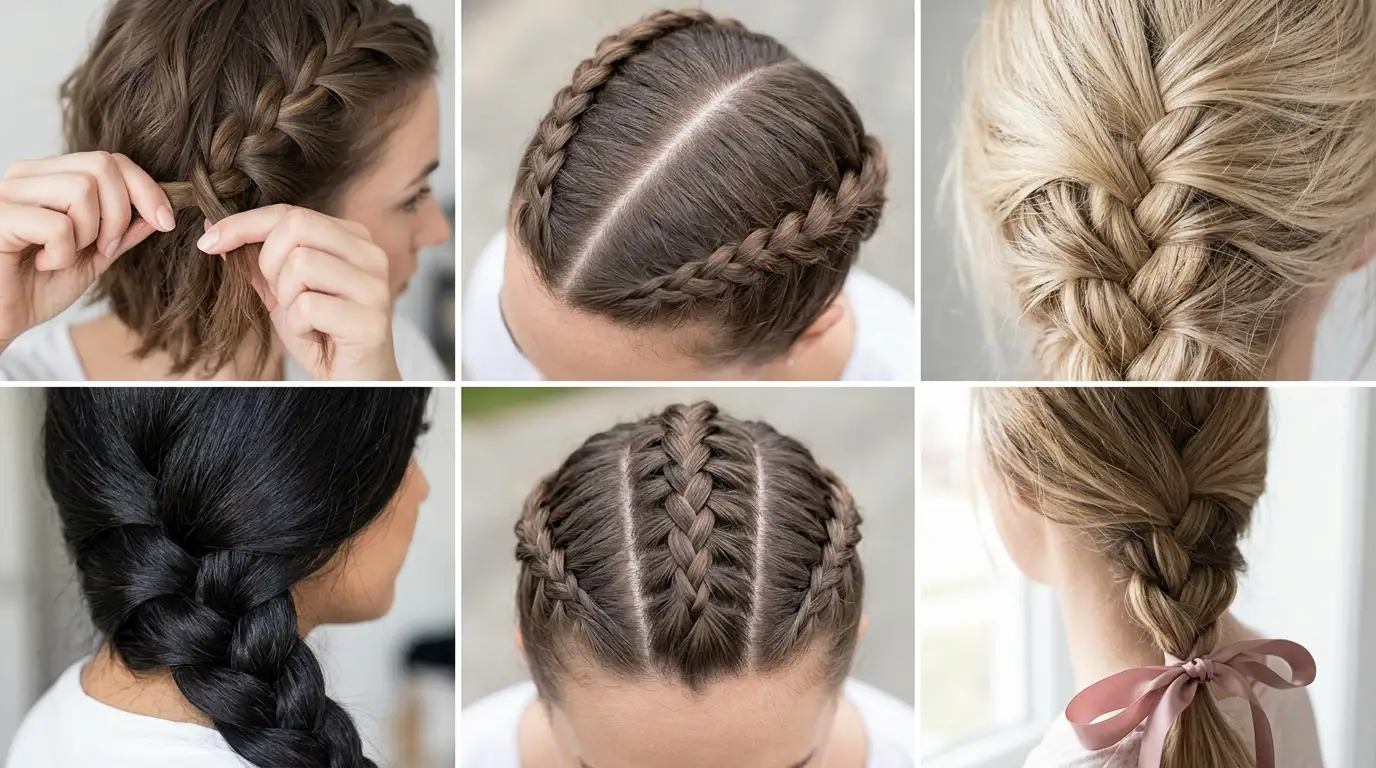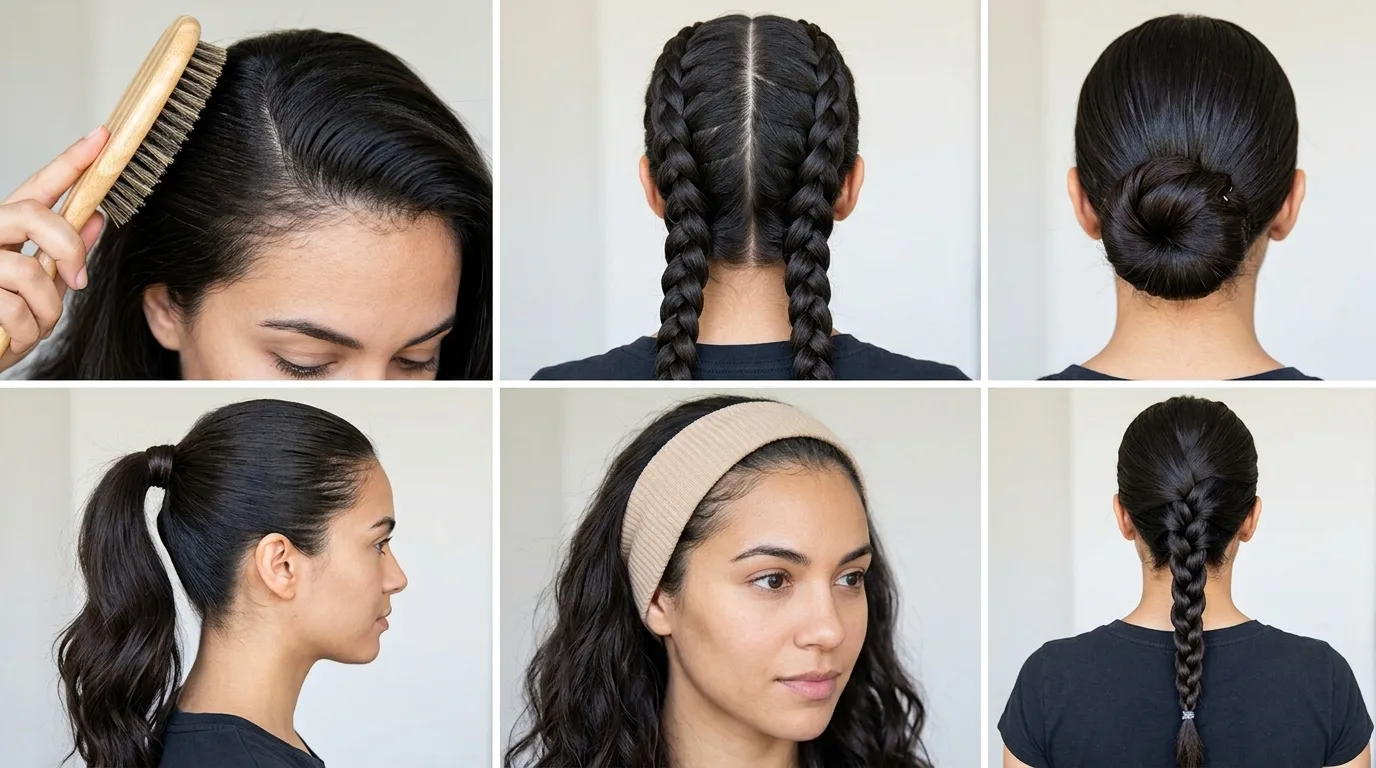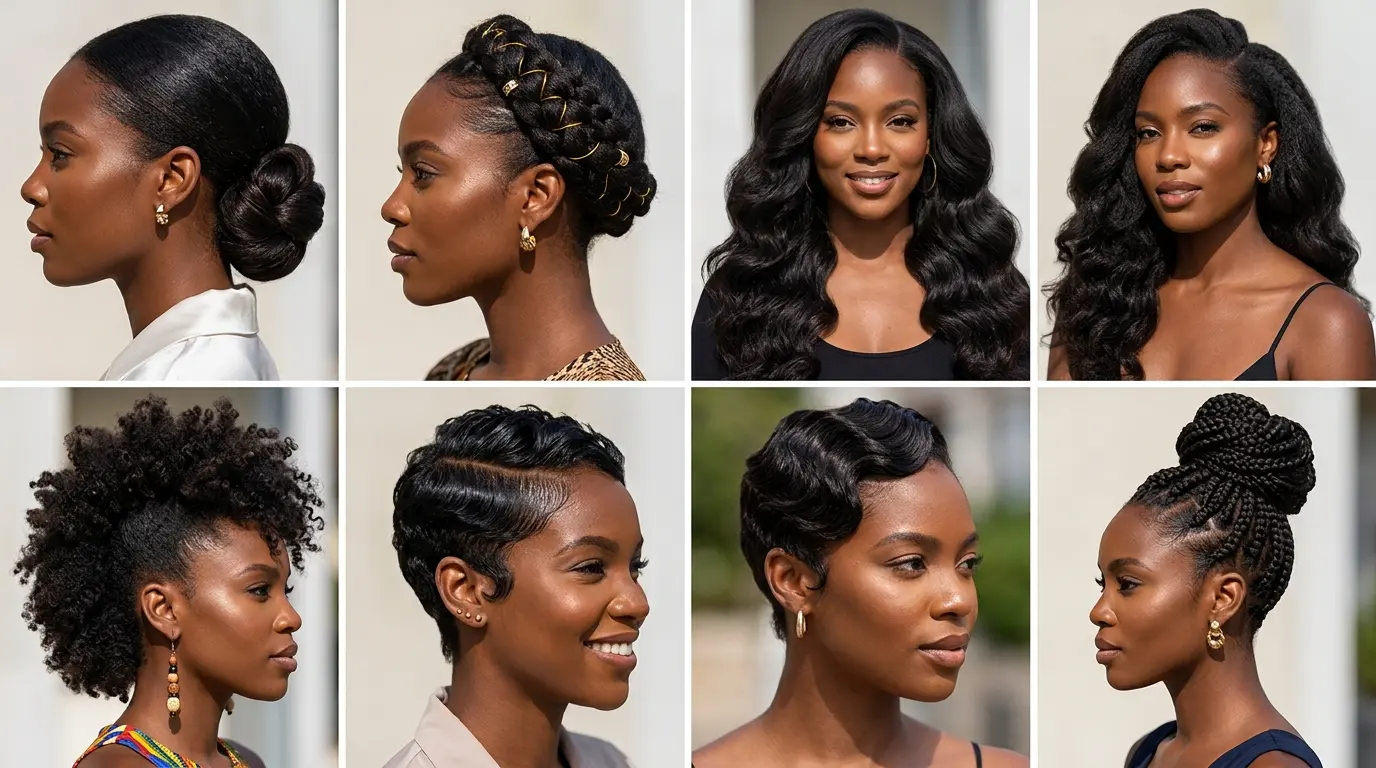

Unruly strands happen when the outer protective cuticle lifts, allowing humidity to penetrate the inner fiber and swell each strand unevenly. You need to know how to get rid of frizzy hair without spending hundreds of dollars on salon chemical straightening. Managing this issue requires treating hair like a delicate fabric during washing, drying, and sleeping. The steps below show you the exact sequence required to keep the surface flat, balanced, and completely under control.
What you need:
- Clarifying shampoo without sulfates, 8 fl oz bottle
- Hydrating conditioner with cetyl alcohol, 12 fl oz bottle
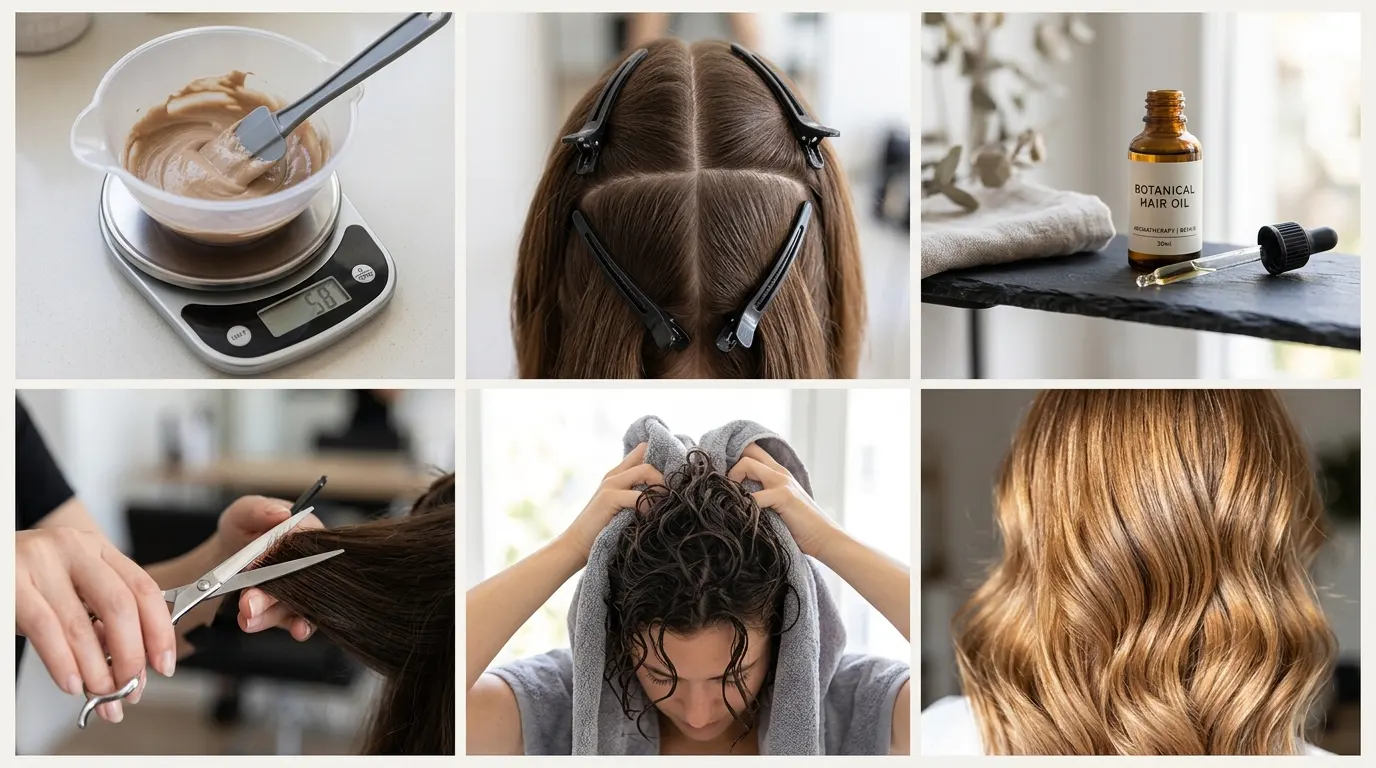
- Argan oil, 100 percent cold pressed, 2 fl oz dropper bottle
- Microfiber towel or 100 percent cotton t-shirt, 20 by 30 inches
- Wide tooth acetate comb, 8 inches long
- Diffuser attachment fitting a standard 2 inch dryer nozzle
- Mulberry silk pillowcase or satin sleep bonnet, 19 momme weight
Apply a Pre-Shampoo Treatment to Mid-Lengths and Ends
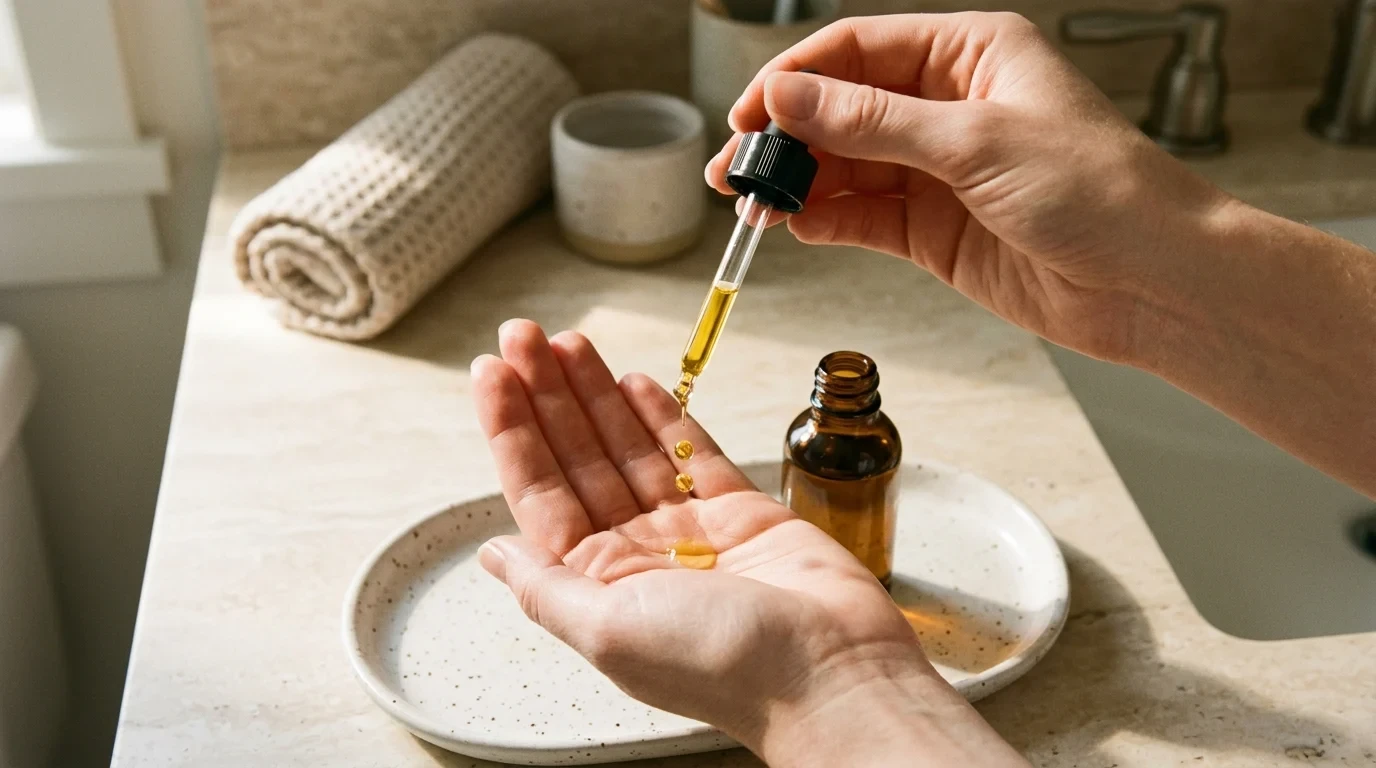
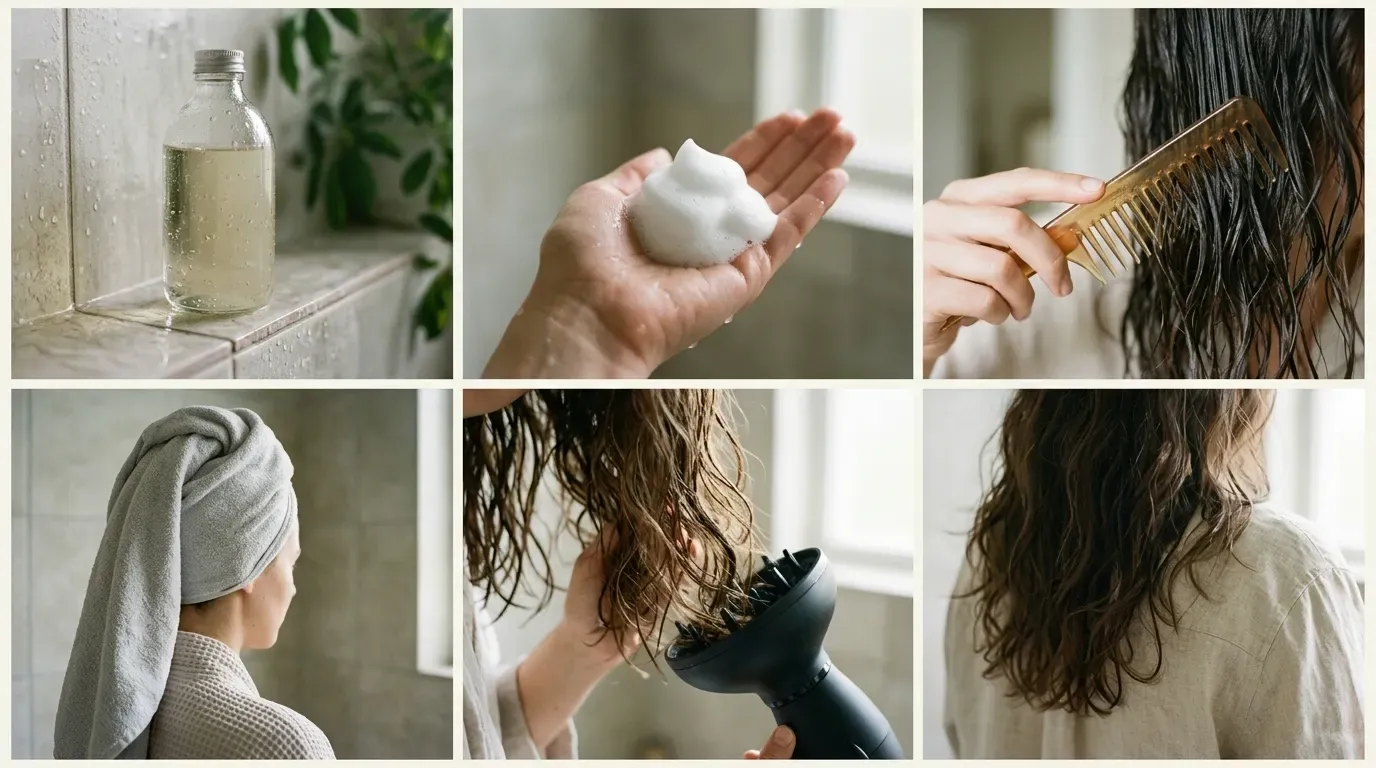
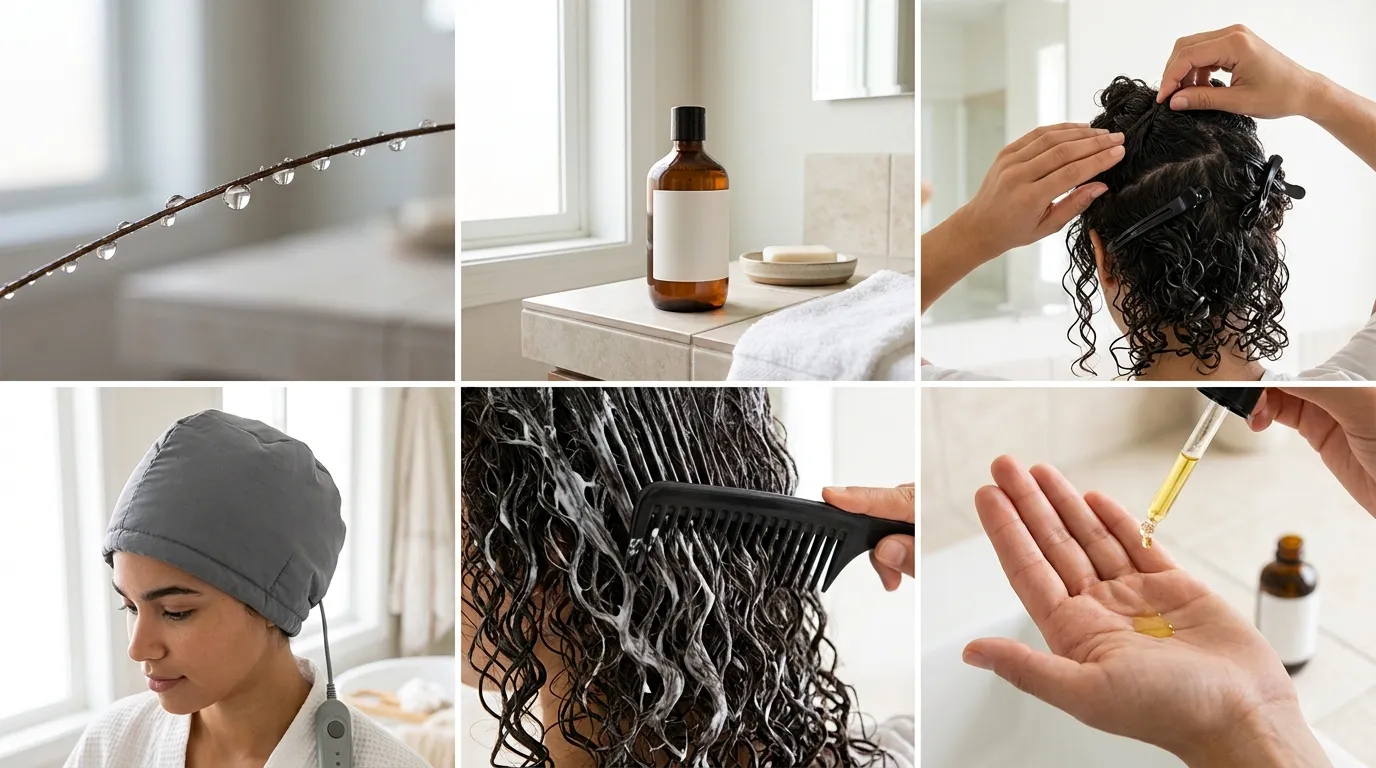
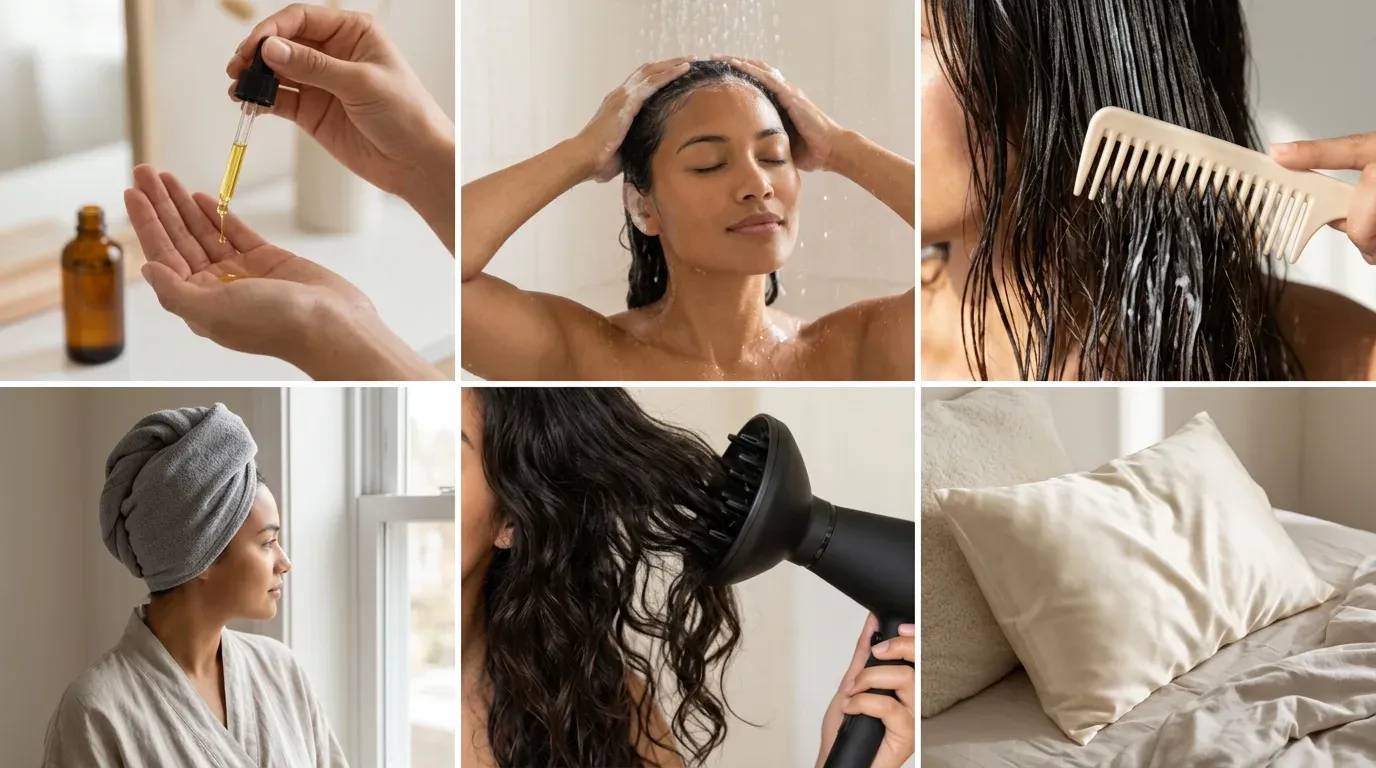
Start by coating the dry hair shaft with three to four drops of pure jojoba or coconut oil ten minutes before stepping into the shower. Water causes the hair fiber to swell rapidly, which weakens the delicate cell membrane complex beneath the surface. Applying oil first forms a light hydrophobic shield that stops excessive water absorption while you cleanse.
Skip your scalp completely during this step. Adding heavy oils directly to the roots weighs down fine textures and triggers stubborn buildup around the follicles. Focus entirely on the bottom four inches where strands are oldest and naturally depleted of lipids.
Wash with a Gentle Sulfate-Free Cleanser
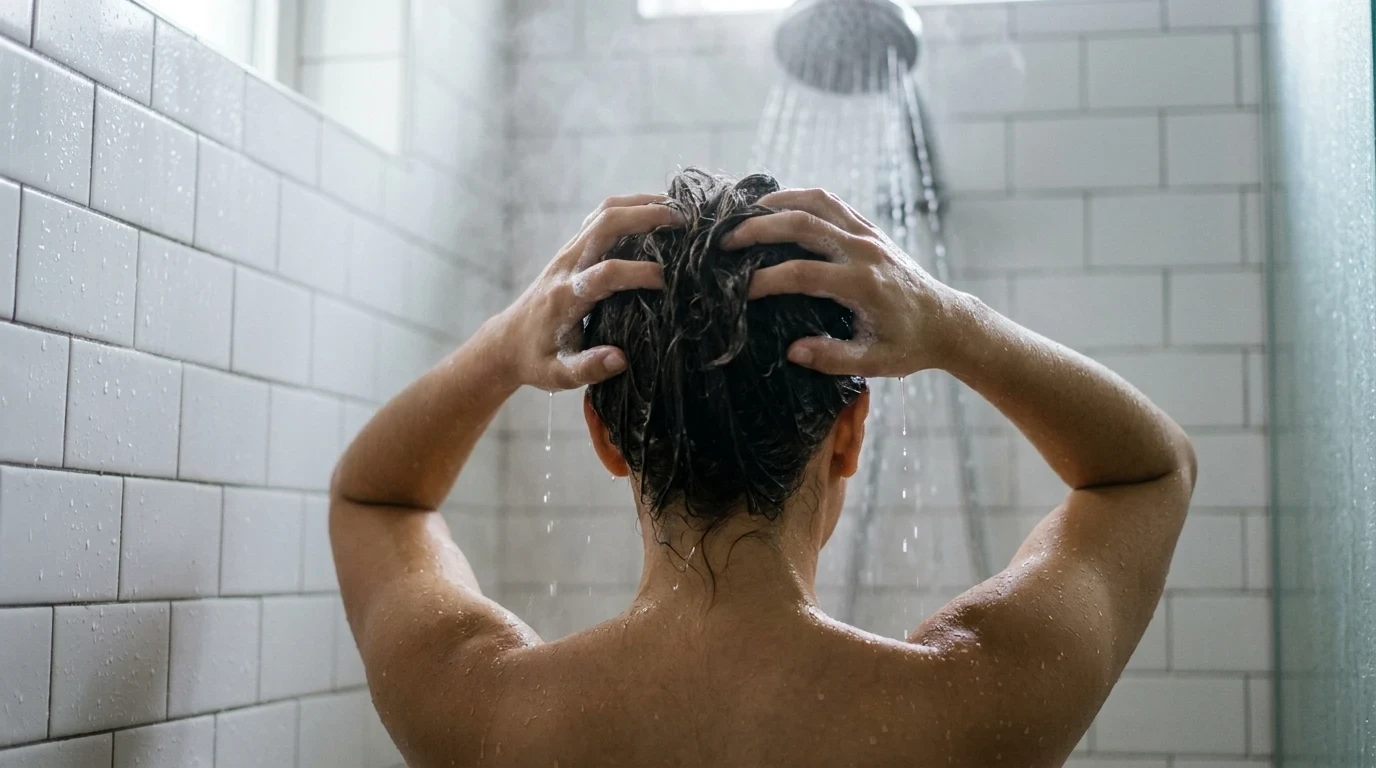
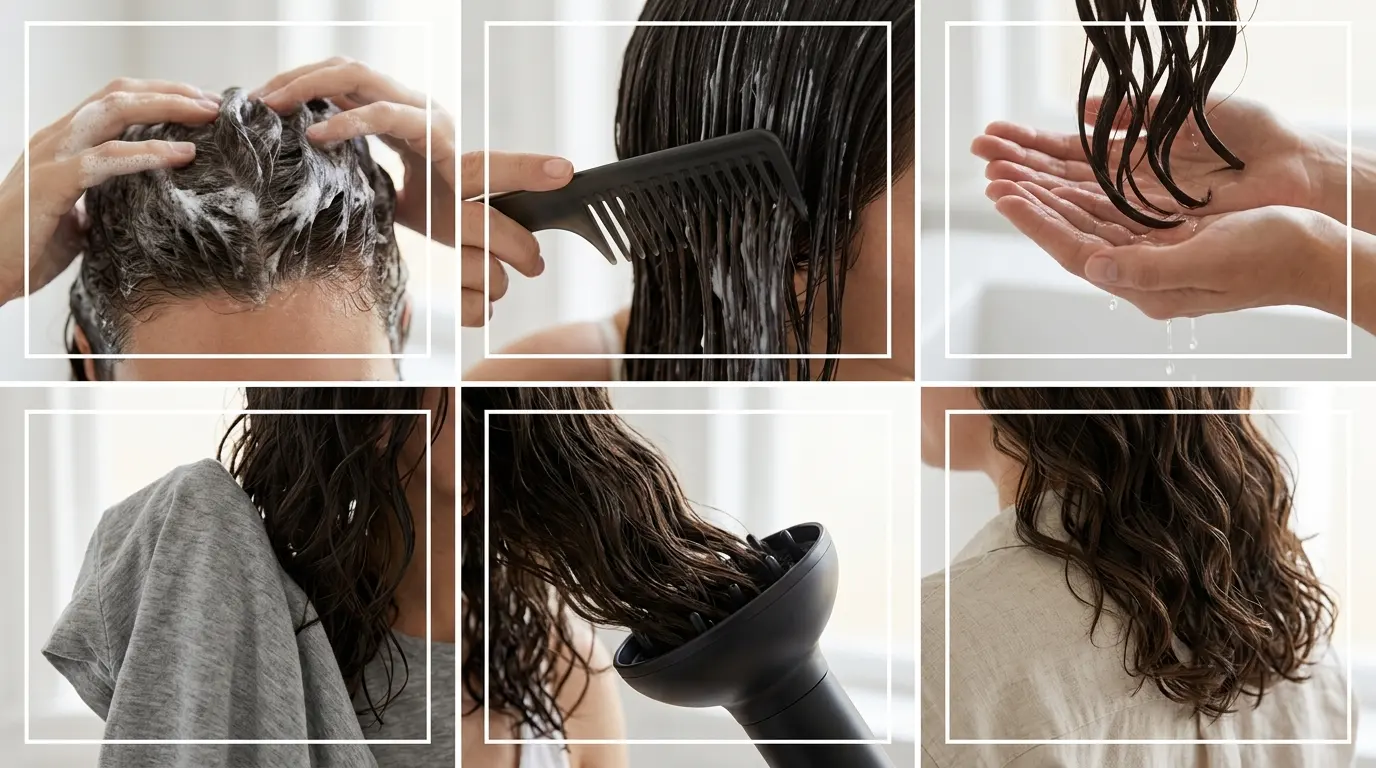
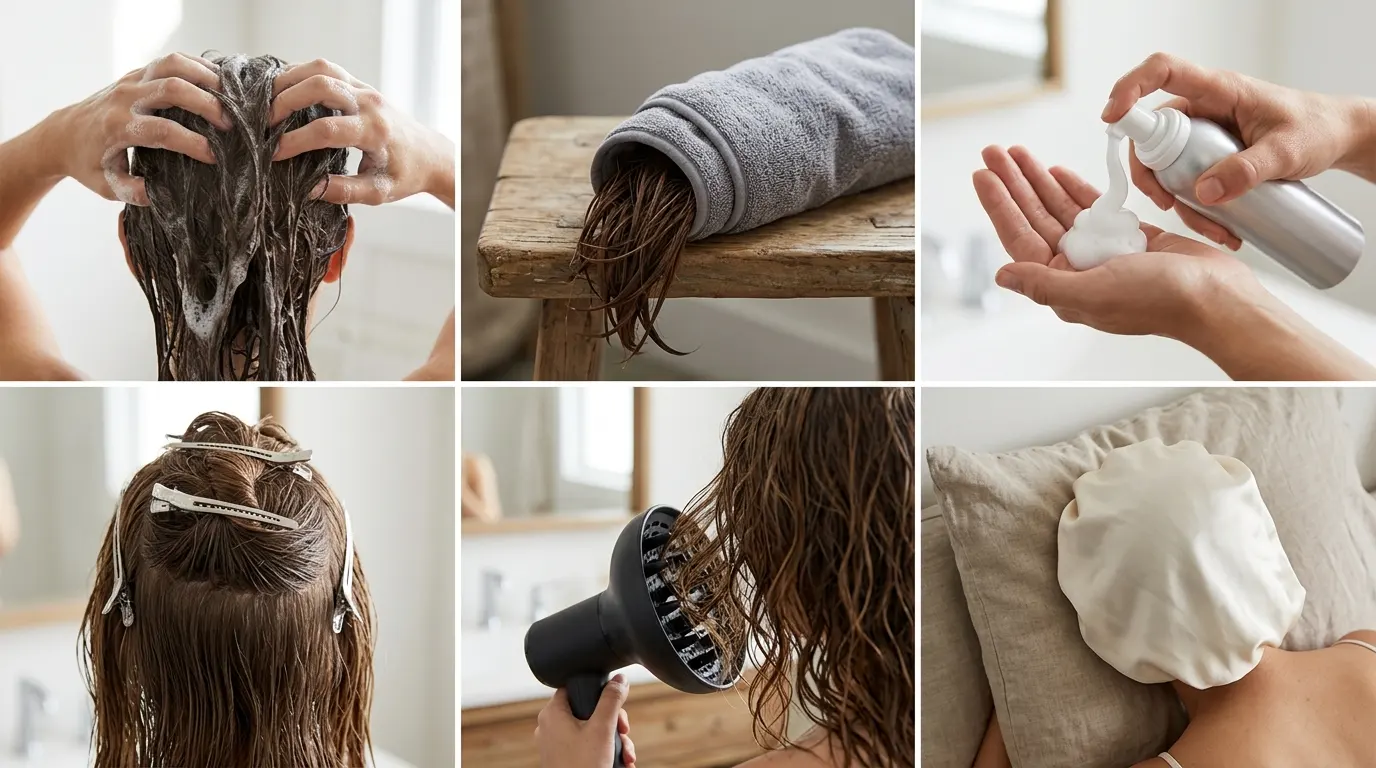
Turn your shower water down to lukewarm, keeping it below 100 degrees Fahrenheit. Steaming hot water strips the protective sebum layer, causing cuticles to flare open instantly. Work a quarter-sized amount of sulfate-free cleanser directly into your scalp using the pads of your fingers for two minutes.
Cleanse the scalp only and let the suds rinse down the lengths on their own. Harsh surfactants like sodium lauryl sulfate strip moisture, turning wavy and curly patterns into an unmanageable halo. A mild surfactant cleanses the root without drying the fragile lower lengths.
Coat the Strands with Hydrating Rinse-Out Conditioners
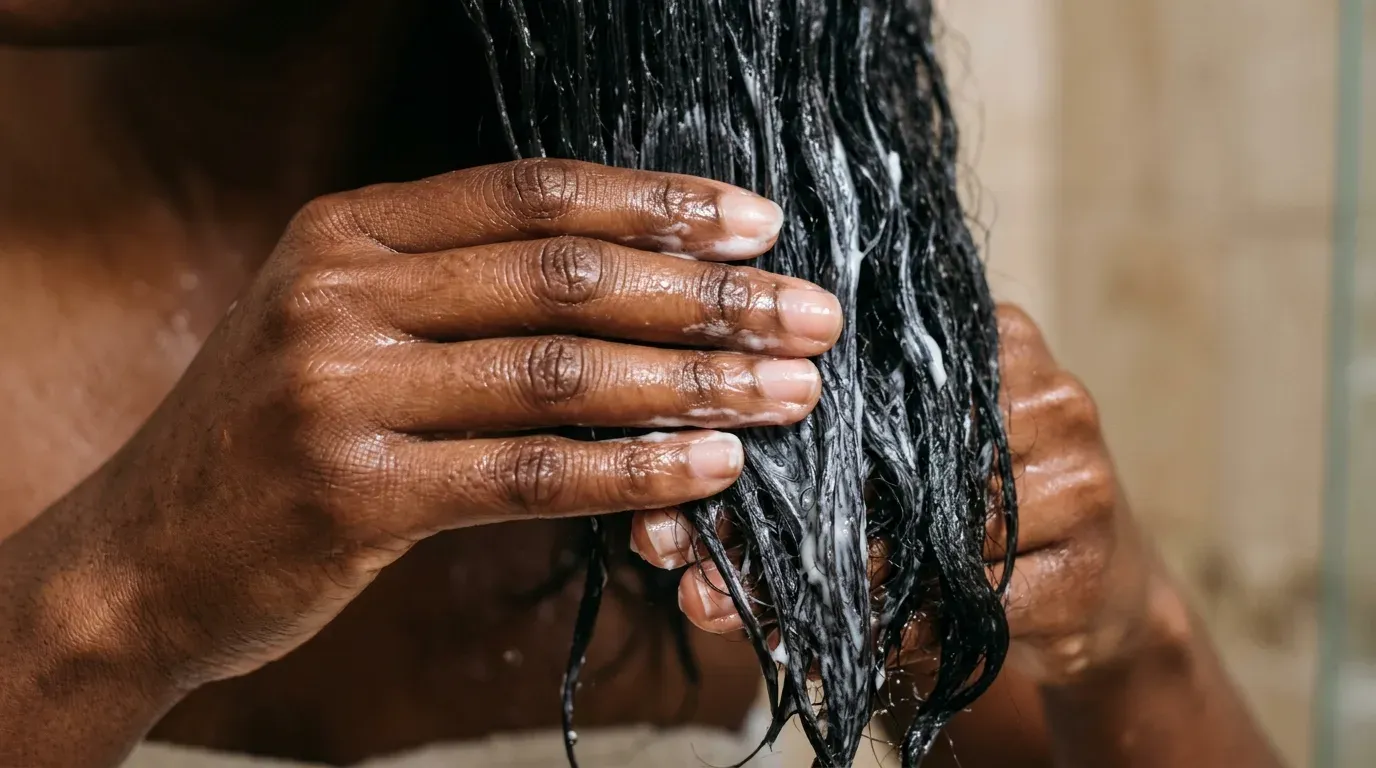
Press excess water from your hair using your hands before reaching for your bottle of conditioner. Drenched strands cannot absorb thick conditioning agents because water fills the porous gaps first. Squeeze a nickel-sized dollop of hydrating formula containing cetearyl alcohol into your palms and work it upward from the ends.
Using the best shampoos conditioners for frizzy hair provides the surface slip required to protect fragile hair strands during washing. Let the formula saturate the strands for three full minutes so fatty alcohols coat the outer surface. Rinse thoroughly with cool water to firm up the outer layers.
Detangle Gently Using a Wide-Tooth Acetate Comb
Keep your wide-tooth comb directly inside the shower stall. Work through knots only while the conditioner still coats your hair fiber, starting three inches from the ends. Gently work upward toward the roots in small two-inch sections.
Never drag a fine-bristle brush through wet, unconditioned strands. Wet hair stretches up to 30 percent beyond its resting length before snapping, and snapped fibers create rough jagged ends that look like frizz later. Acetate combs glide smoothly through tangles without snagging the delicate fiber.
Deep Condition Weekly with a Nourishing Hair Mask
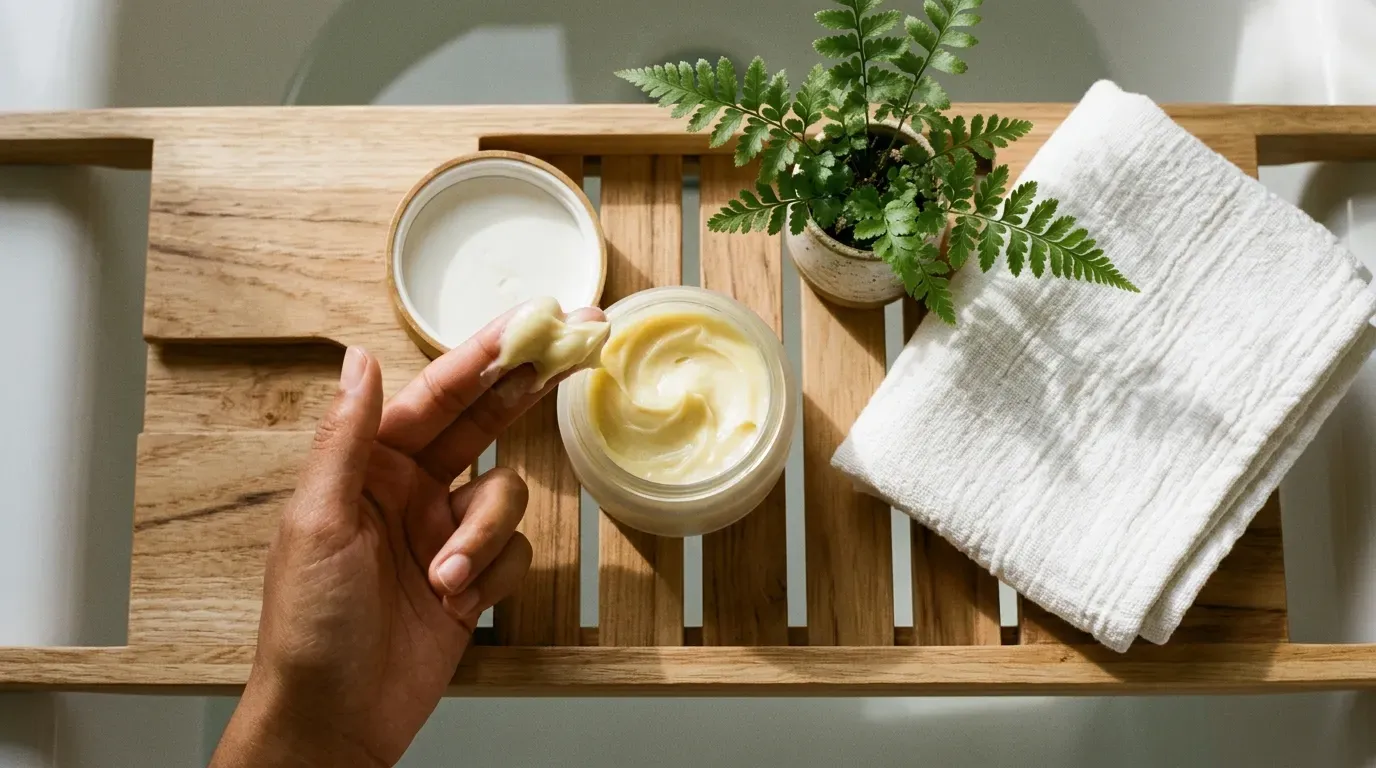
Once every seven days, replace your regular rinse-out conditioner with a rich restorative treatment. Spread two tablespoons of a shea butter or hydrolyzed wheat protein mask through damp strands. Leave the formula on your hair for 15 minutes before rinsing completely.
A concentrated hair mask delivers small proteins and amino acids directly into damaged gaps along the hair cortex. But leaving protein-heavy treatments on for longer than 20 minutes makes strands stiff and brittle. Set a timer so you rinse the formula out promptly.
Press Excess Water with a Smooth Microfiber Towel
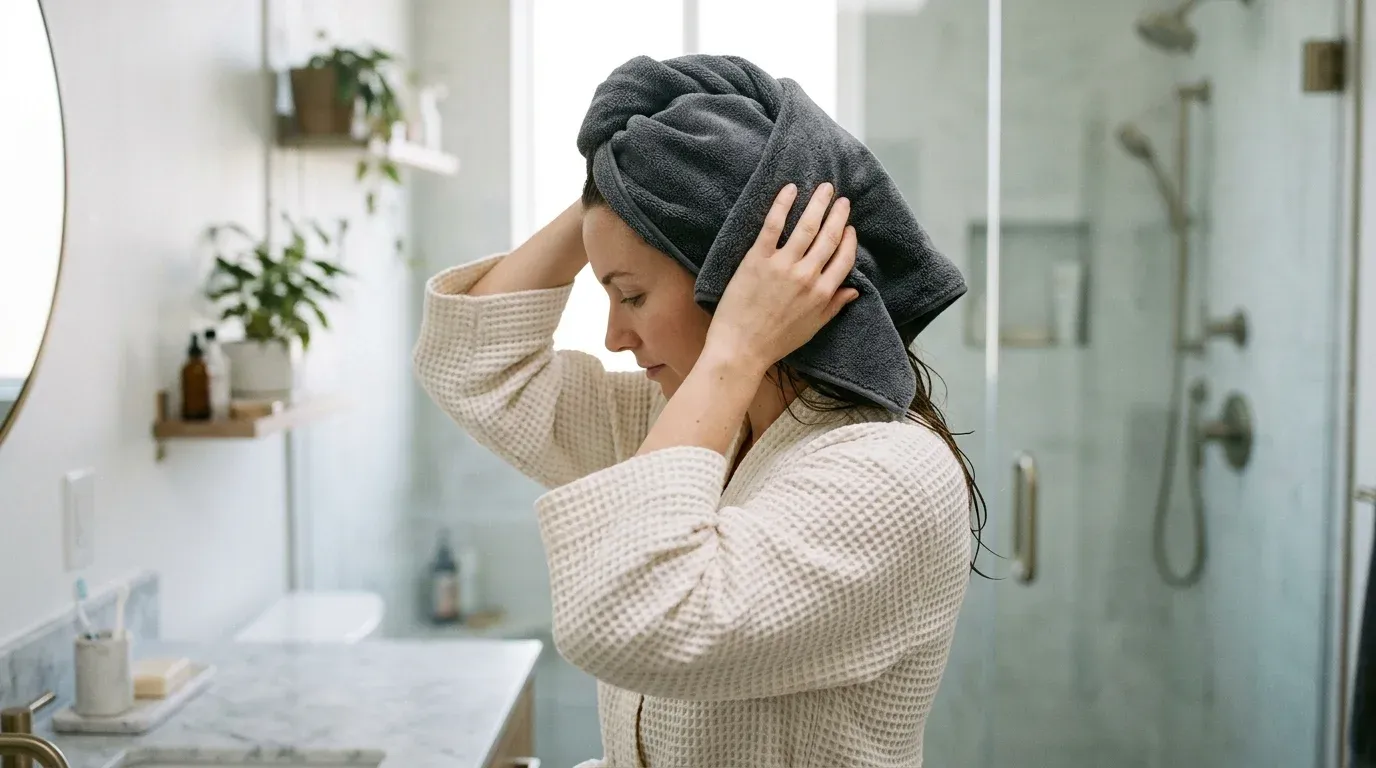
Step out of the shower and wrap your hair in a flat-weave microfiber wrap or clean cotton shirt. Traditional cotton terry cloth towels have tiny woven loops that snag fragile hair scales, ripping them open and creating immediate frizz.
Gently squeeze the fabric around the hair to pull water out without rubbing back and forth. Friction against rough fabric roughens the outer strand layer within seconds. Keep the wrap on your head for roughly eight minutes until hair stops dripping.
Rake in a Hydrating Leave-In Conditioner
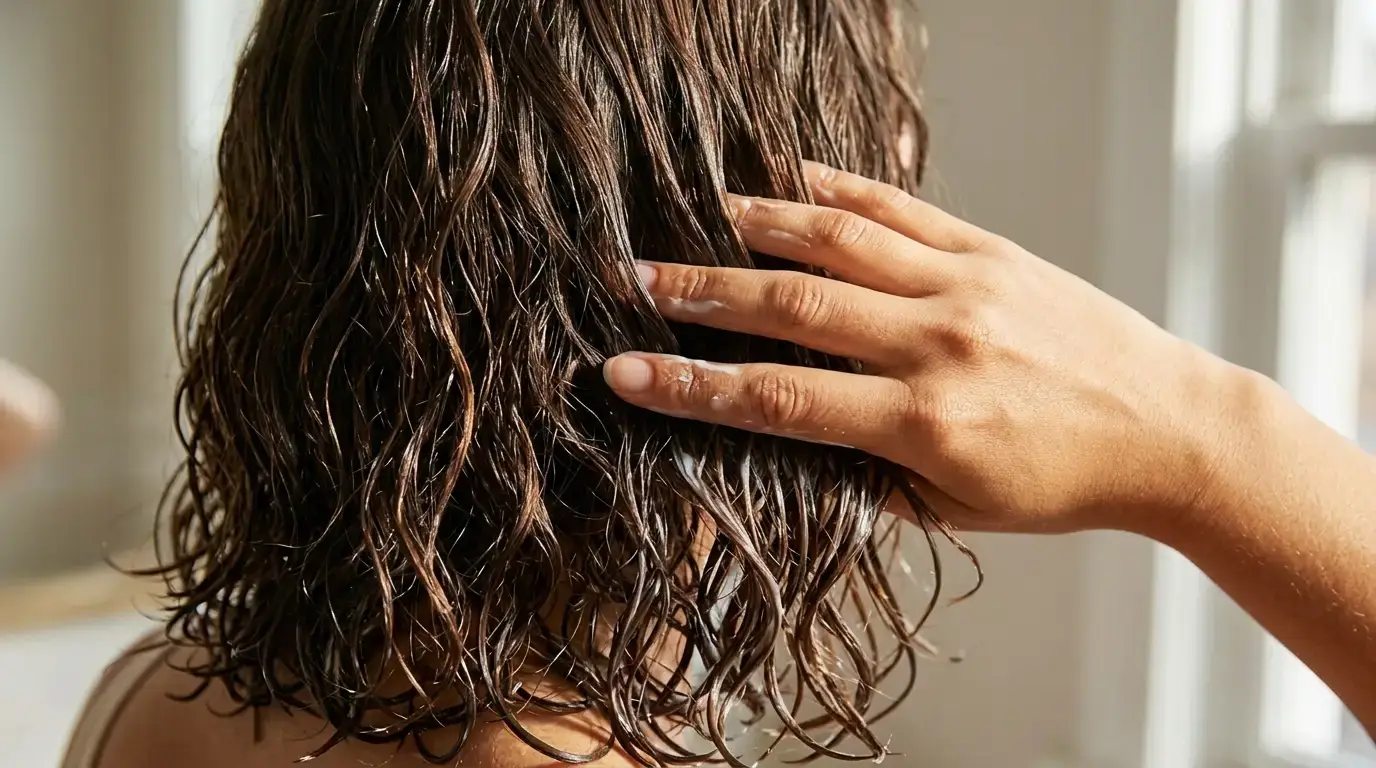
Dispense a nickel-sized portion of milky leave-in conditioner across your damp palms. Comb your fingers through the damp hair from the ears down, distributing the product evenly through the mid-lengths.
This step locks in hydration before environmental air has the chance to evaporate residual moisture from the inner cortex. Applying product to dry hair leaves an oily film on top, while applying to damp hair allows humectants like glycerin to bind water directly to the strand.
Seal the Surface with Lightweight Argan Oil
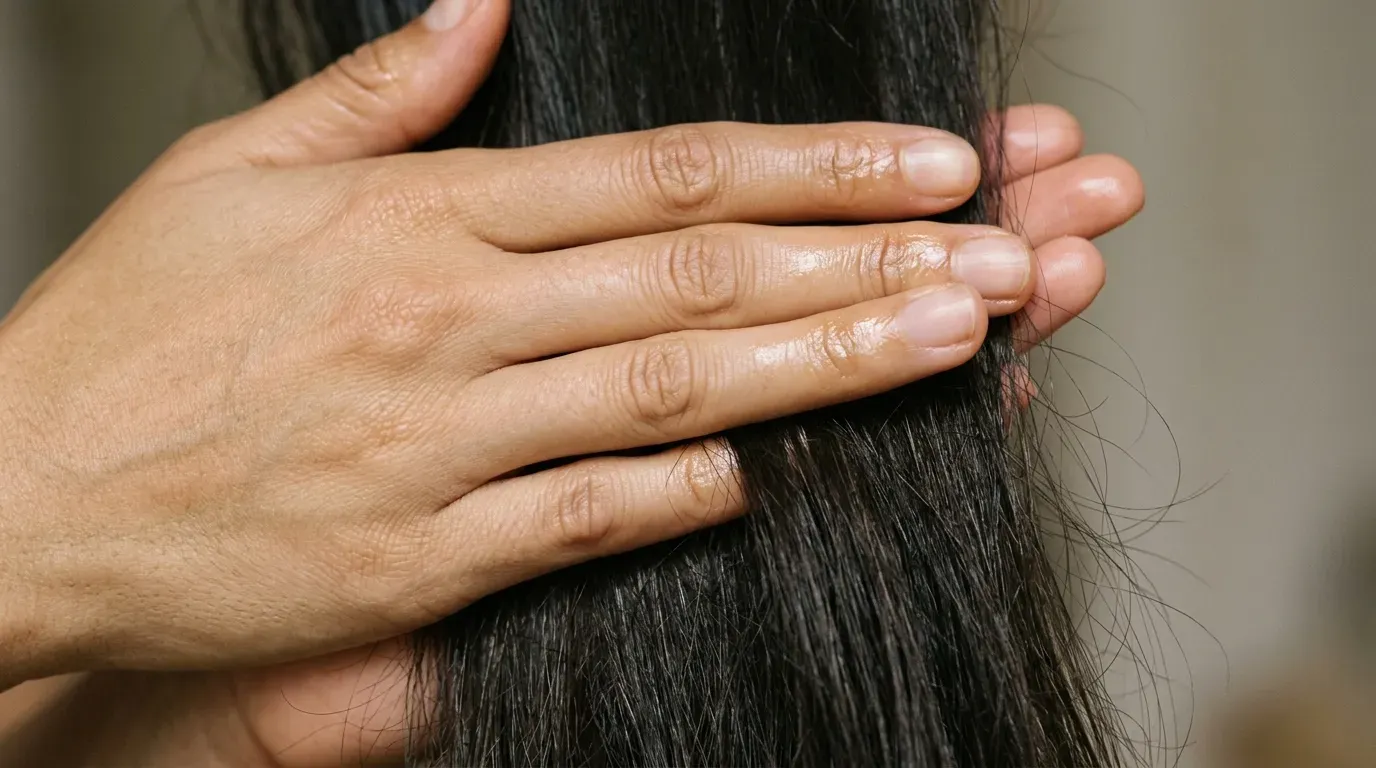
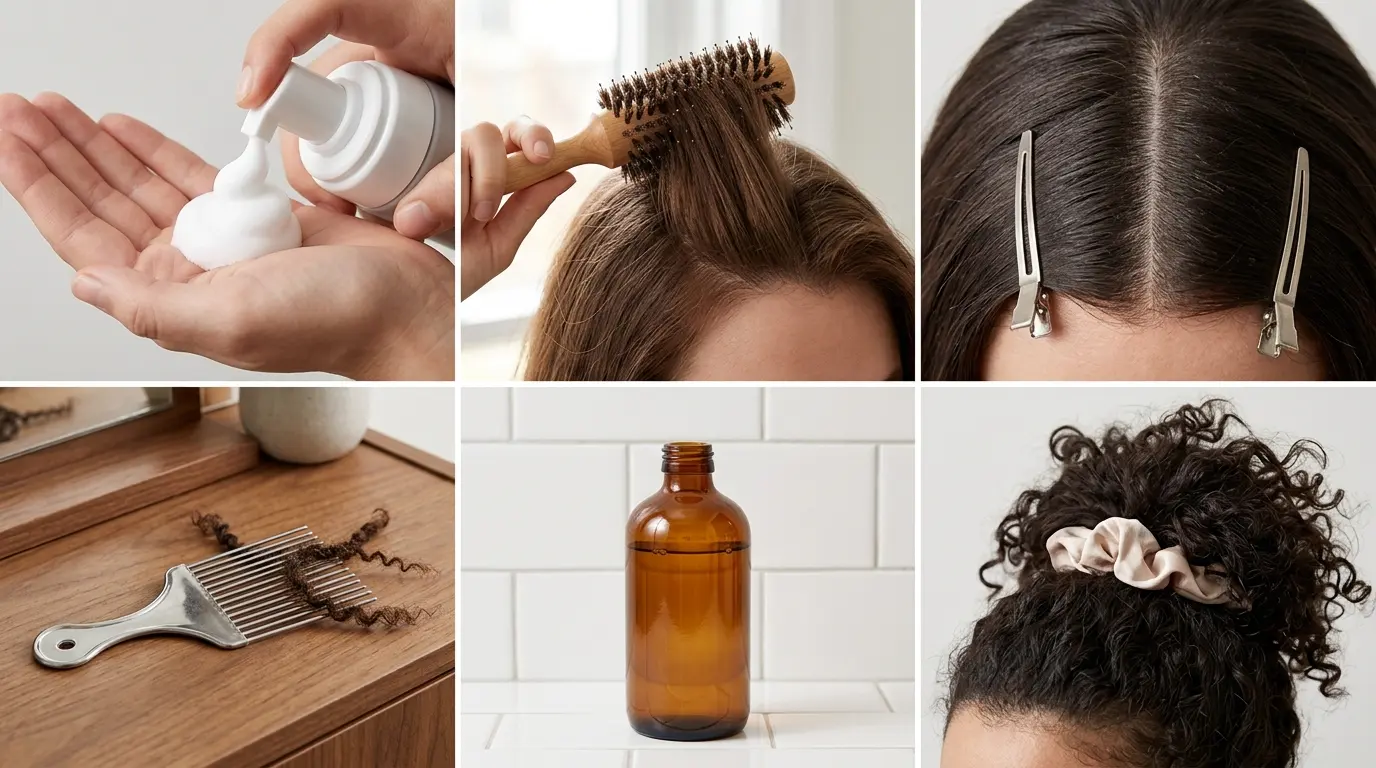
Apply two drops of argan oil to your palms, rub your hands together, and smooth them lightly down the lengths using open praying hands. Pure argan oil contains oleic and linoleic acids that seal the hair cuticle without making fine textures look stringy or greasy.
Finding the best oils serums for frizzy hair comes down to matching molecular weight to your individual strand thickness. Thick coarse hair handles heavier castor oil, but medium or fine strands need lightweight oils that coat the surface without sinking deep into the core and flattening volume.
Distribute Styling Cream for Defined Curls
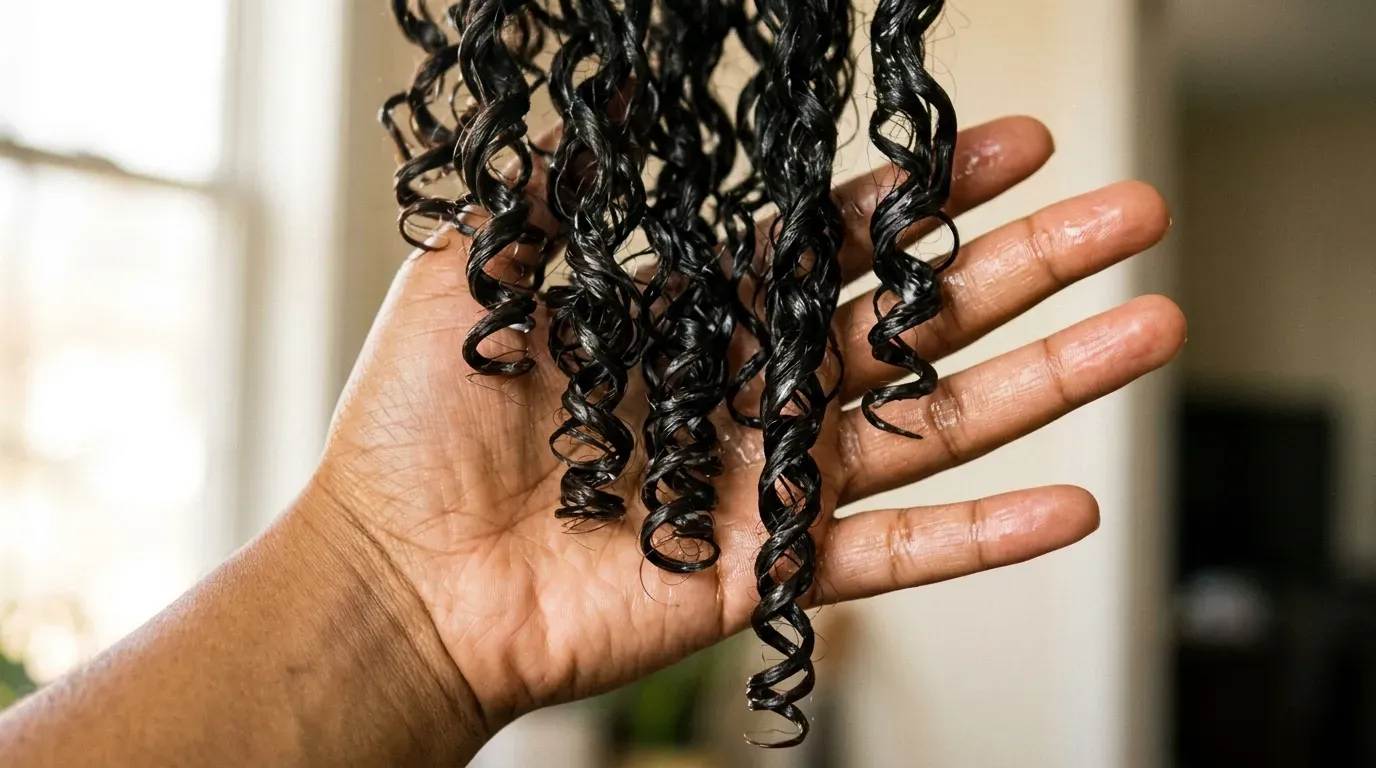
If you have textured hair, work a tablespoon of flaxseed gel or defining cream through wet sections to prevent separation. Natural wave patterns create gaps where individual hairs lift away from the curl bundle and catch the air.
Learning practical ways to get rid of curly hair frizz requires encouraging neighboring hairs to cling together into distinct groupings. Smooth each curl clump between your palms to shape the curl before drying begins. Avoid separating clumps once they begin to set.
Air-Dry Partially Before Applying Controlled Heat

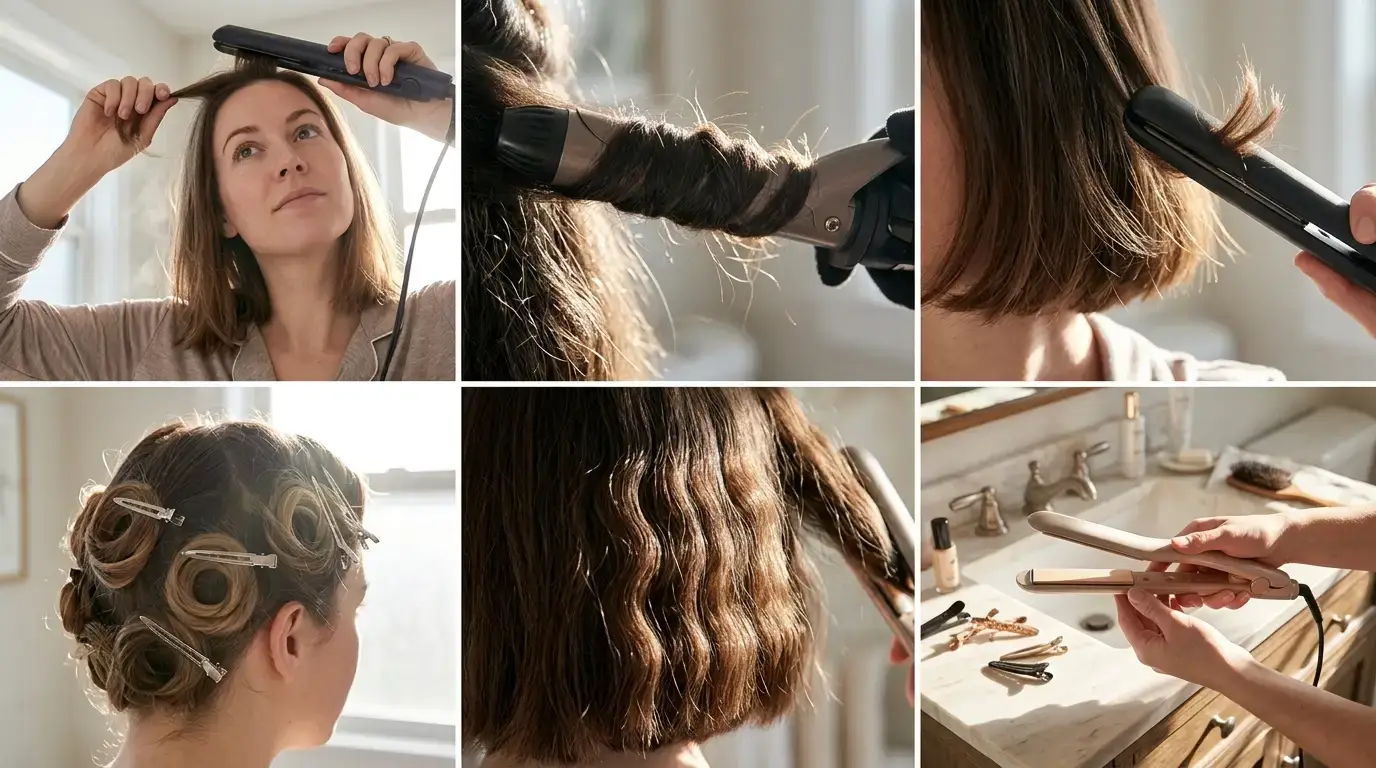
Allow your hair to air-dry naturally until it is roughly 75 percent dry before reaching for electrical tools. Styling completely soaking wet hair with a blow dryer boils residual water inside the hair shaft, which causes structural bubbles known as bubble hair deformity.
This waiting period forms the cornerstone of a balanced hair care routine for frizzy hair that avoids chronic thermal damage. Letting hair dry partly on its own shortens the necessary heat exposure down to just a few minutes. Check the crown of your head to ensure the roots feel slightly cool and damp, not dripping.
Diffuse or Blow-Dry Using a Low-Speed Setting
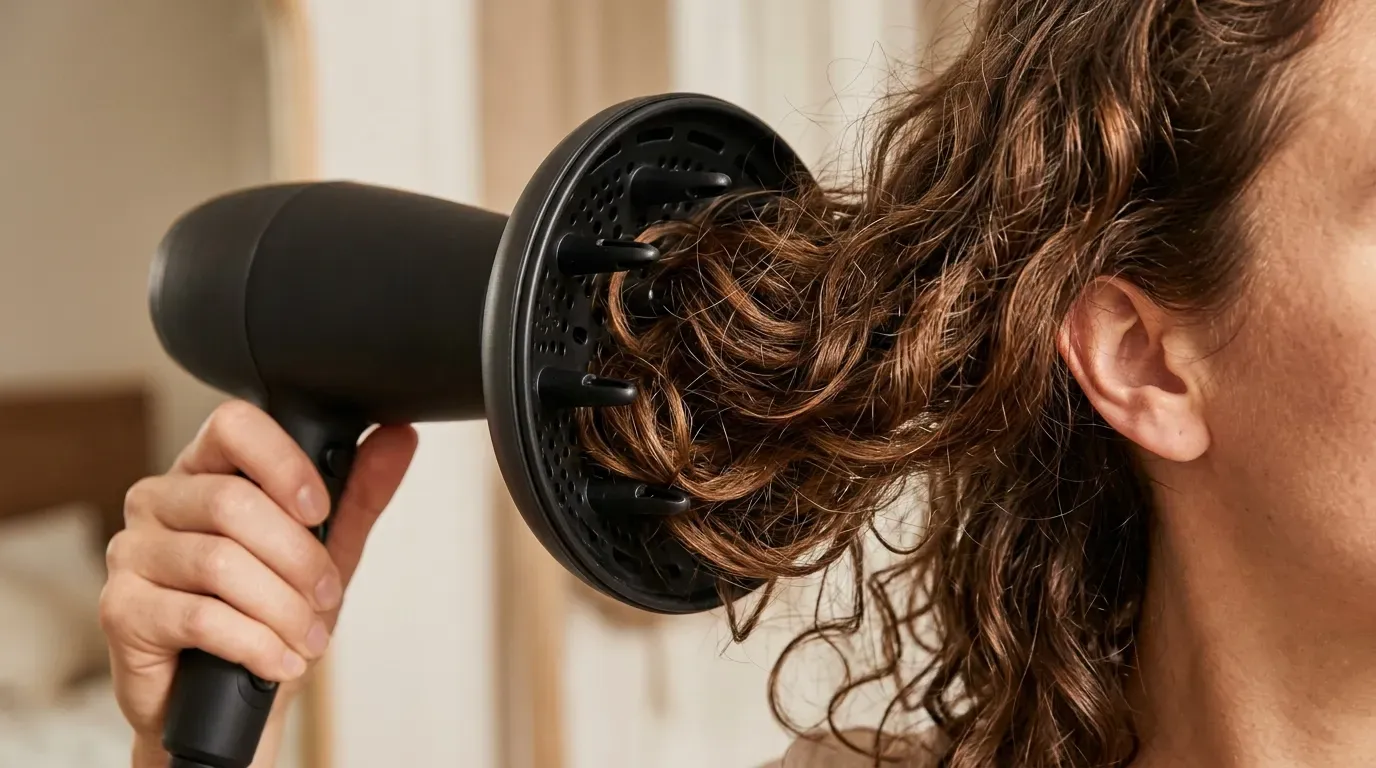
Attach a wide-bowl diffuser to your blow dryer, select medium heat, and switch the airflow speed down to the lowest setting. Cradle your ends in the bowl and gently lift the diffuser toward your scalp, holding each section still for 45 seconds.
Waving a standard dryer nozzle erratically around your head blows hair strands in conflicting directions, immediately separating neat curl bundles. Diffusers disperse the air evenly across a broad area, drying the hair without disturbing the cuticle alignment. If you prefer a sleek blowout, point the concentrator nozzle downward down the shaft at all times.
Protect Strands from Overnight Friction with Silk

Switch your standard cotton pillowcase for a 19-momme mulberry silk cover, or tuck your hair into a lined sleep bonnet before bed. You can expect to spend around $25 for a genuine silk pillowcase in 2026.
Tossing and turning across abrasive cotton sheets creates friction that rubs the cuticle backward, resulting in messy morning flyaways. Silk fibers allow strands to slide smoothly across the bed without catching or snagging. Pineappling your hair loosely on top of your head with a silk scrunchie preserves the shape overnight.
What Goes Wrong and How to Rescue Flared Strands
High humidity often overpowers styling products by midday, causing individual hairs to pop outward along the crown. When this happens, do not brush through the dry frizz with a standard hairbrush. Brushing dry hair shatters your curl clumps and turns light halo frizz into a puffy cloud.
Instead, rescue the flare-up by rubbing a single drop of squalane oil between your fingertips and lightly patting the floating hairs down against the main bundle. If hair feels sticky or coated after styling, you used too much heavy butter. Rinse your hair with plain warm water, skip the leave-in cream, and apply only a tiny mist of watery leave-in spray.
How to Get Rid of Frizzy Hair in Common Scenarios
Is it possible to tame halo frizz in under five minutes?
Yes, rub one pump of dimethicone-based anti-frizz serum between your palms and smooth your hands flat over the surface of dry hair. A small spoolie brush spritzed with alcohol-free hairspray also pins down stray flyaways around your hairline without making the rest of your hair stiff.
Can you eliminate frizzy hair permanently?
No, because hair is porous dead tissue that reacts to changes in environmental humidity every day. Chemical keratin treatments and salon relaxers alter internal bonds to keep hair straight for three to five months, but new growth at your roots always emerges in its natural texture.
Does air drying work better than blow drying for smooth hair?
Not always, because allowing hair to remain wet for several hours stretches the cell membrane complex and can cause hygral fatigue. Diffusing hair gently on low heat sets the cuticle faster, creating a smoother and shinier surface than passive air drying on humid days.
Why do the ends stay frizzy even after applying oils?
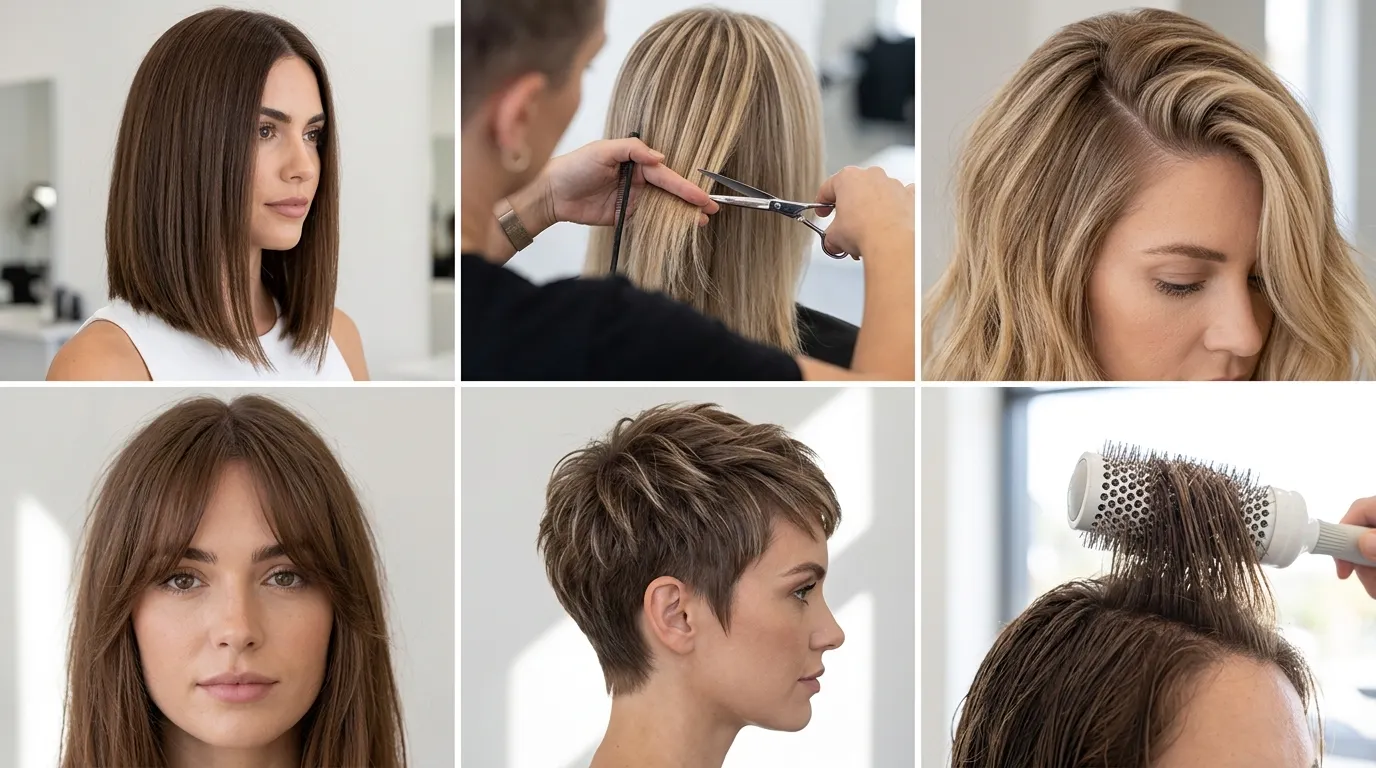
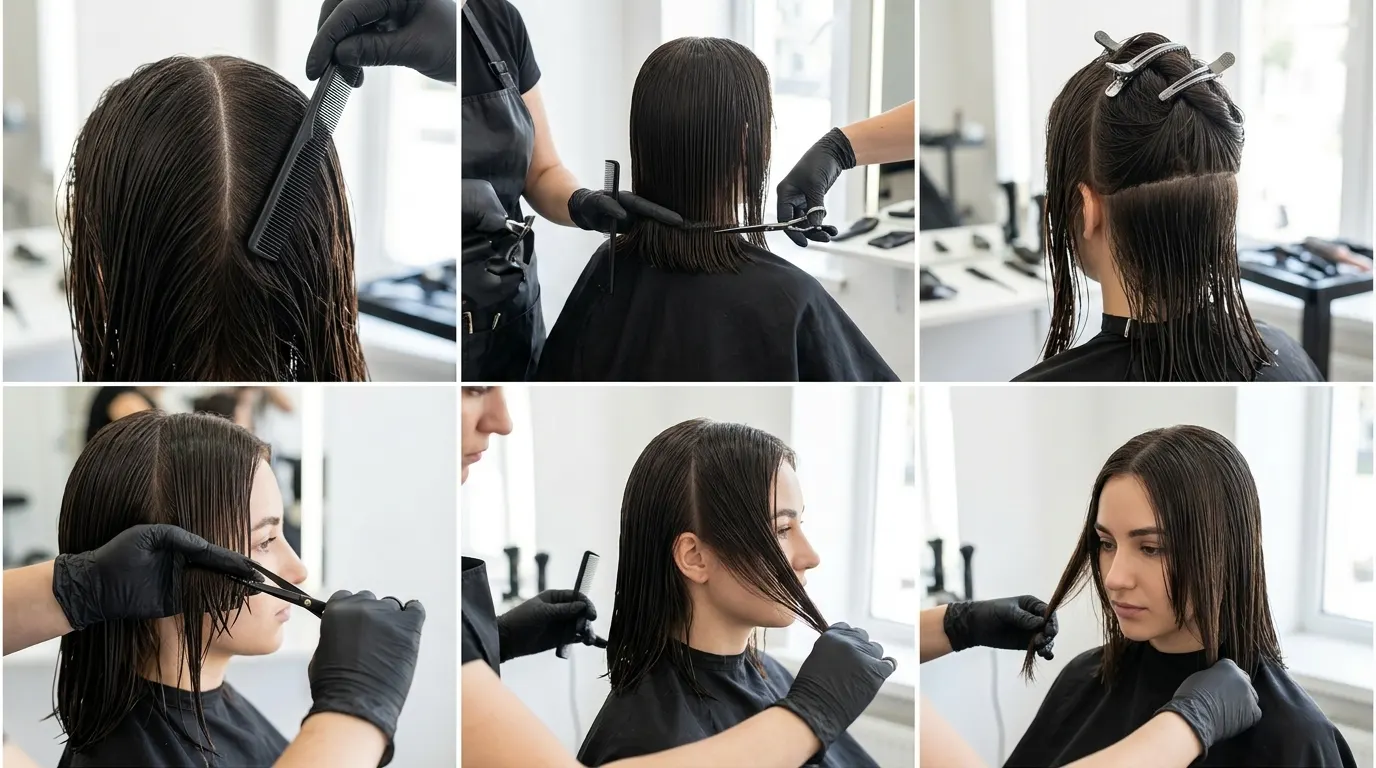
Split ends cannot be sealed back together with topical products. When the protective outer cuticle breaks off the hair tip, the exposed inner cortex frays outward like an unraveled rope. The only way to stop this frizz is trimming a quarter-inch of damaged hair off the ends every eight weeks.
Keeping Your Hair Smooth Through the Entire Routine
Achieving smooth hair requires following the proper sequence without taking shortcuts during drying. You prep dry ends with protective oil, cleanse the scalp with sulfate-free formulas, and lock water inside the strand with fatty conditioners. From there, you press out moisture with microfiber, layer leave-in conditioners and light oils, and dry gently on low heat settings. Sleeping on a smooth silk surface preserves this structure overnight so you wake up with polished, defined strands every morning.
This guide is for informational purposes only. Always perform a patch test on your inner arm 24 hours before trying new botanical oils to check for skin sensitivities.