
Does salt and pepper hair make you look older when you let the silver take over? The honest answer depends entirely on structure, contrast, and moisture rather than the silver strands themselves.
Unmanaged salt and pepper hair over 50 often looks aged because gray roots lack natural pigment and natural oils. This makes the strands wiry, dull, and prone to scattering light instead of reflecting it.
Disclosure. This post contains affiliate links. If you purchase through them, we may earn a small commission at no extra cost to you. Always perform a patch test 48 hours before applying any new toning shampoo, gloss, or pigment mask to verify skin tolerance.
Treating Gray Growth Like Regular Pigmented Strands
Follicles produce less sebum once you pass 50. The silver strands coming out of your scalp have a wider diameter and a rougher outer cuticle layer than your original dark hair.
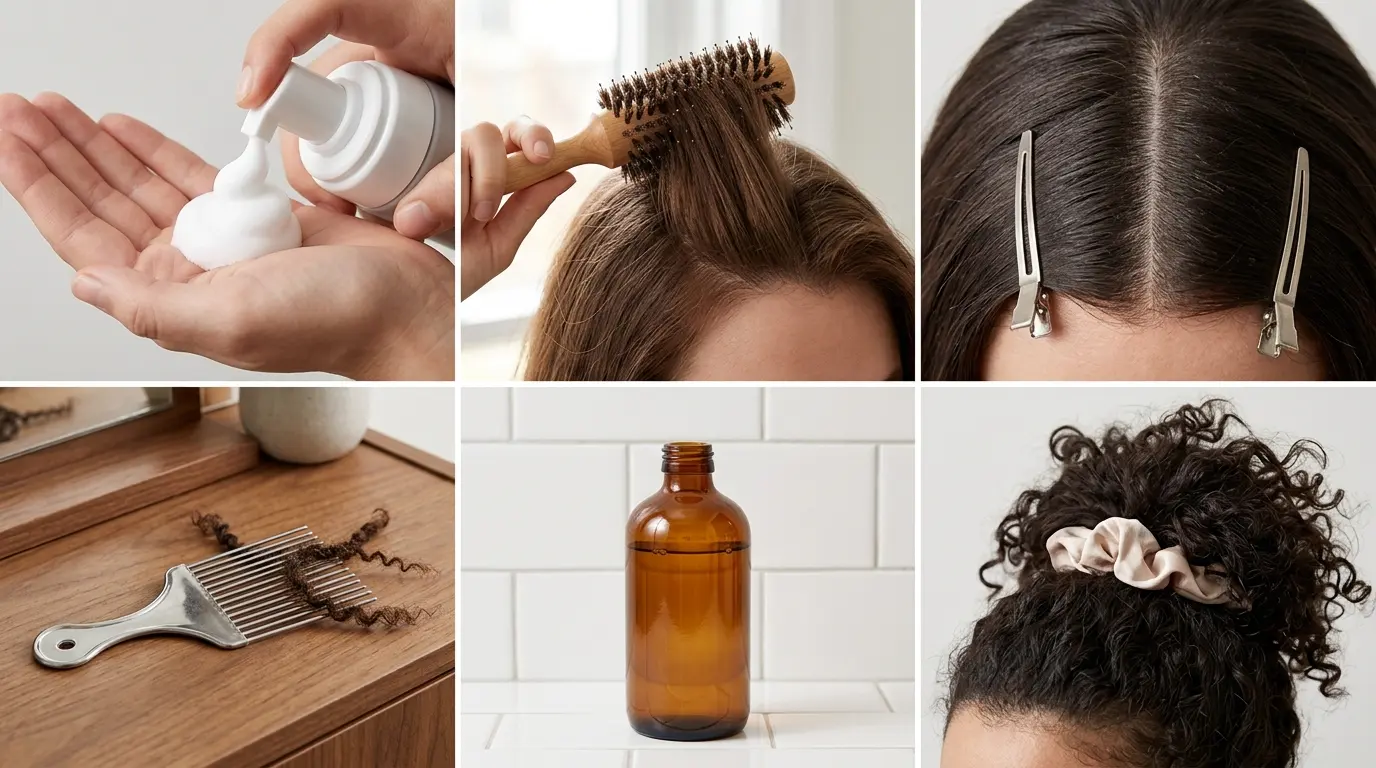
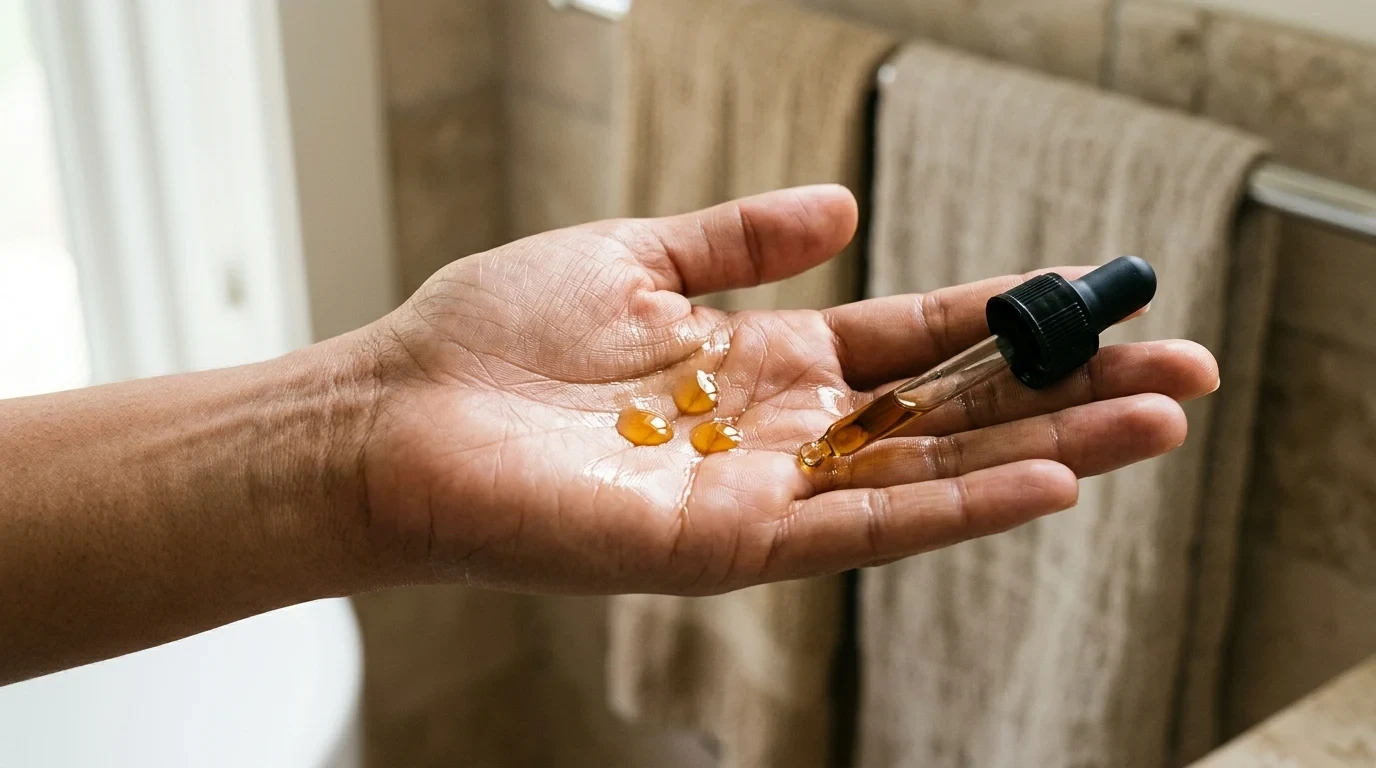
Treating both textures with light, water-based daily lotions leaves the silver canopy brittle and prone to split ends. Coarse silver hair requires heavy, lipid-rich emollients that contain fatty acids and ceramides.
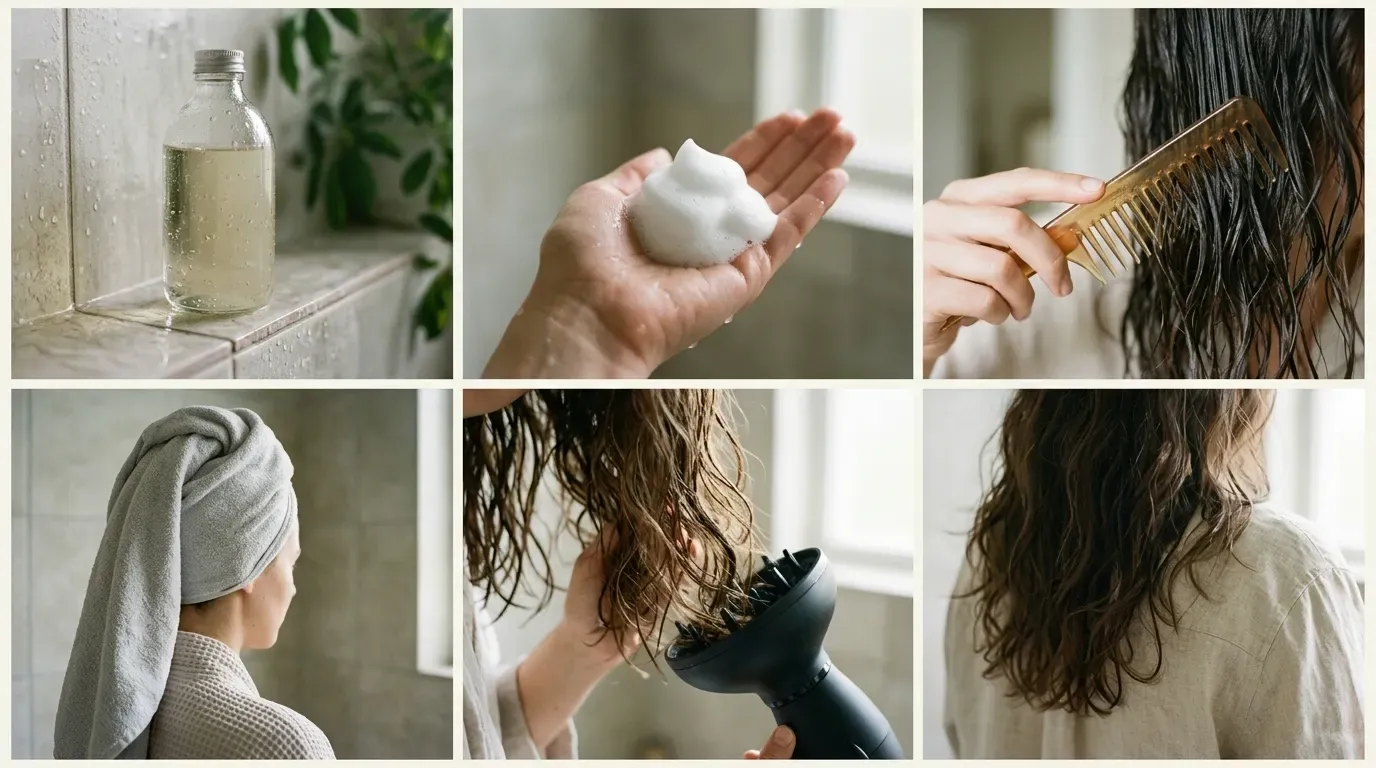
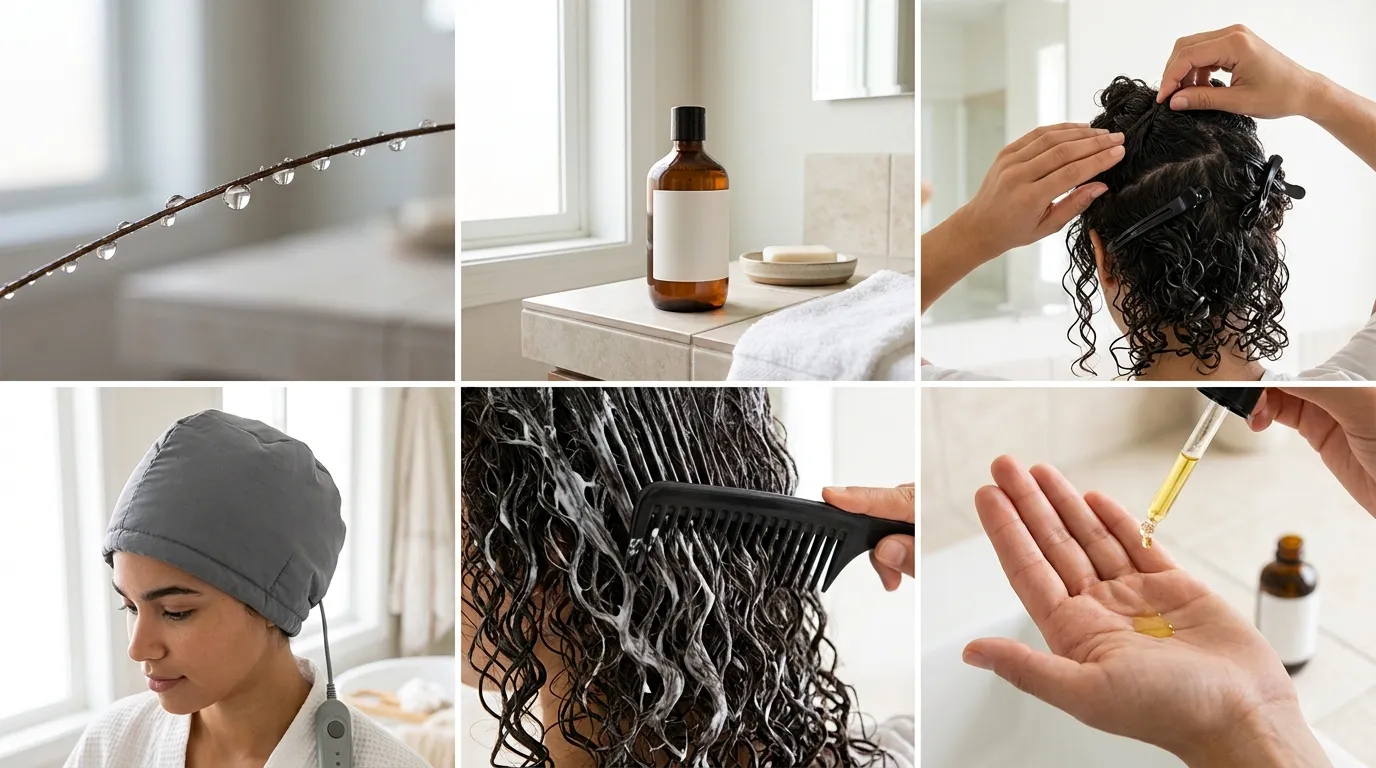
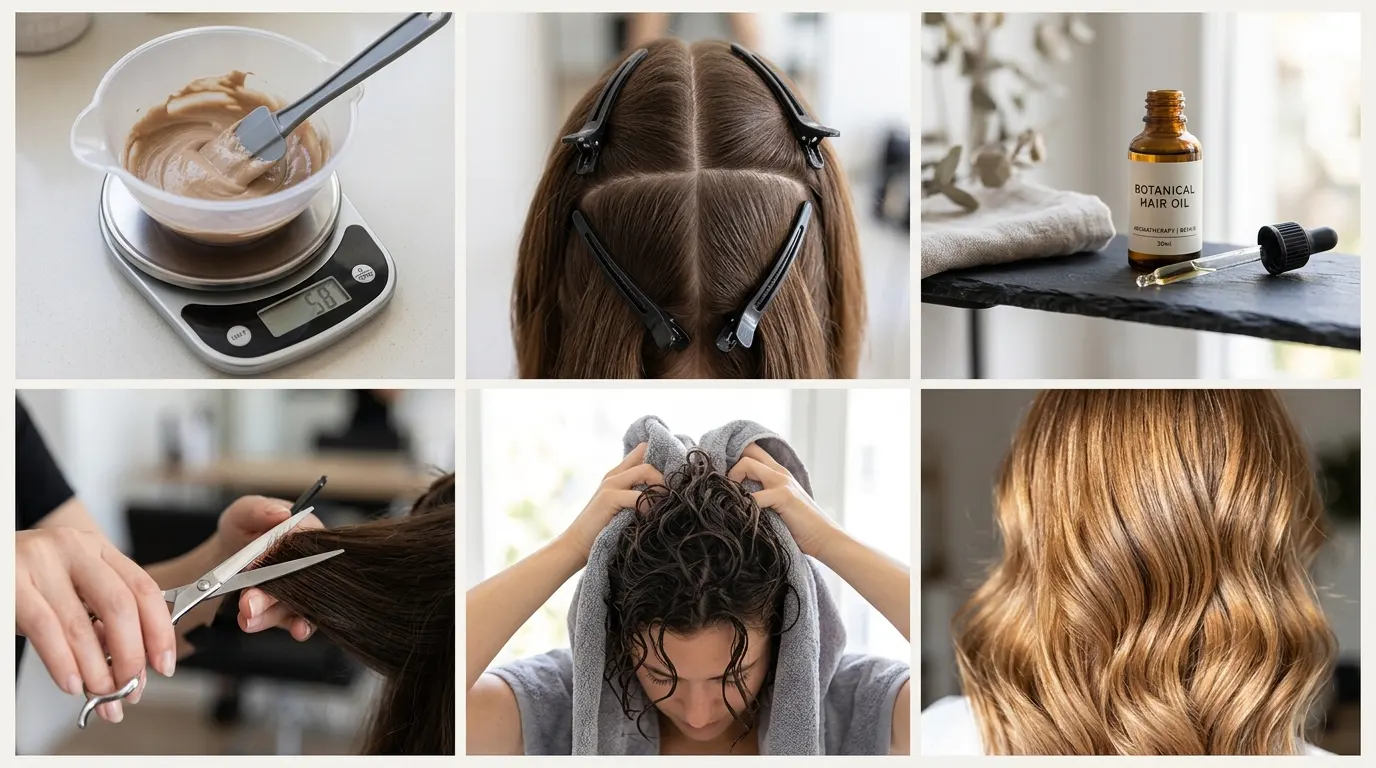
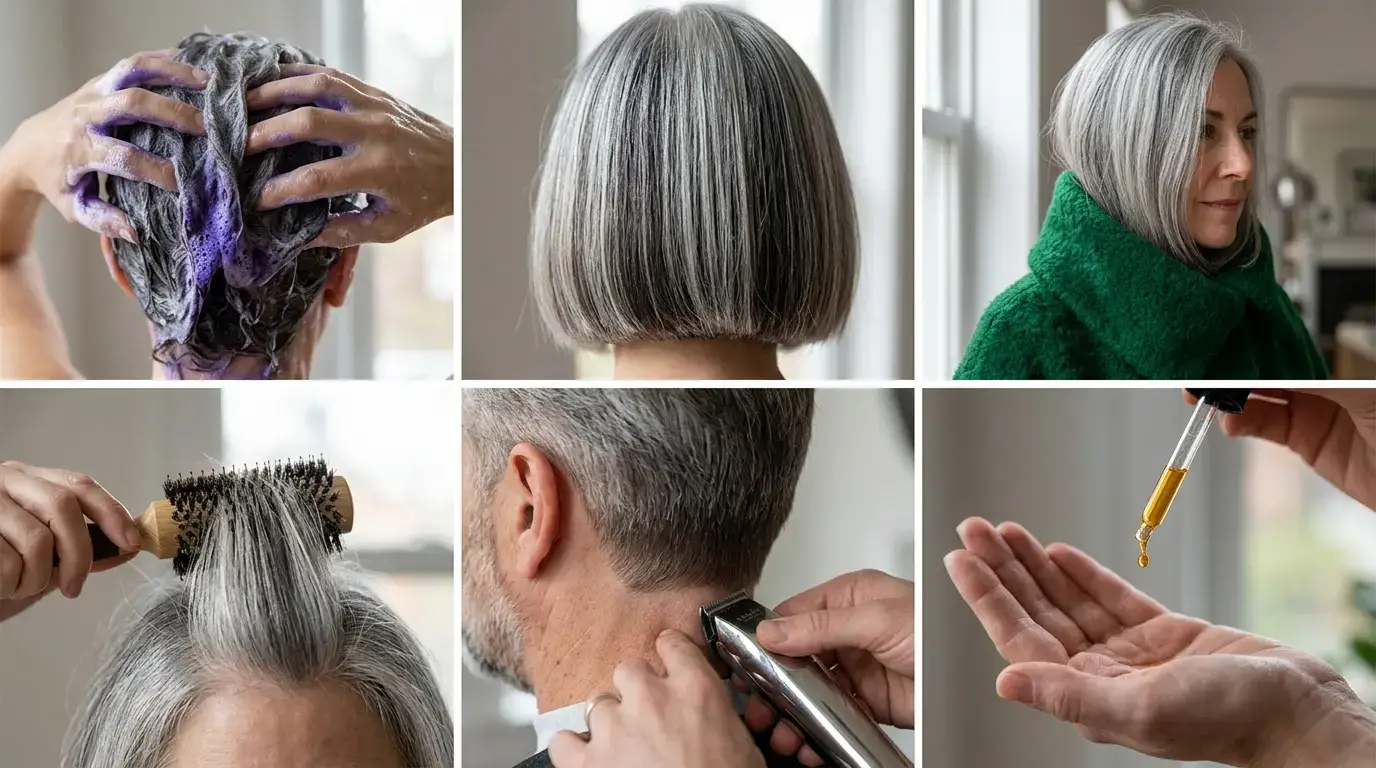
Reach for unrefined jojoba oil or cold-pressed argan oil. Rub three drops between your palms and smooth it only from the mid-lengths down.
Keep oils away from the scalp area. Over-applying oil at the base causes buildup that blocks follicle openings and weakens thinning hair.
Letting Yellow Tones Dull Your Silver Gray Contrast
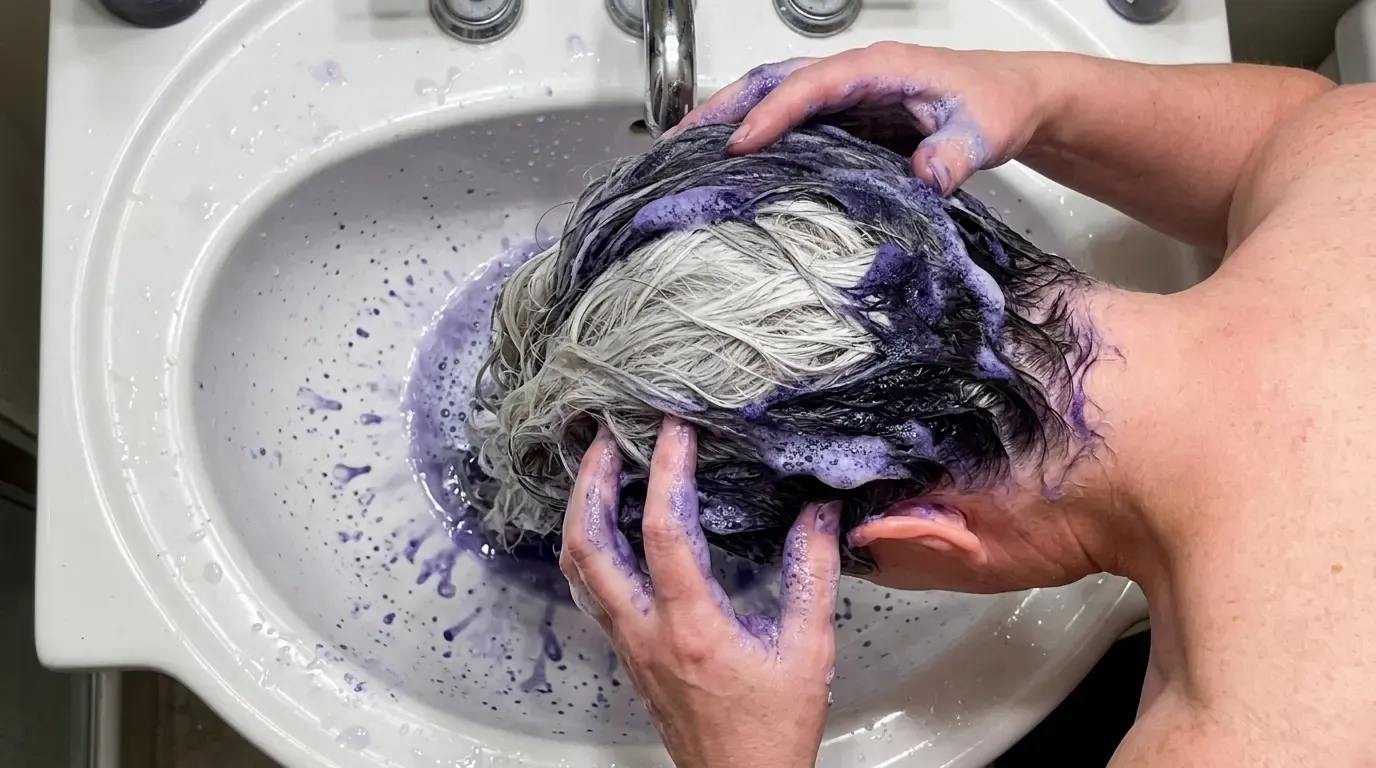
Exposure to tap water minerals, direct sunlight, and heat styling turns cool silver into a dingy, brassy yellow. The lack of melanin leaves the hair shaft open to chemical oxidation.
Many people reach for a dark purple shampoo every single wash. That is a direct path to lilac staining, which makes dull hair look even more lifeless under indoor lighting.
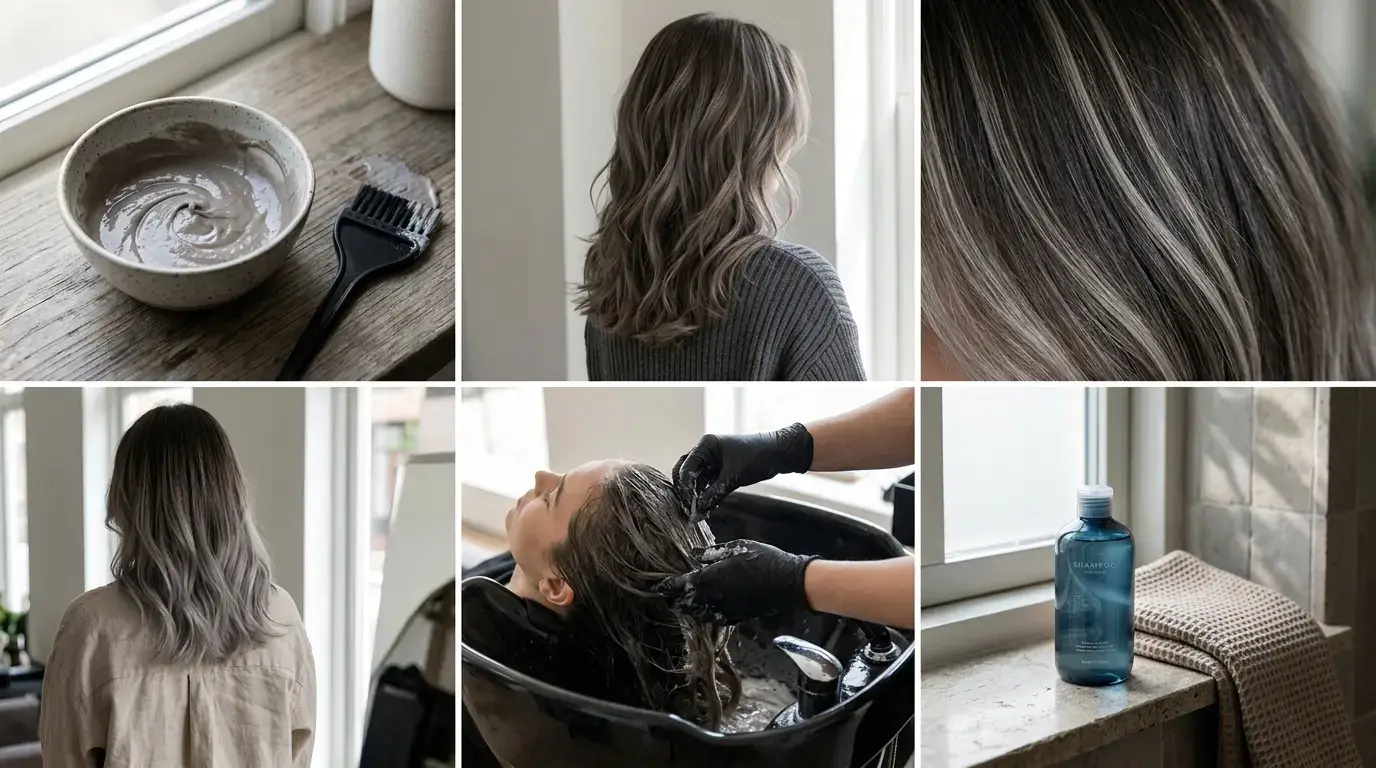
Wash with a deep purple shampoo once every ten days. Leave it on wet strands for three minutes before rinsing thoroughly with cool water.
On every other wash day, use a clear sulfate-free formula. Installing an eight-stage shower head filter removes chlorine and iron deposits before they bind to your silver gray hair.
Wearing a Shape That Lacks Clean Perimeter Lines
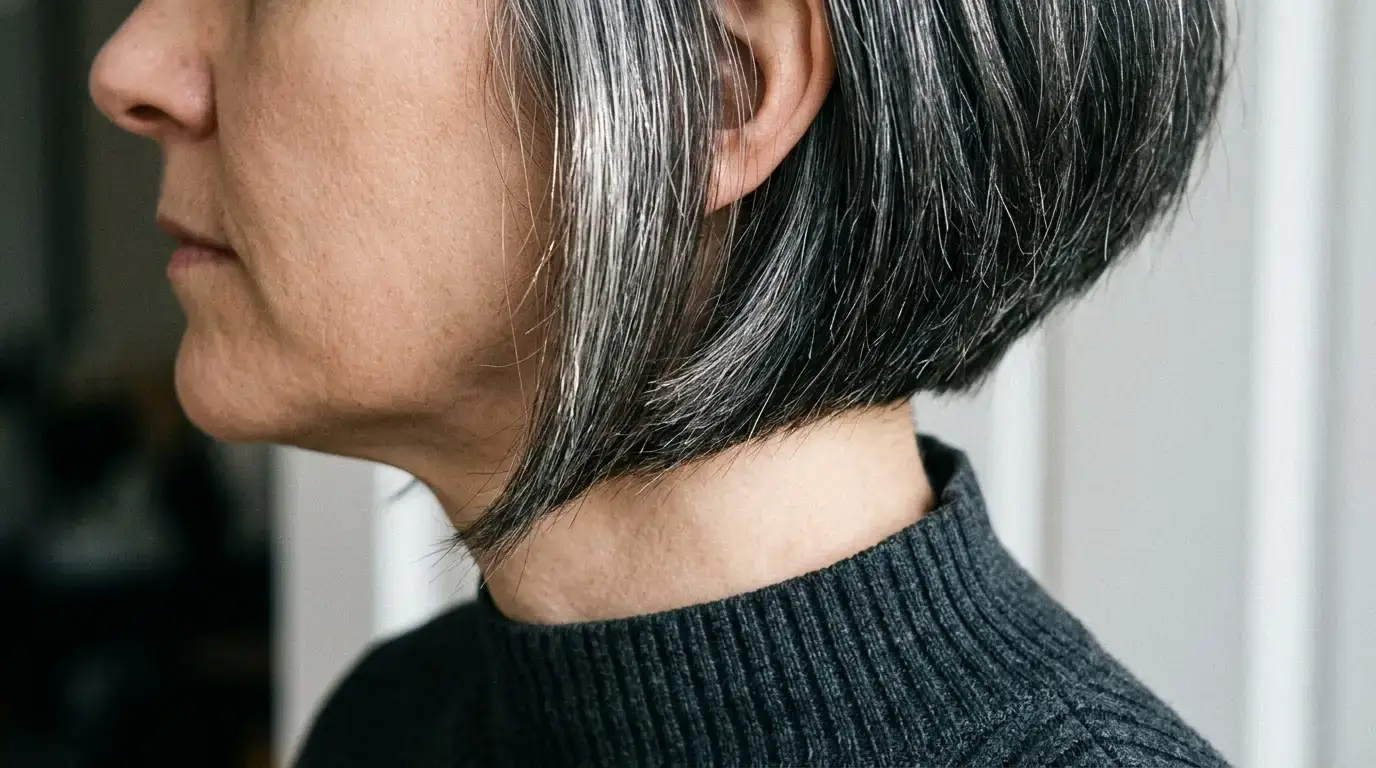
Natural salt and pepper hairstyles fall flat when the perimeter line is soft or ragged. The visual mix of dark and light colors already creates a dispersed, busy texture.
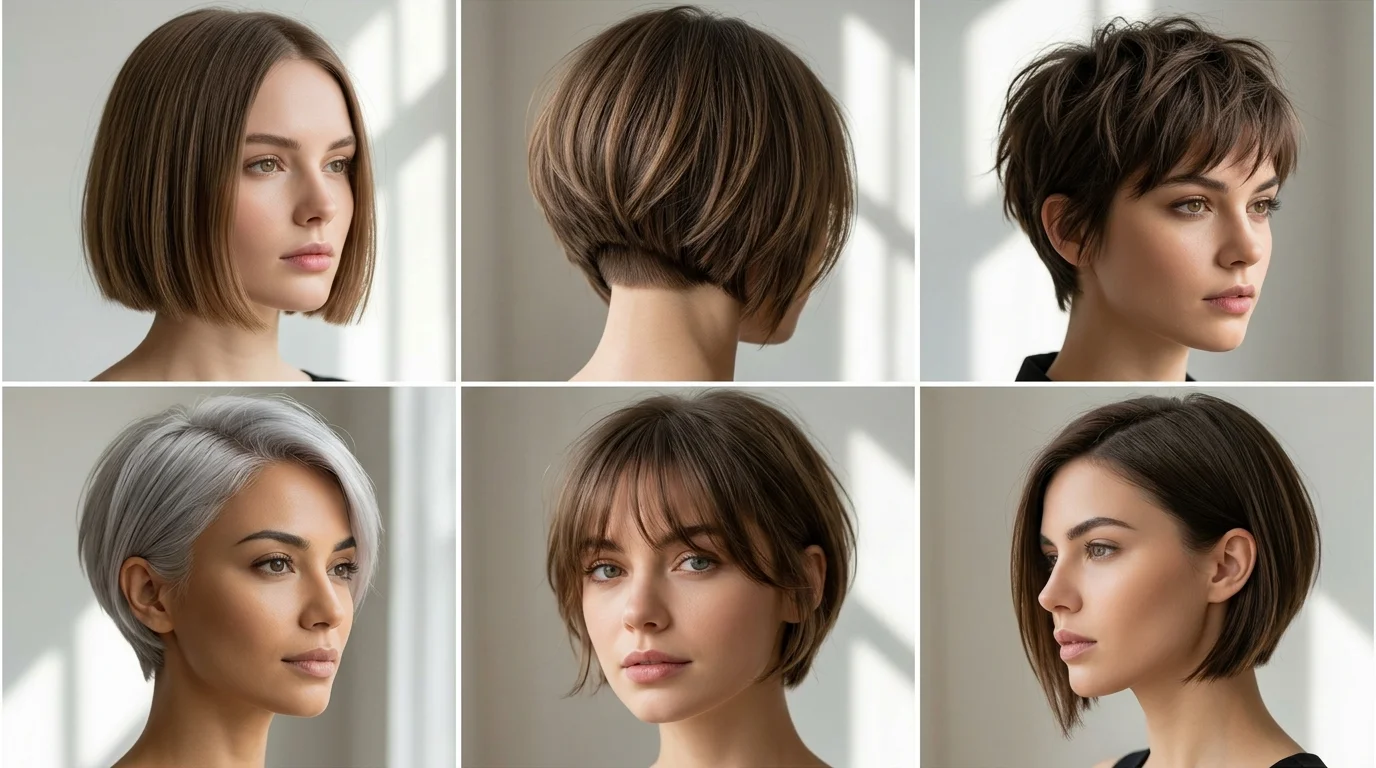
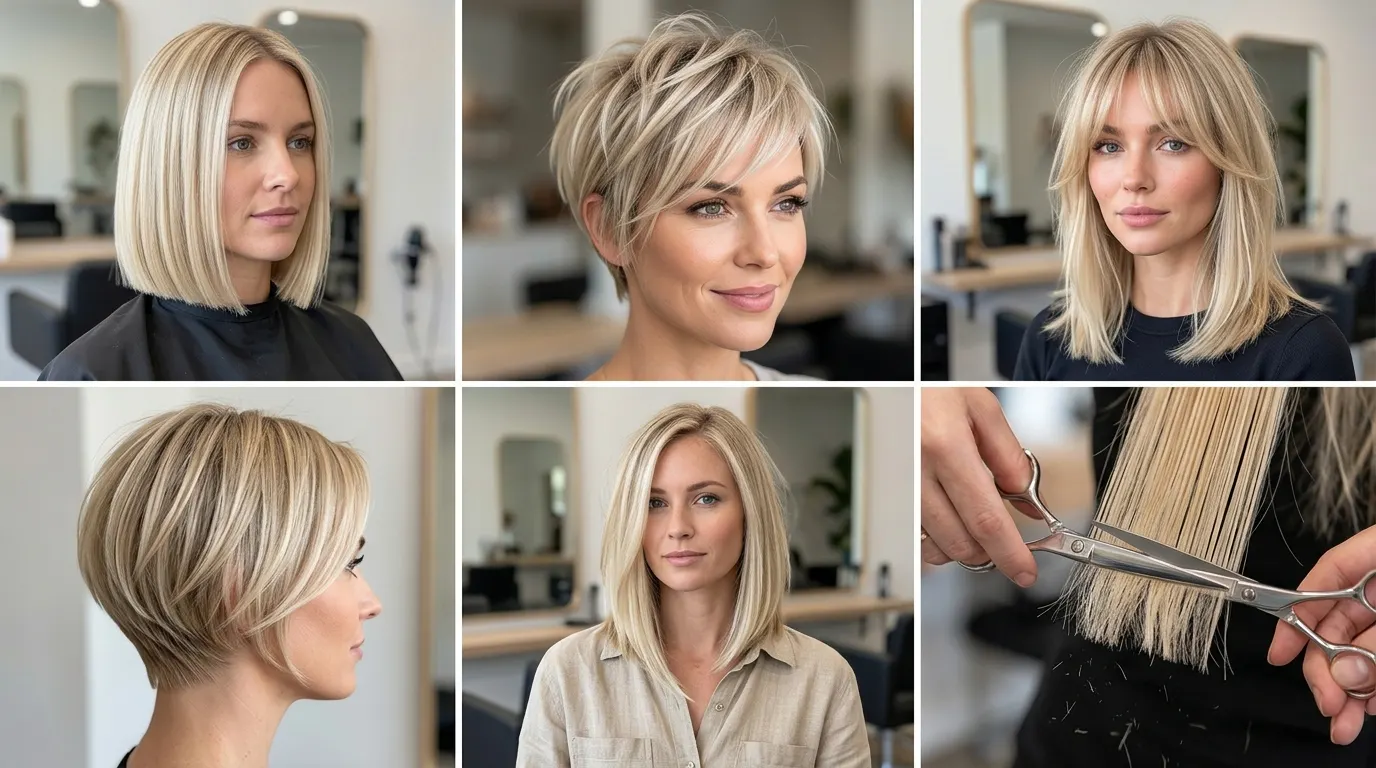
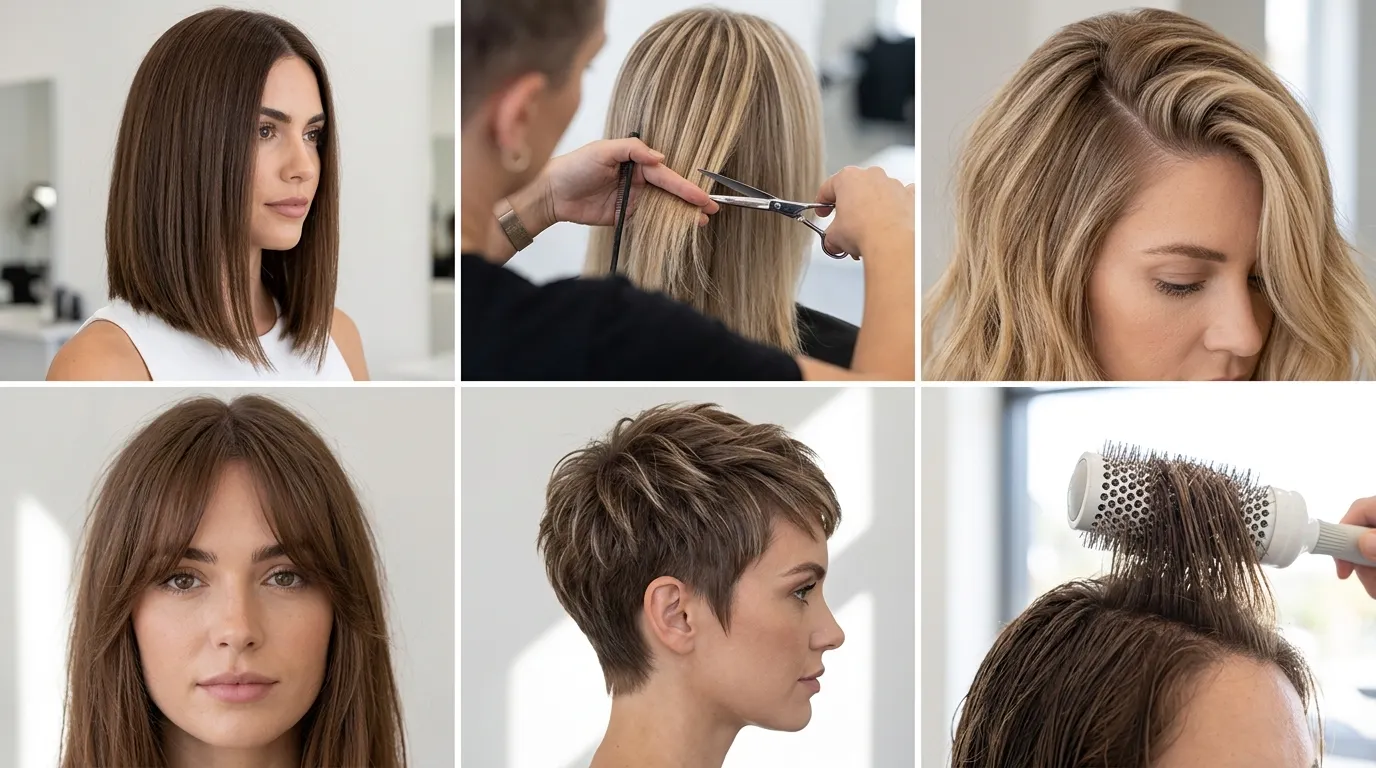
A soft cut makes the hair blend into the shoulders and neck without definition. A crisp layered bob or a structured pixie cut introduces distinct angles that counter the softness of graying strands.
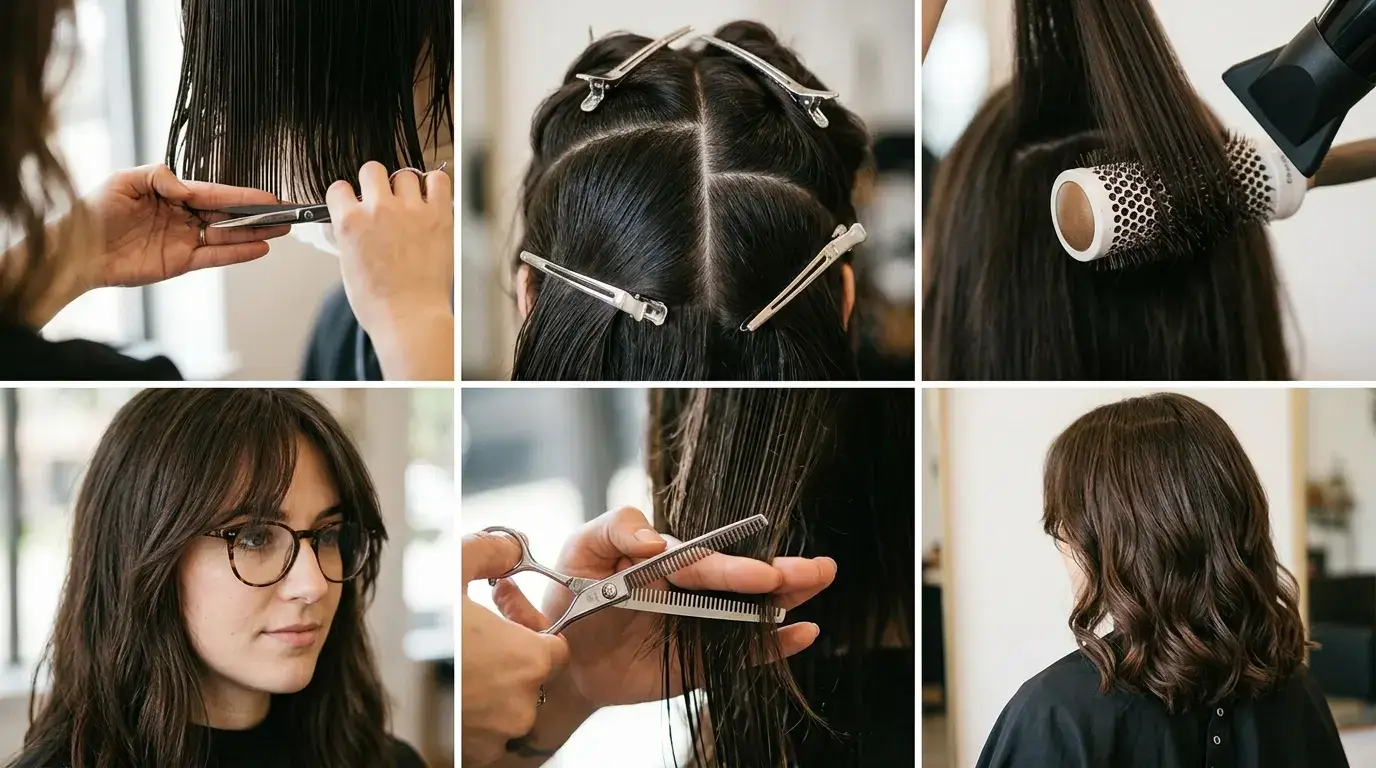
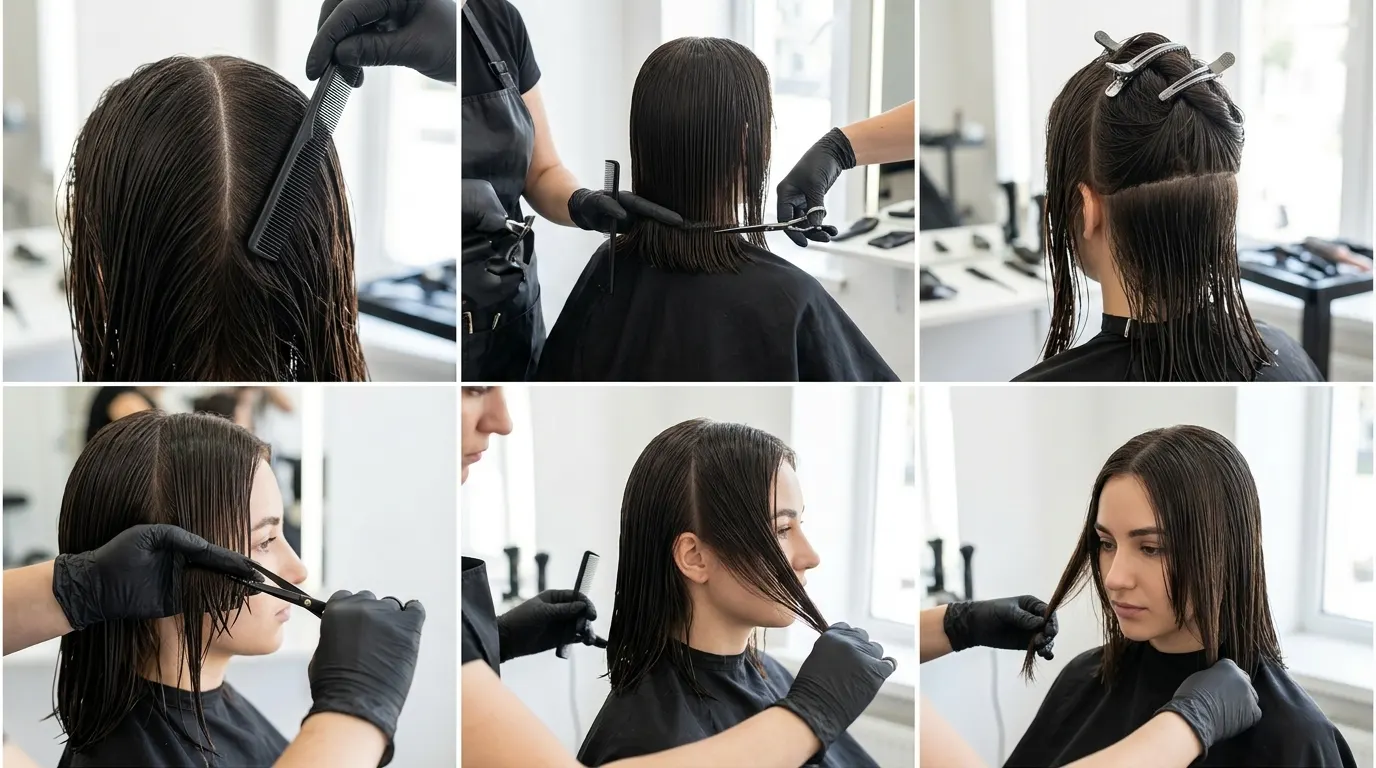
Ask your stylist for blunt perimeter shears with light interior weight removal. This technique keeps the outer line solid while carving out excess density from the crown.
Avoid heavily razored ends. A razor shreds the open cuticle of brittle gray hair, creating permanent frizz that styling creams cannot smooth down.
Choosing the Wrong Salt and Pepper Hairstyles for Over 50
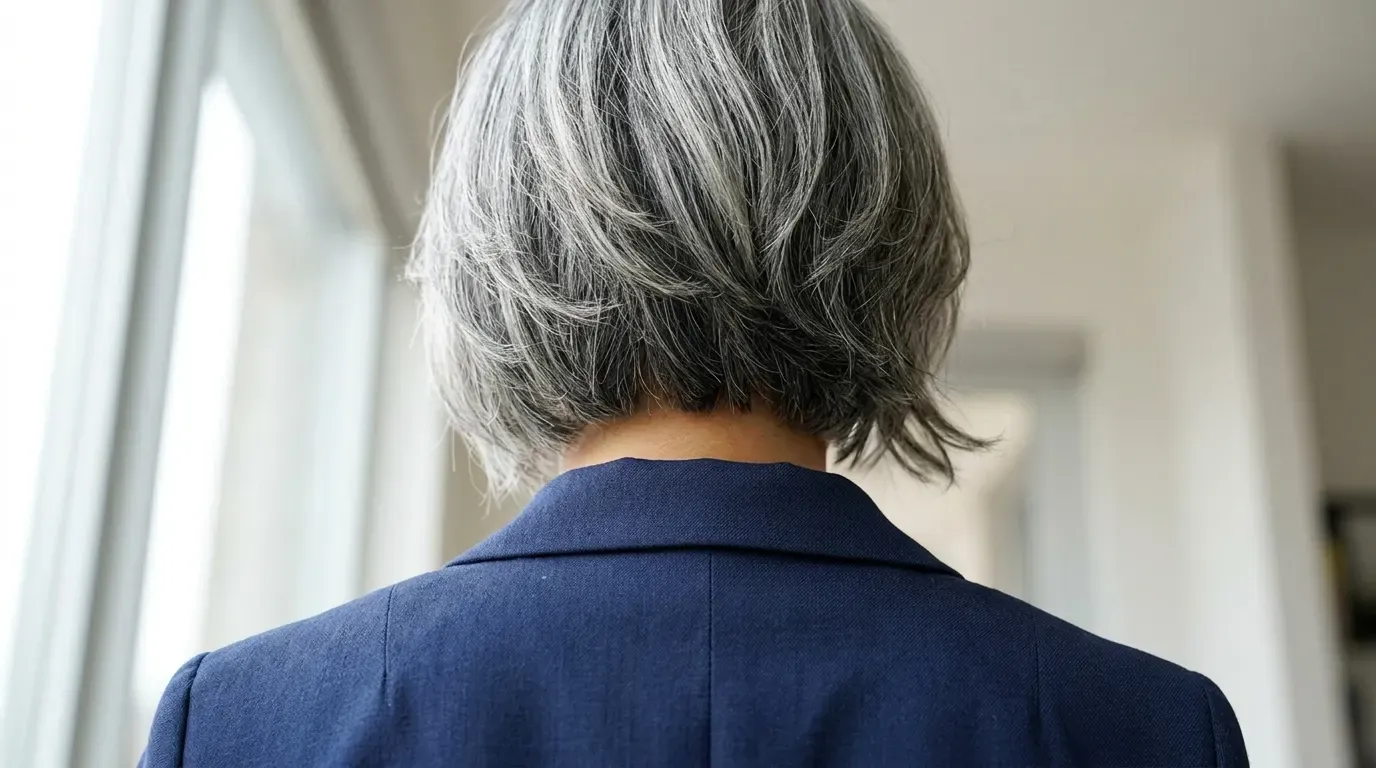
A cut that worked with dense, single-tone dark hair will rarely hold its shape once half your head turns white. Silver hair lacks the natural elasticity of pigmented hair, so it drops curls and hangs limp.
A precision layered cut built around the face restores visible volume without daily roller sets. Short, graduated bobs that sit right at the jawline lift the cheekbones and sharpen the jaw.
If you prefer long salt and pepper hair women often struggle with stringy ends past the collarbone. Keep the overall length no further than the armpit line.
Have your stylist cut long internal layers that start below the chin. This creates movement without gutting the perimeter fullness.
Struggling to Match Makeup and Wardrobe Contrast
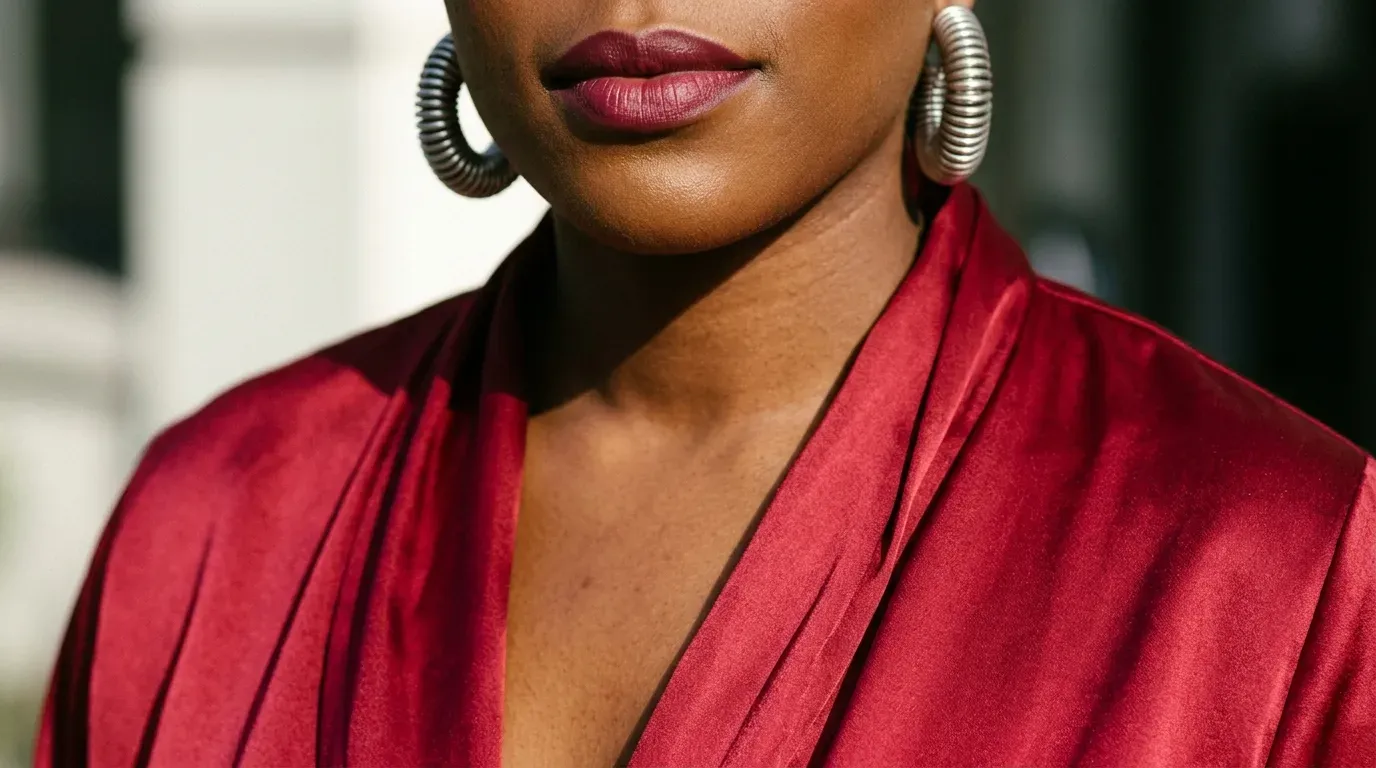
Wearing dark salt and pepper hair over 50 changes your overall facial contrast. Muted earth tones like tan, warm olive, and dusty beige wash out your complexion when silver sits beside your face.
Swap muted earth shades for clear jewel tones and saturated primaries. Crisp navy, emerald green, ruby red, and pure bright white restore the visual edge your features lost when hair pigment faded.
On your face, switch from nude lipsticks to rosewood, berry, or deep plum shades. A defined satin lip anchors your mouth against the brightness of gray strands around the face.
Step away from heavy black pencil eyeliner. A clean slate gray or deep espresso brown gel liner provides structure without settling harshly into fine lines around the eyes.
Common Silver Hair Problems and Direct Practical Fixes
Problem | What Causes It | What to Do Instead
Wiry flyaways along the hairline | Loss of internal moisture and sebaceous oil production | Smooth two drops of squalane oil over the hairline using a clean mascara spoolie
Brassy yellow discoloration on ends | Heat damage above 350 degrees and tap water chlorine | Lower flat iron heat to 300 degrees and wash with purple shampoo once every ten days
Visual loss of facial contrast | Muted clothing colors blending into silver tones | Wear saturated navy, ruby, and clean white tops while using berry lipstick
Handling Natural Texture Changes Without Burning Strands
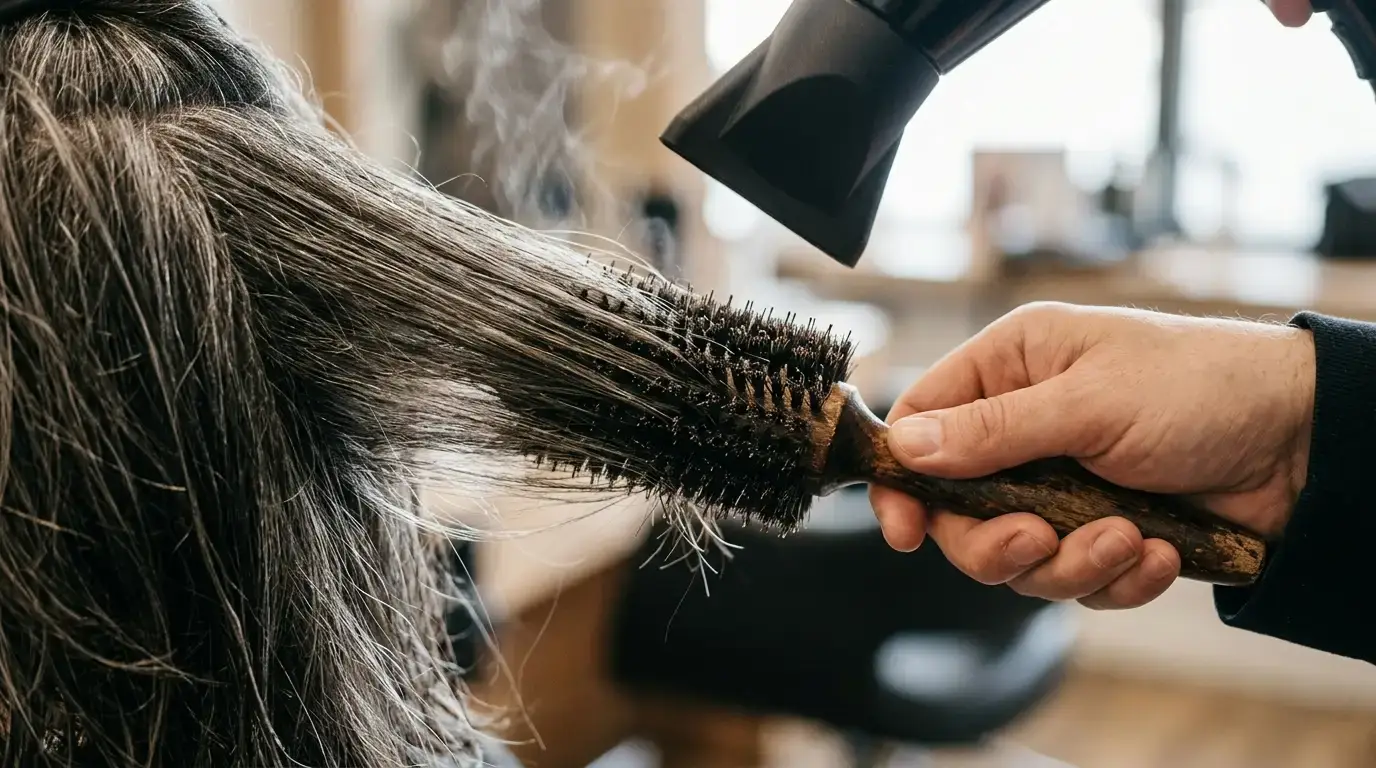
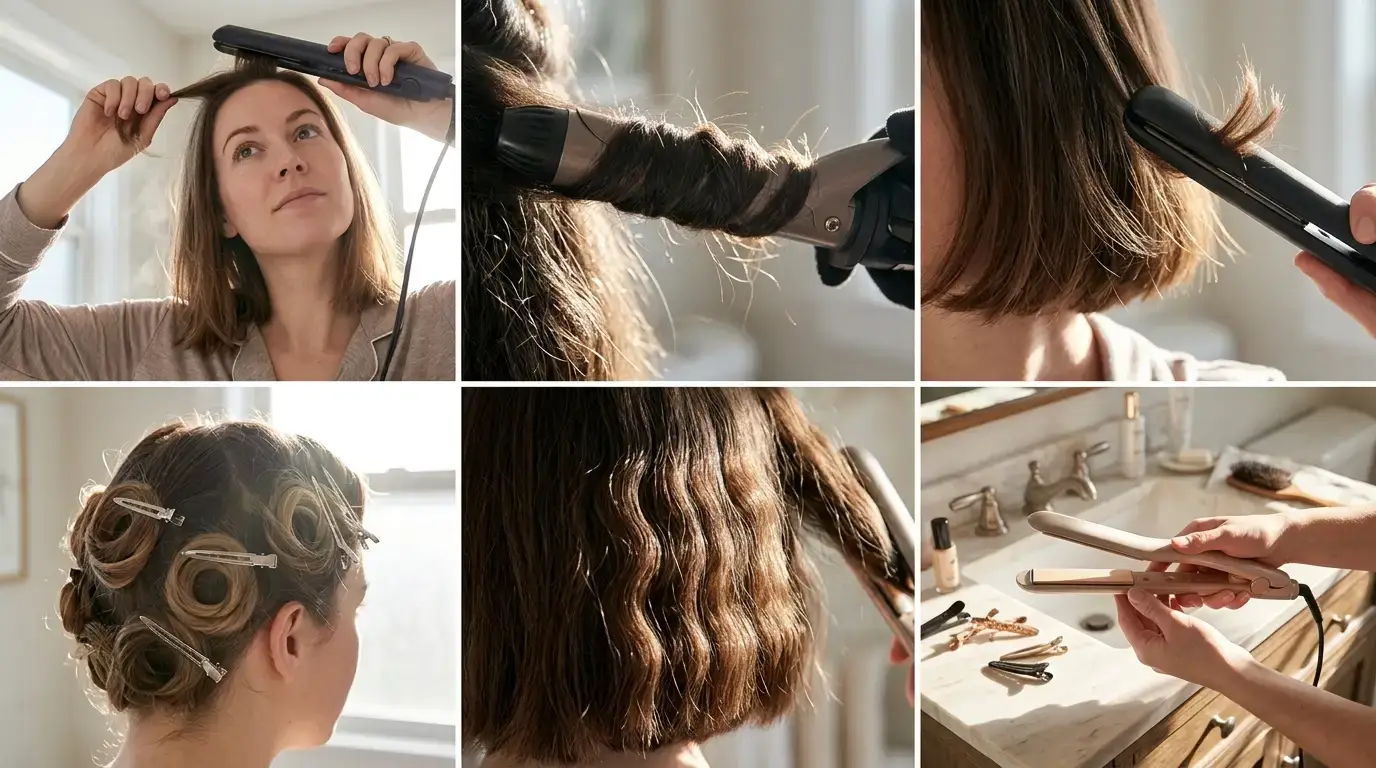
Gray strands require far more heat to bend into shape, but their cuticle burns at a significantly lower temperature than pigmented hair. Applying high heat scorches the outer protein layer, turning silver strands an irreversible yellow.
Set all flat irons and curling wands to a maximum of 300 degrees Fahrenheit. Never exceed 320 degrees, regardless of how coarse a stubborn strand feels.
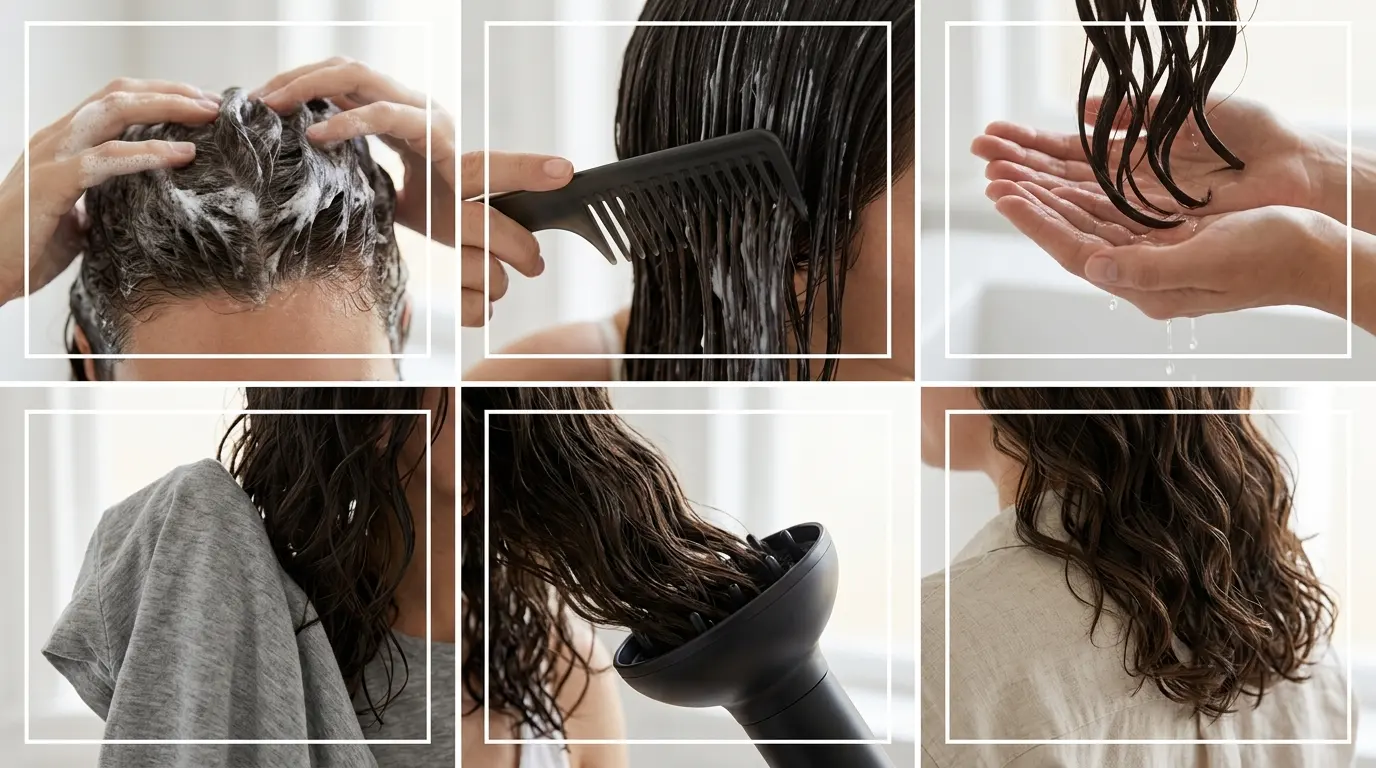
Coat damp hair with a silicone-based thermal protectant before using a blow dryer. Dimethicone creates a temporary barrier that shields the delicate protein core from hot air.
Work with a round boar-bristle brush rather than a metal-barrel brush. Boar bristles grip the wiry strands firmly, distributing your natural oils without overheating the hair shaft.
Trying to Blend Dark Salt and Pepper Hair Over 50 Incorrectly
Transitioning from decades of dark salon dye to silver gray causes a stark line of demarcation at the root. Bleaching dark lengths to match gray roots in one sitting will snap fragile strands.
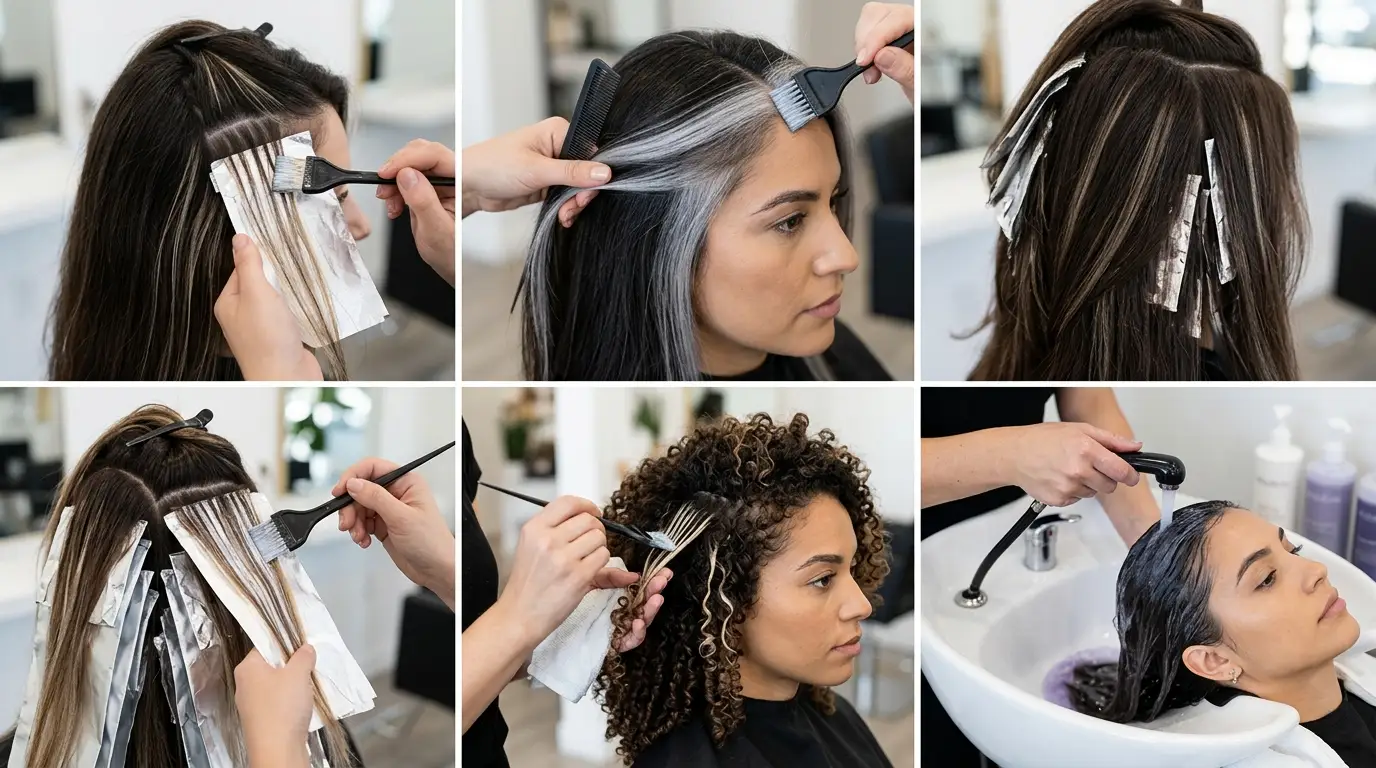
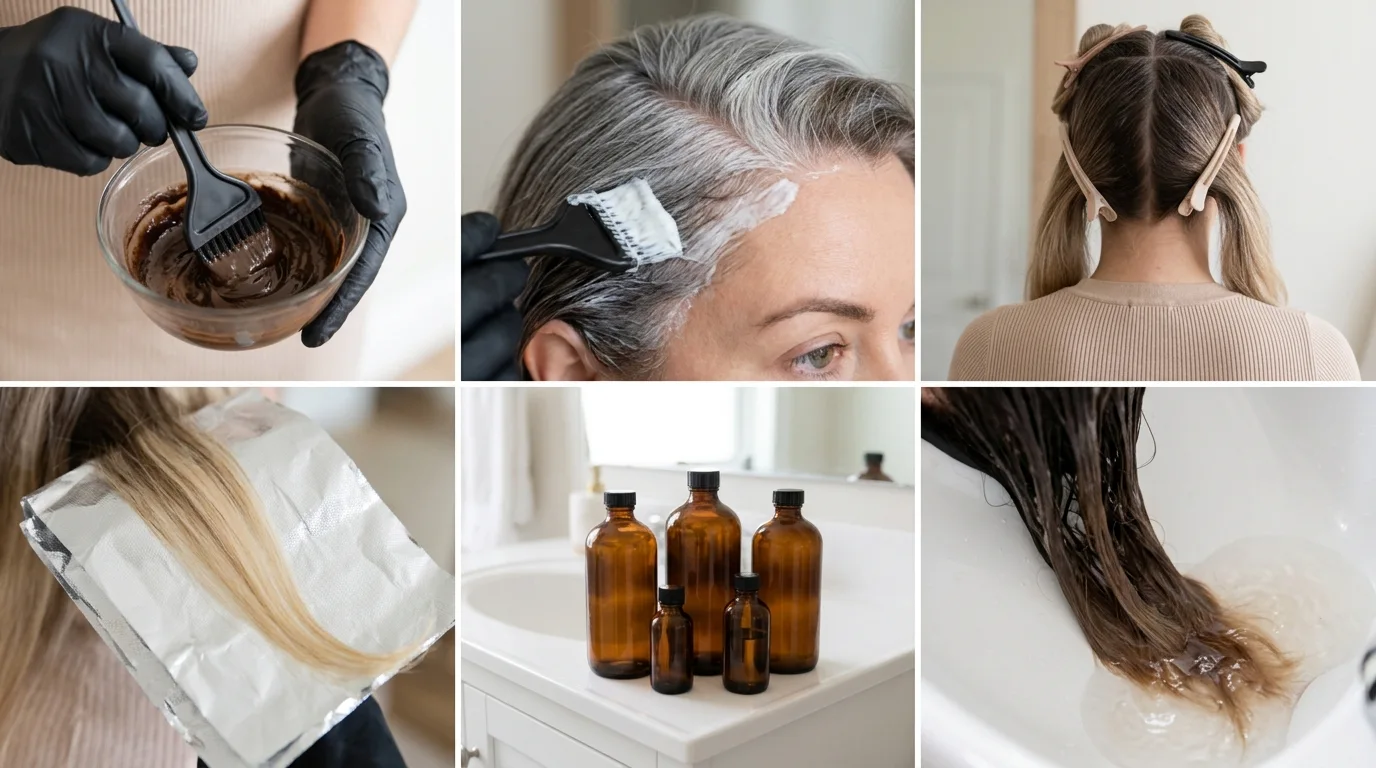
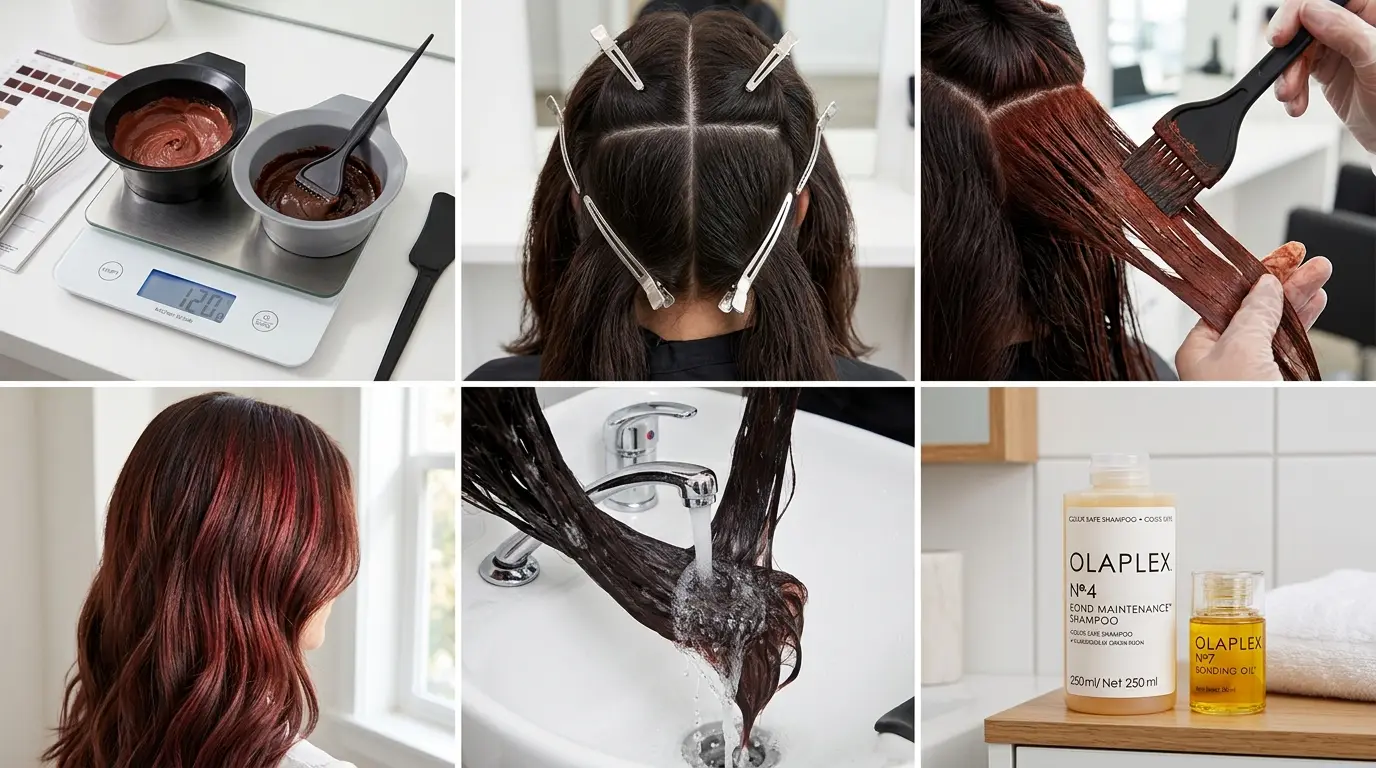
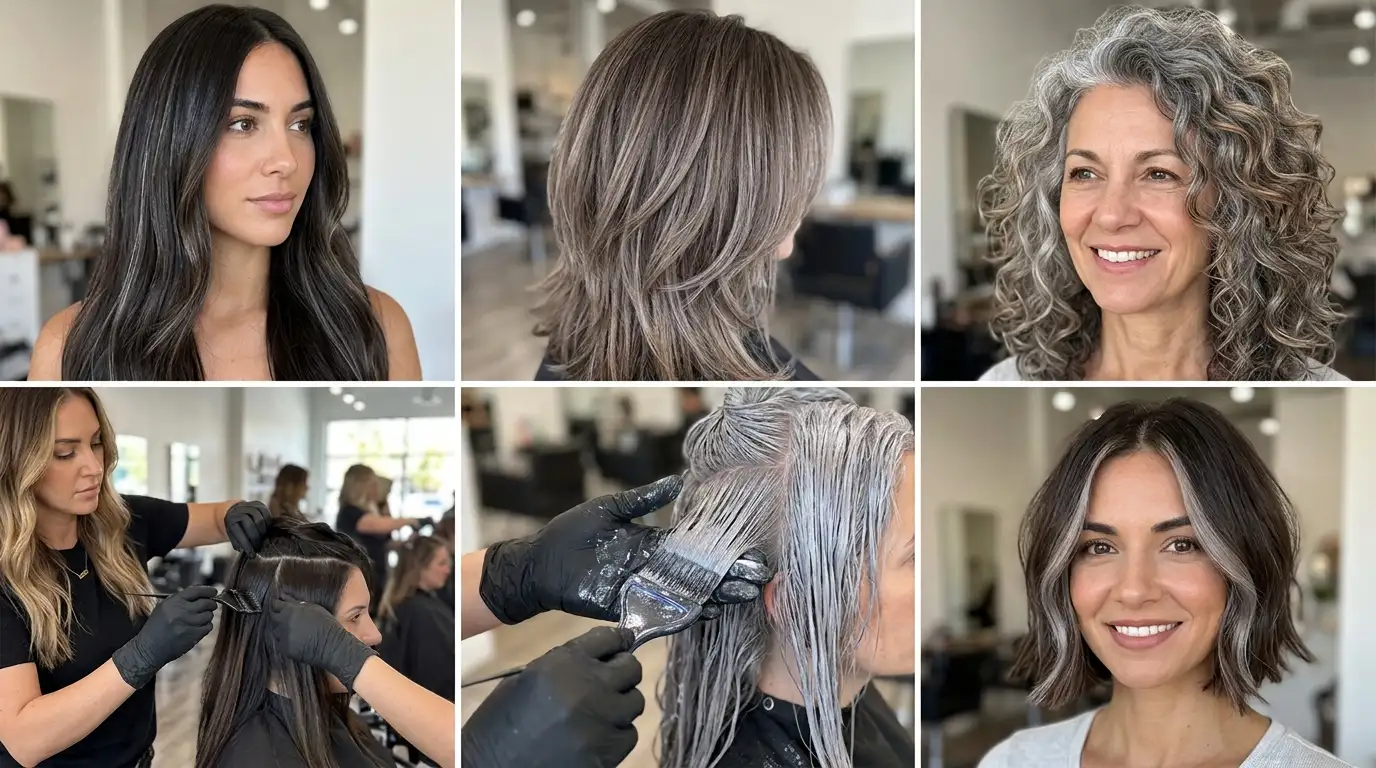
Work with a colorist who specializes in gray transitions using fine herringbone weaves. This technique weaves ash-toned lowlights and cool micro-highlights in diagonal slants rather than straight horizontal bands.
Expect to spend between 250 dollars and 500 dollars per session in 2026 for a multi-stage salon transition. The entire process takes six to nine months of gradual blending.
Between salon visits, apply a temporary mineral powder directly onto the stark line of demarcation. Powder stays in place until your next shampoo without staining the new silver growth underneath.
Overlooking Grooming for Salt and Pepper Hairstyle Men
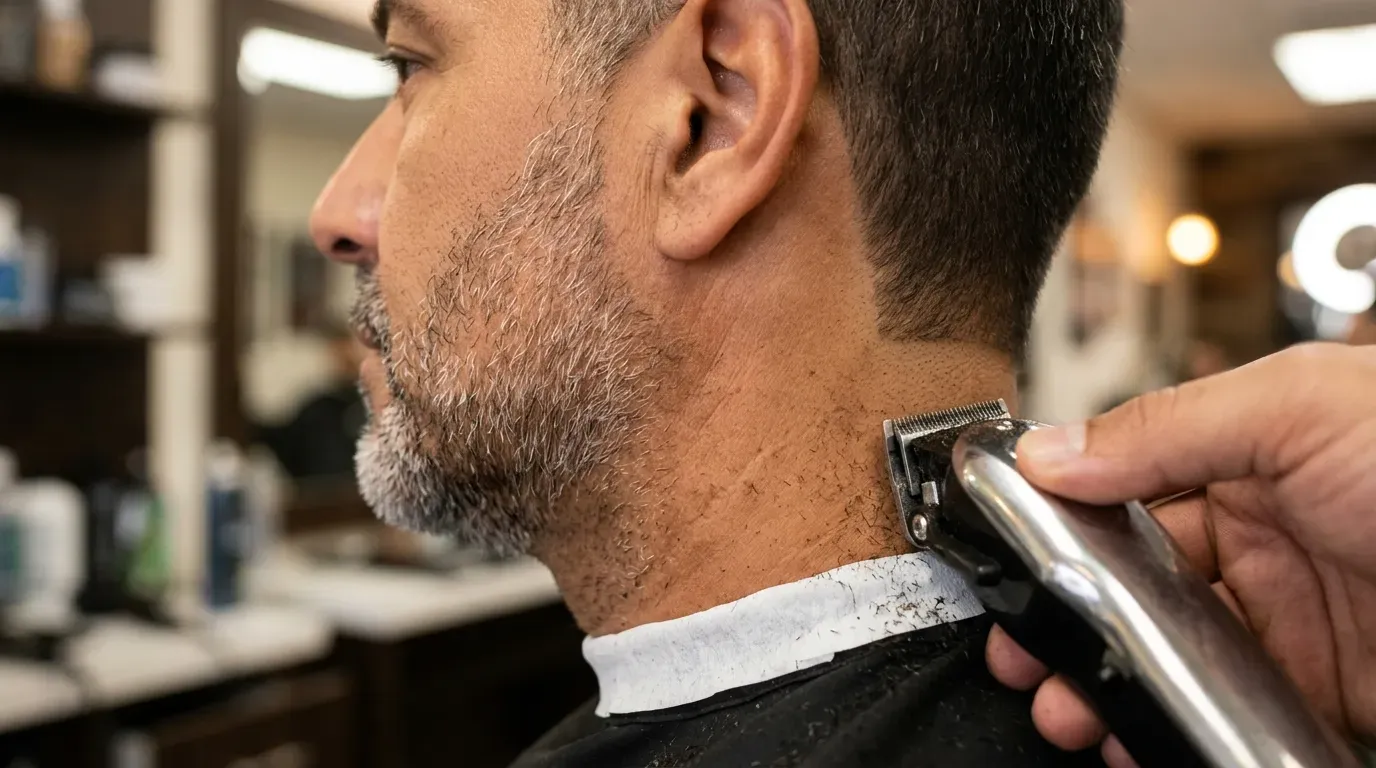
A salt and pepper hairstyle men wear looks intentional only when necklines and sideburns remain razor-sharp. Gray stubble softens facial angles much faster than dark growth.
Trim the neck area every five days with an open-blade safety razor or zero-gapped trimmer. Keep the sideburn line square and tight against the ear cartilage.
Rub a dime-sized amount of water-based pomade with a low-shine finish between your palms. Work it through the crown to tame unruly silver spikes while keeping the natural hair texture intact.
Condition the beard daily with a fragrance-free beard oil. Unsoftened gray facial hair draws attention away from a clean haircut and makes the chin profile look messy.
Relying on Heavy Waxes That Leave Silvery Hair Looking Greasy
Silver strands do not absorb heavy, petroleum-based styling pastes. Thick styling waxes sit directly on the hair surface, attracting environmental dust and leaving the strands dull and clumped.
Switch to lightweight texturizing clays made with bentonite or kaolin clay. These natural minerals absorb excess oil while giving fine, thinning hair usable volume.
Warm a pea-sized amount of matte paste completely between your fingertips before applying. Tap it lightly into the root area to build lift, avoiding the fragile ends.
If you need a firmer hold for a styled sweep, choose an aerosol dry finishing spray. Alcohol-free micro-mists hold the shape without leaving wet, sticky residue behind.
Managing Hair Extensions and Human Hair Dark Salt and Pepper Pieces
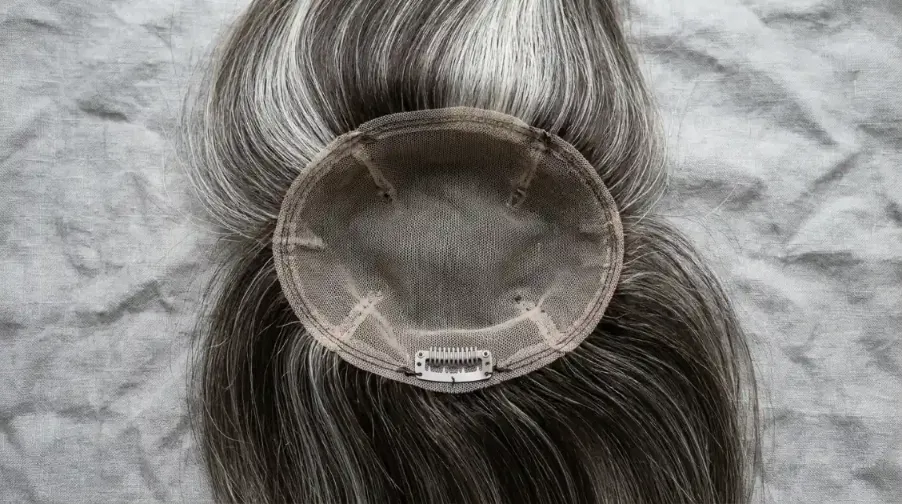
Clip-in volumizers and crown toppers help fill in sparse areas, but matching factory-made pieces to natural gray hair is notoriously difficult. Factory pieces often carry a flat, mono-tone gray that fails to match human hair dark salt and pepper mixes.
Purchase pieces made exclusively from natural Remy human hair dark salt and pepper blends that contain multiple color levels. Synthetic fibers melt under styling heat and reflect a plastic shine under indoor lighting.
Take the hairpiece to your stylist before clipping it in. Your stylist must trim the piece while it sits on your head to blend its layers seamlessly with your natural lengths.
Wash extension pieces only once every twenty wears using sulfate-free cleansing bars. Air dry the piece flat on a clean microfiber towel to protect its delicate silicone cap base.
The Highest Cost Mistake You Can Make with Salt and Pepper Hair
The single most expensive mistake when switching to salt and pepper hair is rushing the process with aggressive, all-over chemical bleach. Stripping decades of artificial dark dye to reach pale silver in a single day destroys the internal protein matrix of the hair.
Repairing chemically fried hair costs hundreds of dollars in salon bonding treatments, and the severely damaged lengths eventually snap off anyway. The smarter, cheaper approach is the slow grow-out method combined with three or four haircut trims over eight months.
Cut off two inches every eight weeks while wearing a shorter, textured style. You preserve the strength of your scalp and save considerable money on corrective chemical services.
Frequently Asked Questions
Can I dye my eyebrows dark if my hair is salt and pepper?
Keep your eyebrows one to two shades darker than your lightest hair strand, but avoid jet black. Use a cool taupe or soft charcoal eyebrow powder to define the brow arch without creating harsh, artificial lines on your face.
How do I stop gray hair from sticking straight up along my part?
Spray an alcohol-free setting spray directly onto a clean nylon toothbrush, then gently comb the short, wiry hairs flat against the scalp. The light film anchors the unruly root without making surrounding strands greasy.
Does swimming in a chlorinated pool permanently damage white hair?
Chlorine binds rapidly to porous gray strands, turning them a pale greenish-yellow within two swims. Coat dry hair with fresh tap water and three drops of jojoba oil before putting on a silicone swim cap to block chemical absorption.
Can I use regular brown root spray while growing out my natural gray?
Standard brown root sprays leave an oily residue that prevents cool-toned toners from sticking to new growth. Use dedicated gray-blending root powders with cool mineral pigments that wash out completely with warm water and mild shampoo.