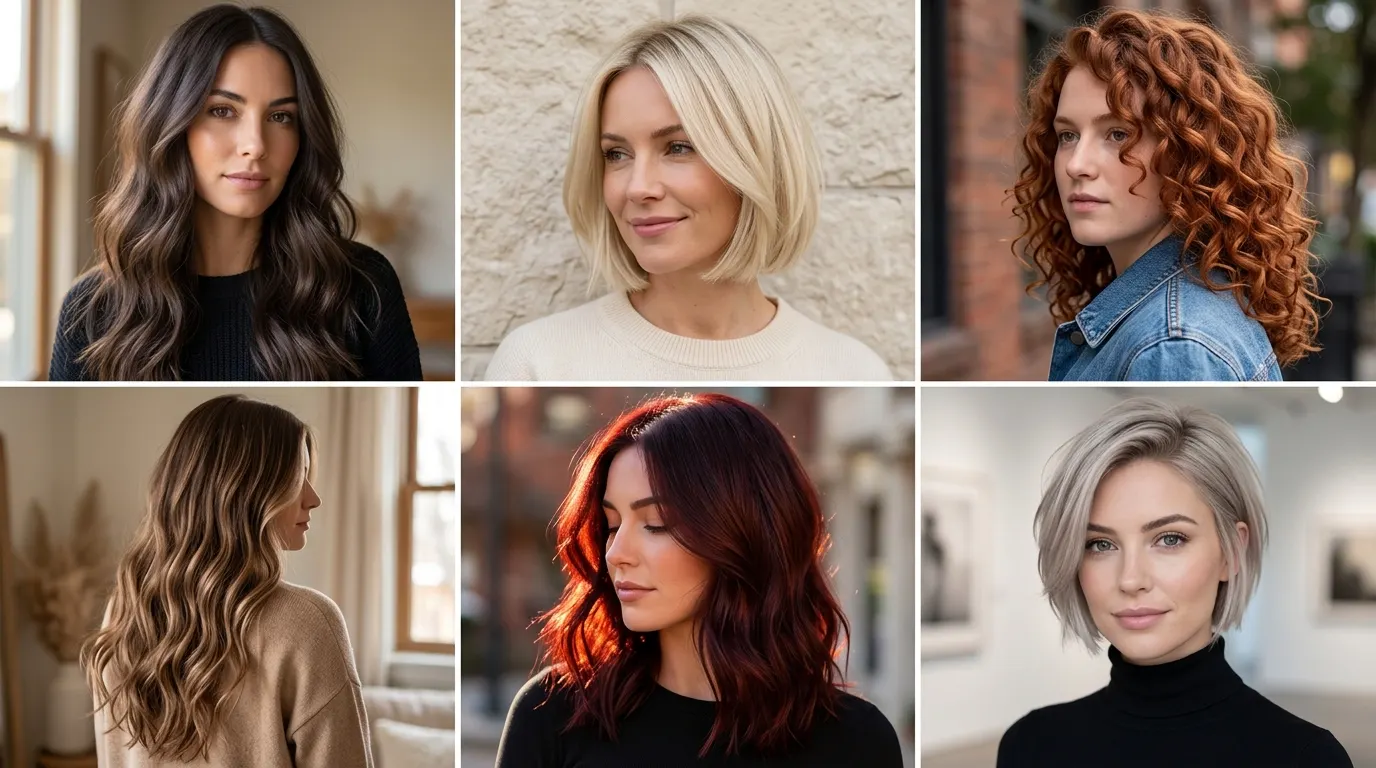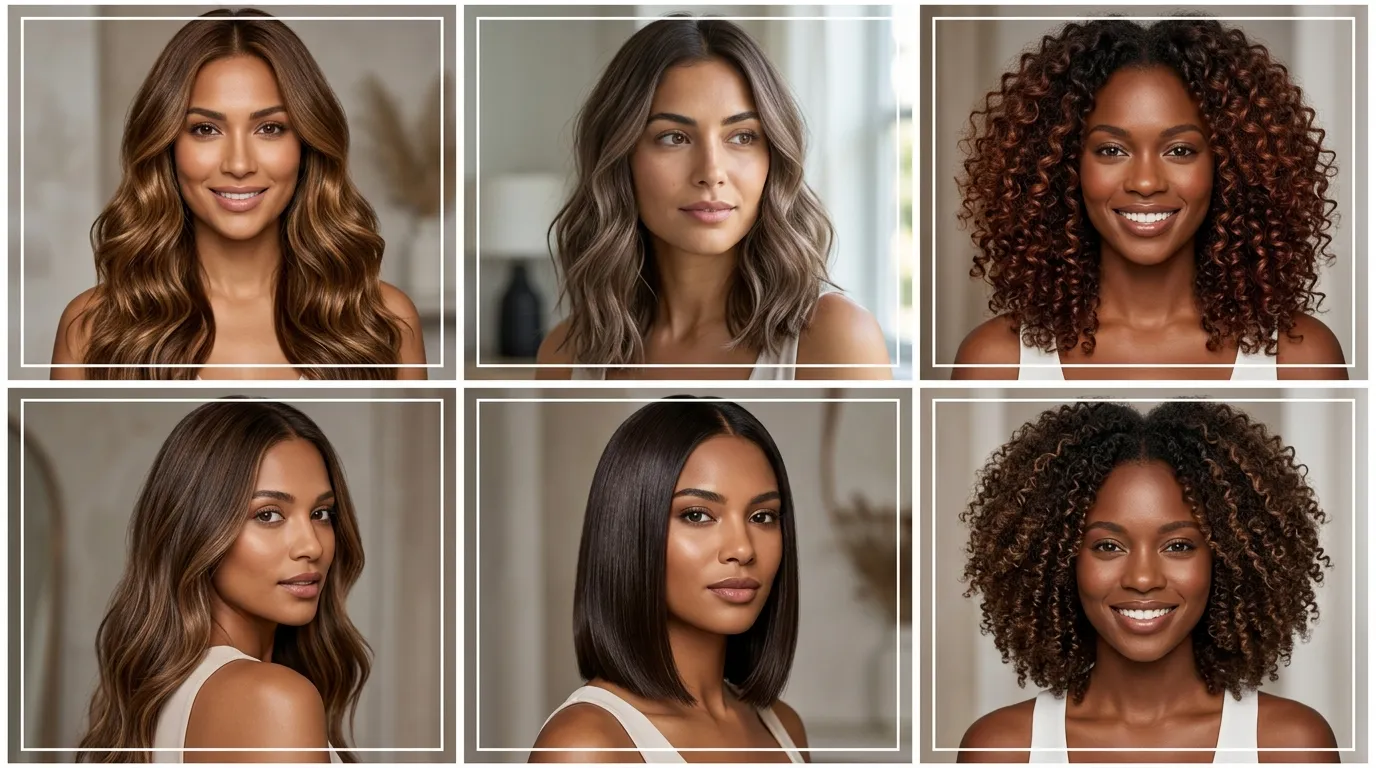

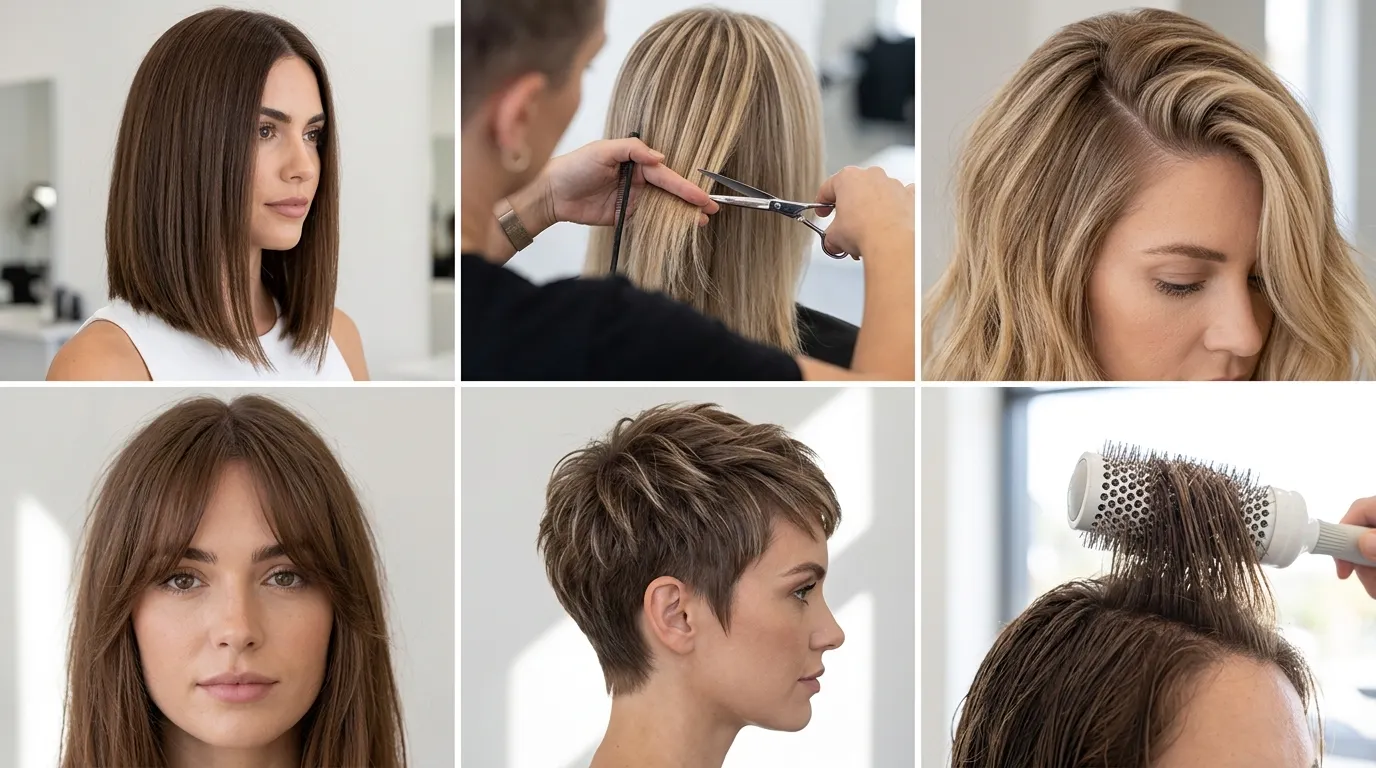
What haircut looks best on thin fine hair when your jawline carries a curved profile? Many people spend years battling flat roots and wide cheeks without realizing their salon choices work against their natural texture. Thin strands collapse under their own weight, while circular facial contours demand vertical lines and crisp angles to break up fullness.
Finding the right balance comes down to weight distribution, fringe placement, and root elevation. With the right adjustments, you can easily pull off chic hairstyles for thin hair and round face shapes that lift the crown and chisel the cheekbones. Here are the core structural styling challenges and the exact cuts that solve them.
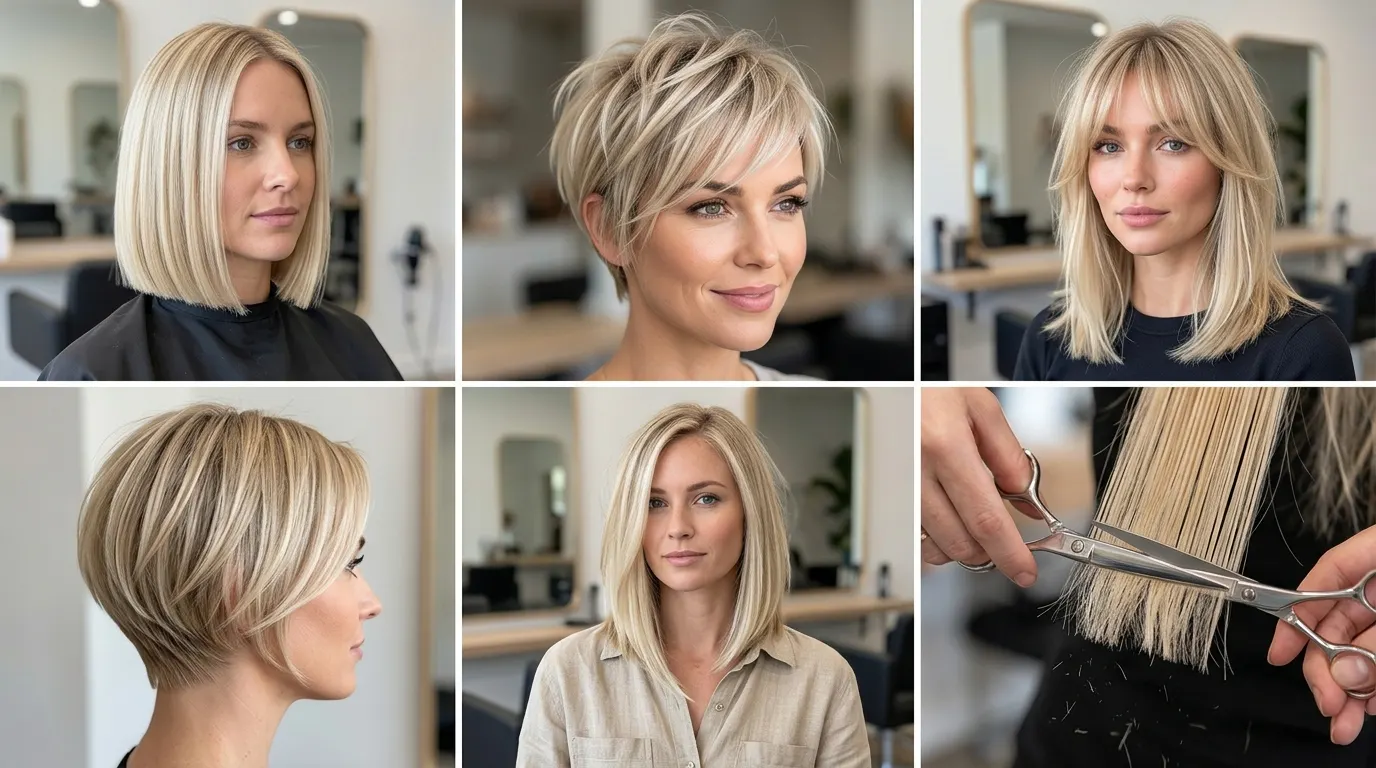
Cutting a Blunt Bob at the Chin Width Line

A traditional one-length chin bob deposits its heaviest perimeter line directly beside the fullest curve of the cheeks. That horizontal weight line acts like a visual ruler across the face, making roundness look wider. At the same time, fine strands cut completely straight across this zone lie flat against the sides of the head, giving the illusion of zero density.
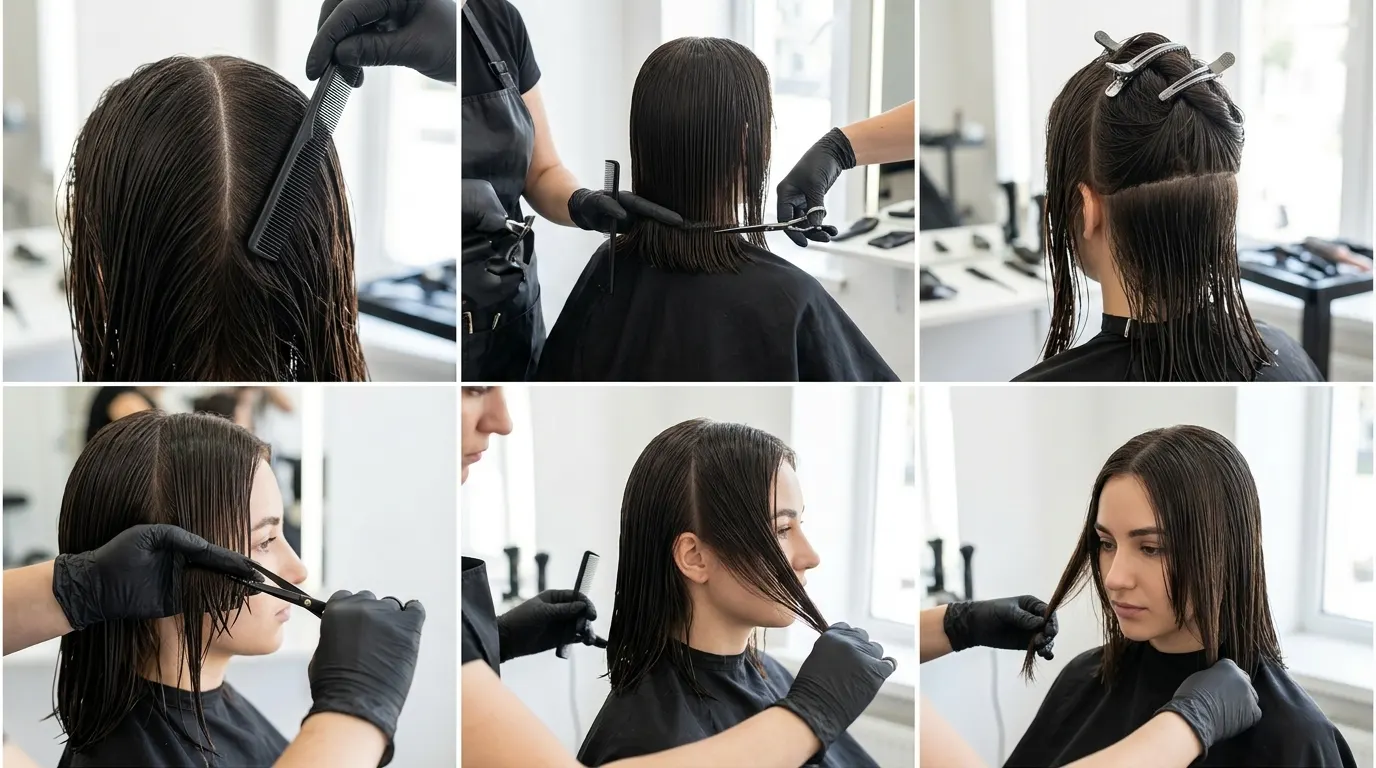
The solution is an asymmetrical blunt perimeter cut two inches below the jawline. Steer clear of chin-length horizontal shelves. Instead, ask your stylist for a long bob where the front panels drop slightly past the collarbones while the nape stays shorter. This angular slant pulls the eye downward, creating an illusion of length that slims circular cheeks. Keep the baseline sharp to preserve bottom density, but ask for interior point cutting to prevent an immovable block.
Adding Too Many Short Layers on Delicate Strands
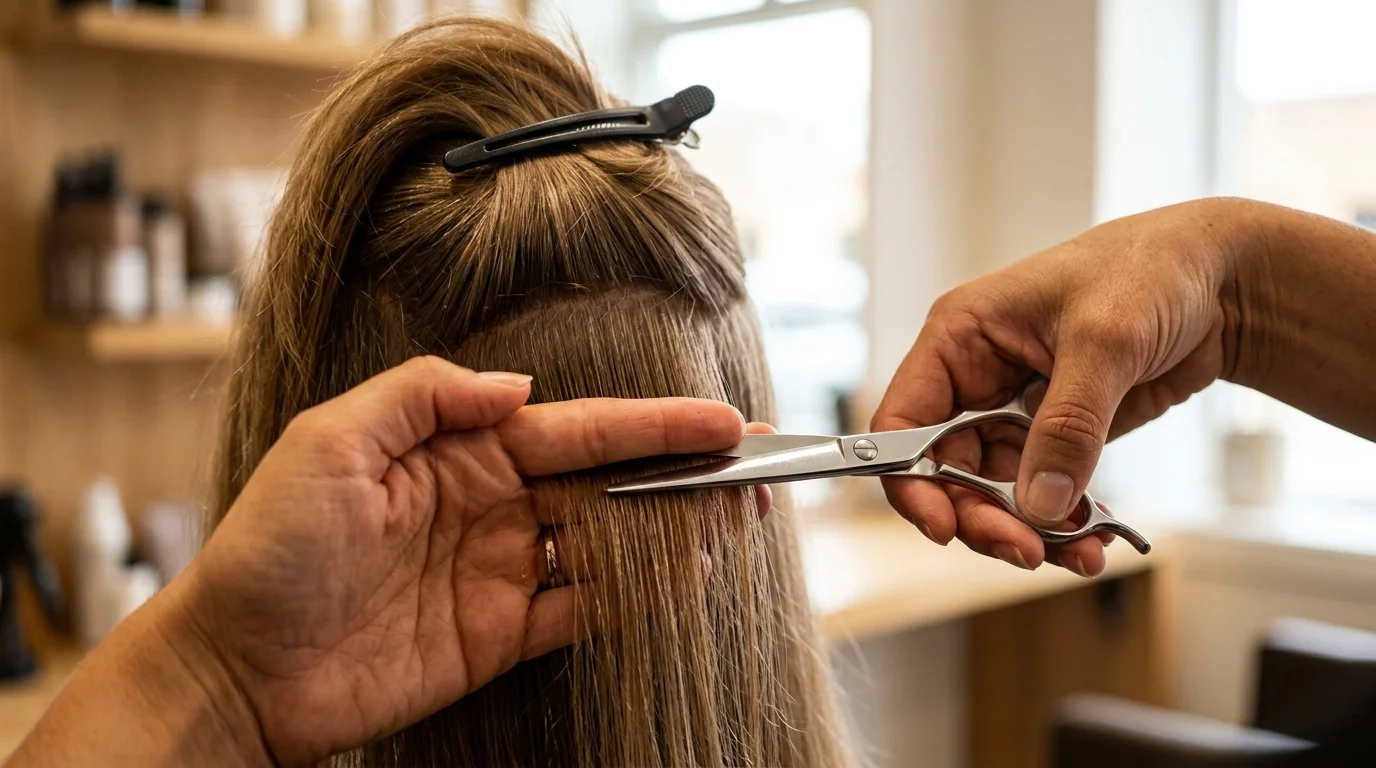
Should thin hair be layered extensively to get body? Over-layering fine strands removes critical baseline density, leaving the bottom three inches looking stringy and transparent. When your hair lacks density, heavy surface stepping exposes the scalp at the crown while thinning out the perimeter until it resembles trailing wisps.
Replace excessive surface stepping with strategic ghost layers. This technique involves lifting the top canopy and feathering the mid-lengths underneath with shears held parallel to the hair shaft. The shorter internal hairs act as scaffolding that physically props up the longer top layers. You get the perimeter fullness of blunt haircuts for thin hair and round face over 50 while gaining airy movement through the sides.
Wearing a Flat Center Part on Low-Density Hair
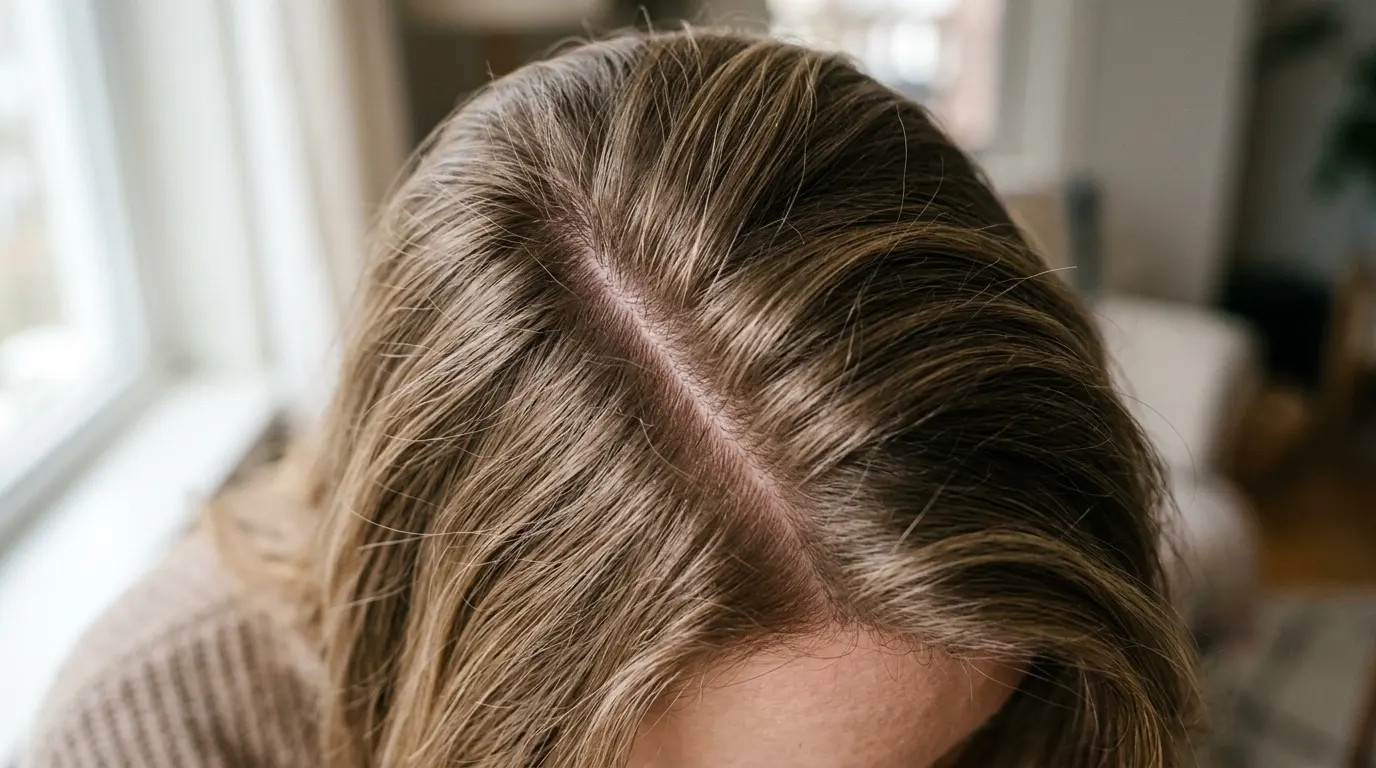
A symmetrical center part draws an unbroken vertical line straight down the middle of the head while pressing strands tight against the temples. This geometry emphasizes cheek width and highlights any thinning along the main parting line. Without root lift, the hair frames the skull like parentheses, exaggerating round facial outlines.
Shift your parting two inches off-center to create an immediate focal shift. A deep side sweep lifts hair follicles away from their natural growth direction, which produces instant root elevation without heavy backcombing. This directional change adds diagonal asymmetry across the forehead. The diagonal slant disrupts the circular symmetry of the face, making it one of the best hairstyles for round face shape options for everyday styling.
Selecting Heavy Straight-Across Bangs

Thick horizontal fringe requires a massive forward gathering of hair, which steals precious density from your crown and sides. Worse yet, straight bangs cut across the brow shorten the vertical height of the face by half, pushing the eye directly outward toward the fullness of the cheeks.
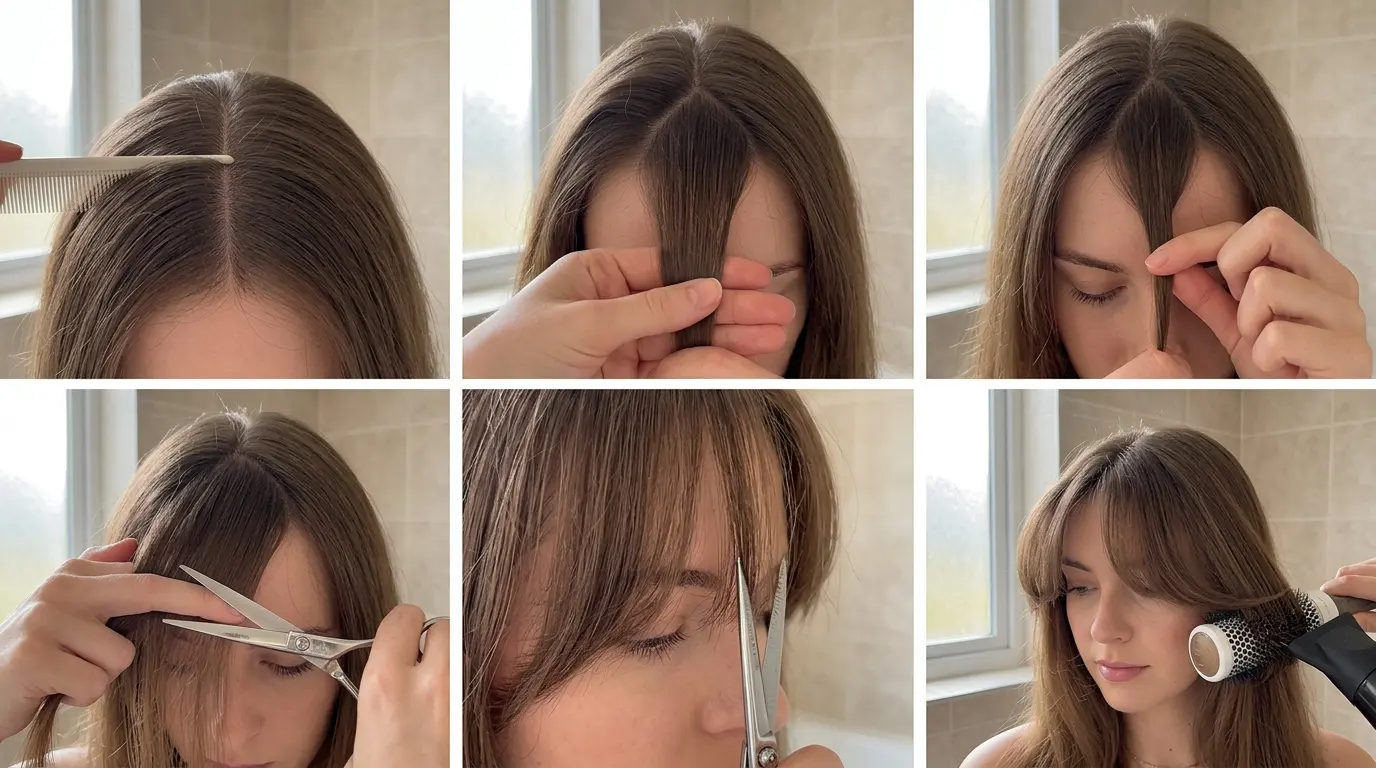
Switch to a soft, lash-skimming curtain fringe cut with a straight-edge razor. Request a center parting in the fringe that separates into tapered wings sweeping outward toward the cheekbones. The exposed triangle of forehead in the center instantly elongates your facial profile. Because razor cutting removes micro-bulk from the ends, the bangs maintain a piecey, wispy texture without demanding half the density of your scalp.
Choosing the Wrong Length for Your Texture

Does thin hair look better short or long when paired with circular features? Letting fine hair grow past the mid-chest pulls all volume downward due to gravitational drag, flattening roots against the crown. Conversely, ultra-short crops that lack height can make the face appear fully exposed and rounded.
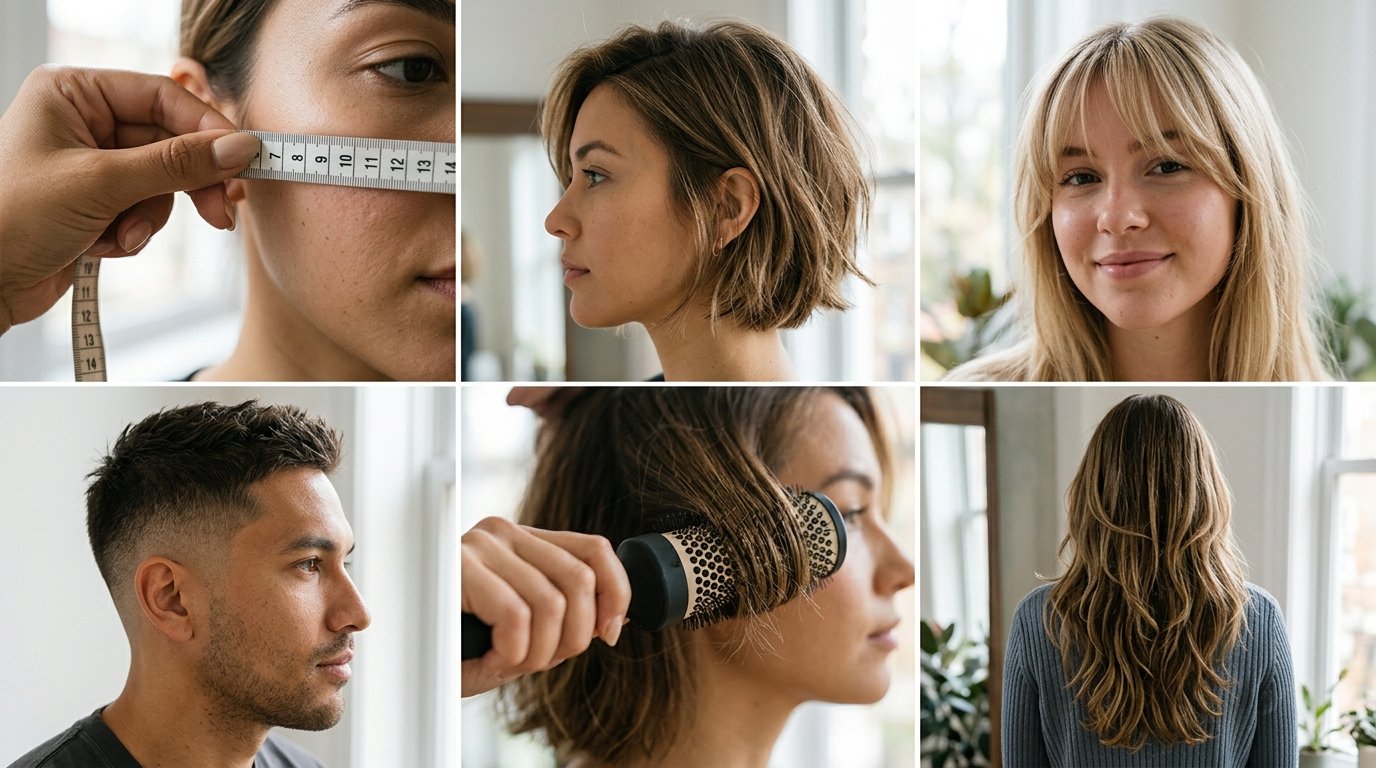
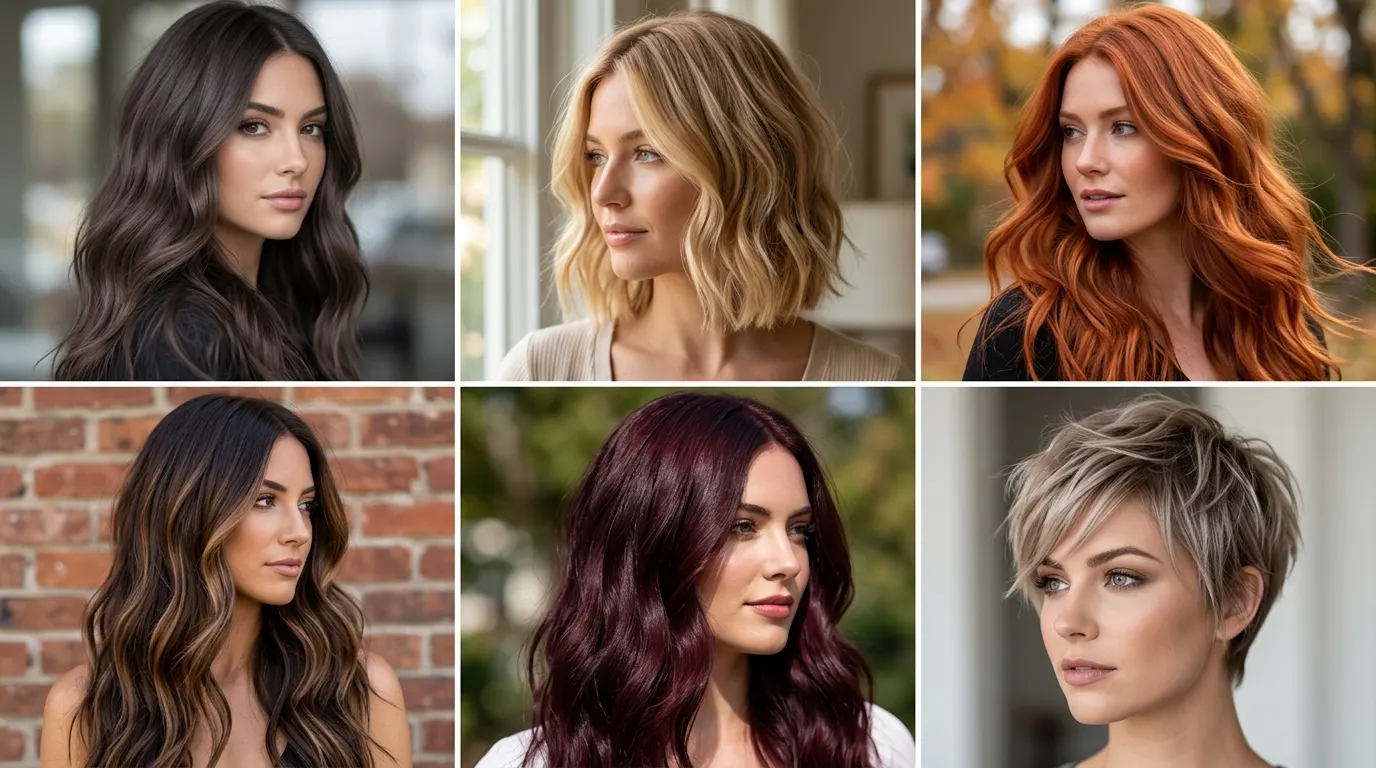
The ideal sweet spot is round face thin hair medium length hairstyles that rest between the collarbone and armpit. This length provides enough vertical drop to slim the neck and jaw while remaining lightweight enough to hold mechanical lift. If you prefer shorter locks, a soft lob offers balanced framing. For masculine cuts, the best haircut for thin hair and round face men features high-tapered sides paired with two to three inches of textured length through the top to establish vertical height.
Letting Roots Fall Flat at the Crown
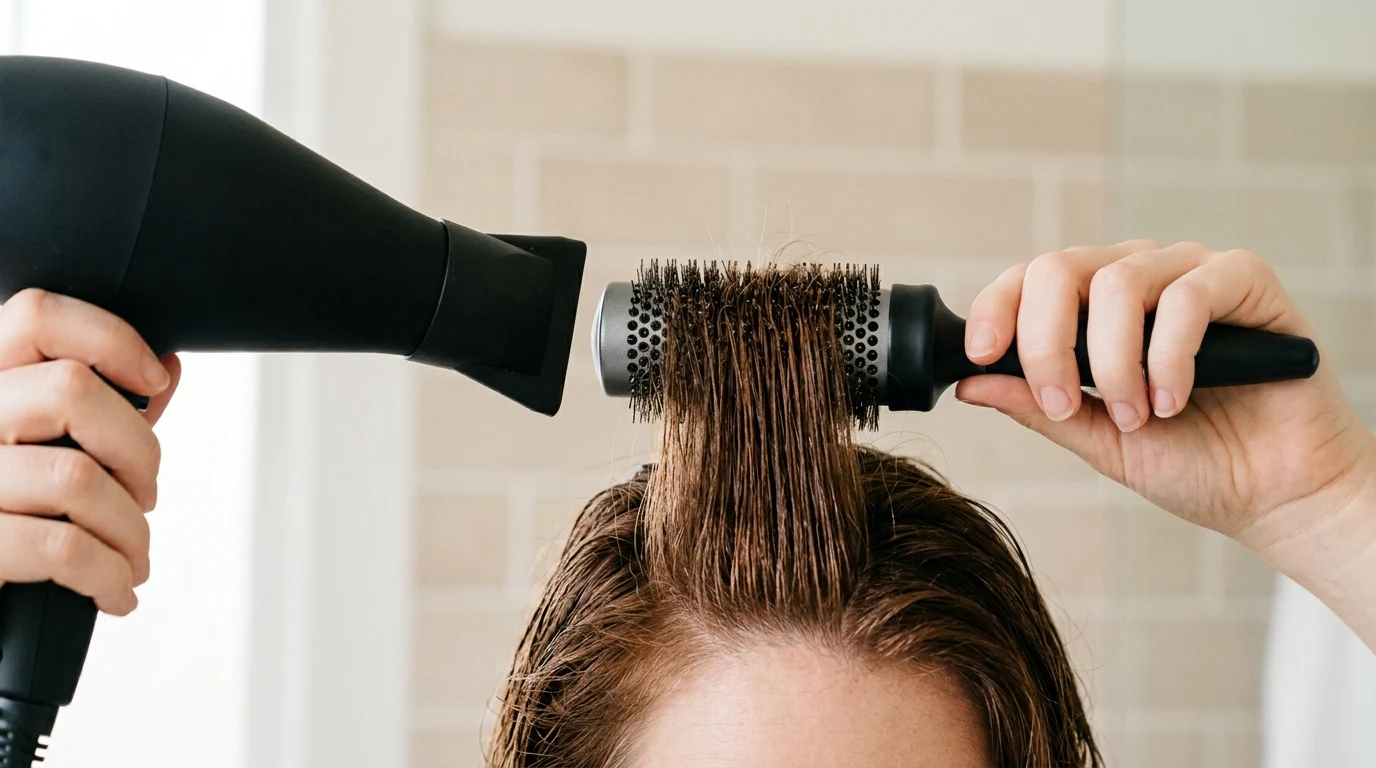
Does short hair make your face look fat if it lacks height? Yes, because round contours require vertical compensation. When hair lies limp across the apex of the skull, the widest point of your head becomes the cheekbones. Without height at the top, circular features look compressed and broad.
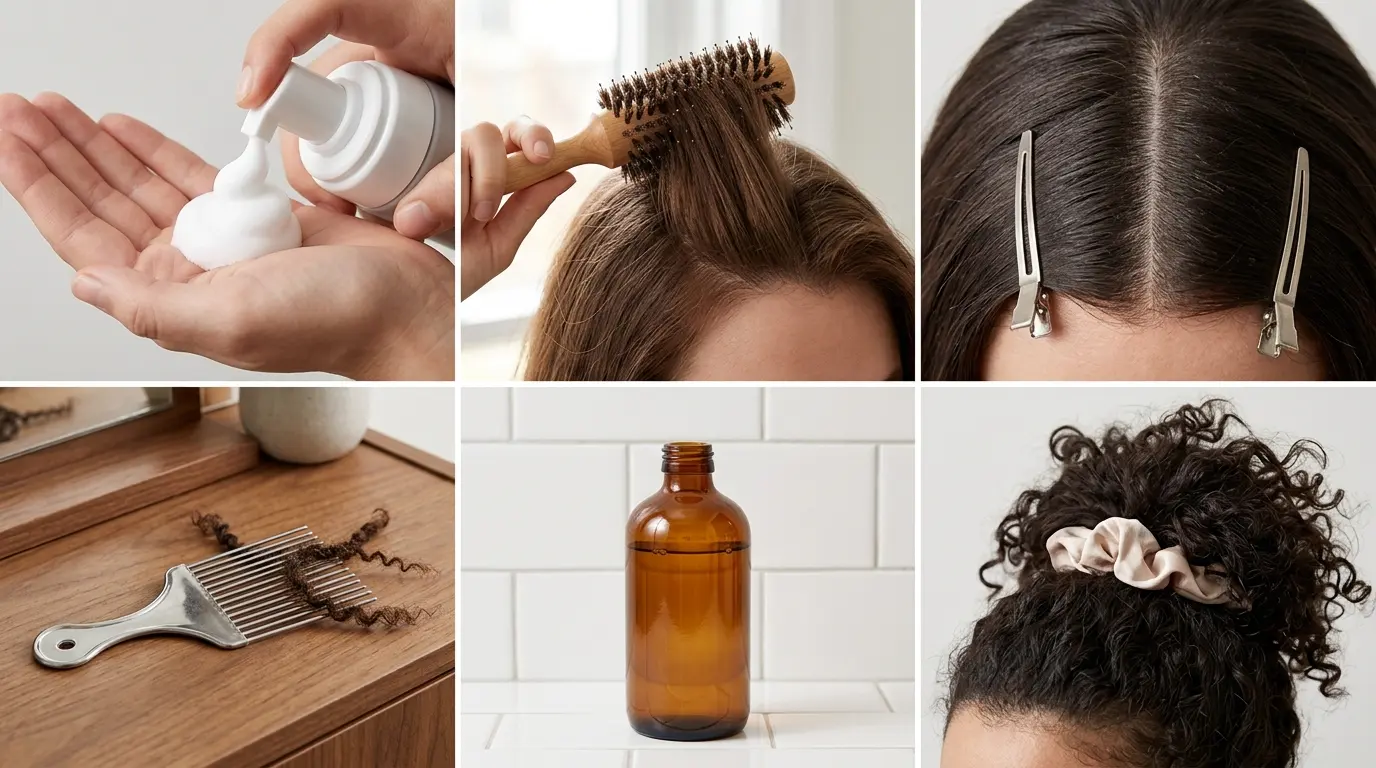
Combat crown collapse using thermal redirection during your blowout. Apply an egg-sized dollop of alcohol-free volumizing foam to damp roots. Wrap a two-inch ceramic round brush under the crown section, lift the hair ninety degrees perpendicular to the scalp, and direct airflow upward on medium heat. Finish with a ten-second cold shot to lock the hydrogen bonds in place. Ceramic barrels distribute heat evenly, which helps fine tresses retain structured root lift throughout the day without flattening out.
The Structural Haircut and Styling Blueprint
| Problem | What Causes It | What to Do Instead |
|---|---|---|
| Transparent perimeter ends | Over-layering fine texture with texturizing shears | Cut a blunt perimeter line with internal ghost layering |
| Wide cheek appearance | Chin-length horizontal bob borders | Shift to an asymmetrical lob ending at collarbone depth |
| Scalp exposure along parting | Symmetrical center part flattening down roots | Create a deep side part to redirect follicular growth |
| Compressed facial profile | Heavy horizontal bangs stealing crown bulk | Wear parted curtain fringe cut with a straight-edge razor |
| Mid-day volume collapse | Heavy oil-based pomades and butter creams | Apply lightweight sea salt mist and ceramic round brush heat |
Pushing Waves Outward at Cheekbone Width

Using large curling wands directly alongside the cheeks widens your facial profile. When horizontal barrel curls expand outward at the jawline, they double the perceived width of your bone structure. For thinning strands, wide curls can separate and reveal wide gaps of bare skin beneath the hair.
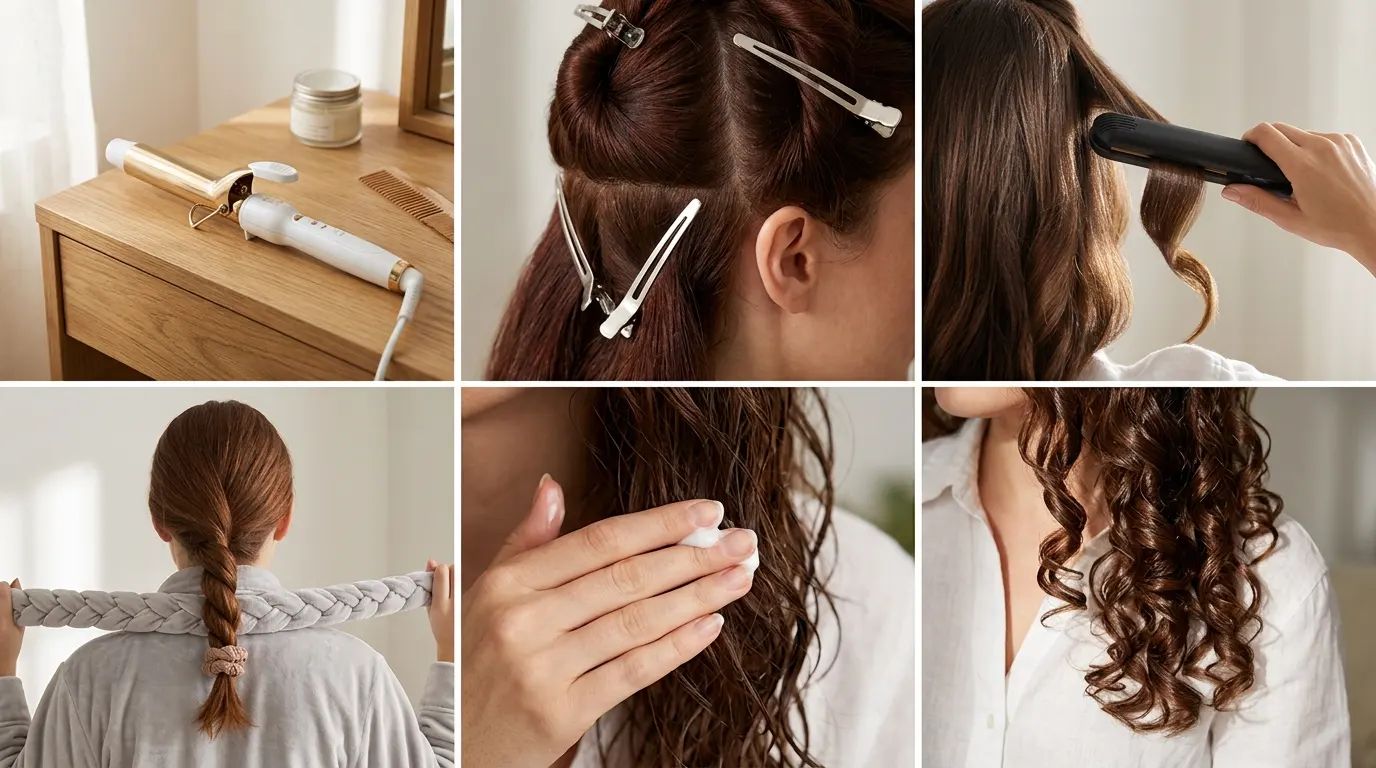
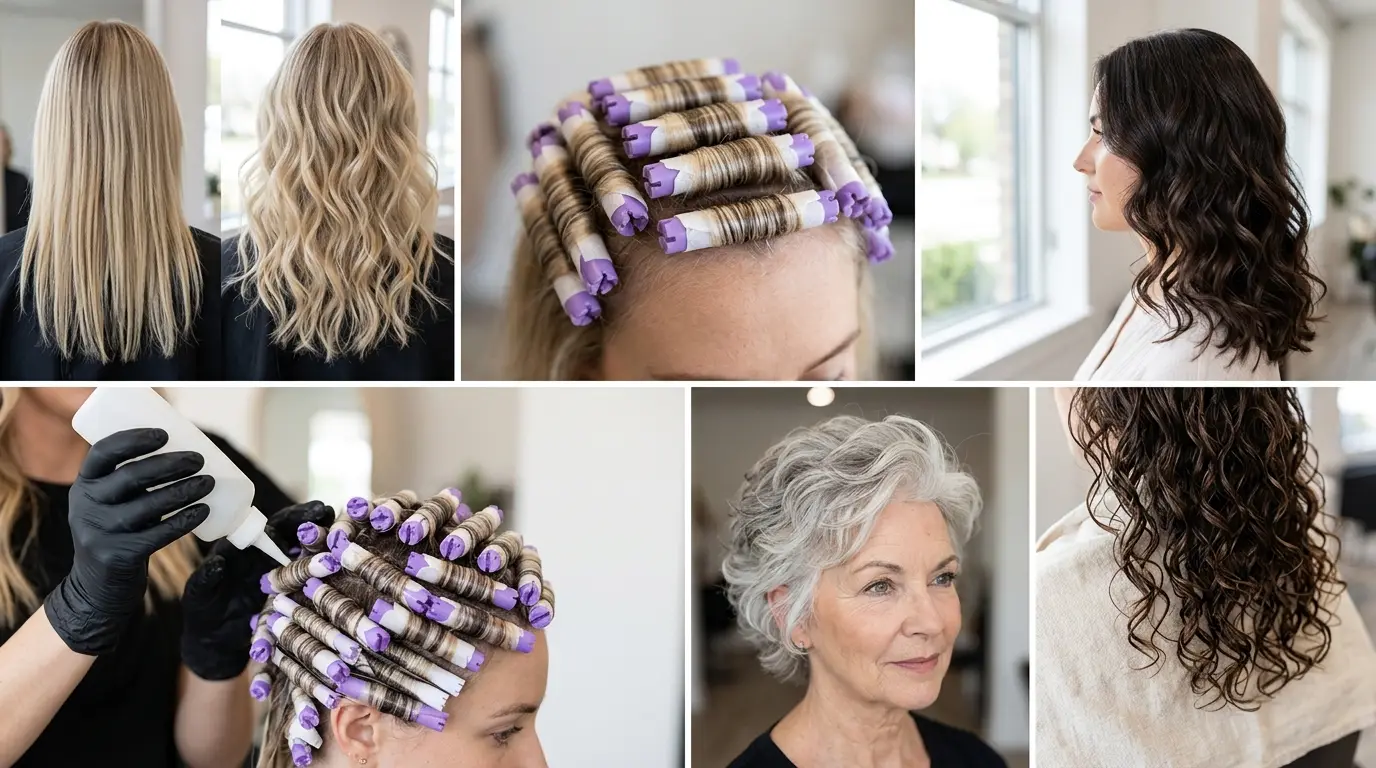
Switch to vertical ribbon waves using a one-inch flat iron. Clamp a two-inch section at eye level, rotate the styler one half-turn downward, and pull straight down through the ends without curling the tips. This keeps the wave pattern tight, flat, and vertical against the sides of the cheeks rather than ballooning outward. Lightly rake through the cooled sections with your fingertips coated in a drop of weightless dry oil to separate the waves into textured ribbons.
Over-Thinning the Hair with Razor Texturizing Shears
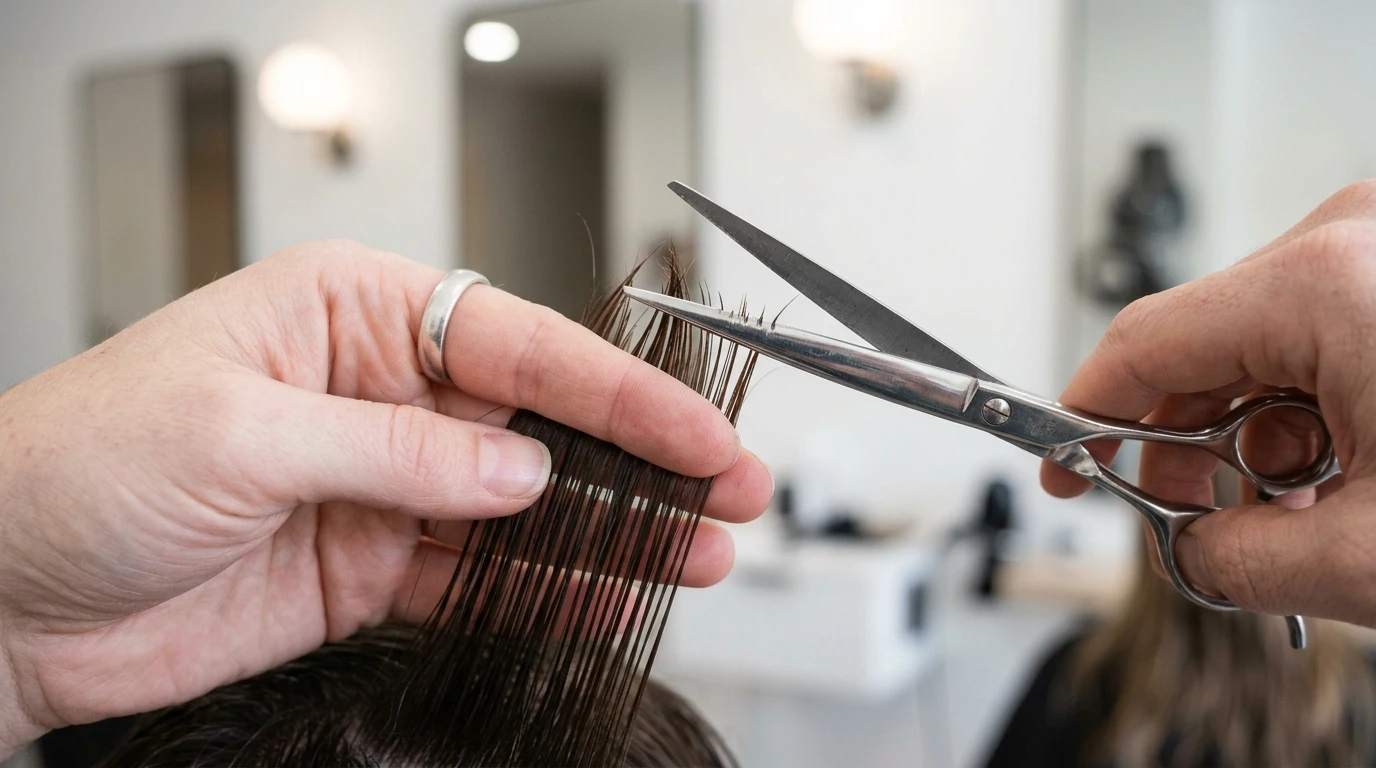
Stylists often reach for thinning shears to break up bulk, but using them on delicate hair is disastrous. Notching shears take out random chunks of density, leaving microscopic holes along the hair shaft. This causes fine thin short hairstyles for round faces to look frizzy, broken, and limp within three weeks of growth.
Ask your stylist to exclusively use straight shears for blunt perimeter lines, reserving razor work strictly for the perimeter tips of the fringe. If weight removal is necessary, point cutting at a forty-five-degree angle into the ends creates soft movement without degrading density. For tailored masculine profiles, the best hairstyles for thin hair and round face men rely on clean clipper fades along the temples to contrast against a point-cut, piecey top.
Relying on Heavy Waxes and Butter-Based Creams
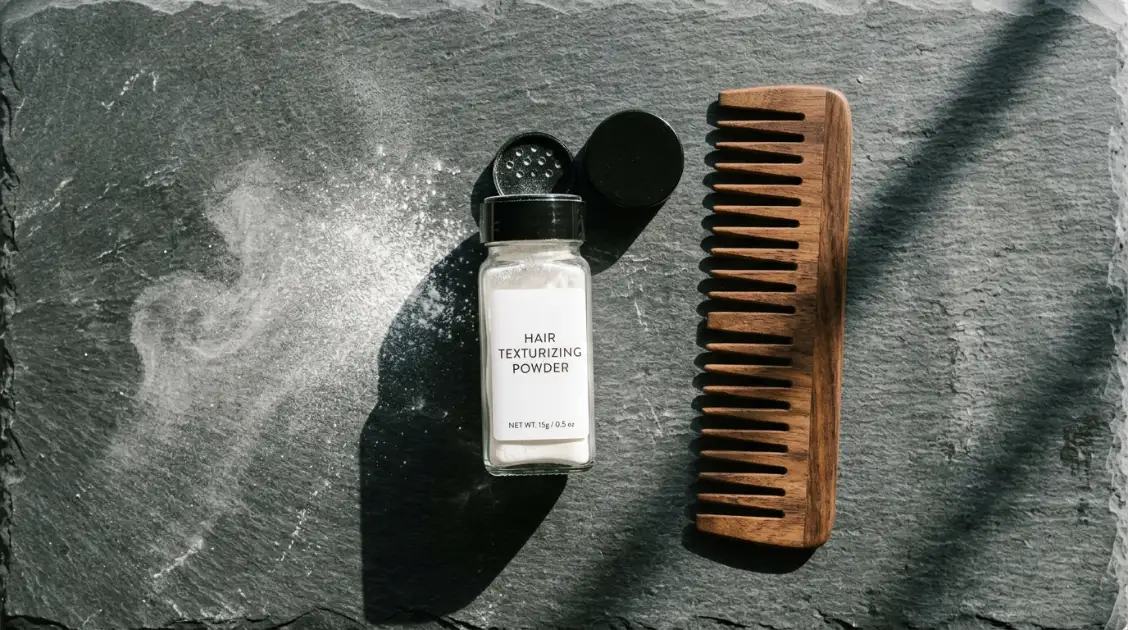
Standard styling waxes, silicone serums, and rich hair butters are engineered for thick, thirsty strands. On fine hair, these heavy emollients coat the outer cuticle layer, binding adjacent hairs into greasy clumps that expose the scalp and pull the style flat within hours.
Audit your cabinet and replace petroleum-based formulas with dry texture sprays and mineral dusts. A light dusting of silica silylate powder at the crown absorbs excess sebum while creating microscopic friction between hair shafts. This invisible grit allows strands to lean against each other, establishing a durable scaffold of volume that survives humidity without leaving behind oily residue.
The Danger of Chin-Length Rounded Pixie Cuts
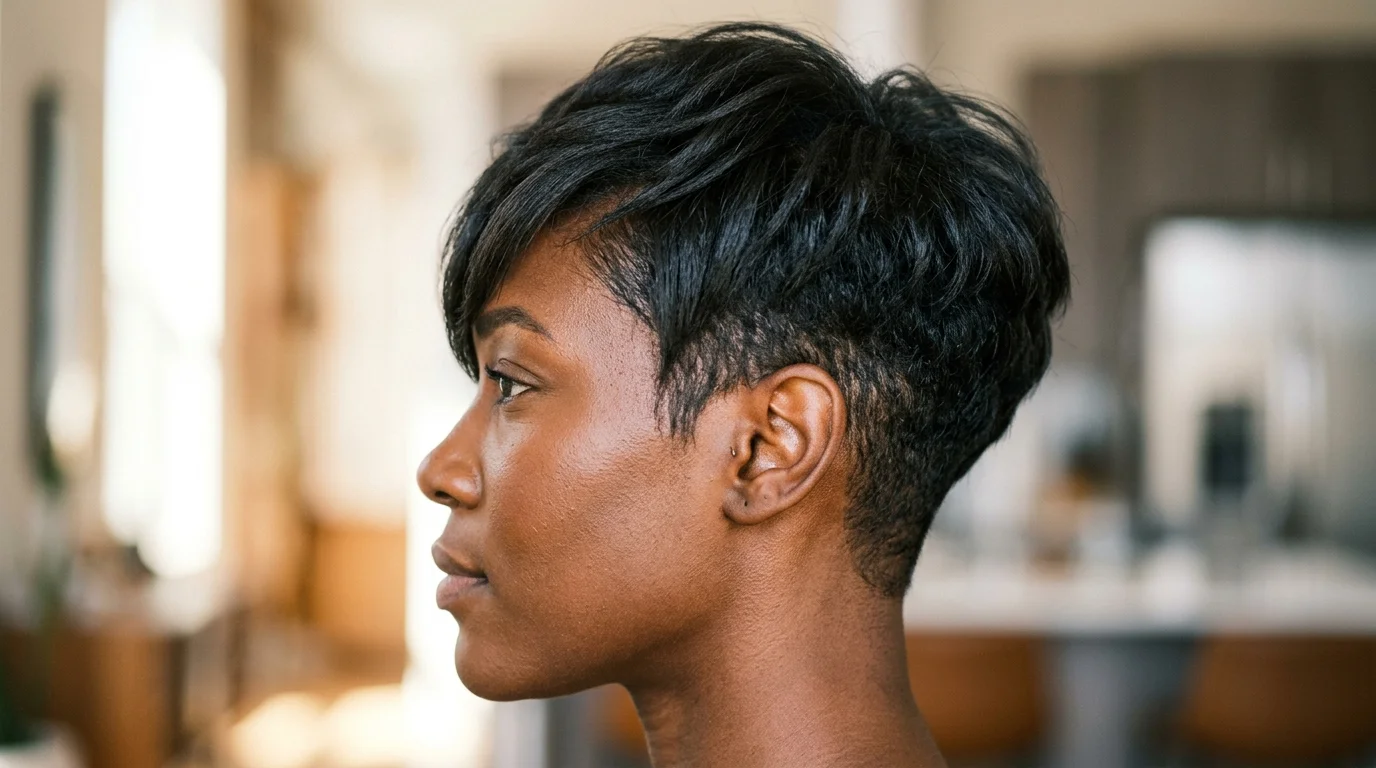
A traditional spherical pixie cut wraps the head like a helmet, mirroring the circular shape of the jaw and making cheeks look rounder. When thin hair is cut into an even, rounded crop, any loss of volume causes the cut to cling tightly to the skull, losing all visual interest.
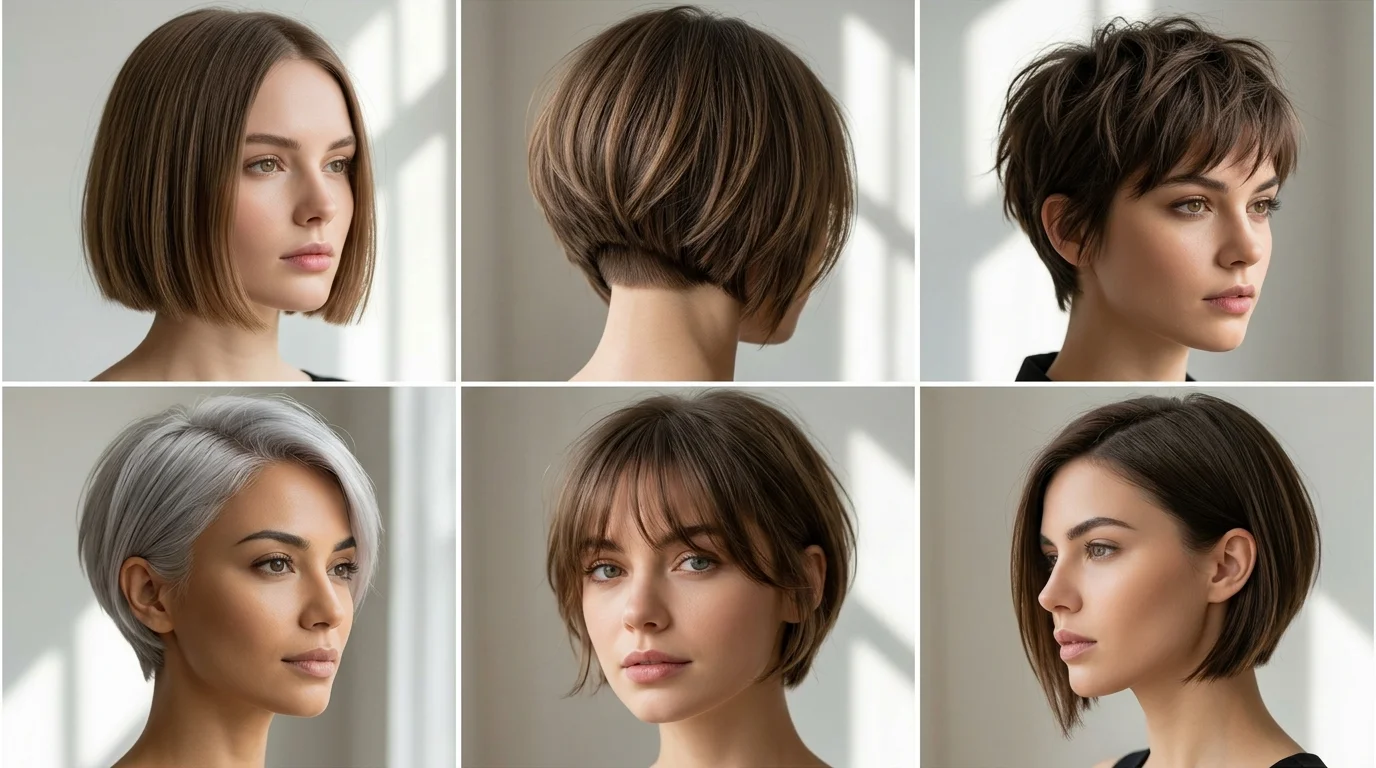
Upgrade to cute short haircuts for thin hair and round faces that incorporate sharp asymmetry and tapered napes. Ask for closely cropped sides that hug the jawline, combined with longer, jagged layers over the crown and a dramatic side-swept fringe. This silhouette creates diagonal angles that visually slenderize full cheeks. The contrast between short, clean edges and a tousled, lifted top creates an elongated diamond profile that flatters curved facial contours.
Wearing Ponytails Without Softening Perimeter Pieces

Pulling hair into a slicked-back high ponytail pulls every strand tightly away from the temples, laying bare the full perimeter of the face and putting cheek width on full display. For fine textures, tight updos also expose temporal recession and thin patches along the hairline.
Construct a low, deconstructed bun that incorporates loose framing tendrils. Before gathering your hair at the nape, pull out two pencil-thin ribbons of hair in front of each ear and allow your curtain fringe to fall naturally. Loosely twist the lengths into a low knot, securing with a silk scrunchie to prevent tension breakage. Lightly tease the crown hair by gently pinching sections upward with thumb and forefinger to retain vertical height.
Avoiding the Financial Drain of Corrective Extension Work
The single mistake that costs the most time and money is installing heavy sew-in or tape-in extensions to compensate for low natural density. In 2026, a professional extension package for fine hair runs between 800 and 2,500 dollars every six to eight weeks.
Fine follicles lack the root strength to anchor heavy synthetic or human hair wefts. The constant gravitational tension leads to traction alopecia, tearing fragile hair out at the root and creating permanent bald spots that take years to repair.
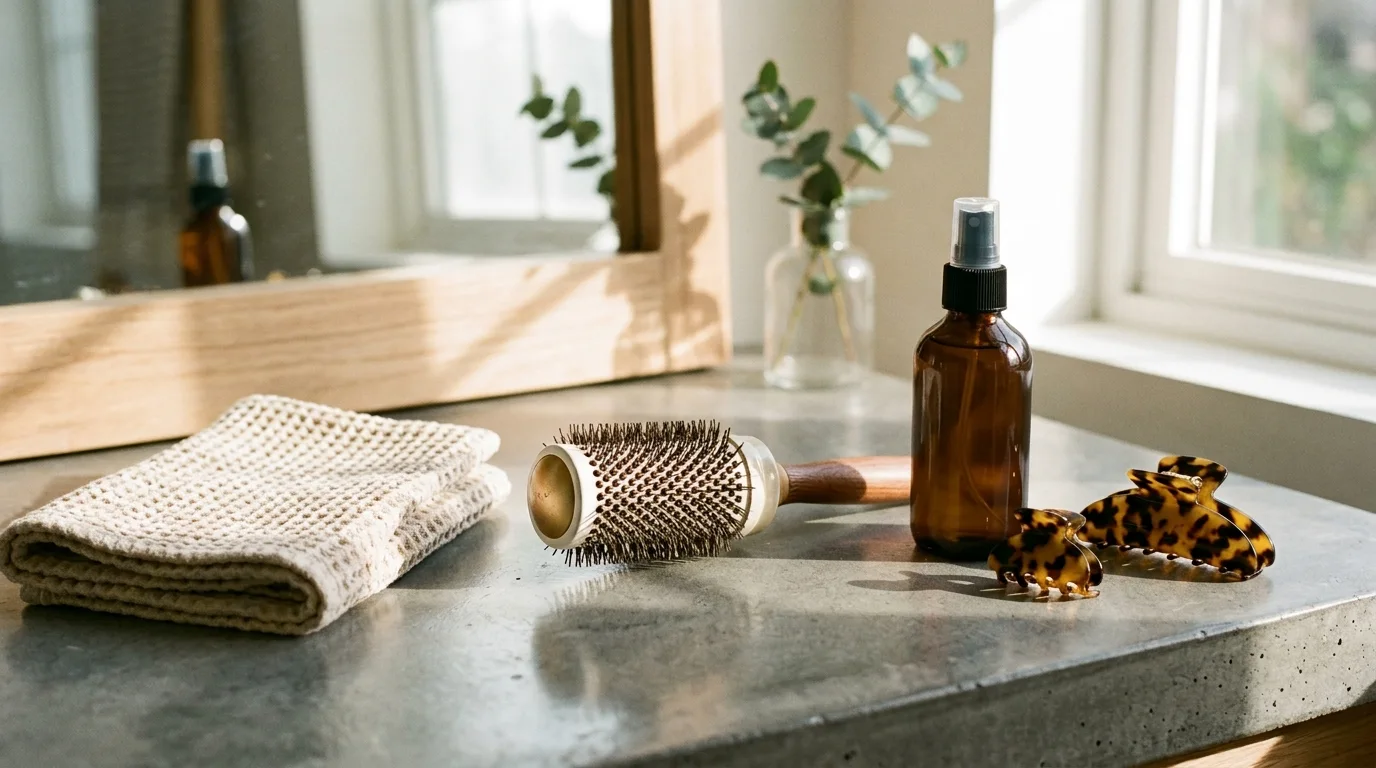
Avoid this financial trap by mastering the architecture of proper haircutting. A tailored collarbone-skimming lob cut with blunt lines and ghost layering produces double the perceived fullness of an unnatural, high-maintenance extension install. Combine this cut with a fifty-dollar ceramic round brush and a thirty-dollar dry texture spray, and you will save thousands of dollars while protecting your long-term follicle health.
Common Questions About Cuts for Thin Strands and Curved Faces
Is a round face girl attractive with very short hair?
Cropped lengths look striking on curved features when cut with vertical height and tapered edges. The secret lies in avoiding uniform, bowl-shaped cuts by keeping the sides neat and building soft, angular volume on top.
How often should fine, low-density hair be trimmed?
Fine hair needs a perimeter trim every six to eight weeks. Because thin ends split faster and lose their blunt edge quickly, letting maintenance slide beyond eight weeks causes the bottom border to look frayed and see-through.
Can round face shapes wear a middle part?
A center part works well if you pair it with curtain bangs and strong root lift. Leaving the center part completely flat exaggerates cheek width, but adding height at the crown and sweeping bangs across the temples creates a balanced, elongated look.
What is the worst haircut for a circular face with delicate hair?
A one-length, chin-length blunt bob paired with heavy straight bangs is the most unflattering choice. This combination frames the cheeks like a square box, highlights flat roots, and makes both the face and the hair appear wider and thinner than they really are.
Related reads: Diamond Face Shape Haircut Options That Balance Sharp Features, How to Curl Your Hair With Lasting Shape and Minimal Friction and The Best Short Haircuts for Fine Thin Hair to Boost Volume.