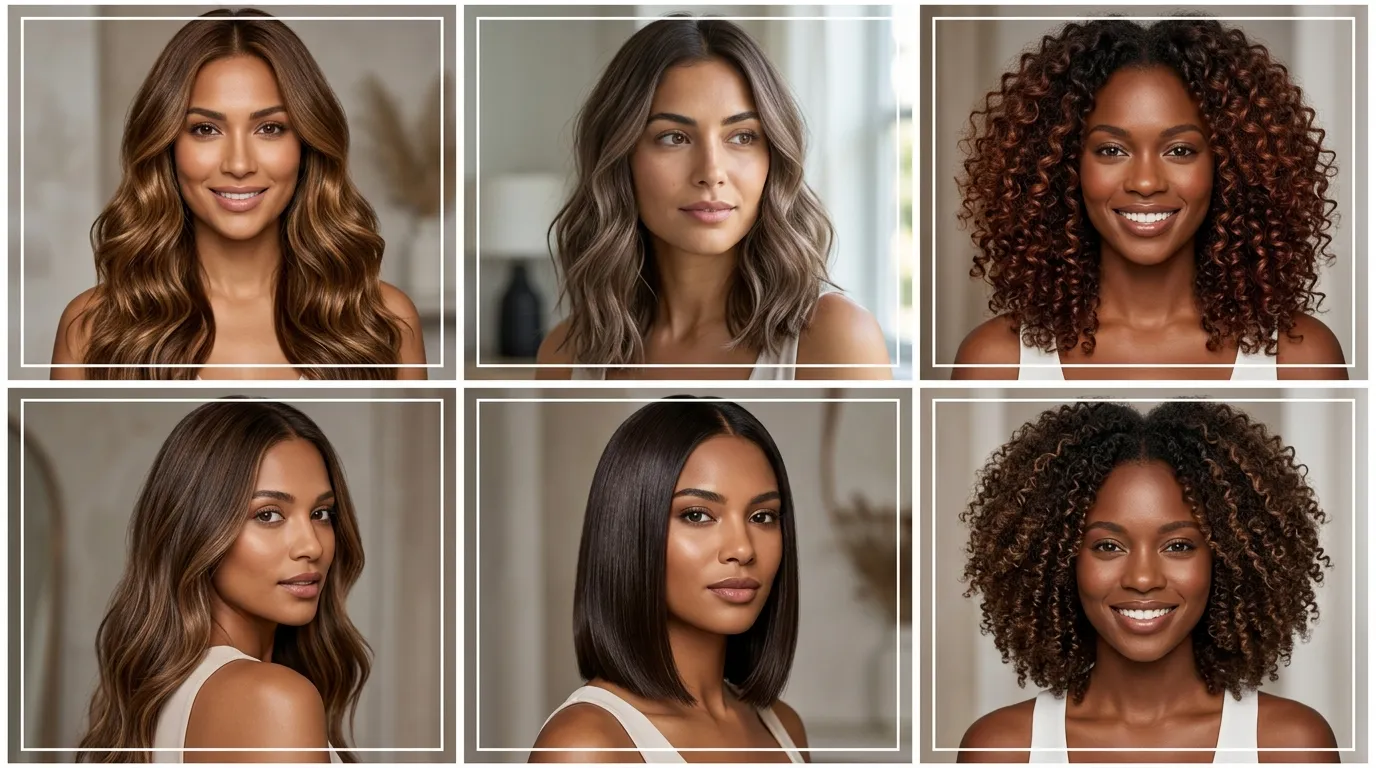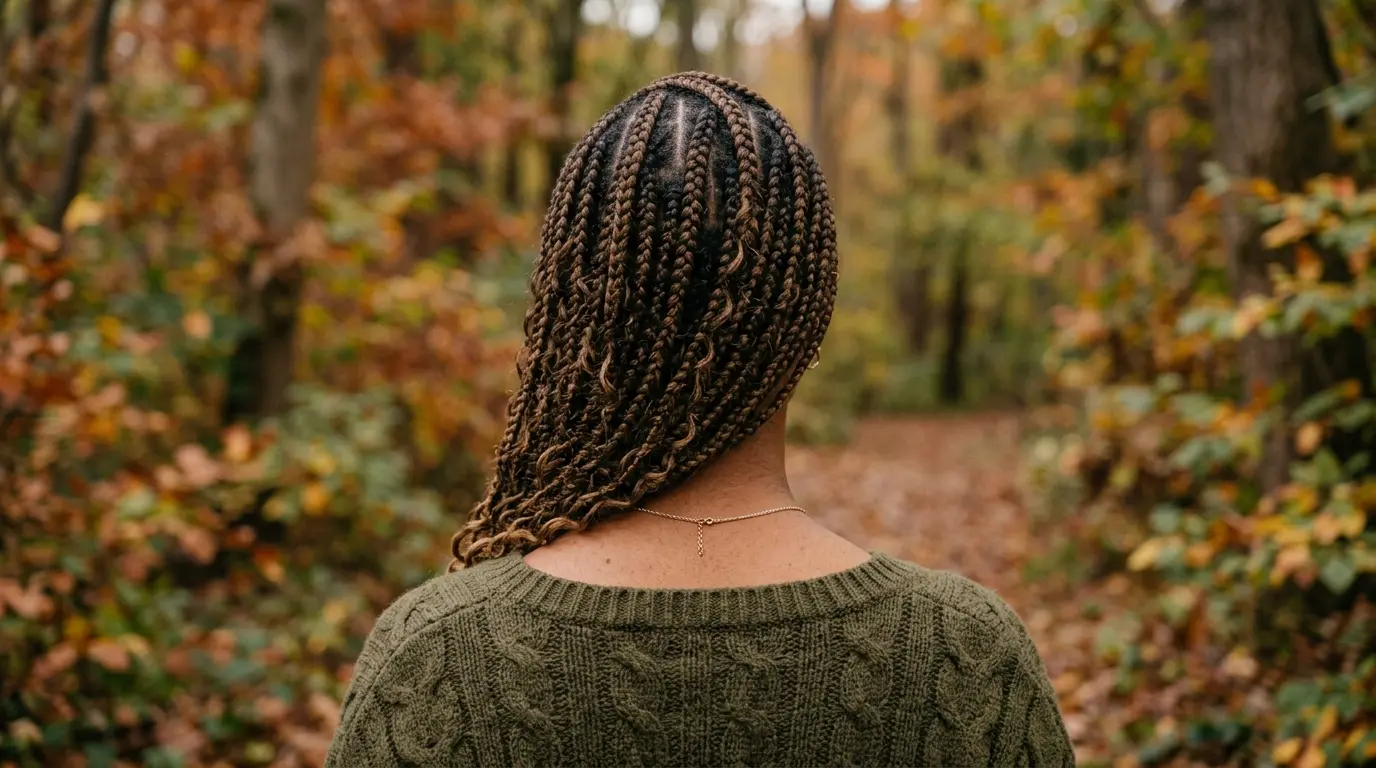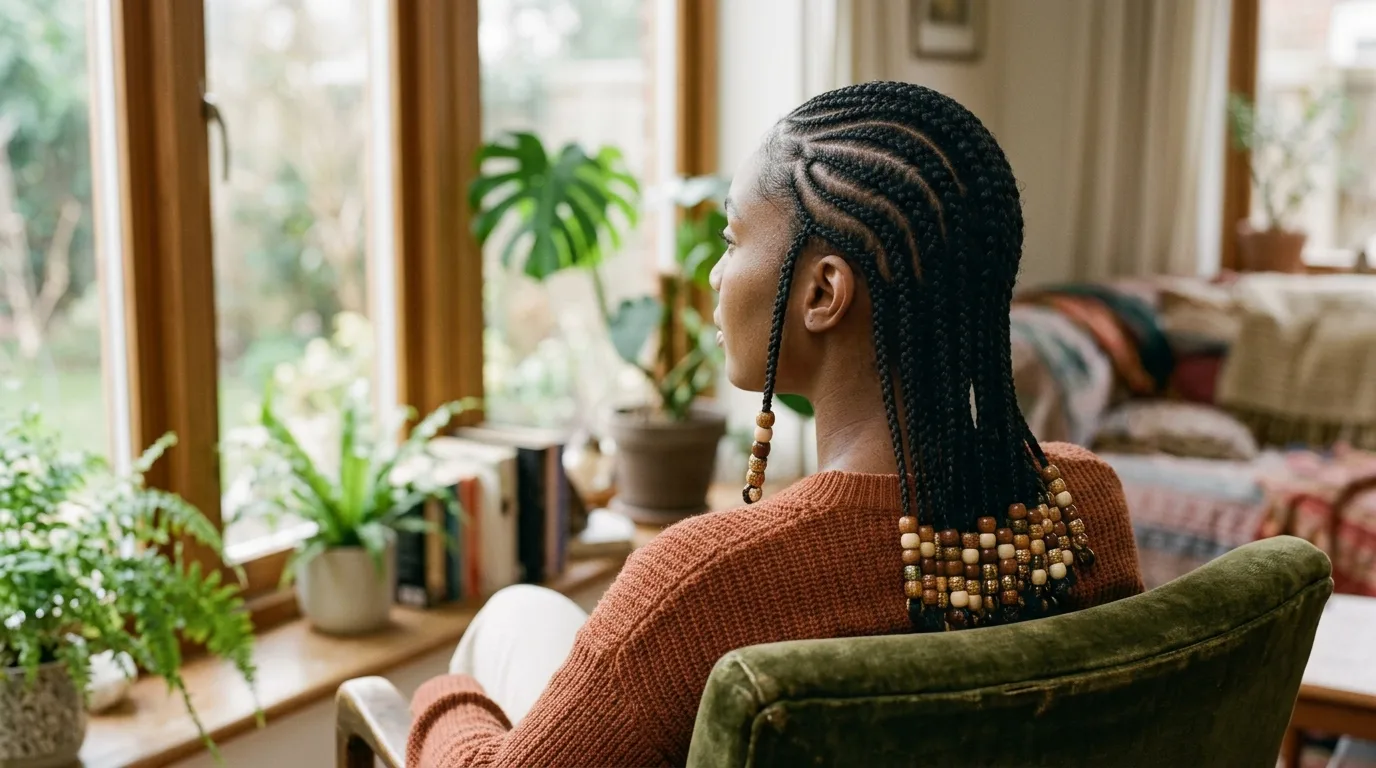

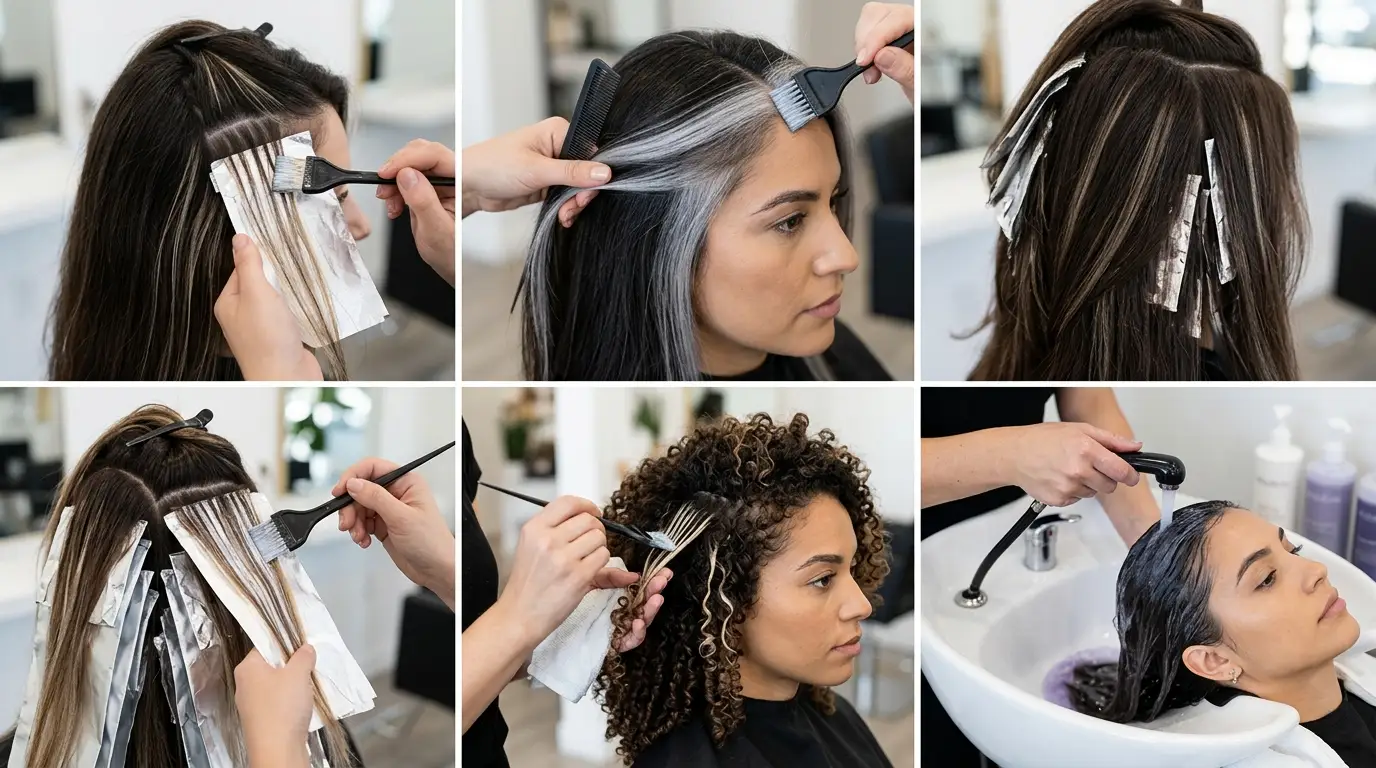
Brunettes facing silver roots usually encounter a harsh demarcation line within fourteen days of an all-over dye job. Deep brown bases show light regrowth instantly because the contrast in value is extreme.
Choosing the right salon method depends entirely on your current gray distribution and your existing color history. This guide breaks down the best path for virgin dark brown locks, heavily dyed lengths, and scattered silver patterns so you can leave the four-week touch-up cycle behind.
Disclosure: This post contains affiliate links. If you purchase through them, we may earn a small commission at no extra cost to you. Always perform a patch test on a small area of skin before applying developer or toner formulas to prevent allergic reactions.
| Silver Percentage and Pattern | Recommended Blending Strategy | Salon Maintenance Interval |
|---|---|---|
| Under 20% scattered silver | Micro babylights with cool beige toner | 12 to 16 weeks |
| 20% to 50% mixed through crown | Deep ash lowlights plus dimensional foils | 8 to 12 weeks |
| Over 50% dense white patches | Platinum face-framing ribbons and gloss | 10 to 14 weeks |
| Heavy permanent box dye build-up | Gentle color cleanse followed by cool balayage | 6 to 8 weeks initially |
Under Twenty Percent Silver: Fine Micro Babylights
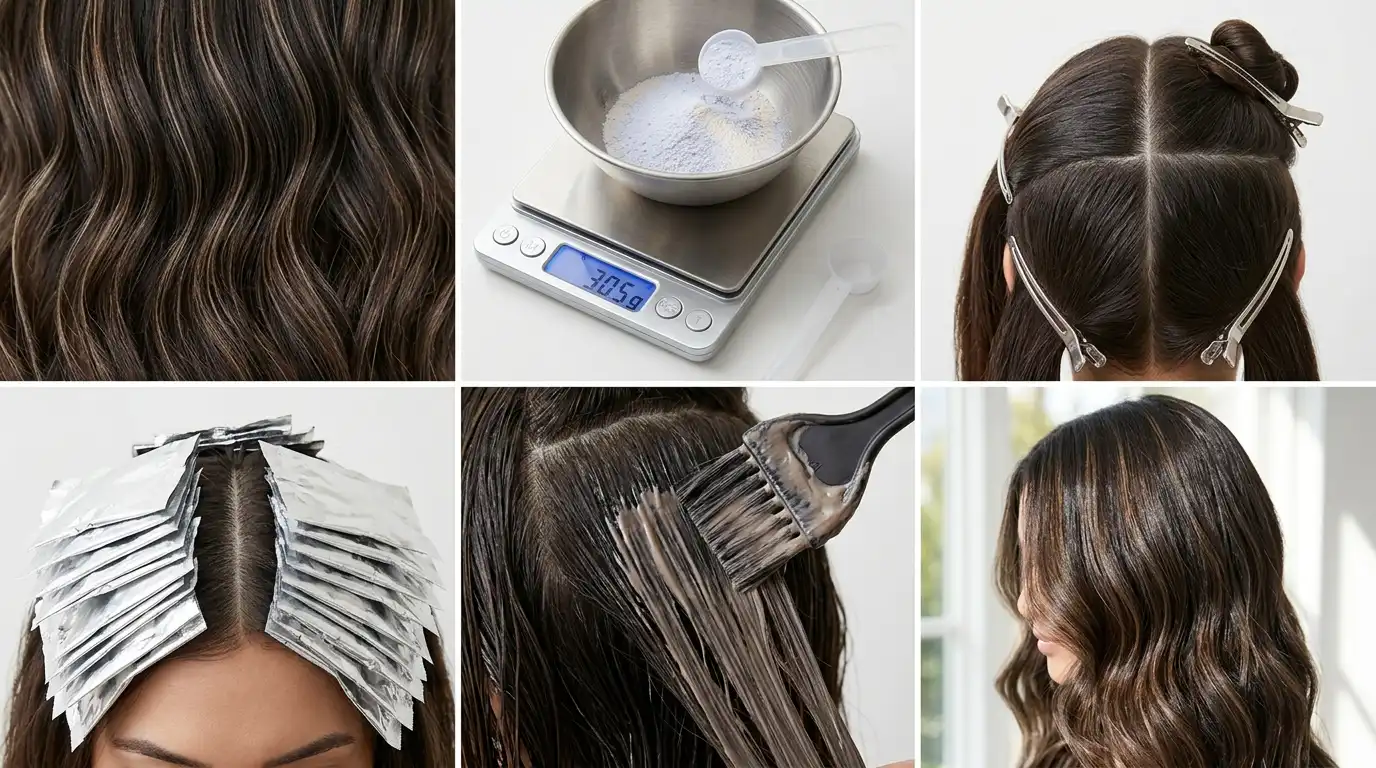
Clients with only a light dusting of white hairs through the crown do not need heavy lightening sessions. Weaving micro babylights using a 10-volume developer lightens hair just enough to introduce pale ribbons that mirror silver strands.
Your colorist takes tissue-thin slices of hair around the natural parting line. Lightening these tiny weaves creates reflection, turning sparse silver fibers into intentional accents instead of isolated lines.
This technique is for brunettes wanting minimal salon visits. It is not for anyone whose silver concentrates into thick, opaque patches along the temples.
Localized Temple Clusters: Face-Framing Silver Accents
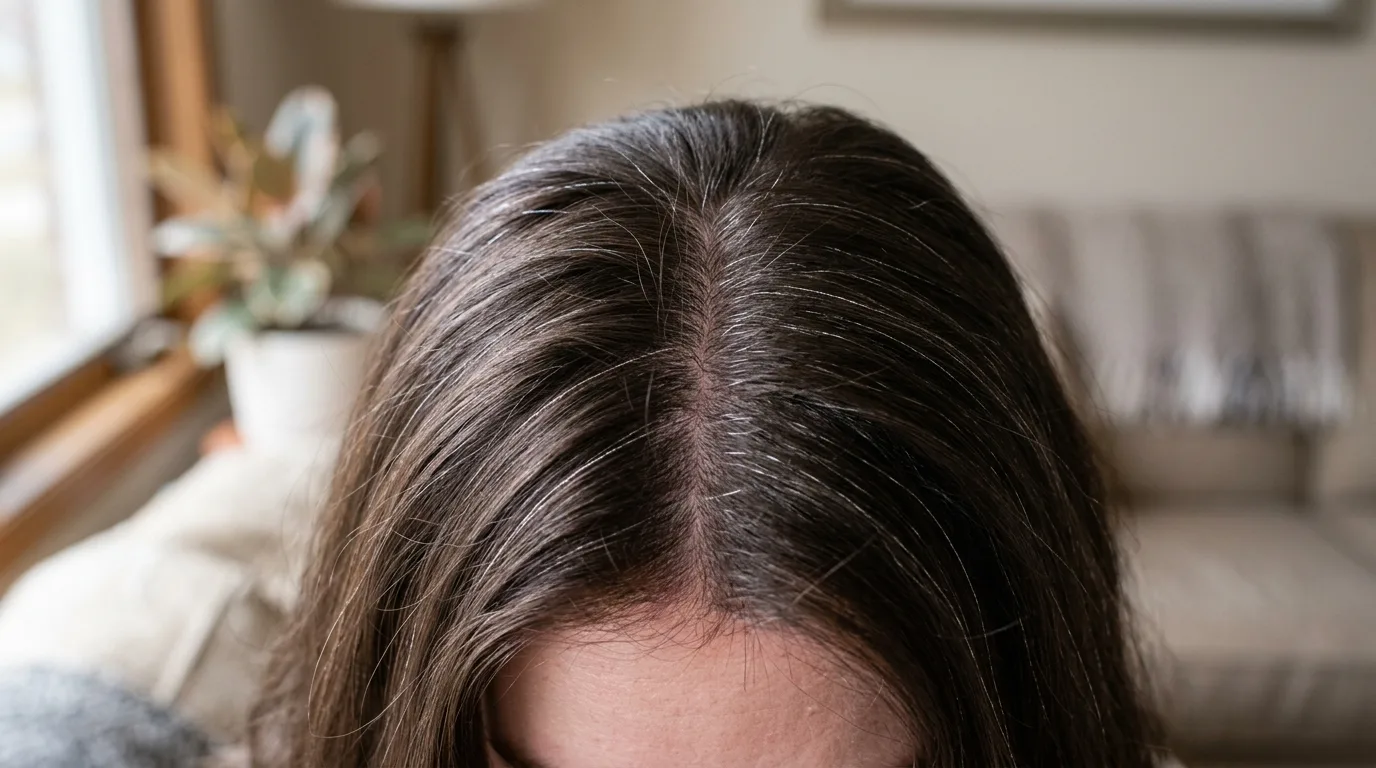
When silver concentrates along the hairline, attempting an even blend across the whole head looks artificial. Placing brighter platinum foils directly along the face frames the area where white strands are naturally dense.
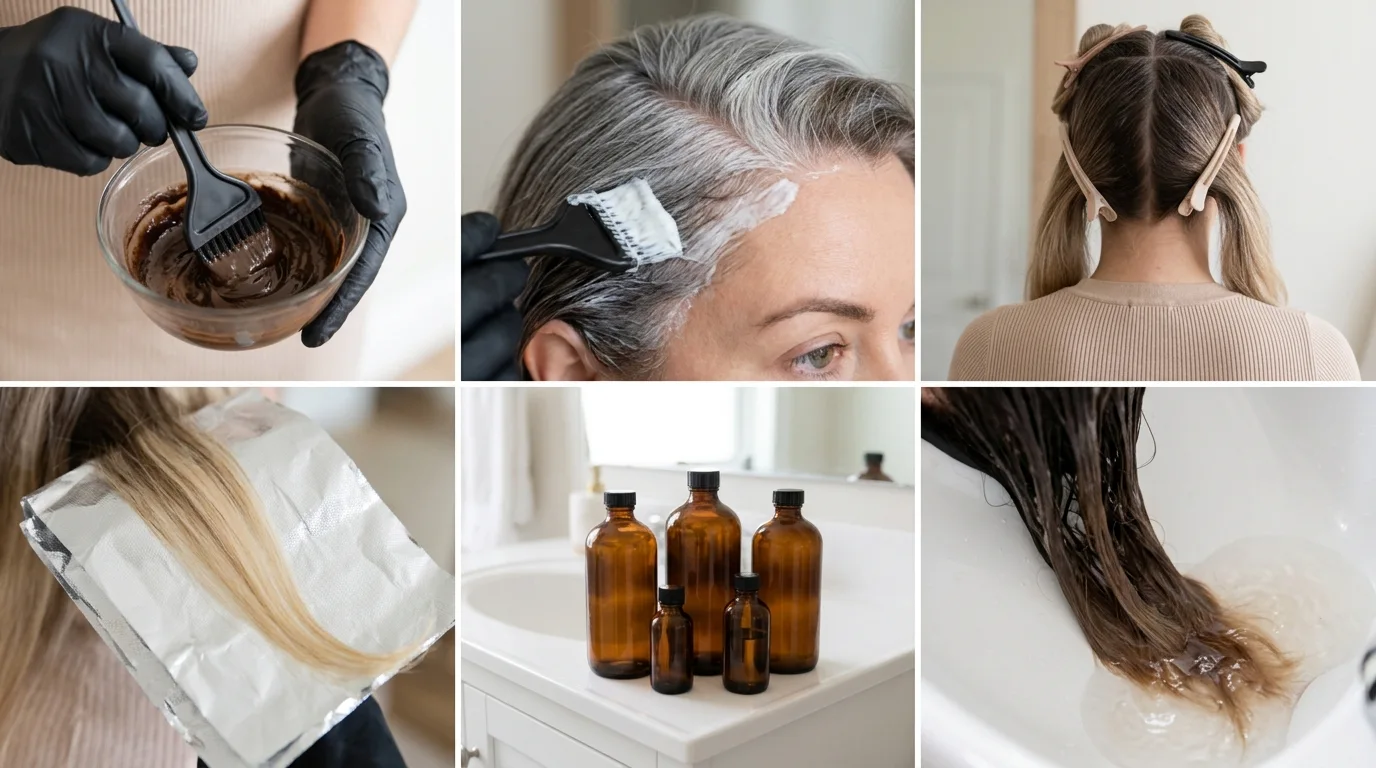
The colorist paints lightener along the hairline contour, lifting sections to a clean pale yellow before toning with a sheer silver-violet gloss. This transforms stubborn temple clusters into bright face-framing pieces.
Pick this if your silver gathers at the ears and forehead. Skip it if your hairline hair is fragile, broken, or damaged from previous chemical straightening.
Thirty to Fifty Percent Mixed Silver: The Lowlight Strategy
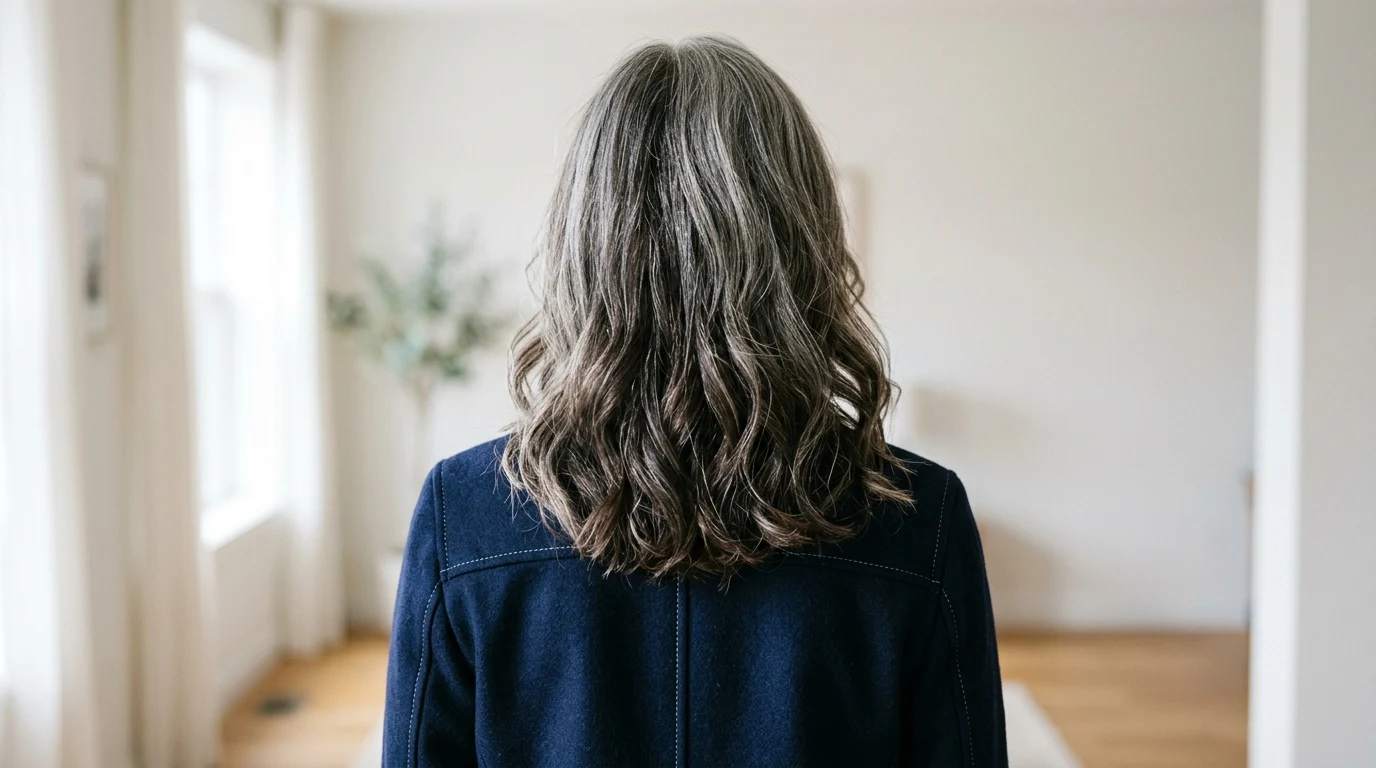
When hair contains equal parts brown and silver, lifting more hair with bleach creates a washed-out blonde look. Weaving cool ash lowlights into the lighter areas restores contrast and gives the style rich depth.
Stylists apply a demi-permanent shade two tones darker than the target base directly to select mid-lengths and ends. This technique reintroduces chocolate and charcoal tones, giving gray blending hair dark brown a deliberate salt-and-pepper pattern.
This path suits brunettes who feel washed out by too much blonde. Avoid it if you want an entirely silver appearance within three months.
Over Sixty Percent Silver: Heavy Foliage Transition
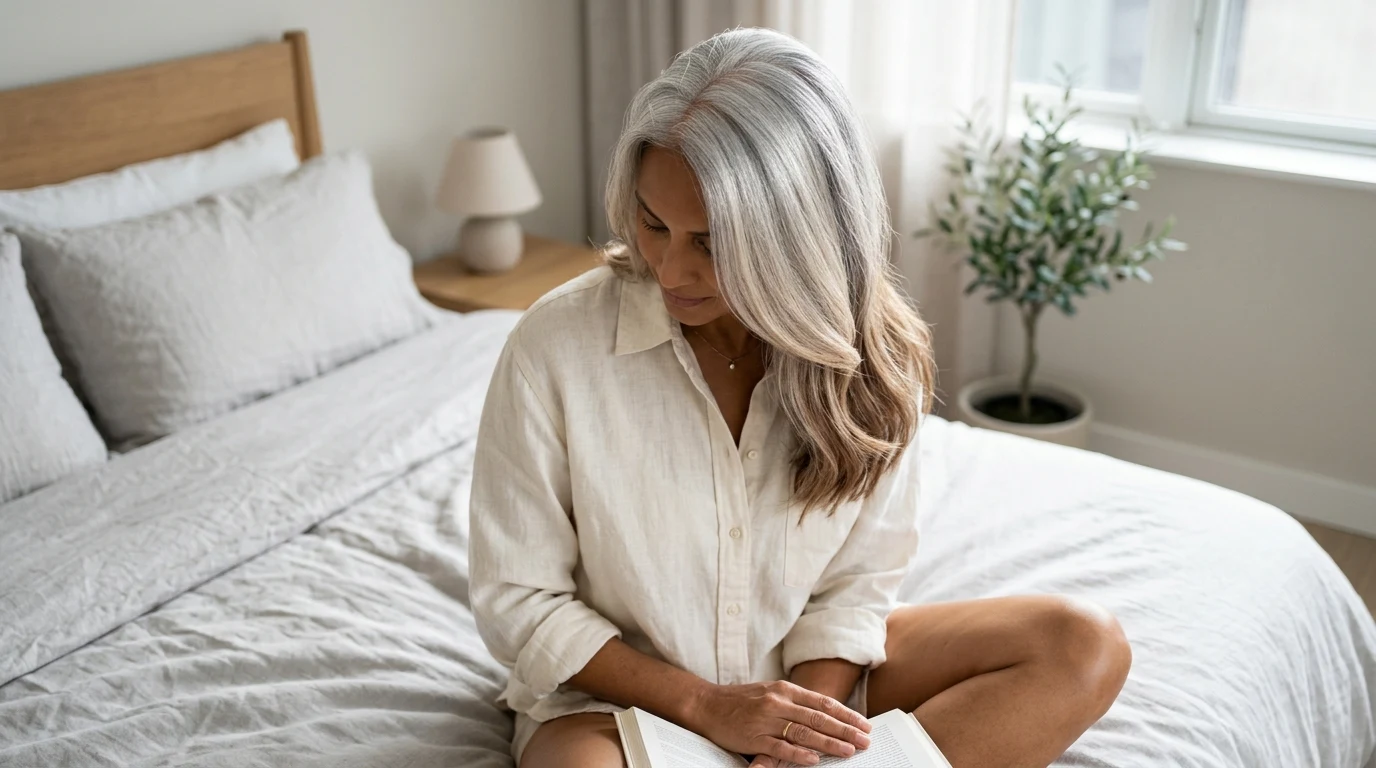
Brunettes with dense white roots and dark ends struggle with an obvious horizontal line of demarcation. Packing foils tightly throughout the mid-lengths lifts out artificial pigment so the lengths match the brightness of the roots.
The stylist uses a foil-balayage hybrid, saturating the dark shaft with bond-building lightener while avoiding the natural silver regrowth. Expect to spend between $250 and $450 at a high-end salon in 2026 for this multi-hour process.
This serves clients ready to match lengths to their silver scalp growth rapidly. Do not choose this if your hair exhibits heat damage or snaps easily when wet.
Heavily Banded Hair: Gentle Decolorizing Washes
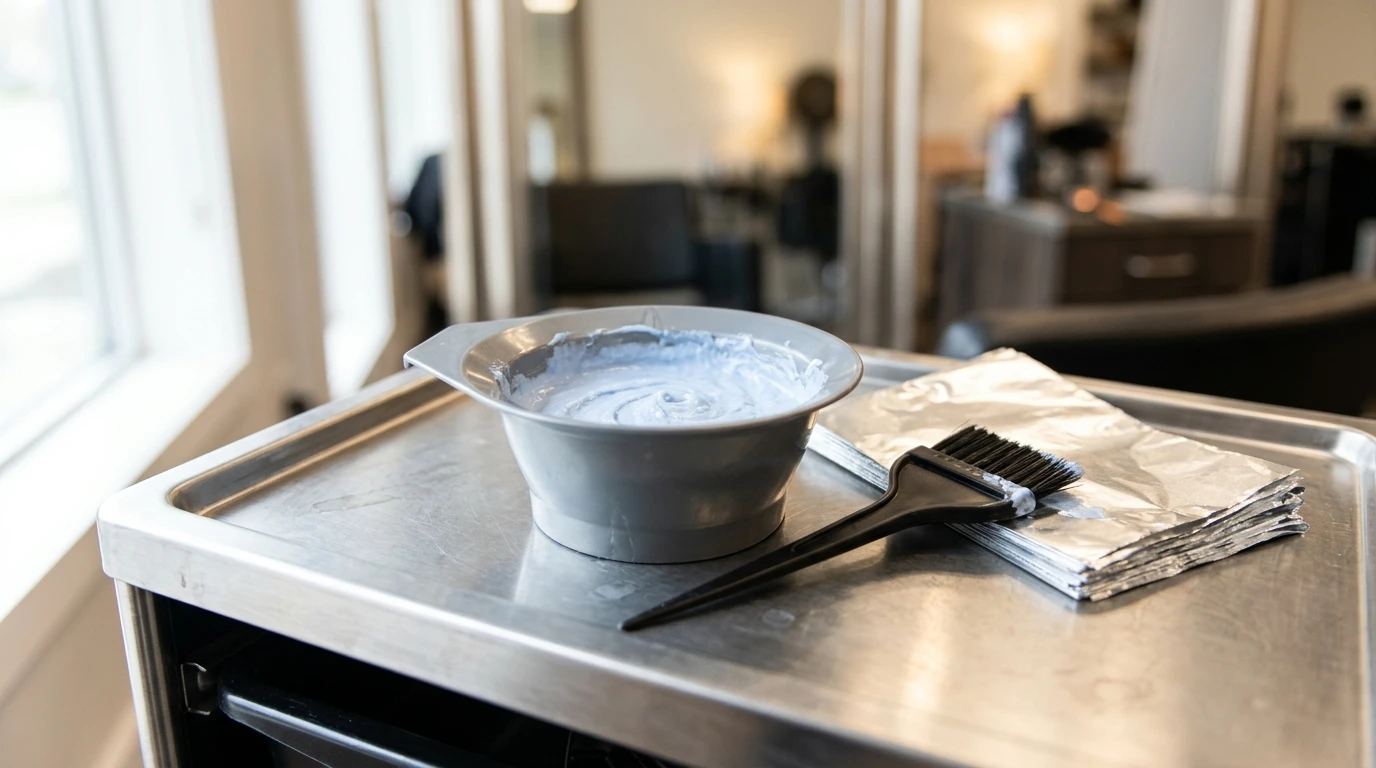
Years of black or dark brown box dye leave stubborn pigment rings across the mid-lengths. Putting highlights directly over banded areas pulls orange and red brassiness, creating a clashing four-tone stripe.
A colorist applies a low-ammonia pigment remover or a light clarifying bleach wash to strip old cosmetic molecules. Once the artificial darkness lifts to a level 7 caramel, ash toners equalize the canvas for seamless gray integration.
This process is mandatory for anyone with long box dye history. It is unnecessary for women with virgin hair who have never used box color.
Resistant Coarse Silver: Demi-Permanent Tint Blending
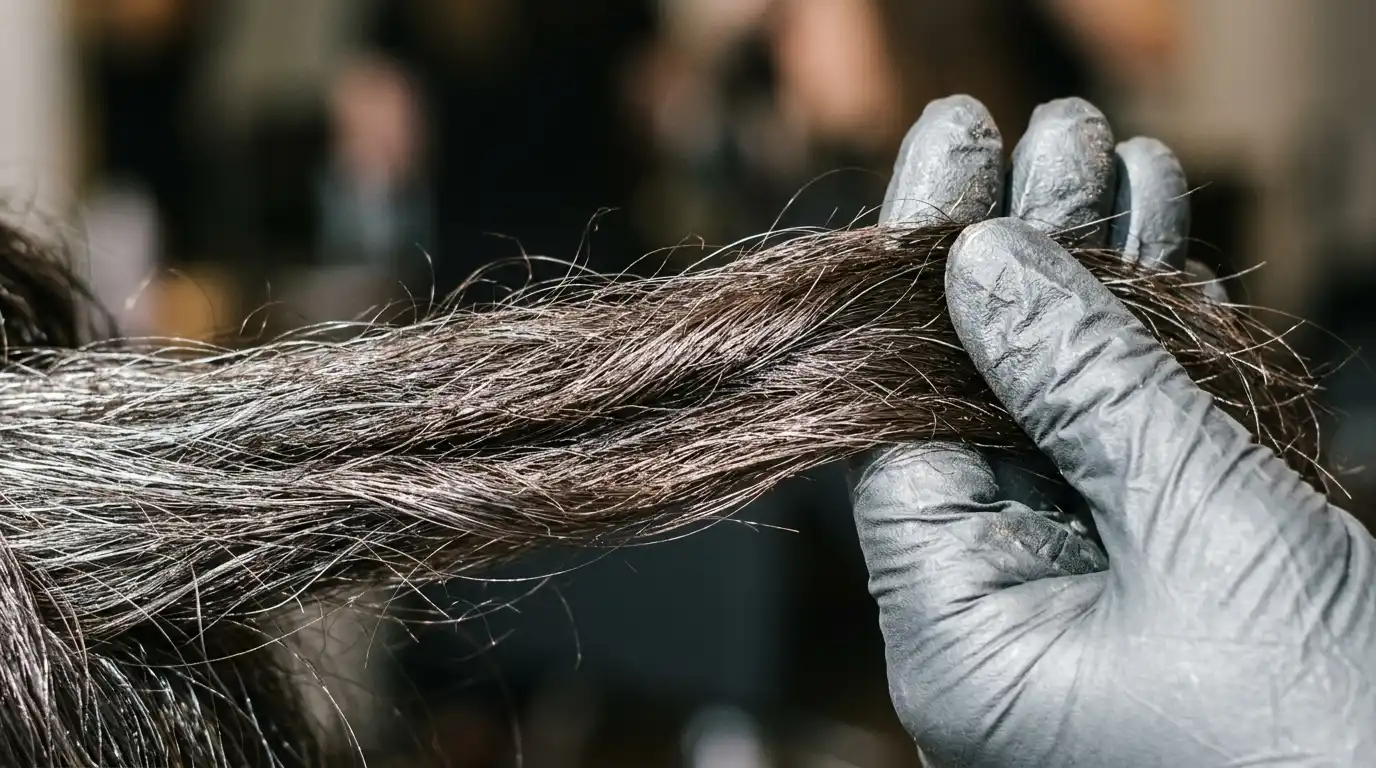
Coarse white hairs often lack porosity, causing standard salon toners to slip right off the smooth cuticles. Using an alkaline demi-permanent glaze softens the cuticle enough to deposit sheer walnut and pewter pigments without total coverage.
Mix the demi-permanent color with a dedicated 6-volume processing lotion and let it develop for twenty minutes on dry roots. The silver becomes a soft, smoky highlight that washes out gradually with zero regrowth line.
This path works for low-maintenance individuals who hate foil bleach damage. It will not work for anyone wanting bright, crisp blonde tones.
Fine Brunette Hair: Clay-Based Surface Balayage
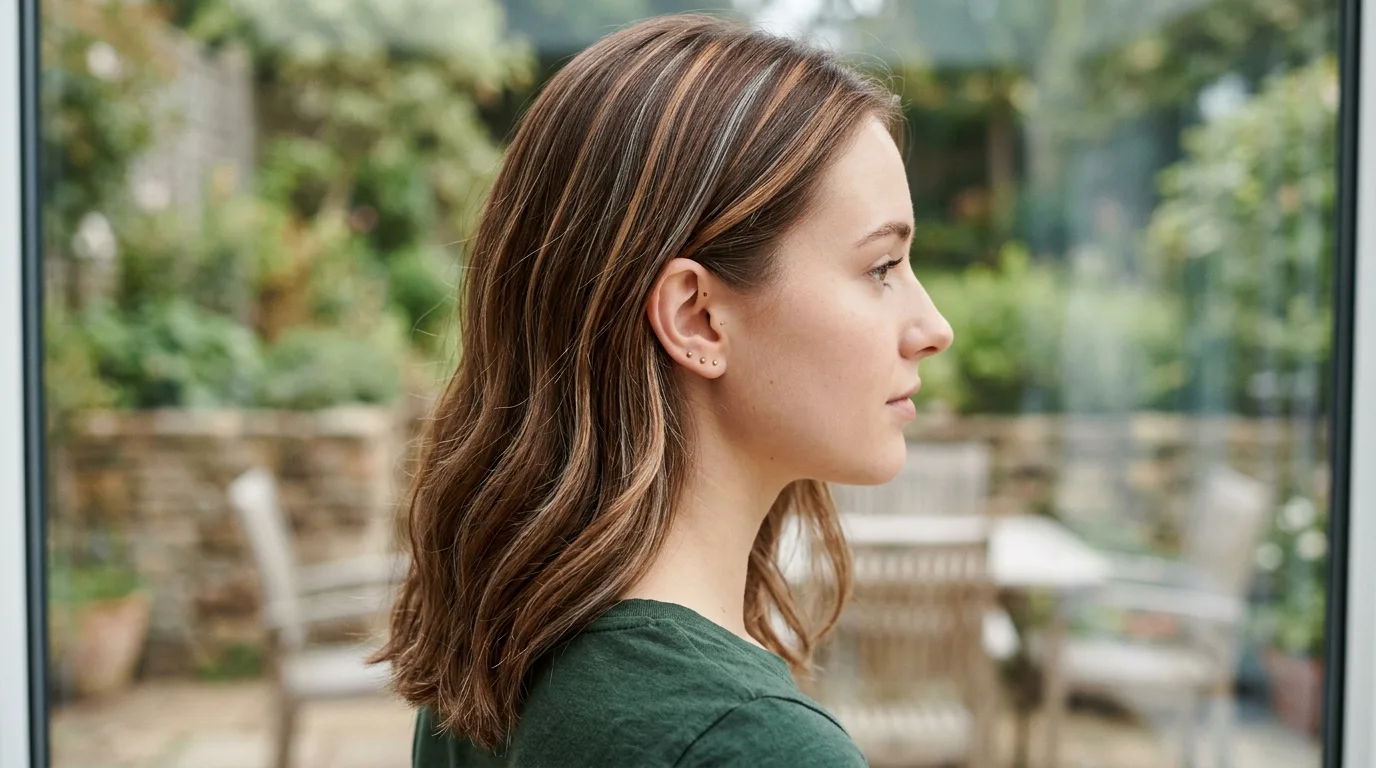
Fine strands snap under the heavy heat generated by enclosed aluminum foils. Hand-painting lightener onto the surface with a kaolin clay-based bleach creates a gentle lift while the open-air formula preserves hair elasticity.
The colorist sweeps lightener in sweeping V-shapes across the outer canopy, leaving the interior under-layers dark. This keeps the root growth diffuse so new silver fibers scatter across subtle sun-toned ribbons.
This option is for women with thin, delicate hair strands. It does not suit clients with coarse, wire-like hair that requires high lift to shift color.
Naturally Curly Textures: Curl-by-Curl Pintura Highlights
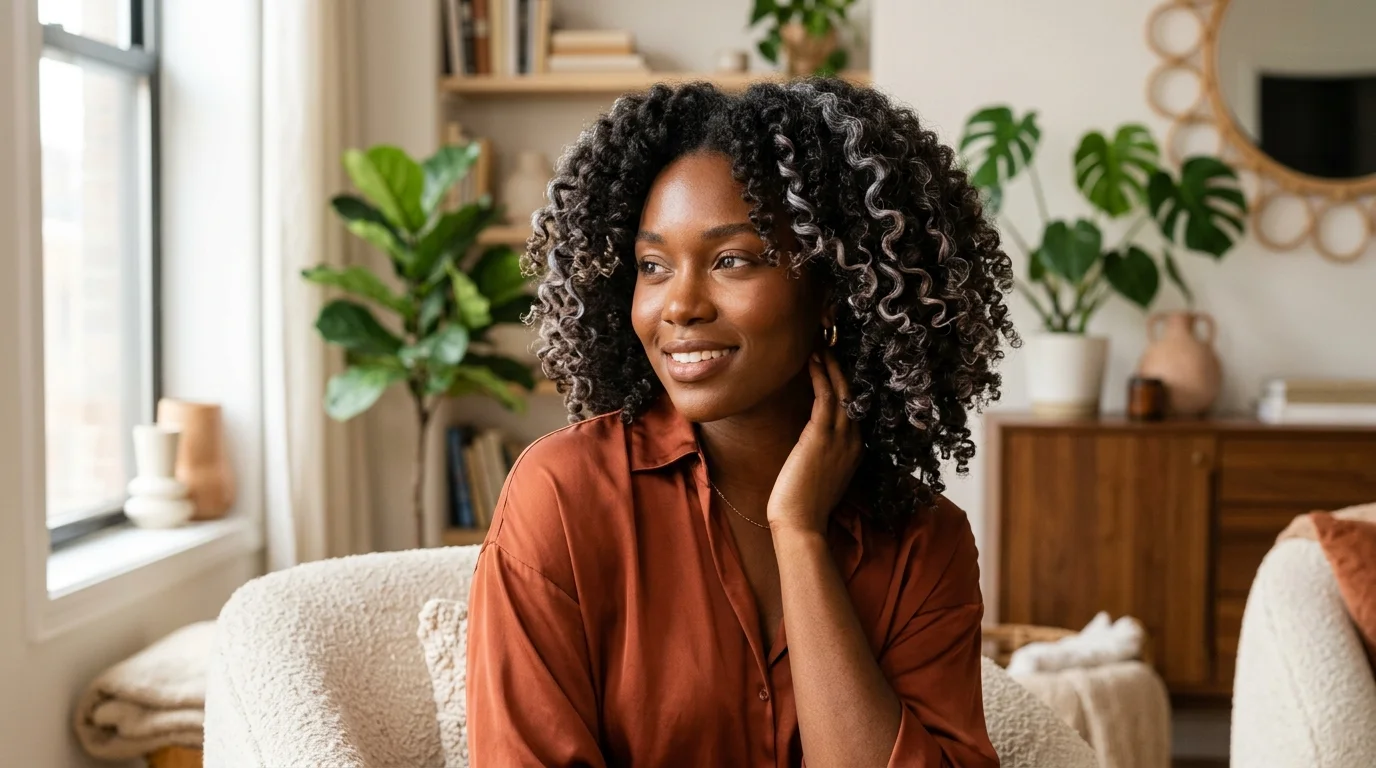
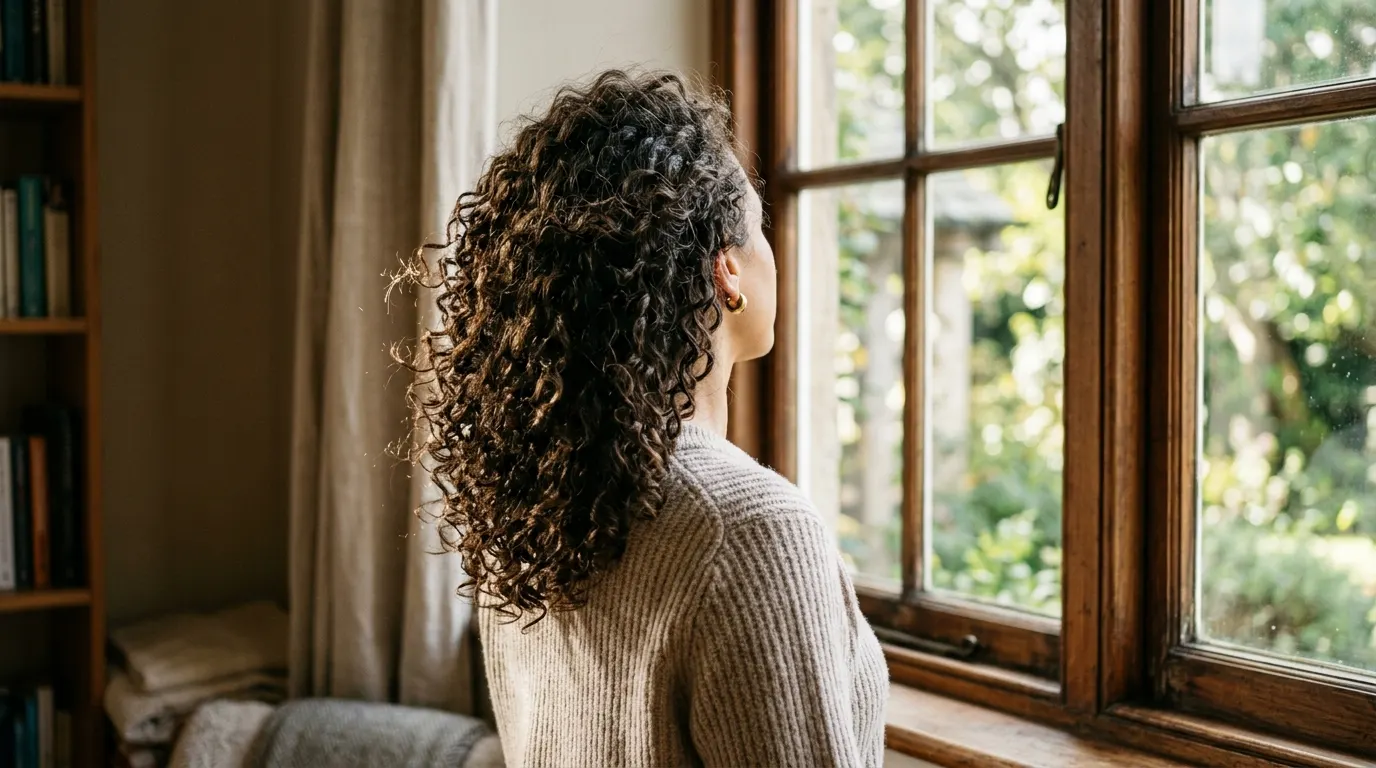
Curly hair distributes light differently than straight hair, meaning traditional foil lines can look disjointed inside a ringlet pattern. Painting individual curl clusters by hand ensures that silver strands blend directly with the curl bounce.
The stylist isolates each dried curl spring, painting a pale ash formula onto the outer bend where the light naturally hits. This mimics natural sun lightening and keeps blending gray hair with dark brown fluid across everyday styling routines.
Choose this if you wear your natural curls every day. Skip this if you frequently blow-dry your coils into straight styles.
Salt-and-Pepper Distribution: Neutral Charcoal Lowlighting
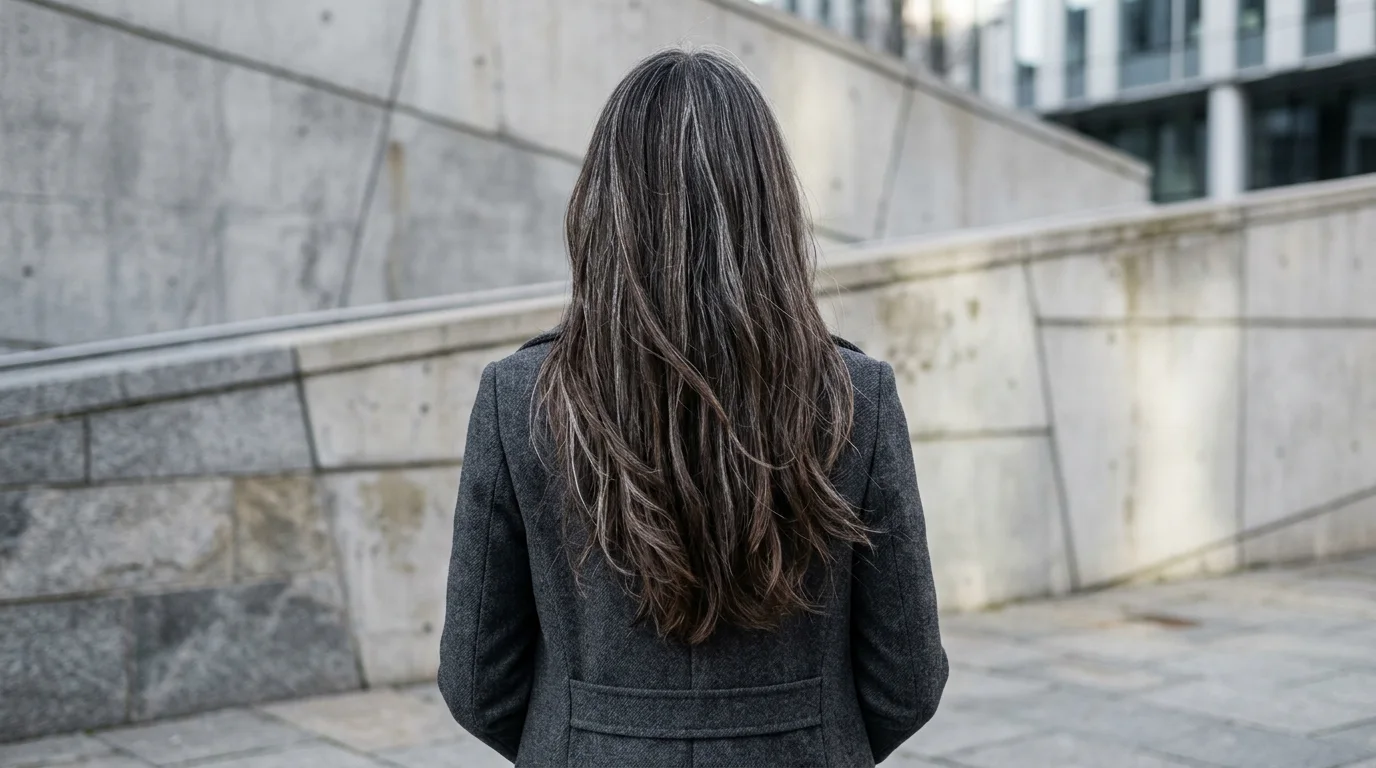
When white hair scatters evenly across the entire head, adding blonde highlights can give the hair an unwanted yellow tint. Weaving dark charcoal lowlights down the hair shaft keeps the overall appearance cool and grounded.
Your stylist selects alternating half-inch sections, depositing a neutral level-4 ash liquid color that duplicates your natural youthful base. This anchors the white strands against deep brown borders without pulling orange tones in bright light.
This suits cool-toned skin complexions that clash with warm blonde highlights. It is not suitable for women who prefer golden or caramel warmth through their hair.
Warm Brunette Bases: Soft Caramel Babylights
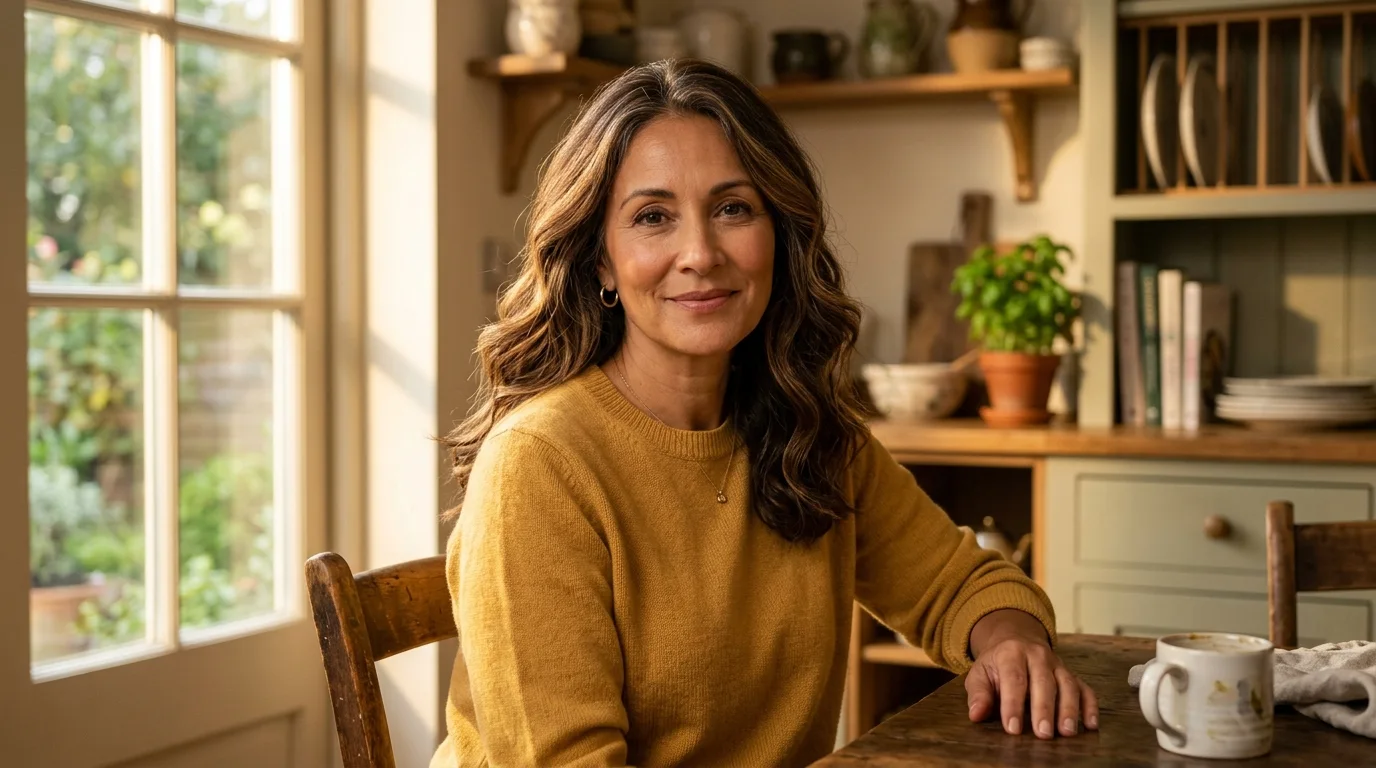
Cool silver tones can look stark and draining against olive or golden skin complexions. Weaving warm honey or caramel babylights creates an intermediate bridge between deep espresso hair and pale silver roots.
A stylist lifts selected weaves to a warm level 8, sealing the strand with a rich butterscotch gloss. The warm accents harmonize with both the dark base and the white roots, creating a balanced, sunlit brunette effect.
Select this if silver hair makes your skin look sallow or tired. Avoid this if your ultimate goal is growing out a pure, cool-toned white mane.
Short Pixie Cuts: Multi-Tonal Scissor Slicing
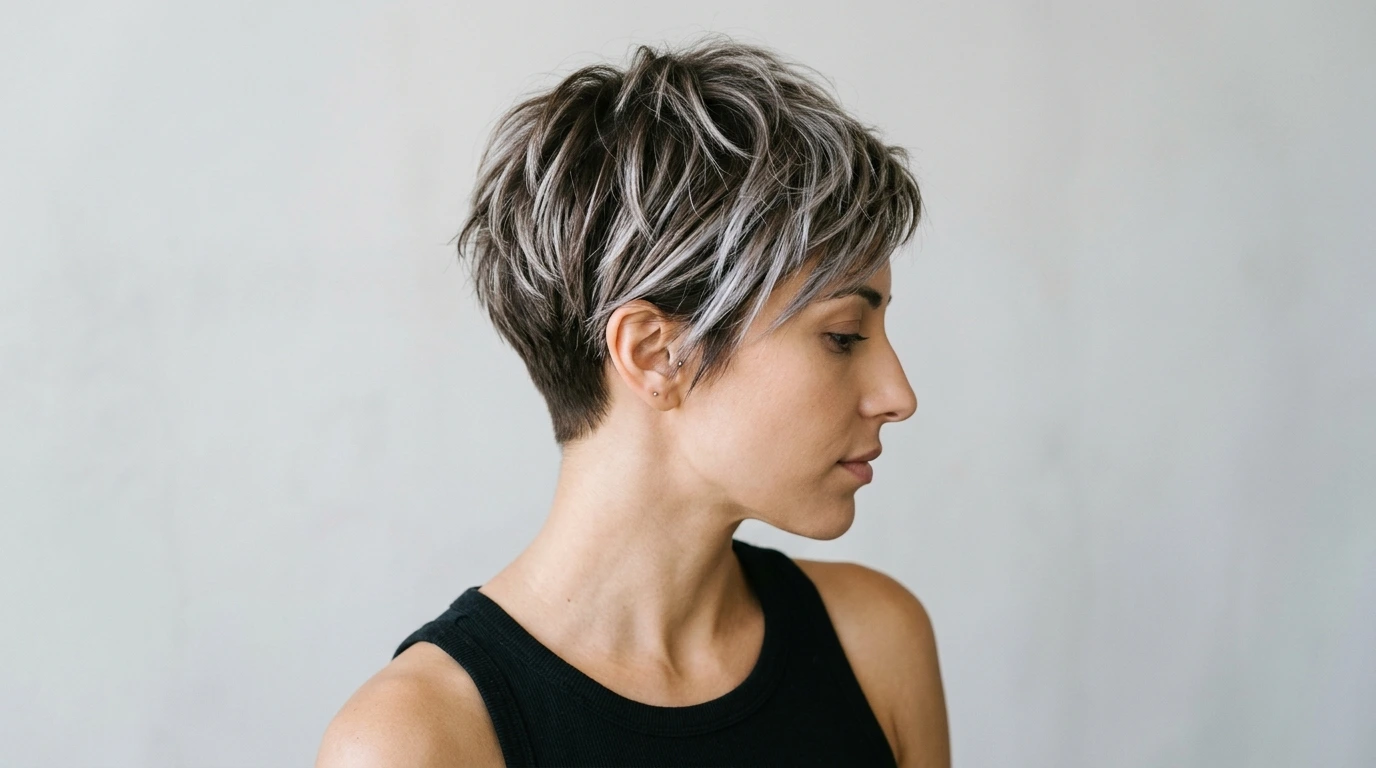
Short crops grow out noticeably faster along the neckline and ears, making foil patterns obvious within three weeks. Applying dimensional toner slices with an angled tint brush keeps the short layers textured and soft.
The stylist dabs alternating ash-brown lowlights and icy glosses onto dry hair using freehand scissor-over-comb positioning. This breaks up harsh blocks of dark hair along the crown in under twenty minutes.
This fits busy individuals sporting cropped crops who want low maintenance. It fails on long, blunt cuts where brush dabs appear spotty.
Previous Bleach Damage: Acidic Gloss Transitions
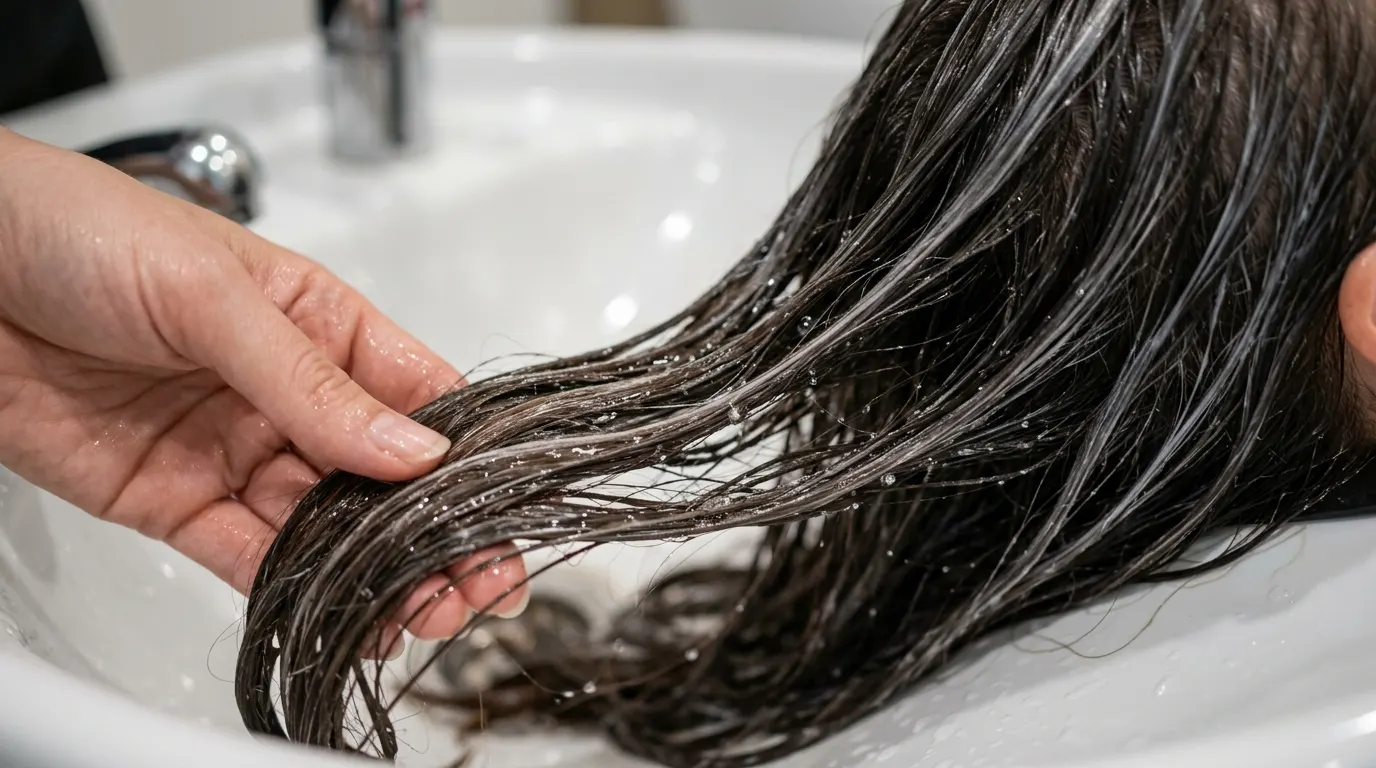
Over-processed, porous lengths cannot handle further bleaching to blend new gray growth. Glazing with an acidic, zero-lift gloss deposits cool translucent dyes without touching the hair cuticle structure.
The colorist applies the acidic liquid formula from roots to ends at the shampoo basin, letting it process for fifteen minutes. The gloss tones yellowing silver while adding high shine across fragile, damaged brunette shafts.
This is the only safe option for over-bleached, brittle hair. Skip this if you expect to lift your base lighter in a single visit.
Uneven Silver Streaking: Asymmetrical Shadow Placement
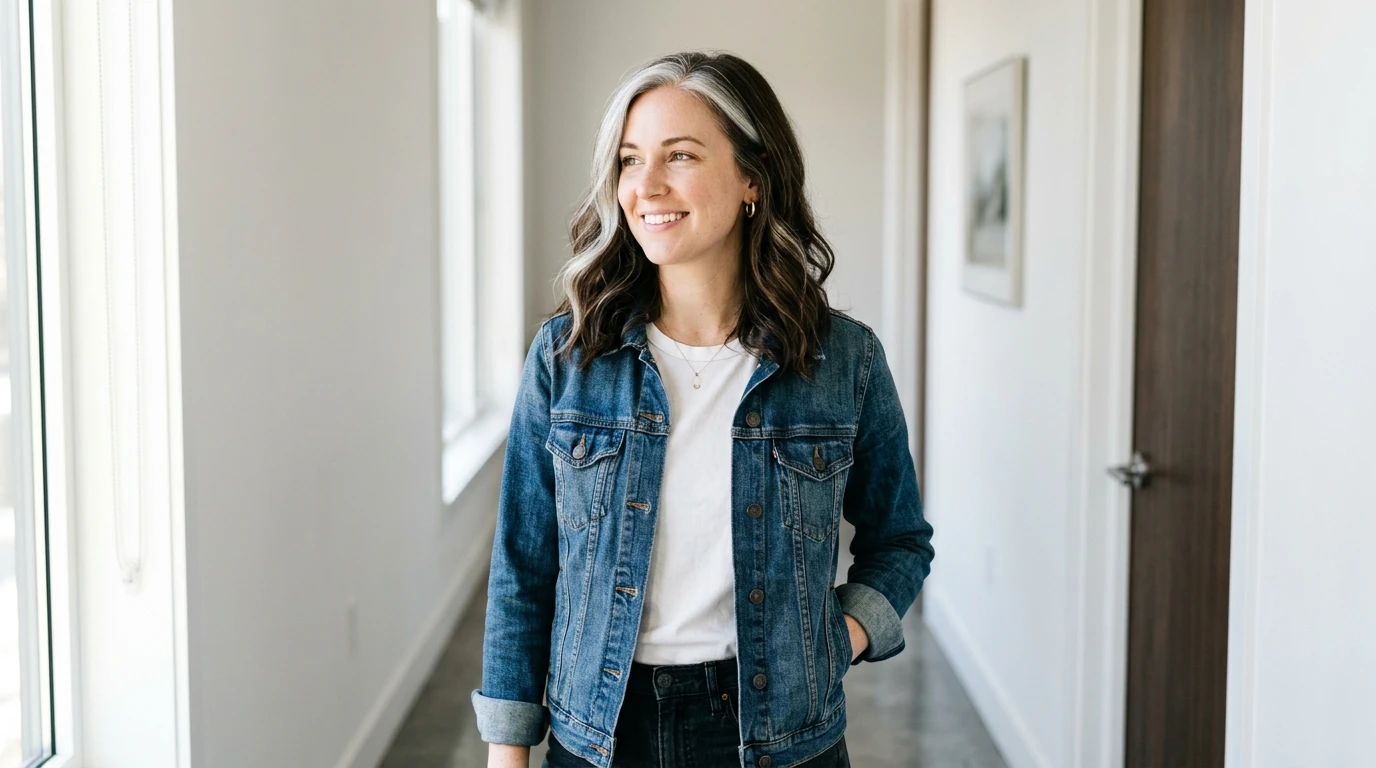
Many brunettes develop wide silver streaks on one side of the parting while the other side remains dark. Mirroring that asymmetry with customized lowlight shadows prevents the hair from looking unbalanced.
The colorist paints deeper mocha ribbons through the white-heavy zone while lifting delicate babylights on the darker side. This intentional balance makes asymmetrical gray patterns look like a deliberate salon design choice.
This serves anyone with noticeable single-sided white patches. Skip this if your silver distribution is completely symmetrical from ear to ear.
Home Maintenance Route: Pigmented Conditioner Washes
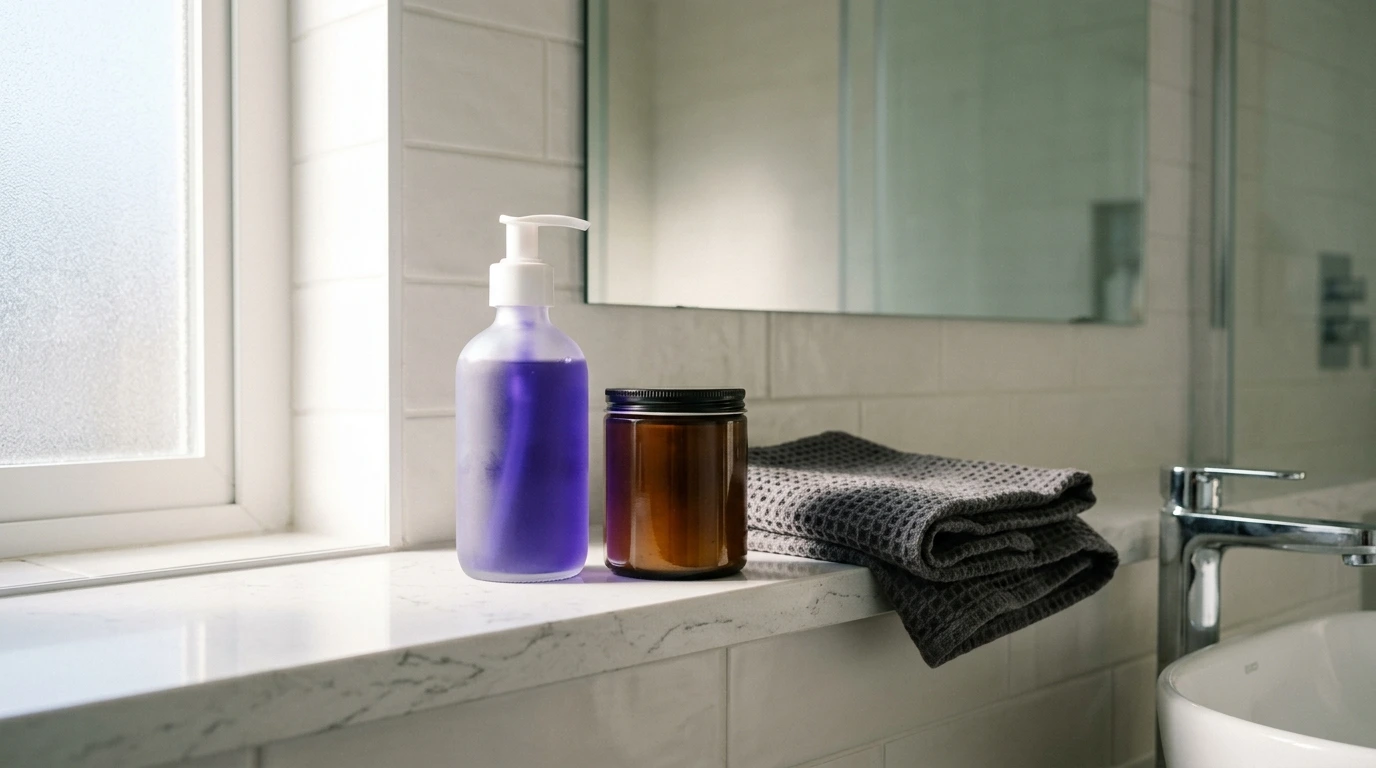
Maintaining salon blending without booking root appointments every month requires depositing small amounts of pigment in the shower. Alternating a violet-tinted wash with a cool brown color-depositing conditioner keeps both tones balanced.
Lather with a sulfate-free blue-violet shampoo once weekly to remove brassy yellow tones from gray strands. Follow with an ash-brown toning conditioner for five minutes to prevent your dark brown lowlights from fading red.
This works for anyone seeking a low-maintenance home routine. It will not work to cover pure white roots or replace professional lightener sessions.
Selecting Your Path Forward
If you are stuck choosing between lightening your base or adding depth, assess the texture of your hair first. Fine, brittle strands always do better with gentle demi-permanent lowlights that preserve hair health.
Thick, resilient strands can tolerate the lifting required for micro babylights and platinum ribbons. Choose the technique that protects your cuticle integrity, and your silver transition will look polished every single week.
Disclaimer: Chemical hair processing carries a risk of irritation; always consult with a licensed professional and perform patch tests before lightening applications.
Frequent Questions About Gray Blending
Which technique works best for blending gray into dark brown hair?
Fine micro babylights combined with sheer ash-brown lowlights offer the most seamless result. This method breaks up the stark root line without requiring a full bleach-out of your natural base color.
Can I blend gray hair if my ends are dark from permanent box color?
Yes, but you must first lift out old cosmetic dye with a clarifying cleanse before adding cool ribbons. Putting lightener directly over box dye results in muddy copper bands that fight with silver tones.
How often do dimensional gray blending appointments need maintenance?
Most clients return to the salon every ten to twelve weeks for a toner refresh and foil check. This contrasts with traditional single-process coverage, which requires root touch-ups every four weeks.
Will purple shampoo lighten my dark brown strands while toning gray hair?
Purple shampoo deposits pale violet pigment to neutralize yellow brassiness on white and gray strands, but it has zero lightening effect on dark brown hair. Use blue shampoo instead if you need to eliminate orange brassiness from brown lengths.
Should I choose warm caramel or cool silver tones for my brunette blend?
Check the undertones in your skin to make the right choice. Warm skin with golden or peach tones looks best with caramel and soft hazelnut ribbons, while cool skin with pink undertones looks best with icy ash and pewter tones.
Related reads: How to Achieve Dark Brown Hair with Light Brown Highlights at Home, Chocolate Brown Hair on Brown Skin: Match Your Undertone and How to Curl Your Hair With Lasting Shape and Minimal Friction.