
Why does water roll off your hair in the shower like rain off a freshly waxed car?
Low porosity strands possess flat, overlapping cuticle layers that fit together like roof shingles. This physical barrier stops moisture from getting in, leaving your hair dehydrated even when it looks coated in grease.
Mastering low porosity hair care comes down to altering the temperature and molecular weight of everything you touch. If your current creams leave a tacky film on your fingers every time you touch your curls, the following structural fixes will transform your routine.
Disclosure: This post contains affiliate links. If you purchase through them, we may earn a small commission at no extra cost to you. Always perform a patch test on a small strand of hair and skin before using new styling creams or aerosol products to avoid allergic irritation.
Water Beads on the Cuticle Instead of Soaking the Strand
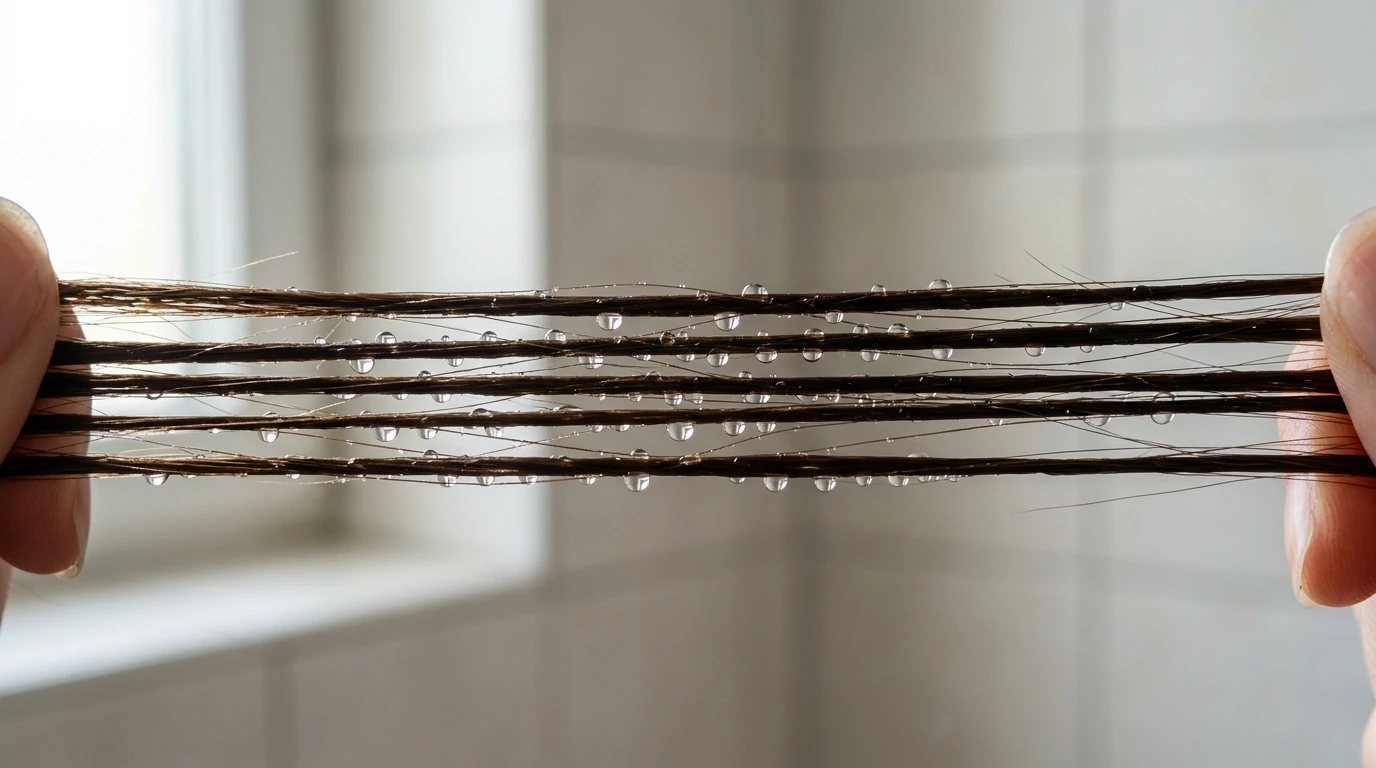
Standing under the shower stream for five minutes only to find bone-dry patches underneath is infuriating. Cold or lukewarm water cannot force tightly clamped cuticle scales to expand, so water beads along the outer casing without entering the cortex.
Soak your head under warm water for three full minutes before applying any cleanser. Thermal warmth physically lifts the cuticle edges, letting water molecules slip inside the fiber.
Work your fingers through your hair in downward sections while water runs through it to ensure every single zone saturates completely.
Thick Styling Butters Form a Greasy Surface Film
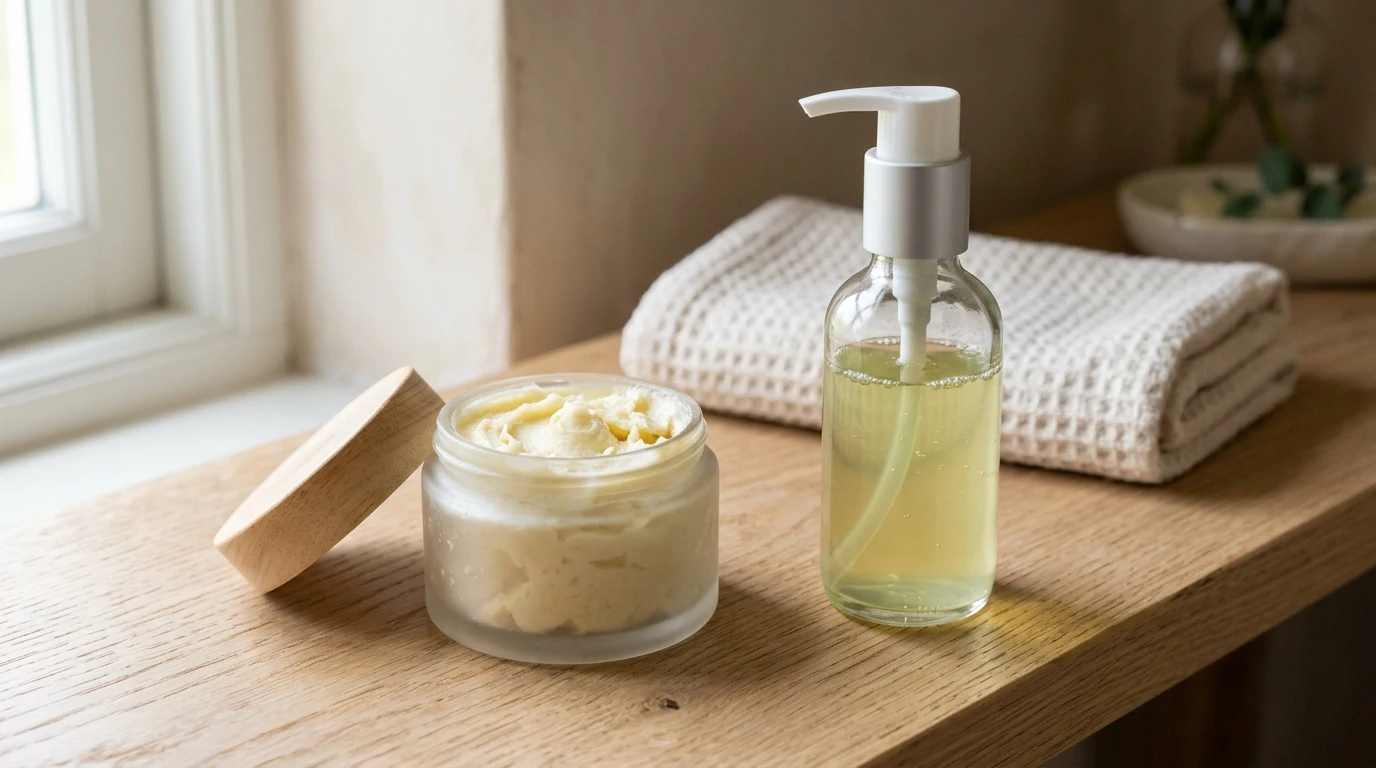
Slathering on raw shea butter or thick castor oil seals off the strand permanently. These large lipid molecules cannot fit between tightly overlapping cuticles, leaving behind a dull, sticky coating that attracts dust and lint.
Switch to water-soluble, fluid emulsions packed with humectants like glycerin or agave nectar. These pull atmospheric hydration directly into the fiber without forming a greasy layer.
Look for low porosity hair care products that list water as the very first ingredient, followed by aloe vera juice or rosewater.
| Problem | What Causes It | What to Do Instead |
|---|---|---|
| Water beads up on dry hair | Tightly sealed cuticle scales repel moisture | Wash with warm water to expand cuticles |
| Heavy product buildup | Heavy oils like raw shea butter cannot penetrate | Use fluid leave-in formulas with aloe vera |
| Chronic mid-shaft breakage | Too many hydrolyzed proteins stiffen the cortex | Switch to moisturizing masks with minimal protein |
Deep Conditioning Fails Without an External Heat Source
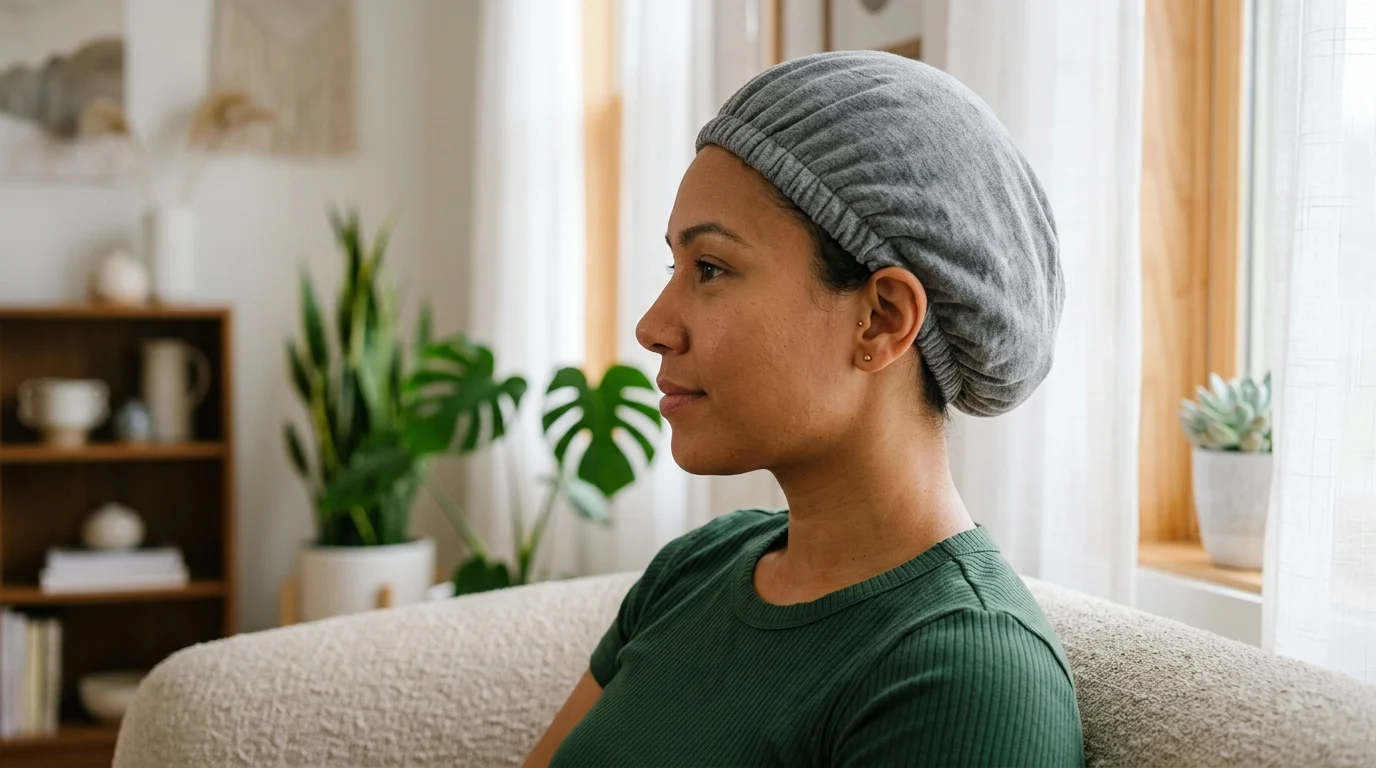
Leaving a rich conditioning mask on your head for an hour at room temperature wastes both product and time. The conditioner simply oxidizes on the hair surface because closed cuticles will not accept nutrients without mechanical help.
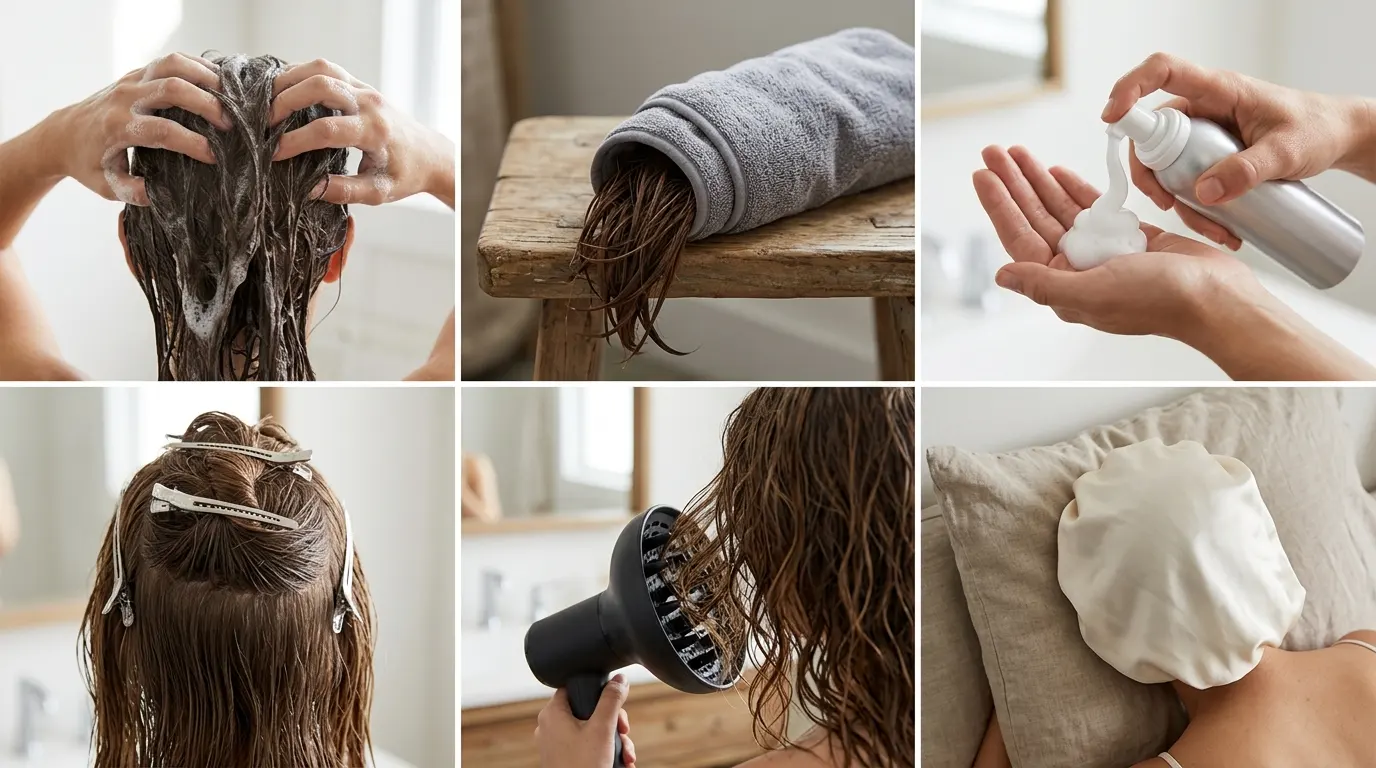
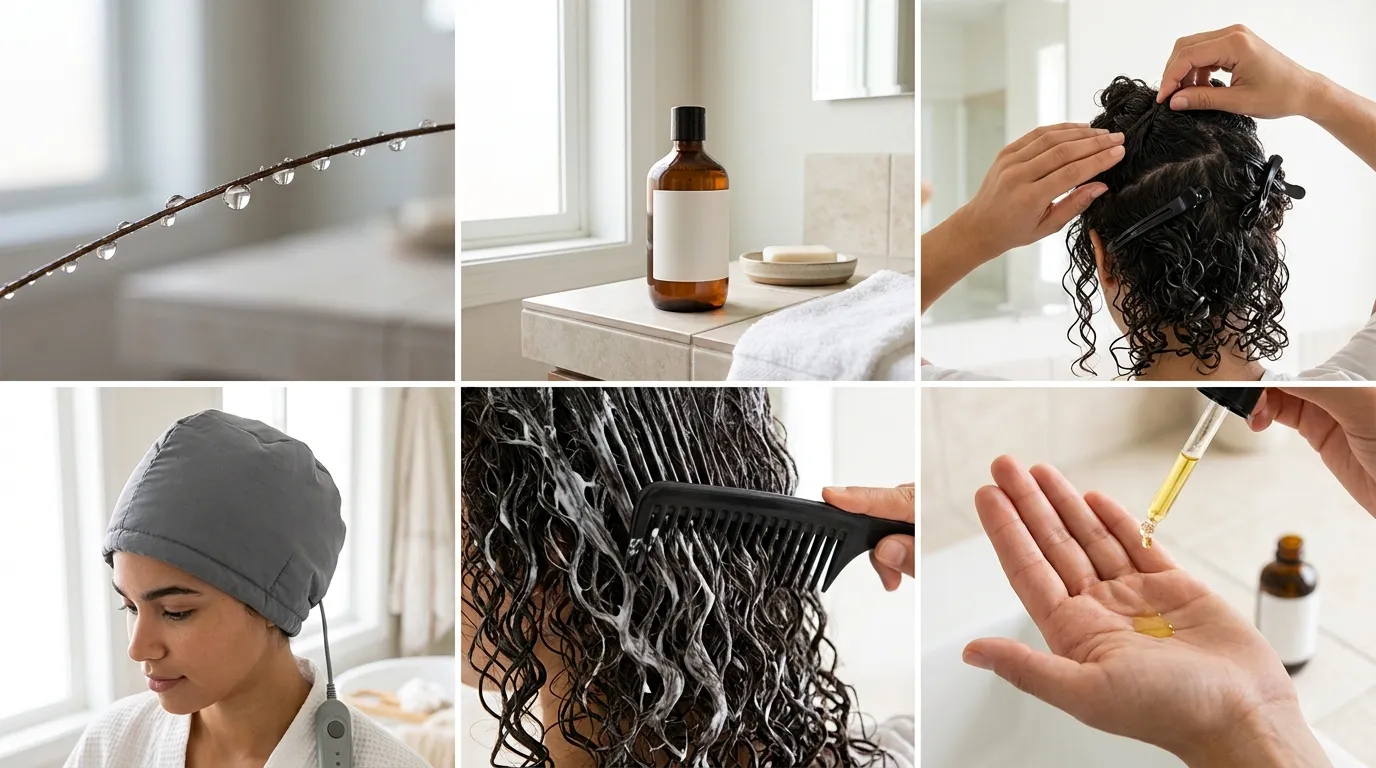
Slide a plastic shower cap over your coated hair, then wrap a warm, damp microfiber towel around the exterior.
You can also run a handheld blow dryer on low heat over the shower cap for fifteen minutes. The trapped warmth gently opens the cuticle shingles, allowing fatty alcohols to drive deep into the cortex.
Rinse the treatment out with cool water to smooth the cuticle closed and lock that hydration inside.
Severe Flaking Triggered by Infrequent Clarifying Washes
Because products linger on the exterior sheath, residue accumulates into a waxy crust along the scalp and root zone. Skipping a strong surfactant creates white, chalky flakes that look like dandruff but are actually dried styling polymers.
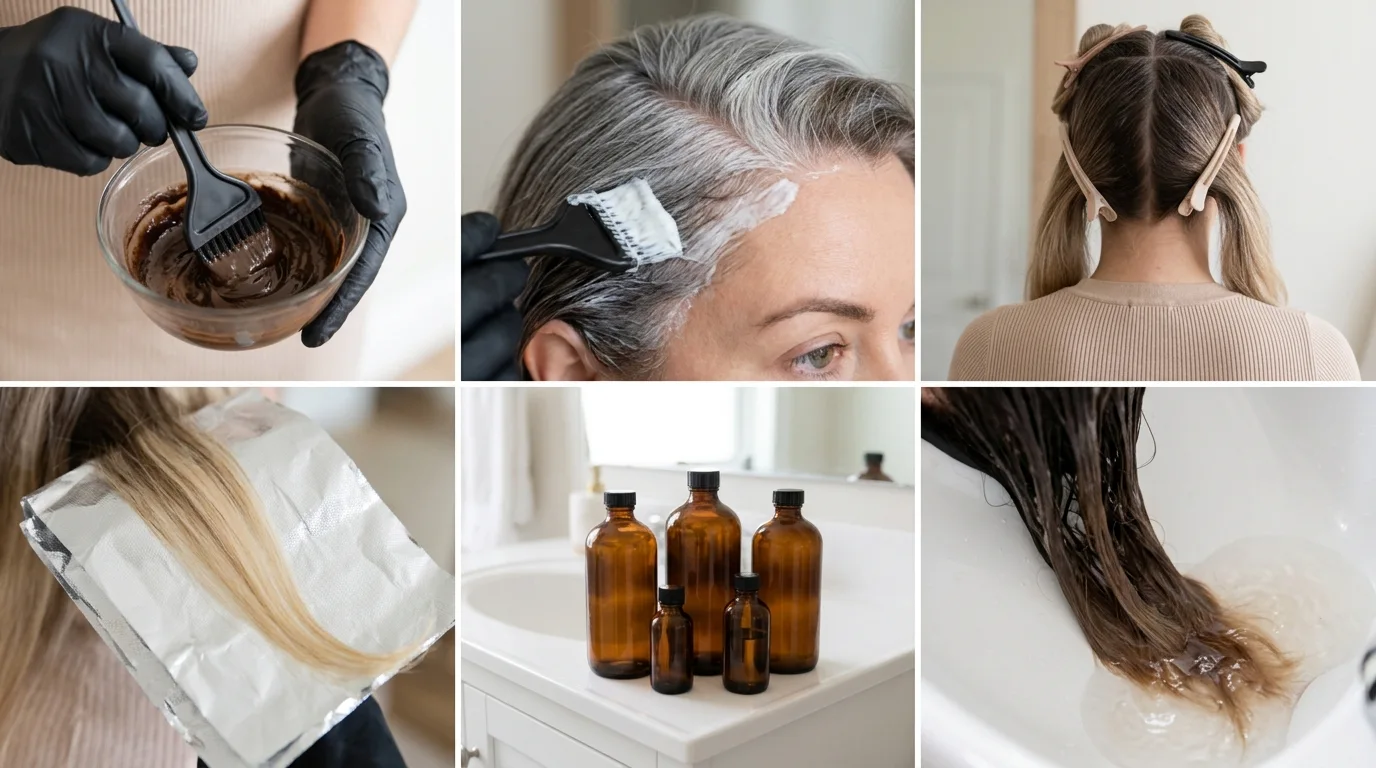
Incorporate a sulfate-free clarifying wash every two to three weeks to strip away old silicone coatings. Follow this with a low porosity hair care shampoo and conditioner pair that relies on decyl glucoside rather than heavy moisturizing oils.
Expect to spend between $14 and $28 for a quality clarifying bottle in 2026.
If your scalp feels stripped afterward, you clarified too often; dial back the frequency to once a month.
Snapping and Brittleness Caused by Accidental Protein Overload
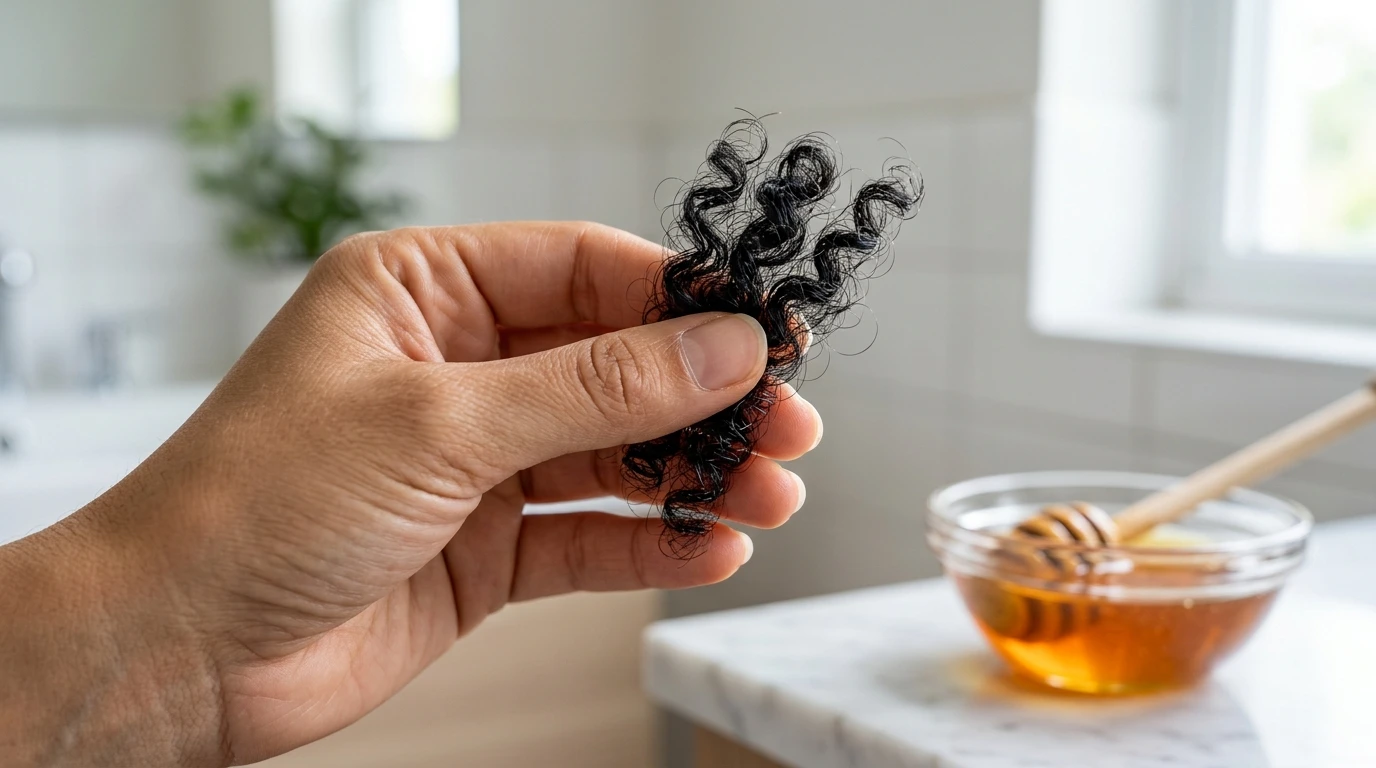
Low porosity strands already contain a dense, undamaged keratin structure. When you apply products packed with hydrolyzed wheat protein, keratin, or collagen, the excess protein hardens on the hair shaft, turning elastic strands into brittle glass that snaps under minimal tension.
Check the ingredient panel on your current masks. If words containing protein, amino acids, or hydrolyzed peptides appear in the first five lines, set the bottle aside immediately.
Balance your hair care for low porosity hair by prioritizing pure moisture masks containing honey and panthenol.
Dull Limp Strands from Heavy Sealant Oils
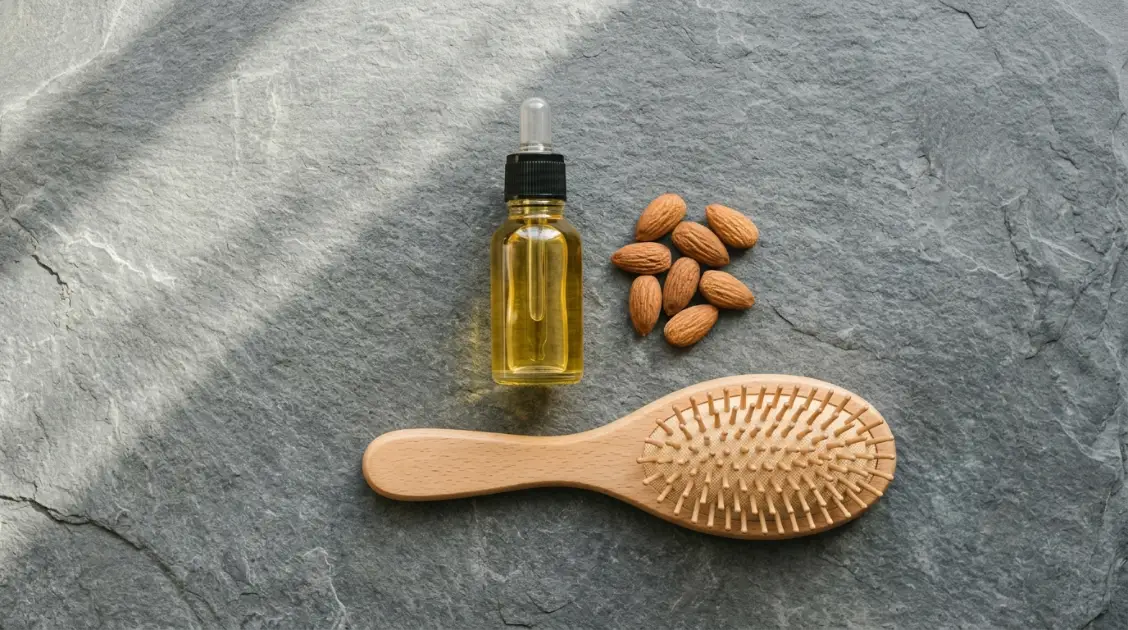
Reaching for olive oil, coconut oil, or heavy mineral formulas to lock in hydration weighs the hair down into greasy strings. Coconut oil in particular behaves like a pseudo-protein, binding to hair keratin and preventing water molecules from entering the strand.
Pick high-slip, low-density plant oils with small molecular footprints. Sweet almond oil, argan oil, and jojoba oil slip between the hair scales without leaving a slick residue on your pillowcase.
Dispense three drops of jojoba oil into your palms, warm it by rubbing your hands together, and smooth it over damp lengths. A couple of drops goes a long way.
Hours of Drying Time Trapping Moisture on the Scalp
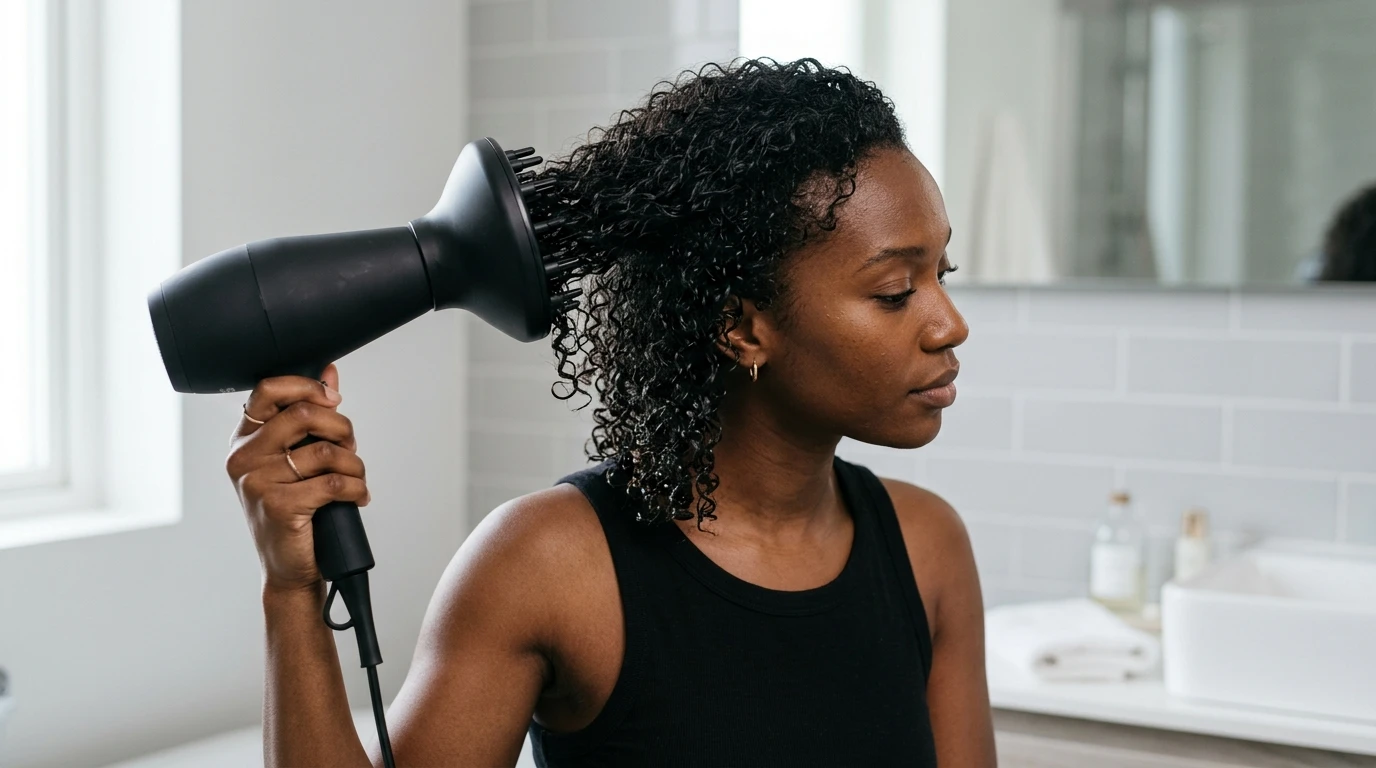
Leaving low porosity hair to air-dry often takes eight to twelve hours, creating a damp environment around the scalp that breeds yeast and weakens the hair bulb. The closed cuticle traps water inside the root pocket while leaving the outer ends cold and damp.
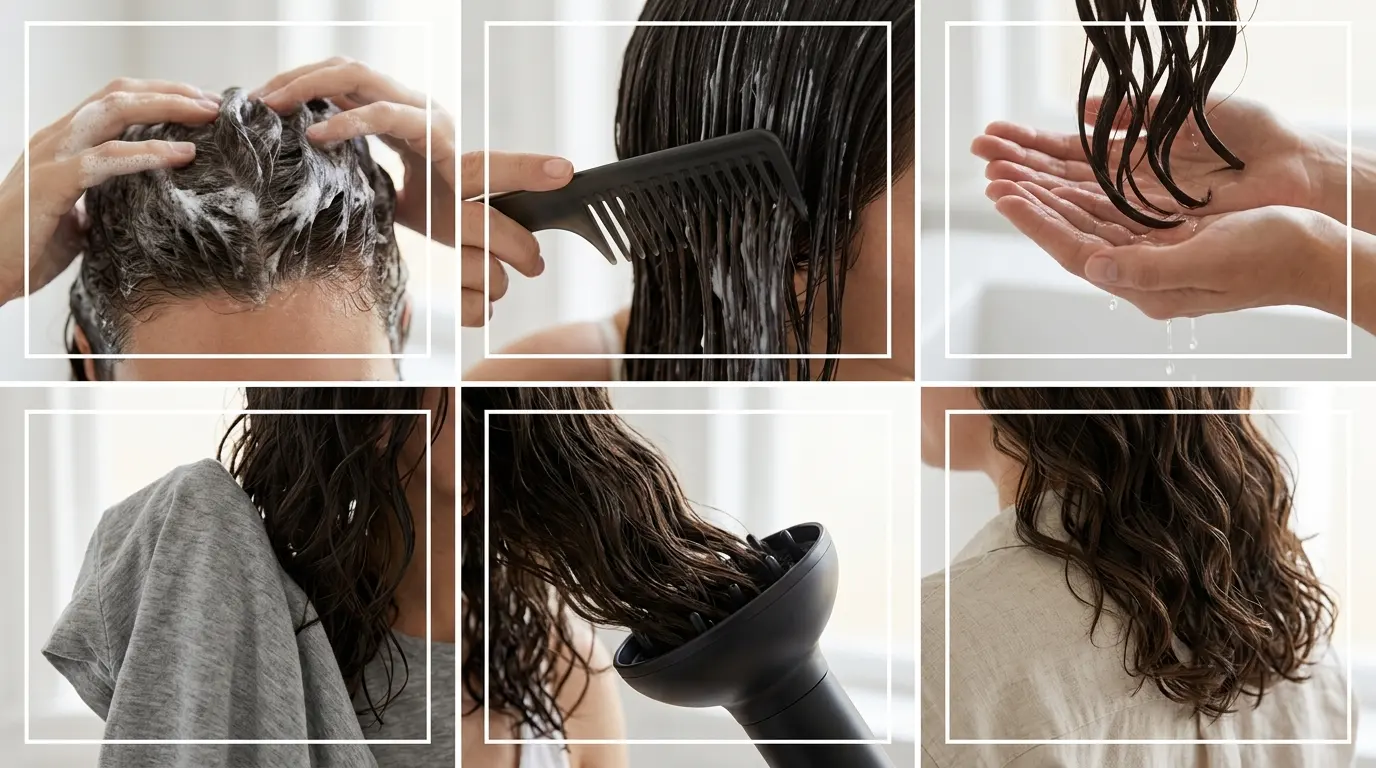
Blot wet hair with a flat cotton t-shirt rather than a rough terry cloth towel. Terry cloth loops snag delicate cuticles and cause surface frizz, while smooth cotton wicks moisture away without abrasive friction.
Use a diffuser attachment on medium heat and low speed, holding the bowl stationary under hair clusters for thirty seconds per section.
Scalp Pruritus Caused by Heavy Leave-In Creams
Applying leave-in conditioners directly against the scalp smothers hair follicles, leading to itching, redness, and sluggish follicle turnover. Low porosity scalps naturally produce sebum that struggles to migrate down the hair shaft due to the tight cuticle structure.
Keep your leave-ins and creams strictly two inches away from the roots, focusing strictly on mid-lengths and fragile ends.
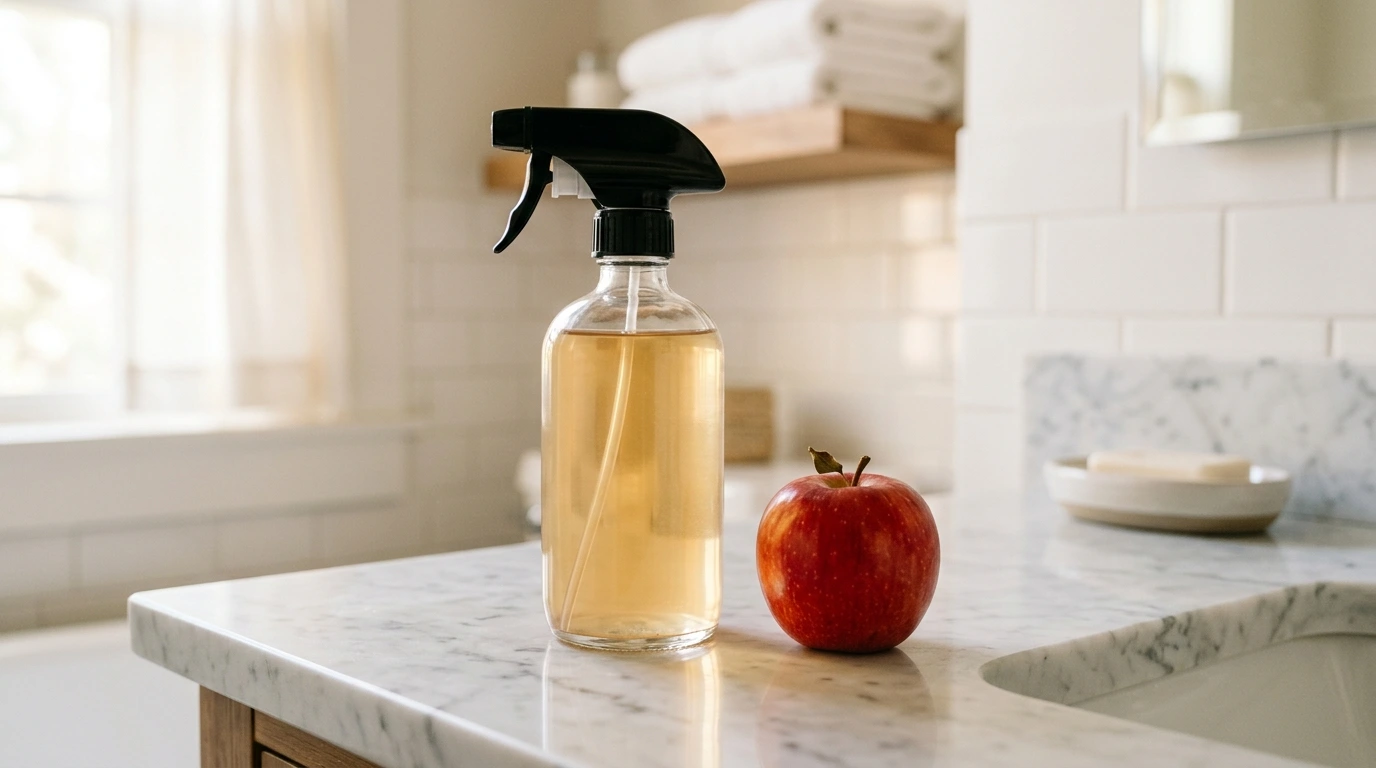
If you struggle with buildup at home, try simple natural rinses. An easy low porosity hair care at home remedy involves mixing two tablespoons of raw apple cider vinegar into two cups of warm water.
Pour it through your hair after shampooing to dissolve mineral salts and scalp build-up.
Tangling and Matting During Friction-Heavy Detangling
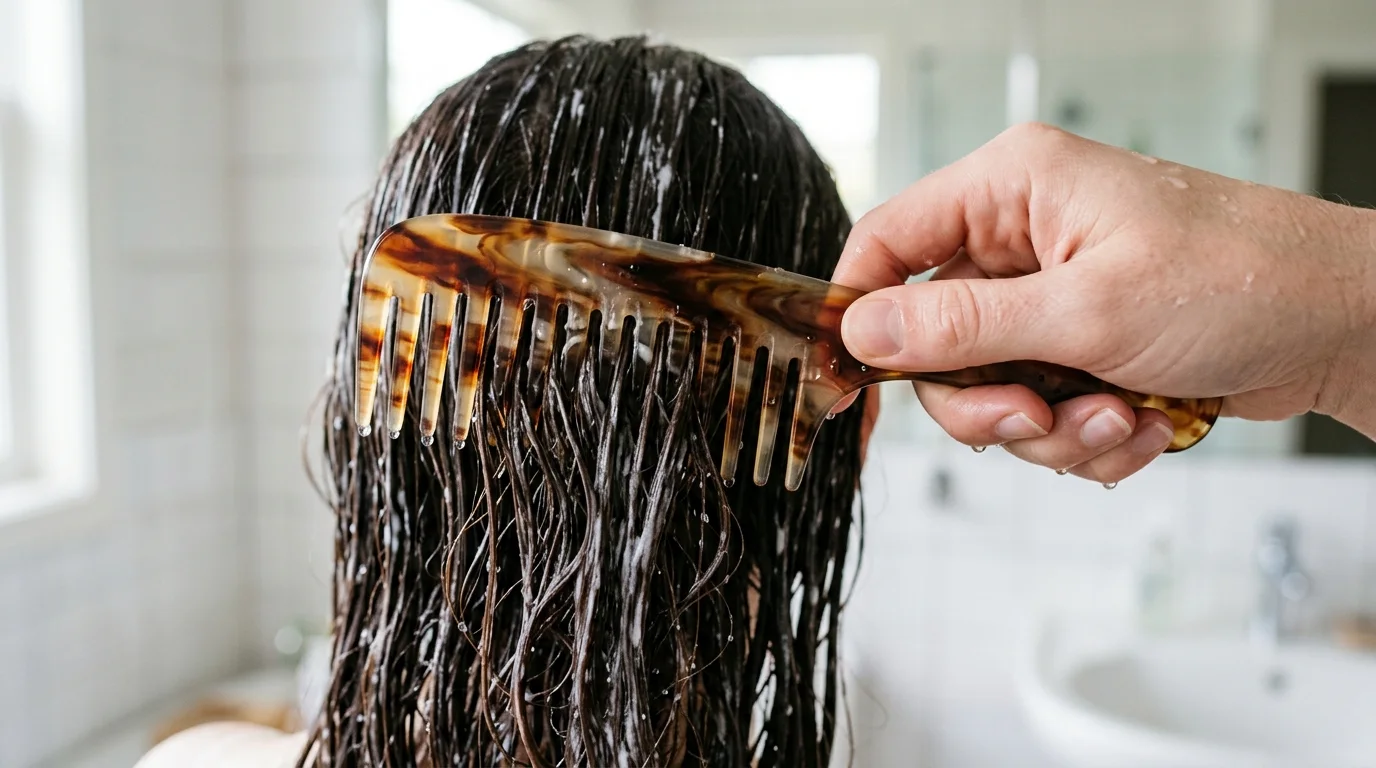
Trying to pull a fine-tooth comb through dry or barely damp low porosity hair snaps delicate bonds. Without hydration softening the cortex, strands grip one another and knot into impossible clusters.
Detangle only when hair is eighty percent saturated with a slippery, water-based conditioner under a warm shower stream.
Start combing at the very bottom ends with a wide-tooth seamless resin comb, gradually working upward toward the roots in two-inch increments.
Rushing through this step tears through knots instead of gently loosening them.
Uneven Curl Groupings and Fluffy Mid-Lengths
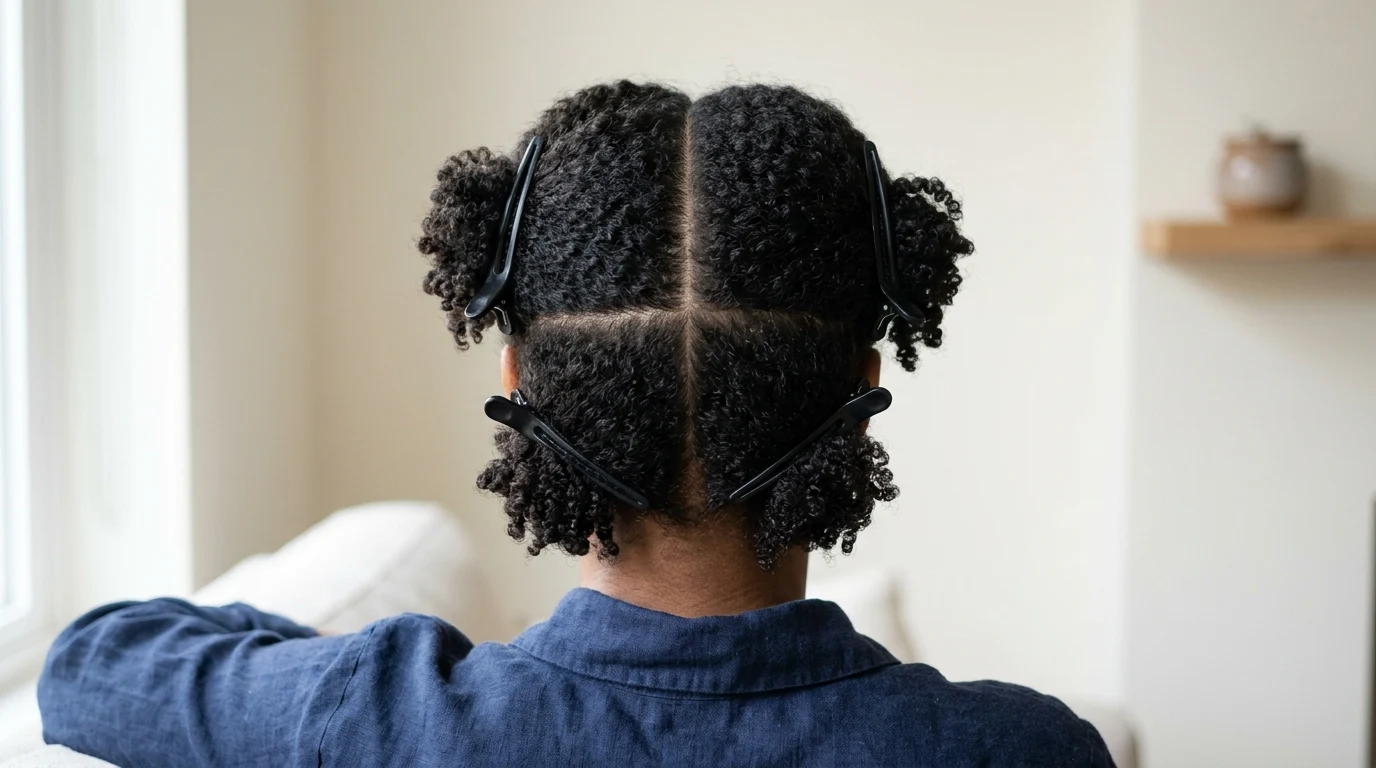
Applying creams to large bundles of hair leaves the interior fibers completely dry. Low porosity hair requires smaller subsections so every individual fiber receives uniform product distribution.
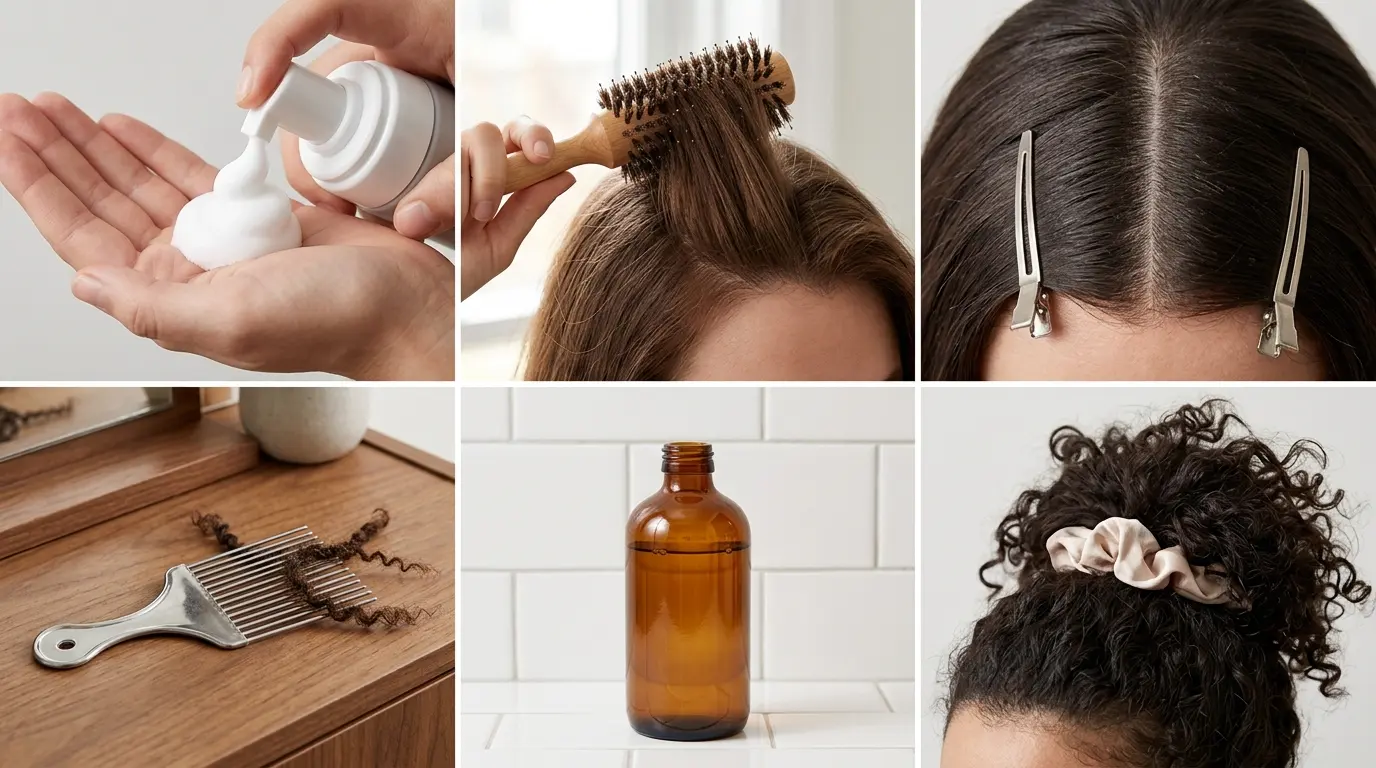
Divide your hair into four to six distinct quadrants using plastic sectioning clips before applying your styling fluid.
Rake your product through half-inch ribbons using the praying hands method, pressing the product firmly between your palms from root to tip.
This mechanical pressure forces fluid hydrators through the cuticle scales much better than loosely scrunching ever could.
Product Stacking Failures and White Residue Specks
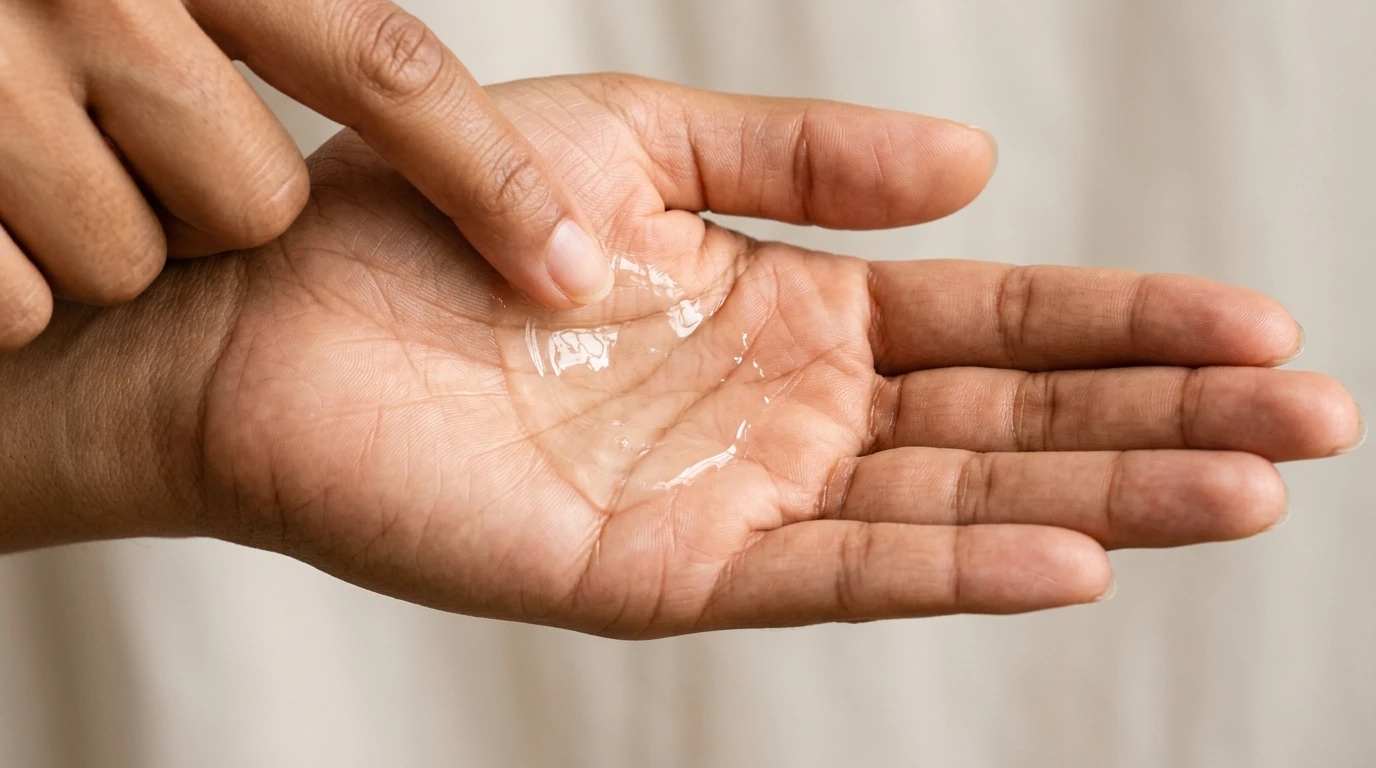
Layering multiple heavy styling agents at once creates a chemical clash where the products curdle against the closed hair cuticle. The result is hundreds of tiny white specks that resemble lint spread across your shoulders.
Rub a dime-sized dollop of your leave-in conditioner and your styling gel together in the palm of your hand before putting them in your hair.
If the mixture turns lumpy or cloudy in your palm, those products will not bond and will leave flakes in your hair.
Stick to a streamlined routine: water, a water-based leave-in, and a single lightweight styling jelly to lock the shape in place.
The Most Expensive Low Porosity Pitfall to Avoid
The costliest mistake in low porosity hair care is constantly buying heavy protein repair treatments, bond builders, and thick restorative butters under the assumption that dry hair must be damaged hair.
Low porosity hair is often remarkably healthy; its cuticle is simply sealed shut by nature. Spending money on expensive repair masks only accelerates protein overload, leading to snaps that require costly salon trims to fix.
Invest instead in a basic hooded heat cap, a dependable clarifying shampoo, and lightweight, water-based hydrators. Letting heat do the hard work will save your hair and your wallet.
Disclaimer: Severe scalp scaling, inflammation, or sudden widespread breakage may indicate an underlying dermatological issue; consult a licensed dermatologist for chronic scalp conditions.
Frequent Questions About Low Porosity Hair
How do I know for certain that my hair has low porosity?
Mist a clean, product-free dry strand with room-temperature water from a spray bottle. If the water beads into visible droplets that sit on the surface for over two minutes without sinking in, your cuticles are low porosity.
Can low porosity hair ever change to high porosity?
Yes, chemical bleaching, high-heat flat irons over 400 degrees Fahrenheit, and permanent hair dyes chemically blow the cuticle shingles open. Once the outer cuticle chips away from thermal or chemical stress, the strand becomes high porosity permanently.
Is rice water safe to use on low porosity hair?
Rice water contains concentrated amino acids and starches that quickly cause protein overload on tight cuticles. If you decide to use it, dilute the fermented rice water by half with plain water and rinse it completely out after ten minutes.
How often should low porosity hair be washed?
Washing once every five to seven days is optimal. Washing more frequently strips the scalp, while waiting longer than eight days allows environmental dust and sebum to form an impenetrable barrier over the closed cuticles.
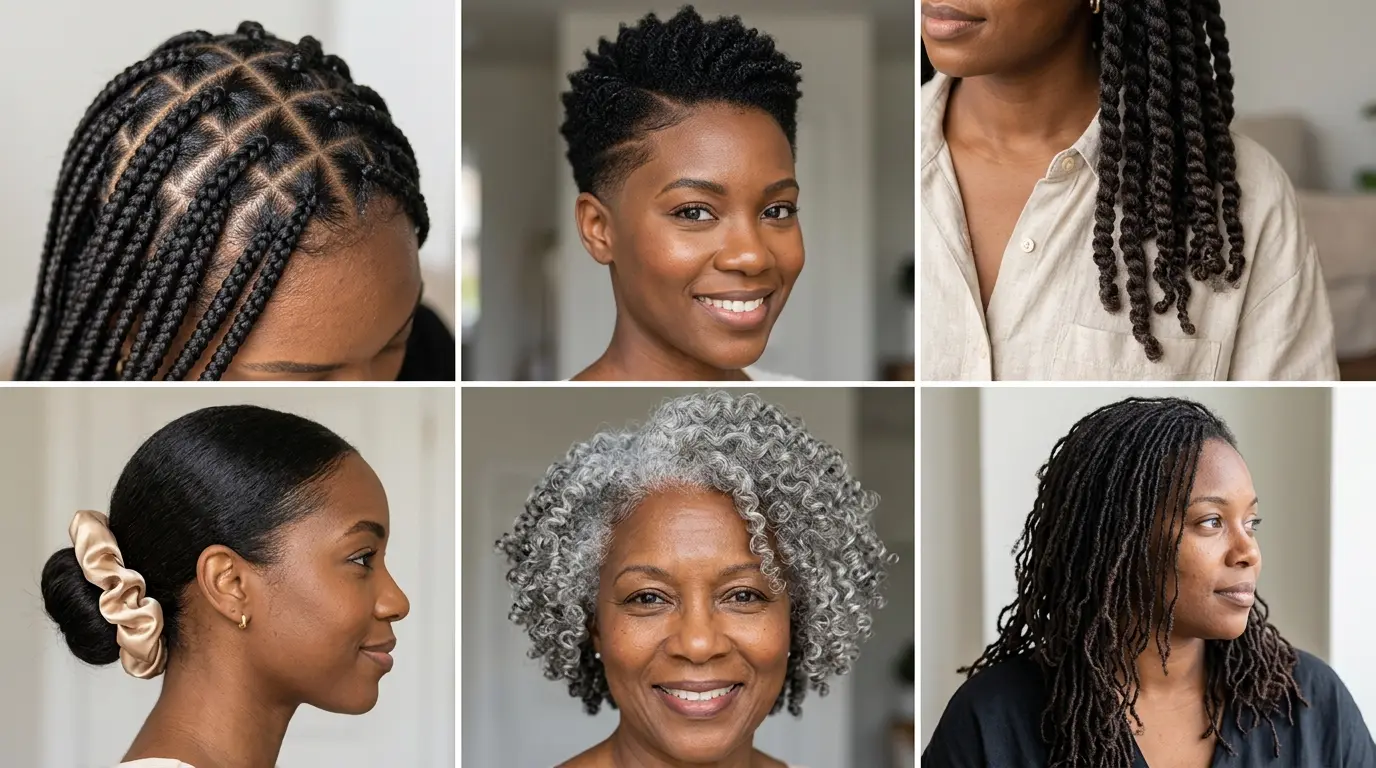
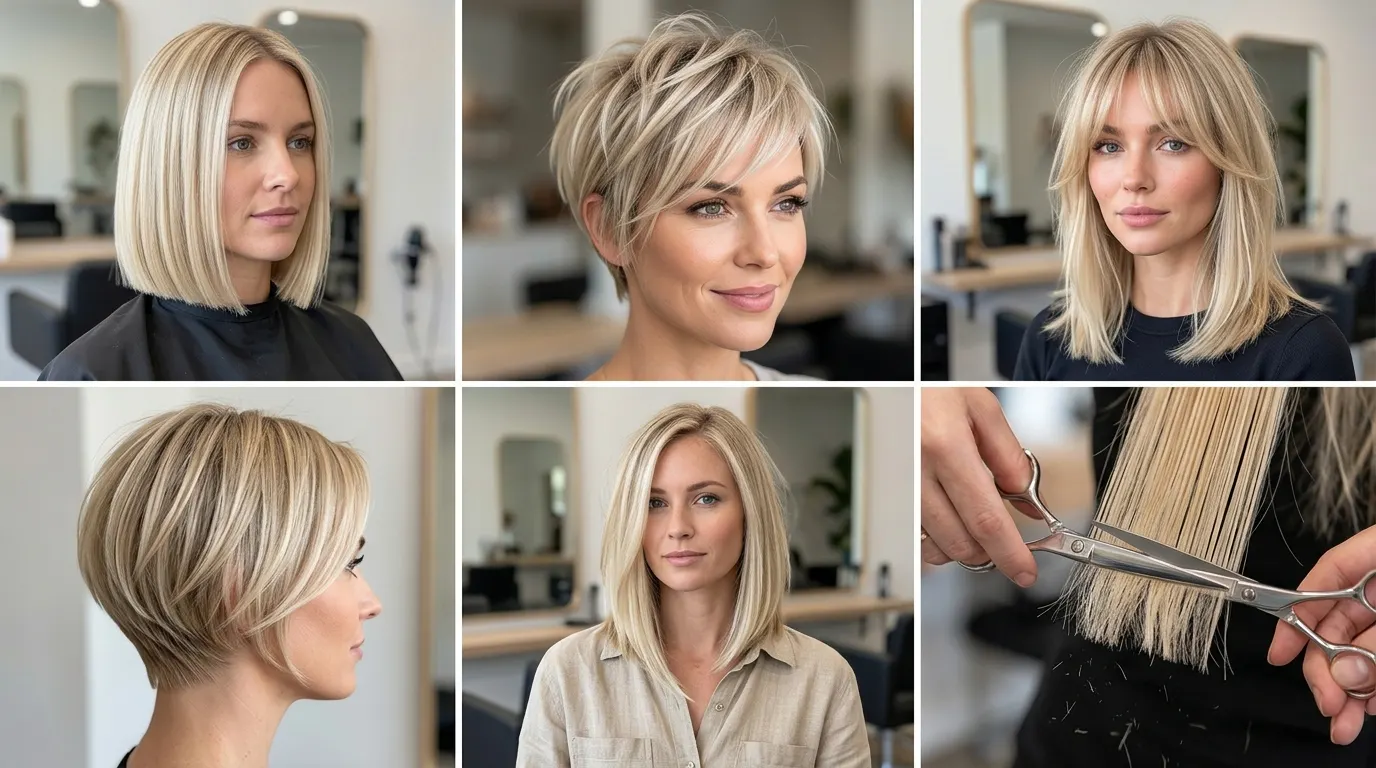
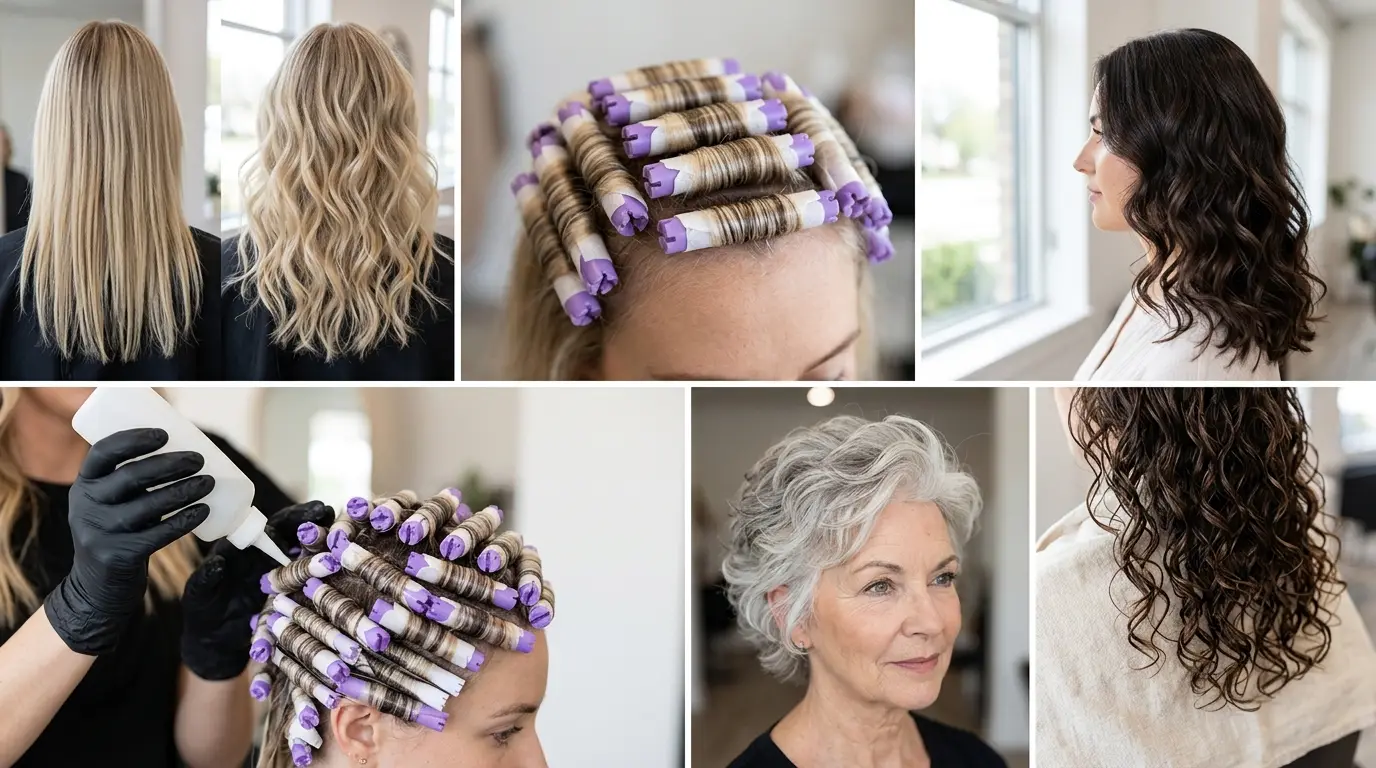
Related reads: 13 Smart Low Maintenance Hairstyles for Black Women by Texture Profile, How to Curl Your Hair With Lasting Shape and Minimal Friction and The Best Short Haircuts for Fine Thin Hair to Boost Volume.