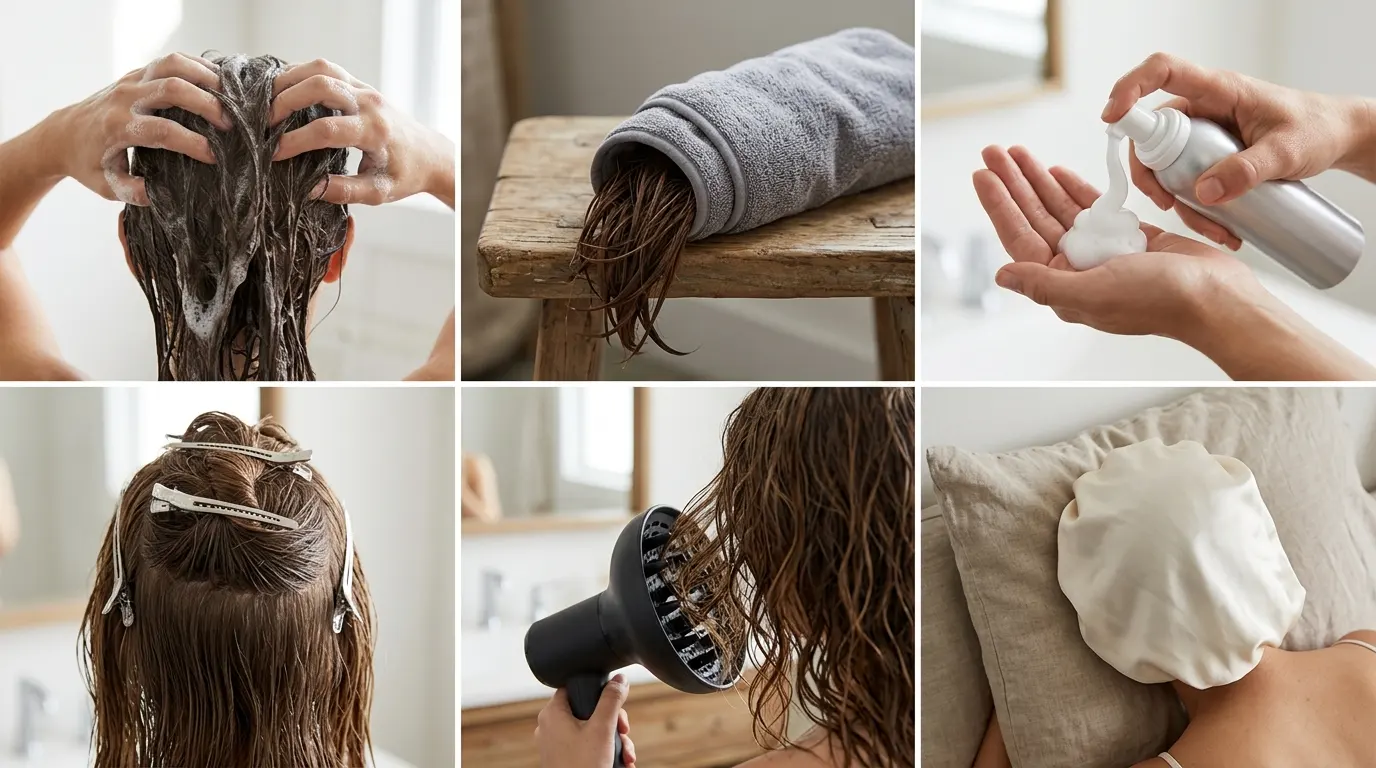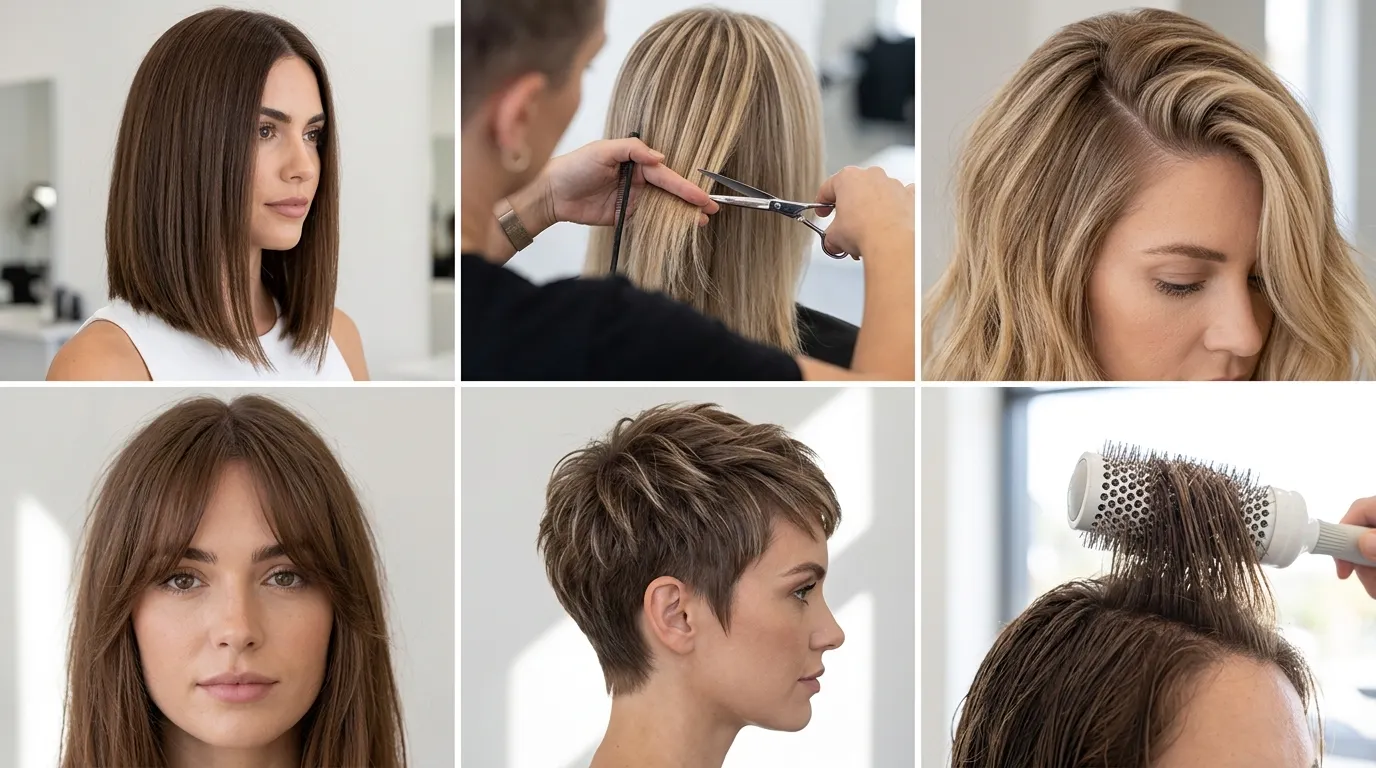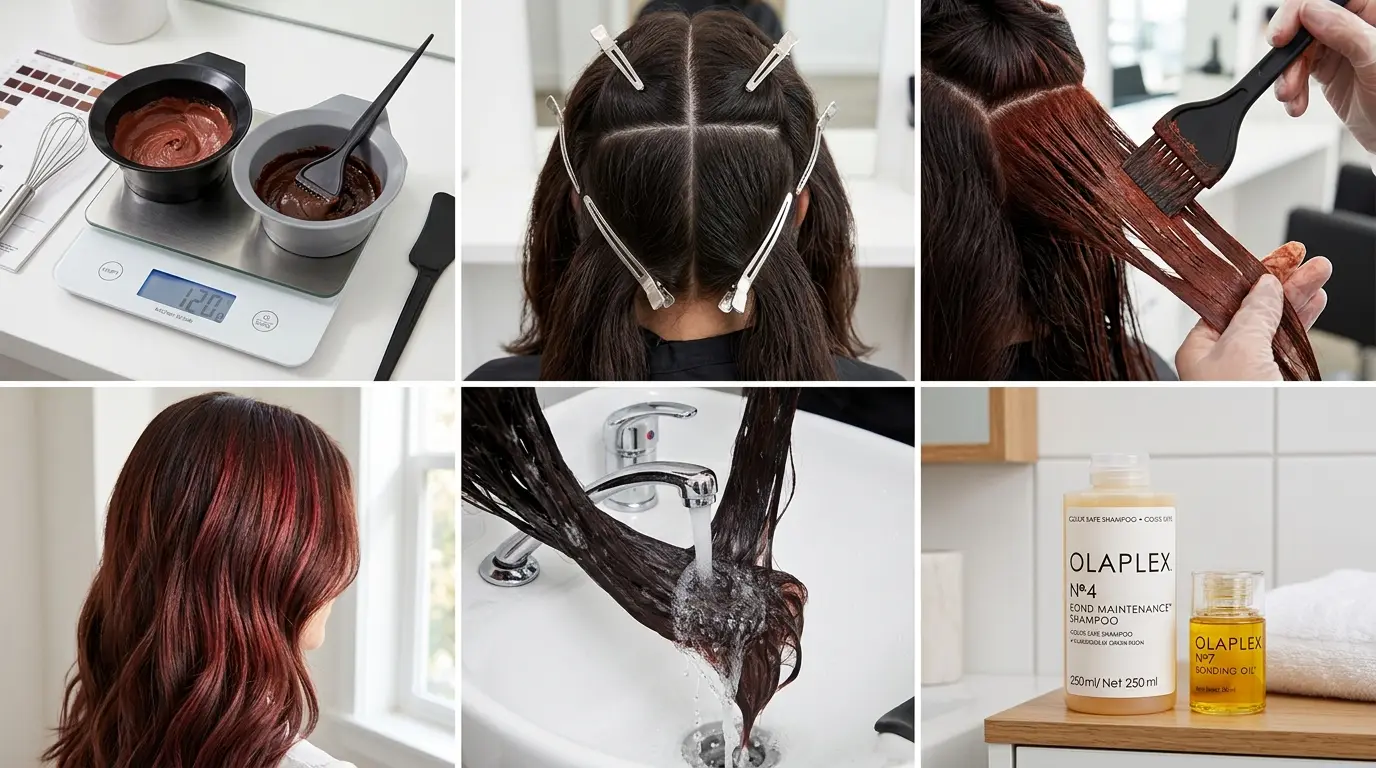

Summer ends and your hair changes overnight. Same routine, same products, completely different result.
Humidity drops, heating comes on indoors, and hats start going over everything. Three things at once, all pulling water out of the strand.
The mistake most people make is carrying the summer routine straight into October and blaming the products when it stops working. It is not the products. The fall hairstyles for black women that hold up through the colder months account for the weather rather than fighting it, and this post splits that into decisions you can make one at a time. Some are about the style, some about what happens under a hat, some are just colour.
What the Season Actually Does to Your Hair
Autumn air holds less water than summer air. That sounds like good news after months of frizz, and it is not.
Hair loses moisture to arid air the same way skin does. Indoor heating makes it worse, since a heated room in November is more parched than almost anywhere you spend time in July.
Then there is friction. Hats, hoods, scarves and collars all rub against the same sections repeatedly, and the edges and nape take most of it.
So the season asks for two things. Moisture that stays in, and a style that reduces how often hair gets handled.
Protective styling answers both, which is why it dominates this list.
1. Goddess Braids as the Season Opener
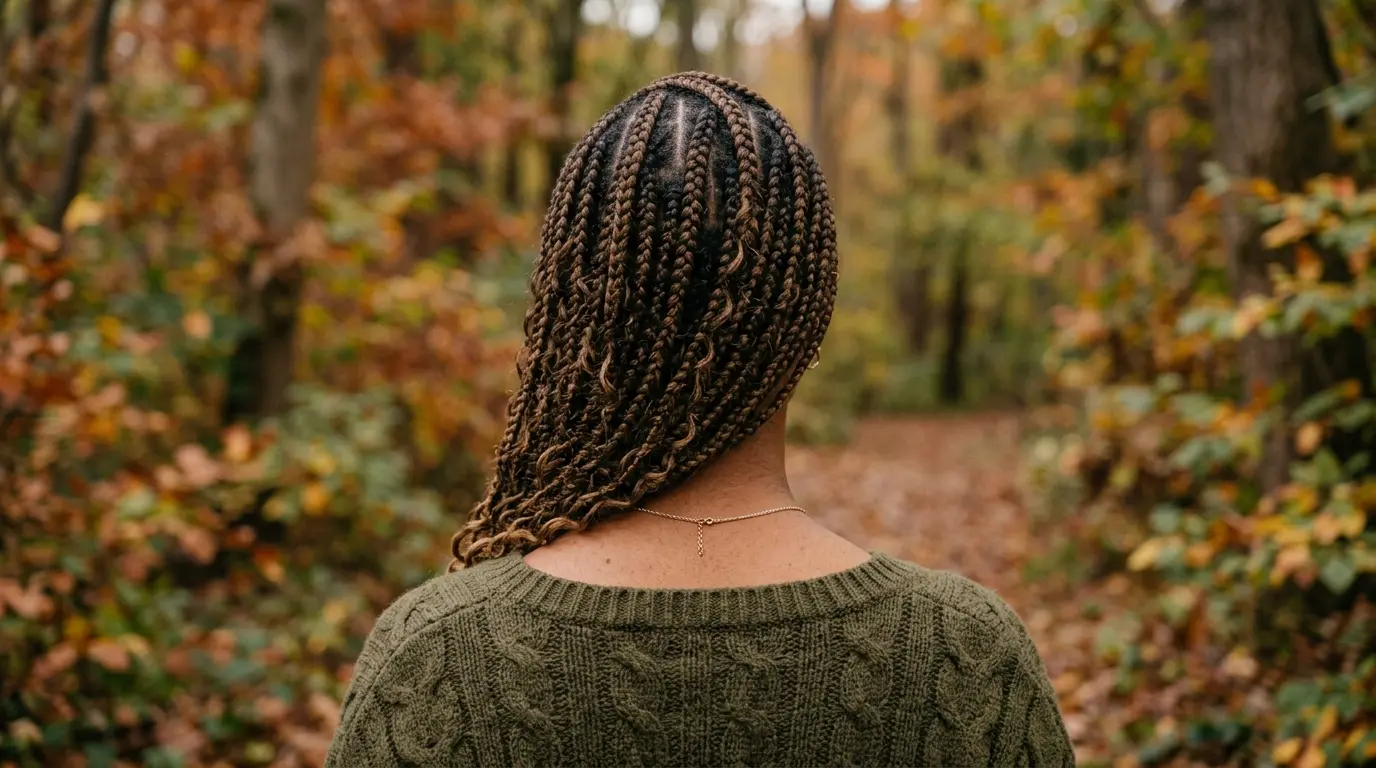
If you want one style to carry you through to spring, this is the reliable choice.
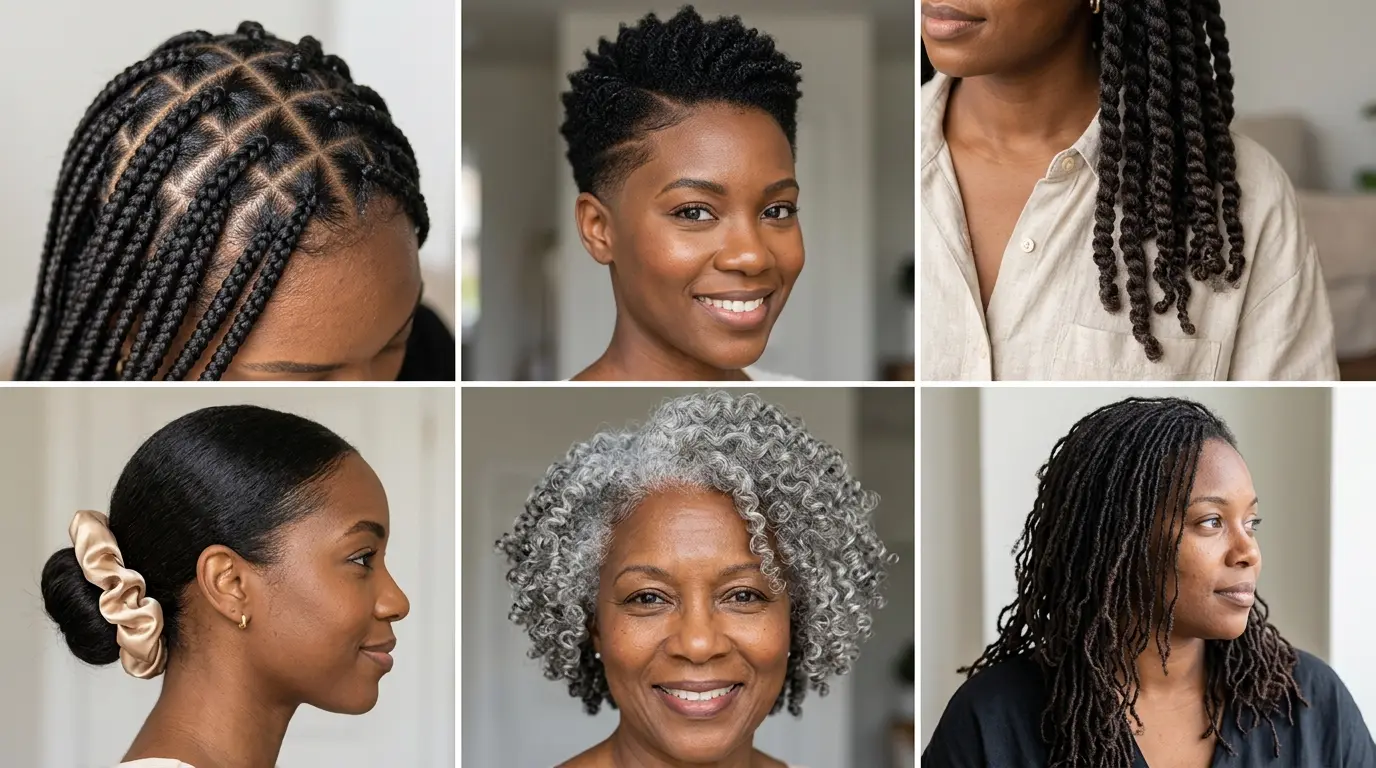
Goddess braids are a protective style that usually lasts for weeks, which cuts down on frequent maintenance considerably. That matters more now than in any other season, because every wash and restyle is another chance to lose moisture.
The chunky sections sit closer to the head under a hat than box braids do, so you get fewer pressed down patches at the crown.
Ask for tension you can genuinely feel is comfortable, not just tolerable. Sore edges do not improve over three weeks.
Where this does not work is if you are between lengths and have very little to braid at the nape.
2. Types of Hairstyles for Black Women in Cold Weather
Broadly there are three routes through autumn and each has a different cost.
Protective installs like braids, twists and locs mean weeks of low handling. High upfront time in the chair, then very little effort afterward.
Wash and go styling gives you flexibility and needs daily attention. It also suffers most from arid indoor air, since there is nothing sealing the strand.
Wigs and units sit between the two and let your own hair rest completely underneath, provided the braids beneath are not too tight.
Pick by your actual calendar rather than your preference. A packed season suits an install. A quiet one lets you play.
3. Fall Hair Colors for Black Women Worth Considering
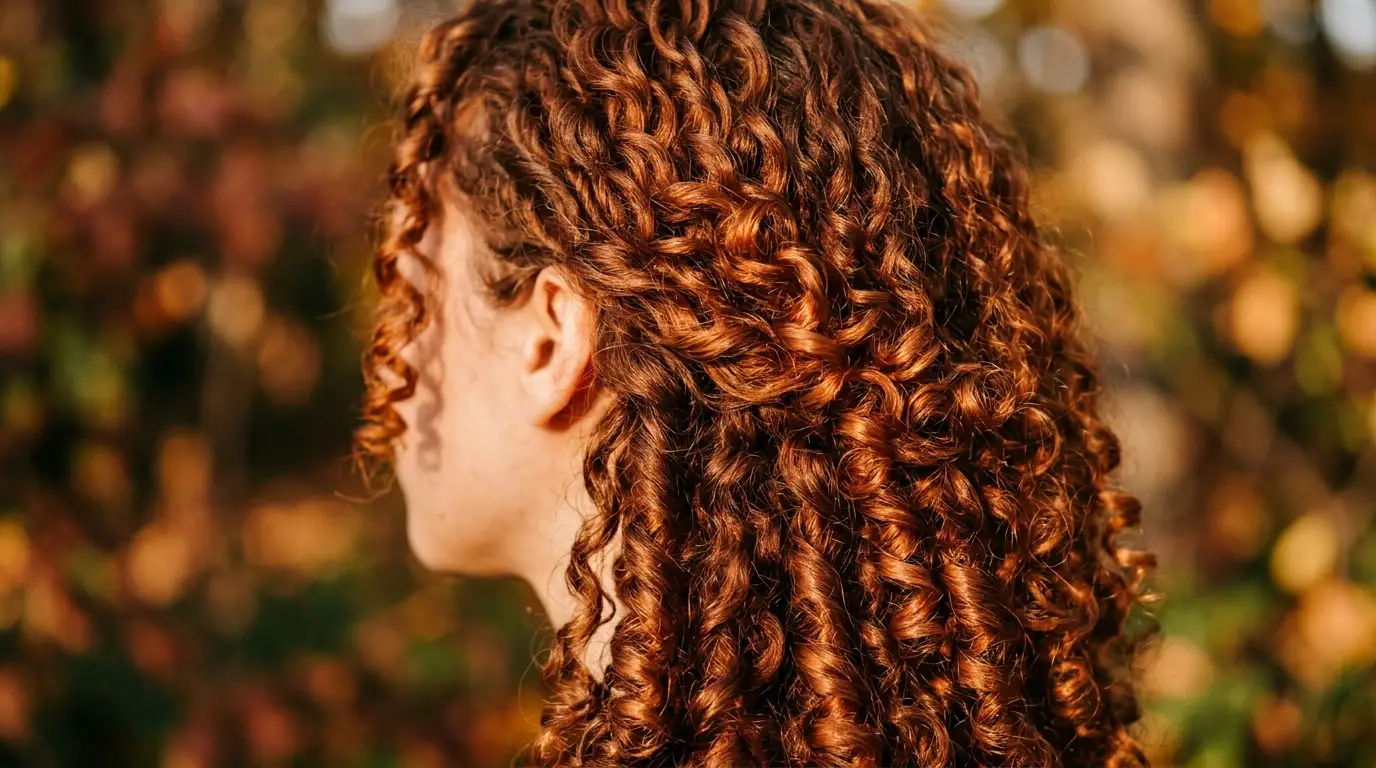
Autumn is when people change colour, and the shades that suit textured hair are not always the ones trending.
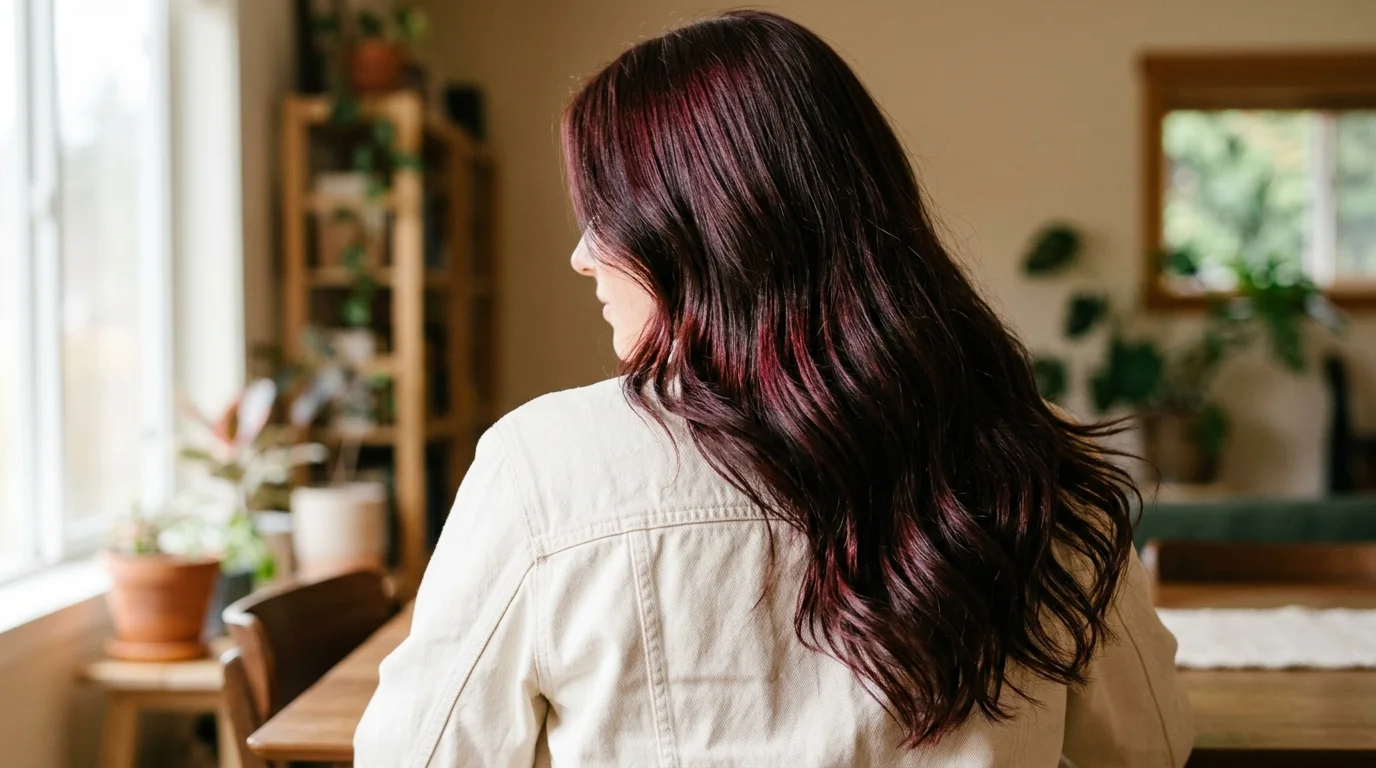
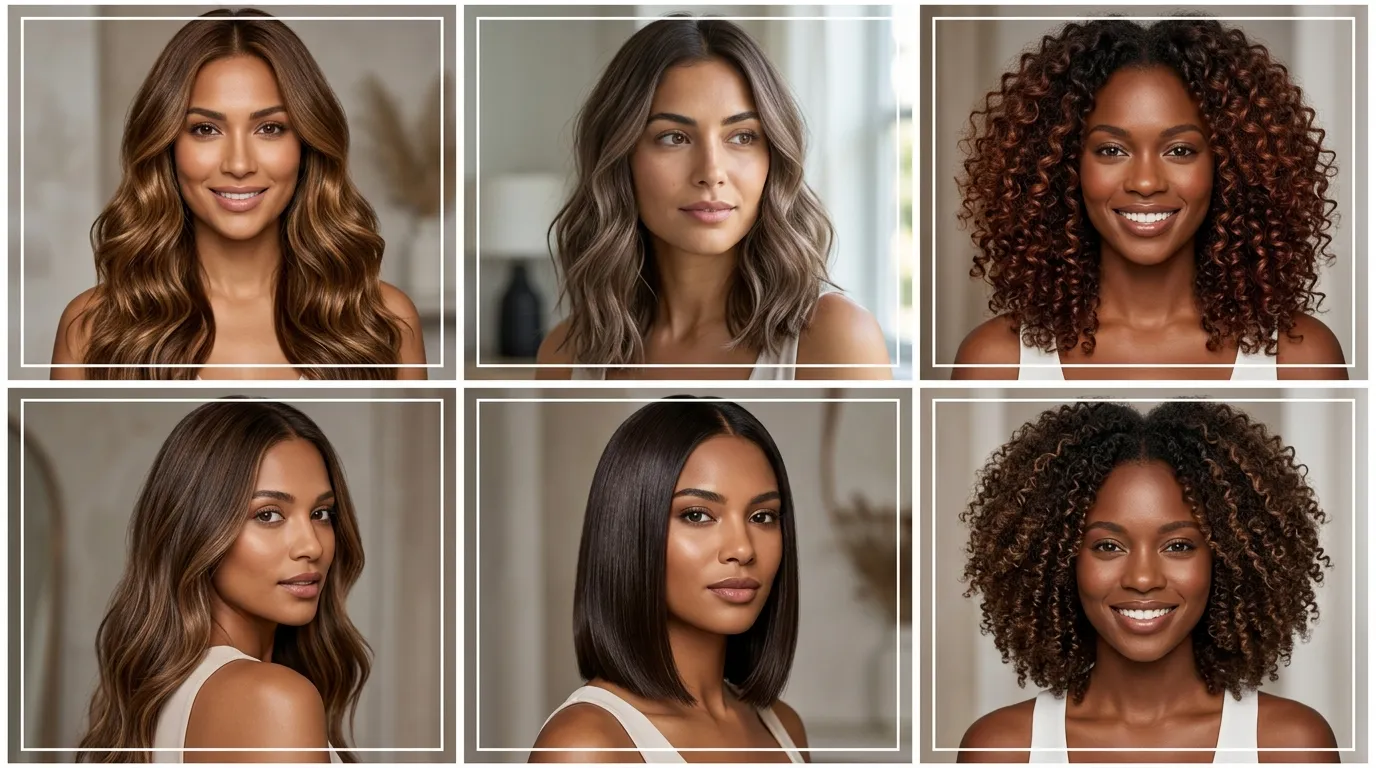
Warm coppers, auburns and cinnamon tones read beautifully against deeper complexions and pick up the light the season takes away.
Honey and caramel work as face framing pieces without committing to a whole head, and they grow out gently.
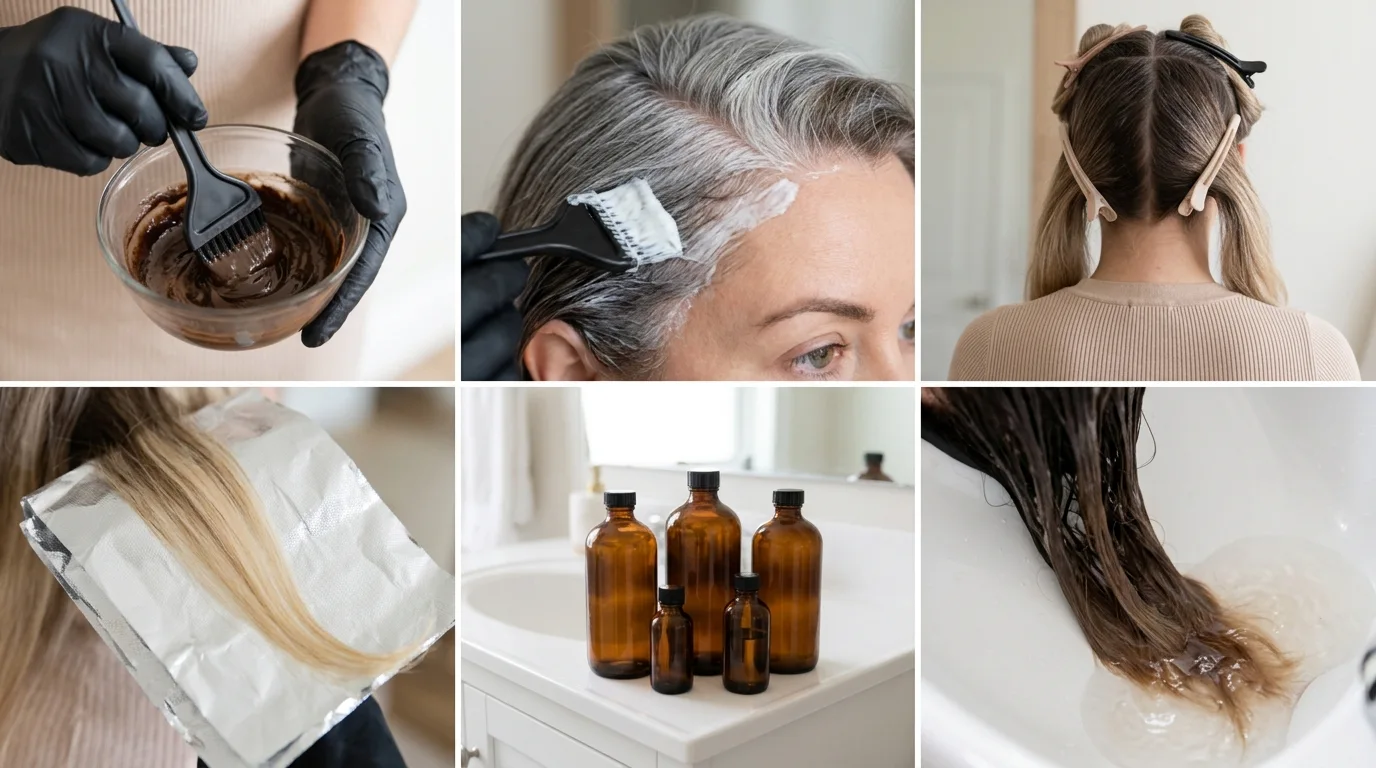
Any lift costs moisture. Raising the cuticle means the strand loses water faster in heated indoor air, so plan on deep conditioning twice a week after colouring rather than once.
The mistake is booking colour and an install in the same fortnight. Freshly processed hair going straight into weeks of tension is how breakage starts at the roots.
Skip lightening altogether if your ends already feel rough. Colour does not fix damage, it finds it.
4. Fall Hair Ideas for Brunettes Who Do Not Want Full Colour
Not everyone wants to commit to a process, and there are ways to shift a brunette base without lightening much.
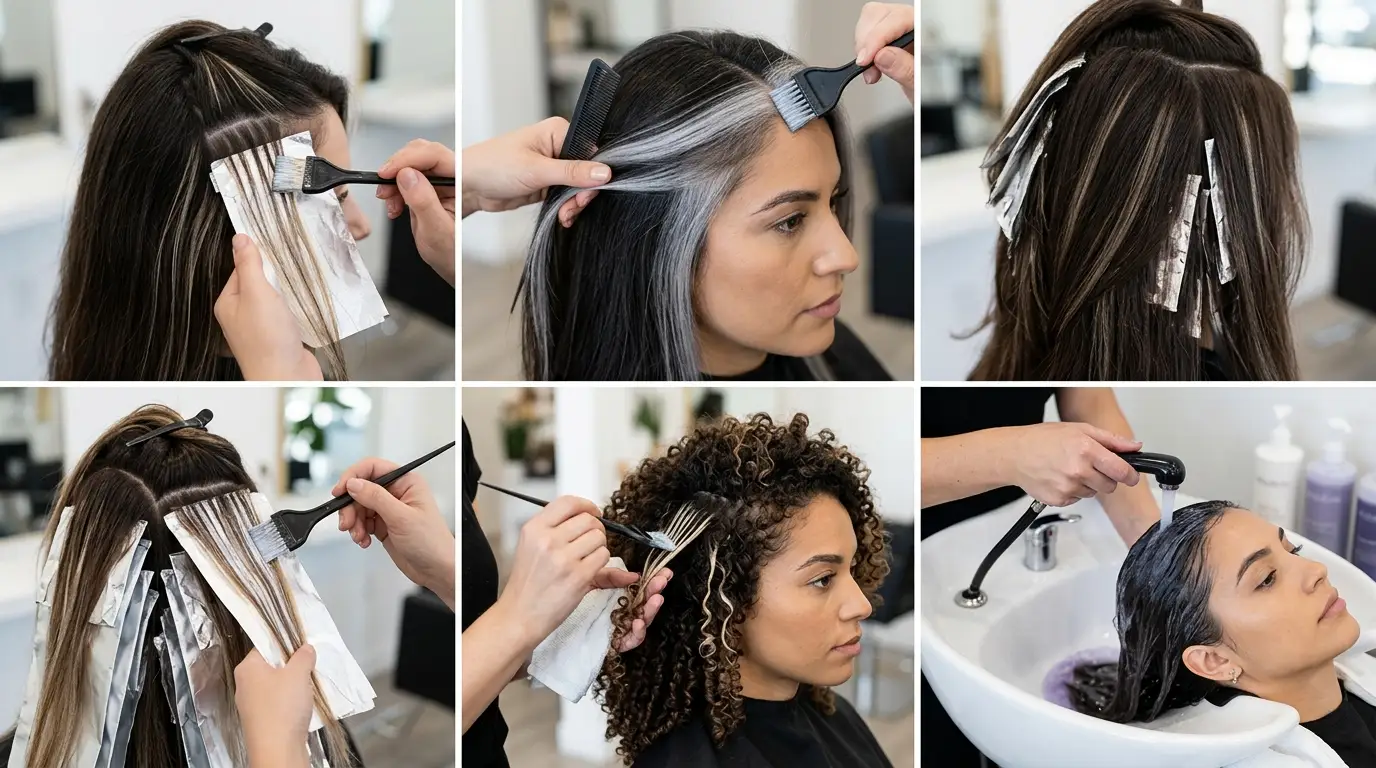
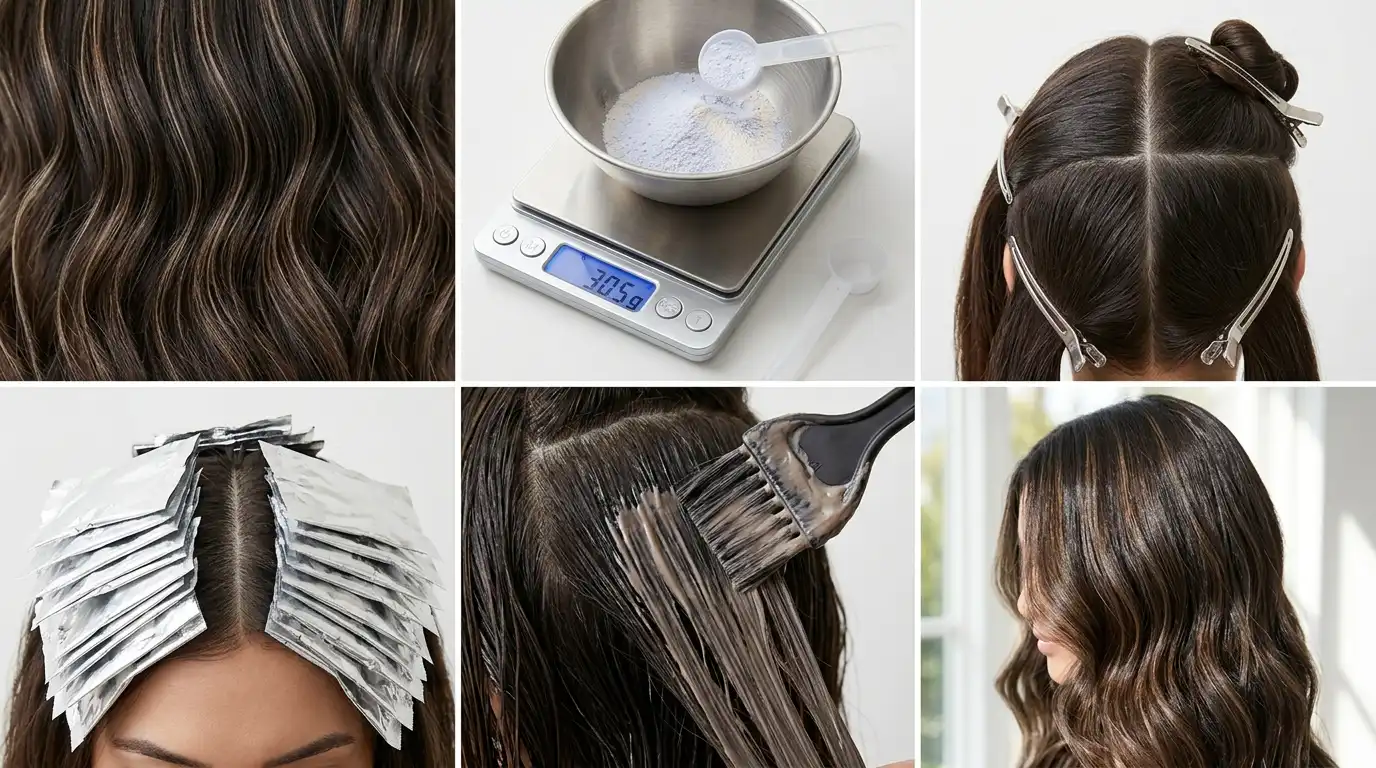
A gloss or a rinse deposits tone without lifting. It adds warmth and shine, fades gradually, and does no structural damage.
Temporary colour rinses do the same job for a few washes if you want to test a shade before committing.
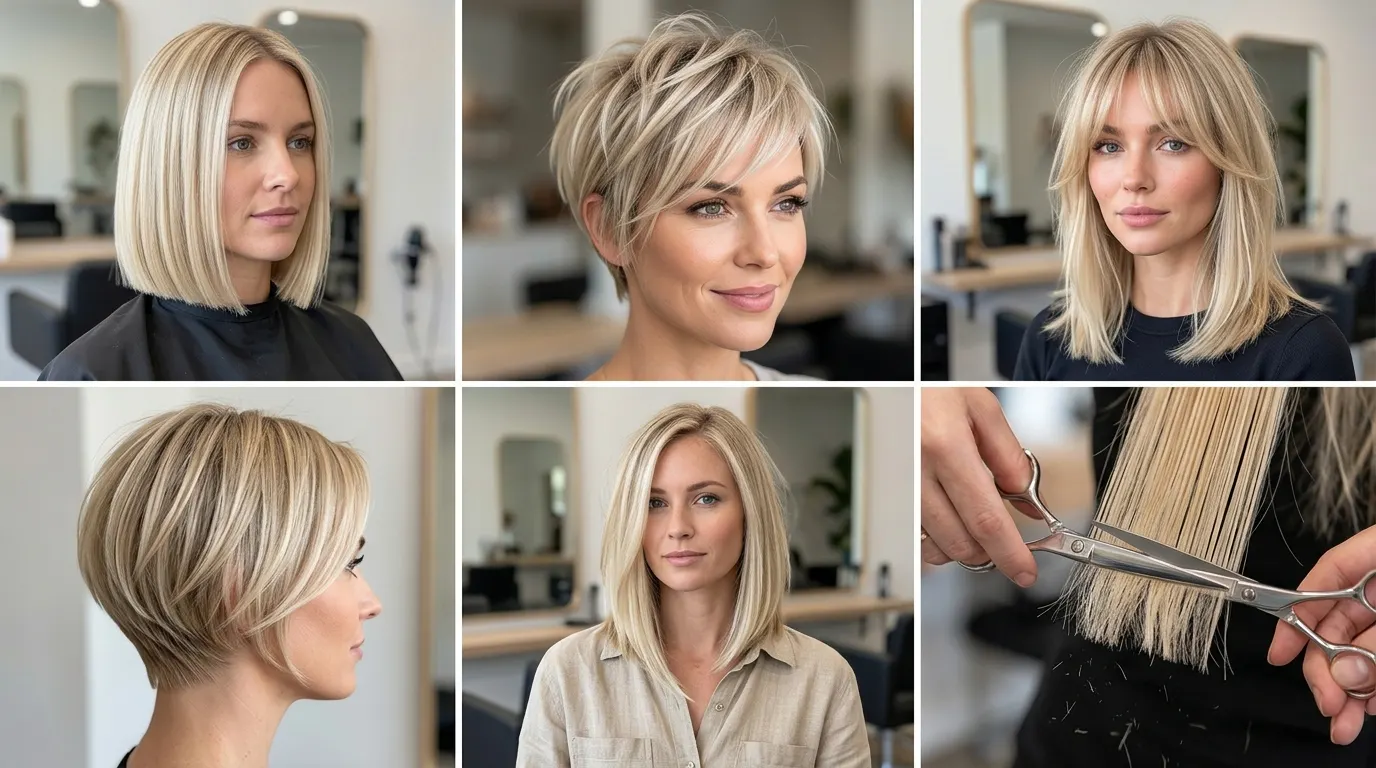
Face framing pieces or a single money piece at the part give you visible change with a fraction of the processing.
Where this falls short is dramatic lightening. If you want a genuine several shade lift, a rinse will not get you there and pretending otherwise wastes a salon visit.
5. Short Natural Hairstyles for Black Women in the Cold
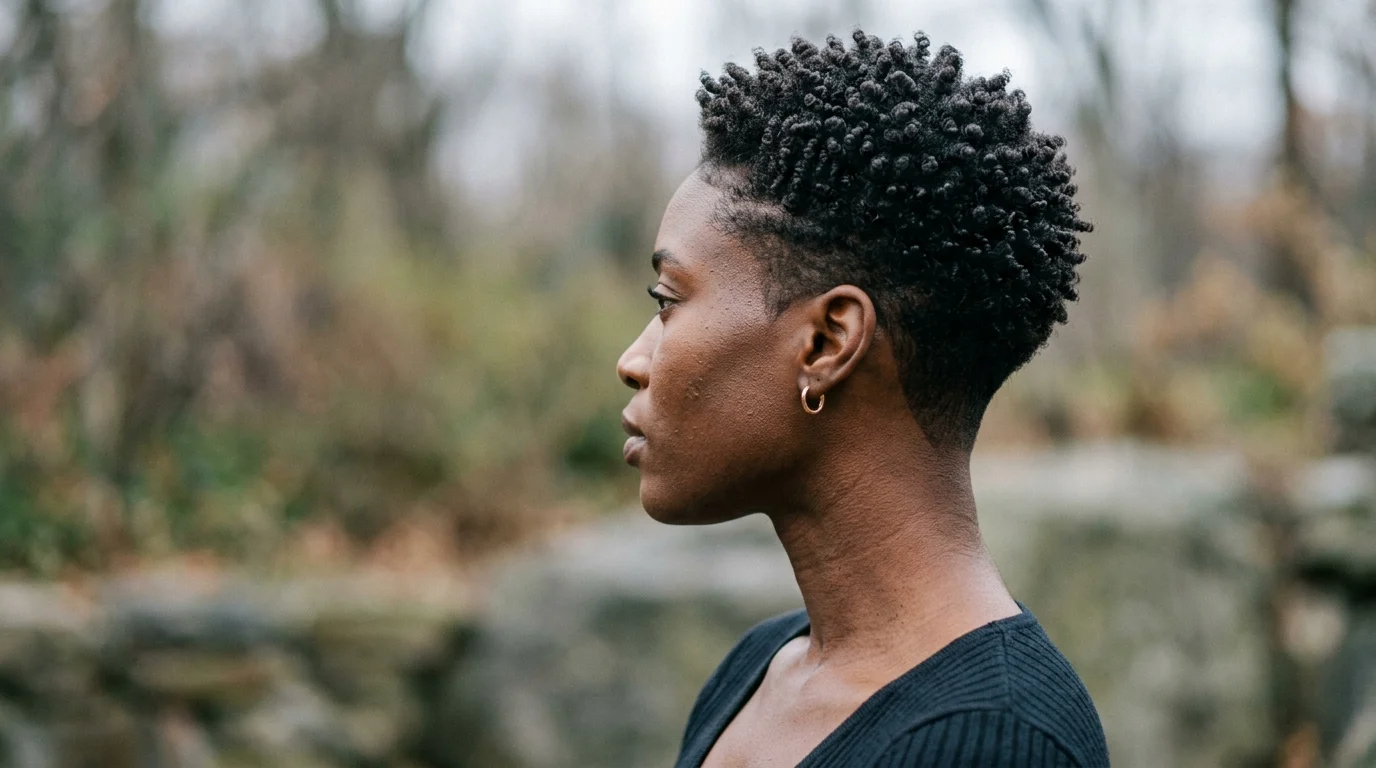
Cropped hair in autumn is easier than people assume, with one adjustment.
A tapered cut or a shaped afro needs less product and dries faster, which matters when you are leaving the house in October air.
The adjustment is the hat. Cropped styles lose lift under a beanie and there is no length to redistribute afterward, so a satin lined hat is the single most useful thing you can own.
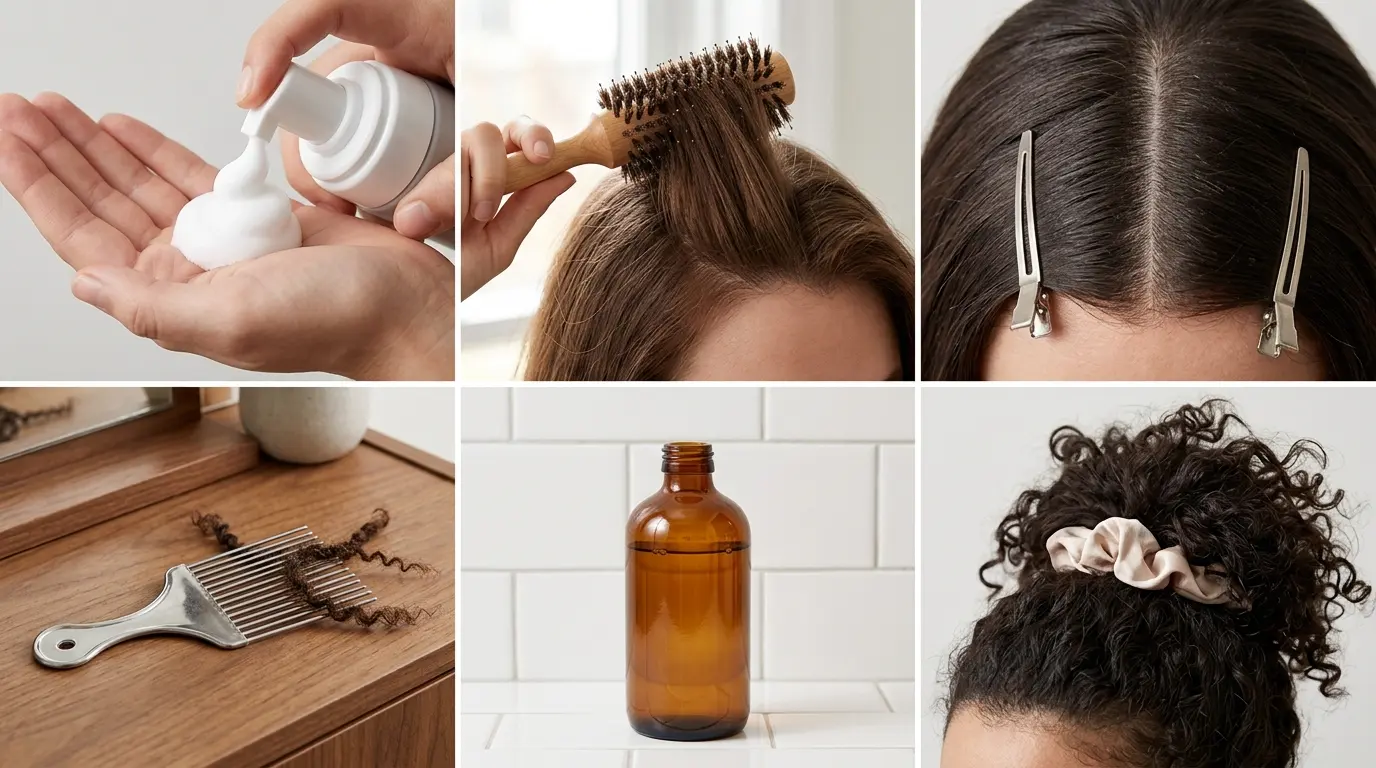
Fluff the crown with a pick rather than your fingers once the hat comes off, working from the roots outward in small lifts.
Shorter cuts also show scalp more, so if dryness is your issue, a light oil directly on the scalp does more than product on the hair.
6. Hairstyles for Black Women With Natural Hair Under Hats
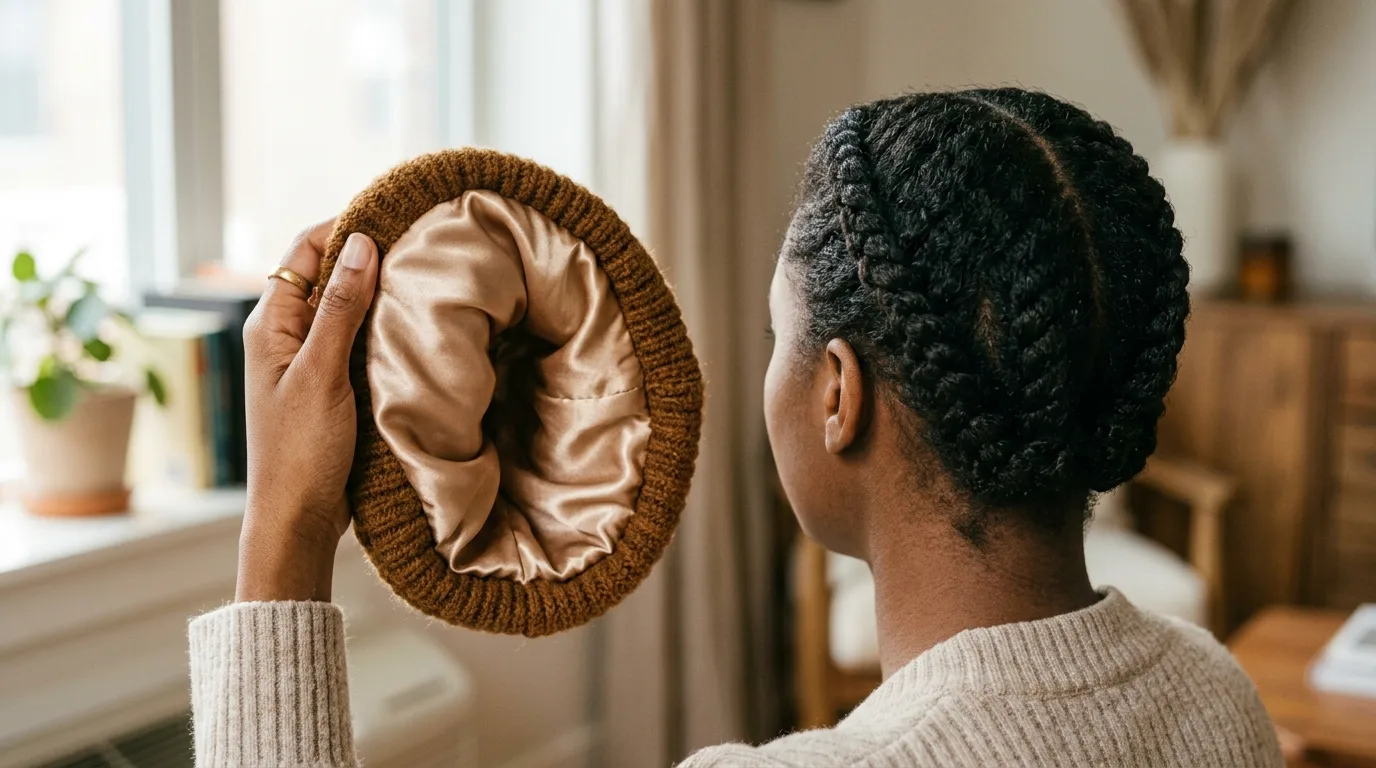
Hats are non negotiable in autumn, so plan the style around them rather than the other way round.
Anything with volume at the crown is going to suffer. Flat twists, cornrows and low buns all survive a hat, while a high puff does not.
Satin or silk lining is what stops the friction. A cotton beanie against natural hair for a whole day causes real breakage at the hairline over a season.
If your hats are unlined, sew or glue a satin lining in. It takes twenty minutes and saves your edges.
The mistake is putting a hat on damp hair. It presses down as it dries and holds that shape all day.
7. Easy to Maintain Black Hairstyles for Busy Weeks
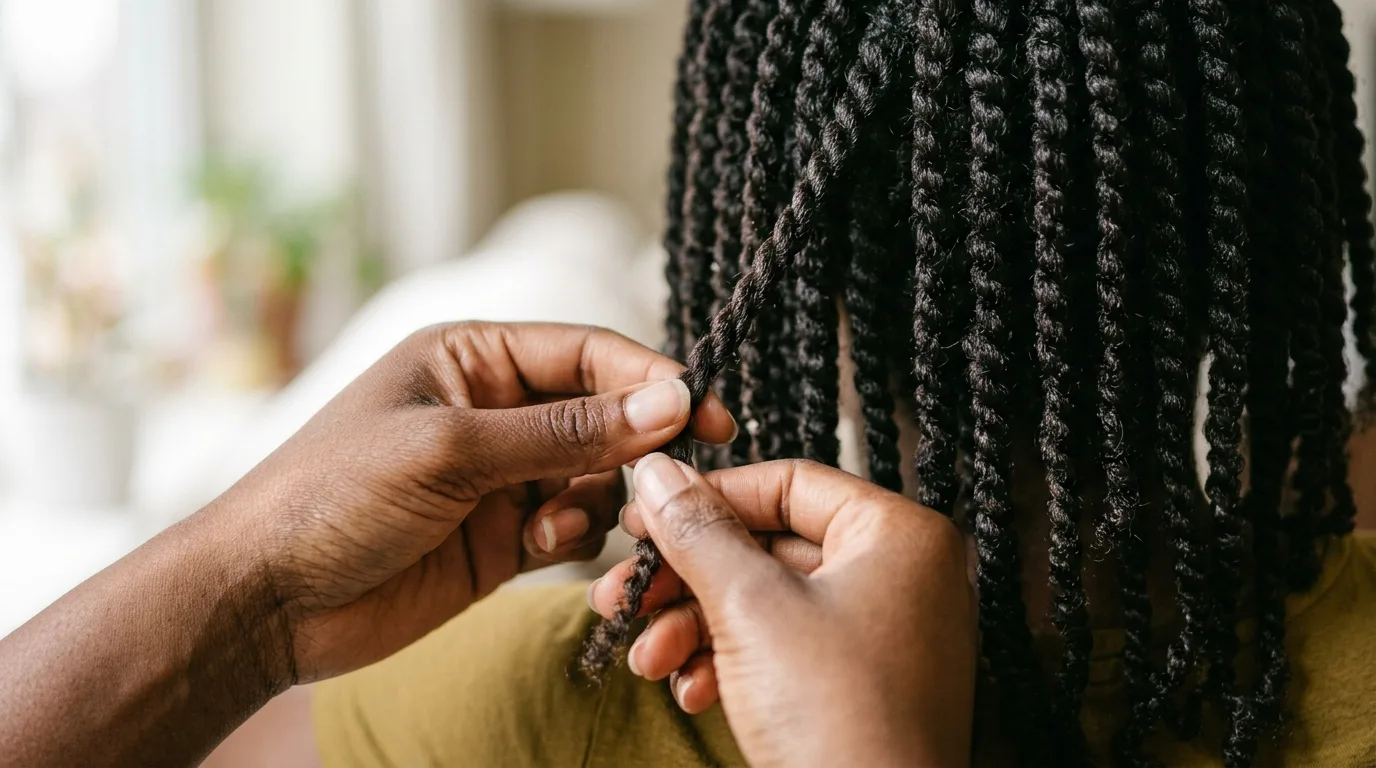
Some weeks you have no time, and the style should reflect that honestly.
Two strand twists on stretched hair take an evening and last a week or more. Unravel them for a twist out when you want a change, retwist at night when you do not.
Flat twists with the ends tucked need almost no morning attention at all.
A low bun with a satin scrunchie is the fallback that always works and never damages anything.
The thing that eats time is not the style, it is the wash day around it. Batch that on one afternoon and the rest of the week gets easier.
8. Half Up Half Down With Side Swept Bangs

Cute hairstyles for fall usually mean something that survives a hat, and this one manages it better than most.
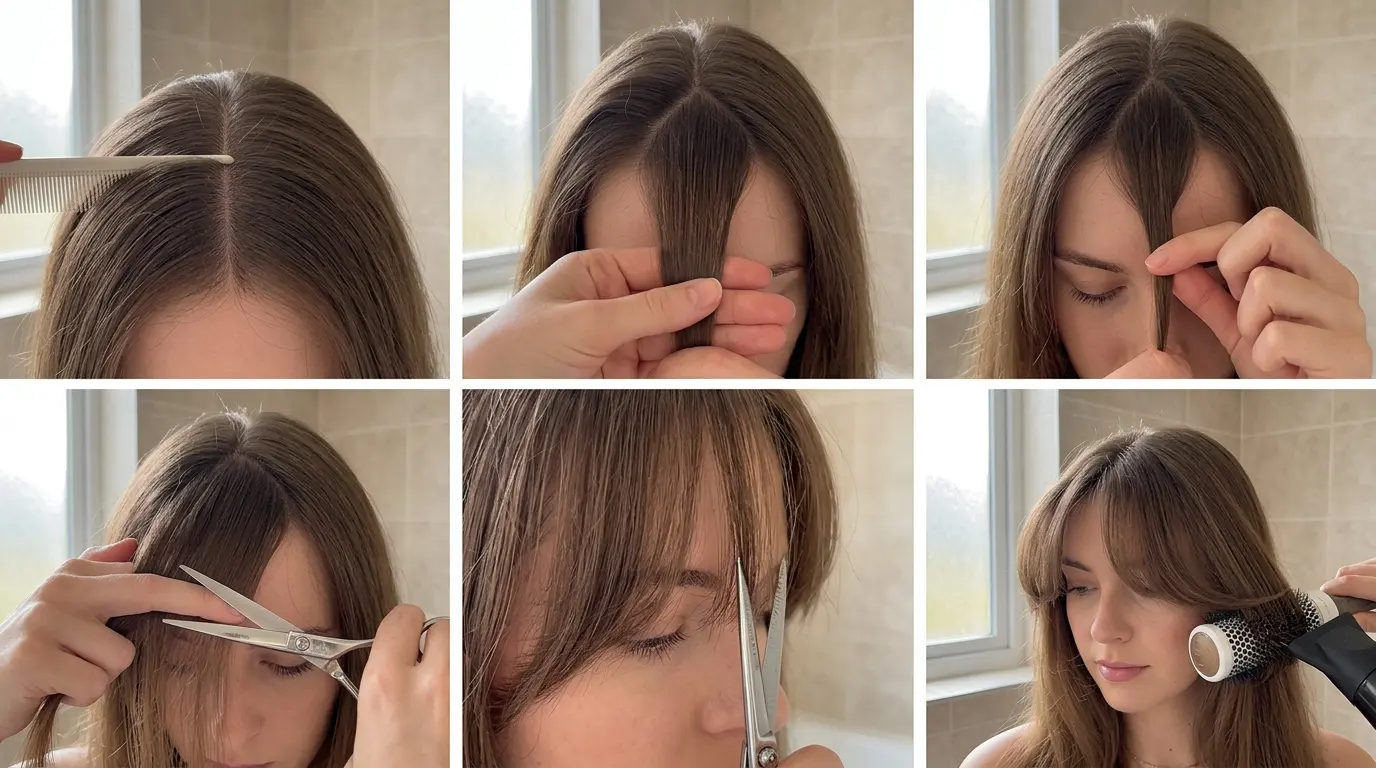
Take the top section up, leave the rest down, and sweep a section of the front across the forehead.
The bangs cover the area where a hat sits, so any loss of lift happens under hair rather than on show.
Use a fabric covered elastic and move it half an inch each time you restyle, since the same spot under tension every day is where snapping starts.
Works best on stretched or blown out hair. On tightly coiled hair without stretching, the down section shrinks and the proportions go strange.
9. Hairstyle Ideas for Black Hair That Handle Rain

Autumn rain is different from summer humidity, and it needs a different plan.
Styles that survive a soaking are the ones already defined by structure rather than by product. Braids, twists and locs all get wet and dry back to shape.
Wash and gos and blowouts do not. A blowout meets rain and reverts, and there is no product that reliably prevents it.
Keep a compact umbrella in your bag from September and a silk scarf folded in a pocket.
If you get caught out, do not rub with a towel. Blot, then let it air dry rather than forcing it under heat while it is already stressed.
10. Hairstyles for Black Women Over 50 and What Changes
Texture shifts with age and the styling has to follow rather than fight it.
Strands often get finer while the curl pattern loosens or tightens unpredictably, and greys behave differently again, since they tend to be coarser and more resistant to product.
Which means the style that worked for twenty years may simply stop cooperating. That is not a failure on your part.
Lighter products and less manipulation suit changed texture better than heavier ones do.
Mid length shapes with some layering hold volume more easily than long one length hair, which can drag the whole thing down.
11. Hairstyles for Black Women Over 60 Worth Trying
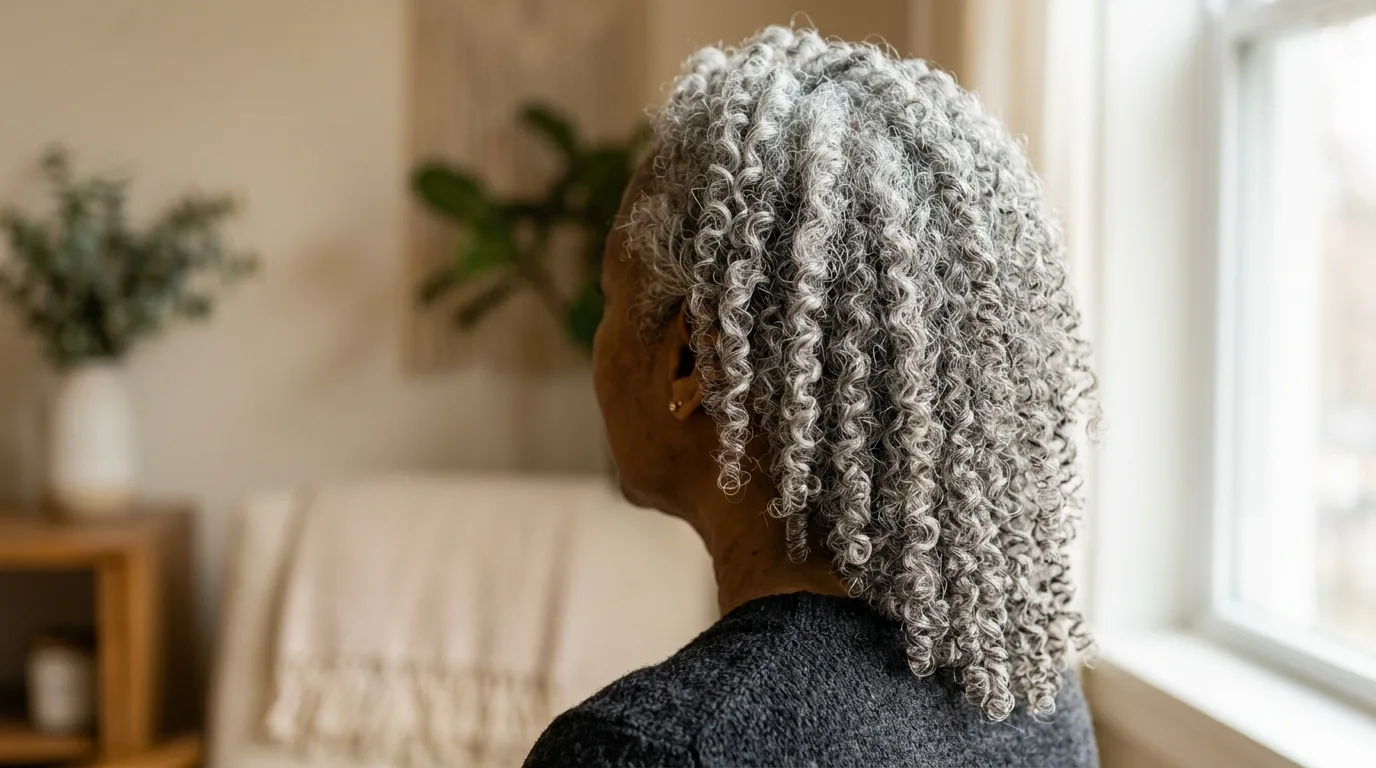
The considerations shift again a decade on, mostly around scalp comfort and time.
Thinning at the crown or the temples is common and it changes what suits. Styles that pull backward are the ones to avoid, since tension where hair is already sparse accelerates the problem.
Loose twists and tapered shapes sit without pulling, which is the whole requirement here.
Worn silver needs nothing beyond a purple shampoo every few washes, and only if brassiness bothers you at all.
If any style hurts at any point, it is wrong. That rule matters more here than at any other age.
12. Natural Hairstyles for Black Women Do It Yourself at Home
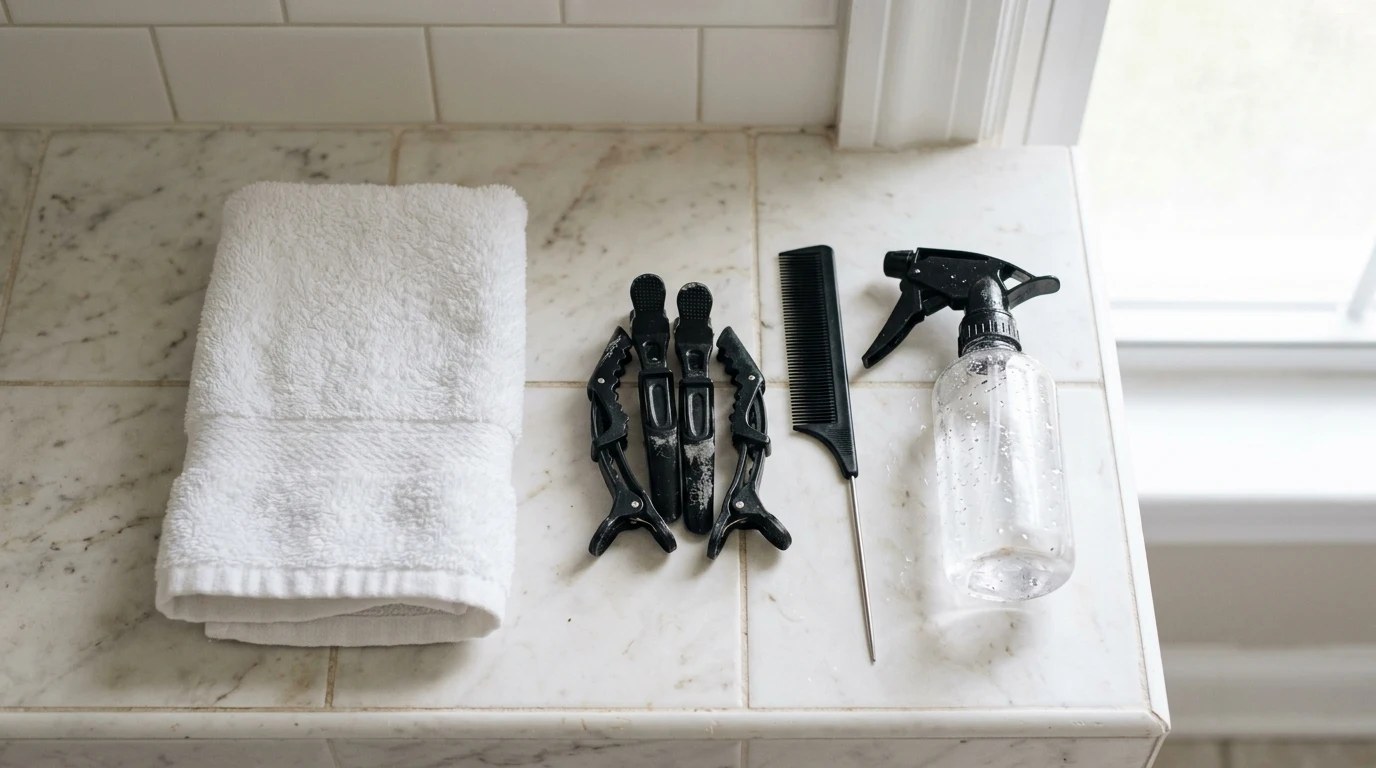
Plenty of this is doable without a salon, provided you pick the right things to attempt.
Flat twists, two strand twists, bantu knots and simple cornrow patterns are all learnable at home with practice and a mirror at the back.
What is not worth attempting alone is anything involving extension hair on your own head from behind, or any chemical process.
Work in sections and clip everything you are not touching. The single biggest reason home styling looks uneven is people working from a messy head.
Budget more time than you think for the first attempt. Speed comes on the third or fourth go, not the first.
13. The Moisture Routine Autumn Demands
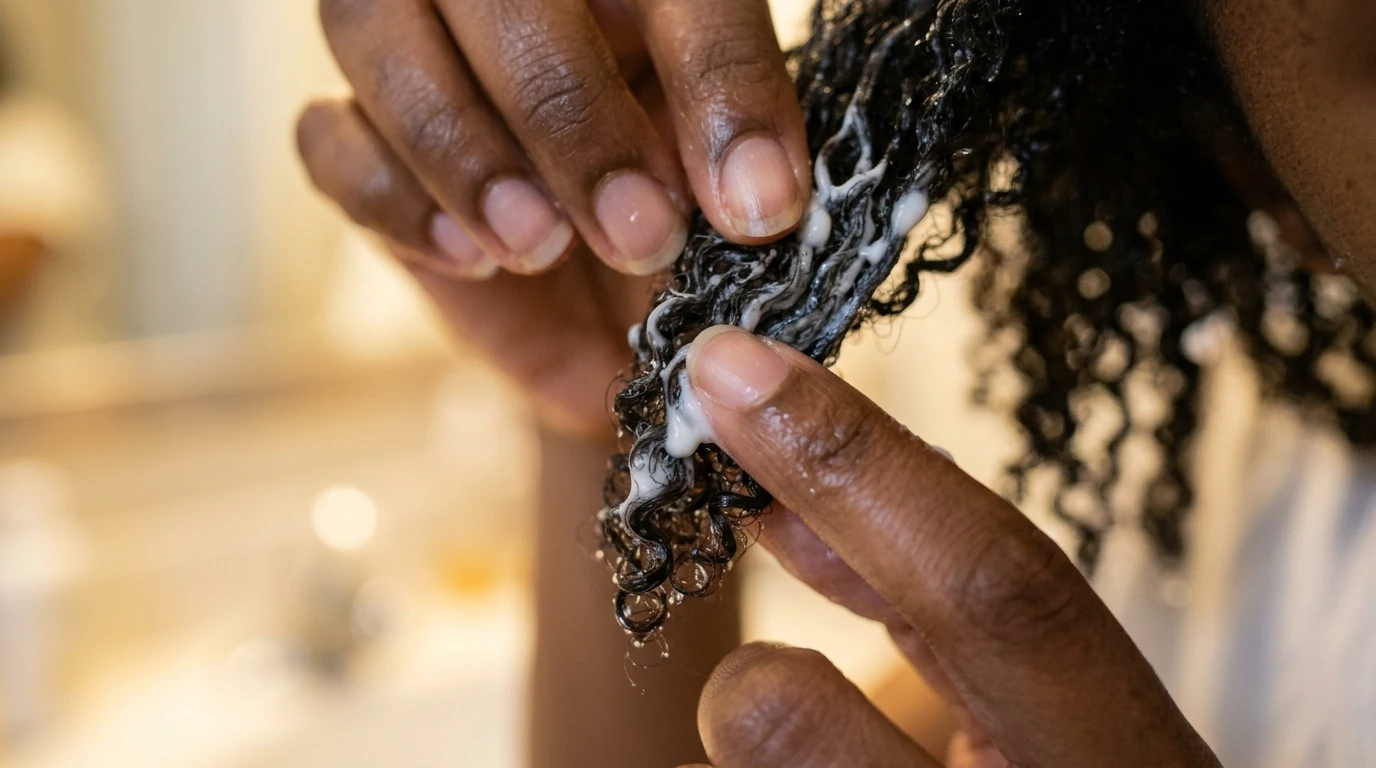
Everything above depends on this and it is where most people under invest.
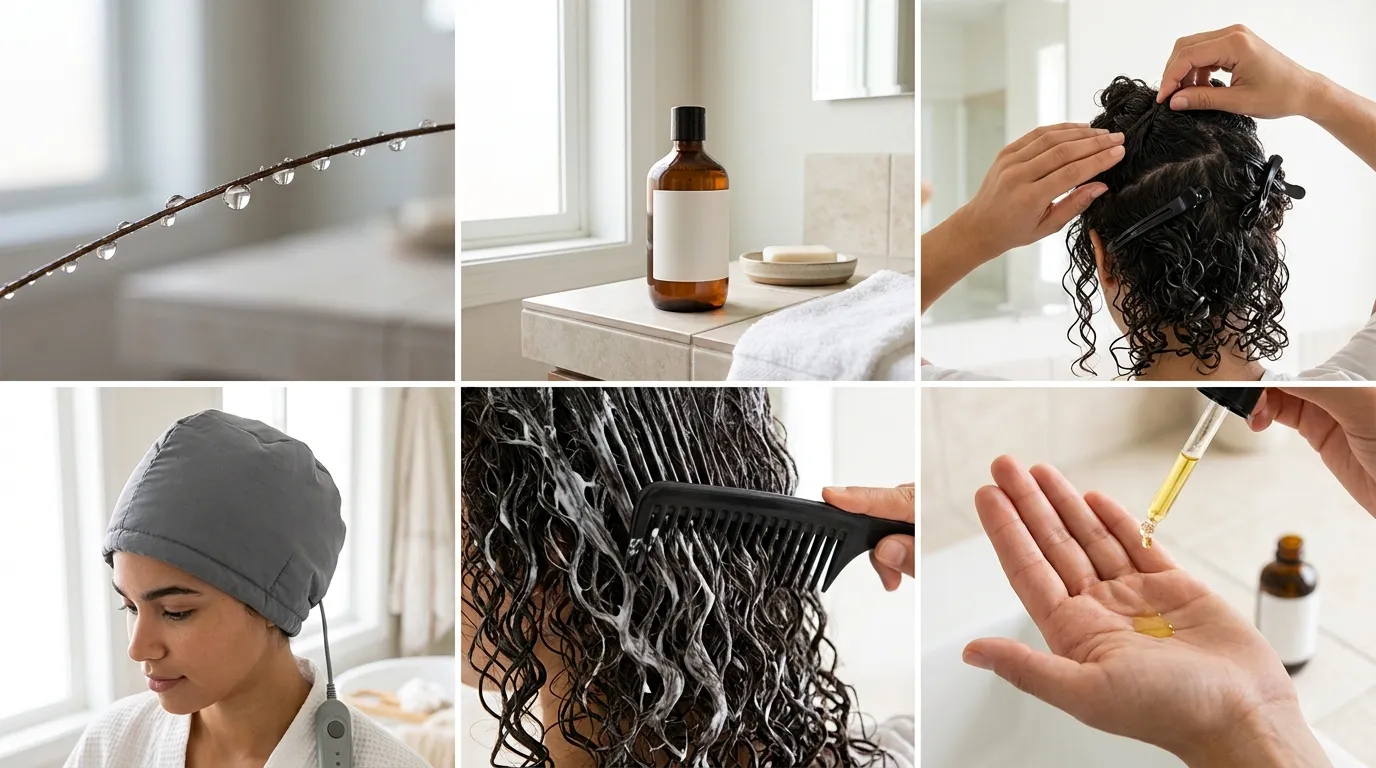
Water first, then a leave in, then a sealant. That order matters, since oil applied to a parched strand seals in nothing at all.
Deep condition once a week through the colder months rather than the once a fortnight most summer routines get away with.
The common mistake is adding more product instead of more water. Layering butter over a thirsty strand gives you weight and build up without any actual hydration underneath.
A bedroom humidifier does more than any product because it treats the cause.
Where this routine does not work is on hair with heavy silicone build up, since nothing penetrates until you clarify first.
Practical Tips for the Season

Wash in the evening so hair dries fully indoors before you go anywhere.
Keep a spray bottle of water and leave in beside your bed. Refreshing takes thirty seconds and prevents the crunchy morning problem entirely.
Patch test any new colour or chemical product twenty four hours ahead, on the inside of your arm.
Book braiding appointments earlier than you need them. Autumn fills up fast and the good braiders are booked weeks out.
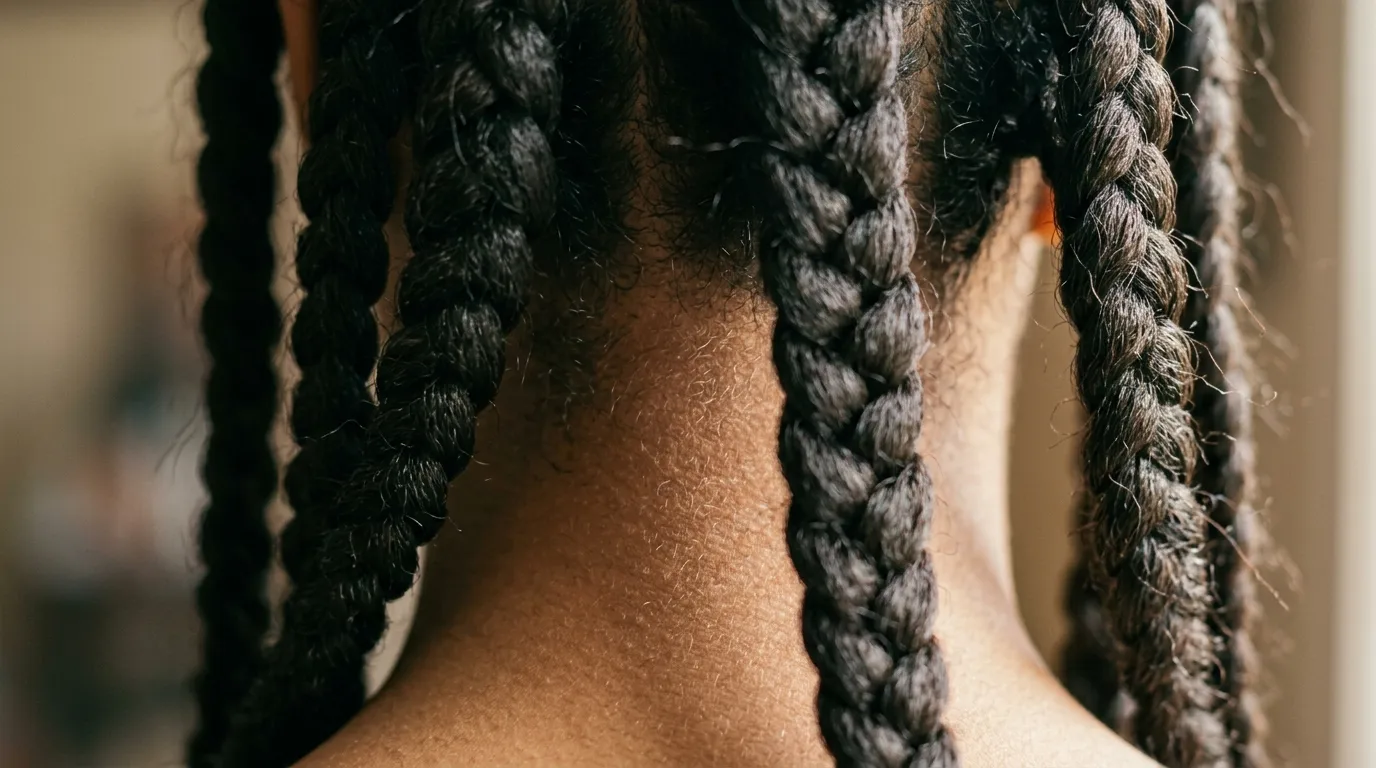
One honest downside. Protective styles guard the hair and neglect the scalp if you let them, so build cleansing between the rows into the routine or the benefit disappears.
Frequently Asked Questions
How do I stop my edges thinning under hats and scarves?
Reduce friction and reduce tension at the same time. Line every hat with satin, avoid styles that pull at the hairline, and give the edges a break between installs. If thinning continues after those changes, see a dermatologist rather than trying more products.
Can I keep a wash and go through winter?
Yes, though it costs more effort and more product than in summer. Wash in the evening, diffuse until nothing damp remains, and accept that day two and three will need refreshing. Leaving the house before it has fully dried is the part that does the damage.
How often should I take down a protective style?
Most installs have a natural limit of several weeks before regrowth starts matting at the roots. Push past that and takedown becomes the damaging part rather than the wearing. Book the removal when you book the install so you actually do it.
What is the difference between a gloss and a dye?
A gloss deposits colour on the outside of the strand and fades out over weeks. Dye opens the cuticle and changes the strand itself. Gloss is reversible by time, dye is not, which is why one is a low commitment and the other needs planning.
Do I need different products in autumn or just more of them?
Usually more of the same, applied more often, rather than a whole new shelf. The exception is if your summer routine leaned on lightweight gels, since those give little protection against heated indoor air. Adding a cream or butter on top is often the only change needed.
Choosing Yours for This Season
Start with your calendar rather than a photo. A packed autumn points to an install, a quiet one leaves room for weekly styling.
Then sort the hat and the bonnet before anything else, because those two prevent more damage than any product corrects.
The fall hairstyles for black women that hold up are simply the ones matched to the weather you actually get and the time you actually have.
Then book the takedown at the same time as the install and the whole season looks after itself.
This post is general styling information rather than medical advice. If you notice sudden shedding, patchy loss or a painful scalp, speak to a doctor or dermatologist.
Related reads: 13 Smart Low Maintenance Hairstyles for Black Women by Texture Profile, Flattering Hairstyles for Thin Hair and Round Face Shapes and Fall 2026 Hair Color Trends You Can Wear Daily.