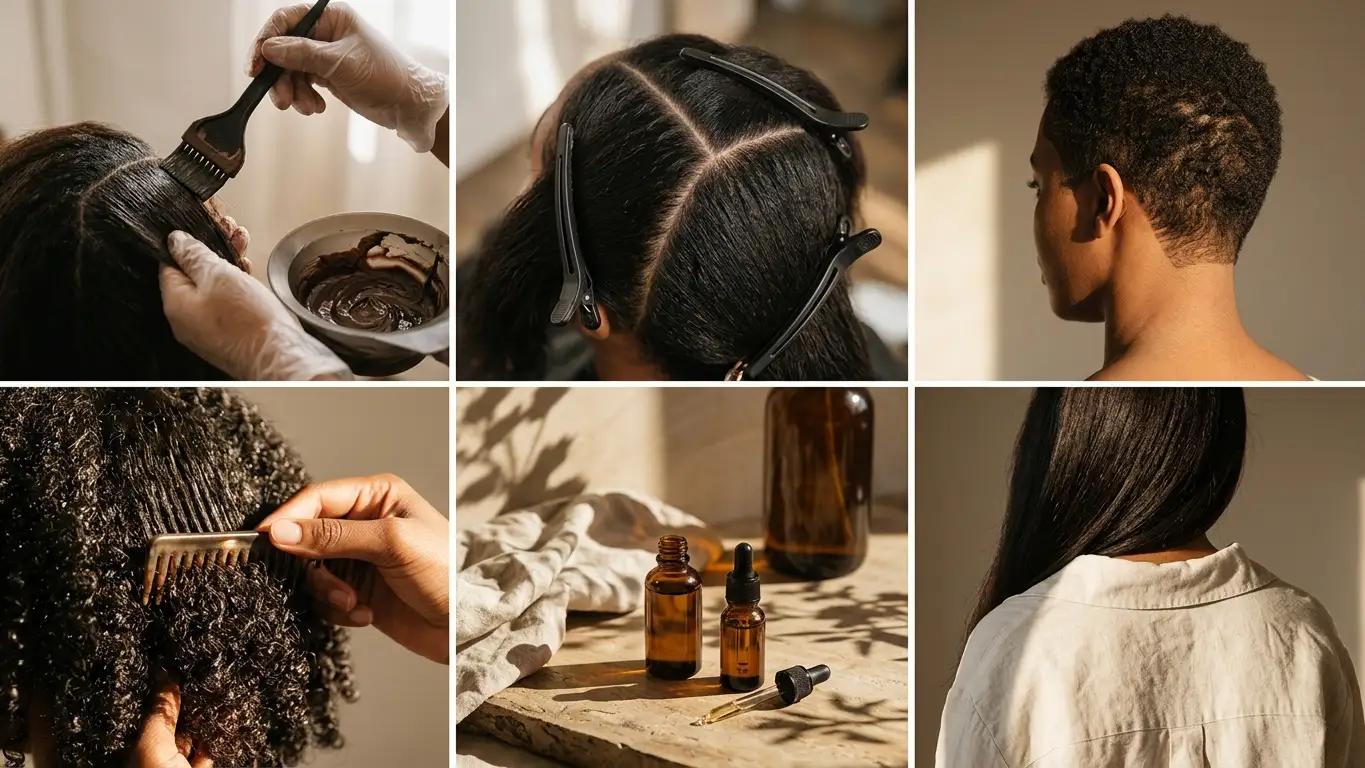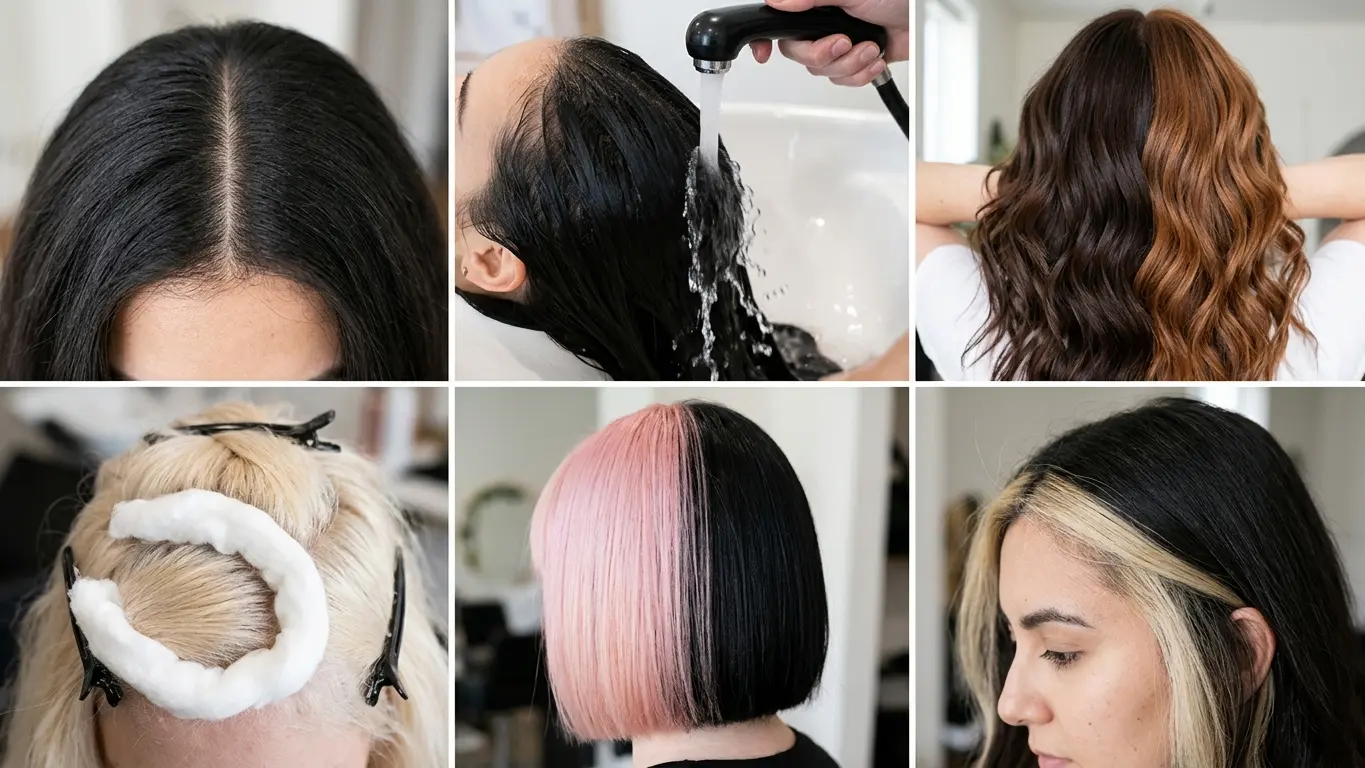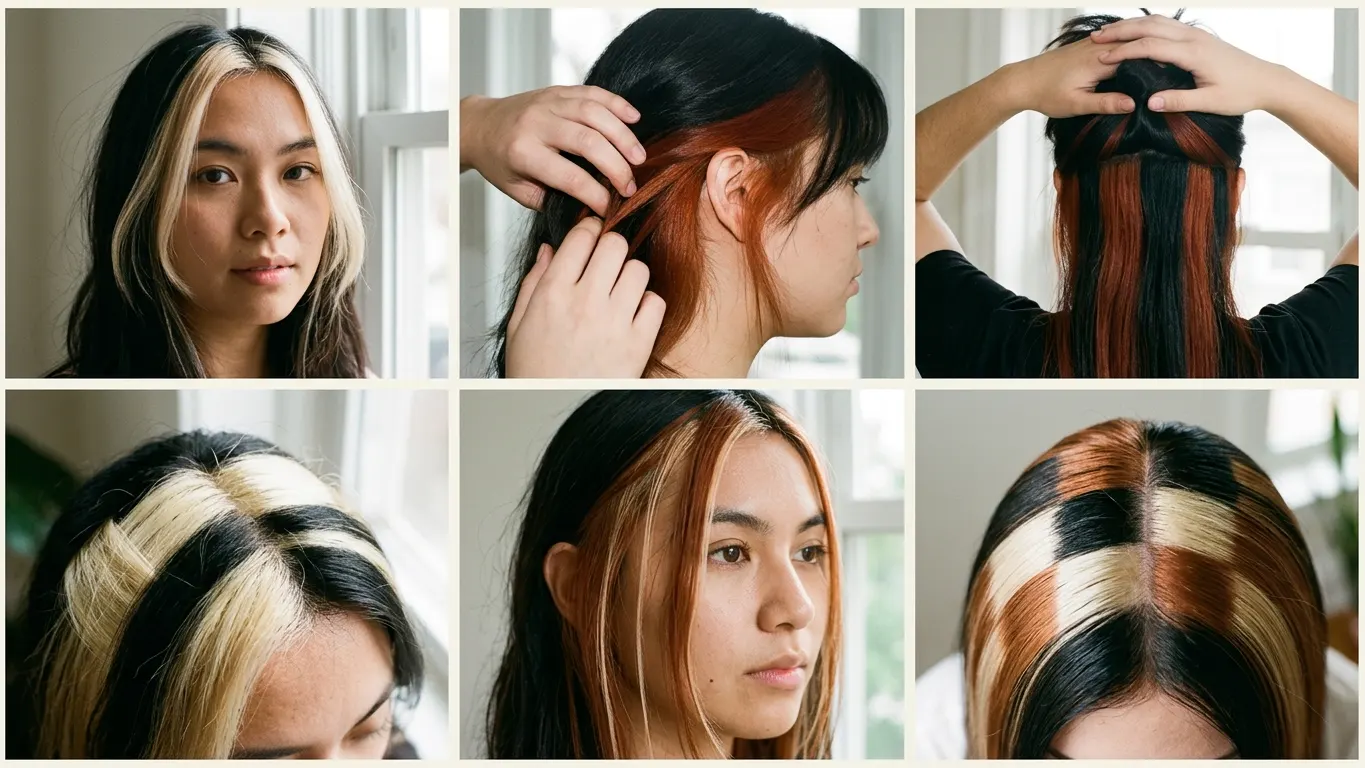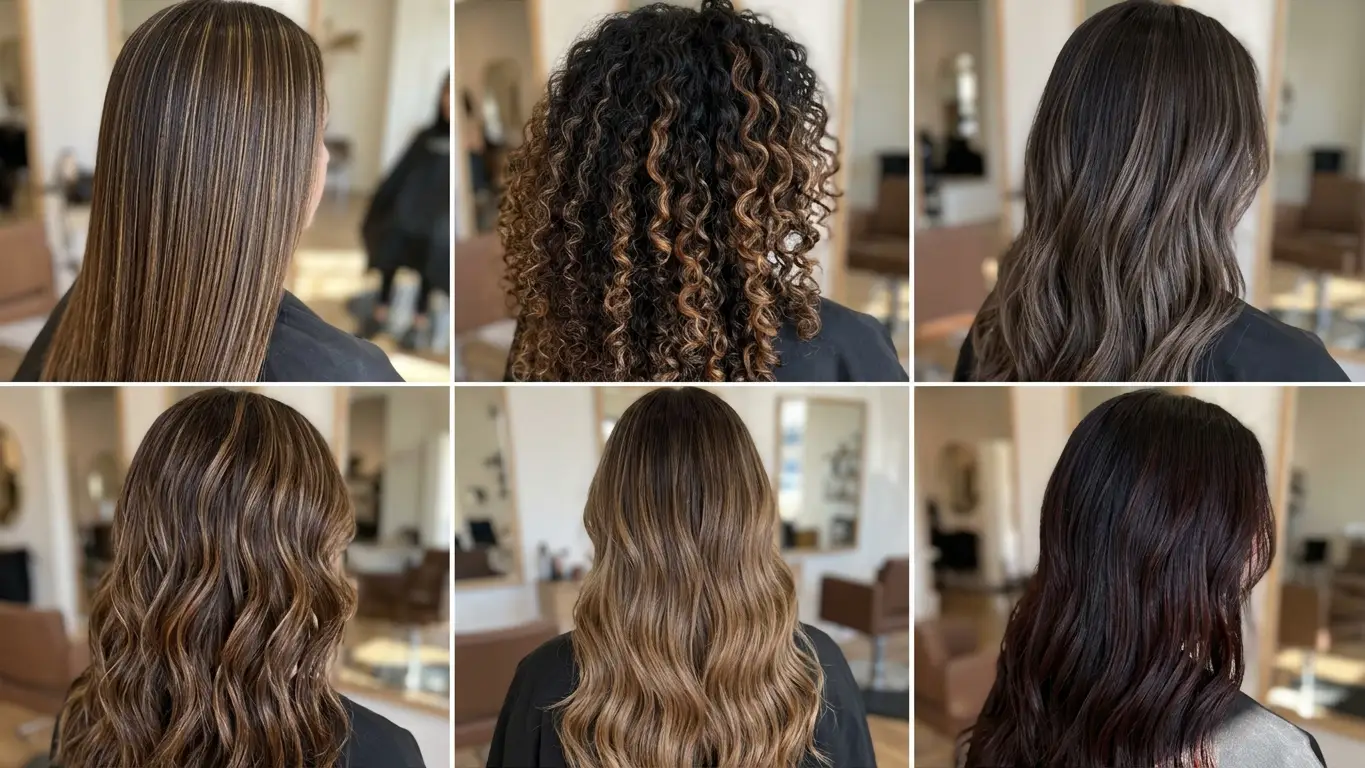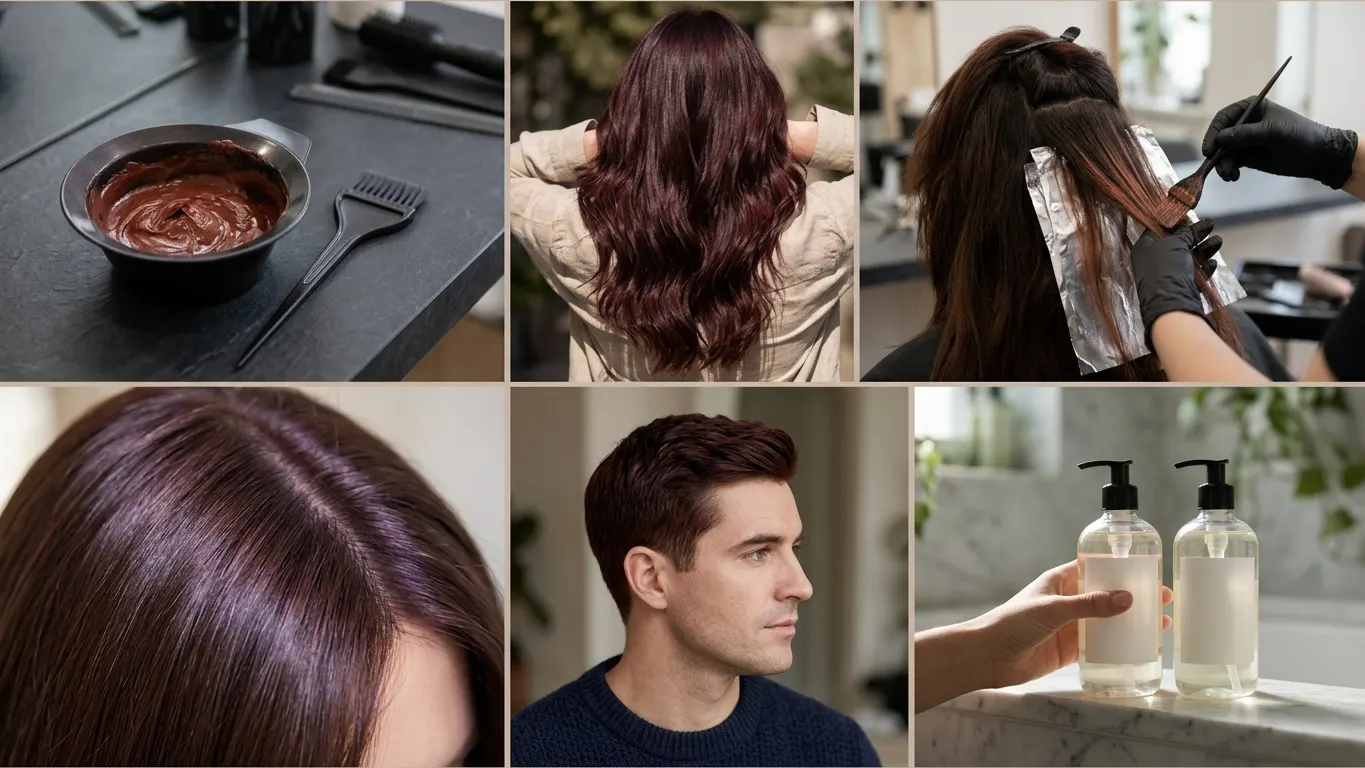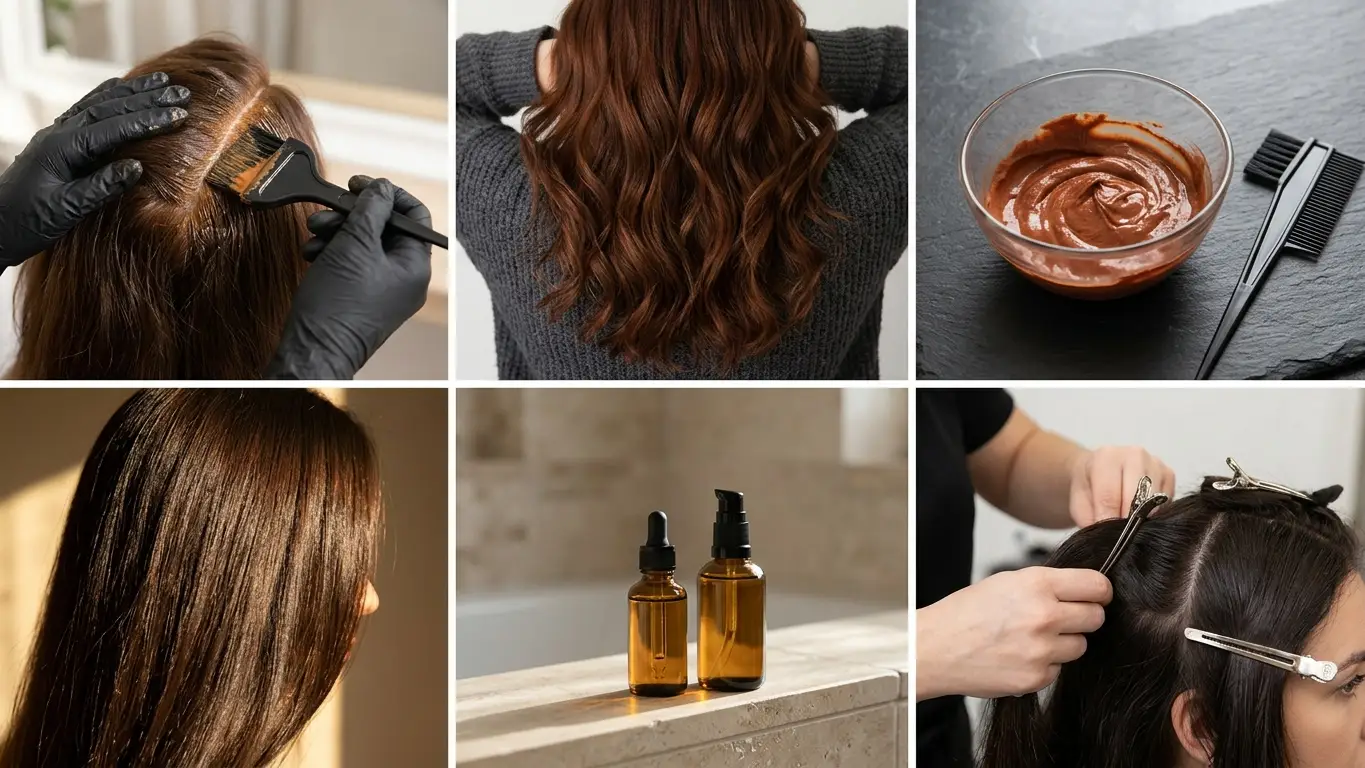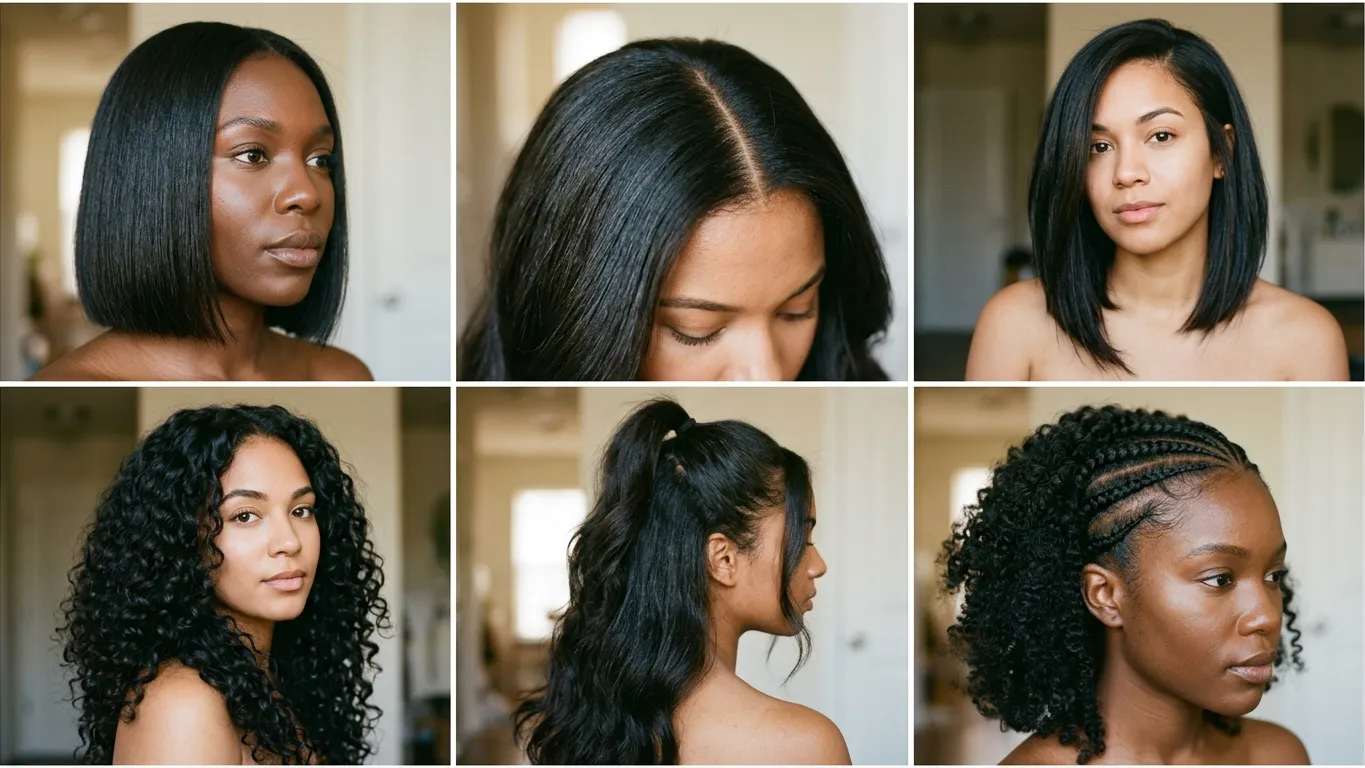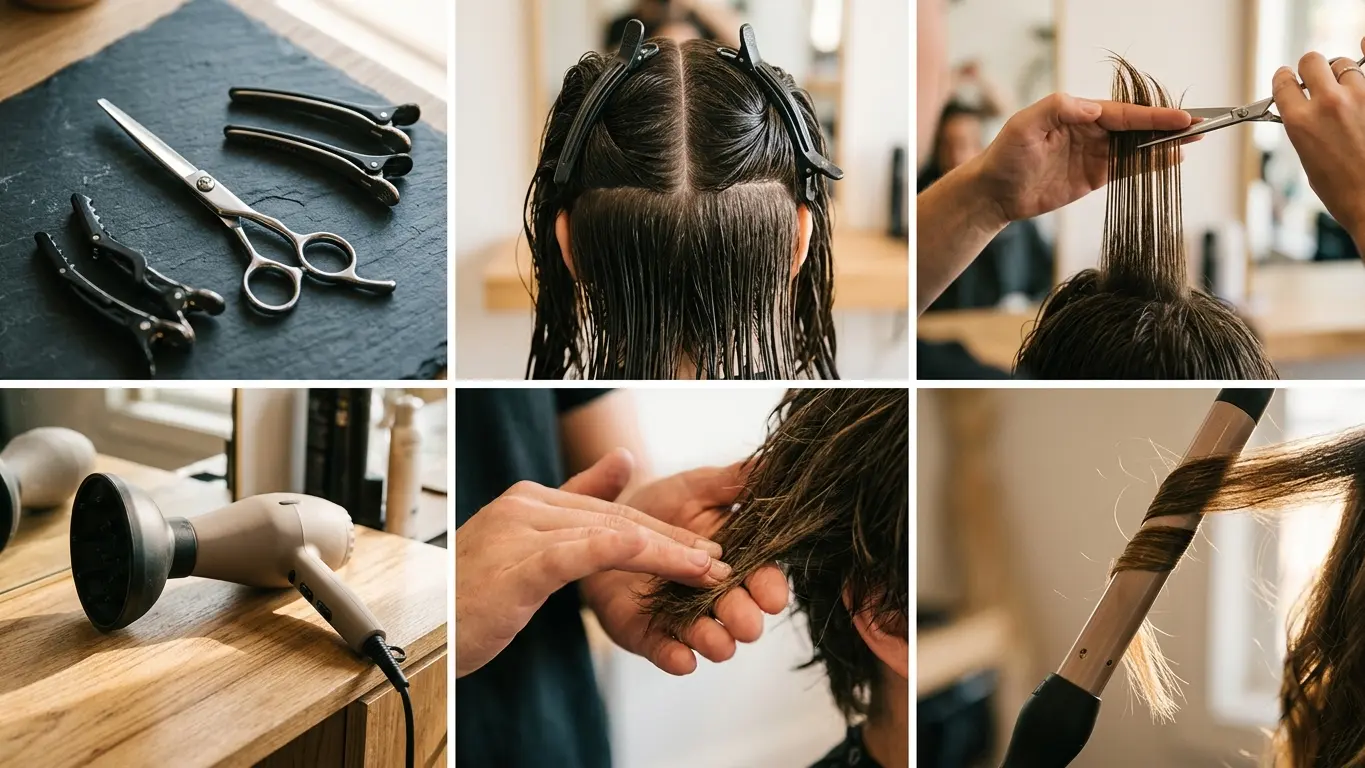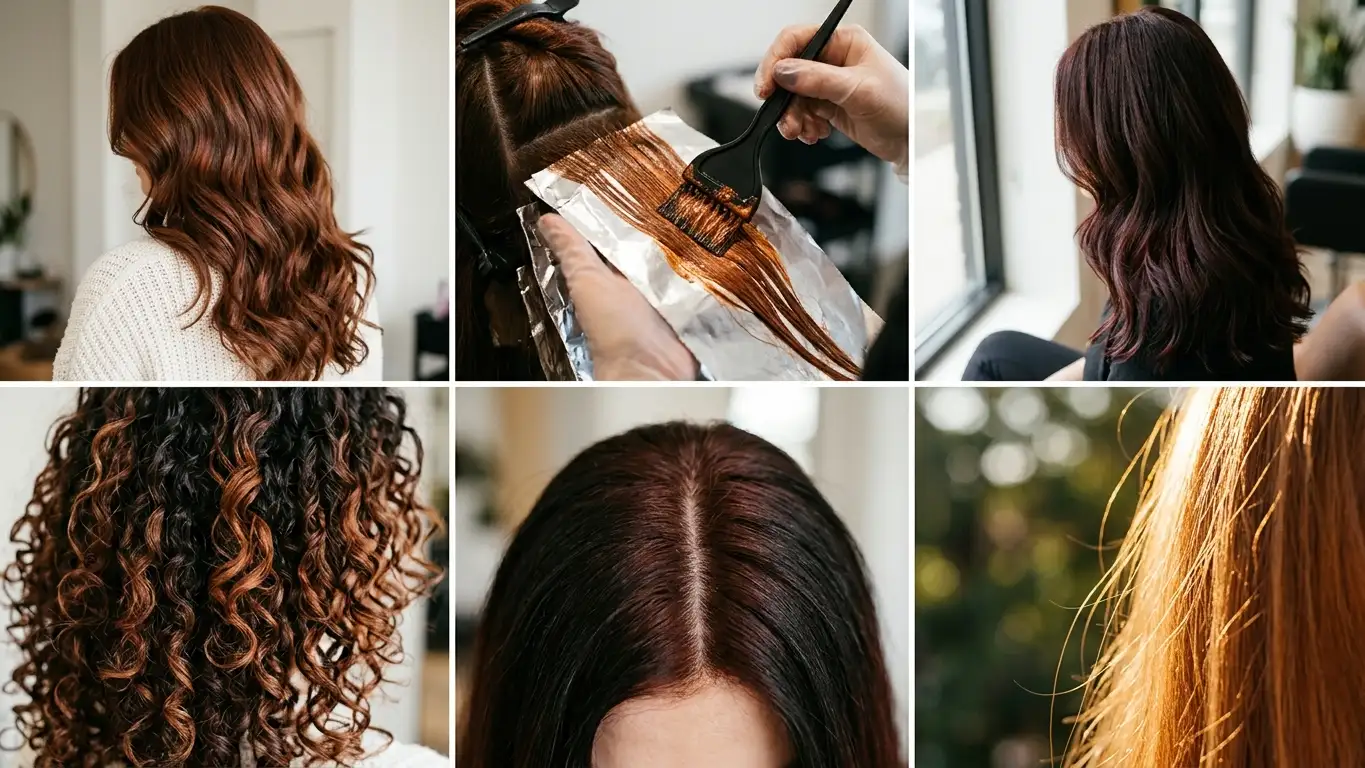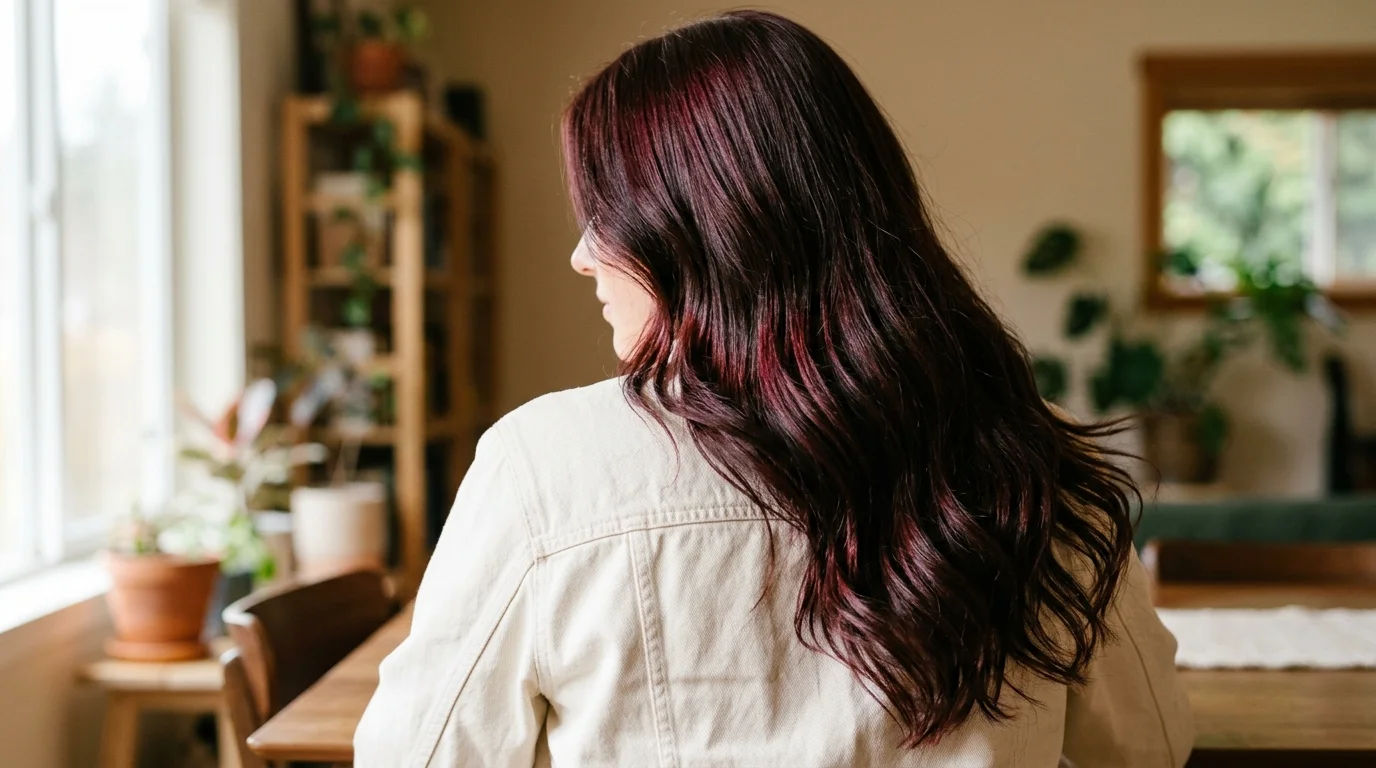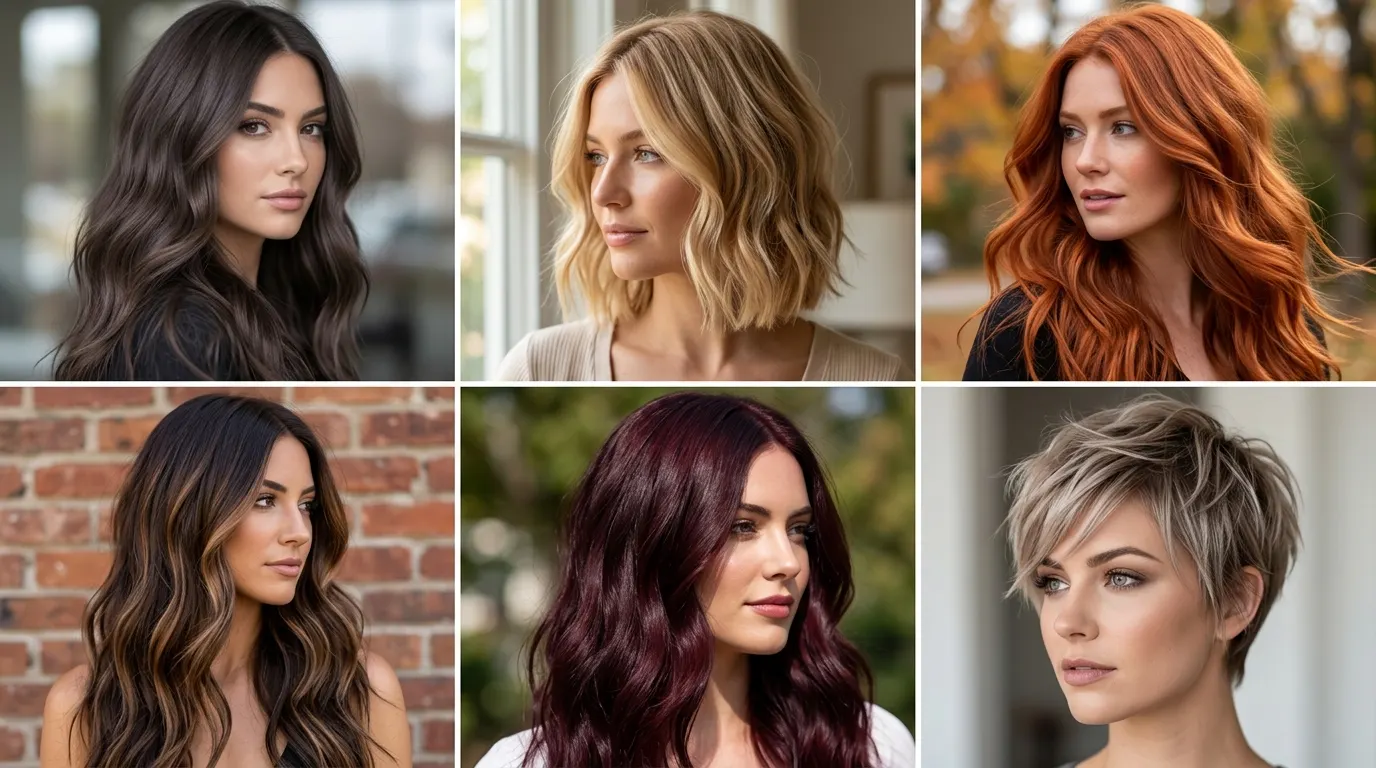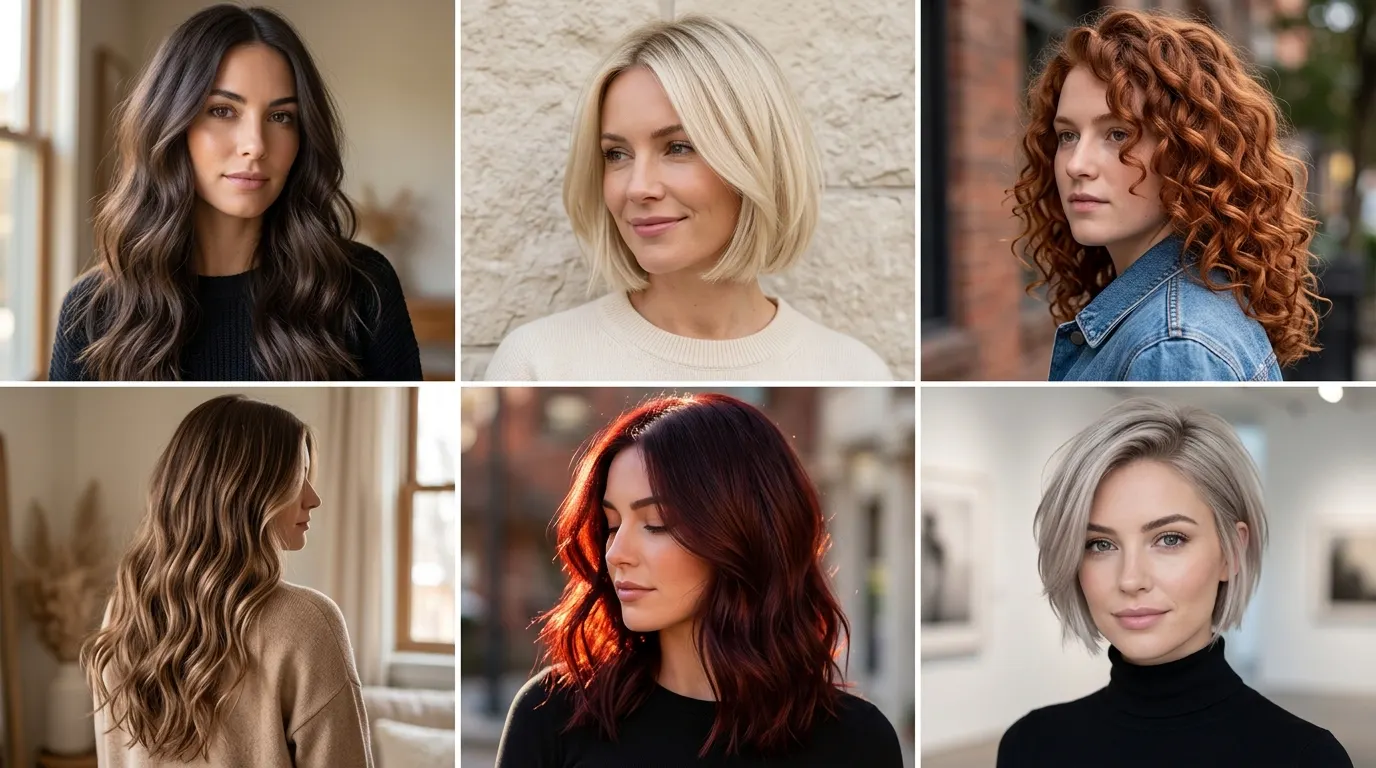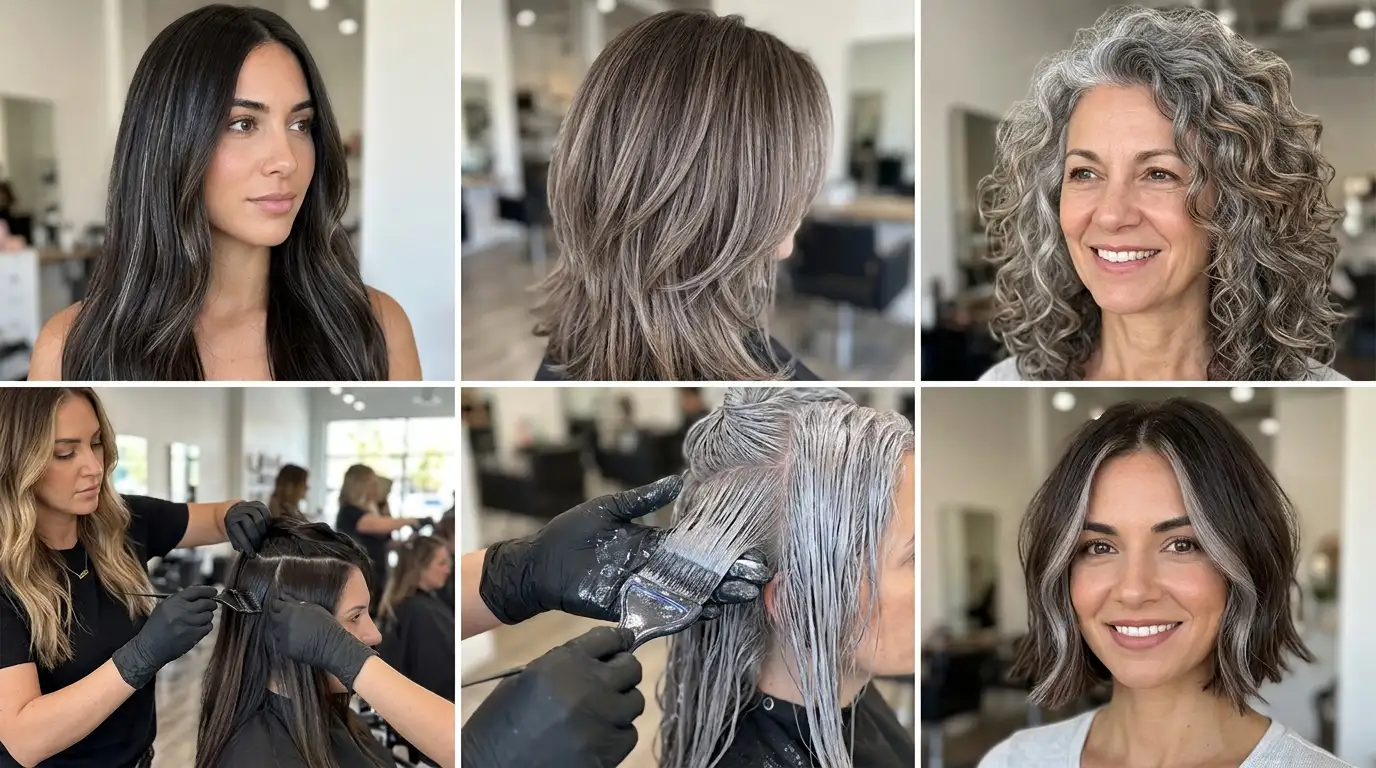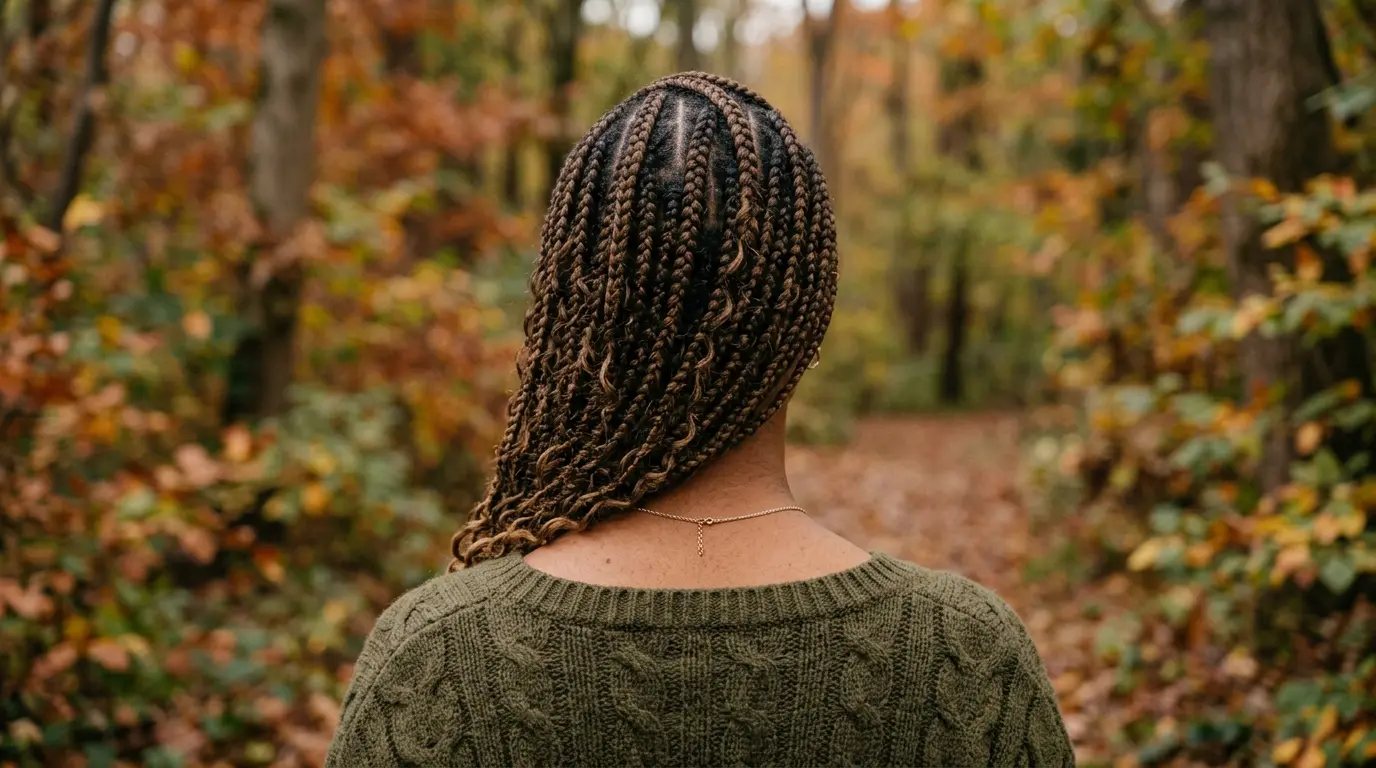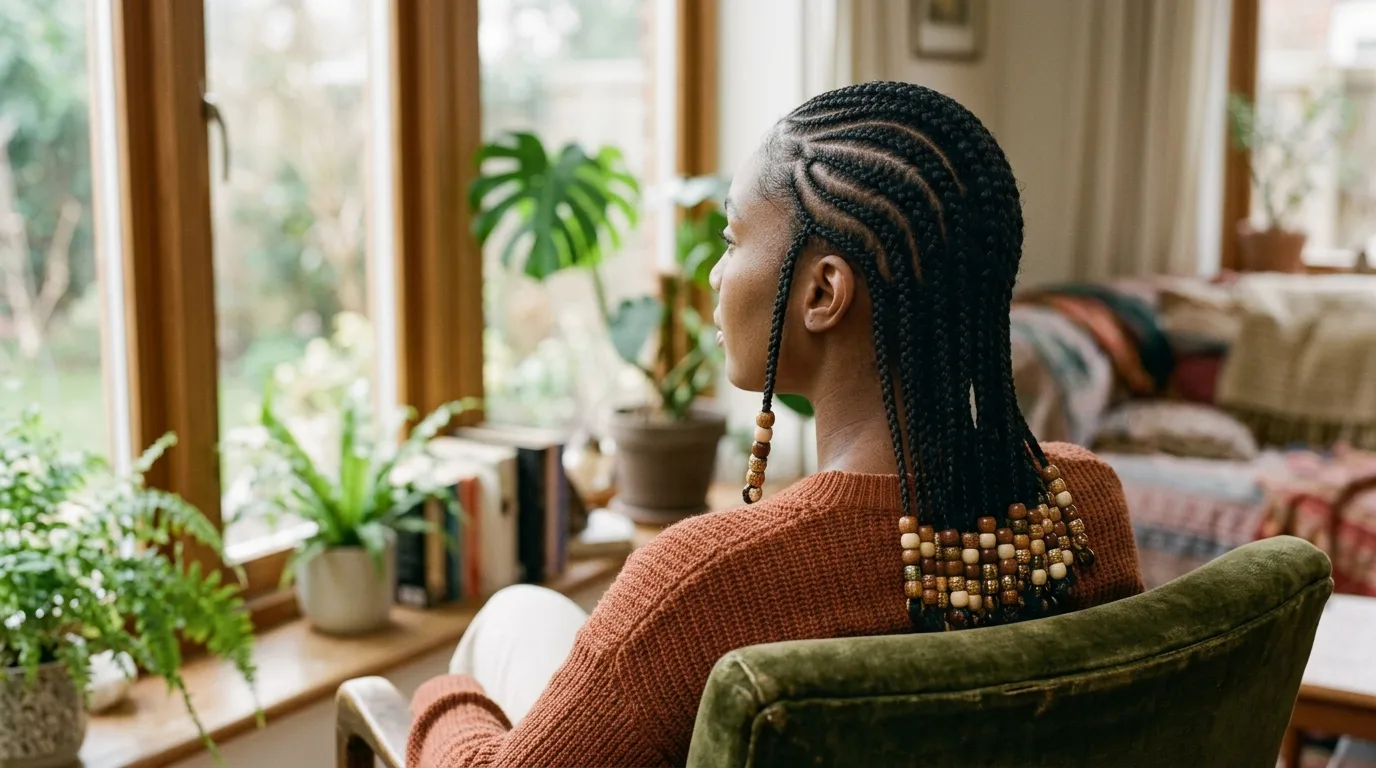

Dyeing deep brown or black bases requires patience because heavy underlying red pigment fights every stage of lift. Finding workable hair color ideas for dark hair comes down to choosing shades that either complement those stubborn red and copper undertones or neutralize them completely with balanced toners. The goal is changing your look without turning your strands into snapping elastic. Expect salon services for these multi-tonal transitions to range between $75 and $350 in 2026 depending on whether you get partial foils or a full balayage session.
What you need:
- Powder lightener with internal bond protectors
- 20-volume cream developer
- Non-metallic mixing bowl and tint brush
- Plastic sectioning clips
- Level 7 or 8 demi-permanent toner with ash or violet base
- Processing cap
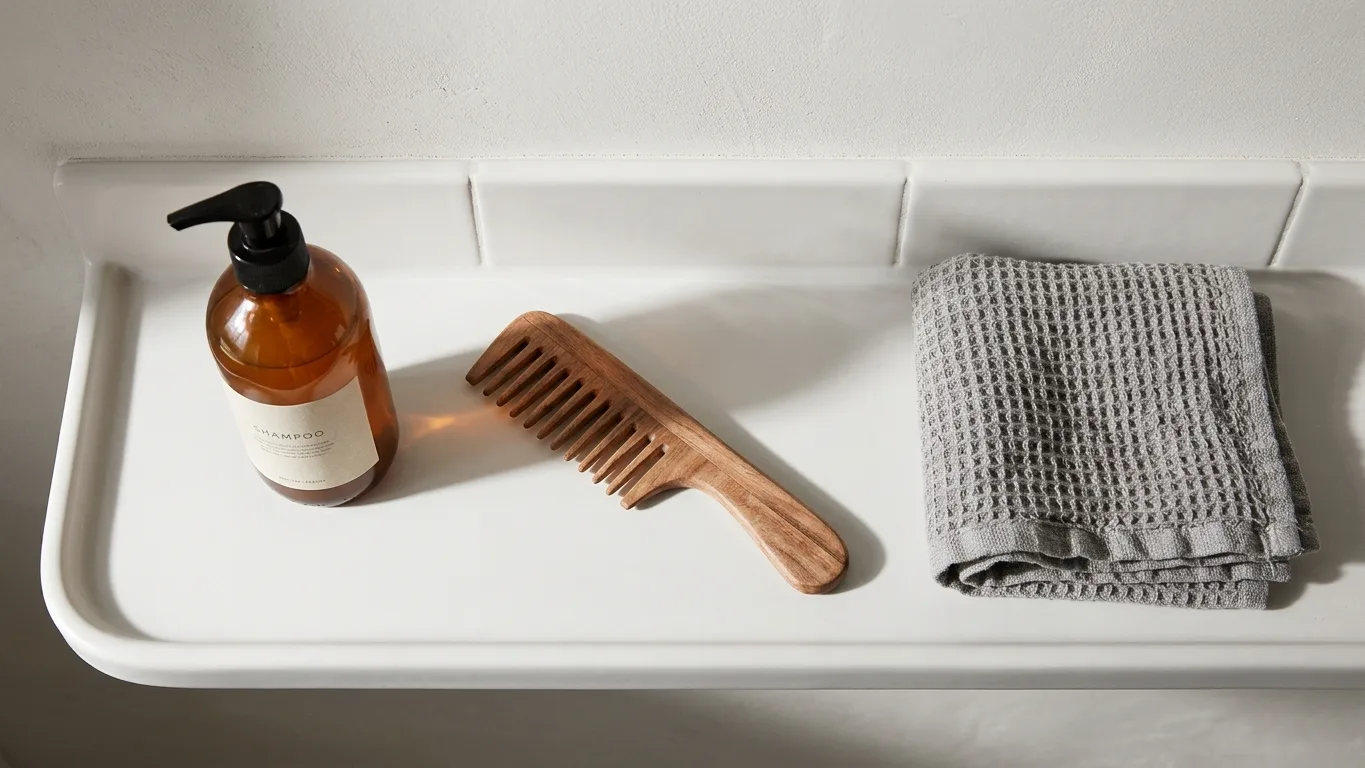
- Wide-tooth comb
- Sulfate-free color-safe shampoo
- Digital kitchen scale
Assess Your Natural Base Level and Undertones
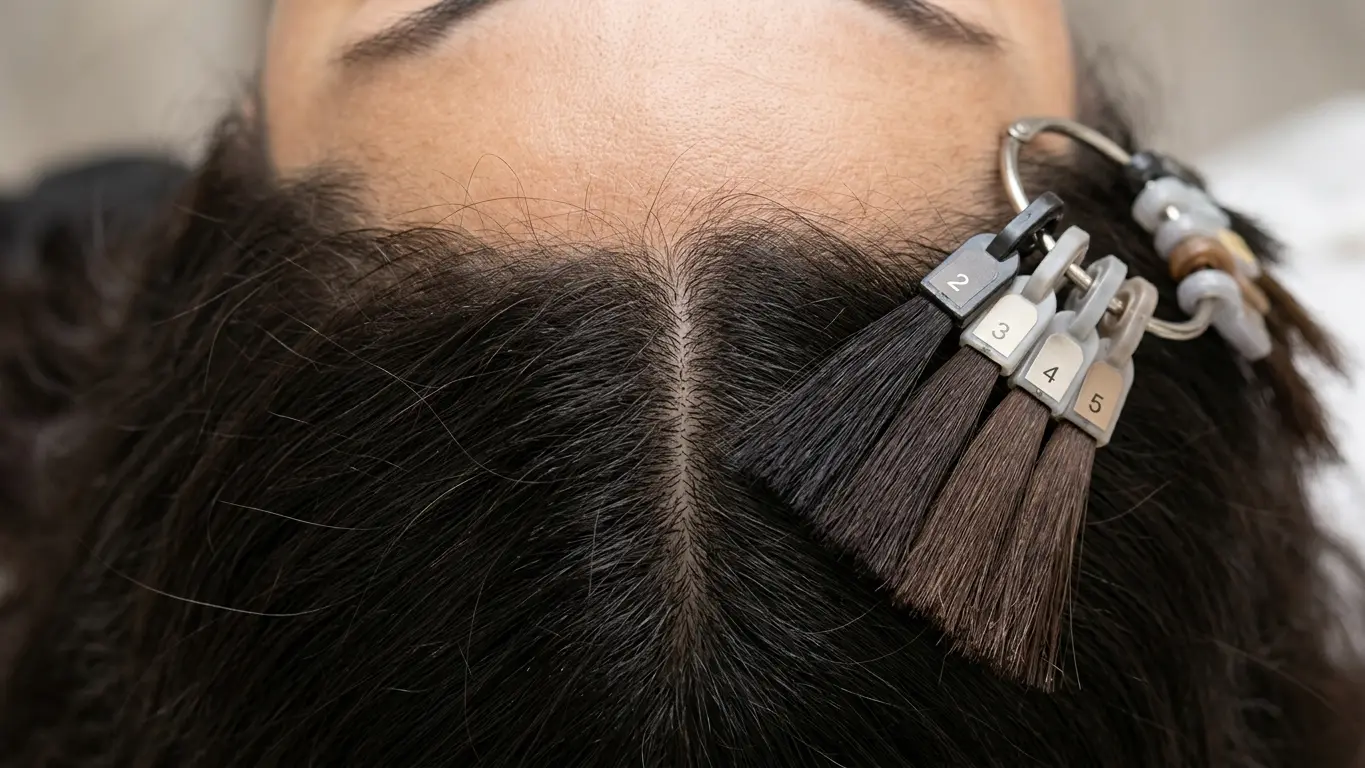
Every dark strand carries dense eumelanin that reveals intense orange or brassy red once lightener strips away the top pigment layer. Start by matching your natural root area against a standard level chart in indirect midday daylight. Level 1 is true black, level 2 is darkest brown, and levels 3 through 4 represent medium to dark brown.
Knowing your starting number dictates your chemical ceiling. A single bleaching session using safe developer strengths only lifts dark hair three to four levels. Attempting to jump from level 2 to level 10 pale platinum in one sitting will shred your hair cuticle completely.
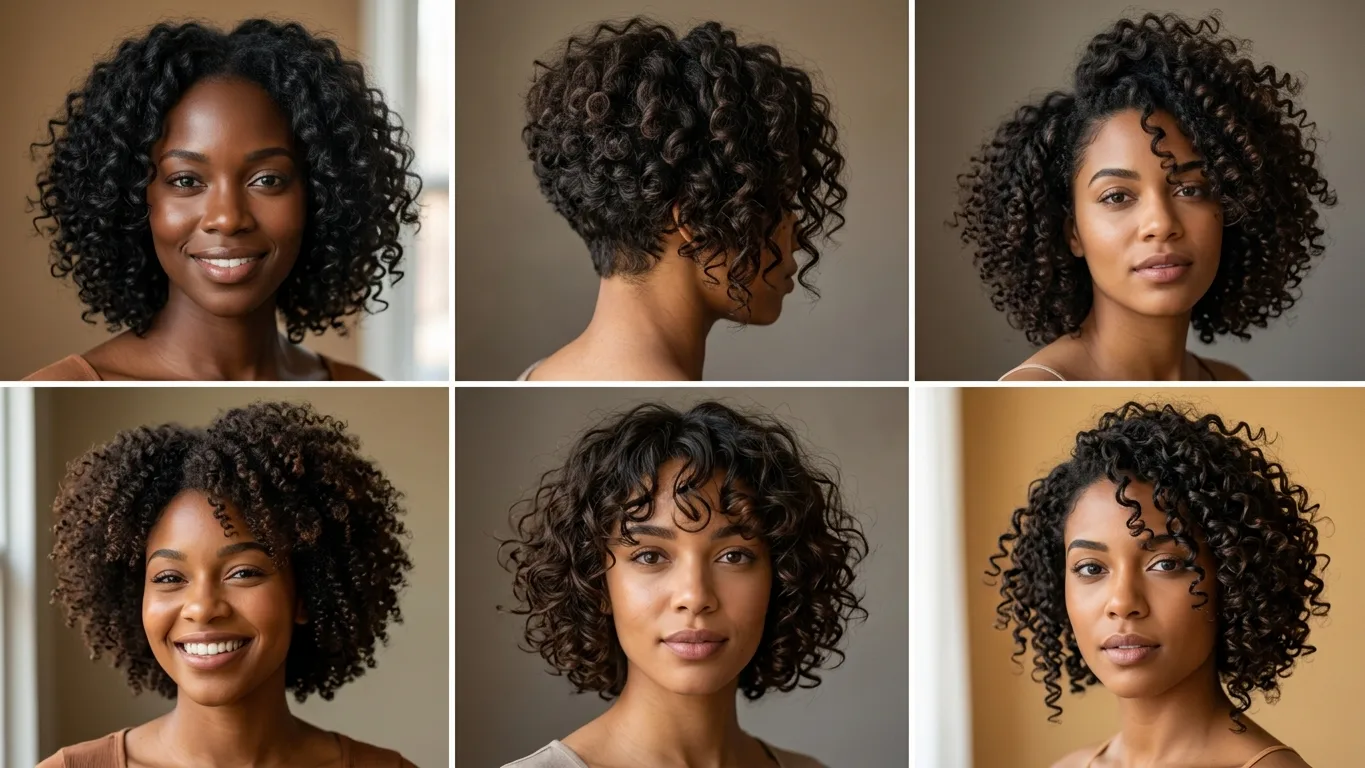
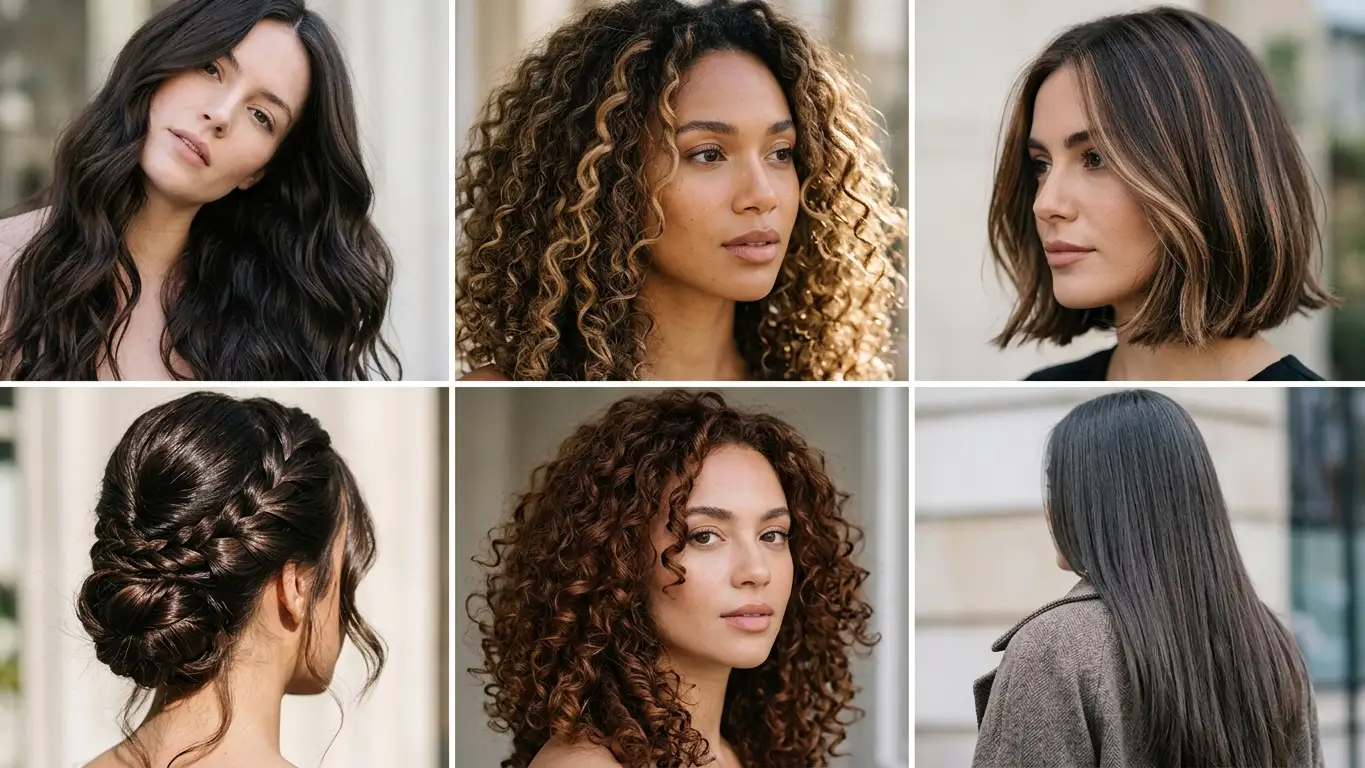
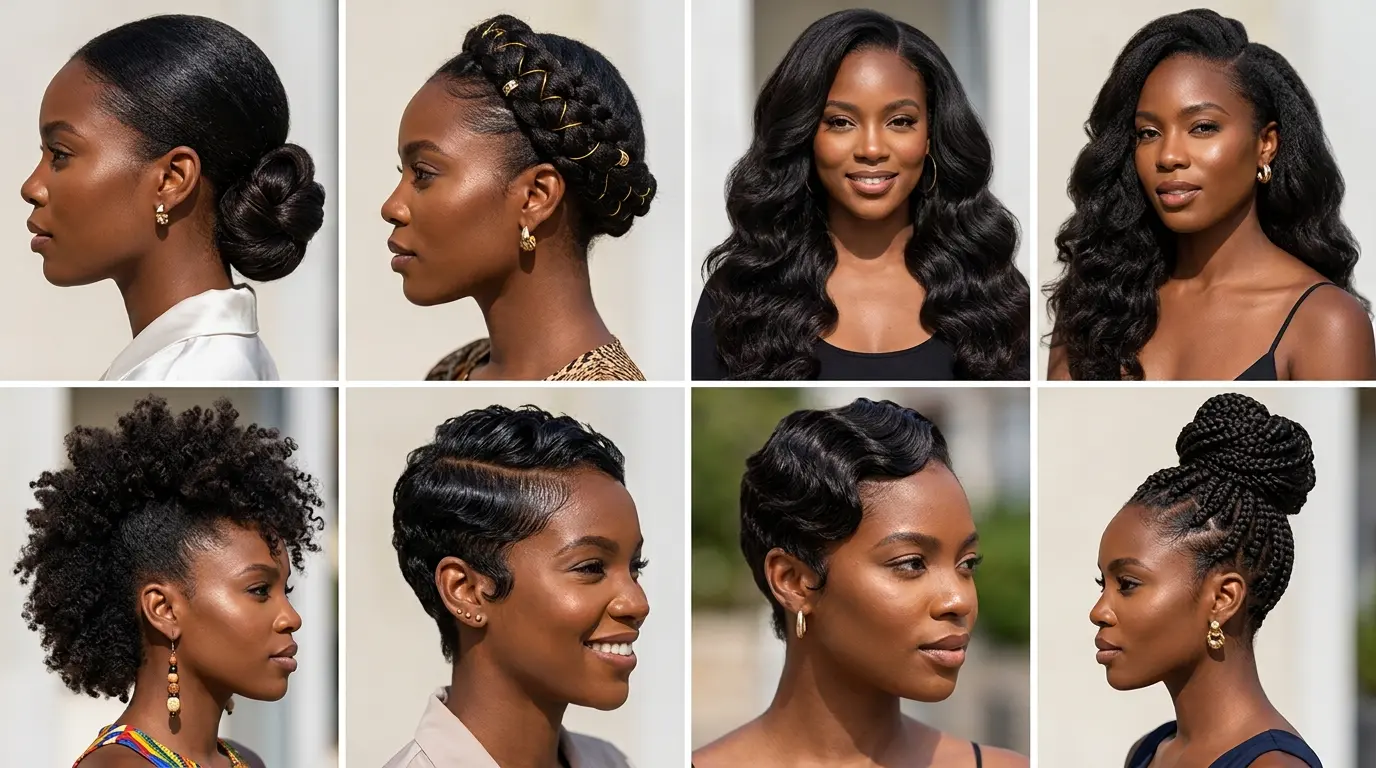
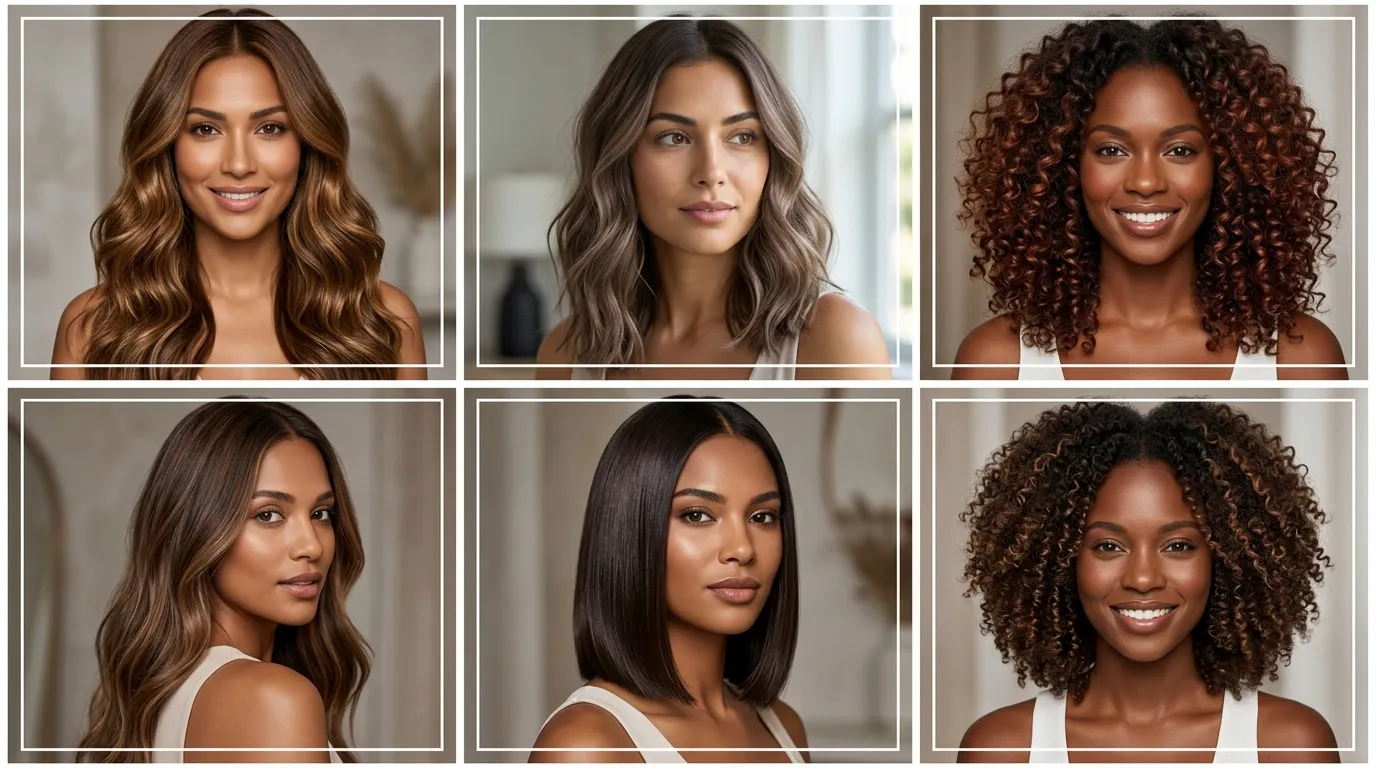
If your skin has a golden cast, hair color ideas for dark hair and tan skin work best when you target toasty caramel, honey, or amber melts. For cooler or deeper skin tones, hair color ideas for dark complexion often favor dark espresso ribbons, deep blue-black, or plum reflections that do not turn muddy against your skin.
Conduct a Strand Test and Patch Check
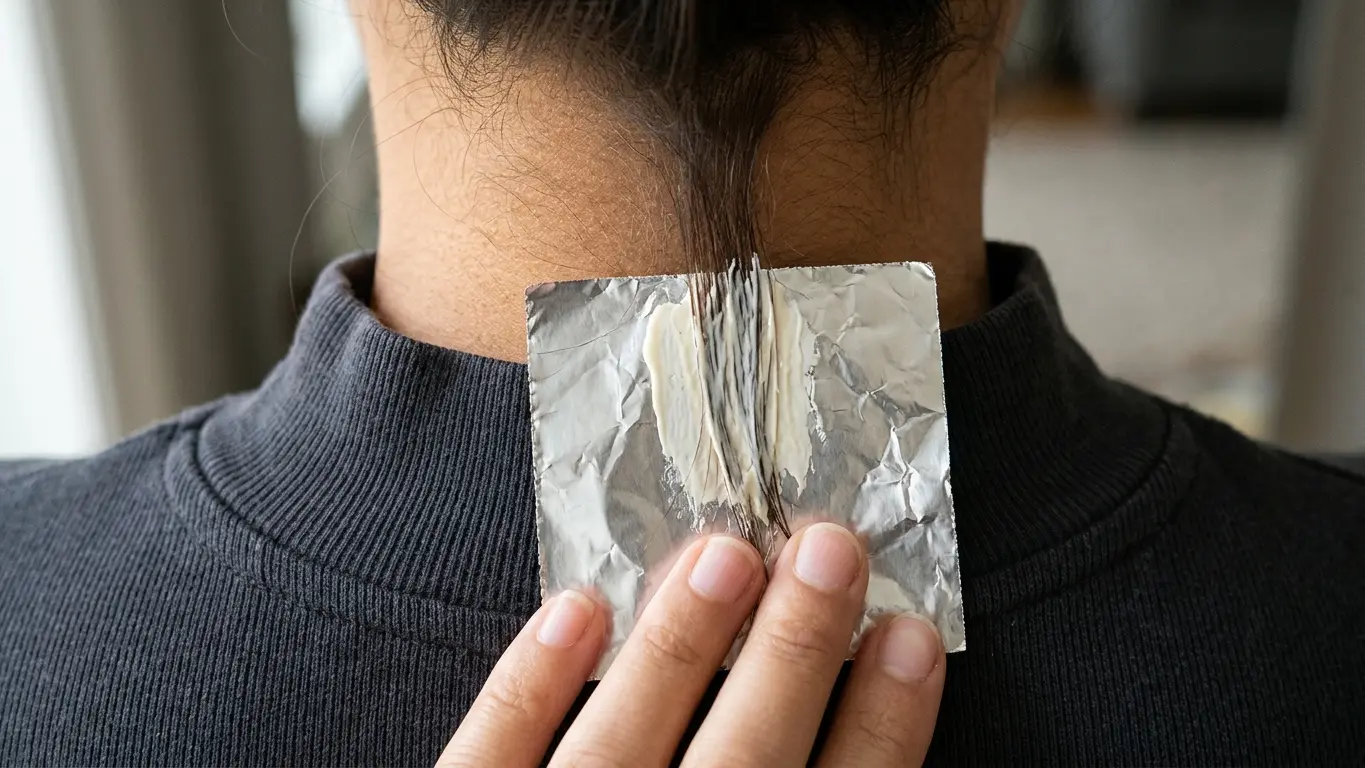
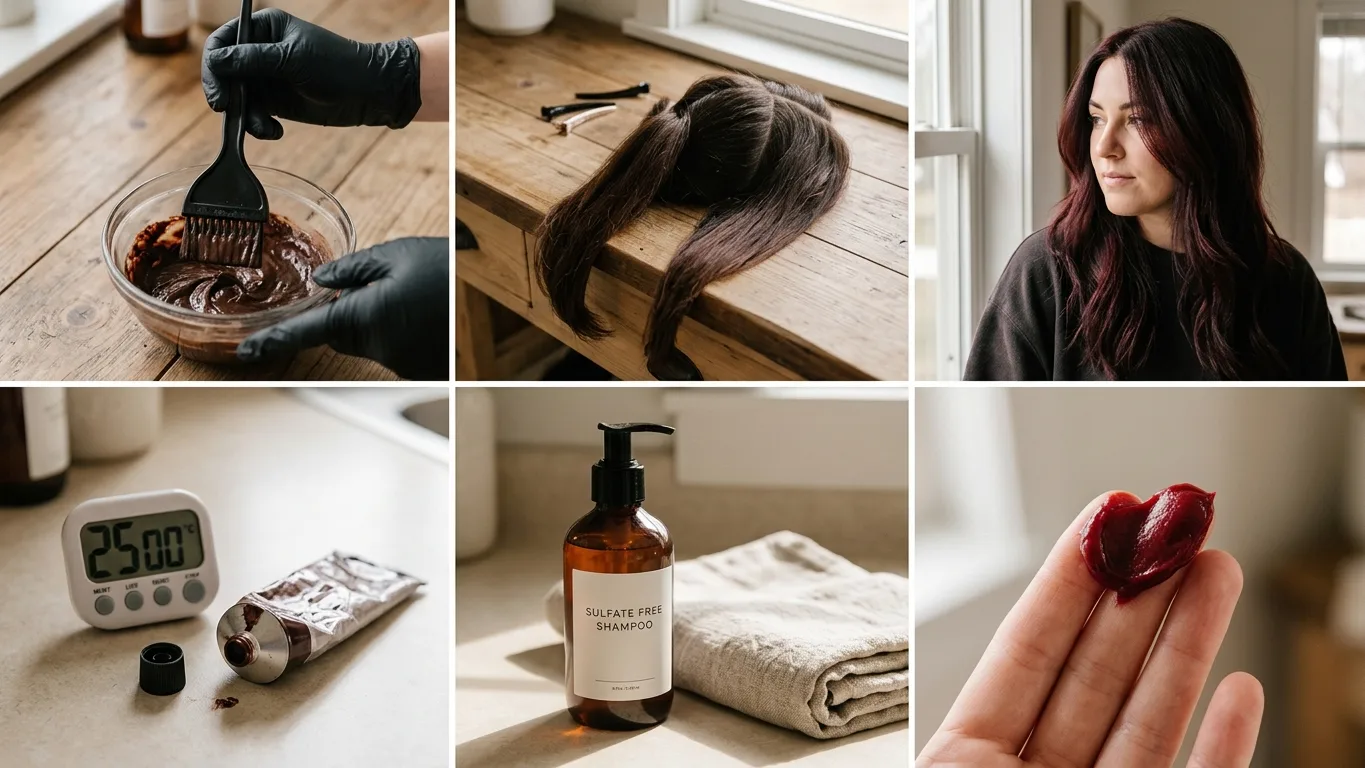
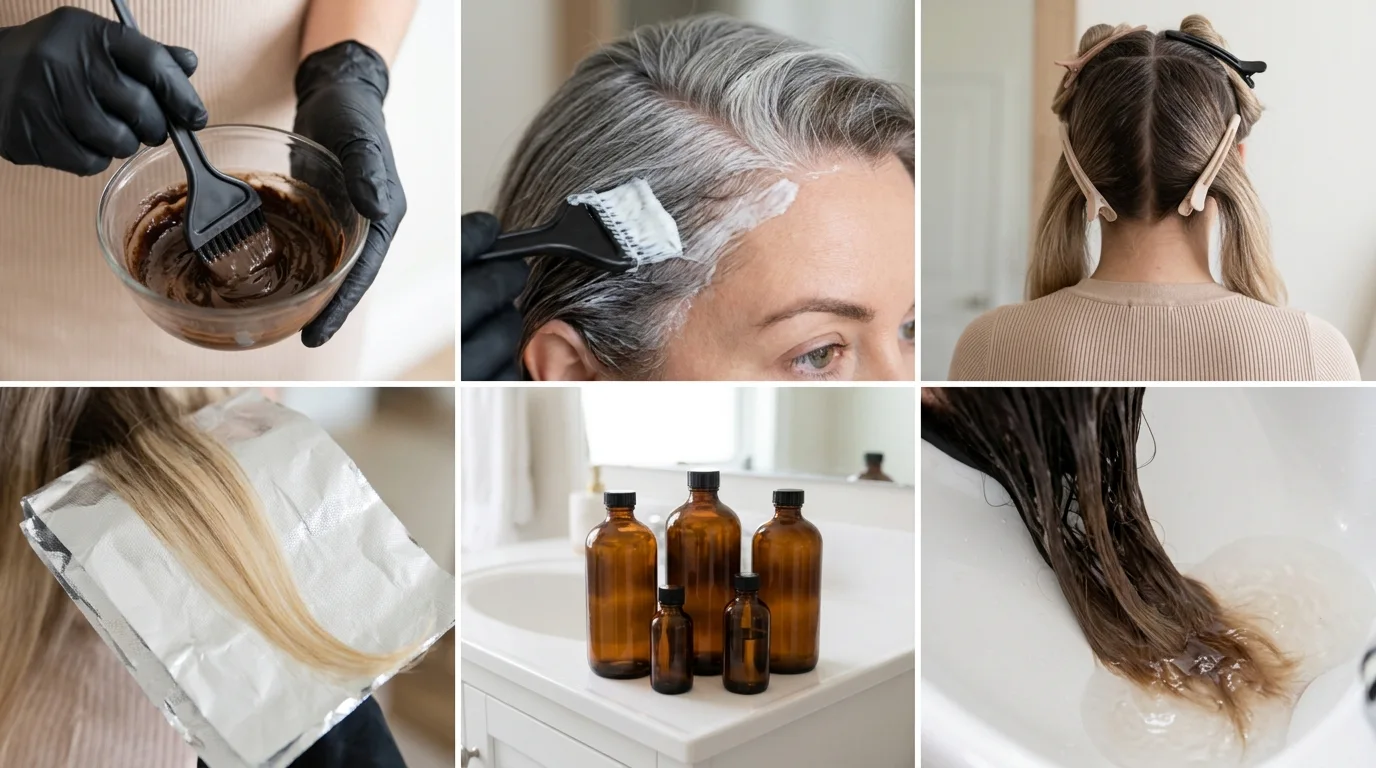
Never apply bleach or oxidative dye across your entire head without testing a hidden section behind your ear first. Mix a single teaspoon of powder lightener with two teaspoons of 20-volume developer inside your glass or plastic bowl. Separate a half-inch wide section of hair from the nape of your neck, paint the mixture thoroughly from mid-shaft to ends, and wrap the section in aluminum foil.
Set a timer for 30 minutes. Check the strand every 10 minutes by wiping a tiny section clean with a damp towel.
Look closely at the hair structure when you pull on the strand. If the hair stretches endlessly like wet gum or snaps under minimal tension, your hair cannot tolerate chemical lift right now. You must also dab a pea-sized dot of your unmixed toner behind your earlobe 48 hours prior to check for contact dermatitis or swelling.
Section the Hair for Controlled Saturation
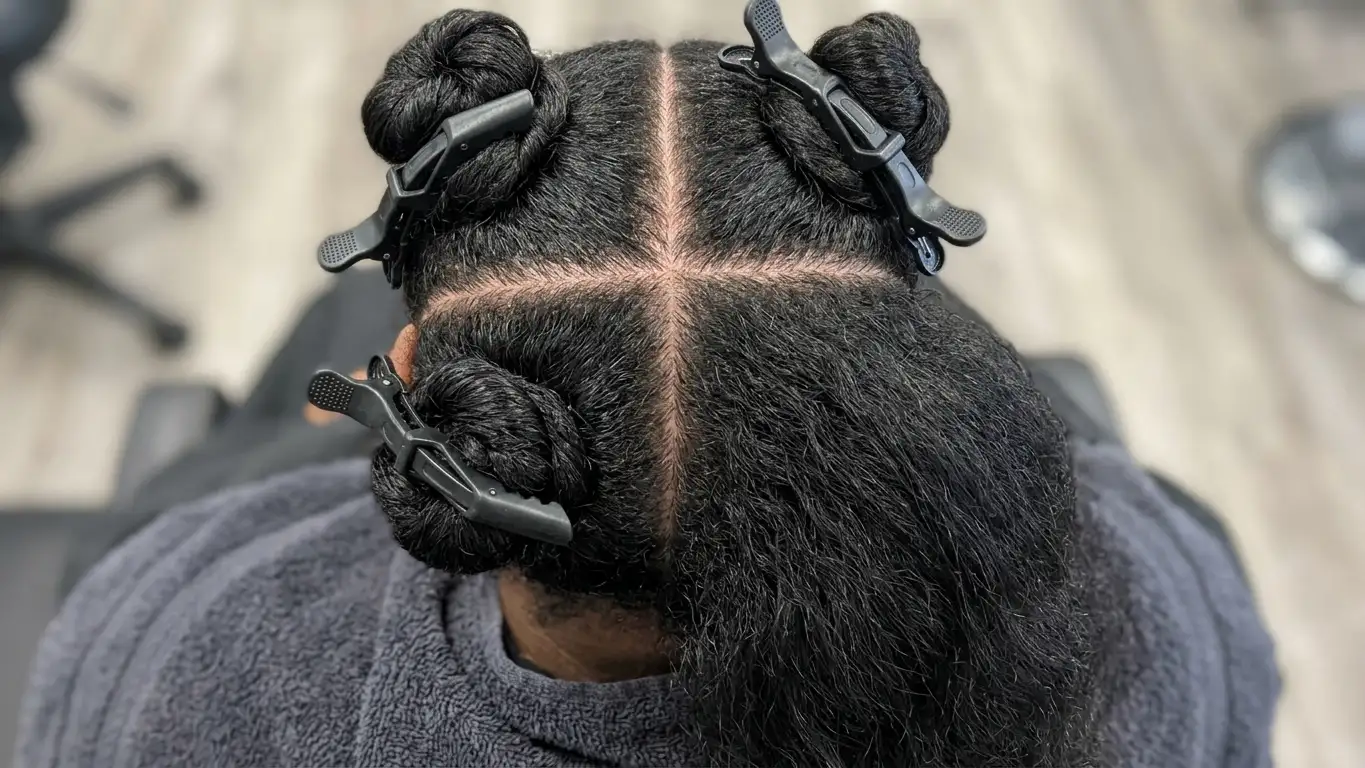
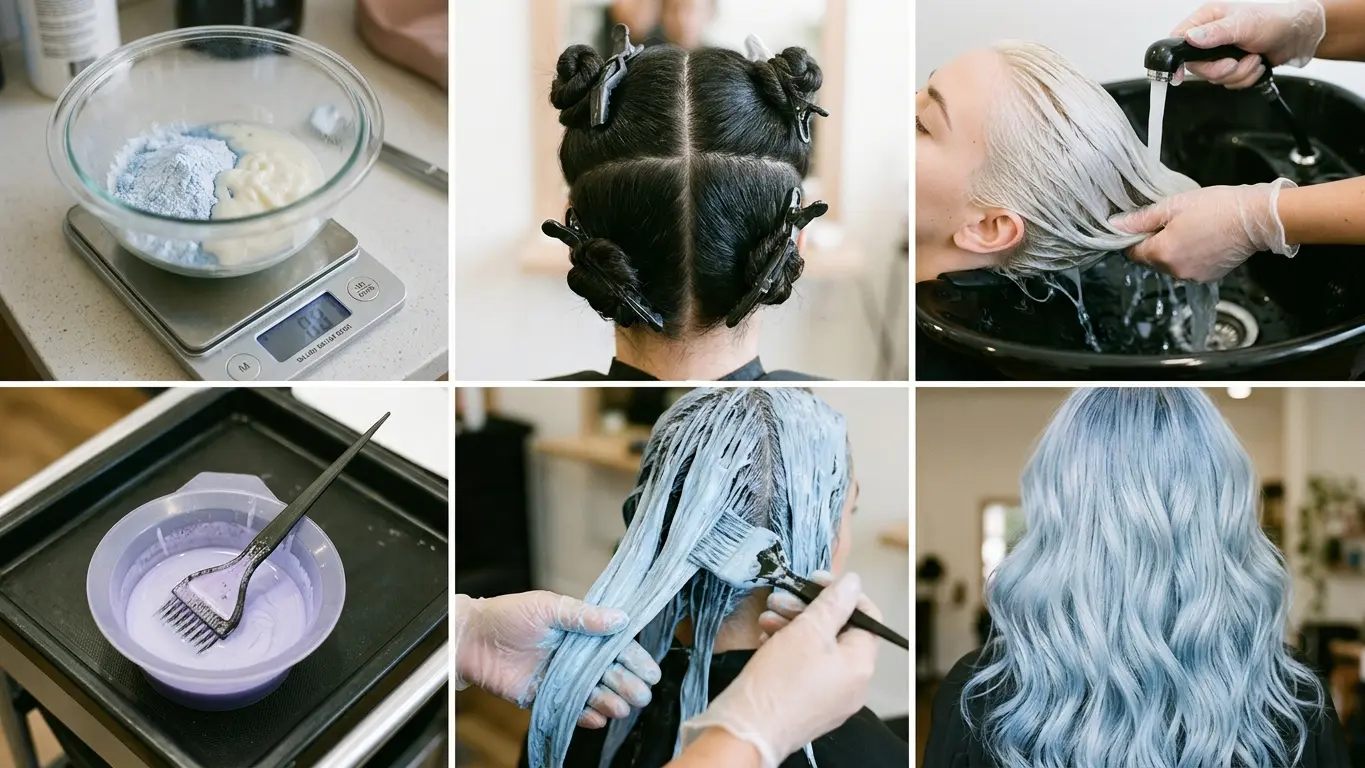
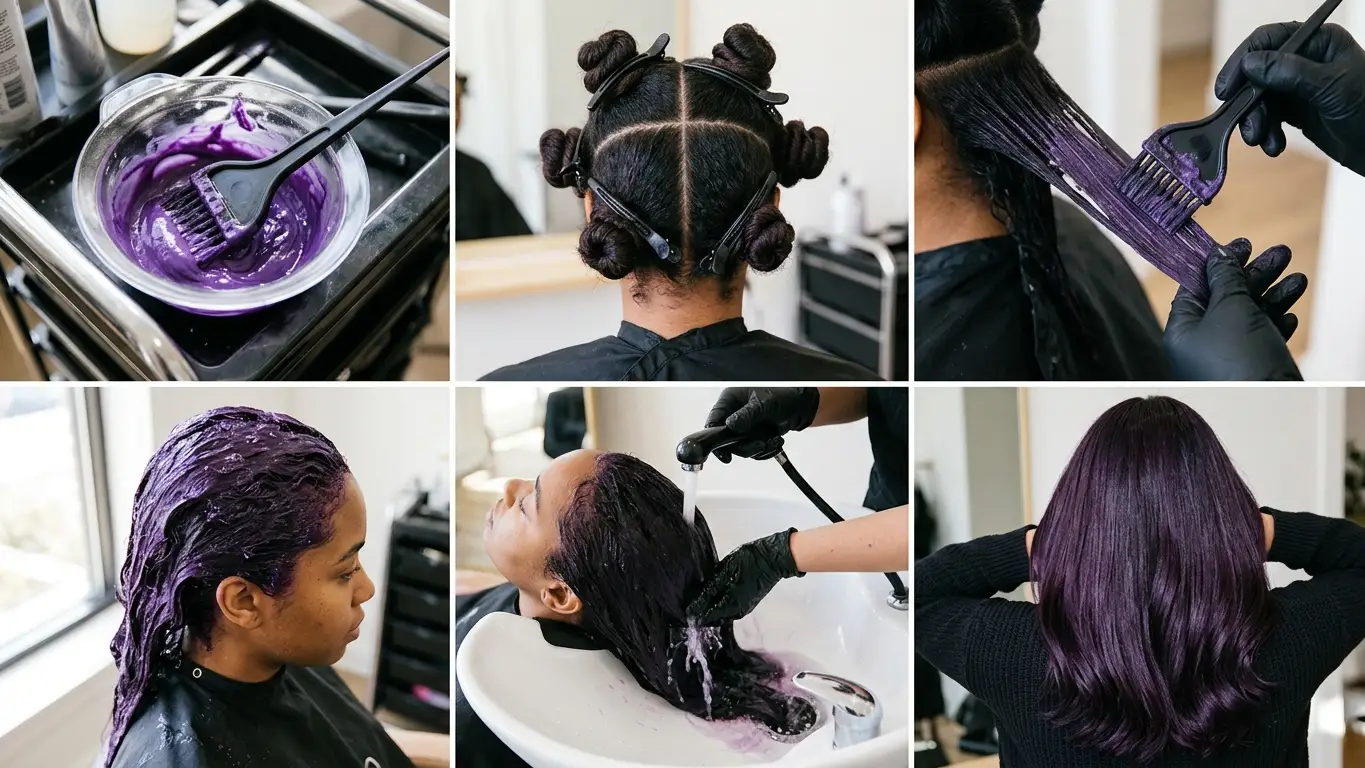
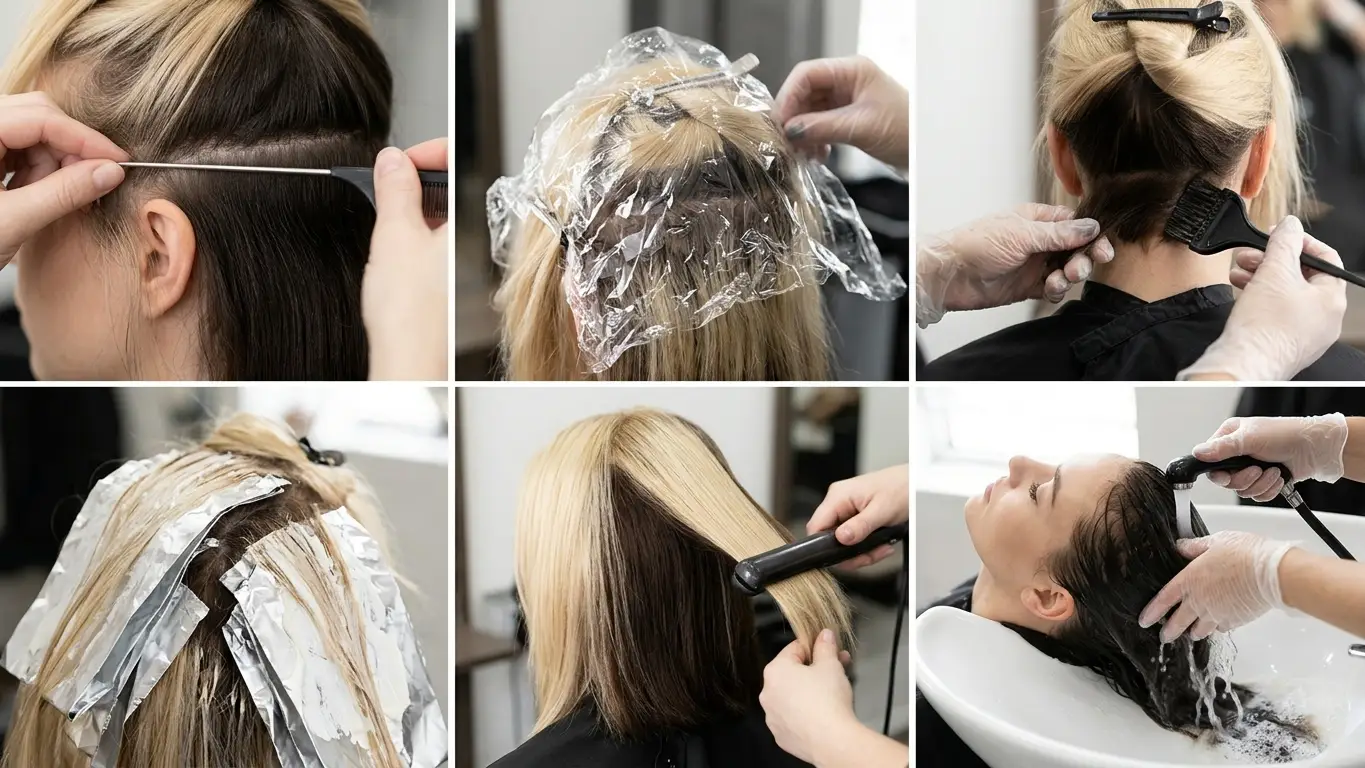
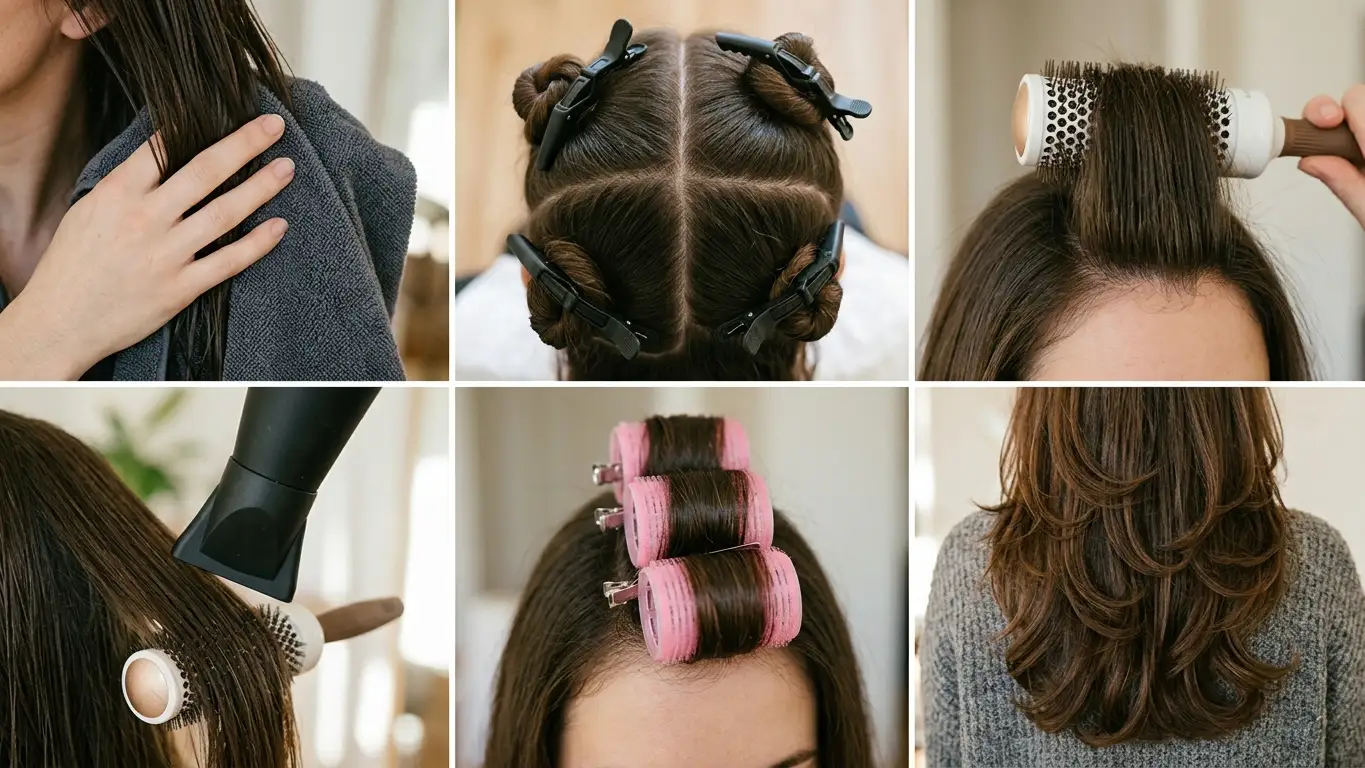
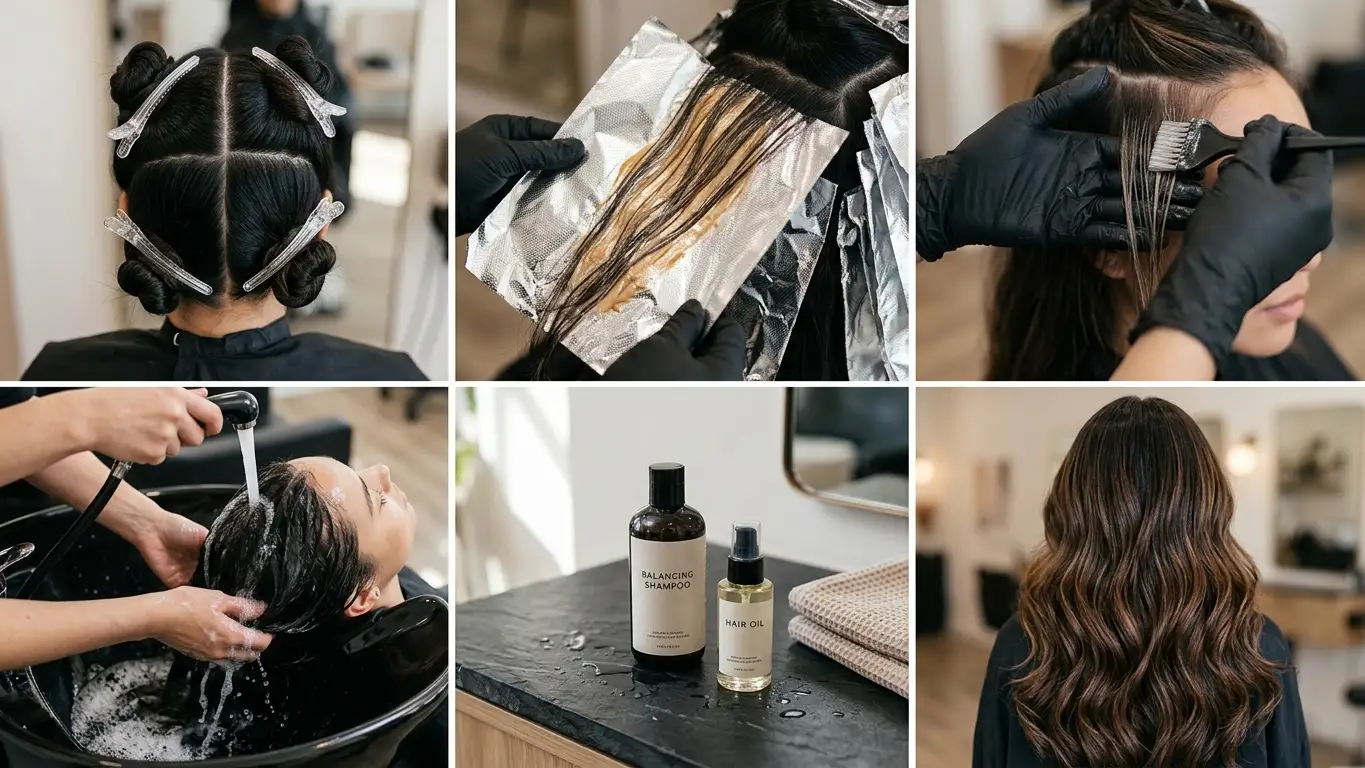
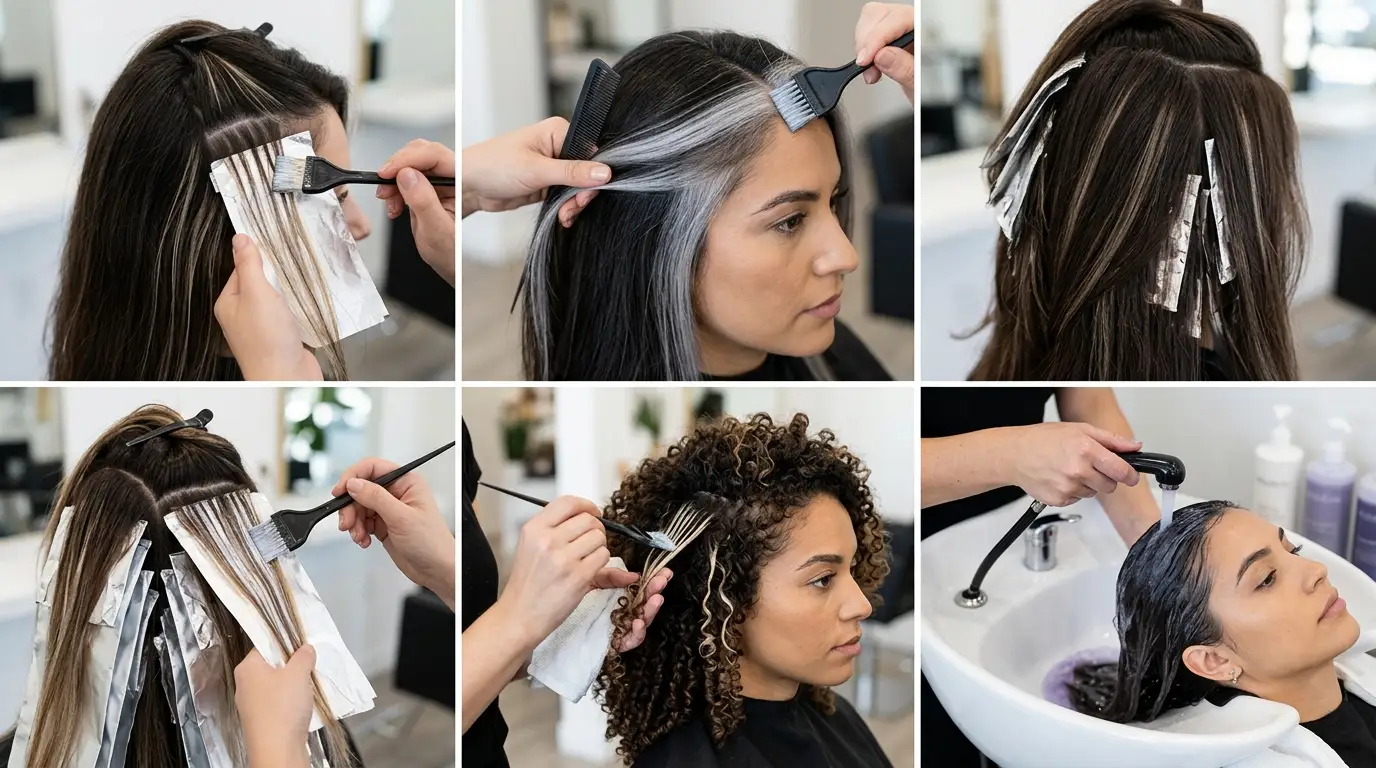
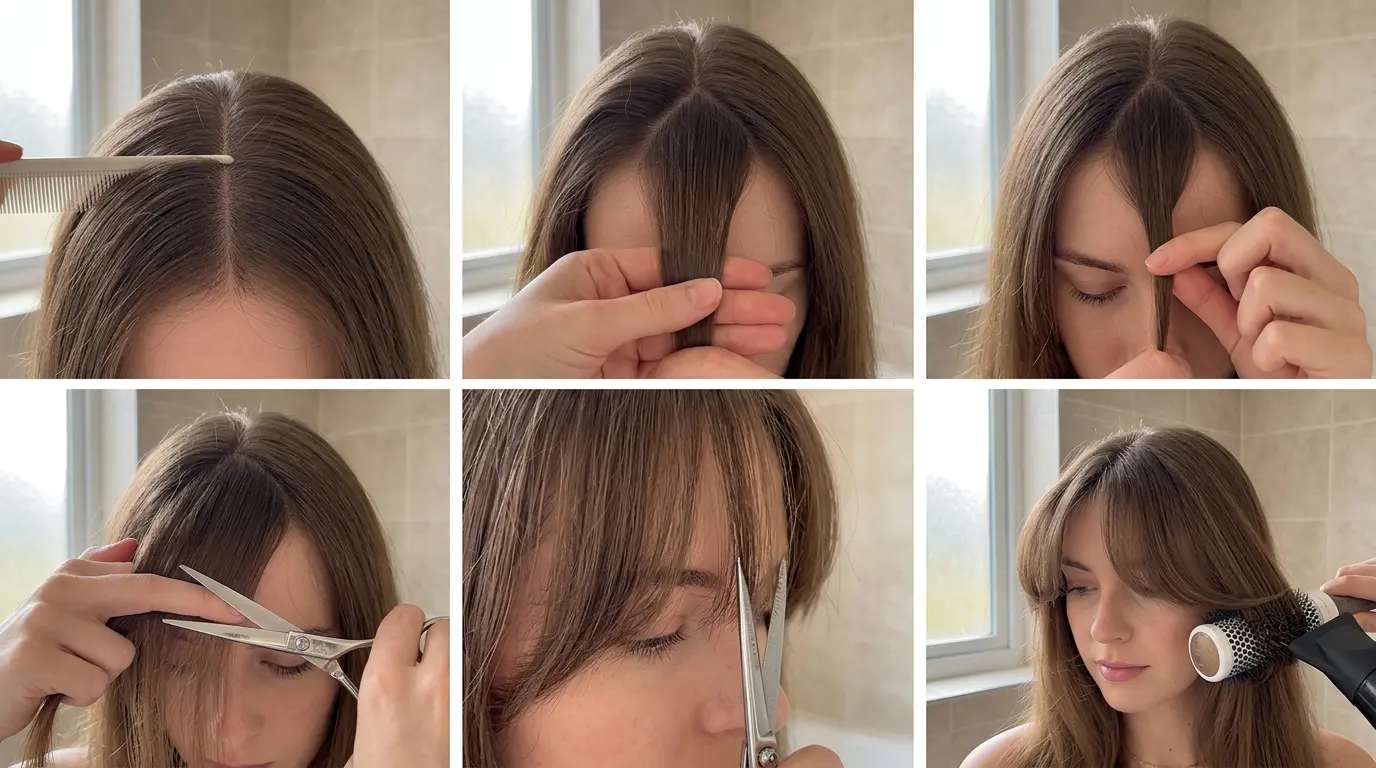
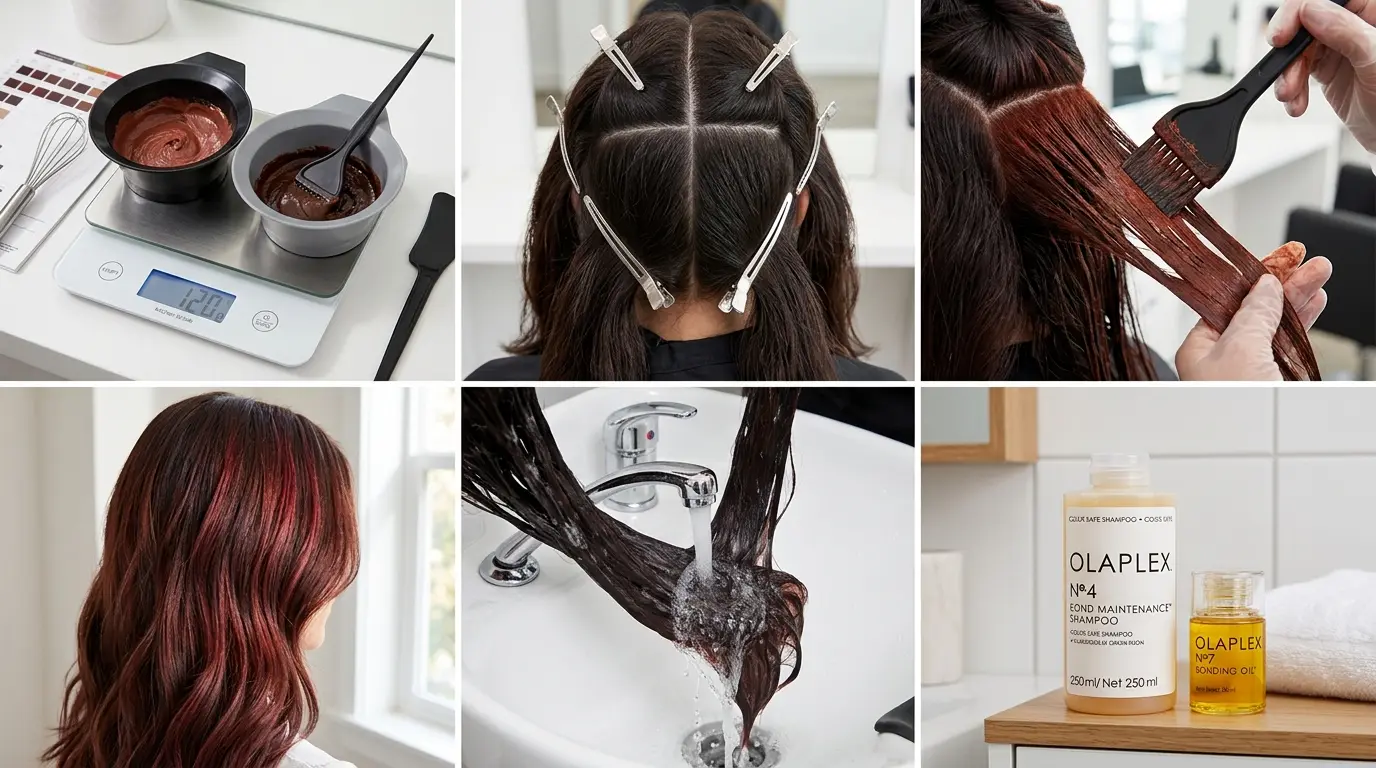
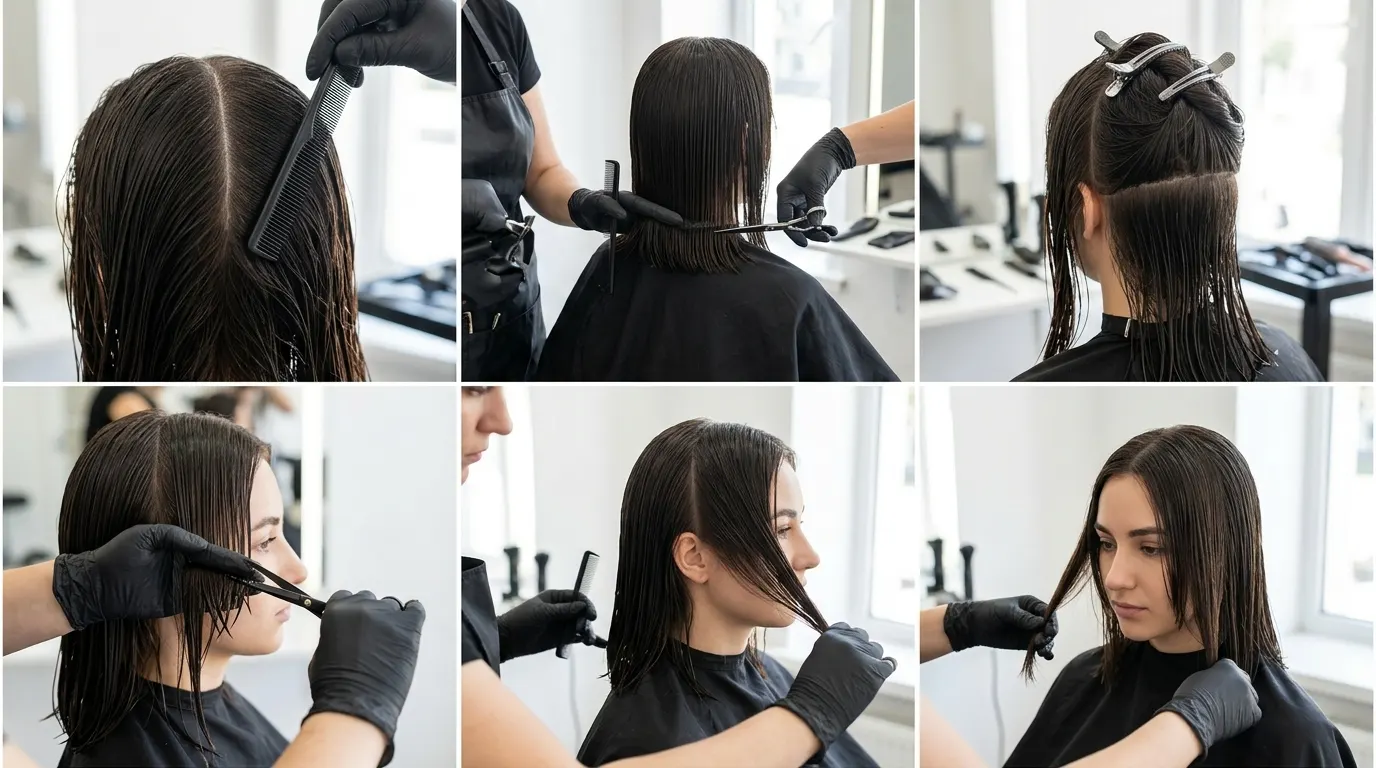
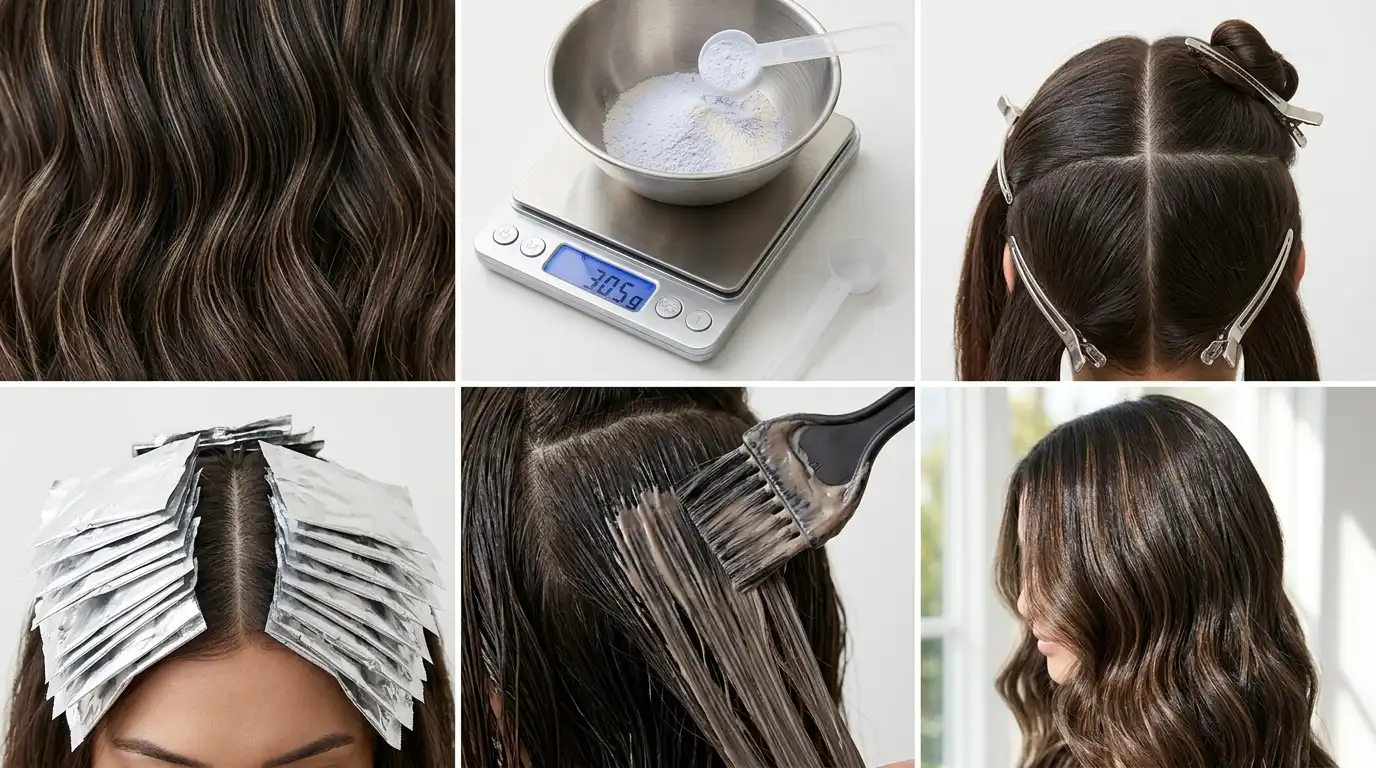
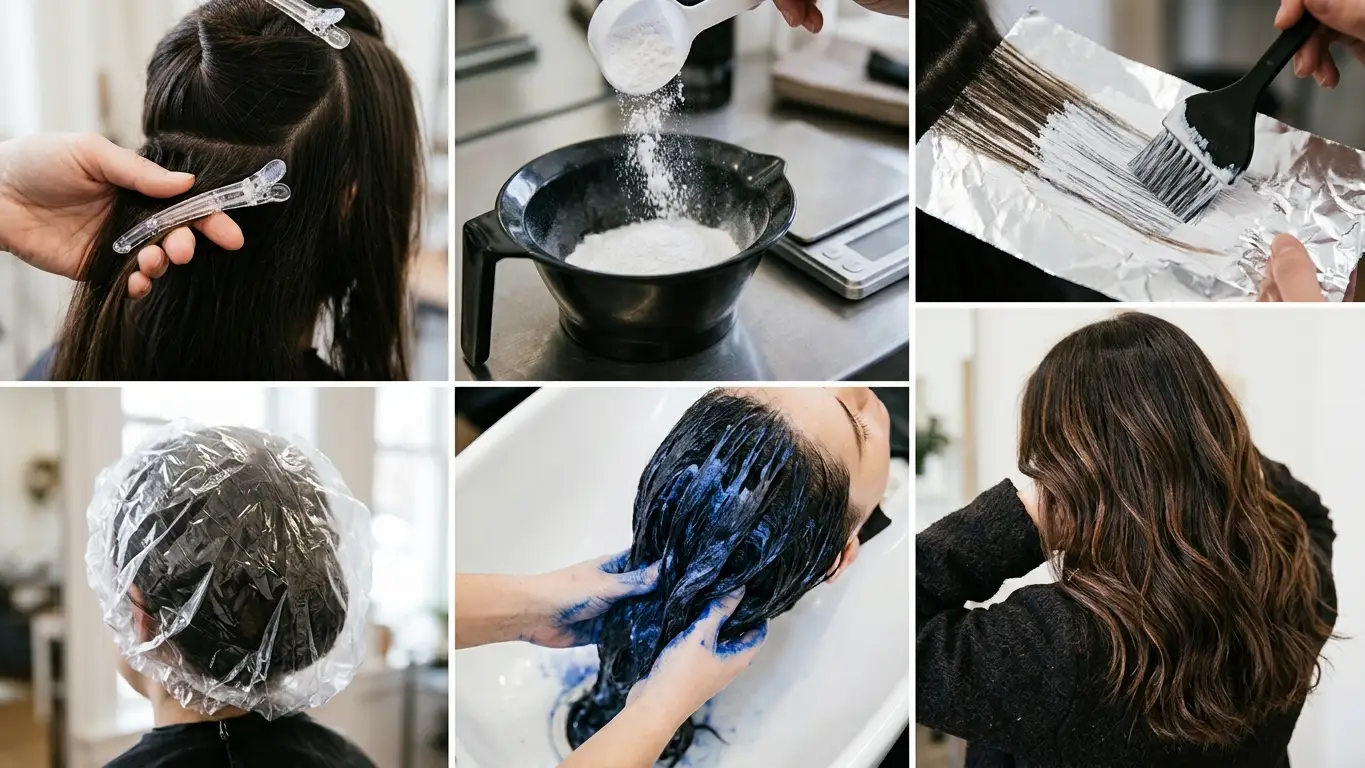
Divide your completely dry, unwashed hair into four distinct Quadrants using your plastic clips. Draw a straight parting line down the center from your forehead to the nape of your neck using the tail end of your tint brush. Next, draw a horizontal parting across the crown from the top of your left ear to the top of your right ear.
Twist each of the four sections tightly and secure them firmly to your head. Working on loose hair without clean grid lines guarantees patchy color placement and spotty saturation.
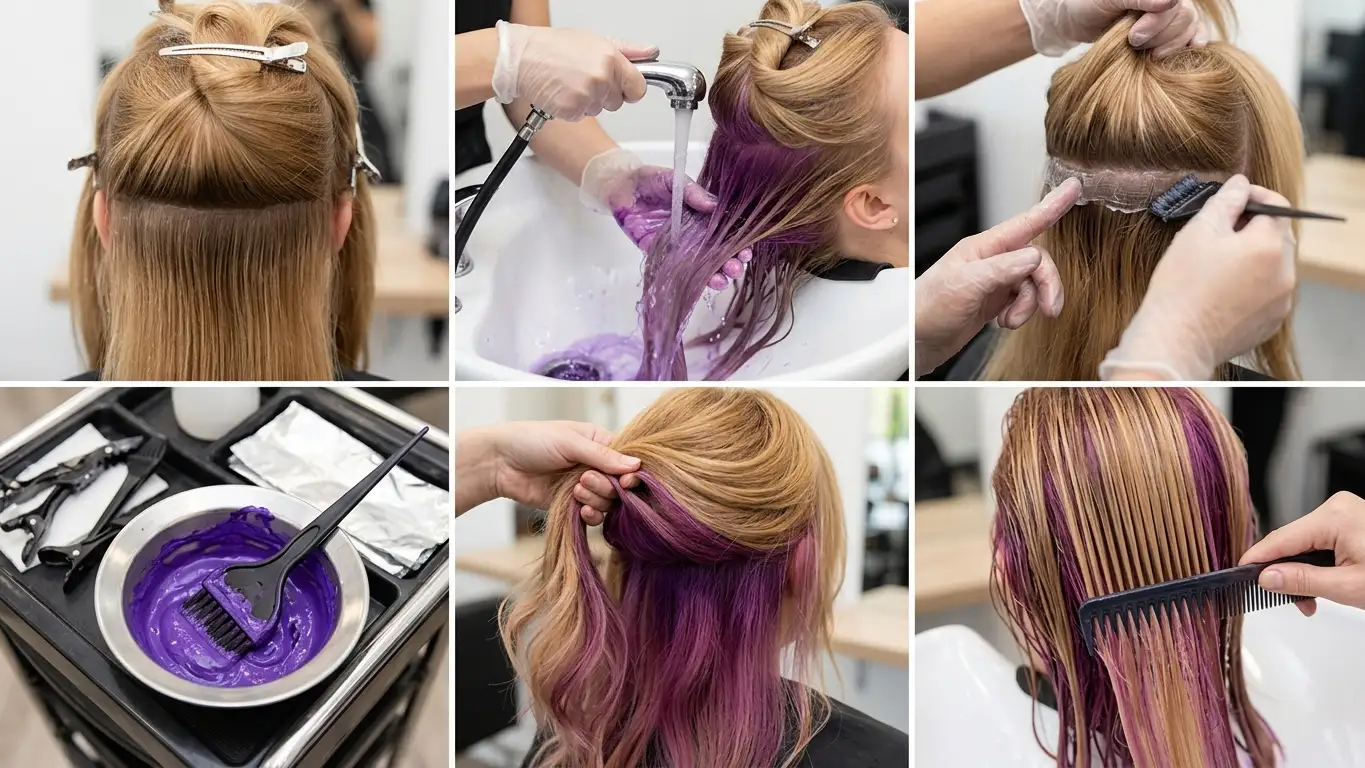
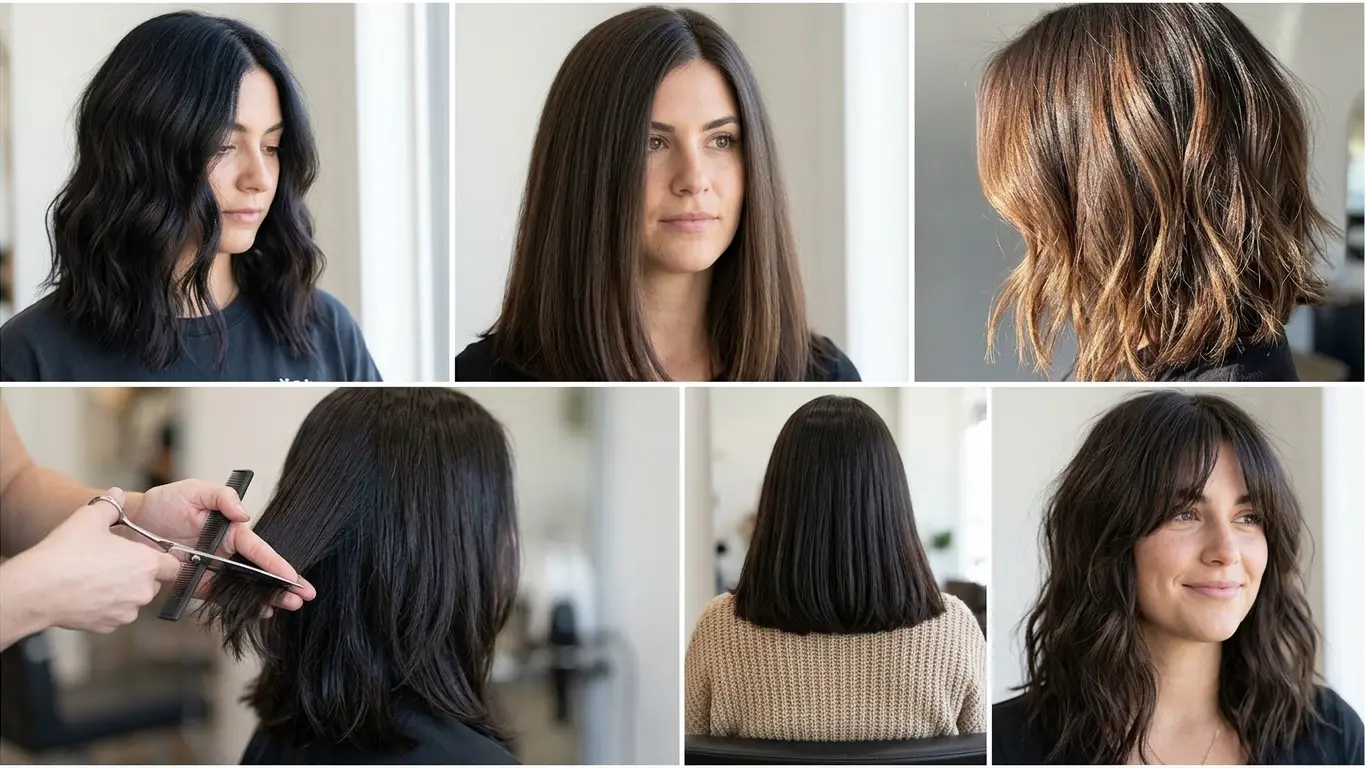
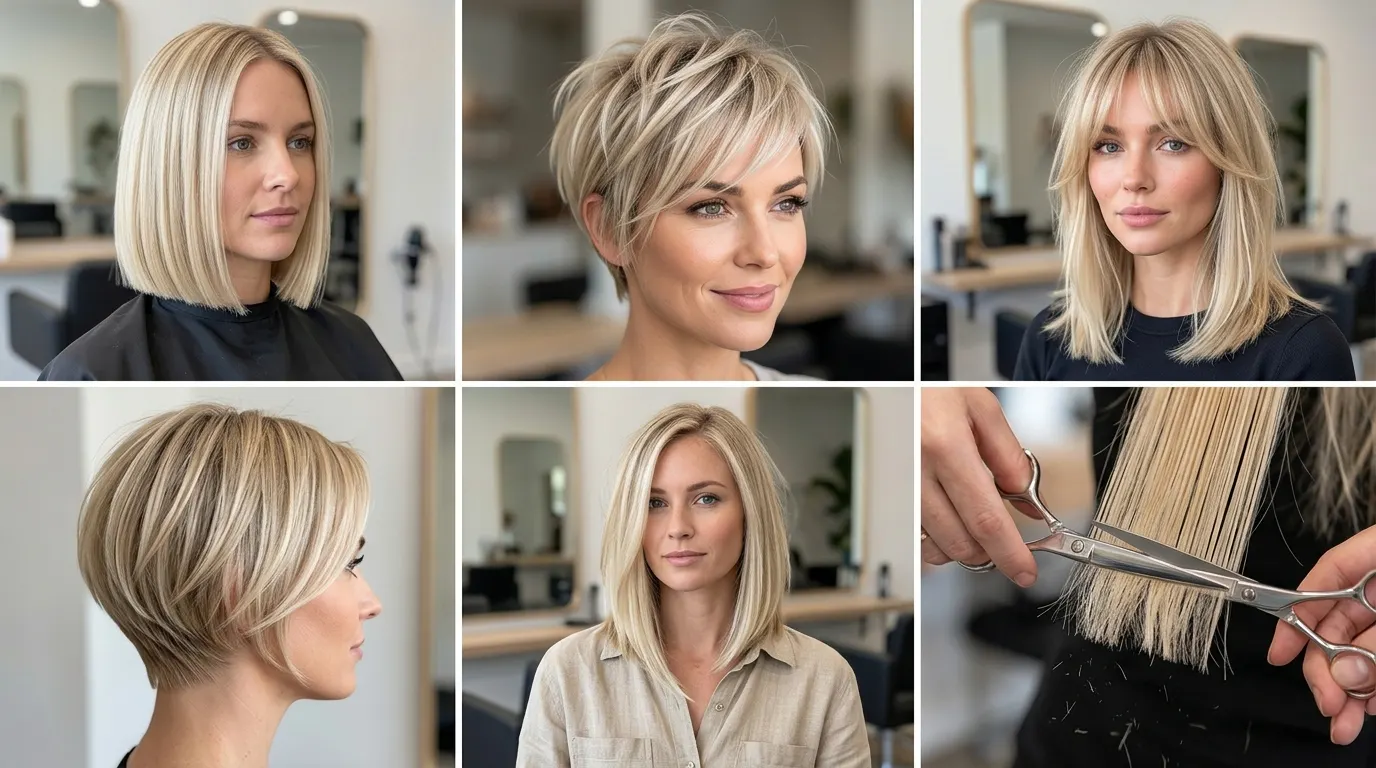
If your project involves subtle contrast like hair color ideas for dark brown hair with highlights, tease half-inch horizontal subsections before applying lightener to diffuse the line of demarcation. If you want hidden pops of shade, section away the top two-thirds of your hair to map out peek a boo hair color ideas for dark hair along the lower nape.
Mix the Lightener with Precise Ratios
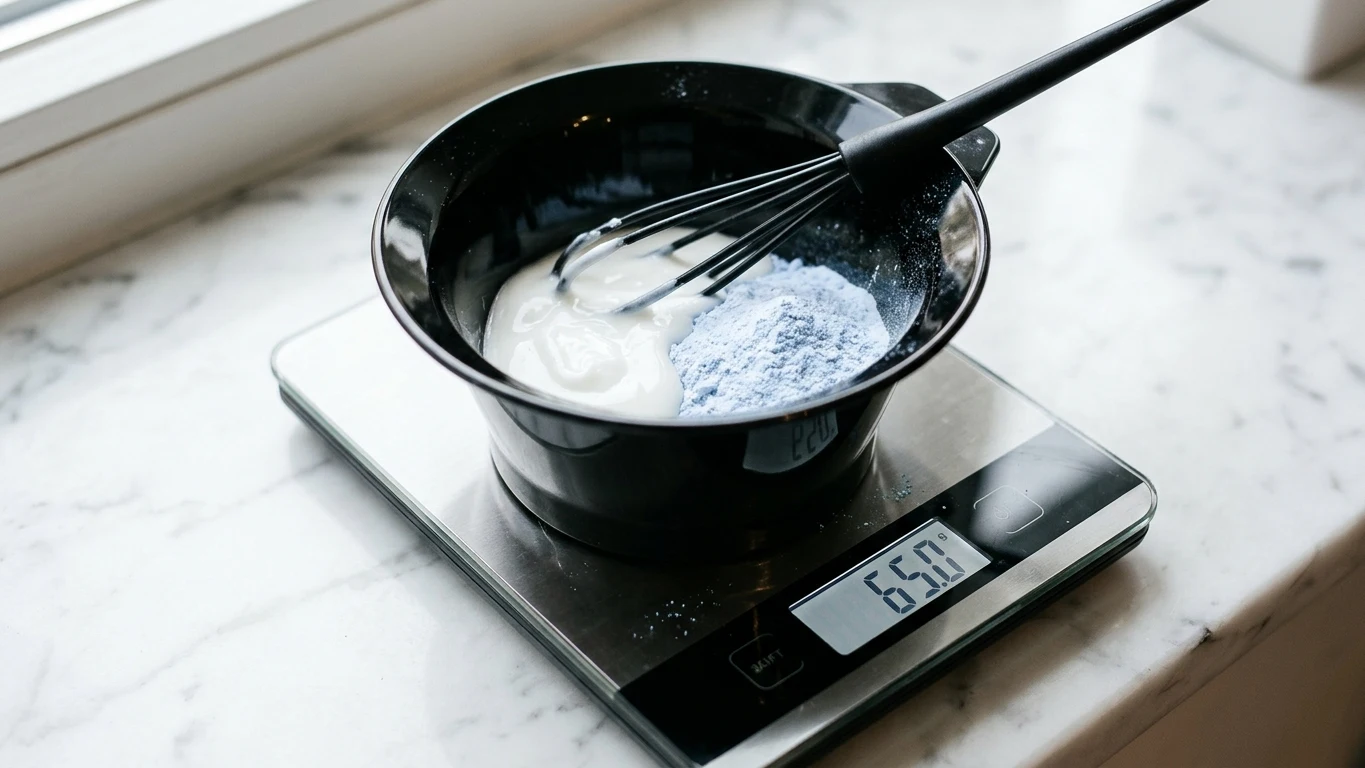
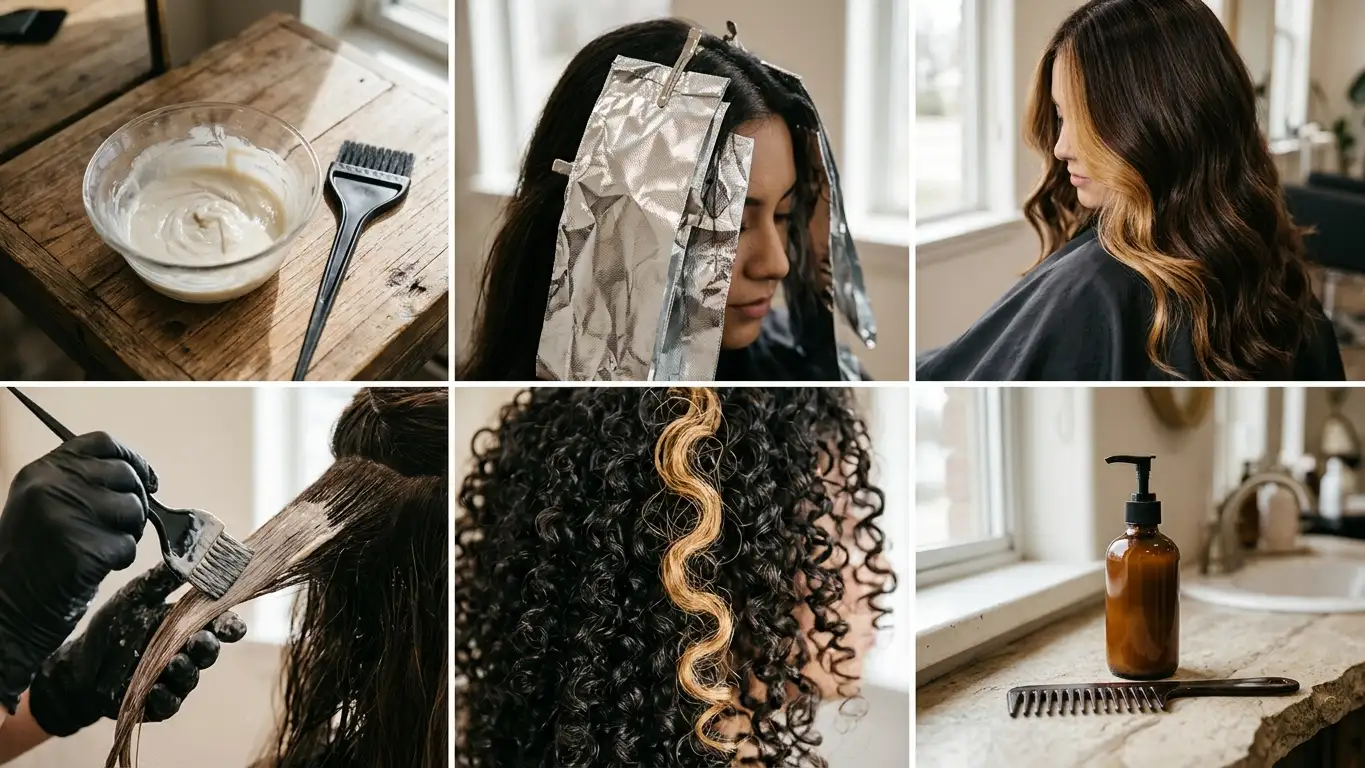
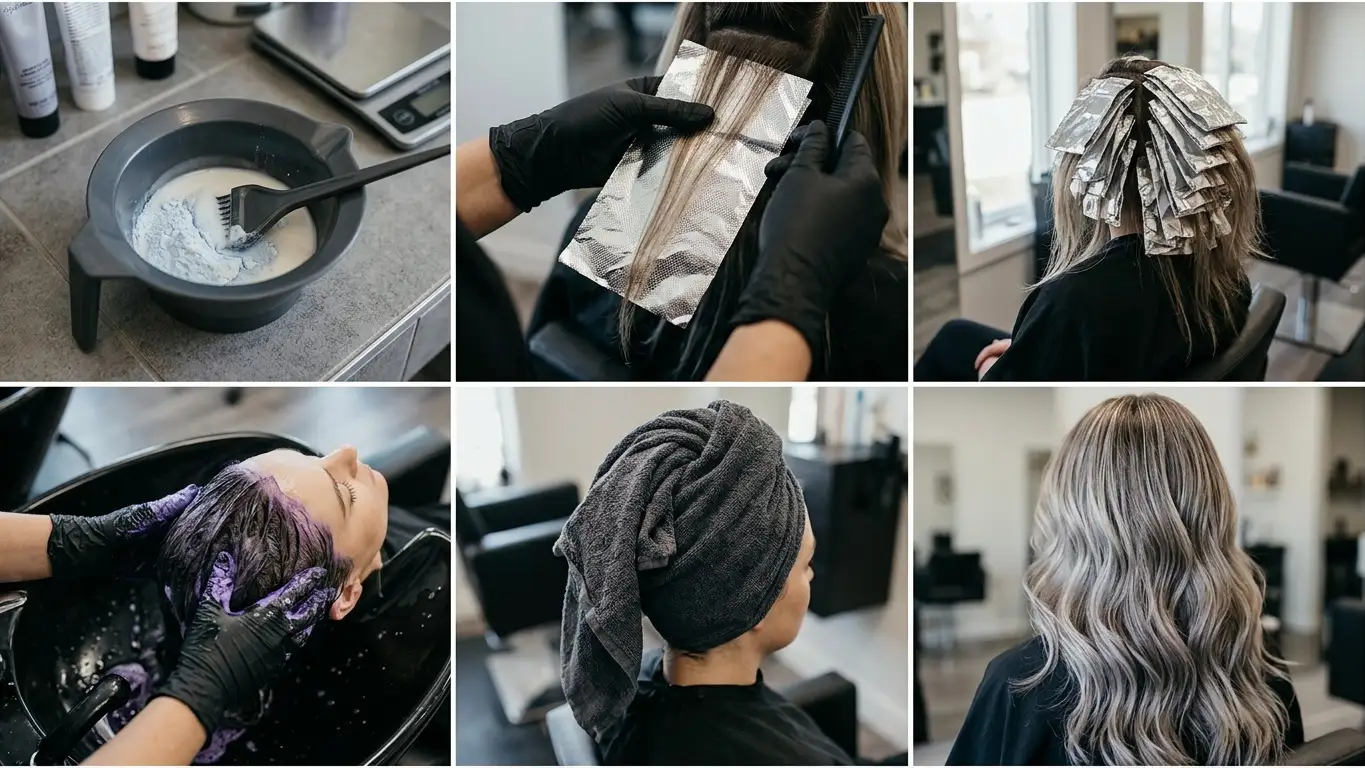
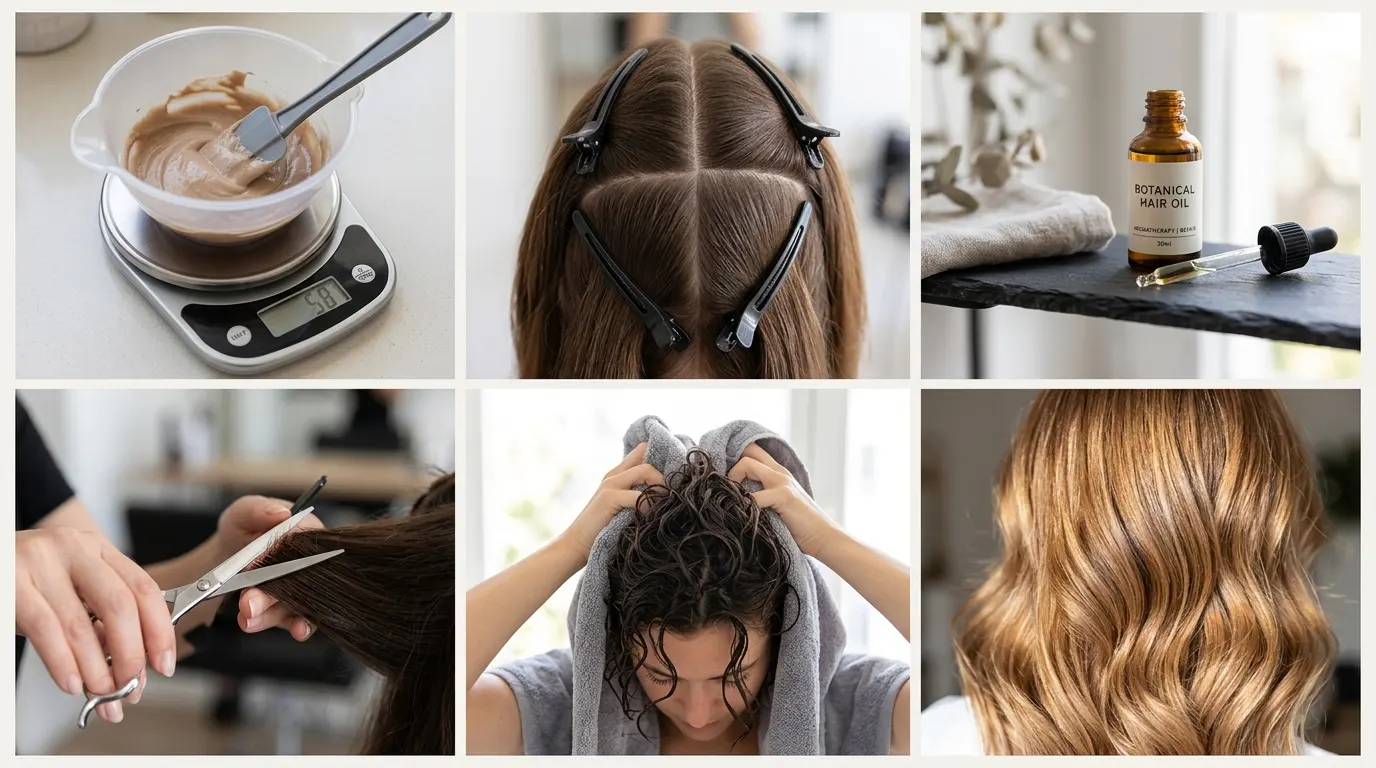
Measure your bleach powder and developer using a digital gram scale instead of guessing by eye. The gold-standard consistency requires a 1 to 2 mixing ratio: one part powder lightener to two parts 20-volume cream developer. Whisk the mixture using a plastic tint brush until it matches the smooth texture of Greek yogurt.
Avoid 30-volume and 40-volume developers entirely when working at home. High developers lift too fast, generate intense heat against the scalp, and strip moisture before the bleach finishes lifting through dark melanin.
Using bond-strengthening lighteners can yield up to nine levels of lift over multiple careful sessions while delivering up to 97% less breakage compared to raw bleach. Let the mixture sit undisturbed for two minutes after whisking so the powder fully hydrates before it touches your hair.
Paint the Lift Zones Away from the Scalp

Begin your application at the lower back quadrants where dark hair is naturally coarsest and takes the longest to process. Take horizontal subsections no thicker than a pencil. Paint the bleach onto the mid-lengths and ends first, keeping the mixture at least one inch away from the roots.
The heat radiating off your scalp speeds up chemical reactions significantly. If you apply lightener to your scalp at the exact same moment as your ends, you will develop glowing, pale roots and dark orange mid-lengths.
For soft dimension, paint in a V-shape along the edges of the strand to create hair colors for dark hair that grow out seamlessly. If you prefer high-contrast hair dye ideas for dark hair, saturate the entire lower third of each strand to execute ombre hair color ideas for dark hair.
Monitor the Developing Process Under a Cap
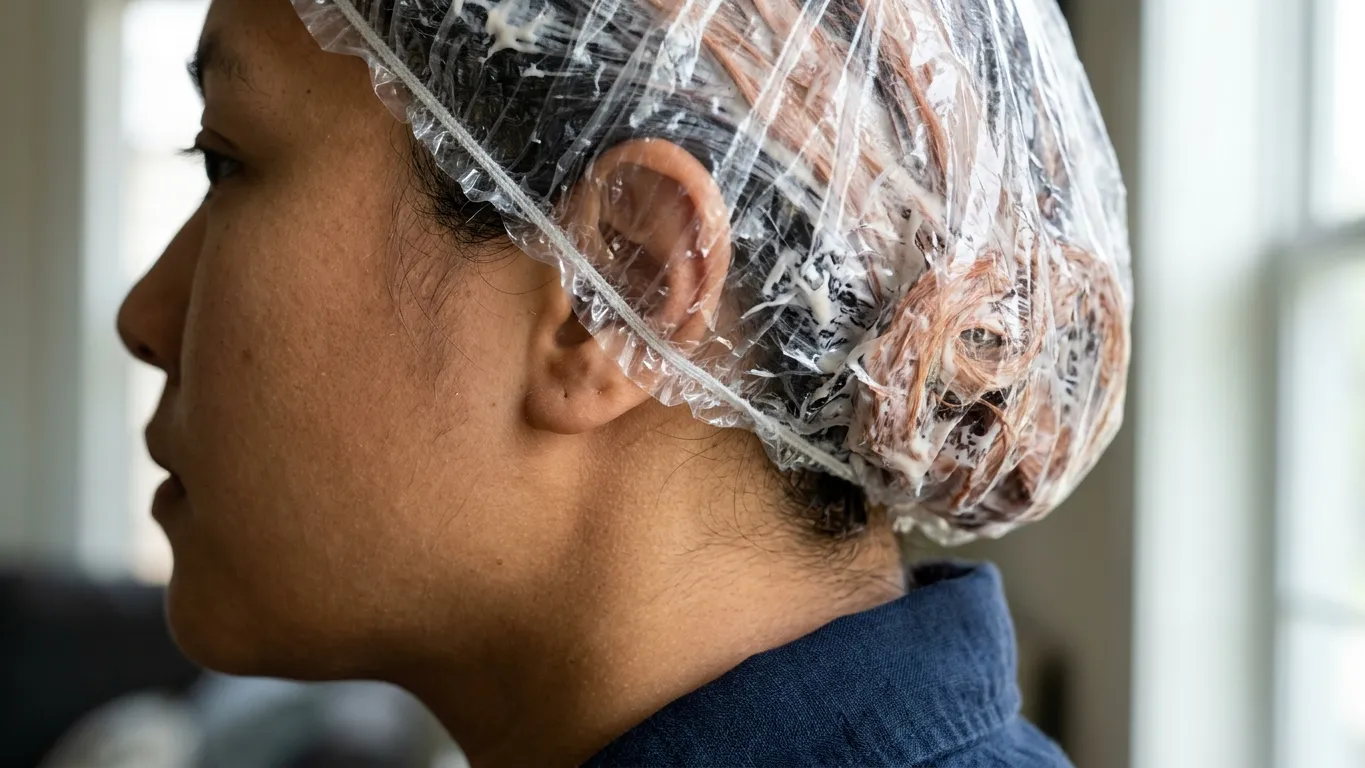
Slip a clean plastic processing cap over your head immediately after finishing application to prevent the bleach from drying out. Bleach stops lifting the exact second the paste hardens or turns chalky. Check the color change every 10 minutes by scraping away paste from a single back strand using your gloved fingernail.
Processing takes anywhere from 25 to 45 minutes depending on your hair thickness and whether you have old boxed color underneath. Never leave lightener on your head for longer than 50 minutes under any circumstances.
Chemical activity drops off sharply after 45 minutes while structural cuticle damage spikes. Once the hair lifts to a yellow-orange raw stage, rinse thoroughly with lukewarm water for four full minutes until every trace of grit washes down the drain. Do not shampoo yet.
Formulate and Deposit the Balancing Toner
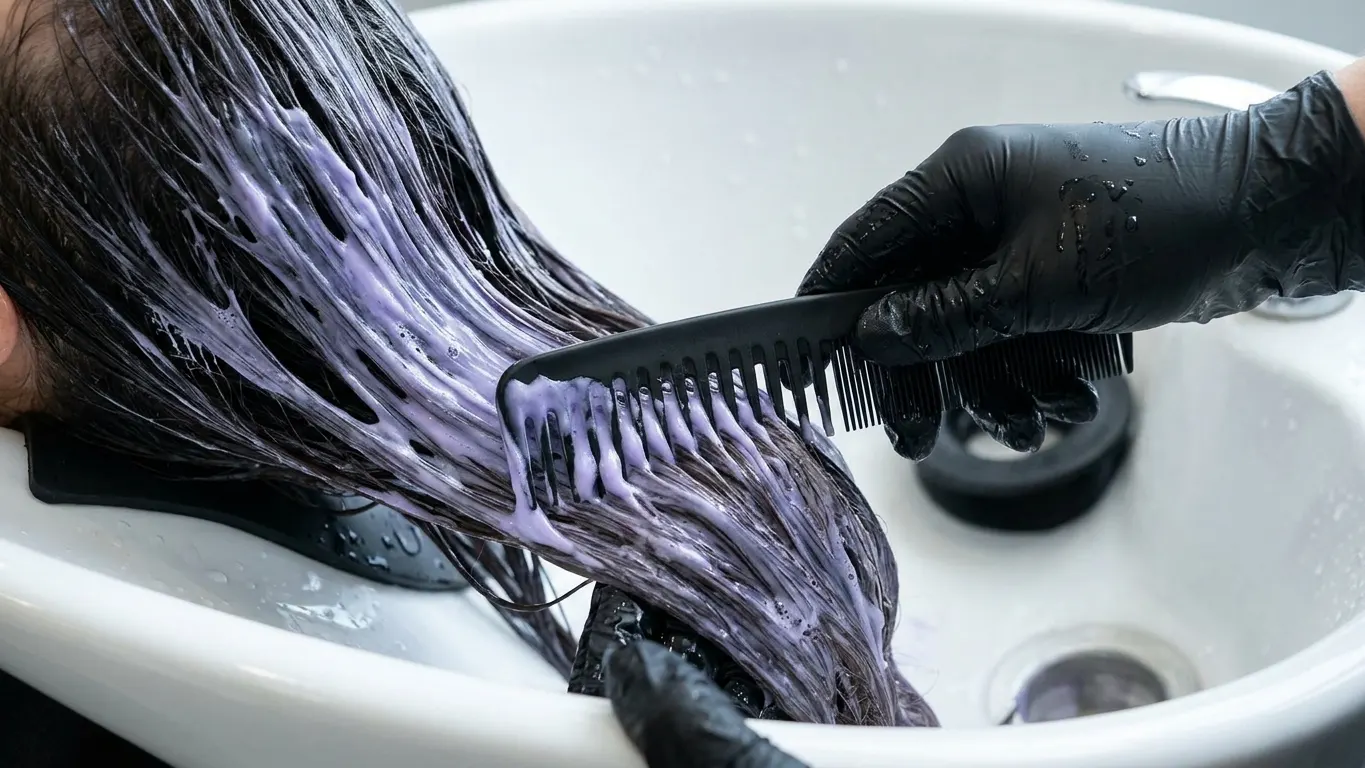
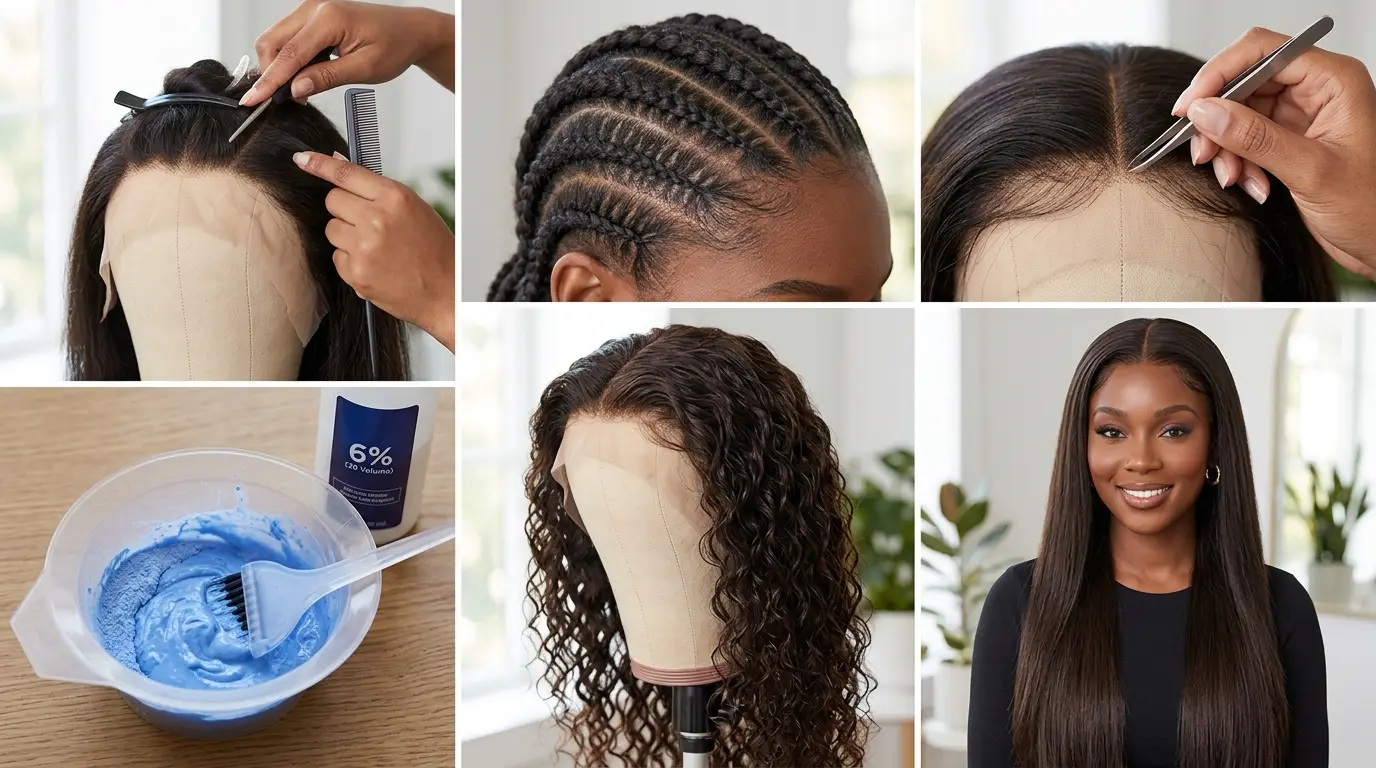
Raw lifted dark hair always looks fiery and unfinished until you apply the correct toner. Neutralize exposed warmth by applying a demi-permanent gloss mixed with a low 6-volume processing lotion. The zero-damage, zero-lift formula deposits a translucent veil that leaves the hair up to 250% shinier and up to 50% softer by smoothing raised cuticle scales.
Choose an ash toner with green undertones if your raw lifted hair is resting at a reddish-brown level 5. Pick a blue-based ash if your hair lifted to an orange level 6 or 7.
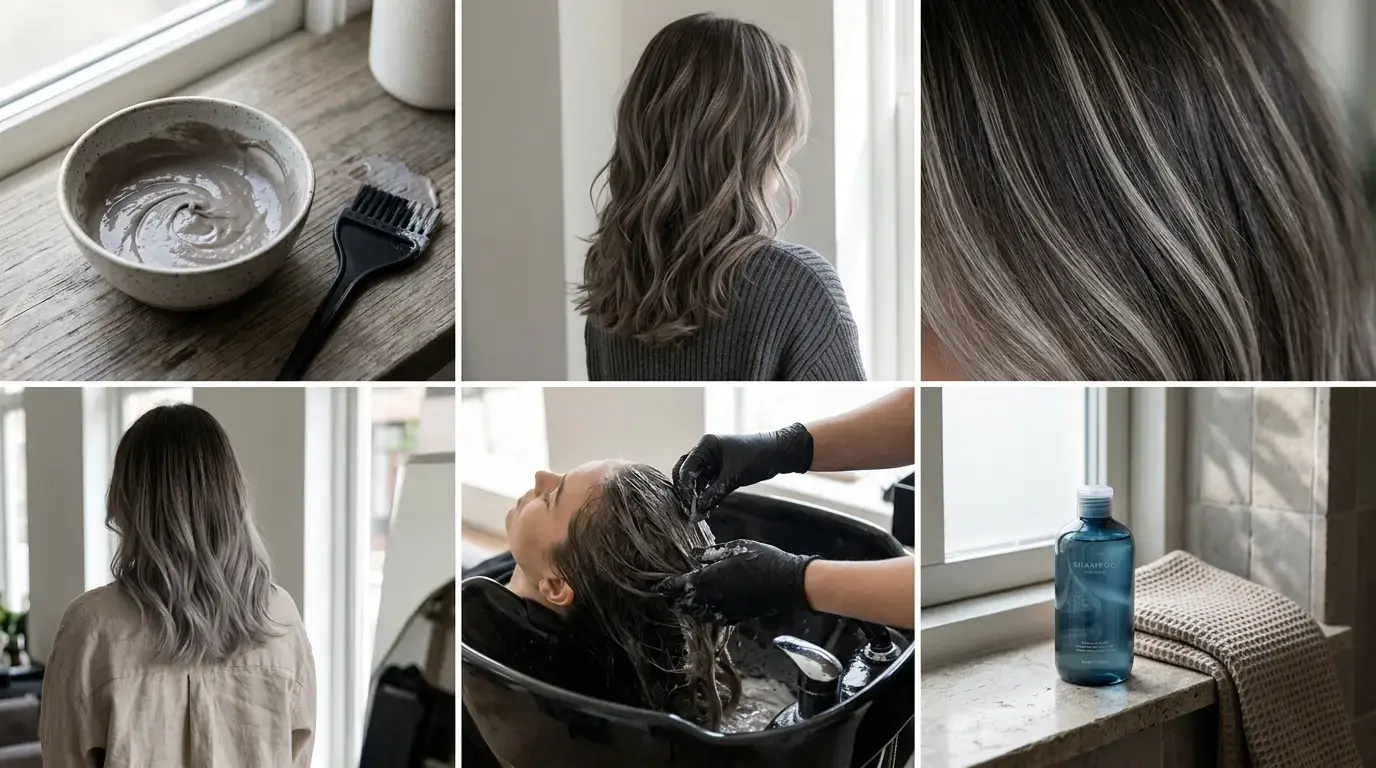
Saturate your damp strands thoroughly from roots to tips with the toner mix. Work the product through using a wide-tooth comb so no dry pockets remain. Allow the toner to process at room temperature for roughly 15 to 20 minutes before rinsing with cool water.
Neutralize Common Bleach Mistakes and Hot Roots
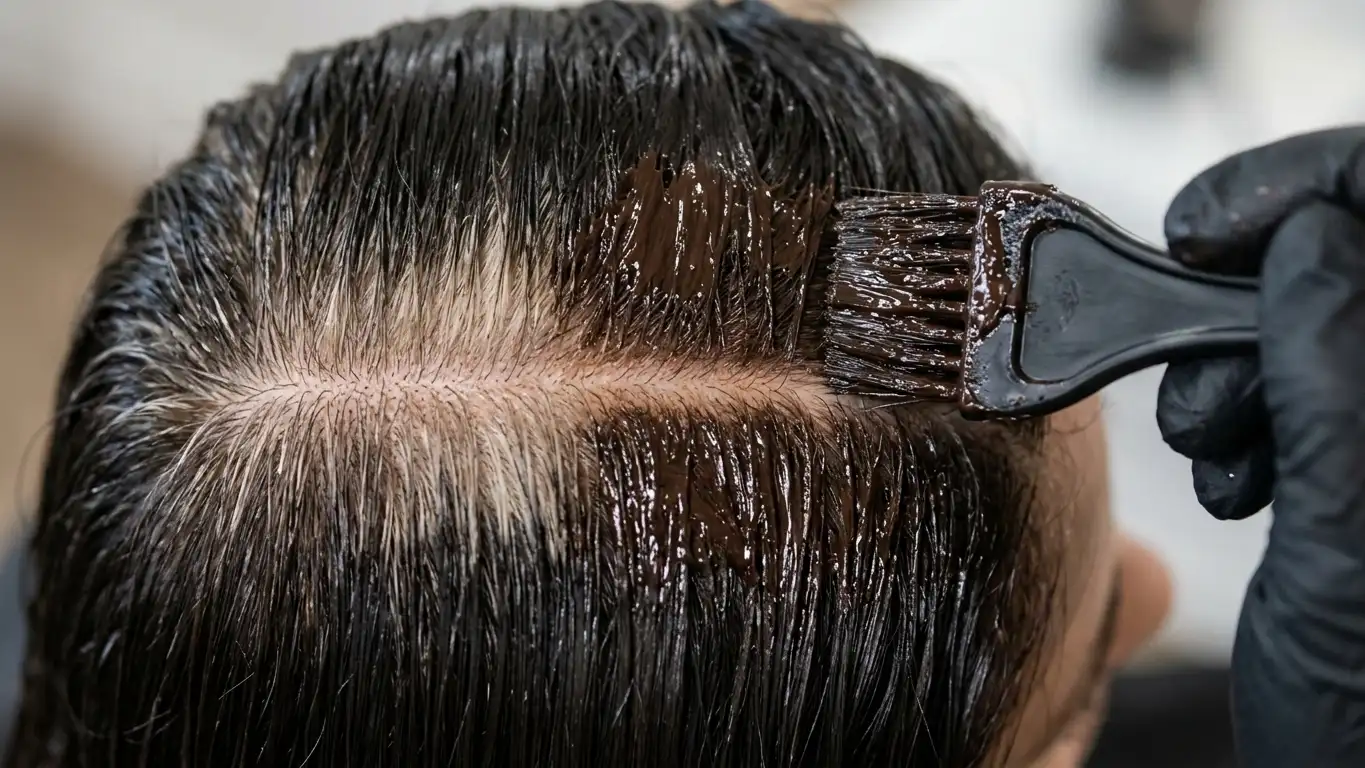
If you rinsed your lightener and discovered bright yellow roots sitting above muddy copper lengths, do not apply more bleach to your scalp. This common error happens when root heat accelerates processing. Rescue the balance by applying a root smudge using a demi-permanent shade matched exactly to your natural base level 3 or 4.
Paint the darker shade downward two inches from the root line using light, feathered brush strokes. This blurs the line where the hair color ideas dark to light transition begins.
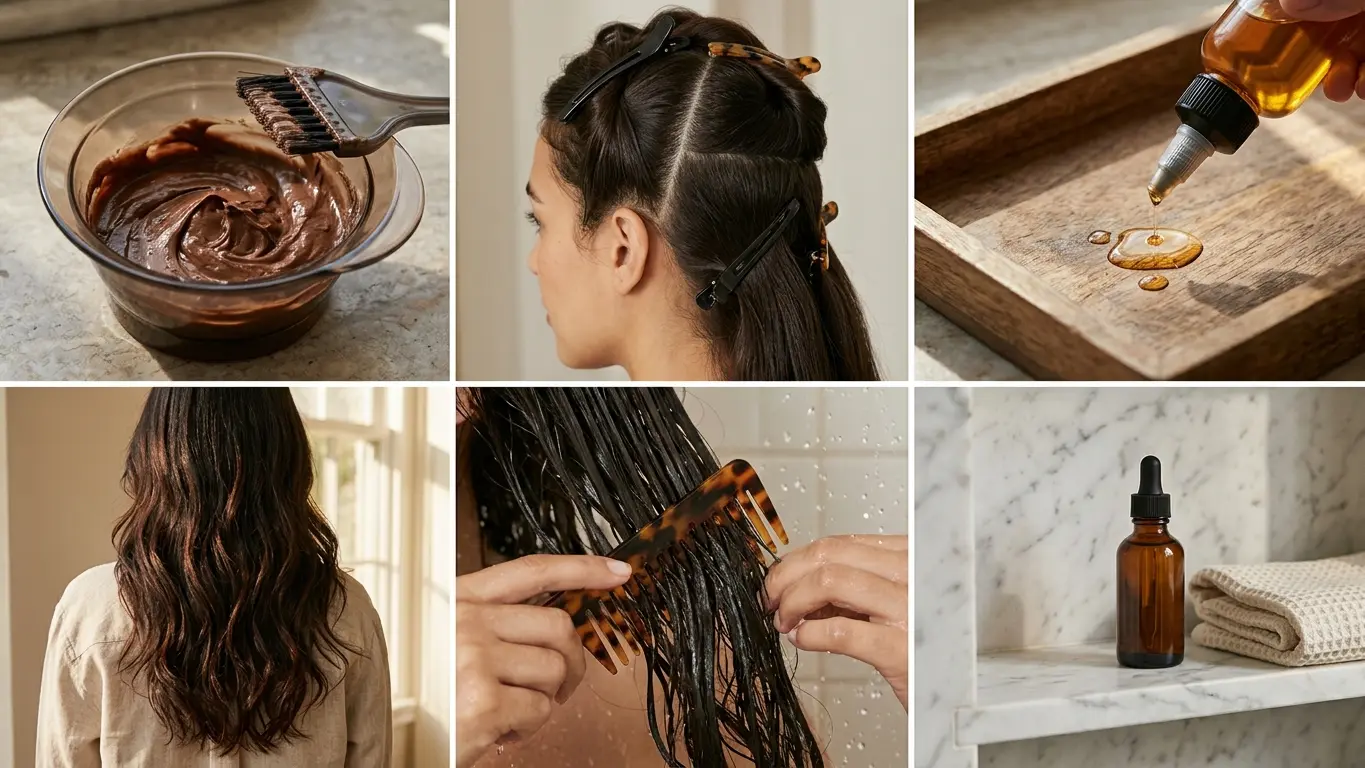
If your lightener picked up uneven bands across the mid-shaft due to old boxed dye, pick up a direct-deposit chocolate mask. Applying this for 10 minutes evens out patchy sections without adding further chemical stress to the strand.
Seal the Hair Cuticle and Lock the Tone
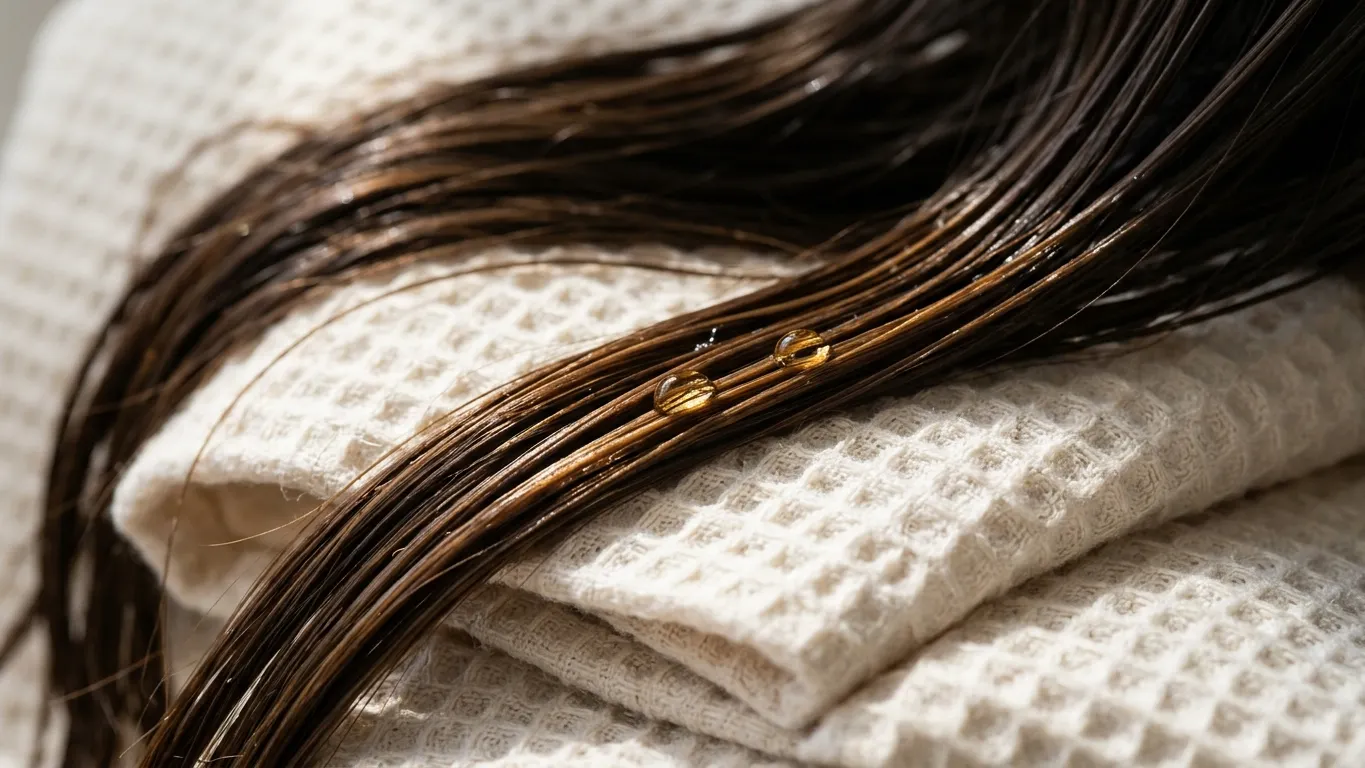
Close the hair cuticle immediately after your final toner rinse to lock the new pigment molecules inside the cortex. Apply a rich, acidic conditioning treatment across your mid-lengths and ends. Let it sit for 10 minutes so moisture penetrates deep into the porous zones.
Rinse strictly with cool water. Hot water forces the outer cuticle shingles open, which causes fresh toner molecules to bleed out during your very first wash cycle.
Smooth three drops of lightweight hair oil over damp ends before introducing any blow-dryer heat. This coats the hair shaft, blocks humidity, and shields fragile lightened fibers for up to 3 days of smoothness.
Long Term Maintenance for Lightened Dark Strands

Shifting dark hair toward multi-dimensional color alters how your hair interacts with moisture and minerals. Wash your hair no more than twice per week using a dedicated sulfate-free shampoo formulated for color-treated hair. Sulfates strip the demi-permanent toner veil within three washes, exposing the raw orange foundation underneath.
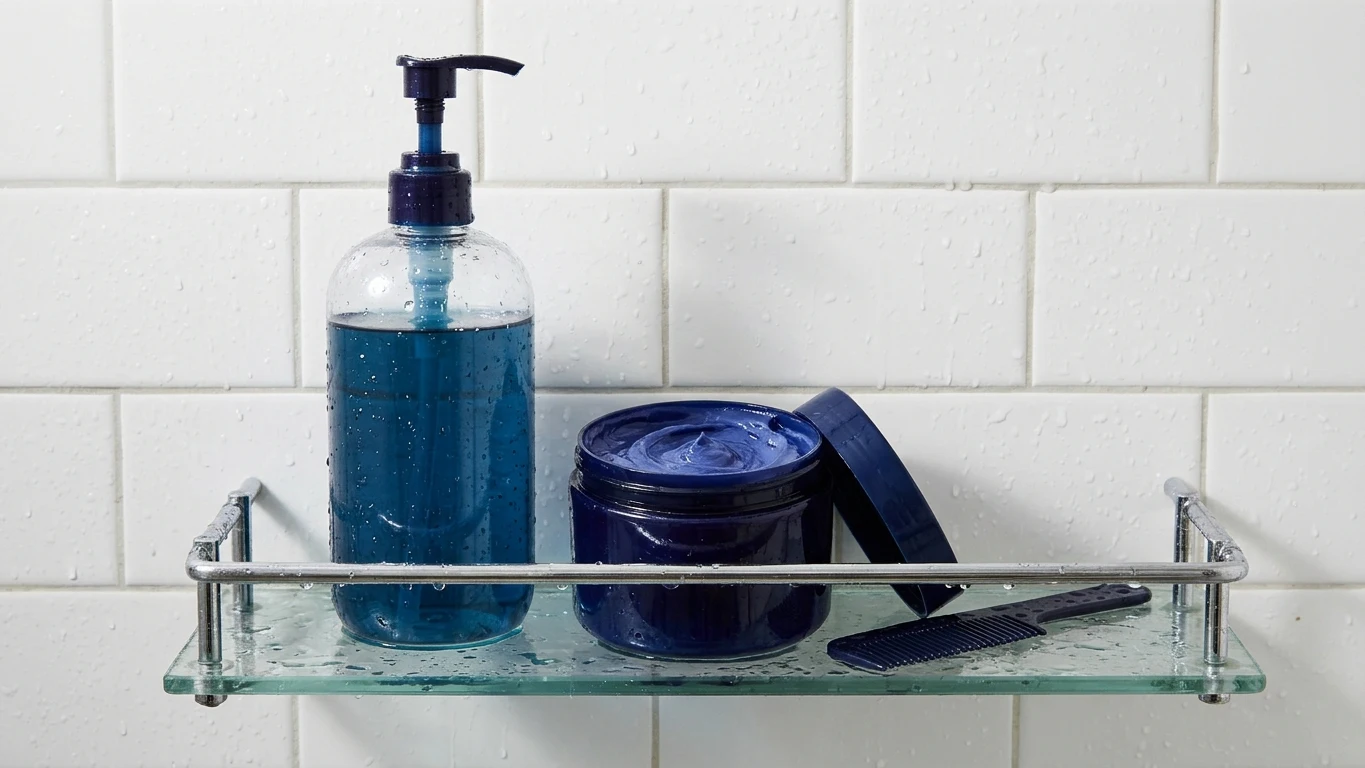
Incorporate a tinted blue or purple treatment mask into your shower routine once every seven days. Leaving a blue-pigmented mask on damp hair for 5 to 10 minutes cancels out brassy tones that creep back as tap water minerals deposit on porous ends.
If you chose high-contrast hair color ideas dark and blonde, schedule a gloss refresh every six weeks. Low-maintenance styles like a dark brown base with subtle caramel balayage can go four to six months between toner touch-ups without showing harsh grow-out lines.
Frequently Asked Questions
What happens if my hair pulls bright orange after bleaching?
Bright orange indicates the lightener lifted your natural base through level 5 or 6 but ran out of steam before reaching blonde. You do not need to bleach again immediately. Neutralize the orange tone by applying a level 6 or 7 ash-based blue toner mixed with dedicated low-volume developer for 20 minutes.
Can I color dark hair without using any bleach?
Permanent high-lift color for dark hair can lighten virgin strands up to three levels without traditional bleach powder. However, high-lift color contains strong ammonia, requires 30-volume developer, and only works on hair that has never been previously dyed. It cannot lift through existing dark hair dye.
How soon can I bleach my hair a second time if it is not light enough?
Wait at least 14 days before attempting a second lightening session on dark hair. During those two weeks, apply protein treatments and deep-conditioning hair masks twice weekly to rebuild tensile strength. Bleaching back-to-back causes severe chemical breakage and irreversible moisture loss.
Why did my toner wash out after only two showers?
Toner washes out rapidly when applied over highly porous hair whose cuticle remains blown open, or when washed with clarifying shampoo and hot water. Always rinse toner with cool water, use sulfate-free color-safe cleansers, and finish with an acidic bonding treatment to keep the cuticle sealed.
Recap of the Coloring Process
Transforming dark hair successfully requires executing chemical steps in their precise mechanical sequence. You begin by measuring your starting level in clear daylight, confirming chemical safety with an isolated strand test, and dividing your head into four clean quadrants. From there, you mix fresh bleach with gentle 20-volume developer, saturate mid-lengths before addressing the roots, and let the product lift under a cap for under 50 minutes. The transformation finishes by neutralizing underlying brassiness with a corrective demi-permanent toner, balancing any uneven root warmth with a feathered smudge, and sealing the open cuticle with an acidic cold rinse.
Always perform a skin allergy patch test 48 hours prior to applying chemical lighteners, toners, or oxidative hair dyes.