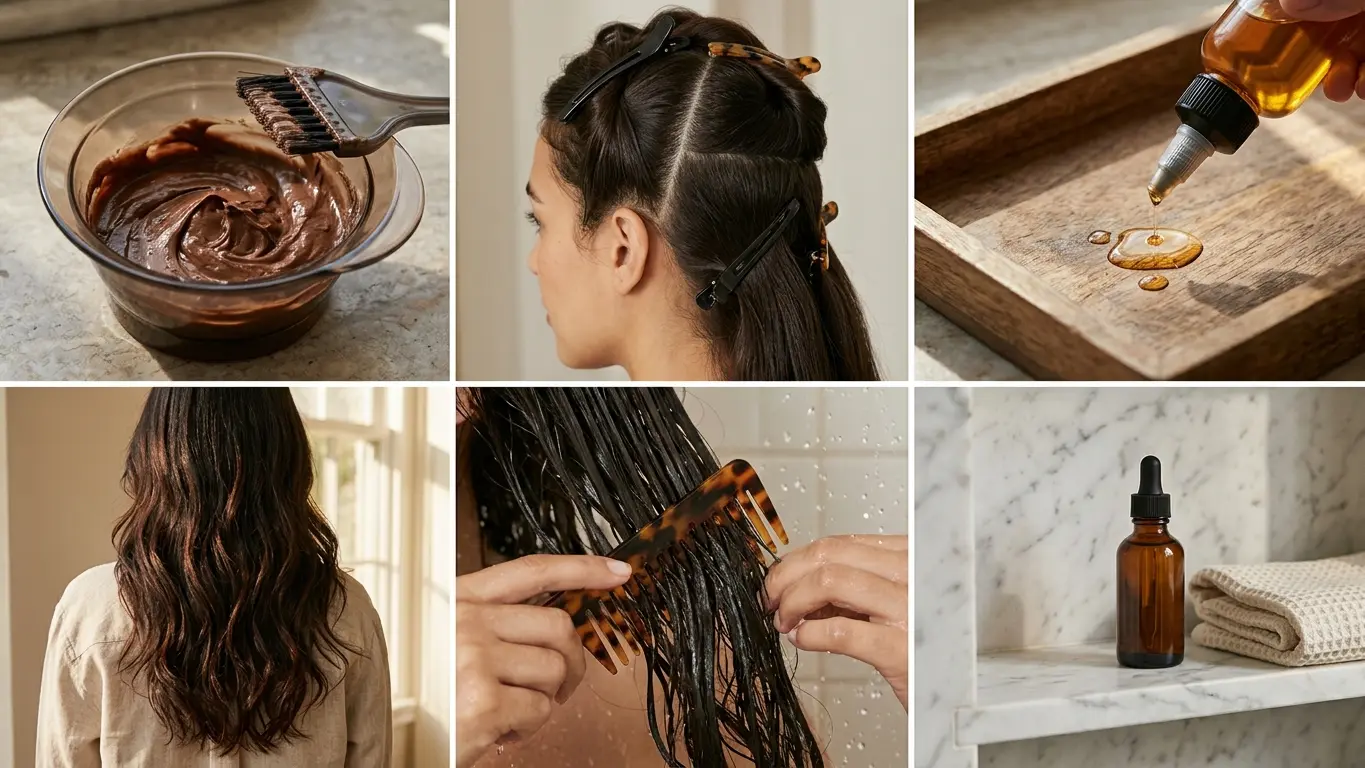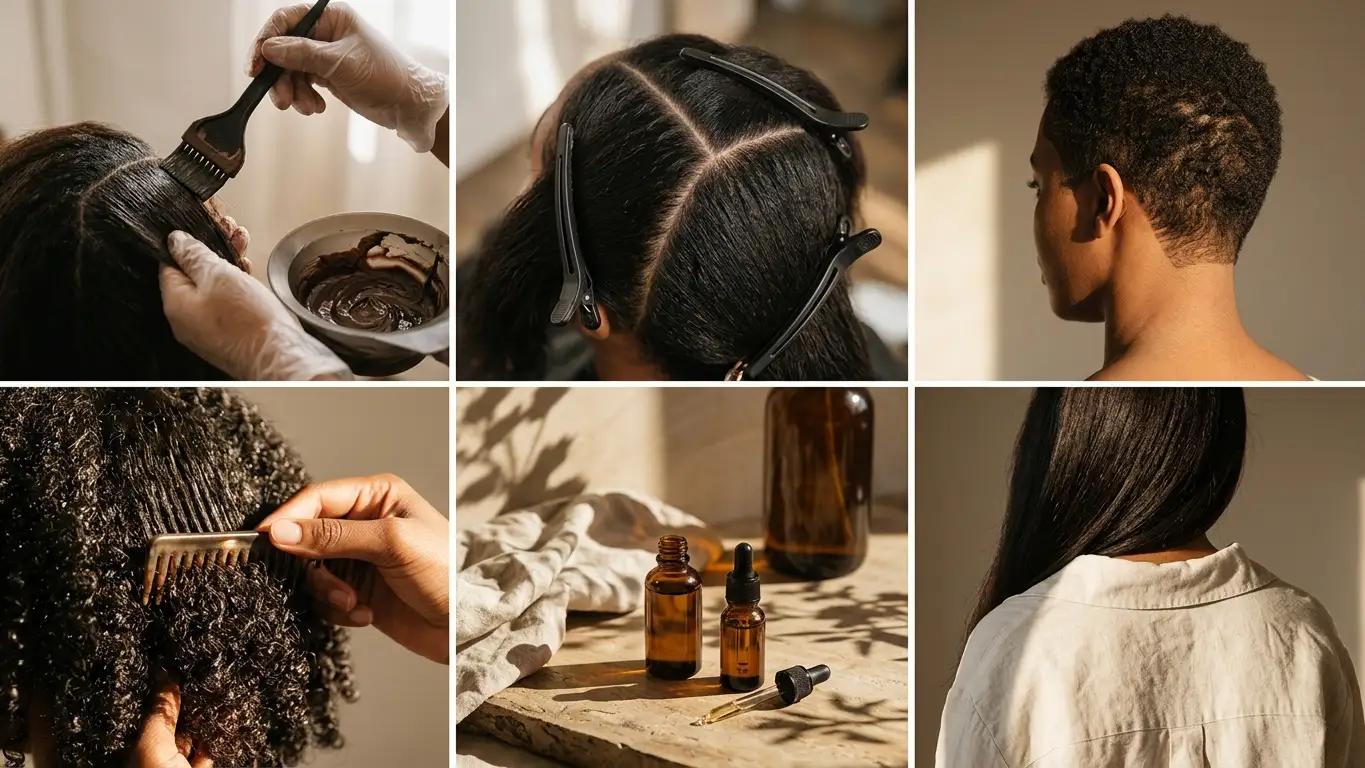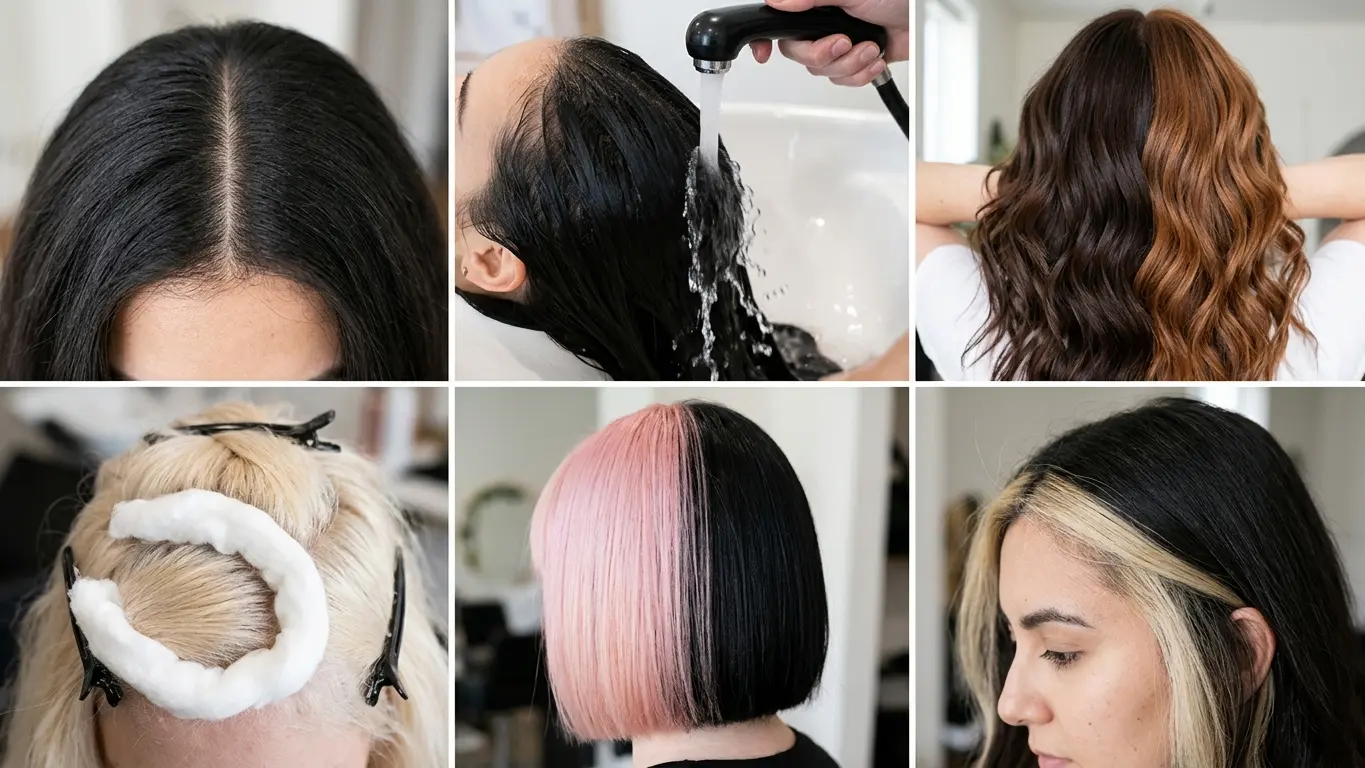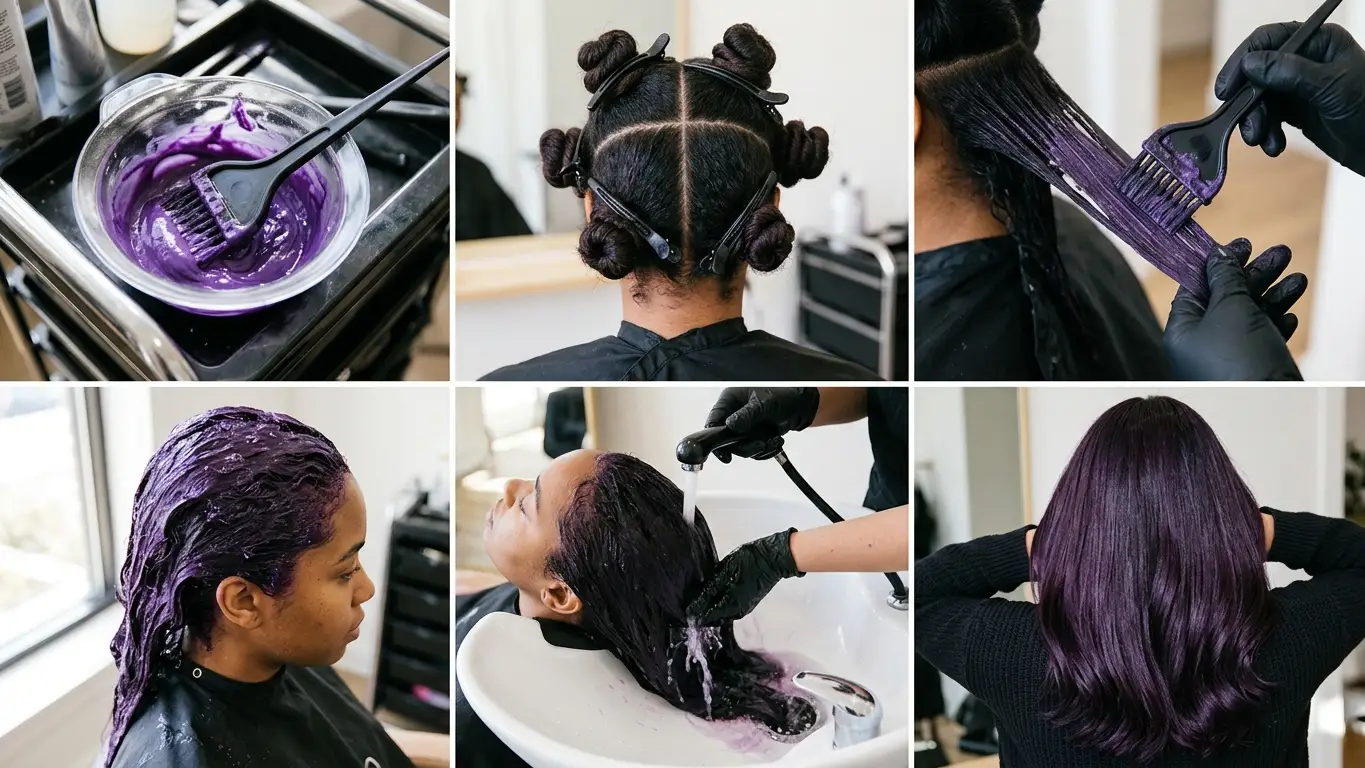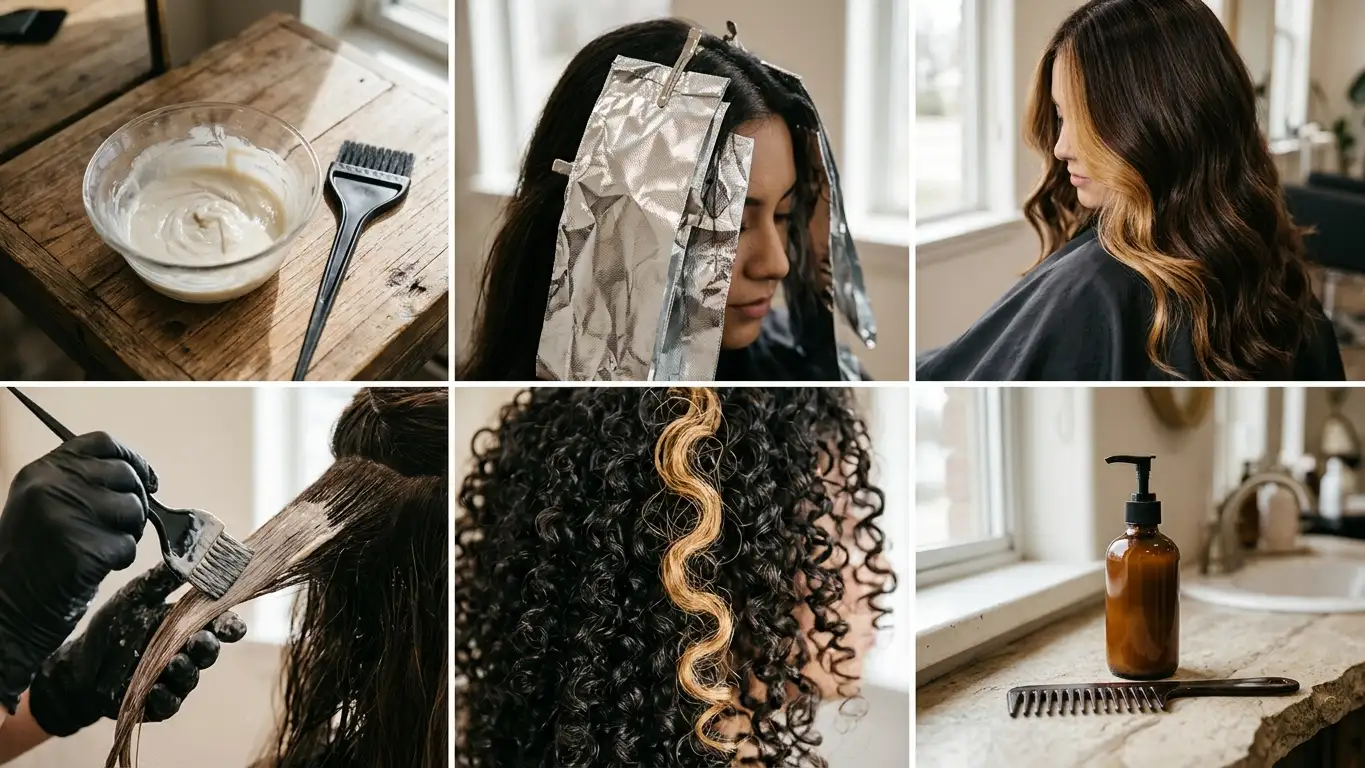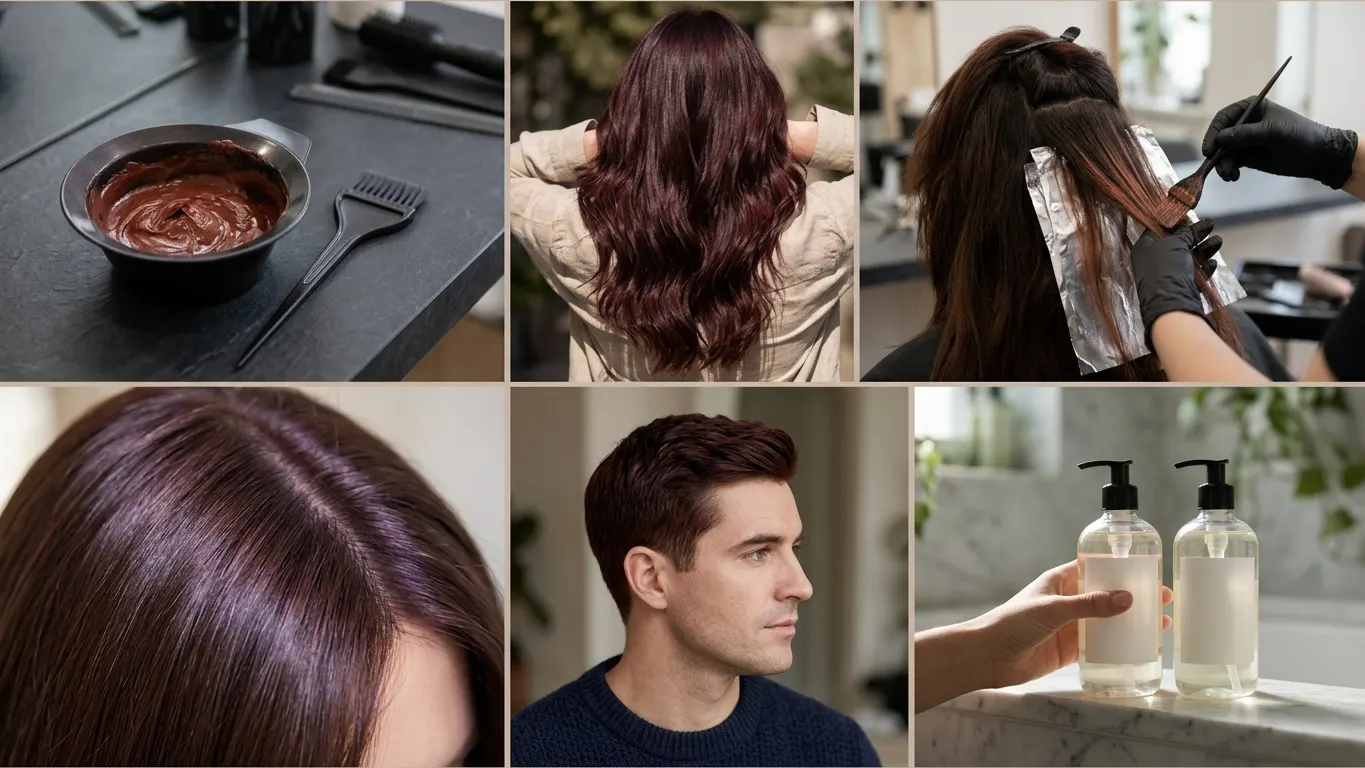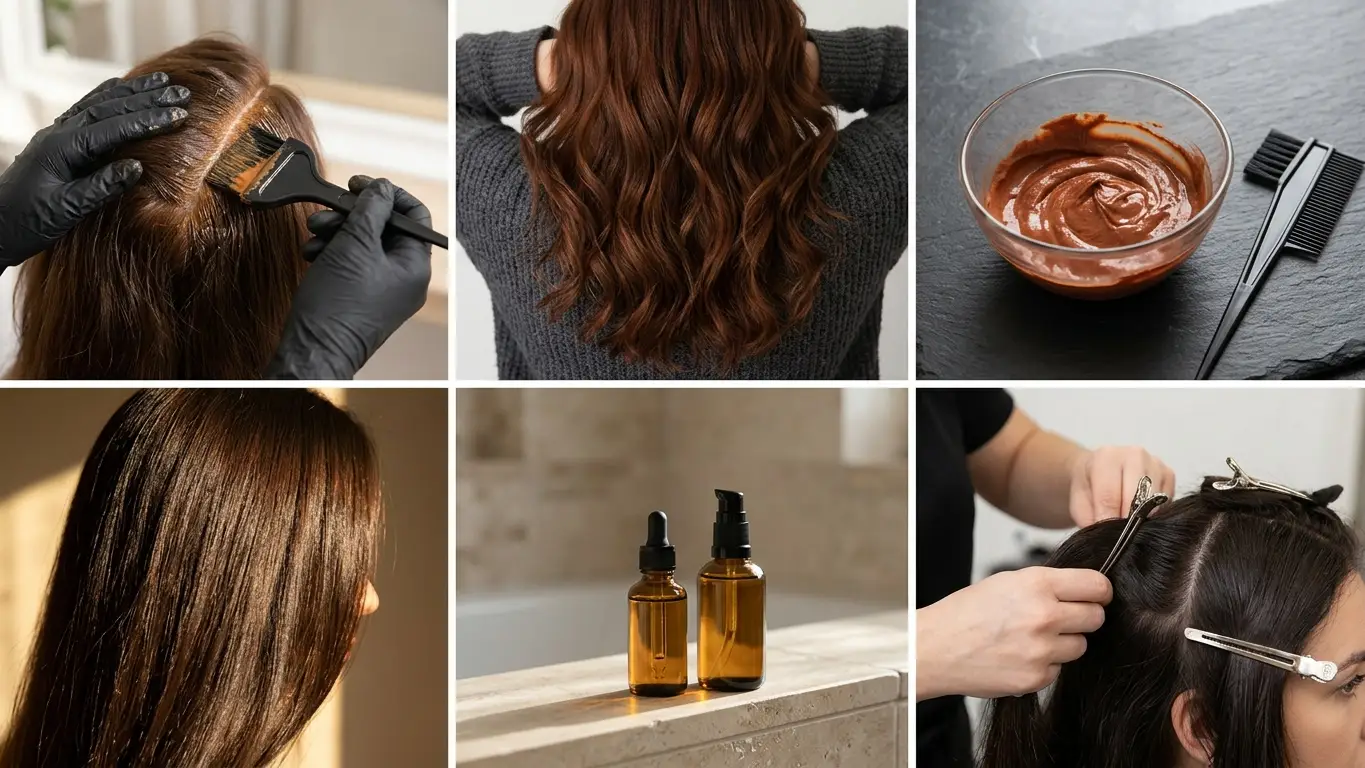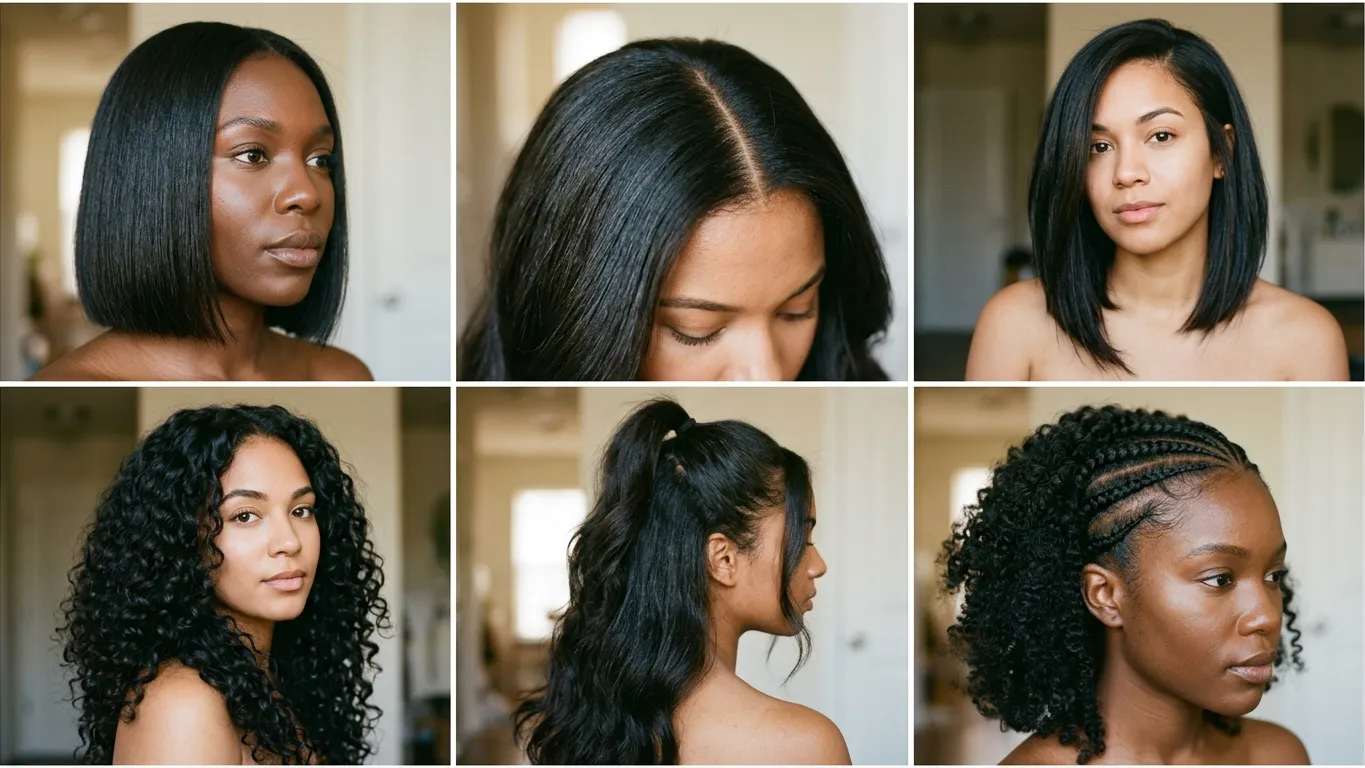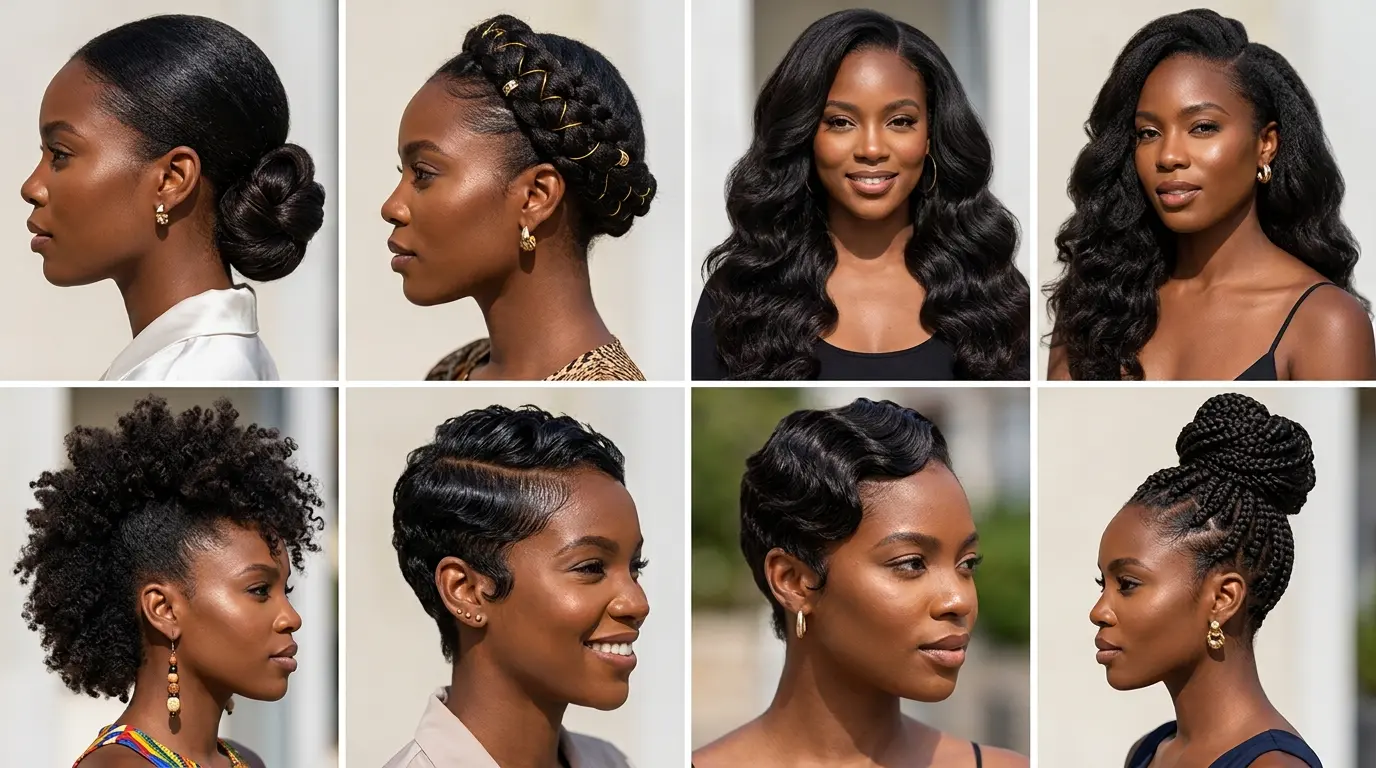


Getting high contrast skunk stripe hair black women love requires balancing aggressive lightening against the structural limits of textured strands. A single block of pale blonde, copper, or steel grey placed against jet black strands creates an unmistakable profile. The look works across raw virgin bundles, sleek silk presses, and box braids, yet pulling it off without snapping fragile coils comes down to timing, developer strength, and moisture management.
Choosing Your Placement Pattern
The Classic Front Money Piece
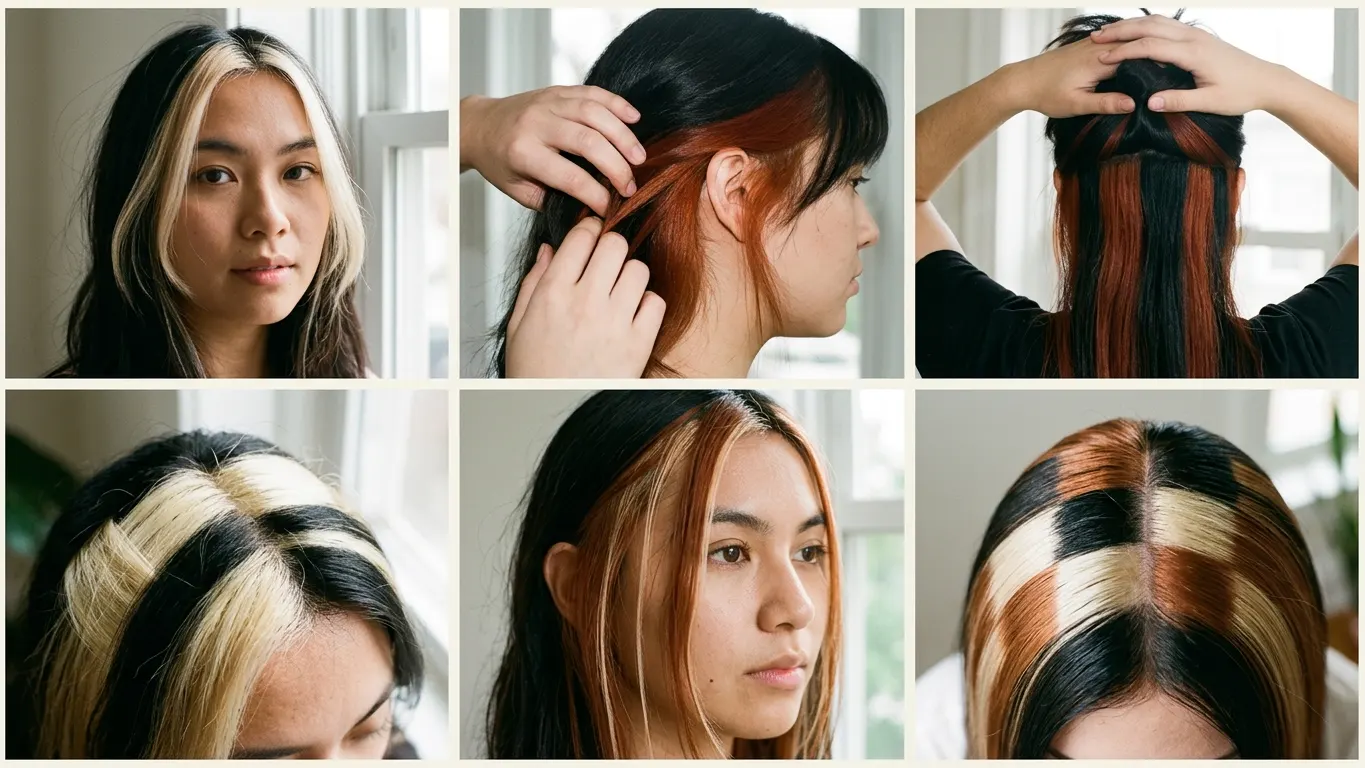
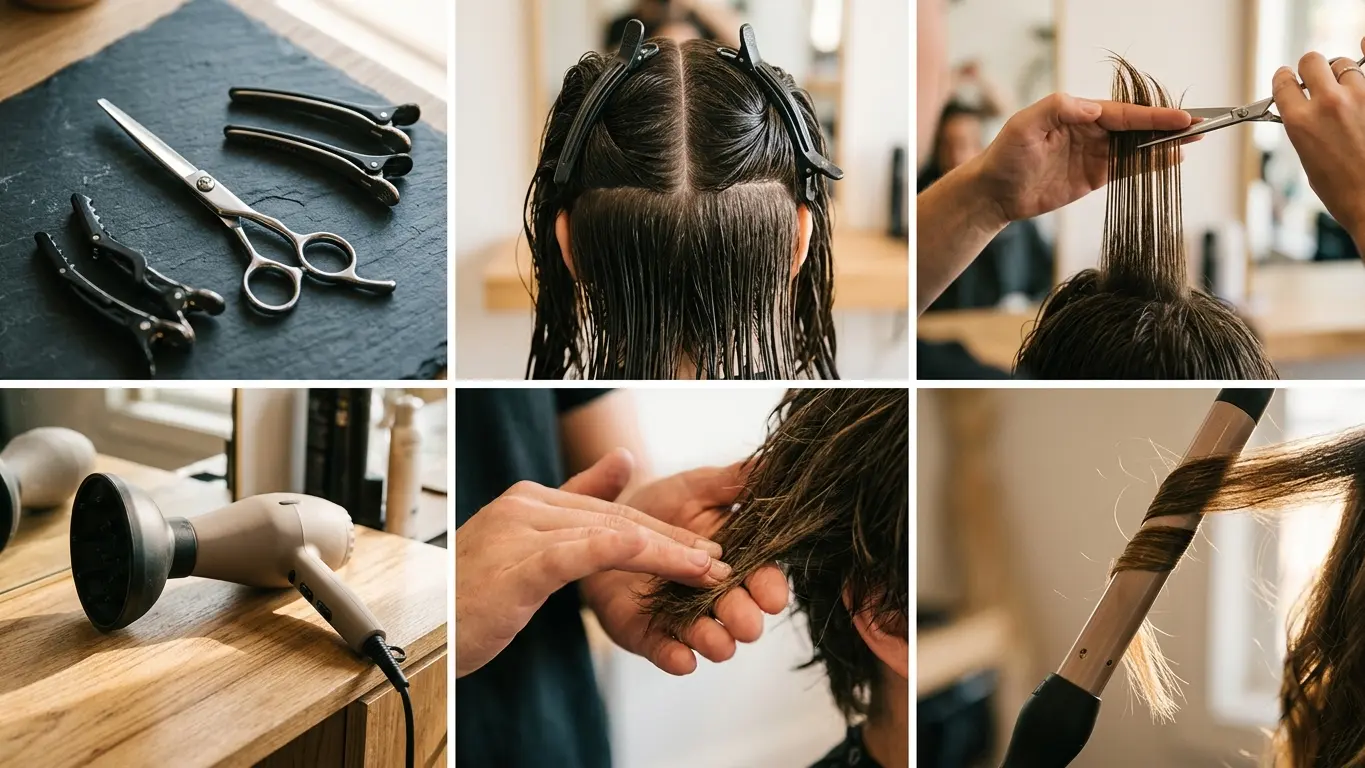
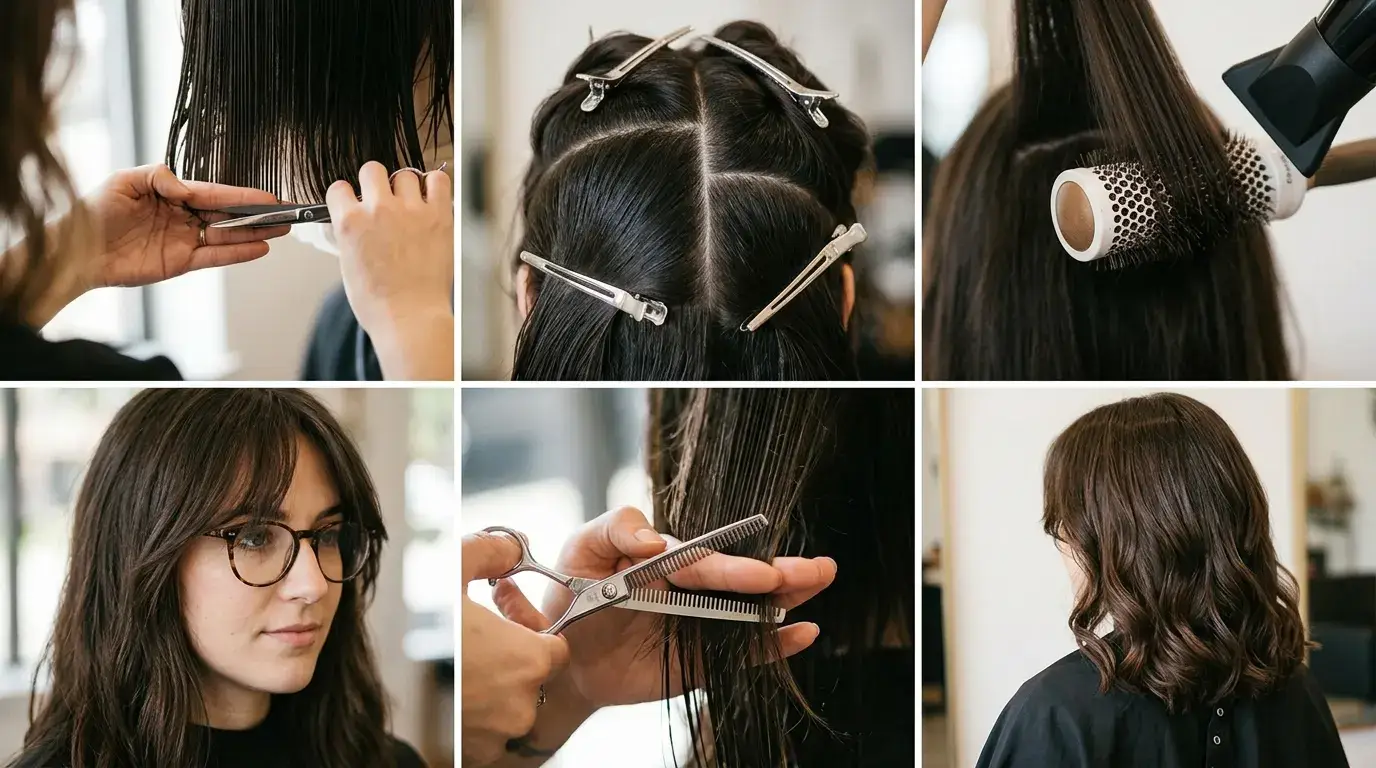
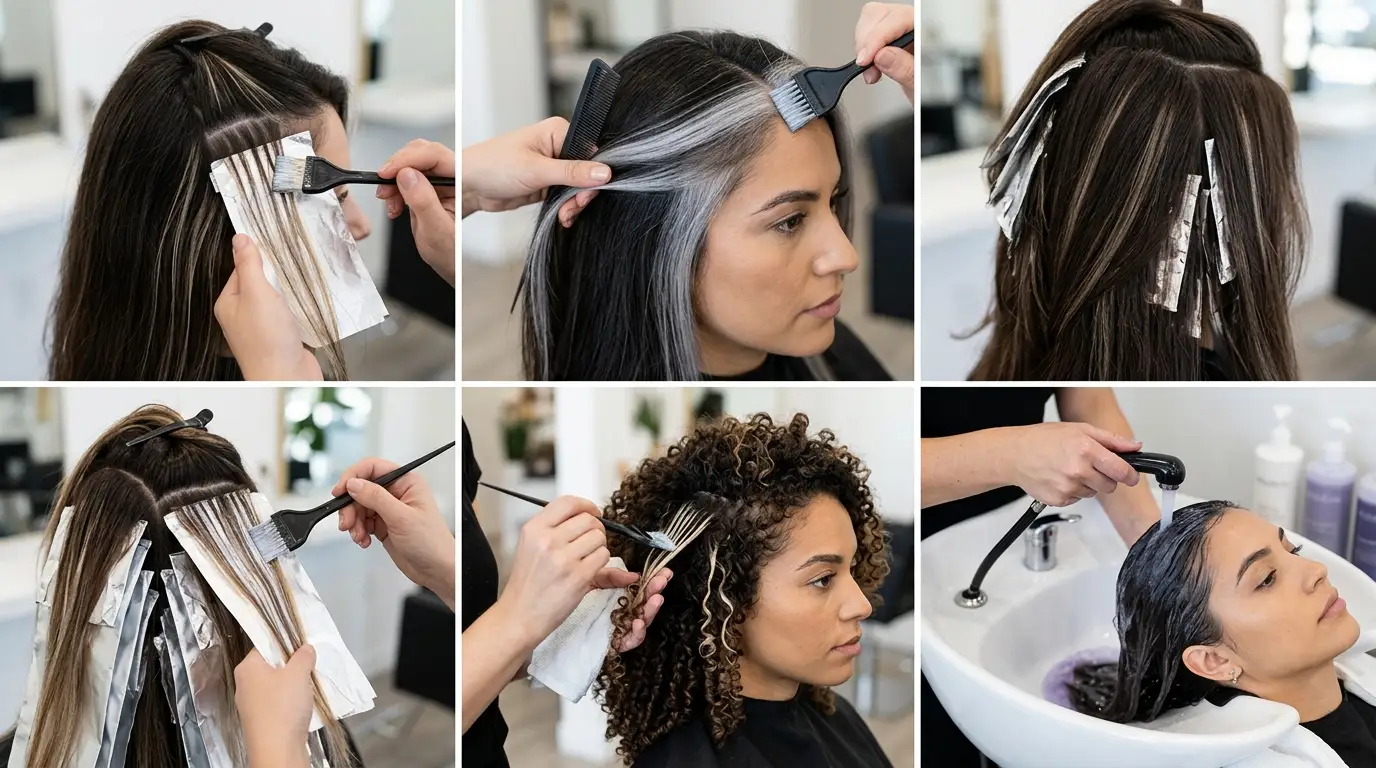
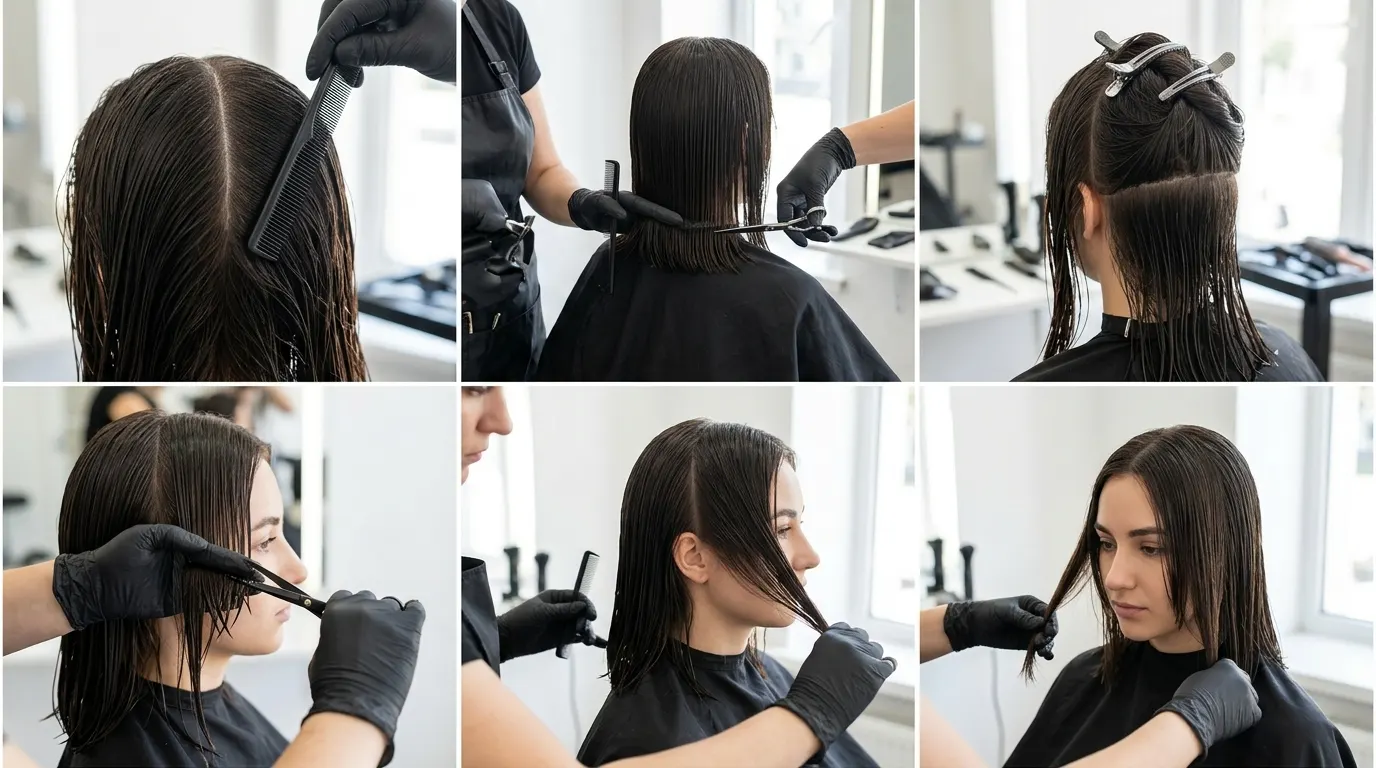
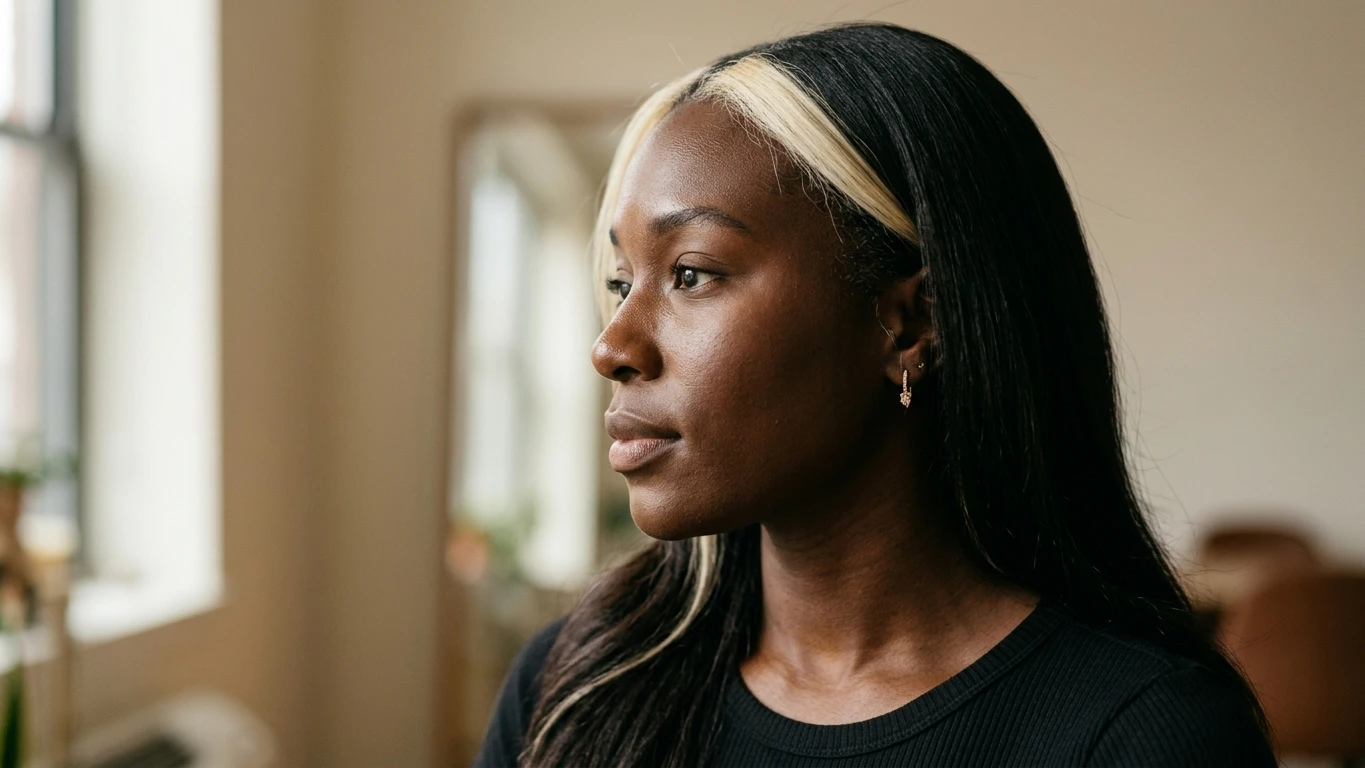
Carving out a triangular parting at the apex of the hairline creates the highest visual impact. Take a section one inch back from the forehead and two inches wide along the front edge. Parting wider than three inches across the front will overtake the dark base rather than framing it. This placement draws focus right to the cheekbones and works best when the surrounding hair stays deep espresso or natural black.
The Hidden Nape Peekaboo
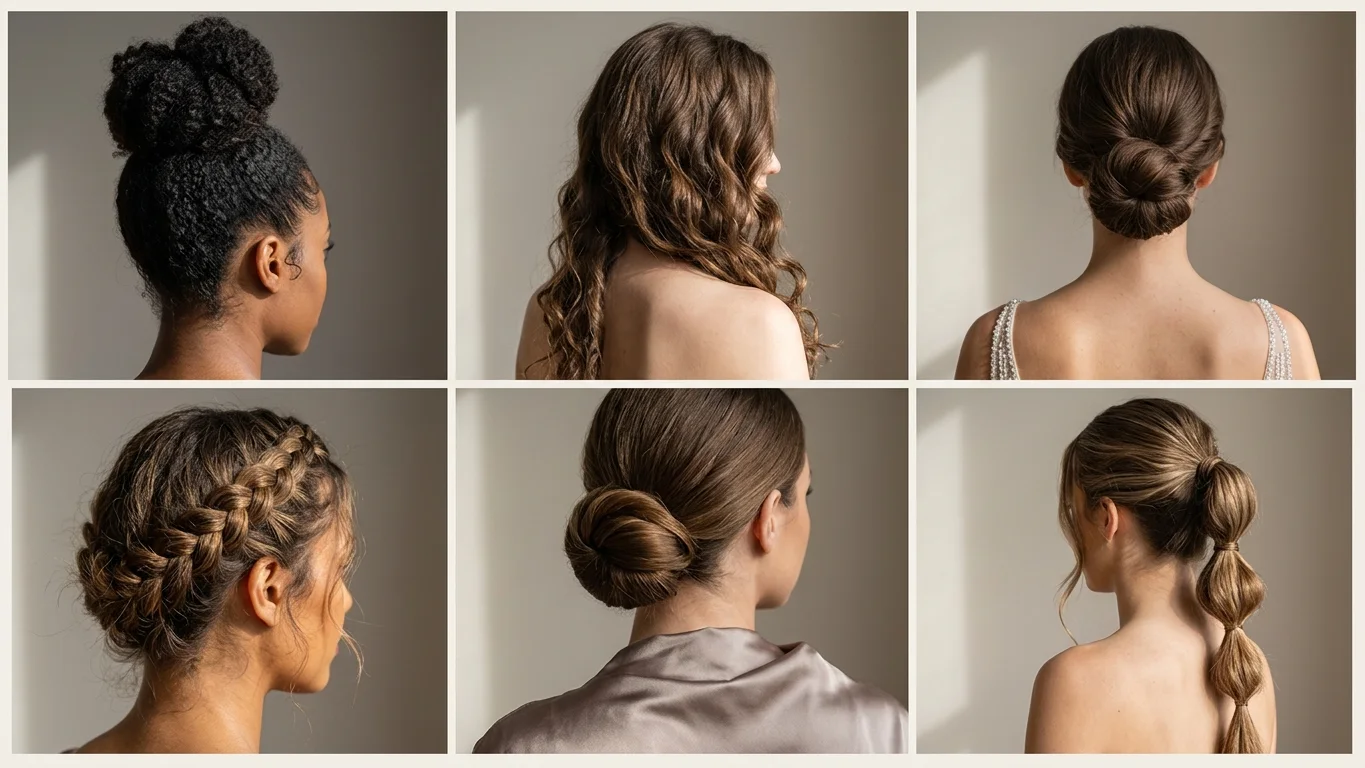
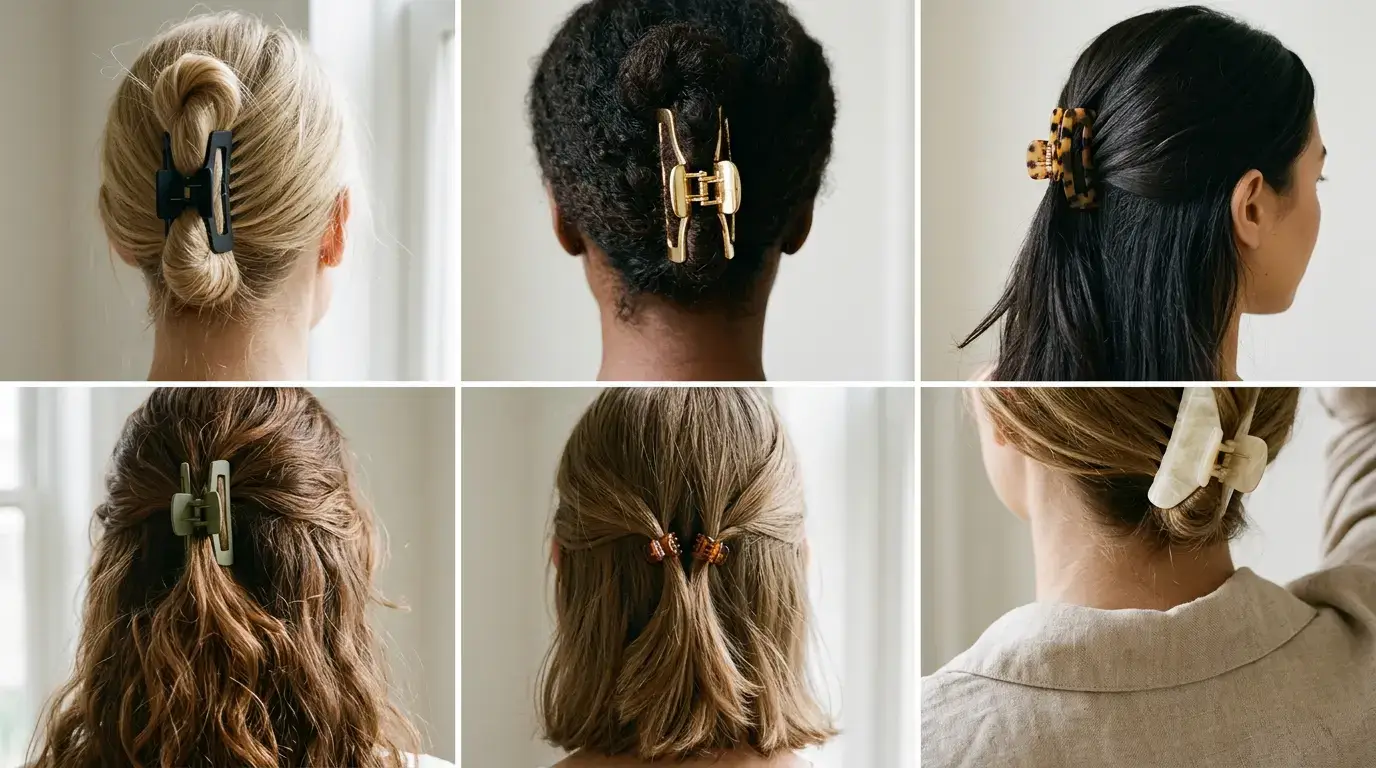
Placing the pale strip across the lower perimeter offers styling flexibility. Section away everything above the occipital bone and secure it with a large jaw clip. Bleach a horizontal ribbon two inches deep starting half an inch above the hairline at the neck. The streak stays concealed when your hair falls straight down over the shoulders. Sweep the top into a half bun or high ponytail, and the hidden panel reveals itself instantly.
The Asymmetrical Side Streak
Isolating a two inch vertical slice directly behind one ear delivers a modern edge. Clip the crown out of the way and slice down from the temple toward the jaw. This layout keeps the face frame clean while flashing bright pigment whenever you tuck hair behind your ear or part to the side.
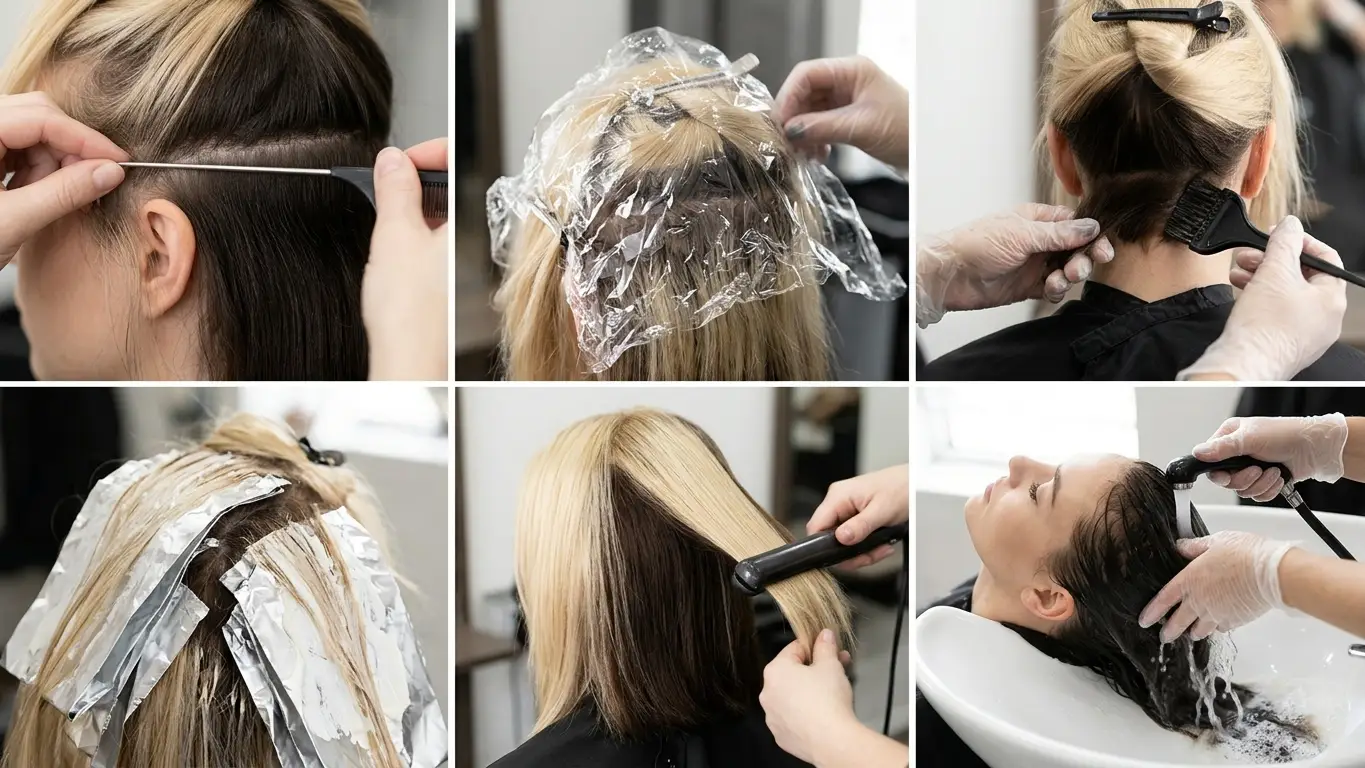
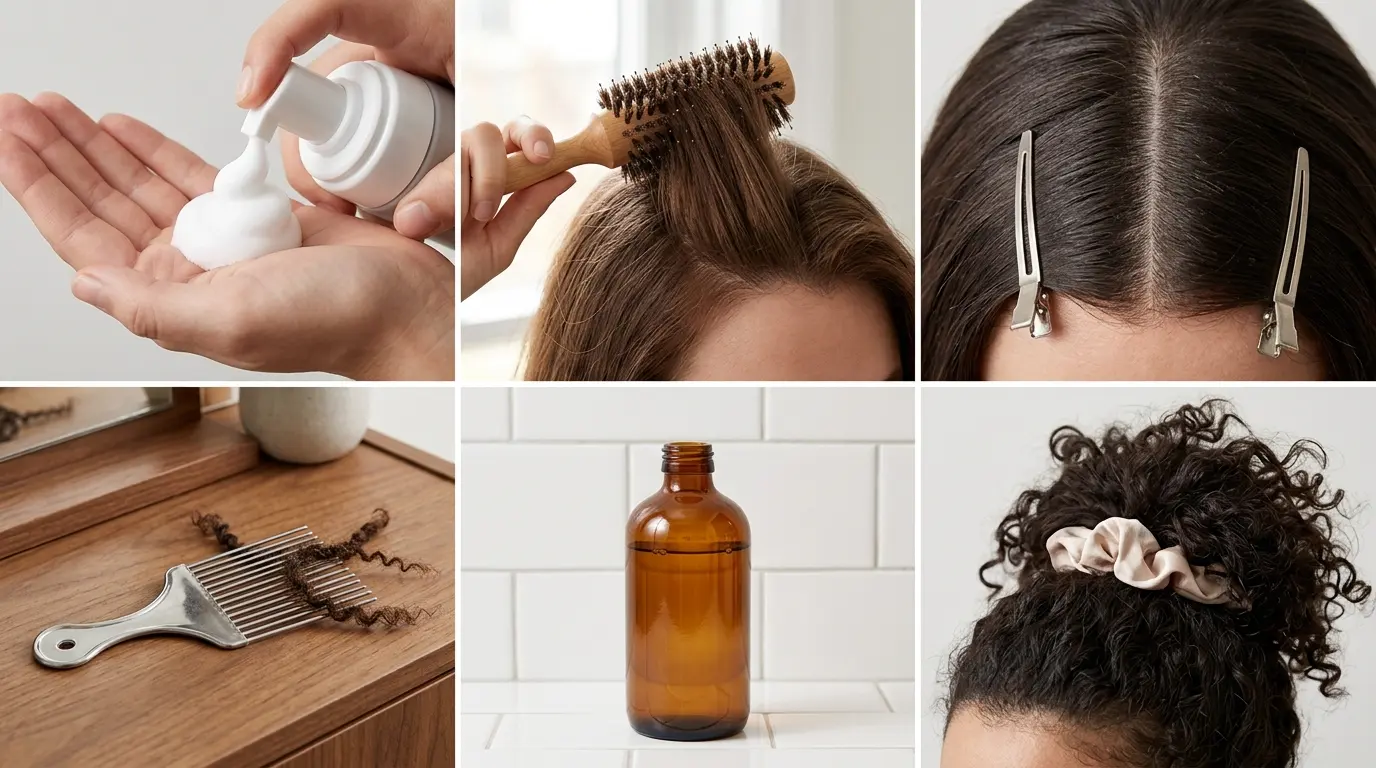
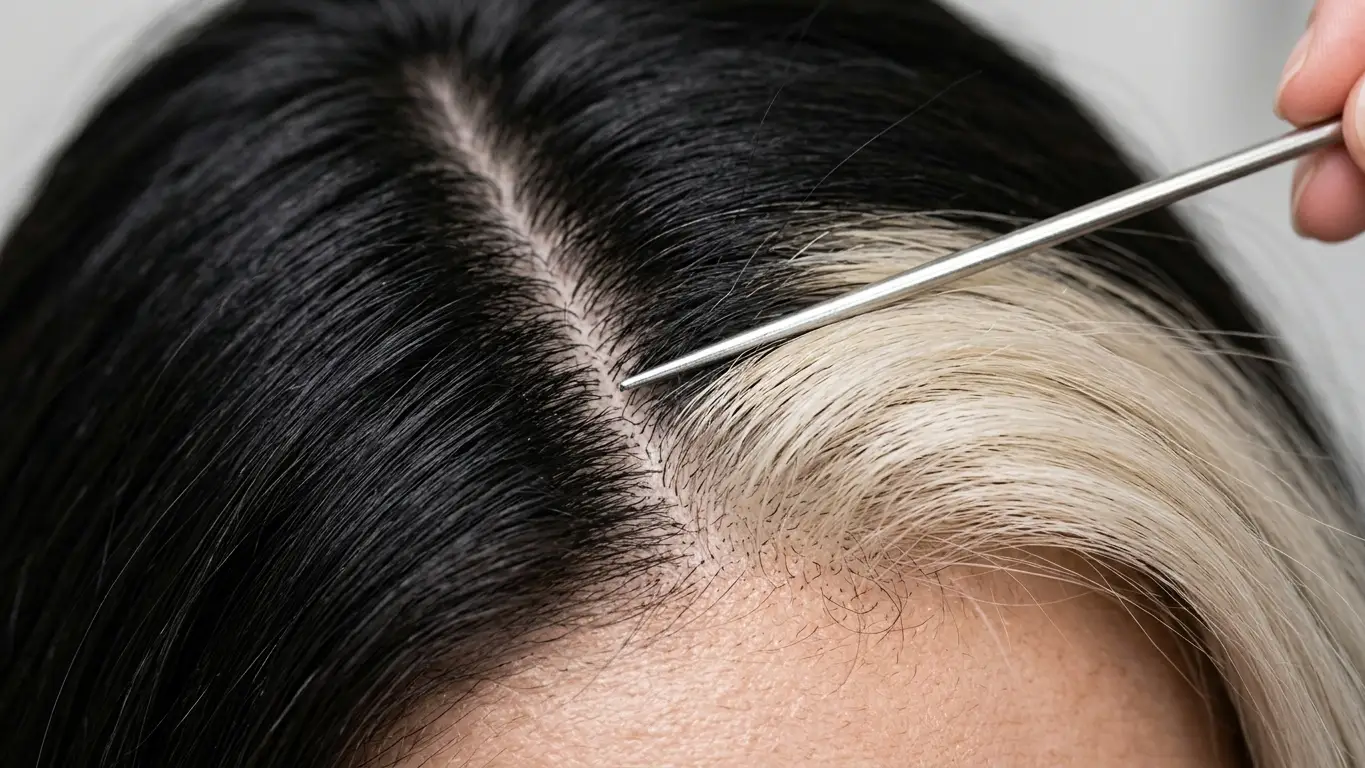
Keep parting lines sharp using metal rat tail combs, because sloppy lines blur the intentional graphic edge of the style.
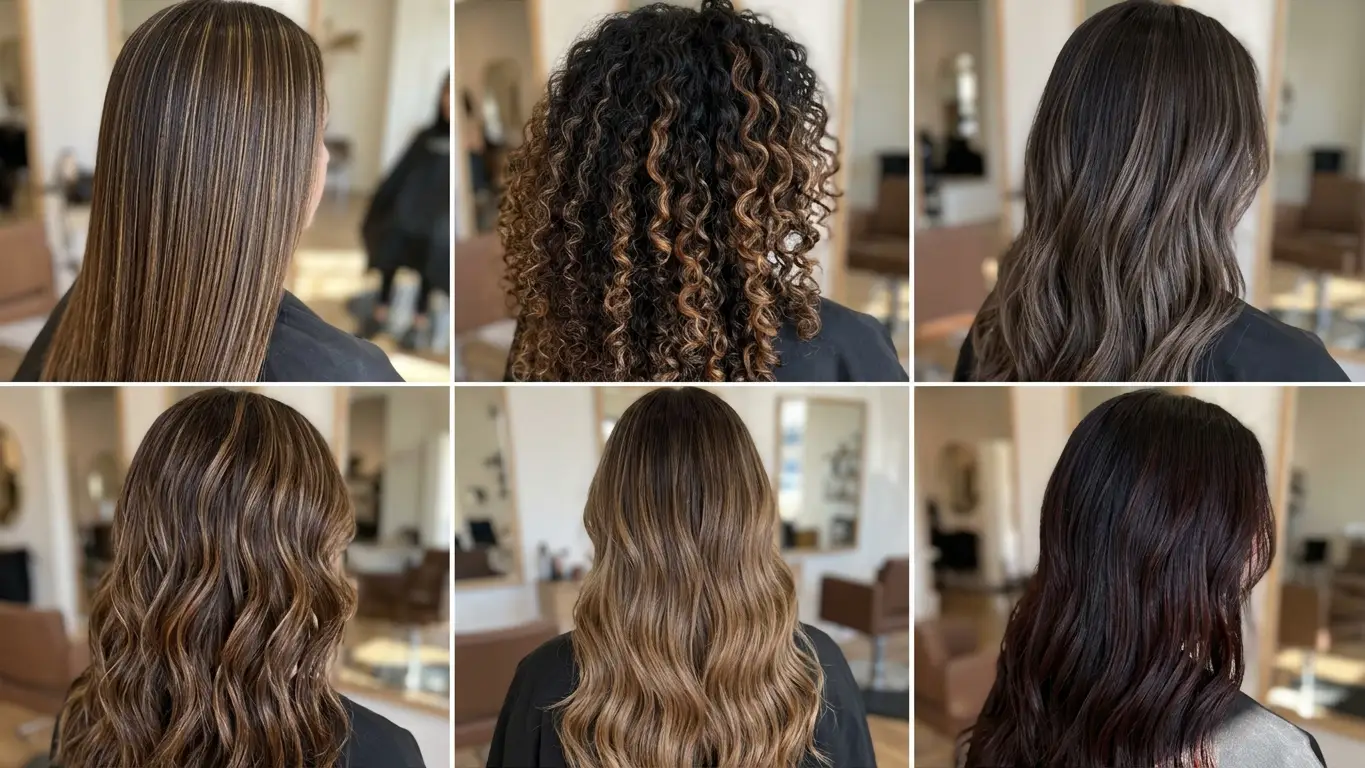
Assessing Natural Coils Versus Raw Bundles
Working on Virgin Human Hair Extensions
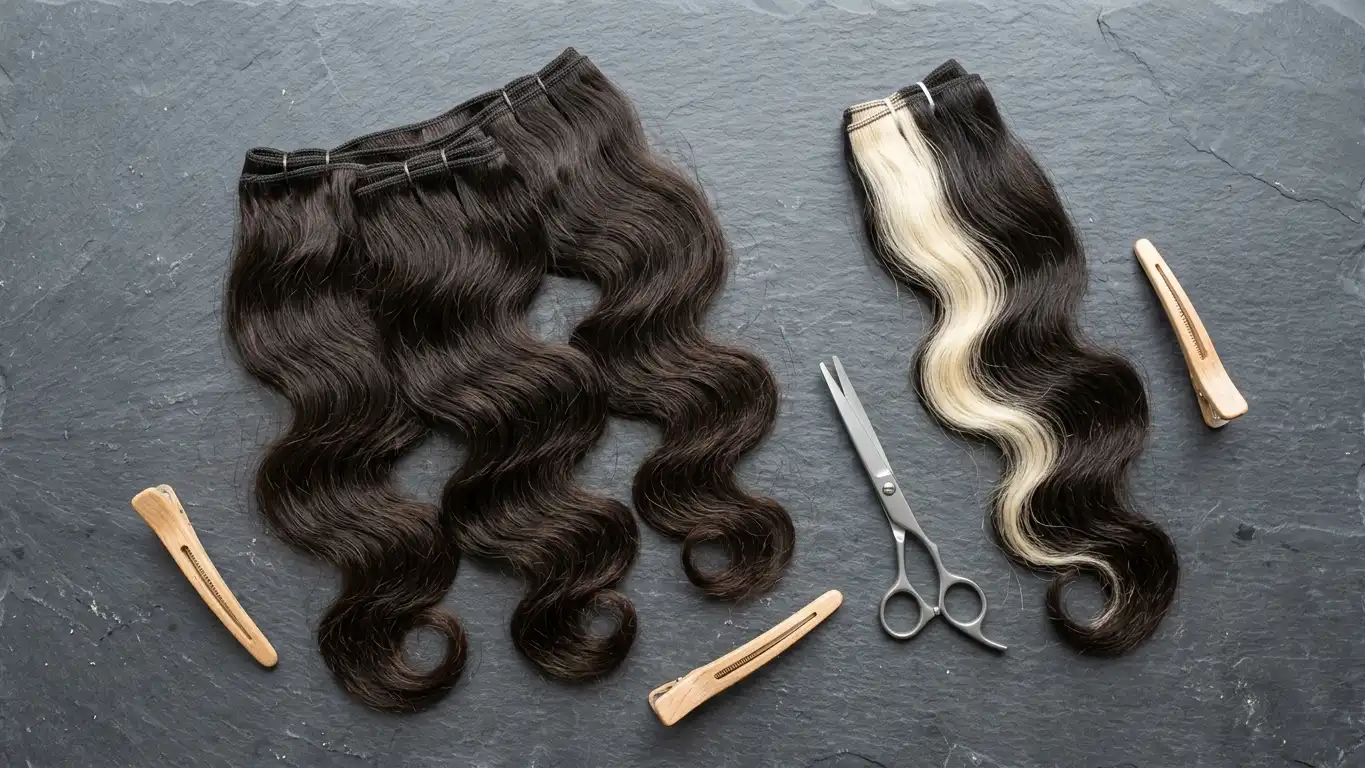
Lifting extensions spares your natural curls from chemical stress. Pick raw Vietnamese or unprocessed Brazilian bundles rather than processed beauty supply packs. Factory dyed jet black bundles contain metallic salts that turn brassy orange and refuse to lift past level seven. Expect to spend around 120 to 180 dollars in 2026 for a reliable raw lace front wig or three bundles.
Lifting Natural Type 4 Curls Directly
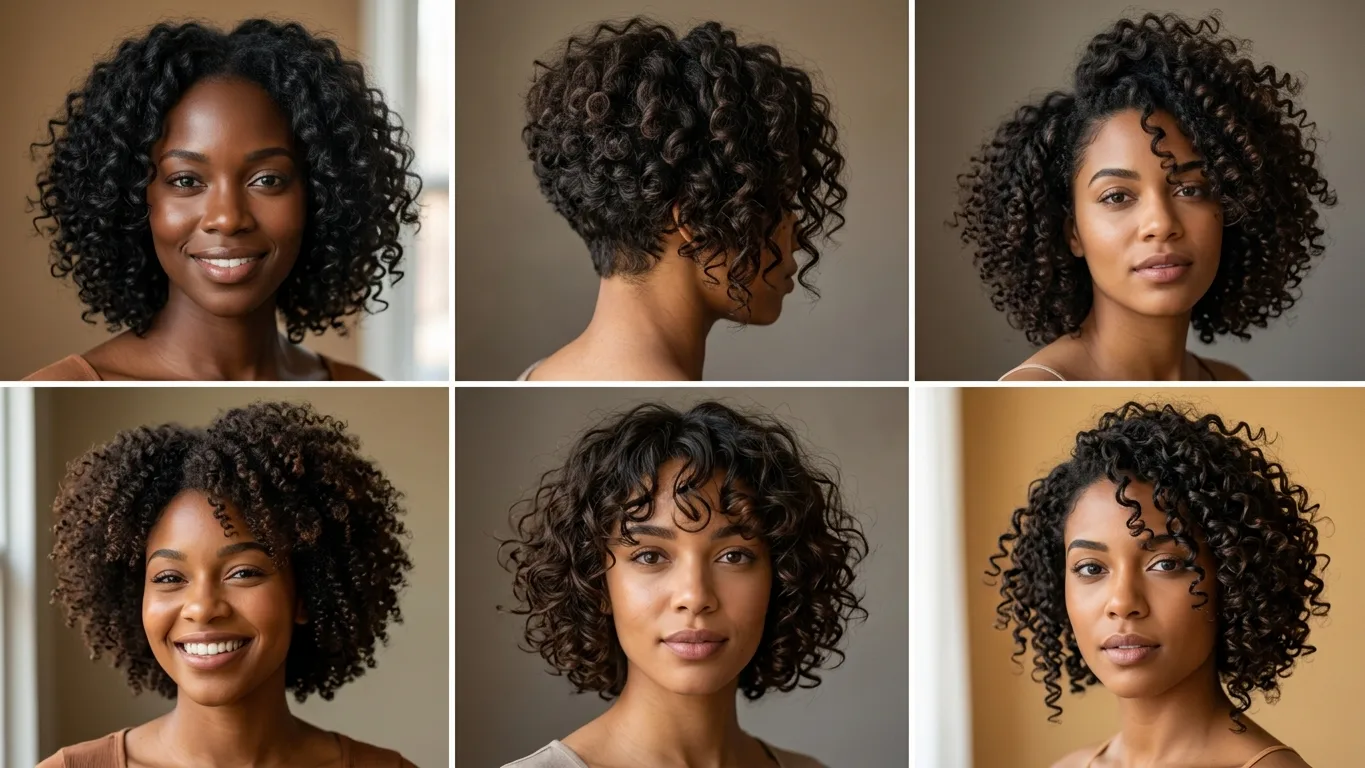
Natural coily strands require a gentle, gradual approach. High porosity kinky textures absorb bleach rapidly, causing the cuticle to swell and snap if left unchecked. Never attempt to jump from natural off black to platinum in a single sitting on real hair. Splitting the lift across two sessions spaced four weeks apart gives fragile moisture barriers time to recover with protein treatments.
Check strand elasticity first by pulling a wet strand gently between two fingers; if it snaps instantly without stretch, stick to clipping in blonde track extensions instead.
Selecting Bleach and Developer Ratios
Developer Volume Boundaries
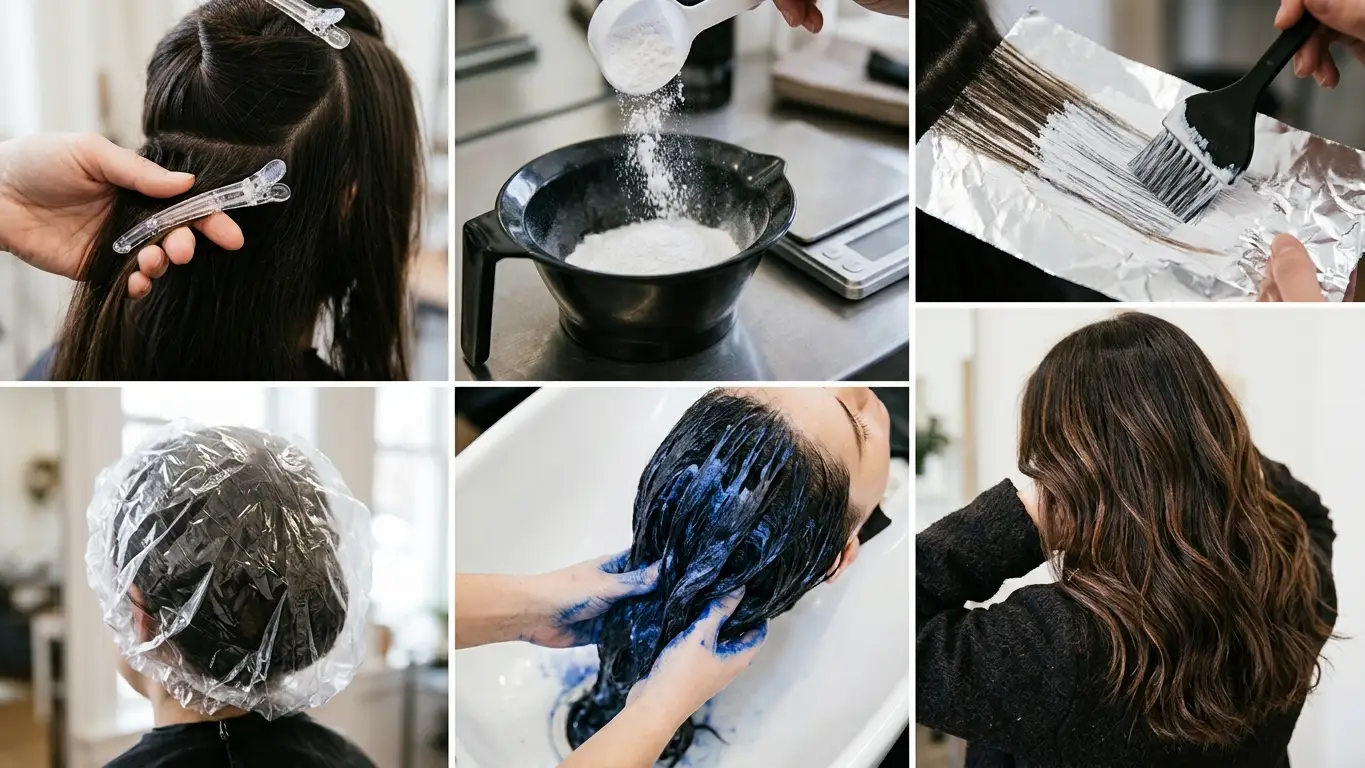
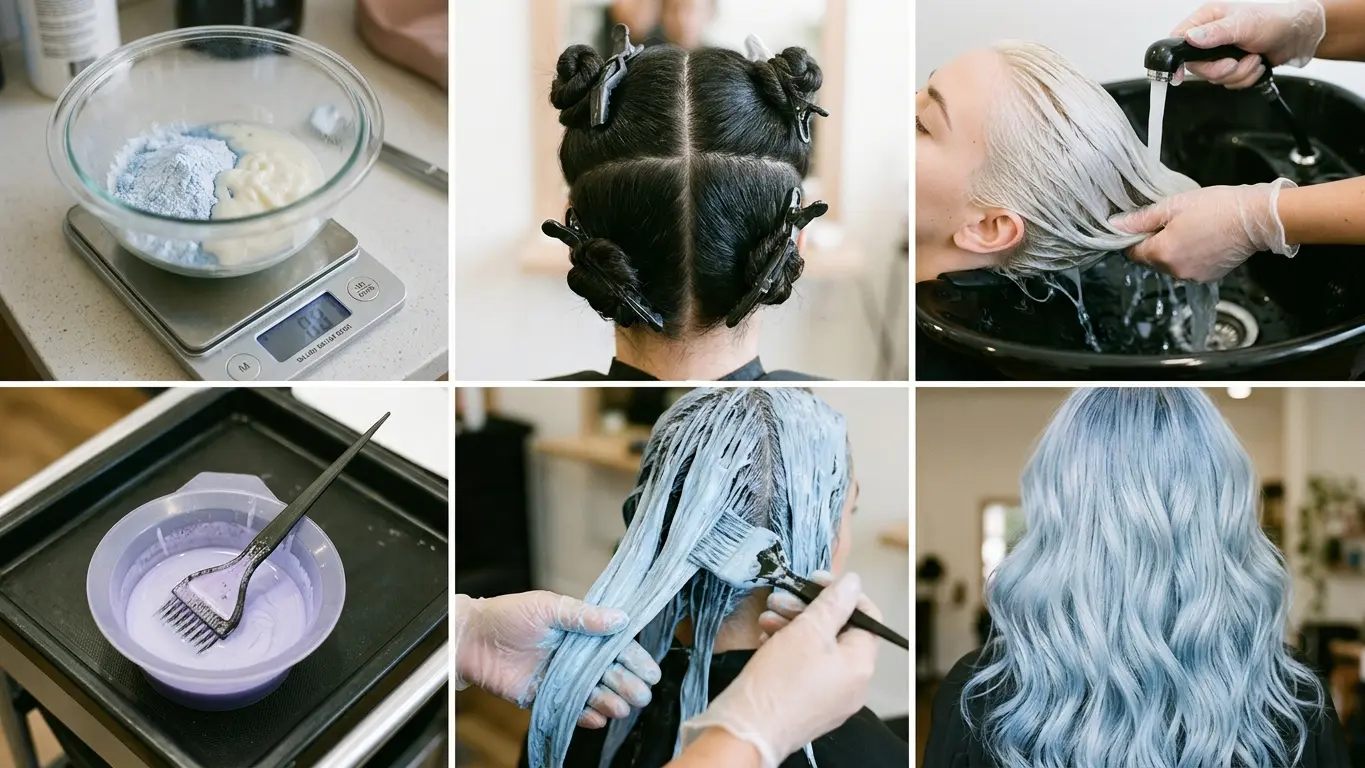
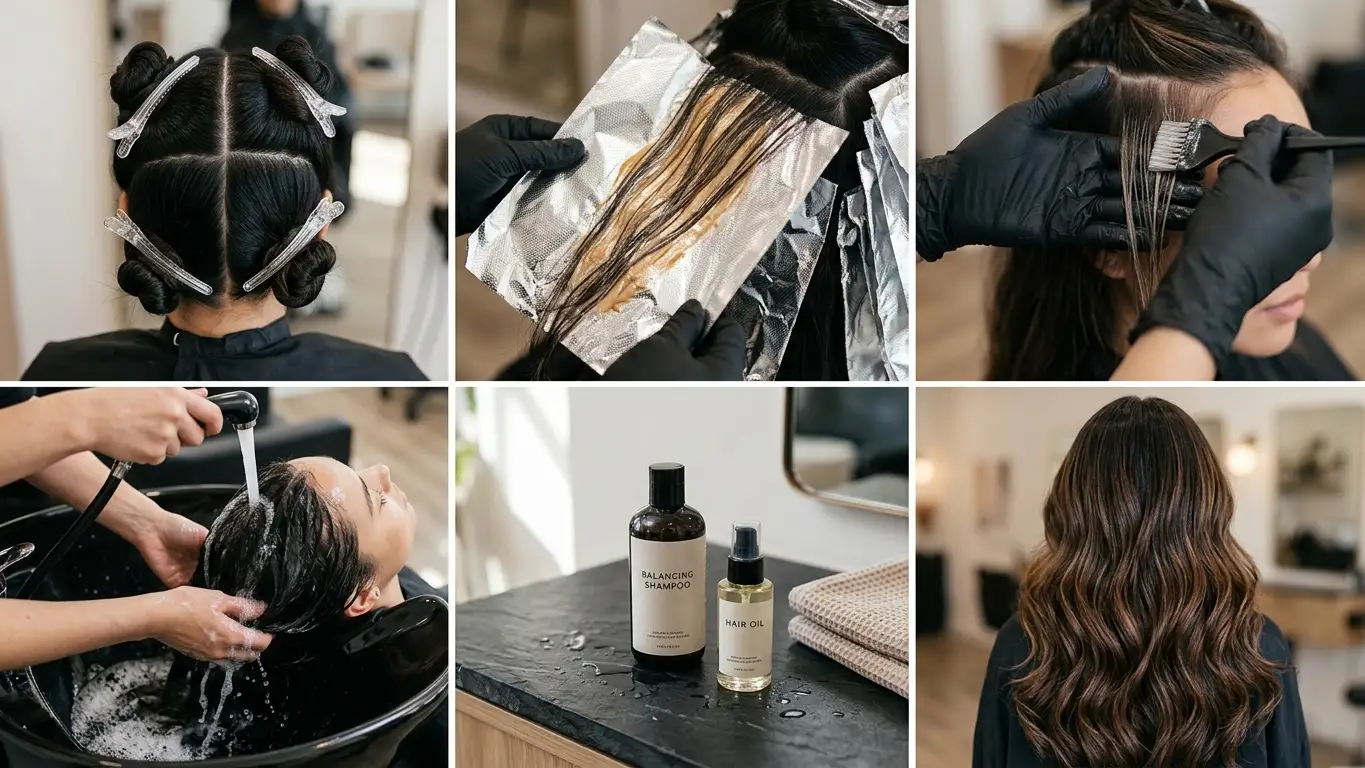
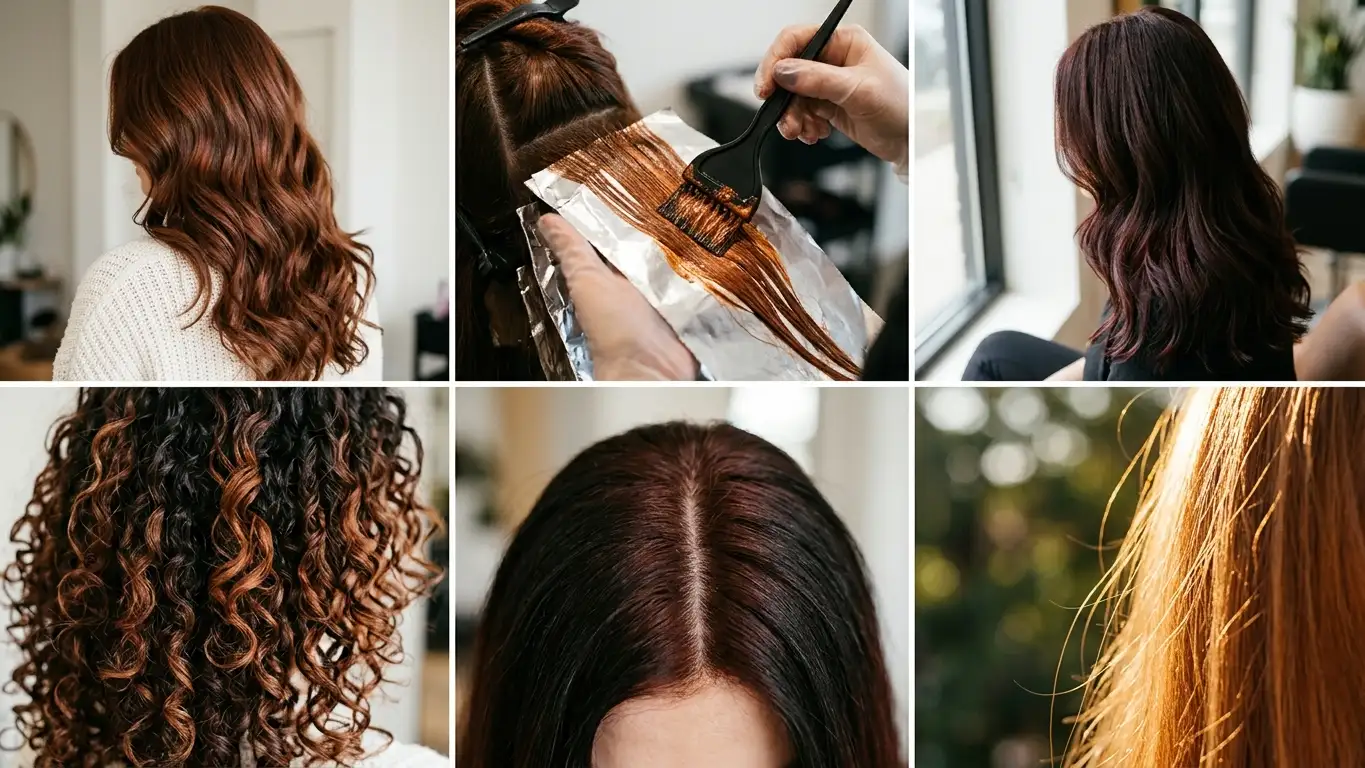
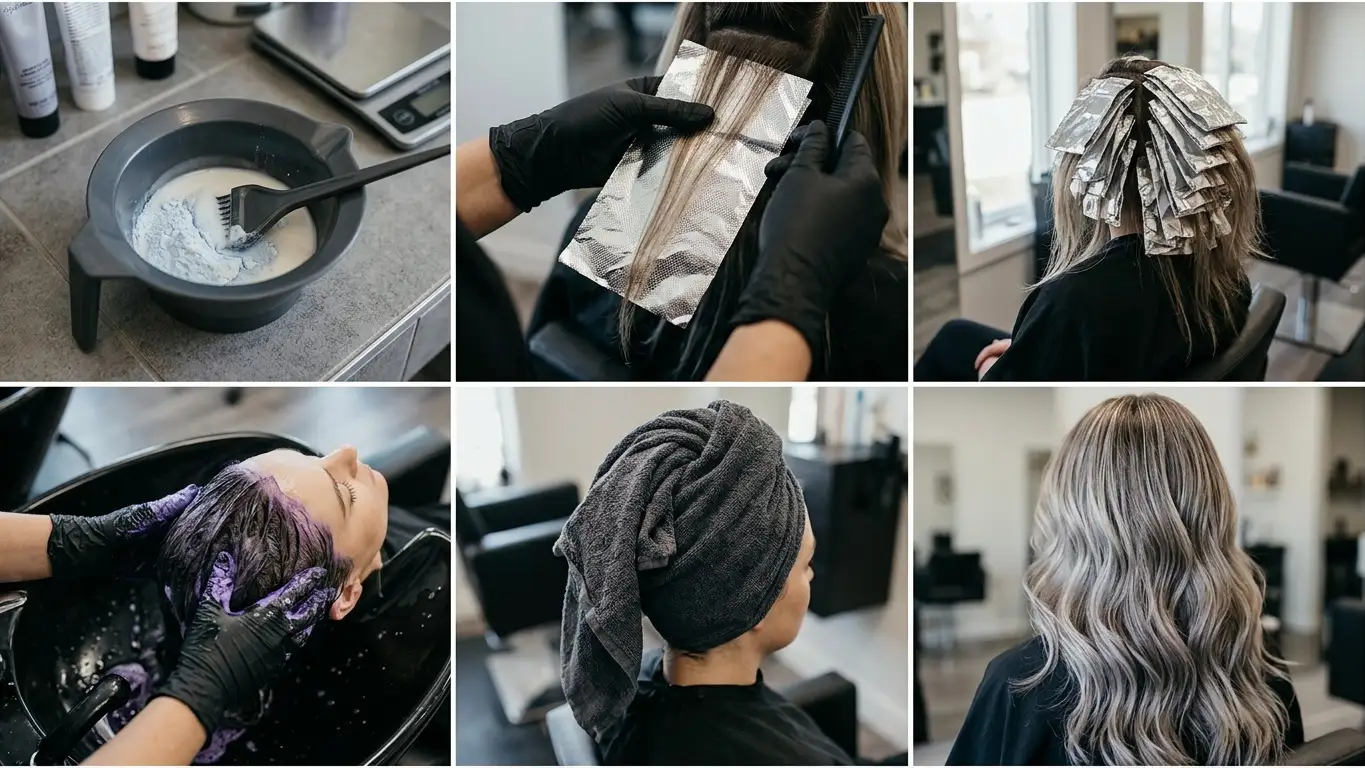
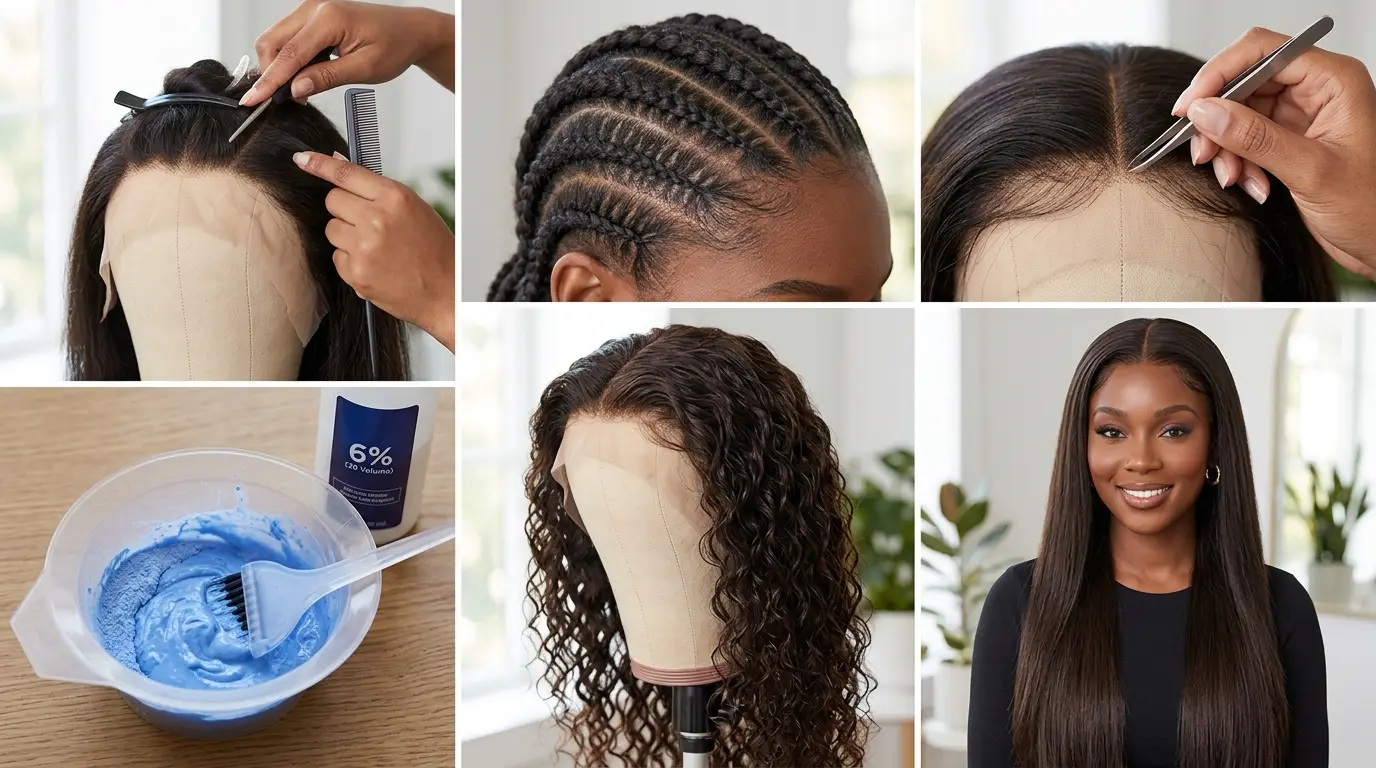
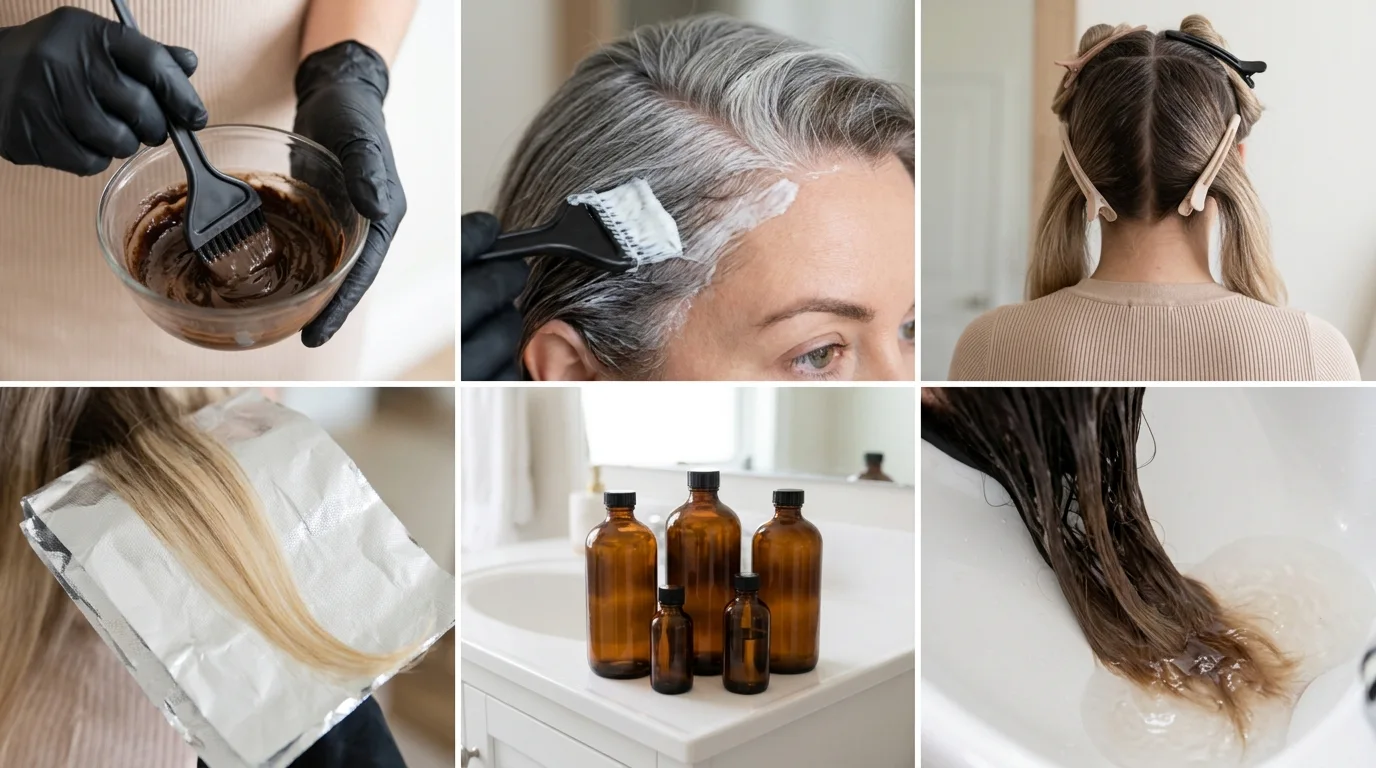
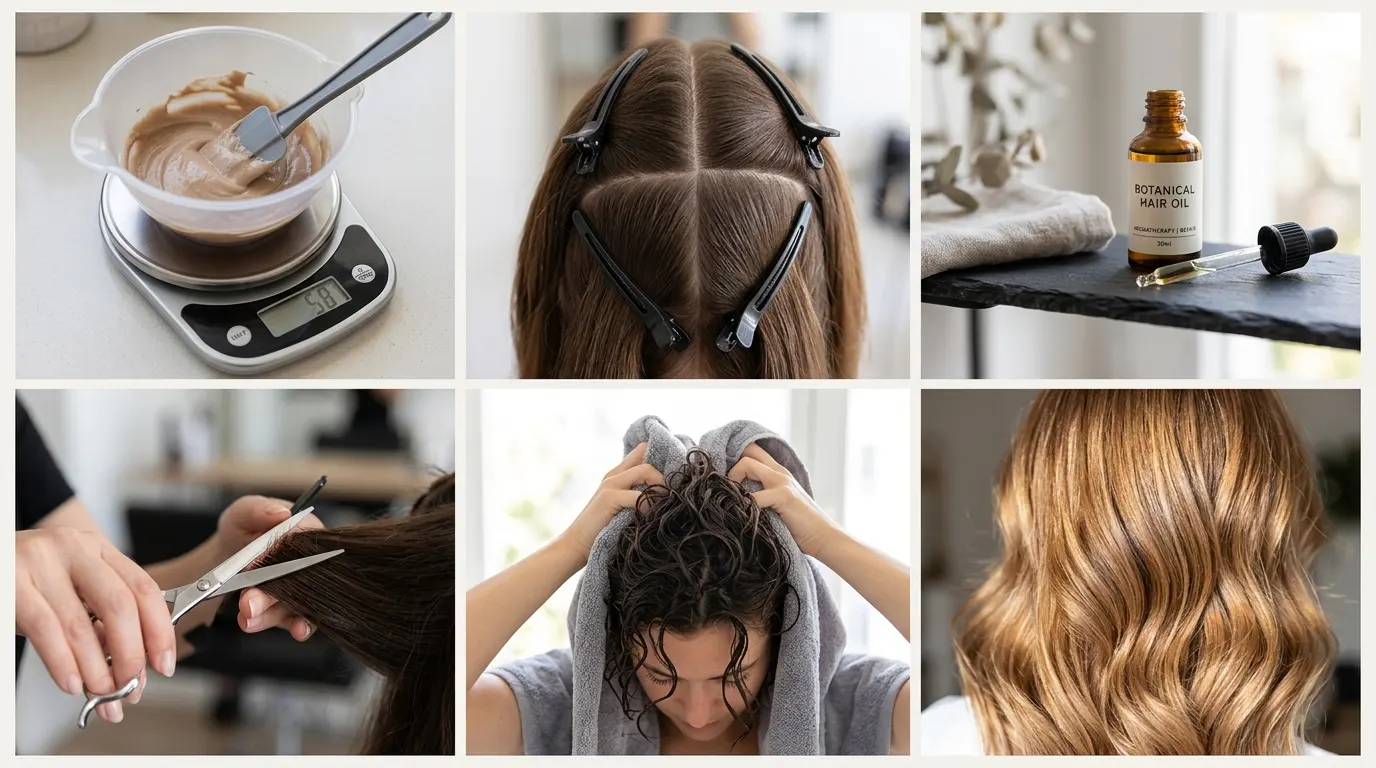
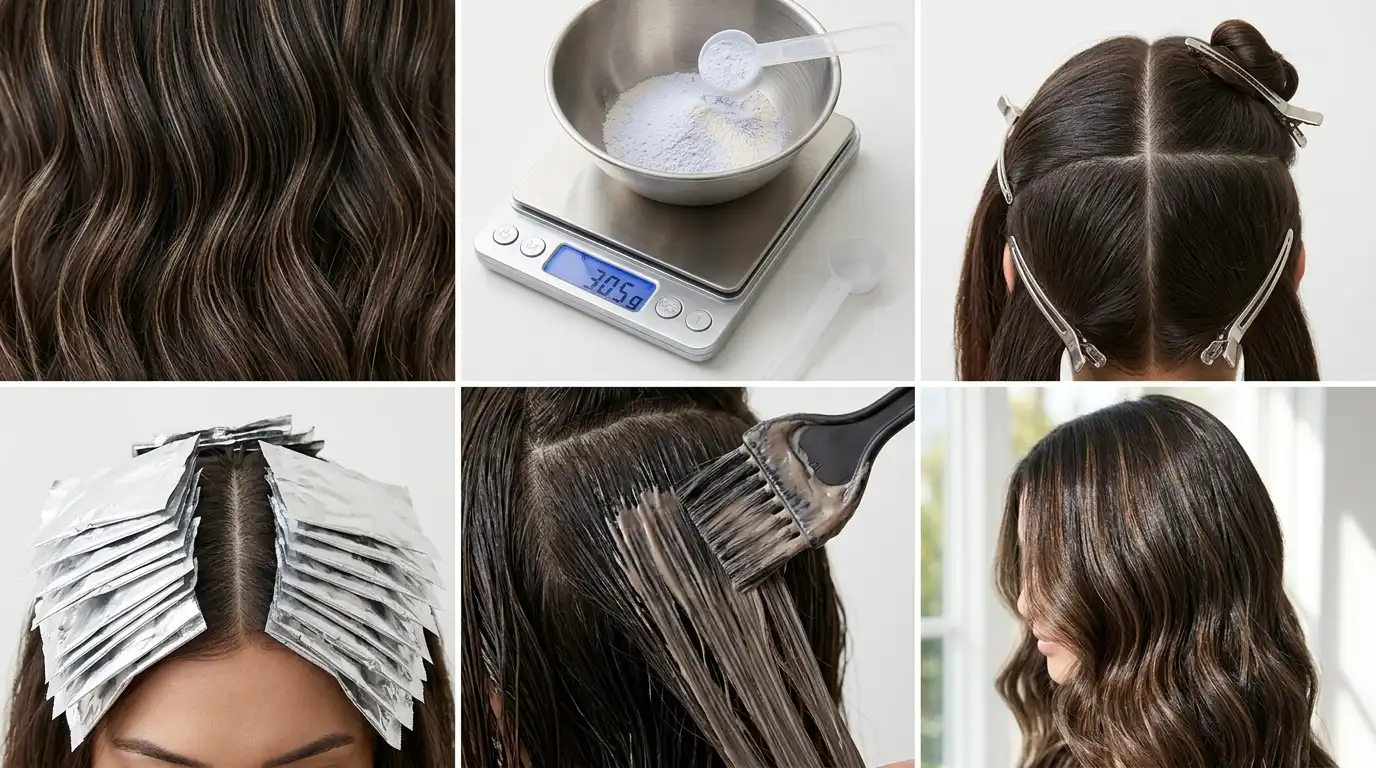
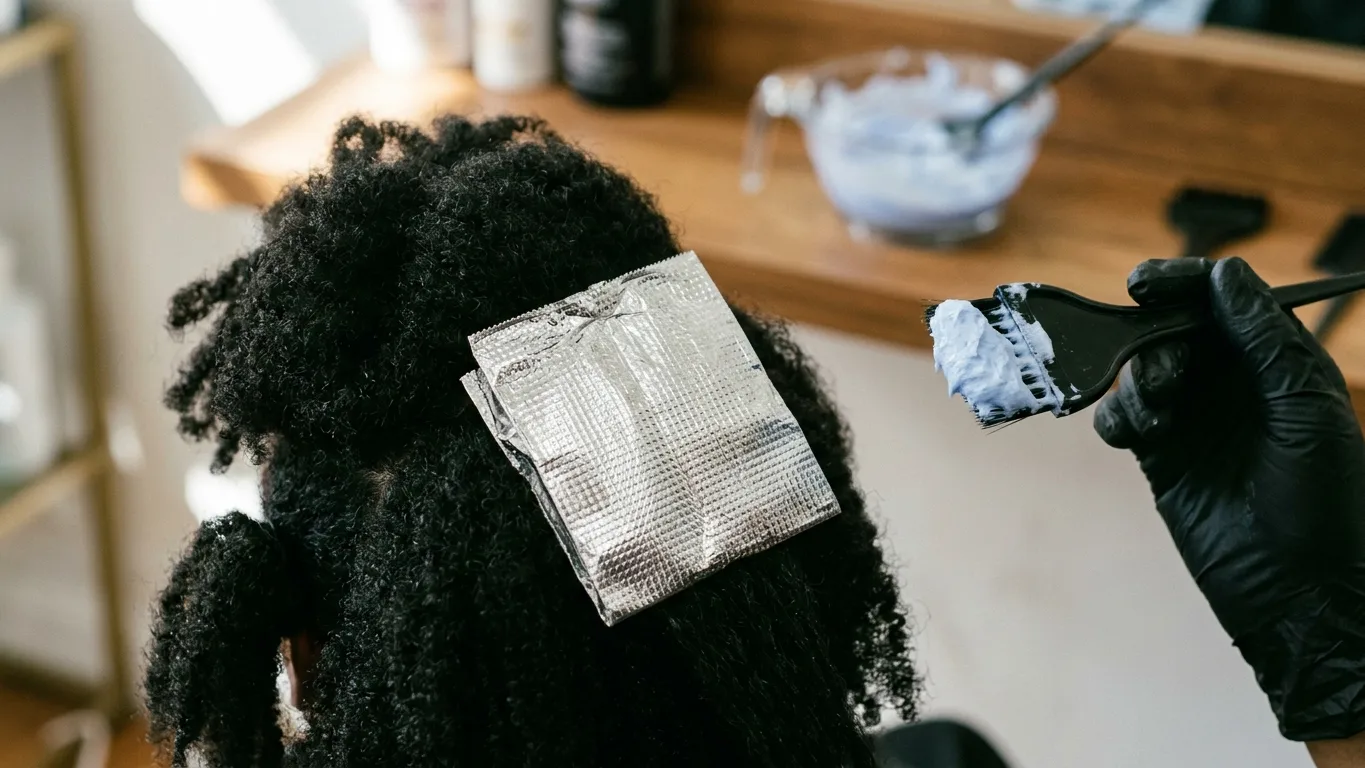
Mix a premium dust free blue lightener powder with a 20 volume cream developer at a strict one to two ratio. Avoid 40 volume developer completely on dark textured hair. Forty volume opens the cuticles too aggressively, melting the keratin structure before the melanin fully oxidizes into a clean pale yellow. A 20 volume mix processes slowly over 45 minutes, lifting with controlled heat and minimal fiber melting.
Using Bond Builders During Lift
Stir three milliliters of a bond preserving additive into the bleach mixture before touching the brush to hair. Bond builders shield internal disulfide bonds from irreversible destruction while peroxide dissolves the natural melanin. Apply the mixture half an inch away from the scalp first. The body heat from your head accelerates lifting at the root, so coat the base during the final fifteen minutes of processing.
Wrap the saturated streak securely in heavy embossed foil rather than plastic wrap to hold heat evenly across the entire ribbon.
Neutralizing Warmth with Proper Toners
Defeating Stubborn Red and Orange Undertones
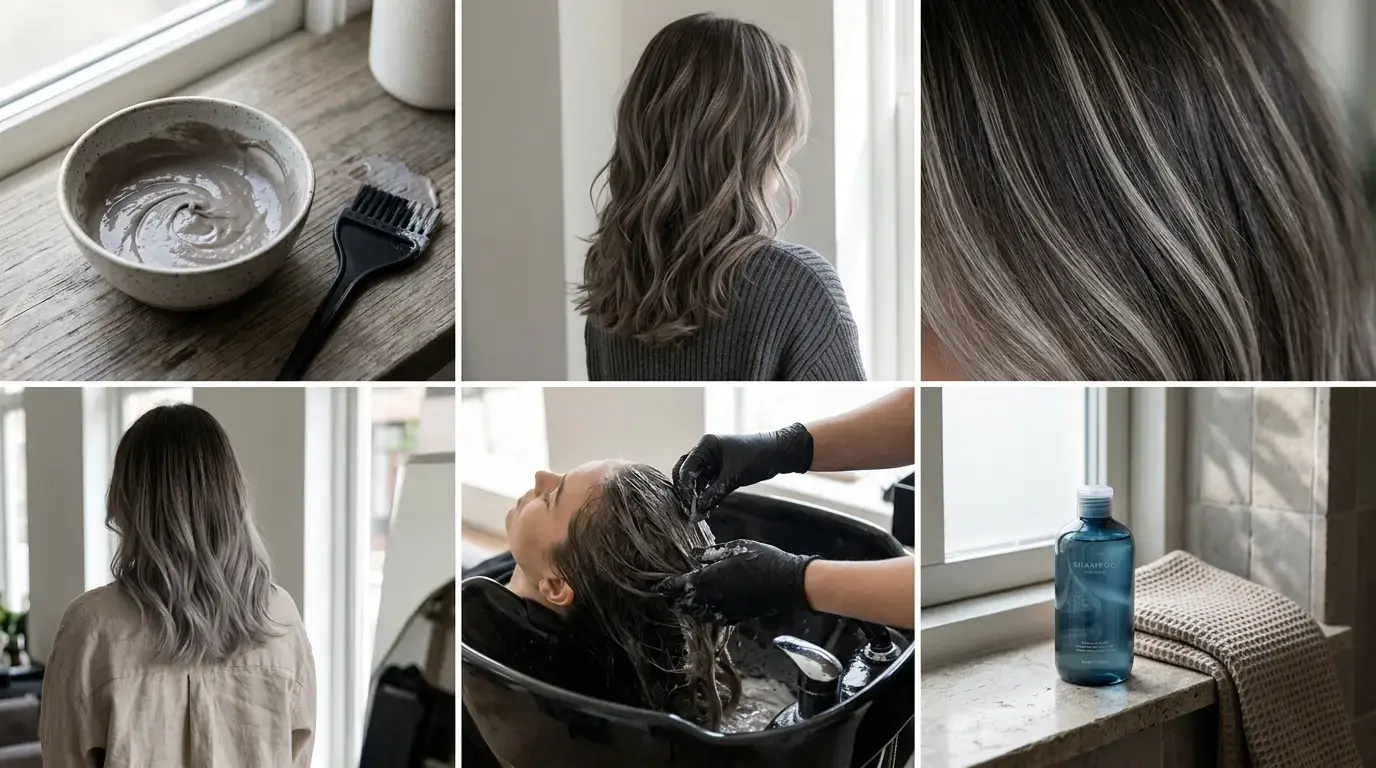
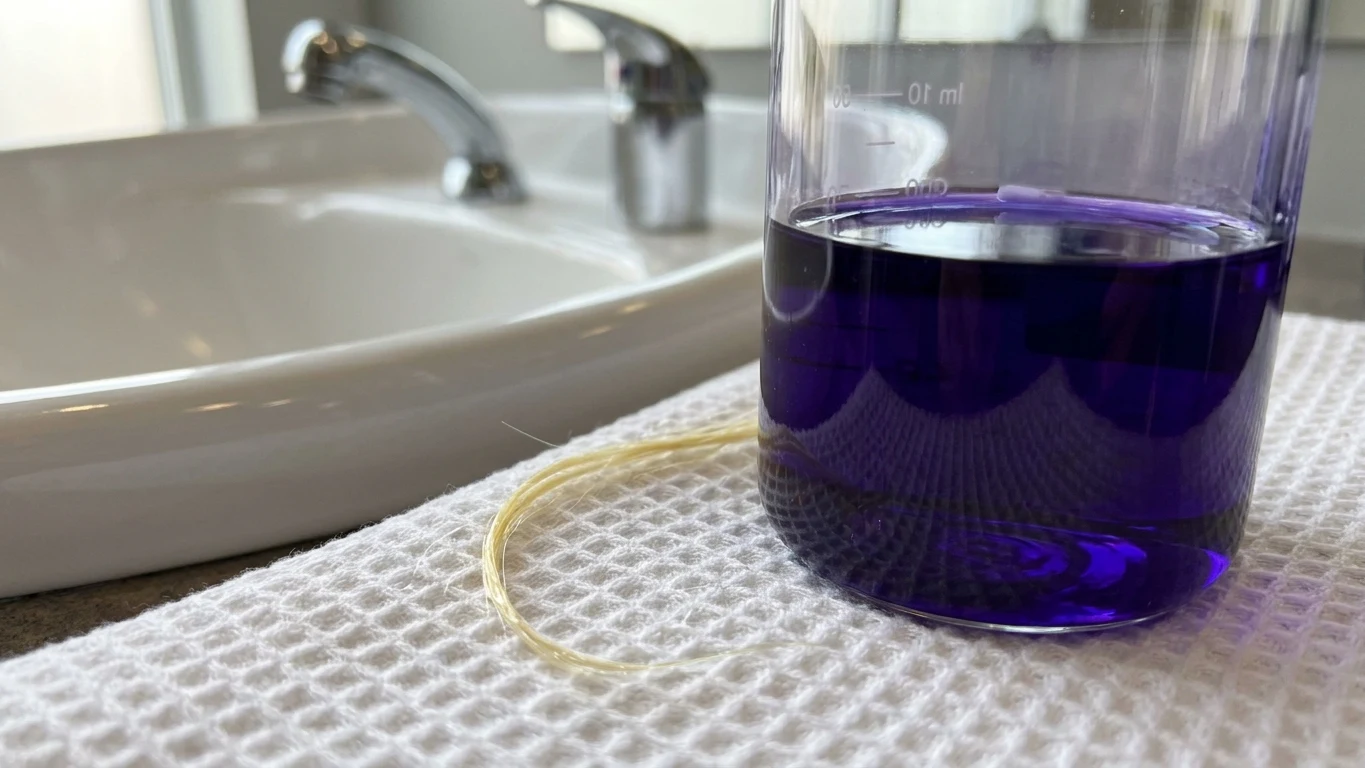
Dark bases lift through red, orange, and gold before reaching pale yellow. Rinsing bleach when the strand looks like a ripe banana peel means your hair is at level nine. If the strand stops at level seven copper, reach for a blue based liquid demi permanent toner. Depositing a blue toner cancels intense orange brassiness, turning the streak into an ash mushroom brown or clean caramel.
Formulas for Clean Platinum or Honey Contrast
Mix a violet based liquid toner with a dedicated 6 volume processing lotion to reach cool platinum. Let it sit for ten minutes while watching the pigment shift strand by strand. If you prefer a golden honey ribbon, reach for a beige toner spiked with a drop of gold modifier.
Rinse toners with cool tap water to seal cuticles and trap the fresh pigment inside the shaft.
Vibrant Pigment Overlays for Custom Contrast
Layering Vivid Semipermanent Dyes
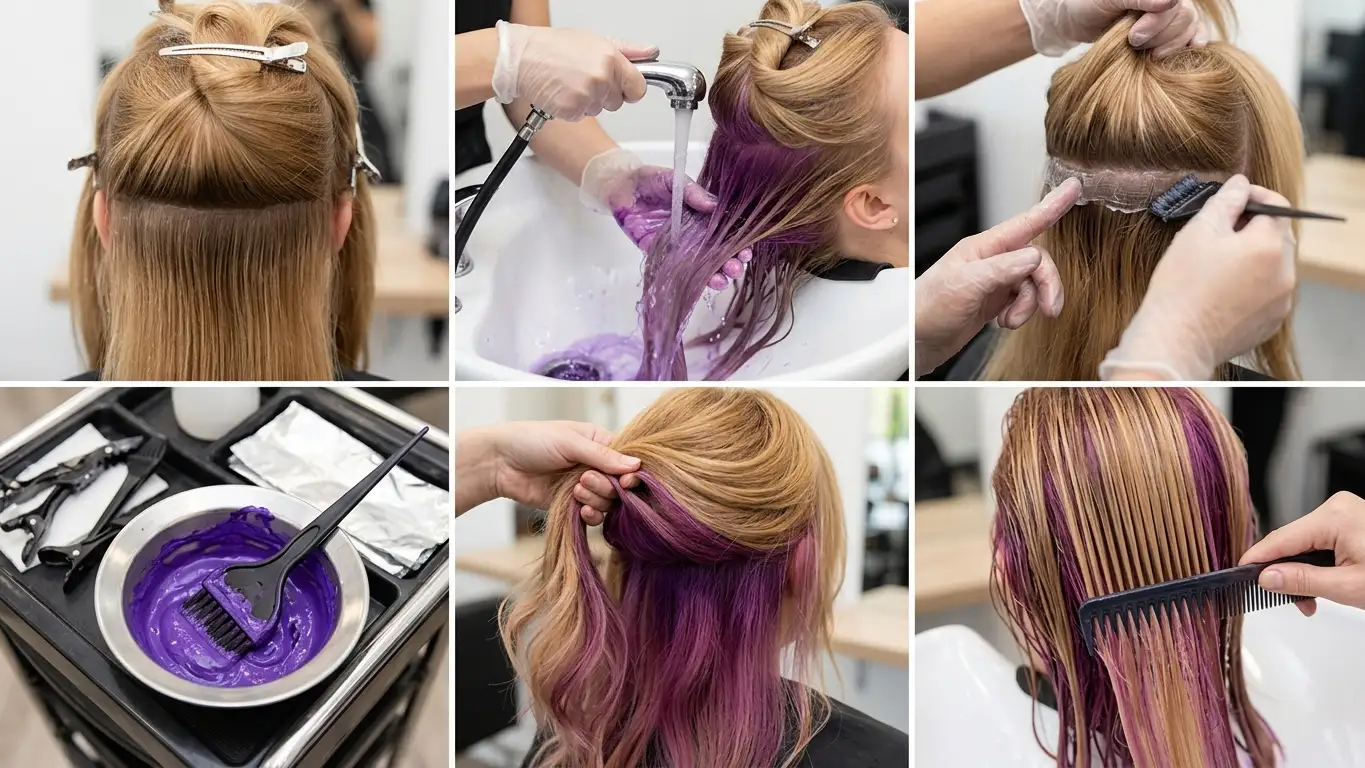
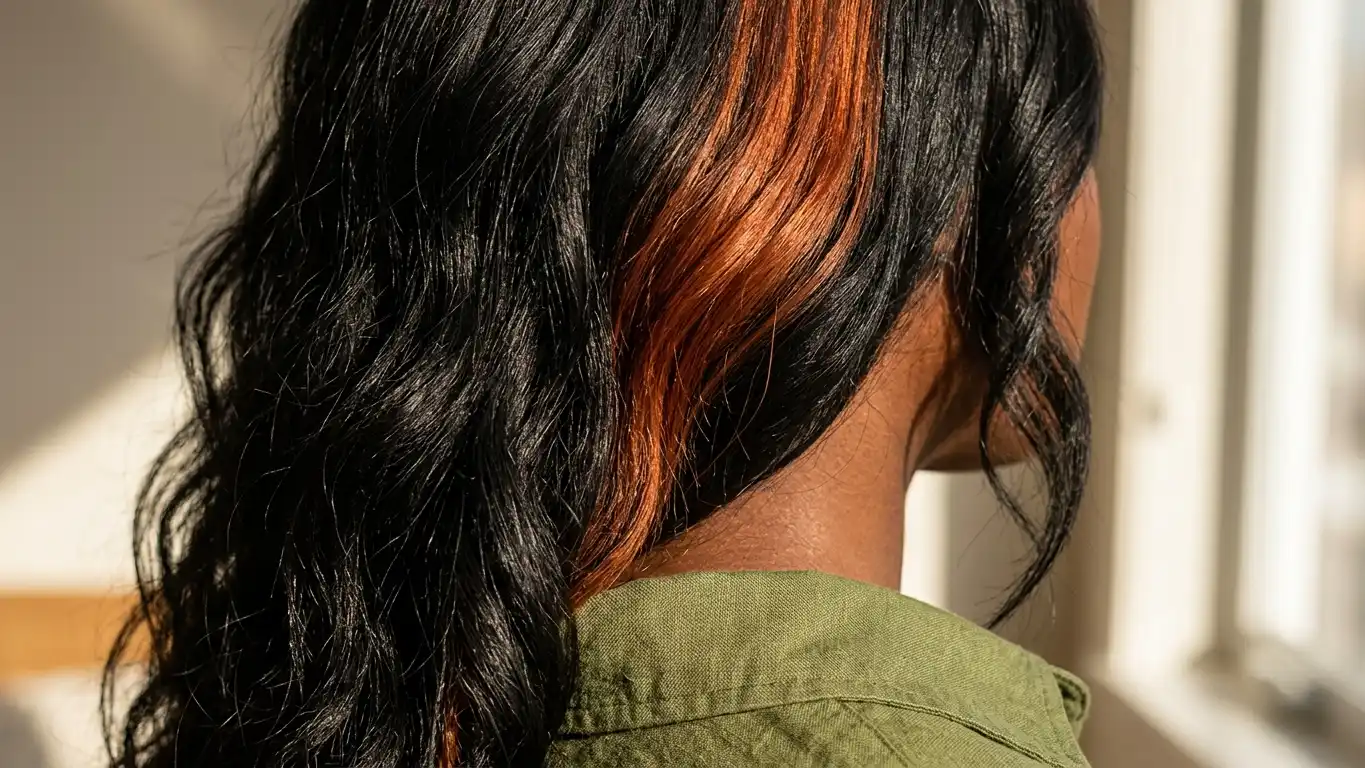
Once the streak hits an even level nine or ten, vivid fashion shades grip the open cuticle tightly. Squeeze direct deposit semipermanent creams like emerald green, electric pink, or ginger directly onto dry pre lightened strands without developer. Dry hair absorbs direct dyes deeply, preventing splotchy patches along the ribbon.
Ginger and Copper Color Formulas
Warm copper and burnt orange tones look stunning on deep skin complexions. Blend equal parts pumpkin orange and chestnut brown semipermanent dye to create an earthy ginger tone. This tone does not require lifting past level eight yellow orange, sparing hair from excessive processing.
Allow vivid dyes to marinate under a plastic processing cap for forty minutes at room temperature before rinsing.
skunk stripe hair black women
Slicing Sections on Braided Extensions
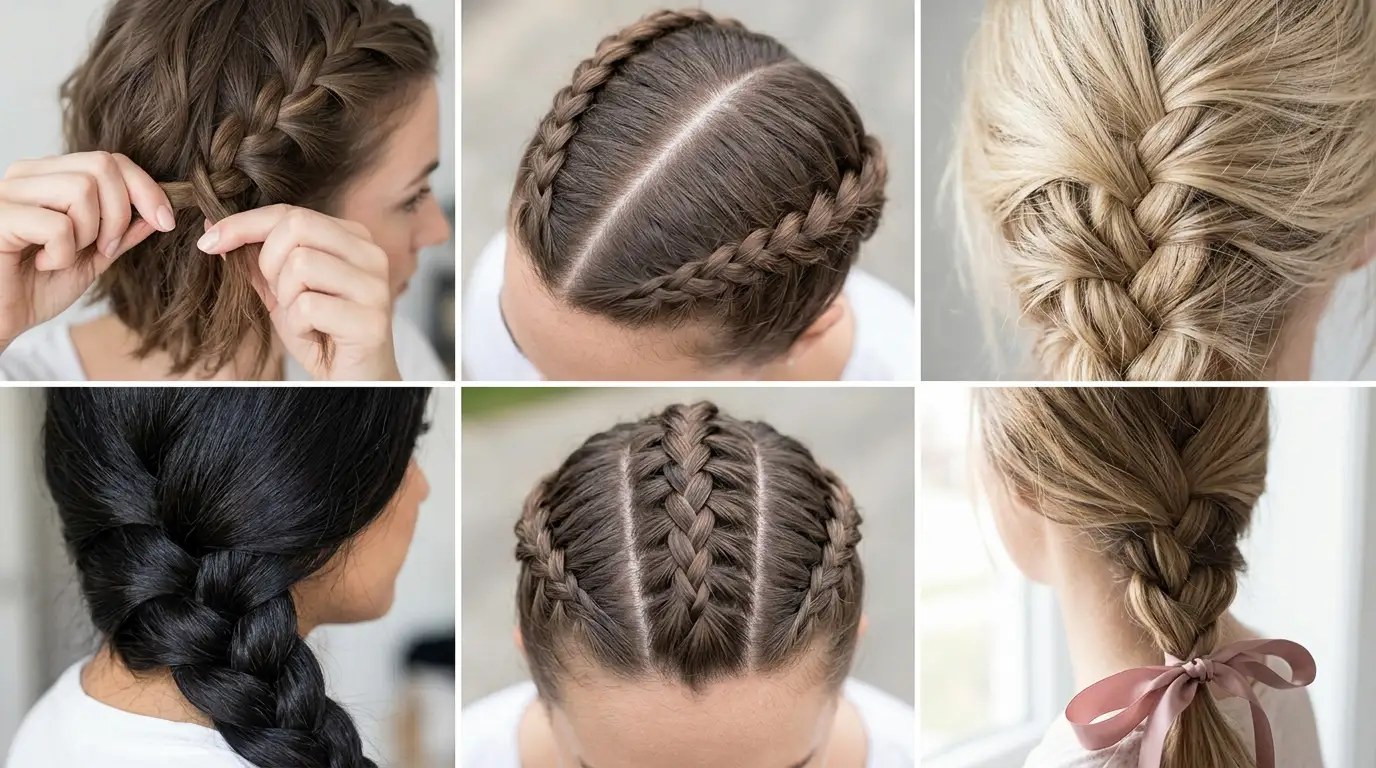
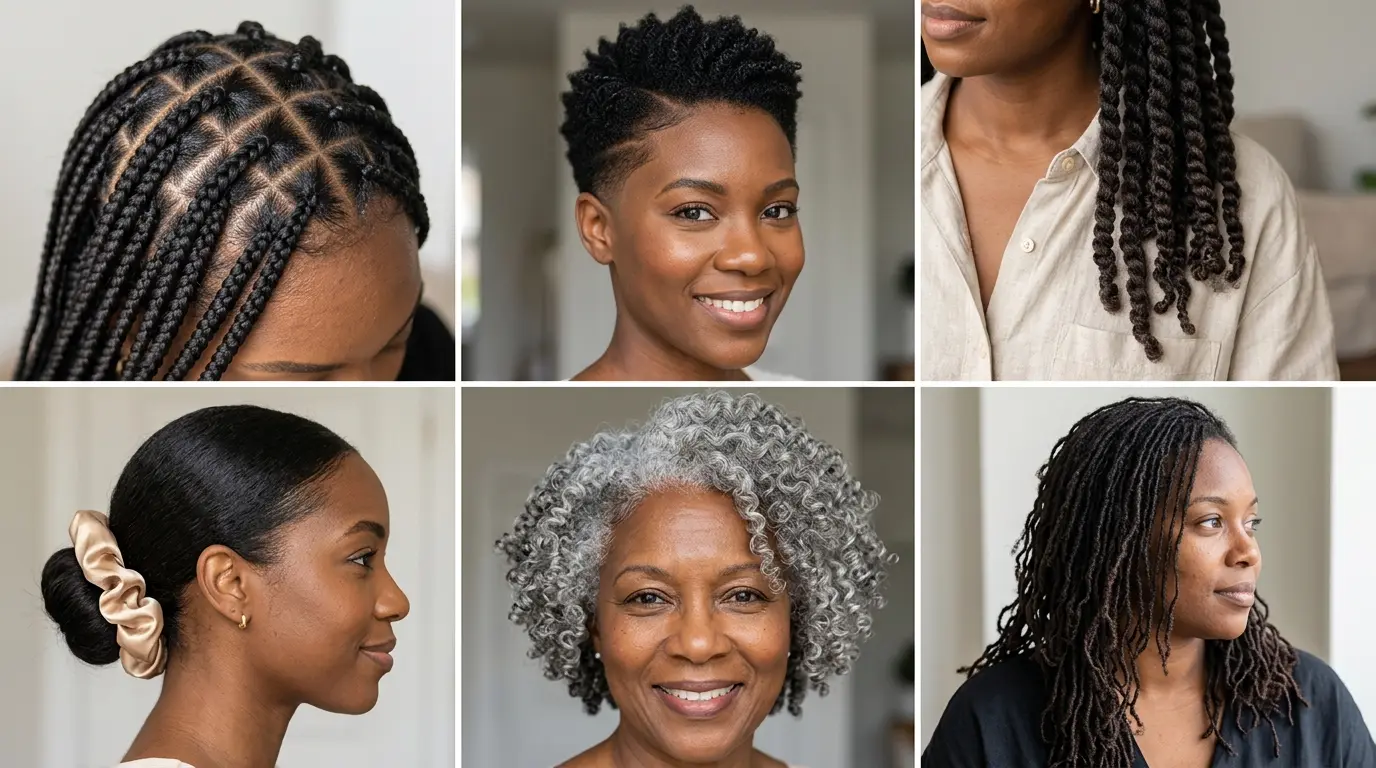
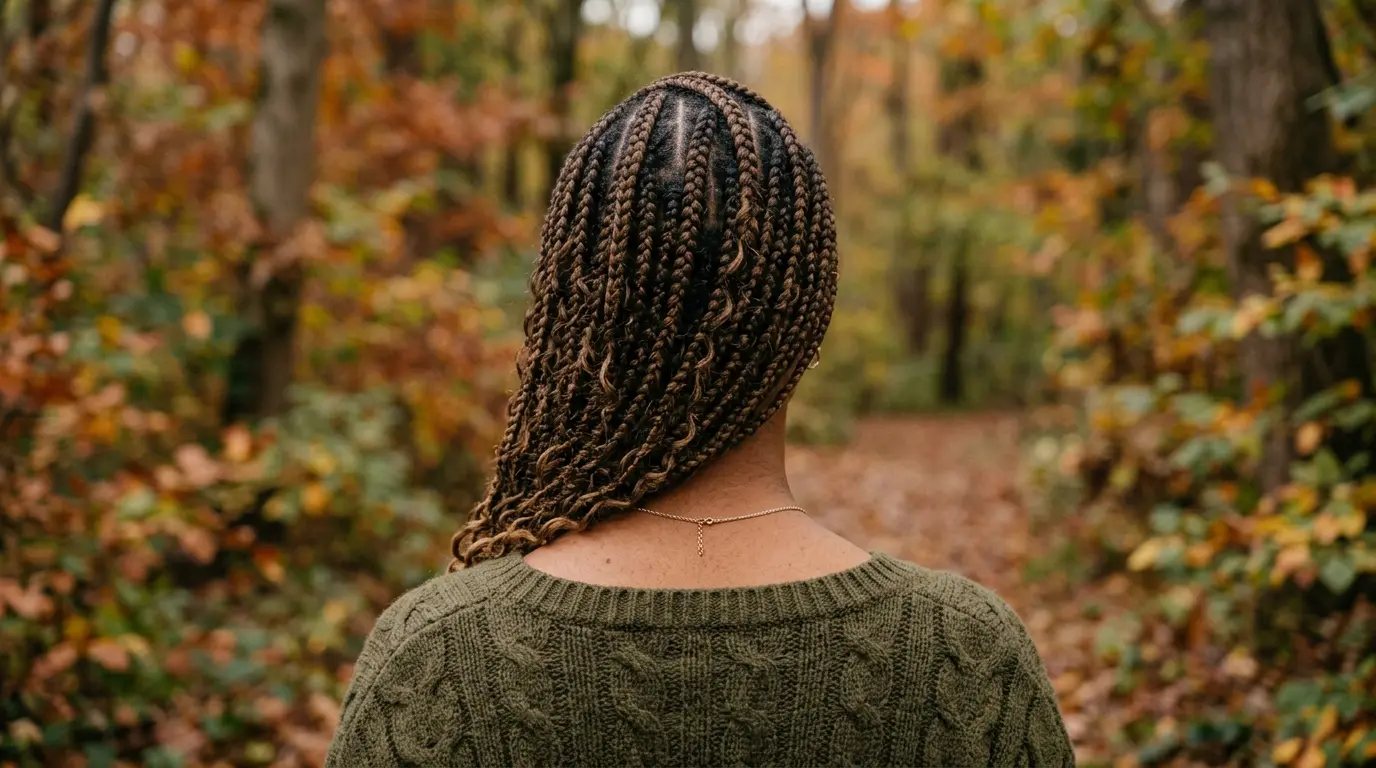
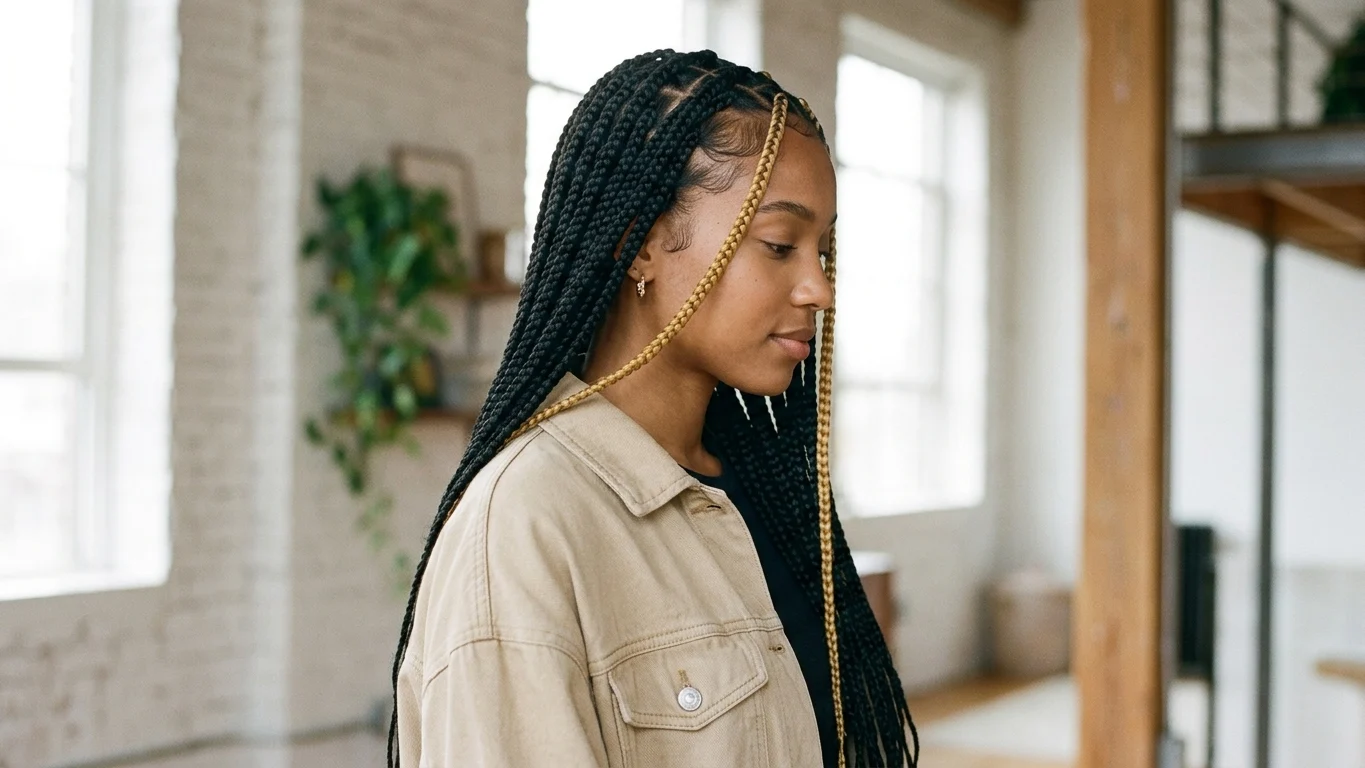
Installing skunk contrast into knotless box braids requires no chemical processing at all. Buy two packs of pre stretched braiding hair in shade 613 platinum alongside four packs of natural shade 1B. Feed the light blonde packs exclusively into the braid rows framing your face or the perimeter of the crown. This technique delivers clean visual lines while keeping your natural tresses entirely chemical free.
Blending the Strip on a Silk Press
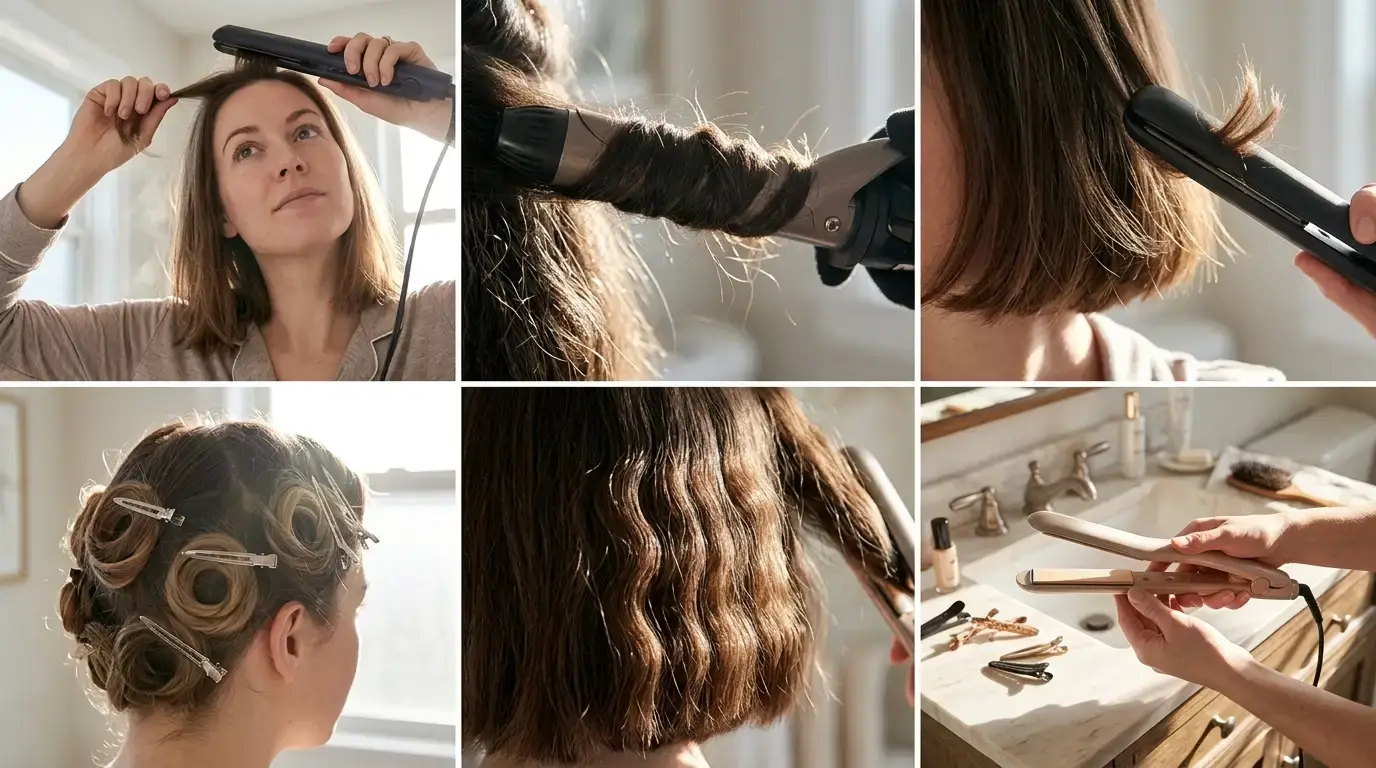
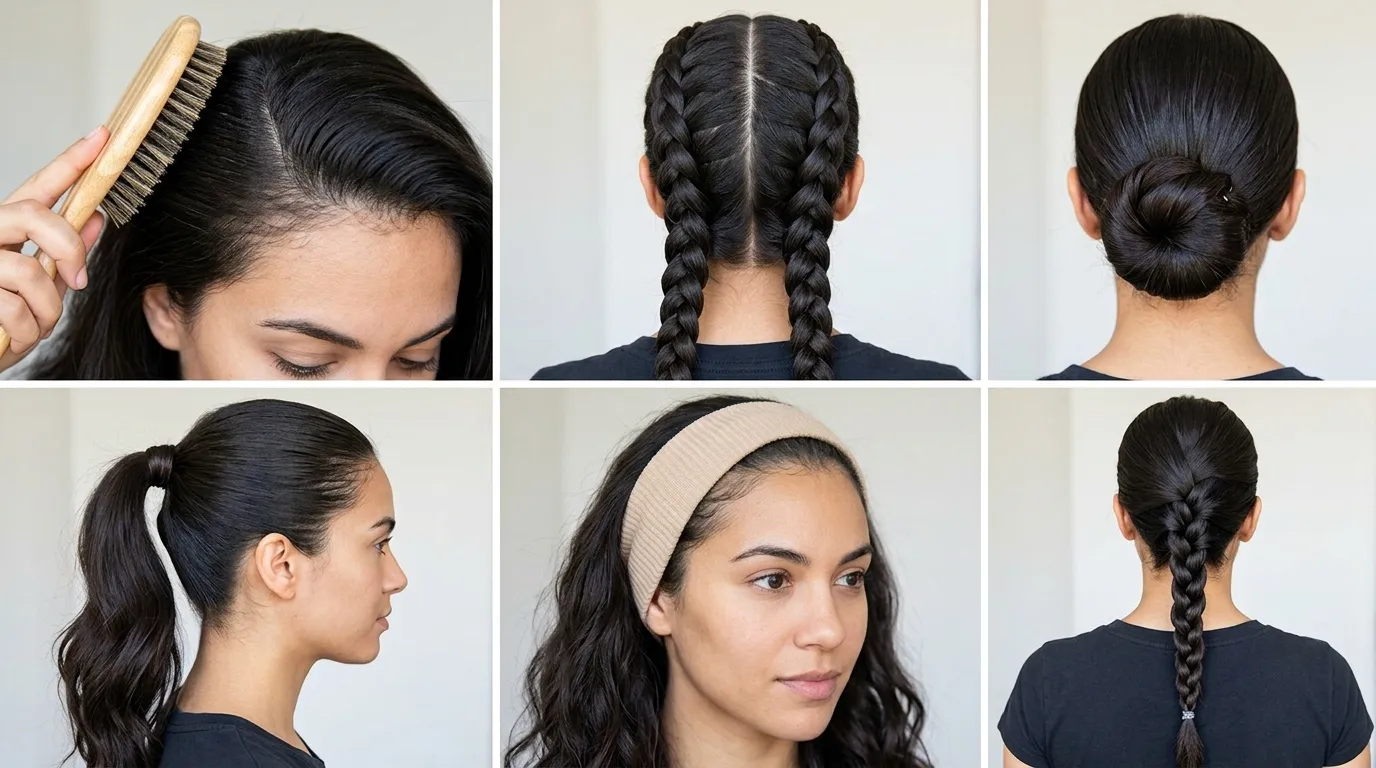
Wearing this contrast style on heat straightened hair demands deliberate heat protection. Coat the lightened ribbon with a silicone based thermal serum rated to 450 degrees before flat ironing. Bleached hair holds far less internal moisture than untreated black hair and scorches at lower temperatures. Dial your ceramic flat iron down to 350 degrees on the blonde panel, even if you run 400 degrees on the dark sections.
Always test iron heat on a white paper towel before touching fragile lightened edges to prevent singeing the hair yellow.
Daily Moisture and Breakage Prevention
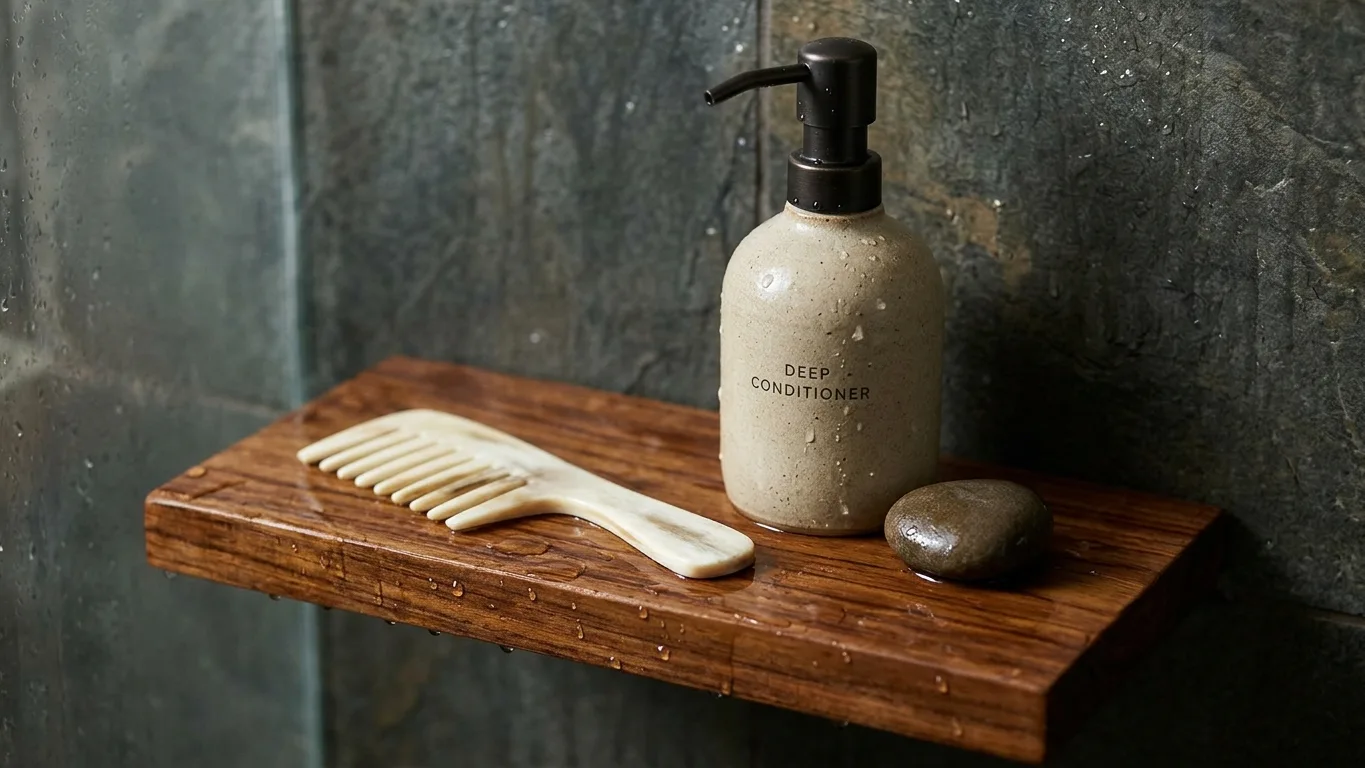
Deep Conditioning and Bond Repair
Bleached panels lack the protective lipid coating found on unbleached coils. Alternate weekly between a ceramide heavy moisturizing masque and a bond repairing treatment containing hydrolyzed wheat protein. Work the treatment through the pale streak with your fingers, smoothing downward from root to tip.
Nighttime Protection Routines
Friction from cotton pillowcases strips essential oils and snaps vulnerable blonde ends while you sleep. Pin the lightened ribbon flat using a smooth metal duckbill clip, then wrap everything in a pure mulberry silk scarf. If you toss and turn, double down with a satin lined bonnet over the scarf to lock in overnight moisture.
Rub two drops of jojoba oil across the bleached strands every other evening to replace lost surface lipids.
Long Term Upkeep and New Growth Retouching
Touching Up Roots Without Overlapping
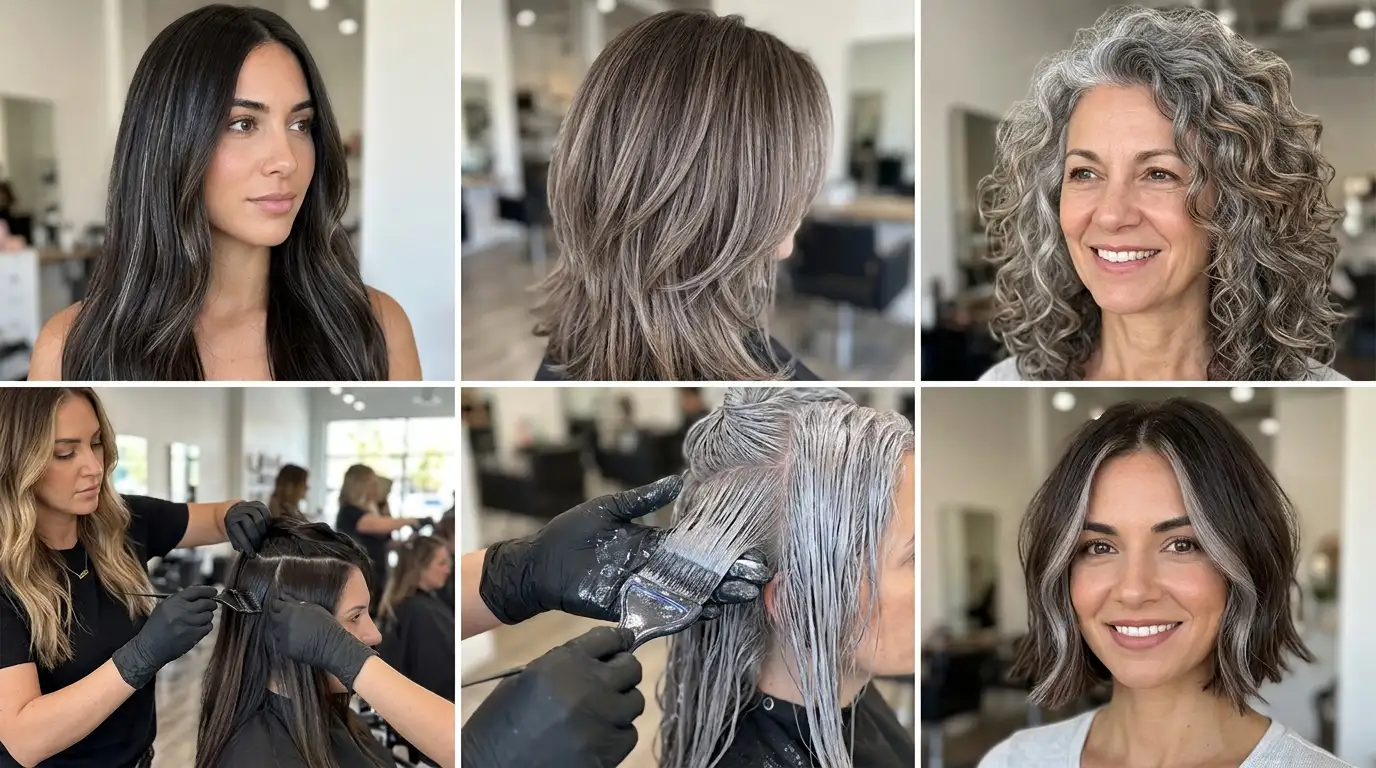
Reapplying lightener requires steady hands when dark roots reach half an inch long, usually around week six. Coat the previously lightened blonde section with heavy conditioner or petroleum jelly using a tint brush. This barrier protects fragile blonde strands from bleach runoff. Paint fresh bleach strictly on the new dark growth, stopping one sixteenth of an inch short of the old bleach line. Overlapping bleach on previously lifted hair causes immediate chemical breakage, creating a noticeable halo of snapped strands.
Refreshing Faded Tones Between Bleach Cycles
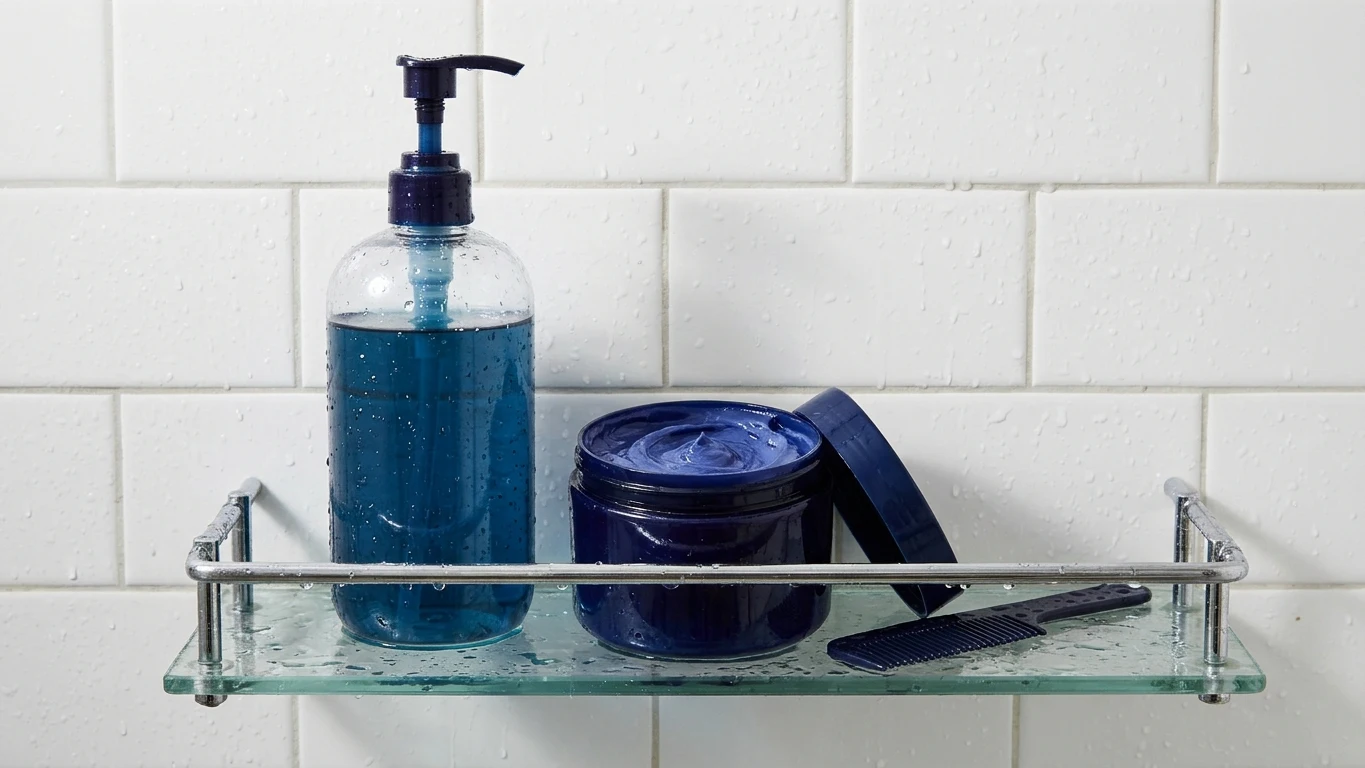
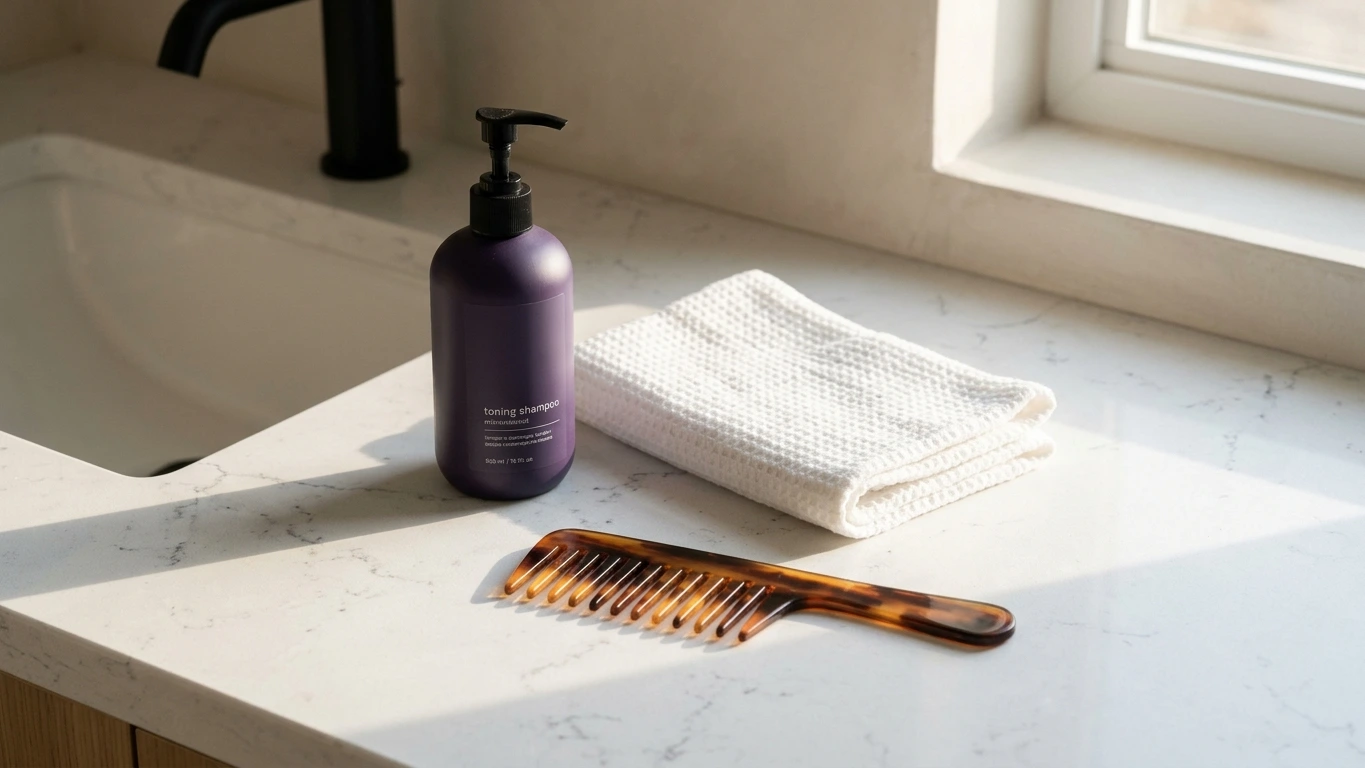
Toning formulas wash out within four to six weeks, exposing underlying raw yellow undertones. Skip developer based toners for routine touchups. Instead, use a purple or blue depositing conditioner in the shower every third wash. Leave it on the pale streak for five minutes before washing it away with cold water.
Never overlap chemical relaxers and high lift bleach on the exact same strand, because the double processing ruins hair integrity completely.
Questions People Ask About Skunk Stripes
How long does a bleached stripe last before turning brassy?
A toned stripe usually stays crisp for roughly four to five weeks. Hot showers, hard well water, and direct sun exposure accelerate brassiness by stripping away toner molecules. Washing once a week with sulfate free shampoo and cold water stretches the color life past six weeks.
Can you get this high contrast look on relaxed hair?
Lifting previously relaxed hair to platinum blonde carries extreme risk of breakage. Relaxers permanently break roughly thirty percent of internal cystine bonds, and bleach attacks the remaining structure. If your hair is chemically relaxed, lift only to a gentle caramel tone or install blonde bundle tracks instead.
What is the safest way to hide the streak for work?
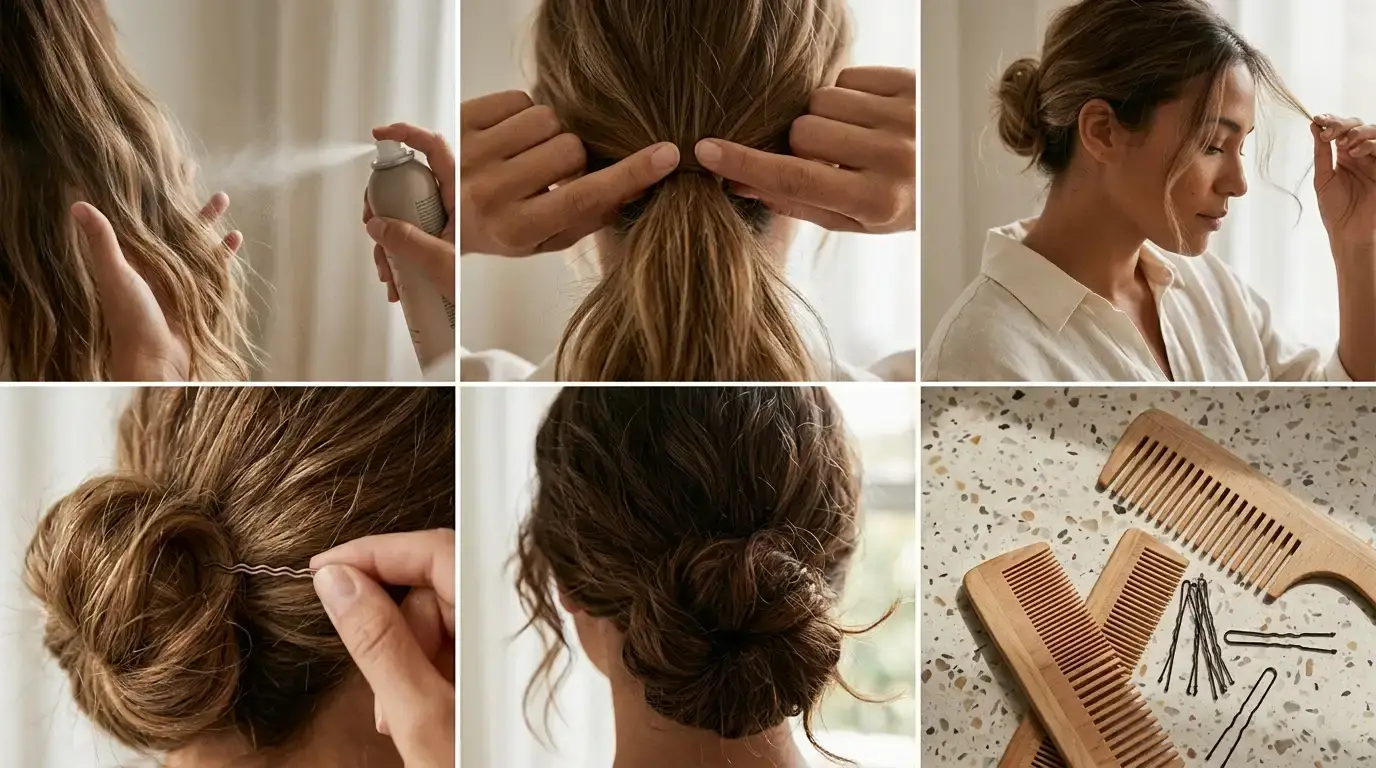
Placing the stripe at the nape or deep within side partings lets you cover the contrast whenever necessary. Pinning the lightened strands back with bobby pins and smoothing dark hair over the top fully conceals the blonde panel.
Protecting Your High Contrast Investment
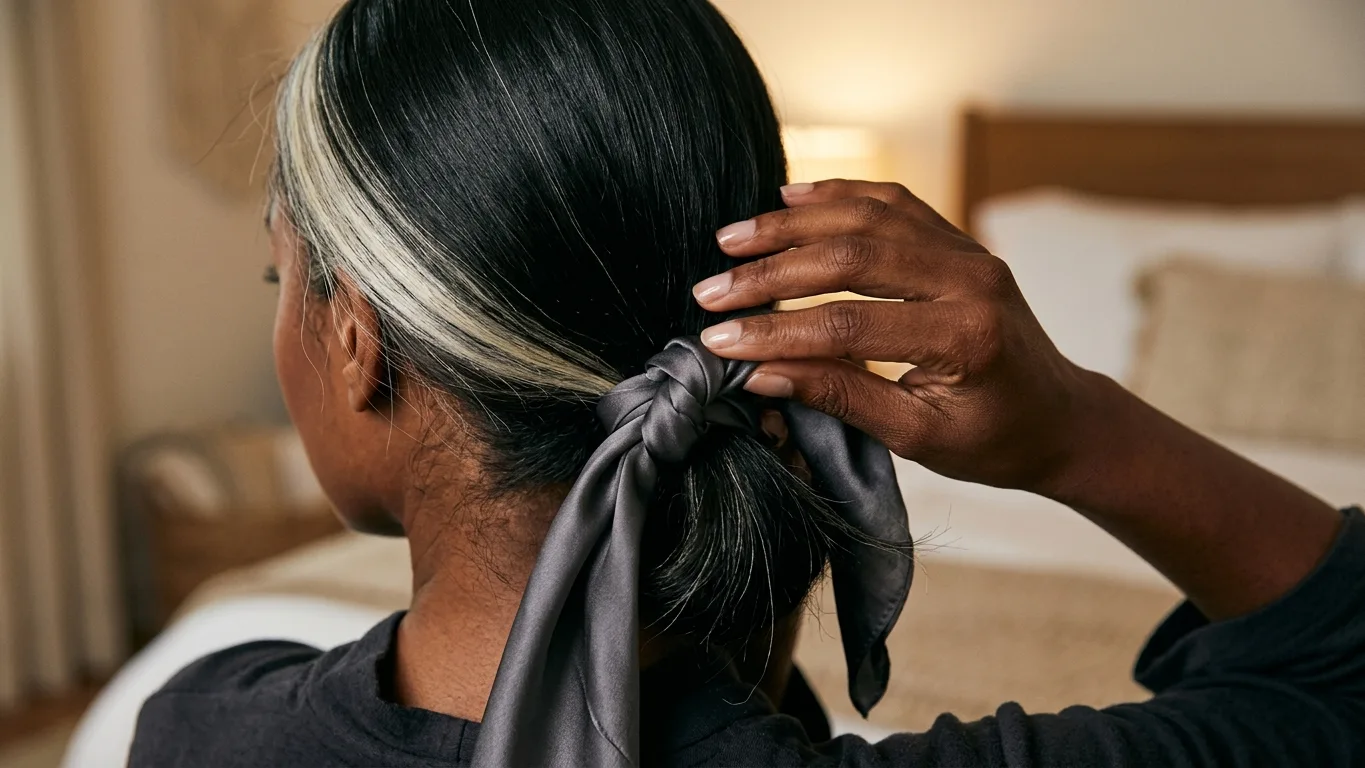
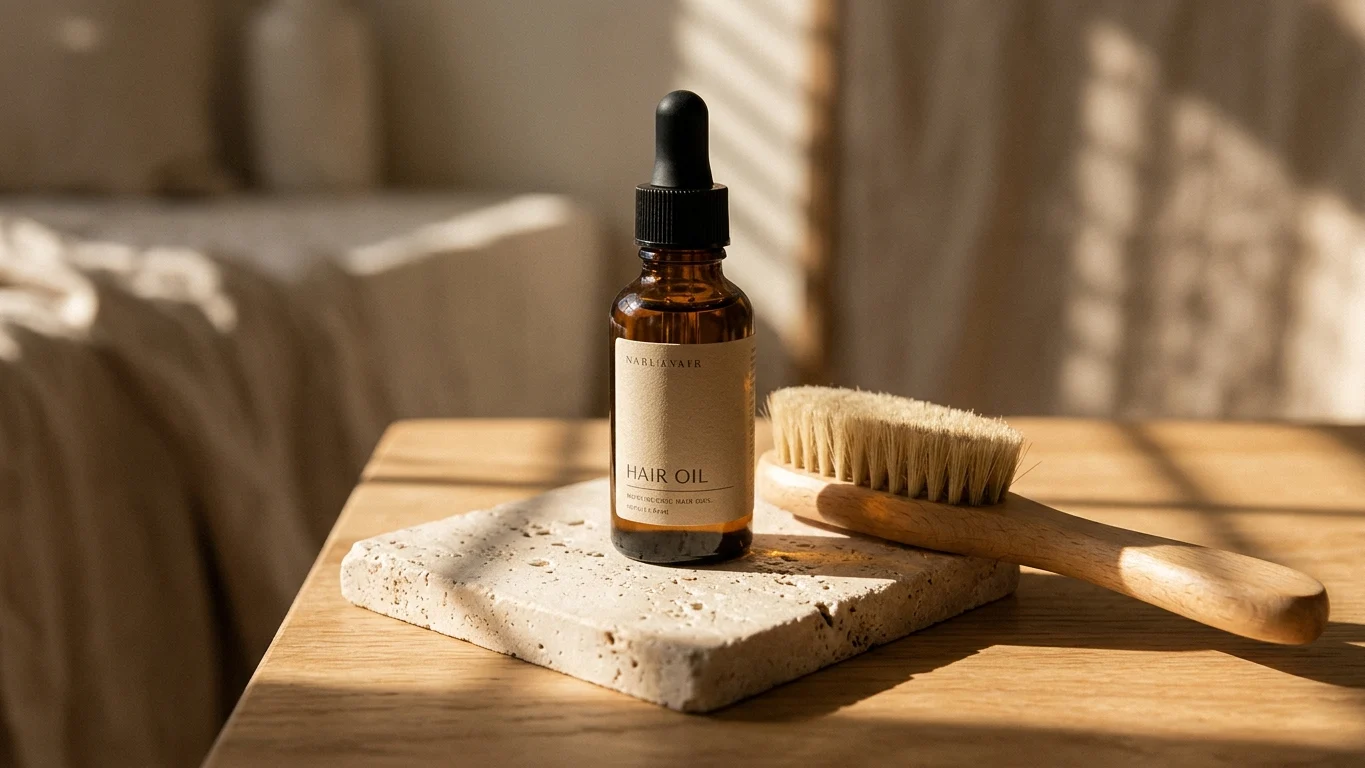
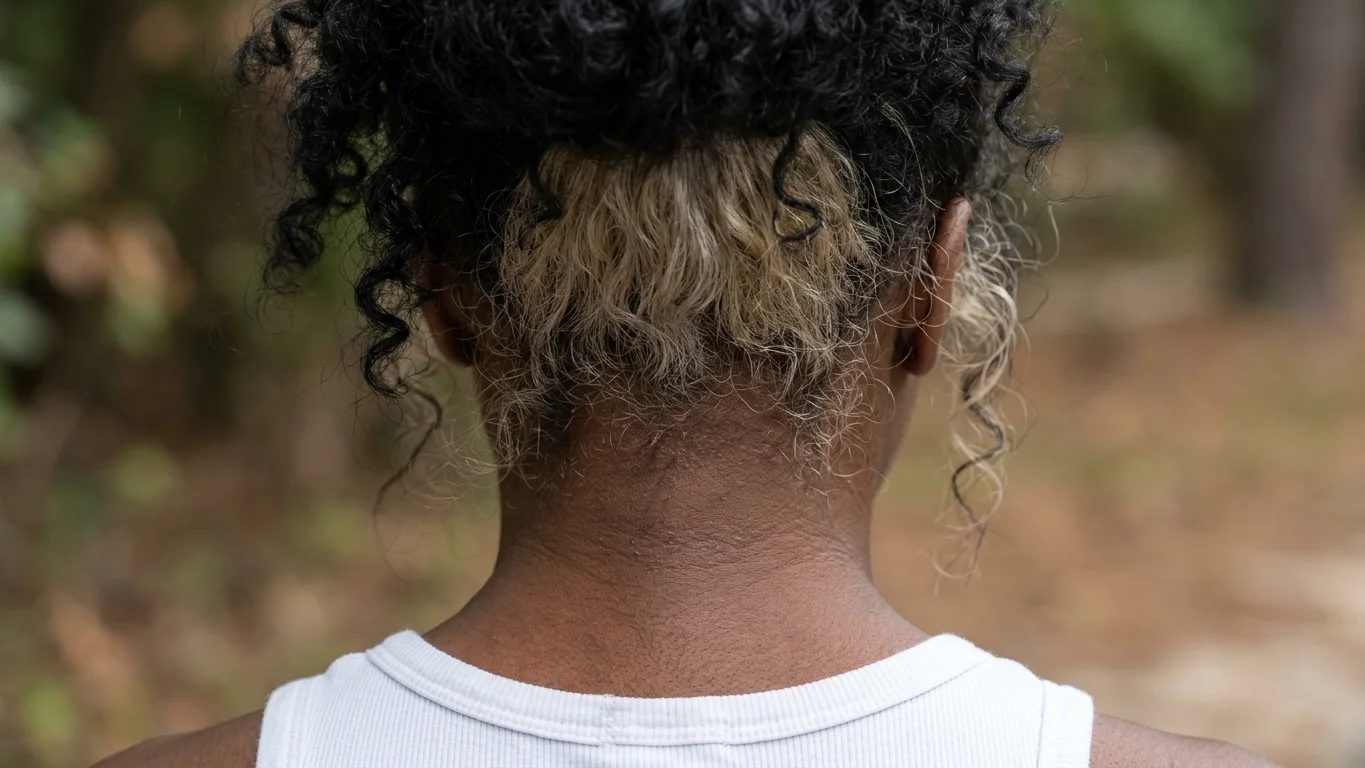
Taking care of high contrast hair requires respecting the distinct needs of two completely different textures living on one head. Your dark base demands simple moisture and light sealing oils, while the bleached panel requires gentle protein, lower styling temperatures, and frequent pigment refreshes. Commit to treating that single ribbon with the focused care of fully processed hair, and your look will stay clean, sharp, and healthy for months.