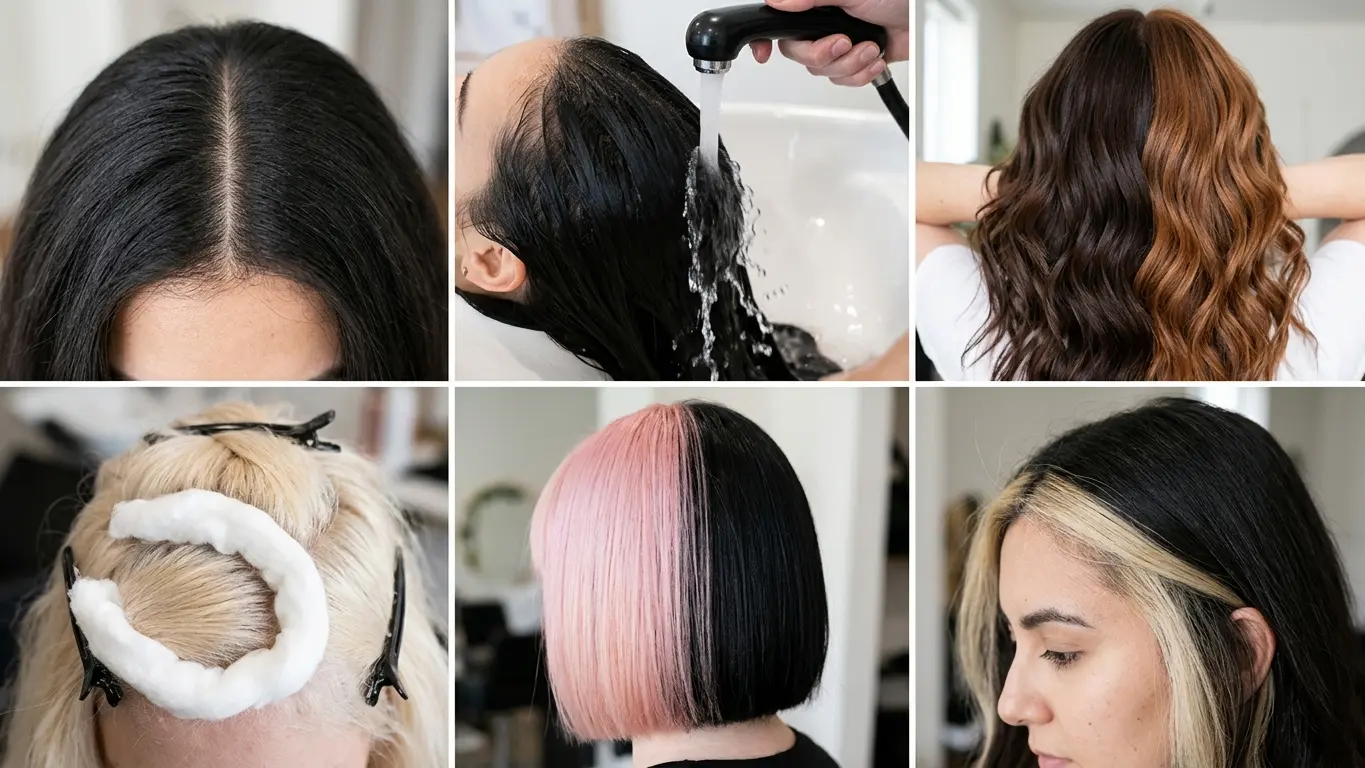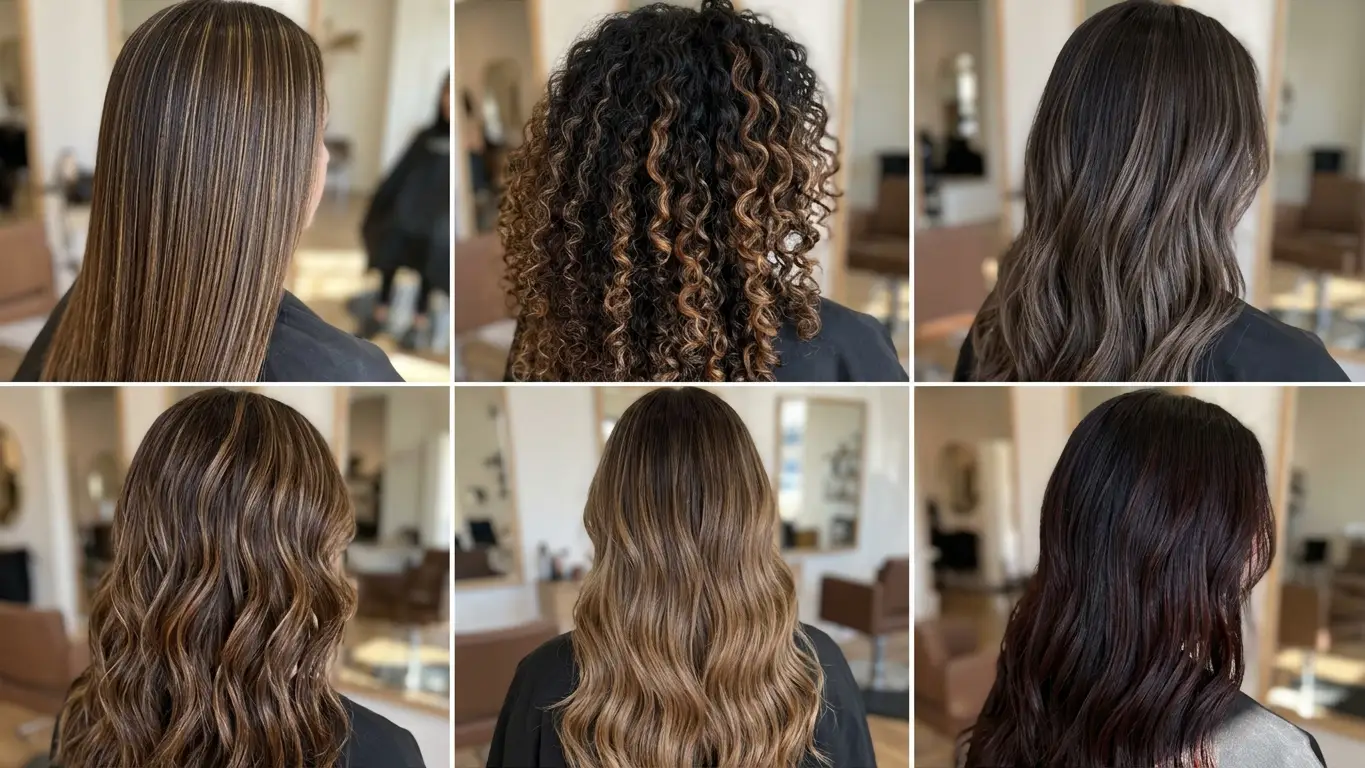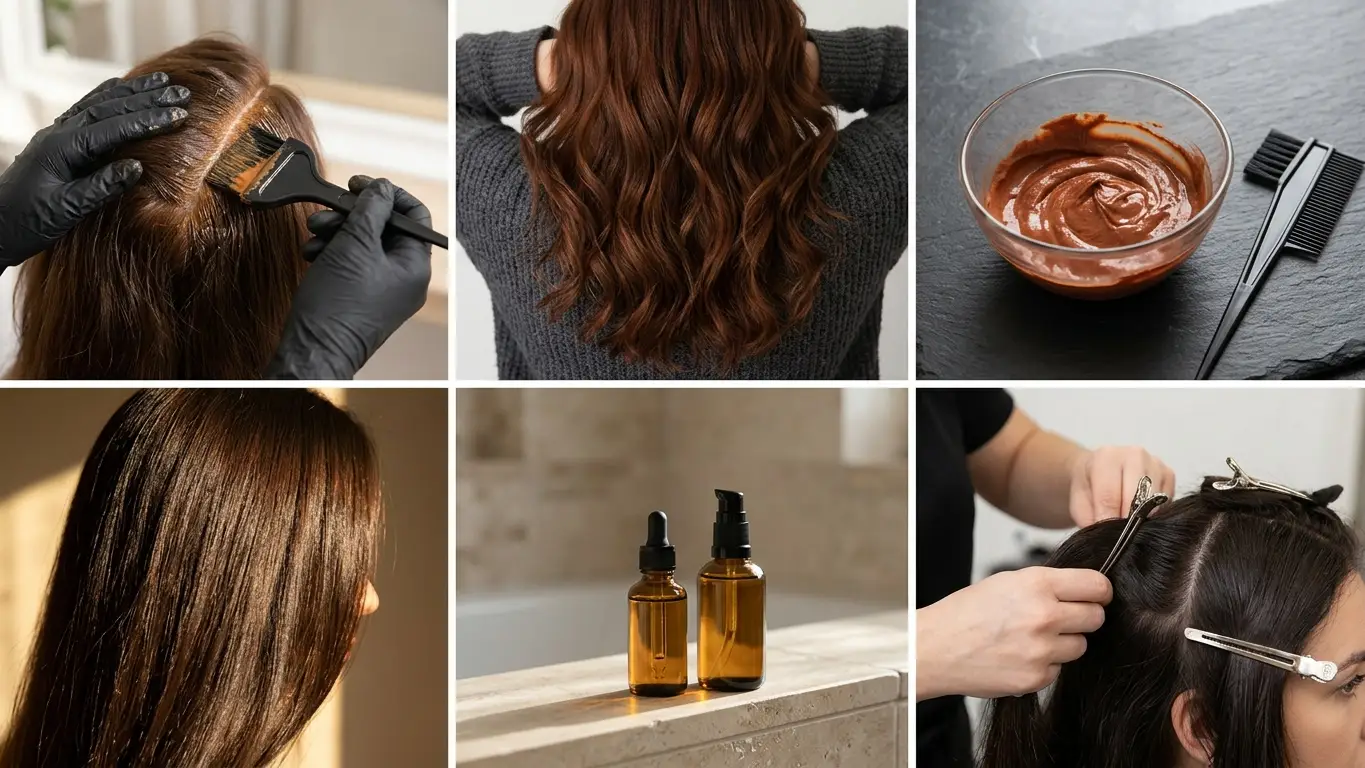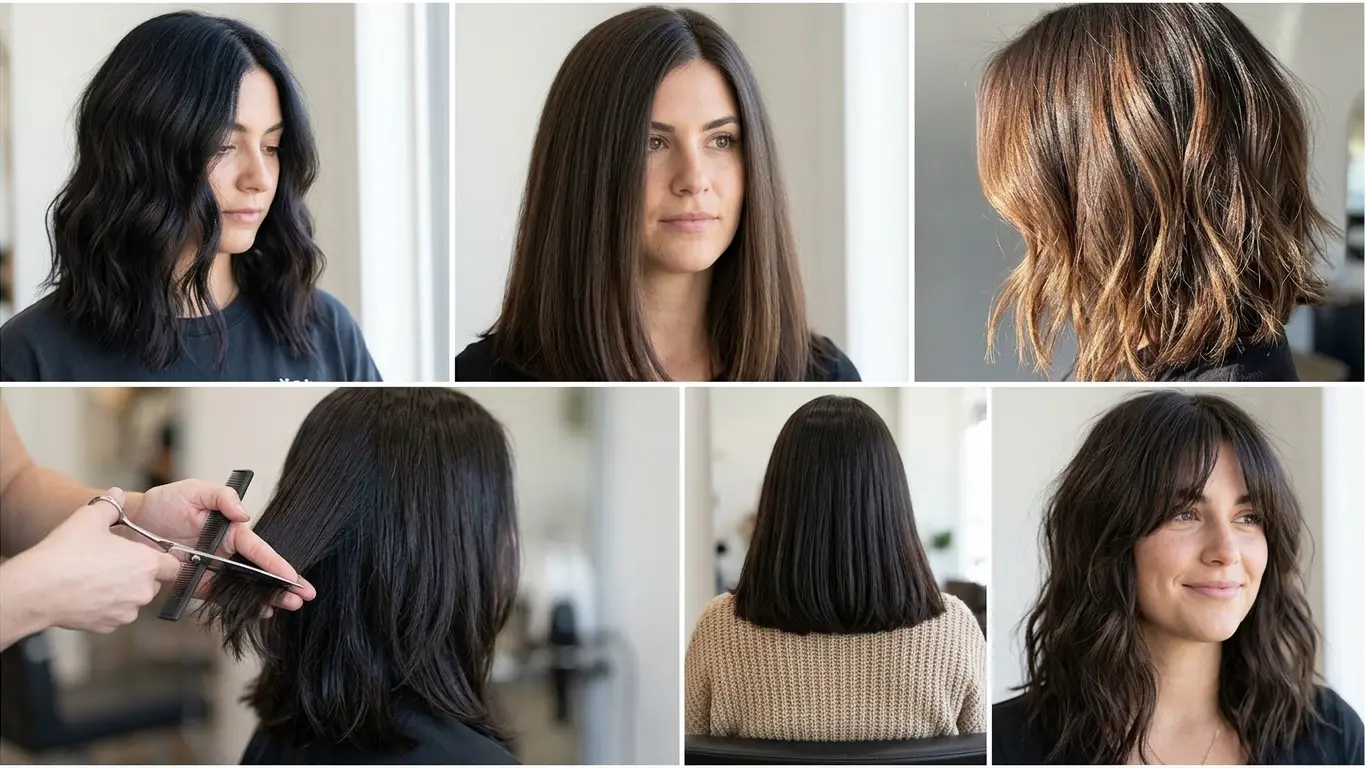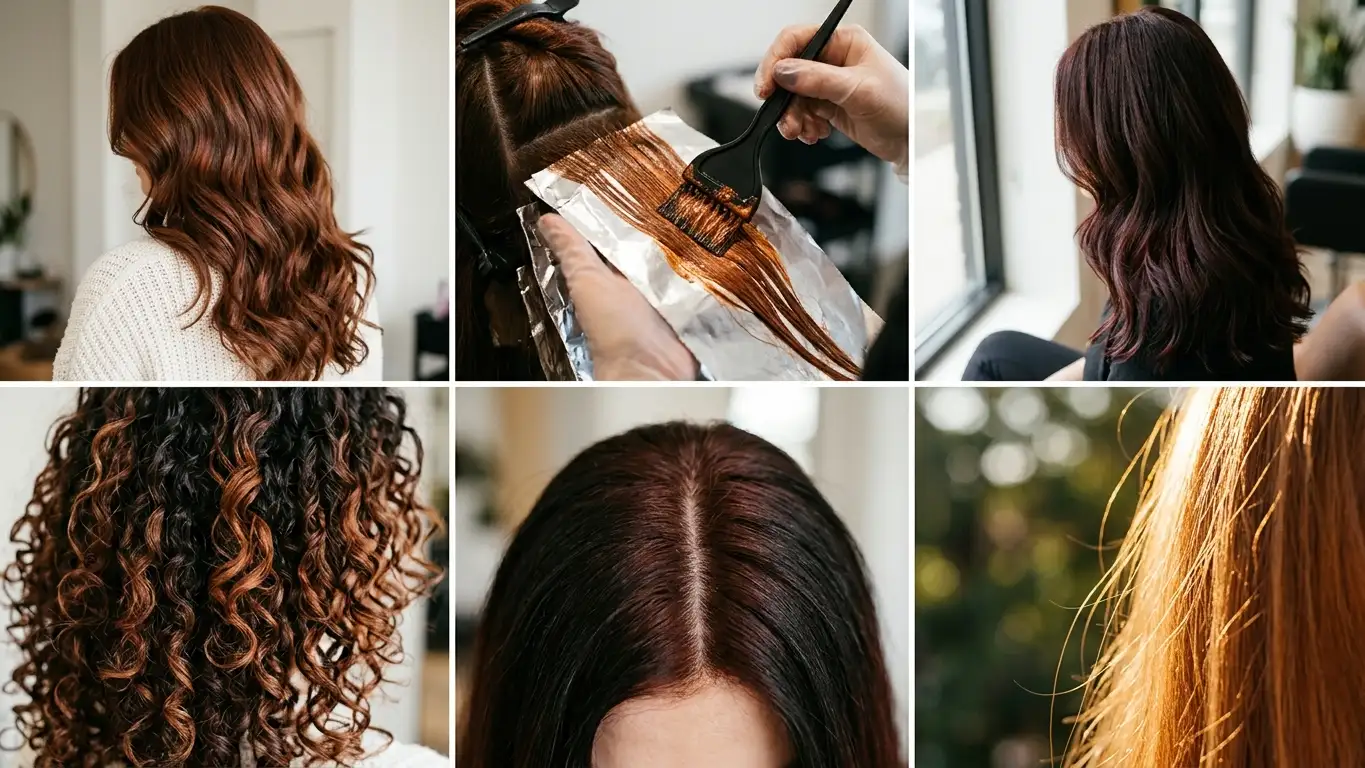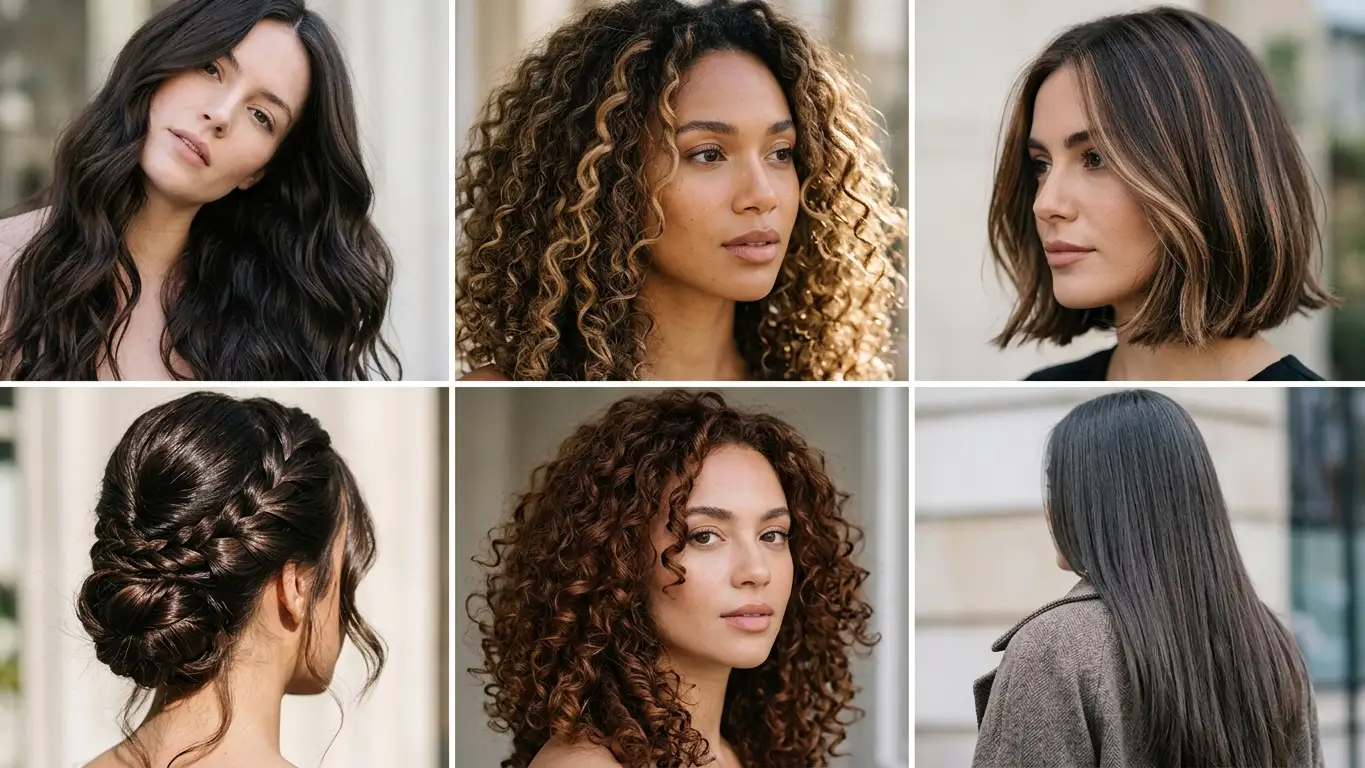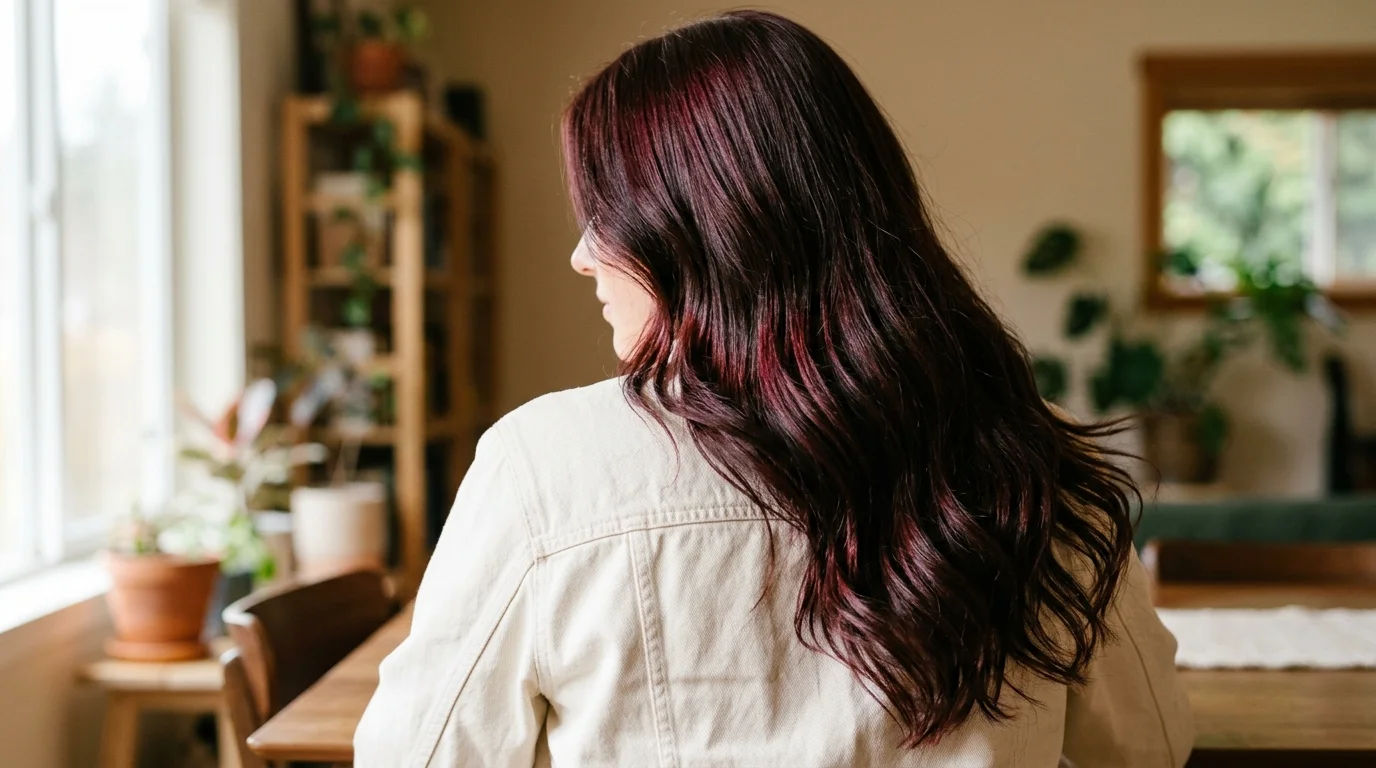

How do you get rich cocoa ribbons laced with deep crimson without ending up with brassy orange roots or an accidental plum tint?
Achieving chocolate cherry hair color requires balancing a cool or neutral espresso base with concentrated red reflect. When those two pigments fight each other under domestic bathroom lighting, strands often turn muddy, dark, or uneven.
Affiliate disclosure: This post contains affiliate links. If you purchase through these links, a small commission is earned at no extra cost to you. Always conduct a skin patch test behind your ear 48 hours prior to applying any dye mixture to rule out allergic contact dermatitis.
Applying Red Dye Directly Over Inky Black Strands Without Lifting
Natural level 1 or level 2 black hair contains dense eumelanin that blocks sheer red tones from showing up indoors. If you put a tube of cherry dye directly onto jet black hair, the result looks completely invisible under room lamps and only flashes a faint rust hue under midday direct sun.
The fix is lifting your base to a true level 4 or 5 brown before introducing any red dye.
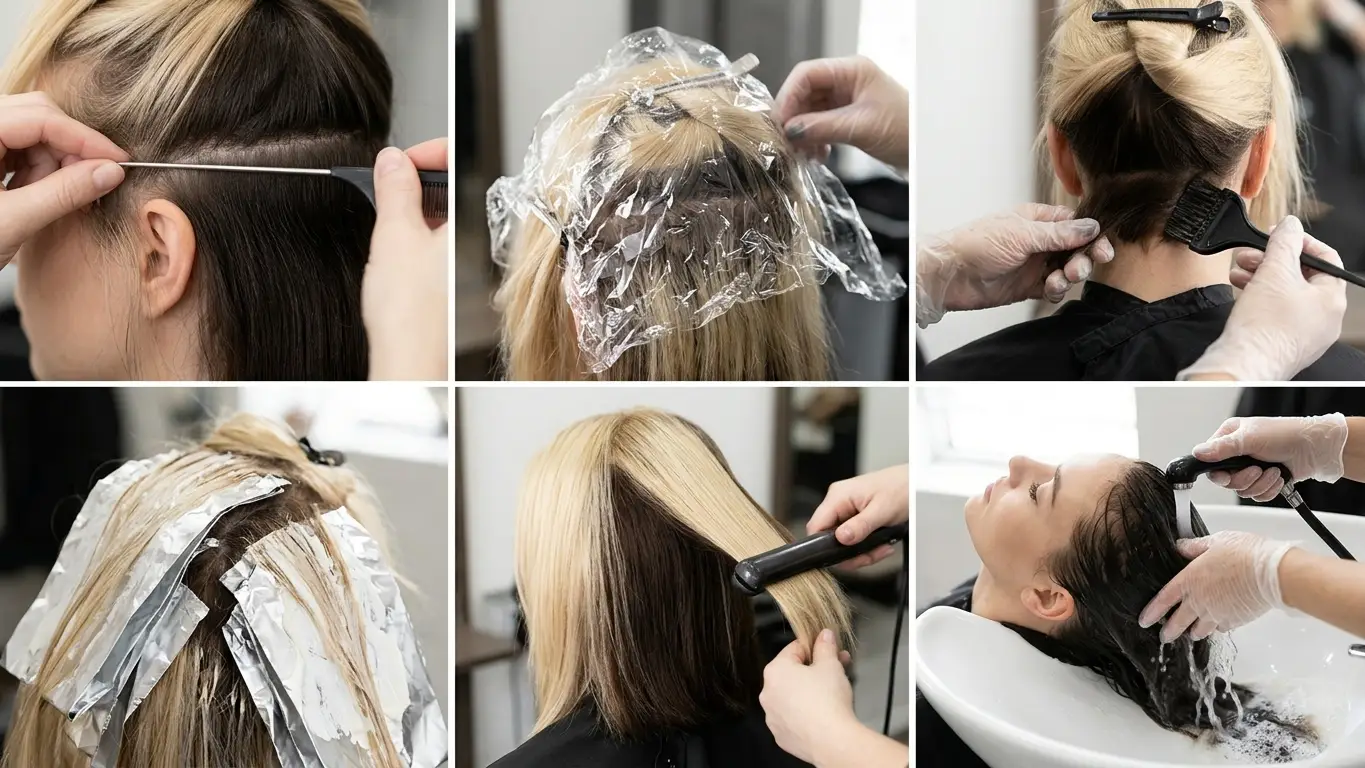
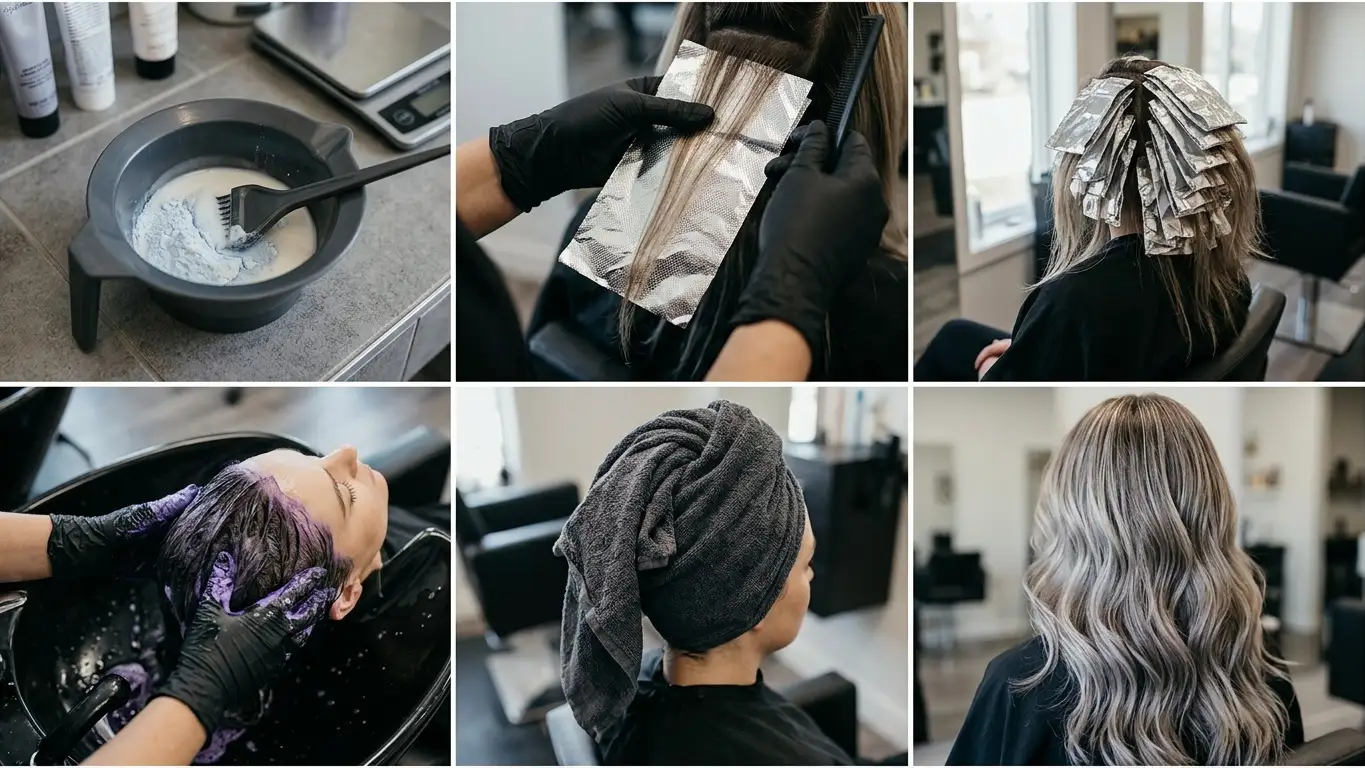
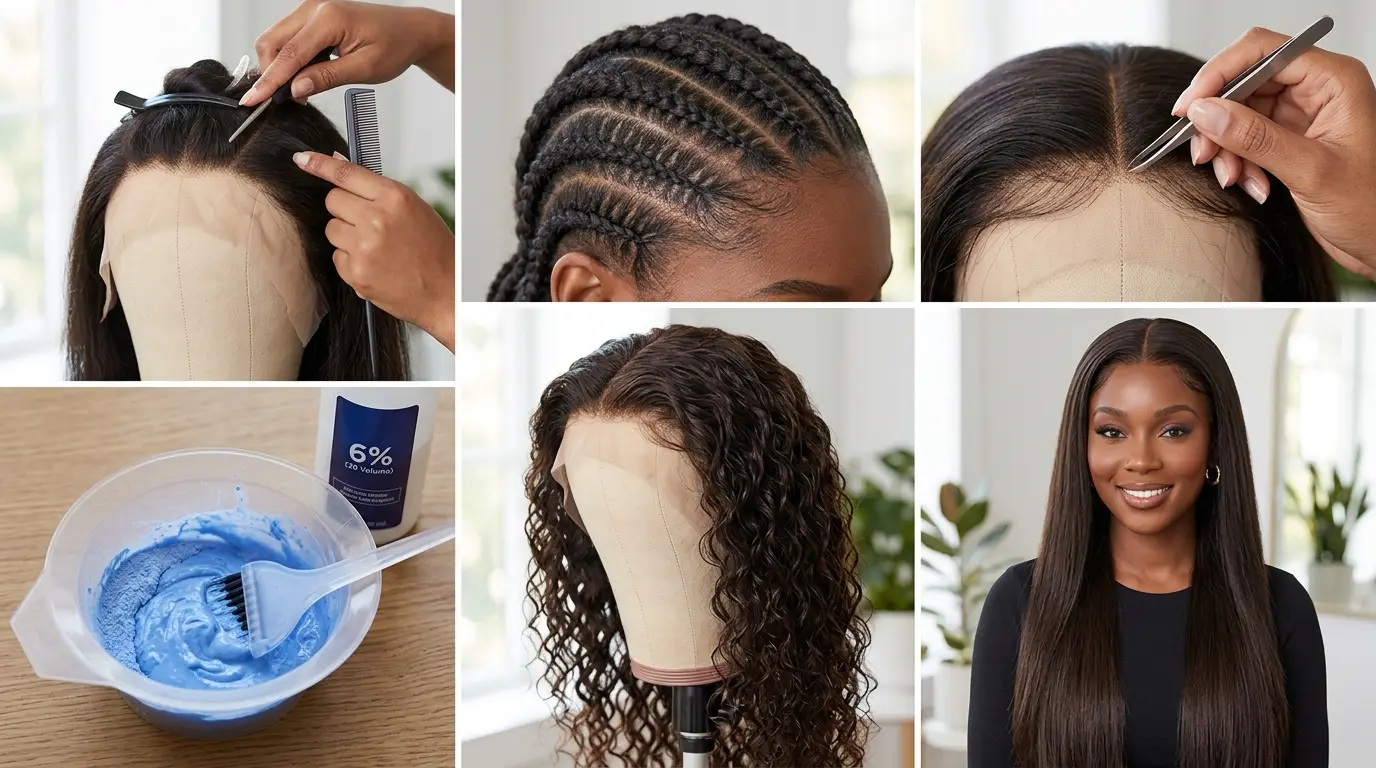
You need a 20-volume developer mixed with lightener to shift the black base just two levels up to an underlying red-orange stage. Stop the lift before it hits yellow. Then rinse, dry completely, and apply your target ruby glaze over that newly exposed warmth.
Using One Universal Bowl To Cover Regrowth And Porous Ends

Roots process faster than ends because scalp heat accelerates chemical oxidation. Slapping the same bowl from scalp to tip creates hot roots where the crown turns glowing scarlet while dry, previously colored ends remain dull charcoal.
Mix two separate bowls to avoid this split result.
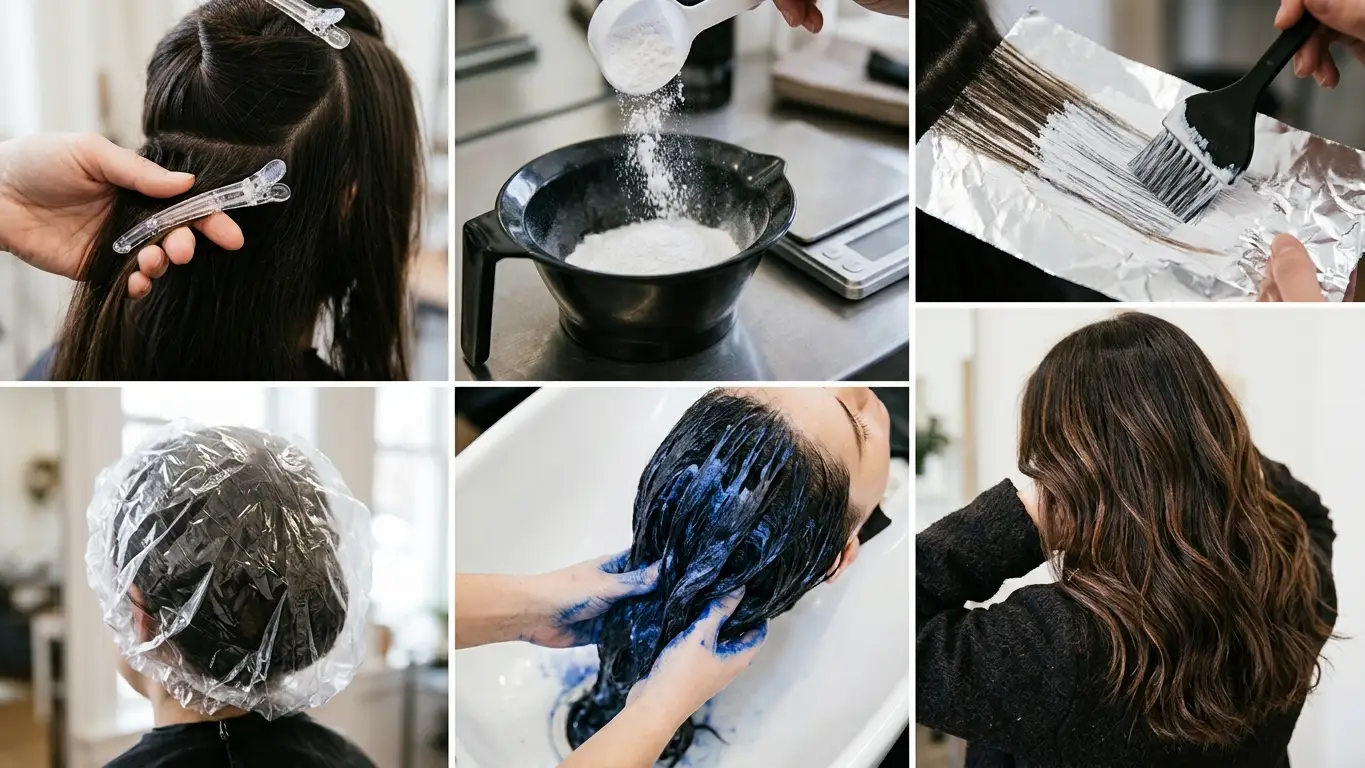
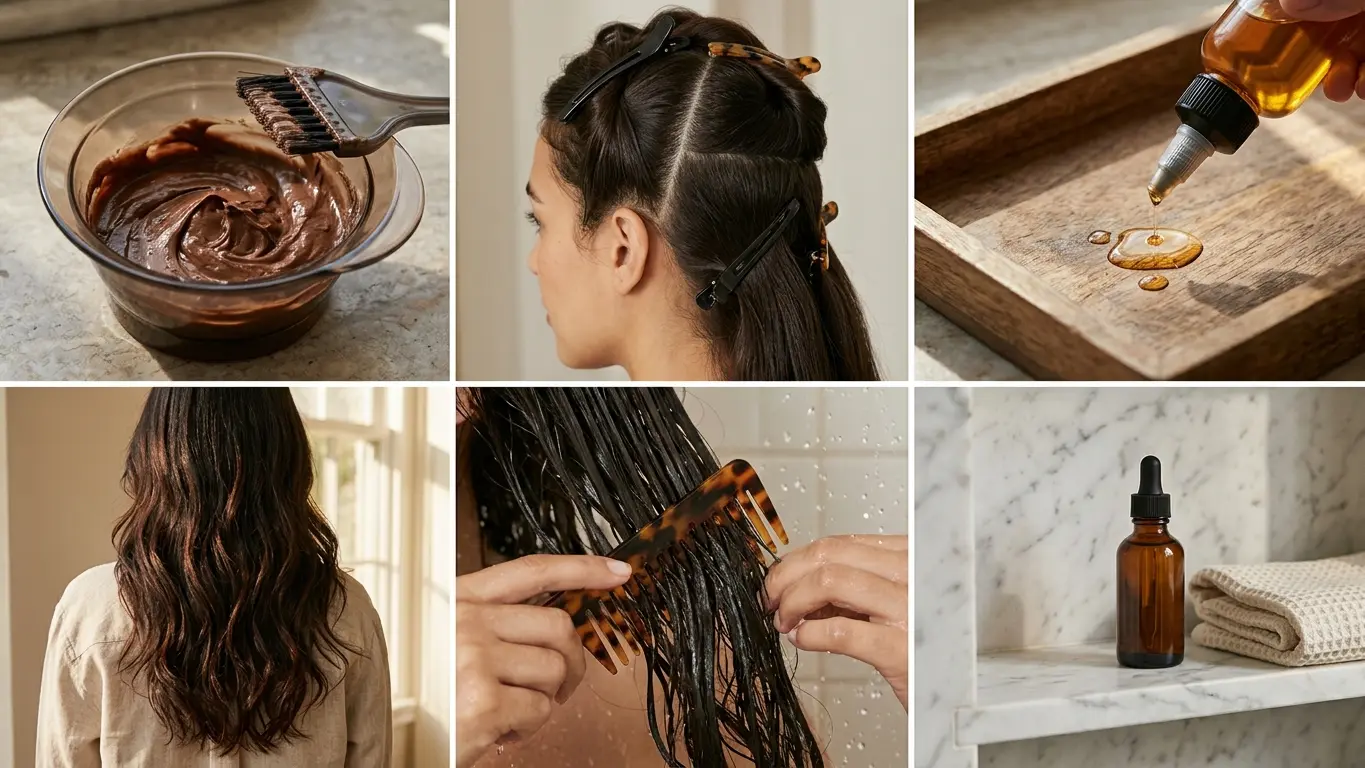
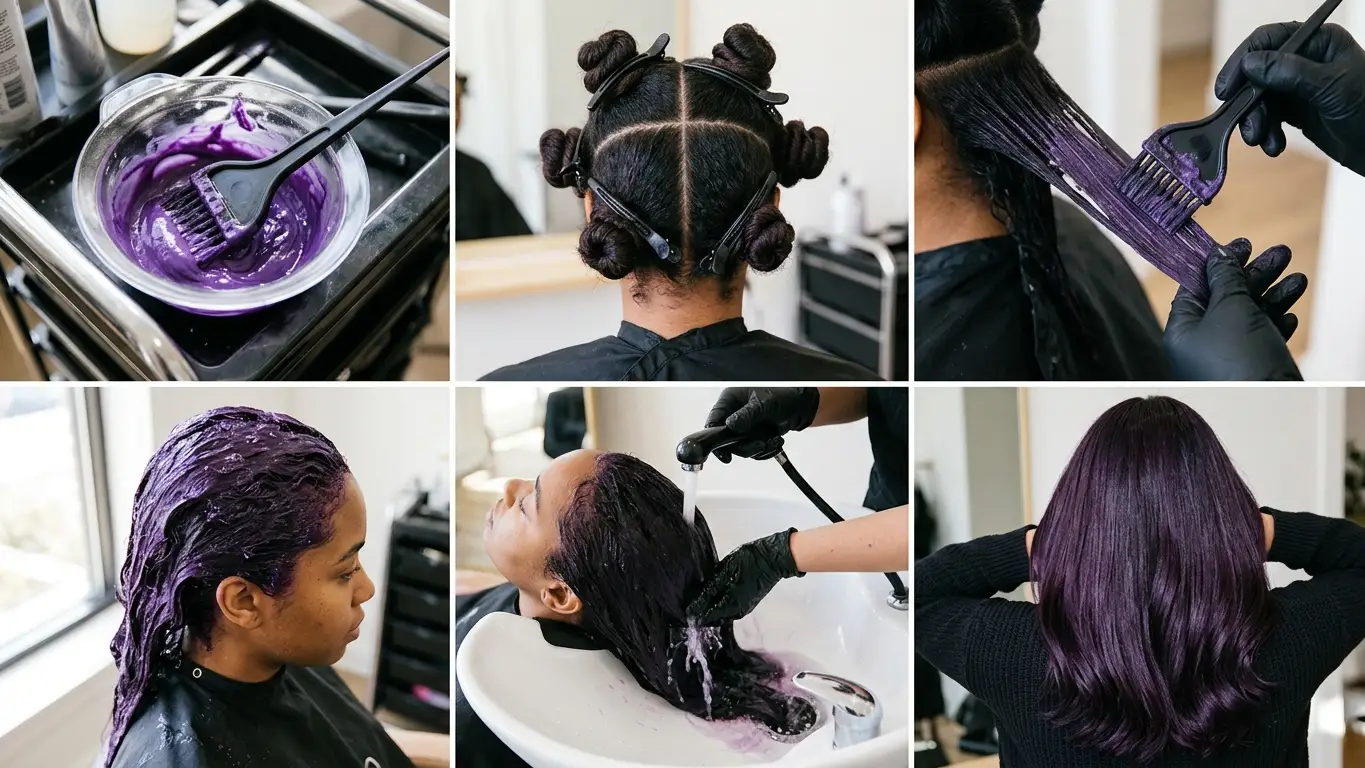
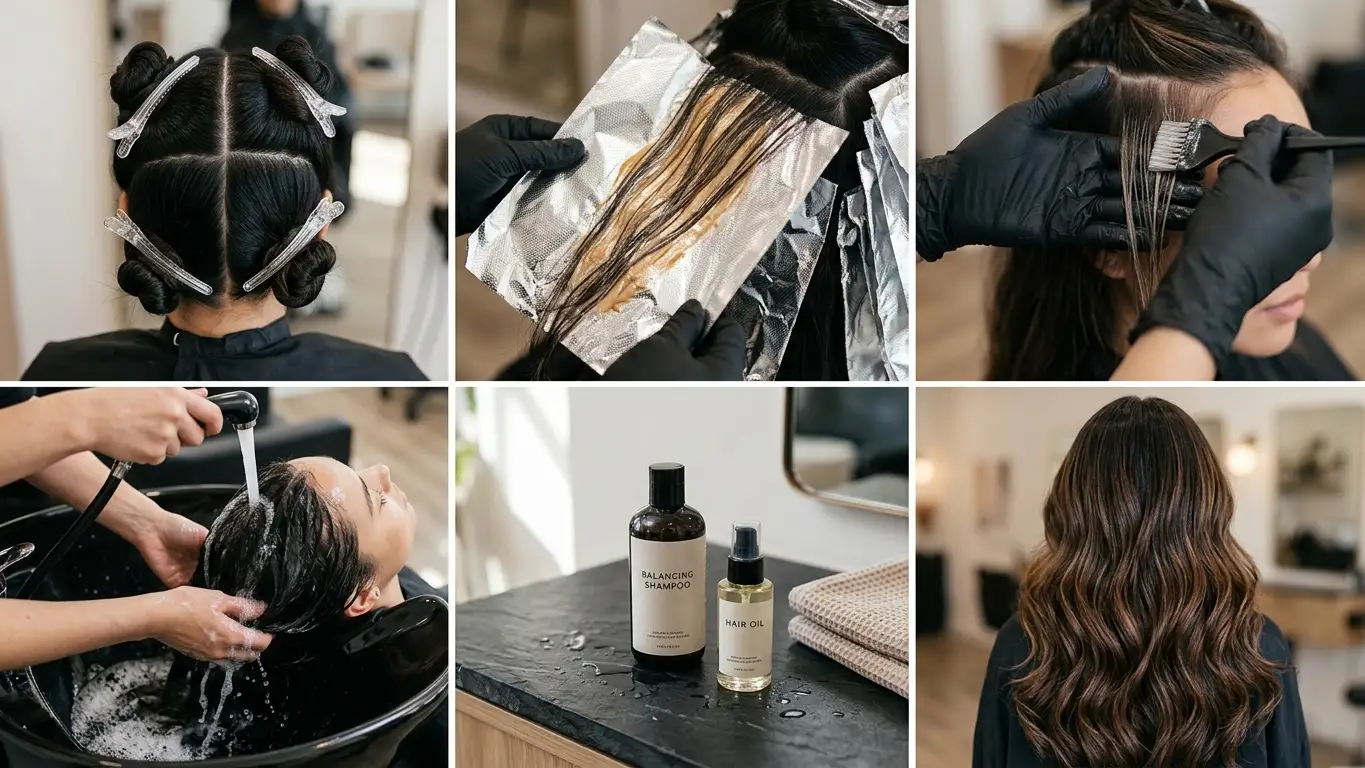
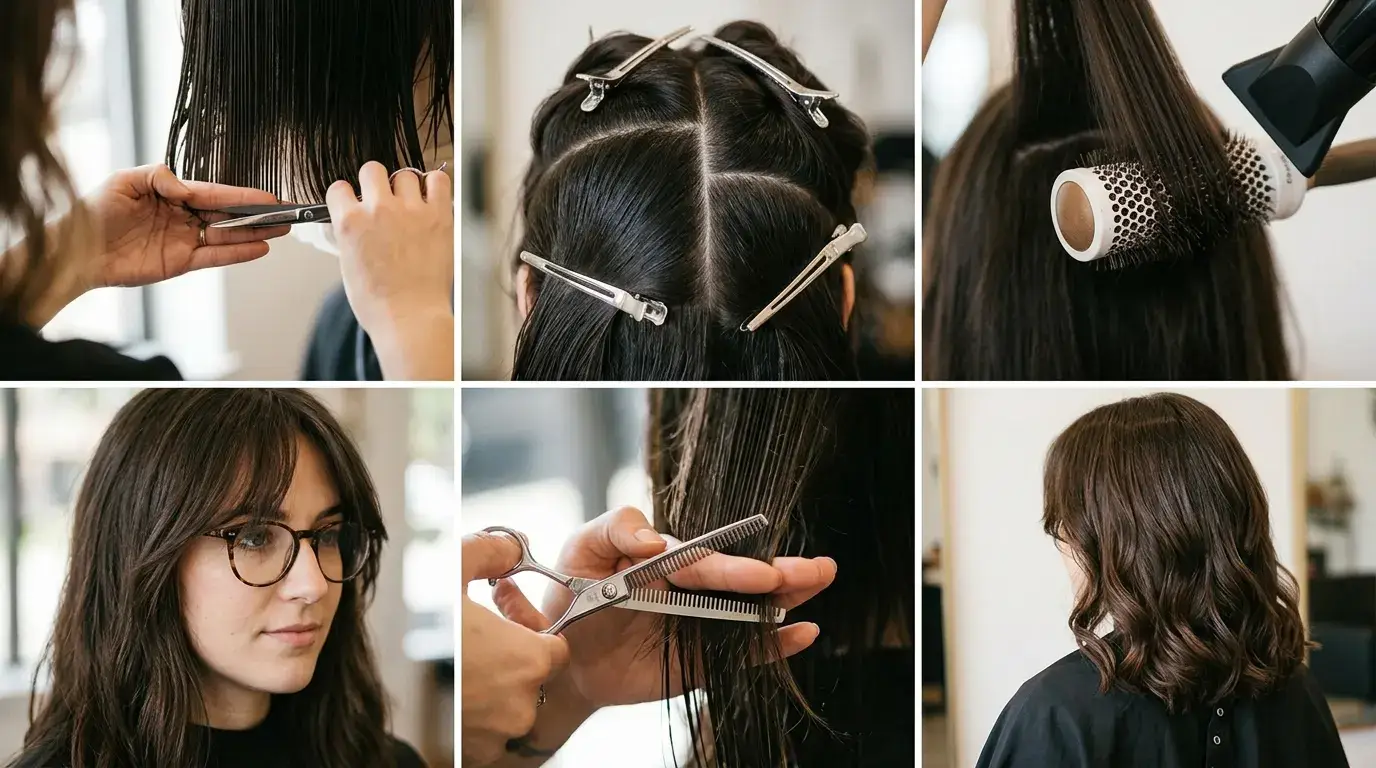
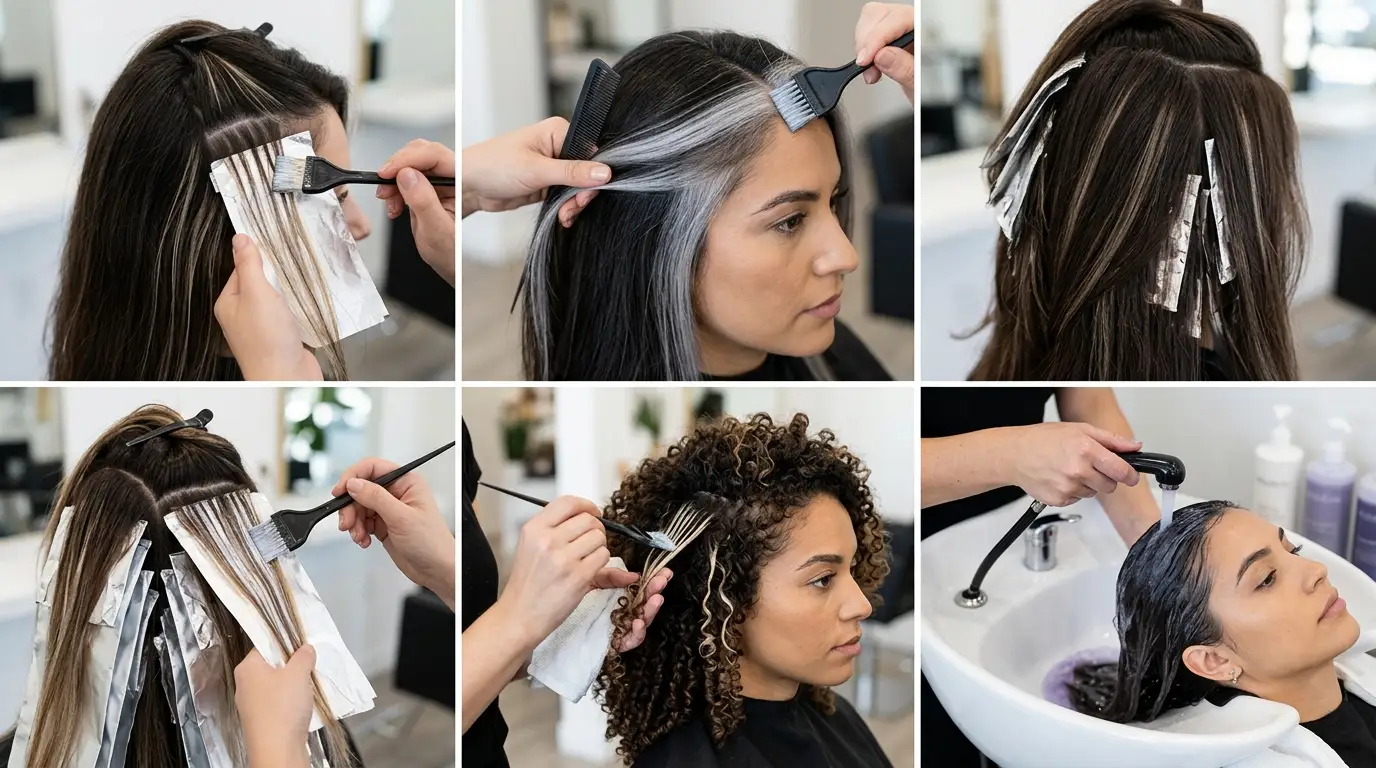
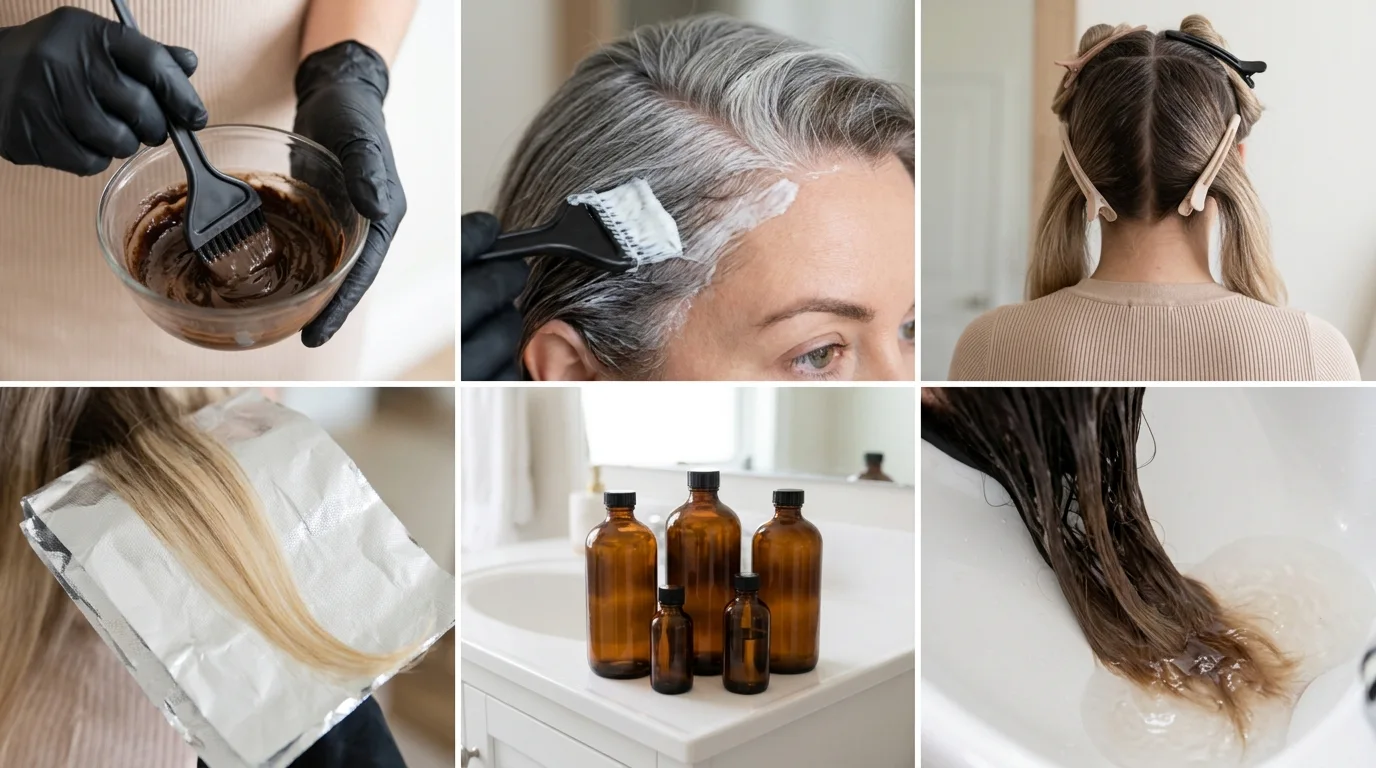
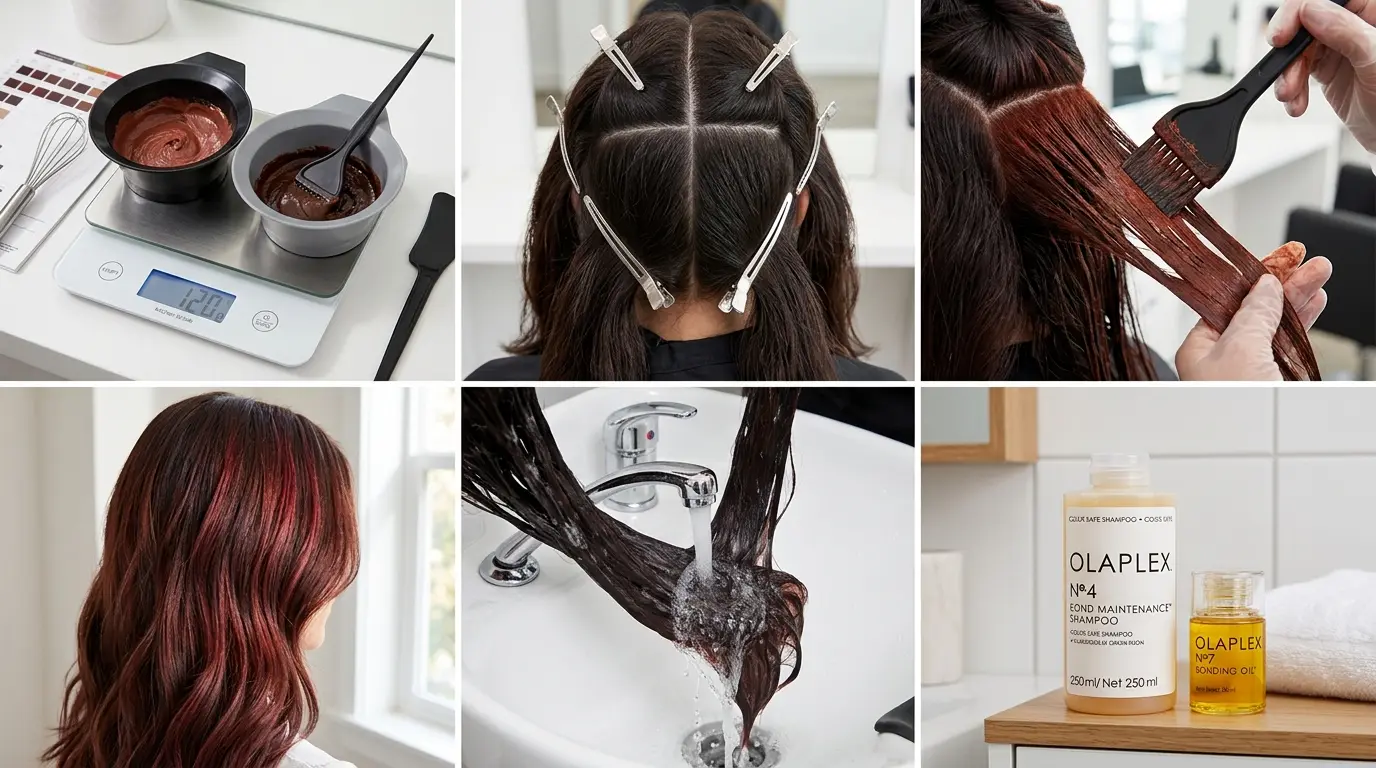
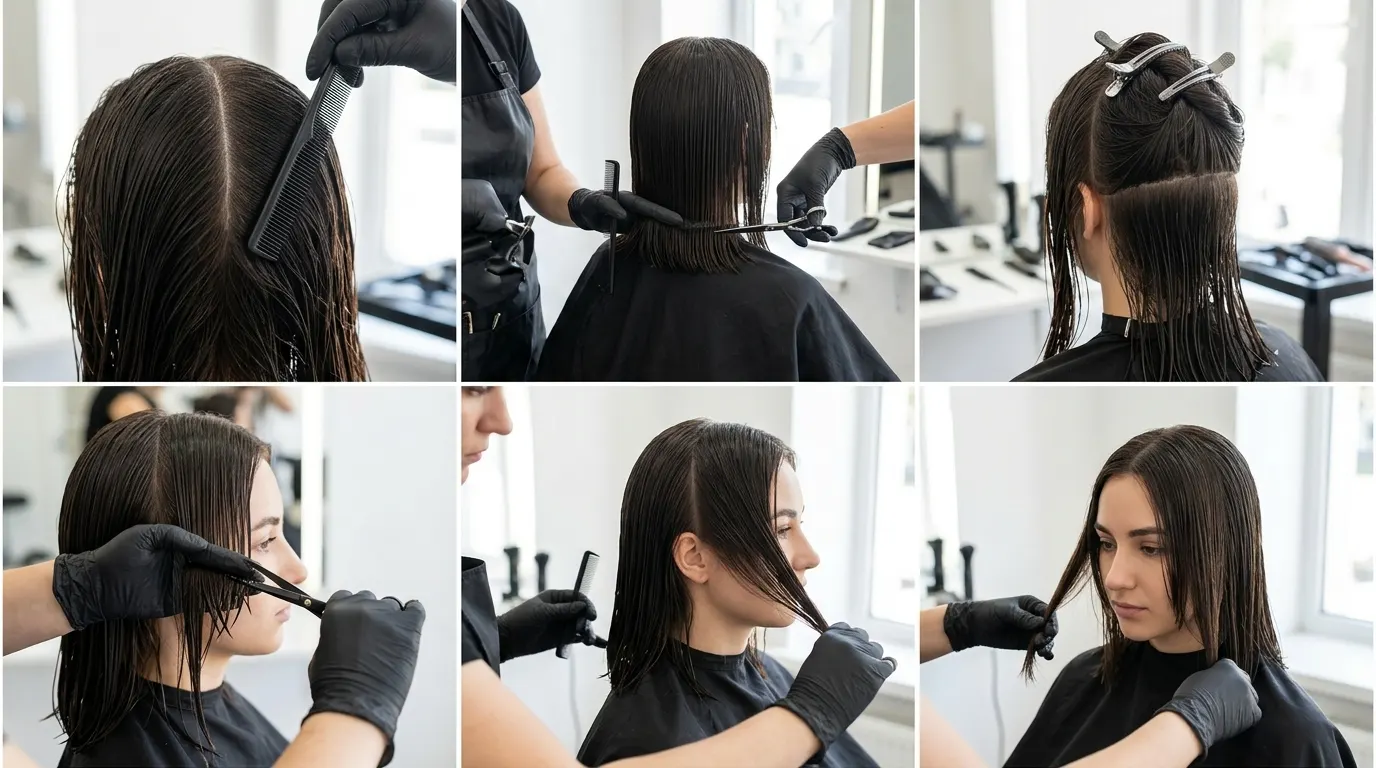
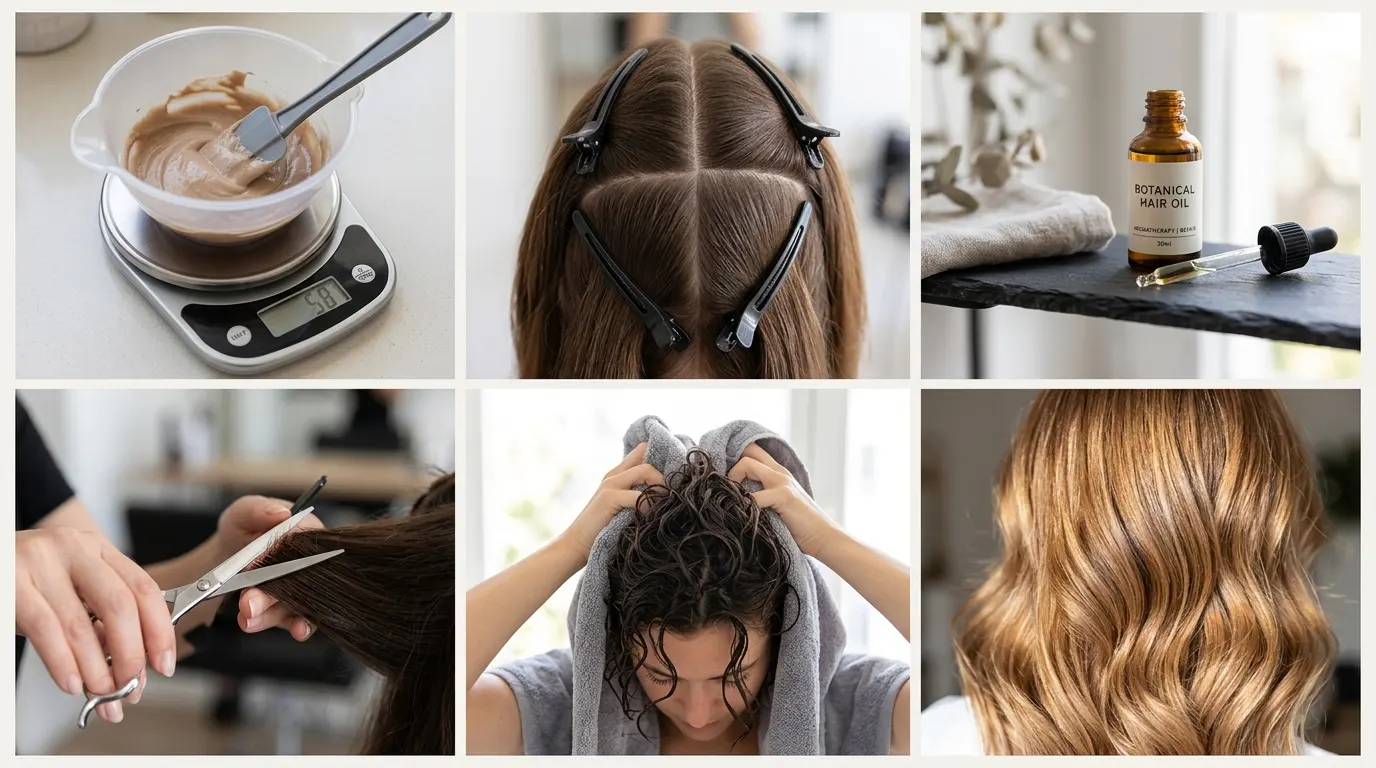
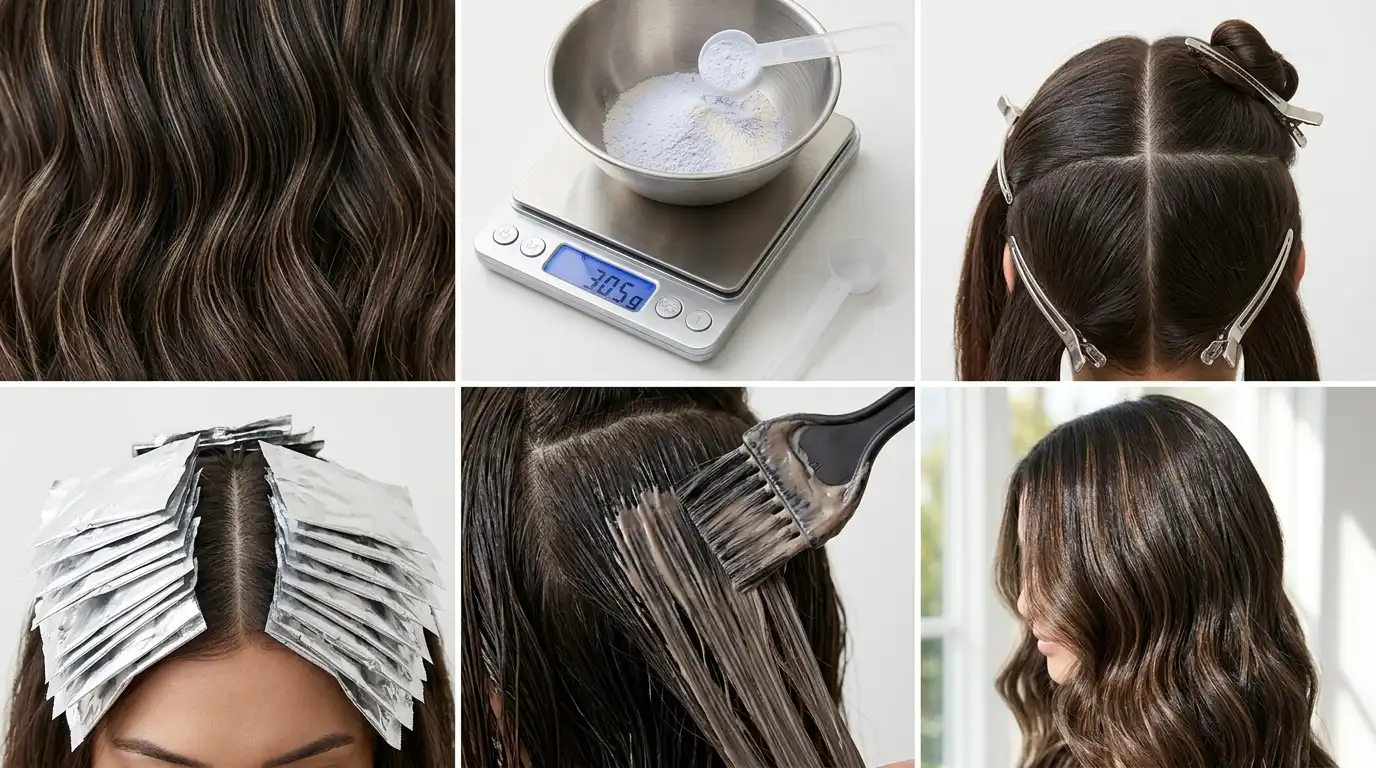
Bowl one takes a deposit-only demi-permanent shade mixed with a gentle 10-volume developer for the mid-lengths and fragile ends. Bowl two uses a permanent formula with 20-volume developer strictly on the virgin root area. Work the root formula first using the pointed tip of an applicator bottle to section hair cleanly across the crown. Leave the ends untouched until the final fifteen minutes of development.
Letting High-Porosity Ends Turn Hollow And Violet

Hair that has survived bleach or flat irons drinks up cool tones aggressively. When porous hair meets a balanced cherry brown, it grabs the underlying blue-violet pigments and rejects the warm brown, leaving you with an ashen, muddy purple tone.
Fill the hair shaft with copper protein before applying your dark mixture.
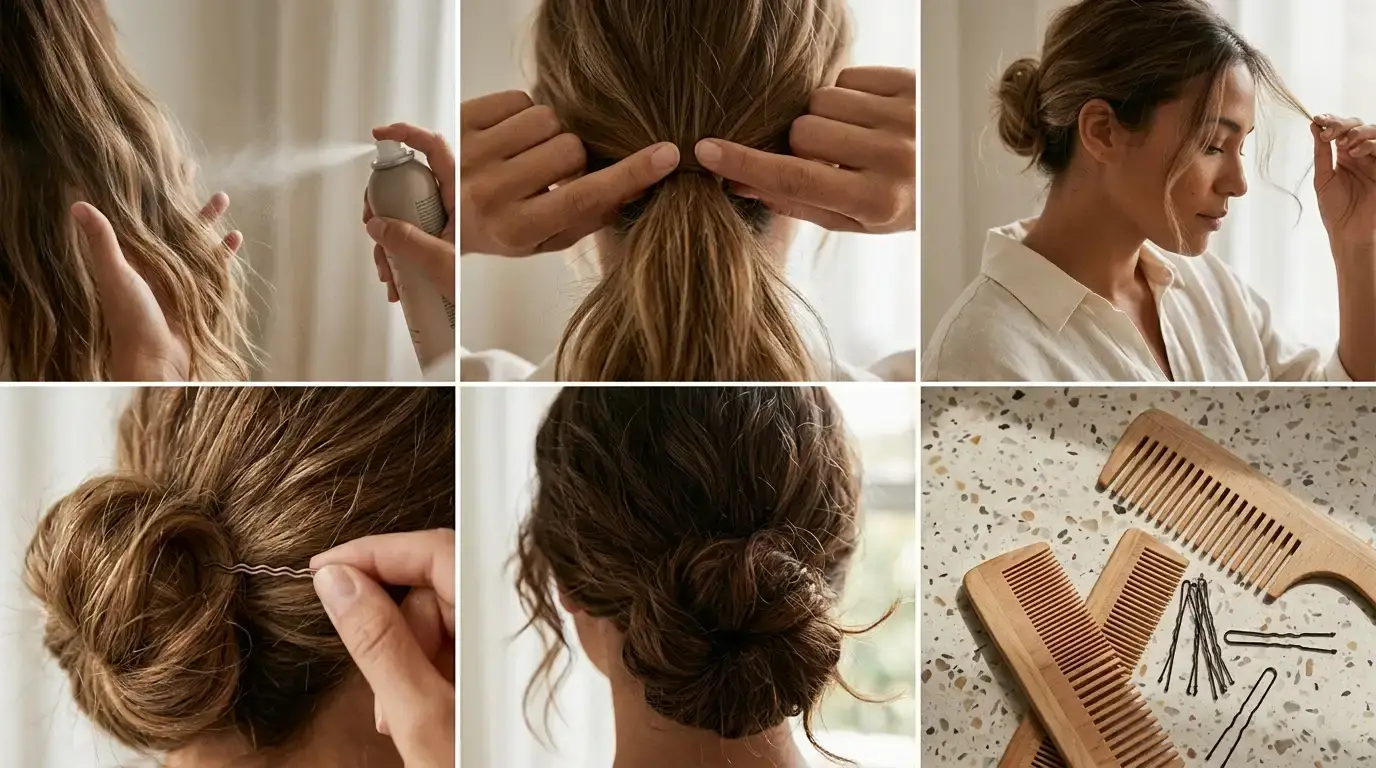
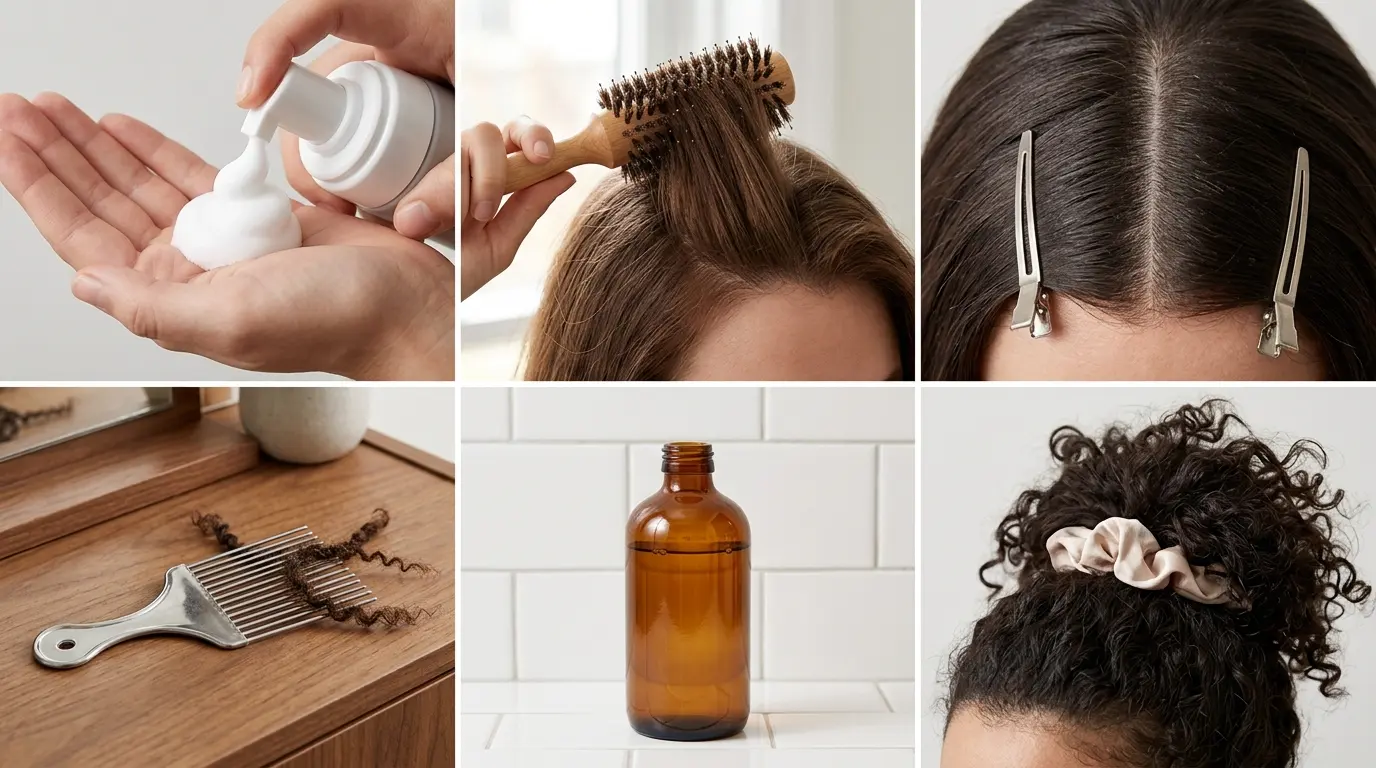
A protein filler priced at around $8 at beauty supply shops restores missing keratin and deposits lost yellow-red undertones. Spray it evenly onto damp, clean hair five minutes prior to coloring without rinsing it out. This barrier stops hollow ends from soaking up excess dye and guarantees an even, reflective finish across the whole strand.
Guessing Processing Time Instead Of Running A Watch
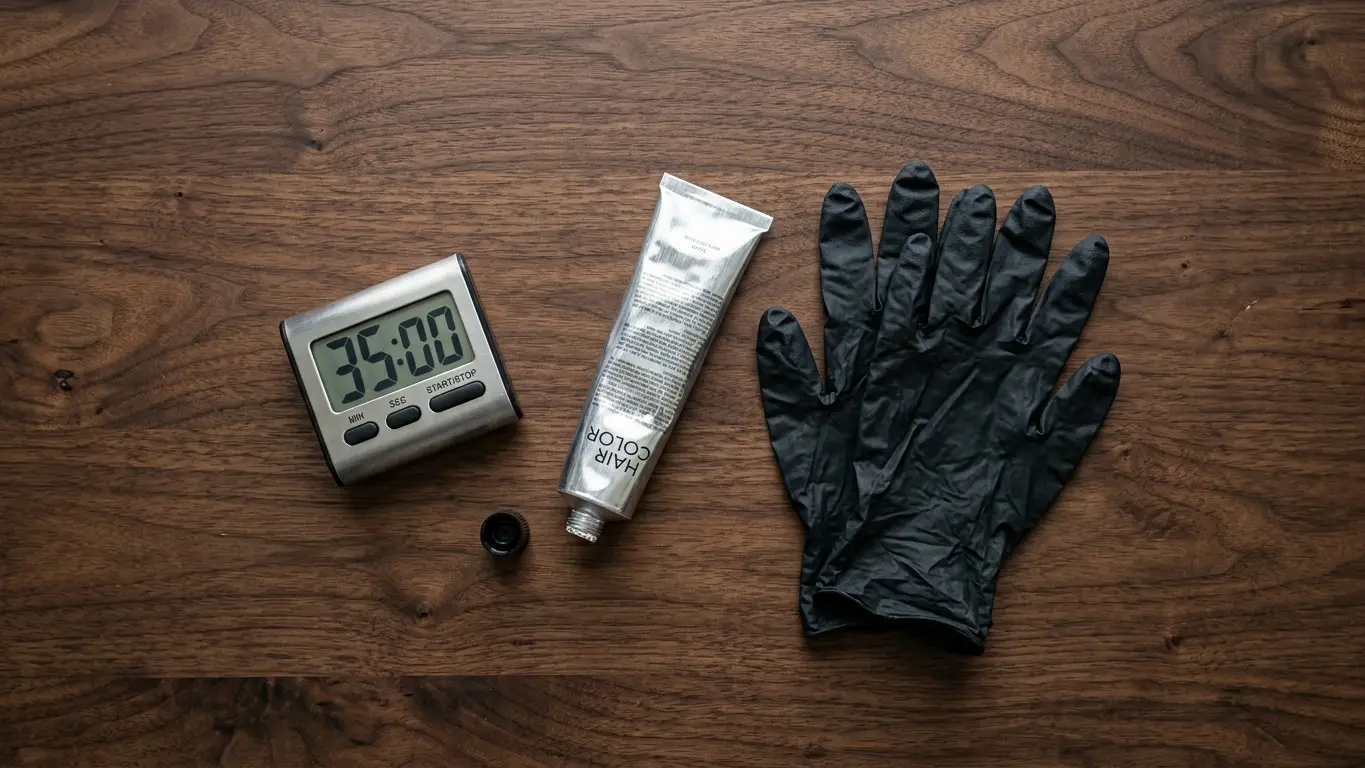
Eye-balling the color in the bathroom mirror while wearing plastic gloves leads to premature rinsing. Dye mixtures visibly darken and turn dark purple inside the applicator bottle thirty minutes in, prompting beginners to rinse ten minutes too early out of sheer panic.
The color changing in your bowl or on your scalp does not equal the final shade.
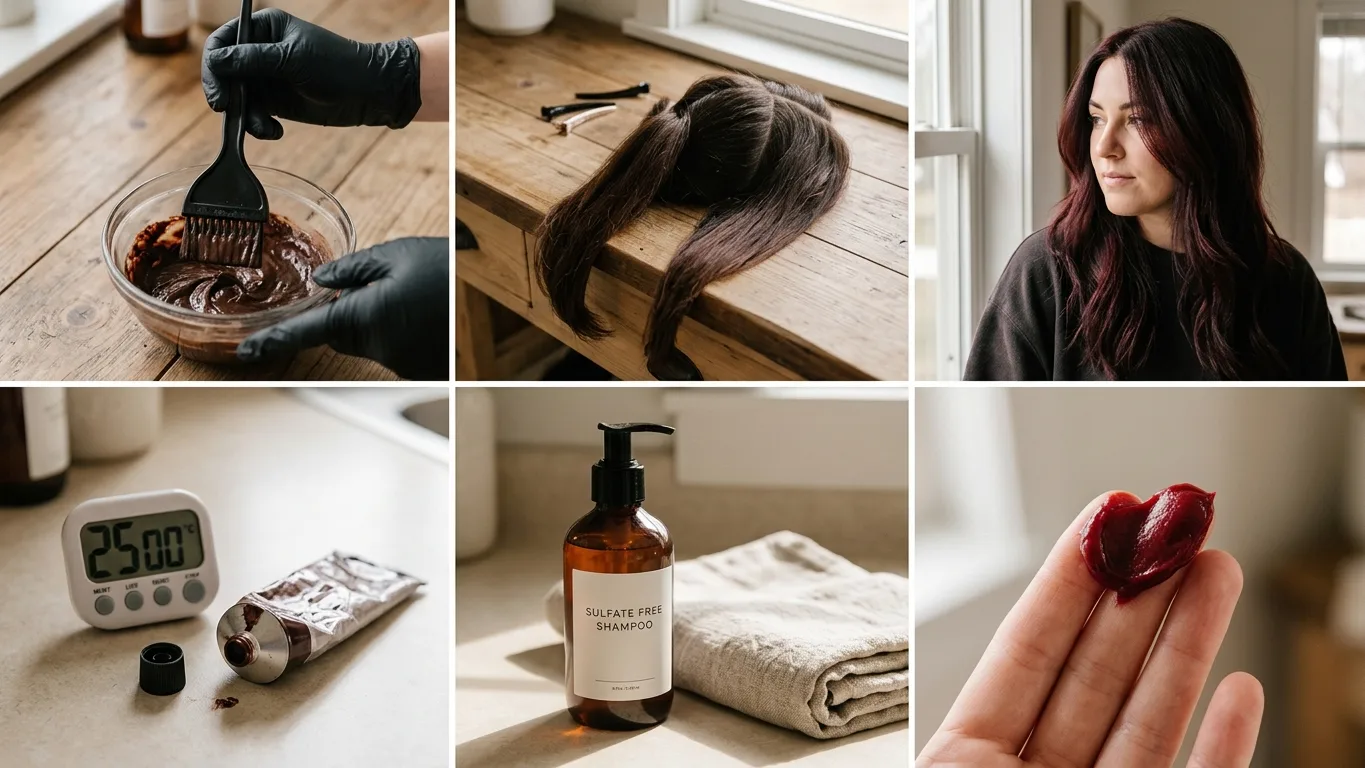
Set a dedicated kitchen timer for 35 to 45 minutes total. The first twenty minutes purely open the hair cuticle and lift underlying pigment, while the remaining fifteen to twenty minutes deposit the actual red and cocoa molecules. Rinsing at minute twenty-five leaves hair with raw orange undertones and zero lasting ruby depth.
Picking A Flat Box Kit Instead Of Mixing A Dual-Tone Formula

Single-process boxed dyes cannot adjust for the two distinct elements needed for this shade: depth and reflect. Relying on an all-in-one chocolate cherry hair color box dye often yields a flat, helmet-like reddish brown that lacks multidimensional shine.
Custom mixing provides the necessary separation between the dark base and the vibrant glazes.
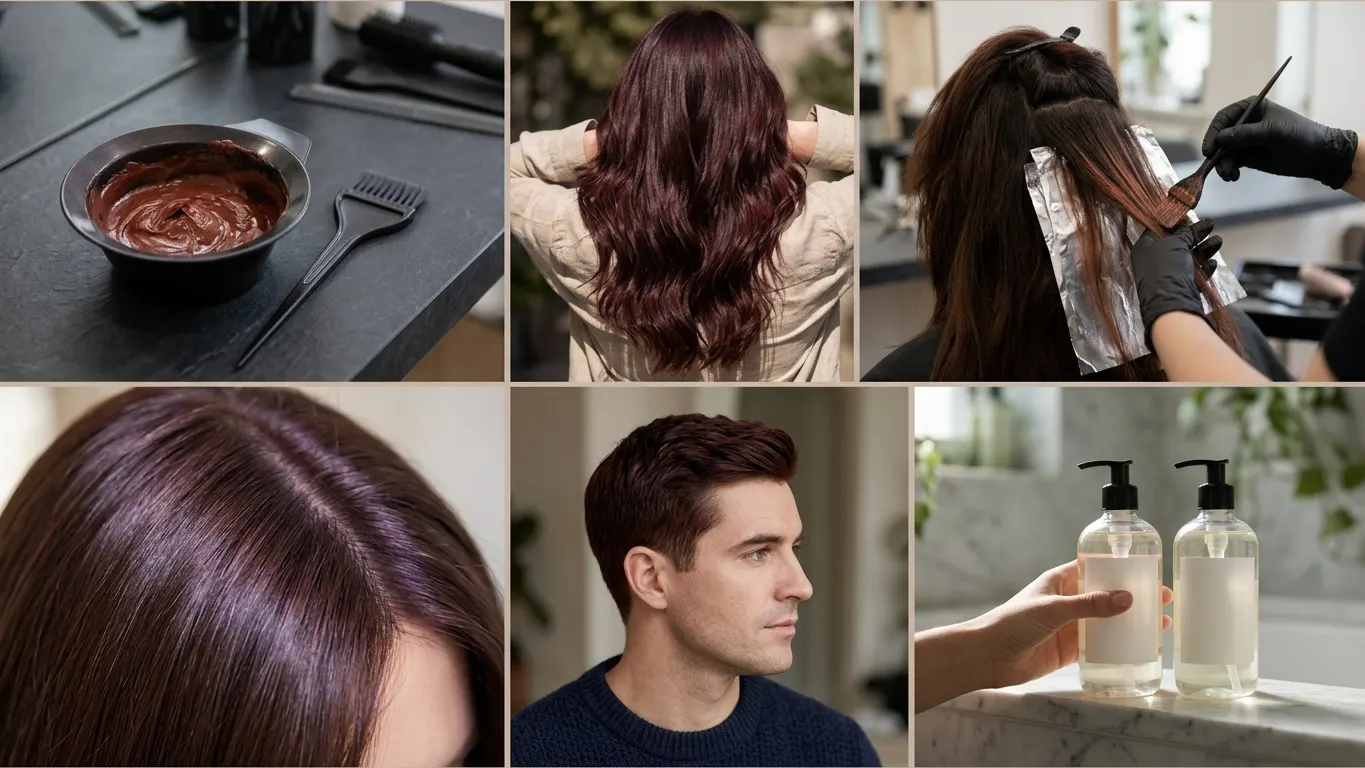
Use a professional ratio: three parts level 5 medium brown mixed with one part level 5 intense red-violet. If shopping for a budget option, look for a cherry chocolate hair color under 300 rupees or around $6 to $11 per tube in 2026. This allows you to blend your own customized chocolate cherry brown hair color formula right in the bowl for genuine dimension.
Stripping Delicate Strands With Alkaline Washes

Red dye molecules are larger than brown molecules, meaning they sit loosely on the outer hair fiber and slip out rapidly with water exposure. Standard clarifying or daily shampoos pull these crimson tones down the drain within three showers, leaving only dull brown behind.
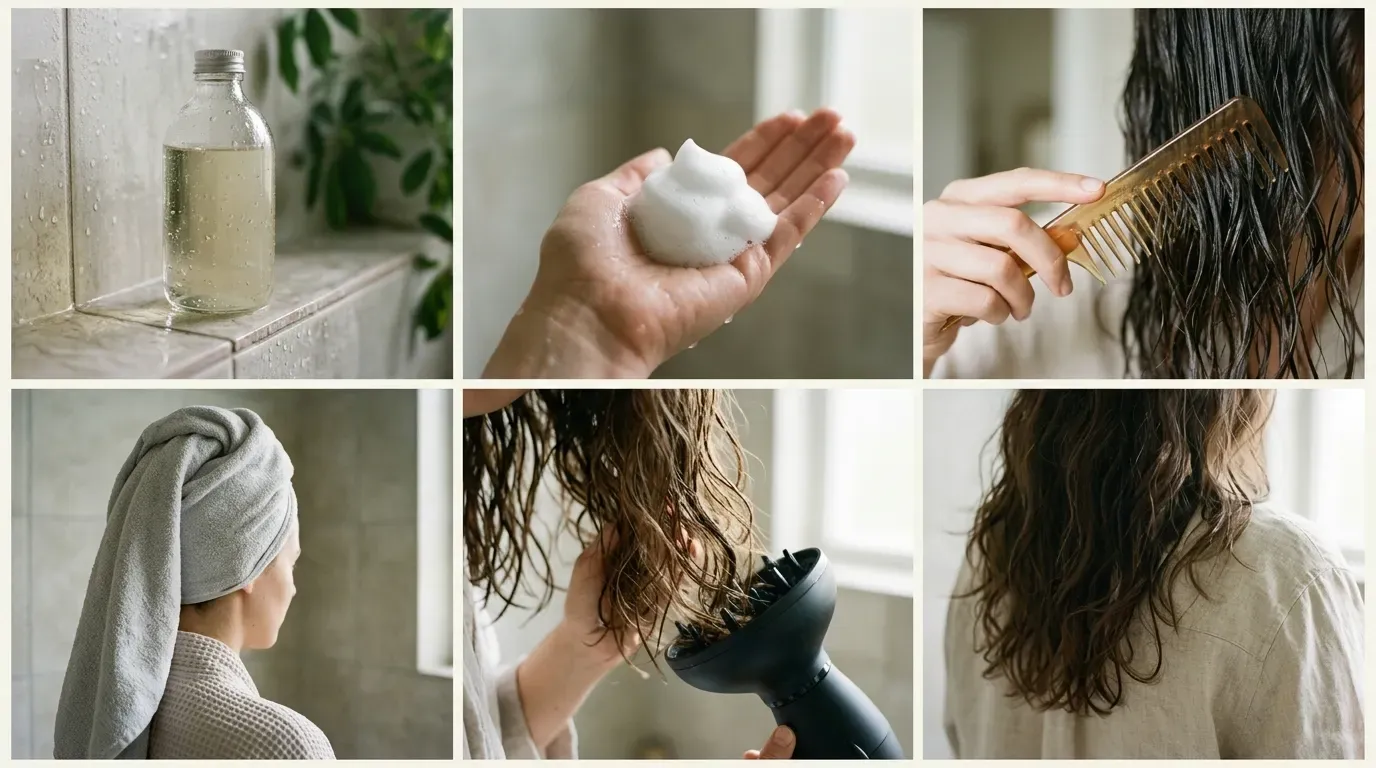
Switch immediately to a sulfate-free, low-pH shampoo and wash with lukewarm or cool water.
A pH-balanced wash seals the cuticle layer tight. To keep the shade vibrant between salon appointments, use a pigmented gloss or a cherry chocolate hair color small pack every third week. The conditioning pigments replace lost ruby hues on towel-dried hair in just five minutes without causing chemical damage.
Neglecting Natural Texture And Melanin Density
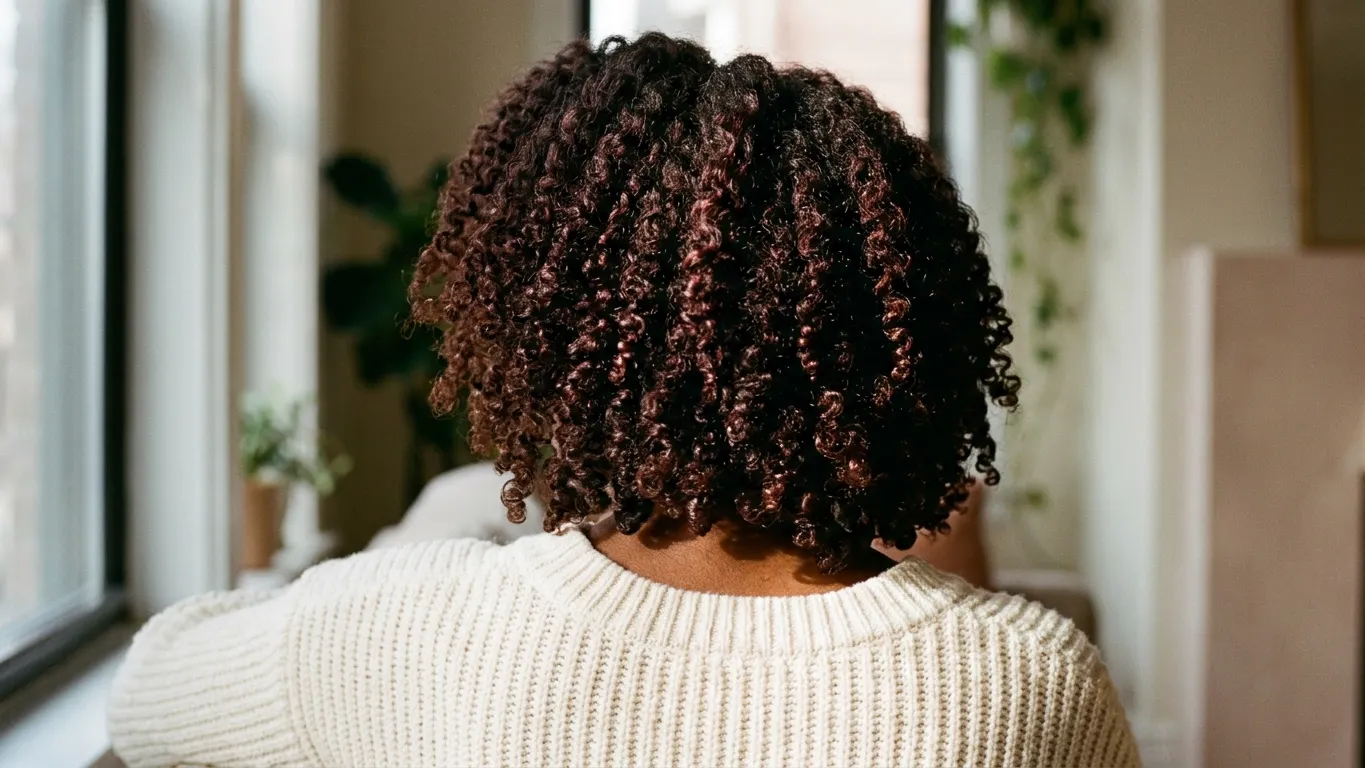
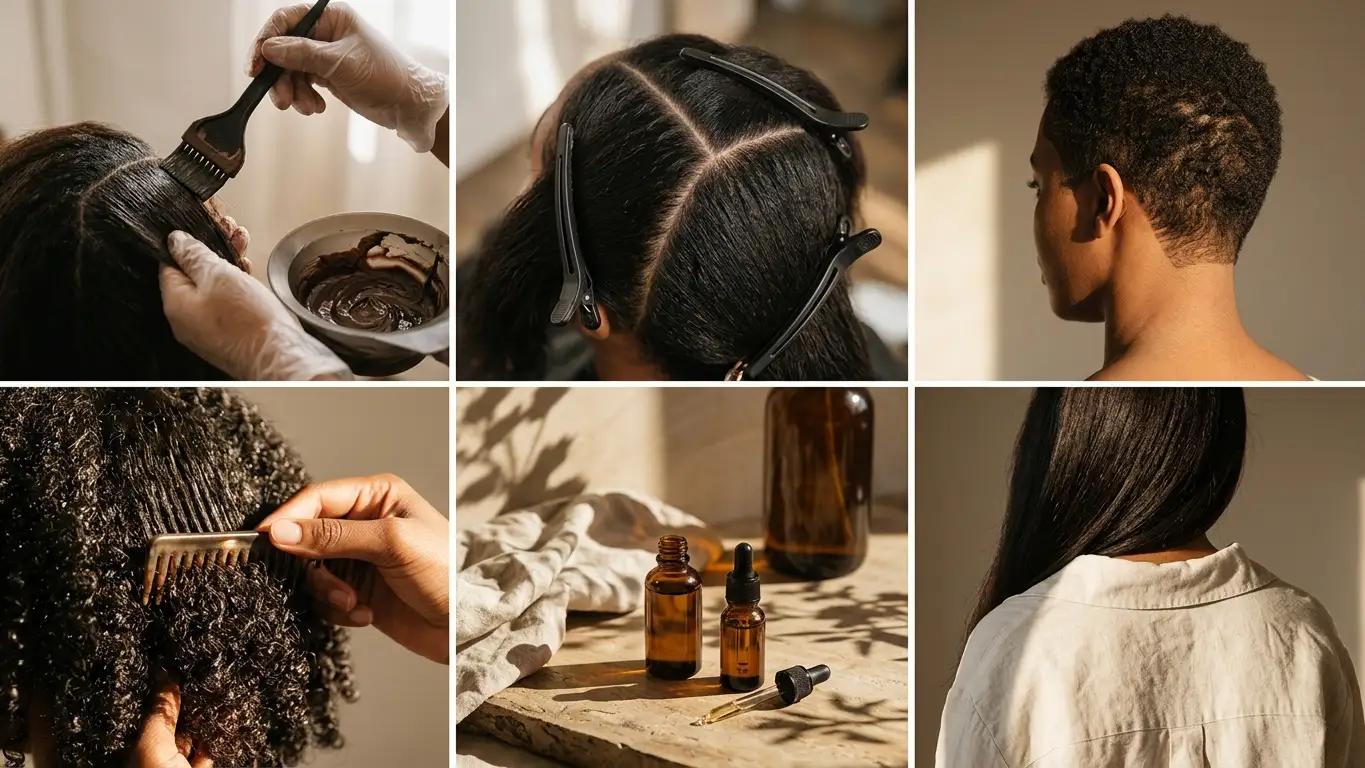
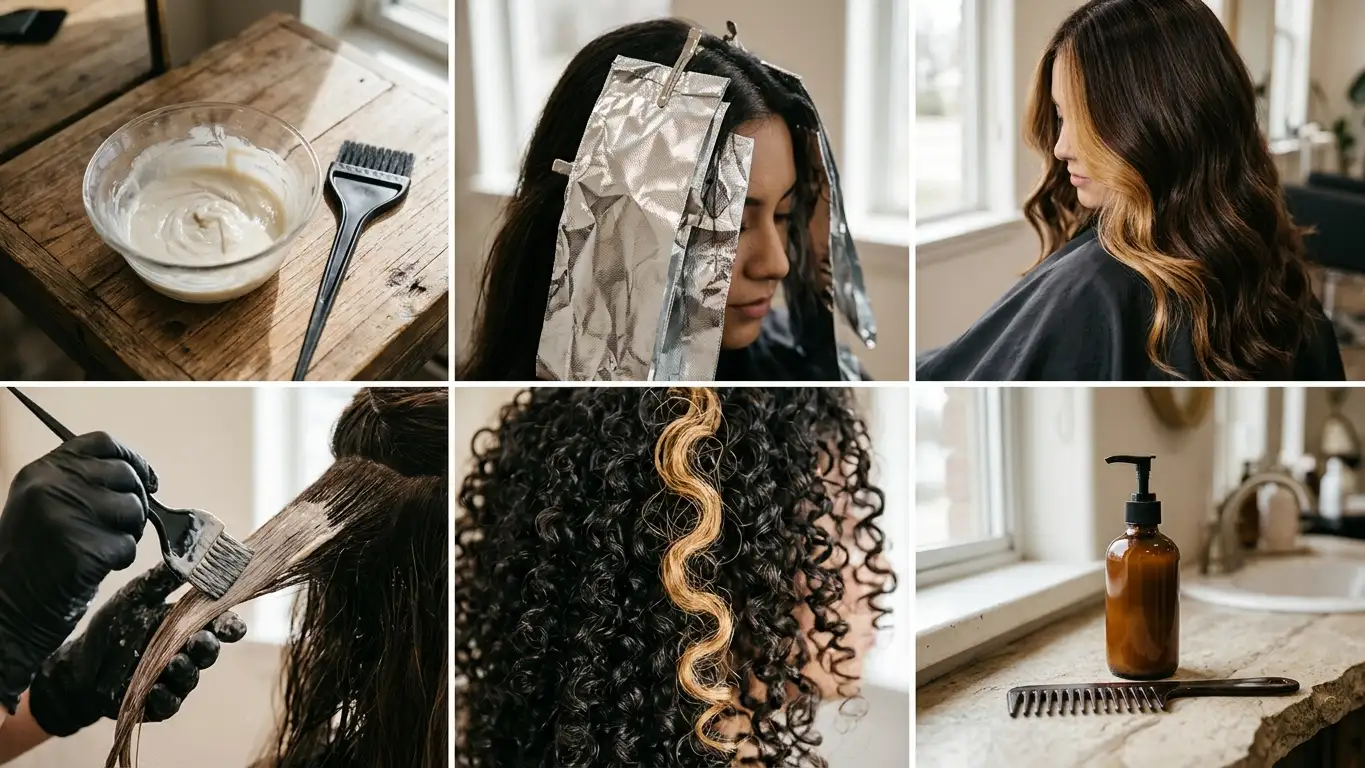
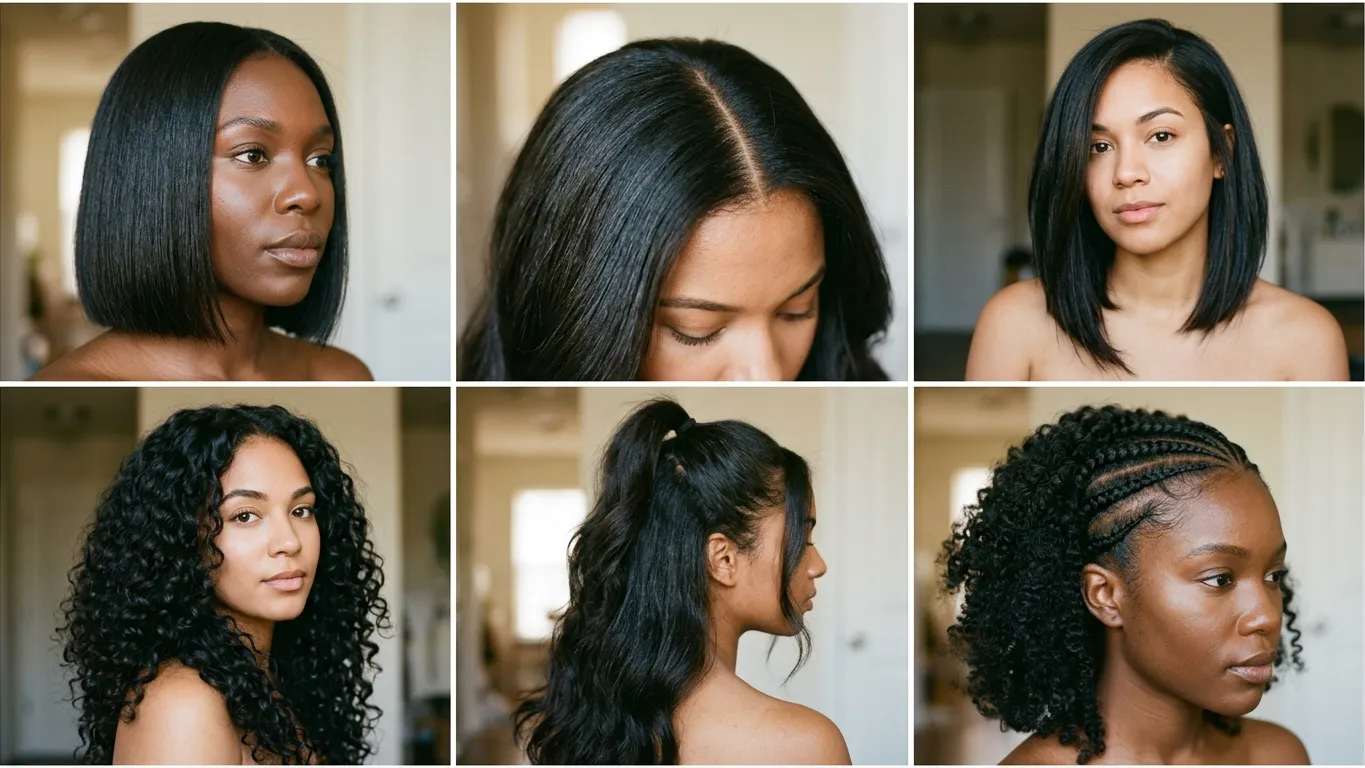
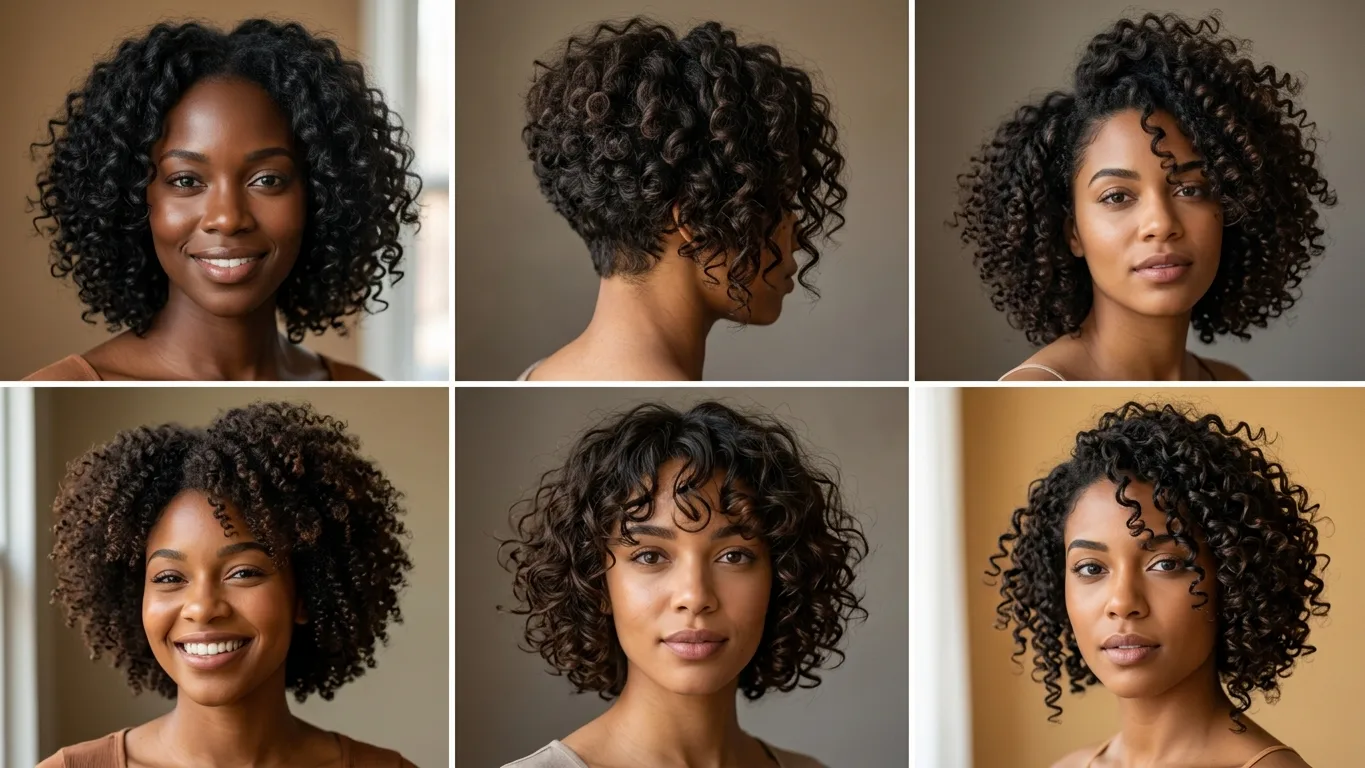
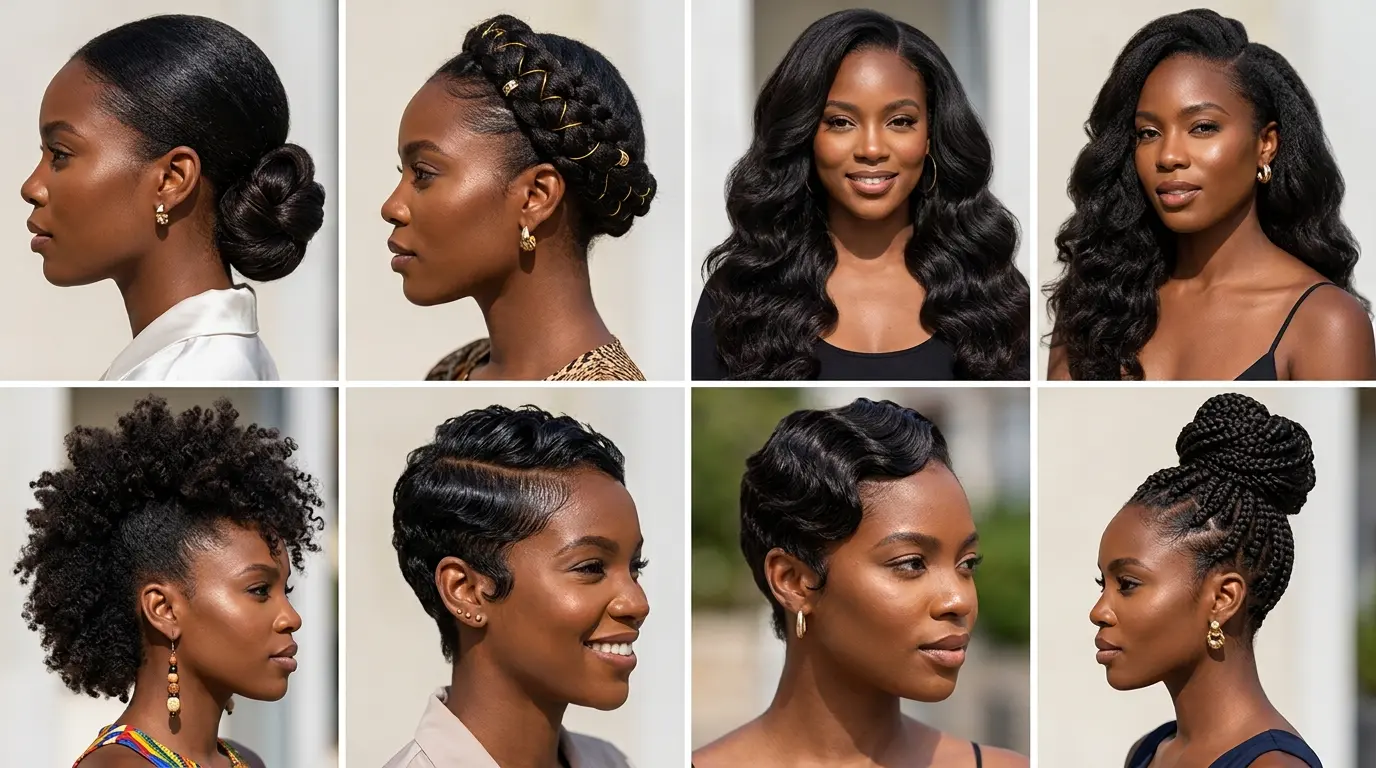
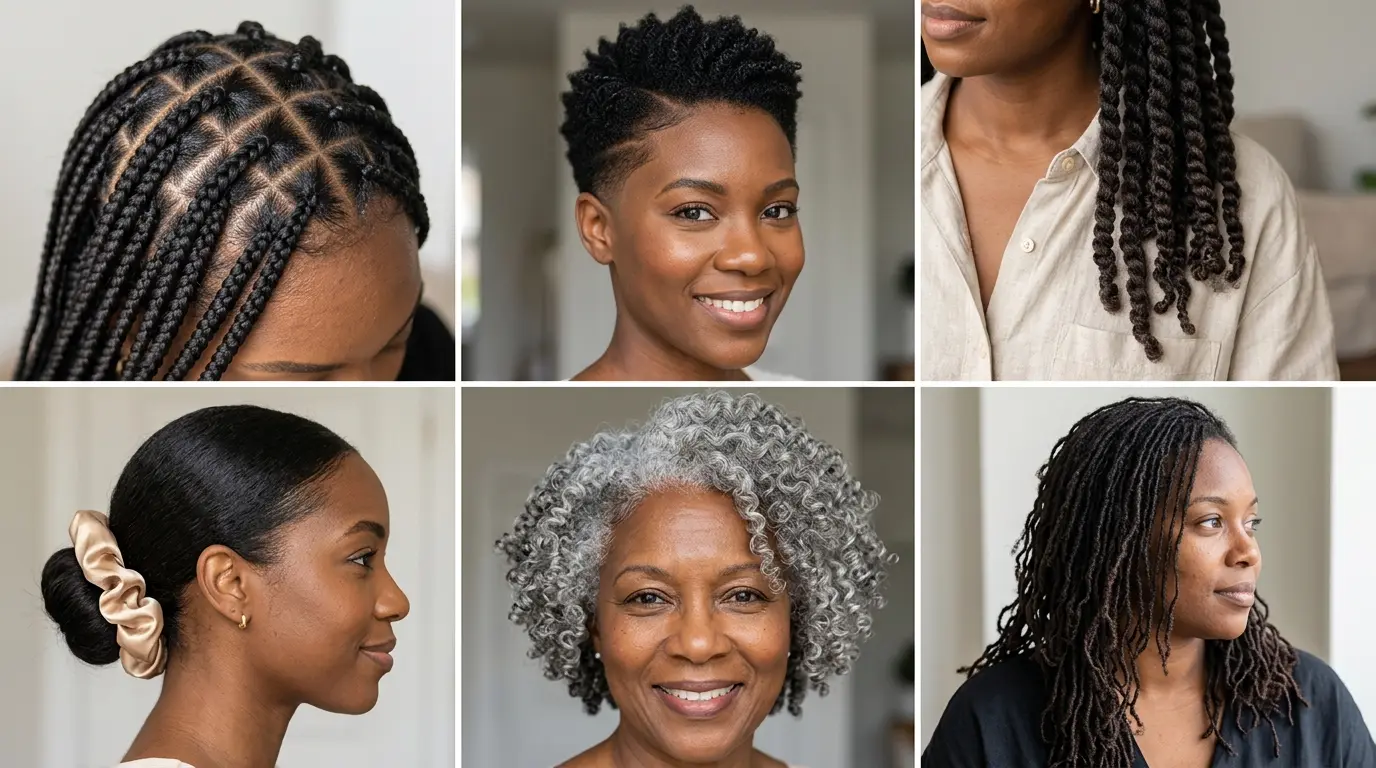
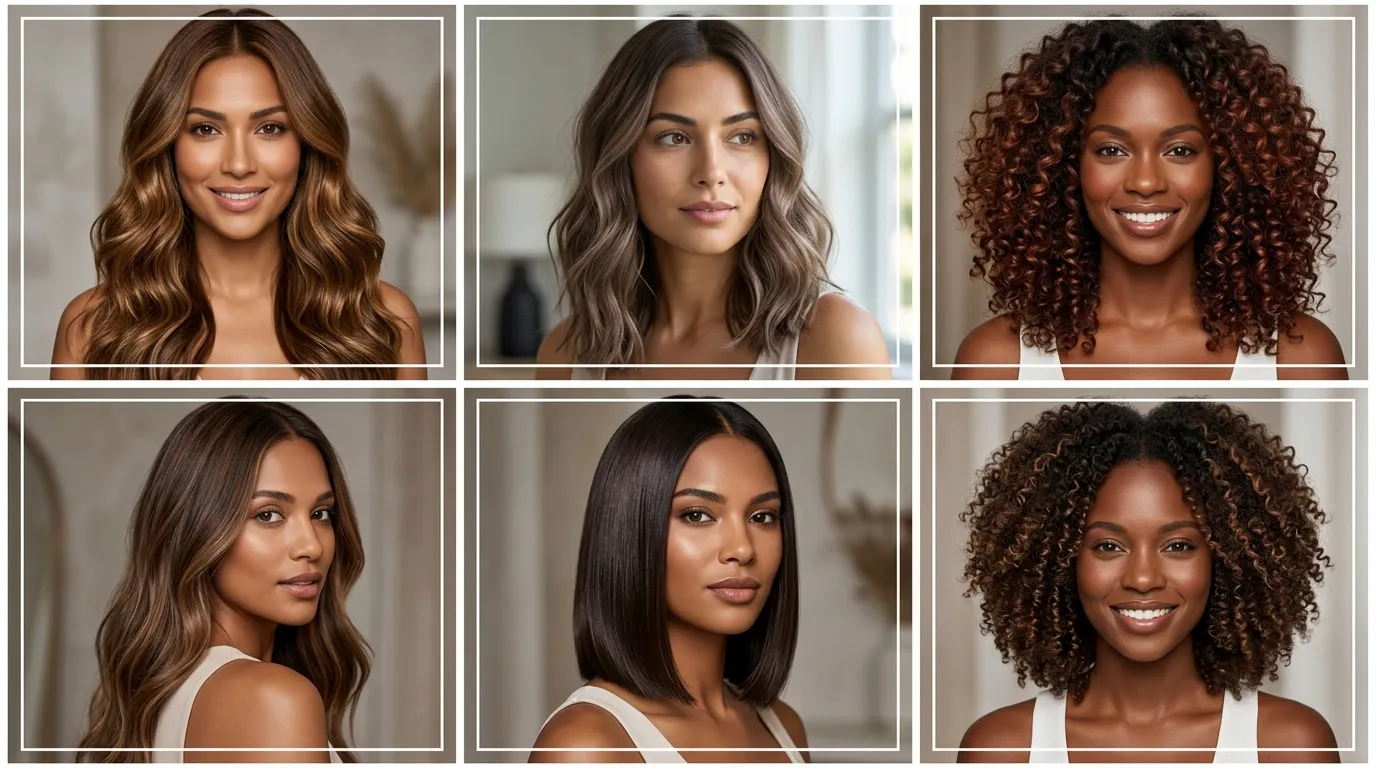
Coarse, tightly coiled textures reflect light differently than straight strands, making dark shades swallow up undertones. A technique like chocolate cherry hair color black girl tutorials showcase requires deliberate placement so the red tones do not get buried in dense volume.
Rely on ribboning techniques rather than an all-over global saturation.
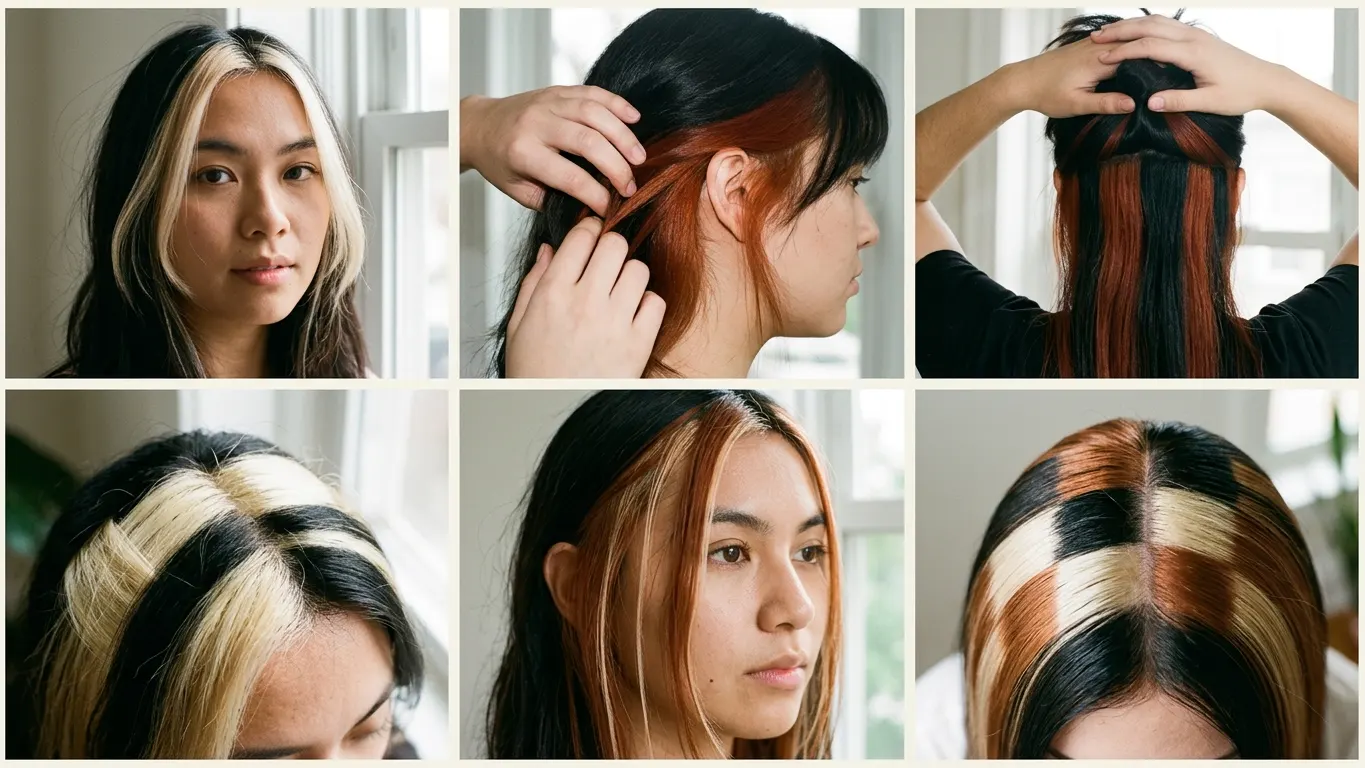
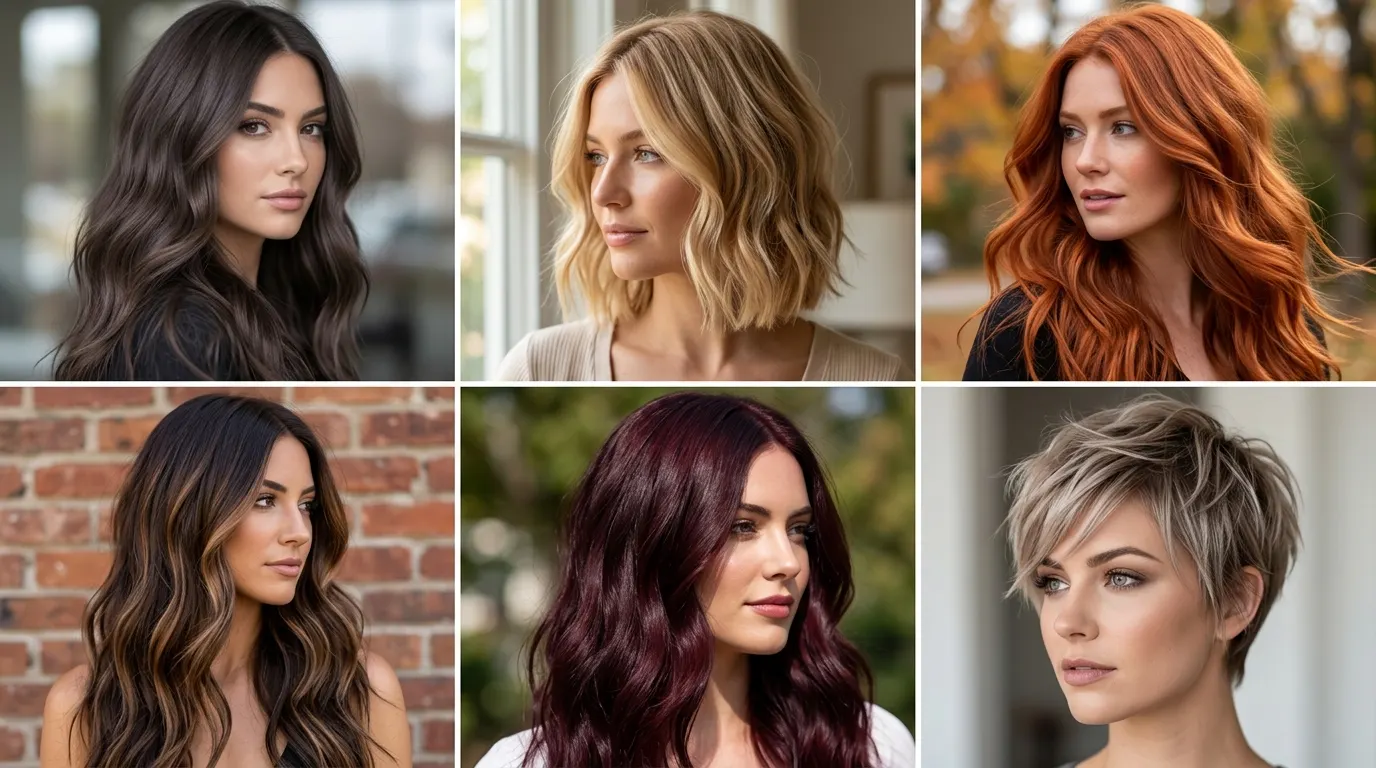
Paint exterior coils using a balayage board to introduce high-visibility chocolate cherry hair color with highlights. Concentrating the red reflect along the mid-lengths and front face-framing curls ensures the ruby tone catches ambient light whenever your hair moves, delivering an unmistakable glow against deep brown skin tones.
| Problem | What causes it | What to do instead |
|---|---|---|
| Hot scarlet roots with dark ends | Scalp heat accelerates chemical processing on fresh regrowth | Apply 20-volume dye to roots and 10-volume demi-permanent dye to ends separately |
| Muddy or hollow violet tone on ends | High-porosity ends absorb excessive cool pigment without an anchor | Mist hair with a warm protein filler 5 minutes before coloring |
| Total red tone loss after 2 weeks | Frequent hot water washing and stripping sulfates open cuticles | Wash in cool water and refresh with a red deposit conditioner weekly |
Expecting Semi-Permanent Dyes To Lighten Dark Bases

Semi-permanent stains cannot lift natural melanin. Attempting a cherry chocolate brunette global hair color by applying a direct dye over virgin dark hair results in tinted scalp skin and dark hair that looks untouched indoors.
Direct pigments require porous or pre-lifted hair to hold.
If you prefer gentle direct stains, pick a conditioning semi-permanent line like cherry chocolate hair color paradyes, but accept that it only imparts a subtle sheen on unlightened brown hair. For true lift and tone in one step, switch to a permanent formula featuring an alkaline base and an active developer.
Skipping Strand Tests On Pre-Colored Red Or Henna Hair
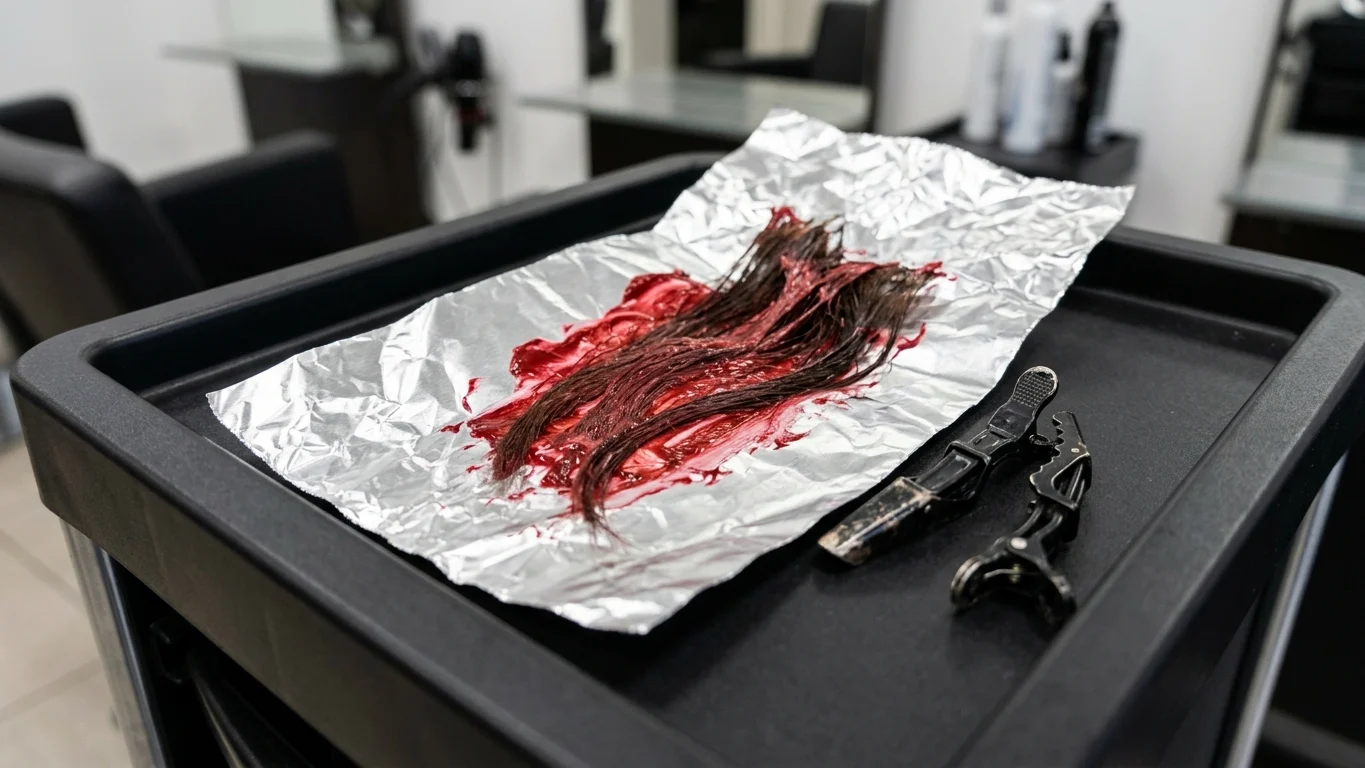
Existing metallic salts or layers of old auburn dye fight incoming cool red pigments. Combining overlapping dyes can trigger chemical breakage or yield an uneven, muddy chocolate cherry auburn mahogany hair color that is nearly impossible to correct without bleaching.
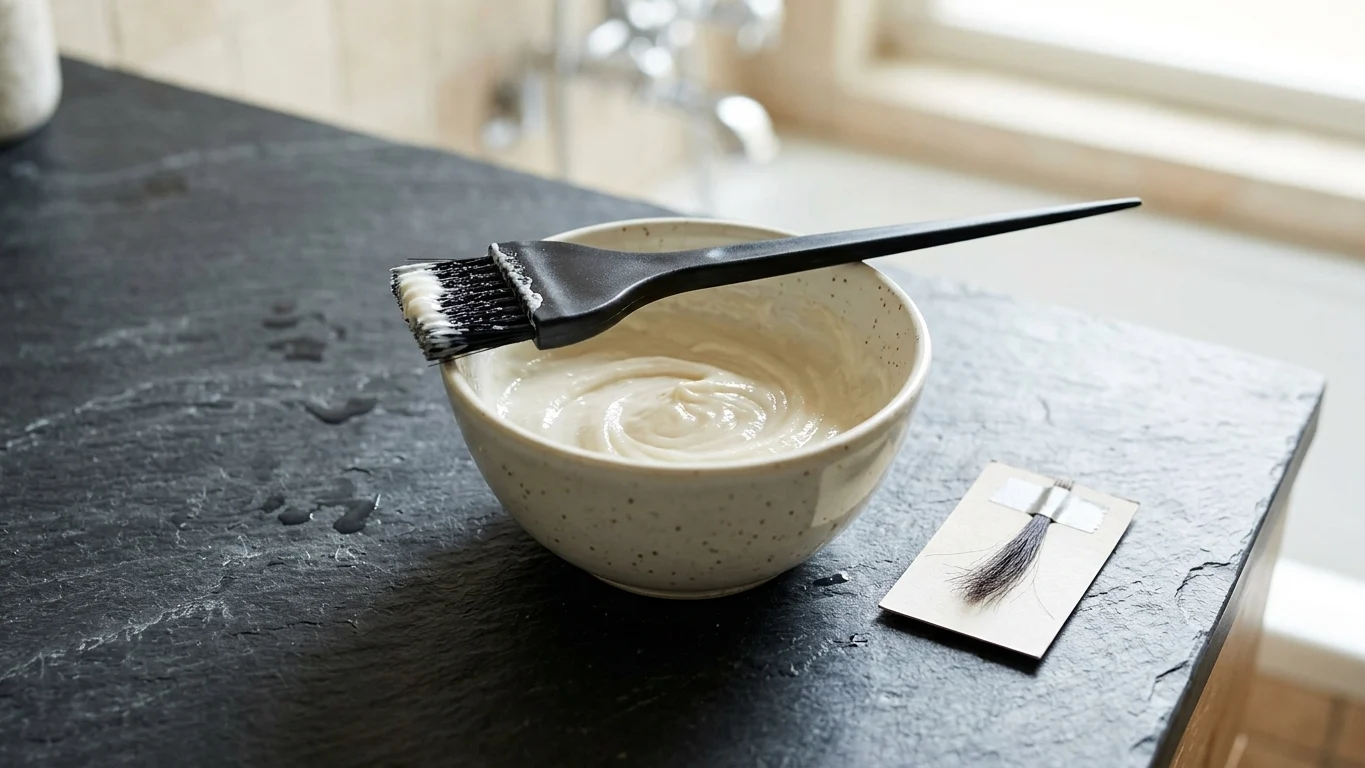
Snip a discreet quarter-inch lock from behind your ear to test the formula first.
Mix a teaspoon of your dye with developer, coat the test strand, and seal it in foil for forty minutes. Rinse and dry it thoroughly under natural window daylight. If the strand pulls swampy green or snaps under light tension, skip the home coloring process and book a corrective service with a licensed colorist.
Scorching Fresh Dye Molecules With Hot Flat Irons

Direct heat above 350 degrees Fahrenheit instantly oxidizes fresh red color pigments, transforming deep cherry tones into flat brassy orange on contact.
Never press hot tools against fresh dye without a thermal barrier.
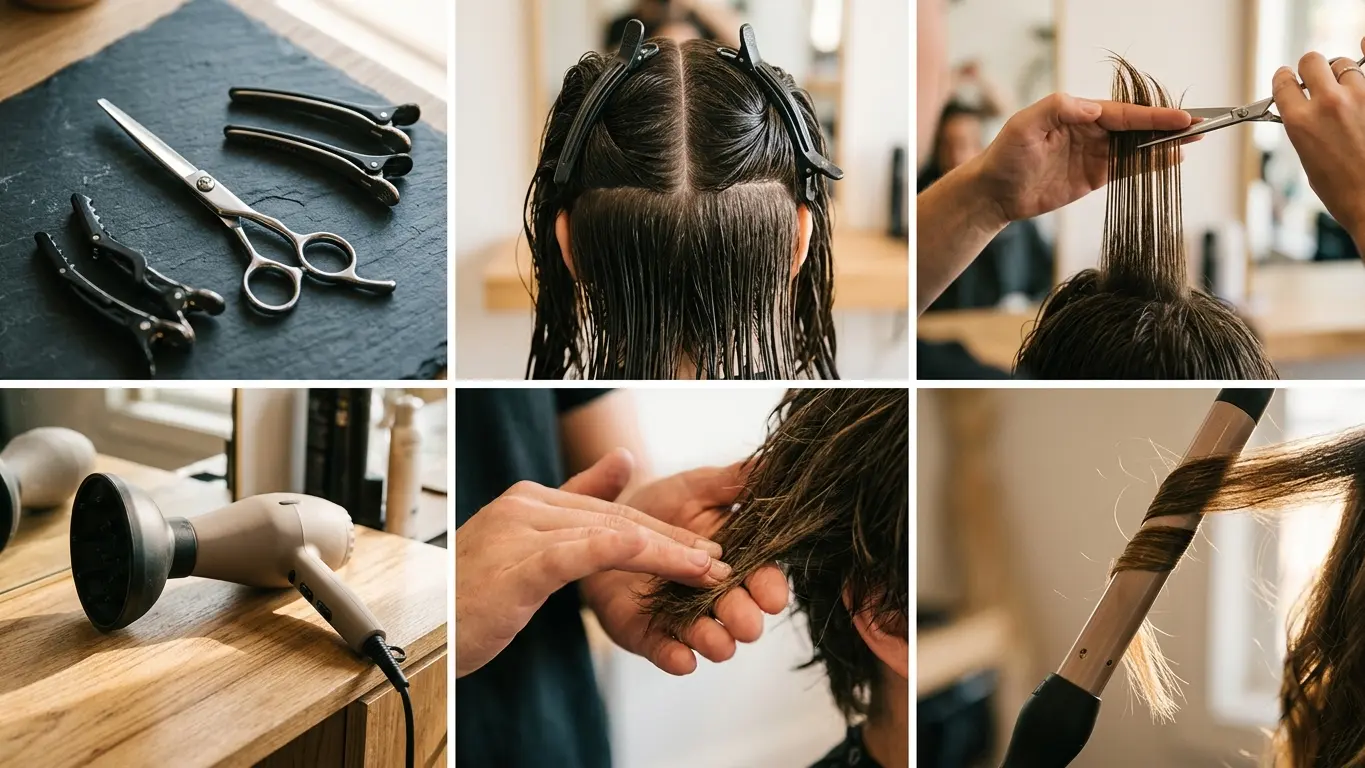
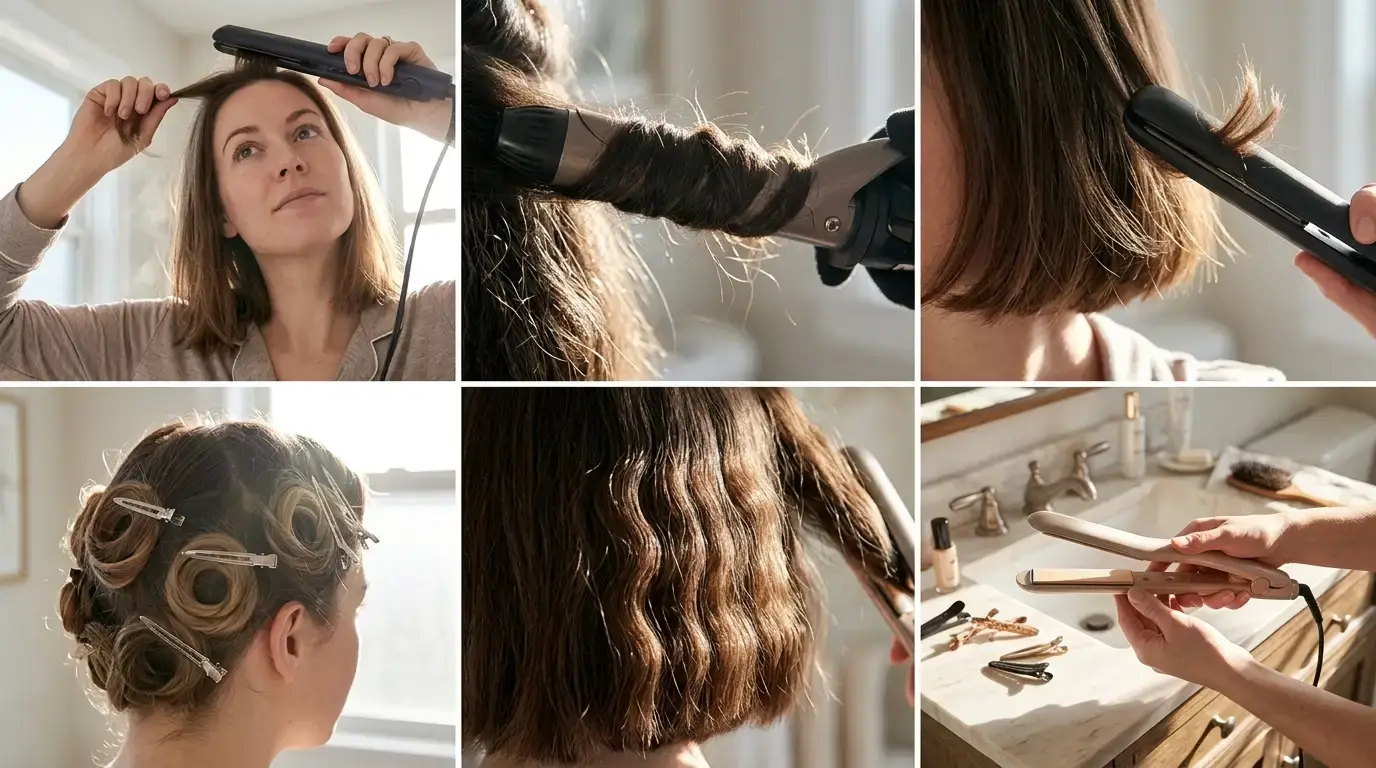
Mist each dry section with a silicone-based thermal protectant spray before styling. Keep your flat iron or curling wand set to 300 degrees Fahrenheit, and glide the tool down each section in one smooth pass rather than making repeated passes over the same hair section.
Over-Processing Hair During At-Home Maintenance Touch-Ups
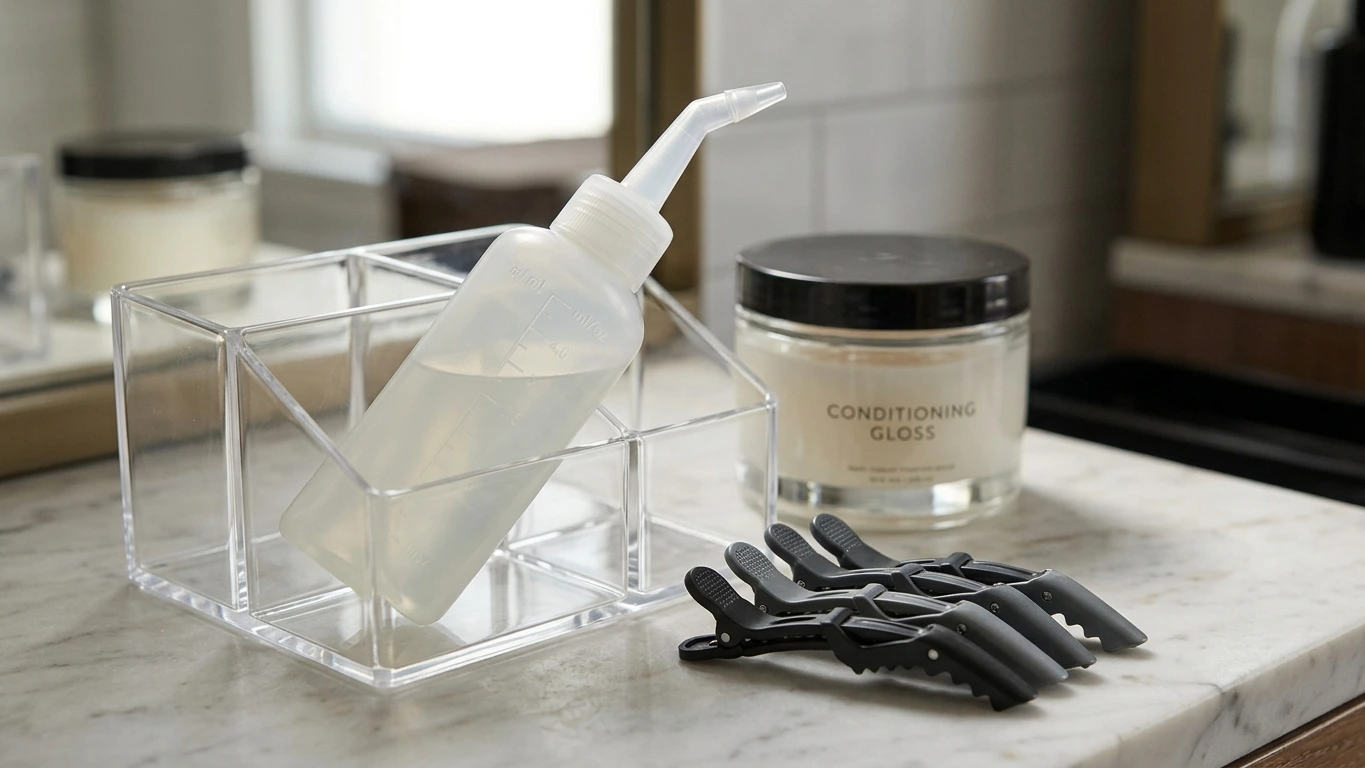
Pulling permanent color through the entire length of your hair every four weeks causes cumulative chemical stress and pigment buildup. Doing chocolate cherry hair color at home successfully means respecting the boundary between fresh root growth and previously colored strands.
Confine permanent color solely to new growth at the scalp.
Allow the root formula to develop for thirty minutes. During the last ten minutes of the cycle, work a mild color glaze through the mid-lengths and ends to refresh the gloss without subjecting hair fibers to unnecessary ammonia or high-lift developers.
Frequently Asked Questions
Can I get this shade on gray hair without turning pink?
Yes, but gray hair lacks the underlying warm melanin that gives cherry brown its cocoa foundation. Mix at least 50 percent of a level 5 natural brown with your red-violet tone to ensure full gray coverage and prevent strands from turning bright magenta.
How often do I need to refresh the red tones?
Red molecules fade faster than brown base pigment. Plan to apply a deposit-only color mask every two to three weeks to keep the cherry glow visible, while reserving permanent root touch-ups for every six weeks.
Will this shade look unnatural on warm skin tones?
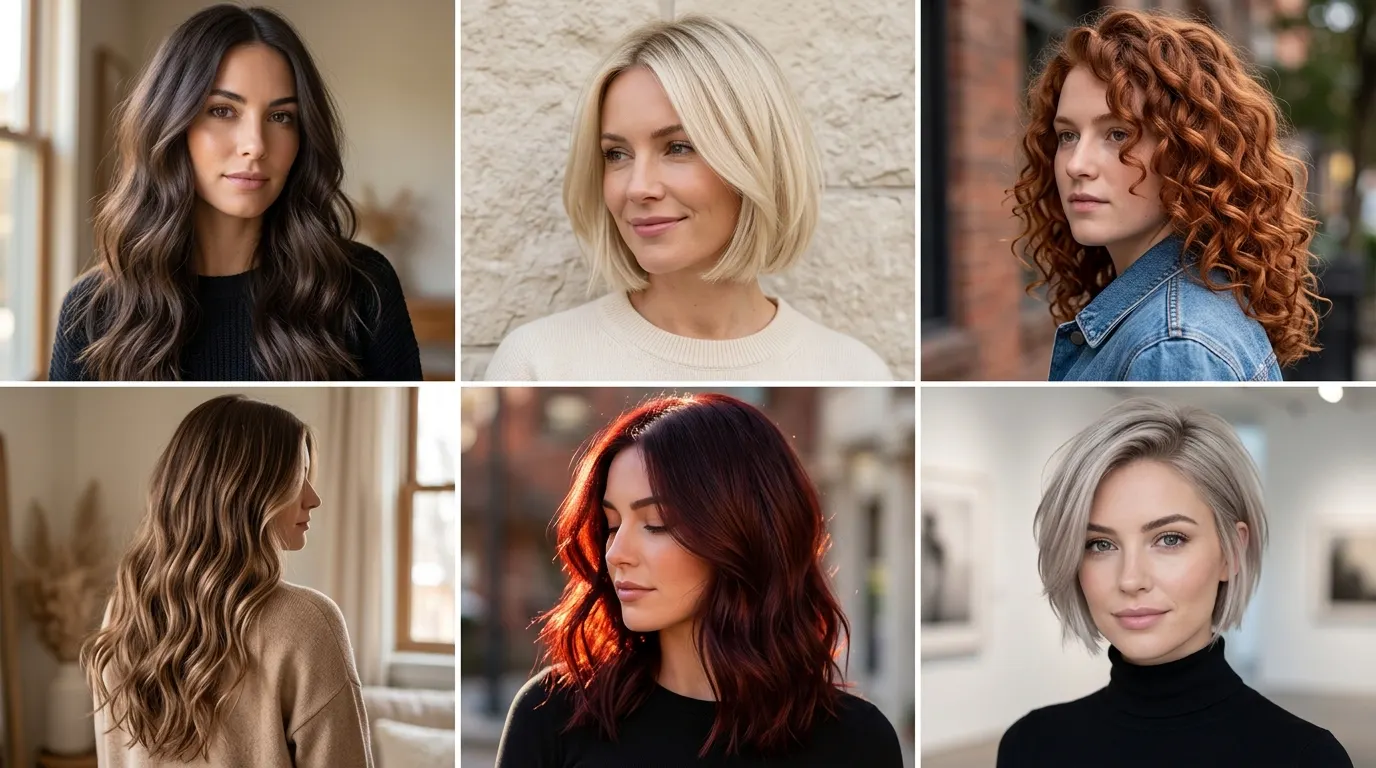
The balance of cocoa and red makes it versatile across skin tones. If your skin pulls warm or golden, lean into mahogany and auburn undertones, while cool skin tones pair best with deep black cherry and ruby reflections.
Do I have to bleach my hair first if I have light brown strands?
Light brown bases at level 6 or higher require zero bleaching. You can use a deposit-only demi-permanent dye directly over your hair, which protects your natural strands from chemical damage while delivering deep color saturation.
Avoiding The Costly Color Correction Trap
The single mistake that costs the most money and time is overlapping high-volume permanent dye over previously colored, fragile ends. Stripping built-up black-red pigment at a salon typically requires multiple rounds of color remover and bond-building treatments, easily costing $300 to $600 in 2026.
Avoid this nightmare by strictly isolating your 20-volume permanent dye to virgin root regrowth. Treat your mid-lengths and ends like fine silk by refreshing them solely with low-pH, deposit-only glazes and gentle conditioning masks. Taking these precautions protects both your hair texture and your beauty budget.