
Finding eyewear that sits comfortably on your nose bridge without sliding or pinching temples requires understanding frame geometry. Cat eye sunglasses remain a staple in modern wardrobes because their uplifted outer edges create a natural focal lift across the brow line.
This guide serves shoppers looking to decode frame dimensions, those balancing specific facial proportions, and everyday buyers comparing lens materials. Whether you need prescription support or durable daily frames, matching your facial features to frame angles ensures a secure, flattering fit.
Affiliate disclosure: homeandharper.com earns an affiliate commission from qualifying purchases made through links within this article at no extra cost to you.
Round Face Shapes Need Angular Sharp Corners
Round faces feature soft jawlines and roughly equal width across cheekbones and forehead. You need sharp geometric corners and squared lower rims to introduce crisp definition across soft cheek contours. Look for frames measuring 140 millimeters to 145 millimeters in total width with thick, boxy acetate construction.
Avoid gentle circular silhouettes and curved rim designs. Round wire styles emphasize circular jawlines and shorten the visual distance between brow and chin. High temple attachments work well here by drawing attention upward toward the temples, lifting the visual center of your face.
Square Face Shapes Require Curved Rounded Bottom Rims
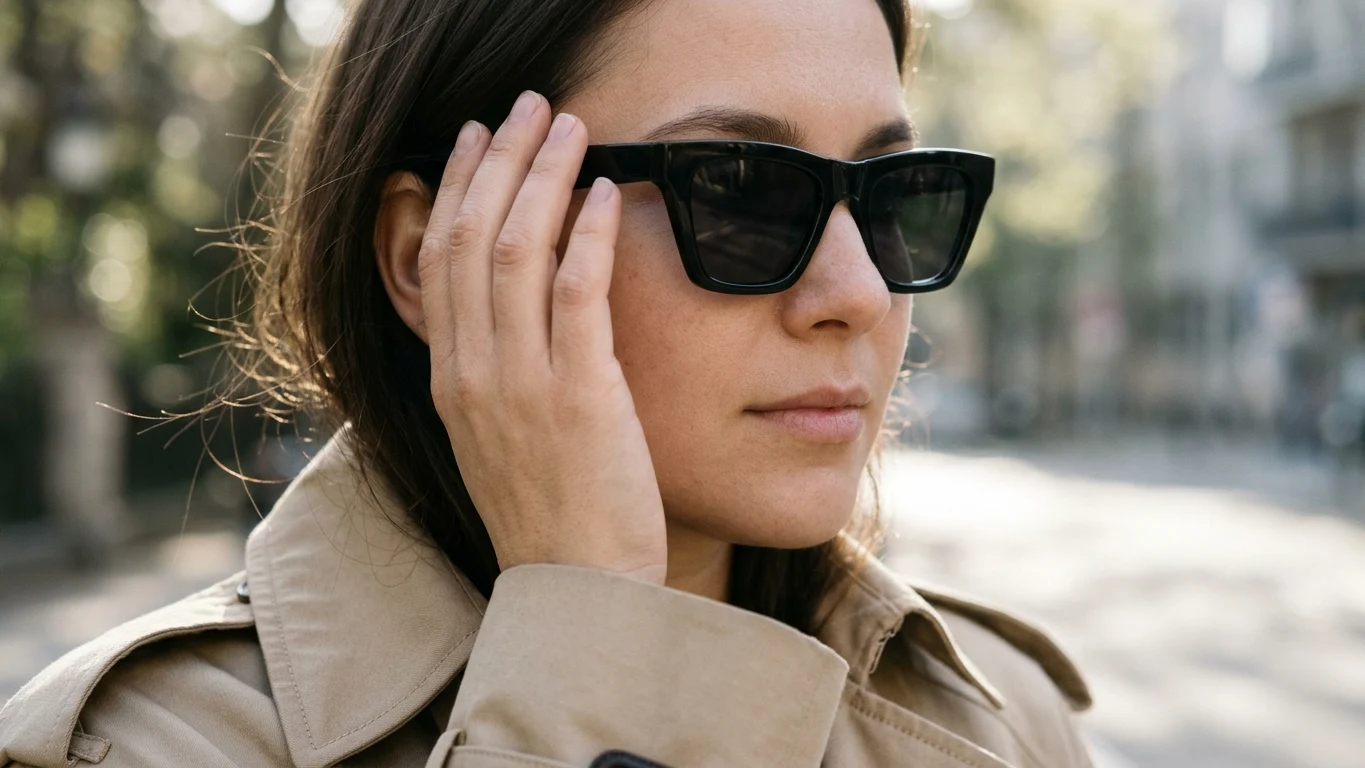
Square jawlines with strong facial angles look balanced against softened, curved lower frame borders. Select round retro designs featuring subtle upward wings rather than aggressive pointed corners. Frame width should slightly exceed your jaw width, ideally hovering around 138 millimeters to 142 millimeters.
Do not choose hyper geometric frames or boxy flat top edges. Sharp square edges emphasize lower jaw width and create a heavy appearance across the mouth line. Thin wire metals soften rigid bone structure while maintaining essential upper corner lift.
Heart Face Shapes Benefit from Low Winged Silhouettes

Heart shaped profiles have wider foreheads paired with tapered, narrow chins. The objective is widening the appearance of the lower face while minimizing width at the brow line. Select bottom heavy frames or subtle wings that flare out horizontally rather than angled steeply toward hairline peaks.
Stay clear of oversized butterfly frames and exaggerated horn rim points. Heavily embellished upper corners widen the forehead and make the chin appear overly narrow. Translucent peach or clear frames reduce visual weight across the upper face.
Oval Face Shapes Suit Wide Dramatic Angles

Oval facial structures possess naturally balanced proportions with slightly narrower foreheads and gently rounded chins. This shape supports almost any silhouette, particularly dramatic high wing frames and bold geometric points. Frames spanning 135 millimeters to 144 millimeters sit comfortably without overwhelming your features.
The main trap is picking frames wider than the broadest point of your cheekbones. Oversized widths disrupt natural symmetry and swallow midface contours. Maintain temple alignment directly parallel with cheekbone borders for a clean silhouette.
Diamond Face Shapes Need Rimless or Thin Metal Borders

Diamond faces feature narrow foreheads, prominent high cheekbones, and pointed chins. Opt for semi rimless frames, delicate wire styles, or soft oval lenses with gentle upswept tips. Frames measuring 130 millimeters to 136 millimeters preserve visible cheekbone structure without adding bulk across temple zones.
Skip thick dark acetate profiles and straight, heavy brow bars. Heavy horizontal brow bars hide delicate eye spacing and widen the temples awkwardly. Pale tortoiseshell and brushed gold wire maintain a balanced, airy look.
Oblong Face Shapes Should Pick Tall Deep Lenses

Longer faces require frame depth to visually cut vertical facial length in half. Choose deep vertical lenses measuring 45 millimeters or taller with prominent decorative wing details. Flared outer corners draw focus outward horizontally, making the midface appear compact and balanced.
Never wear narrow horizontal slivers or micro lens frames. Micro frames leave excessive cheek space exposed, accentuating vertical jaw length. Wide patterned frames with lower nose bridges shorten the nose visually.
Frame Width and Temple Sizing Breakdown

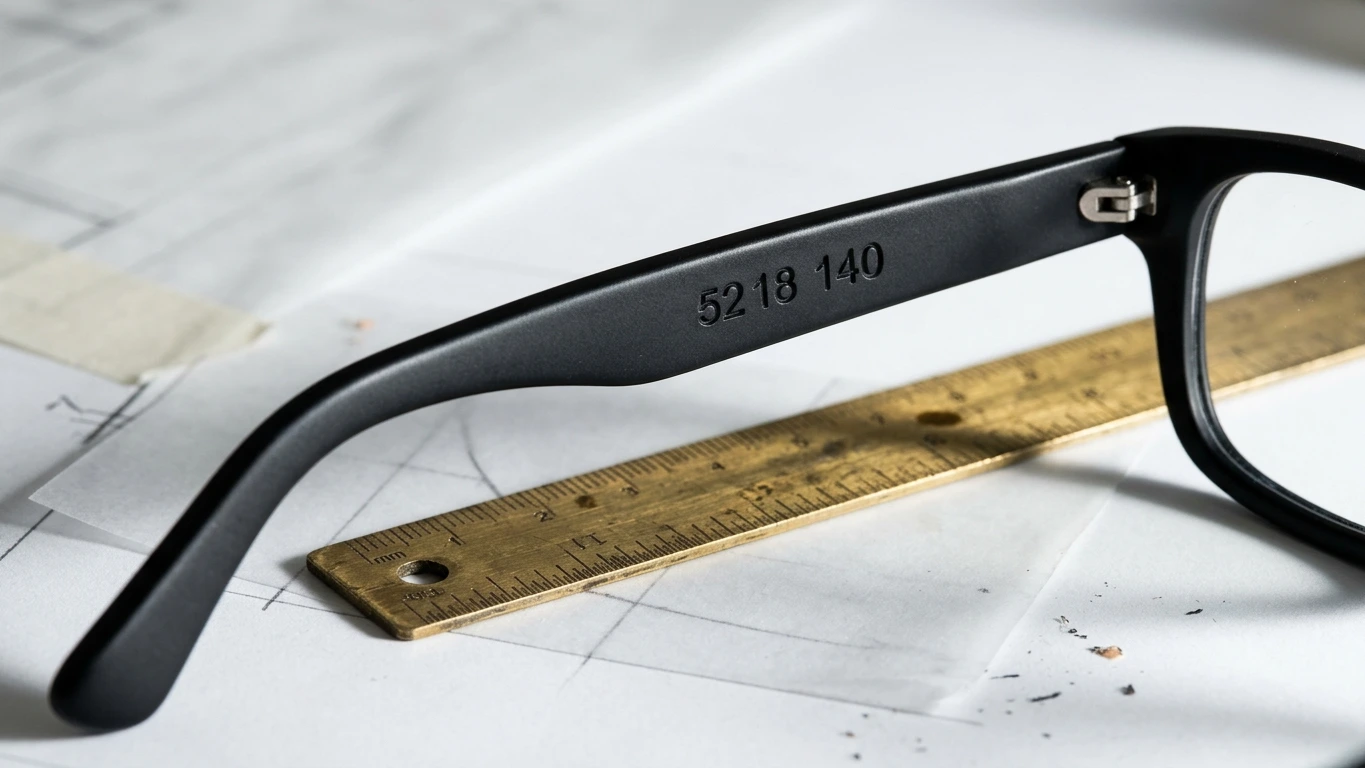
Eyewear sizing follows three core metrics: lens width, bridge width, and temple arm length. When shopping online, check the three numbers printed inside the left temple arm. A standard medium fit reads 52 18 140, meaning a 52 millimeter lens, 18 millimeter bridge, and 140 millimeter temple length.
Match total frame width to your pupillary distance and temple measurement. If the frame pinches behind your ears, the temple length is too short. If it slides down your nose when looking down, the bridge is too wide.
Acetate Versus Metal Frame Construction
Material choice dictates longevity, weight distribution, and adjustment flexibility. Cellulose acetate provides rich color depth, hypoallergenic skin contact, and pliable adjustability under gentle heat. High end acetate frames list around 180 to 440 dollars in 2026, offering weighty durability and robust multi barrel hinges.
Thin metal wire frames offer lightweight comfort and flexible silicone nose pads. Wire frames suit low nose bridges because the pads raise frames away from cheek surfaces. But metal rims lack the structural strength needed for thick high power corrective lenses.
Balancing Prescription Lenses with Upswept Frames
Strong corrective prescriptions require careful frame selection to avoid distorted edge thickness. Progressive lenses require minimum vertical lens depths of 32 millimeters so reading zones fit cleanly. For nearsighted users needing deep minus prescriptions, steep winged outer points reveal edge thickness, so pick rounded frame edges with high index 1.67 lenses.
Skip extreme wrapped sports designs if you require astigmatism correction. Extreme frame curvature distorts peripheral sightlines and induces optical aberrations. Ensure optical centers sit right before your pupils when trying on frames.
Styling Daily Casual Looks with Neutral Tones

Daily wear calls for versatile black or mottled tortoiseshell frames paired with tailored basics. Medium scale frames in matte black complement crisp cotton button downs and straight leg denim. Brown gradient lenses soften daytime contrast and transition well into shaded driving conditions.
Avoid pairing neon mirrored lenses with formal office tailoring. Mirrored coats clash against subtle neutral fabrics like camel wool and navy linen. Dark smoke and solid grey lenses maintain a clean, grounded appearance for everyday errands.
Wearing High Contrast Frames with Tailored Outerwear
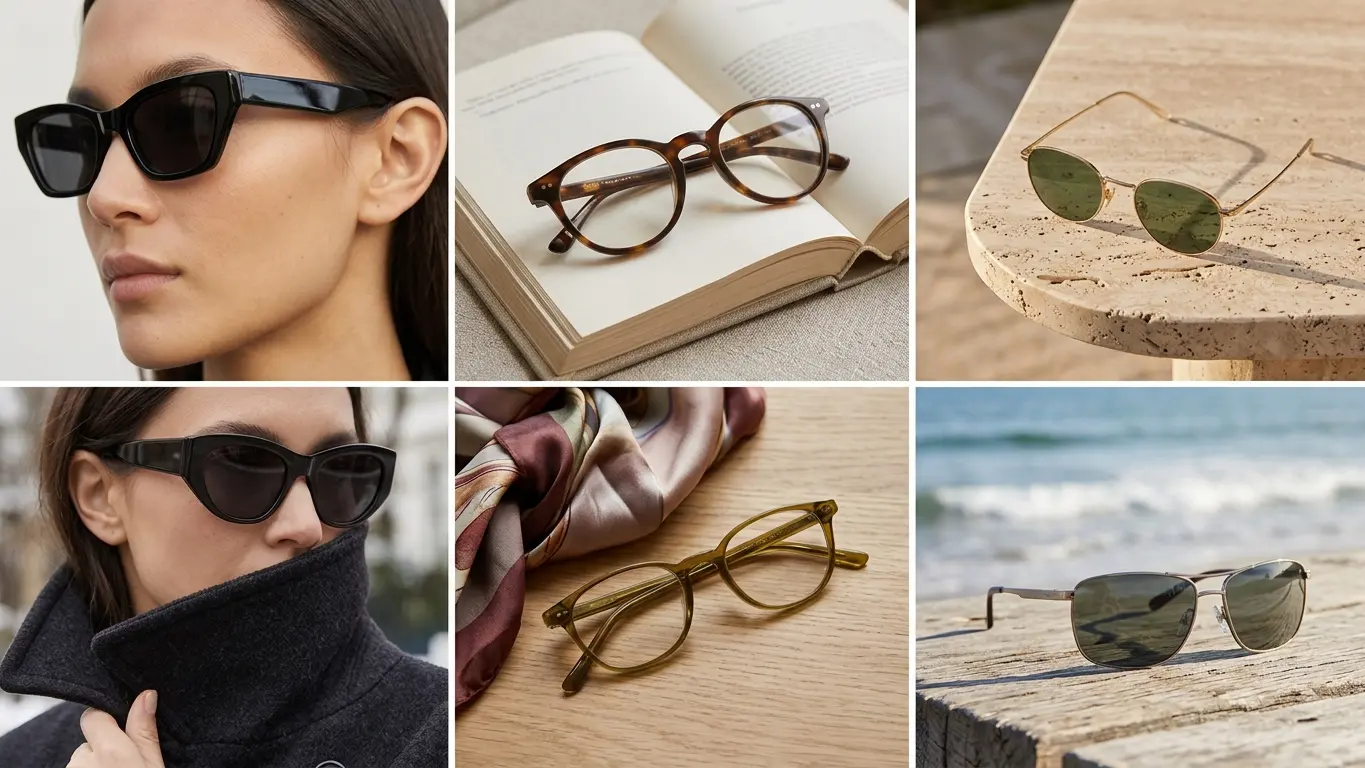
Dramatic outerwear pairs naturally with oversized, architectural silhouettes. Think heavyweight double breasted wool coats and structured trench coats matched with opaque, glossy frames. Look to high fashion runway inspirations like balenciaga xpander cat eye sunglasses or structural black cat eye sunglasses quay when grounding voluminous trench silhouettes.
Do not combine heavy oversized frames with loose chunky knit beanies and bulky scarves. Stacking heavy winter accessories around your neck and brow crowds your facial features. Keep necklines open and hair pulled back to let frame angles define your profile.
Minimalist Aesthetics with Sleek Micro Frames
Understated, sharp tailoring benefits from small cat eye type sunglasses featuring sleek, horizontal lens cuts. These low profile designs add sharp structural contrast to minimal silk slips and monochrome trouser suits. Iconic fashion houses showcase this aesthetic with cat eye sunglasses miu miu releases that frame high cheekbones without dominating brow arches.
Skip micro frames if you spend long hours outdoors in bright sunlight. Compact lenses allow ultraviolet light to spill in around top and side gaps. Reserve low height frames for styling moments rather than prolonged outdoor sun protection.
Vintage Inspired Outfits Call for Rounded Horn Rim Lines
Retro styling thrives on distinct mid century touches like cat eye sunglasses retro round designs and classic cat eye sunglasses ray ban models. Pair tortoiseshell frames with high waisted pleated trousers, vintage leather jackets, or crisp collared shirts. Look for raised metallic temple studs and five barrel hinge joints for period accurate construction.
Avoid modern iridescent lens coatings when aiming for a 1950s aesthetic. Flash mirror finishes break the vintage illusion and conflict with muted heritage fabrics. Stick with non reflective green or warm amber lenses.
Active Sunwear Needs Polarized Glare Protection
Outdoor recreation demands secure temple grip and specialized glare reduction. While lifestyle brands popular across cat eye sunglasses australia offer chic resort silhouettes, active environments demand polarized lenses that filter harsh horizontal reflections off water, sand, and asphalt. Hydrophobic lens coatings repel salt spray, grease, and sweat during high movement activities.
Never wear polarized eyewear when piloting small craft or reading digital liquid crystal screens on vehicle dashboards. Polarization blacks out certain digital displays when viewed from tilted angles. Use standard anti reflective tinted lenses if you must monitor digital navigational instrumentation.
Selecting Cat Eye Sunglasses for Every Face Shape
Finding your ideal pair requires mapping facial geometry to specific frame shapes. The wrong balance exaggerates proportions, while the correct frame sharpens your natural features.
| Face Shape | Recommended Frame Profile | Target Total Width | Frame Material | What to Avoid |
|---|---|---|---|---|
| Round | Sharp angular wings with square lower rims | 140 mm to 145 mm | Thick polished acetate | Circular wire rims |
| Square | Soft rounded bottom rims with subtle upward wings | 138 mm to 142 mm | Thin wire metal or bevelled plastic | Heavy boxy corners |
| Heart | Low horizontal wings with wide base rims | 135 mm to 140 mm | Translucent acetate or semi rimless | Top heavy ornate brow bars |
| Oval | Sweeping high angles and geometric flares | 135 mm to 144 mm | Mixed metal and acetate | Frames wider than cheekbones |
| Diamond | Soft rimless or delicate oval wing shapes | 130 mm to 136 mm | Brushed titanium or wire | Heavy black horizontal brows |
| Oblong | Deep vertical lenses with wide temple studs | 142 mm to 148 mm | Patterned wide acetate | Narrow horizontal micro slivers |
How to Choose Cat Eye Sunglasses When You Are Still Undecided
If you stand between face shape categories and cannot decide, pick a classic 50 millimeter width medium acetate frame in dark tortoiseshell with soft rounded lower rims. This hybrid shape balances cheek curves while providing enough upward corner sweep to lift your brow line. Choose non mirrored grey or warm bronze lenses with full UV400 absorption, and you will own versatile eyewear that outlasts seasonal trends.
Five Common Frame Selection Questions Answered
How do I check if a frame sits correctly on my nose bridge?
A properly fitted frame rests evenly across the bridge without leaving deep red indentations or pinching skin. If the lower acetate rim lifts when you smile, the bridge is too narrow or the frame sits too low on your cheeks.
Can I add reading or progressive lenses to vintage frames?
Yes, provided the frame material remains supple and the vertical lens height measures at least 30 millimeters. Dried vintage plastics crack easily under the pressure of optical edge insertion, so inspect older acetate for white cloudy spots before reglazing.
Why do polarized lenses make my phone display look distorted?
Polarizing filters eliminate glare by blocking horizontal light waves, but smartphone screens use polarizing films that clash at certain angles. Tilting the screen ninety degrees often neutralizes the rainbow distortion or darkness.
How should sunglasses fit relative to my eyebrow line?
The upper rim should align with your natural eyebrow arch without completely hiding the brow hair. Sunglasses that sit entirely above your eyebrows create an unnatural, surprised expression.
What is the difference between cheap injection molded plastic and high end acetate?
Injection molded plastic is melted nylon poured into molds, resulting in lightweight but brittle frames with visible seam lines. Acetate is carved from dense layered plant fiber blocks, allowing custom wire core bending and durable polishing.