

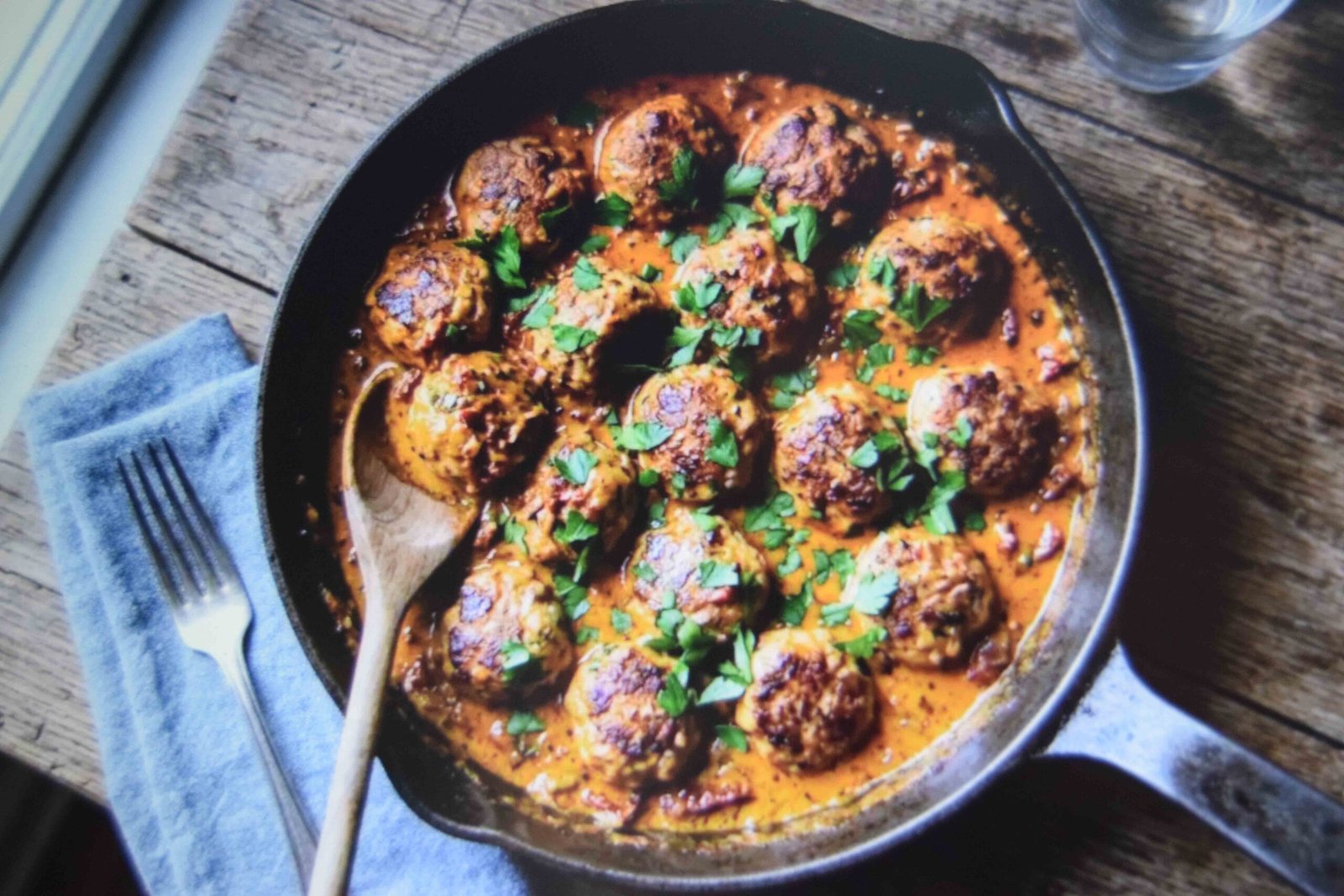
Ground chicken is wet. That is the whole problem in four words.
Roll it straight from the packet and the balls slump sideways in the pan, weld themselves to the base, and disintegrate the second you try to turn one. No sauce on earth rescues that.
Marry me meatballs work because of what you do before any heat is involved. Soak, mix, chill, shape. Two of those steps are just waiting, and skipping either is why people end up scraping fragments off a skillet.
Serves 4 to 6, and makes around 30 meatballs.
Why This Beats the Chicken Breast Version
Any chicken meatball recipe is fighting the same thing, and this one solves it in an unusual way.
The dish this descends from uses chicken breasts in a sun dried tomato cream sauce. Popular for years, and rightly so. It also has one flaw nobody mentions. Chicken breast goes from juicy to chalky in about ninety seconds of inattention, and you never notice until you cut in.
Meatballs remove that risk. Ricotta, panko and cream all sit inside every ball, holding moisture where solid breast meat cannot.
There is a bonus. Thirty small balls have far more surface area than two breasts, so you get thirty times the browning, and all of it dissolves into the sauce instead of vanishing.
1. What You Need and How Much
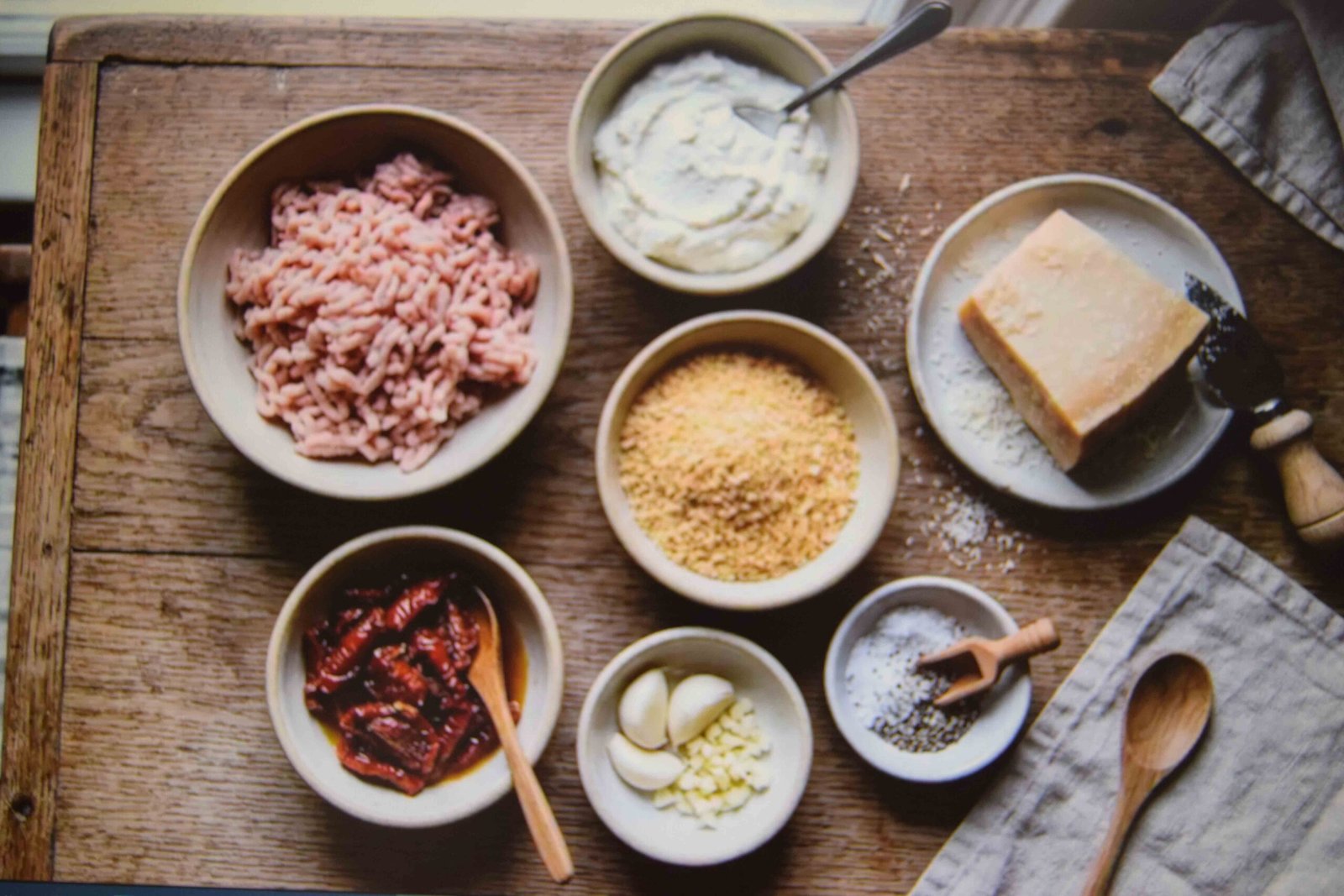
For roughly 30 marry me chicken meatballs, serving 4 to 6:
Meatballs. 2 pounds ground chicken, ideally a mix of white and dark meat. Half a cup panko. A third of a cup heavy cream. Half a cup whole milk ricotta. One large egg. Two of the three garlic cloves, grated. Two of the three teaspoons Italian seasoning. A teaspoon and a half of the salt. About half the Parmigiano Reggiano, which is 6 ounces total, grated on the smallest holes of a box grater.
Sauce. 4 tablespoons of the oil from your sun dried tomato jar. One large shallot, finely chopped. The last garlic clove. A quarter teaspoon crushed red pepper flakes. 2 tablespoons tomato paste. Half a cup drained sun dried tomatoes, roughly chopped. A cup of chicken stock. A quarter cup heavy cream. The reserved Parmesan. Half a teaspoon salt, the last teaspoon of Italian seasoning, and parsley to finish.
Grate the Parmesan yourself. The pre grated stuff is coated to stop it clumping, and that coating is exactly what turns a cream sauce grainy.
2. Soak the Panko in Cream First
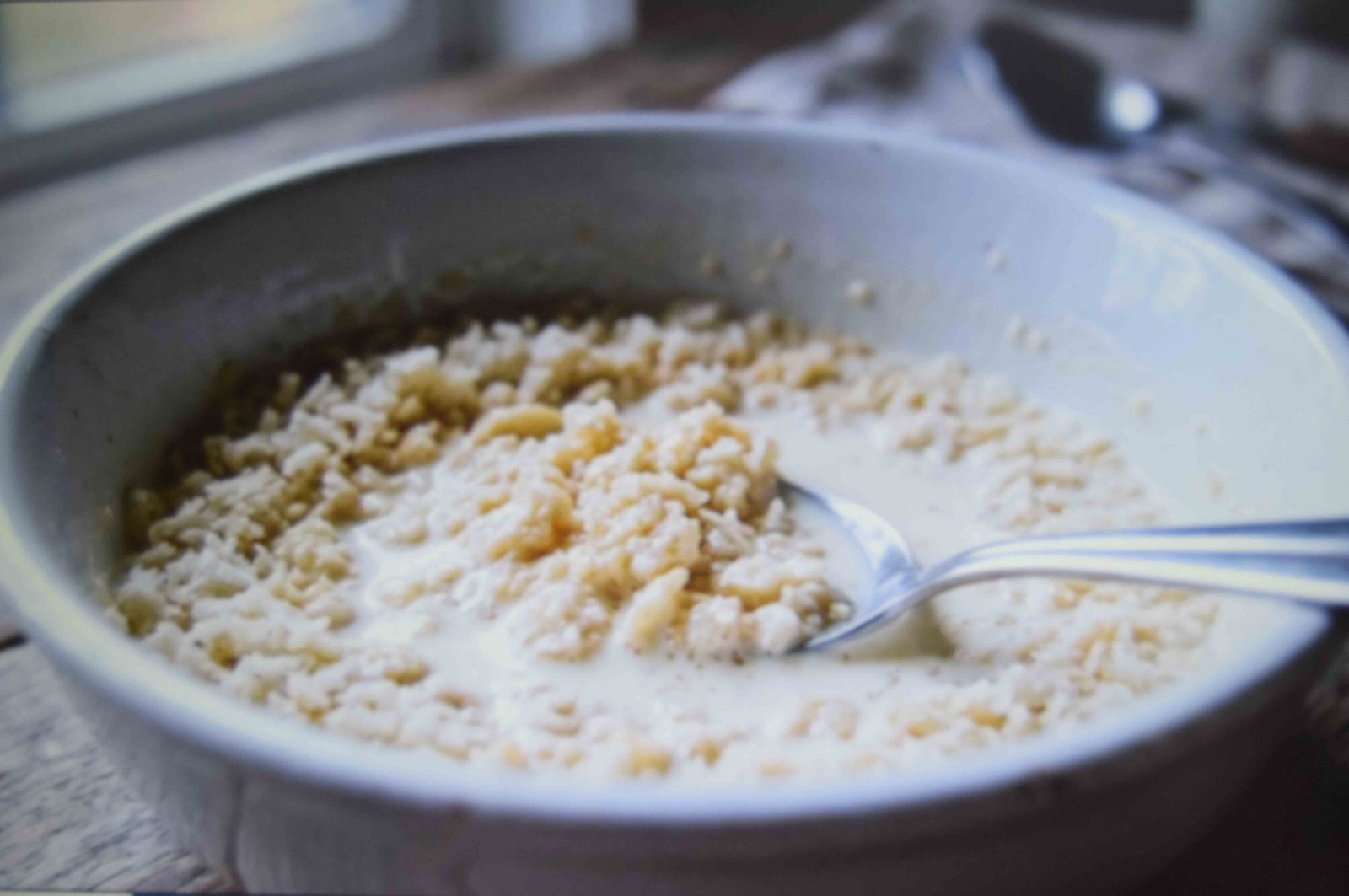
This is a panade, and it is the difference between tender and rubbery.
Stir half a cup of panko with a third of a cup of cream in a large bowl. Then walk away for about 10 minutes.
You want the breadcrumbs to drink every drop and turn into a thick paste. Dry panko dropped straight into meat does the opposite of what you want, pulling moisture out of the chicken as it cooks instead of trapping it in.
Use the big bowl now, not later. Everything else gets mixed into this same bowl, and transferring a sticky panade means leaving half of it behind on the sides.
3. How to Make Chicken Meatballs Without Making Them Bouncy
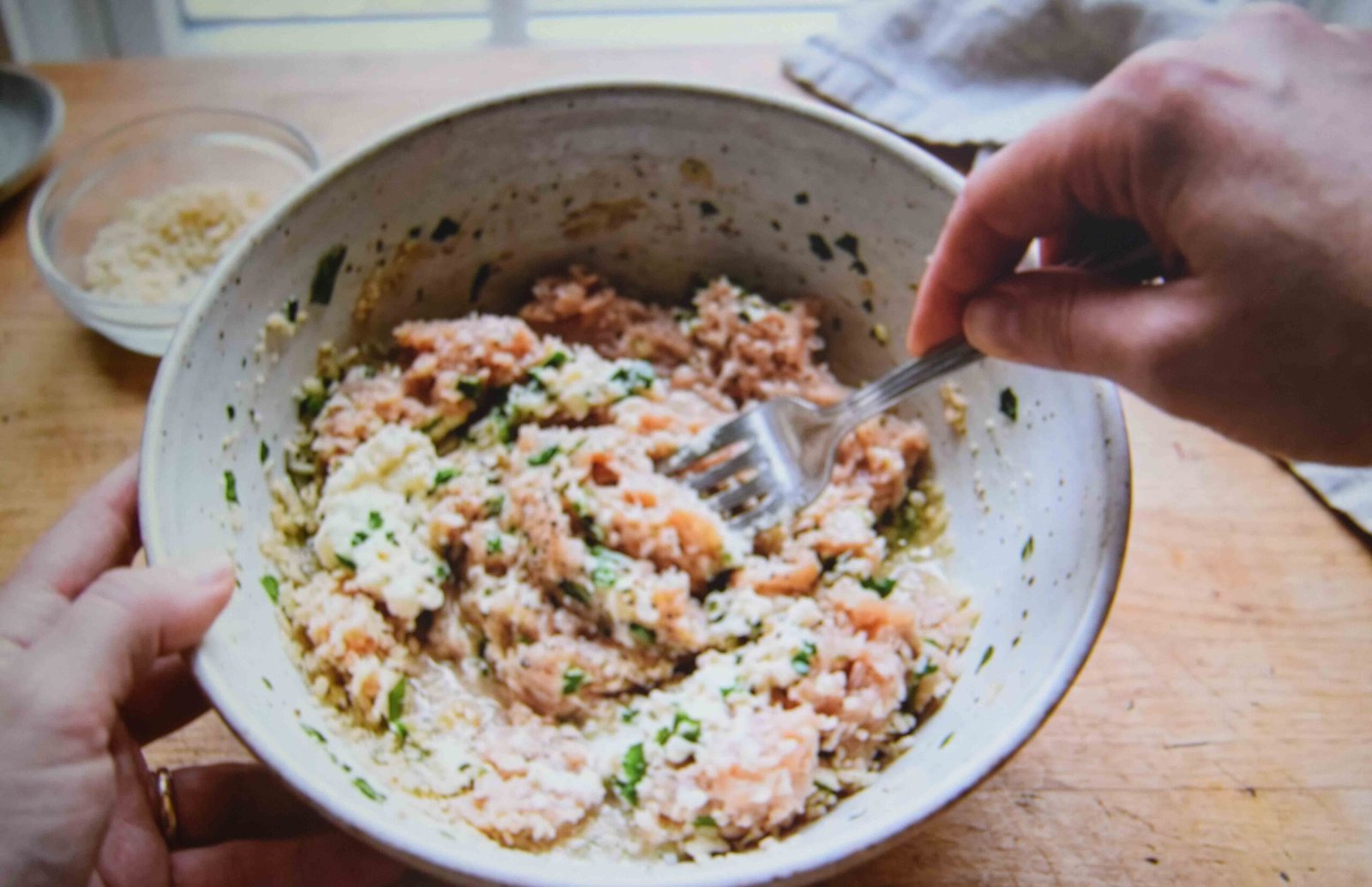
Into the soaked panko goes the ricotta, the egg, two grated garlic cloves, two teaspoons Italian seasoning, a teaspoon and a half of salt, half the Parmesan, and the 2 pounds of ground chicken.
Mix with your hands or a fork until it just comes together and no streaks of egg remain.
Then stop.
Overmixing is the most common meatball mistake going and it matters more with poultry than with beef. Keep working the mixture and the proteins tighten, giving you something dense and bouncy instead of light.
Cold hands help. Run them under the tap first so the fat does not warm and turn greasy while you work.
Wash everything the raw chicken touched afterward. Poultry is not the place to be casual.
4. Chill for 30 Minutes Before You Shape Anything
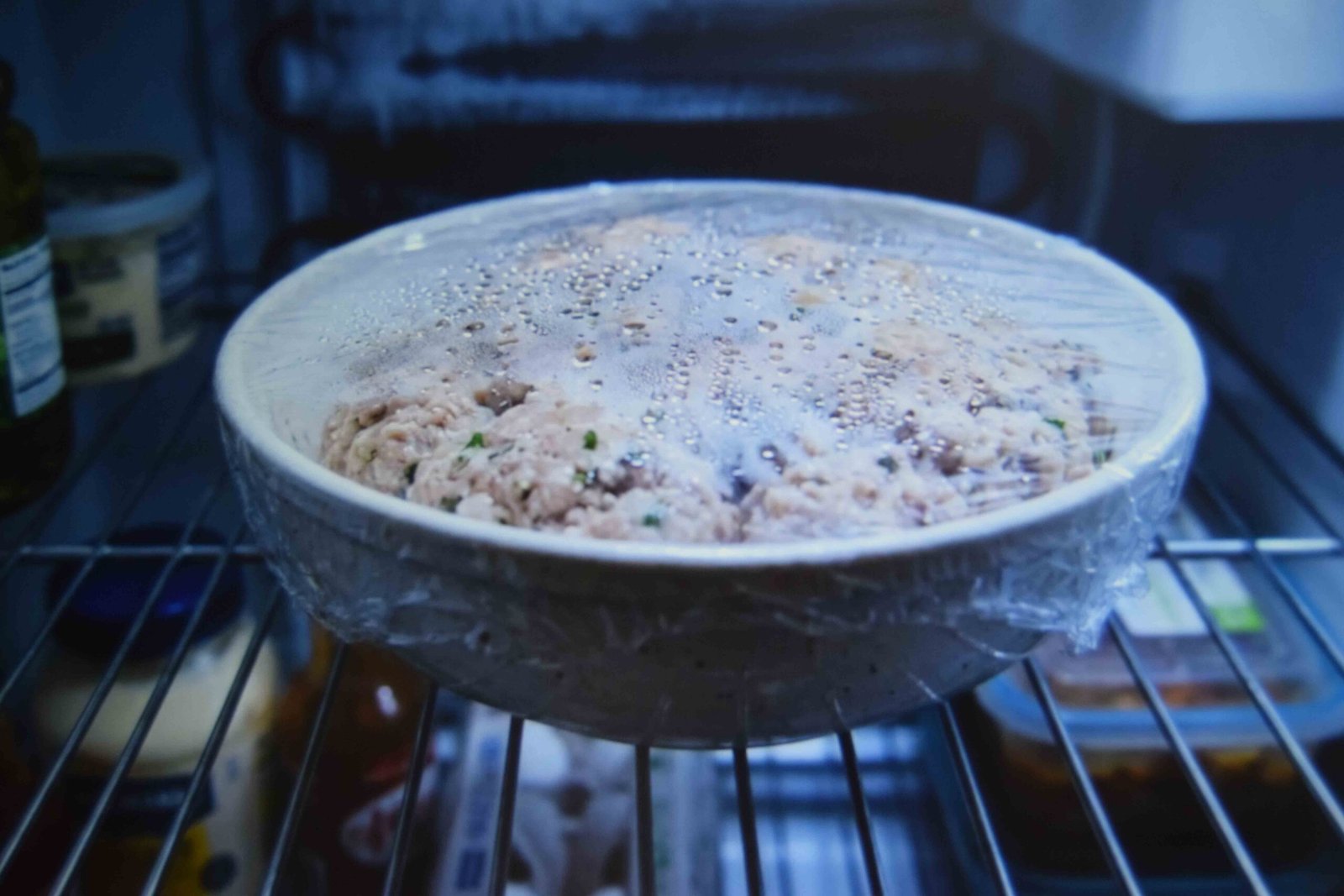
Cover it. Fridge. Half an hour.
Check it after that and if it still sticks to your fingers rather than holding a shape, give it another ten minutes. Ground chicken varies wildly between brands depending on the fat ratio, and some packets are simply wetter than others.
This is the step hungry people skip.
It is also the step that decides whether you get thirty round meatballs or thirty flat discs welded to a pan.
Two things happen while you wait. The fat firms up so the shape survives contact with heat, and the panade finishes doing its job.
Do not waste the half hour. Grate your cheese, chop the shallot, chop the sun dried tomatoes, and everything after this runs without a single pause.
5. How to Make Ground Chicken Meatballs the Same Size
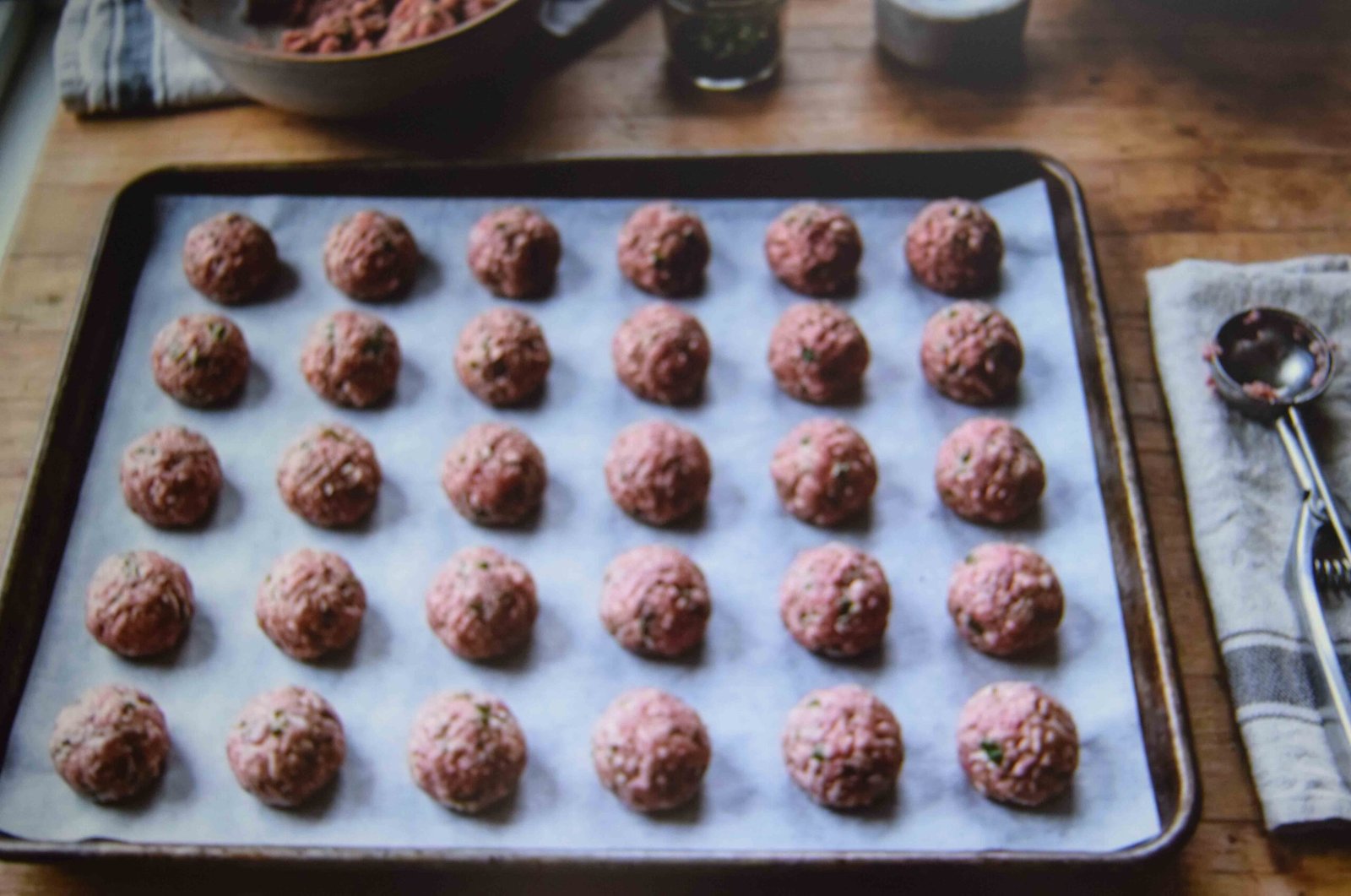
Portion the mixture into about 30 balls, each roughly an inch and a half across and weighing an ounce and a half.
Even sizing is not fussiness. Different sizes finish at different times, so a mixed tray means half are dry before the other half are safe.
A small cookie scoop does this fast and consistently. No scoop? Flatten the mixture in the bowl, cut it into a grid, and roll each square.
Roll lightly between your palms. Squeezing them tight undoes everything you protected in step three.
Line them up on a tray as you go, and keep whatever is not going in the pan yet in the fridge rather than warming up on the counter.
6. Brown Them in Two Batches to 165°F
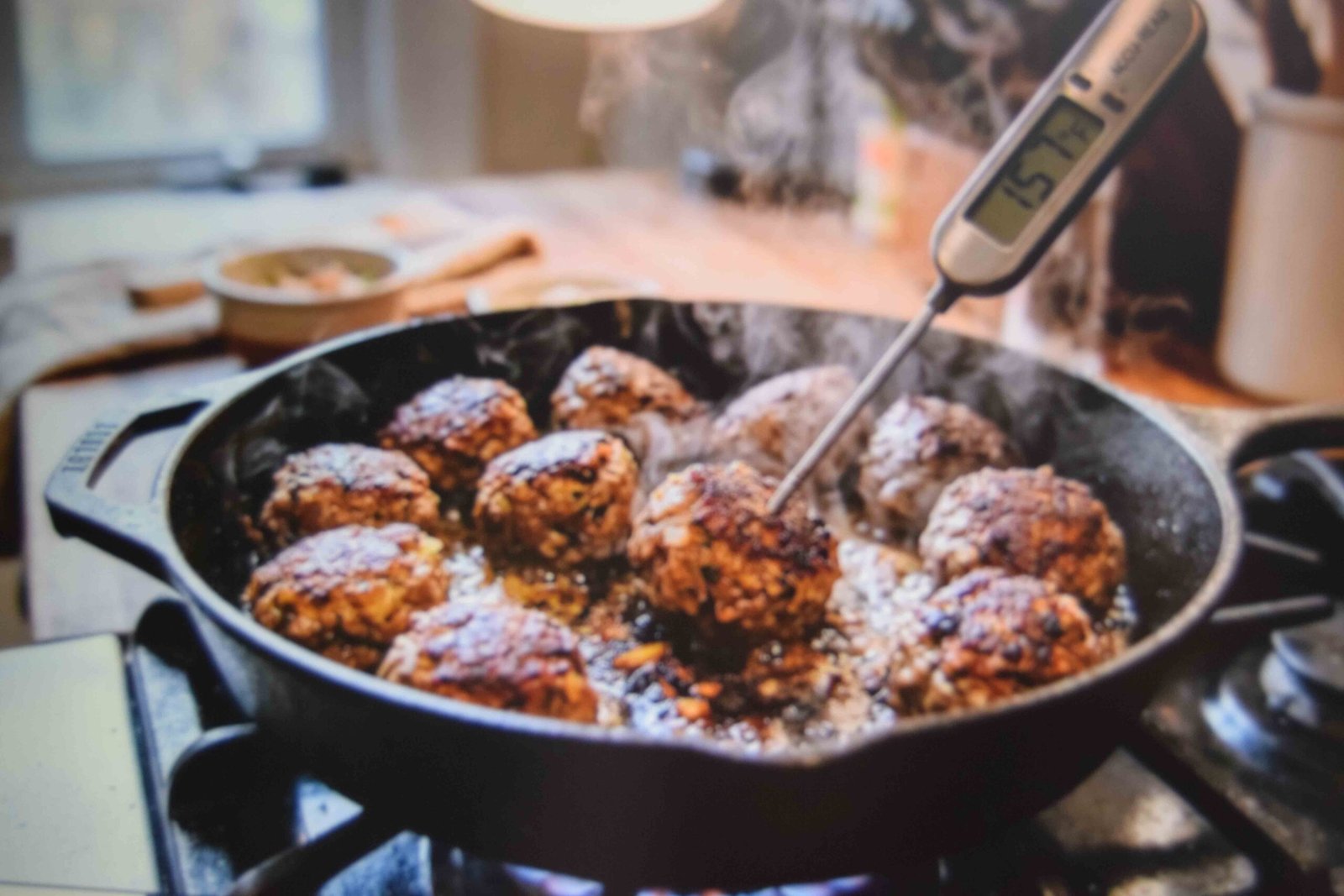
Two tablespoons of the sun dried tomato oil into your widest skillet, medium high heat.
Two batches. Not one.
I know it is tempting to tip them all in and be done with it. Do not. Cold meatballs crowding a pan drop the temperature immediately, and instead of browning they sit there steaming themselves grey. Keep the second half chilled while the first works.
Turn them now and then so every side takes colour, dropping the heat if they darken faster than they cook. Somewhere between 8 and 13 minutes you want colour all over and 165°F on a thermometer pushed into the middle of one.
That number is not a suggestion. Poultry gives you no visual clue about its centre.
Stand back slightly when they go in. Damp meat meeting hot oil spits.
7. Build the Sauce on What the Meatballs Left Behind
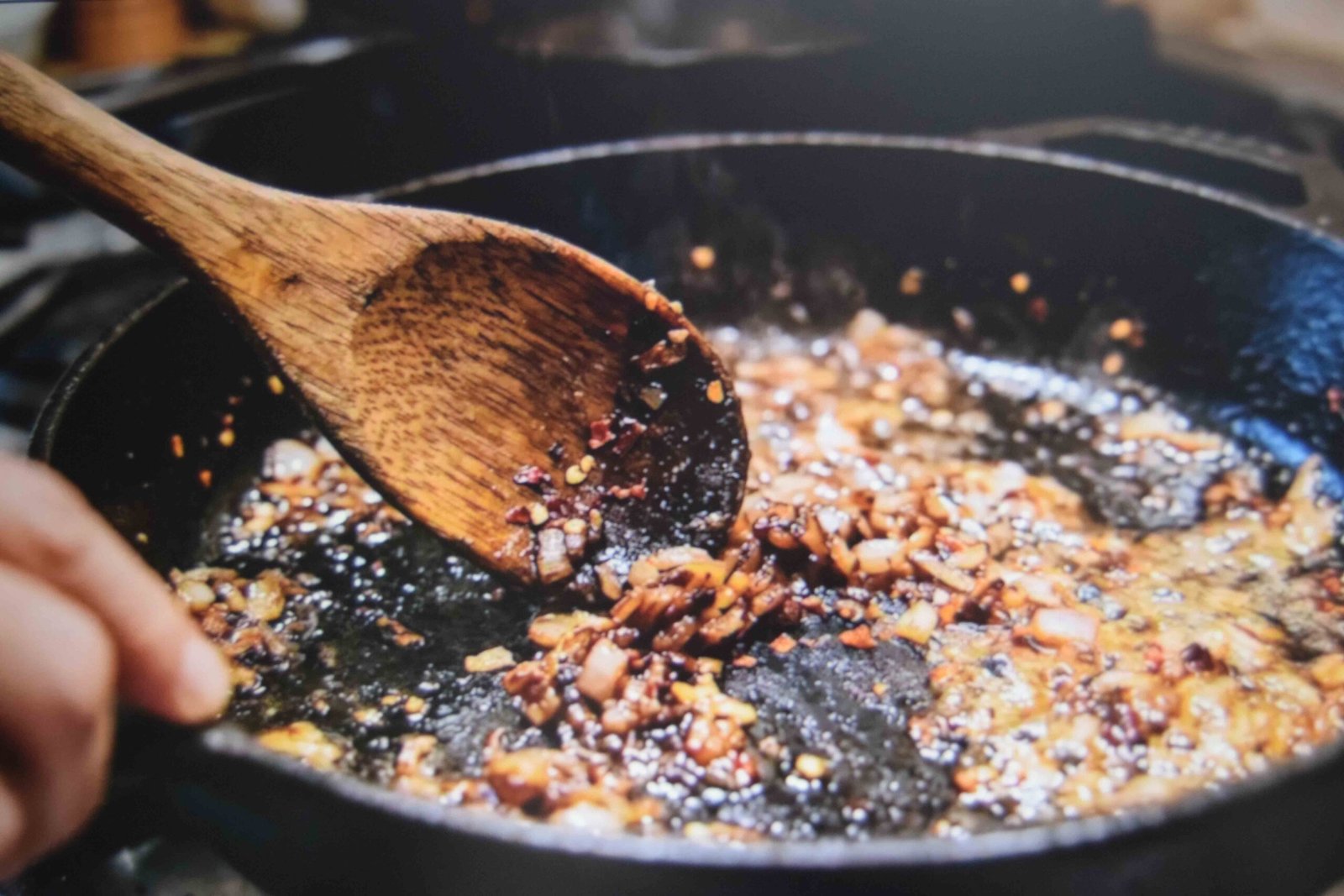
Meatballs out onto a plate. Pan stays exactly as it is.
Do not wash it. Those stuck brown patches are concentrated flavour and you are about to lift all of them.
Heat down, the other 2 tablespoons of tomato oil in, then the chopped shallot until it softens. Add the last grated garlic clove, a quarter teaspoon of red pepper flakes and half a teaspoon of salt.
Scrape constantly with a wooden spoon while this goes. Thirty seconds and the garlic should smell sweet rather than sharp. Push past that and it turns bitter, which cream cannot fix.
Wooden spoon specifically. Metal scratches nonstick and silicone is too floppy to prise anything loose.
Now the 2 tablespoons of tomato paste, cooked for a minute until it darkens, then the chopped sun dried tomatoes.
8. Cream, Stock and Cheese Added Gradually
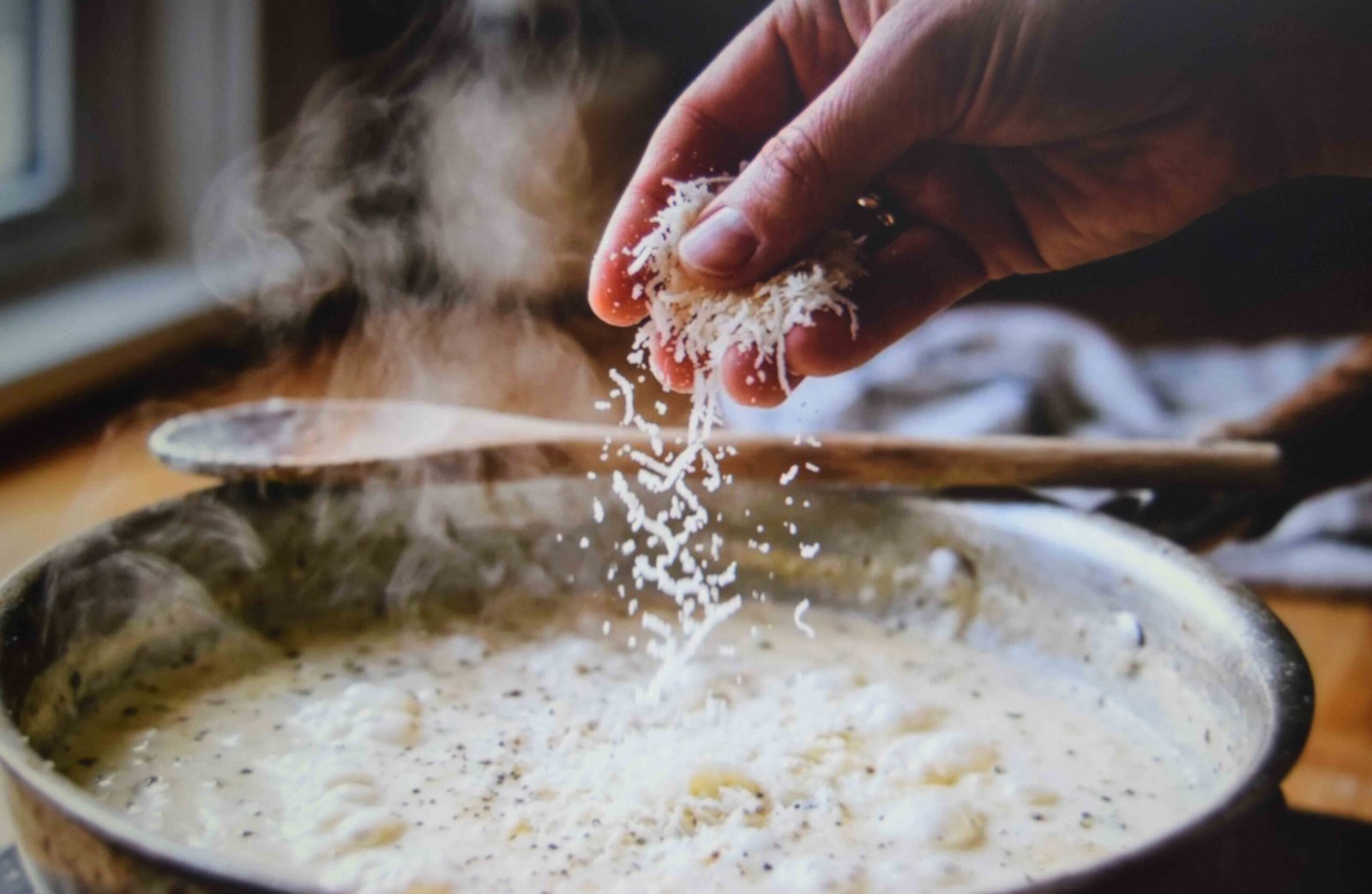
Pour in a cup of chicken stock and let it bubble while you scrape up whatever the shallot missed.
Then a quarter cup of cream, and let that come up to heat before any cheese arrives.
Here is where it goes wrong for most people. Add the reserved Parmesan a handful at a time, stirring the whole way. Not all at once.
Dumped in together, the cheese seizes into stringy lumps that never smooth out no matter how long you stir. Fed in slowly, the sauce turns glossy and thickens slightly over about a minute.
Keep the heat moderate throughout. A cream sauce brought to a hard boil splits, and split does not come back.
Too thick? A splash more stock loosens it.
9. Let Everything Melt Together for 3 to 5 Minutes
Give it a few minutes now to stop being separate ingredients sharing a pan.
Gentle heat. Every last shred of cheese melted. Surface just starting to move.
Three to five minutes covers it, but honestly, watch the sauce instead of the clock. It goes from looking slightly grainy to properly glossy, and that shift is what you are waiting for.
Taste it before the meatballs go anywhere near it.
This is your last easy chance to fix the seasoning, and sun dried tomatoes are wildly inconsistent between brands on salt. Some are already seasoned heavily, some barely at all.
Tastes flat? Squeeze in a little lemon. Nine times out of ten that is what was missing rather than more salt.
10. Return the Meatballs and Finish With Parsley
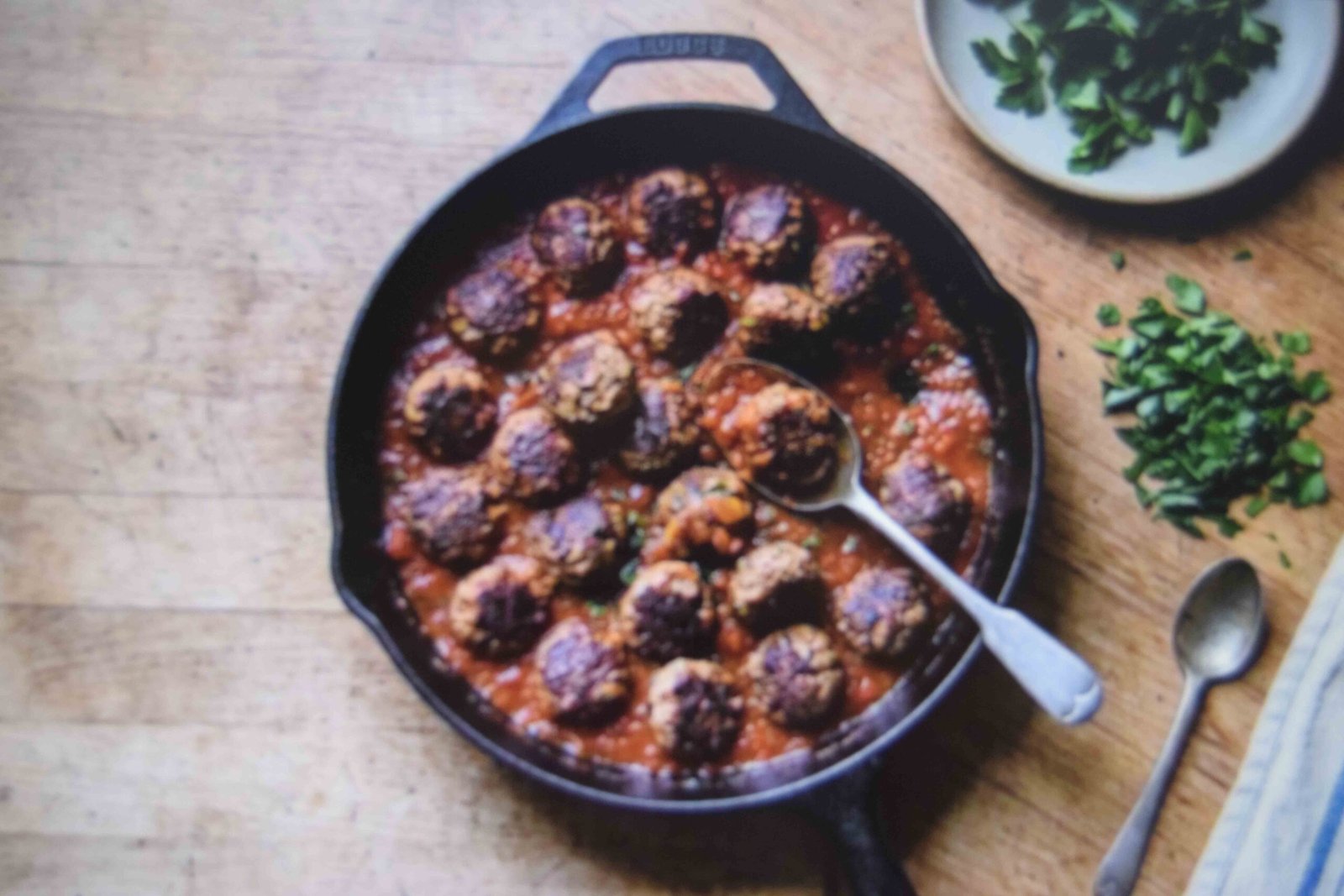
Back in they go, along with every drop of juice that pooled on the plate.
Heat down to medium low. Lid on. Five minutes.
This is not simply reheating. Covered and gently bubbling, the meatballs take on the sauce rather than just wearing it, and the sauce picks up whatever they release.
Lid off, the last teaspoon of Italian seasoning stirred through, about a minute until warmed.
Chopped flat leaf parsley goes over at the very end, off the heat. Herbs added early cook down to something dusty, while herbs added last still taste like the plant they came from.
Spoon sauce over the top before it reaches the table. Surfaces dry fast while everyone finds a chair.
11. Making Marry Me Meatballs Crockpot Style
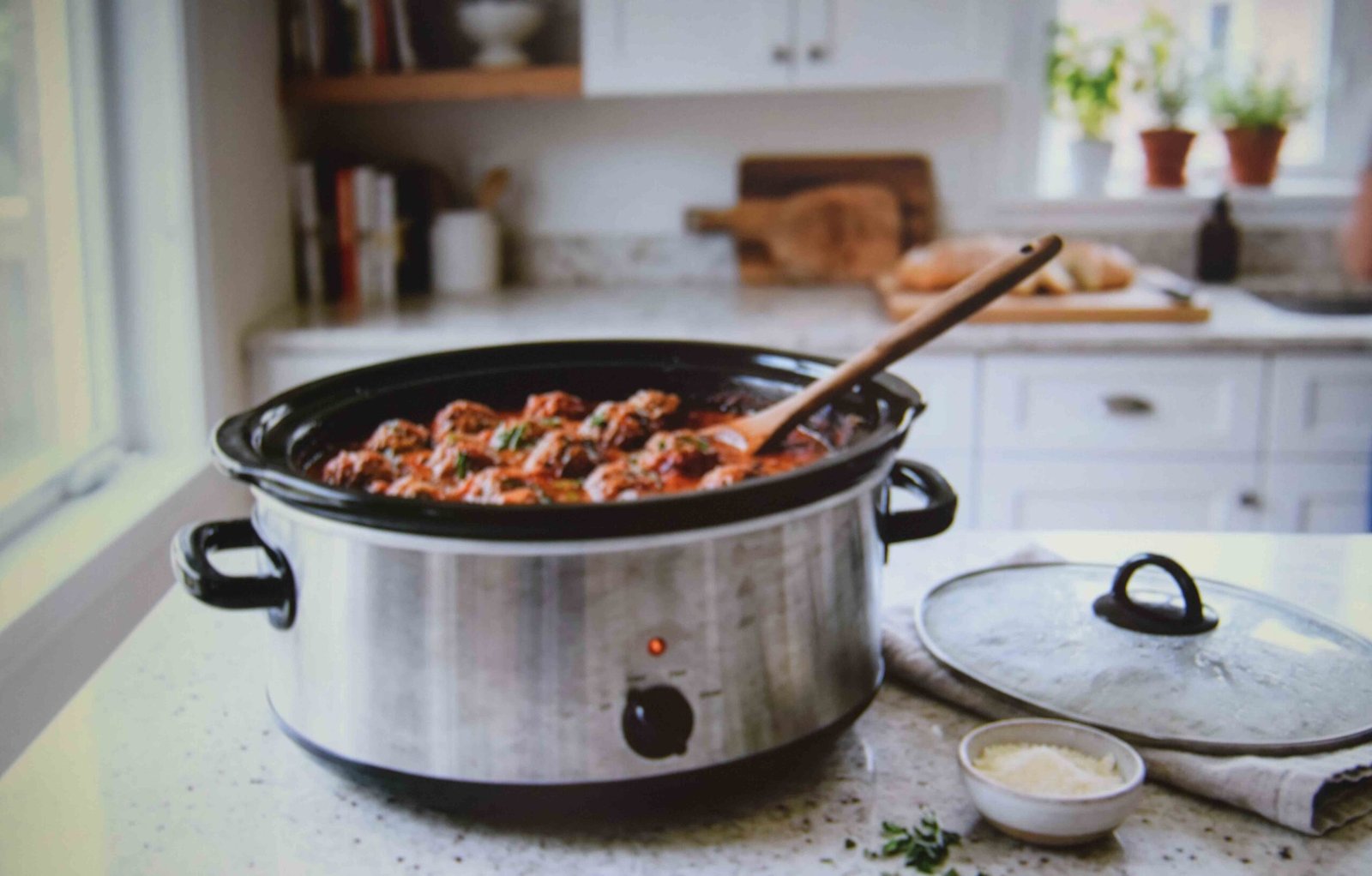
A slow cooker changes the method, and browning still has to happen in a skillet first.
Brown them as normal, build the sauce in the same pan, then pour everything into the crockpot together. Low heat for a few hours until they are heated through and the sauce has thickened.
Hold the cheese back. Dairy sitting on low heat for hours separates, so stir the Parmesan in during the last half hour instead.
The honest downside is texture. Slow cooked meatballs come out softer and less distinct than the skillet version, and you lose the crust entirely.
Where it wins is a party. It holds on warm for hours with nobody watching it.
12. What to Eat With Chicken Meatballs
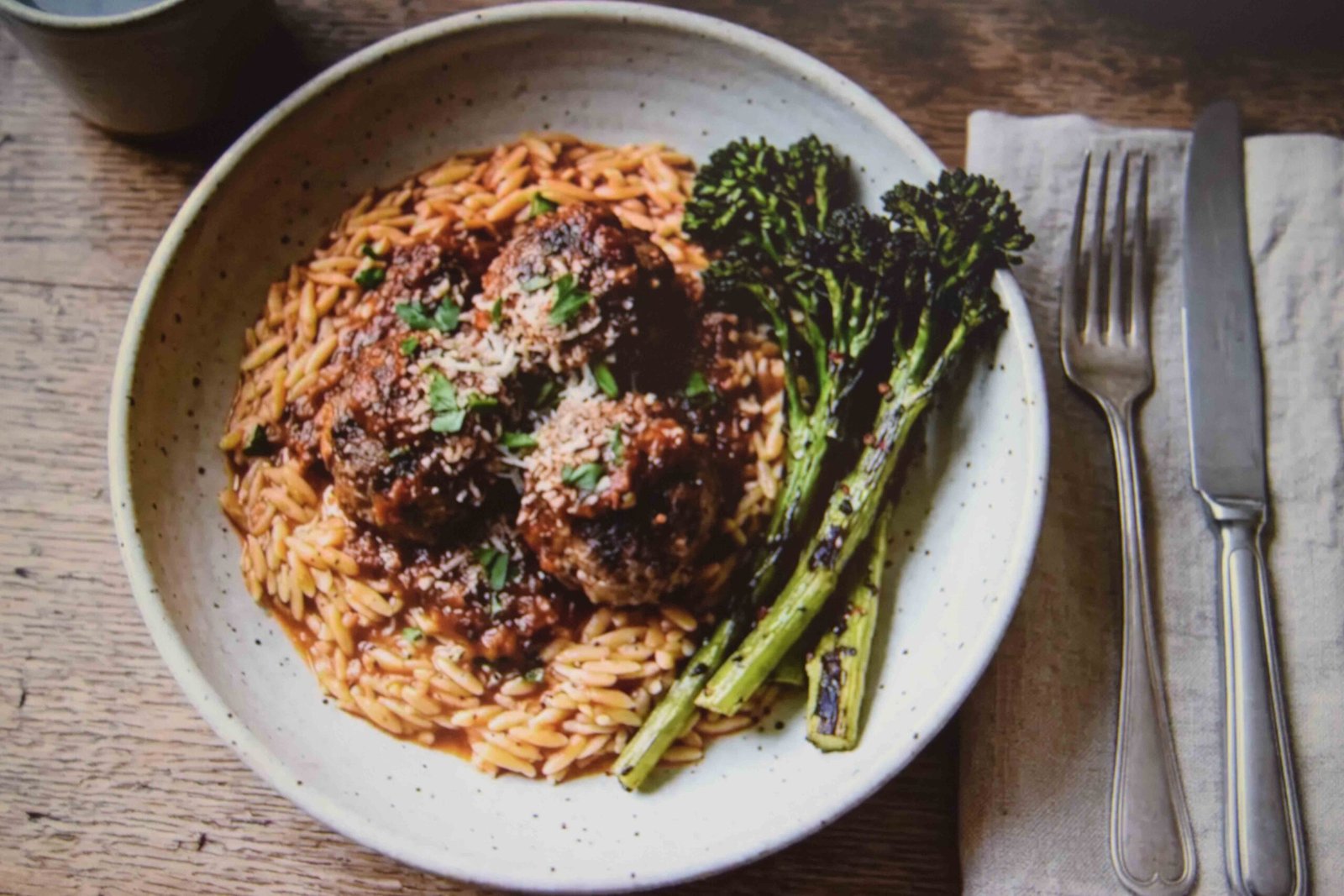
Orzo is the obvious partner, which is why chicken meatballs and orzo turn up together constantly. Cook it in stock rather than water and stir a spoonful of sauce through before serving.
Anything that catches sauce works. Mashed potato, polenta, wide pasta, or just bread for wiping the pan.
Rice is fine but keep it plain, since the sauce is already doing plenty.
For something green, you want bite rather than softness. Charred broccolini, a sharp rocket salad, blistered green beans.
So the short answer on what to serve with chicken meatballs is one starch and one vegetable. The dish is rich enough that a third side is wasted effort.
13. Storing and Reheating What Is Left
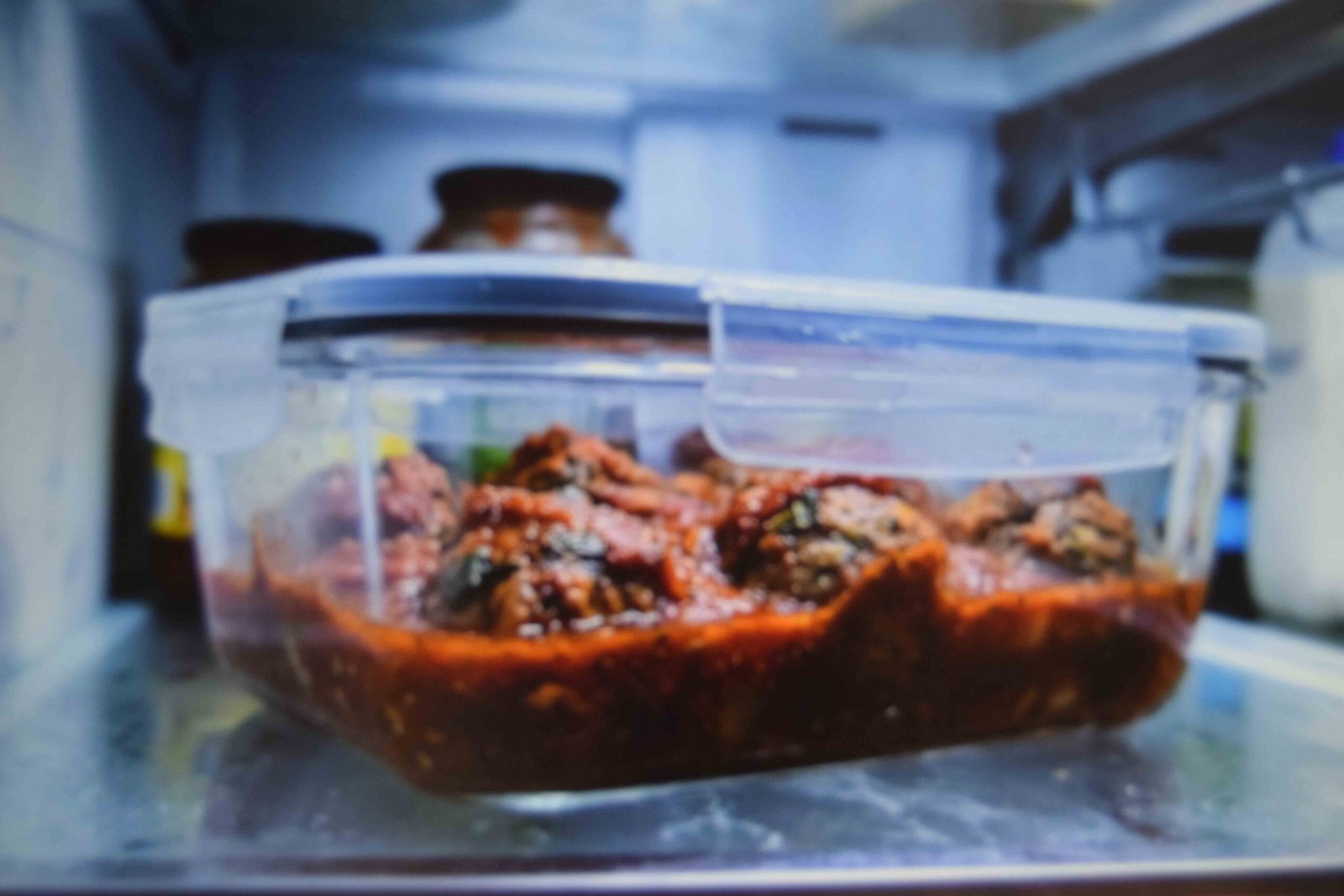
Meatballs and sauce go in the fridge together, not separately. A few days is fine.
Reheat on the hob, gently. Microwaves blast cream sauces apart and once split there is no fixing it, whereas a low pan with a splash of stock stirred through brings everything back.
Freezing is where it gets interesting.
Meatballs freeze beautifully. The sauce does not, because dairy turns grainy after thawing and no amount of stirring undoes that.
So if half of this is heading for the freezer, cook the meatballs, freeze those on their own, and make fresh sauce whenever you pull them out. Takes fifteen minutes.
Let everything cool to room temperature first, and get it into the fridge within a couple of hours.
Practical Tips Before You Start
Read the method through once before turning anything on. There are two waiting periods built in and knowing where they land changes when you start cooking.
Do your grating and chopping during the chilling window. The sauce moves fast once it begins and there is no time to hunt for a box grater.
Use your widest skillet. Bigger surface means fewer batches, and fewer batches means less standing at the hob.
Keep the thermometer out on the counter rather than in a drawer.
This stays an easy chicken meatballs recipe as long as you respect those two pauses. Rush them and it becomes a difficult one.
Allergy note: contains dairy in three places, wheat in the panko, and egg.
Frequently Asked Questions
Can I use ground turkey or beef instead? Turkey behaves almost identically and needs no adjustment. Beef and pork carry more fat, so drain the pan before building the sauce. Beef also wants a slightly longer sear for colour, and the finished plate tastes considerably heavier than the chicken version.
Can I bake them rather than frying? Yes, and it is easier if you are doubling up. Space them on a lined tray and bake in a hot oven until they hit temperature. You lose the crust and you lose the stuck bits that flavour the sauce, so start the sauce with extra stock to compensate.
What if I cannot find whole milk ricotta? Part skim works, though the mixture comes out slightly wetter, so expect the chill to take longer. Cottage cheese blended smooth is the closer substitute. Skip cream cheese, since it makes the meatballs dense rather than tender.
Can I double the whole thing? The mixture doubles fine. The pan does not. Twice the meatballs means four batches and a long session at the hob, and the sauce needs a wider pan or it climbs the sides. Two skillets running together is the practical answer.
Is there a dairy free version? Partly. Full fat coconut milk replaces the cream in the sauce reasonably well, and the flavour shifts noticeably. Ricotta and Parmesan are harder, since between them they are binding, thickening and seasoning the whole dish. It becomes a different recipe rather than a swap.
Getting It on the Table
The panade and the chill decide everything. Skip either and you will be lifting meatball fragments out of a pan with a spatula.
Everything after that is ordinary cooking. Brown, sizzle, build, reunite.
Marry me meatballs are worth those two pauses, and neither one needs you watching it.
Start the orzo while the mixture is in the fridge and the whole thing lands on the table in one clean run.
Related reads: Fire Cider Recipe: How to Make It Without the Guesswork, How to Curl Your Hair With Lasting Shape and Minimal Friction and The Best Short Haircuts for Fine Thin Hair to Boost Volume.