
An aggressive fat loss phase requires careful nutritional planning to preserve lean tissue while maintaining a steep caloric deficit. This guide is tailored for experienced dieters and active individuals who need structured daily menus to accelerate weight reduction.
The foundation of a rapid fat loss menu rests on high volume foods and controlled macronutrient splits. Expect to consume around 1.2 grams of protein per pound of target body weight to protect muscle mass while dropping fat.
Determining Your Target Calorie Deficit And Protein Needs

Subtracting five hundred to seven hundred fifty calories from your total daily energy expenditure provides the right velocity for sustainable reduction. Drop your intake too low and your metabolism adapts downwards within fourteen days. Keep dietary protein elevated using chicken breast, egg whites, and white fish. A common mistake is cutting protein alongside carbs, which triggers muscle catabolism.
Component Meal Prep Instead Of Fully Finished Dishes
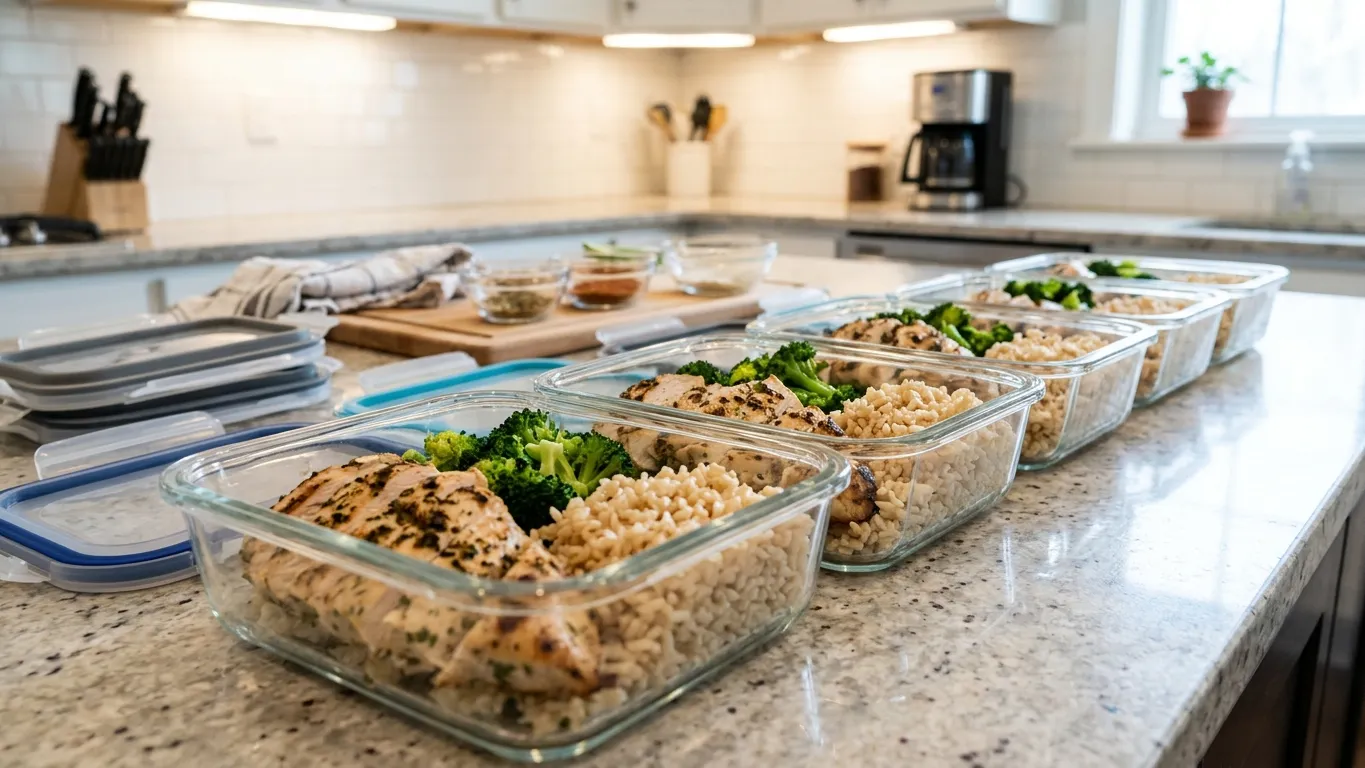
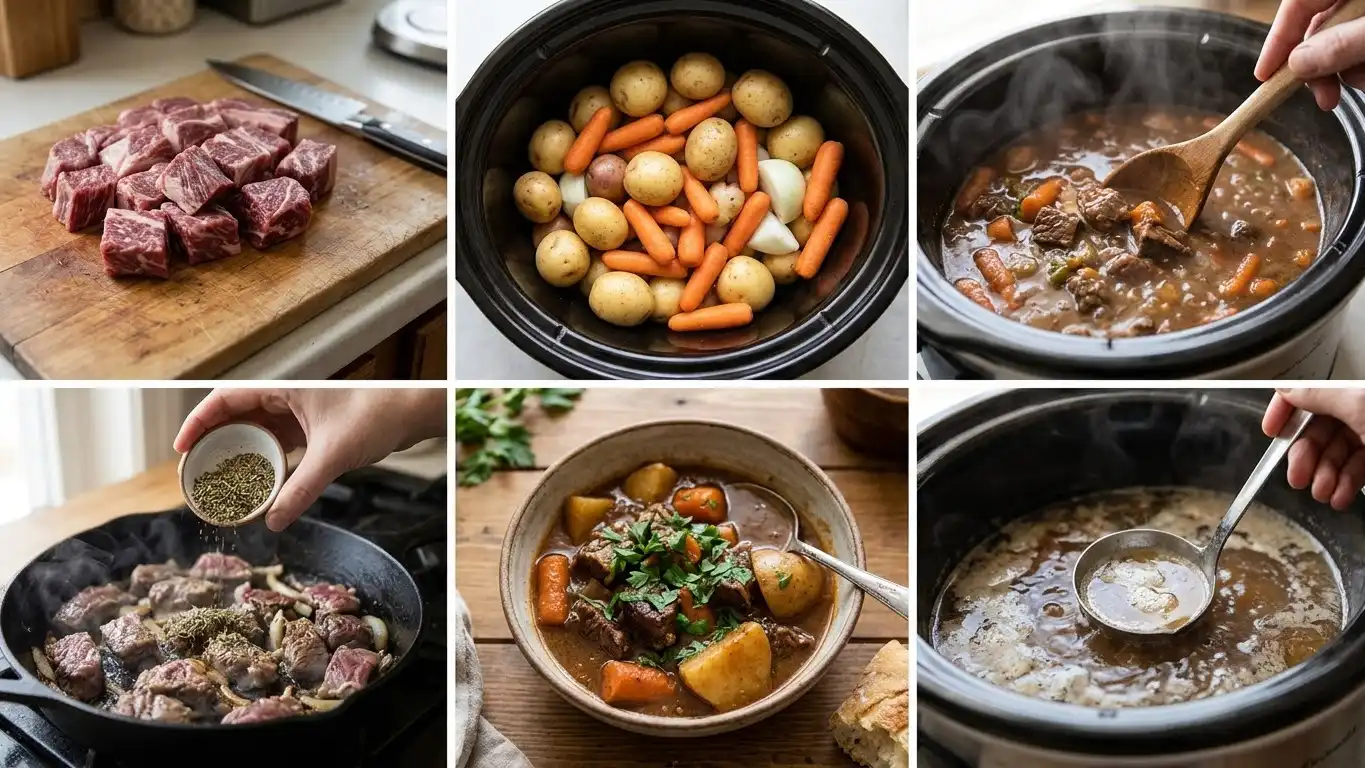
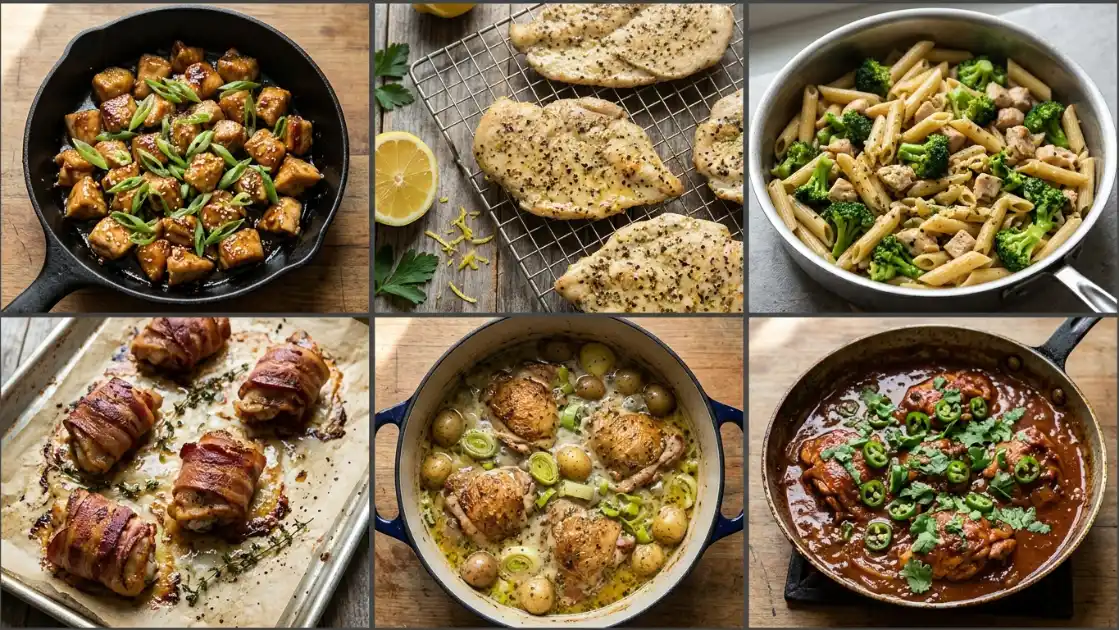
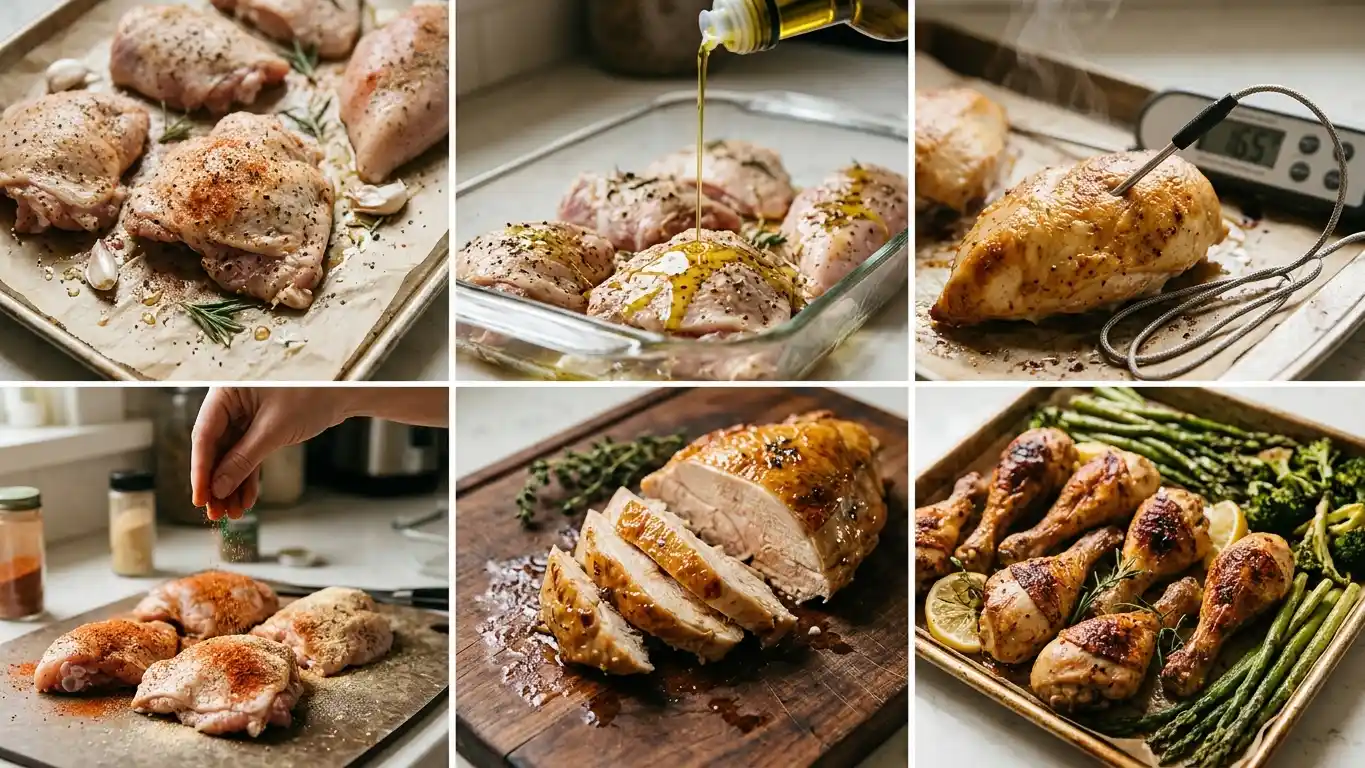
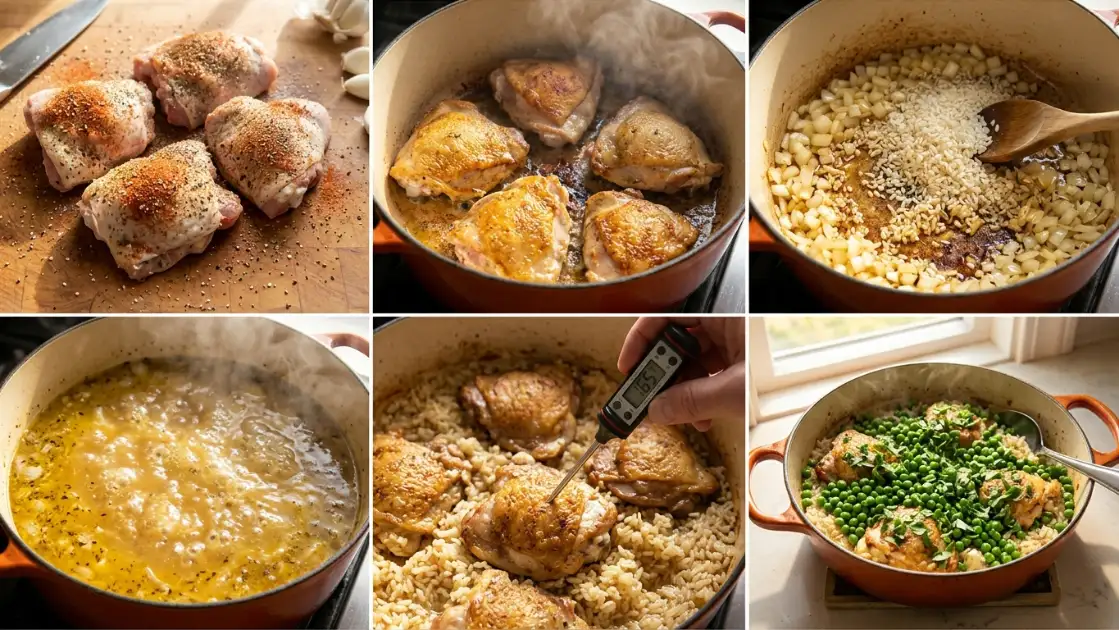
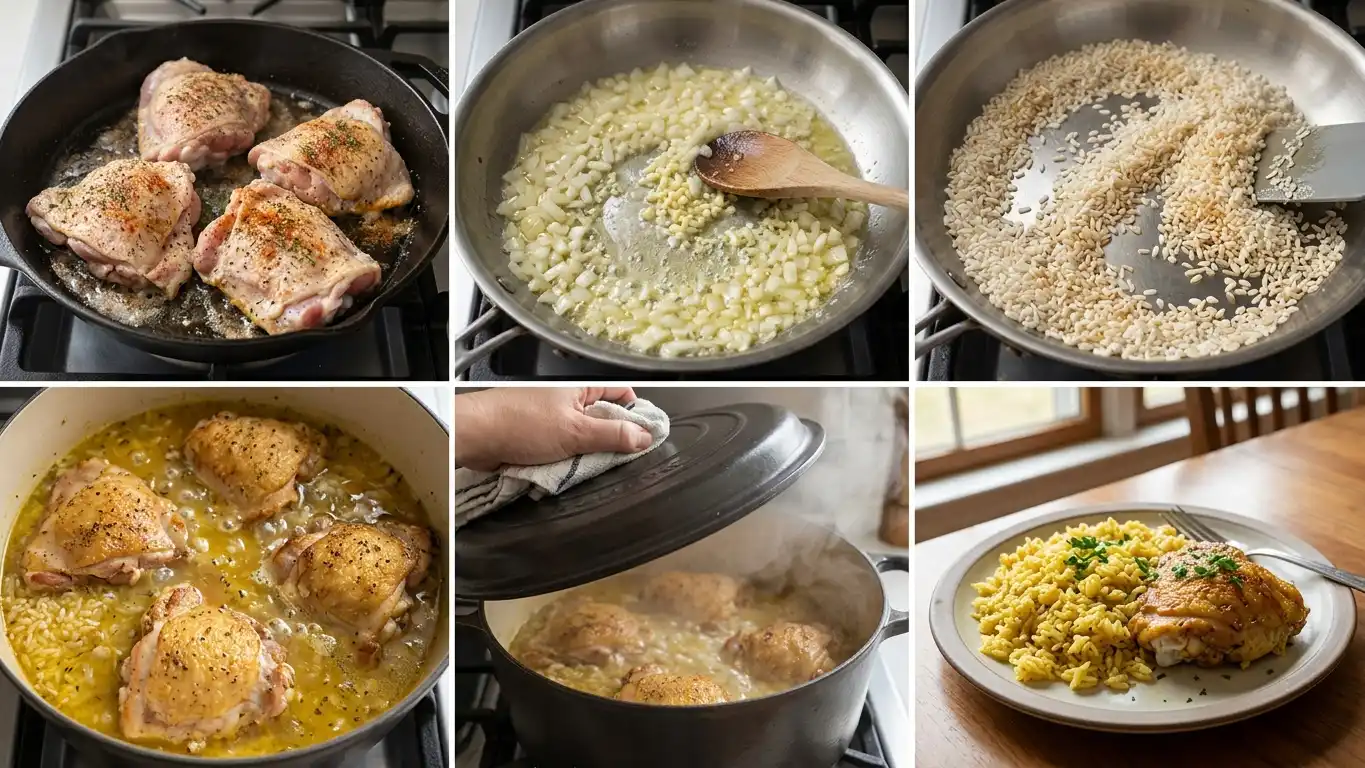
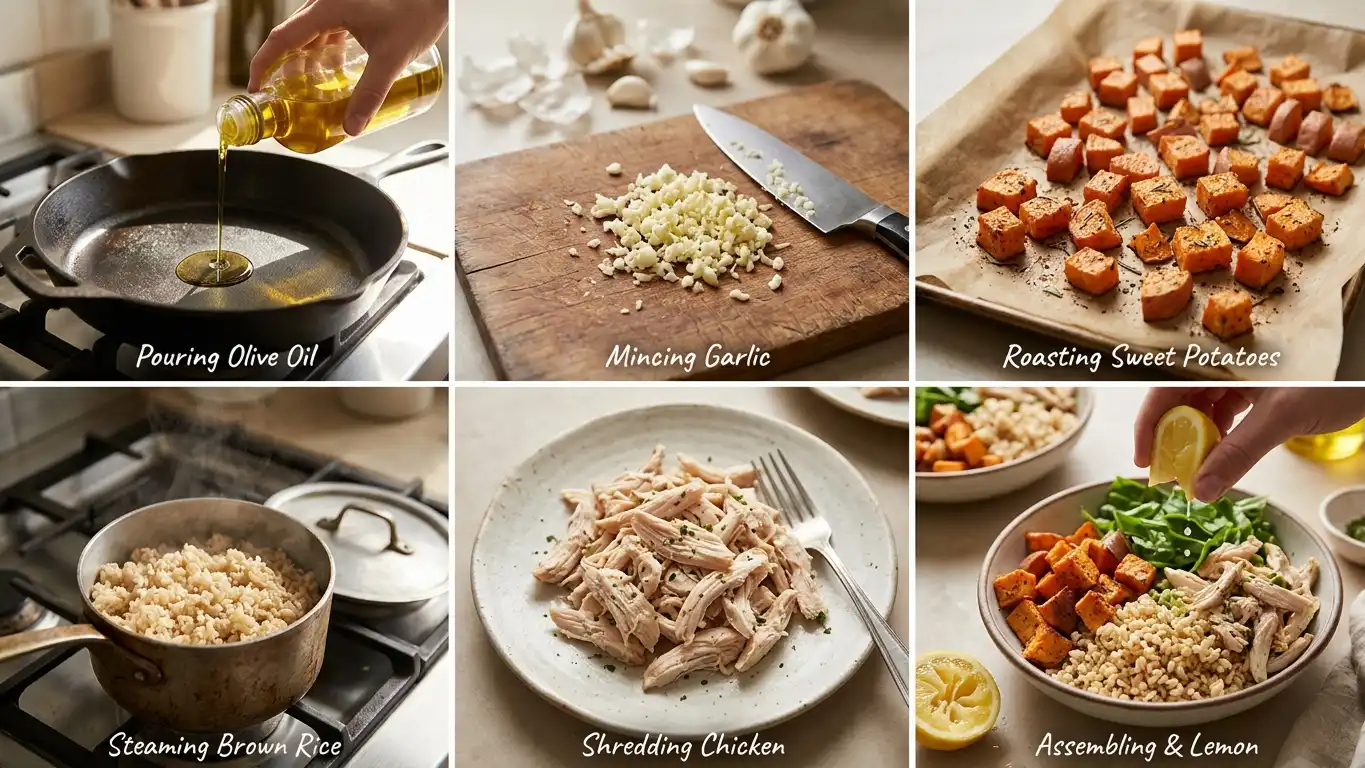
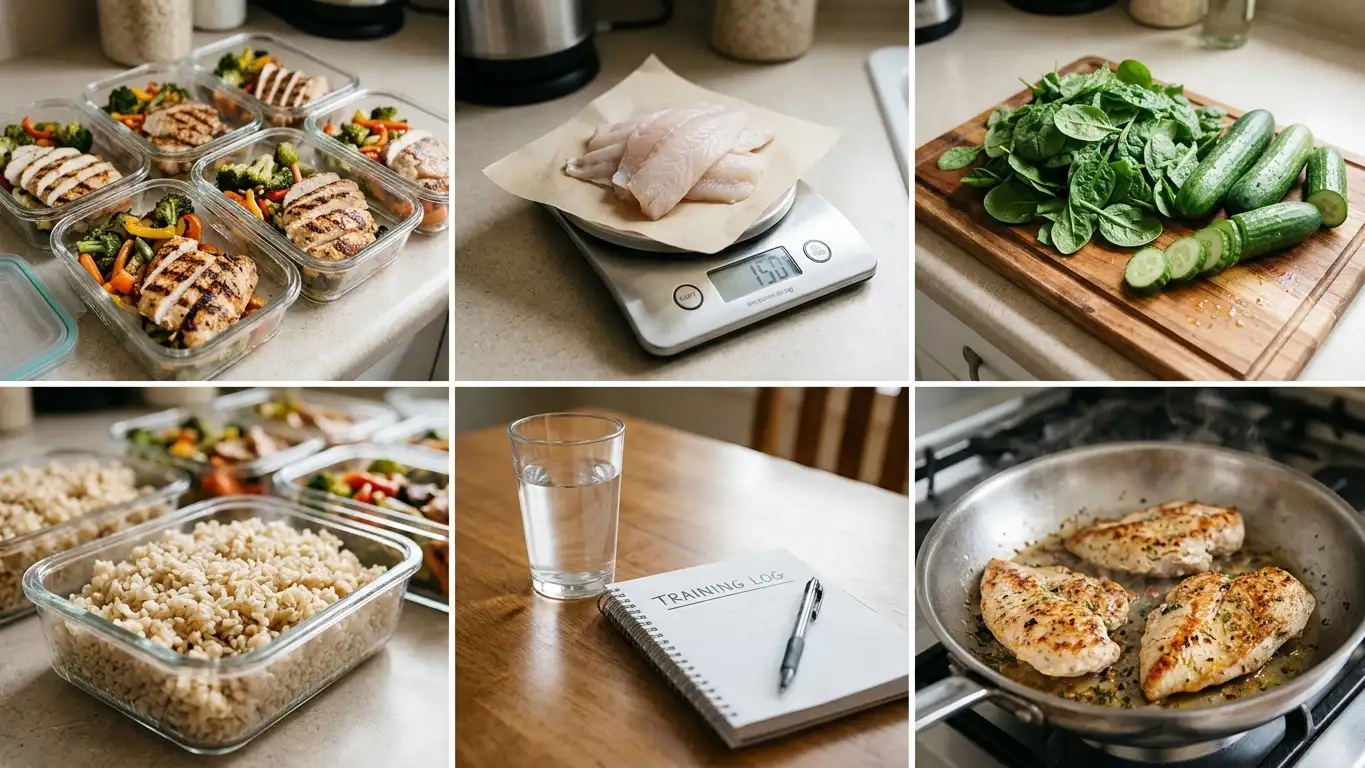
Cooking individual meals every day leads to burnout before the first week ends. Prepare batch proteins and starches separately so you can mix and match components throughout the week. Keep the container structure identical while swapping seasoning blends to prevent palate fatigue. Expect to spend around thirty dollars in 2026 for a bulk supply of chicken tenders and root vegetables.
Selecting Lean Protein Sources That Maximize Satiety
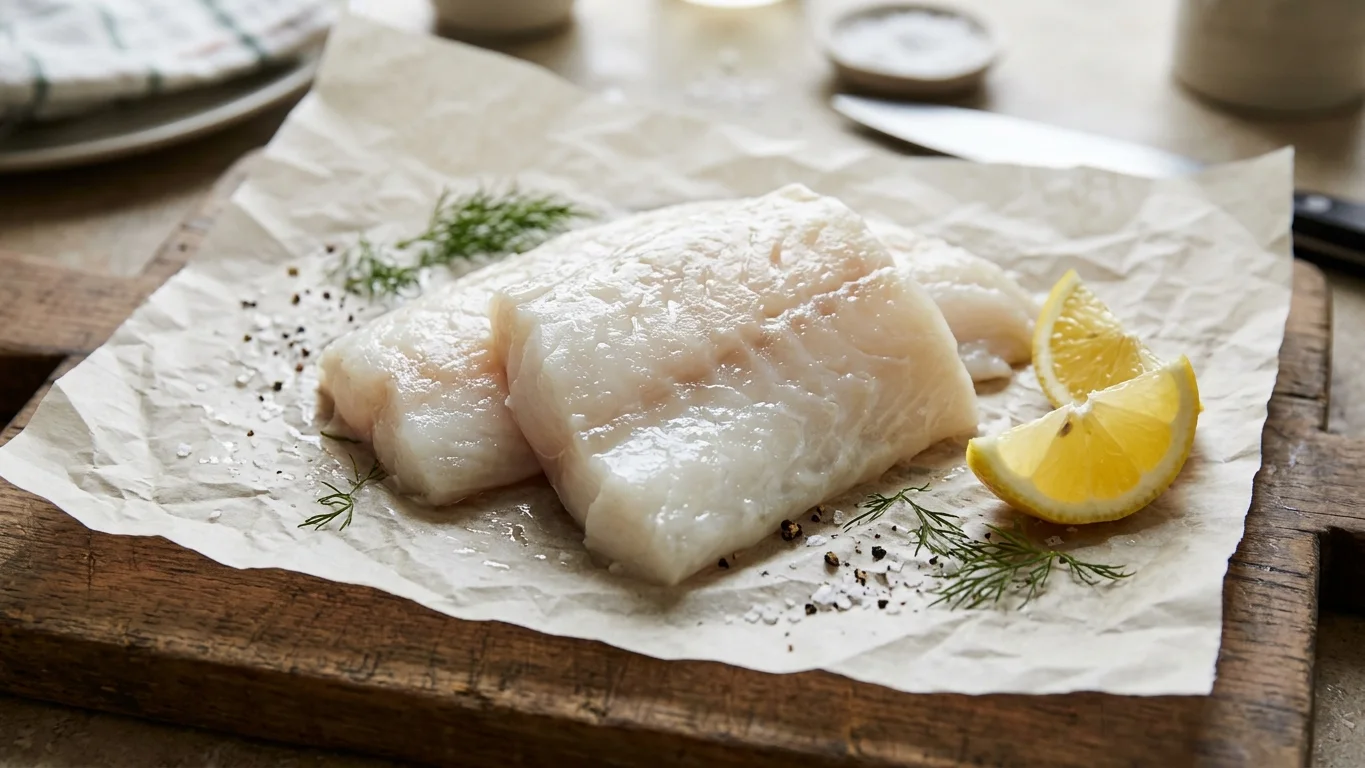
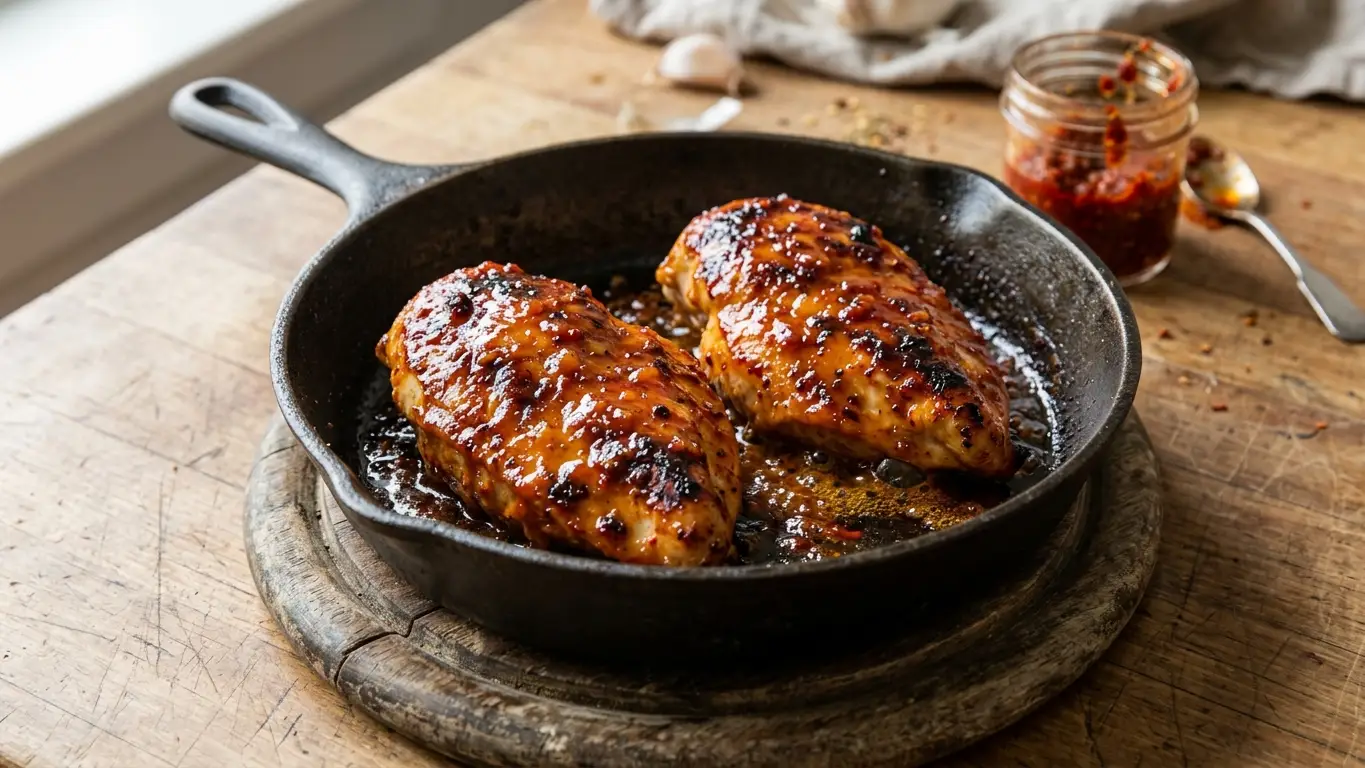
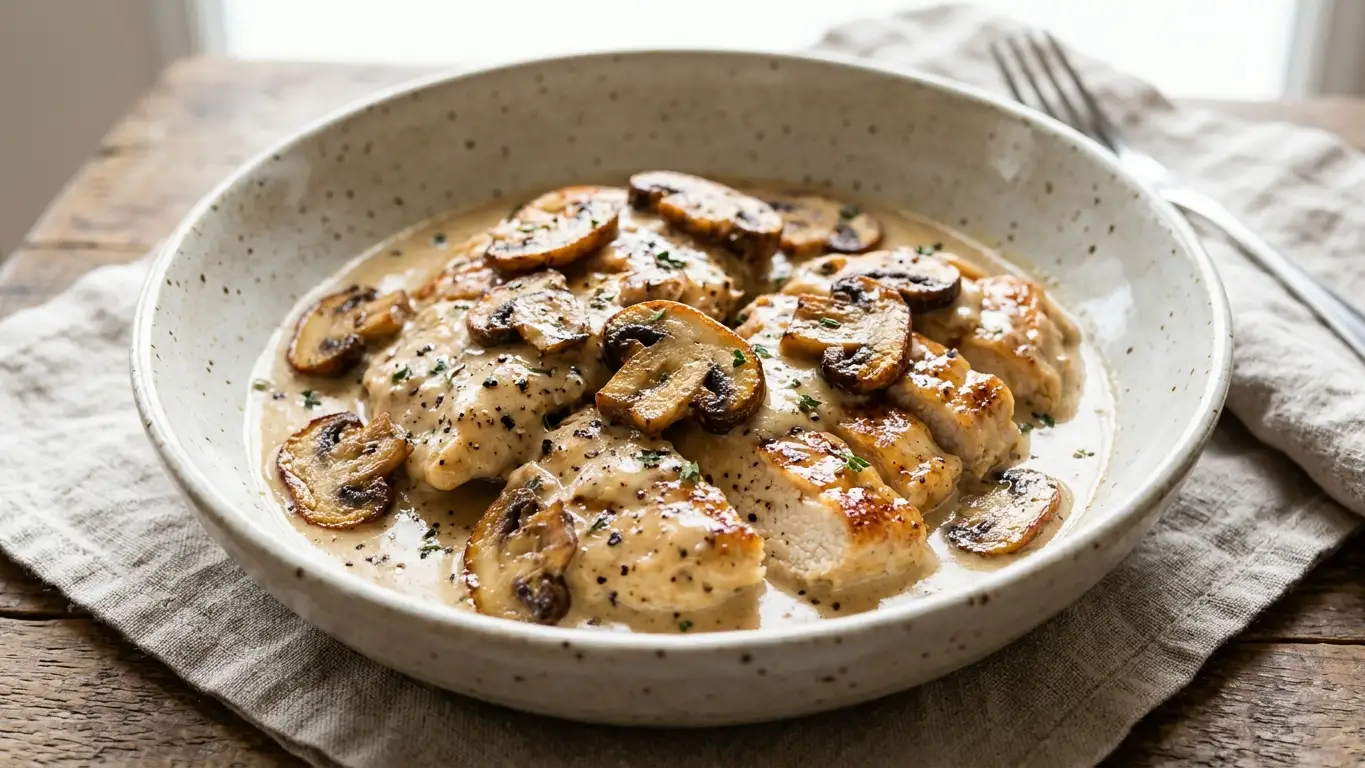
White fish and skinless poultry deliver the highest protein-to-calorie ratio for rapid weight management. Lean beef cuts under ninety-five percent lean introduce too many dietary fats for a strict deficit target. Weigh your proteins raw on a digital scale for absolute accuracy. Beginners often guess portions visually and overshoot their daily caloric limits by two hundred units.
Incorporating High Volume Non Starchy Vegetables

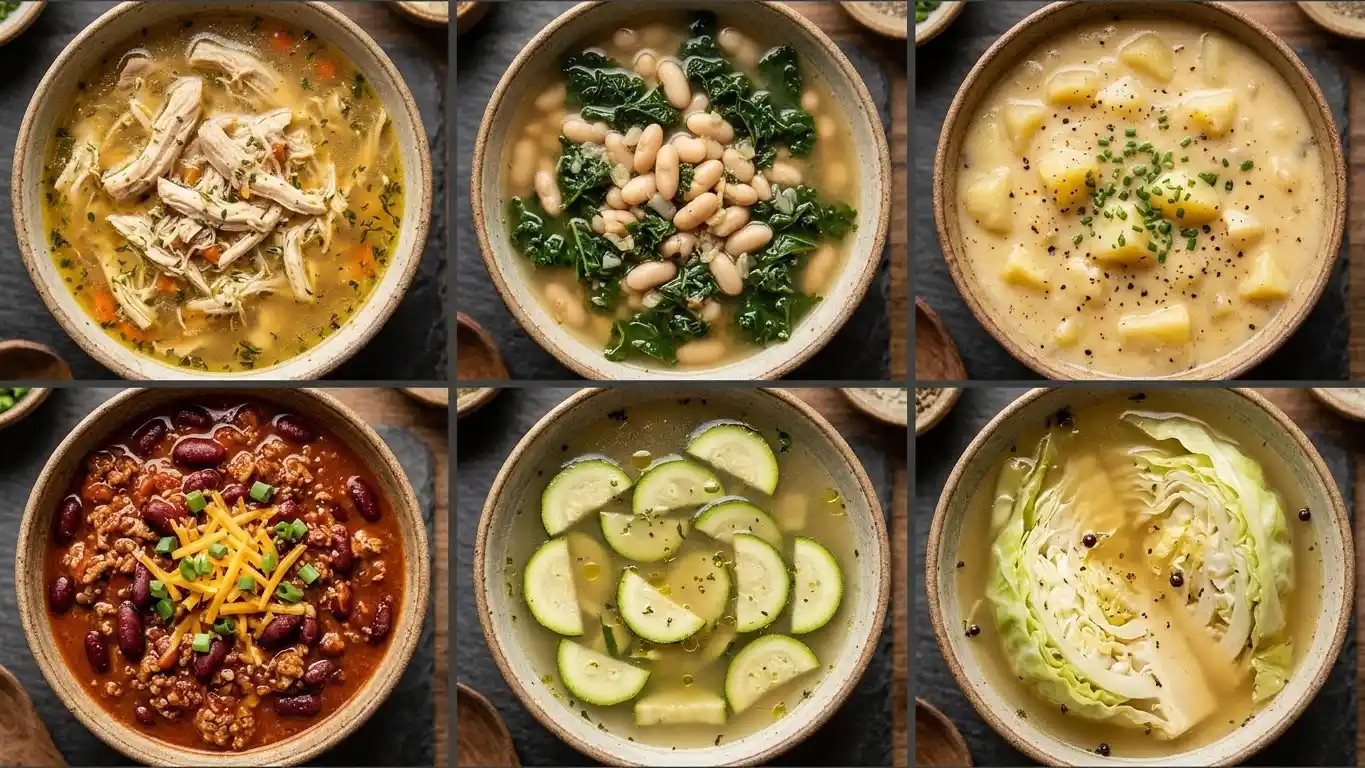
Fill half your plate with fibrous vegetables like zucchini, spinach, and celery to stretch gastric capacity. These foods contain minimal digestible carbohydrates and provide essential micronutrients. Steam them without added oils or butter to keep energy density low. Steer clear of starchy root vegetables if your daily carbohydrate threshold drops below one hundred grams.
Managing Training Performance During Low Energy Phases

Heavy resistance training must continue during a strict deficit to signal your body to retain muscle tissue. Reduce total working sets by one third if recovery capacity drops after the third week. Time your largest carbohydrate portion two hours before your scheduled training session. Ignoring recovery metrics leads to acute joint inflammation and central nervous system fatigue.
Adjusting Fats And Essential Fatty Acids For Hormonal Health

Never drop dietary fats below twenty percent of your total daily energy intake. Olive oil and omega-3 capsules support joint function and hormonal signaling during prolonged caloric restriction. Measure cooking oils with a teaspoon rather than pouring directly from the bottle. A single unmeasured tablespoon adds one hundred twenty hidden calories to an otherwise clean plate.
Navigating Social Situations And Family Meal Schedules
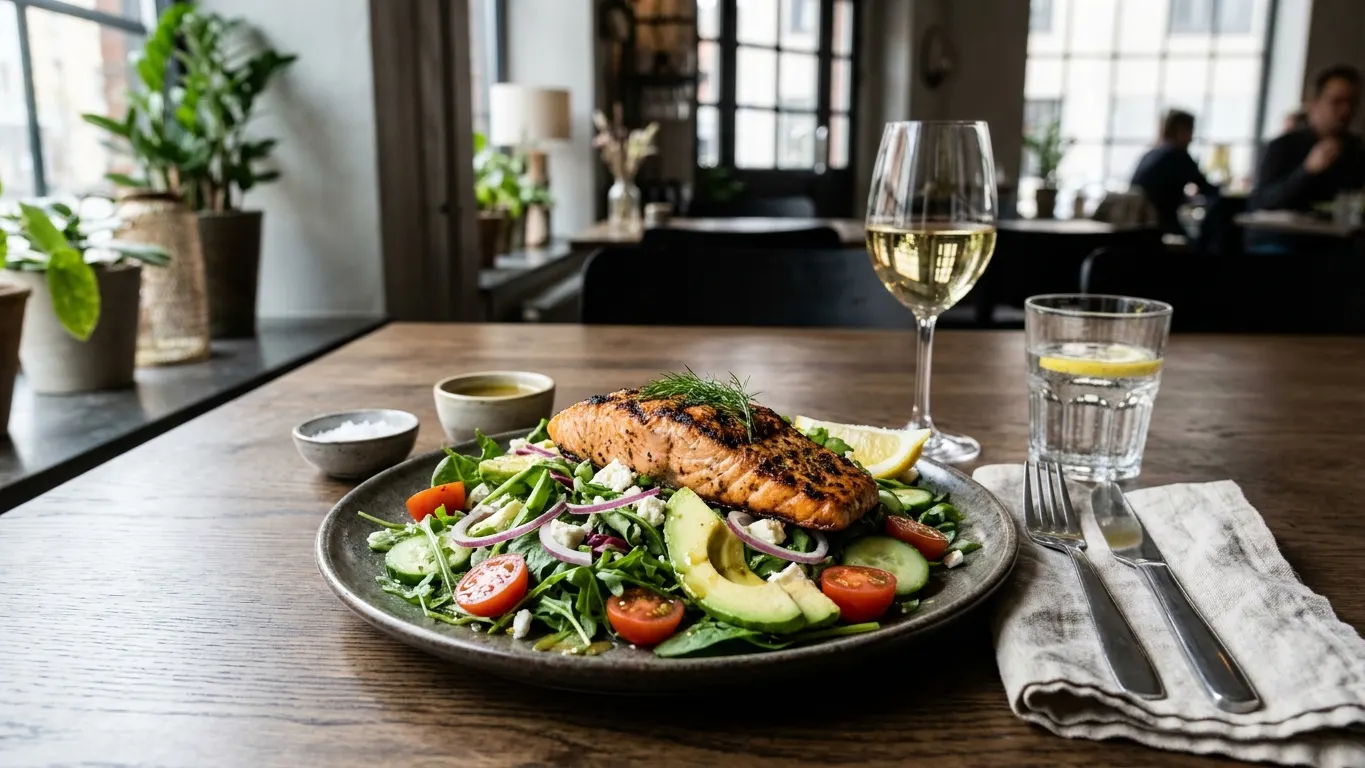
Eating out during a strict fat loss phase requires pre-planning restaurant selections around protein availability. Review online menus beforehand to identify grilled proteins served without heavy sauces or butter. Communicate your dietary targets clearly to family members to reduce friction during shared dinners. Trying to wing social gatherings without a strategy often results in unplanned surplus days.
Common Mistakes That Stall Progress In Advanced Dieters

The first major error is altering multiple variables simultaneously when weight loss plateaus for three days. The second mistake is relying on packaged meal replacement shakes that lack essential dietary fiber. Make only one adjustment at a time, such as dropping fifty carbohydrates or adding two thousand daily steps. Ignoring daily hydration targets also impairs lipolysis and muscle recovery.
When This Approach Fails And Who Should Avoid It

Aggressive deficits are entirely unsuitable for pregnant women, individuals with a history of disordered eating, or adolescents. If your sleep quality degrades or resting heart rate spikes for four consecutive days, abort the deficit immediately. Transition back to maintenance calories for two weeks before attempting another reduction cycle. Pushing through severe fatigue compromises immune function and baseline hormonal health.
Frequently Asked Questions About Meal Planning For Cutting

How do I calculate my daily protein requirements during a rapid fat loss phase?

Multiply your target lean body mass in pounds by one point two to establish your daily protein target in grams. Spread this amount evenly across four distinct feeding windows to maximize muscle protein synthesis.
What foods should I prioritize to stay full on low calories?
Focus on egg whites, white fish, cucumbers, and non-starchy green vegetables because they provide high volume with minimal energy density.
How long should I maintain an accelerated fat loss phase?
Limit your strict deficit duration to six to eight weeks before returning to maintenance calories for at least half that time to normalize thyroid hormones.
Can I include convenience items like microwave rice during a cut?
Pre-cooked grain pouches help maintain consistency when work schedules leave no time for batch cooking rice from scratch.
Why is my weight fluctuating up despite a strict deficit?
Water retention caused by training inflammation or elevated sodium intake frequently masks true fat loss for up to five days.
Staying Consistent Through The Final Weeks Of A Cut

Success depends entirely on your ability to repeat the same baseline menu without mental fatigue. Keep your grocery list standardized and purchase fresh produce twice weekly to avoid spoilage. If you remain undecided on your exact starting deficit, choose a modest five hundred calorie reduction and track your weight trend over fourteen days before making further changes.
| Strategy | Target Parameter | Primary Food Source |
|---|---|---|
| Protein Focus | 1.2g per pound | Chicken breast |
| Volume Control | 500g daily | Green vegetables |
| Fat Management | 20% total intake | Olive oil |