
Can you make chicken and rice with chicken breast without turning the meat into dry string? That question hits every home cook who ever pulled a pale, leathery dinner out of a ninety-minute casserole pan. Most people struggle because lean poultry muscle dries out past 165 degrees, while raw long grain starch needs at least twenty minutes in boiling liquid to soften.
You do not need heavy cream or processed packets to make it work. Balancing the liquid volume, staggering the heat, and pairing the right aromatics creates balanced, nourishing meals. Master the basic physics of the pan, and chicken breast and rice recipes become your fastest weeknight staple.
Prep time: 15 minutes
Cook time: 25 minutes
Total time: 40 minutes
Servings: 4
Ingredients:
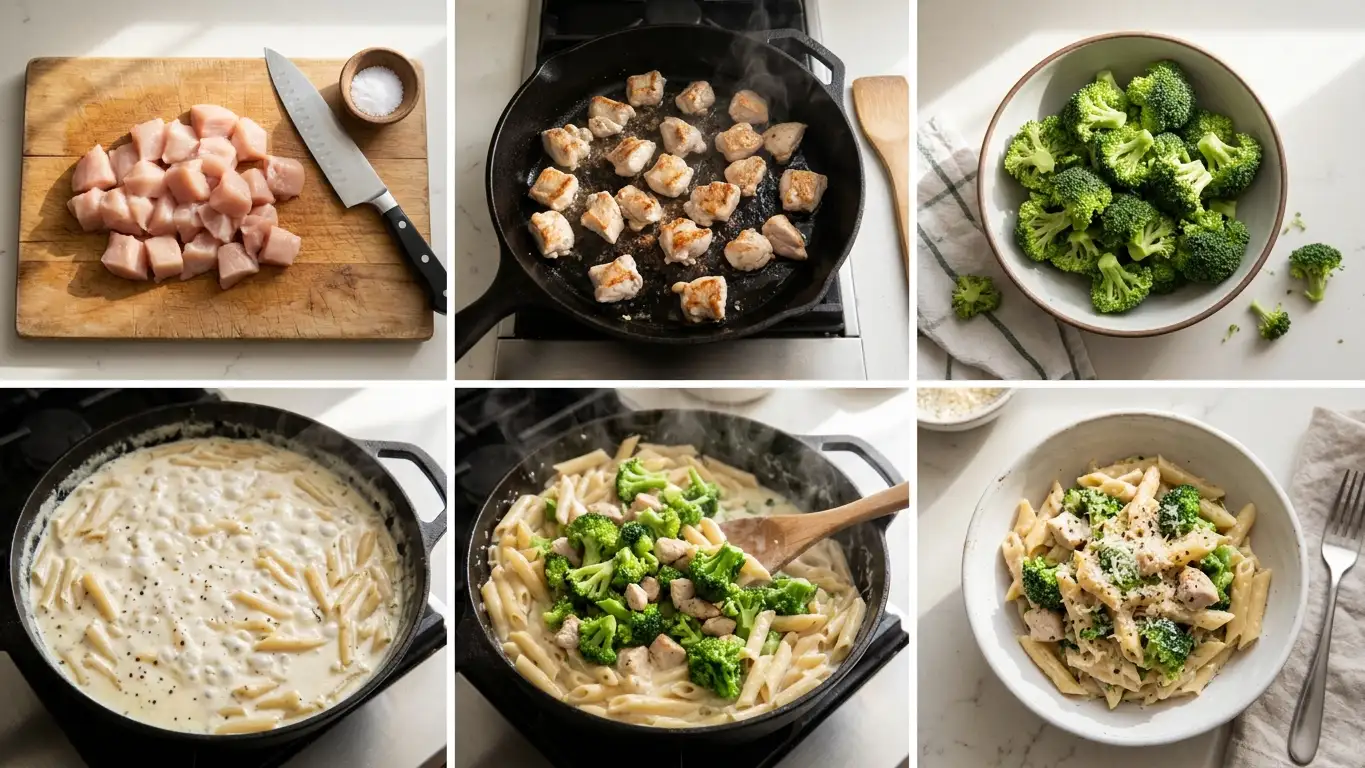
- 1.5 lbs boneless skinless chicken breasts, cut into 1-inch pieces
- 1.5 cups long grain white jasmine rice, rinsed thoroughly
- 2.5 cups low-sodium chicken broth
- 1 cup fresh broccoli florets, chopped small
- 1 small yellow onion, diced fine
- 3 cloves fresh garlic, minced
- 1 packet dry onion soup mix
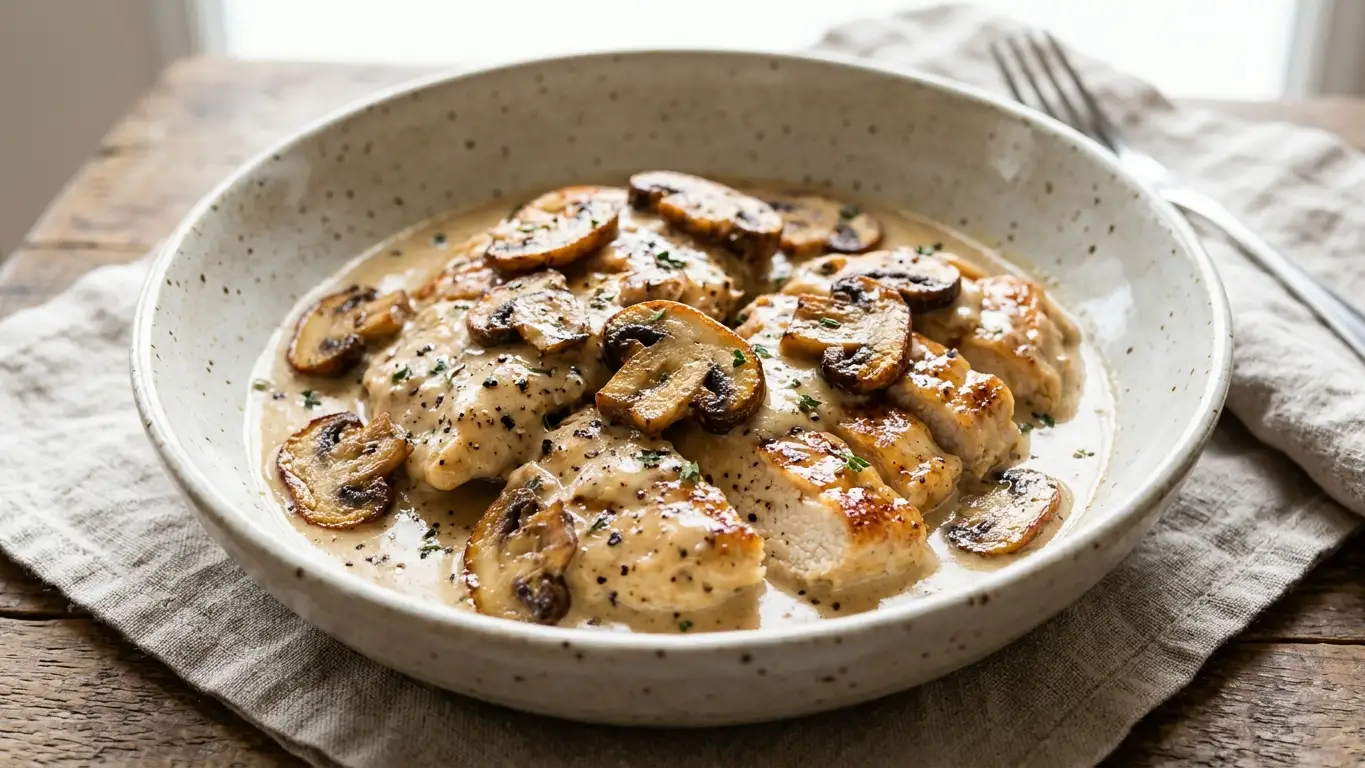
- 1 can 10.5 oz condensed cream of mushroom soup
- 2 tbsp olive oil
- 1 tsp kosher salt
- 0.5 tsp coarse black pepper
- 1 cup frozen sweet peas
Adding Raw Poultry and Dry Grains at the Same Minute
Dropping uncooked meat and dry grains into boiling liquid together ruins the meat every time. Raw long grain starch needs twenty minutes of steady bubbling to absorb liquid. Boneless poultry cutlets turn chalky and tough after twelve minutes of direct simmering.
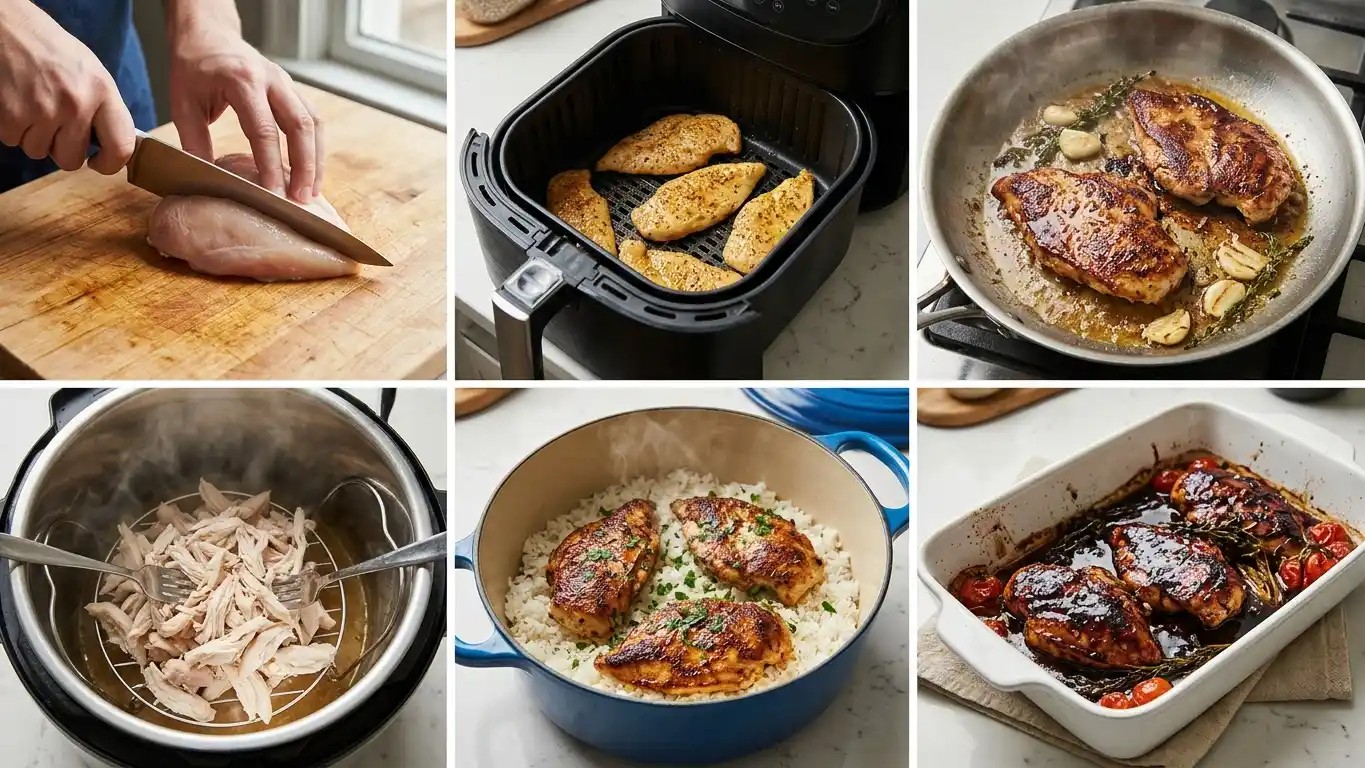
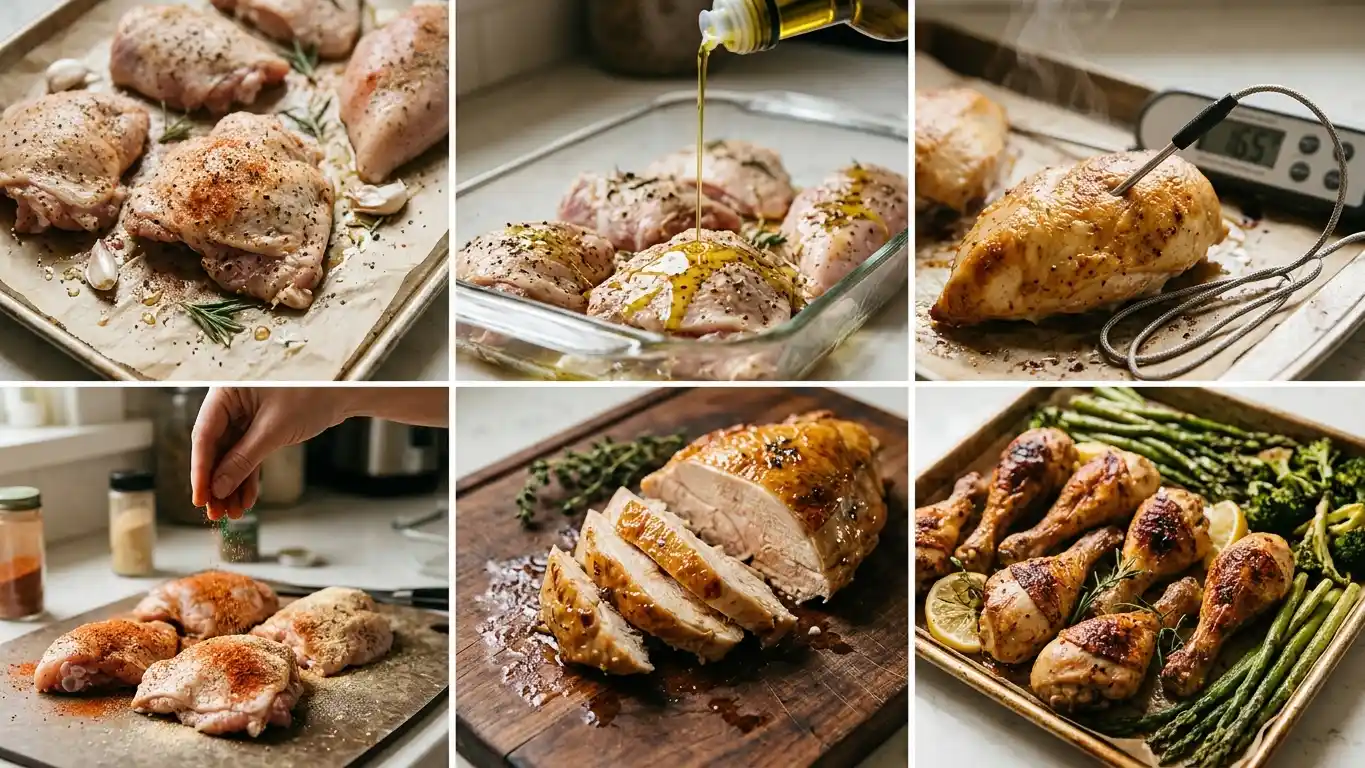
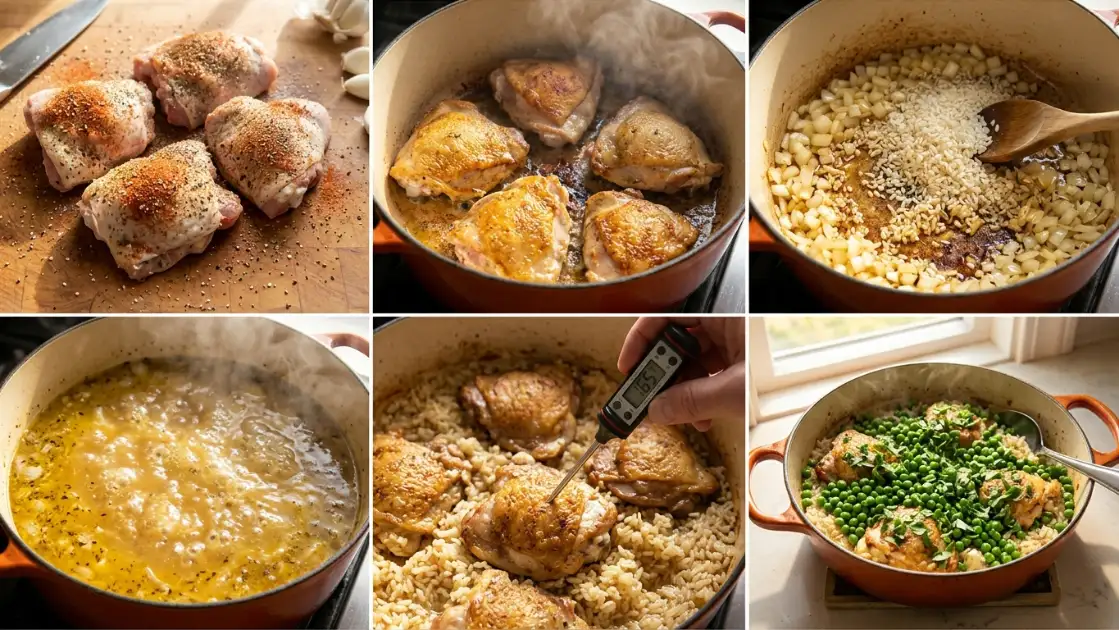
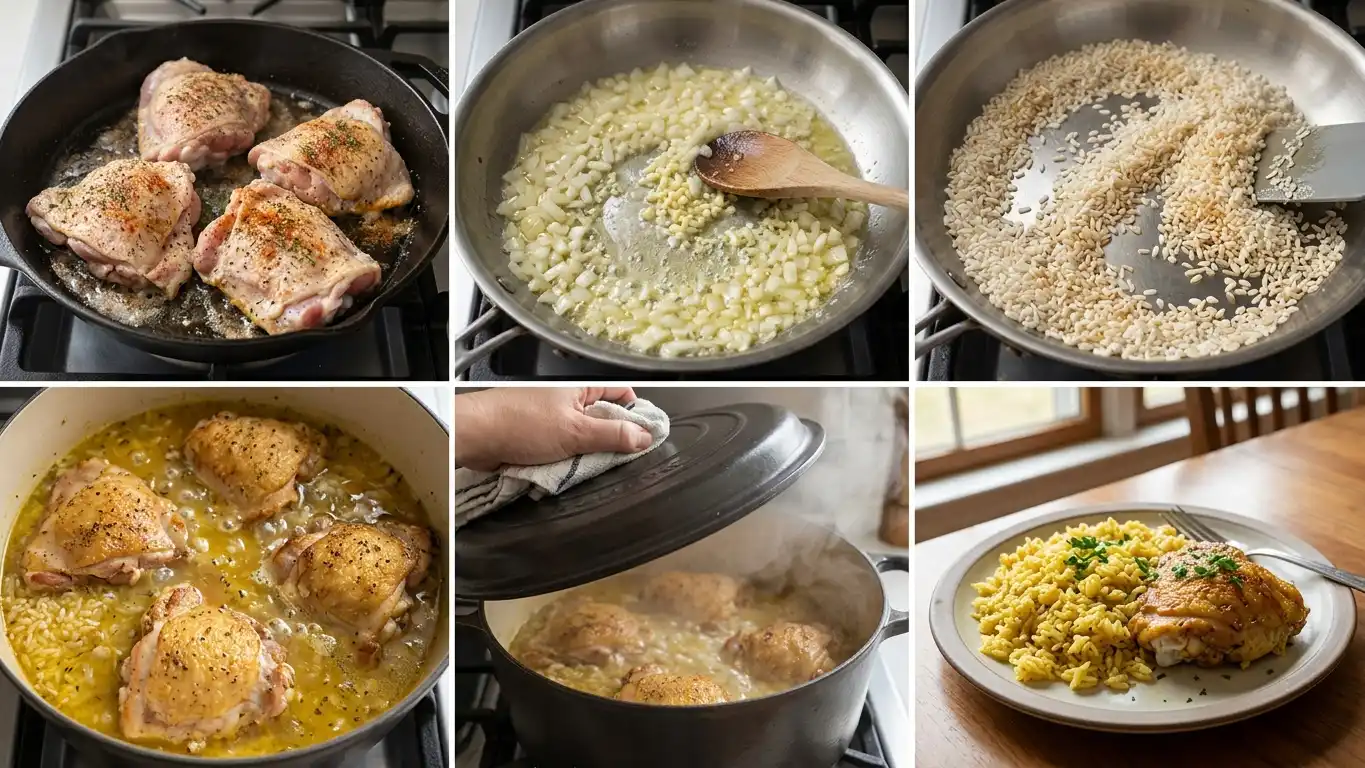
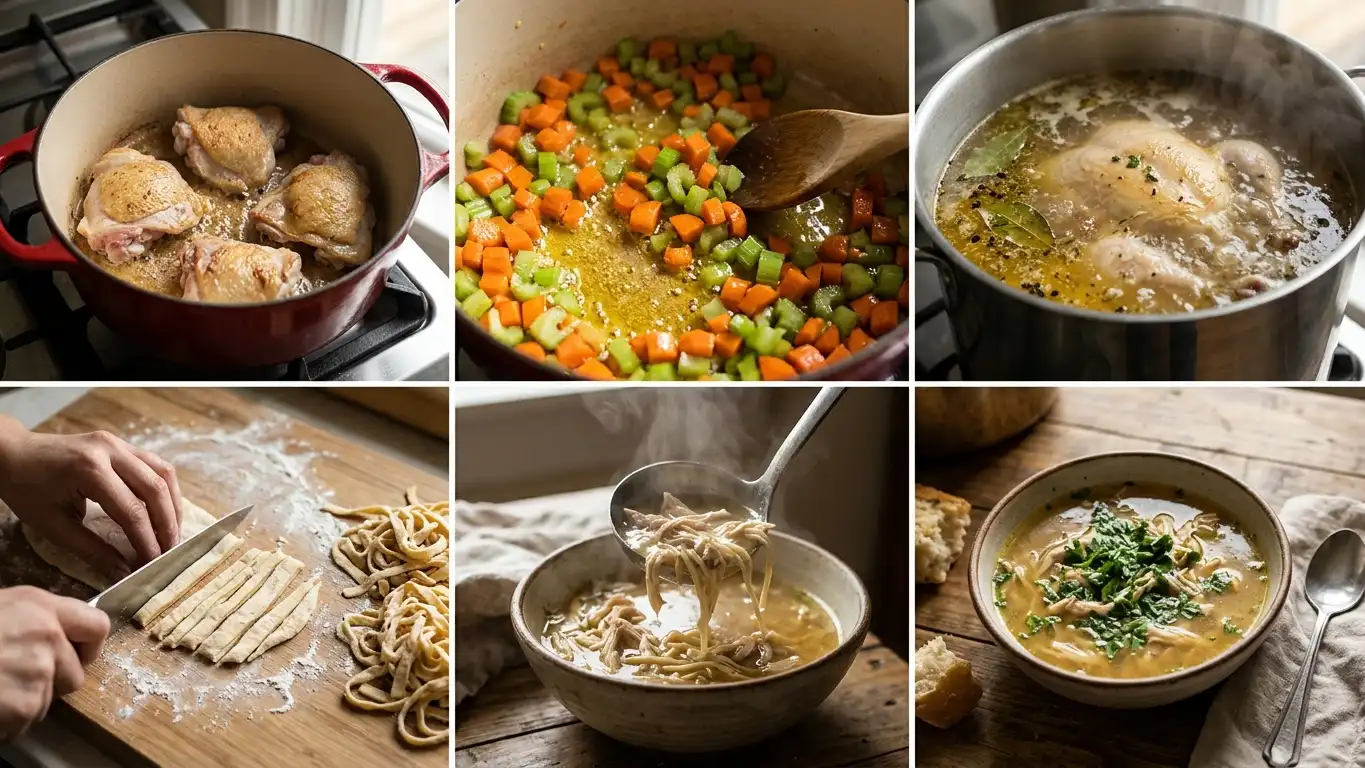
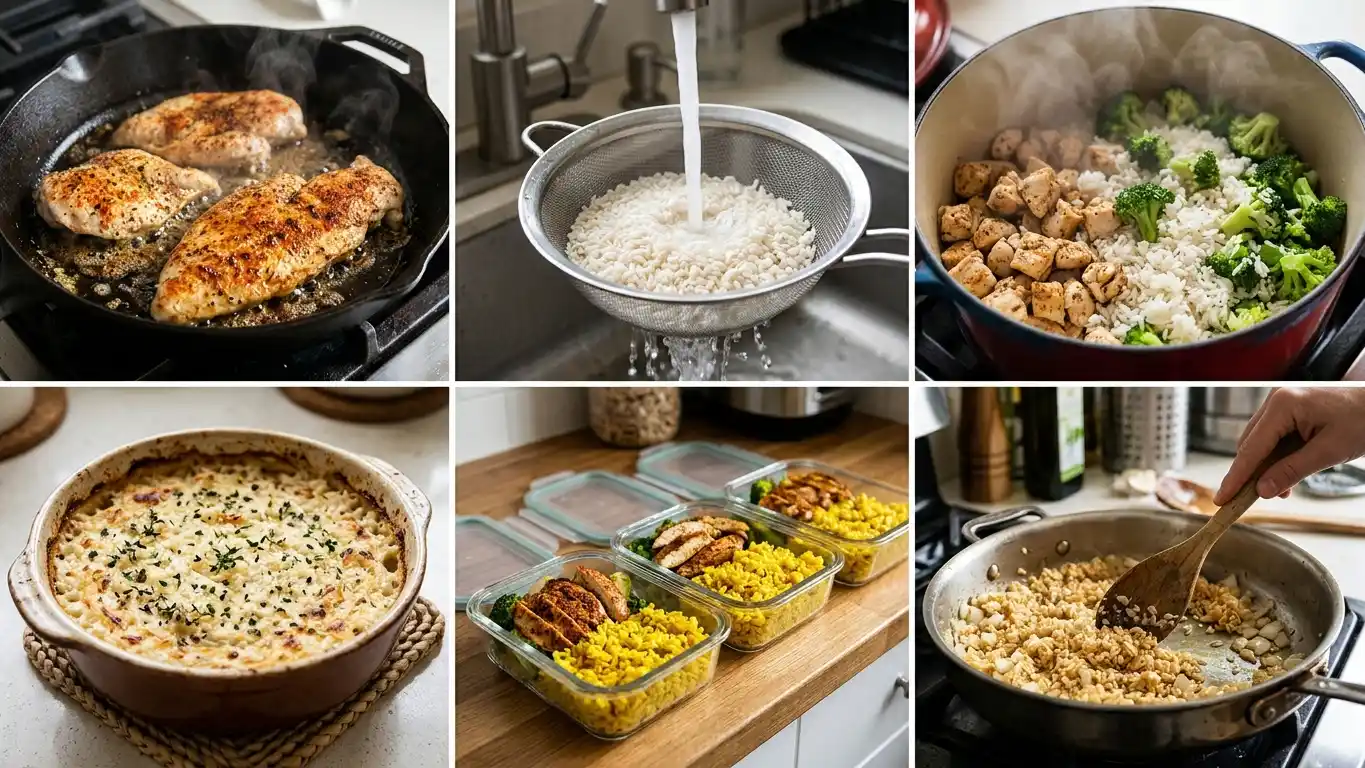
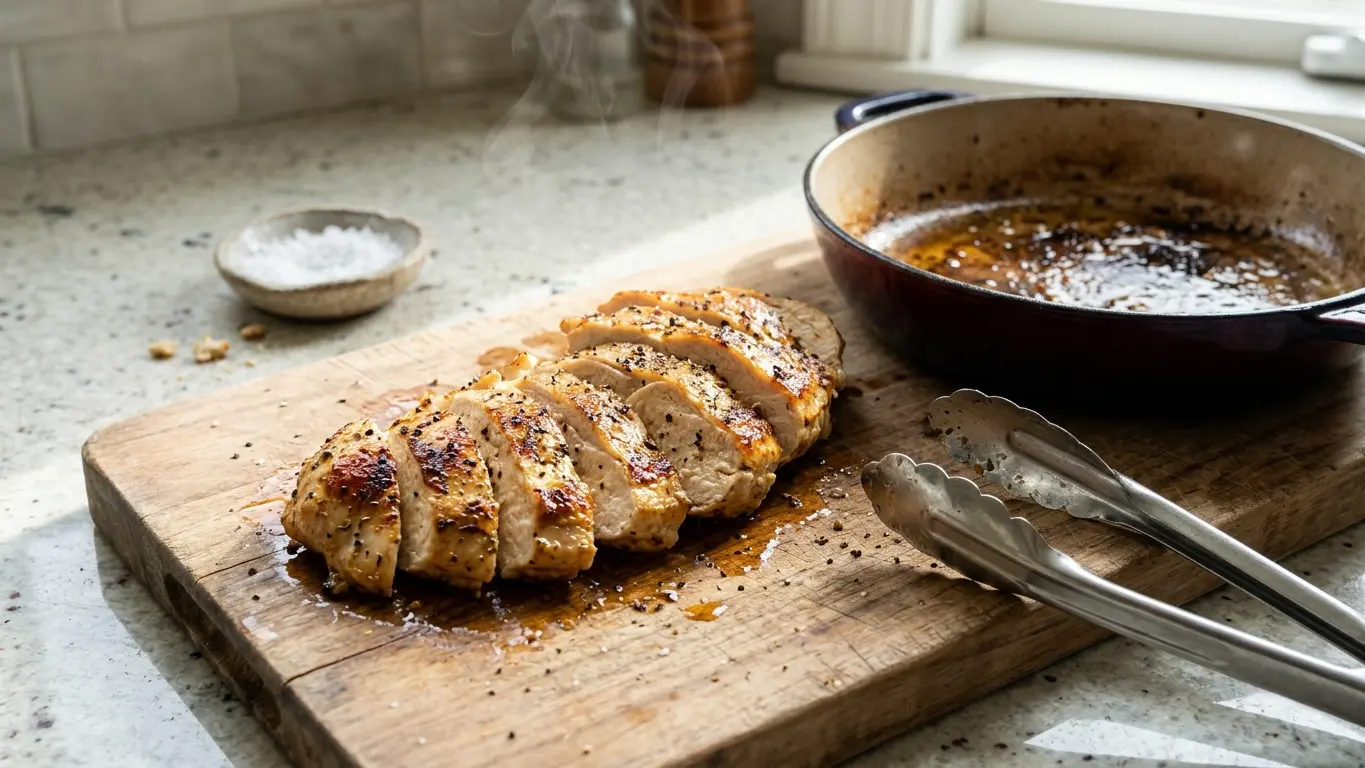
Sear the meat first in two tablespoons of fat over medium-high heat for three minutes per side. Pull the pieces out while the centers stay pink and translucent. Cook the starch in the seasoned drippings until tender. Return the meat to the surface during the final four minutes of resting off the burner. Residual trapped steam finishes cooking the meat gently to exactly 165 degrees without drying out the muscle fibers.
Skipping the Starch Rinse Before Cooking
Cloudy starch coating raw grains turns your skillet into glue. If you dump dry grains directly into hot broth, surface dust hydrates into an uneven paste that prevents moisture from reaching the center of each kernel.
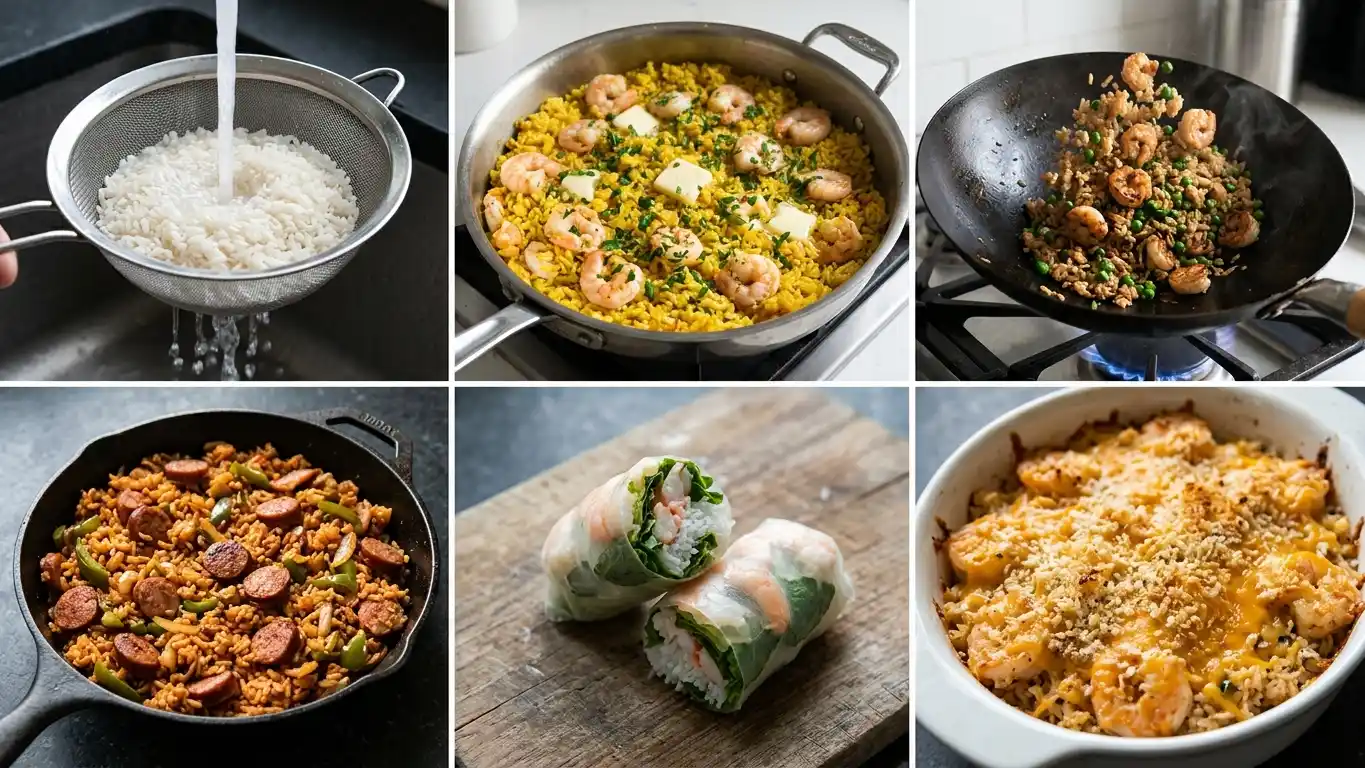
Place the dry grains inside a fine wire mesh strainer over the sink. Run cold tap water through the basket while stirring with your fingers for sixty seconds. Stop when the water draining from the bottom runs completely clear. Shake the strainer firmly against the sink wall to remove trapped droplets before toasting the grains in the skillet. This extra step keeps every single kernel separate and distinct.
Burning the Pan Base Before the Center Finishes
Thin aluminum cookware creates hot rings that scorch dry rice while leaving the center raw and crunchy. Light pans cannot distribute burner heat across the wide surface area needed for one-skillet meals.
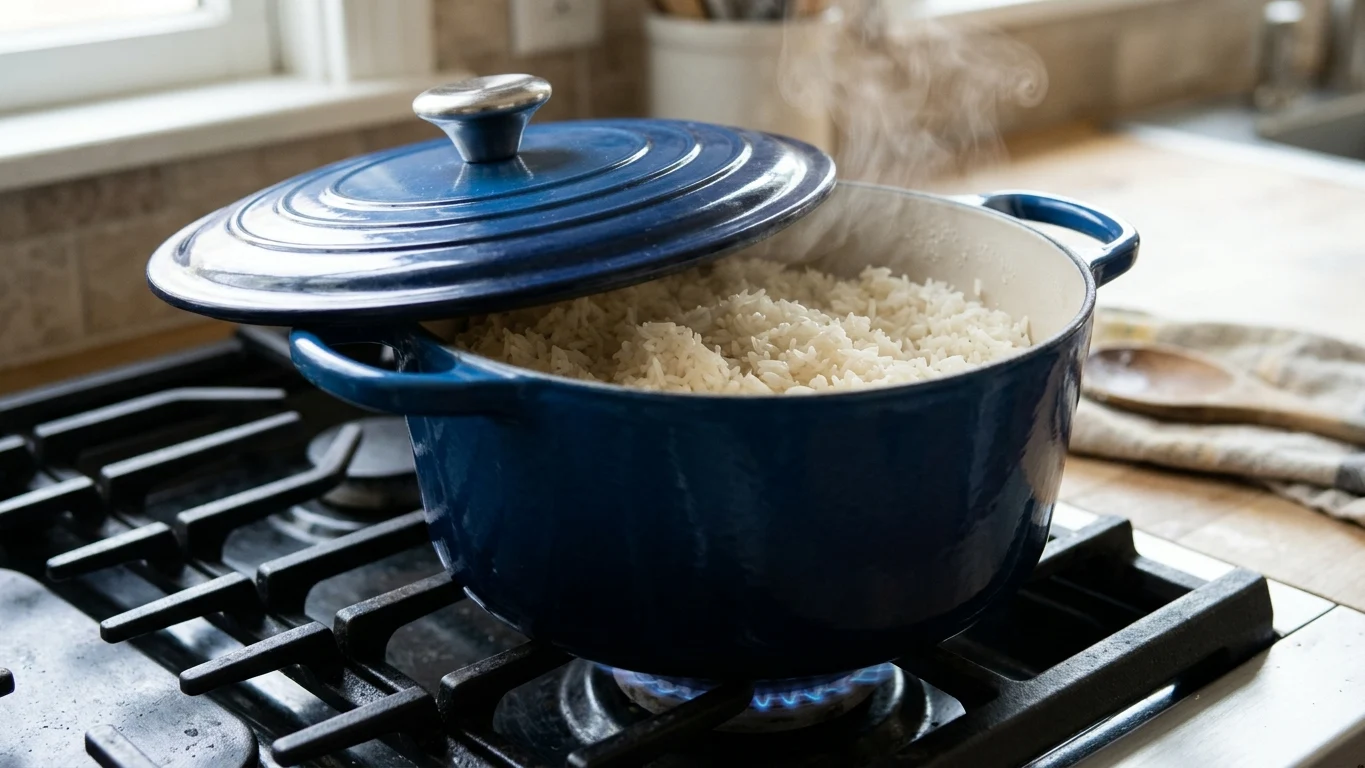
Swap light pans for a heavy enameled cast iron Dutch oven or a five-ply stainless steel skillet measuring twelve inches across. Heavy metal holds an even thermal mass across the base. Bring the liquid to a rolling boil over medium-high heat, drop the flame to the lowest simmer setting immediately, and clamp on a tight lid. Never lift the cover during the first fifteen minutes. Trapped steam cooks the upper layers while the thick bottom prevents charring.
Watery Skillets from Inaccurate Broth Ratios
Pouring liquid by eye leads to soggy, floating grains. White varieties require an exact 1 to 1.5 ratio by volume when simmered in a lidded skillet, not the 1 to 2 ratio printed on standard grocery bags.
Measure 2.25 cups of liquid for every 1.5 cups of rinsed white grains. Chopped vegetables and seared meats release natural juices as they heat, which contributes extra water to the pan. If you swap in brown rice, adjust the liquid up to 3 cups and lengthen the covered simmer time to forty-five minutes. Using low-sodium chicken broth instead of plain tap water adds savory depth without throwing off mineral levels.
Pale Color and Bland Meat from Missing the Sear
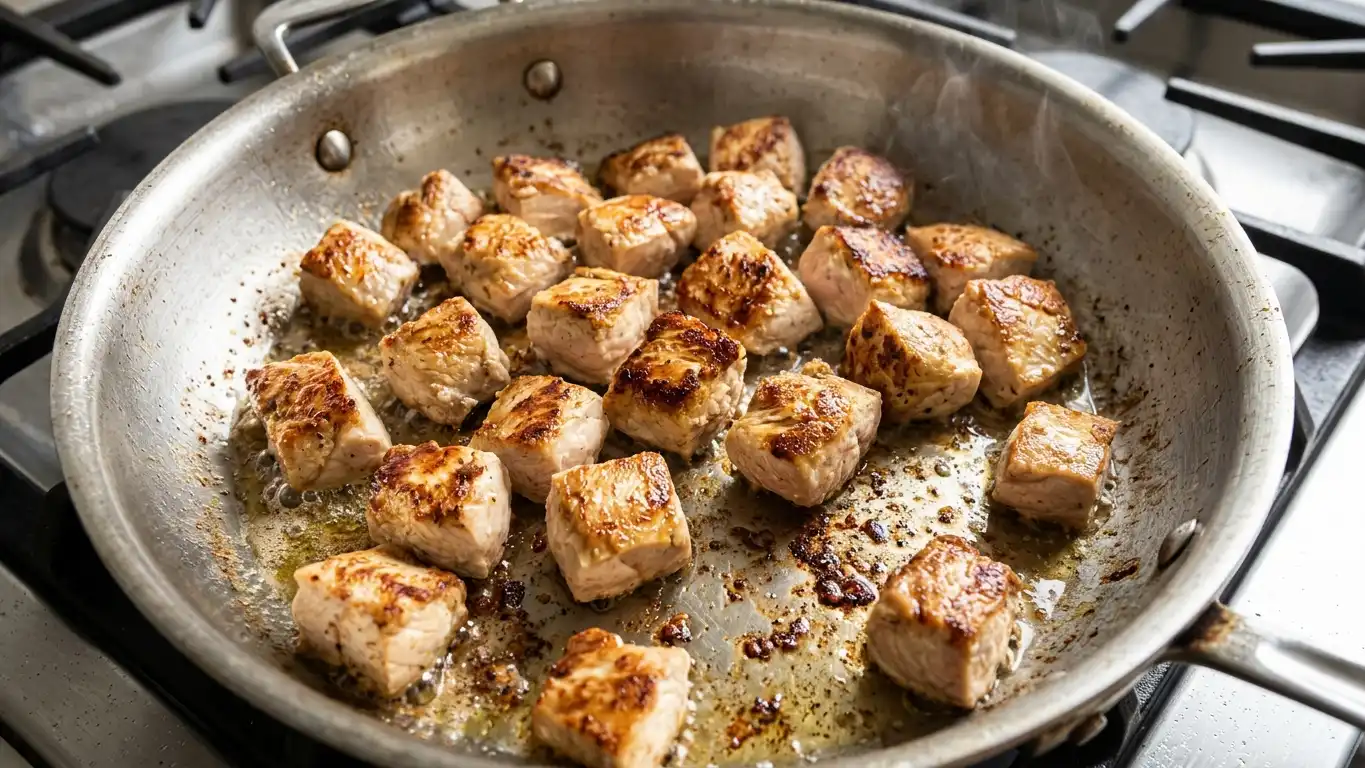
Boiled poultry looks grey and tastes dull because wet meat cannot reach the 300 degrees needed for the Maillard reaction. Crowding wet meat in a cool pan steams the exterior instead of browning it.
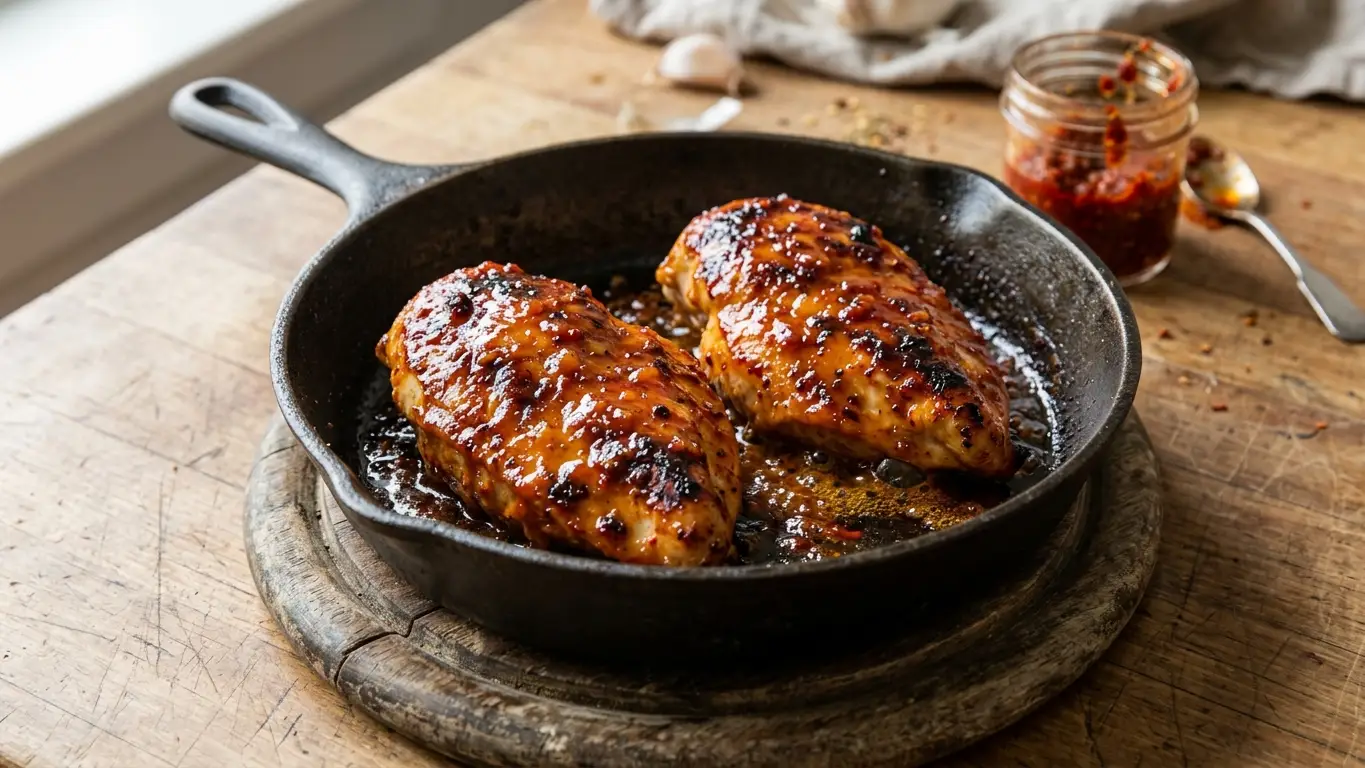
Pat the poultry thoroughly dry using paper towels before seasoning with salt, pepper, and garlic powder. Heat olive oil until it shimmers in the pan before laying the meat down in a single layer with space between each piece. Leave the pieces undisturbed for full contact with the metal until a deep golden crust forms. Those browned remnants left on the pan bottom dissolve into the simmering broth, seasoning the entire meal naturally.
Overcooked Vegetables from Early Pan Timing
Tossing tender produce into the pot at the start produces mushy florets and grey stems. Broccoli and fresh greens lose their structural integrity and bright chlorophyll after six minutes of sustained heat.
Keep chicken breast and rice and broccoli recipes vibrant by steaming the greens at the very end. Cut the broccoli florets into bite-sized pieces no larger than one inch. Scatter them over the surface of the simmering grains during the final five minutes of cooking. Put the lid back in place quickly. The rising steam softens the stems until tender-crisp while keeping the florets bright green.
Grainy Casseroles from High Heat Soup Bases
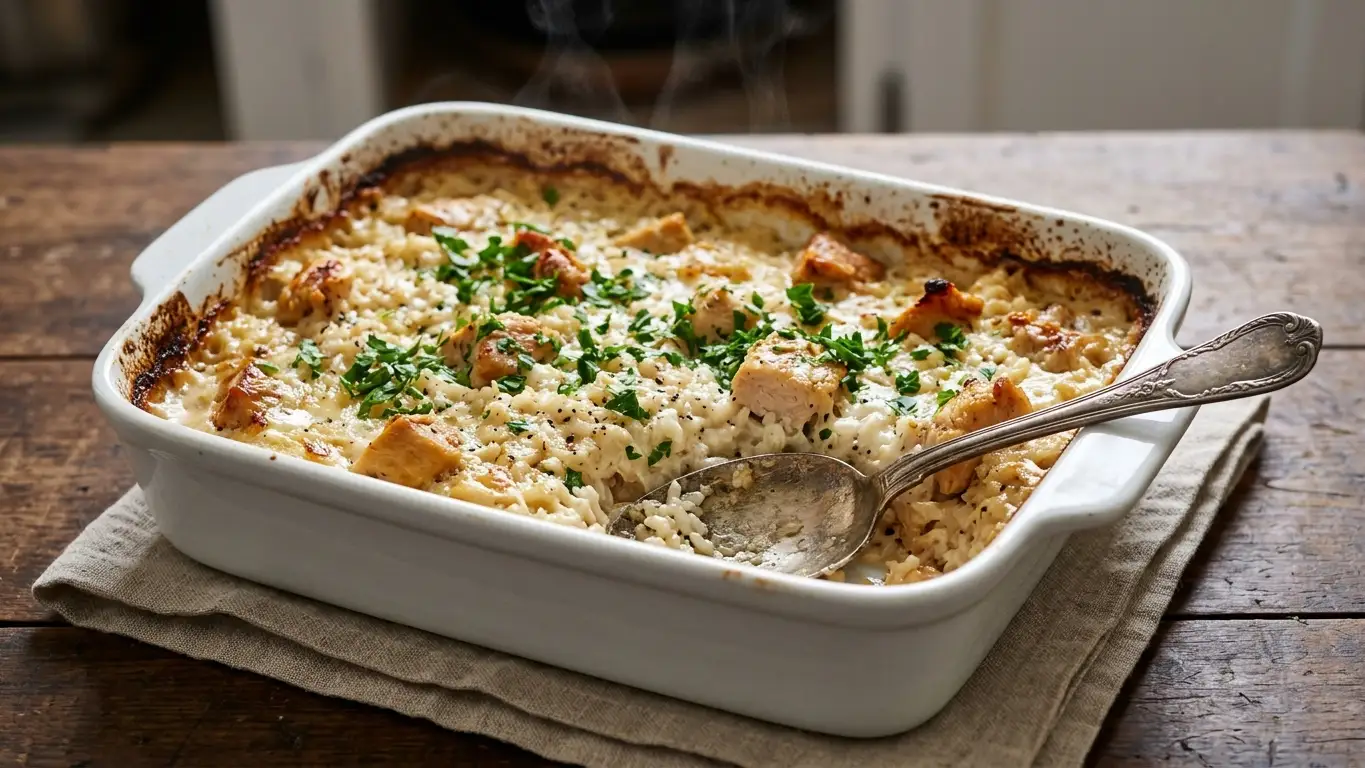
Casseroles made with condensed soups split into an oily, curdled mess if baked in an aggressive oven. High heat causes dairy proteins to seize, pushing water out and turning the sauce into a broken liquid.
Combine canned cream soup with warm broth and a whisk before pouring it over the uncooked grains. Bake at a moderate 350 degrees rather than 400 degrees. For baked chicken breast and rice recipes with cream of mushroom or celery, a two-quart ceramic baking dish insulates the dairy mixture better than thin metal pans. Cover the top tightly with two layers of aluminum foil to lock in steam and keep the sauce silky.
Flat Seasoning from Raw Spice Packets
Dumping dry seasoning powders into broth at the end leaves gritty spots and raw onion bite. Dehydrated allium flakes need oil and gentle heat to bloom their natural aromatic sugars before liquid enters the scene.
Empty your seasoning blend into warm fat right after removing the seared meat. When preparing chicken breast and rice recipes with onion soup mix, sauté the dry blend with two tablespoons of butter for sixty seconds over low heat. The dried onion pieces rehydrate in the fat and toast lightly without burning. Pour in the broth slowly while scraping the flavorful bits off the skillet floor.
Dense Casseroles from Unmeasured Casserole Baking
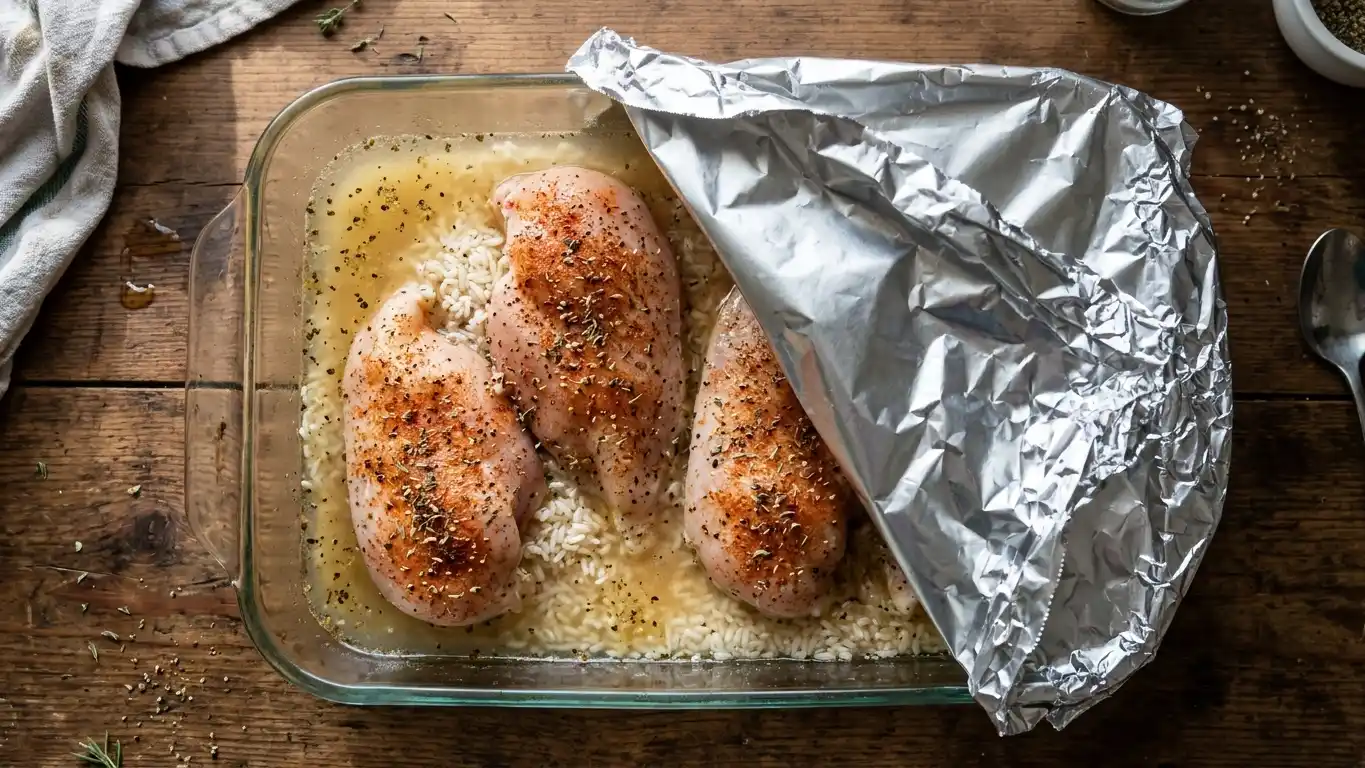
Baking pans that are too deep leave raw starch in the middle while the edges bake dry. Liquid pools unevenly in small, tall dishes, creating different cooking zones that ruin the texture.
Use a wide 9×13-inch glass or ceramic baking dish for baked chicken breast and rice recipes easy enough for busy weeknights. Spread the grains across the bottom in a flat, even layer no thicker than half an inch. Pour seasoned broth over the top until the starch sits submerged. Lay the seasoned poultry pieces across the top surface, seal the rim with foil, and bake at 375 degrees for 35 minutes until the liquid absorbs completely.
Overloaded Calories in Simple Meal Prep
Dumping heavy cheeses and oil into prep containers turns lean fuel into a calorie-dense brick. Many meal preppers ruin the health benefits of poultry by masking the blandness with excessive fats.
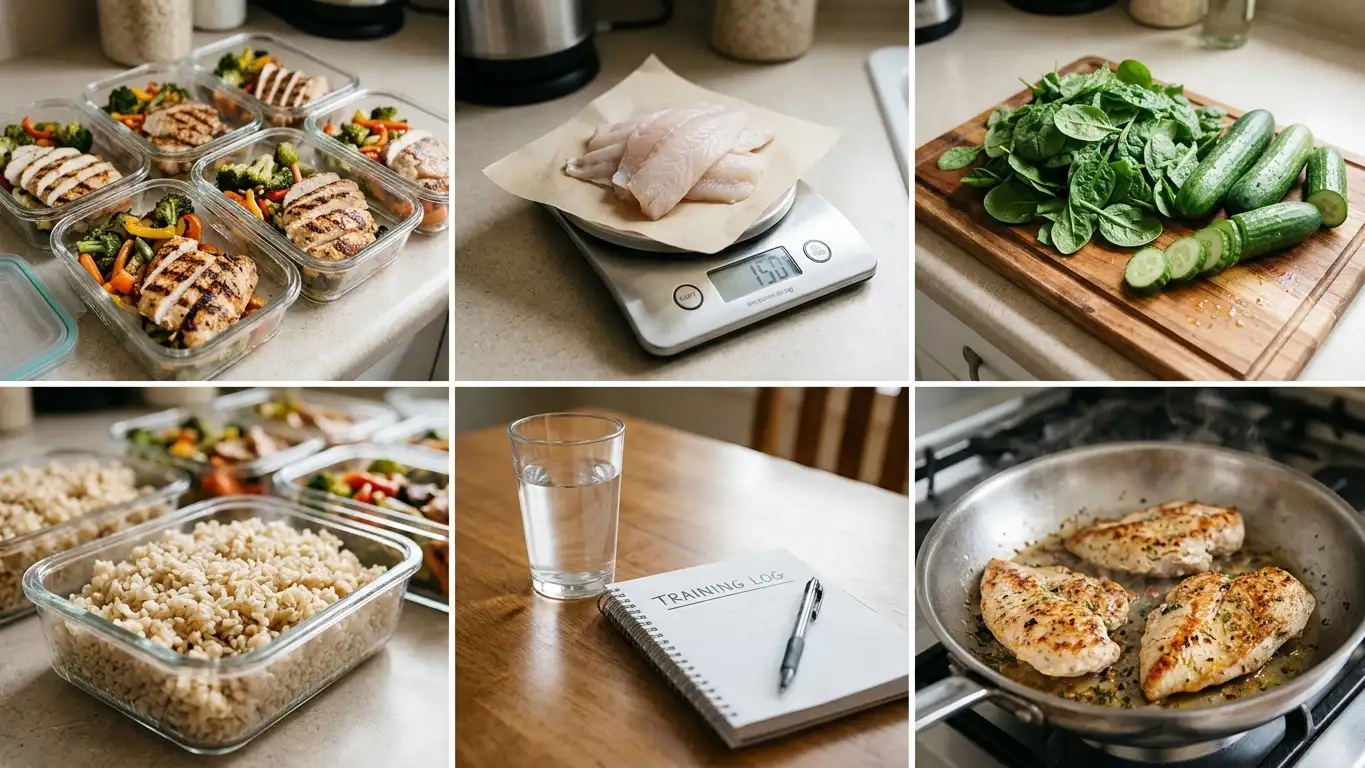
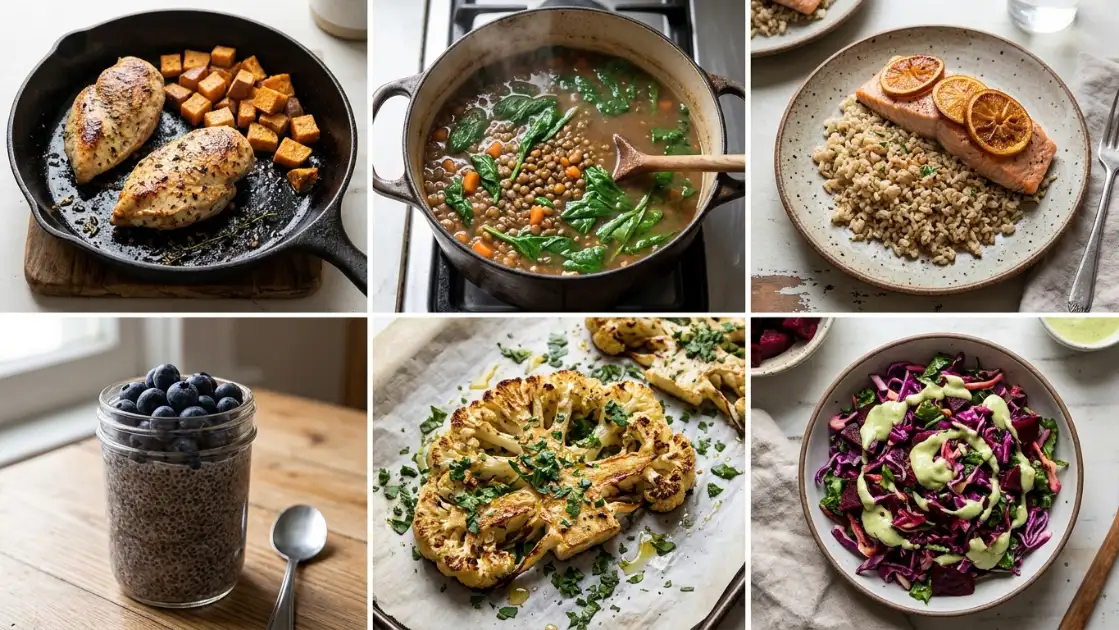
Focus on bold spice rubs and clean cooking methods for healthy chicken breast and rice recipes for weight loss. Rub the meat with smoked paprika, ground cumin, dried oregano, and kosher salt. Simmer the grains in vegetable stock with diced fire-roasted tomatoes and chopped bell peppers. You build satisfying meal prep bowls that deliver thirty grams of protein per serving without adding unnecessary oils or cheese blankets.
Rubbery Texture from Boiling the Meat
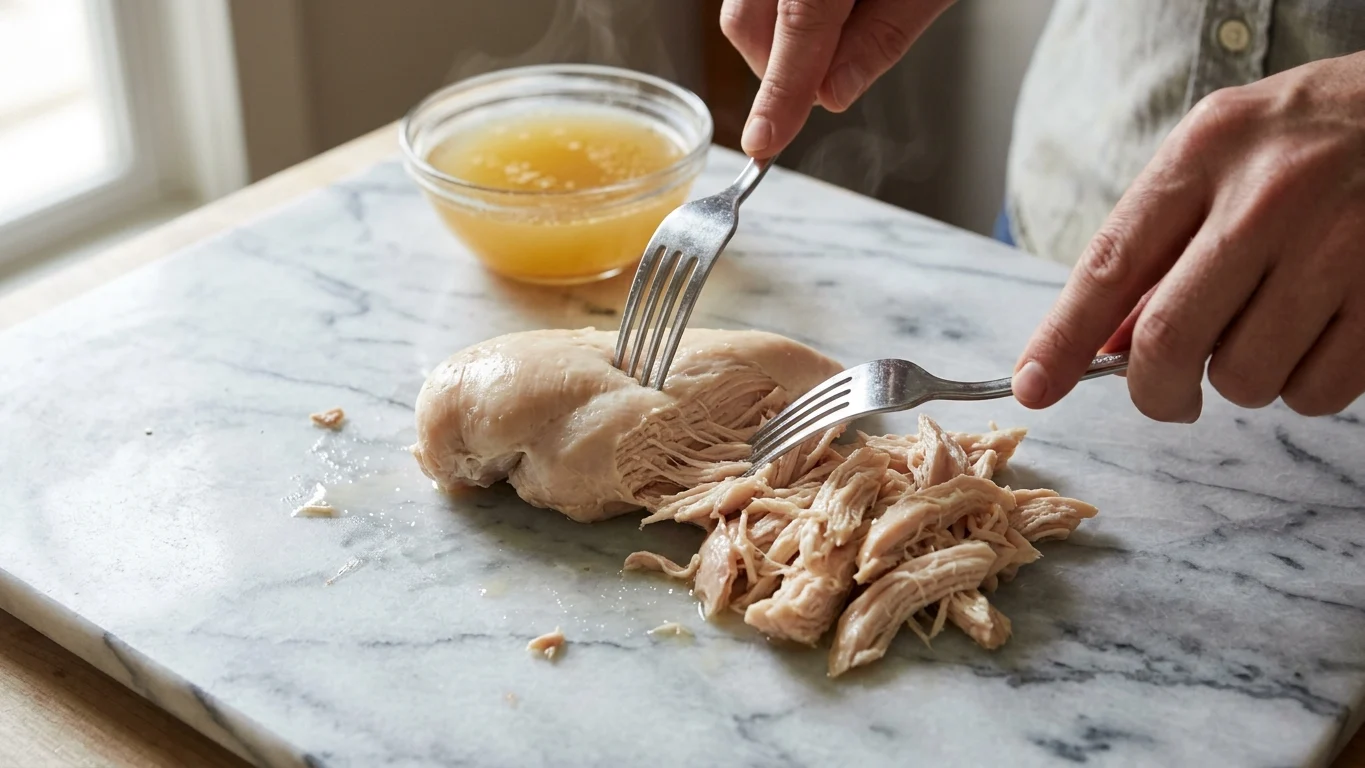
Boiling poultry over high heat tightens the proteins until all moisture squeezes out into the pot. Once those muscle fibers contract past their limit, no sauce can restore their tender bite.
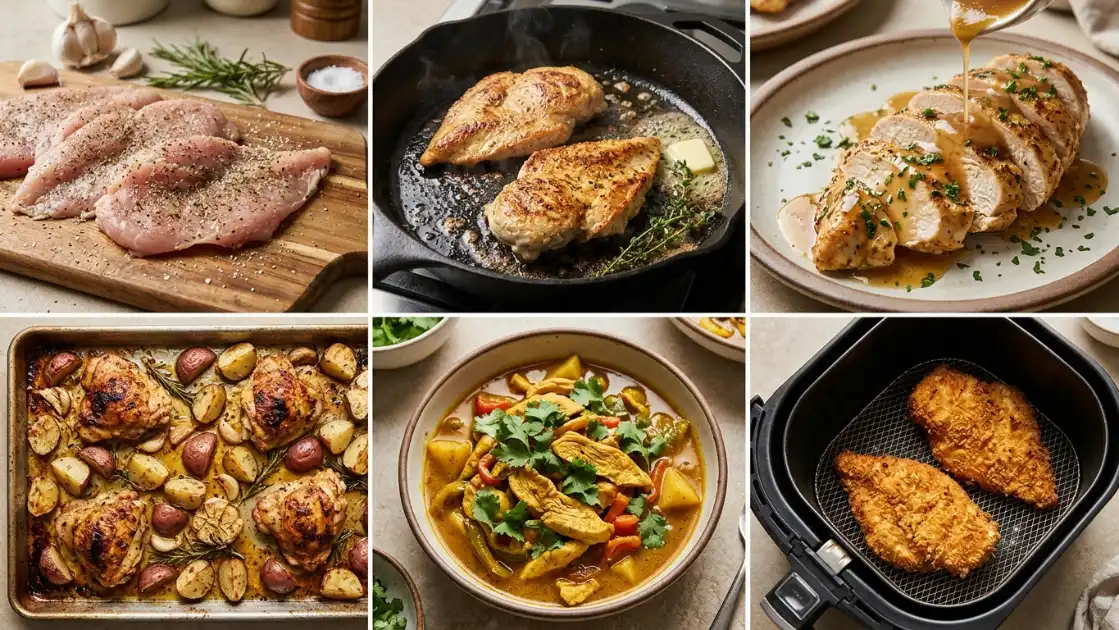
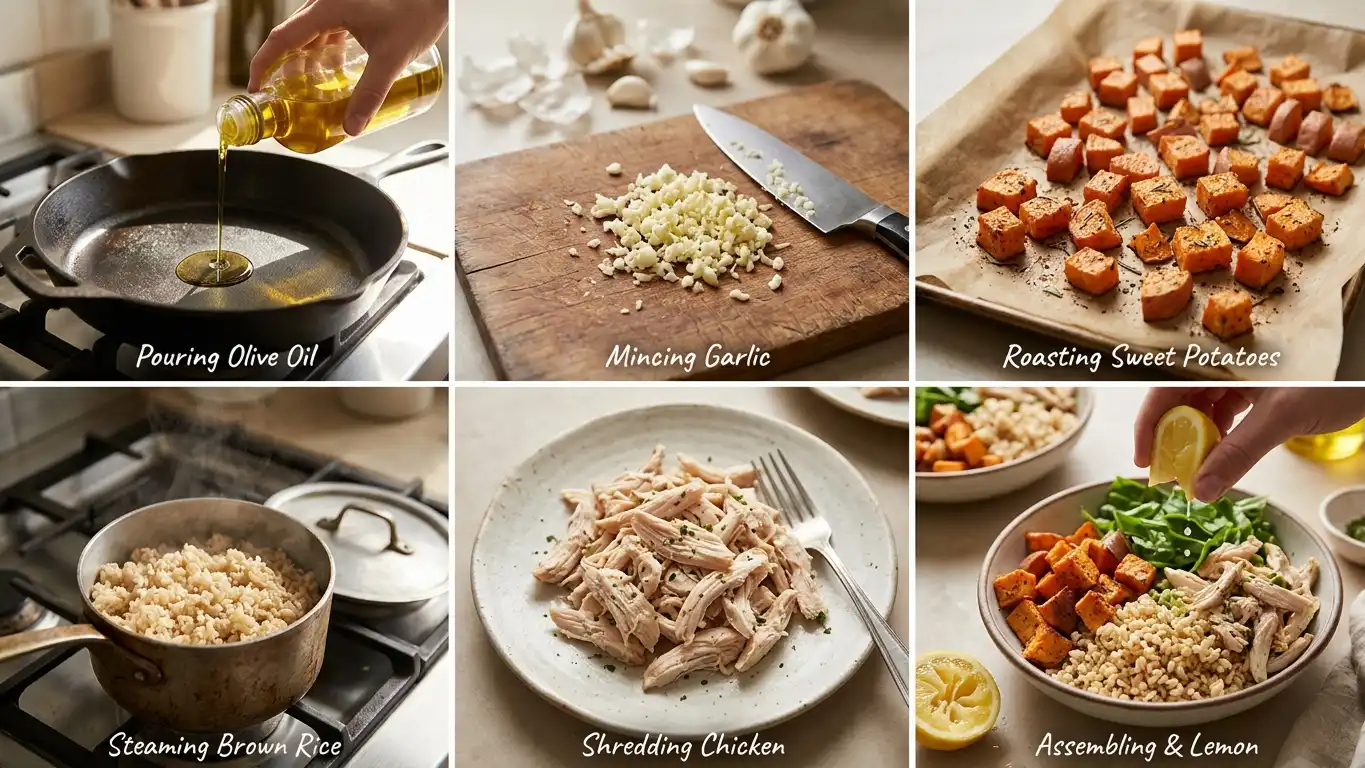
Poach the meat gently when building chicken breast and rice recipes healthy enough for light lunches. Bring the seasoned stock to a gentle simmer where small bubbles barely break the surface. Slide the chicken into the pot, reduce the burner flame to low, and cover with a lid. Let it poach for twelve to fourteen minutes until the thickest part registers 165 degrees on a digital meat thermometer. Shred the warm meat with two forks and fold it back into cooked rice.
Dull Flavor from Unseasoned Rice Bases
Seasoning only the meat leaves the starch tasting like plain cardboard. Rice acts like a sponge, absorbing whatever flavor is in the cooking liquid during the first ten minutes of simmering.
Toast the dry grains in olive oil with diced yellow onion and fresh minced garlic for three minutes before adding any liquid. The grains will turn an opaque chalk-white color and smell nutty. Pour in rich broth instead of water, and add a pinch of salt to the liquid. As the grains swell, they pull the savory aromatics into their cellular core, ensuring every bite tastes complete.
Undercooked Centers in One Pan Bakes
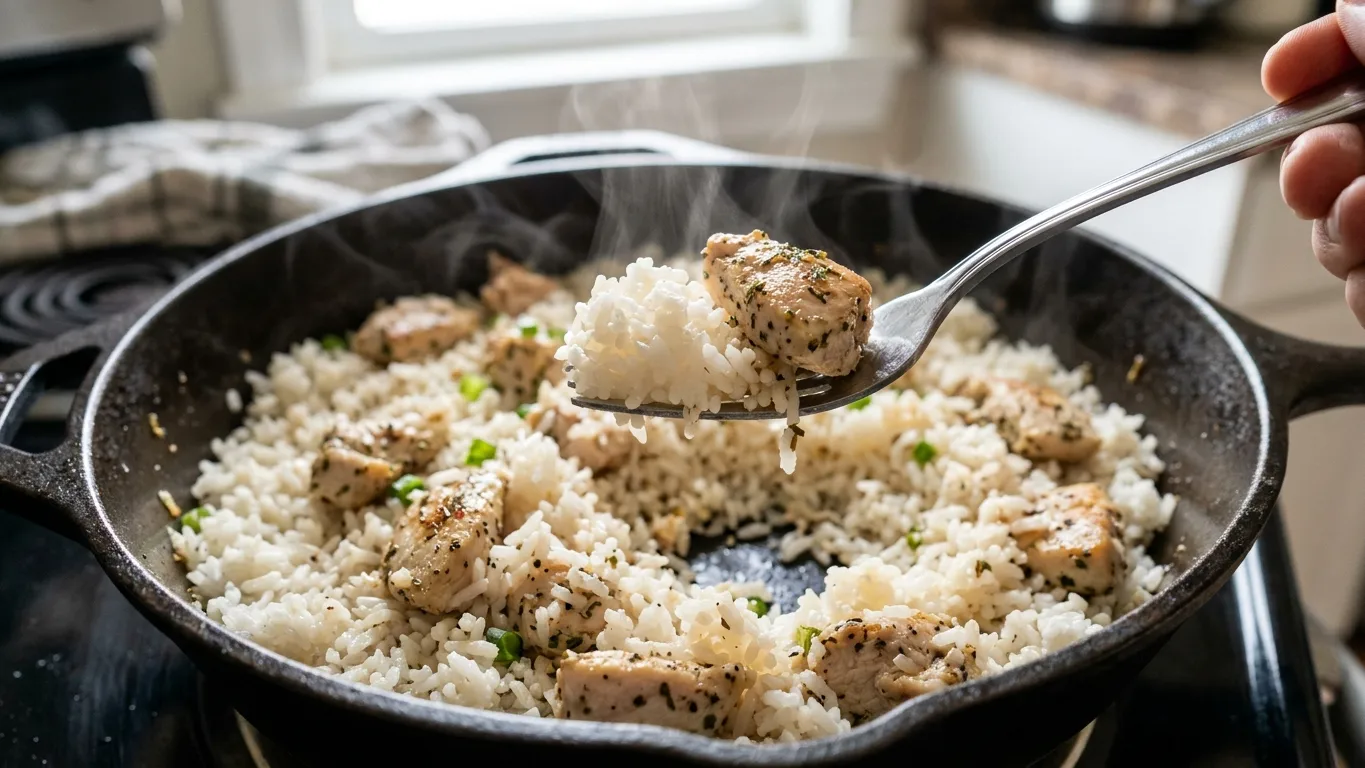
Pulling a dish from the oven too early leaves you with crunchy, half-cooked starch hiding under fully cooked meat. Checking only the poultry temperature tricks cooks into serving undercooked starch.
Test the center of the pan before turning off the oven. Slide a fork into the very middle of the baking dish and pull up a few grains. They should be soft, fluffy, and free of chalky white cores. If the grains still crunch, pour a quarter cup of boiling broth over the center, crimp the foil tightly back over the edges, and return the pan to the oven for an extra eight minutes.
Freezing Cooked Dishes Incorrectly
Freezing dairy-heavy rice bakes ruins their texture, turning the starch into mush and separating the sauce upon thawing. Ice crystals rupture the swollen grains during long freezer storage.
Freeze the components separately or stick to broth-based formulas without dairy. Portion the cooked meat and grains into airtight glass containers, leaving a half-inch of space at the top for expansion. Cool completely in the refrigerator before transferring to the freezer. Reheat directly in a covered skillet over medium-low heat with two tablespoons of fresh water to restore moisture to the grains.
Problem | What Causes It | What to Do Instead
Dry, stringy poultry | Simmering lean meat with raw grains for 20+ minutes | Sear meat first, remove, and return during the final 4 minutes of resting
Mushy, gluey starch | Starch dust left on unrinsed grains | Rinse under cold tap water in a fine mesh sieve until runoff is clear
Scorched pan bottom | Thin pans concentrating heat directly over the flame | Use a heavy 12-inch enameled cast iron pan on low simmer
Frequently Asked Questions
Can I substitute brown rice directly into these skillet recipes?
No, brown varieties require an additional 0.75 cups of liquid per cup of grain and double the cooking time. If you swap without adjusting, the liquid will vanish while the bran layer remains hard and uncooked.
Why does my poultry turn rubbery in the slow cooker?
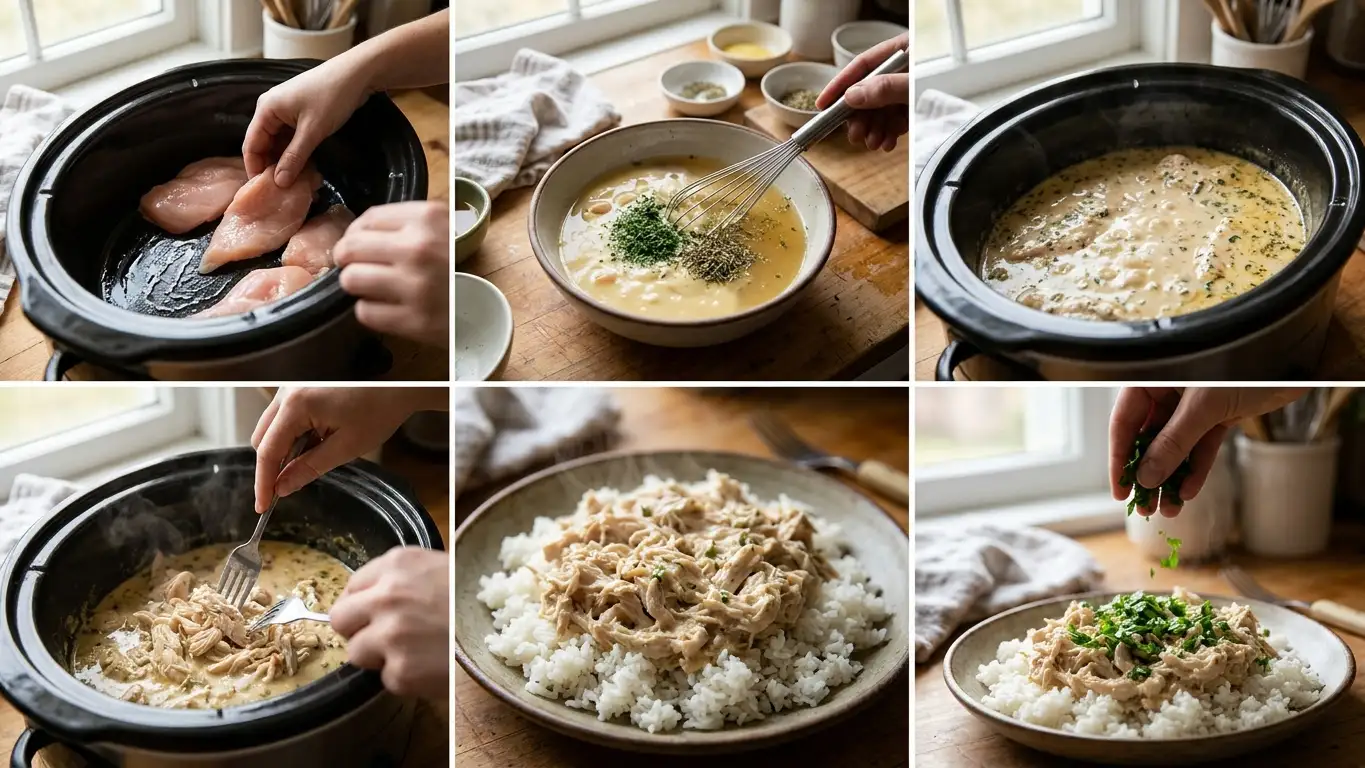
Lean breast meat contains almost no connective tissue or collagen to break down over long hours. Cooking it on low heat past four hours dries out the protein fibers, so stick to skillet or oven methods instead.
How do I store leftover chicken and rice safely?
Cool leftovers quickly and place them into sealed containers in the refrigerator within two hours of cooking. Consume within four days, reheating to 165 degrees to prevent foodborne bacteria from growing on the starch.
Can I use frozen chicken cutlets straight in the pan?
Never cook frozen cutlets directly with dry grains. The ice melts into extra water that makes the starch soggy, while the poultry exterior overcooks long before the frozen interior reaches a safe temperature.
Preventing the Costly Mistake of Overcooking Meat
The single mistake that costs home cooks the most time and money is throwing away batches of dry, leathery poultry. When lean meat simmers alongside slow-cooking grains, it dries out fast. You can avoid wasting groceries by buying an inexpensive instant-read digital food thermometer, which costs around 15 dollars in 2026. Pull the meat from the heat the exact second the internal temperature hits 162 degrees, as carryover heat will finish the job to 165 degrees while it rests. Keeping your poultry tender and your grains distinct makes this versatile dinner a regular weeknight win.