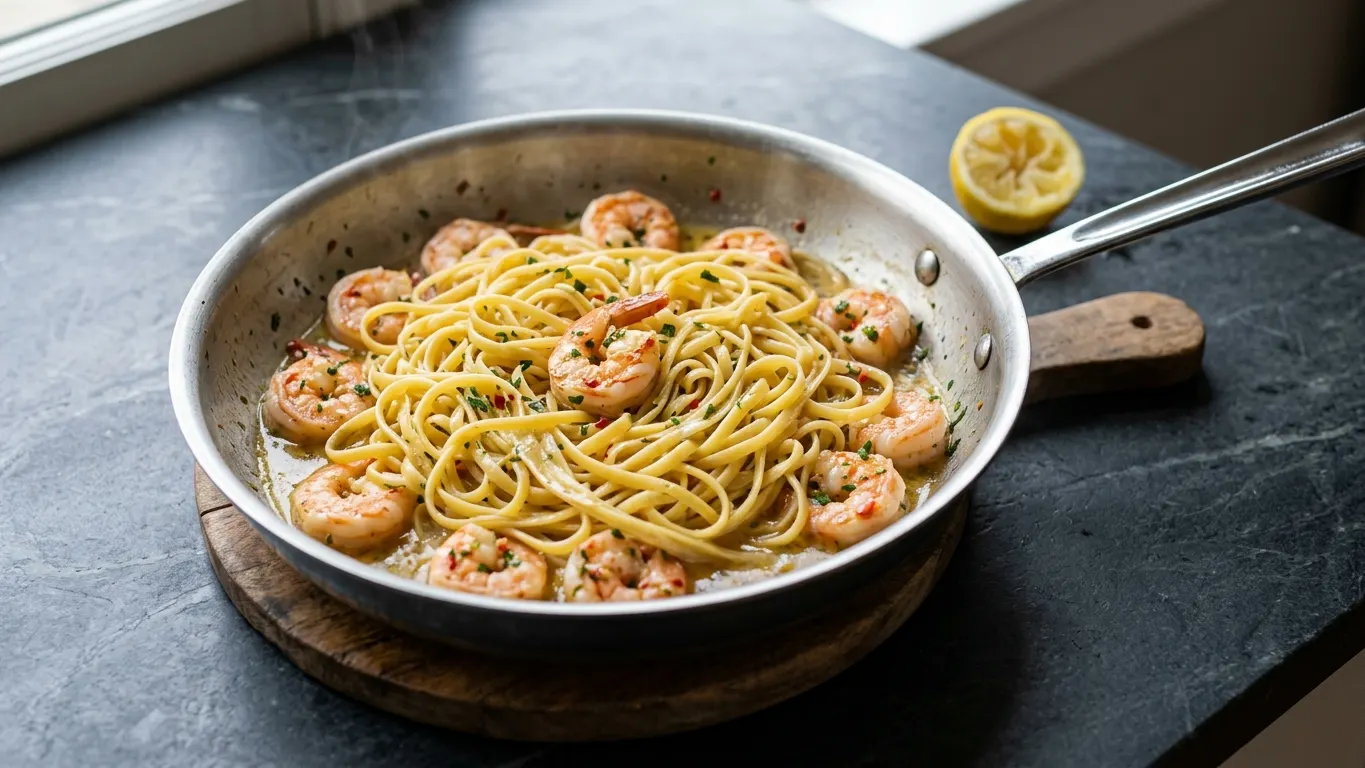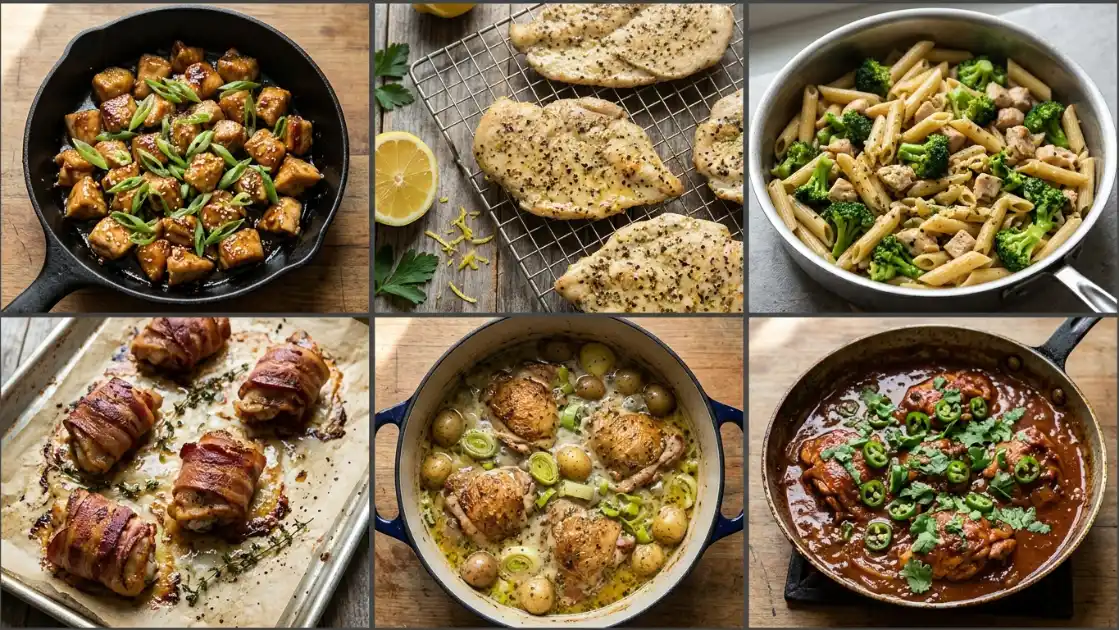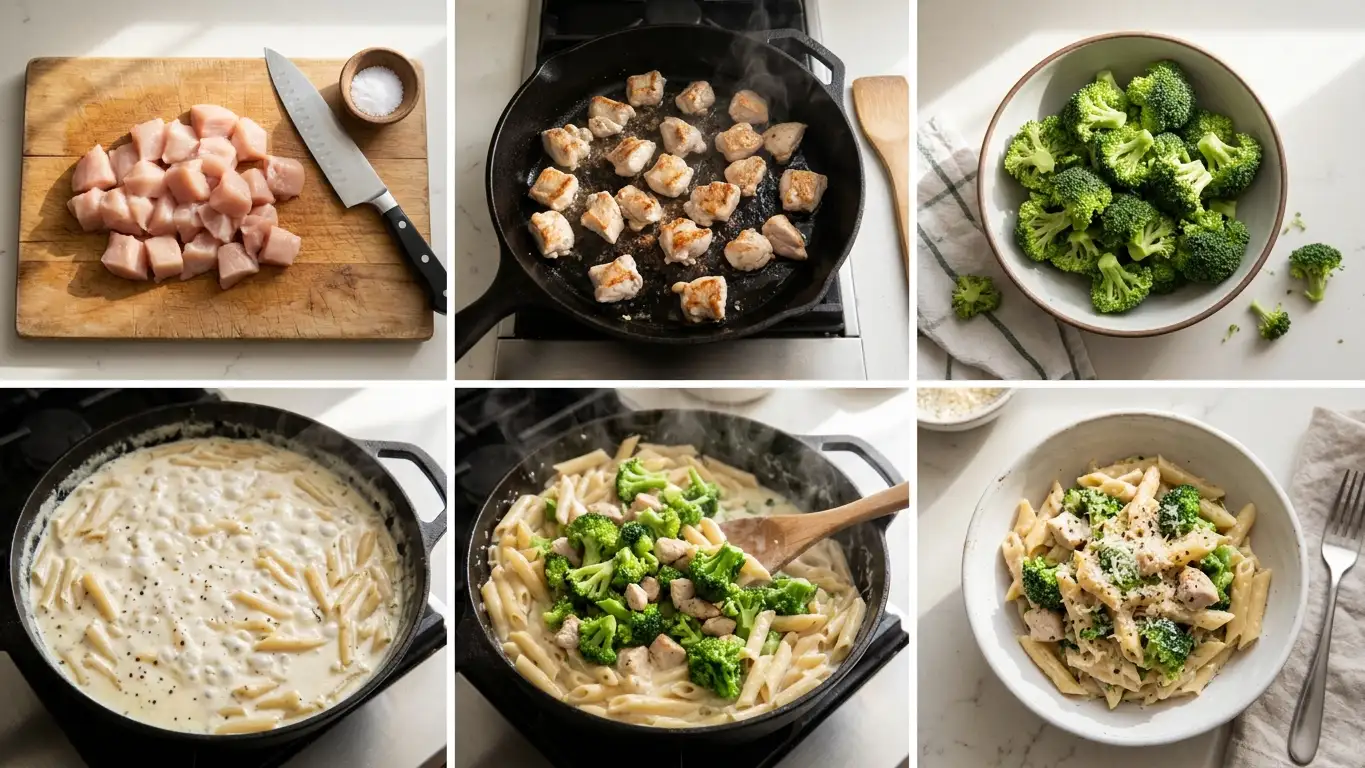


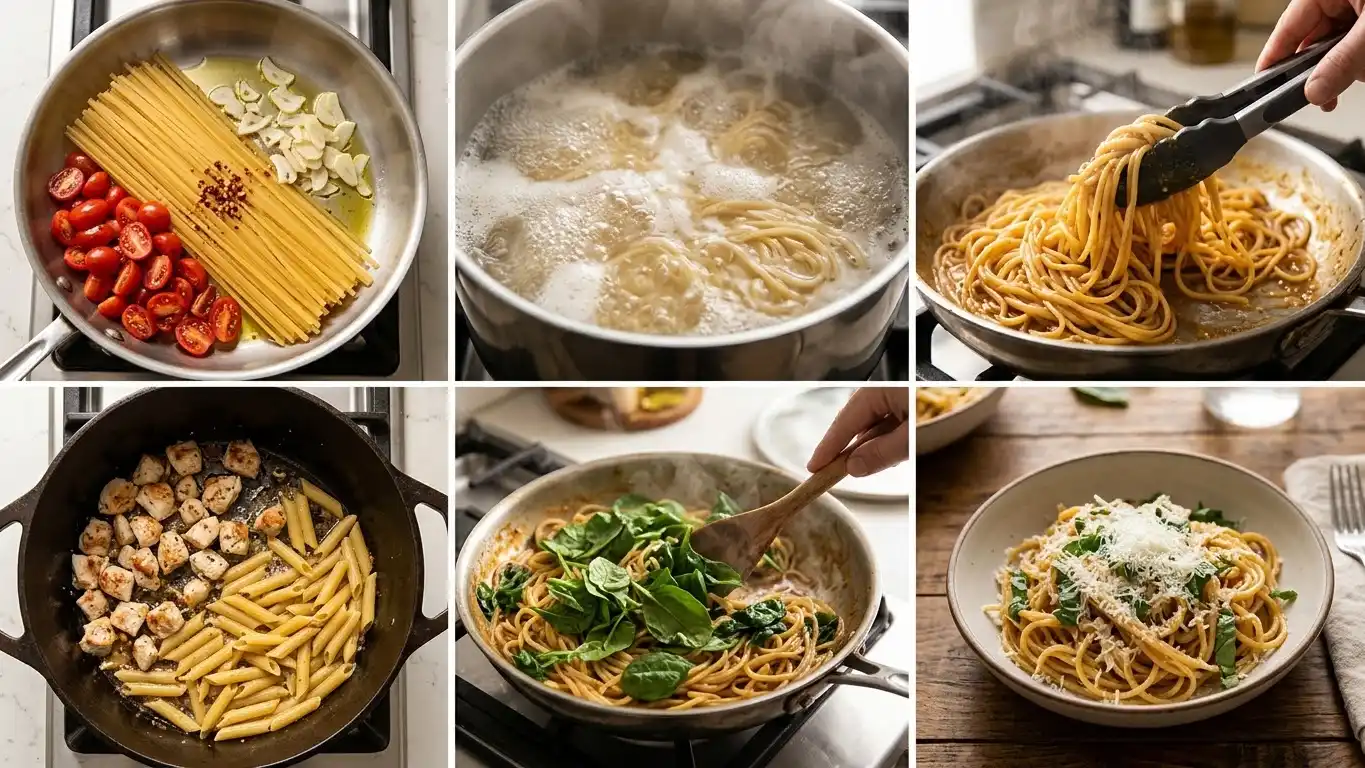
Building one pot pasta recipes relies on a specific starch extraction process. Boiling dry noodles directly in a measured amount of liquid forces the wheat to release starch into the pan. As the water evaporates that starchy liquid binds with oil and vegetables to create a thickened glaze. You never drain the water.
Prep time 10 minutes
Cook time 20 minutes
Total time 30 minutes
Servings 4
Allergy caution. If cooking for those with celiac disease use certified gluten free noodles and increase the liquid by half a cup.
Ingredients
- 12 ounces dry linguine
- 4 1/2 cups cold water
- 12 ounces cherry tomatoes cut in half
- 1 large yellow onion sliced thin
- 4 cloves garlic shaved
- 2 tablespoons extra virgin olive oil
- 2 teaspoons kosher salt
- 1/2 teaspoon crushed red pepper flakes
- 2 sprigs fresh basil
The Science Of Boiling Starch And Sauce Together

Liquid Ratios For Dry Noodles
Getting the liquid volume right determines whether your dinner turns into soup or a dry burned mess. The standard ratio calls for four and a half cups of water for every twelve ounces of dry linguine. Measuring the water precisely matters more here than in traditional boiling.
If you drop the pasta amount to eight ounces you need to reduce the water to exactly three cups.
Weigh your dry ingredients carefully since eyeballing the amount throws off the strict liquid ratio.
Why Frequent Stirring Matters
Leaving the skillet alone causes the noodles to fuse into a solid block at the bottom of the pan. You need a pair of silicone tipped tongs to turn the strands every two minutes.
This constant motion scrapes the released starch off the exterior and mixes it into the simmering water. That mechanical action builds the heavy texture of the final glaze.
Keep a cup of boiling water nearby to thin the sauce if the pan dries too fast.
Essential Pans For One Pot Pasta Recipes
Wide Shallow Skillets
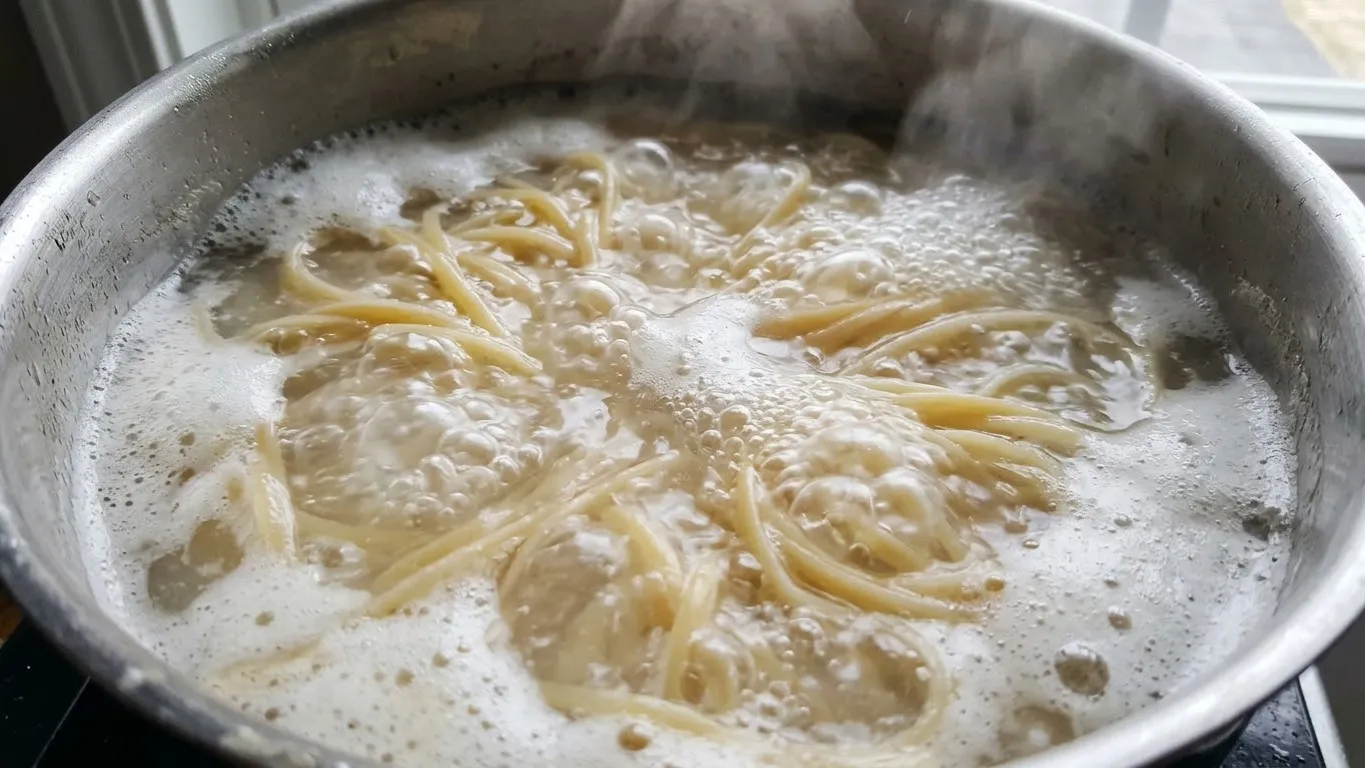
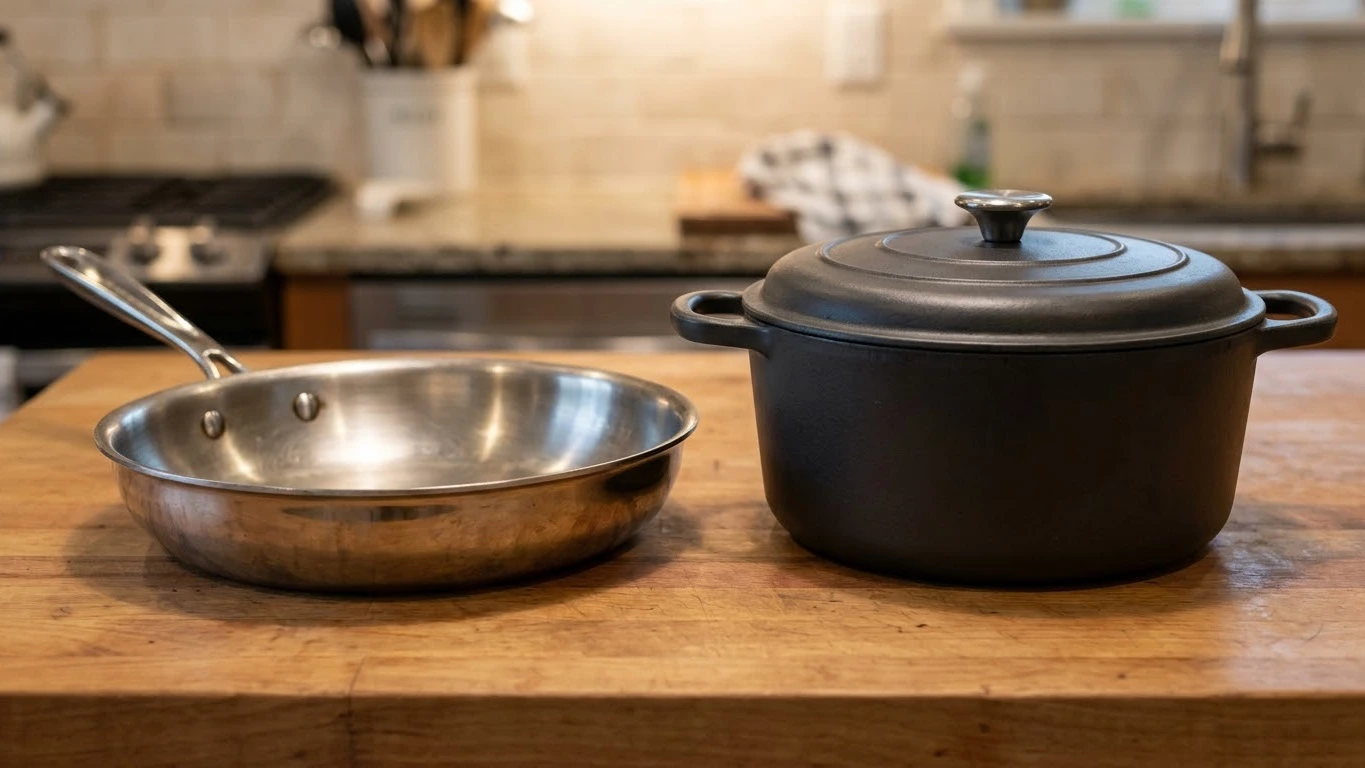
Surface area controls how fast the water evaporates. A twelve inch stainless steel skillet provides the exact width needed to lay spaghetti flat without snapping the strands. Expect to spend around eighty dollars in 2026 for a heavy tri-ply pan that distributes heat evenly.
Deep stock pots trap too much moisture. The liquid will not reduce fast enough and the noodles will overcook before the sauce thickens.
Deep Dutch Ovens
When cooking shorter shapes like penne or macaroni a five quart enameled cast iron pot works better than a skillet. The taller walls catch splattering tomato juice while holding a steady rolling boil.
Bring the liquid to a rapid bubble before dropping the heat to a medium simmer. Heavy cast iron holds thermal mass so it recovers temperature instantly after cold ingredients hit the water.
Heavy bases prevent scorched garlic before the water comes to a boil.
Building Flavor Without Sautéing First
Loading The Cold Pan
The original viral technique mirrors one pot pasta recipes martha stewart popularized ten years ago. You place raw onions and garlic flat against the cold metal before pouring the water over them.
As the pan heats the vegetables release their aromatic oils directly into the warming liquid. This extracts a milder flavor than frying them in hot oil.
Working With Meat Ingredients
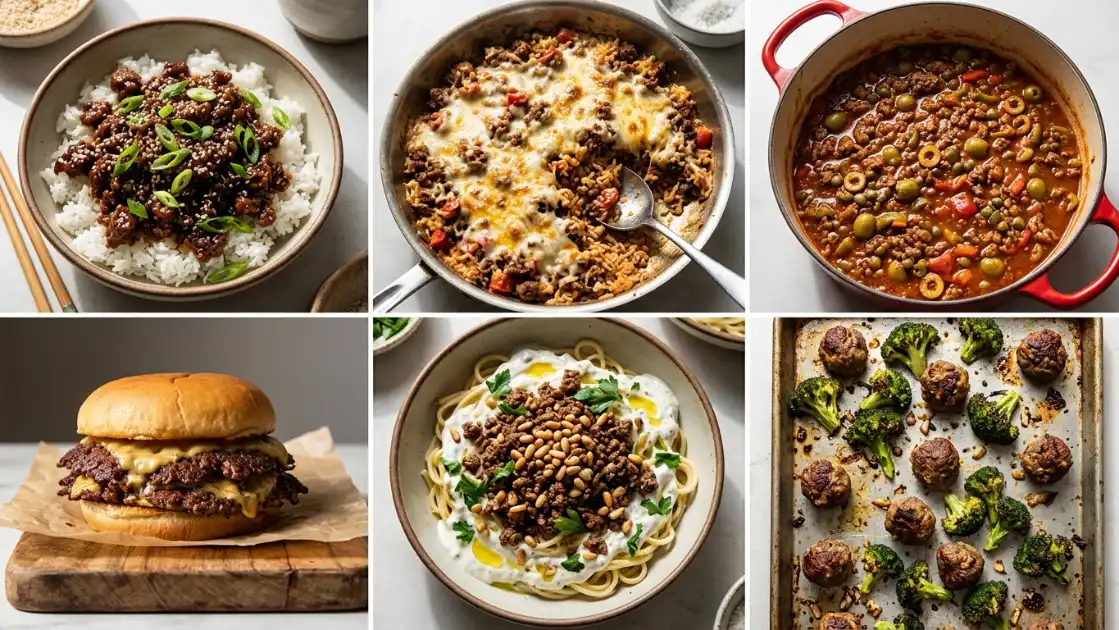
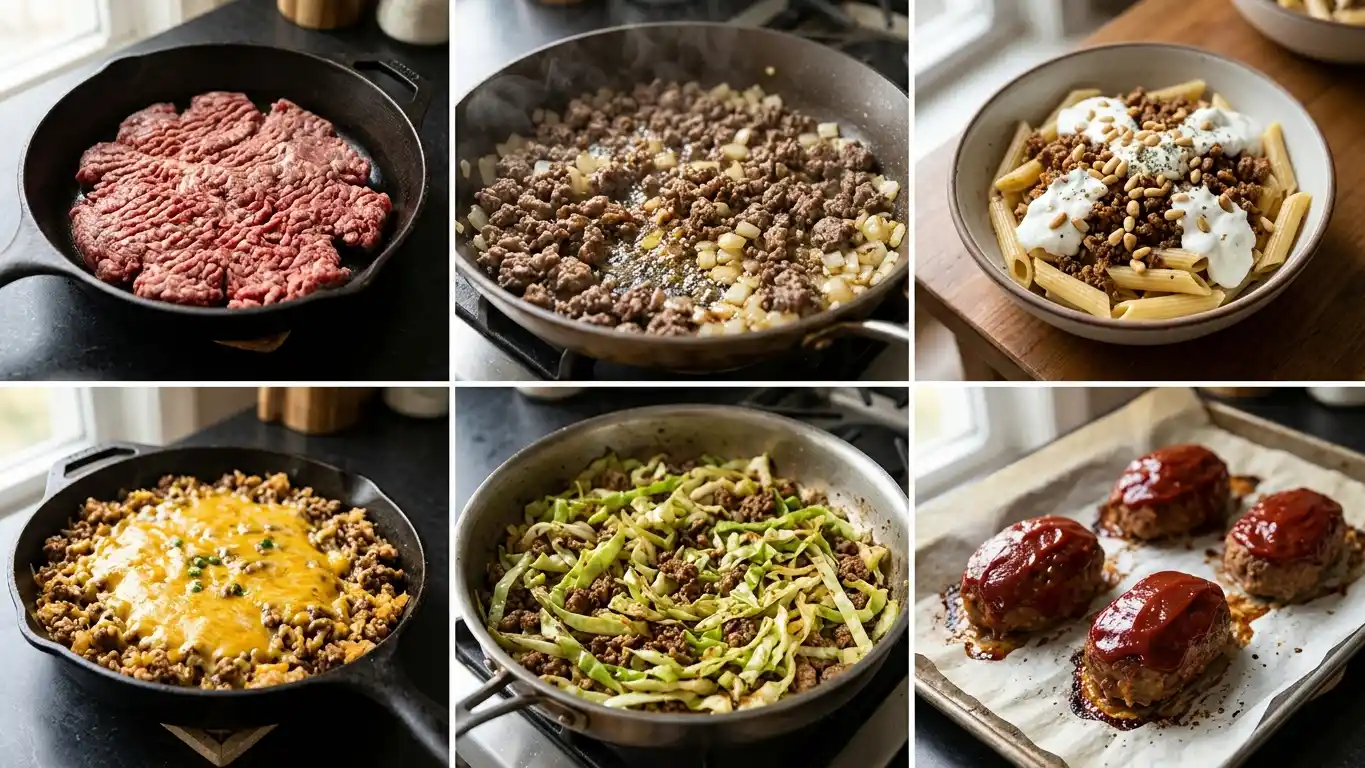
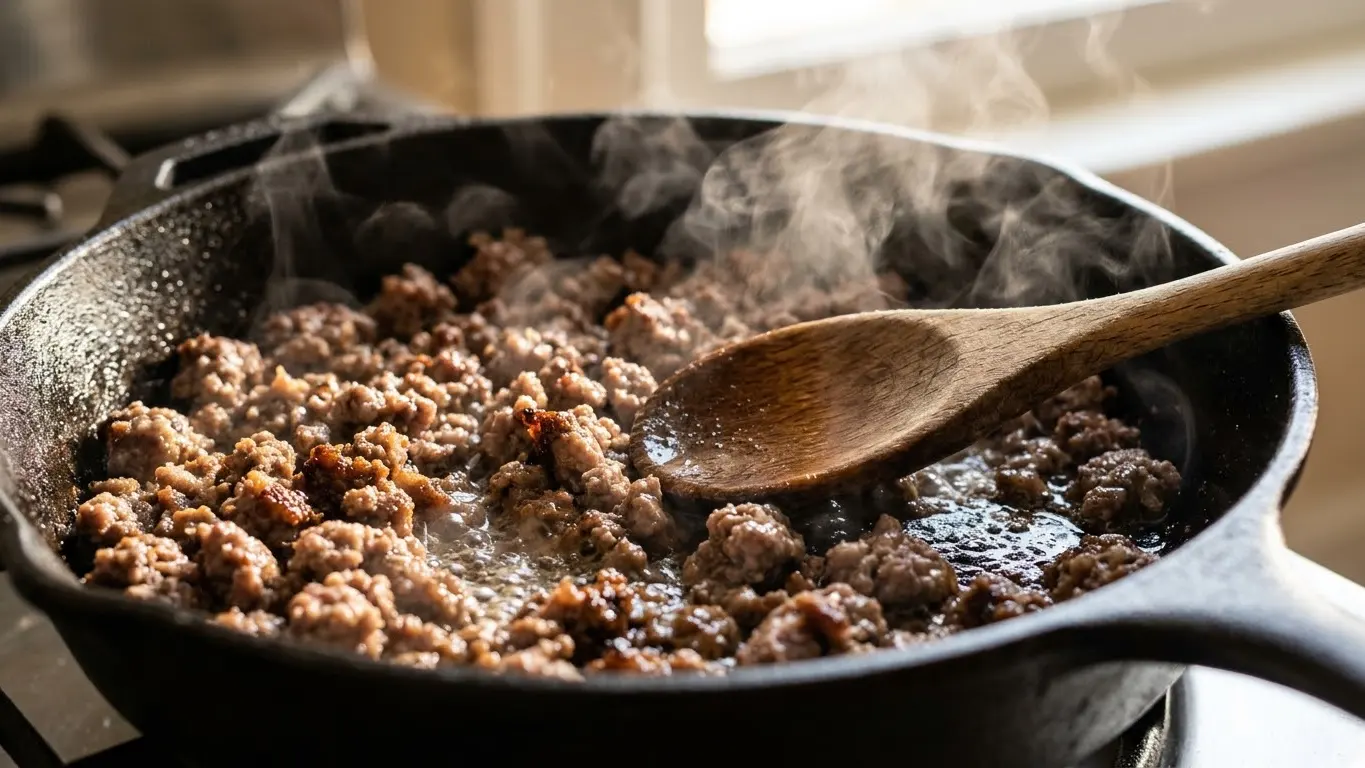
When testing one pot pasta recipes ground beef additions you must brown the meat first. Raw beef boiled in water turns grey and leaves a greasy film across the finished dish.
Cook the beef over medium high heat for six minutes. Transitioning to one pot pasta and hamburger recipes introduces excess fat.
Drain excess rendered fat from pork or beef products before pouring in the water.
Timing The Ingredient Additions
Dense Vegetables First
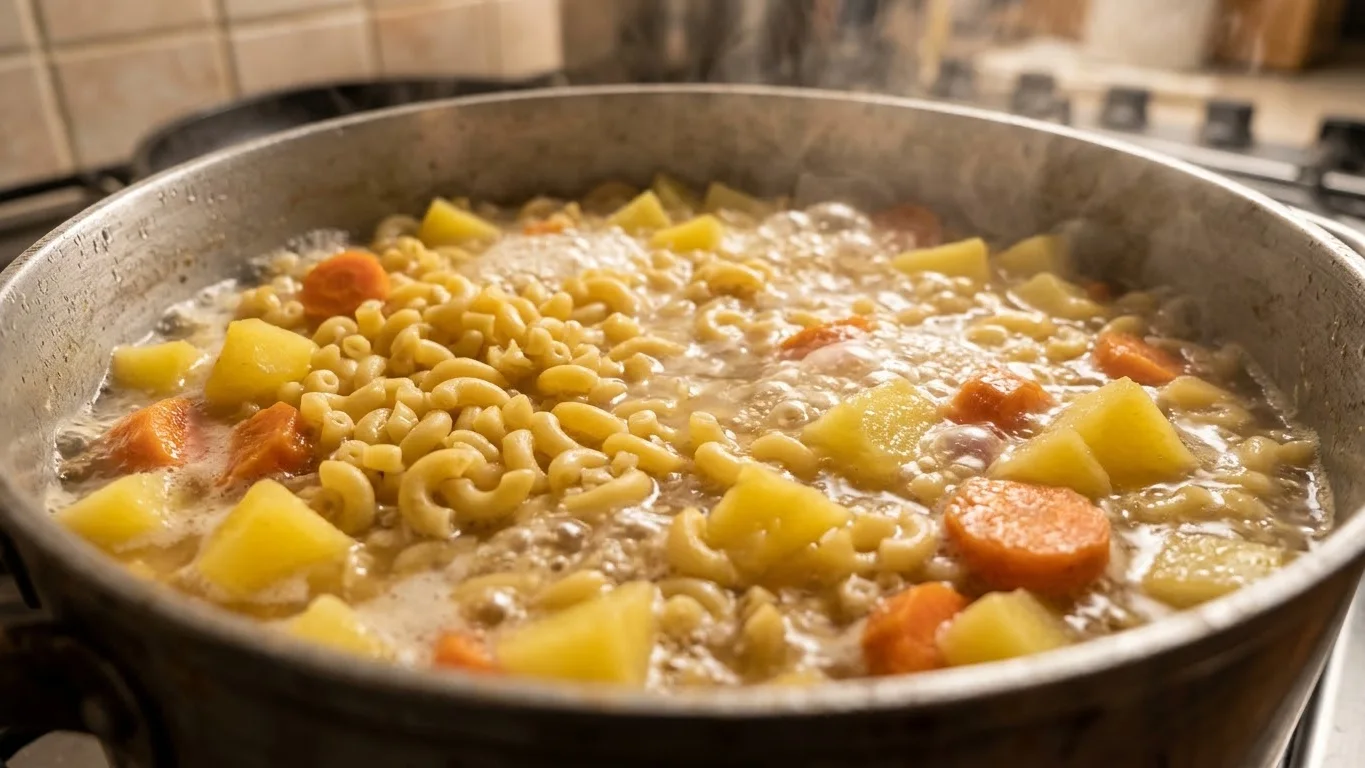
Root vegetables need the full boiling duration to soften properly. Drop diced potatoes or thick carrot coins into the pan at the very beginning along with the dry linguine.
Cutting these vegetables larger than half an inch means they will stay crunchy after the nine minute boil ends. Match the vegetable density to the noodle thickness.
Delicate Greens At The End
Spinach and green peas disintegrate if boiled for nine straight minutes. Wait until the liquid reduces to a thick syrup before tossing them in.
The residual heat of the cooked dish wilts fresh greens in under sixty seconds.
Fold delicate herbs in after removing the skillet from the burner.
Adjusting The Base Liquid
Broth Versus Plain Water
Swapping tap water for low sodium chicken broth adds a savory backbone to the dish. You must monitor the salt levels closely when making this switch.
Store bought broths reduce during the boil and concentrate their sodium content. Skip the two teaspoons of kosher salt in the base method until you taste the finished dish.
Adding Dairy Off The Heat
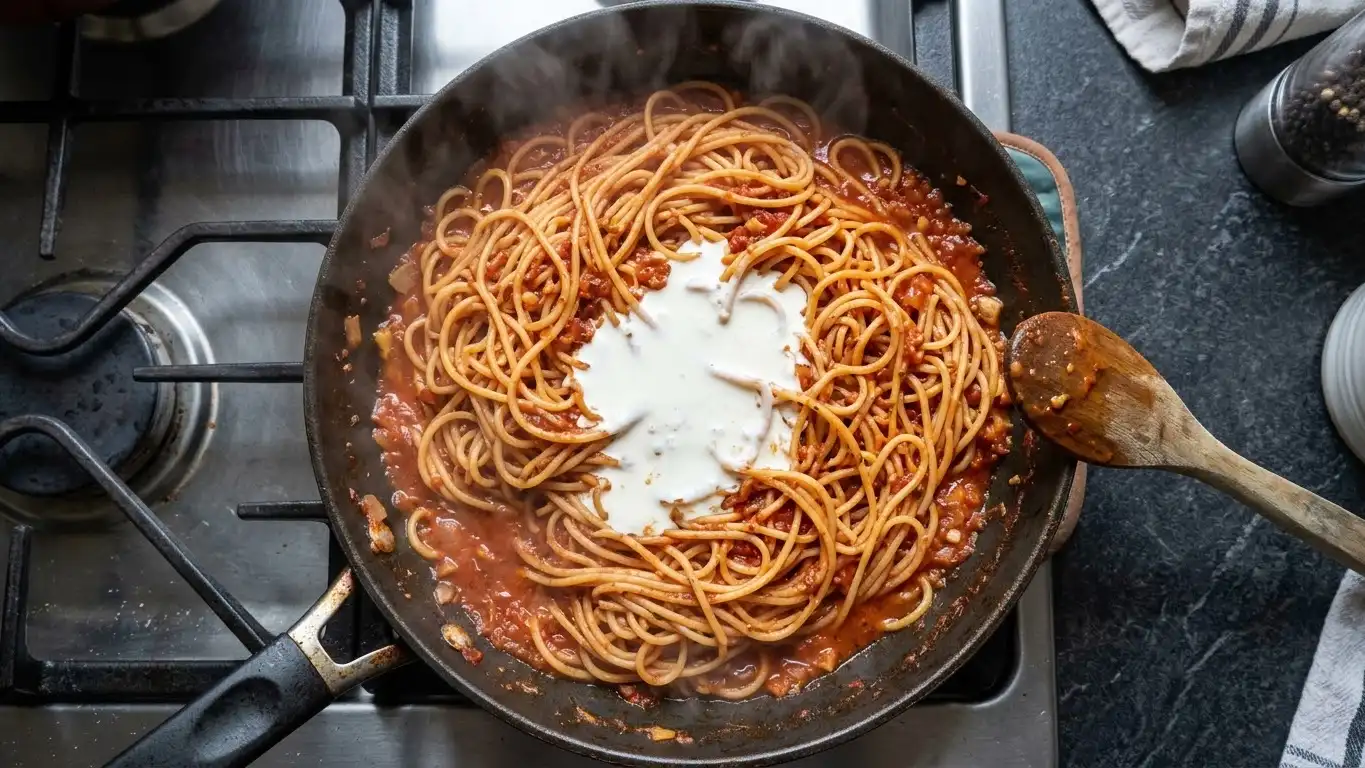
Creating easy one pot pasta recipes creamy textures relies on adding cold heavy cream off the heat. Pouring milk into a boiling pan causes the dairy proteins to curdle instantly.
Wait until the bubbling stops completely. Stir in half a cup of heavy cream or a spoonful of mascarpone cheese.
Stir in cold heavy cream only after the bubbling stops so the dairy avoids breaking.
Testing And Modifying The Original Method
The Famous Cherry Tomato Approach
Many home cooks find inspiration from allrecipes one pot pasta forums but fail to weigh their ingredients. The cherry tomatoes serve a dual purpose by providing acid and releasing their own water content.
If you substitute canned crushed tomatoes you must reduce the total added water by half a cup to compensate.
Managing Gluten Free Noodles
Brown rice and chickpea alternative noodles behave differently under direct boiling conditions. They release significantly more starch and tend to foam over the sides of shallow skillets.
Lower the heat to a gentle simmer and increase the cooking duration by three minutes to ensure the alternative grains cook through.
Taste a noodle at the eight minute mark because package directions do not apply to this method.
Integrating Different Proteins

Poultry And White Meat
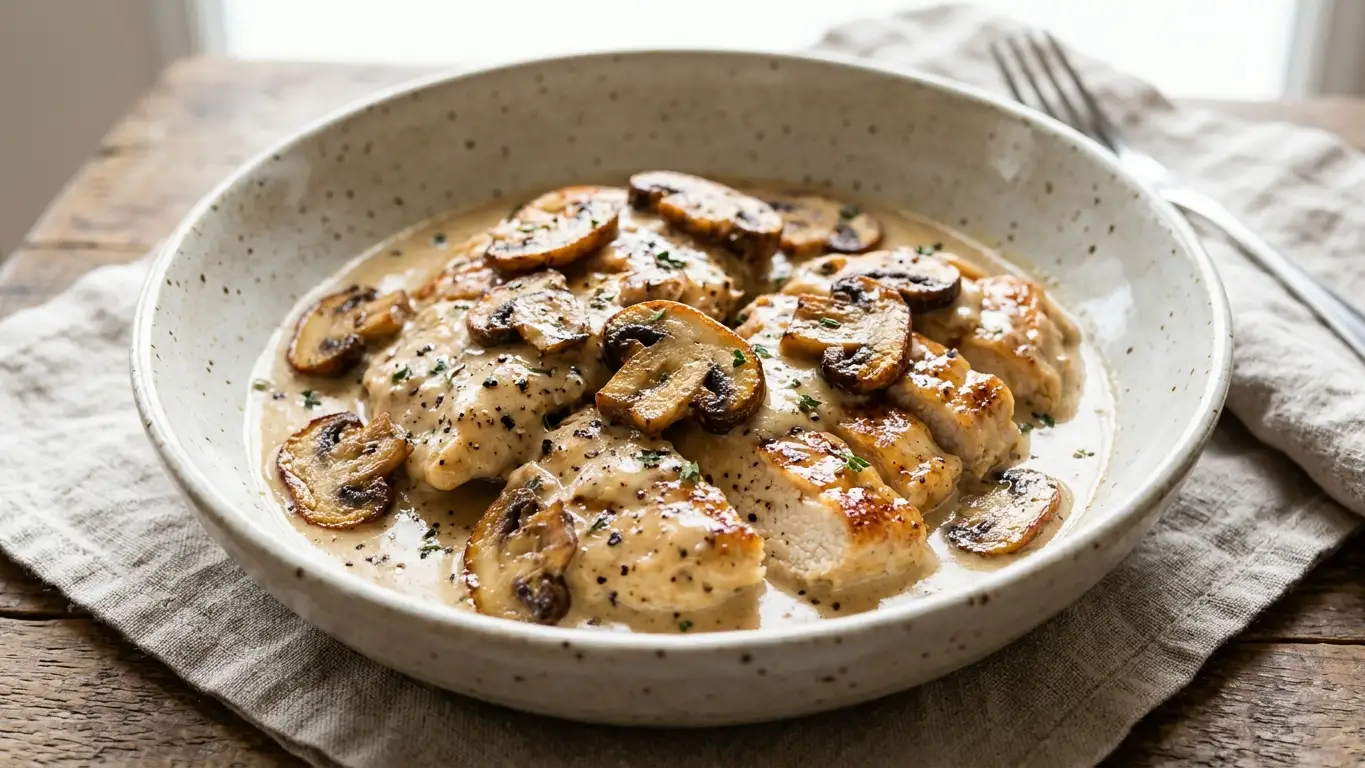
Preparing one pot pasta recipes chicken variations requires dicing the meat into half inch cubes so it finishes cooking exactly when the noodles soften. Large breasts remain raw in the center after a nine minute boil.
Chicken releases albumin as it cooks which can cloud the final sauce.
Smoked Meats And Sausages
Designing one pot kielbasa pasta dinner recipes introduces heavy smoke flavors that require acidic ingredients for balance. Slice the smoked sausage into quarter inch thick coins so the rendering fat coats the dry noodles.
The cured meat provides enough internal salt that you should eliminate any extra seasoning from the pan.
Browning the meat adds five extra minutes but builds a fond that colors the entire dish.
Adapting For Specialized Diets Or Environments
Outdoor Cooking Adjustments
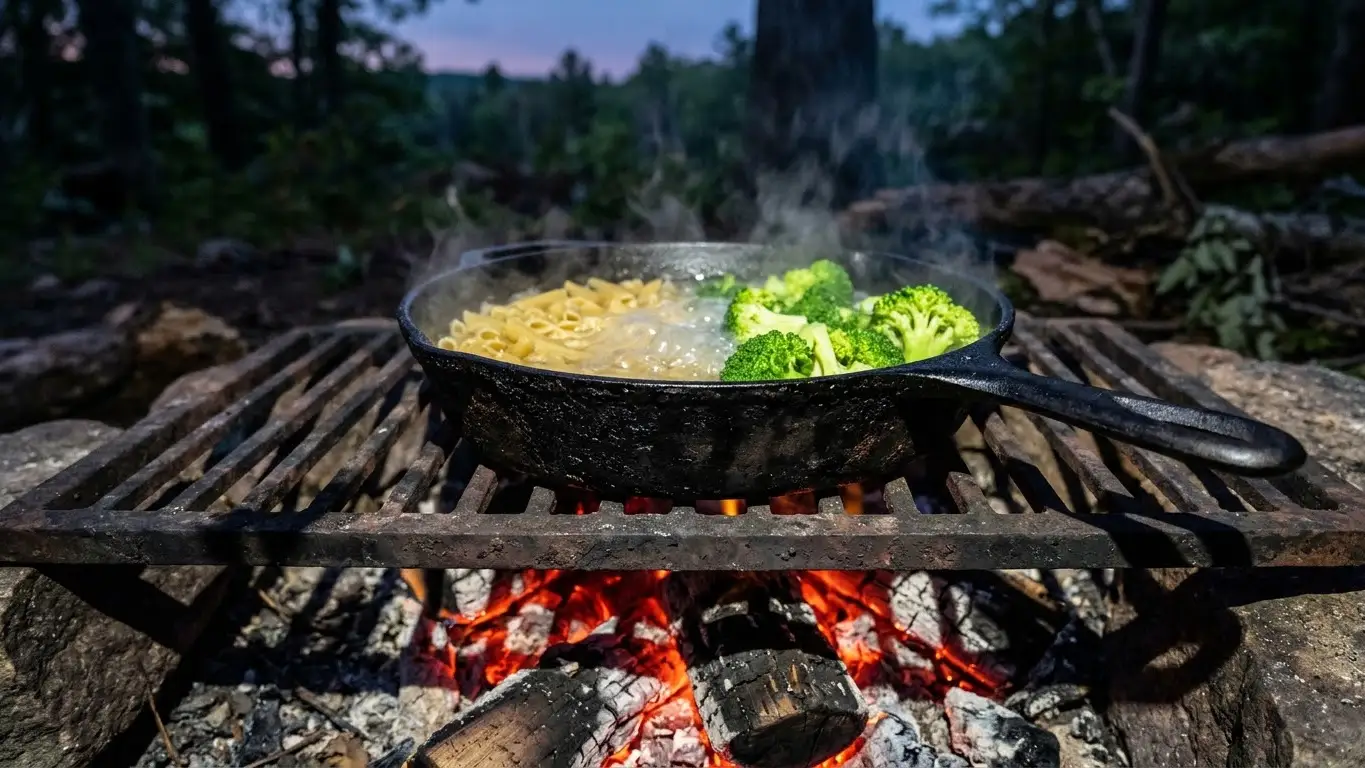
Adapting one pot pasta recipes for camping means swapping fresh dairy for hard aged cheese that survives in a cooler. A cast iron skillet placed directly over hot coals boils water inconsistently.
You must rotate the pan every three minutes to prevent hot spots from scorching the noodles resting at the bottom.
Lighter Calorie Reductions
Building low calorie one pot pasta recipes involves cutting the noodle weight in half and doubling the broccoli florets. The vegetables take up physical space in the pan and absorb the seasoned liquid.
This strategy maintains the visual volume of a full dinner while dropping the carbohydrate load.
Weigh the broccoli stems to match the missing dry weight exactly.
Alternative Cooking Environments
Moving The Skillet To The Broiler
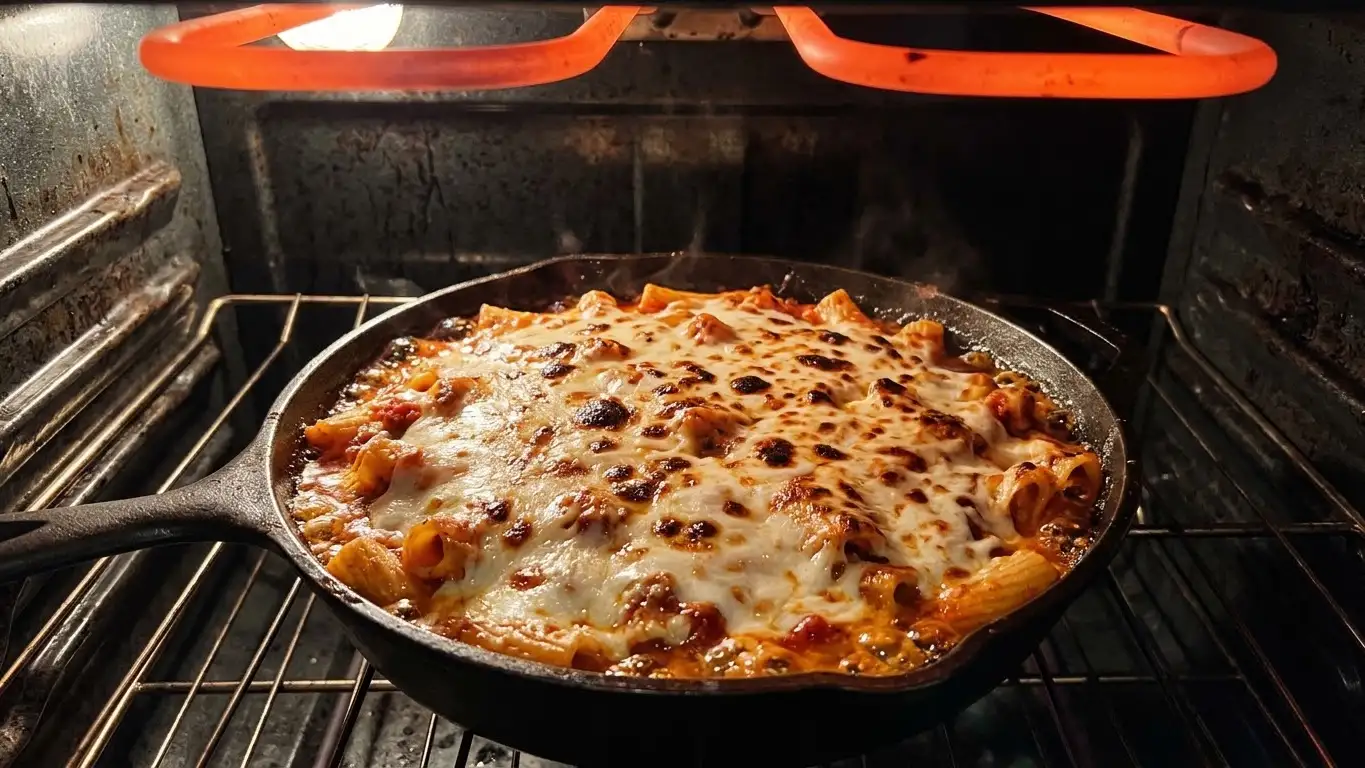
Moving skillets for one pot pasta recipes in oven settings requires a pan with an all metal handle. Once the stovetop boiling finishes you can top the dish with mozzarella and transfer it under the broiler flame.
Leave the pan under the heat for three minutes until the cheese blisters and turns golden brown.
Allowing The Pot To Rest
The sauce looks slightly loose when you first turn off the stove burner. The starches need three minutes of resting time to fully gelatinize and cling to the noodles.
Serving immediately results in a watery puddle at the bottom of the plate.
Top the finished dish with buttered breadcrumbs to add a crunch contrast to the soft noodles.
Storage And Leftover Noodle Longevity

Starch Thickening In The Fridge
The downside to this technique is the pan requires immediate soaking. The heavy starch content turns to glue as it drops to room temperature.
When packed in glass containers the leftovers will solidify into a dense block overnight. The sauce absorbs completely into the swollen noodles.
Reheating Without Drying Out
Microwaving these leftovers straight from the fridge ruins the texture. You must add two tablespoons of water to the container before heating.
Cover the dish loosely with a damp paper towel to trap steam and reactivate the gelatinized starches.
Store portions in flat containers so they chill quickly and reheat evenly.
Frequently Asked Questions

How do you stop strands from clumping in a shallow pan
Lay the dry spaghetti flat across the center and fan the ends out toward the edges. Use silicone tongs to drag the bottom strands to the top every sixty seconds until they soften.
Can I use milk instead of water for the cooking liquid
Boiling raw milk for nine minutes causes it to scald and separate. Cook the dish in water or broth first then fold in warmed milk off the heat just before serving.
What makes the liquid thicken without a roux
The friction of the metal tongs scraping the noodles pulls raw wheat starch directly into the boiling water. As the water volume drops through evaporation that suspended starch forms a natural gravy.
Next Steps For Weeknight Dinners

Master the base ratio first before adapting new one pot pasta recipes to your weeknight rotation. Start with the classic tomato and basil version to learn exactly what a rolling boil looks like in a shallow skillet. Once you understand how the liquid reduces you can begin swapping in heavy cream diced chicken or smoked sausage. I find that writing down your exact water measurements prevents soggy dinners on busy nights. A common mistake beginners make is snapping the spaghetti to fit which ruins the twirling texture of the final plate.