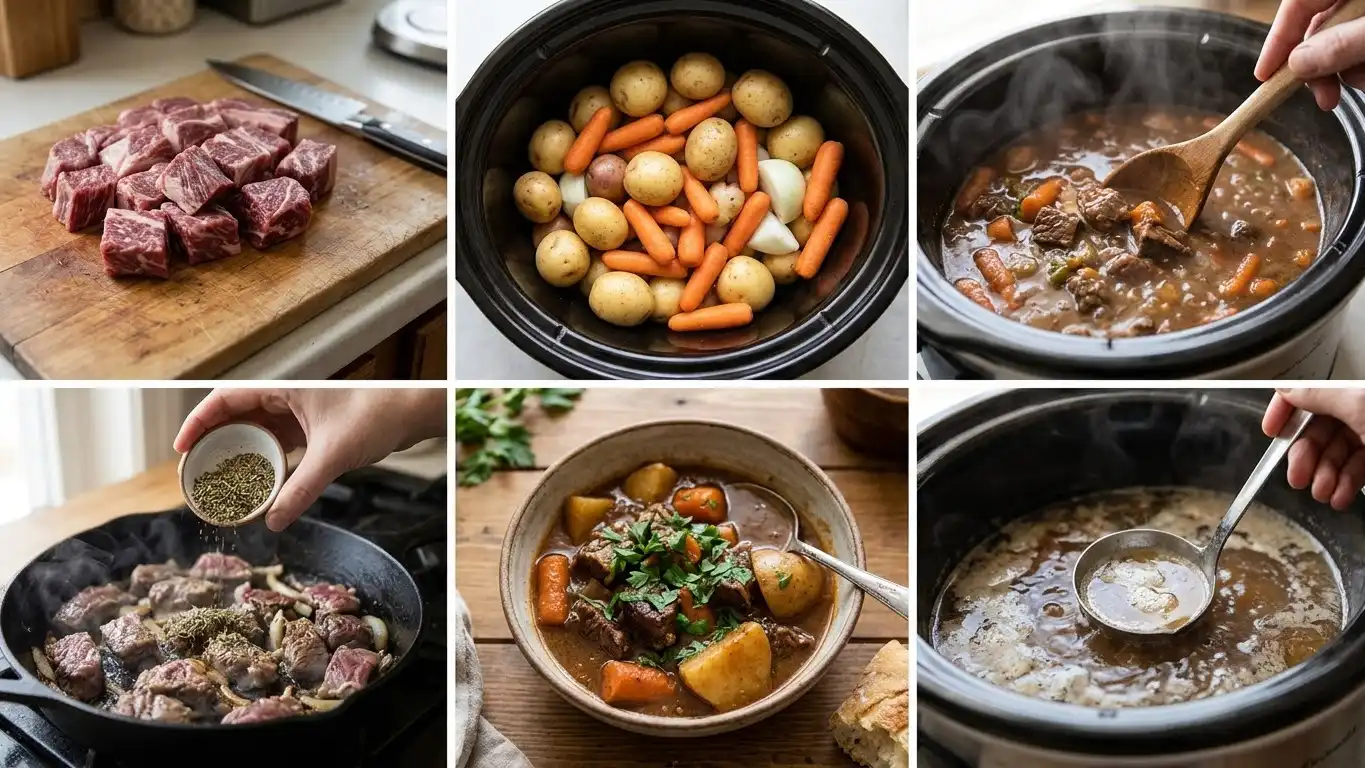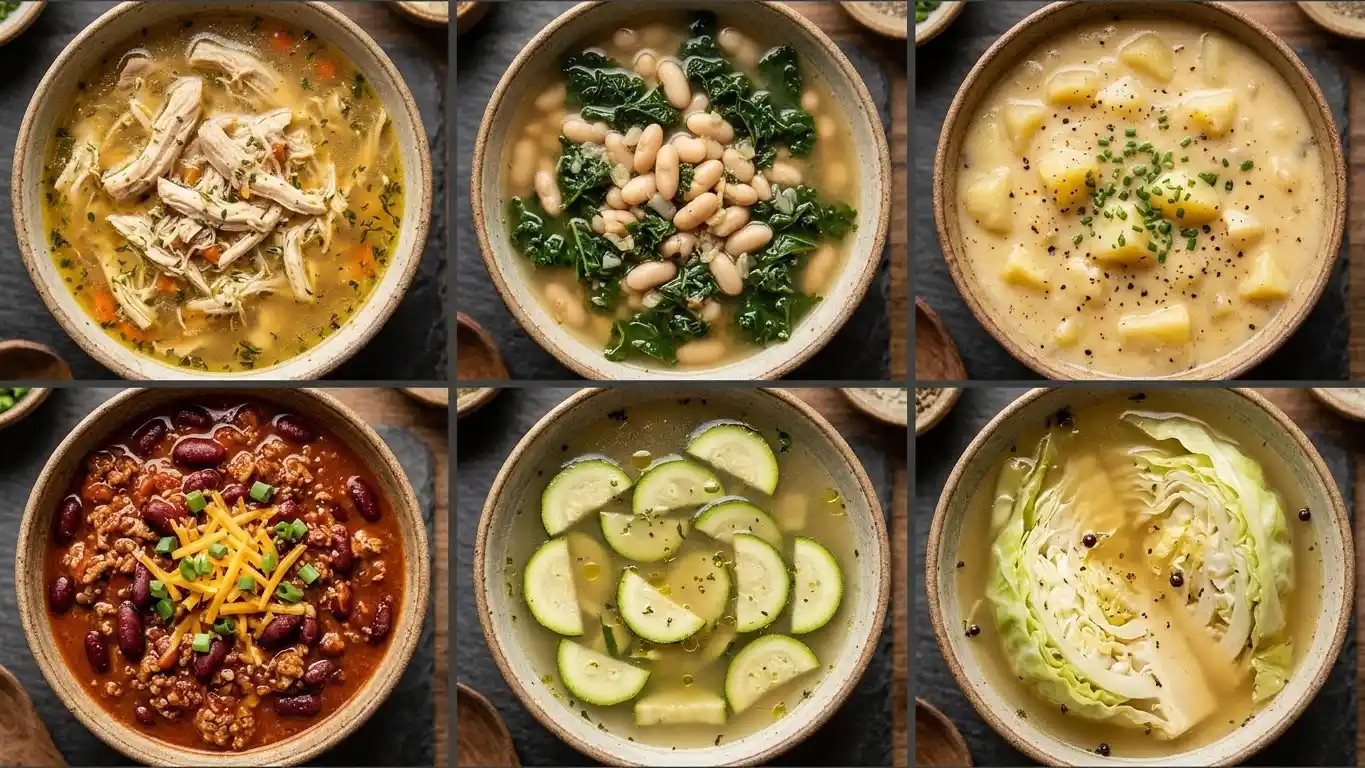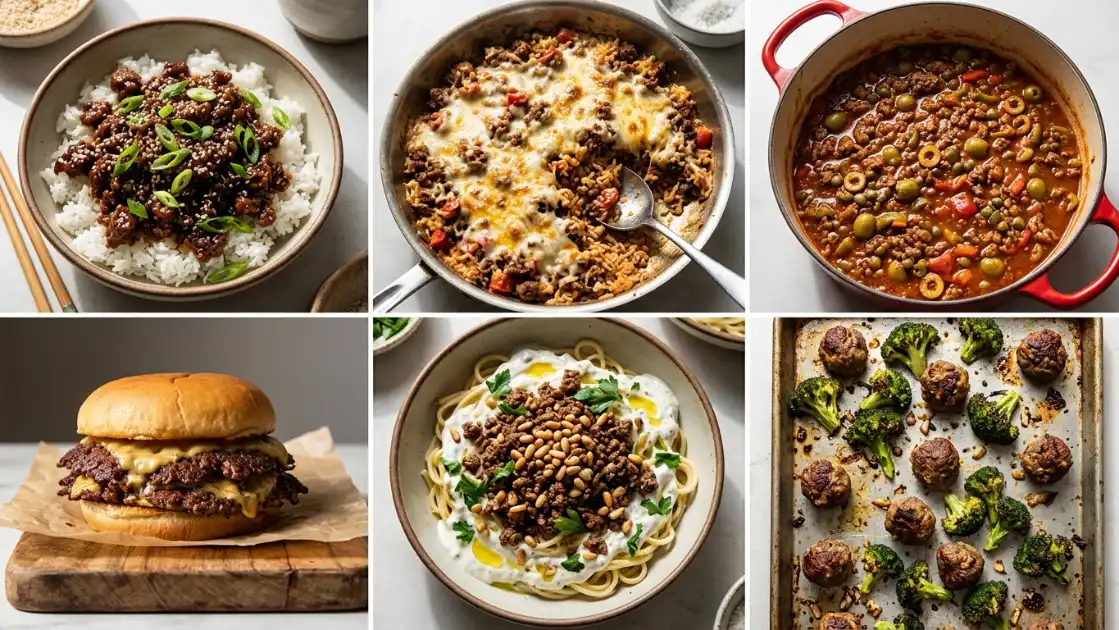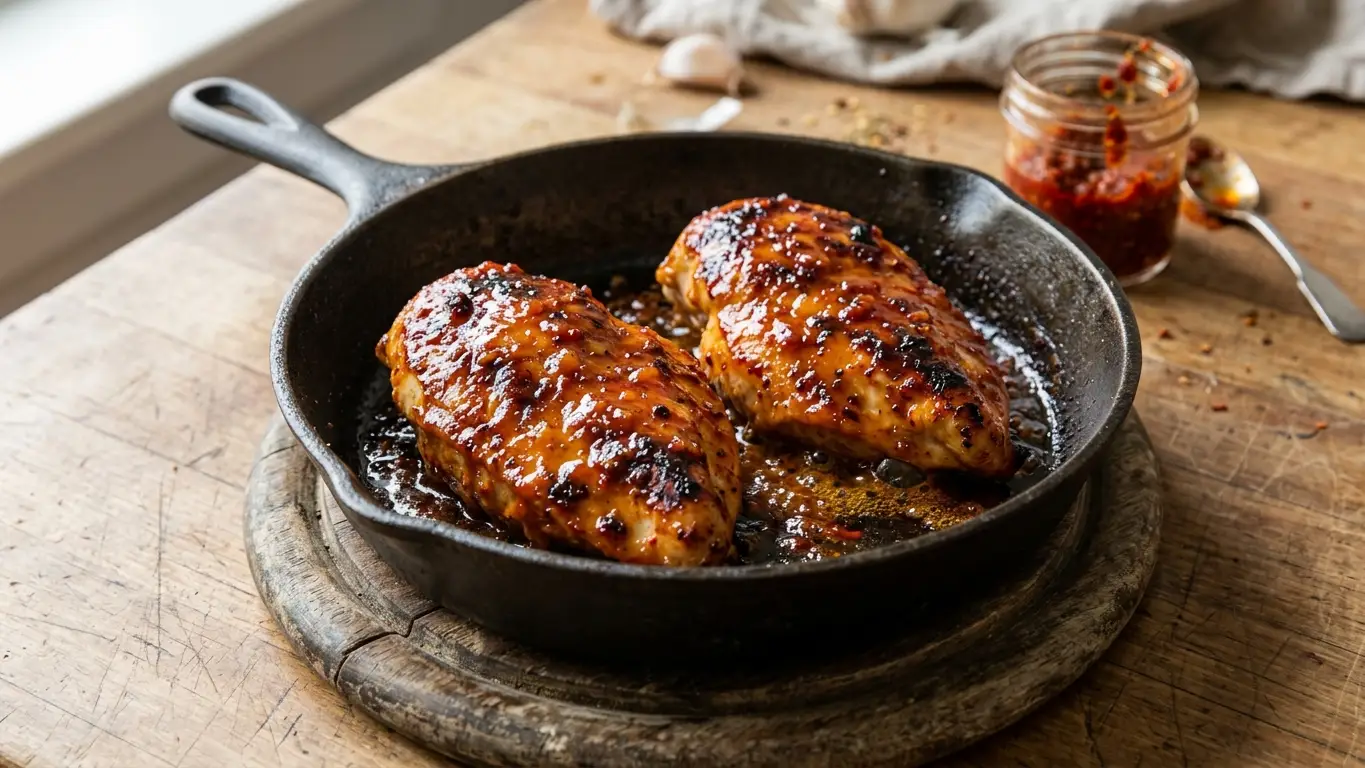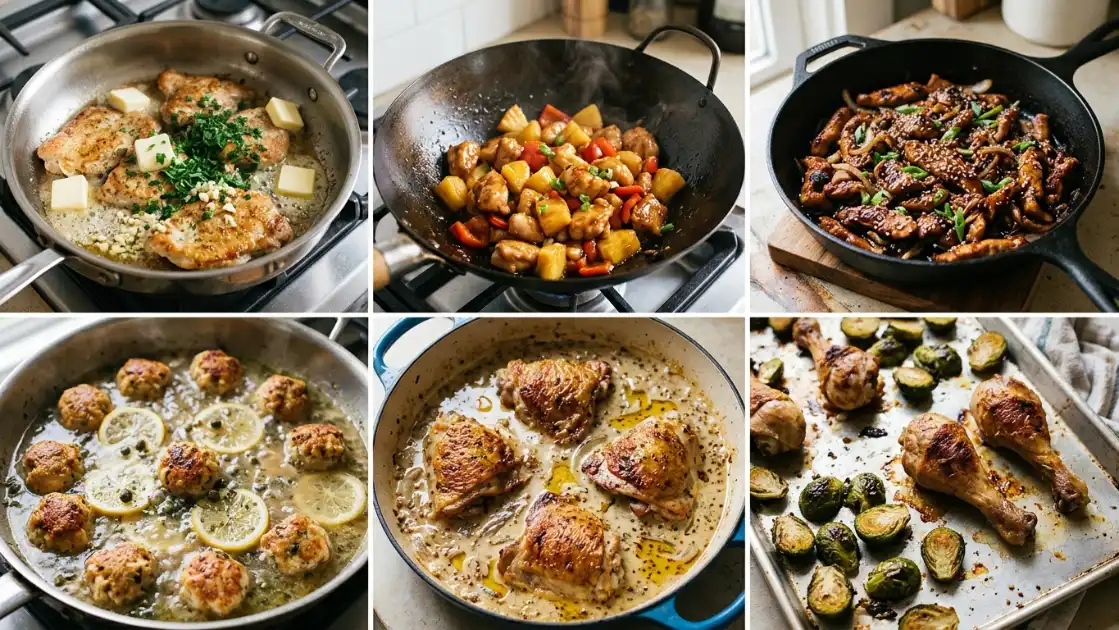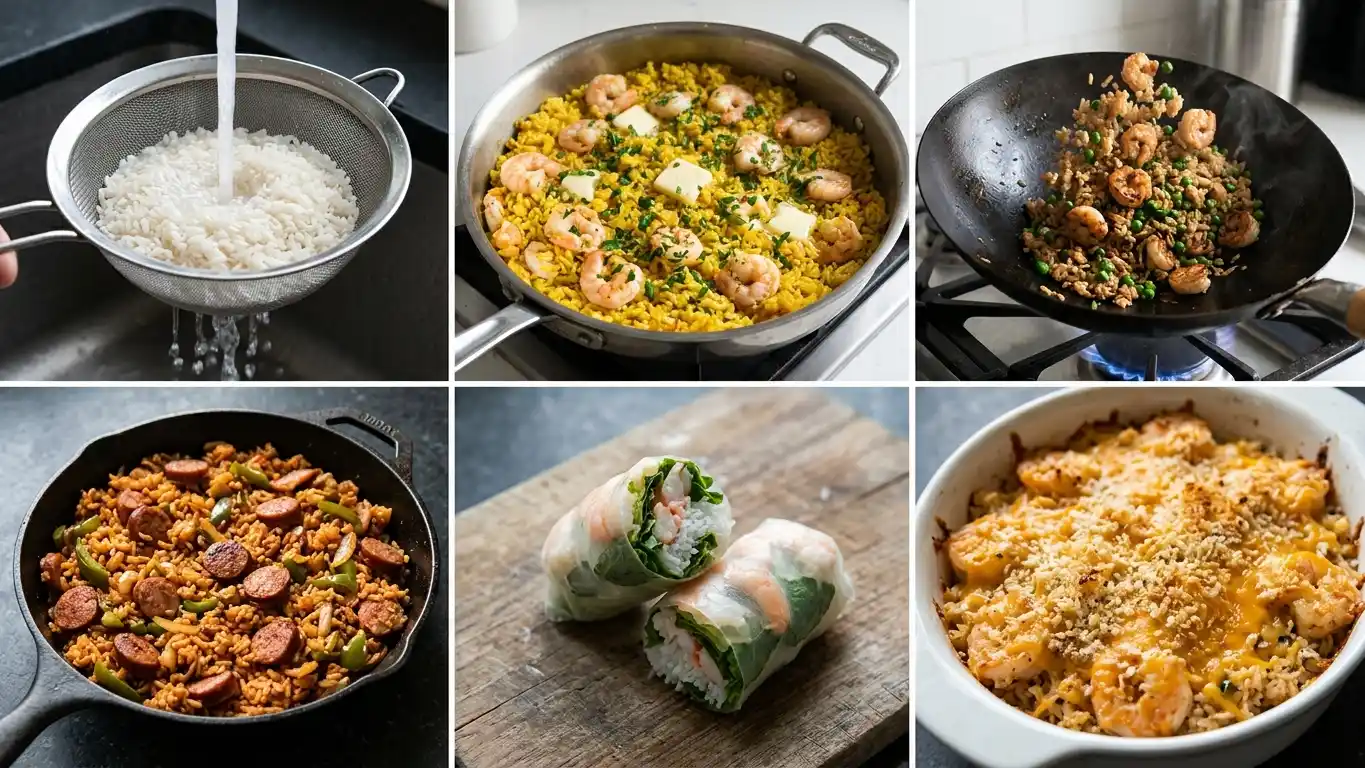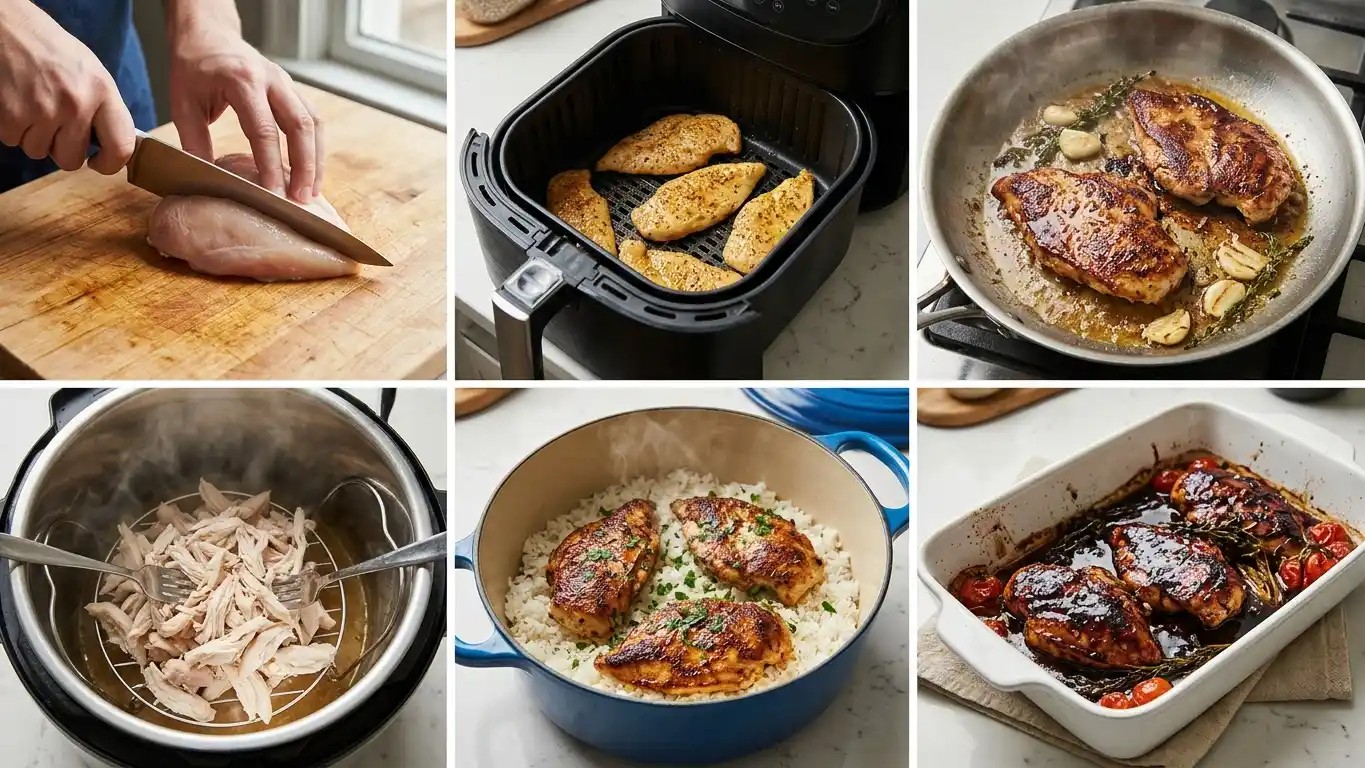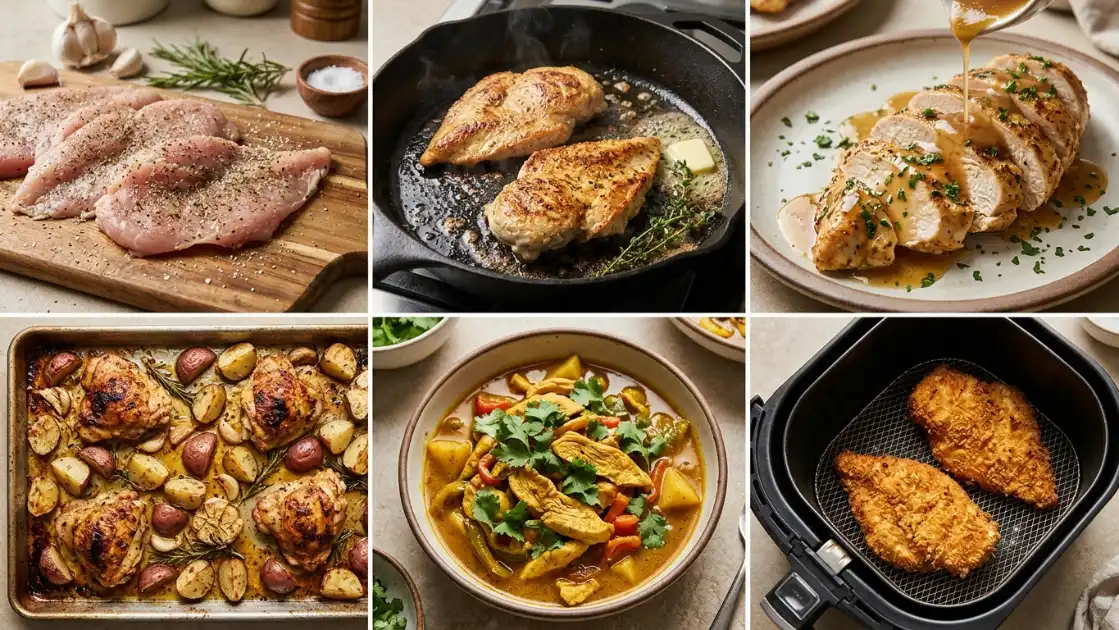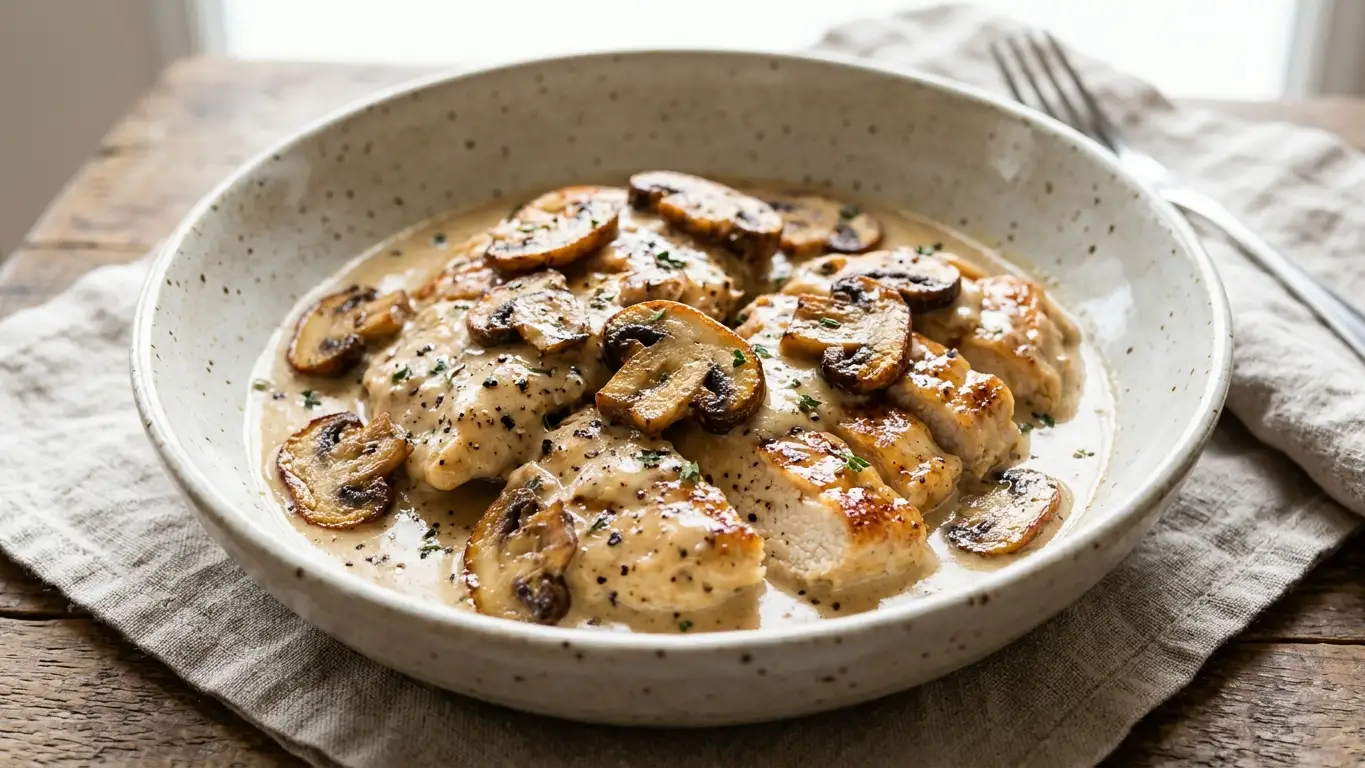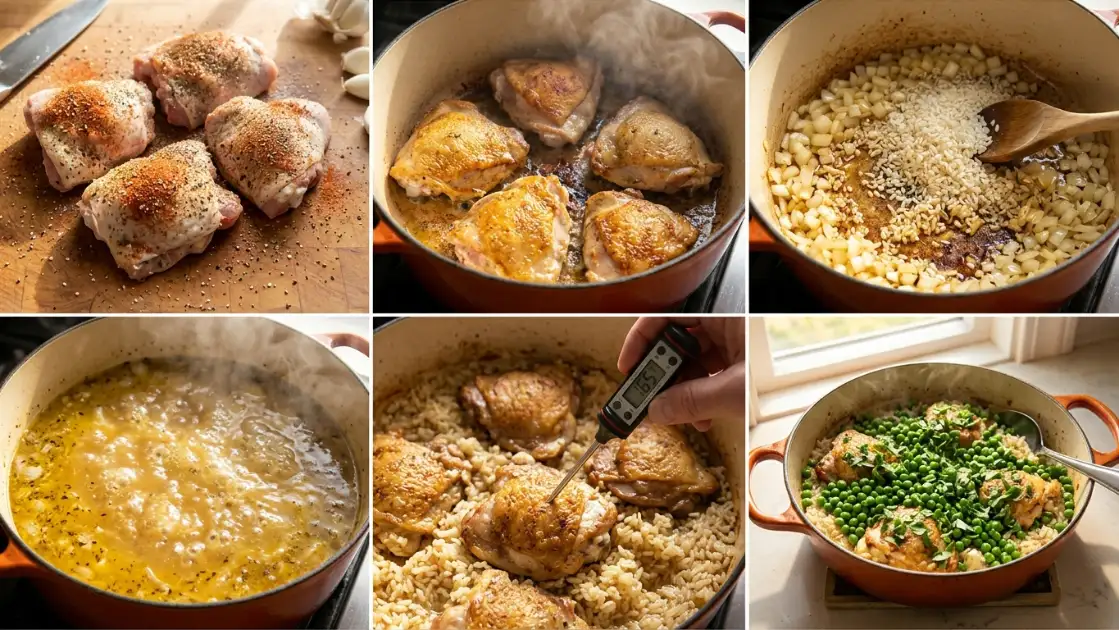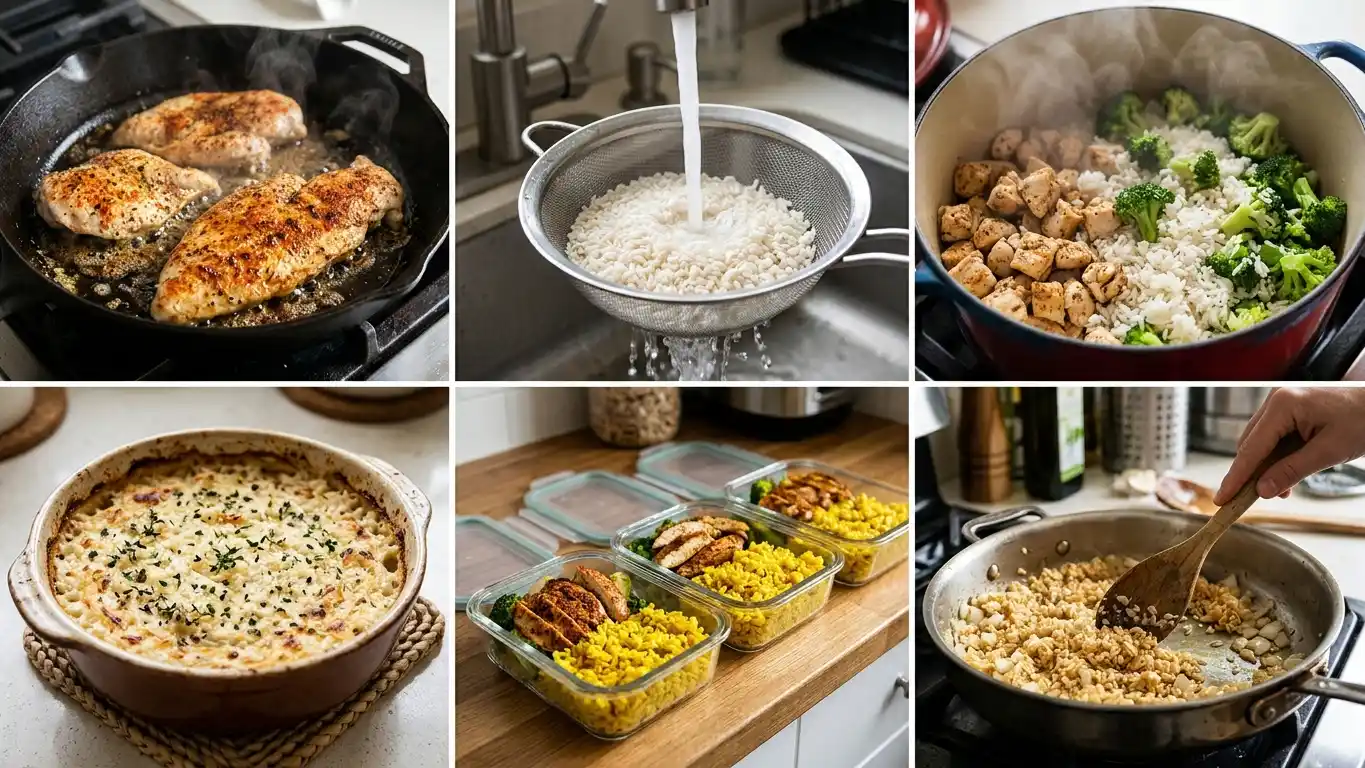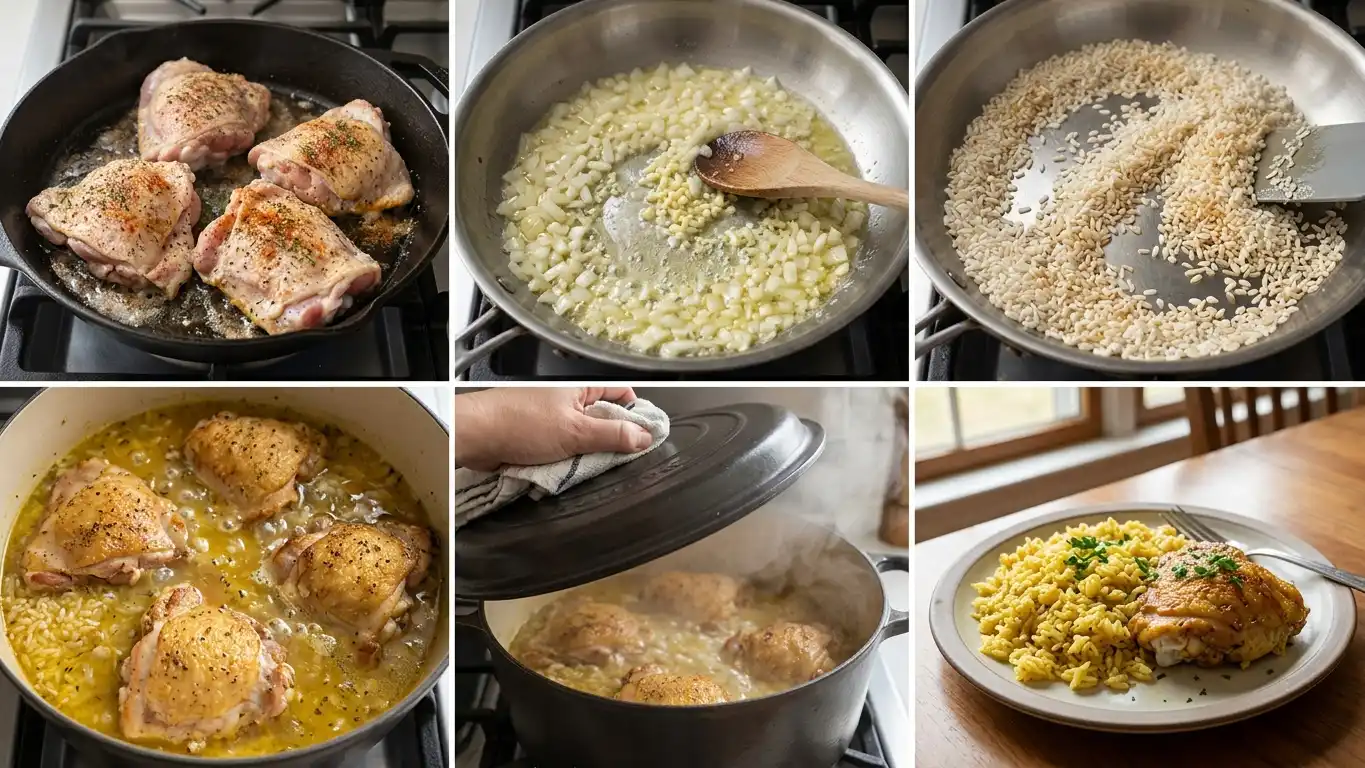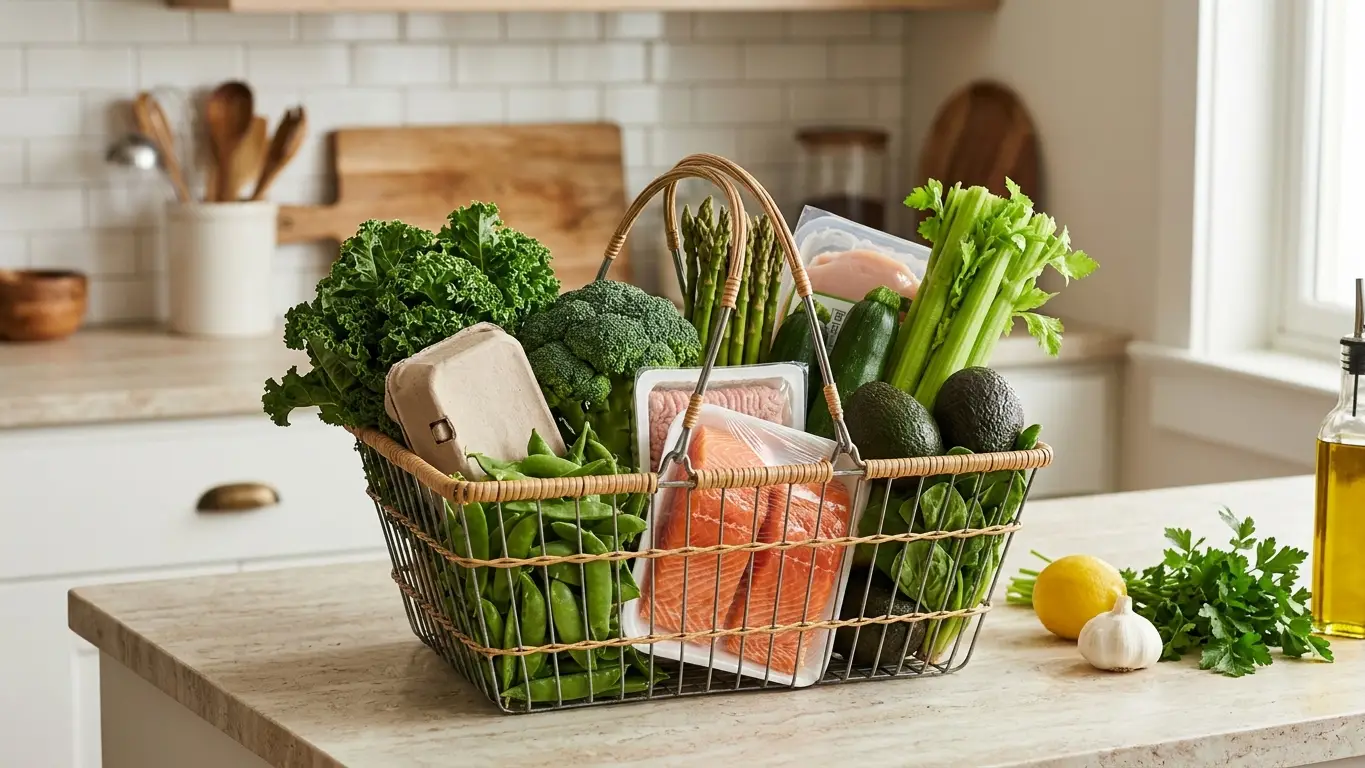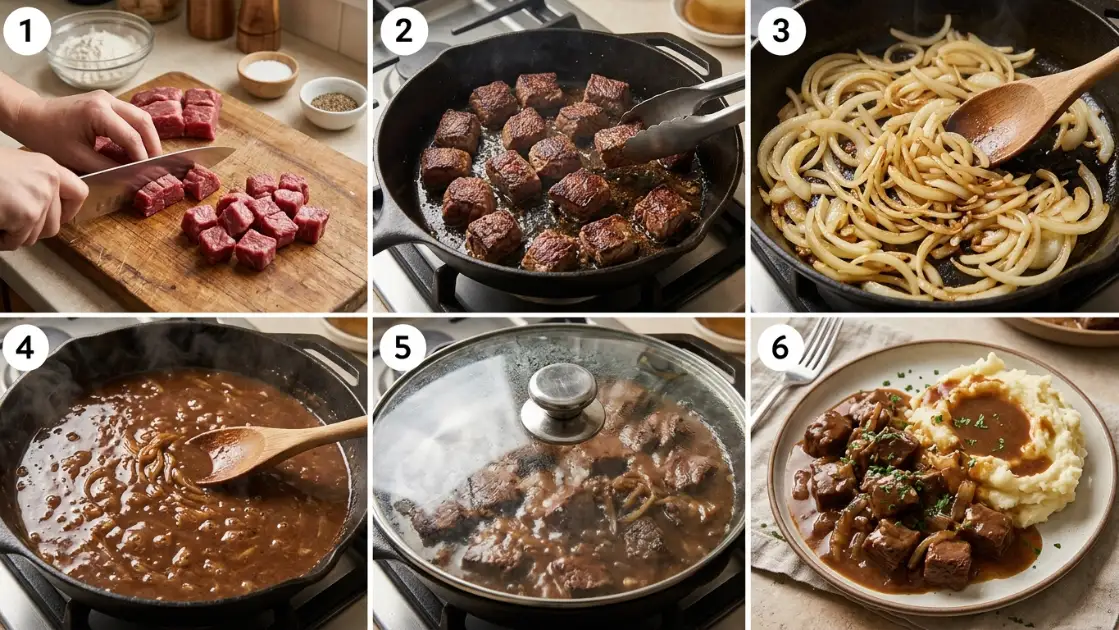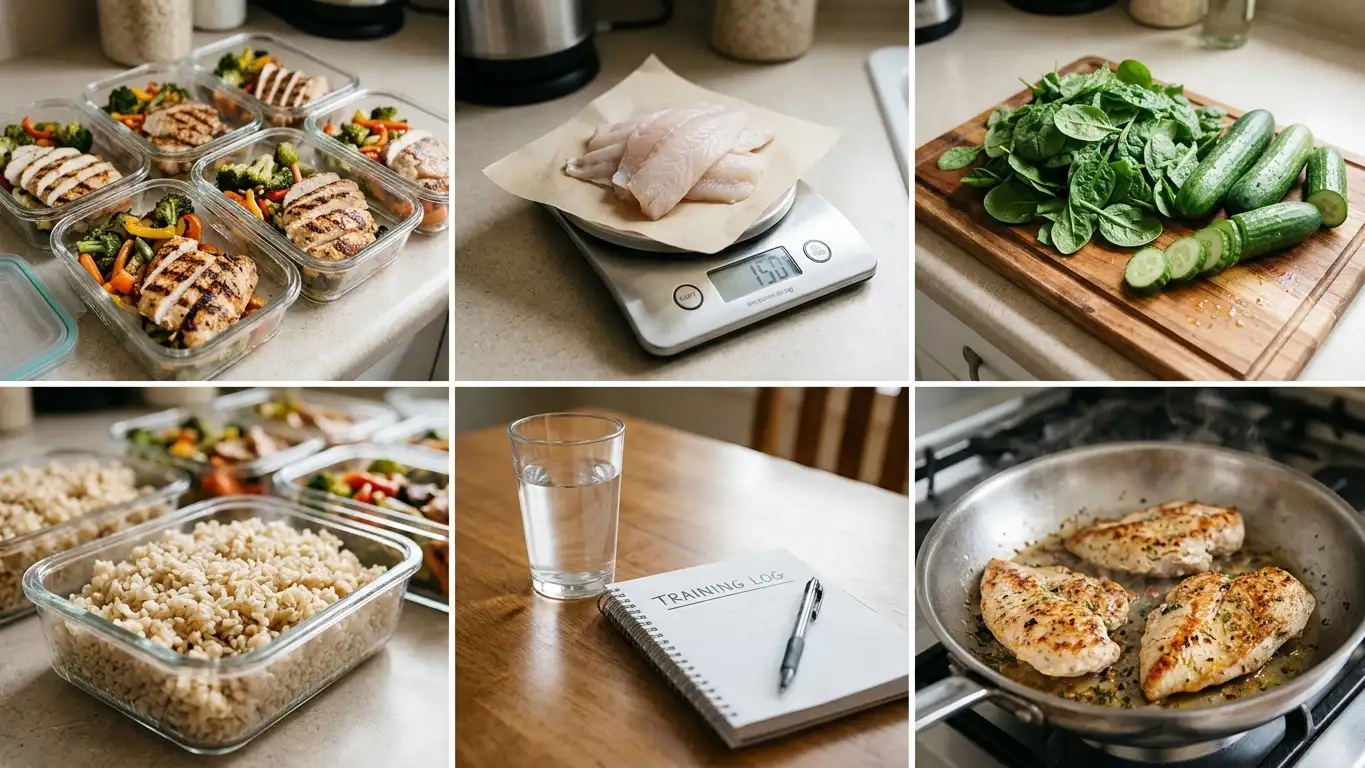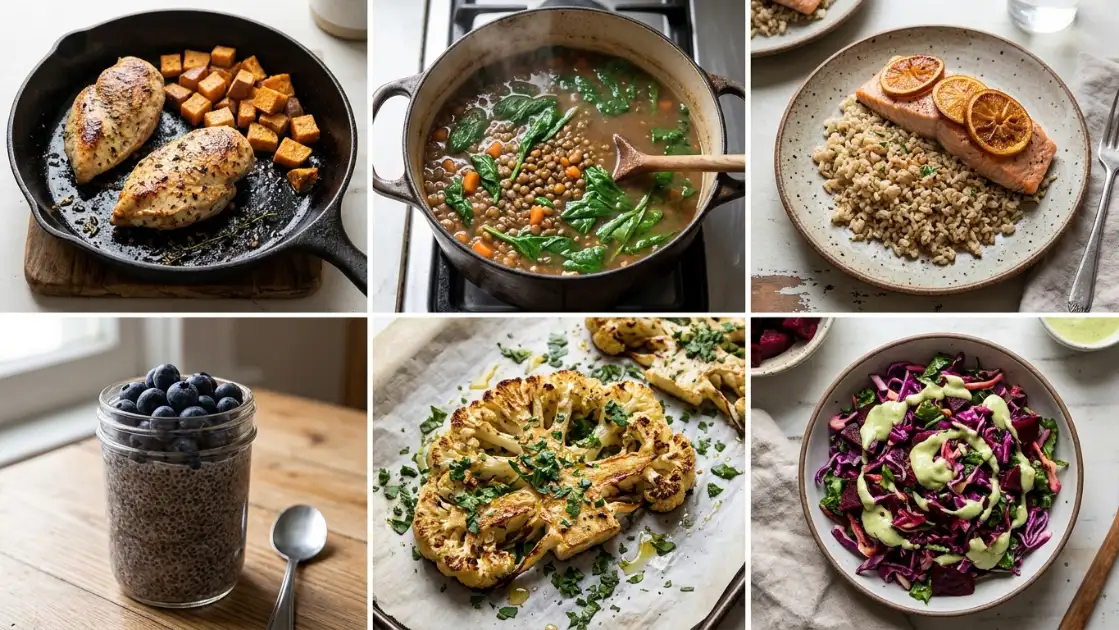

Eating for cardiovascular wellness requires deliberate ingredient choices and strict sodium management. Preparing meals that support heart function means cutting back on processed canned goods and leaning into whole, nutrient-dense foods. You need a reliable kitchen routine that replaces heavy salts with vibrant herbs, healthy fats, and soluble fiber sources.
Prep Time: 15 minutes
Cook Time: 25 minutes
Total Time: 40 minutes
Servings: 4
Ingredients:
- 2 tablespoons olive oil
- 3 cloves garlic, minced
- 1 medium sweet potato, cubed
- 1 red bell pepper, diced
- 2 cups cooked brown rice
- 1 cup shredded chicken
- 1 cup rinsed canned corn
- 1 tablespoon fresh lemon juice
- 1 teaspoon ground black pepper
Select Heart Healthy Oils For Cooking
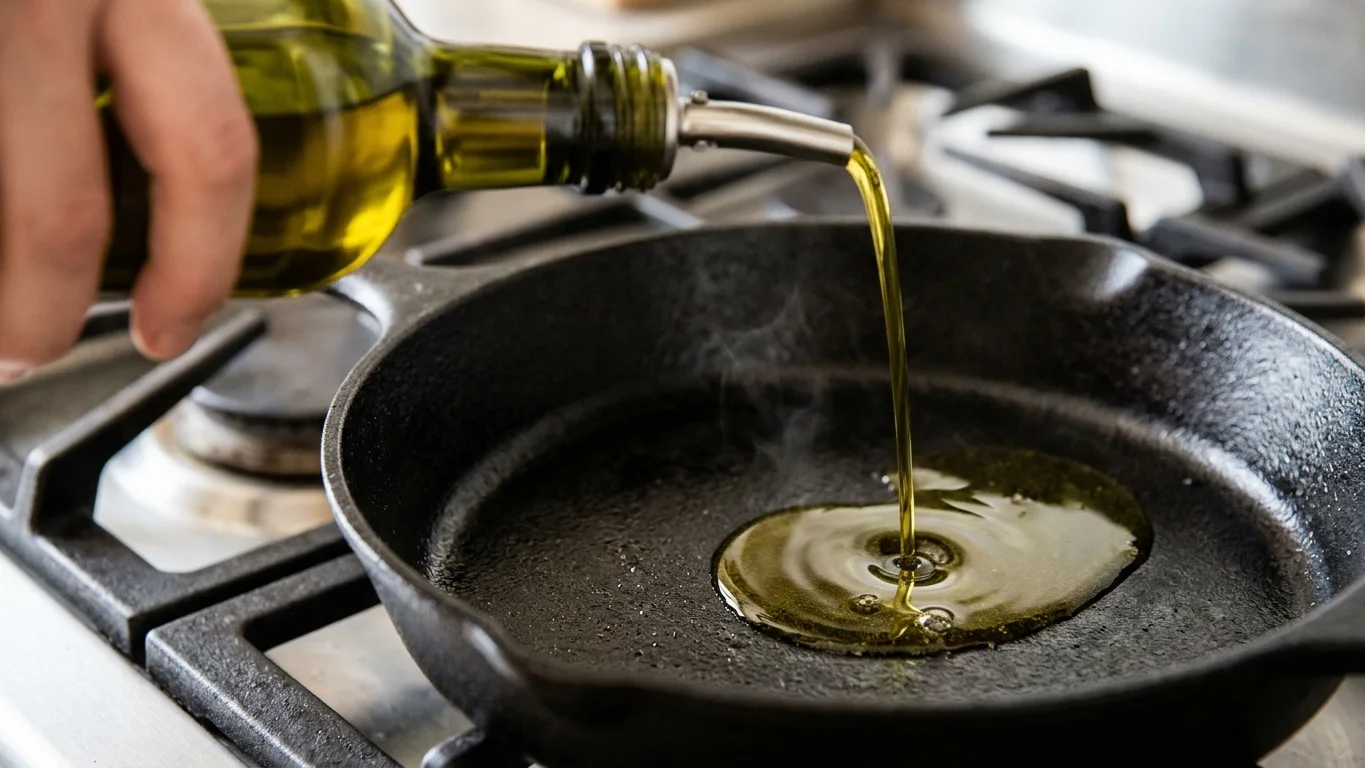
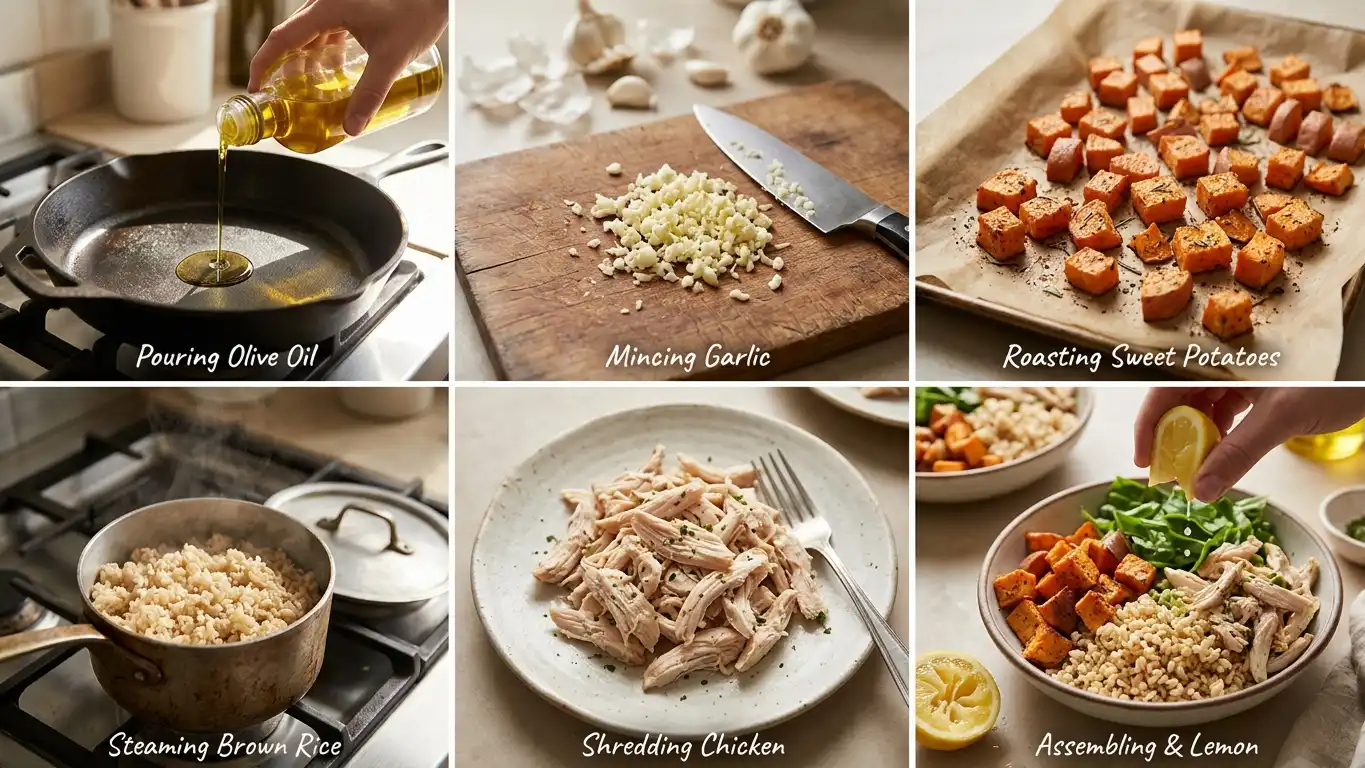
Start every stovetop recipe by swapping traditional butter for extra virgin olive oil. Olive oil provides beneficial monounsaturated fats that support arterial health without introducing the saturated fats found in animal lards. Heat your pan over medium-low flame for two minutes before adding two tablespoons of oil to prevent burning. Avoid heating any plant oil until it smokes because overheating breaks down the beneficial lipid structures and releases bitter compounds. Measure your oil with a proper measuring spoon rather than pouring straight from the bottle to control daily caloric intake. When searing vegetables, let the pan build steady radiant heat so the oil spreads in a thin, even layer across the entire cooking surface.
Manage Sodium Levels With Fresh Herbs
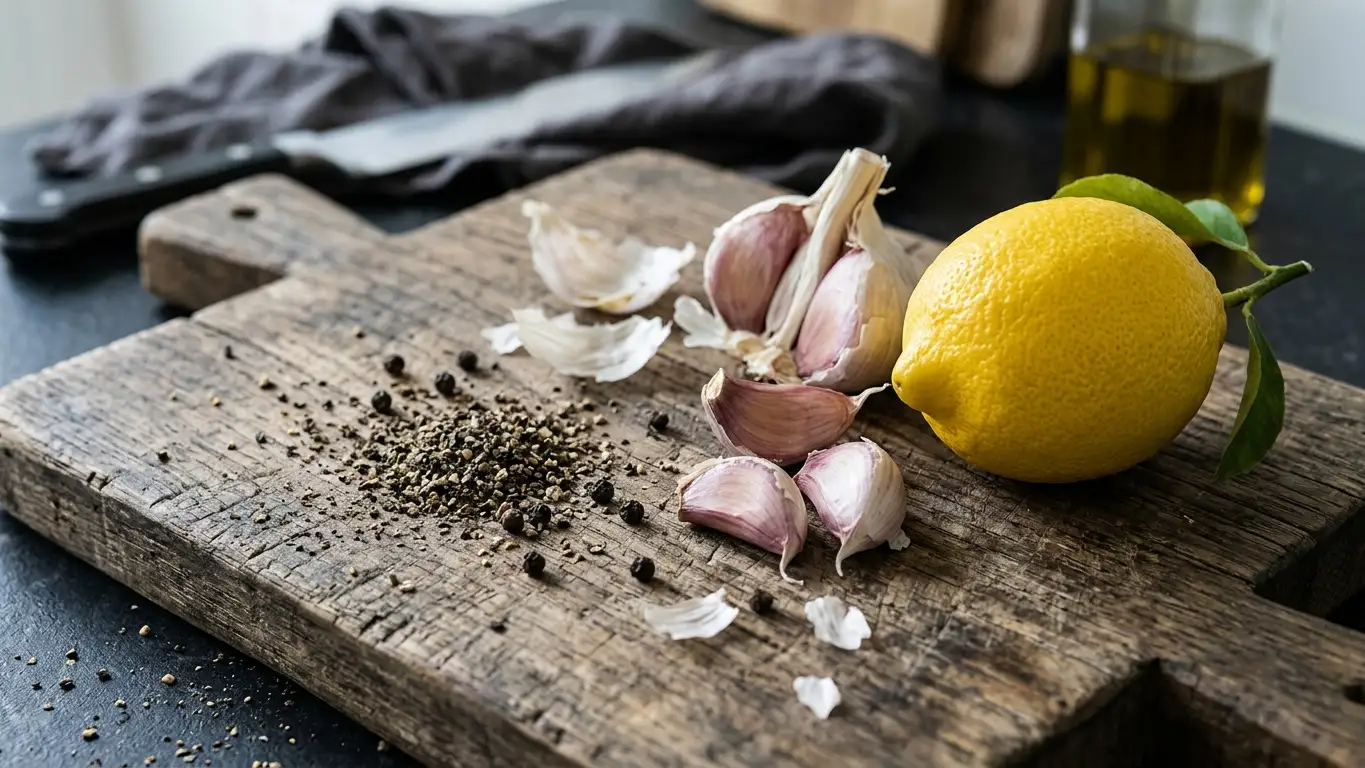
Keep your daily sodium intake under tight control by eliminating table salt entirely from your prep station. Recipes with an asterisk on nutritional charts signify low sodium choices containing 140 mg or less per serving. Replace sodium with aromatic garlic, cracked black pepper, and fresh lemon juice to trick your palate into enjoying savory depths without salt. Dice three cloves of fresh garlic finely and let them rest for ten minutes before cooking to activate allicin compounds. Add your minced garlic during the final sixty seconds of sautéing so it releases pungent aromas without turning bitter or burning against the hot pan base.
Incorporate Soluble Fiber Into Grains
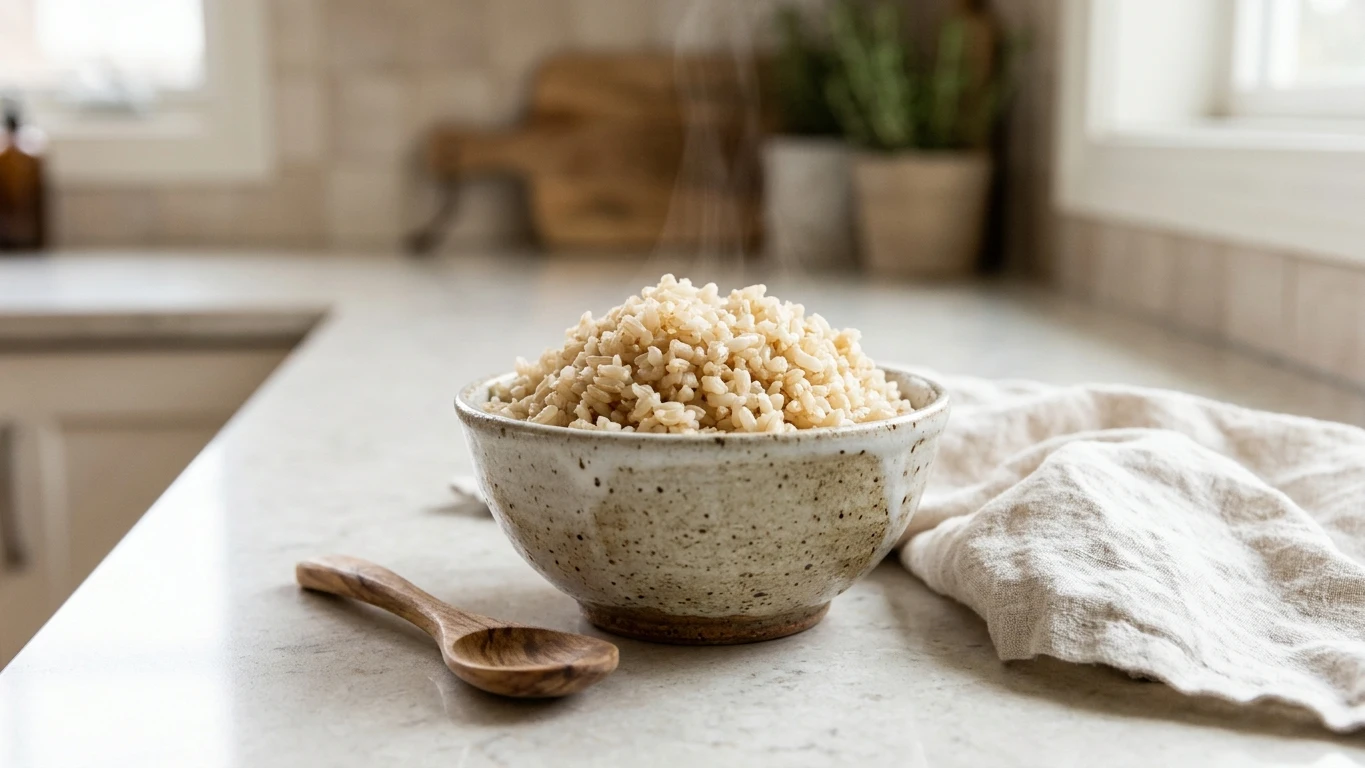
Stir one cup of cooked brown rice into your skillet as a foundational whole grain base for meals. Brown rice retains its fibrous outer bran layer, delivering complex carbohydrates that digest slowly and help lower LDL cholesterol over time. Rinse your raw grains twice in cold water before boiling to remove excess starch surface dust that causes gummy textures. Simmer the grains in a covered pot on low heat for exactly twenty minutes until every drop of moisture absorbs fully. Fluff the finished grains gently with a wooden fork rather than a metal spoon to keep the individual kernels light and separate.
Prepare Lean Proteins With Care
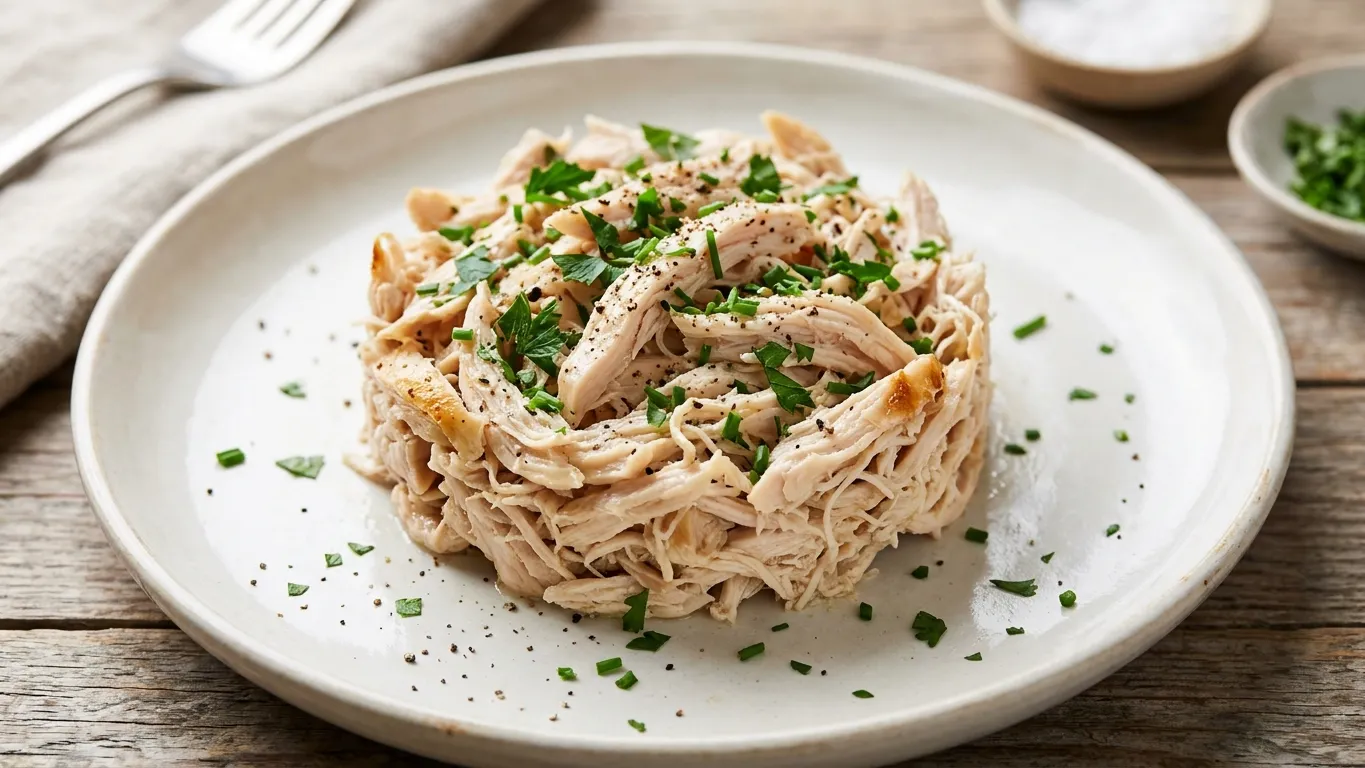
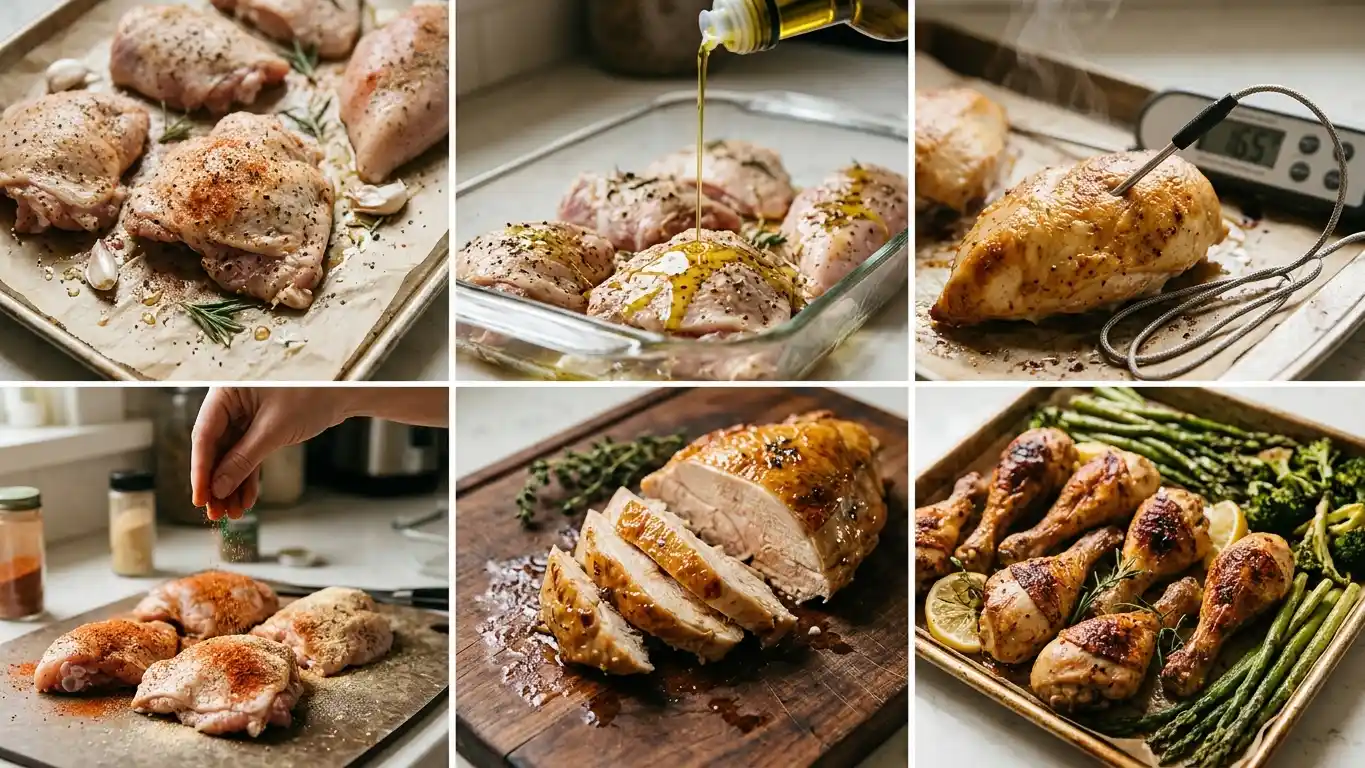
Fold one cup of pre-cooked shredded chicken into your warm vegetable medley to supply clean, lean protein. Chicken breast offers high protein density with minimal fat when you strip away the skin before cooking. Dice or shred the meat into bite-sized strips so it absorbs surrounding flavors from the olive oil and garlic blend. Ensure your poultry reaches an internal temperature of 165 degrees Fahrenheit if you cook it from raw. Let the meat rest for five minutes on a wooden cutting board before slicing so the natural juices redistribute evenly through the muscle fibers instead of pooling on your counter.
Balance Colors With Bell Peppers And Corn
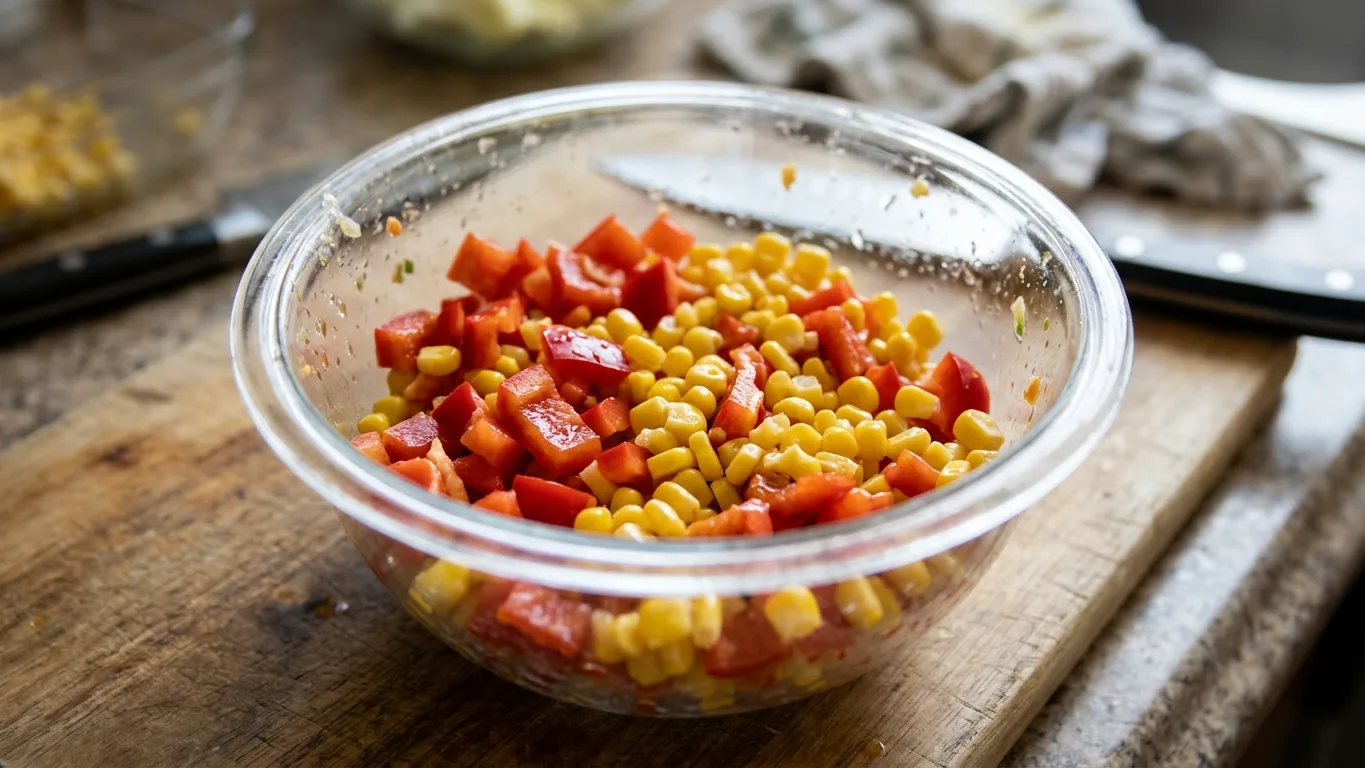
Toss one diced red bell pepper and one cup of rinsed corn into your mixing bowl to introduce essential vitamins and bright textures. Red and green bell peppers supply vitamin C and antioxidants that protect cell walls from oxidative stress during digestion. Rinse canned corn thoroughly through a mesh colander under cold running water for thirty seconds to wash away excess packaging brine and added sugars. Sauté the pepper cubes for four minutes until their edges soften slightly while retaining a firm, crisp center bite.
Monitor Portions And Meal Yields
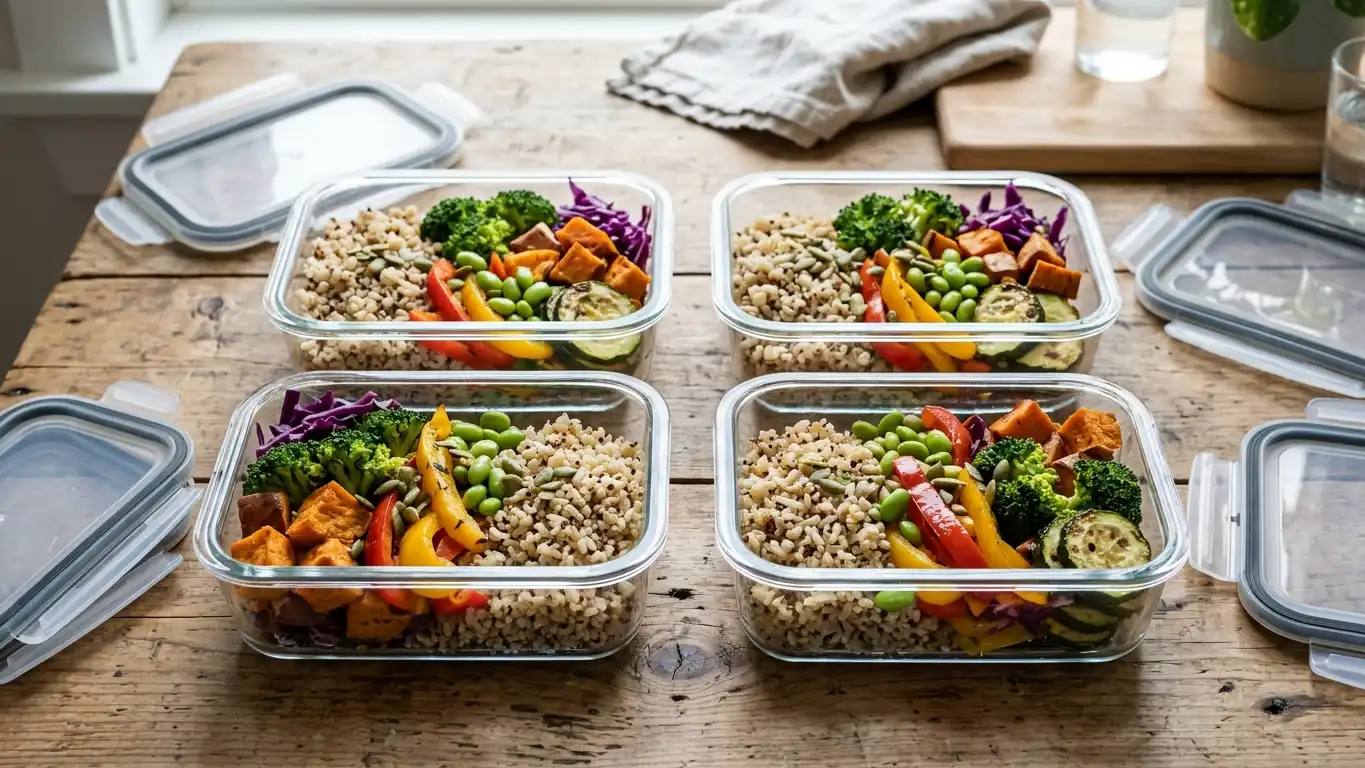
Divide your finished skillet mixture evenly across four separate ceramic bowls to maintain strict portion discipline. Each individual serving provides balanced macronutrients without overloading your digestive system during a single sitting. Store leftover portions in airtight glass containers inside your refrigerator for up to three days. Reheat single servings in a microwave-safe dish for ninety seconds, stirring halfway through to ensure even internal warmth throughout the dish. Never leave cooked poultry and grain mixtures sitting at room temperature for longer than two hours to prevent bacterial growth.
Rescue Overcooked Or Dry Dishes
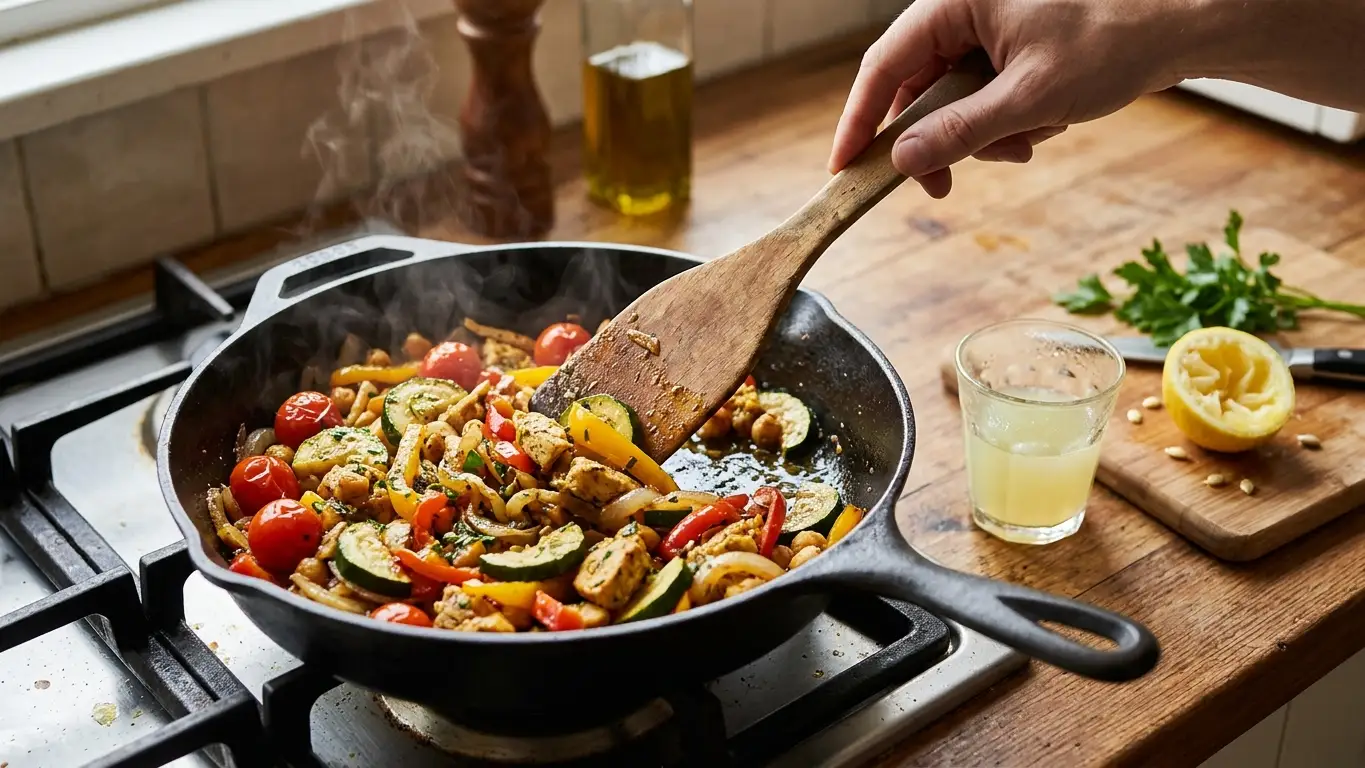
Fix a dry vegetable and grain mixture by stirring in one tablespoon of fresh lemon juice and a splash of warm water. Lemon juice introduces bright acidity that wakes up dull flavors when a recipe lacks enough salt or seasoning. If your skillet starts sticking to the pan bottom, lower your burner immediately and scrape up browned bits with a silicone spatula. Never add cold water to a scorching hot pan because thermal shock can warp thin cookware and ruin your meal preparation surface.
Common Mistakes Beginners Make
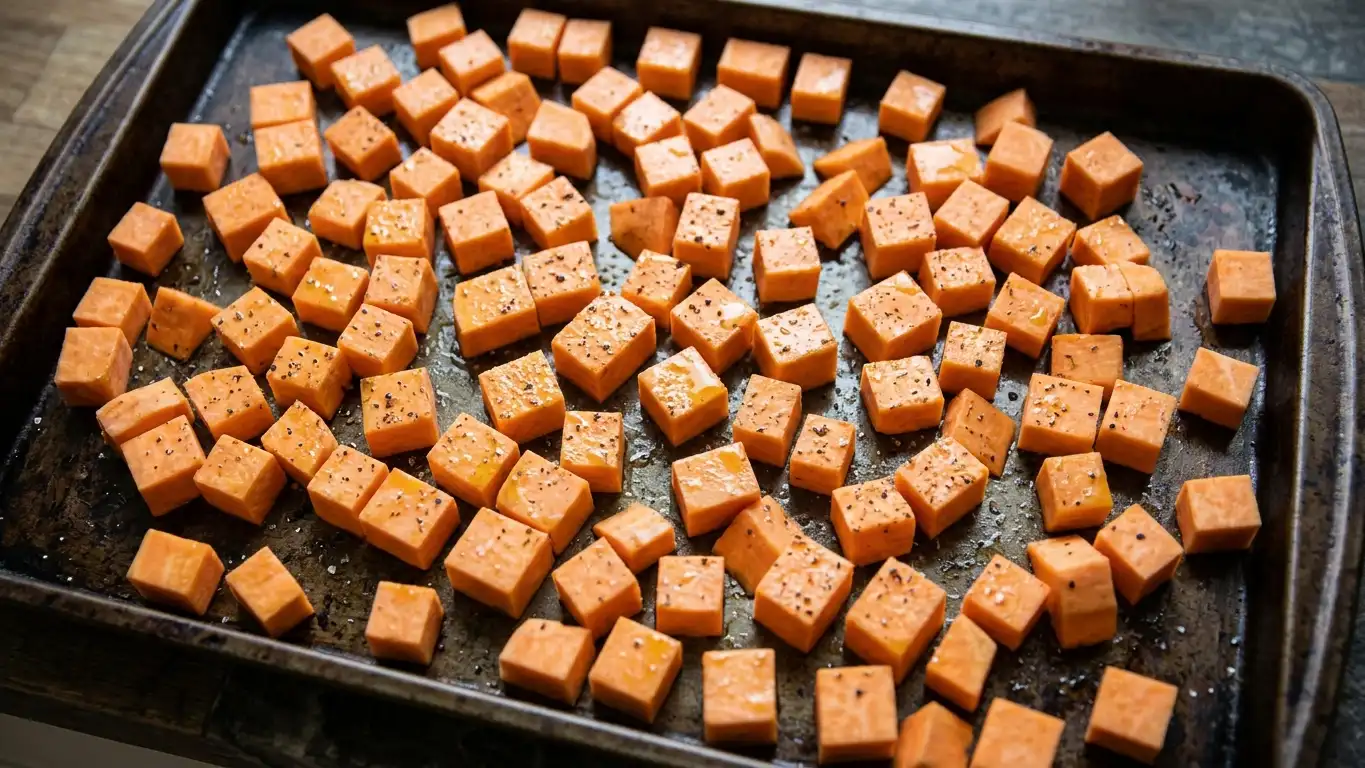
Avoid the common error of overcrowding your cooking pan when preparing dense root vegetables like sweet potatoes. Crowding traps steam around the food items, causing them to steam and turn mushy rather than developing a savory roasted crust. Cut your sweet potato into uniform half-inch cubes so every piece finishes cooking at the exact same moment. Keep a small gap of space between individual pieces across your baking sheet or skillet surface to allow proper hot air circulation.
Where This Cooking Method Fails
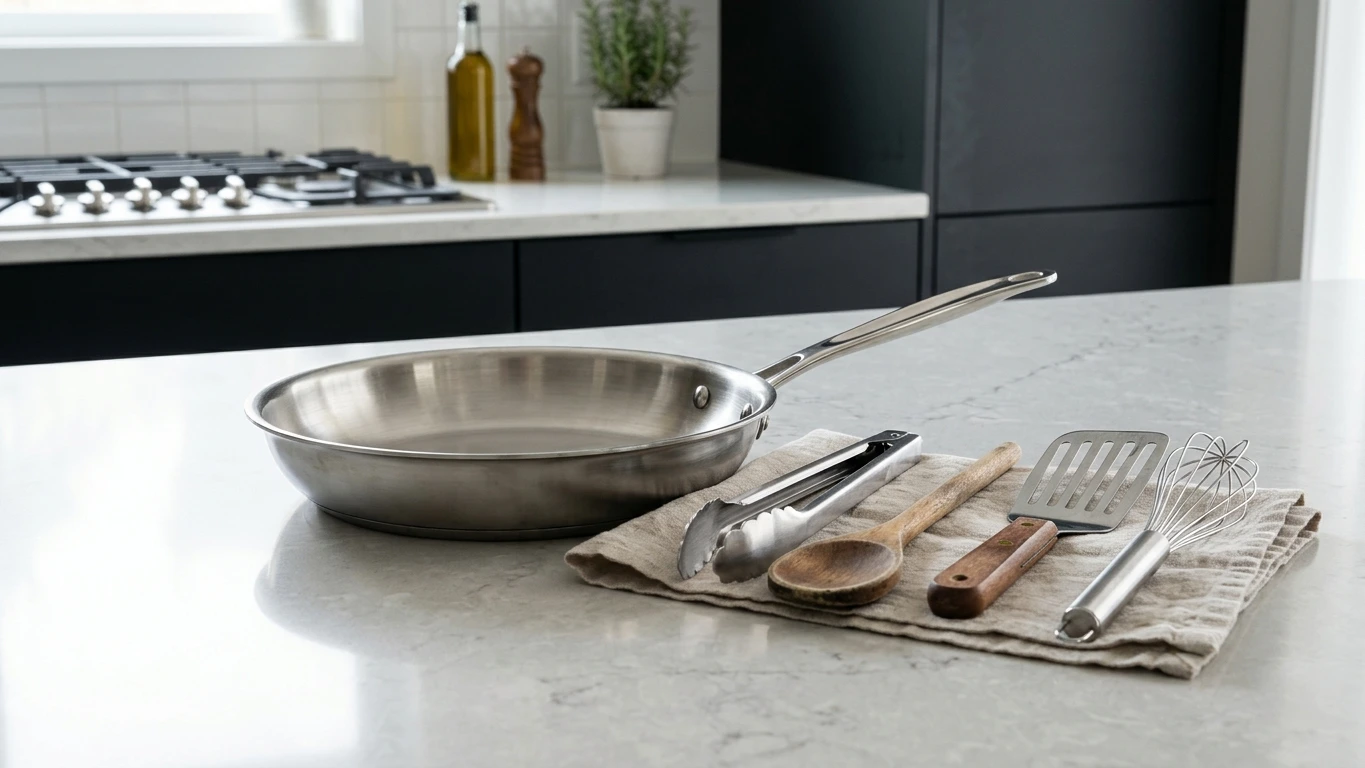
This stovetop sauté method fails entirely if you attempt to use low-smoke-point oils like unrefined flaxseed oil for high-heat cooking. High heat destroys delicate plant oils instantly, producing acrid smoke and unpleasant bitter flavors that ruin the entire dish. Use high-heat vegetable fats only when your burner exceeds medium settings, and reserve delicate finishing oils for cold dressings applied after cooking finishes. Adjust your cooking expectations if you try replacing brown rice with quick-cooking instant grains, as instant varieties lose most of their beneficial fiber content during factory processing.
Frequently Asked Questions
What is the best way to reduce sodium without losing flavor?
Replace table salt with fresh citrus juices, toasted spices, and alliums like garlic and onions to build complex savory notes naturally.
How long can cooked grains stay fresh in the fridge?
Cooked whole grains remain safe for consumption for up to four days when sealed tightly in a clean glass container.
Can I substitute sweet potatoes with regular white potatoes?
Sweet potatoes offer higher beta-carotene and fiber content, but starchy white potatoes work fine if you prefer a different flavor profile.
What internal temperature indicates fully cooked chicken?
Poultry is safe to consume once an instant-read thermometer inserted into the thickest part registers 165 degrees Fahrenheit.
Summary Of Kitchen Preparation Steps
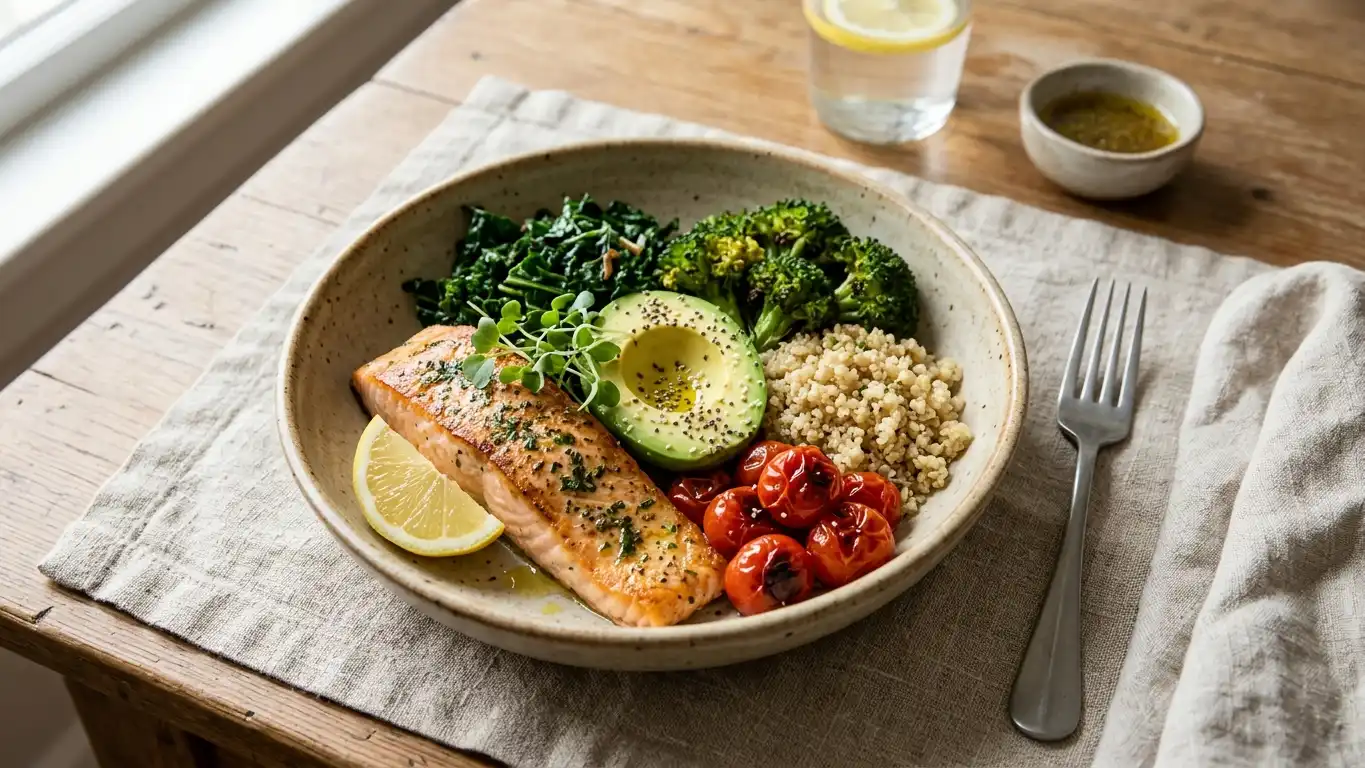
Executing these heart healthy meals requires a strict sequence of organized steps from start to finish. Measure your extra virgin olive oil and heat your pan over a medium flame. Sauté aromatic garlic and diced bell peppers until tender. Stir in cooked brown rice and shredded chicken to build a balanced base. Finish the dish with fresh lemon juice and serve warm in measured portions.