
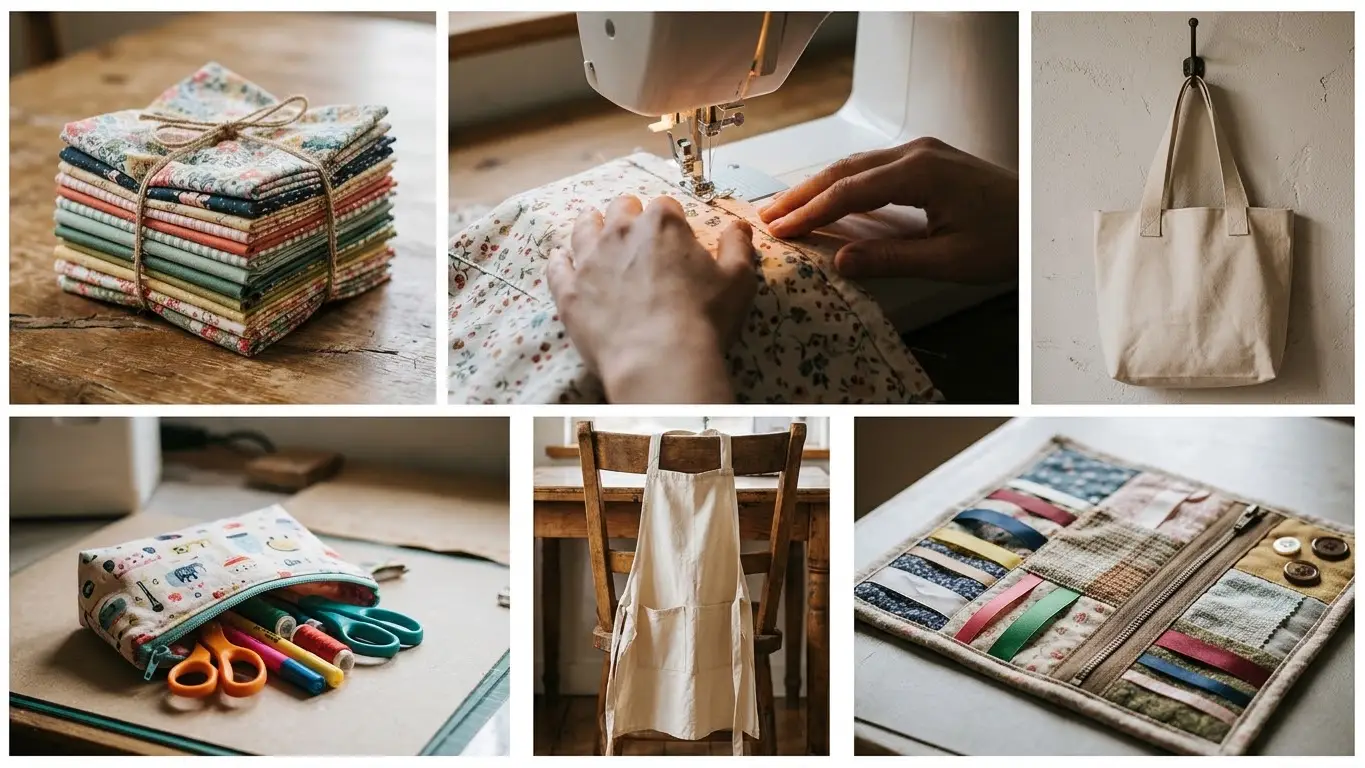
What are some easy sewing ideas for beginners to tackle on their very first weekend? Staring at a brand new machine feels exciting until you try to thread it and stitch a straight line. Every mistake costs fabric and time. Finding simple sewing projects for beginners helps you build muscle memory without throwing away expensive yardage.
Start with designs clearly marked as entry level and avoid anything demanding closures or advanced fitting. You need items that require only a straight stitch and maybe a pivot. Focus on sewing accurately rather than quickly. Building a solid foundation means picking builds that solve a real problem while teaching you how your machine handles tension and speed. Keep a hot iron nearby to press every seam flat but always watch your fingers around the steam.
Buying Intricate Paper Templates Before You Know The Basics
New crafters often purchase complex commercial templates hoping to make runway outfits on day one. A massive fold out sheet with fifty markings causes instant panic. You lose track of grainlines and cut the wrong size entirely.
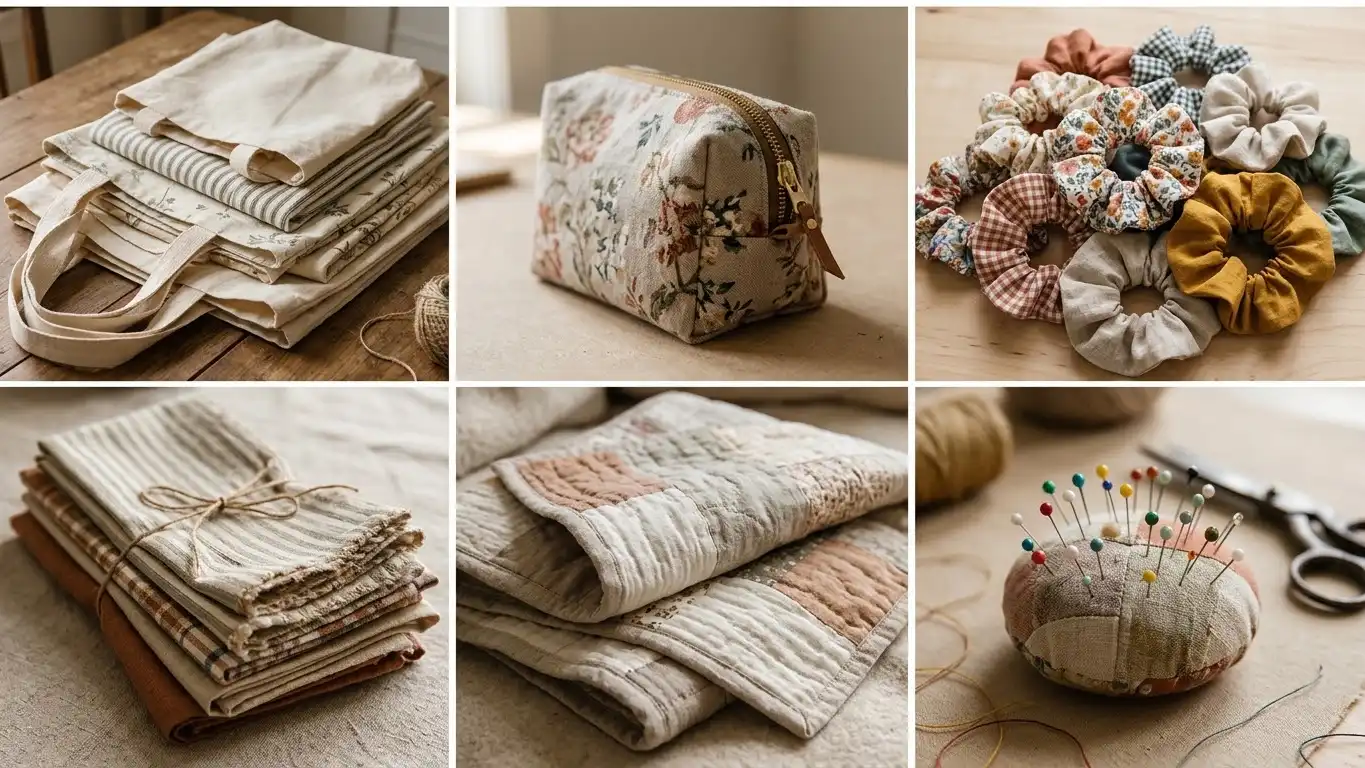
Skip the tissue paper and search for a downloadable PDF that focuses strictly on straight seams. A basic tote bag serves as the ideal starting point. You learn how to pin right sides together and stitch a straight line down two edges. It teaches you how patterns work in a low stakes environment. Print the file on standard printer paper and tape it together. This gives you a rigid guide that stays flat on your cutting mat. The best simple projects for sewing demand no complicated adjustments.
Ruining Good Yardage On First Time Hardware
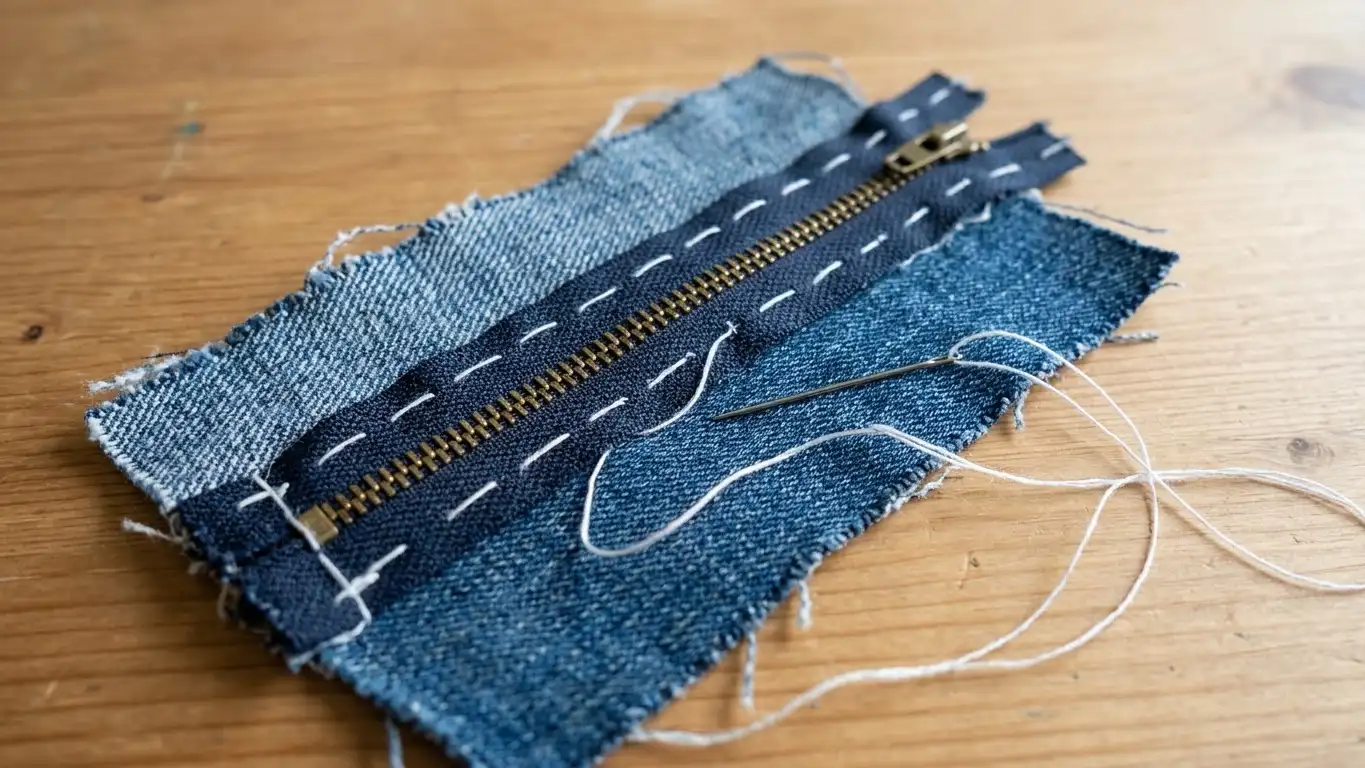
Installing hardware ruins more starter fabric than anything else. A metal zipper teeth strike against a domestic needle and shatter it immediately. Ripping out a crooked zip stretches the textile out of shape permanently.
Never install hardware on expensive material until you understand the mechanics. Build a basic zipper pouch using cheap offcuts first. If you have never installed a zipper before work slowly and use scrap fabric to practice. Baste the tape by hand before taking it to the machine. A pouch requires only two rectangular panels and teaches you how to swap to a zipper foot safely. This approach saves money and builds confidence for future simple sewing projects for beginners with sewing machine hardware.
Starting With Clothing That Demands Exact Fit
Many novices jump straight into garment construction and end up with unwearable items. You spend forty dollars on linen only to discover the bodice gaps and the armholes pinch. Fit issues kill confidence faster than broken thread.
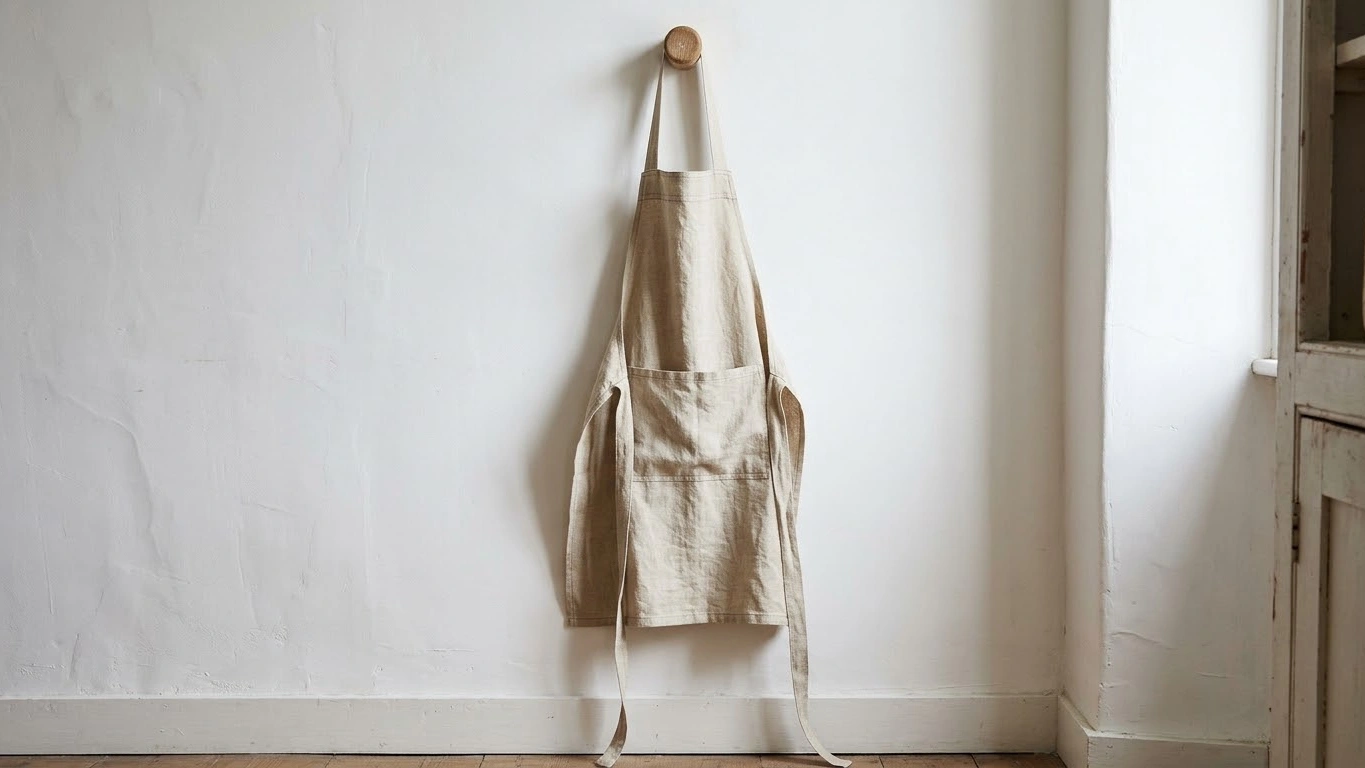
Postpone simple dress sewing patterns for beginners until you understand how fabric drapes. Create a standard apron instead. An apron teaches pressing seams and turning hems without any sizing pressure. You learn how to topstitch long edges neatly. It requires no darts and no gathering. The tie straps teach you how to turn narrow tubes of fabric right side out. If the hem runs slightly crooked nobody will notice while you cook.
Getting Frustrated By Uneven Curved Edges
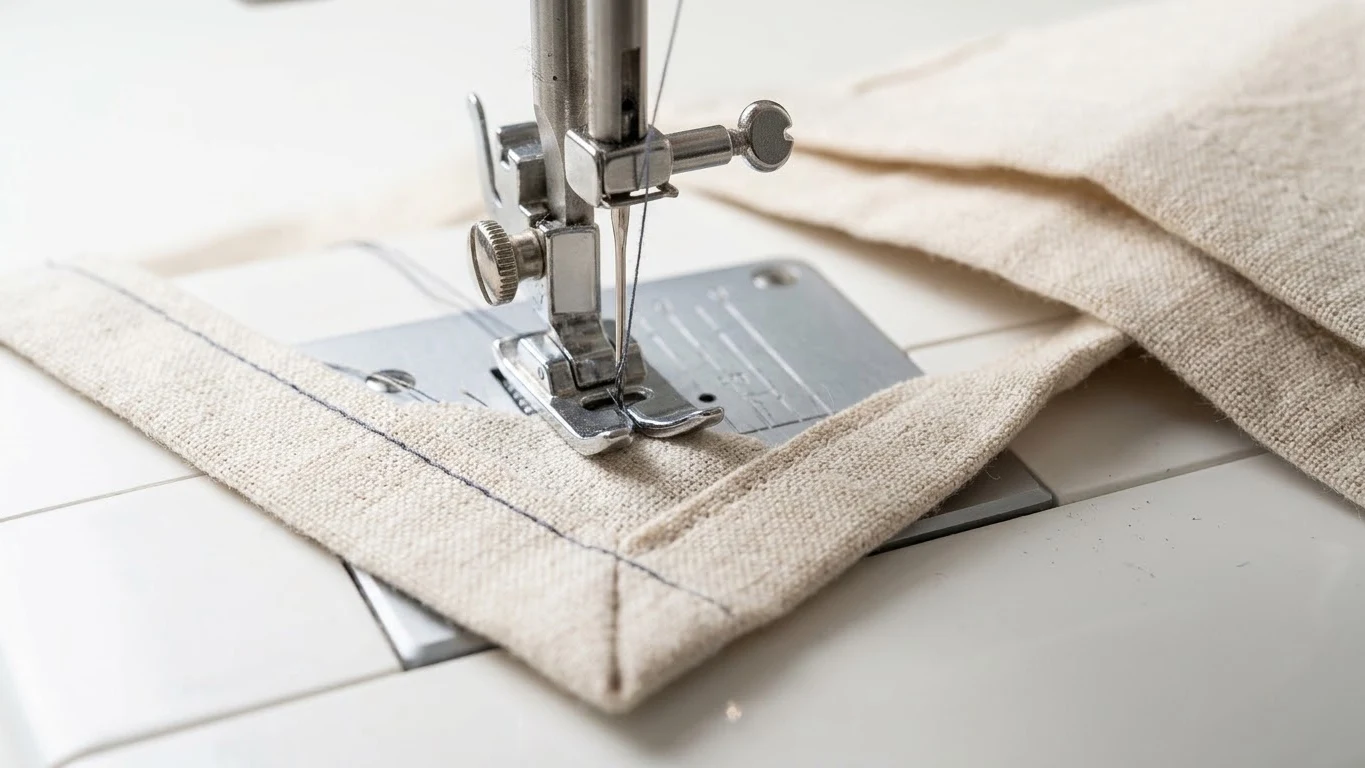
Feeding material through a machine in a smooth circle takes weeks of daily practice. Trying to edge stitch a round placemat results in puckered borders and wavy edges. The fabric bunches under the presser foot and ruins the finish.
Stick to a flat plane and sew a basic table runner. This teaches you the vital skill of pivoting around corners safely. You stitch down one long side stop with the needle down in the textile lift the foot and rotate the piece exactly ninety degrees. Dropping the foot back down lets you continue a sharp angle. This technique forms the foundation of all easy quick sewing projects for beginners. The runner demands precision but removes the nightmare of easing fullness around a curve.
| Problem | What causes it | What to do instead |
|---|---|---|
| Crooked topstitching | Looking at the needle instead of the guide | Watch the edge of the presser foot |
| Skipped stitches | Using a dull needle on tight weave fabric | Swap to a fresh microtex needle |
| Thread bunching underneath | Threading the machine with the foot down | Lift the presser foot before threading |
Abandoning The Hobby Over High Material Costs

Buying fresh bolts from a craft store drains a wallet fast. Spending twenty dollars just to practice a french seam feels entirely unreasonable. People quit because the learning phase costs too much cash.
Use leftover pieces to create lovely lavender sachets. You only need a four inch square to hold the filling. Readily available dried lavender will do the trick and costs around $5 a bag in 2026. Stitch three sides closed flip the square out and fill it up. Hand sew the final gap. These tiny fragrant packets fit into drawers and teach you how to enclose raw edges properly. Finding simple sewing projects for beginners free of heavy fabric costs keeps the hobby accessible.
Taking On Builds That Drain Early Motivation
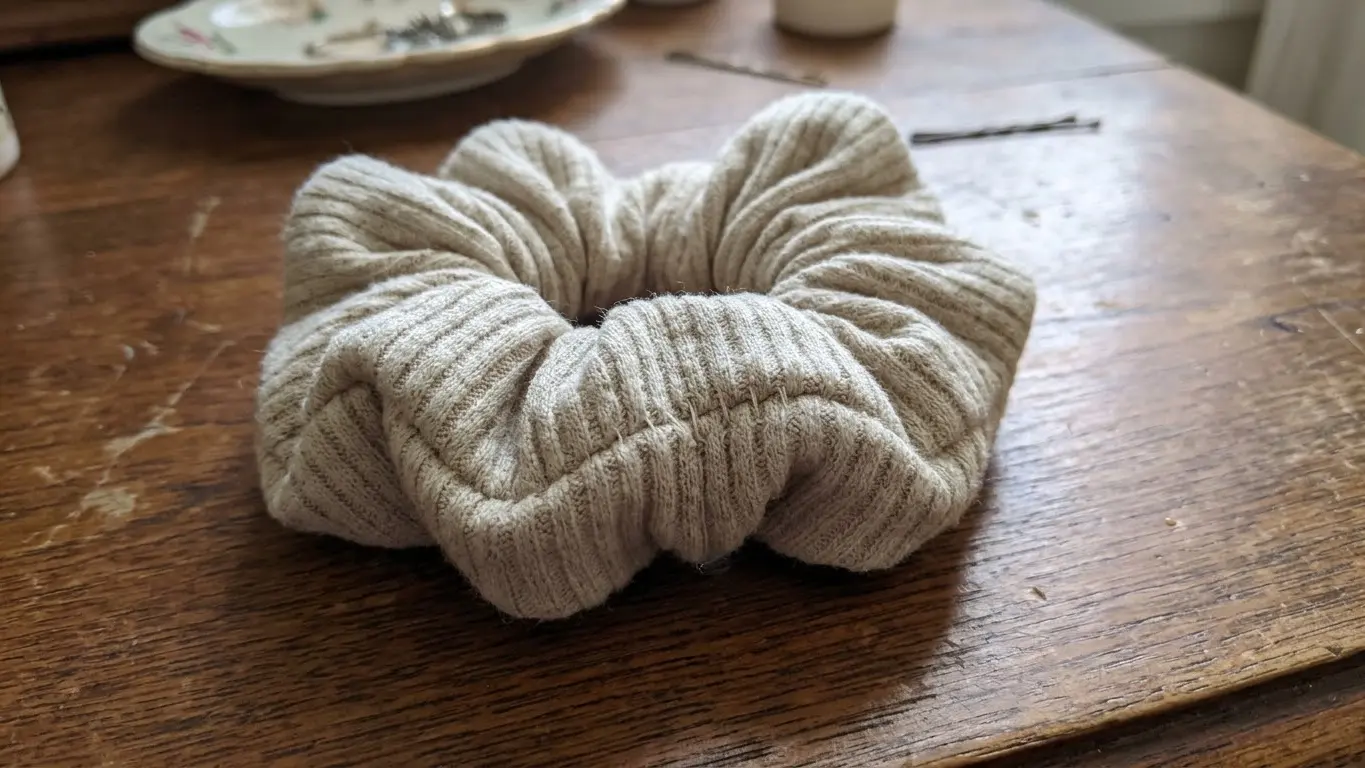
A quilt top looks impressive but demands hundreds of identical squares. By week three the repetition feels like a factory job. Unfinished builds pile up in the closet because the finish line sits too far away.
Pick a fabric scrunchie to get a fast win. This takes under thirty minutes from cutting to wearing. You sew a long rectangle into a tube thread a piece of elastic through the center and tie the ends tight. A scrunchie acts as a fantastic scrap buster. Immediate rewards train your brain to enjoy the process. Seeking out simple one hour sewing projects for beginners gives you a finished item to show off the same day you bought the machine.
Fighting Heavy Canvas On A Standard Motor
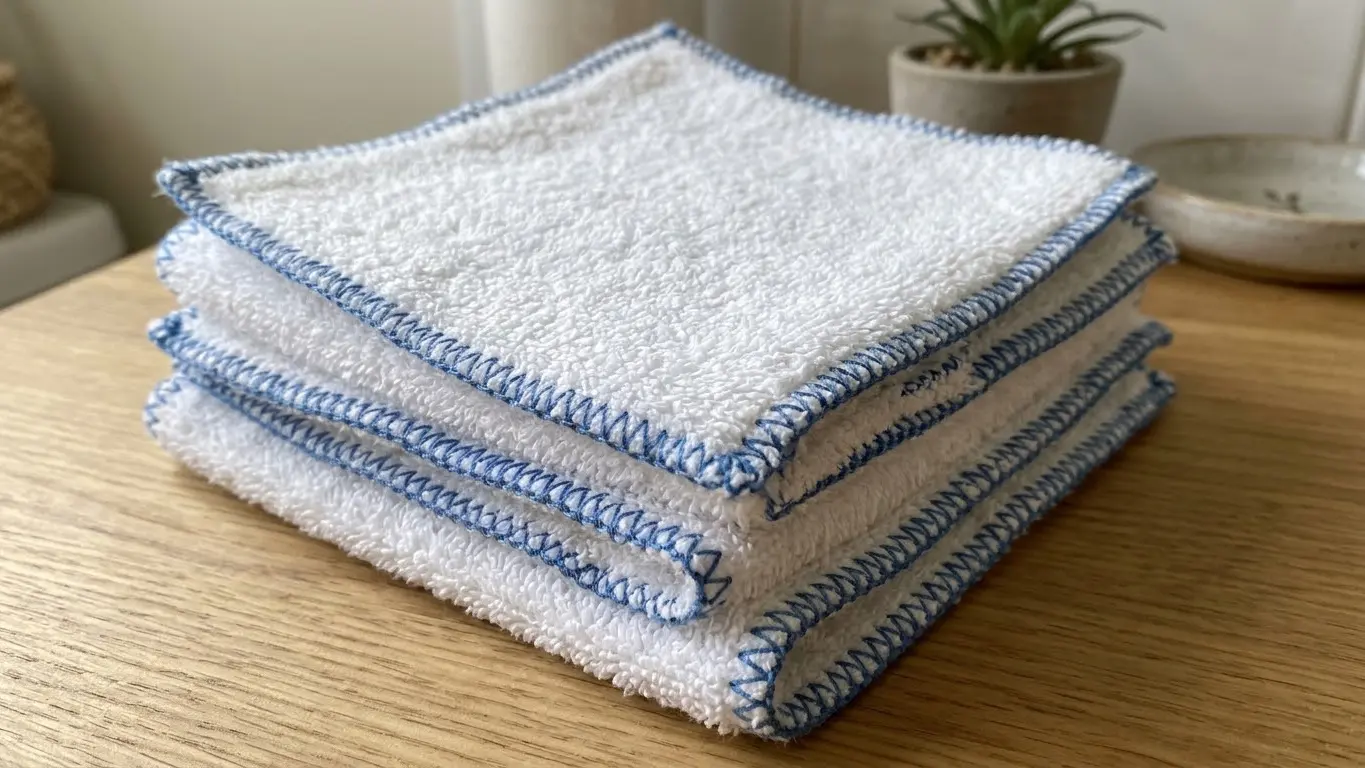
Home machines struggle to punch through four layers of heavy denim or marine canvas. The motor groans and the feed dogs fail to pull the material forward. You end up pulling the textile from behind which snaps the needle instantly.
Grab yourself some towelling fabric or even use a spare flannel to sew your own reusable face cloths. Toweling offers thickness without the dense weave that blocks a needle. It teaches you how to lengthen your stitch for thicker materials. You can finish the edges with a clean zigzag stitch to prevent fraying. These practical squares make excellent sewing projects for beginners because they tolerate messy stitching. You learn machine control without risking motor burnout.
Assuming Simple Sewing Projects For Beginners Lack Real Utility
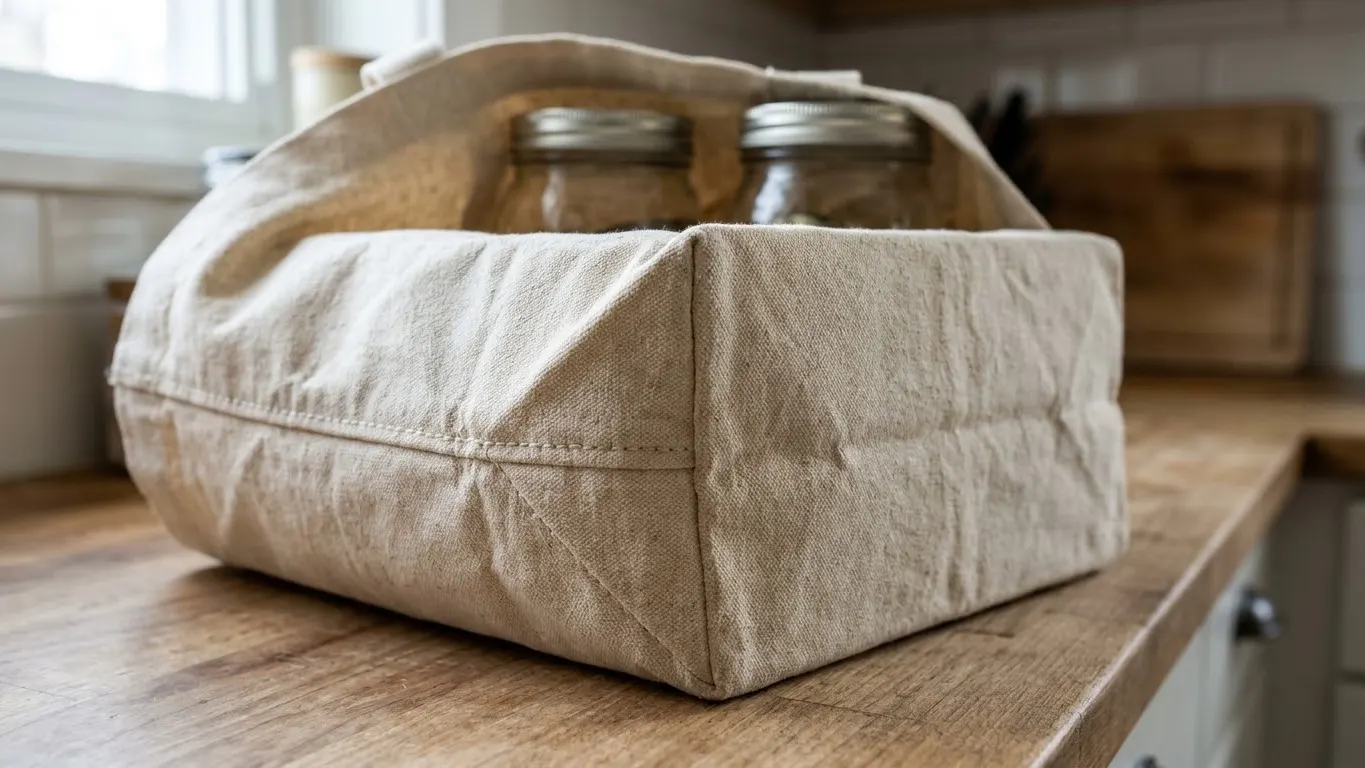
Crafters often assume starter tutorials only produce decorative junk. Making endless practice blocks leaves you with a pile of useless squares. You want your early efforts to serve an actual purpose in the house.
A reusable shopping bag provides incredible utility while remaining technically basic. It introduces additional details such as boxed corners and reinforced handles. Boxed corners teach you how to turn a flat sack into a vessel that stands up on its own. You measure a square cut out of the bottom corners and sew the opposing seams together. This technique upgrades a standard tote into a grocery carrier. It holds heavy cans and replaces plastic bags immediately.
Overthinking The Order Of Construction Steps
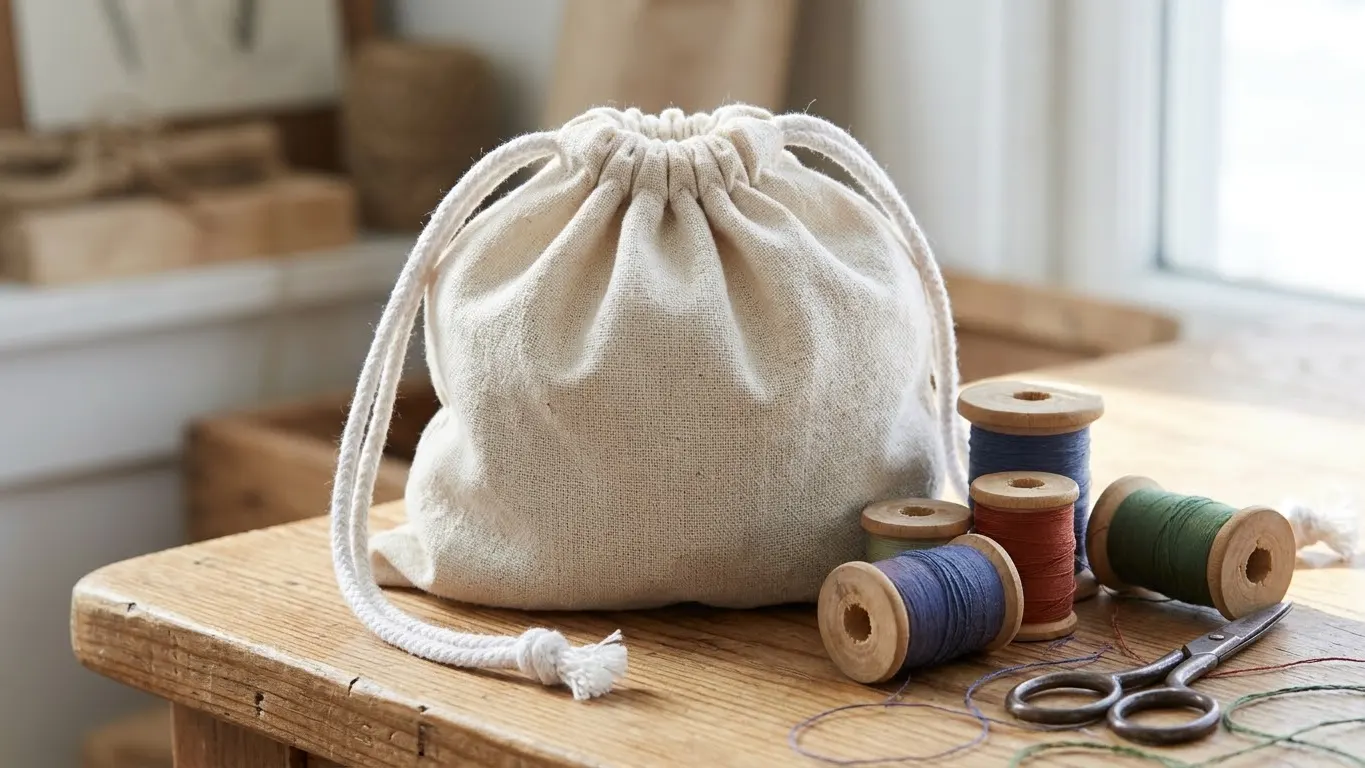
Assembling a three dimensional object out of flat panels confuses the brain. Sewing a lining to an exterior piece in the wrong order means the raw edges show on the outside. You have to unpick a meter of thread to fix the mistake.
A basic drawstring bag clarifies construction logic. You create a channel at the top before sewing the side seams shut. This case holds loose cables or craft supplies neatly. Threading the string through the top casing teaches you how a bodkin works. Understanding the order of operations here prevents major disasters on larger bags. Following simple sewing ideas for beginners builds spatial awareness naturally.
Creating Decorative Items Nobody Actually Wants
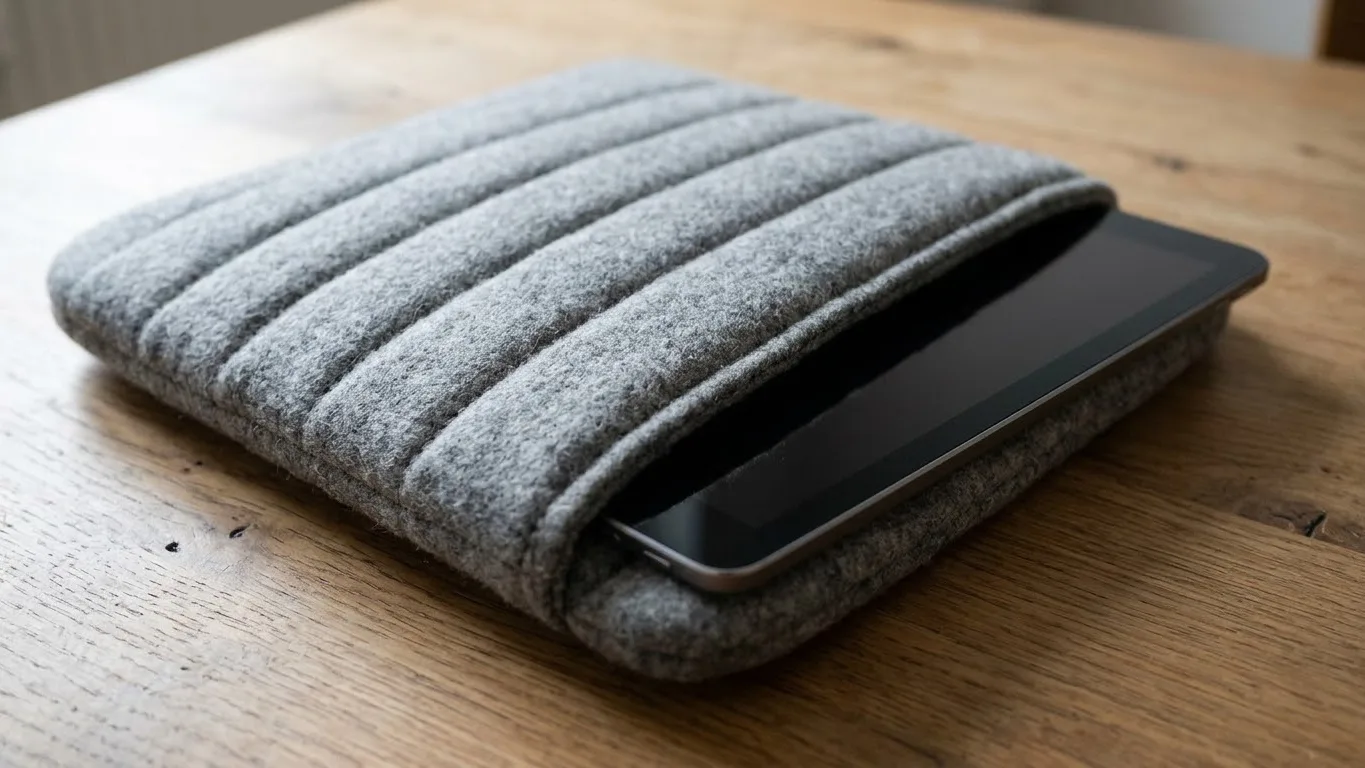
Holiday crafting often results in novelty items that recipients politely hide in a drawer. A poorly stitched fabric ornament looks messy on a tree. Spending hours on a gift that carries no function wastes your effort entirely.
Focus on utility when creating simple sewing projects for christmas gifts. A padded tablet sleeve protects expensive electronics and requires only straight lines. You sandwich a layer of cotton batting between two fat quarters and quilt straight lines across the surface. This technique introduces basic machine quilting without the pressure of a bedspread. The recipient actually uses the sleeve daily. It protects their screen and showcases your new skills proudly.
Ignoring Functional Needs When Crafting For Others
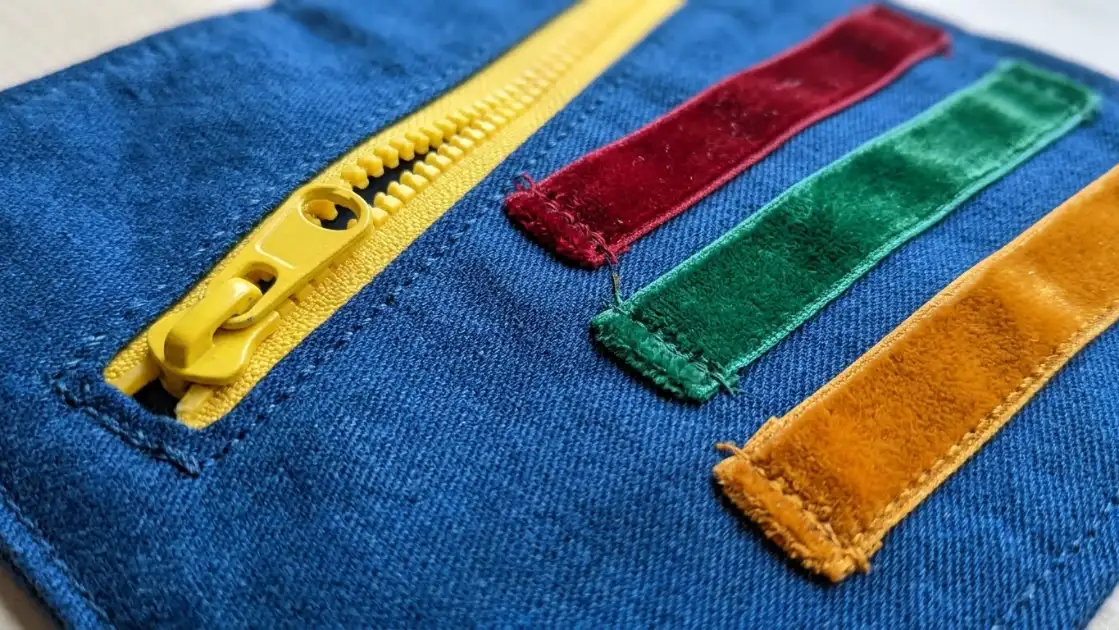
People often sew standard blankets for nursing home residents without considering physical needs. A massive heavy quilt slides off a wheelchair easily. Standard covers provide warmth but offer zero engagement for restless hands.
Construct a lap sized sensory mat instead. These simple sewing projects for dementia patients provide incredible comfort and stimulation. Attach textured ribbons chunky zippers and wooden rings securely to a durable cotton base. The varied textures give agitated hands something safe to fiddle with. Double stitch every attachment point so nothing pulls loose during use. A sensory mat requires no precise measurements just strong seams and thoughtful material choices.
How Do I Start Sewing With No Experience
Get a reliable entry level machine and learn how to thread the bobbin correctly. Practice running the machine without thread on a piece of lined paper. This teaches you how to steer the feed dogs and control the foot pedal speed safely.
What Are Good Sewing Projects For Beginners
Basic items constructed entirely of straight lines offer the best starting point. Tote bags cloth napkins and pillowcases let you focus on tension and steering. Avoid anything with buttonholes or heavy gathering until you master the straight stitch.
What Supplies Do Beginners Actually Need
A sharp pair of fabric shears a box of glass head pins and a seam ripper form the core kit. Buy high quality polyester thread because cheap spools snap inside the machine. A clear acrylic ruler and a cutting mat help ensure straight edges.
Why Does My Thread Keep Bunching Under The Fabric
Nests of thread underneath usually mean the top tension lacks engagement. Always thread your machine with the presser foot raised up high. Lowering the foot engages the tension discs holding the thread securely while the needle moves.
The Most Expensive Mistake New Crafters Make
Cutting into expensive material without pre washing costs the most money and heartbreak. You finish a lovely linen cover toss it in the laundry and it shrinks three inches. The seams twist and the item no longer fits the cushion insert.
Avoid this entirely by treating your raw yardage exactly how you plan to wash the finished piece. Throw the cut yardage into the washing machine on hot and run it through the dryer. Iron it flat before placing your templates down. Mastering simple sewing projects for beginners protects your budget but skipping the pre wash guarantees ruined fabric. Shrinking the fibers before cutting ensures your hard work remains perfectly sized for years.