
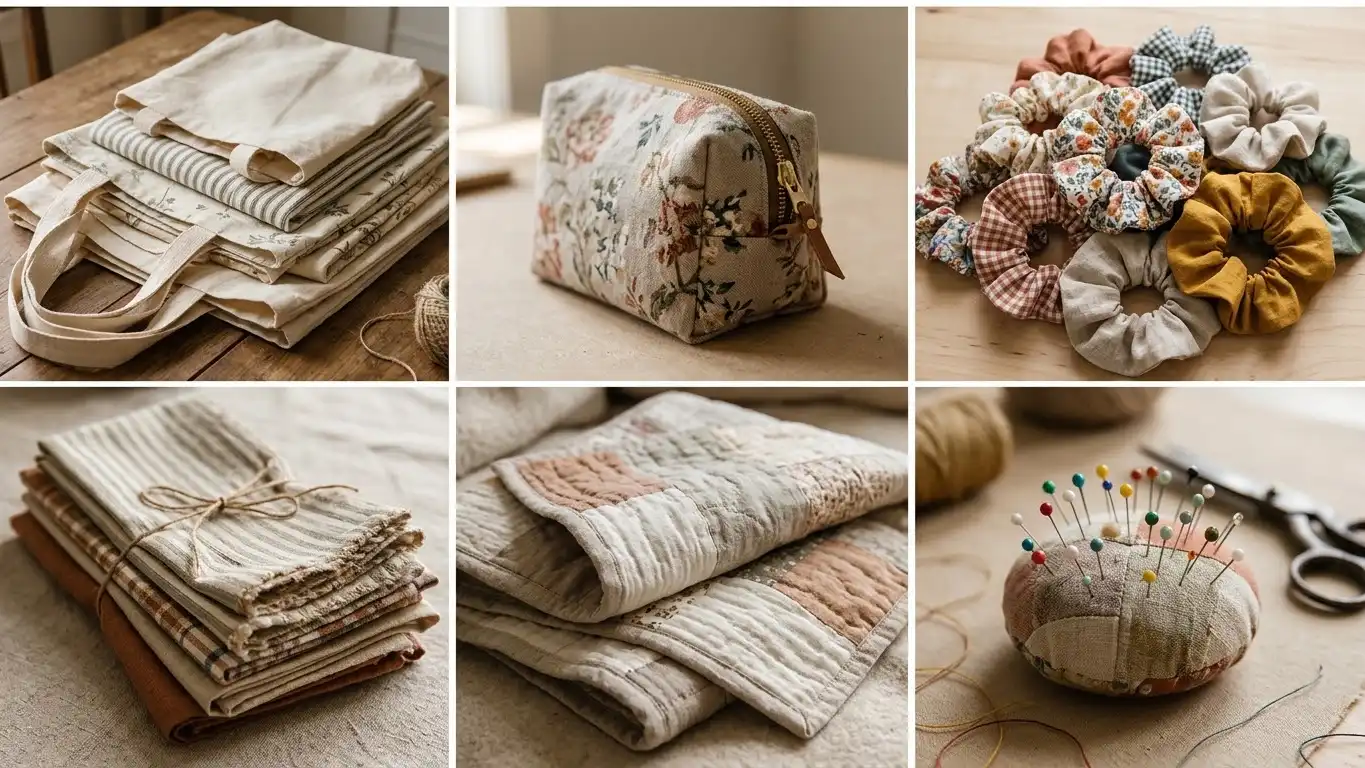
What is a good sewing project for beginners? You buy a brand new machine and stare at it. The internet throws complicated dress patterns at you before you even know how to thread the needle. You want easy sewing projects for beginners that actually teach you how to control the pedal and handle fabric.
Starting with heavy coats or lined pants leads to absolute frustration. You need items that require straight lines and stable woven cotton. This builds muscle memory for pivoting around corners. Finding the right starter items saves your materials from the trash bin.
Believing A Reusable Shopping Bag Requires A Commercial Pattern

New makers assume a tote needs a fifty dollar printed template. A functional sustainable shopping bag is just two rectangles of stable canvas stitched together. This is one of the top easy sewing projects for beginners to sell at local craft markets. You cut two pieces measuring eighteen by twenty inches. Pin them right sides facing inward. Stitch three edges and leave the top open.
The trap is skipping the iron. Pressing seams flat makes the final bag sit properly on a table. Once you master the basic shape you can add boxed corners or reinforced webbing handles. A yard of medium weight cotton costs around twelve dollars in 2026. This gives you enough yardage for two bags. Avoid slippery synthetics because they slide away from the presser foot.
Avoiding The Zipper Pouch Because Hardware Feels Advanced
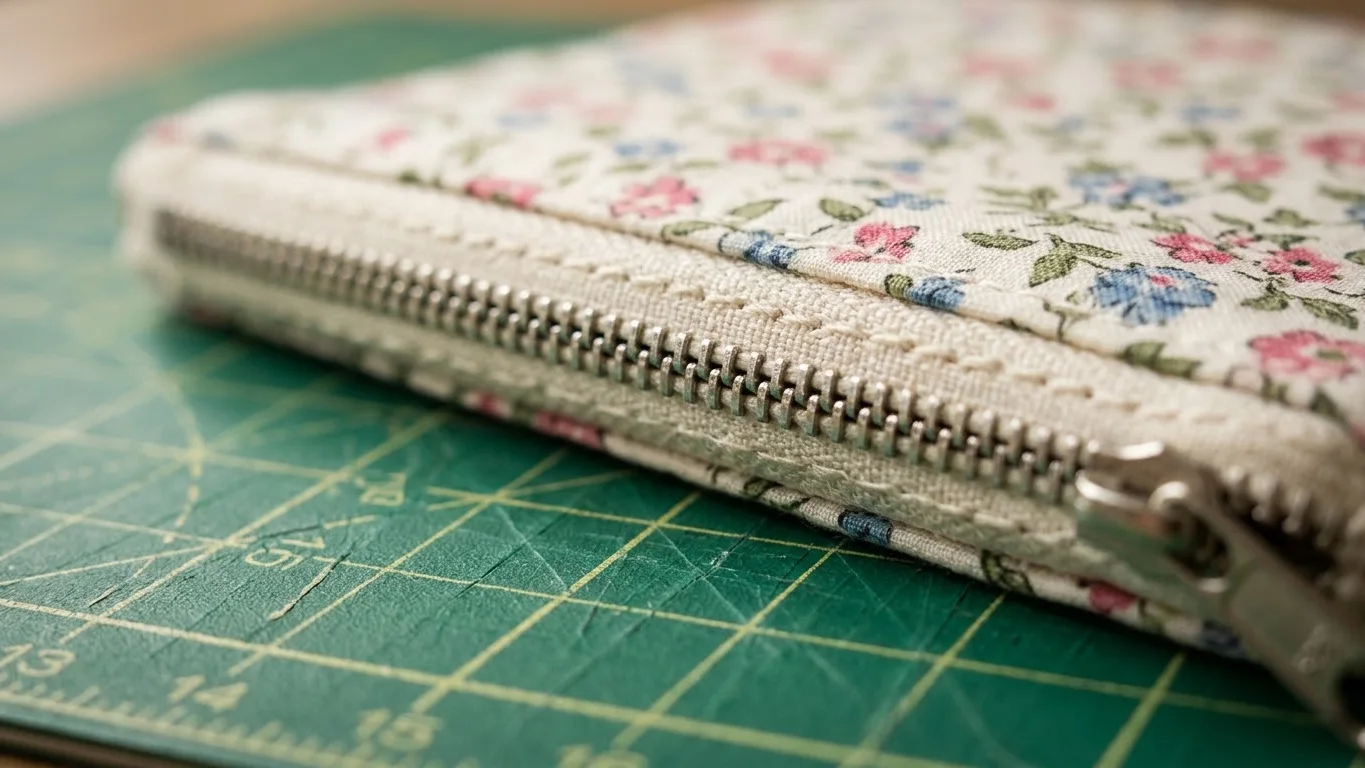
Metal teeth look intimidating against a fragile steel needle. People skip making pencil cases because installing hardware seems like a disaster waiting to happen. If you have never installed a zipper before work slowly and use scrap fabric to practice first. This saves your good material from unpicking damage.
Grab a standard plastic coil zipper and swap your regular foot for a zipper foot attachment. This metal piece lets the needle drop right next to the bulky teeth. Pin the fabric face down on the zipper tape. Stitch slowly down the line. It is a fantastic option when looking for easy sewing machine projects for beginners uk crafters often recommend. You end up with a functional makeup bag in forty minutes. Keep the needle down in the fabric when pivoting around the zipper pull.
Wasting Fabric Scraps Instead Of Making Quick Hair Ties

Throwing away narrow strips of printed offcuts drains your hobby budget. Those leftovers are exactly what you need to create custom hair accessories. You will have a finished physical item to wear in under thirty minutes. Cut a strip of cotton measuring twenty inches long by four inches wide. Fold it hot dog style right sides together.
Stitch down the long edge leaving the ends open. Turn the tube right side out using a closed safety pin. Thread a six inch piece of quarter inch elastic through the center. Tie the elastic into a tight knot. Fold the raw fabric edges inward and topstitch the gap closed. These rank among the best easy one hour sewing projects for beginners because they use less than five dollars of supplies. Avoid using thick denim for hair ties because it refuses to gather cleanly.
Overlooking The Easy Sewing Projects For Beginners That Sort Household Clutter
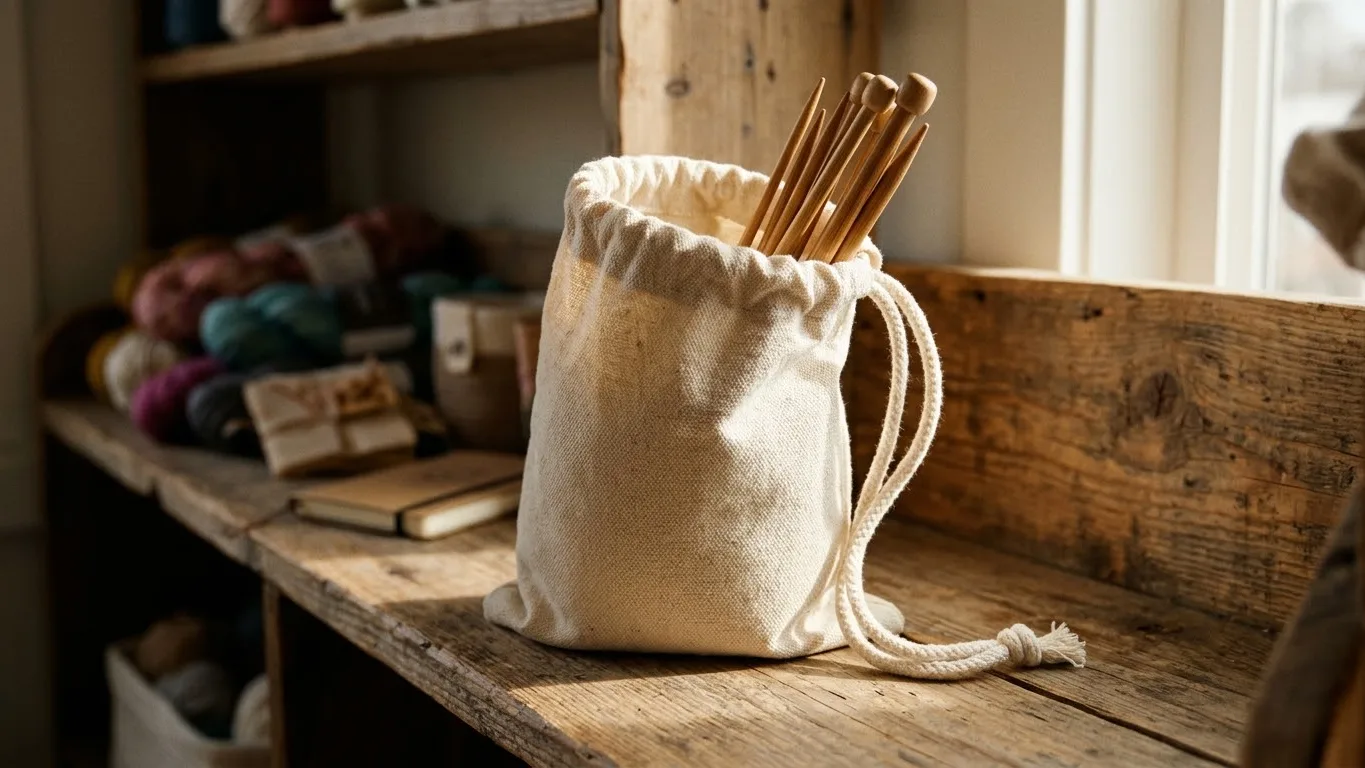
Shoeboxes look terrible on open shelves. Plastic tubs crack easily. You need customized storage that matches your room decor without costing a fortune. A lined drawstring bag hides everything from charging cables to loose toys. Find simple sewing projects for beginners free online to get the exact cutting dimensions for different sizes.
You construct a wide fabric tube and fold the top edge down twice to create a casing. Leave a one inch gap in the final stitch line. Feed a thick cotton cord through the channel with a bodkin or a large safety pin. The mistake here is making the casing too tight. The cord needs room to slide back and forth without catching on the inner seam allowance. Use a sturdy canvas for the exterior so the bag stands upright on the shelf.
Spending A Fortune On Single Use Kitchen Wipes

Paper towels vanish fast in a busy kitchen. Buying premium cloth napkins sets you back thirty dollars for a pack of four. Making reusable fabric face cloths or dinner napkins costs pennies per unit. You just need a stack of absorbent linen or waffle knit cotton. Cut them into twelve inch squares using a rotary cutter.
The challenge is stopping the edges from fraying in the washing machine. Fold every edge over by a quarter inch twice and iron it flat. Sew a straight line right over that folded hem. This prevents the threads from unraveling during a hot wash cycle. These are highly practical easy sewing projects for adults wanting a plastic free home. Stick to one hundred percent cotton thread because polyester thread might melt if you iron the napkins on high heat later.
Thinking Custom Tableware Takes All Weekend To Finish

Waiting weeks to finish a massive bedspread kills your motivation. You need a fast win to prove you can actually operate the machine. Table protectors like coasters and mug cozies take practically zero time. Cut two four inch squares of decorative fabric and one square of cotton batting.
Stack the batting on the bottom and place the two fabric squares right sides together on top. Sew around the edge leaving a two inch gap. Flip the whole thing right side out through the hole. Press it flat and stitch exactly one eighth of an inch around the entire perimeter. This closes the gap and gives a crisp edge. Searching for easy sewing ideas for beginners always brings up these rapid items because they teach you how to turn corners sharply. Use heat resistant batting if the coaster will hold boiling hot tea.
Buying Complicated Baby Gifts Instead Of Making Them

Store bought baby items lack personal meaning. Constructing a tailored diaper and wipes carrier sounds like an engineering nightmare. A basic baby blanket requires zero complex pattern adjustments. You just cut two large squares of flannel and sew them face to face.
Leave a turning hole and topstitch the perimeter. You learn how to manage heavy layers of material moving under the needle. This is exactly the kind of easy sewing projects for beginners for gifts that parents actually appreciate. Flannel frays heavily so you must leave a wide half inch seam allowance. If you cut the allowance too narrow the seams will rip open after the first aggressive wash cycle. Prewash all materials before cutting to prevent the finished blanket from shrinking unevenly.
Throwing Away Offcuts That Work Perfectly As Bookmarks
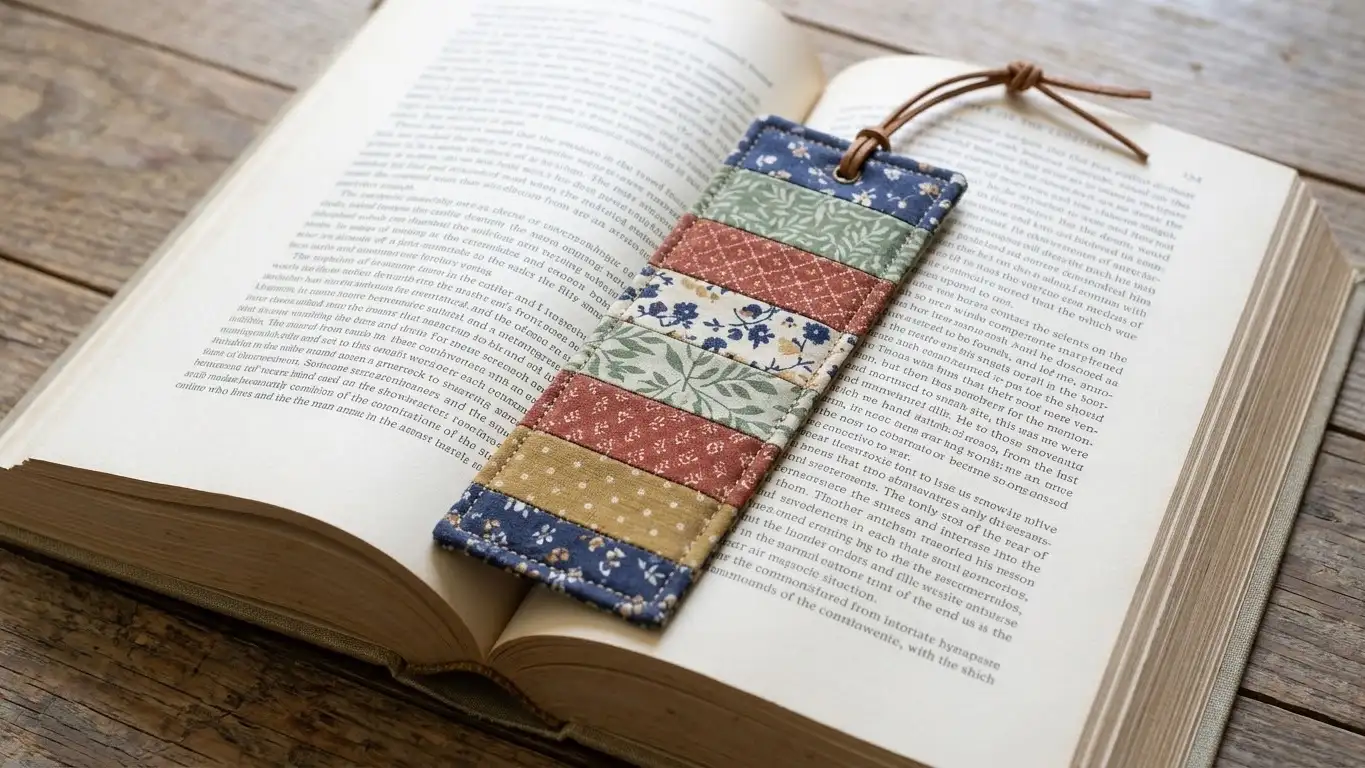
Tiny strips of premium printed cotton feel too nice to trash. Tossing them in the bin wastes money. You can sandwich a stiff piece of heavy interfacing between two narrow fabric offcuts to create rigid page markers.
Cut the rectangles two inches wide and six inches tall. Iron the interfacing to the wrong side of one piece. Place them right sides together and stitch around three sides. Turn them right side out and press flat. Topstitch the final edge closed. These fast items belong on every list of sewing projects for beginners because they teach you how stiff stabilizers change the way textiles behave. You learn about basic properties before experimenting with difficult materials on bigger items. Punch a hole in the top and tie a leather string through it for a finished look.
Buying Expensive Pillow Covers That Never Fit Right
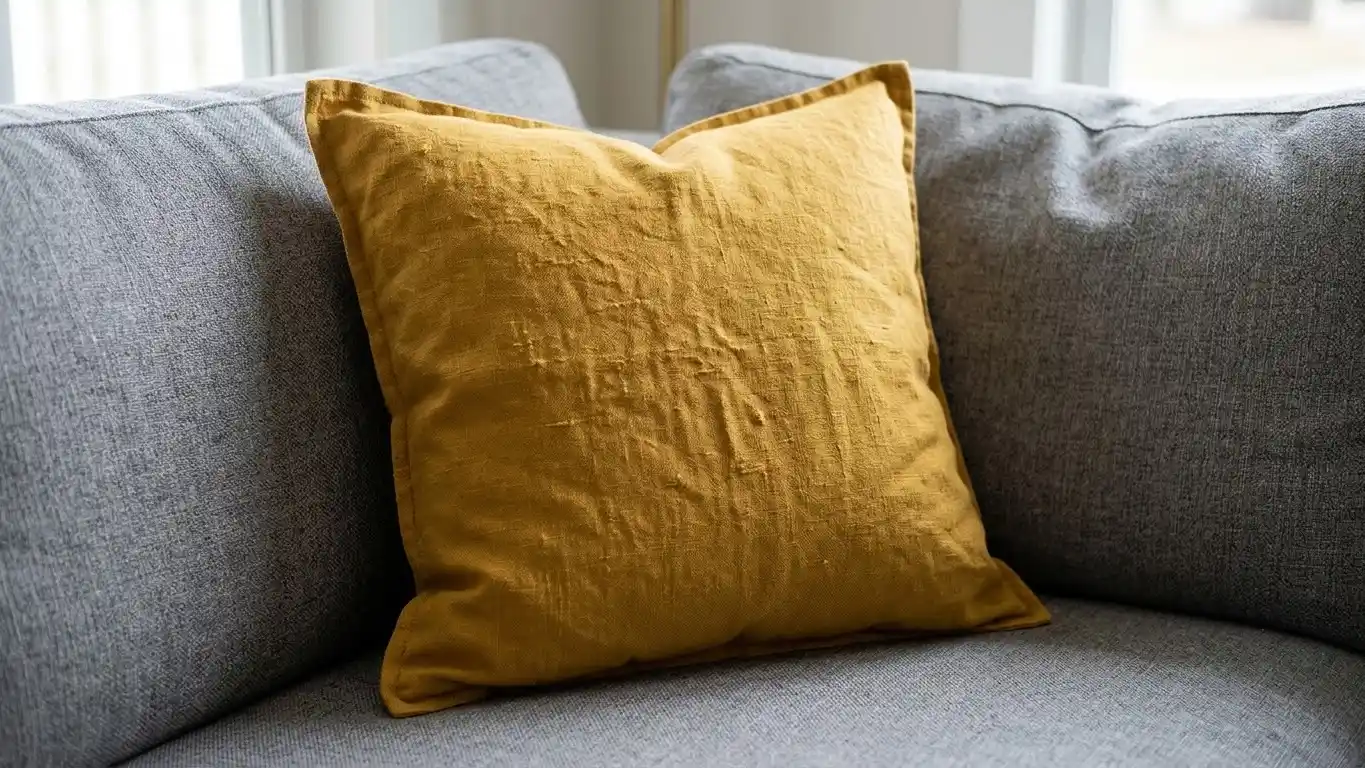
Standard couch cushions flatten out over time. When you buy a twenty inch insert a twenty inch store bought cover leaves the pillow looking sloppy and loose. The secret is cutting your fabric slightly smaller than the insert. This forces the filling to puff up and look premium.
Construct an envelope closure instead of messing with invisible zippers. Cut one square eighteen by eighteen inches for the front. Cut two rectangles twelve by eighteen inches for the back panels. Hem one long edge on both back panels. Overlap the back pieces on top of the front square right sides facing inward. Stitch all the way around the outside edge. When you turn it right side out the overlapped back creates a flap. You slip the insert right in without any hardware required.
Assuming Garments Are Impossible Without Tailoring Experience

New makers panic when they hear the word clothing. People think they need to complete fifty practice blocks before touching wearable items. There is no fixed number of projects you need to complete before you start making things you can wear. A basic kitchen apron introduces garment construction without the stress of fitting a specific body shape.
You cut a large rectangle for the skirt and a smaller one for the bib. Attach long straps for the neck and waist ties. This allows you to practice gathering material and attaching different sections together cleanly. It serves as a gentle bridge into easy sewing projects for beginners clothes making. You understand construction order without worrying if the final piece will zip up over a waistline. Use sturdy denim or heavy linen for the apron body.
Being Terrified Of Patchwork Piecing Rules
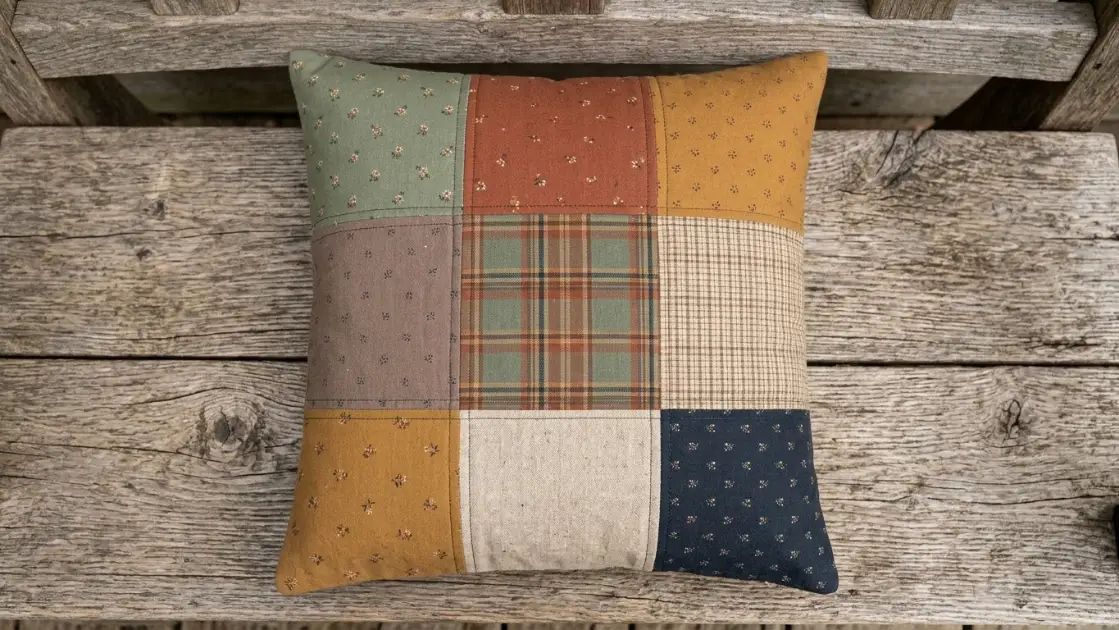
Historic quilting looks like advanced mathematics. Evidence of patchwork textiles exists from ancient Egypt roughly 5500 years ago. Today people assume you need absolute perfection to join squares together. A basic patchwork pillow cover lets you practice joining straight seams without committing to a king size bedspread.
Cut nine square blocks exactly five inches wide. Sew three rows of three blocks. The mistake beginners make is ignoring the iron. You must press the seams on the first row to the left and the seams on the second row to the right. When you sew the rows together those opposing seams lock into each other cleanly. This creates sharp intersections where four squares meet. Start with stable quilting cotton rather than slippery silk or stretchy jersey.
Struggling To Keep Pins Safe While Working
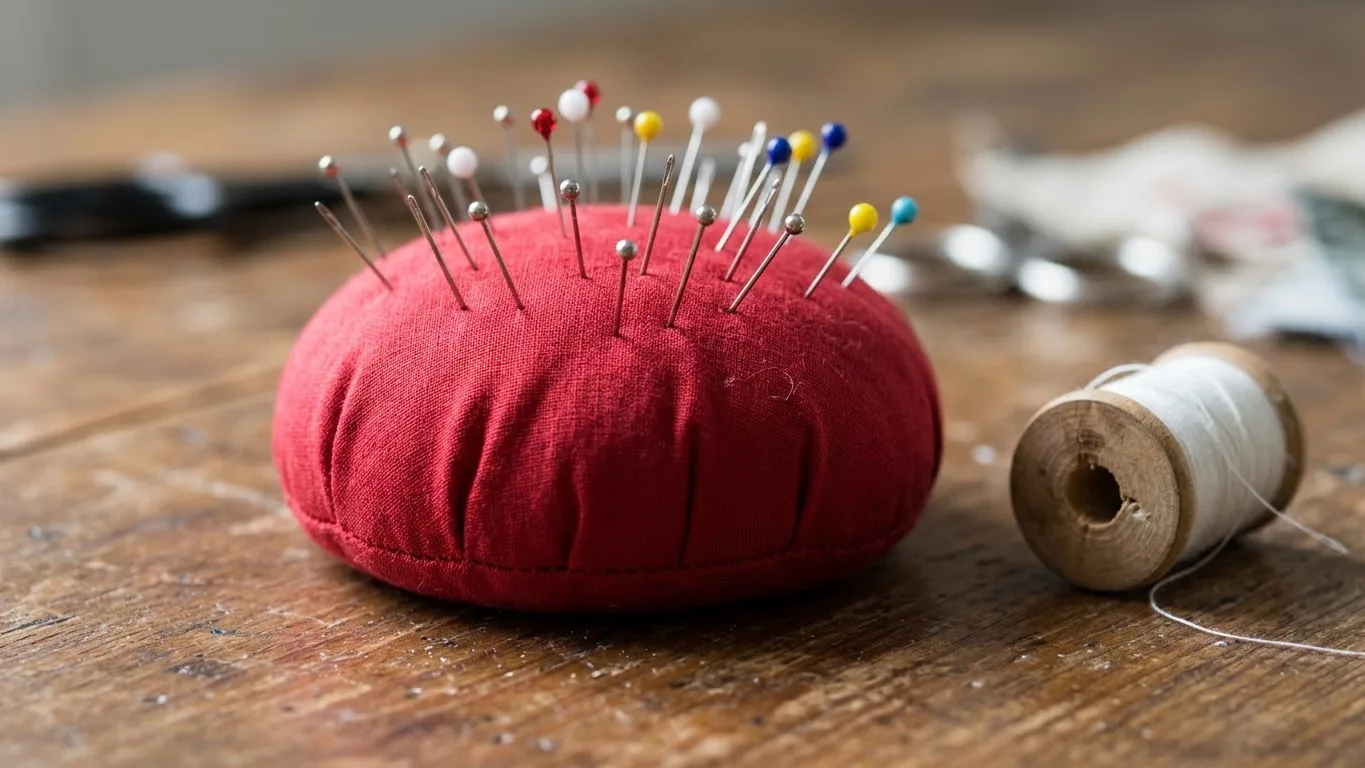
Dropping sharp steel pins onto a carpet creates a massive hazard. Leaving them scattered across a cutting table guarantees you will stab your wrist. A reliable pin cushion solves the danger and takes twenty minutes to build.
Cut two circles of fabric four inches across. Sew them right sides together leaving a tiny gap. Turn it right side out and stuff it tightly with polyester filling or crushed walnut shells. Walnut shells keep the metal pins sharp. Close the gap using a needle and thread. This is one of the best easy sewing projects for beginners by hand because the hidden ladder stitch forgives messy technique. Pull the thread tight and the stitches vanish into the fold. Avoid using foam inserts because they grab the pins and make them hard to pull out quickly.
Skipping Organizers Because Heavy Canvas Breaks Needles
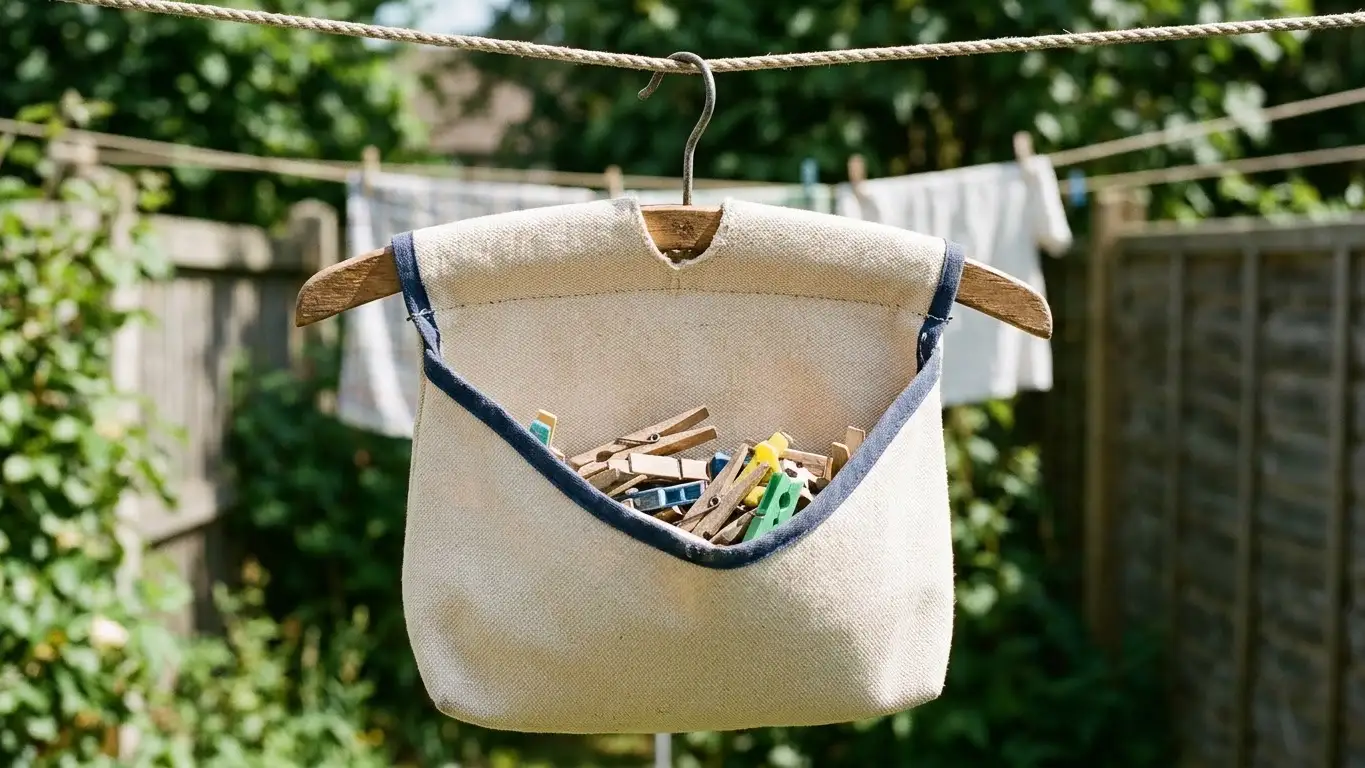
Stiff outdoor fabric snaps standard universal needles instantly. People try to sew a hanging peg bag for the laundry line and end up frustrated with skipped stitches. The machine makes a terrible clunking sound when the needle fails to pierce the thick woven layers.
You must swap to a heavy duty denim needle. These feature a reinforced shaft and a sharper point designed to punch through dense canvas. Cut a basic pouch shape with a flat back and a lower scooped front. Bind the raw curved edge with double fold bias tape before sewing the front to the back. Leave the top open and attach a wooden coat hanger inside the back seam. Now you have a weatherproof storage pouch that hangs directly on the washing line. Always lengthen your stitch slightly when sewing thick materials.
| Problem | What Causes It | What To Do Instead |
|---|---|---|
| Thread tangles under the fabric | Threading the machine with the presser foot down | Raise the foot to open the tension discs before threading |
| Needles snapping on thick seams | Using a universal needle on heavy denim | Switch to a jeans needle and turn the handwheel slowly |
| Fabric edges unravelling in the wash | Leaving raw cuts exposed inside the item | Sew a zigzag line along the raw edge to lock the fibers |
Frequently Asked Questions
Are sewing patterns hard to follow?
Digital files look like absolute chaos on a screen. They require printing at exactly one hundred percent scale and taping the paper tiles together. Start with designs clearly marked as beginner friendly. Avoid any template with advanced fitting requirements or dozens of tiny pieces.
Can beginners sew clothes?
Yes. Completing smaller household items first makes it much easier to understand machine control and hems. A loose skirt or a flat apron teaches the mechanics of attaching panels without the pressure of darts and tailored waistbands.
What are quick sewing projects?
A custom fabric headband or a zipper pouch takes roughly forty minutes. These rely on straight lines and basic folding techniques. They deliver a finished physical object fast which builds confidence to tackle larger ideas.
What is the easiest thing to sew for beginners?
A square napkin or a flat coaster offers the lowest barrier to entry. They demand zero hardware and no curved lines. You focus entirely on keeping the fabric feeding straight under the presser foot and locking your stitches at the ends.
The One Mistake That Costs The Most Money
Buying yards of expensive fashion fabric before understanding how a machine behaves drains your bank account fast. Silk and sheer chiffon slide away from the needle and pucker horribly under normal tension. You ruin sixty dollars of material in five minutes and walk away from the hobby entirely. Avoid this massive loss by sticking to cheap stable woven cotton for your first few attempts.
Finding easy sewing projects for beginners requires accepting that your early work will not look flawless. Run your first zipper pouch using an old bedsheet. Practice turning sharp corners on scrap canvas. Once your hands understand how to guide the material without pulling it you can confidently invest in that premium linen for your final piece.