
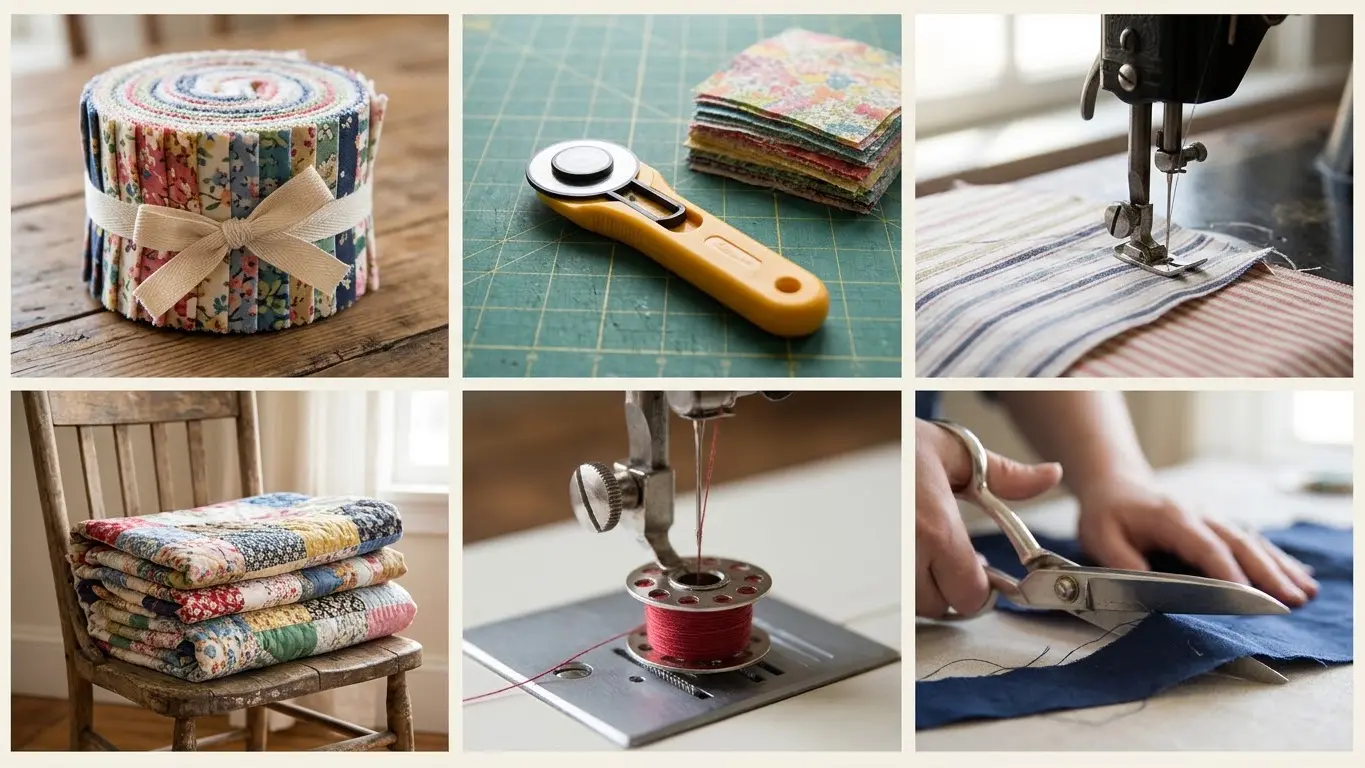
Staring at a carefully curated bundle of forty precut fabric strips can stall your momentum before you even thread the machine. You have the coordinating colors ready to go. But figuring out how to slice and sew those tight two-inch rolls without losing the fabric synergy takes actual planning.
Finding the right jelly roll quilt patterns fixes that bottleneck immediately. Instead of spending hours trying to coordinate bolts at the cutting counter, you get to jump straight into piecing. I look for layouts that maximize those forty strips without forcing complex y-seams or tricky corner matching.
1. The Classic 48×60 Inch Lap Size Design
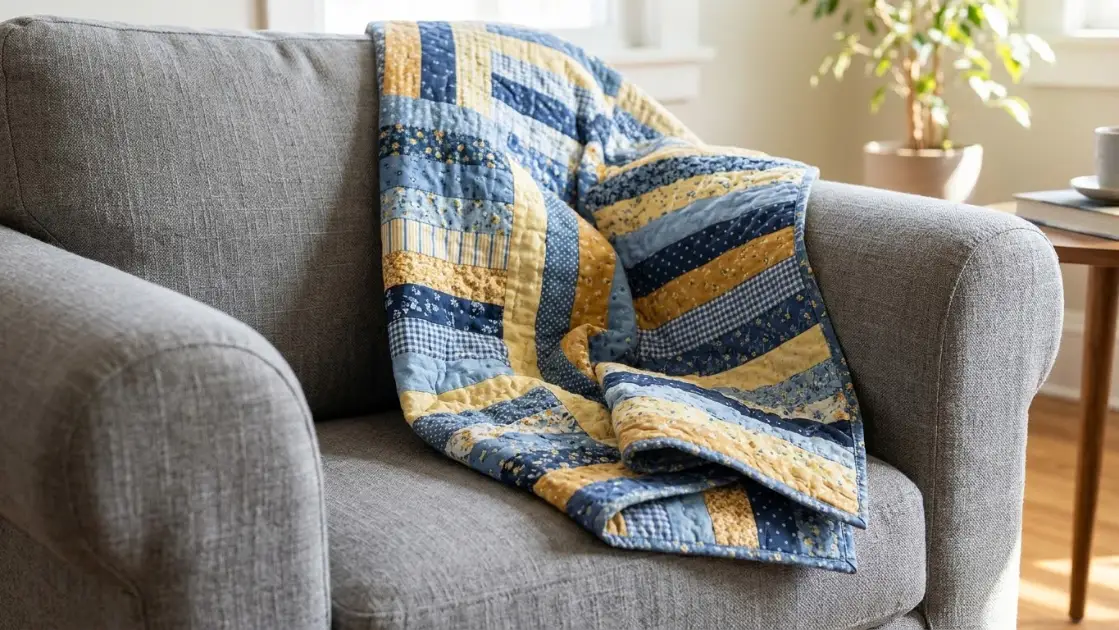
A standard precut roll contains 40 to 42 strips measuring two and a half inches wide by forty-two inches long. That exact material volume yields a lap blanket with zero wasted fabric. You just strip-piece the lengths together in sets of three or four, press the seams flat, and crosscut them into uniform blocks. Searching for jelly roll quilt patterns for beginners usually points you to this exact mathematical formula because it requires no extra yardage for the main top. You keep the original factory edges intact for the horizontal seams. The final footprint drapes nicely over a living room chair. This exact sizing suits crafters who want a finished top in a single Saturday.
2. Strip-Piecing Log Cabin Layouts
Traditional piecing demands meticulous cutting for every single block tier. When you rely on jelly roll quilt patterns log cabin designs, the narrow width is already handled for you. You only have to measure the descending lengths. Start with a two-inch center square, then wrap your precut strips around the perimeter in a spiral motion. Trim the excess flush at the corner after every seam. Keeping dark fabrics on one half of the block and light prints on the other creates that recognizable diagonal line. You run through thread quickly doing this, so wind three bobbins before you begin. Expect to spend around $45 in 2026 on backing material to finish this specific style.
3. Mixing Precuts With Additional Yardage
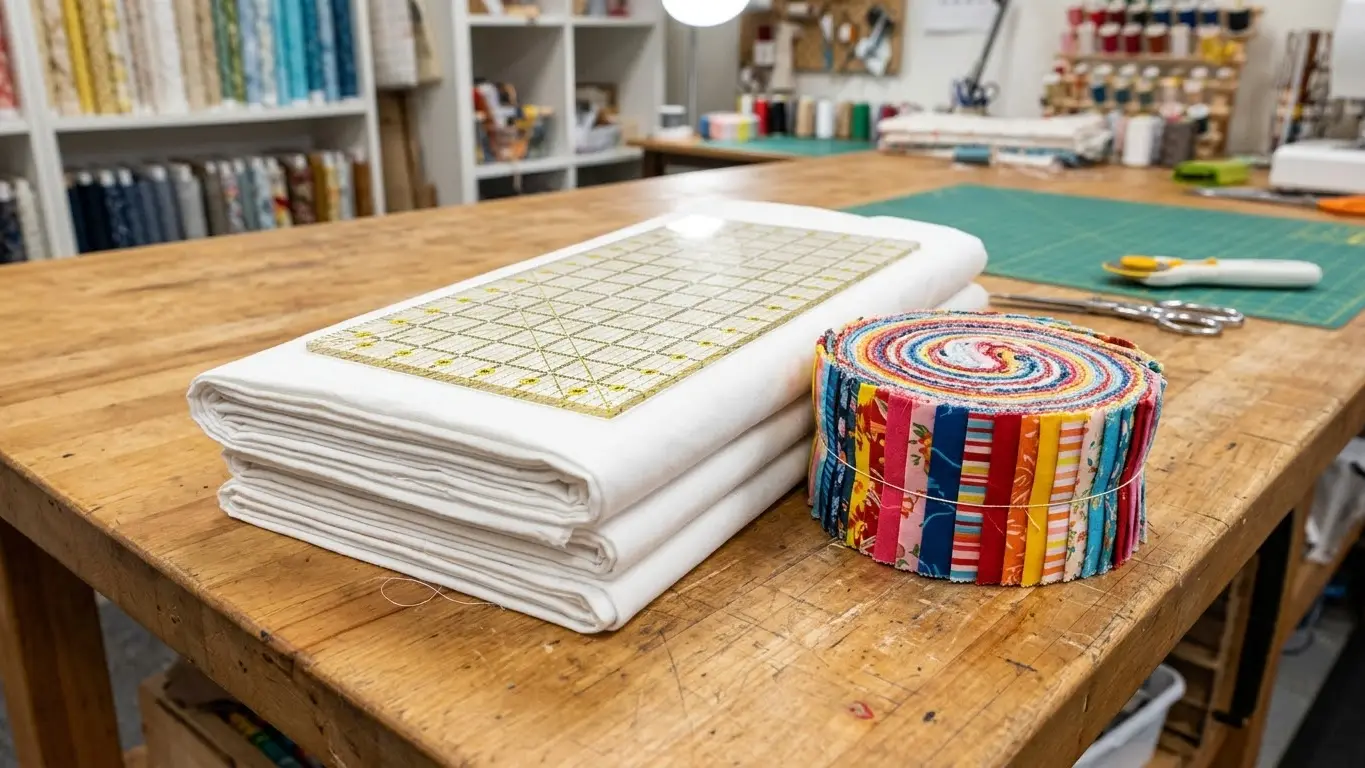
Forty strips alone look chaotic if the manufacturer grouped high-contrast novelty prints in one bundle. You dilute that intensity by sewing a solid crisp white strip between every patterned piece. This sashing technique expands the overall dimensions while giving the eye a place to rest. When you combine fat quarter jelly roll quilt patterns into one project, use the precuts for the thin structural lines and cut the fat quarters into large six-inch feature squares. This hybrid approach lets you feature large-scale florals that would get lost in a narrow strip. Skip this approach if you struggle with keeping quarter-inch seams strictly straight across long distances.
4. The 72-Inch Square Bed Spread
Upgrading from a throw to a bed covering requires math adjustments. You will almost always need two complete rolls to hit that target. Sewing eighty strips together end-to-end creates a large square top, or you can adjust the row counts to build a rectangular layout instead. Searching for jelly roll quilt patterns queen size options means you must factor in a nine-inch drop on either side of the mattress. That requires borders. Add a five-inch wide solid border around the entire perimeter to push a twin dimension up to a queen. Pair this heavy top with a low-loft cotton batting so your home machine can still handle the bulk during the quilting phase.
Checking The Materials List Before Cutting
Reading the supply requirements saves you from stalling halfway through a row. Many easy jelly roll quilt patterns moda releases look like they only use one bundle, but the fine print often calls for two yards of background fabric. Look at the binding instructions closely. Some guides assume you will bind the edges using leftover precut strips. If your chosen design eats up all forty strips for the blocks, you have to buy a separate half-yard of yardage just for the binding. Read the required skill level on the pattern jacket before removing the factory ribbon from your fabric.
5. Pre-Washing Fray Prevention Methods
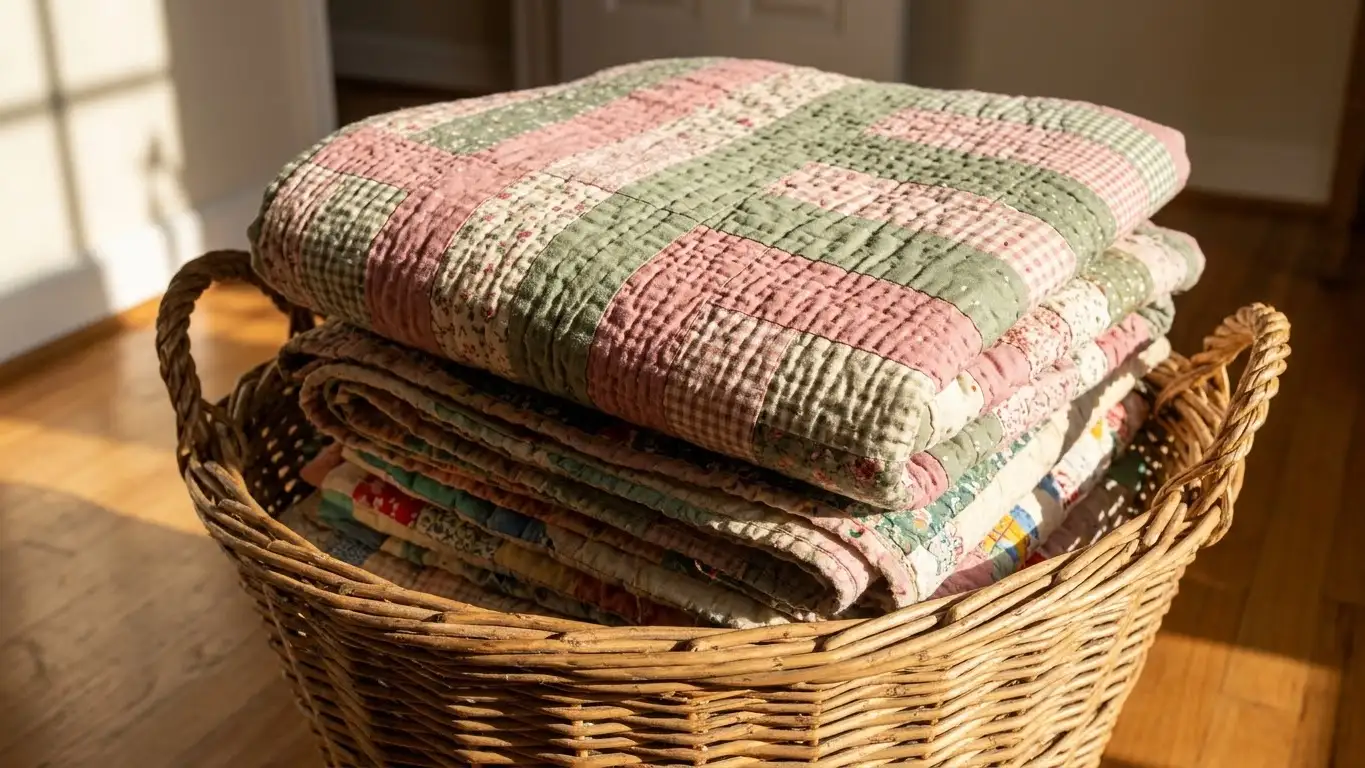
Washing a factory-cut bundle destroys it. Because the strips are narrow, they tangle into a massive knotted mess in the washing machine. The raw edges fray heavily, leaving you with strips that measure less than two inches across. You must skip the pre-wash phase entirely. If you worry about dark dyes bleeding onto light blocks later, use three color-catcher sheets during the first wash of the finished blanket. Quilters hunting for jelly roll ideas quilting patterns free often miss this critical handling rule and ruin their material on day one. This dry-start rule works well for impatient sewers who want to cut immediately.
6. Quick-Finish Weekend Projects
Complex stars and curved wedding rings take weeks of precision sewing. Strip-based layouts remove the intricate cutting phase entirely. You sew five long strips into a wide band, cut that band into squares, and rotate alternating blocks by ninety degrees. That creates a basket-weave illusion in about four hours. Look for jelly roll quilt patterns free downloads that highlight this specific tube-piecing technique. You stitch the long edges together into a literal tube, then use a triangular acrylic ruler to slice out exact blocks. Costs just the price of your chosen thread since you maximize the fabric you already own.
7. Playroom Floor And Toddler Options
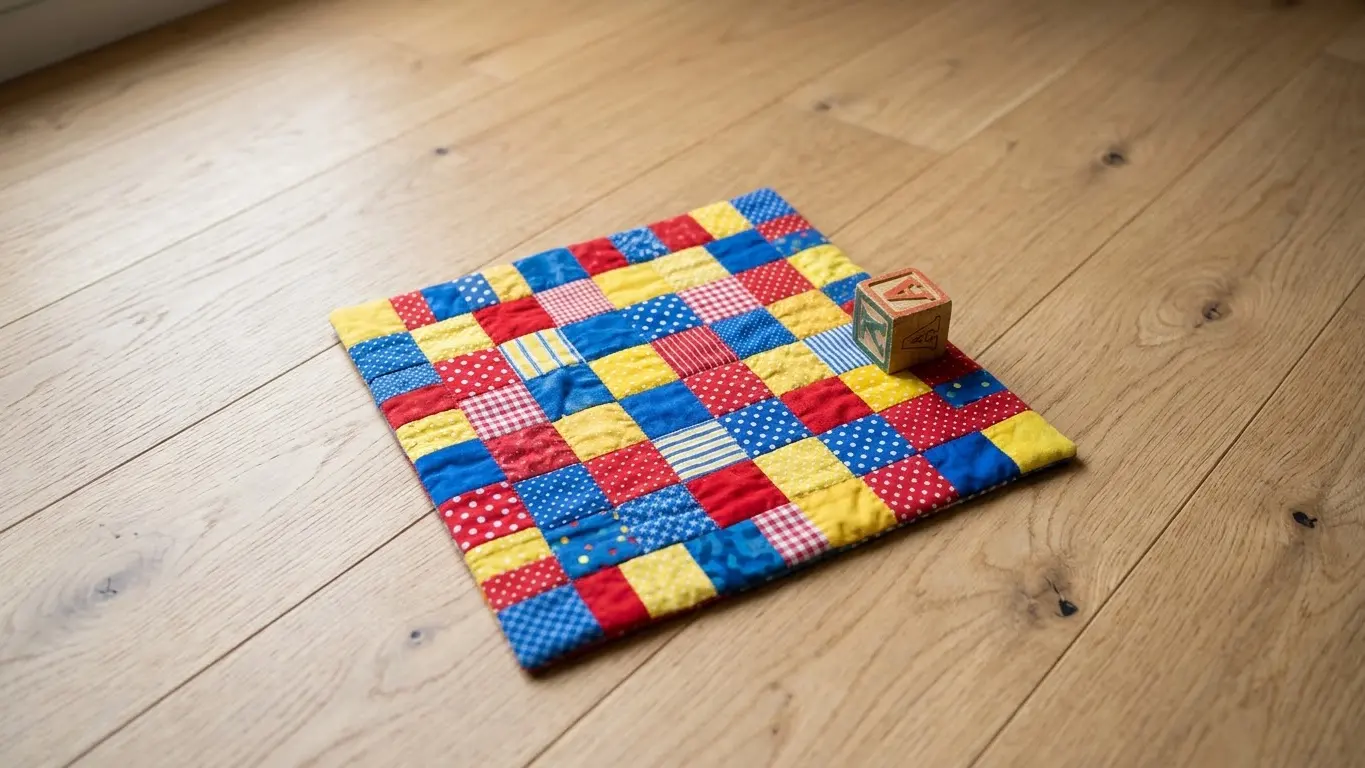
Kids drag blankets across hardwood floors and spill juice on them. You want a dense, durable construction that survives weekly hot-water laundry cycles. Cutting the strips down into two-inch squares creates a tight patchwork grid with heavy seam allowances reinforcing the back. That extra thread density makes the blanket stiff enough to act as a padded play mat. Sourcing jelly roll children’s quilt patterns gives you layouts that stop at forty by forty inches. That compact footprint fits neatly inside a standard wooden crib or packs easily into a travel bag. Skip this heavy-seam method if you are making a delicate lightweight summer cover.
8. Sourcing Jelly Roll Quilt Patterns From Independent Designers
Mainstream fabric brands offer great basic layouts. But independent creators write instructions that actually explain the tricky intersections. When you read jelly roll quilt patterns missouri star releases, they often prioritize visual diagrams that show exactly which way to press your seams. Pressing toward the dark fabric prevents shadow lines from showing through the front. Looking at a donna jordan jelly roll quilt patterns tutorial gives you construction shortcuts that commercial books leave out, like chain-piecing your strips without cutting the thread between each pair. Pair these independent guides with a fresh rotary blade so your crosscuts stay sharp.
9. Combining Solids With Heavy Prints

Working exclusively with busy novelty fabrics creates visual static. You anchor those loud prints by alternating them with solid neutral strips. A bundle of forty solid black strips woven through a bundle of neon brights creates a stained-glass effect. You sew one patterned piece to one solid piece, then slice them into bricks. Staggering those bricks builds a cascading brickwork layout that hides slightly crooked seams. The solid fabric tricks the eye into ignoring minor measuring mistakes. This forgiving layout is ideal for early-stage crafters learning how to control the fabric feed dogs on their machine.
Questions About Precut Strip Quilting
What is a jelly roll in quilting?
It is a commercial fabric bundle containing forty to forty-two coordinated strips. The manufacturer cuts these pieces from a single fabric line so the colors and themes match automatically.
Can I make a full quilt with just one roll?
Yes. A single bundle provides exactly enough yardage for a couch throw. If you want a cover that drapes down the sides of a mattress, you must purchase a second bundle.
How wide are the fabric strips?
The industry standard cuts them at two and a half inches across. The length spans from selvedge to selvedge off the original bolt.
Do I need to wash precut strips before sewing?
Keep them completely dry until the binding is attached. Exposing raw narrow edges to water causes them to shrink unevenly and warp out of straight lines.
What makes these layouts different from standard blocks?
They rely on sewing long continuous lines rather than piecing tiny individual triangles. This speeds up construction and eliminates the need to measure and cut base shapes from yardage.
Getting Started With Your Strips
Picking out jelly roll quilt patterns comes down to how much math you actually want to do. If you hate calculating border widths and just want to push fabric through the machine, the standard lap layout removes all the guesswork. You use every piece in the bundle and end up with zero scrap.
Open the bundle, separate the dark strips from the light ones, and start stitching them into pairs. Keep your quarter-inch seam strict and press everything flat before you crosscut. The top will come together faster than you expect.