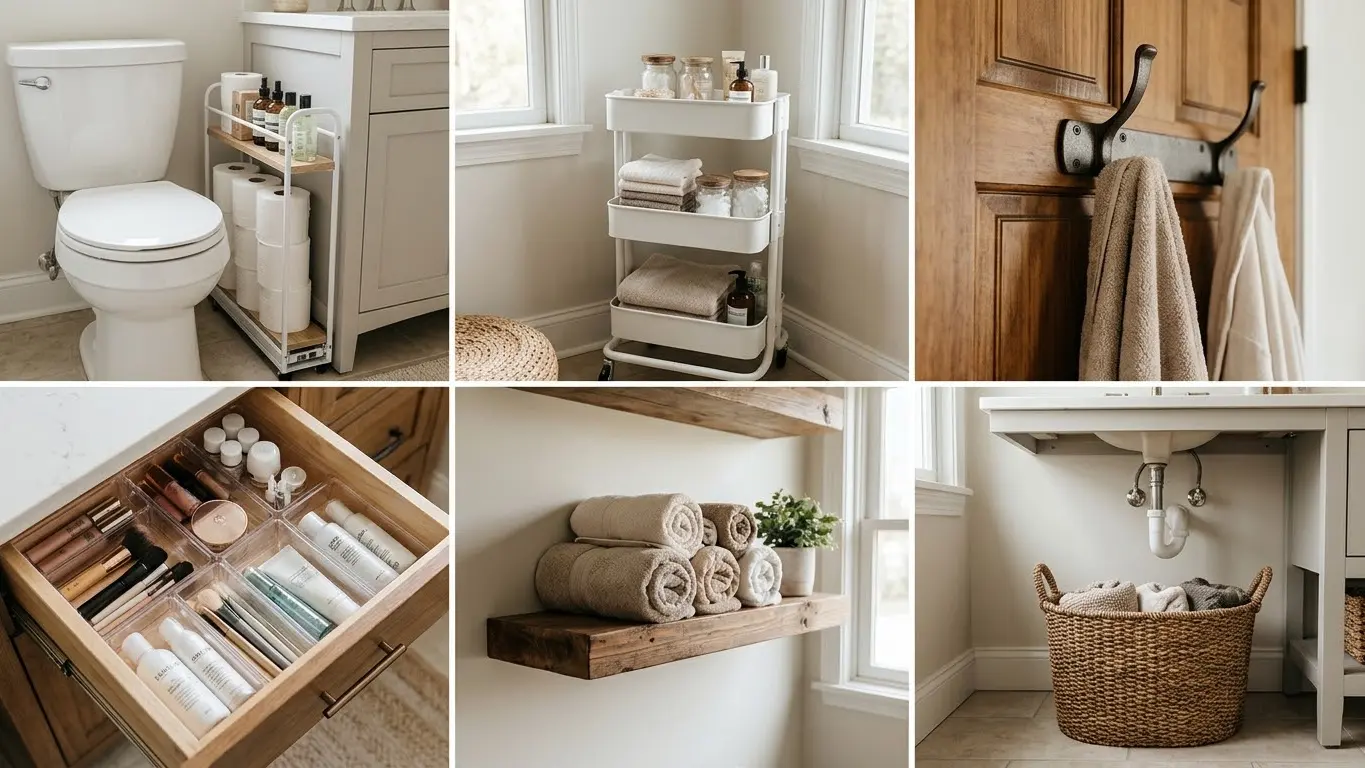


You might be running a vinyl cutting side business from a spare bedroom or squeezing a sewing machine into a hallway nook. Finding craft room organization ideas that match your actual footprint determines whether you spend your weekend creating or just digging for a glue gun.
This guide targets three specific setups. The tight closet workspace needs vertical clearance. The shared living room corner demands hidden storage. The dedicated studio requires distinct work zones.
Space Type and Best Storage Strategy
- Compact Closet pairs with door mounted wire racks and rolling carts
- Shared Room Corner pairs with opaque credenzas and folding drop leaf tables
- Dedicated Studio pairs with floor to ceiling shelving and heavy duty pegboards
Categorizing By Hobby Rather Than By Color
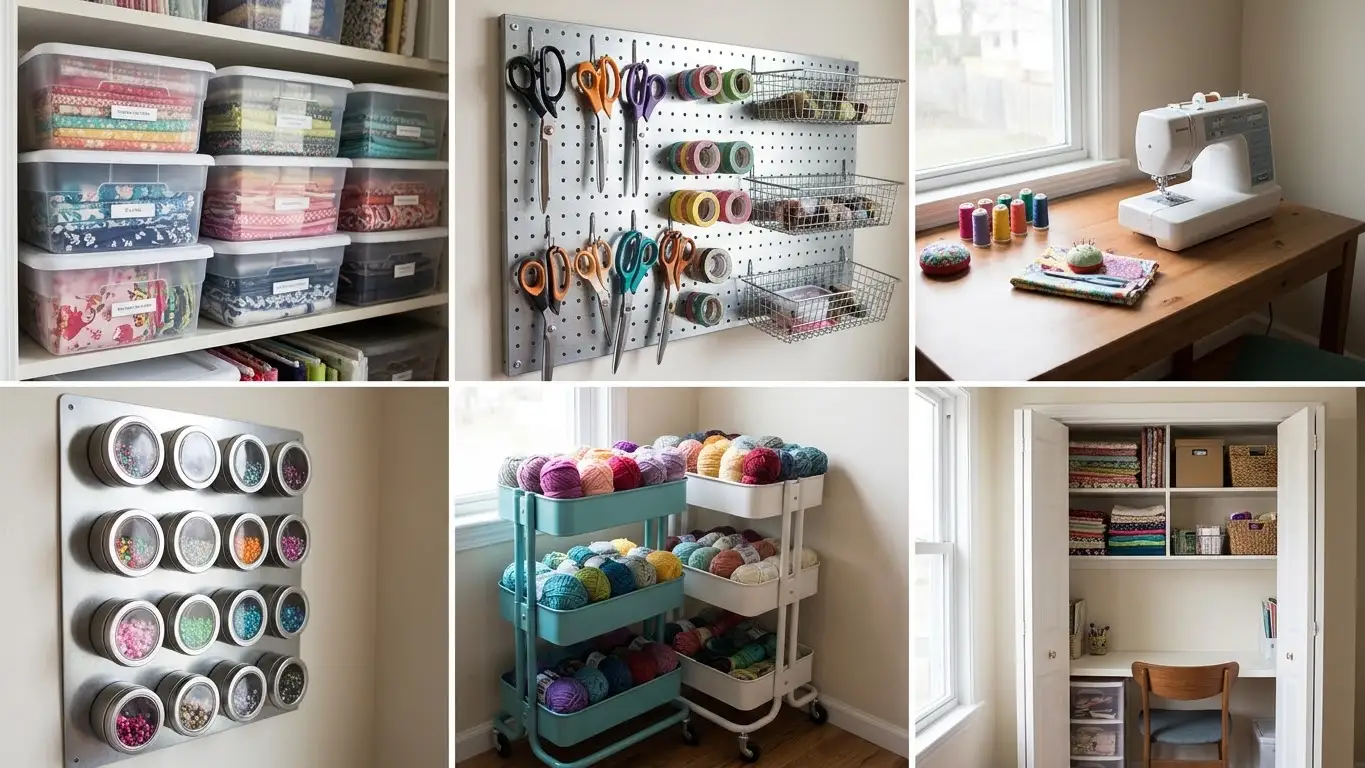
Sorting supplies by color looks visually satisfying on social media but fails in a working environment. Grouping all blue items means your blue acrylic paint sits next to your blue cotton yarn. When you sit down to knit you have to walk across the area to gather materials. Establish clear craft room organization categories based on the actual activity. Put knitting needles with yarn and stitch markers. Keep vinyl rolls beside transfer tape and weeding tools. This layout serves crafters who jump between completely different disciplines during the week. It does not work for painters who strictly need access to a color spectrum in one medium. Keeping related items together cuts setup time by at least fifteen minutes per session. Every tool stays within arm reach.
Maximizing Vertical Wall Clearances
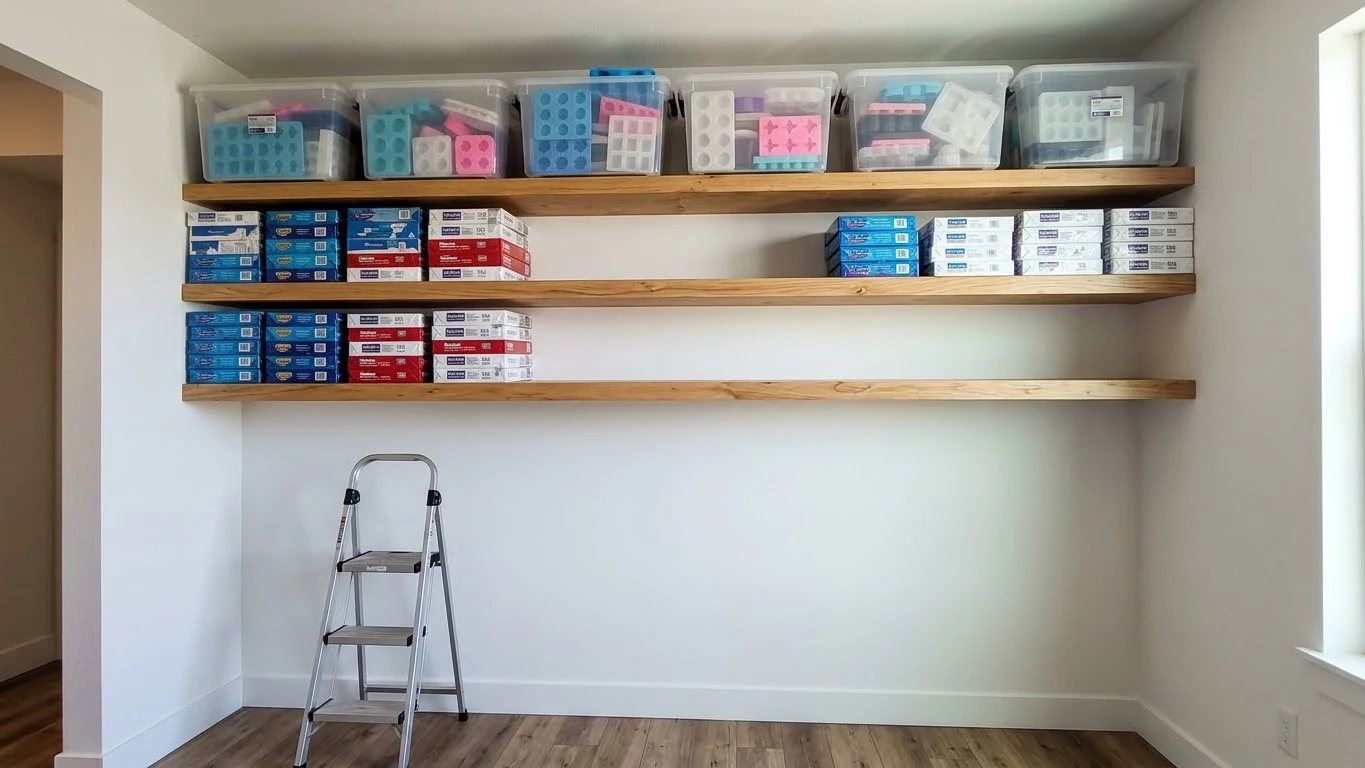
Empty drywall represents wasted potential in a tight footprint. Standard base cabinets leave upper walls blank. Install floating shelves right up to the ceiling to hold items you use less than once a month. Keep holiday specific molds or bulky resin casting kits on the highest tiers. Many craft room diy ideas suggest standard pegboards but heavy slatwall panels hold up to seventy pounds per square foot. This heavy duty option supports metal baskets full of dense punches or glass bead jars safely. Wall mounting tools works best for individuals who need constant visual inventory of their supplies. It frustrates crafters who prefer an uncluttered minimalist aesthetic where everything hides behind closed doors. Always use a step stool to safely reach top tiers.
Matching Drawer Dimensions To Paper And Fabric
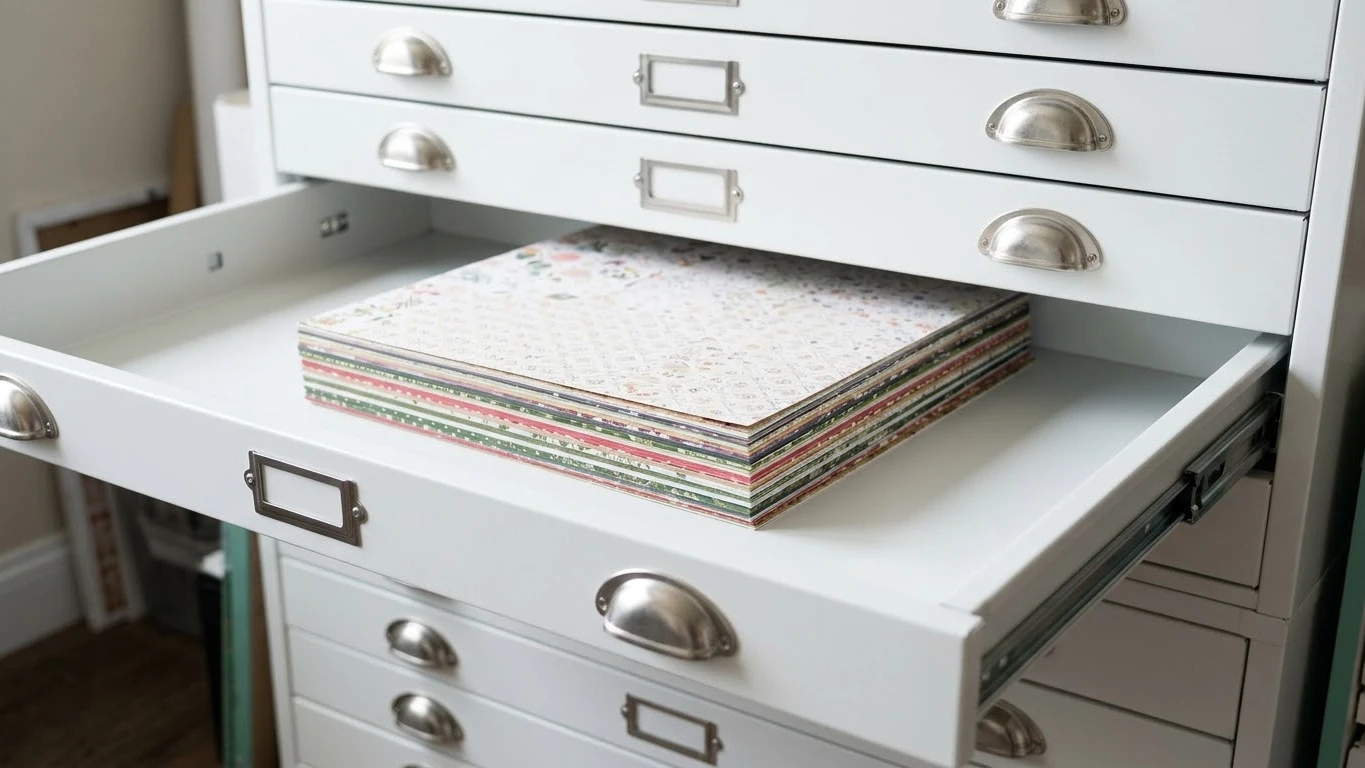
Buying generic plastic towers often leads to bent cardstock and crushed fat quarters. Standard letter size drawers cannot hold twelve by twelve inch scrapbook sheets without curling the edges. Look for wide flat archival boxes or specific architectural flat files. A set of shallow drawers measuring at least thirteen inches wide keeps paper perfectly flat. For sewing enthusiasts deep bins cause fabrics to wrinkle at the bottom. Use filing cabinet frames to hang fabric yardage over suspended folders. Looking up craft room storage and organization ideas usually reveals that shallow stacked trays prevent digging. This specific sizing helps scrapbookers and quilters maintain pristine materials. It proves entirely unnecessary for jewelry makers who need segmented tackle boxes instead of wide spans.
Repurposing Kitchen Containers For Tiny Components
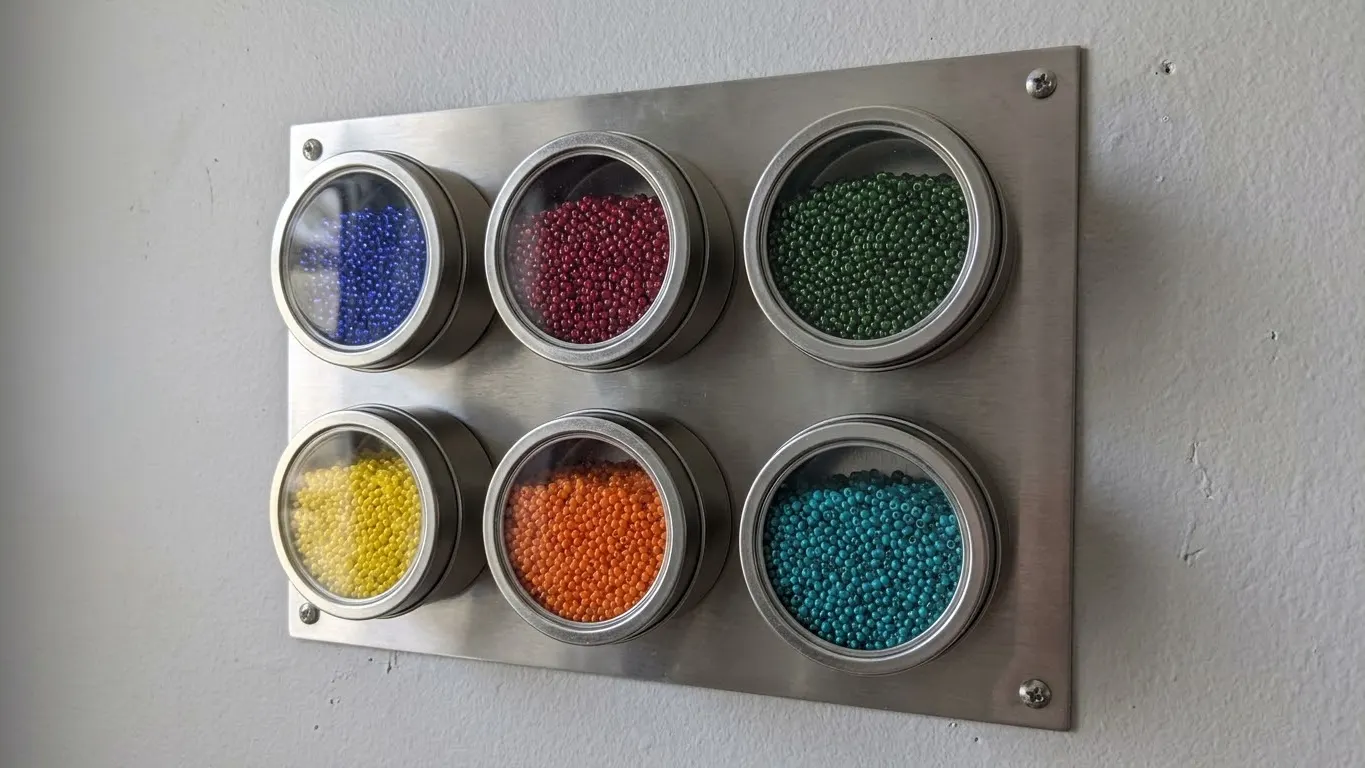
Buying specialized craft storage drains a budget quickly. The kitchen aisle offers identical functionality for a fraction of the price. Magnetic spice tins stick to any metal sheet and hold beads perfectly. Clear acrylic cereal dispensers work brilliantly for storing loose pom poms or skeins of yarn while keeping dust out. If you need dollar tree craft room organization ideas look at their bamboo drawer dividers meant for silverware. They separate paint brushes by size easily. Testing craft room organization ideas on a budget requires seeing alternative uses for standard household goods. This strategy suits beginners building their first setup without spending hundreds of dollars. It does not suit professionals who need standardized stackable modular systems for transport. Expect to spend around twenty dollars total to outfit a whole desk this way in 2026.
Adding Clear Labels To Opaque Bins

Tossing items into a solid colored box without a tag guarantees you will forget what lives inside it. Crafters often buy matching colored bins to hide visual noise but skip the labeling step. Within two weeks finding a specific glue stick requires opening four different lids. The best craft room organizing ideas rely on industrial label makers. Print high contrast black text on white tape. Stick the label on the top edge so you can read it even when boxes sit stacked. This naming habit serves crafters with vast mixed media collections. It wastes time for someone who only uses clear acrylic drawers where the contents remain visible. Always use a sans serif font at thirty six point size for instant readability from across the space.
Avoiding Open Shelving In Dusty Environments

Exposing raw materials to open air causes long term damage. Sunlight fades dyed fabrics and dust ruins sticky vinyl edges. While floating shelves display finished pieces beautifully they fail as long term holding zones. Storing fabric yardage on open racks in a room that gets afternoon sun will bleach the folded creases. Use solid door cabinets with UV protective window films for sensitive inventory. Closed storage protects expensive investments. This enclosed strategy is mandatory for textile artists and resin workers who need sterile environments. It proves restrictive for messy painters who need to grab a tube immediately without opening a door with wet hands. Always face sensitive items away from direct southern window exposure to preserve their original color.
Installing Task Lighting For Precision Work
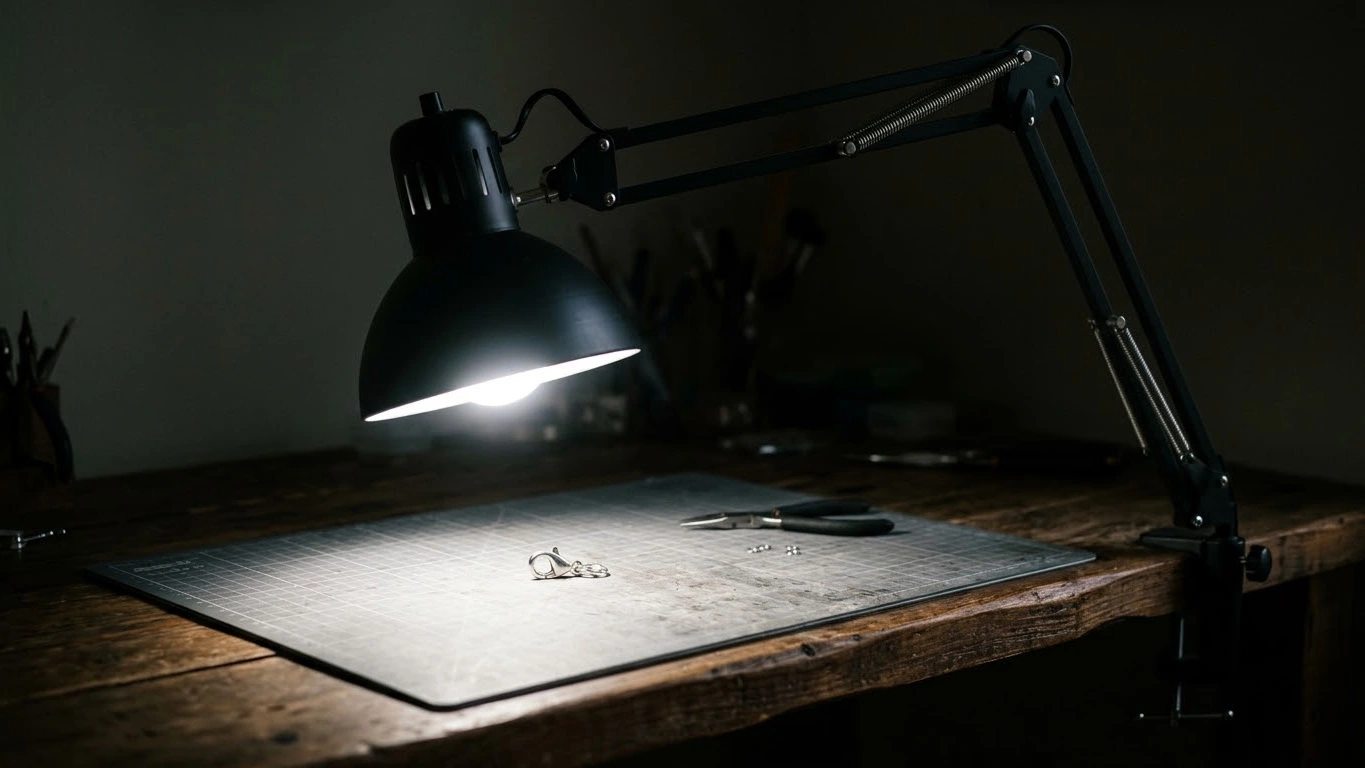
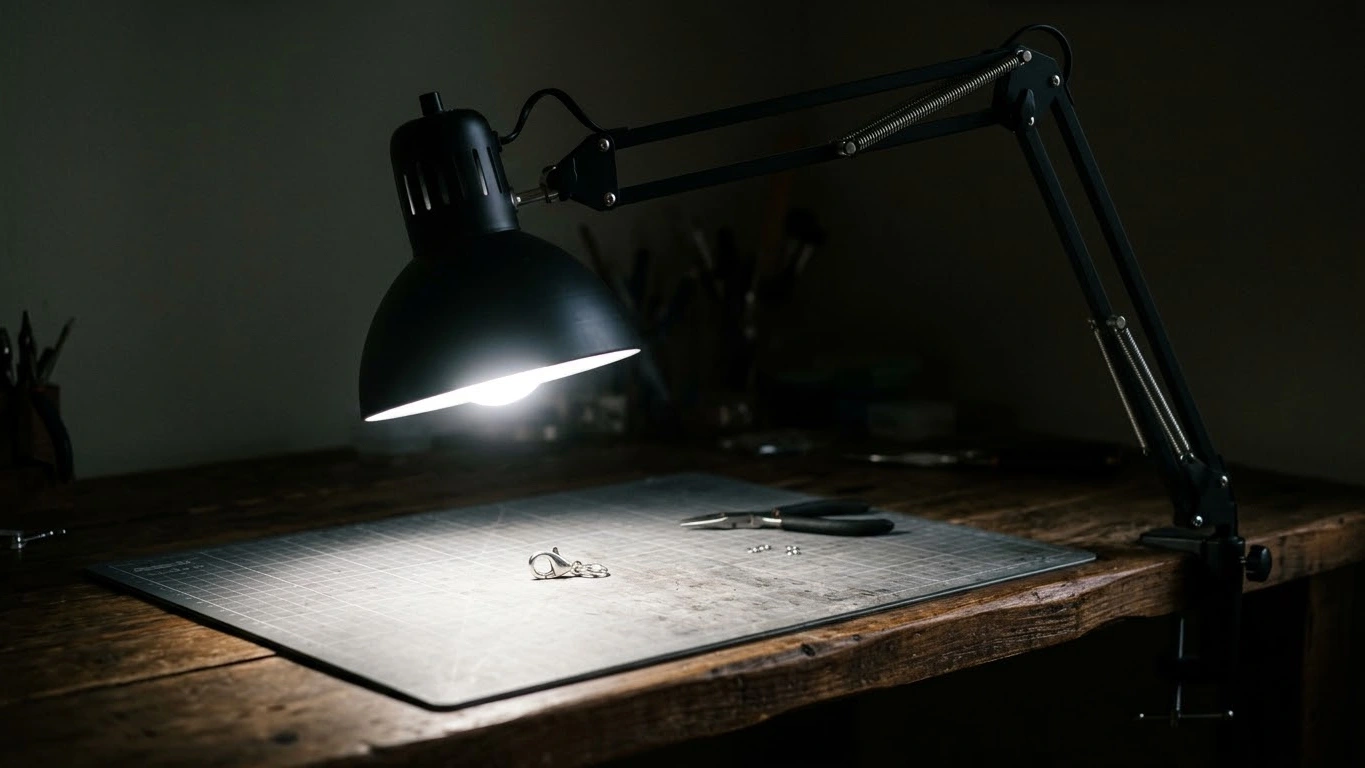
Standard overhead ceiling fixtures cast heavy shadows right where your hands operate. Relying on a single central bulb makes weeding vinyl or threading needles strain your eyes. Mount under cabinet LED strips directly above the work surface. A drafting lamp with an adjustable arm lets you pull the light source inches away from a jewelry clasp. Proper office and craft room organization treats lighting as a physical tool rather than just room decor. Choose bulbs rated at 5000K daylight temperature. This cool white color renders paint pigments and fabric dyes accurately. Daylight bulbs serve graphic designers and fine artists who rely on exact color matching. They feel too harsh for a casual knitter who just wants a relaxing evening hobby space.
Choosing Slatwall Over Standard Pegboard
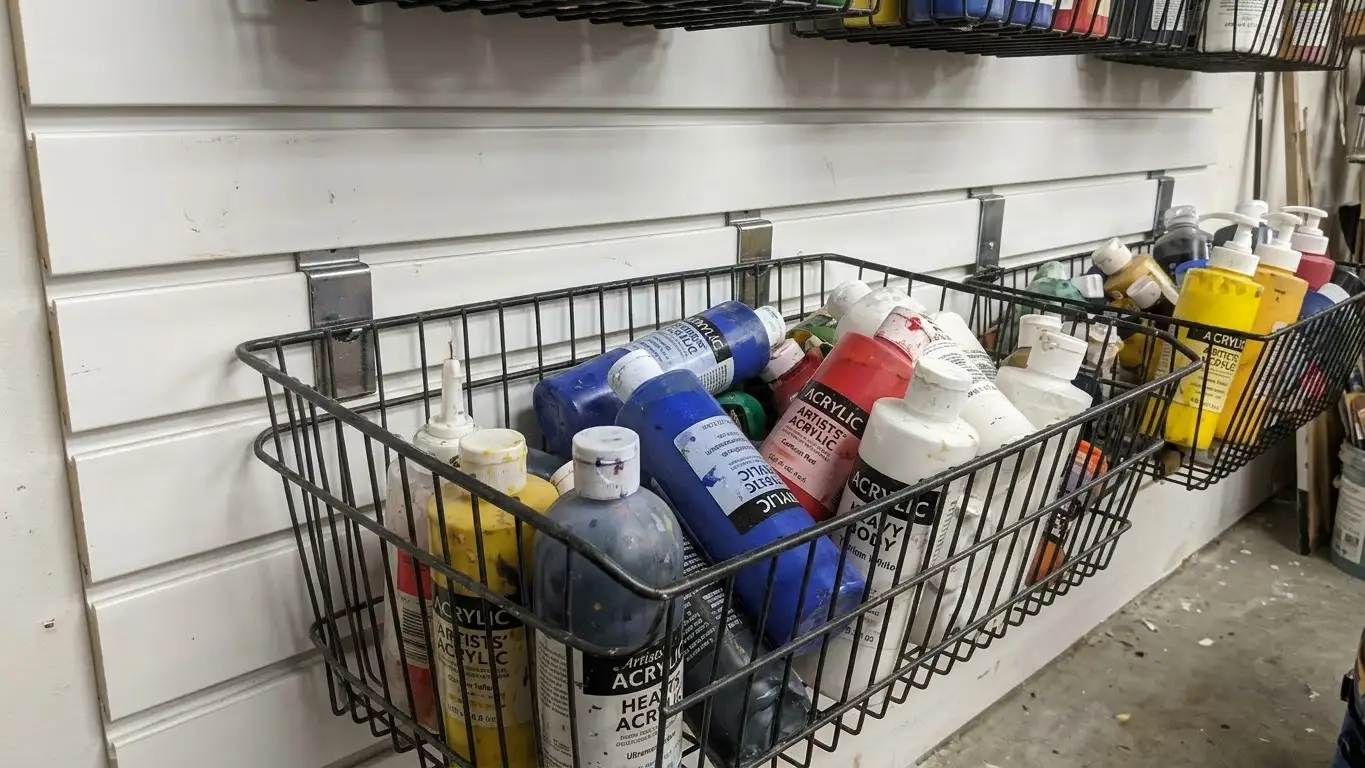
Flimsy pressed cardboard pegboards warp under the weight of heavy tools. High humidity causes them to buckle over time. Solid PVC slatwall panels resist moisture and hold significantly more weight per square inch. The horizontal grooves allow you to slide hooks side to side without pulling them completely out of the wall. When executing your craft ideas organization plan upgrading to a rigid plastic or metal backboard prevents future collapses. Slatwall supports heavy metal baskets filled with paint bottles or bulk clay blocks. This upgrade suits serious makers with heavy industrial equipment. It is overkill for a paper crafter who only needs to hang a few lightweight scissors and tape rolls. Expect wall panels to run fifty dollars per section.
Designing A Drop Down Work Table
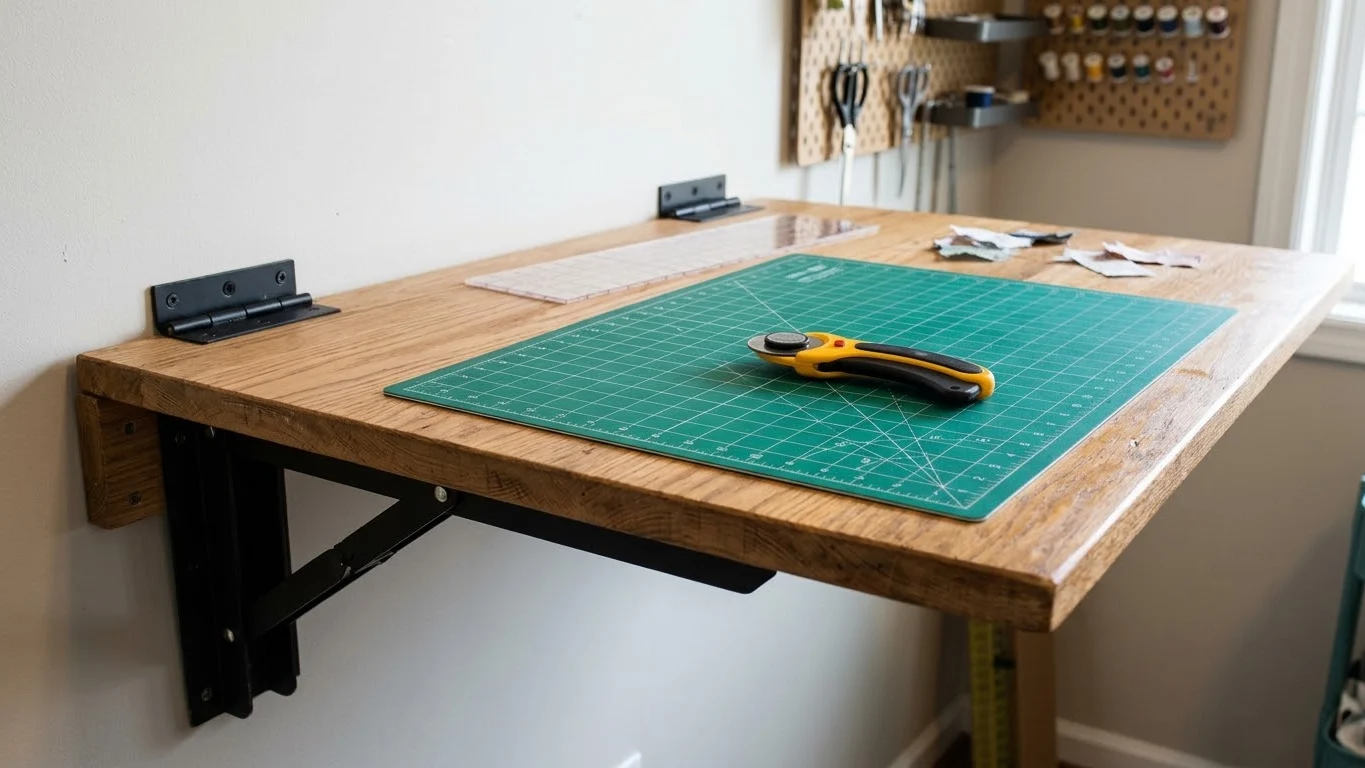
Floor space vanishes quickly when you leave a fixed desk sitting empty for days. A wall mounted drop leaf table provides a solid surface for cutting patterns and then folds flat against the drywall. Attach folding locking hinges rated for at least two hundred pounds so the table handles the vibration of a sewing machine. Many craft room organization ideas for small spaces ignore the need for a wide flat assembly zone. A fold away surface saves the day. This collapsing desk trick benefits apartment dwellers operating in a living room corner. It frustrates daily users who hate clearing away their half finished projects every single night. Mount the table edge exactly thirty six inches from the floor for comfortable standing work.
Converting Standard Wardrobes For Supplies
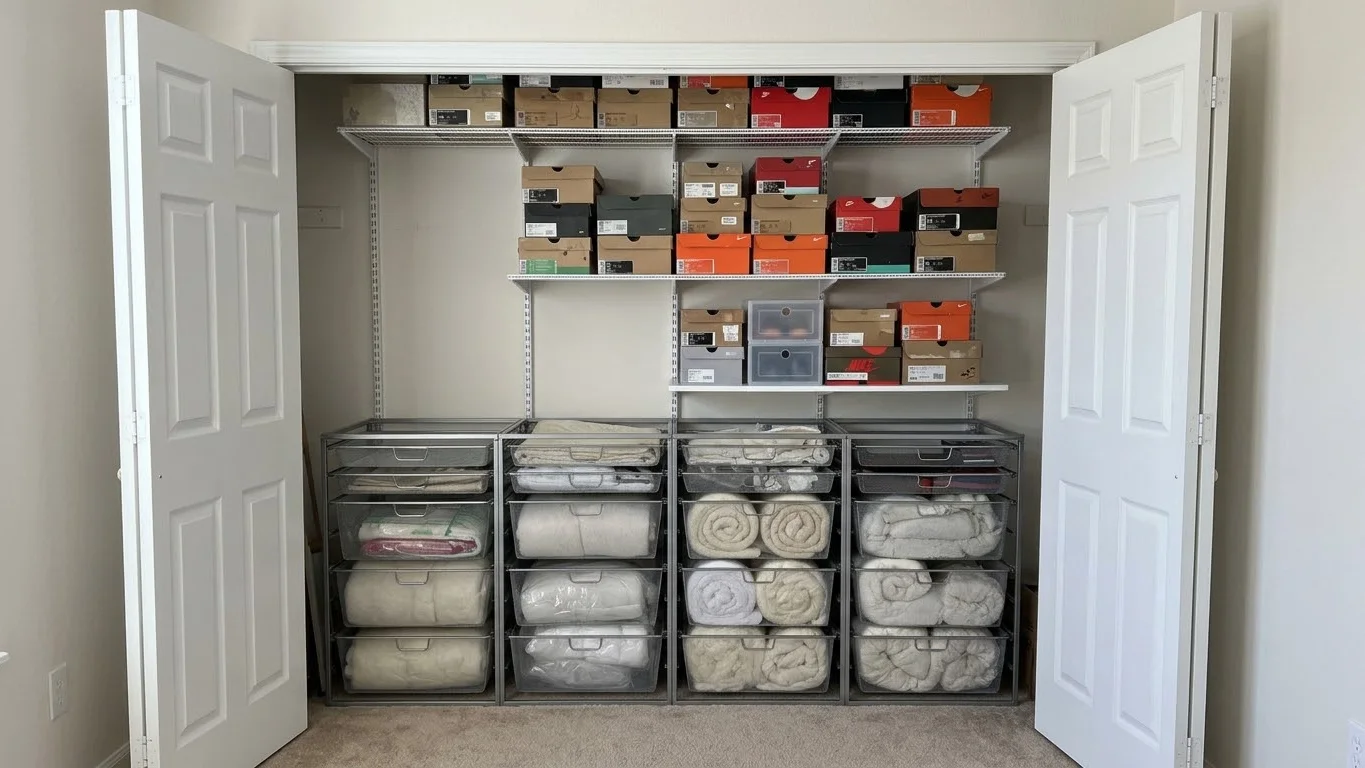
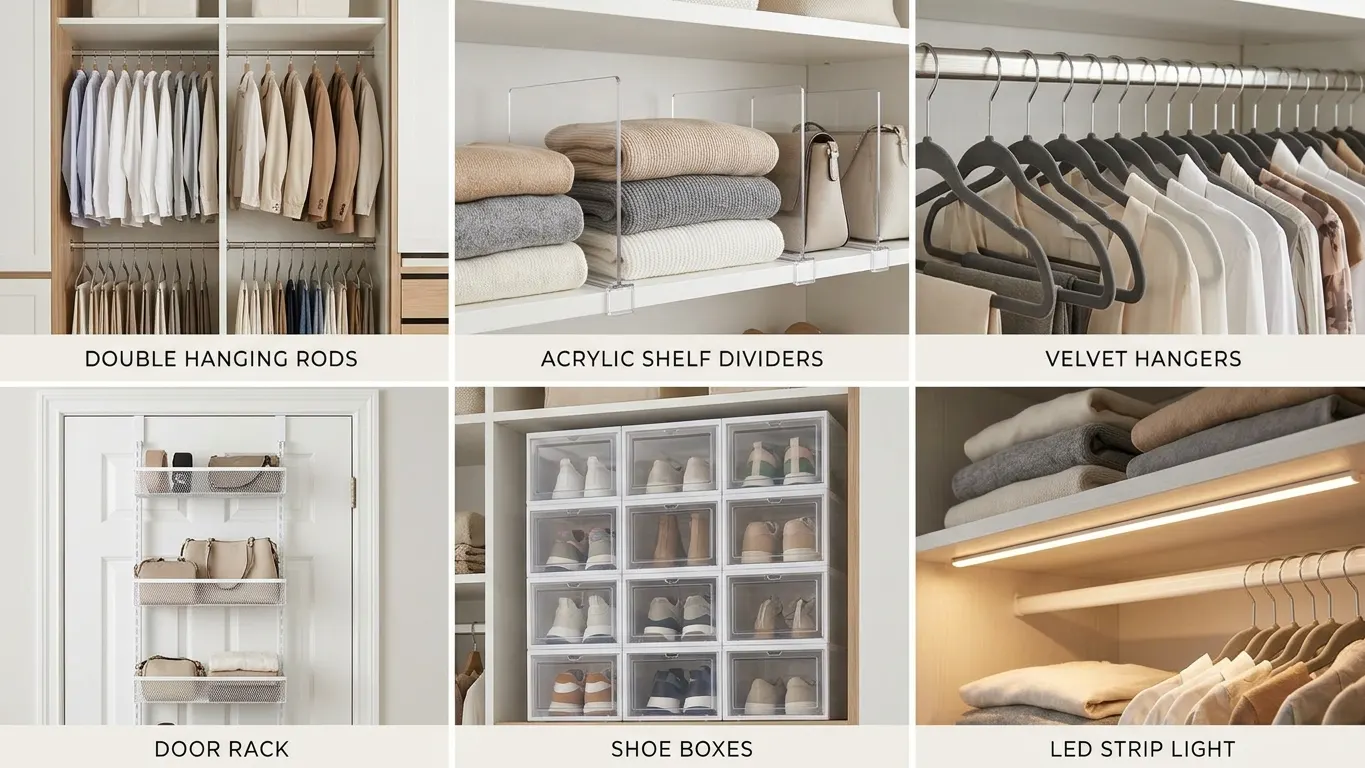
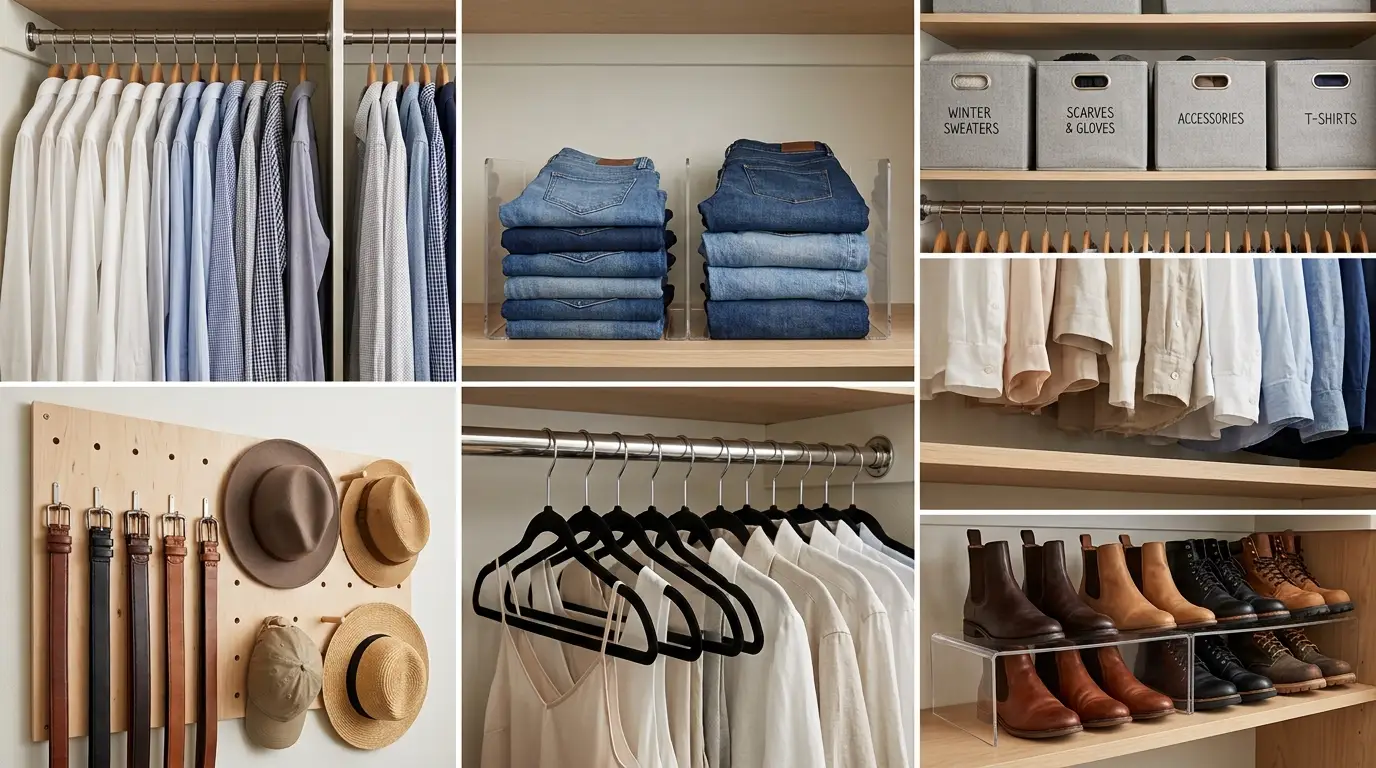
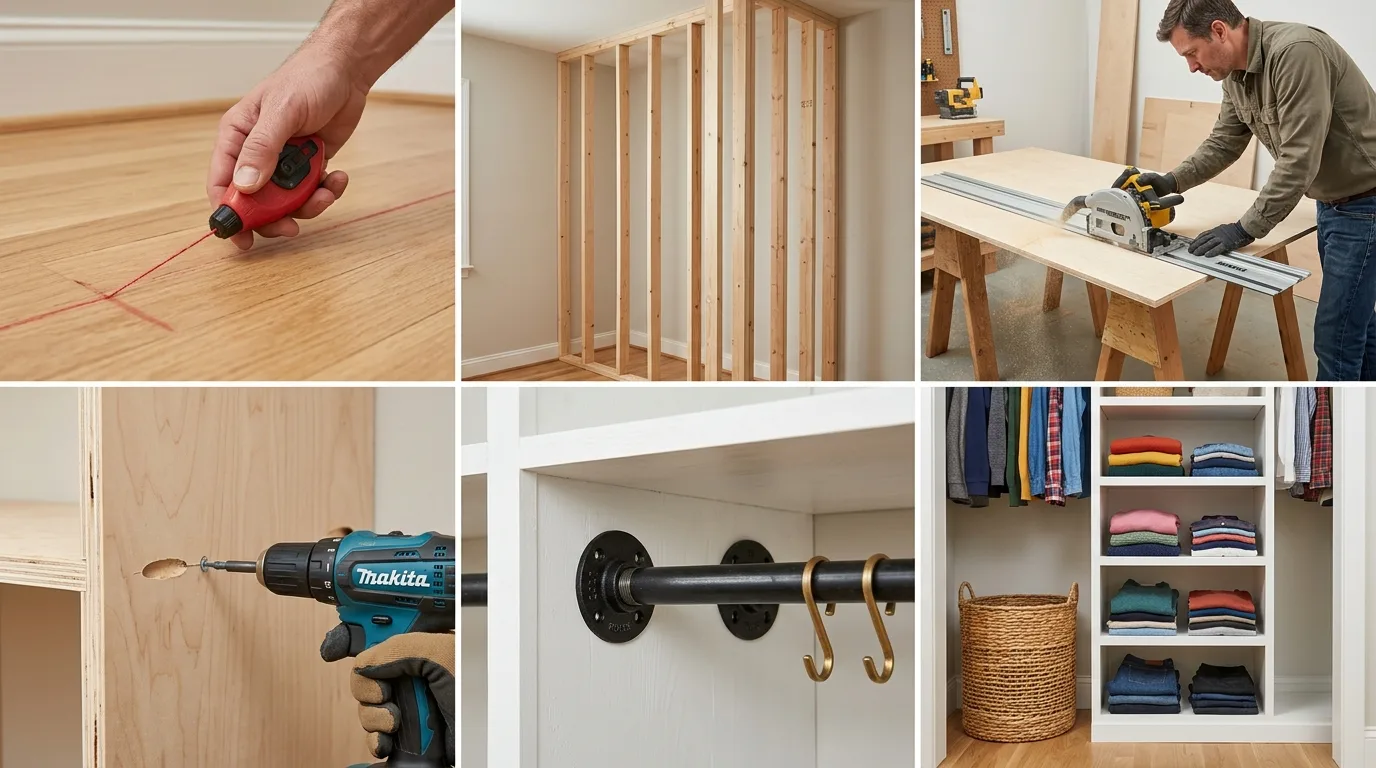
A traditional clothing closet holds incredible storage volume if you remove the single hanging rod. Sliding heavy duty wire drawers into the bottom half instantly creates segmented zones for bulky items like batting or canvas rolls. Finding craft room closet organization ideas means treating the hollow space like a custom cabinet. Install adjustable track shelving on the back wall to hold shoebox sized bins. Add an over the door shoe organizer to the inside panel to hold markers and utility knives in clear pockets. This conversion helps crafters who have no dedicated room but do have a spare bedroom wardrobe. It does not work in older homes where the closets lack standard depths. If you hire a professional service to measure your wardrobe space expect a fifty dollar fee just for the consultation in 2026.
Implementing The Ten Minute Reset Rule
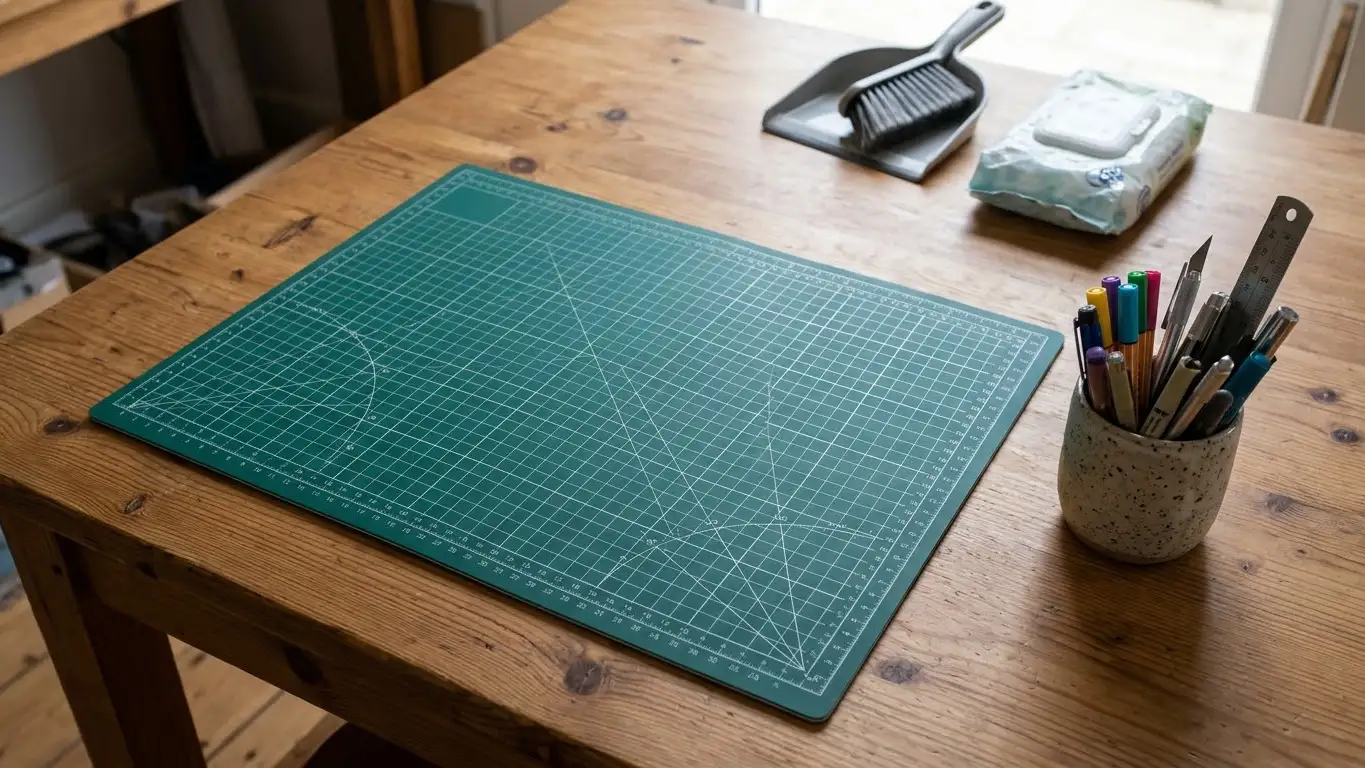
A heavily used workspace devolves into chaos after a single intensive session. Leaving supplies scattered across the desk kills your motivation for the next day. Set a hard rule to spend ten minutes clearing the surface before turning off the lights. Put the markers back in their cups. Wipe dried glue off the cutting mat. Empty the tiny trash bin. Consistently applying these craft room organization ideas ensures the zone stays ready for immediate use. A strict reset routine helps messy creators maintain a baseline of order. It feels redundant to naturally tidy people who clean as they go. And keep a handheld vacuum and a pack of unscented baby wipes right on the desk to speed up this daily wipe down.
Frequently Asked Questions About Craft Storage
- How do I choose between clear and opaque storage bins? Select clear bins for materials you need to monitor for low inventory like paint tubes or bead counts. Pick opaque solid containers for items that look messy or chaotic when jumbled together like fabric scraps or mixed wires.
- What should I look for when buying a craft desk? Prioritize a depth of at least twenty four inches to accommodate large cutting mats. Ensure the surface features a scratch resistant melamine or laminate finish rather than soft natural wood which dents easily under pressure.
- Which shelving style handles heavy machines best? Choose heavy duty steel garage racks with wire grid decks over wooden bookcases. An industrial metal shelf easily supports a fifty pound heat press or a commercial sewing machine without bowing in the middle.
- How do I pick the right pegboard hooks? Buy hook sets that include plastic locking pegs that snap into the holes beside the metal arm. These locks prevent the hook from lifting off the board every time you grab a tool.
- When should I invest in custom cabinetry? Wait until you have practiced your hobby consistently for at least two years. Your workflow and tool preferences will change drastically in the beginning so locking into an expensive permanent layout too early restricts future growth.
The Final Storage Decision
If you find yourself paralyzed by too many storage options and cannot decide where to start default to a rolling cart with tiered metal mesh baskets. It requires no wall mounting wheels into a closet when company arrives and holds enough basic supplies to test your actual workflow before you commit to permanent shelves.