
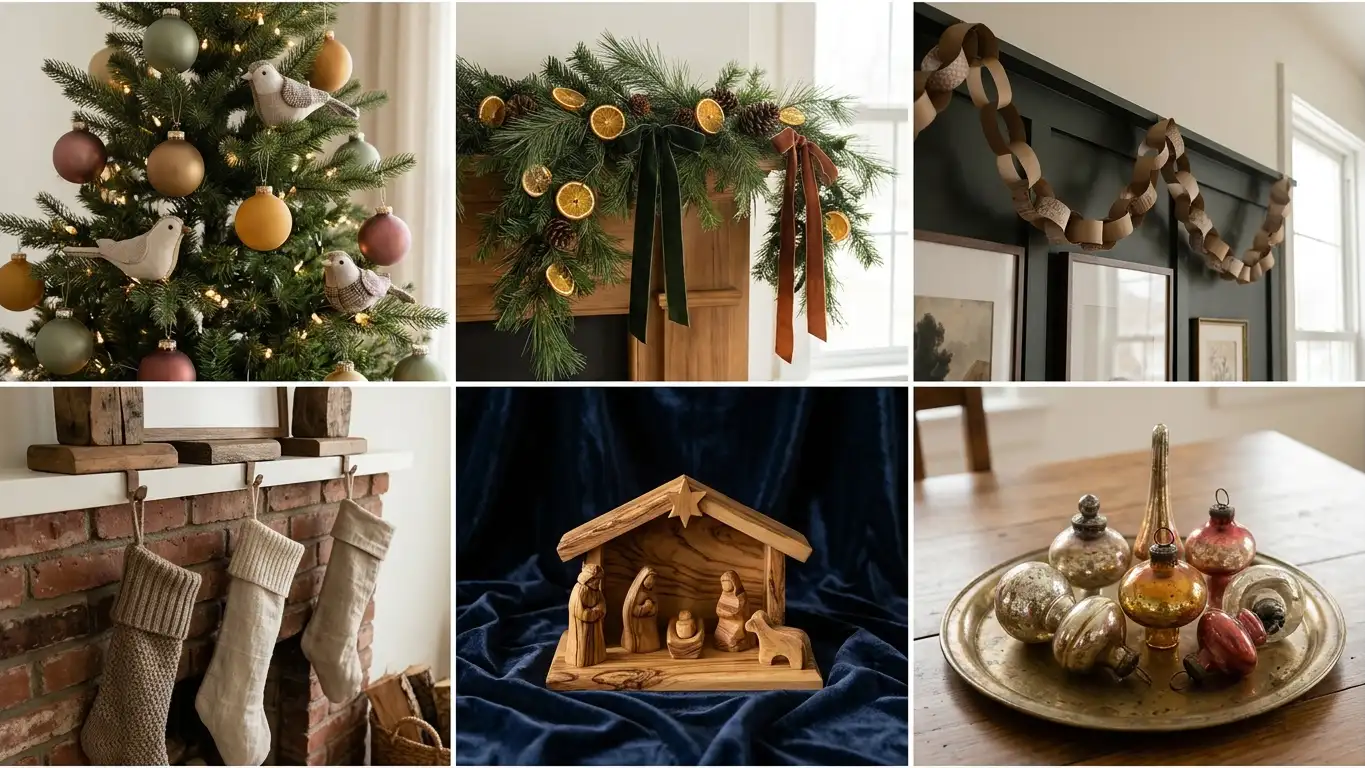
How do you make playful holiday styling look deliberate instead of chaotic? That question brings hundreds of homeowners to their search bars every winter after dumping bins of multi-colored bulbs across an artificial tree.
Getting whimsy christmas decor right requires strict spatial limits and intentional contrast. Without specific rules on scale, texture, and visual weight, a lighthearted concept turns into visual clutter within hours.
Overwhelming the Tree with Random Novelty Shapes

Tree branches collapse visually when every bauble competes for attention. When novelty figures of mismatched weights hang side by side, the eye finds no resting place. Whimsical christmas decor relies on a quiet foundation before quirky accents enter the picture.
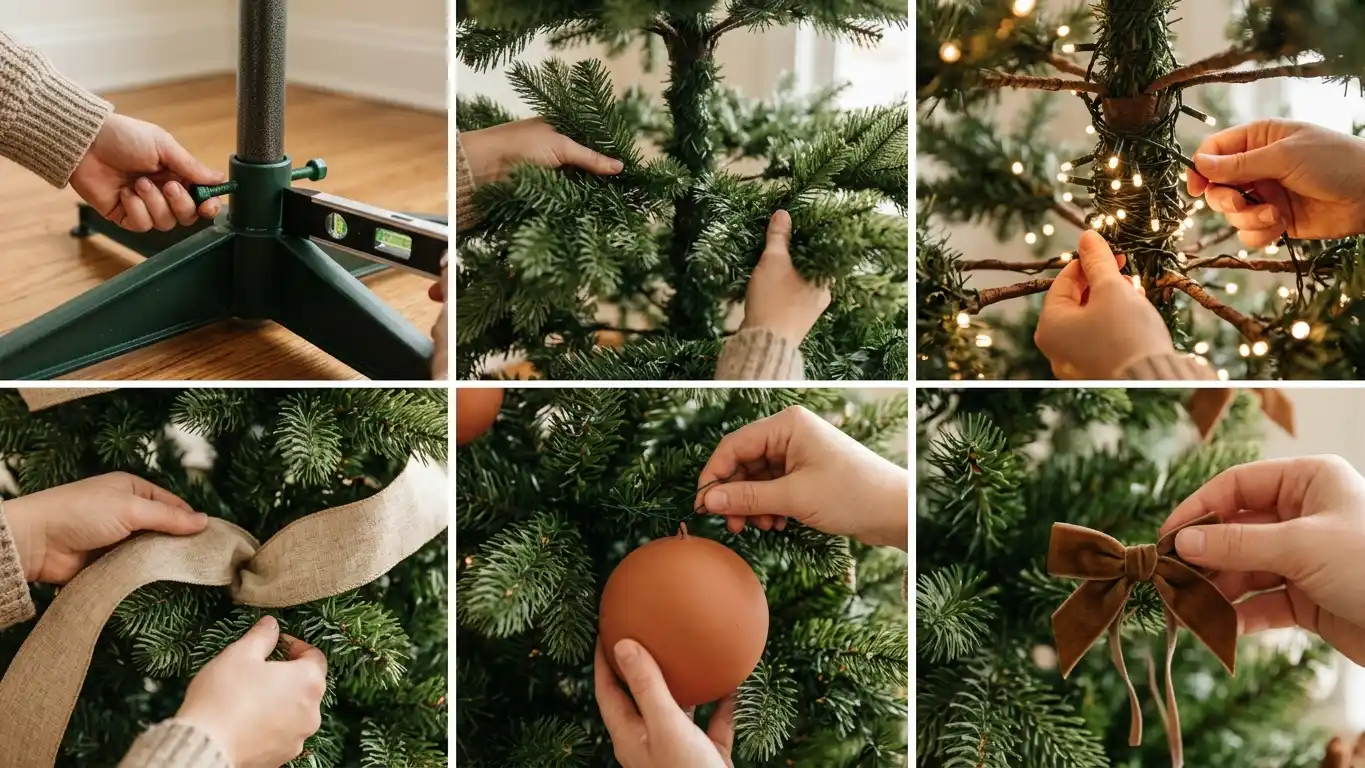
Start by placing sixty percent of your branches in solid globe finishes. Choose matte glass in two base tones like moss green or ivory. Hang larger four-inch globes near the trunk to establish depth. Reserve playful whimsy christmas tree decor for the outer third of the branch tips. Limit novelty figures to three distinct silhouettes, such as mushrooms, clip-on songbirds, and painted tin stars. Space them at least twelve inches apart across the foliage. If a branch bends past a thirty-degree angle, move the ornament closer to the central pole.
Mixing High-Saturated Brights Without a Neutral Anchor

Bright candy colors fight for dominance in a standard living space. Combining electric lime, bubblegum pink, and vivid turquoise directly against white walls creates visual fatigue within two days.
Anchor saturated hues with earthen materials like unvarnished wood, stone, or natural paper. When decorating a mantel, run a thick garland of real cedar across the shelf first. Tuck three oversized felt spheres into the needles, followed by narrow velvet ribbon ties in deep cherry. The dark organic greenery absorbs ambient daylight, allowing candy tones to read as intentional focal points rather than plastic overflow. Use the rule of three: one dominant saturated tone, one secondary shade at half volume, and one grounding earth tone occupying fifty percent of the visual field.
Hanging Flimsy Paper Chains Across Damp Entryways

Torn paper links trailing along a hallway look neglected within forty-eight hours. Standard construction paper absorbs atmospheric humidity from opened front doors, leading to drooping loops and faded edges by mid-December.
Switch to eighty-pound cardstock or tear-resistant cotton rag stock if you want handmade christmas decoration ideas that survive the month. Cut strips to one inch wide by seven inches long using a rotary trimmer. Fasten the links with heavy-duty double-sided craft tape rather than standard glue sticks. Keep these paper chains at least six feet away from drafty entry doors, humid kitchen stoves, or active radiators. Run them along high picture rails or curtain rods in dry secondary spaces like a hallway or home office where airflow remains stable.
Ignoring Scale Discrepancies on Fireplace Mantels

Small miniature houses disappear when placed beneath high ceilings. Stacking tiny ceramic villages directly onto a deep stone hearth creates an awkward ratio where the architectural surround swallows the decor.
Match object volume to mantel depth. A ten-inch-deep mantel shelf demands decorations between twelve and eighteen inches tall to hold visual weight. If you use miniature vintage porcelain buildings, elevate them on chunky wooden blocks wrapped in raw linen. Flank the ends with twenty-inch velvet cone trees or oversized mercury glass finials. Avoid placing flat items flush against the wall. Pull taller pieces three inches forward, letting greenery spill backward and downward across the brick edge. This layering bridges the height gap between the shelf and the ceiling.
Hanging Fragile Whimsy Christmas Ornaments Within Toddler and Pet Reach

Shattered glass on floorboards ends holiday cheer instantly. Thin blown-glass figures placed on lower branches break under the lightest swat from a pet tail or inquisitive toddler hand.
Audit your tree in three horizontal zones. The lowest thirty inches must carry unbreakable materials exclusively. Use needle-felted wool animals, painted wood slices, pressed tin shapes, and sturdy fabric bows along the bottom tier. Save heirloom blown-glass whimsy christmas ornaments for branches situated five feet and higher. Anchor those delicate upper pieces with green floral wire wrapped twice around the branch collar instead of loose metal S-hooks that slide off during accidental bumps.
Forcing Playful Motifs into Formal Architecture
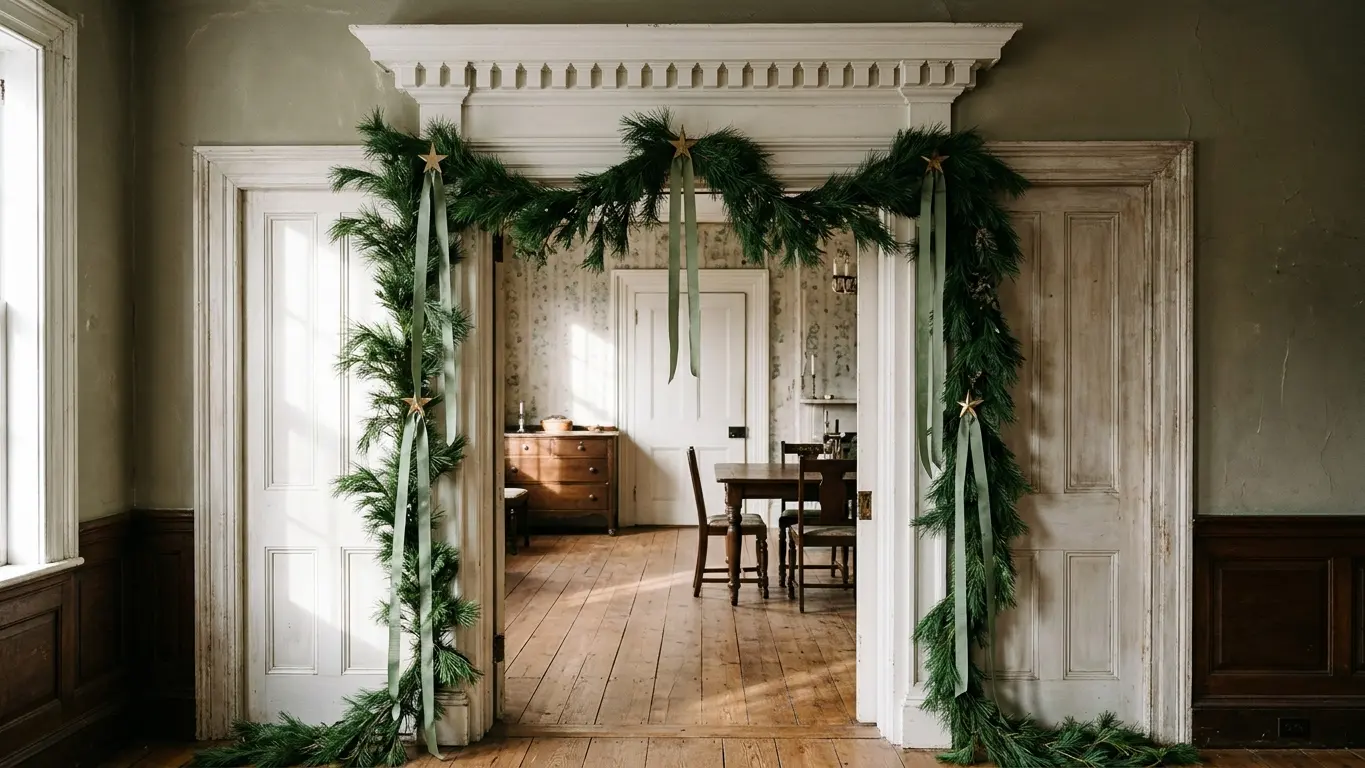
Playful candy canes and oversized felt bows look jarring when taped to austere federal moldings or ornate traditional millwork. The clash between formal historic trim and neon plastic novelty diminishes both elements.
Bridge traditional christmas decorations with playful accents by echoing classical geometry. Choose cast-iron stocking holders in clean star shapes, but finish them with moss-hued velvet ribbons cut with long, trailing swallowtail ends. Instead of neon plastic garlands, hang real dried citrus slices and cinnamon sticks strung on natural jute rope. This approach introduces charm while respecting the dignified proportions of crown molding, wainscoting, and period plasterwork.
Cluttering Kitchen Counters with Fragile Tabletop Displays

Flour dust, water splashes, and hot cooking grease ruin delicate holiday knickknacks kept on food preparation surfaces. Fabric-covered figurines absorb kitchen odors and display stubborn grease spots by the third week of December.
Clear working countertops entirely. Direct your styling to vertical planes like upper cabinet doors, range hoods, or open floating shelves. Suspend lightweight faux-boxwood wreaths from cabinet rails using two-inch grosgrain ribbon secured with removable adhesive strips on the cabinet interior. Display ceramic cookie jars shaped like vintage holiday campers strictly on the top shelf of a pantry hutch, safely elevated above active prep zones and frying splatters.
Overlooking the Transition from Christmas to Winter Themes

Tearing down every decoration on December 26 leaves a living room looking stark and abandoned. Conversely, leaving bright Santa motifs up through late January feels dated.
Plan christmas and winter decor as a two-phase system from the start. Build your foundation with evergreen garlands, pinecones, birch logs, and warm white micro-wire lights. Layer your specific holiday pieces—like red ribbon, glass nutcrackers, and advent calendar displays—on top as secondary accents. When Twelfth Night arrives on January 5, remove only the overt holiday items. Leave the deep greens, raw wood accents, and amber fairy lights in place until February to keep the room welcoming through deep winter.
Problem | What Causes It | What to Do Instead
Limp garland draping | Using lightweight artificial vines without wire cores | Secure five-pound cedar swags with twenty-gauge floral wire
Tree looking bare inside | Hanging ornaments only along branch tips | Push oversized matte globes four to eight inches deep near the trunk
Warped mantel decor | Radiated heat from open gas fireplace flues | Install a four-inch heat deflector shield below the wood shelf
Treating Christian Symbols as Rigid or Out of Place

Religious symbols often feel disconnected from lively holiday styling when relegated to isolated shelves. A formal nativity tucked in a corner can appear stark against colorful surroundings.
Weave christian decor for christmas into your room design through natural textures and deliberate grouping. Set a simple carved olivewood nativity on a side table surrounded by a low wreath of seeded eucalyptus and raw brass candlesticks. Use rich navy or plum velvet runners underneath rather than standard bright red felt. The deep tone and organic foliage give sacred pieces a dignified, integrated home that complements neighboring decor without clashing.
Buying Cheap Plastic Novelties That Last One Season

Bargain bins full of flimsy plastic characters often end up in landfills by New Year. Thin glitter sheds across upholstery, seams crack under minimal pressure, and synthetic dyes fade under direct window light.
Invest in durable heirloom craft materials that improve with age. Search thrift shops and estate sales for vintage christmas decorations made of spun cotton, molded tin, or heavy cast brass. When buying new holiday time christmas decor, check the joinery on wooden figures and the weight of glass pieces. Expect to spend fifteen to twenty-five dollars per quality ornament in 2026. A focused set of twelve well-made treasures delivers far more character than a plastic tub stuffed with fifty disposable trinkets.
How to Plan Whimsy Decor for the Holidays
Where should you source these items without overspending? Quality whimsical accents come from mixing local thrift hunting with selective craft buying. Antique malls offer genuine mid-century spun-cotton Santas for under ten dollars, while craft supply retailers stock raw wooden shapes ready for custom painting.
Start your installation by testing all electrical cords on a flat wood floor before hanging them on trees or walls. Lay out heavy garlands next, anchoring them with zip ties or screw eyes rather than weak suction cups. Once structural elements stand firm, introduce your playful characters.
Common Holiday Decorating Questions
Why do we put up christmas decorations in winter?
Evergreen branches, holly boughs, and indoor lights originated as midwinter customs celebrating life and anticipating the return of spring. Across centuries, these customs merged with Christian celebrations of the Nativity to signify hope, light, and renewal during the shortest, darkest days of the year.
When should christmas decorations come down?
Traditional custom marks Twelfth Night on January 5 or Epiphany on January 6 as the proper window to pack away seasonal items. Removing holiday pieces by this date prevents dried natural greenery from becoming a home fire hazard while preparing the house for ordinary winter routines.
Where can I find christmas decor diy inspiration that looks elevated?
Look beyond basic seasonal craft aisles toward historical textile pattern books, vintage storybook illustrations, and architectural salvage yards. Using classic embroidery, block-printed linen, and bent wirework creates original accents that carry far more charm than mass-market craft kits.
Can you mix mid-century vintage ornaments with modern accents?
Yes, provided you control the color palette. Combine delicate mid-century glass finials with modern minimalist ceramic trees by sticking to a shared palette of cream, gold, and dusty teal. Grouping vintage pieces together on a single side table creates a deliberate focal display rather than random scattering.
The Single Decorating Mistake That Costs the Most Time and Money
Rushing to buy complete matching sets of mass-produced decor during late November burns budgets and results in sterile spaces. Homeowners drop hundreds of dollars on boxed ornament sets only to find the shiny plastic finishes look cheap under residential warm-spectrum lighting.
Avoid this expensive trap by curating your collection across years. Buy three or four distinctive, high-grade glass or carved wooden pieces each season. Build your visual volume with inexpensive natural foraged items like pinecones, cedar clippings, and dried fruit slices that cost pennies. This deliberate method protects your wallet, prevents seasonal storage headaches, and ensures your home looks genuinely collected over a lifetime.