

Intro
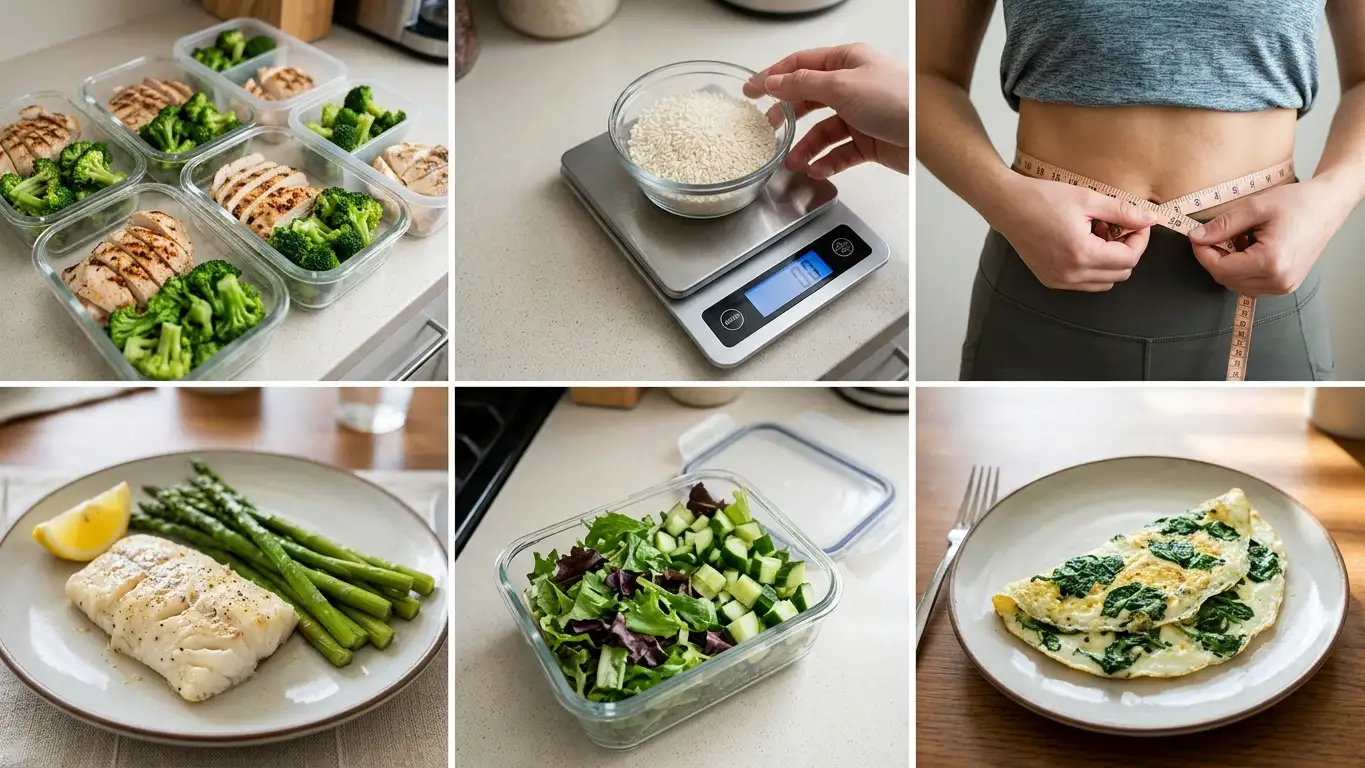
Starting a fat loss phase requires more than just eating less food. It demands a deliberate approach to macronutrient distribution, hunger management, and caloric deficits. This guide serves two types of readers. Those who are experienced with tracking macros and need a streamlined meal structure to accelerate fat loss. And those who are transitioning from a maintenance phase into a more disciplined deficit and need clear boundaries.
Body Shape Variable
The core variable for structuring your aggressive cut is daily activity level and caloric expenditure. We divide our approach into three distinct tiers based on your daily movement and training volume.
High Activity Tier For Heavy Training Days
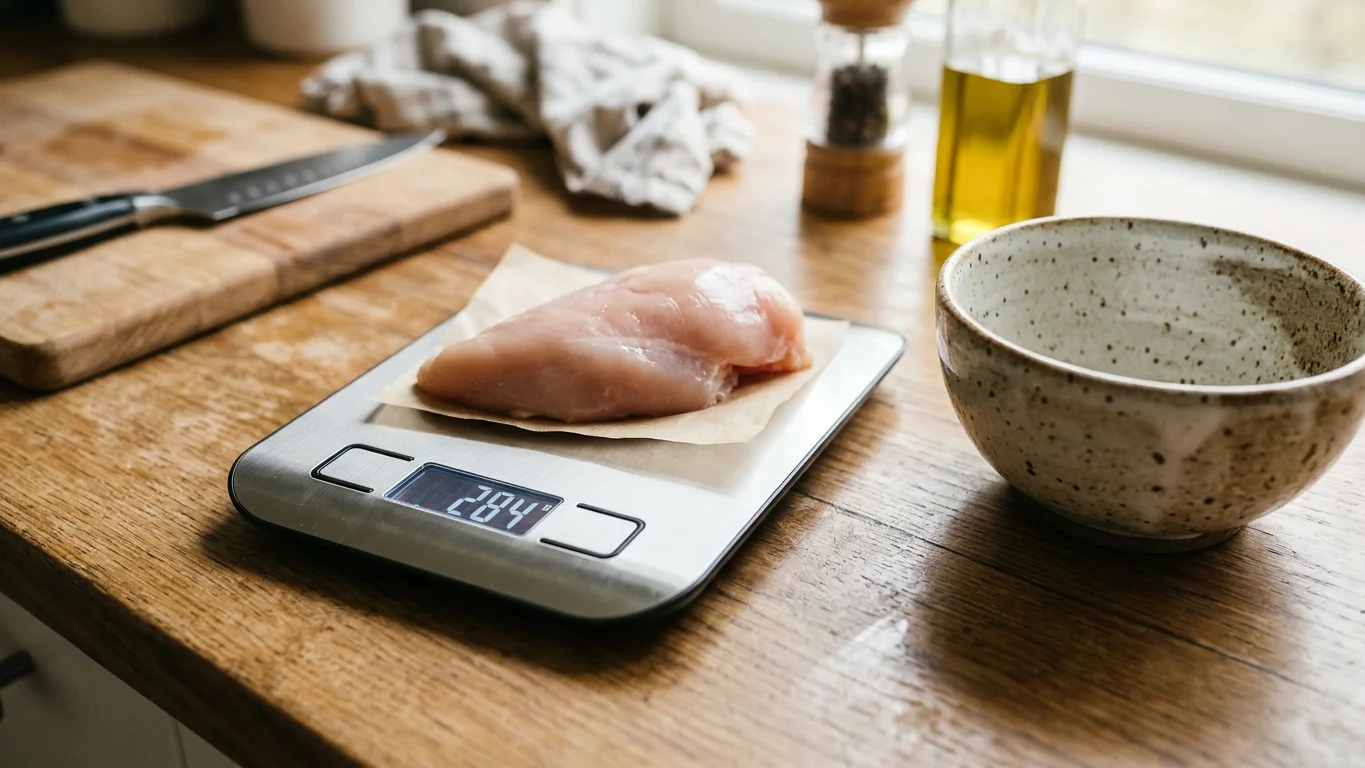
This tier is built for individuals who train with weights four to five days a week and incorporate regular cardio sessions. If you maintain a high activity level, dropping your calories too low will tank your performance and muscle retention. Expect to consume around twelve to fourteen calories per pound of body weight during this phase. Your meals must feature lean poultry, egg whites, and white fish to maximize protein without spiking fats. Beginners often make the mistake of cutting carbs entirely while training hard, which leads to early exhaustion. Keep your complex carbohydrates centered around your workout window to sustain your output.
Moderate Activity Tier For Standard Schedules

This middle tier fits people who work desk jobs and manage three moderate gym sessions per week. Your total daily energy expenditure sits lower, meaning your intake needs a sharper downward adjustment. Expect to target ten to twelve calories per pound of body weight. Focus your plates on high-volume, low-calorie vegetables like zucchini, spinach, and cauliflower to keep your stomach full. A common pitfall here is underestimating liquid calories from dressings and cooking oils. Switch to a non-stick cooking spray and measure your oils with a teaspoon rather than pouring directly from the bottle.
Sedentary Tier For Recovery And Rest Days

This resting tier applies on days when you do not exercise and spend most of your time seated. Your body requires significantly less fuel, so carbohydrates must drop to make room for essential proteins and fats. Aim for eight to ten calories per pound of body weight on these specific days. Lean beef, cottage cheese, and whey protein isolates become your primary kitchen staples. One major downside of this approach is increased evening hunger, which requires careful meal timing and high-fiber choices. Avoid eating your entire daily allotment in one sitting, as spreading your meals out maintains steady blood sugar levels.
Protein Sourcing And Lean Meat Selection

Selecting the right protein sources determines whether you lose fat or muscle during a steep deficit. Boneless skinless chicken breast provides roughly thirty-one grams of protein per four-ounce cooked serving for about one hundred sixty-five calories in 2026. Egg whites offer pure protein without the fat overhead, making them ideal for morning omelets. White fish like cod and tilapia deliver massive protein density with almost zero fat, though they lack the satiety of denser meats. A common error is relying too heavily on protein bars, which often pack hidden sugars and excess calories that stall your progress.
Managing Carbohydrate Timing Around Workouts
Carbohydrates are functional tools rather than mandatory energy sources during a rapid deficit. Consume sixty percent of your daily carbohydrate allotment within the two-hour window before and after your training session. Sweet potatoes, jasmine rice, and oats provide clean energy without causing digestive sluggishness. On rest days, strip most starches away and replace them with fibrous green vegetables like broccoli and asparagus. Beginners frequently experience brain fog during the first week as glycogen stores deplete, which is a normal physiological response rather than a sign of a failing diet.
Strategic Fat Sourcing For Hormone Health

Dropping dietary fat too low during a cut causes hormonal imbalances, fatigue, and skin issues. Keep your fat intake around twenty to twenty-five percent of your total daily calories to support basic endocrine function. Whole eggs, avocado, and raw almonds provide the necessary essential fatty acids. Measure your fat sources precisely because one tablespoon of olive oil adds one hundred nineteen calories instantly. Never eliminate dietary fats entirely, as your body needs them to absorb fat-soluble vitamins and maintain joint lubrication.
Vegetable Volume And Satiety Hacks

Fighting hunger is the primary battle during an aggressive fat-loss phase. Incorporate at least five hundred grams of low-calorie cruciferous vegetables into your daily meal rotation. Cabbage, celery, and cucumbers take up physical space in your digestive tract and trigger stretch receptors in your stomach. Steam your vegetables without butter, seasoning them instead with garlic powder, sea salt, and black pepper. A common mistake is adding heavy cheese sauces to vegetables, which completely defeats their purpose as a low-calorie filler.
Prepping And Storing Batch Meals
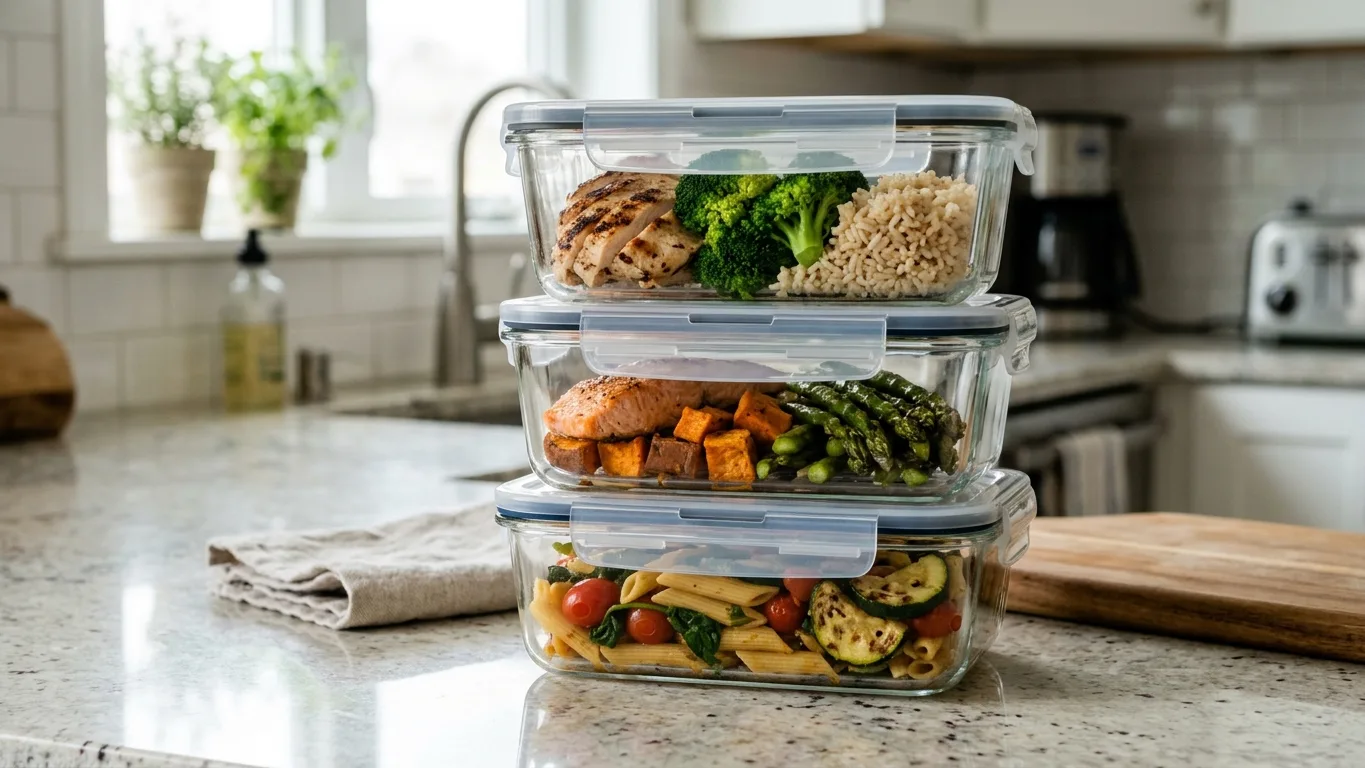
Consistency relies entirely on having the right food prepared before hunger sets in. Dedicate two hours twice a week to cook bulk batches of chicken, rice, and roasted vegetables. Store your portions in glass meal prep containers with airtight lids to maintain freshness for up to four days in the refrigerator. Do not freeze cooked rice, as it changes texture and becomes unpalatable upon reheating. Label your containers with the date of preparation to ensure you consume them safely within the optimal window.
Handling Dining Out And Social Settings

Social situations test your discipline during a strict cutting protocol. Review restaurant menus online before you arrive and select grilled protein dishes with steamed vegetables on the side. Ask the server to place all dressings, sauces, and butters on the side so you control the exact amount consumed. One hidden trap is restaurant cooking oils, which often add three hundred uncounted calories to a seemingly clean chicken salad. If you consume alcohol, understand that it halts fat oxidation temporarily while your liver processes the ethanol.
Monitoring Biometrics And Progress Metrics

Tracking your weight daily provides the data needed to adjust your caloric intake over time. Weigh yourself first thing in the morning after using the bathroom and before consuming any food or water. Look at your weekly moving average rather than day-to-day fluctuations, which are influenced by sodium and water retention. If your weight remains static for ten consecutive days, drop your daily intake by one hundred fifty calories or add twenty minutes of low-intensity cardio. Stop your aggressive cut after four to six weeks and return to a maintenance intake for at least two weeks to reset your metabolic rate.
Choosing Your Cutting Tier
| Tier | Activity Level | Calorie Target | Best For |
|---|---|---|---|
| High Activity | Heavy training 4-5x weekly | 12-14 kcal per lb | Active athletes and lifters |
| Moderate Activity | Desk job with 3 gym sessions | 10-12 kcal per lb | Standard fitness enthusiasts |
| Sedentary | Minimal movement or rest days | 8-10 kcal per lb | Recovery days and off periods |
Frequently Asked Questions About Aggressive Cutting
How do I know if my deficit is too aggressive for my body type?
If you experience chronic lethargy, hair thinning, sleep disturbances, and performance drops in the gym exceeding twenty percent, your deficit is too steep. Scale your calories back up by two hundred per day until your energy levels stabilize.
What is the maximum recommended duration for an aggressive cut?
Four to six weeks is the safe ceiling for most healthy adults. Pushing past this window without a diet break increases the risk of muscle catabolism and metabolic slowdown. Transition back to maintenance calories once you hit your timeframe.
Can I build muscle while following an aggressive cutting diet plan?
Muscle gain requires a surplus or at least maintenance calories combined with adequate stimulus. During a steep deficit, your body focuses primarily on fat loss and preservation, so expect to maintain your current muscle mass rather than build new tissue.
Why does my weight fluctuate daily even when sticking to my clean cut meals?
Water retention caused by sodium intake, carbohydrate storage, and stress hormones masks true fat loss on the scale. Trust the long-term trend line over individual daily readings and evaluate your progress every seven to ten days instead.
What should I do when I hit a stubborn weight loss plateau?
Verify your food logging accuracy with a digital kitchen scale before making any changes. If your tracking is precise and weight has not budged for ten days, introduce a minor reduction in daily carbohydrates or increase your daily step count by two thousand steps.
Maintaining Focus Through The Final Stretch
Reaching your target weight requires patience and strict adherence to your nutritional boundaries. Focus on daily execution rather than the final number on the scale. When cravings hit, drink a large glass of water and wait twenty minutes before deciding to eat. Keep your environment clear of trigger foods that tempt you off your plan. One disciplined day builds momentum for the next, turning temporary effort into lasting physical change.
Disclaimer: This article is for informational purposes only and does not constitute medical or nutritional advice. Consult a qualified healthcare professional before starting any aggressive diet plan or major caloric restriction.