
Living with limited square footage makes storage areas feel overwhelming very quickly. Most people assume a tiny wardrobe requires a major renovation or expensive built in units to become functional. That assumption stops you from making simple adjustments that cost under twenty dollars and take less than an afternoon. Fixing a cramped layout starts by addressing the exact physical barriers causing clutter in the first place.
Why Standard Single Rods Waste Half Your Height
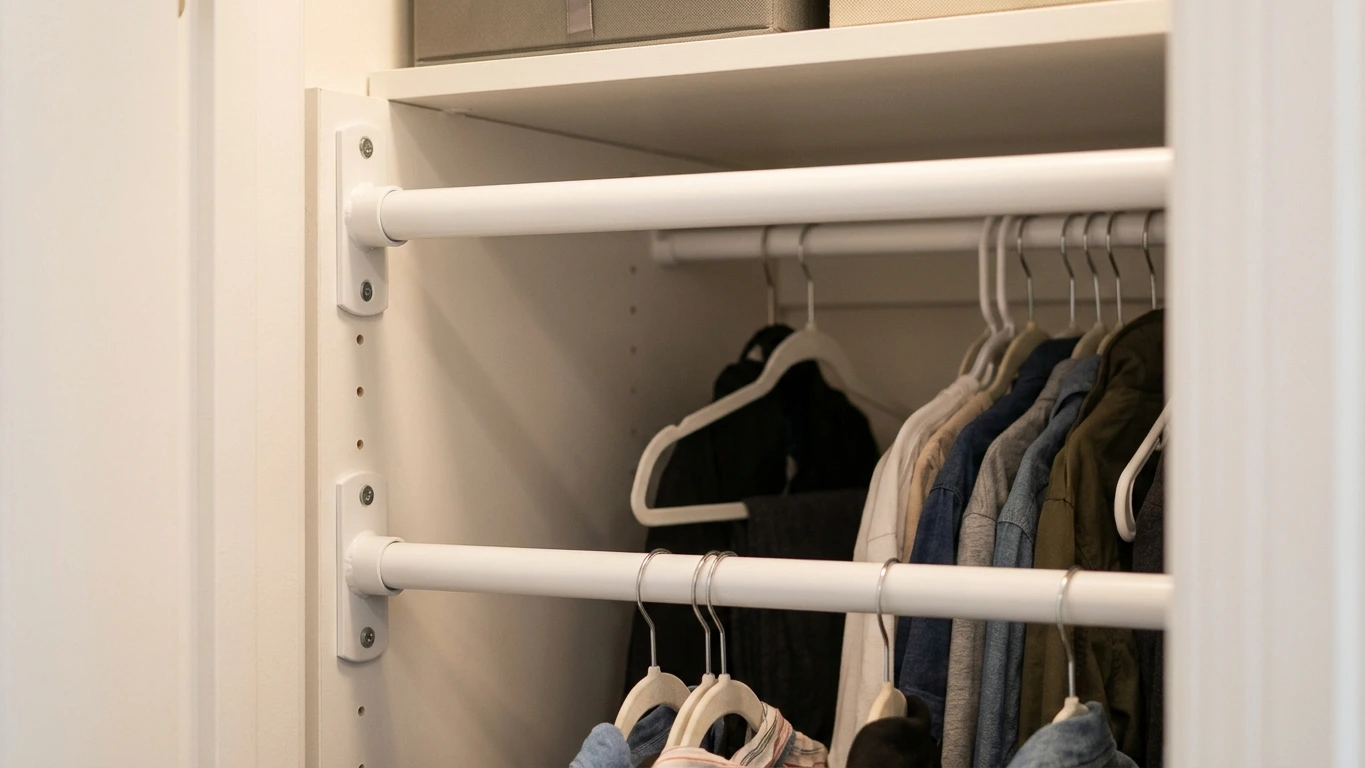
Hanging clothes on a single high rail leaves dead space underneath that never gets used properly. Standard shirts only require about thirty inches of vertical clearance while coats need around forty inches. Leaving three feet of empty floor beneath your jackets means you lose valuable hanging capacity.
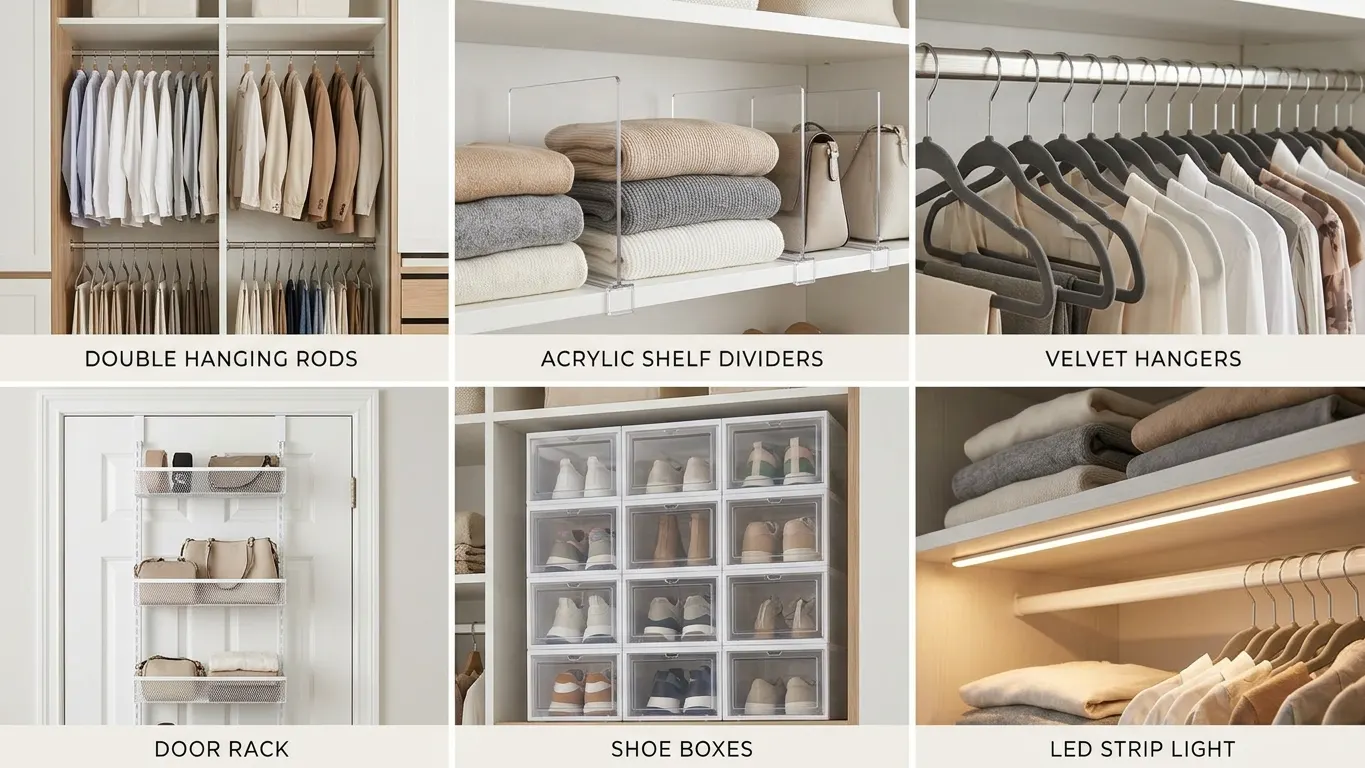
Installing a double tier hanging rod solves this issue instantly by adding a second lower bar beneath your existing setup. Expect to spend around fifteen to twenty five dollars in 2026 for a sturdy steel double rod kit. Hang short items like blouses and trousers on the top tier and skirts or folded pants on the bottom one. This simple hardware swap doubles your upper storage without requiring any wall demolition.
Letting Go of Items You Have Not Worn in Years

Keeping clothes you never wear remains the primary reason storage areas overflow beyond capacity. Take everything out of your wardrobe and place it across a bed to force a true visual assessment. If an item has not been worn across four changing seasons it belongs in a donation pile or textile recycling bin.
Services like Ridwell help collect uncommon household textiles before you throw something in the dumpster. Skipping this purge phase guarantees that any new organizational hardware you install will fill right back up with clutter. Be ruthless with seasonal transitions and store truly out of season garments in bins under the bed instead of wasting prime eye level shelf space.
Taming Shelves That Are Too Deep for Small Items

Deep shelves turn into black holes where socks and folded sweaters wander over into unintended territory. When a shelf measures twenty inches deep your stacks get pushed back and completely forgotten behind the front row.
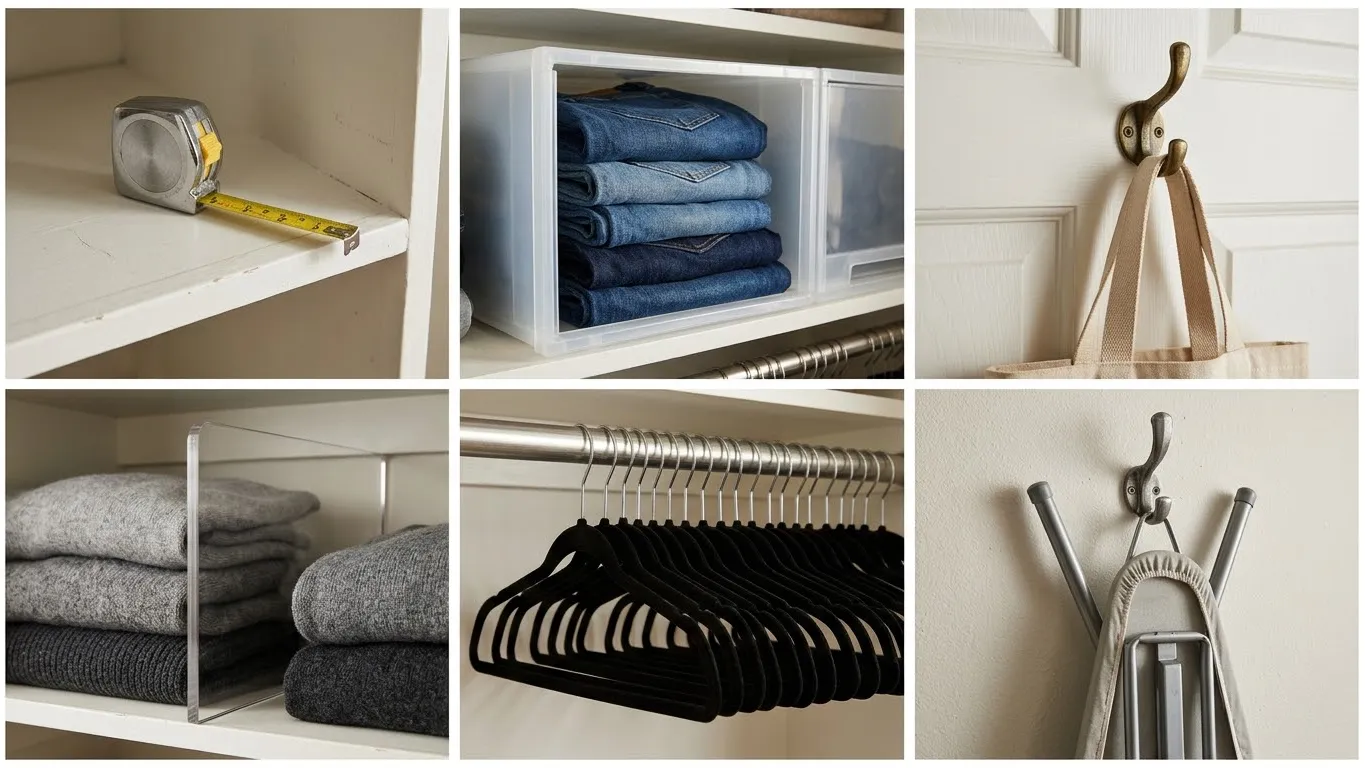
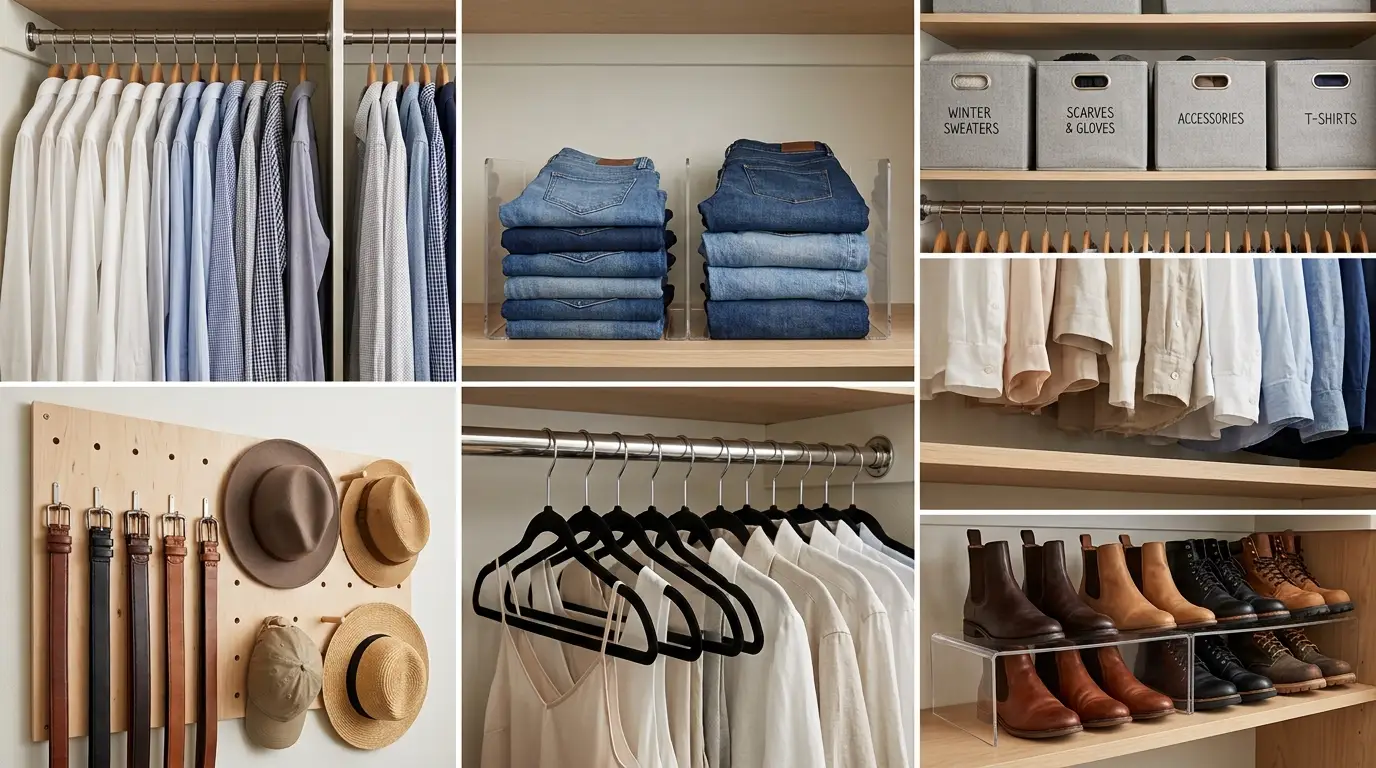
Insert clear acrylic shelf dividers every ten inches to keep stacks upright and separated by category. Measure the exact thickness of your wooden shelving before buying acrylic inserts to ensure a snug friction fit. Alternatively use shallow fabric storage boxes that slide straight out like drawers so you can access the back items without disturbing the front.
Utilizing Vertical Door Backs for Accessories
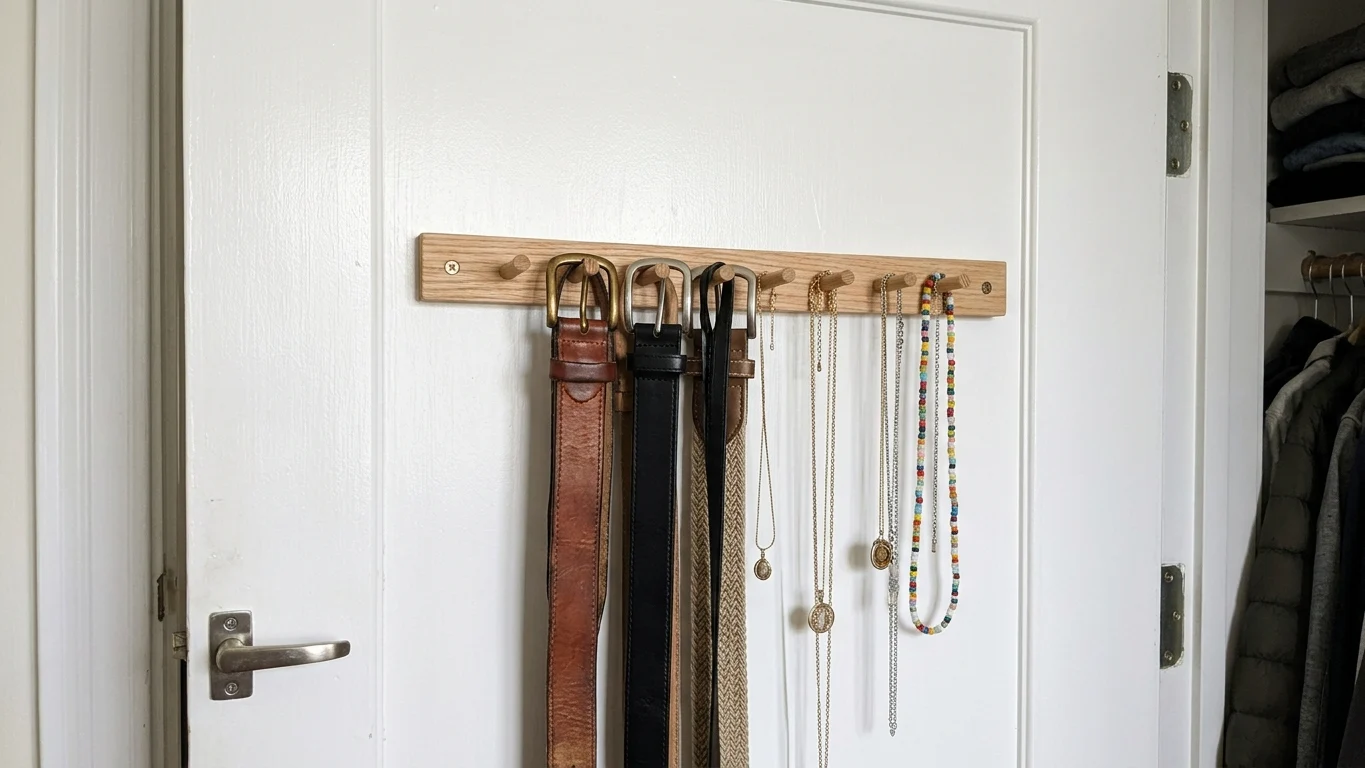
Ignoring the inner surface of your closet door leaves a massive flat area completely bare. Traditional over the door wire racks often rattle every time you pull the door open or closed.
Mount slim wooden peg rails directly to the interior door surface using short wood screws that match your door thickness. Hang belts and long necklaces on individual pegs so they stay untangled and visible at a glance. Avoid heavy canvas shoe organizers on hollow core doors because the extra weight pulls the hinges out of alignment within a few months.
Managing Footwear Without Creating Floor Piles

Shoe boxes stack up unevenly and make reading labels or finding matching pairs an ongoing daily frustration. Tossing heels and sneakers onto the floor steals precious square footage that could hold laundry baskets or slim rolling carts.
Use stackable clear plastic drop front shoe boxes instead of opaque cardboard ones so you can spot your footwear instantly. Place flat sandals and flats on slim under shelf wire inserts that clip directly onto the underside of your existing wire shelving. Keep only the current season shoes inside the active wardrobe zone and box up specialty footwear for higher storage ledges.
| Problem | What causes it | What to do instead |
|---|---|---|
| Wasted vertical height | Single high clothes rod | Install a double tier hanging rod |
| Tangled accessories | Leaving door interiors blank | Mount slim wooden peg rails |
| Deep shelf clutter | Undivided wide wooden planks | Insert clear acrylic shelf dividers |
Finding Hidden Storage Above the Top Shelf
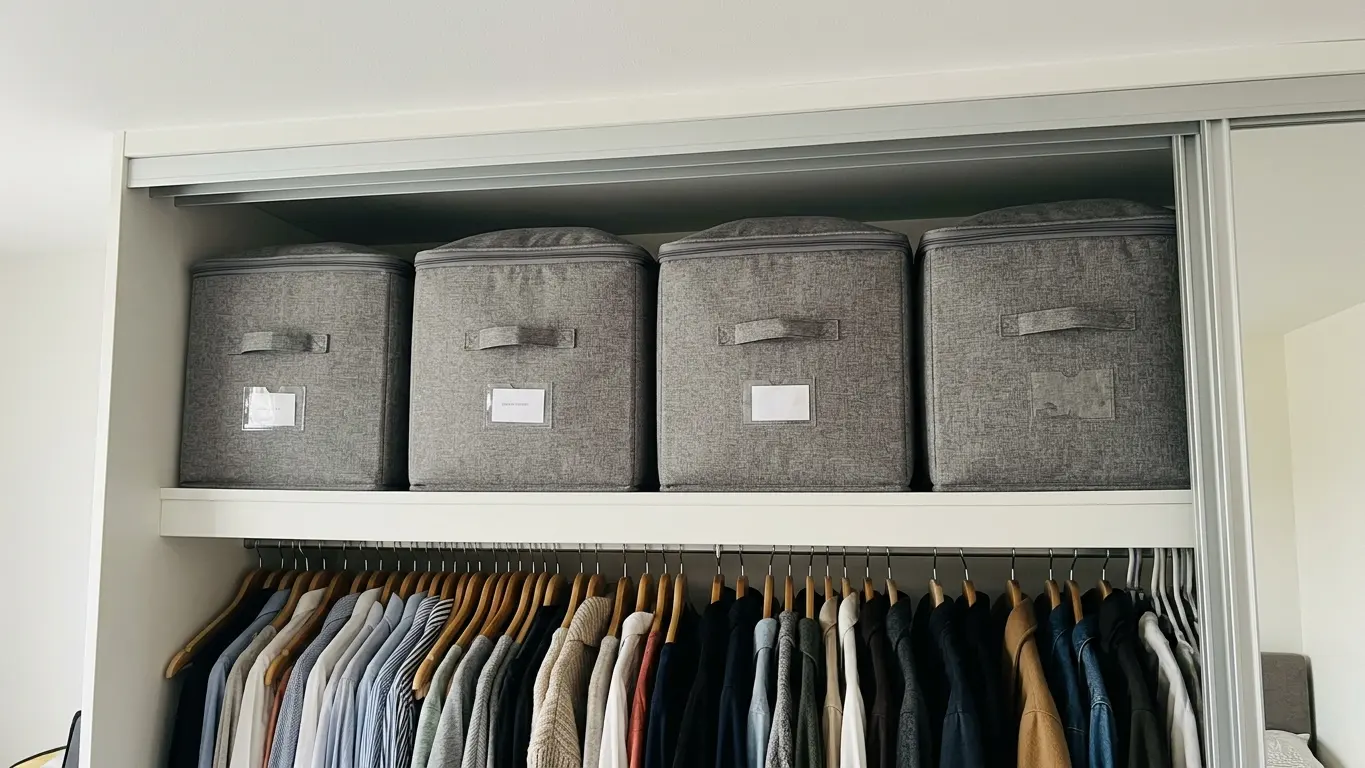
The highest shelf in a cramped wardrobe usually collects stray hats and dusty bags because it sits out of normal reach. Standing on a shaky chair to grab a storage box creates an unnecessary safety hazard during your morning routine.
Store only lightweight items like spare bedding or lightweight guest blankets inside zipped fabric bins up top. Label the front of each fabric container with a small tag so you know the exact contents without pulling the bin down. Reserve this high elevation exclusively for things you need less than four times a year.
Dealing With Awkward Corners and Obstructions
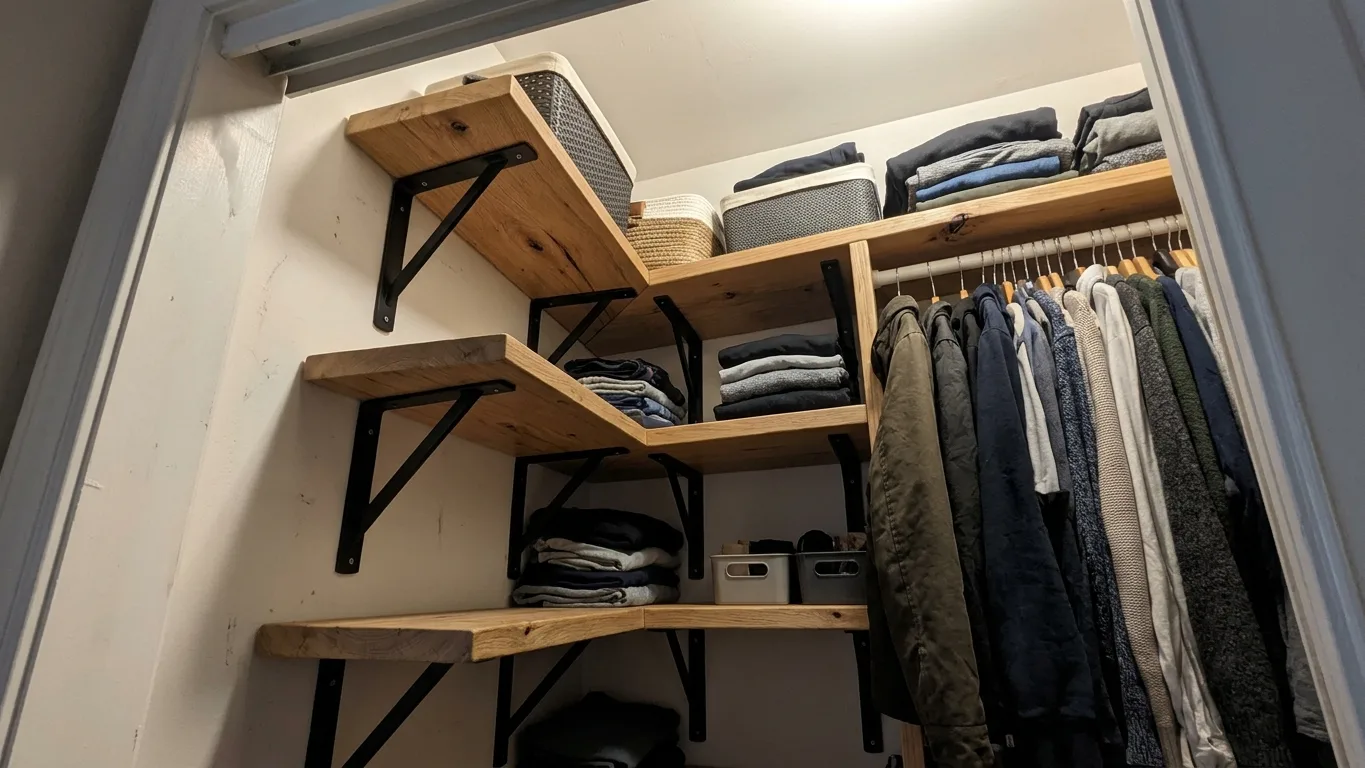
Vent pipes and support columns often cut right through a compact wardrobe layout and create useless gaps. Forcing rigid shelving units into an irregular corner leaves jagged gaps that collect dust bunnies and wasted air space.
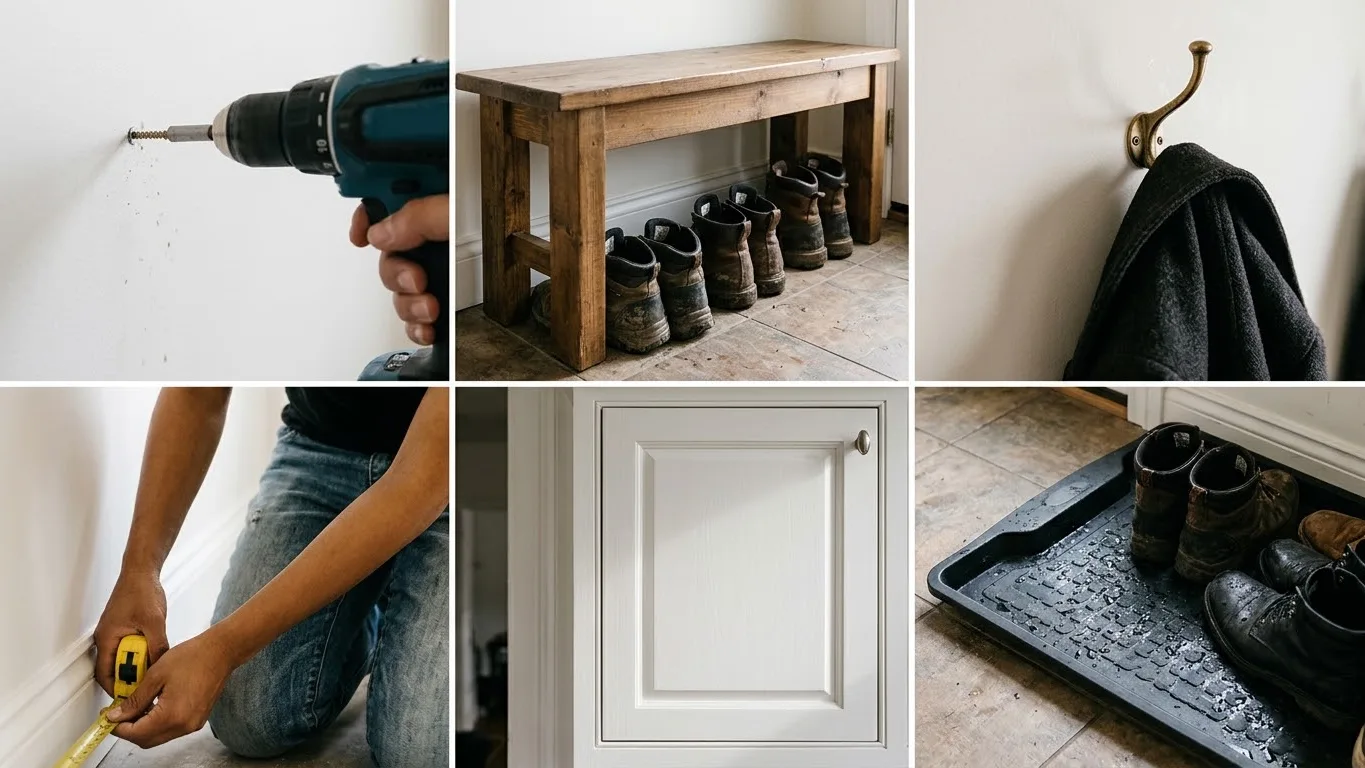
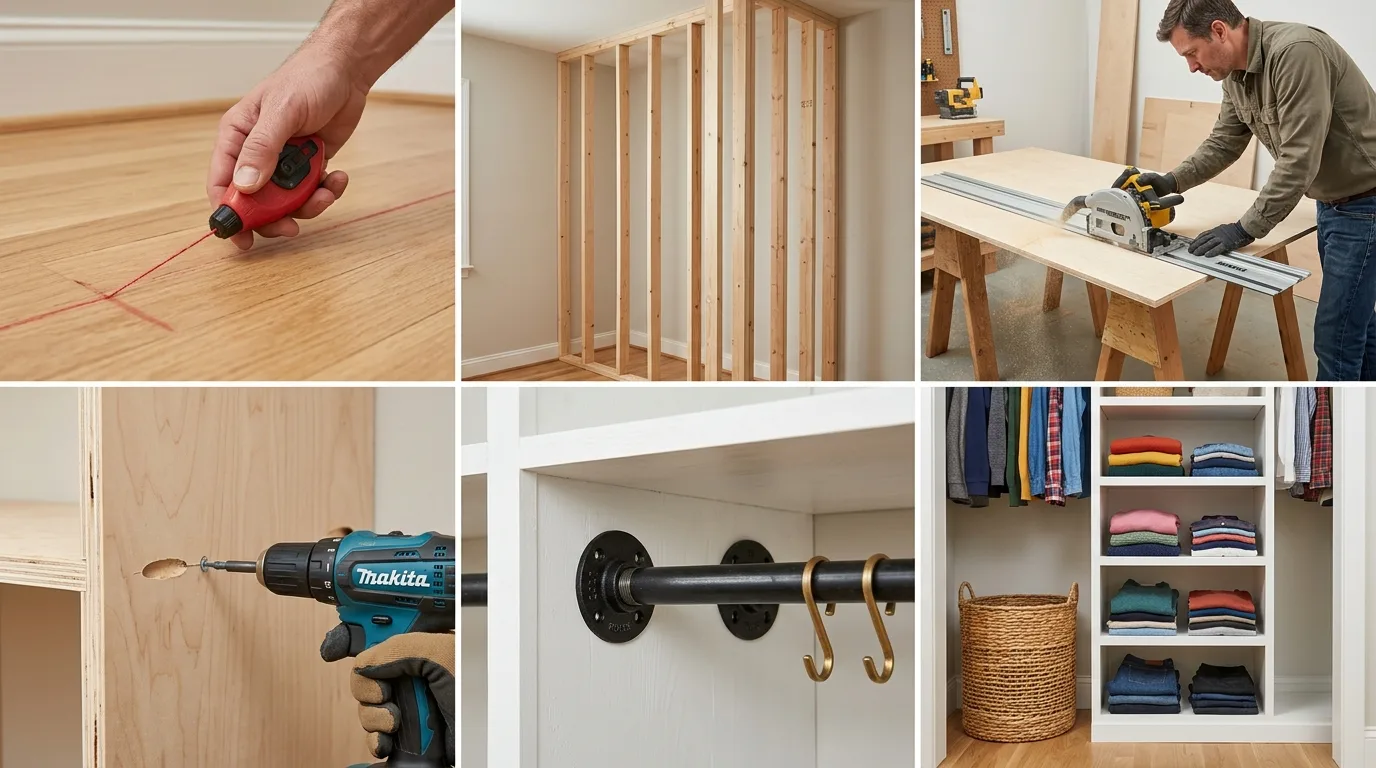
Custom cut MDF boards to fit exact corner dimensions and mount them on heavy duty metal L brackets for floating corner shelves. Use flexible tension rods in narrow vertical gaps to hang lightweight scarves or belts vertically. Measure twice with a steel tape measure to account for baseboard trim before cutting any custom wood pieces.
Choosing the Right Lighting for Dark Recesses
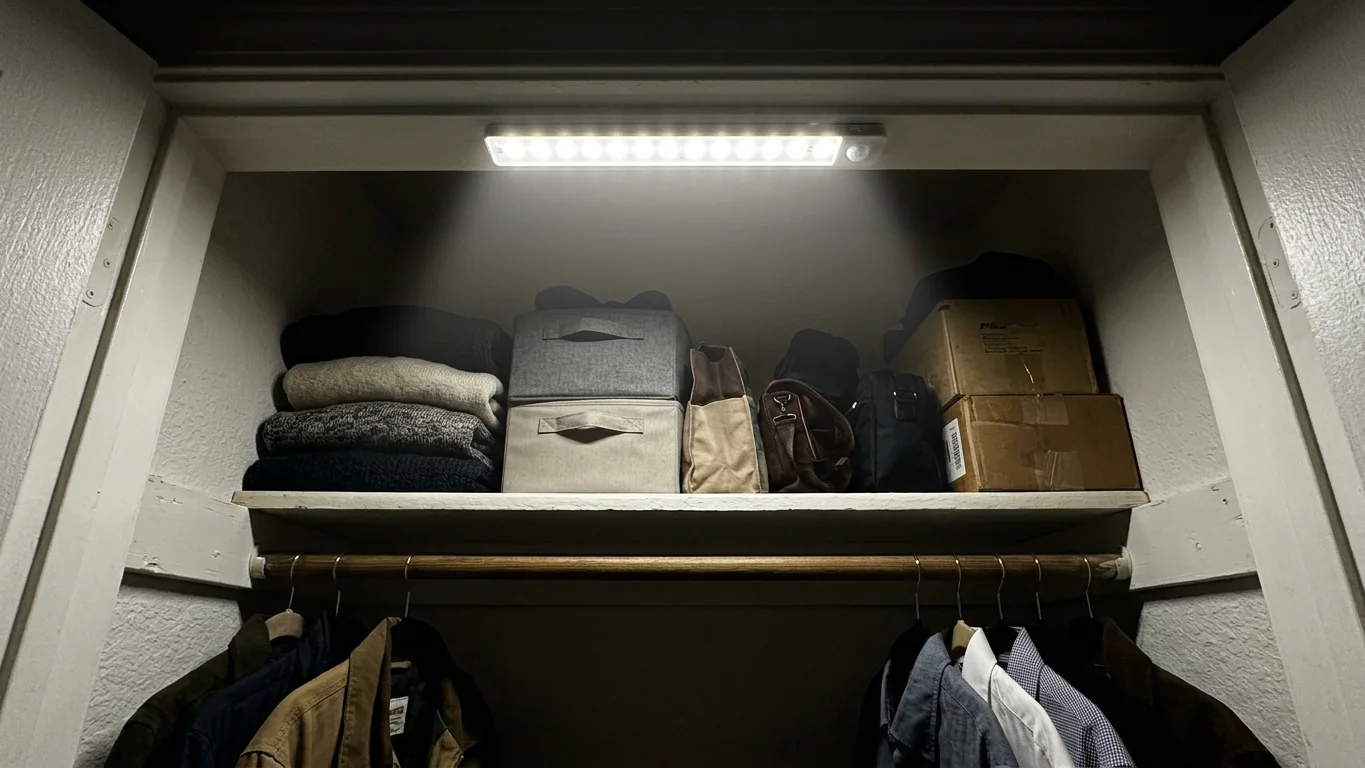
Small storage zones often lack overhead fixtures which makes distinguishing navy blue from black nearly impossible in the shadows. Relying on your bedroom lamp casts shadows right where you need clear visibility the most.
Stick battery operated motion sensor LED puck lights underneath upper shelves to illuminate dark corners automatically when the door opens. Rechargeable magnetic light bars cost around twelve to twenty dollars in 2026 and install with simple adhesive metal strips. Avoid hardwired lighting unless you are already planning a major electrical overhaul with a licensed professional.
Organizing Small Items With Drawer Inserts

Small accessories like watches and rings tend to roll around loose and scratch each other inside standard drawers. Tossing everything into one deep catch all bin wastes time when you are rushing out the door.
Felt lined modular drawer trays let you customize individual compartments for every single category of accessory you own. Measure the interior dimensions of your drawer with a caliper to ensure your modular trays fit without sliding around. If custom trays run too expensive use shallow kitchen utensil organizers made of clear plastic as a budget friendly alternative.
Preventing Overstuffed Hangers From Jamming
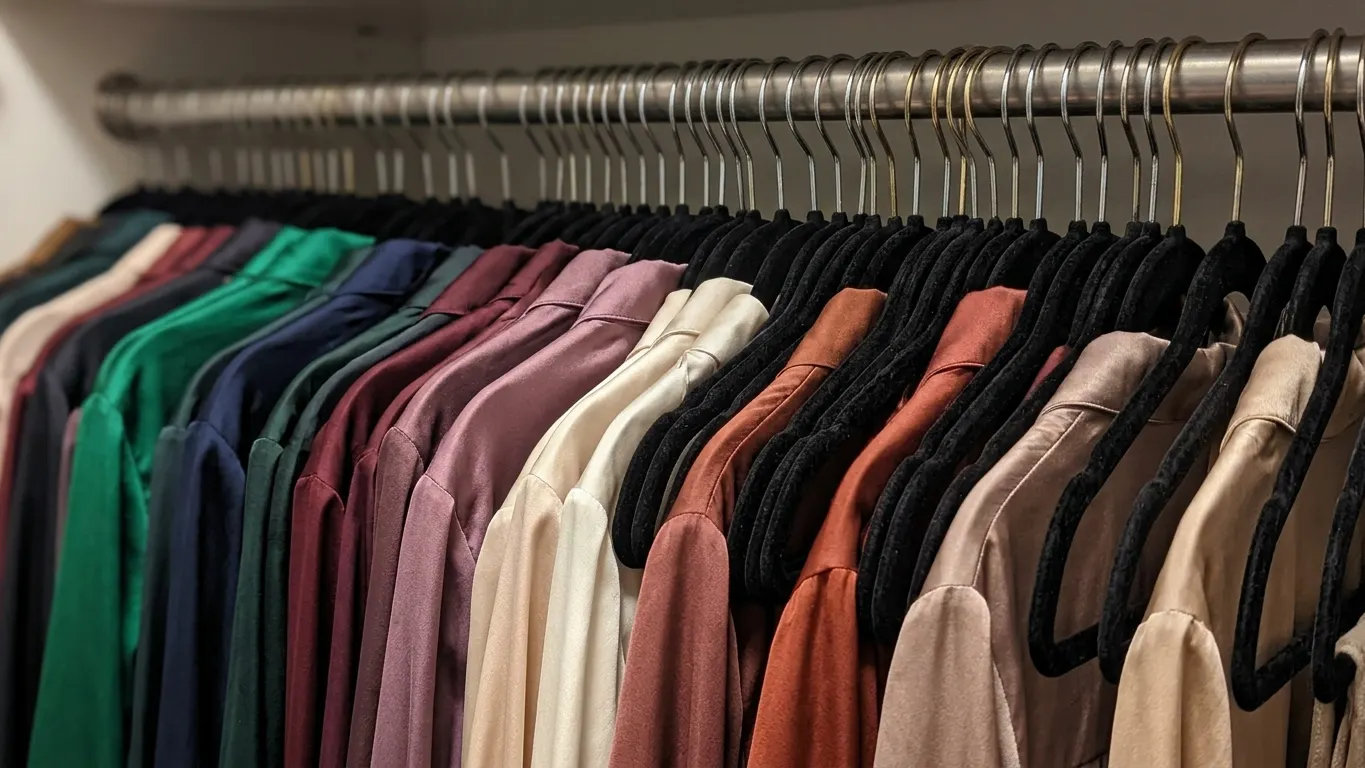
Plastic tube hangers take up excess horizontal width and prevent your garments from sliding smoothly along the rail. Mixing mismatched wire and wooden hangers creates an uneven hanging height that snags delicate fabrics.
Switch to ultra slim velvet flocked hangers that measure a quarter inch thick to instantly gain several inches of rod space. The textured velvet surface keeps silk blouses and wide neck sweaters from slipping off onto the floor. Expect to spend around ten to fifteen dollars for a standard pack of fifty slim velvet hangers in 2026.
Maintaining Order After the Initial Setup

Organizing a tight storage space takes real effort but keeping it that way requires strict daily discipline. Letting clothes pile up on your bedroom chair defeats the purpose of an optimized wardrobe system.
Adopt a one in one out rule where every new garment purchase requires donating or selling an older piece first. Spend five minutes every Sunday evening returning stray items to their designated zones before clutter builds up again. Consistency matters far more than buying expensive organizational gadgets that do not match your daily habits.
Frequently Asked Questions About Small Closets
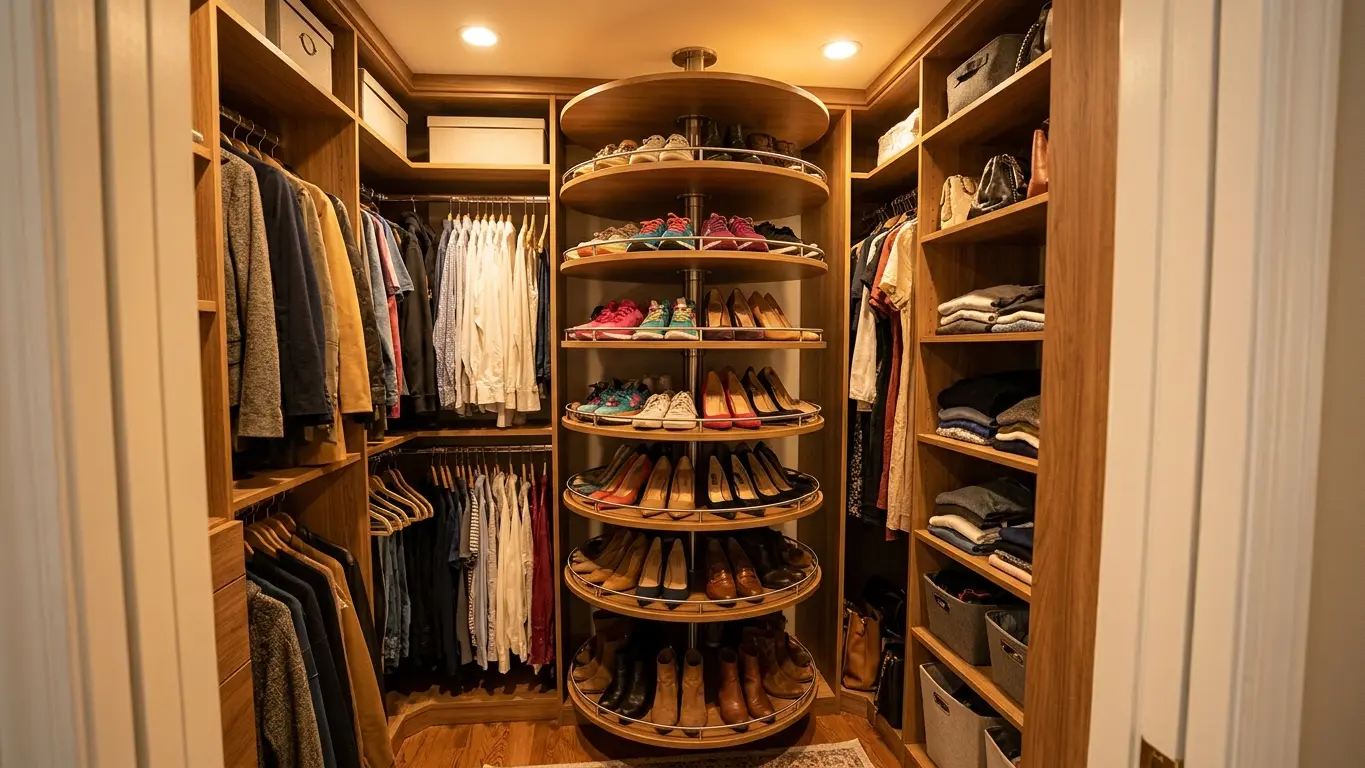
How do I organize a very small walk in closet efficiently?
Focus on corner optimization by installing revolving shoe carousels or diagonal shelving units instead of standard straight bars. Keep central floor space completely clear for a small rolling hamper.
What is the best hanger type for tight spaces?
Slim velvet flocked hangers save the most horizontal width compared to chunky wooden or plastic designs while keeping slippery fabrics secure.
How can I add lighting without hiring an electrician?
Rechargeable magnetic LED strip lights mount easily to walls or shelves using adhesive metal plates and require no wiring.
Where should I store bulky winter coats during summer months?
Vacuum sealed compression bags reduce the volume of heavy wool coats by up to eighty percent so they fit flat under a bed or on top shelves.
Protecting Your Storage Investment Over Time

Failing to measure your clearance depths accurately remains the single most common mistake that wastes both money and time during a wardrobe overhaul. Buying pre made organizers without checking door swing radiuses or wall obstructions leaves you with expensive bins that do not fit your space. Take a physical tape measure and check every dimension twice before ordering hardware online or visiting a retail store. Protecting your layout from future clutter relies on regular maintenance rather than buying more plastic containers.