
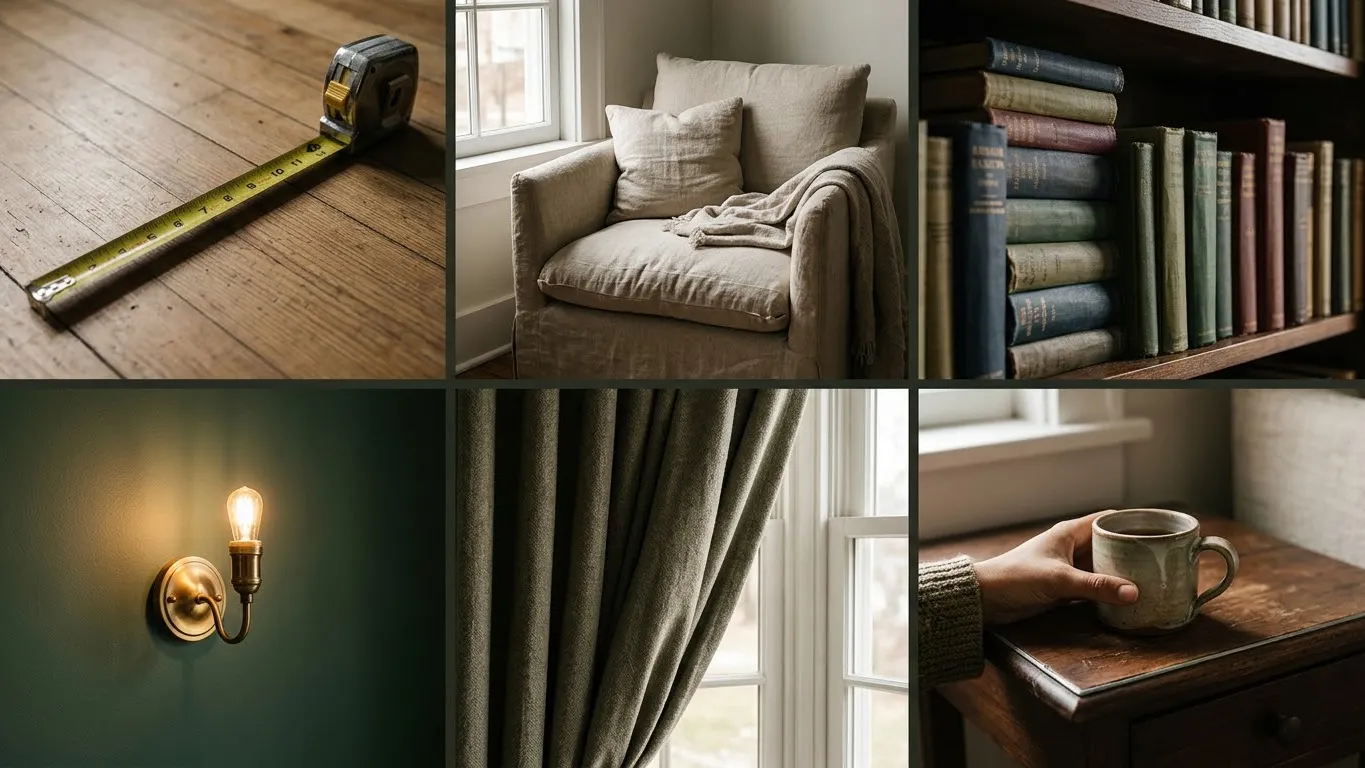
Finding a dedicated spot to curl up with a book requires more than tossing a cushion on the floor. Planning cozy reading nook ideas demands real math for seat depth, proper shelving clearances, and exact lighting heights so your eyes do not strain after twenty minutes. You need to carve out enough square footage to sit comfortably without blocking the normal flow of your house. Every layout choice dictates whether the spot actually gets used or just gathers dust.
What you need to build this space. A measuring tape. Painter tape for marking floor dimensions. A supportive chair or lumber for a bench. A wall sconce or floor lamp rated for at least 800 lumens.
Assessing Your Available Floor Area
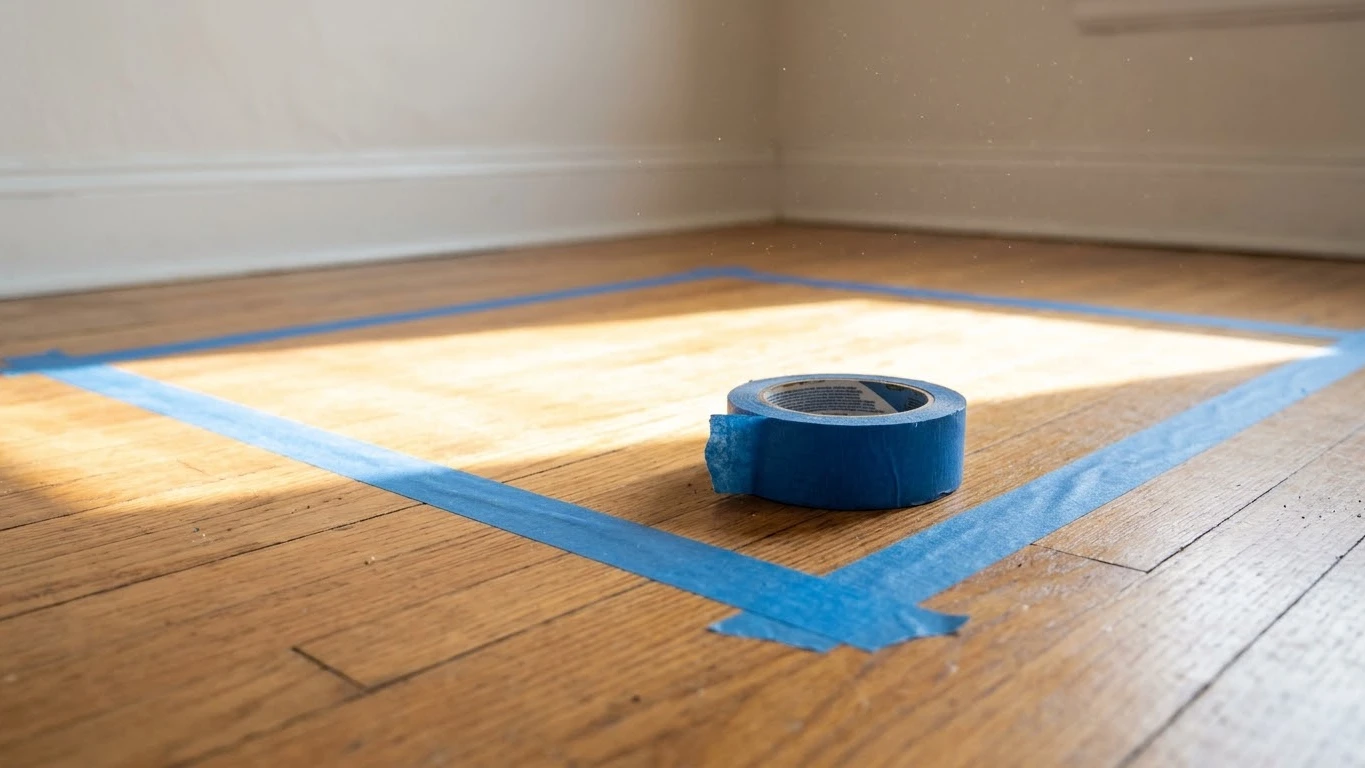
Start by walking your room to locate dead zones that do not disrupt daily traffic. Designers generally want 30 to 36 inches for a main walking route, dropping lower only when the room gives no choice.
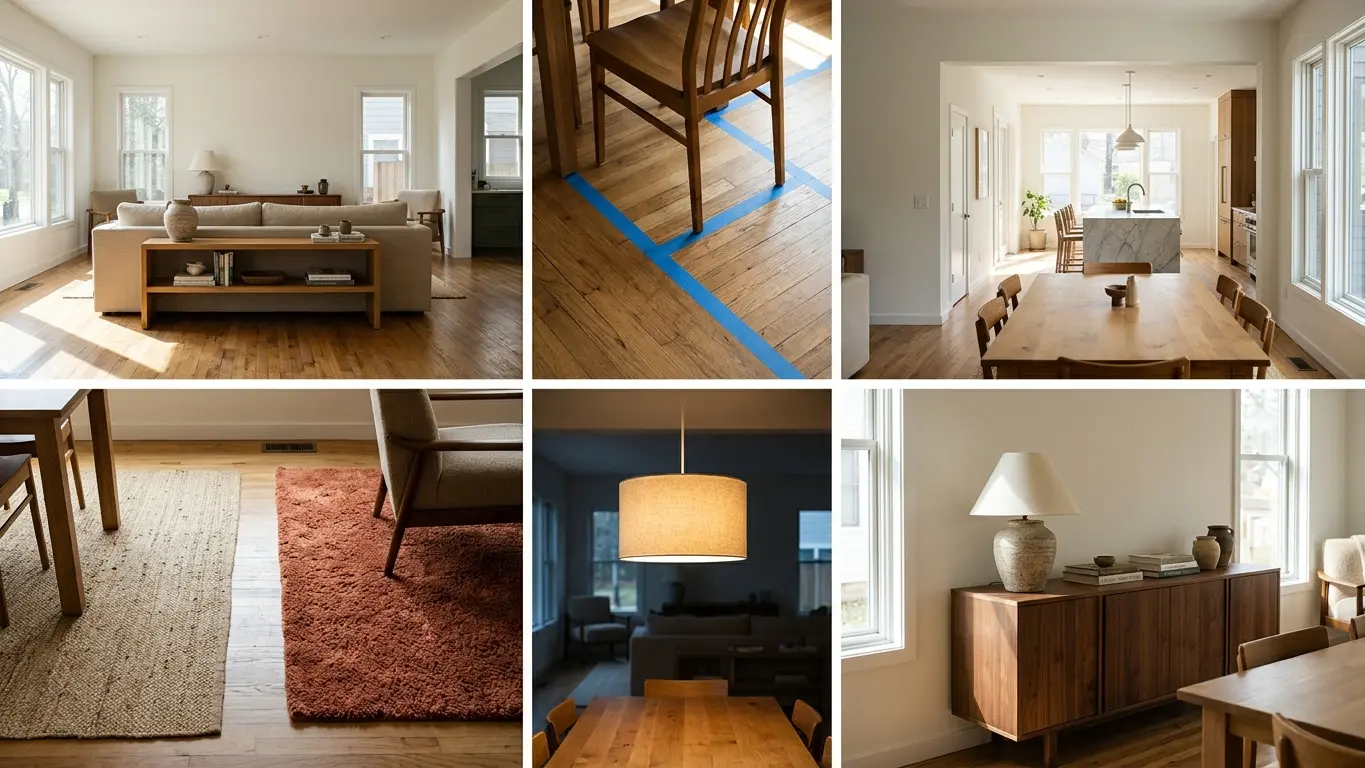
Mark this clearance with painter tape. If your tape line crosses a doorway or a frequently opened cabinet you must choose another wall. These cozy bedroom reading nook ideas fail when you have to squeeze past the furniture every morning.
Pick a corner that offers a solid wall to anchor the seating. A freestanding chair floating in the middle of the floor feels exposed and restless. You want architecture wrapping around at least one side of the setup to create a sense of enclosure. Give yourself a minimum footprint of 36 by 36 inches just for the seating and legroom.
Checking Vertical Clearances And Headroom

Look up before you finalize the location. You need at least 36 inches right where your head ends up when seated.
Tucking a chair under a steeply pitched ceiling or a low staircase might look appealing but banging your skull ruins the experience. Measure from the expected seat height rather than the floor. If a standard cushion sits 18 inches high your ceiling needs to clear 54 inches minimum at that exact spot.
Cozy reading nook ideas for small spaces often rely on underutilized architectural quirks. But these tight areas trap heat. Check for HVAC vents blowing directly onto the back of your neck. You want the air to circulate freely around the space without hitting you like a wind tunnel. If the ceiling slopes down aggressively push the seating forward six inches.
Sourcing A Chair With Correct Proportions
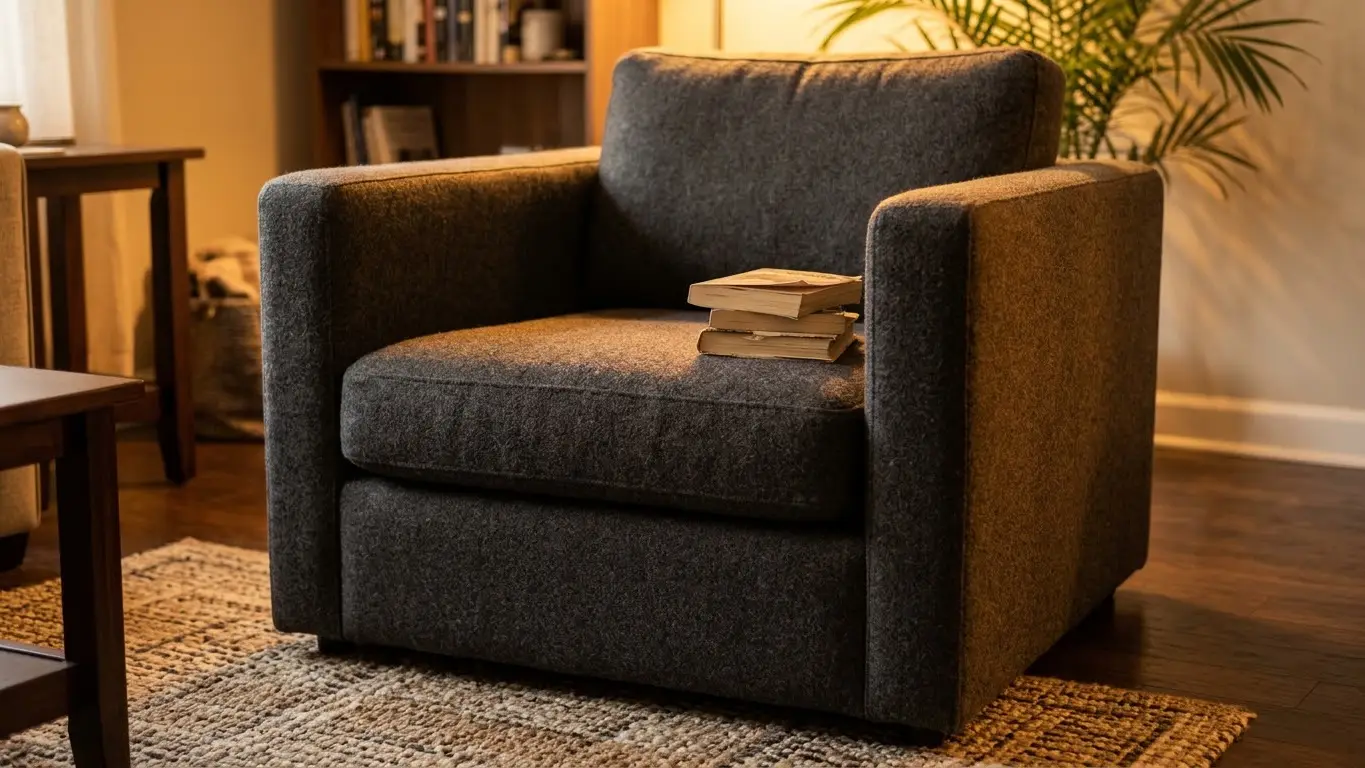
The core setup requires a supportive armchair or chaise that holds your body for hours. For most adults that lands at 20 to 22 inches of seat depth.
Anything shallower feels like a waiting room bench. Anything deeper leaves your feet dangling and strains your lower back. Cozy reading nook ideas for adults hinge on this specific measurement. Bring a tape measure to the furniture store. Sit all the way back. Your knees should bend naturally at the edge of the cushion.
Look for armrests that sit 7 to 9 inches above the seat deck. This height allows your elbows to rest naturally while holding a heavy hardcover. Skip the slippery leather options. You will slide down over time. Pick a textured fabric that grips your clothing slightly.
Framing A Bench For A Window Seat
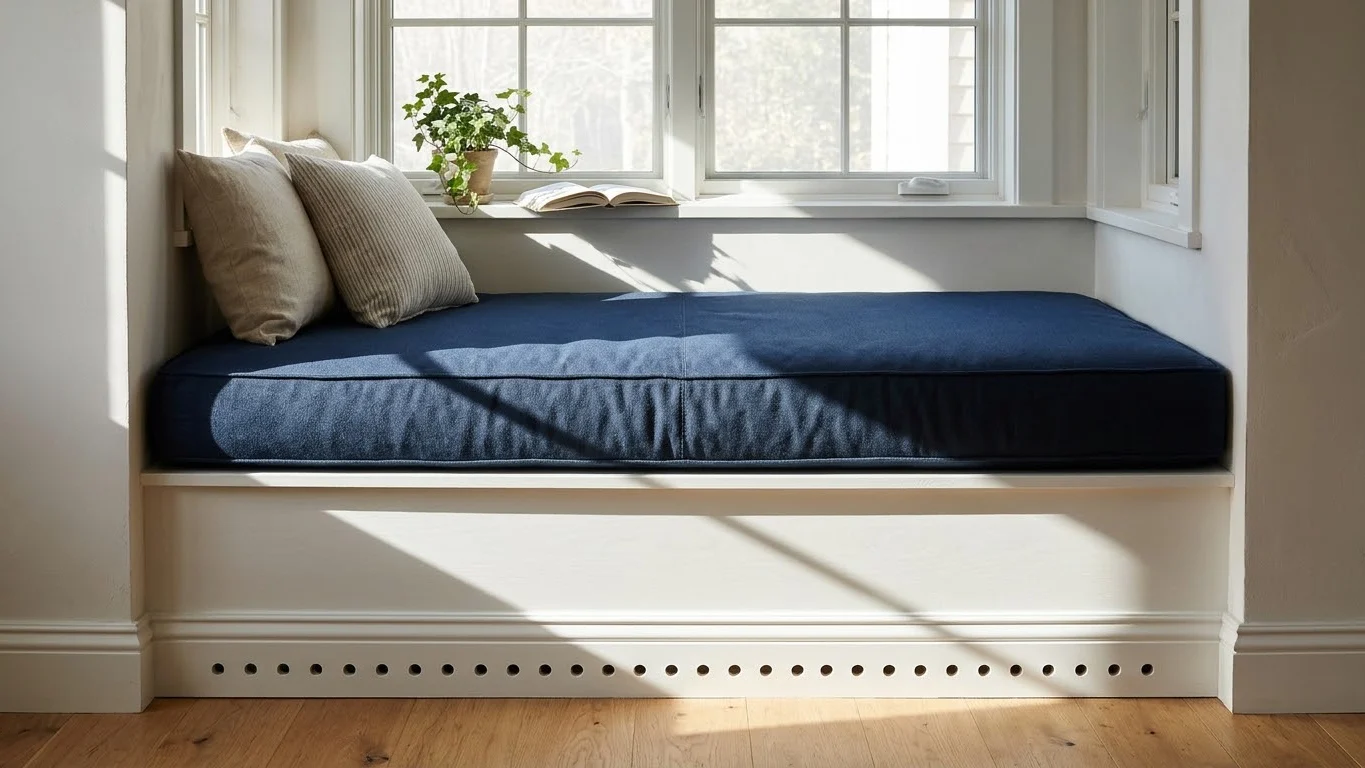
If you choose to build a built in bench instead of buying a chair the math changes slightly. Window seat depth wants to run 20 to 24 inches which is enough to pull your knees up entirely onto the cushion.
Build the wooden base 15 inches tall. Add a custom 3 inch high density foam pad on top to reach the standard 18 inch seating height. Reading nook ideas living room spaces use often put these under front facing glass.
Support the span by placing vertical studs every 16 inches inside the bench frame. A long hollow box will sag under adult weight. Drill one inch ventilation holes in the base front if you are trapping a radiator behind the woodwork. Moisture condensation on the glass will drip down and rot the wood if the hot air cannot escape into the room.
Sizing Shelving For Your Specific Library

Do not guess the depth of your shelves. Measure your actual books first.
Paperbacks and compact novels need very little space. A depth of 6 to 8 inches is plenty for these. Standard hardbacks and mixed collections demand 10 to 12 inches to sit flush without hanging over the edge. Art books, atlases, and vinyl records require 13 to 15 inches of solid support.
These cozy book nook ideas look sloppy when oversized volumes stick out past the wood. Space your vertical brackets no more than 30 inches apart to prevent the boards from bowing under the heavy paper weight. Leave 2 inches of vertical breathing room above the tallest spine on each shelf so you can tilt and pull a book out easily. Anchor the entire unit directly into the wall studs using three inch wood screws.
Placing Fixtures For Evening Visibility
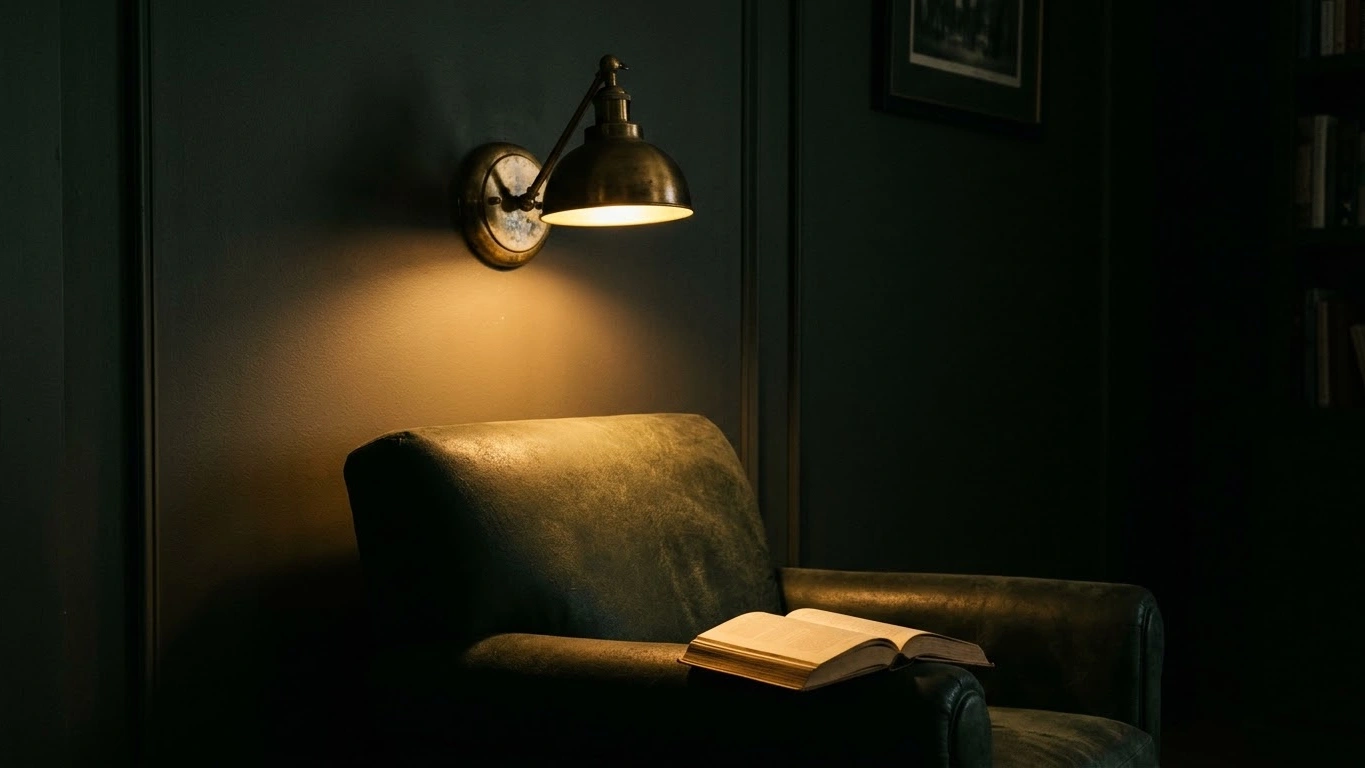
Prioritize the natural kind of light during the day, but a bright lamp for evenings that casts a flattering glow is mandatory.
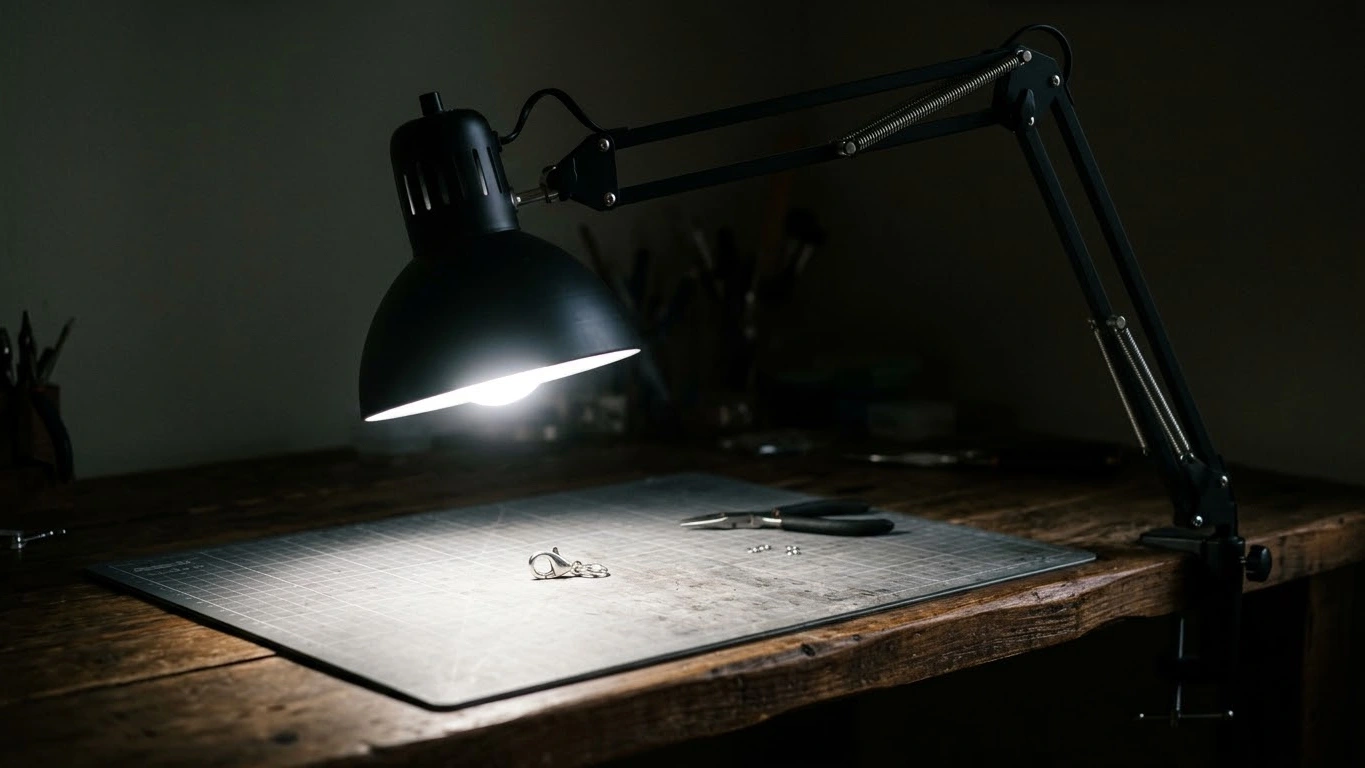
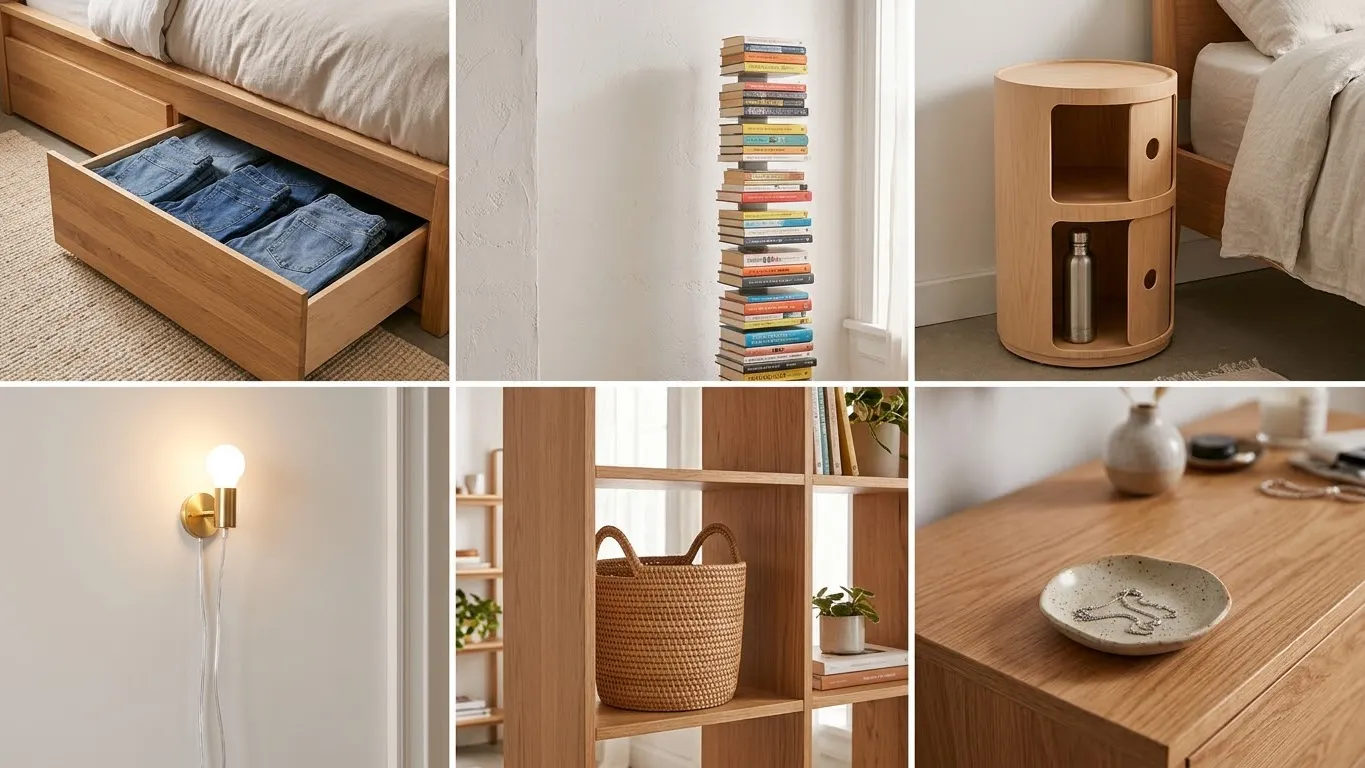
Sconces save floor space. Mount a wall sconce so the bulb sits roughly 60 inches from the floor. This puts the light source just above your shoulder when seated, illuminating the pages without blasting your eyes. Cute reading nook ideas often feature string lights, but those only offer 50 lumens of ambient mood lighting.
You need a dedicated bulb pushing 800 to 1000 lumens to prevent eye fatigue. Choose a bulb with a 2700K color temperature for a mellow yellow hue. Harsh blue daylight bulbs make the interiors feel like a hospital waiting area. Position the fixture slightly off center to your dominant reading hand to reduce hand shadows across the text.
Selecting Upholstery That Breathes

Sitting in one spot for three hours generates body heat. Velvet traps this heat. Linen breathes well but wrinkles instantly. Cotton canvas offers the best middle ground for a cozy reading corner ideas setup.
Check the durability rating on the fabric tag. You want a material rated for at least 15,000 double rubs for daily residential use. Anything lower will pill and wear through on the armrests within a year.
Dark colors hide coffee drips, but a charcoal or navy chair sucks the light out of a tight corner. A medium gray or oatmeal tone reflects ambient light while still hiding minor smudges. If you build a window bench use outdoor patio fabric for the cushion cover. Normal indoor textiles fade and rot under direct sunlight after a single summer.
Positioning A Surface For Drinks

You will inevitably bring a mug of tea or a glass of water into this zone. Setting it on the floor guarantees a spill.
Add a compact side table or a floating wall shelf specifically for your drink. Cozy reading room decor ideas fail instantly when a spilled latte ruins your current novel. The table surface must sit between 18 and 22 inches high. This matches the armrest height so you can set a cup down blindly without leaning over.
Keep the tabletop diameter under 16 inches. Anything larger becomes a dumping ground for mail and laundry. If floor space is entirely maxed out use a 6 inch deep floating ledge mounted to the adjacent wall. Secure it tightly. A wobbly ledge will send hot liquid onto your lap the moment you bump it.
Routing Power Cords Safely
Lamps and phone chargers need electricity. Running a bare white extension cord across the floor is a massive tripping hazard.
Route your power along the baseboards using a plastic cable raceway. Cut the raceway strips to size with a hacksaw. Peel the adhesive backing and stick them directly above the wooden trim. A cozy reading nook needs reliable power within arm’s reach.
If you are building a custom bench wire a standard duplex outlet directly into the front kickplate. You will need a licensed electrician to pull a new 15 amp circuit from your breaker box for this. Expect to spend around 150 to 250 dollars in 2026 for a basic outlet addition. Do not daisy chain power strips behind the chair. A crushed strip under a heavy furniture leg can start a fire.
Painting The Zone To Define Boundaries

Use color blocking to separate this area from the rest of the room. Painting just the two walls that form your corner creates a visual room within a room.
More cozy reading nook inspiration galleries show dark greens and muted terracottas doing this job well. One gallon of high quality interior latex covers about 400 square feet. This is usually enough for two coats on a tight alcove.
Use a matte or eggshell finish. Glossy paint reflects your reading lamp straight back into your eyes. Let the first coat dry for four full hours before applying the second. Tape off the baseboards and ceiling with sharp lines. A messy paint edge ruins the illusion of a dedicated architectural feature. Remove the painter tape while the second coat is still slightly tacky to avoid peeling the dry film.
Fixing Glare And Draft Issues
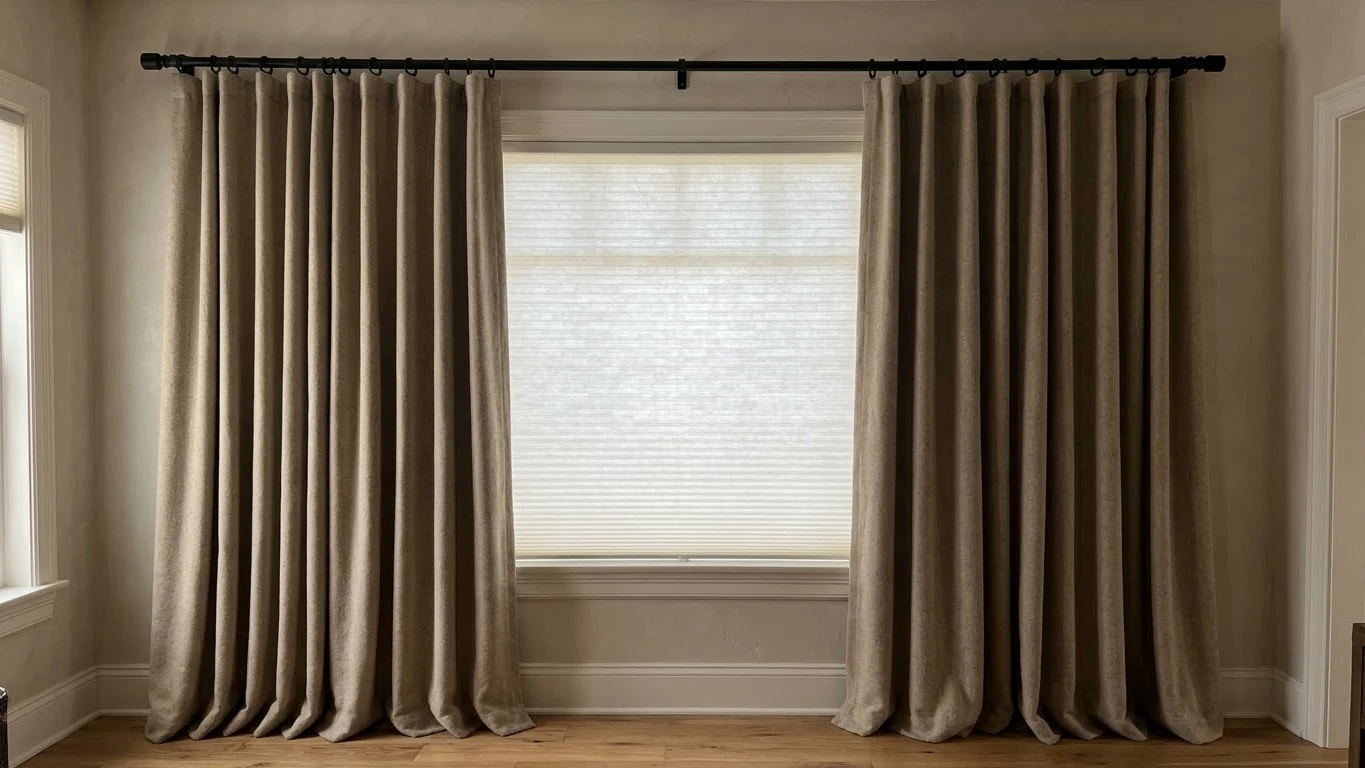
Direct sunlight washing across glossy magazine pages makes reading impossible. Drafty single pane glass makes sitting still miserable. Fix these environmental flaws before buying expensive furniture.
Install a dual layer window treatment. Mount a light filtering cellular shade inside the window frame to kill the UV glare while keeping the space illuminated. Add heavy thermal curtains on a rod outside the frame to block cold winter drafts.
Executing cozy reading nook ideas often reveals how poorly a room manages temperature. The mistake is hanging the rod right at the window edge. Mount the bracket 6 inches above the trim and 8 inches wider on each side. This allows the heavy fabric to stack completely off the glass during nice weather. If the wall itself feels icy to the touch pull the chair out three inches so your shoulders do not absorb the cold radiating from the plaster.
Testing The Final Arrangement
Do not declare the job finished until you perform a stress test. Grab a heavy book and a hot drink. Sit in the chair for thirty uninterrupted minutes.
Pay attention to your posture. If your lower back aches add a compact lumbar pillow. If your neck strains adjust the lamp angle downward. This is where you realize your side table is three inches too far away. Move it closer immediately.
Notice if the traffic route you mapped out actually works when family members walk past. If someone bumps your knee you need to rotate the chair inward. Make these micro adjustments now while your tools are still out. A space designed correctly on day one requires zero maintenance later.
Frequently Asked Questions
How do I build a space for books on a tight budget?
Hunt for a used wingback chair at local thrift shops. Buy unfinished pine boards for shelving and stain them yourself instead of purchasing expensive bracket systems. Use an existing outlet with a cheap baseboard cord cover rather than hardwiring new electrical lines.
What are the absolute must haves for this setup?
You need a seat with 20 to 22 inches of depth. You need a dedicated light source outputting at least 800 lumens. And you need a stable surface exactly armrest height to hold a drink safely.
How do I create a private spot in an open plan house?
Turn the back of your seating away from the main living area. Position a tall open bookshelf directly behind the chair to act as a porous room divider. This blocks sightlines while letting ambient light pass through the open shelves.
Which direction should my seating face?
Point the chair toward the room primary natural light source. If you have a large window angle the seat slightly diagonally toward it. This lets daylight hit your book pages over your shoulder without blinding you directly in the face.
Reviewing Your Setup Sequence
Finding the exact cozy reading nook ideas for your home comes down to executing the steps in order. First lock down your floor footprint and vertical clearances. Then select a chair or build a bench with the correct adult seat depths. Size your shelving based on the actual books you own before bringing in task lighting and side tables. Finish by routing your cables safely and blocking any drafts or glare.