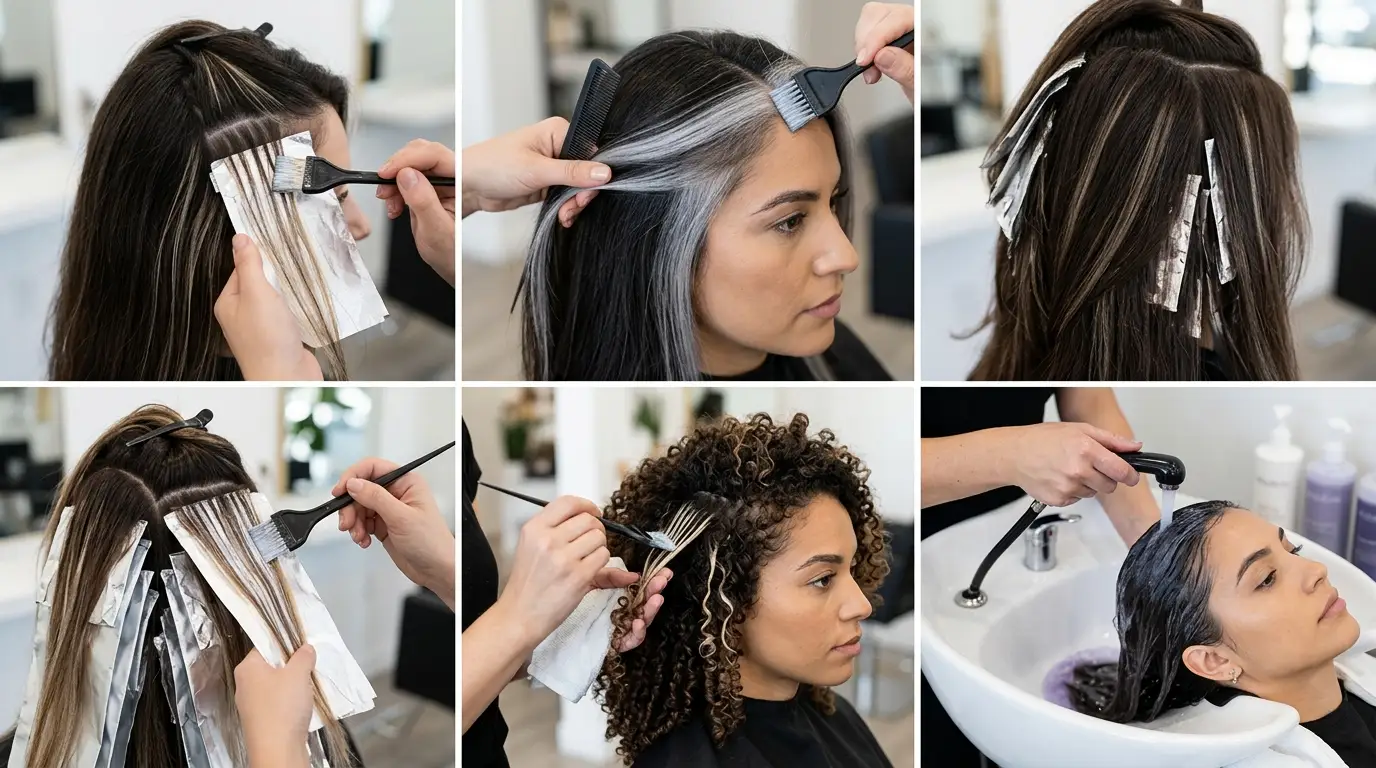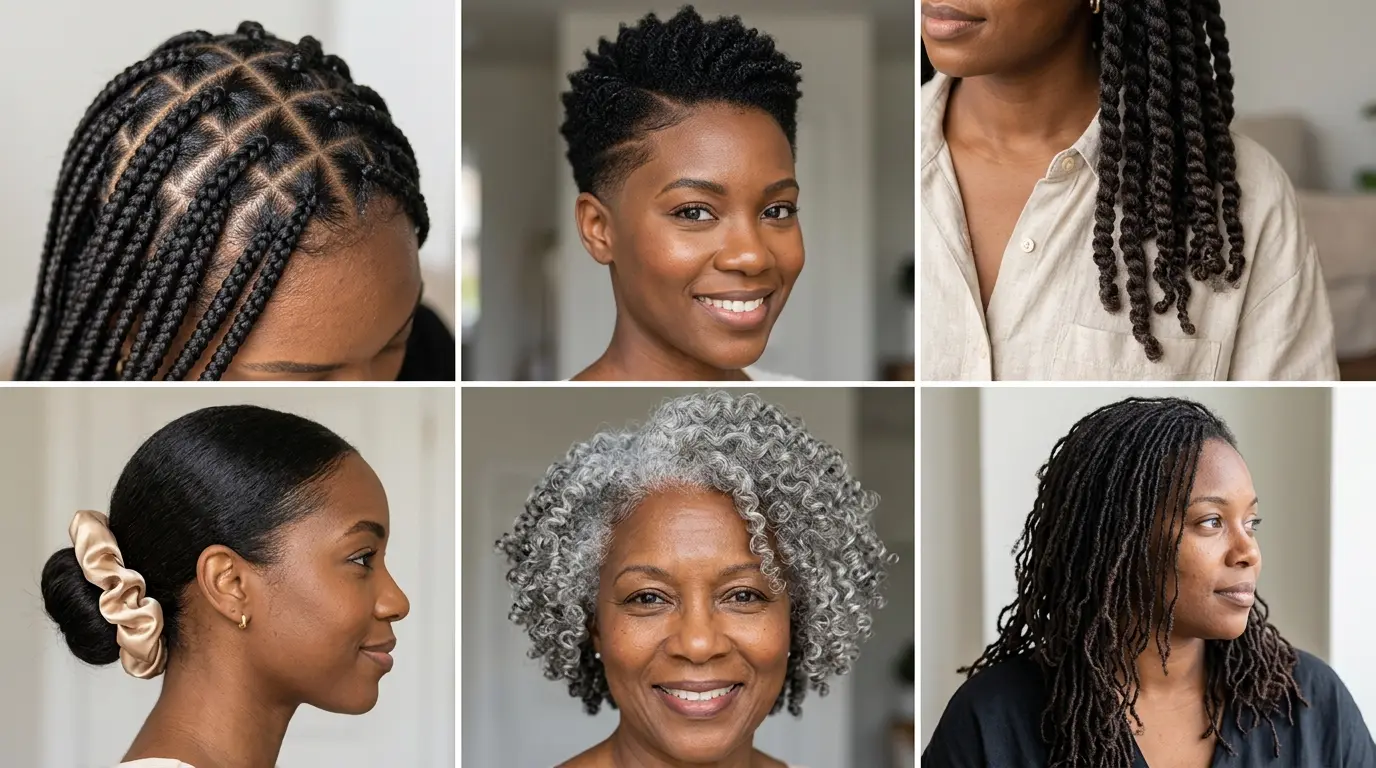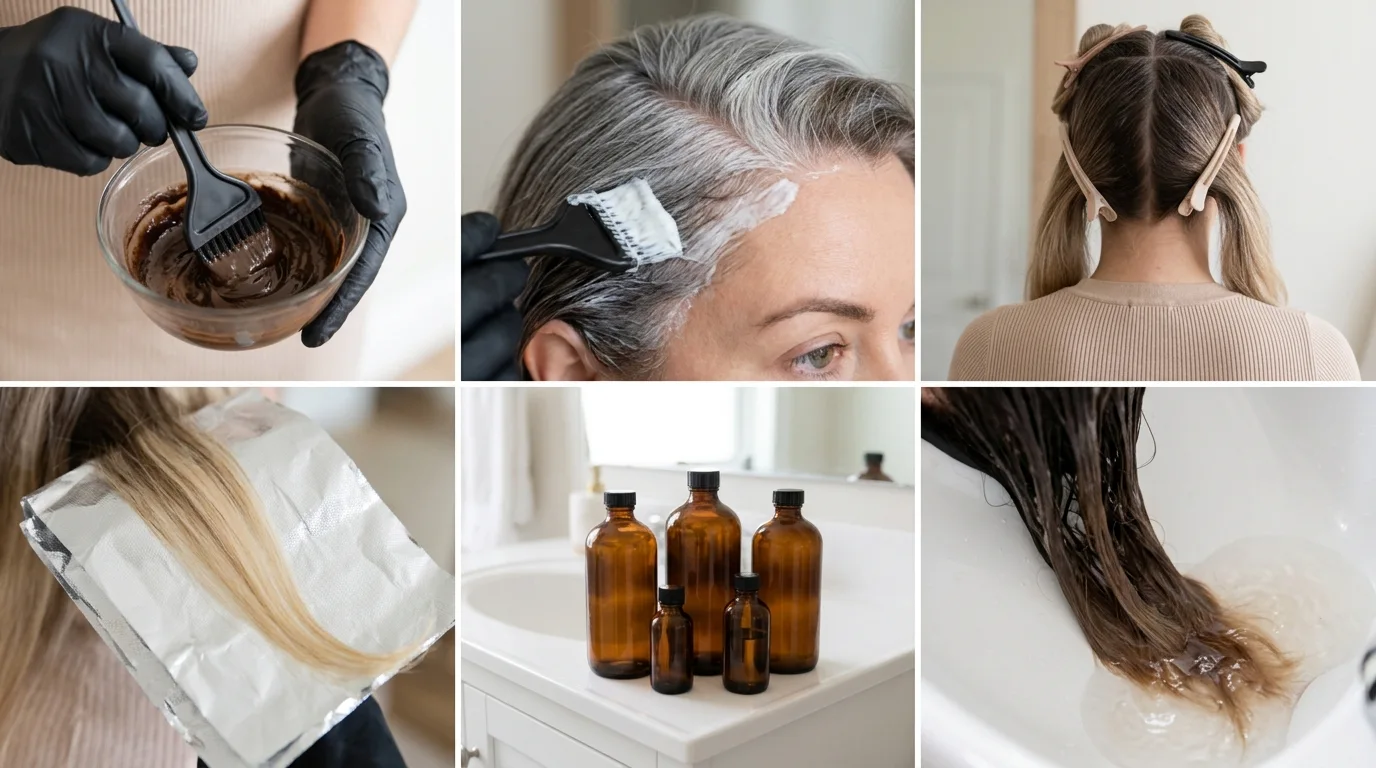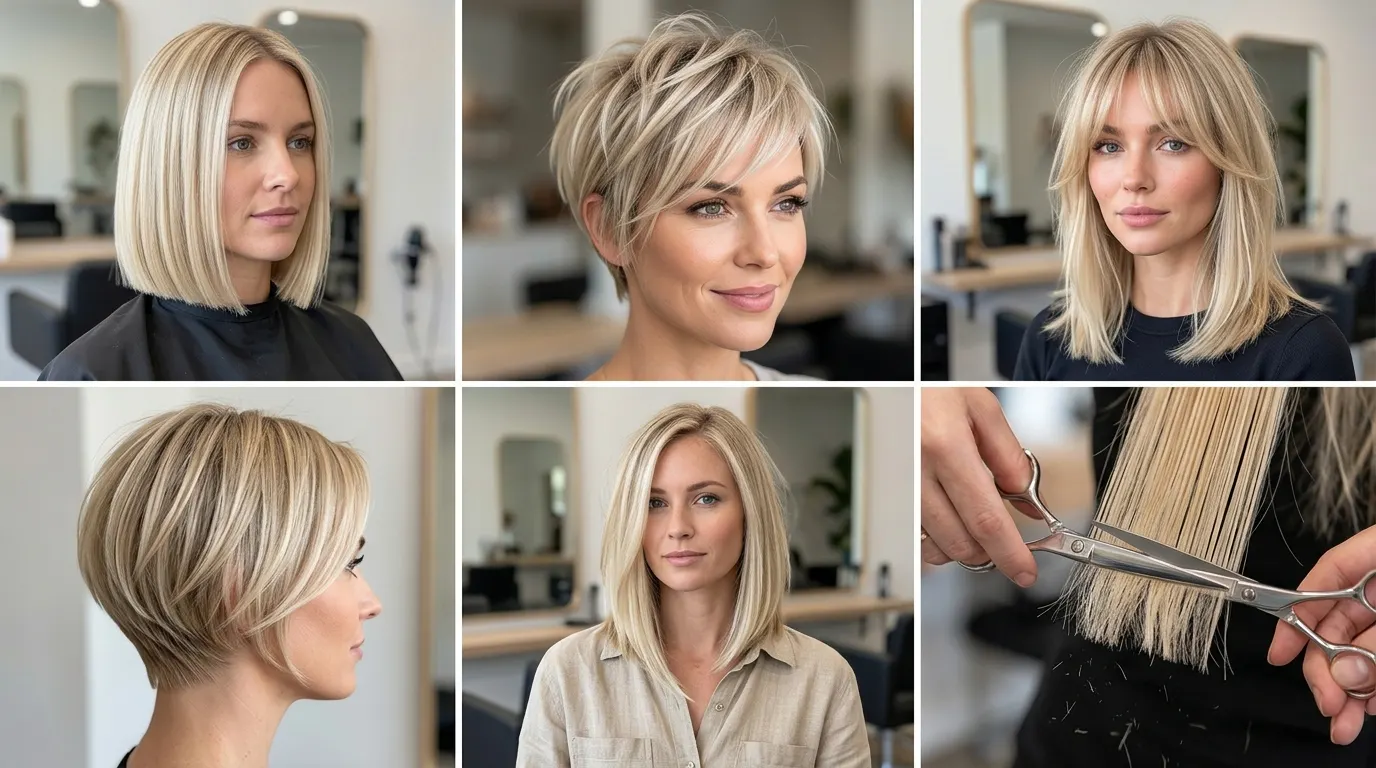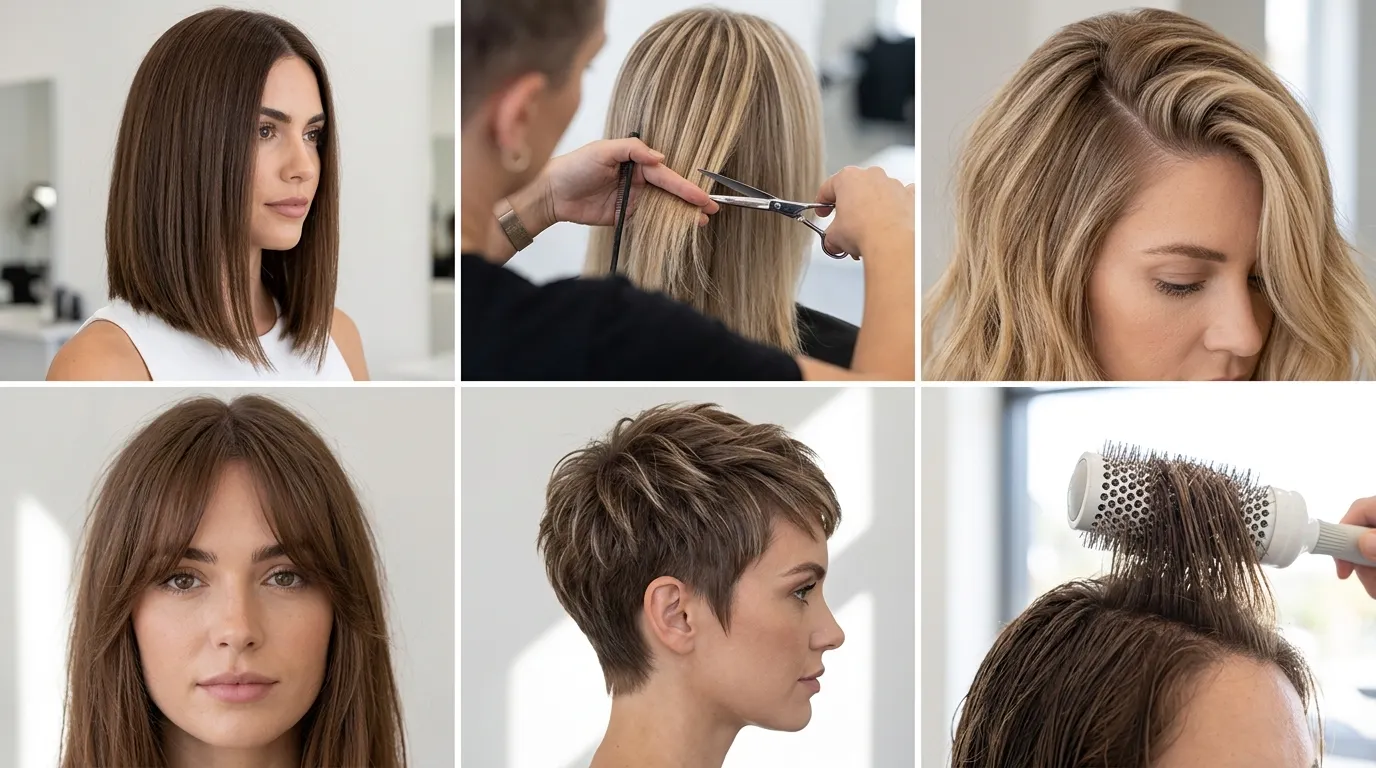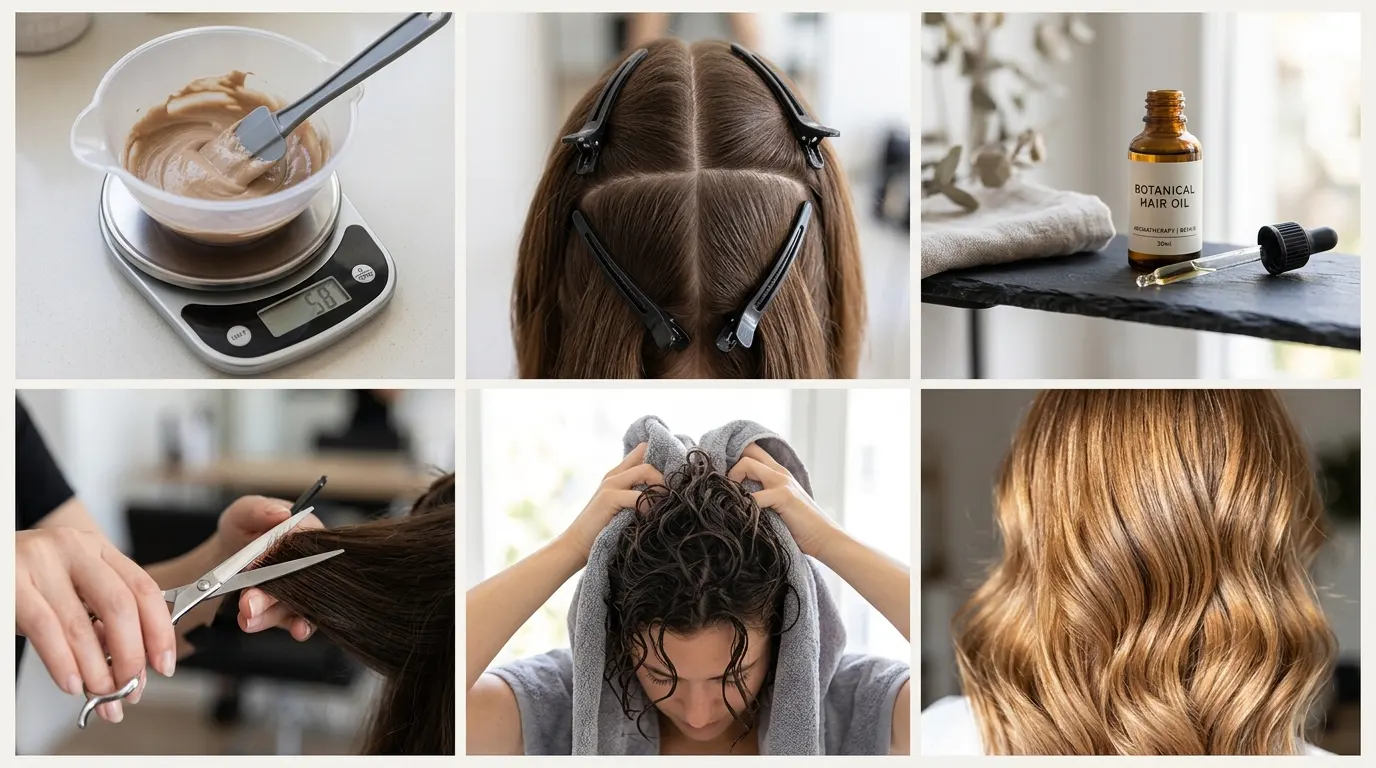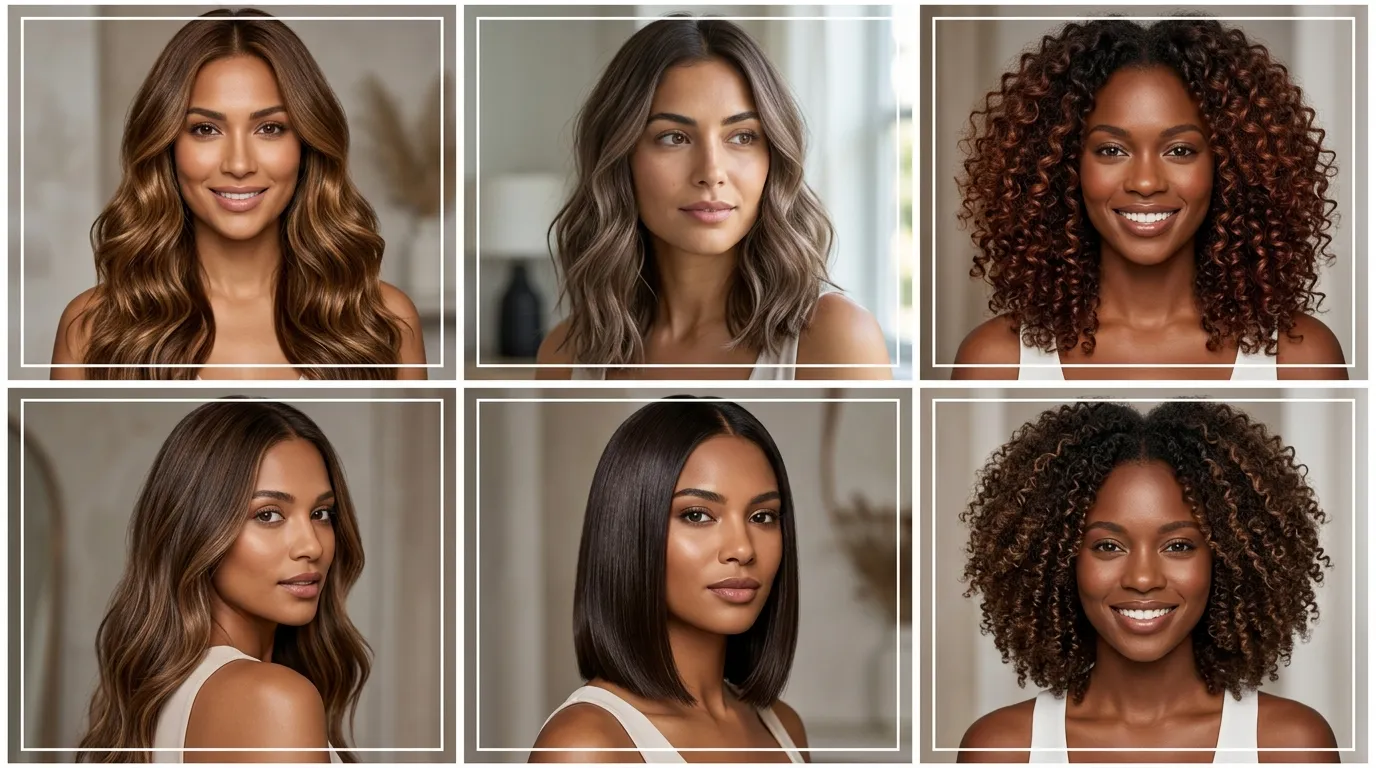

Flat crowns happen when natural sebum, residual silicones, and water weight pull the hair shaft flat against the curvature of your cranium. Most people try to fix this by piling on heavy mousses and hairsprays. That habit backfires fast. Every extra gram of liquid polymer you apply drags delicate strands downward within ninety minutes of drying.
Learning how to get volume in hair requires working with the physical angle of the follicle rather than coating it in stiff resins. When you shift the direction of your roots while they transition from damp to dry, you create structural lift that resists gravity without crunch.
Different hair densities and scalp chemistries require completely different mechanical interventions. This guide breaks down exactly what to do based on your specific texture profile so you stop fighting your natural hair type.
Fine Strands with an Oily Scalp Base
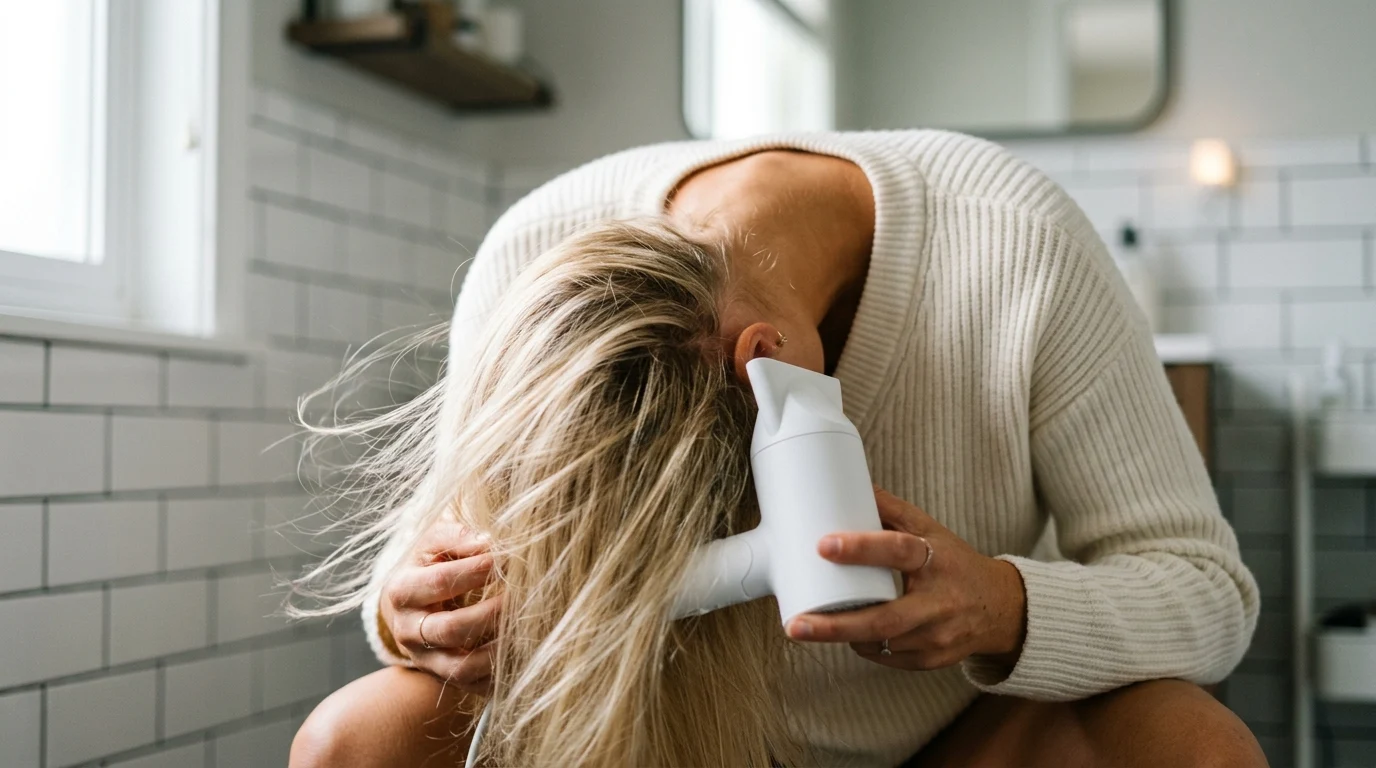
Fine strands paired with high sebum output collapse because liquid oil migrates down the shaft within hours of washing. This profile belongs to anyone whose hair looks piecey and limp by mid-afternoon. Skip heavy creams or oil-based serums entirely, as they oversaturate thin hair fibers.
Your best method starts in the shower with a focused clarifying wash. Apply an apple cider vinegar rinse or a sulfate-free chelating shampoo directly to the scalp skin. Work it with your finger pads for two full minutes to strip away sebum plugs. Conditioner goes exclusively on the bottom two inches of your strands. Keep it three inches away from your ears and crown.
Once you step out, work a golf-ball-sized puff of lightweight aerated mousse through damp roots. Flip your head upside down and rough-dry on medium heat until your hair reaches eighty percent dryness. Flip back upright, then direct a concentrated airflow upward at the crown using a vented ceramic paddle brush.
Coarse and Dense Hair Weighed Down by Length
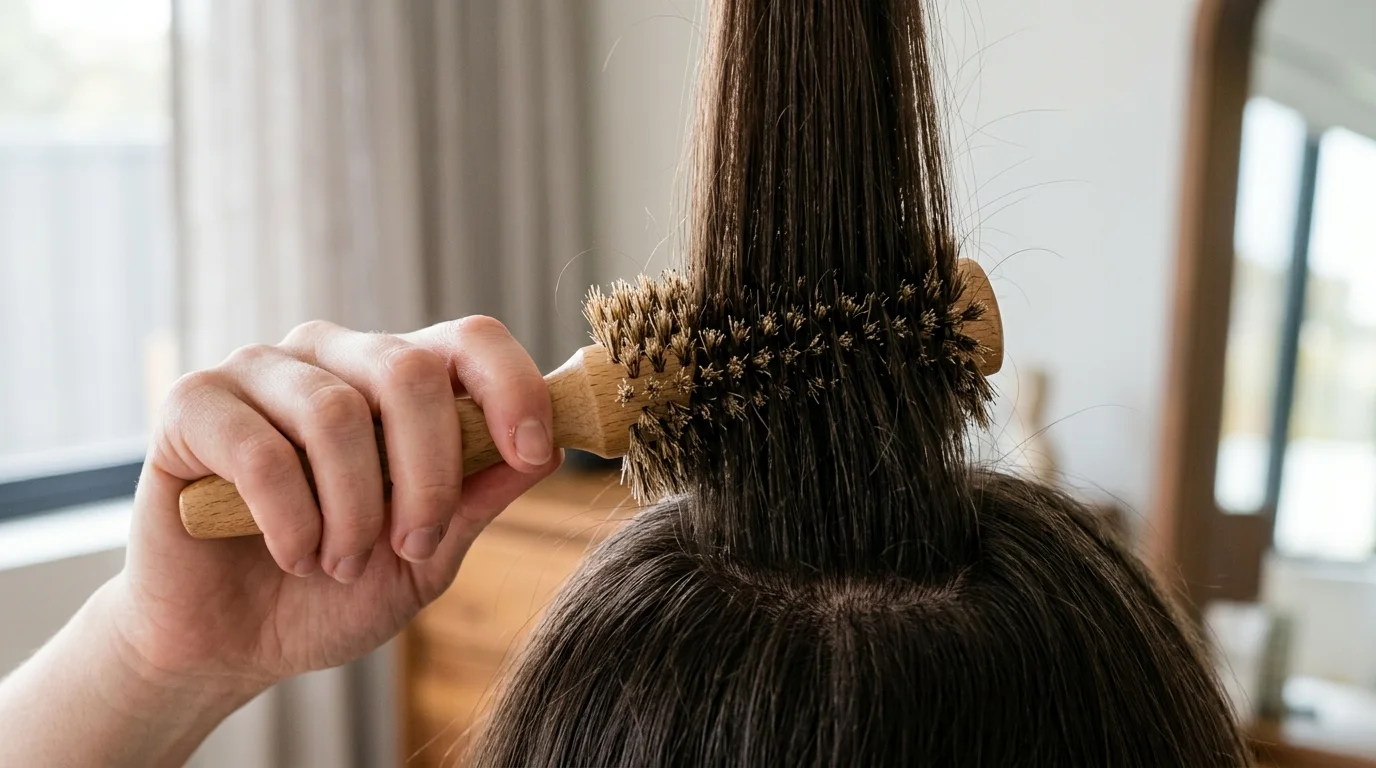
Dense hair possesses plenty of individual strand thickness, yet the total mass pulls the crown completely flat. This approach serves people with heavy, thick hair who struggle with a triangular shape where the ends puff out while the roots lie flat. It will not work for anyone with sparse or baby-fine strands, as it relies on thinning out the weight distribution.
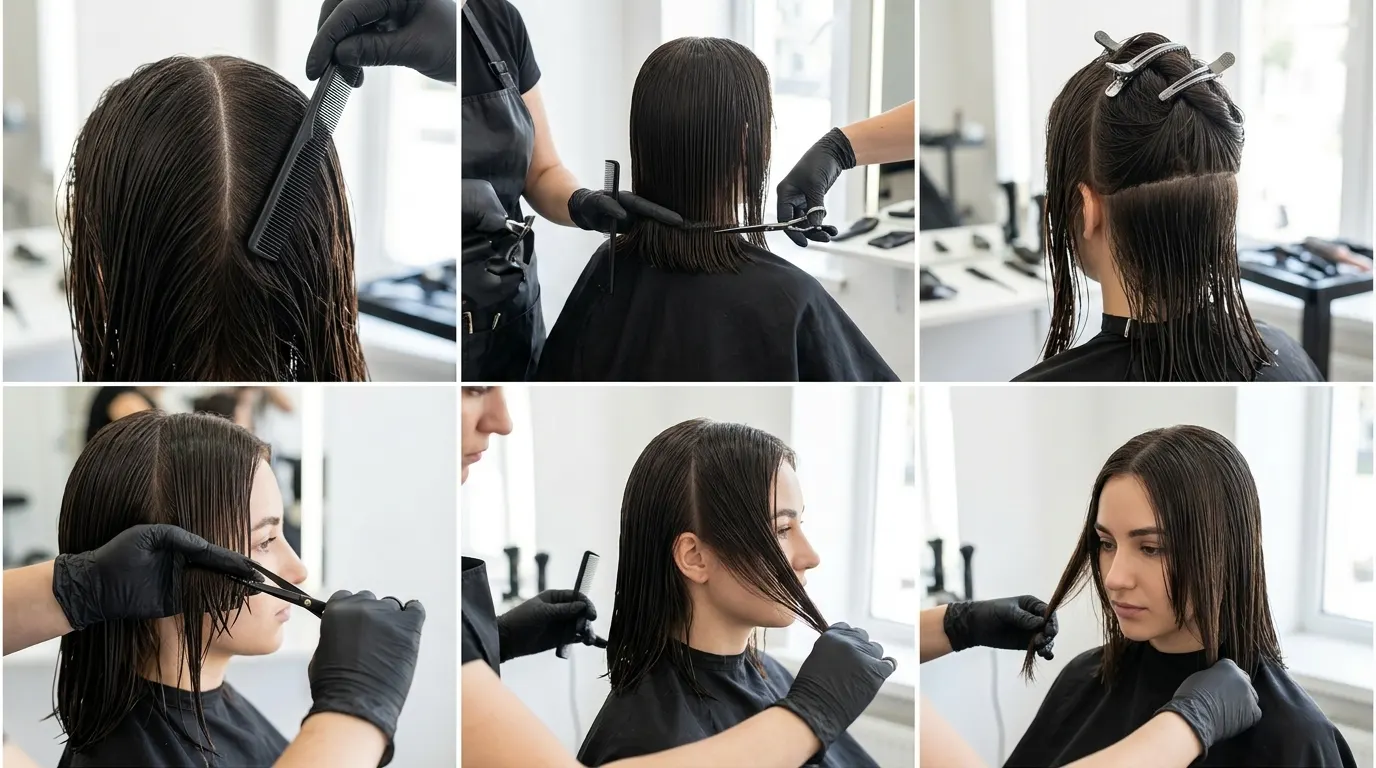
Schedule a dry cut with your stylist to incorporate internal texturizing layers through the interior crown. Removing bulk from underneath allows the surface layers to rebound instead of draping flat.
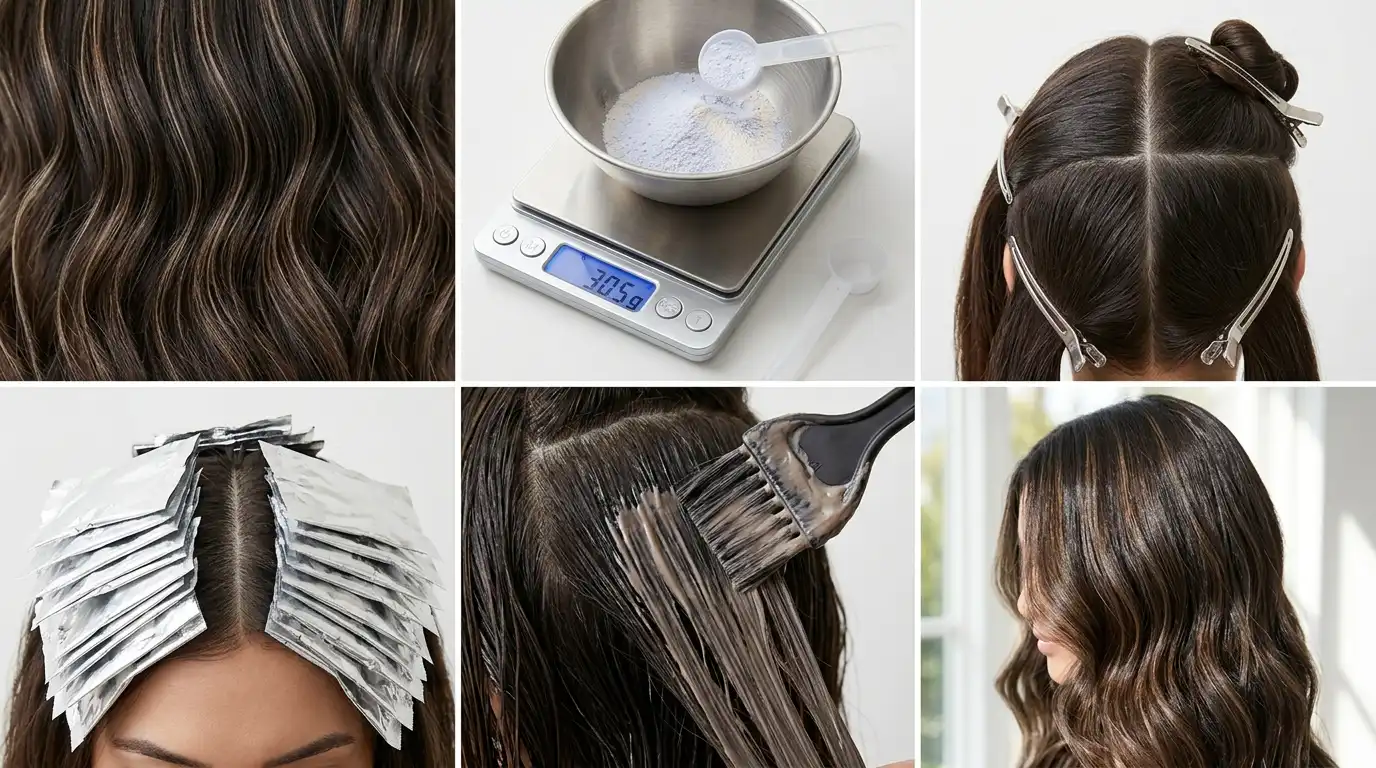
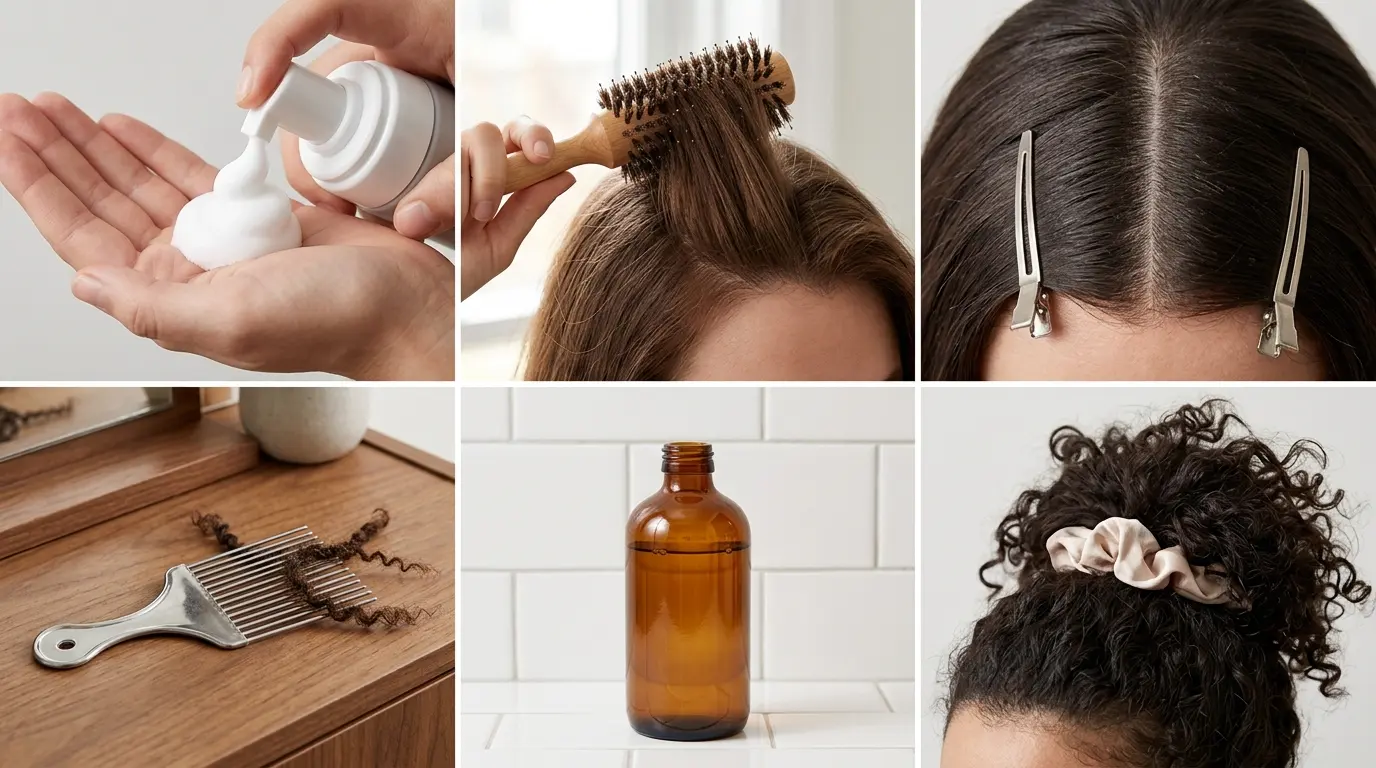
At home, apply a liquid root-lifting spray containing hydrolyzed wheat protein directly onto parted sections of damp roots. Section your crown into four clean squares using duckbill clips. Take a two-inch round boar bristle brush, set your blow dryer to high heat with low airflow, and pull each section upward at a ninety-degree angle from your scalp. Roll the brush down to the base, blast heat for eight seconds, and hit the cool shot button for five seconds to lock the hydrogen bonds in an upright arch.
Delicate Waves Prone to Mid-Length Frizz
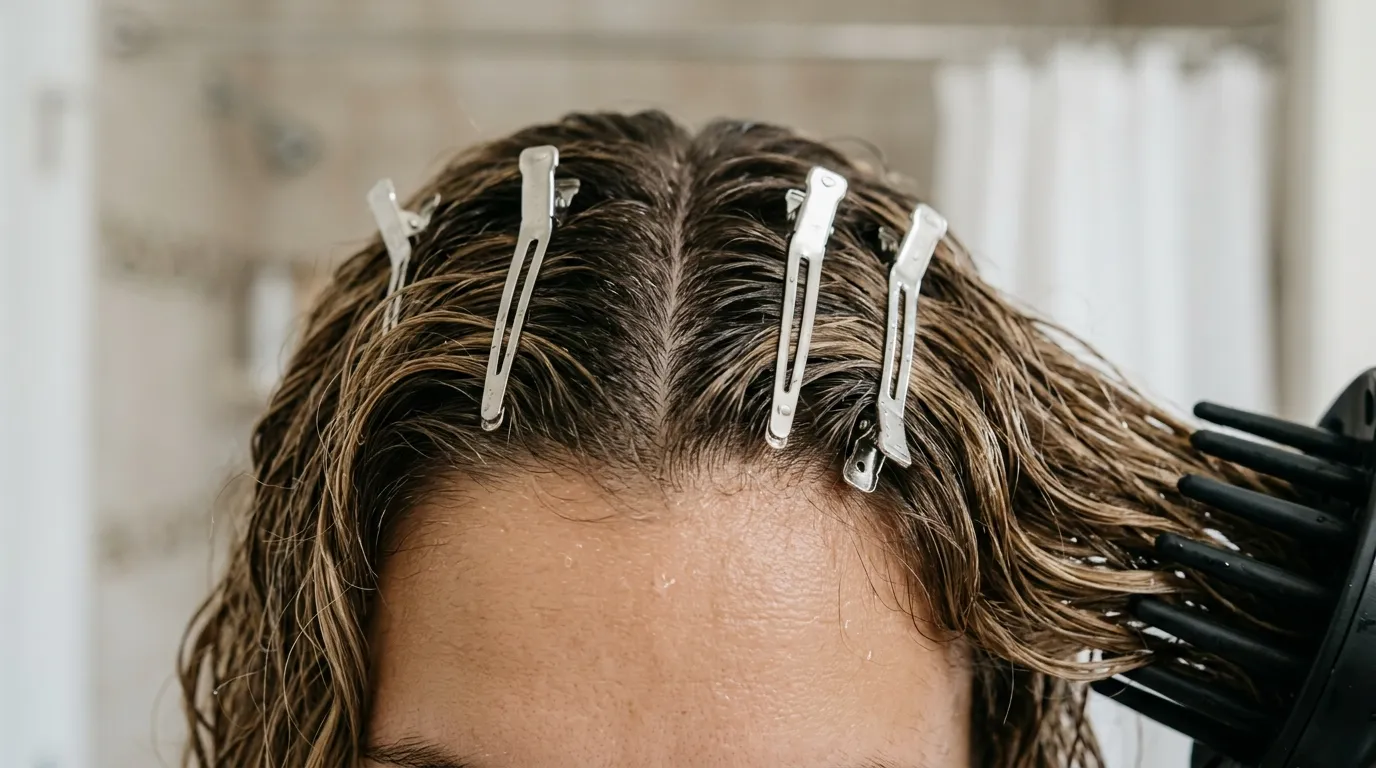
Wavy textures lose crown height easily because standard styling techniques either blow out the wave pattern or plaster it down with heavy gels. This routine is designed specifically for type 2A through 2C waves seeking crown height without fuzziness. Skip this if your hair is pin-straight, as wave-clumping methods cause straight strands to look stringy.
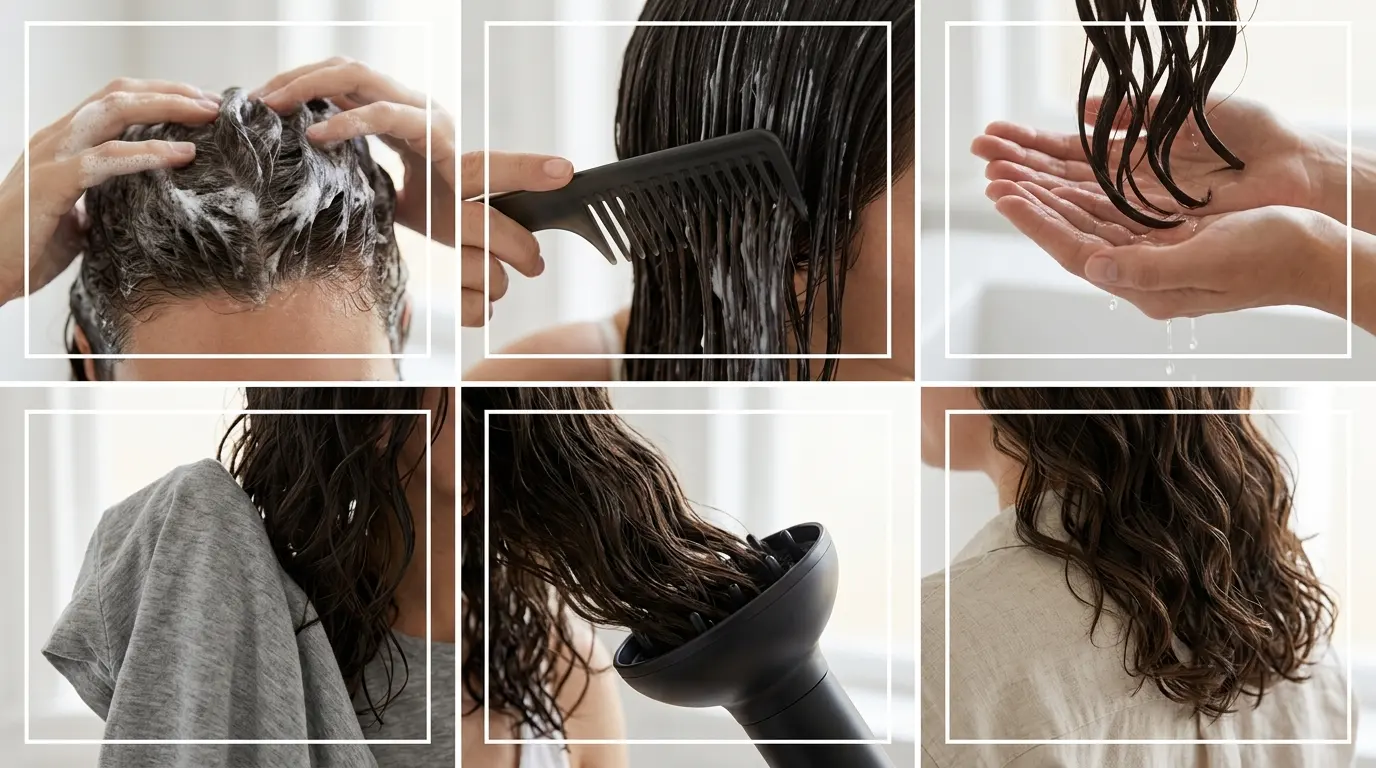
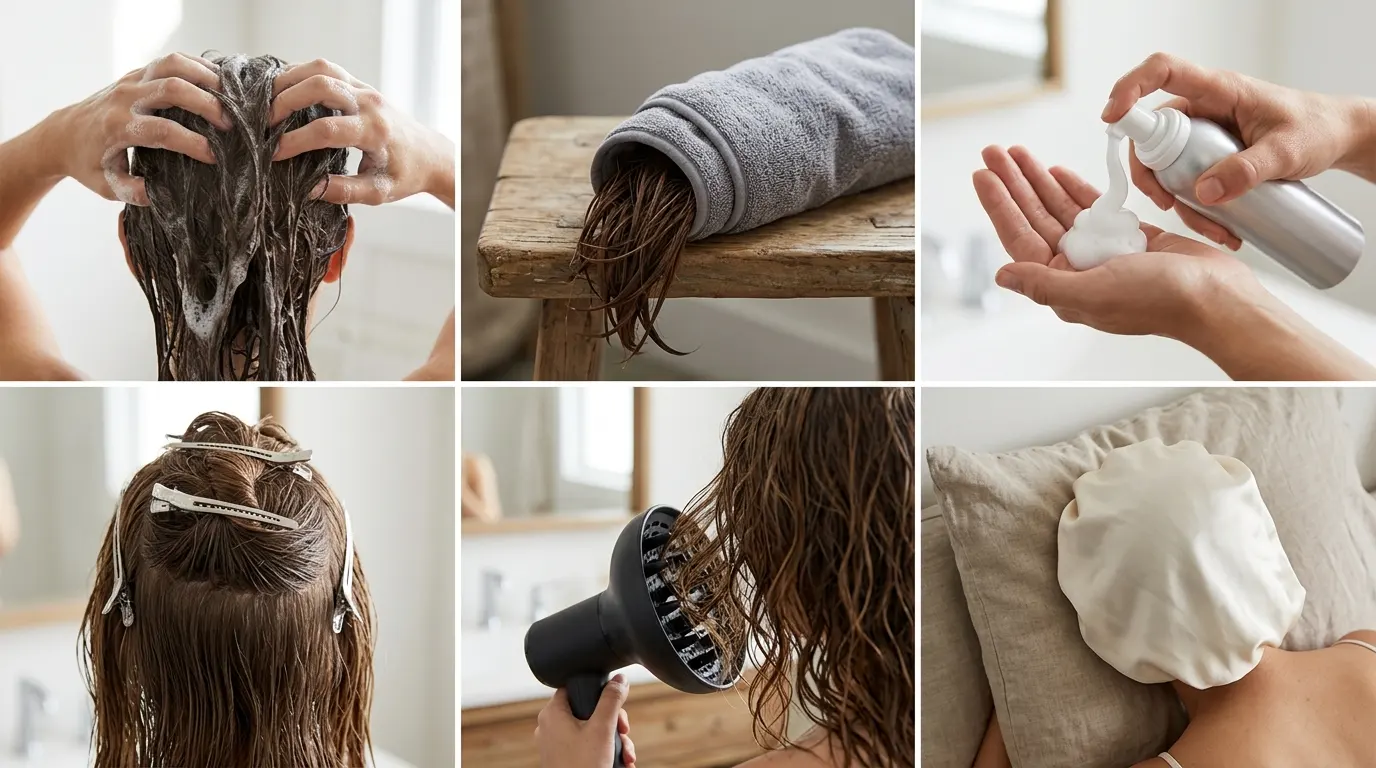
Apply a nickel-sized amount of botanical curl foam to soaking wet roots right after turning off the shower. Do not towel-dry first. Tip your head forward and scrunch upward with a microfiber towel to remove excess moisture without disturbing the cuticles.
Insert metal prong root clips vertically along your natural part line, pinching half-inch sections of hair so they stand straight off the scalp. Attach a deep-bowl diffuser to your dryer. Rest the diffuser bowl gently against your clipped crown on low heat without moving it around. Keep the diffuser stationary for three minutes per section. Remove the clips only after your hair has cooled completely to avoid flattening the fragile wave structure.
Tight Coils Needing Structural Separation
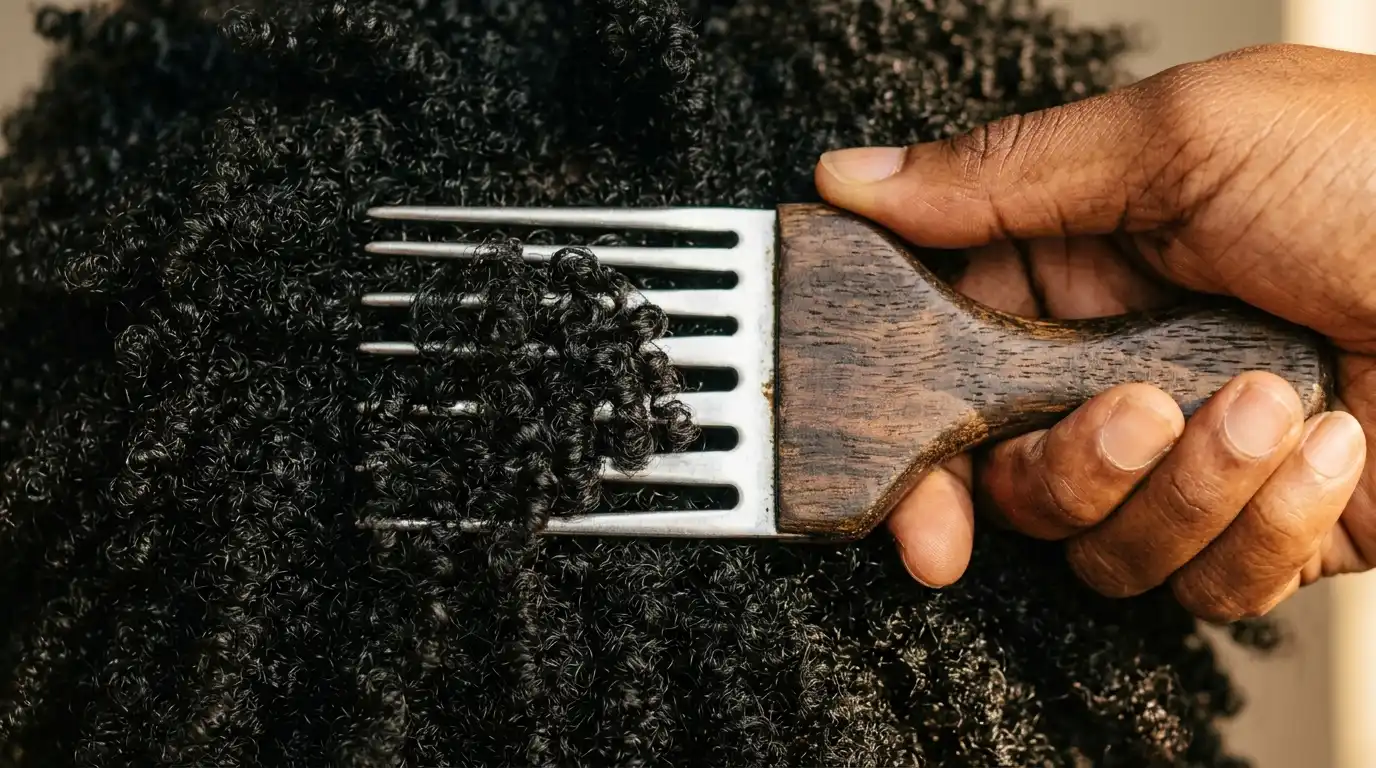
Coily textures often possess massive lateral fullness while the root base remains compacted near the scalp. This technique is for type 4 coils that want vertical elevation and separated height without heat damage. It is unsuitable for chemically relaxed hair or fragile, bleached strands that snap under physical tension.
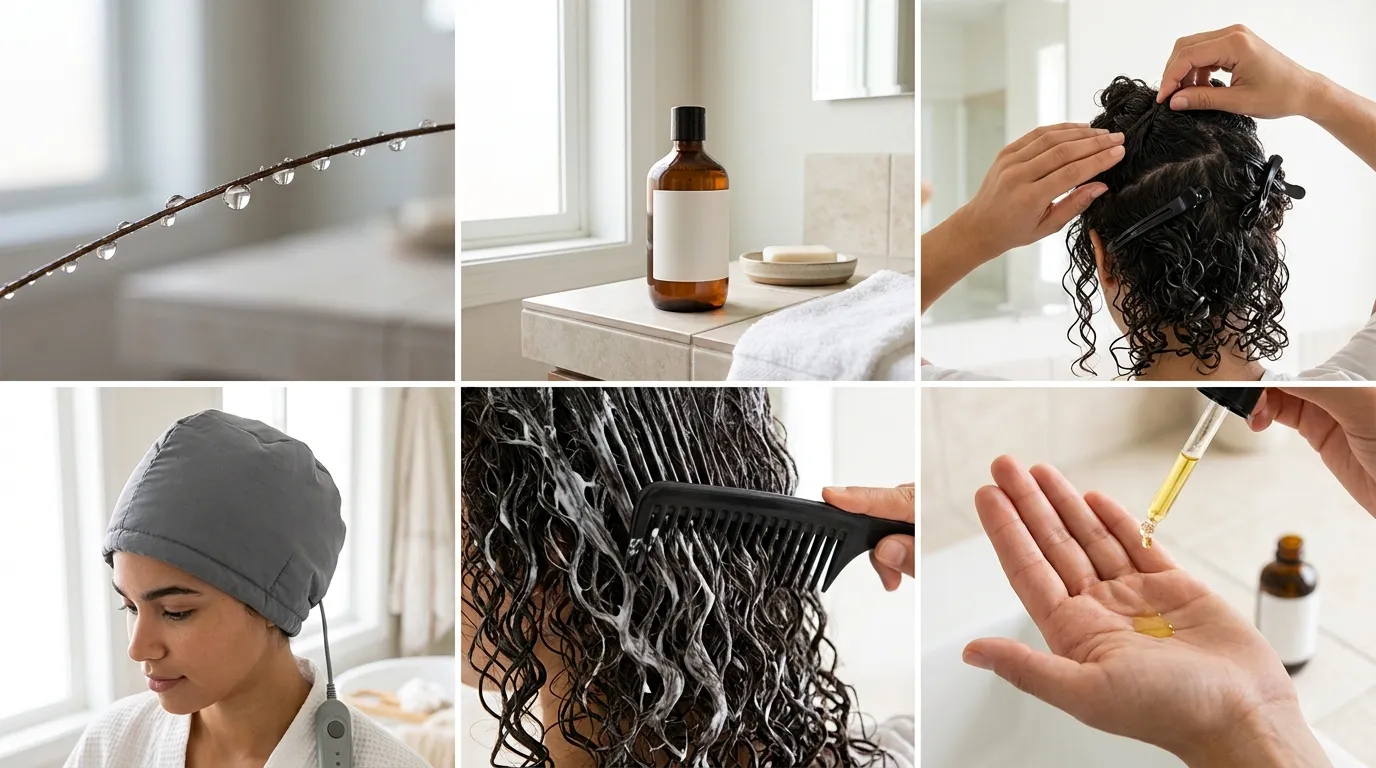
Wash and thoroughly detangle with a slippery flaxseed slip conditioner. While your hair remains damp, apply a water-based leave-in spray that lists aloe vera juice before glycerin. Section hair into six quadrants. Create loose, two-strand twists starting one inch away from the scalp, leaving the actual root base free and unbraided.
Allow the twists to air-dry fully or sit under a hooded dryer for forty minutes. Once dry, coat your fingertips with two drops of squalane oil to prevent surface friction. Gently unravel the twists. Slide a wide-toothed metal afro pick directly into the roots at a flat angle, pushing outward by only one inch. Never pull the pick through the ends. You only want to release the compacted roots from the scalp bed to double your visible crown height.
Extremely Flat Strands Needing a Heatless Shift
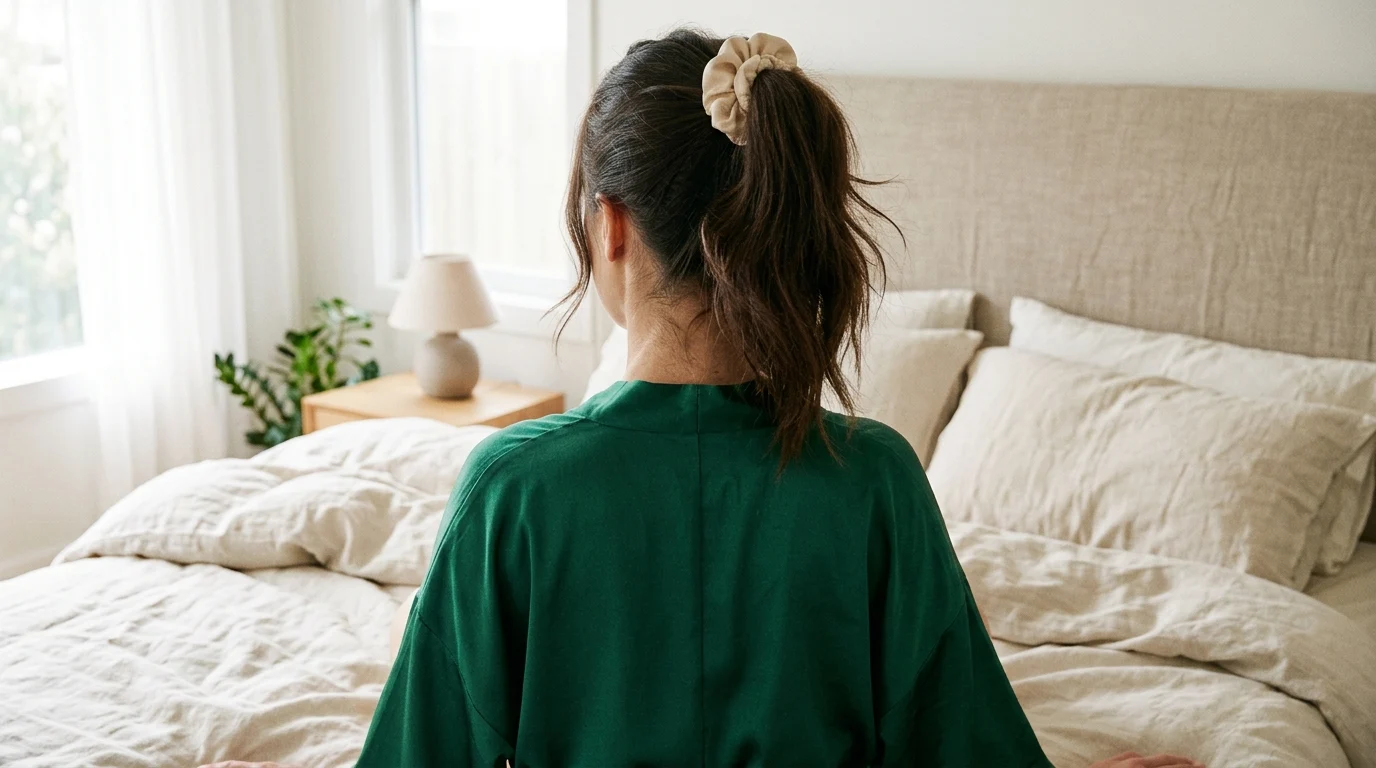
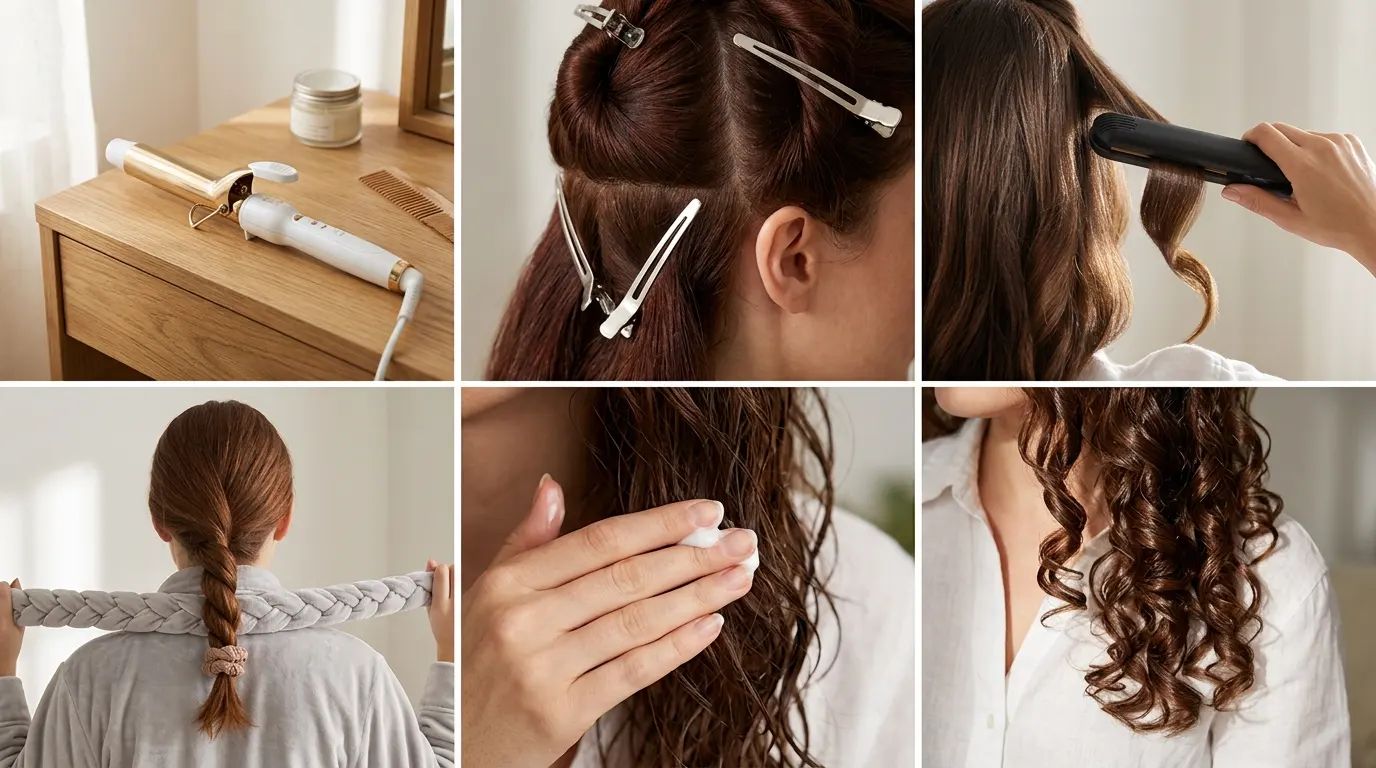
Thermal styling tools eventually cause moisture loss that leads to fragile hair, making non-heat alternatives necessary. This overnight setting routine is an easy way to get volume in hair without exposing delicate strands to heat tools. It works reliably for shoulder-length and longer hair of fine to medium density, but it fails on pixie cuts or stiff, ultra-short crops.
Start with hair that is ninety-five percent dry right before sleep. Lightly mist your roots with plain water from an aerosol continuous-spray bottle so the root base is pliable but not wet. Flip your head forward and gather all your hair into an ultra-high ponytail at the absolute front apex of your crown, often called a pineapple.
Fasten the base loosely using a wide silk scrunchie. Wrap the scrunchie only twice so it leaves zero dent in the shaft. As you sleep, your hair follicles are held in a forward, upward orientation for seven to eight hours. When you release the scrunchie the following morning, shake your fingers through your scalp. The roots will naturally fall backward with substantial mechanical lift that stays elevated throughout the day.
Heavily Bleached Hair Needing Safe Texture
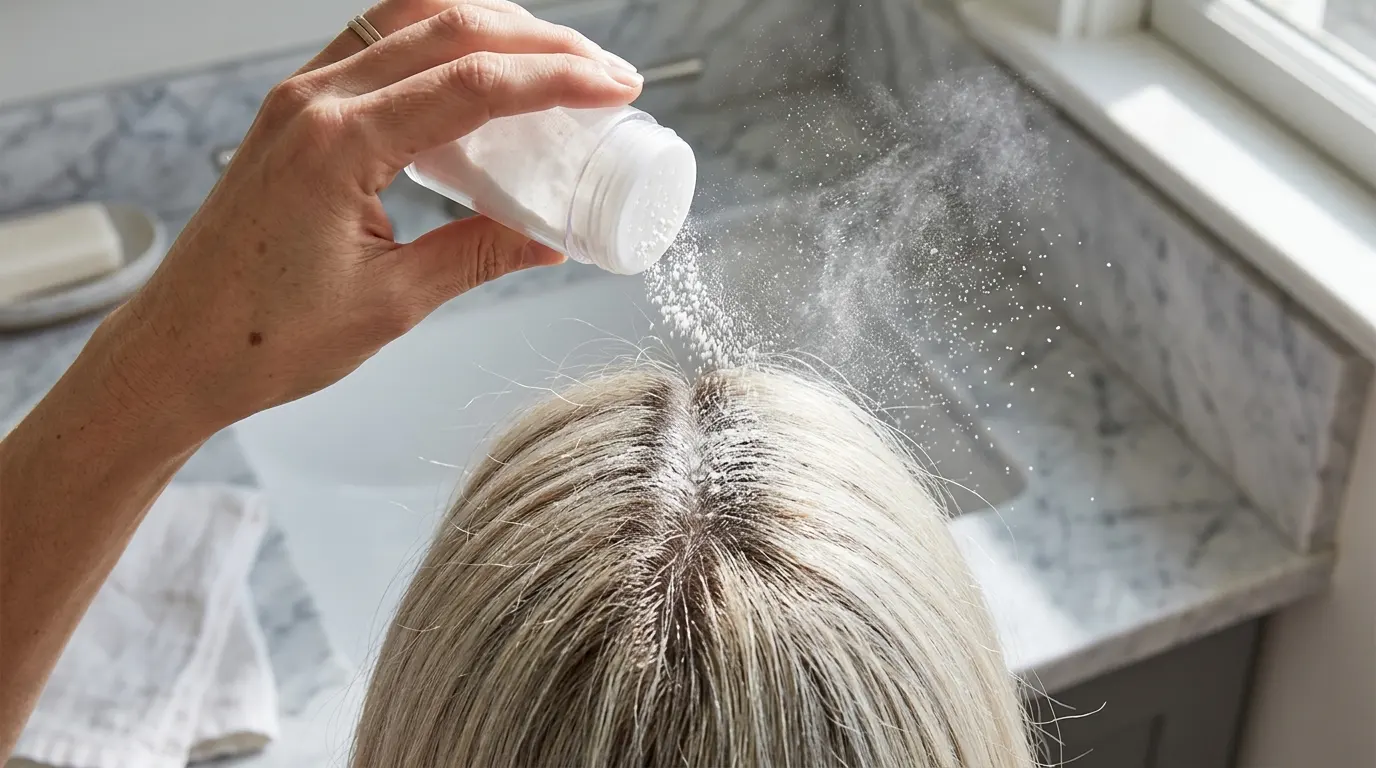
Bleached and chemically processed strands feature raised, porous cuticles that snap if subjected to harsh round-brush tension. This strategy is tailored specifically for color-treated, damaged hair that needs root body without thermal stress. Skip this approach if your hair is virgin, oily, or uncolored, because dry texturizers will make healthy cuticles feel excessively chalky.
Work an alcohol-free volumizing mousse through damp mid-lengths, completely bypassing the damaged ends. Let your hair air-dry until it is entirely moisture-free. Never pick up a heat tool while chemically lightened hair contains ambient moisture, as water flash-boils within an open cuticle.
Dust a silica-based volumizing styling powder directly onto the crown parting from six inches above your head. Avoid dumping the powder in a single spot. Use the dry pads of your fingers to massage the powder into the root bed using small circular motions. The silica particles instantly create microscopic friction between adjacent hair fibers, propping them apart like scaffolding. You gain immediate, touchable fullness without touching a blow dryer or applying mechanical tension to fragile ends.
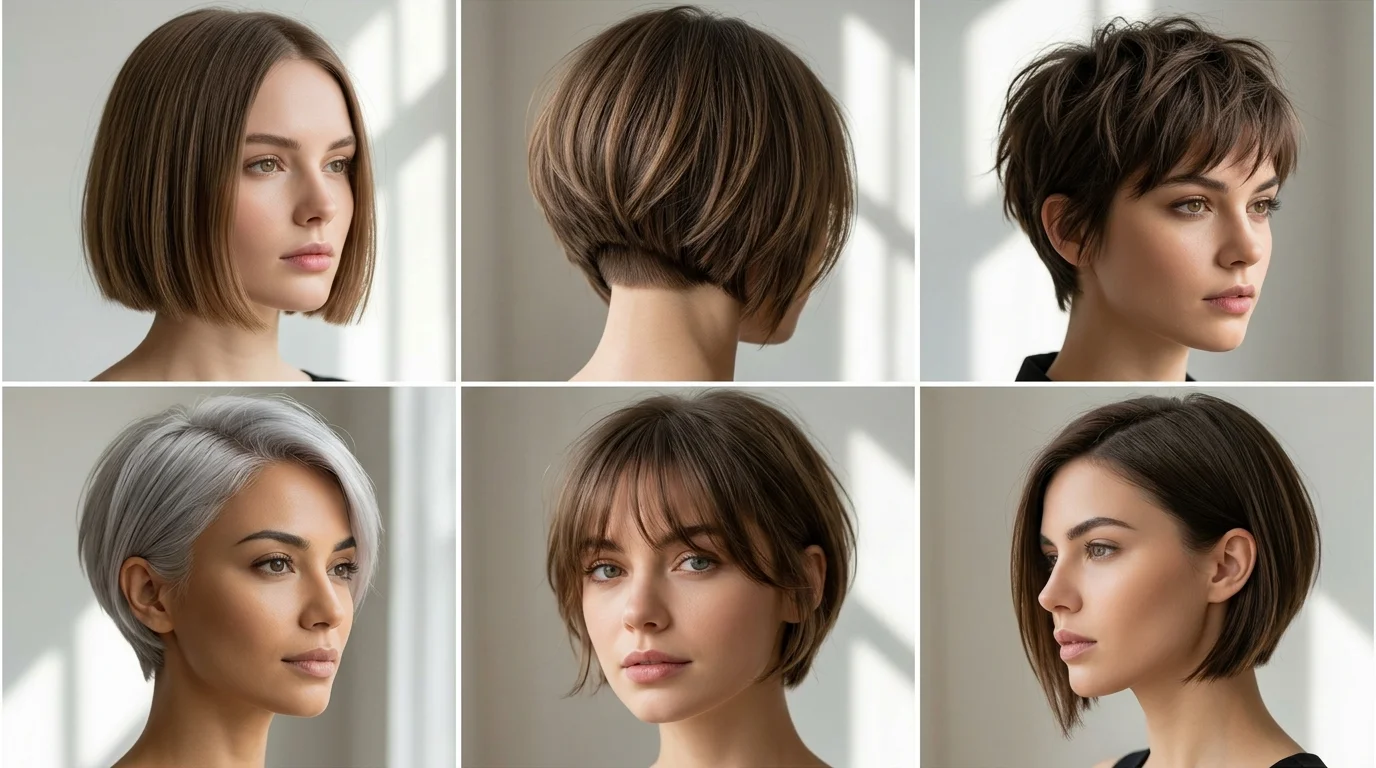
Short Layered Crops and Pixie Cuts
Short hairstyles collapse when the hair lies completely flat against the perimeter of the head. This method delivers height and piecey separation for crops measuring one to four inches in length. It will not work for blunt bobs or long styles because the structural hold cannot support hair that carries significant downward weight.
Rub a dime-sized dab of matte styling clay between your palms until the product warms and turns invisible. Do not touch your front fringe first. Instead, drive your hands into the hair at the back of the crown, working directly against the grain of your natural growth pattern.
Use your fingertips to rake the hair upward from the roots toward the ceiling. Once the product is distributed throughout the roots, lightly piece out the tips at the crown to form structured separation. The matte finish absorbs residual scalp oils while the clay polymers keep the short strands standing upright. If you apply the clay to damp hair, it will dry limp and greasy, so ensure your short crop is completely dry before application.
Long Extensions and Hidden Track Placements
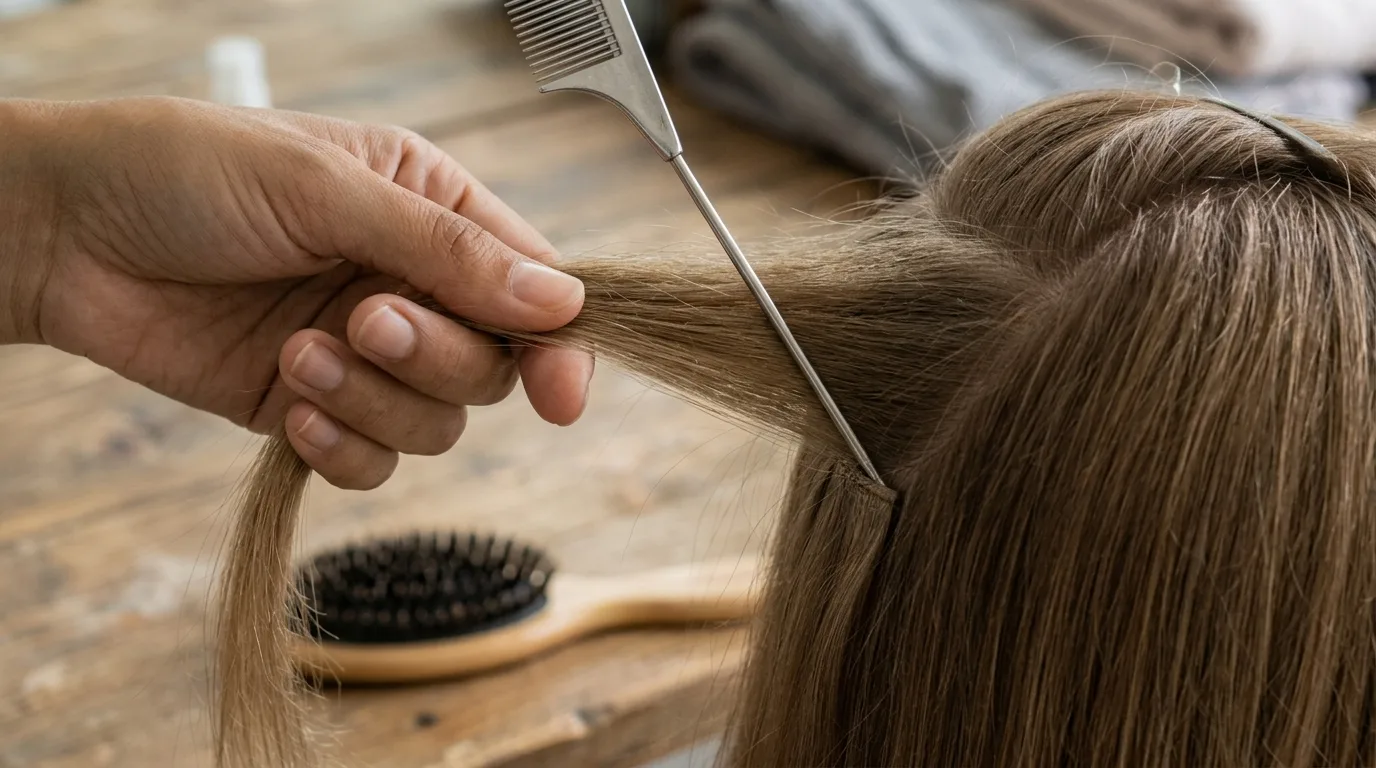
Sew-in wefts and tape-in extensions add significant weight to your biological hair, which frequently causes the natural crown hair above the tracks to lie completely flat. This method is essential for anyone wearing semi-permanent extensions who needs to camouflage track lines with natural lift. It is not suitable for clip-in extensions, which should simply be teased gently at the clip base before snapping shut.
Section off the top horseshoe area of your natural hair that conceals the highest row of extension tracks. Clip the extension hair downward so it stays isolated. Lightly spray the underside of your natural horseshoe section with a dry texture spray from ten inches away.
Take a pin tail comb and execute two firm, downward backcombing strokes on the underside of each section, roughly half an inch away from the scalp. Do not saw back and forth, which frays the cuticle. Smooth the top surface gently with a soft boar bristle brush so the backcombing remains hidden underneath. This structural cushion creates a protective shelf that keeps your natural hair vaulted over the extension tracks.
Mature Hair Experiencing Follicular Miniaturization
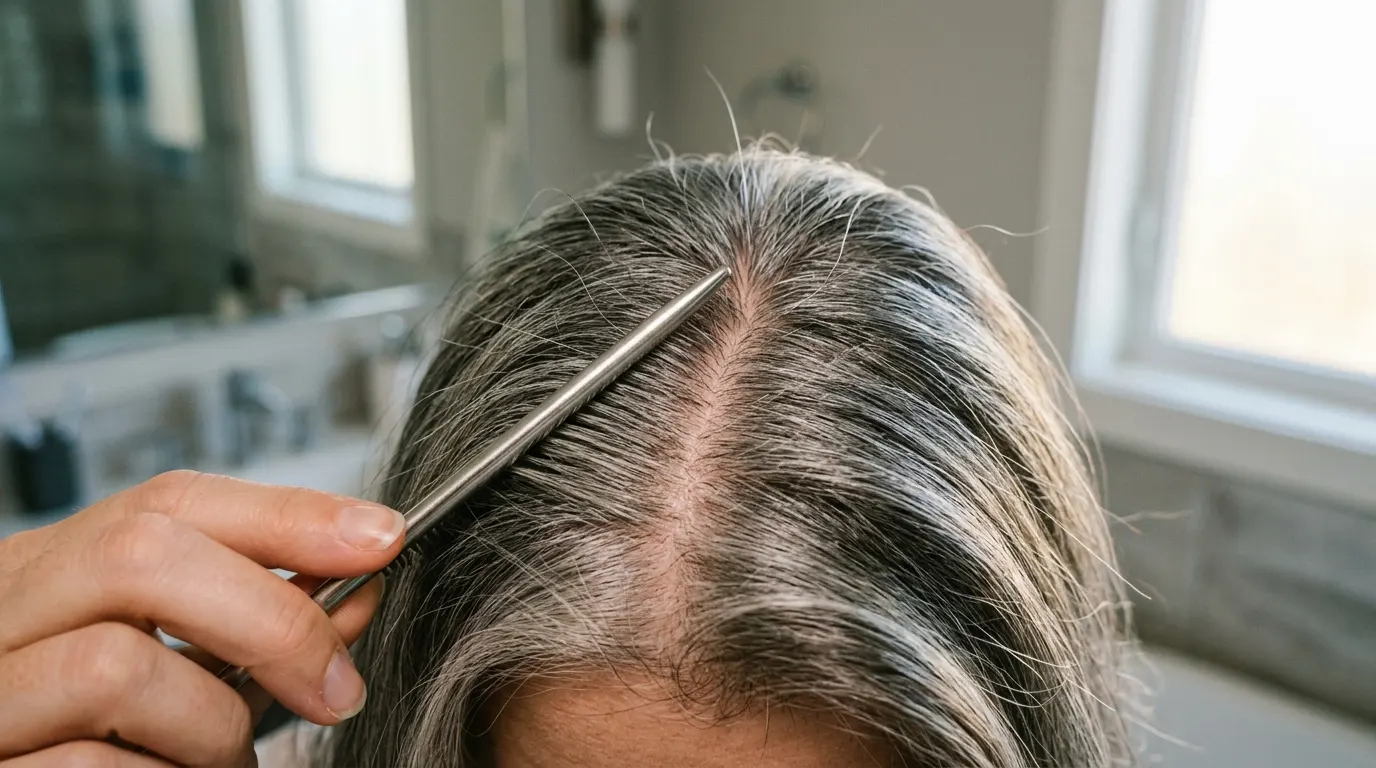
Hormonal shifts during perimenopause and menopause can cause hair strands to emerge with a smaller diameter, creating noticeable scalp show-through at the central parting. This routine serves thinning, mature hair that requires both density and gentle care. Avoid using heavy dry shampoos or strong-hold aerosols here, as brittle mature follicles shed easily under stiff sprays.
Apply a peptide-infused root treatment to your clean, damp scalp to nourish the follicular environment without leaving a tacky film. Rather than parting your hair down your lifelong natural line, use a tail comb to shift your part half an inch to the left or right.
Because the follicles on the non-dominant side have not been trained to lie flat, they naturally resist the new orientation and push upward. Blow-dry the shifted parting using low heat, holding the hair across the opposite side of your head with your fingers until set. This directional shift instantly conceals scalp visibility and doubles your perceived thickness without introducing damaging mechanical strain to fragile roots.
Resistant Straight Strands That Refuse Hold
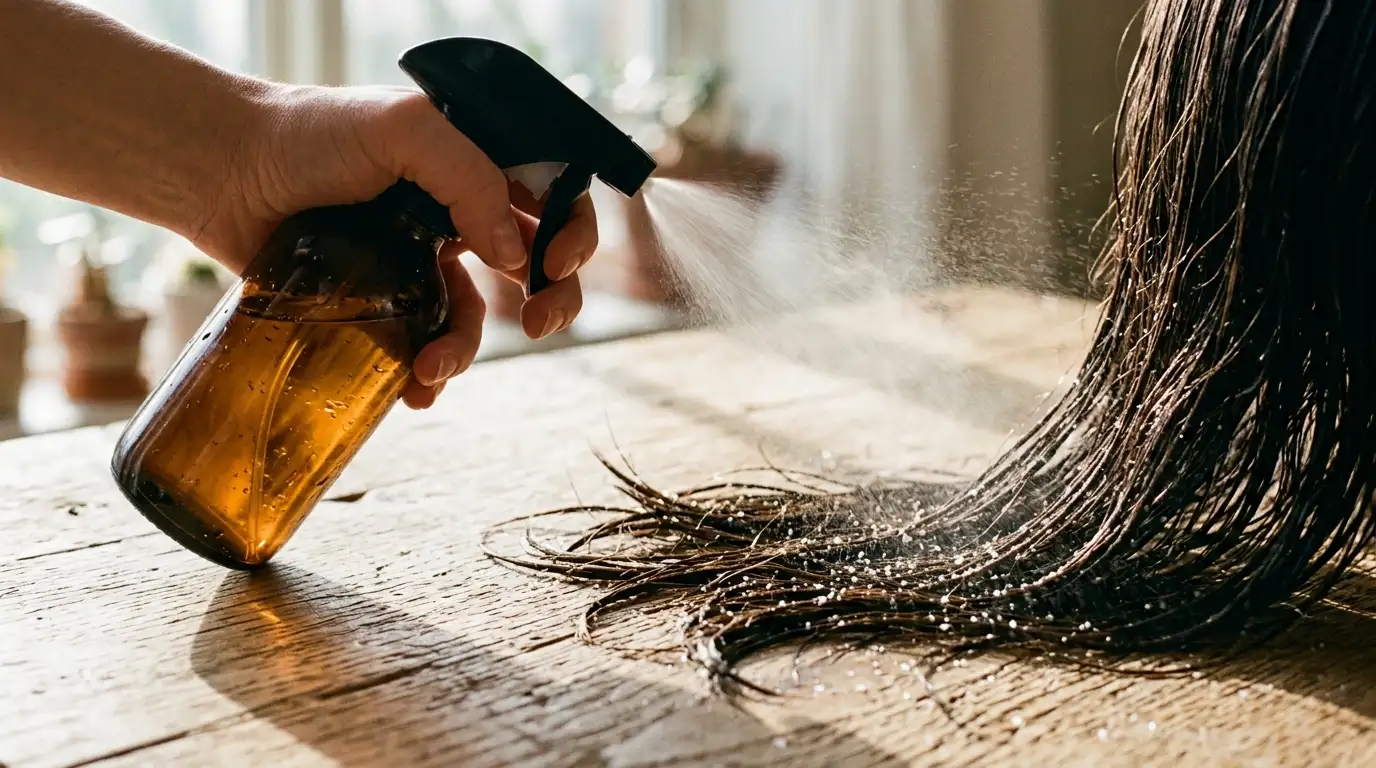
Pin-straight, glassy hair often sheds styling products within an hour because smooth cuticles offer zero natural grip. This routine is built for resistant type 1A hair that drops curls and volume almost immediately. Skip this if your hair has natural texture or frizz, as the intentional roughing steps will produce unmanageable tangles.
Wash your hair using a lightweight sea salt shampoo or an oil-free clarifying formula that leaves zero conditioning agents behind. Do not use an in-shower cream conditioner. Instead, apply two pumps of a leave-in detangling spray strictly to the last two inches of your ends so the brush glides through.
Mist the mid-lengths and roots with a mineral sea salt spray while damp. As you blow-dry, use your hands to roughly scrunch the hair upward rather than smoothing it flat with a brush. The salt minerals deposit micro-crystals along the ultra-smooth hair shafts, creating artificial texture that allows the strands to catch on one another rather than sliding flat against your scalp.
Second-Day Hair Saturated with Morning Sebum
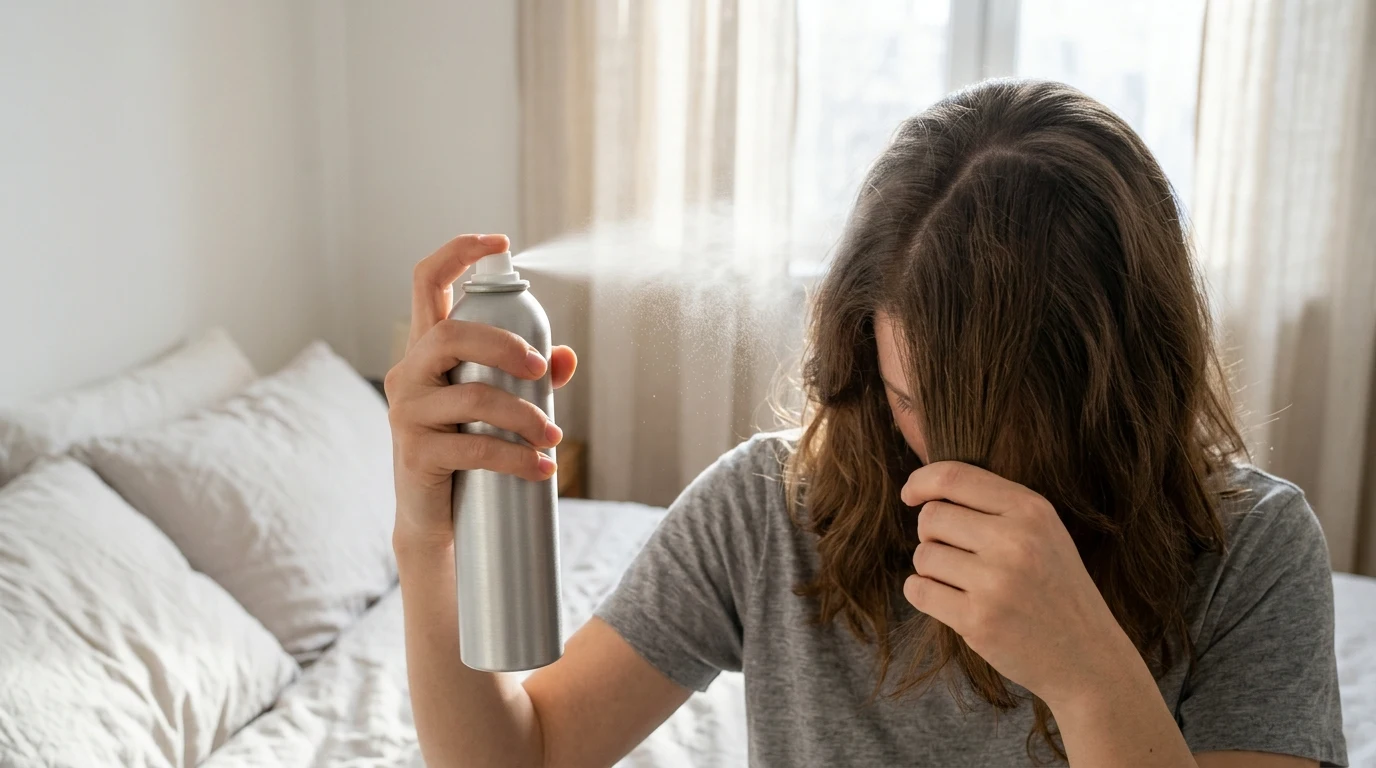
Sleeping flat compresses the hair structure while nighttime sebum production pools at the follicular exit points. This dry-revival method is for anyone needing to restore height to day-two or day-three hair in under five minutes without washing. It will not work if your roots are visibly wet with sweat or heavy grease, which requires a full water rinse.
Section your dry crown horizontally into three distinct tiers using your fingers. Hold a can of starch-based dry shampoo twelve inches away from your head. Mist each exposed root lane using quick, one-second bursts. Keeping the nozzle at a full twelve inches prevents the wet propellant from concentrating into a white, pasty residue.
Leave the powder undisturbed on your scalp for three full minutes. The starch granules need time to physically wick up the lipids. Flip your head upside down and vigorously massage your scalp with your fingertips to break up and disperse the absorbed oils. Finish by brushing through with a mixed bristle brush to sweep away the excess residue, restoring natural bounce and movement.
Cold Weather Indoor Dryness and Static Cling
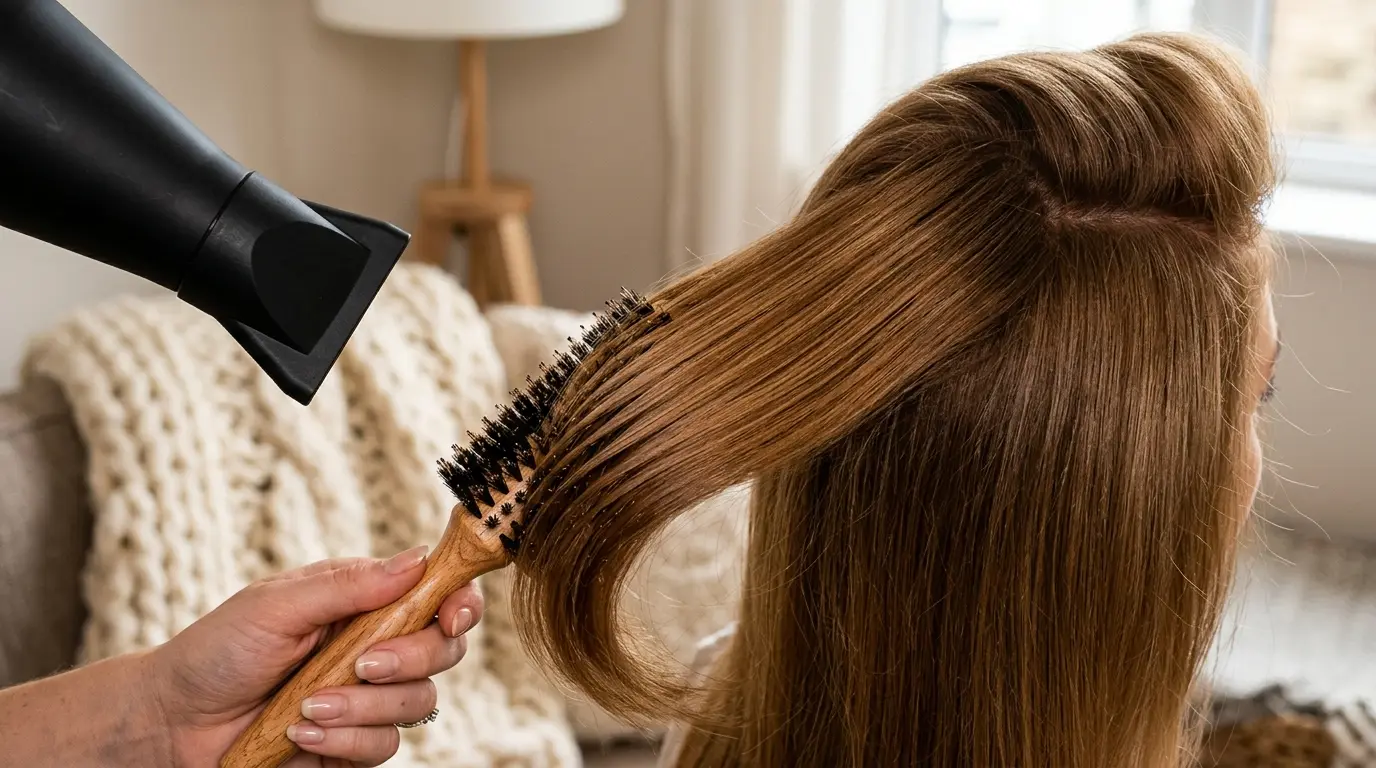
Winter weather and central indoor heating strip ambient moisture from hair fibers, generating static electricity that causes strands to cling flat to the head and neck. This technique serves anyone battling winter static and dry collapse. Do not use this in high-humidity summer climates, where moisture-attracting humectants will trigger uncontrolled swelling.
Apply a quarter-sized puddle of alcohol-free styling lotion to damp hair, ensuring the formulation contains panthenol or vegetable glycerin to bind ambient hydration. Blow-dry using an ionic hair dryer set to medium heat. The negative ions generated by the dryer neutralize positive surface charges on the hair shaft, preventing strands from repelling each other into static cling.
Once your hair is eighty percent dry, switch your dryer nozzle to a downward forty-five-degree angle down the shaft while rolling a natural wooden round brush through the crown. The wooden core does not conduct static electricity like aluminum or ceramic barrels do, leaving the hair lifted, grounded, and free of cling.
High Humidity Summer Dew Points Above Sixty Degrees
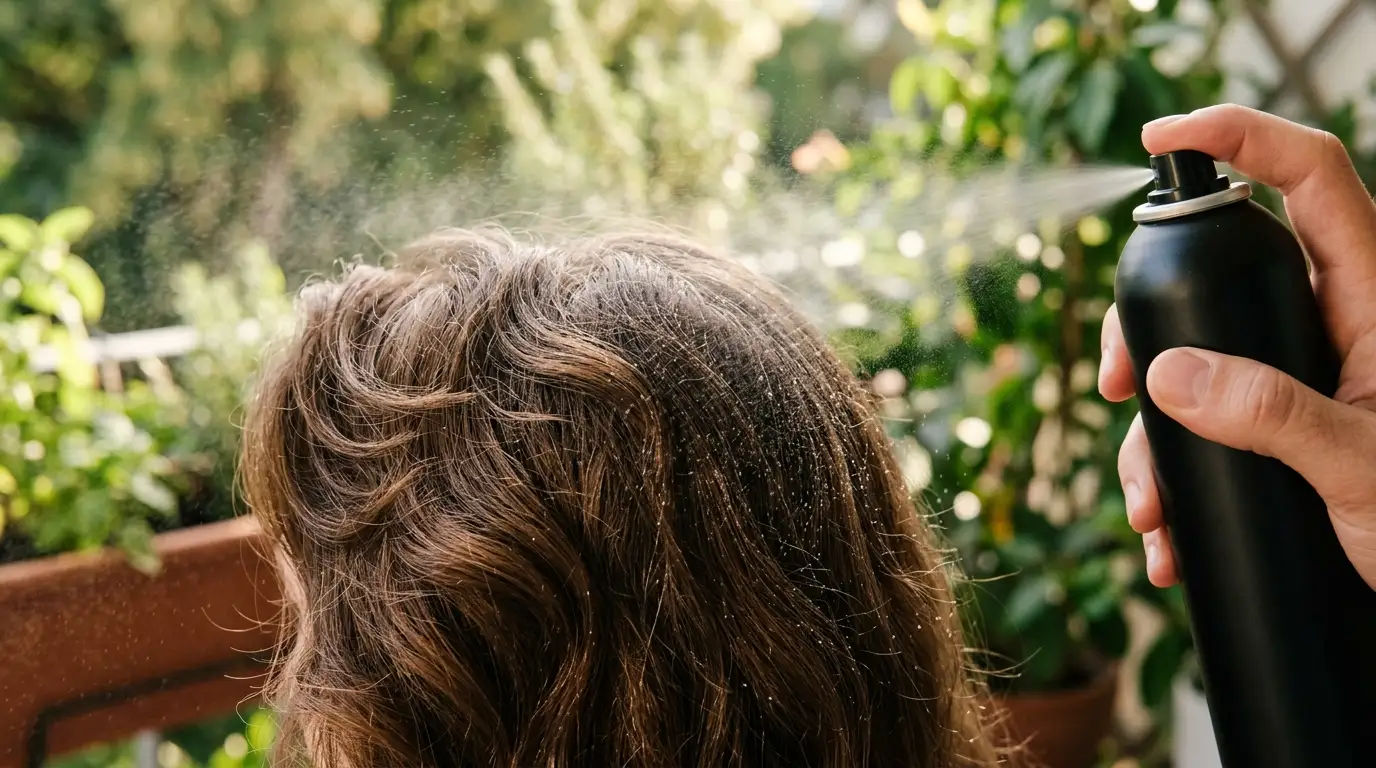
High ambient humidity softens the hydrogen bonds inside the hair cortex, causing styled root lift to wilt into a limp, soggy shape. This protocol is strictly for humid outdoor conditions with dew points exceeding sixty degrees Fahrenheit. Do not use these heavy anti-humectant barriers in bone-dry desert air, where they make hair brittle and stiff.
After washing, skip humectant-heavy leave-ins that list glycerin, propylene glycol, or honey high on the ingredient deck, as these attract airborne vapor into the hair shaft. Distribute a firm-hold, anti-humidity styling gel evenly through damp roots using a wide-tooth comb.
Blow-dry the roots completely dry using high heat to lock the synthetic polymers into an impenetrable moisture shield. Finish your style with a continuous mist of a vapor-barrier finishing hairspray that utilizes hydrophobic resins. This hard barrier stops atmospheric water molecules from penetrating the hair cortex, ensuring your lifted roots remain elevated even in tropical summer moisture.
| Hair Situation | Primary Mechanical Technique | Essential Tool or Product | Critical Mistake to Avoid |
|---|---|---|---|
| Fine Hair with Oily Scalp | Upside-down rough drying to 80% | Aerated root mousse | Applying conditioner near the crown |
| Heavy, Coarse Hair | 90-degree round brush elevation | Hydrolyzed wheat protein spray | Keeping long hair all one length |
| Wavy Hair with Mid-Frizz | Stationary root clipping | Metal prong duckbill clips | Moving the diffuser continuously |
| Compacted Coily Hair | Directed root picking | Wide-tooth metal afro pick | Raking the pick through the ends |
| Fragile Heatless Needs | Silk scrunchie high pineapple | 100% Mulberry silk scrunchie | Fastening the base with high tension |
| Bleached, Damaged Hair | Friction powder scattering | Silica-based styling powder | Applying high-tension round brushing |
| Short Pixie Crops | Against-the-grain palm raking | Matte styling clay | Applying product to damp roots |
| Hidden Hair Extensions | Underside cushion backcombing | Pin tail teasing comb | Sawing back and forth aggressively |
| Mature Thinning Hair | Opposite-side part shifting | Peptide scalp spray | Using stiff, high-hold aerosol sprays |
| Glassy Straight Strands | Salt mineral friction drying | Mineral sea salt spray | Using rich smoothing conditioners |
| Day-Two Morning Sebum | Staged starch absorption | Rice starch dry shampoo | Massaging the spray in immediately |
| Static Winter Indoor Air | Ionic charge neutralization | Natural wooden round brush | Using high-conductive metal brushes |
| High Humidity Dew Points | Hydrophobic polymer sealing | Anti-humidity resin hairspray | Using glycerin-based root leave-ins |
How to Get Volume in Hair
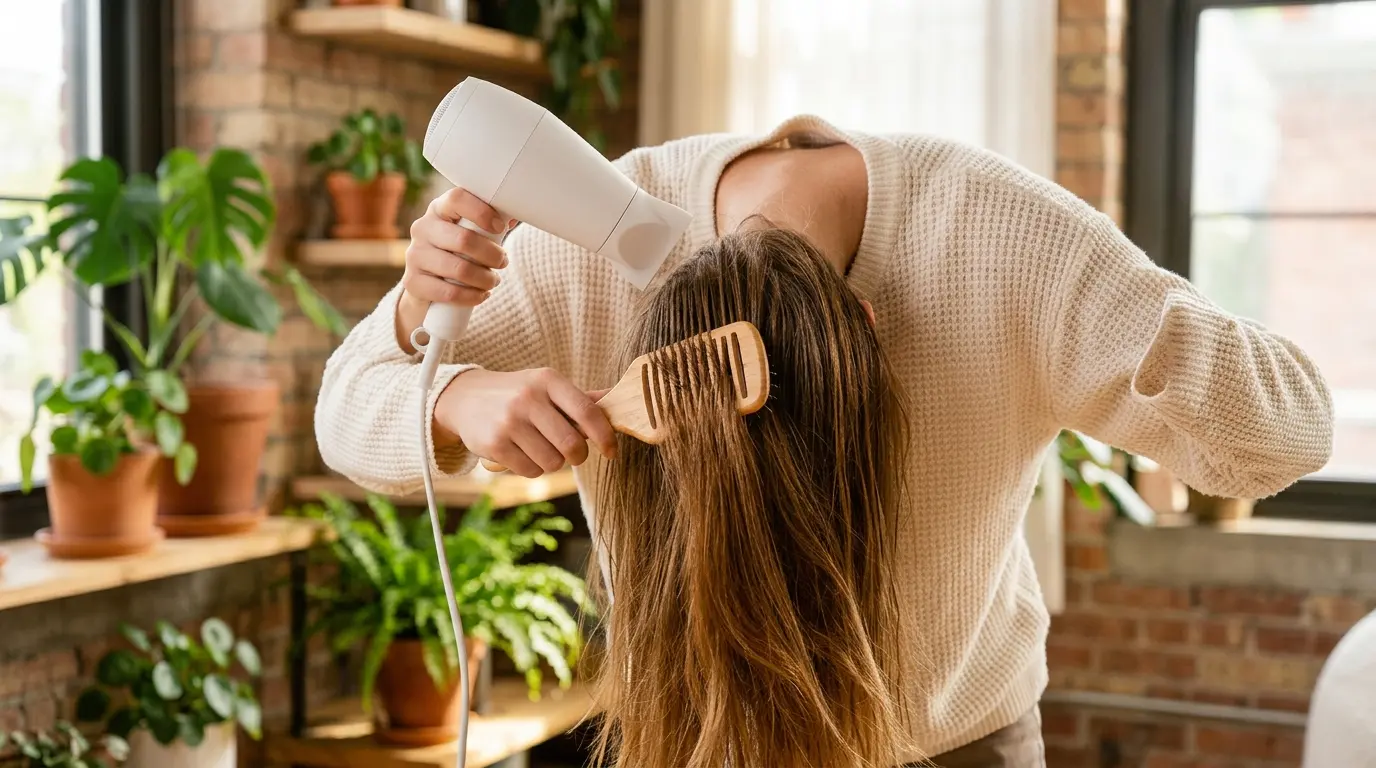
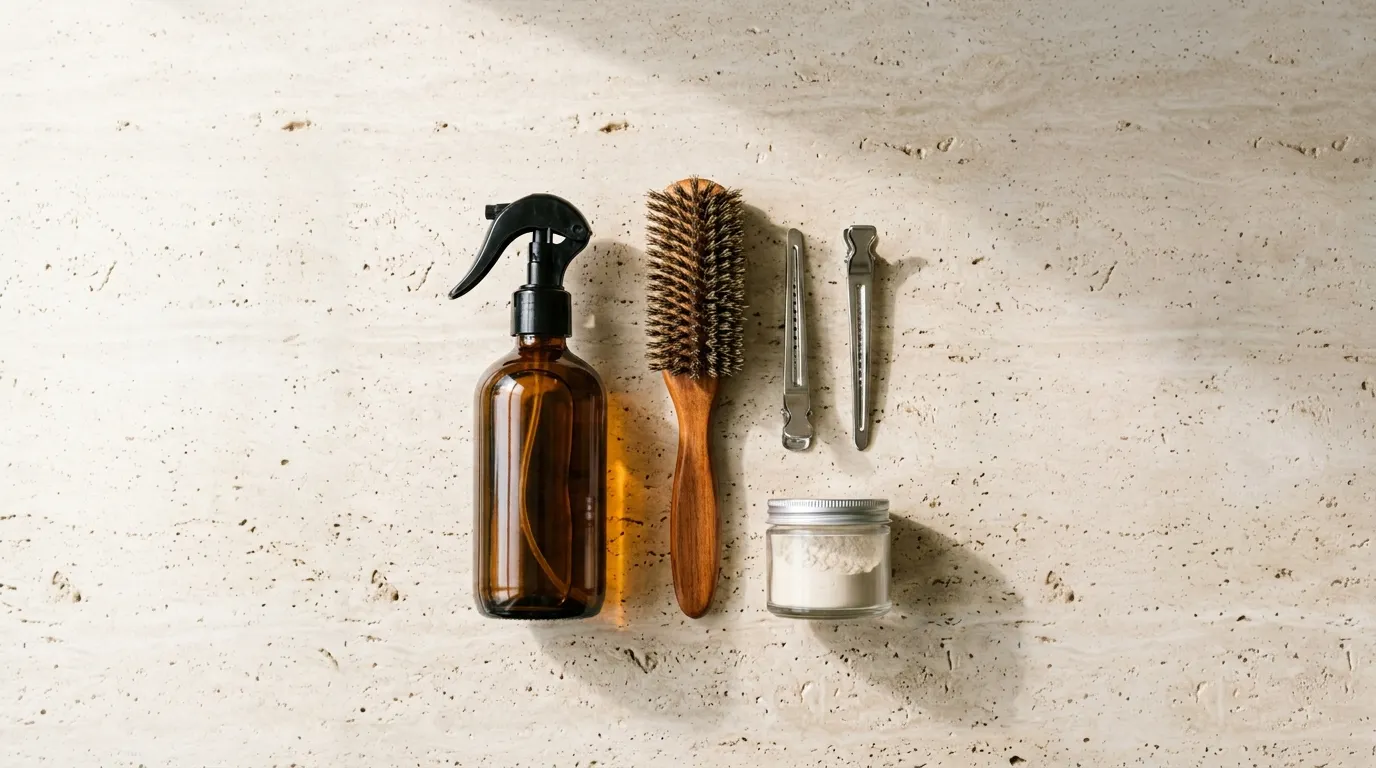
Implementing a comprehensive approach requires understanding the relationship between mechanical root tension and product density. You can implement several other tricks that give volume to the hair, such as sleeping on a silk pillowcase to prevent sleep friction or utilizing self-grip Velcro rollers along your crown while you do your makeup.
The best product to get volume in hair will always depend on strand diameter rather than marketing claims on a bottle. Lightweight mousses suit fine profiles, structural clays hold short crops, and anti-humidity polymers safeguard thick manes against outdoor wilting.
Mastering these hair products volume tips ensures you invest in targeted formulations that respect your strand porosity. Follow simple tips to increase hair volume like moving your part line, keeping conditioning balms focused on older ends, and allowing products adequate time to dry before stepping out.
Frequently Asked Questions
Which product type should I choose if my hair is fine but dry on the ends?
Select an aerated, water-based volumizing foam for your roots and pair it with a light, leave-in conditioner spray reserved strictly for the bottom three inches. Steer clear of traditional aerosol mousses formulated with denatured alcohol, as the drying alcohols leach moisture from compromised ends while providing root lift.
Should I pick a ceramic, tourmaline, or boar bristle round brush for blowouts?
Pick a pure boar bristle brush if you have fragile, color-treated, or easily broken strands, as the natural bristles distribute scalp oils and grip hair without overheating. Choose a ceramic or tourmaline vented barrel brush only if your hair is healthy, coarse, and resistant to styling, because the heated core functions like a curling wand to set firm root elevation.
How do I choose between dry shampoo and root volumizing powder?
Choose a starch aerosol dry shampoo if your root flatlining is caused by visible sebum production, grease, or second-day scalp sweat. Select an insoluble silica volumizing powder if your hair is freshly washed and clean but physically too silky or limp to maintain structural height on its own.
Should I choose a sulfate-free volumizing wash or a clarifying shampoo?
Opt for a sulfate-free volumizing shampoo for everyday washes because it uses gentle surfactants like decyl glucoside that clean without stripping natural moisture. Reach for a dedicated chelating clarifying shampoo once every seven to ten days if you live in a hard-water area or use heavy styling resins that leave stubborn buildup.
How do I decide whether to get long layers or curtain bangs for extra lift?
Choose internal crown layers if your hair is thick, heavy, and dragging down your root line across the entire top of your head. Pick curtain bangs if your volume deficit is concentrated around your temples and face frame, which provides flattering movement without sacrificing hair weight through the back.
The Clear Direction for Flat Strands
If you are still staring at your shelf wondering where to begin, strip your routine back to one physical adjustment: change your drying direction. Wash your hair, skip heavy conditioners above your ears, flip your head forward, and rough-dry your roots against their natural growth pattern until bone dry. Once your hair understands how to stand upright on its own, you can introduce styling products to extend that lift throughout the week.
Disclaimer: Scalp conditions such as severe flaking, sudden hair loss, or persistent irritation should be evaluated by a board-certified dermatologist. Patch test any new styling formulation on your inner forearm before applying it to your scalp.
Related reads: The Best Short Haircuts for Fine Thin Hair to Boost Volume, 13 Smart Low Maintenance Hairstyles for Black Women by Texture Profile and 12 Tops to Wear With Wide Leg Jeans That Balance the Volume.