
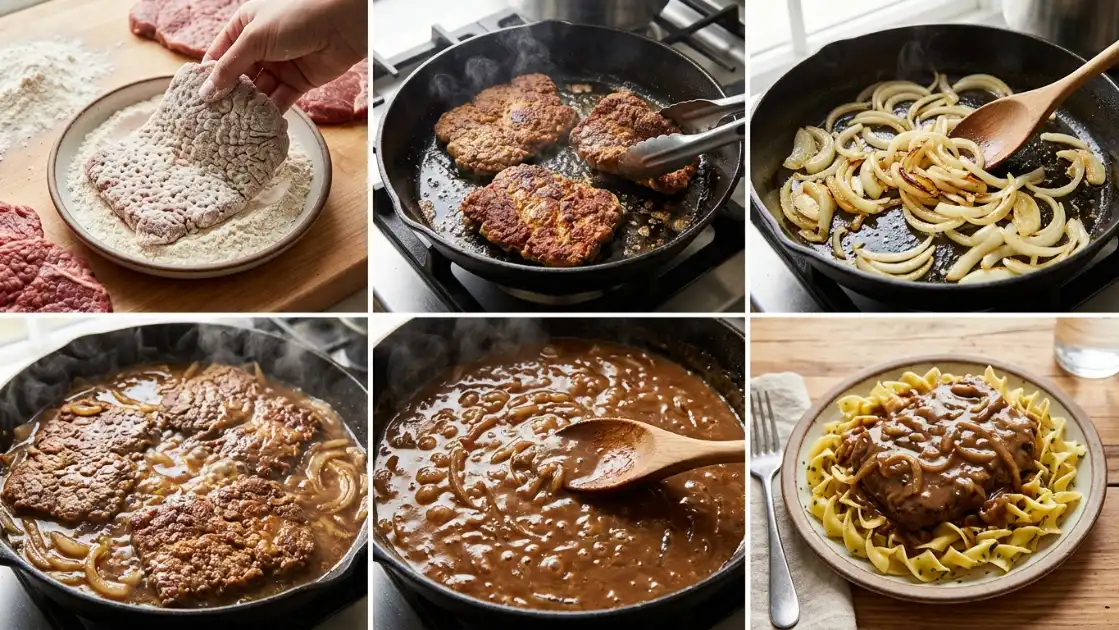
Prep time 15 minutes. Cook time 45 minutes. Total time 1 hour. Servings 4.
- 2 pounds cubed beef steak
- 1 cup all purpose flour
- 1 teaspoon garlic powder
- 1 teaspoon smoked paprika
- 1 teaspoon kosher salt
- 0.5 teaspoon black pepper
- 3 tablespoons olive oil
- 1 medium yellow onion sliced thin
- 2 cups beef broth
- 1 tablespoon Worcestershire sauce
1. Season and dredge the meat properly

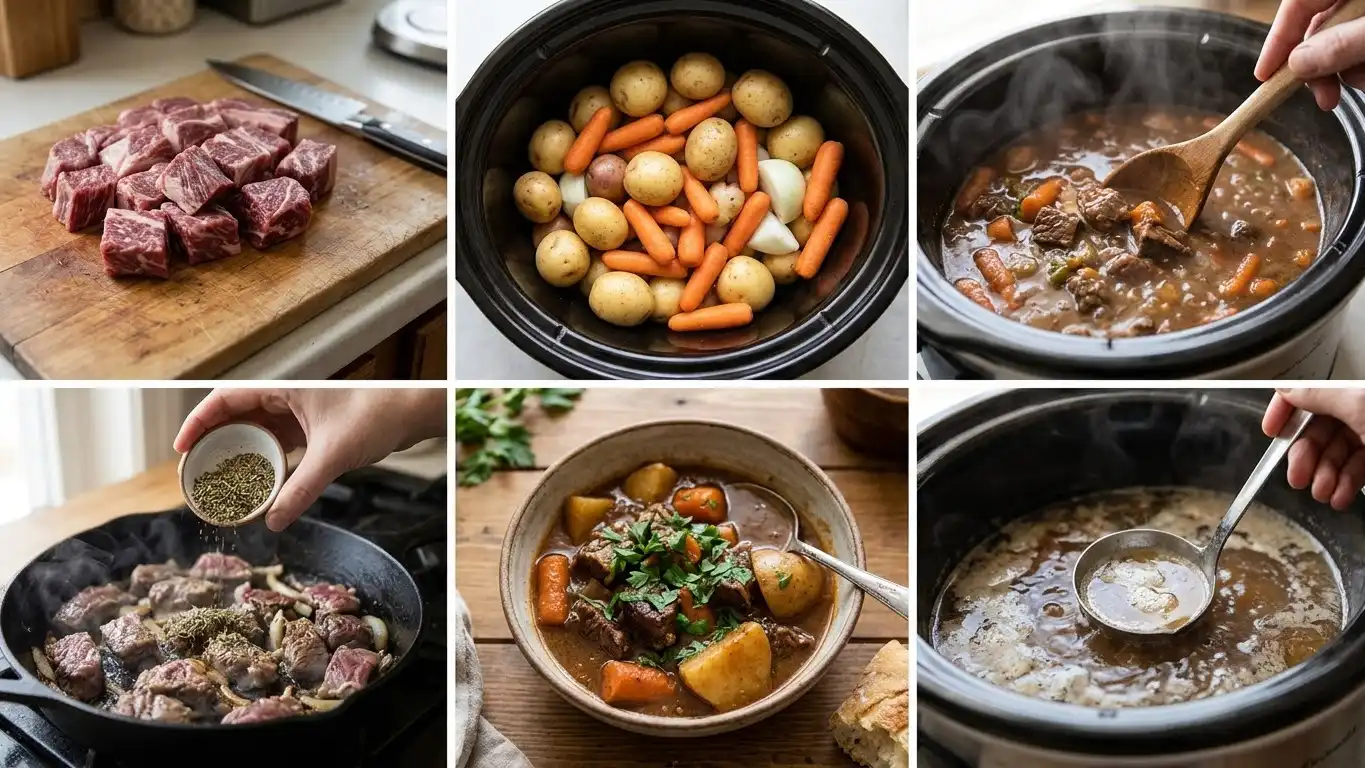
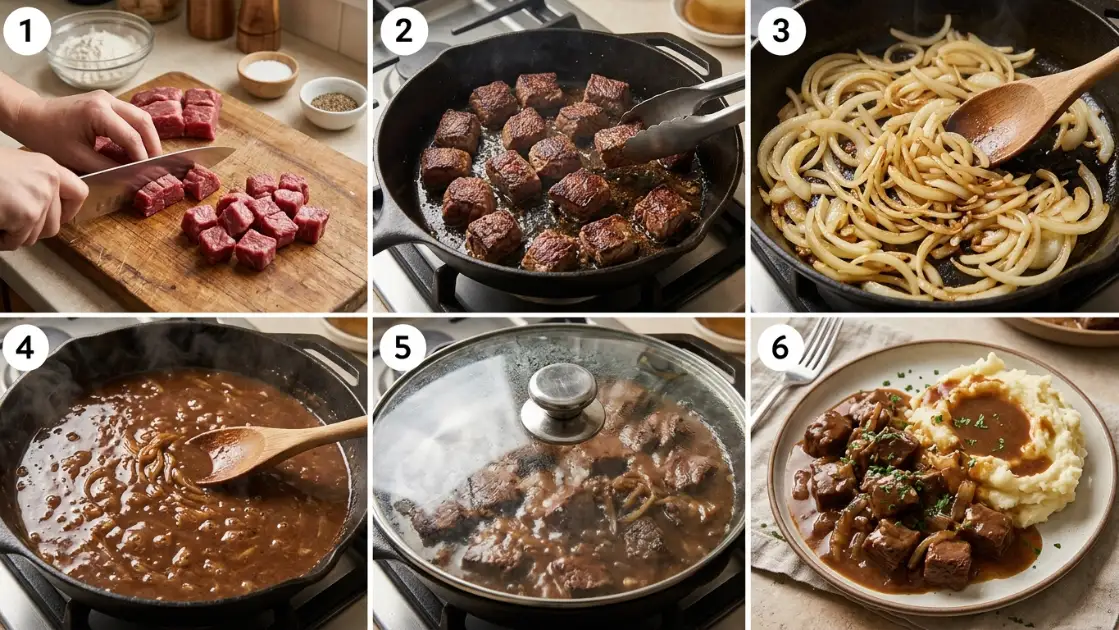
Coat each piece of cubed steak in a seasoned flour mix to lock in moisture during cooking. Pour 1 cup all purpose flour into a shallow dish and stir in 1 teaspoon garlic powder and 1 teaspoon smoked paprika. Press each steak firmly into the dry mix so both sides have an even coating. Shake off the loose bits. This thin barrier stops the lean beef from drying out when it hits the hot pan. A bare steak will turn leathery within minutes of direct heat.
2. Heat the skillet to the right temperature
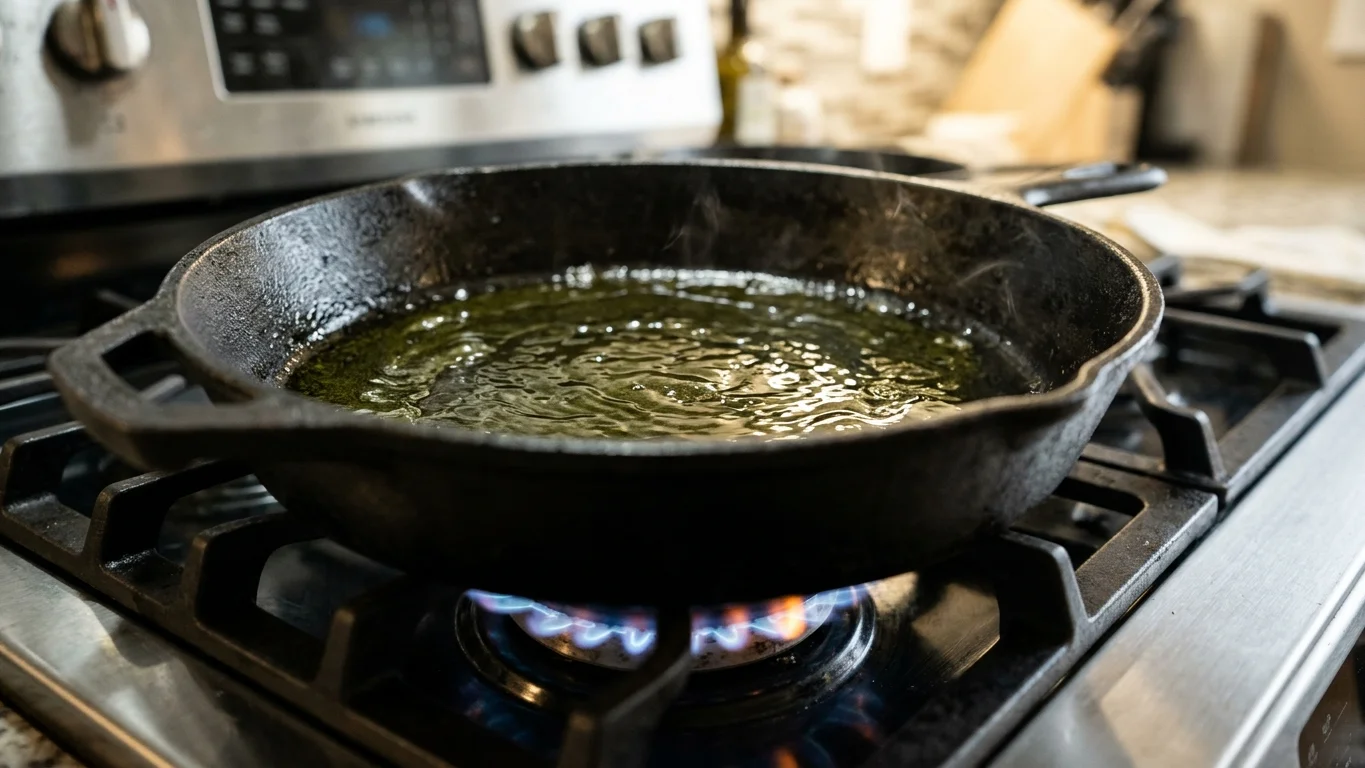
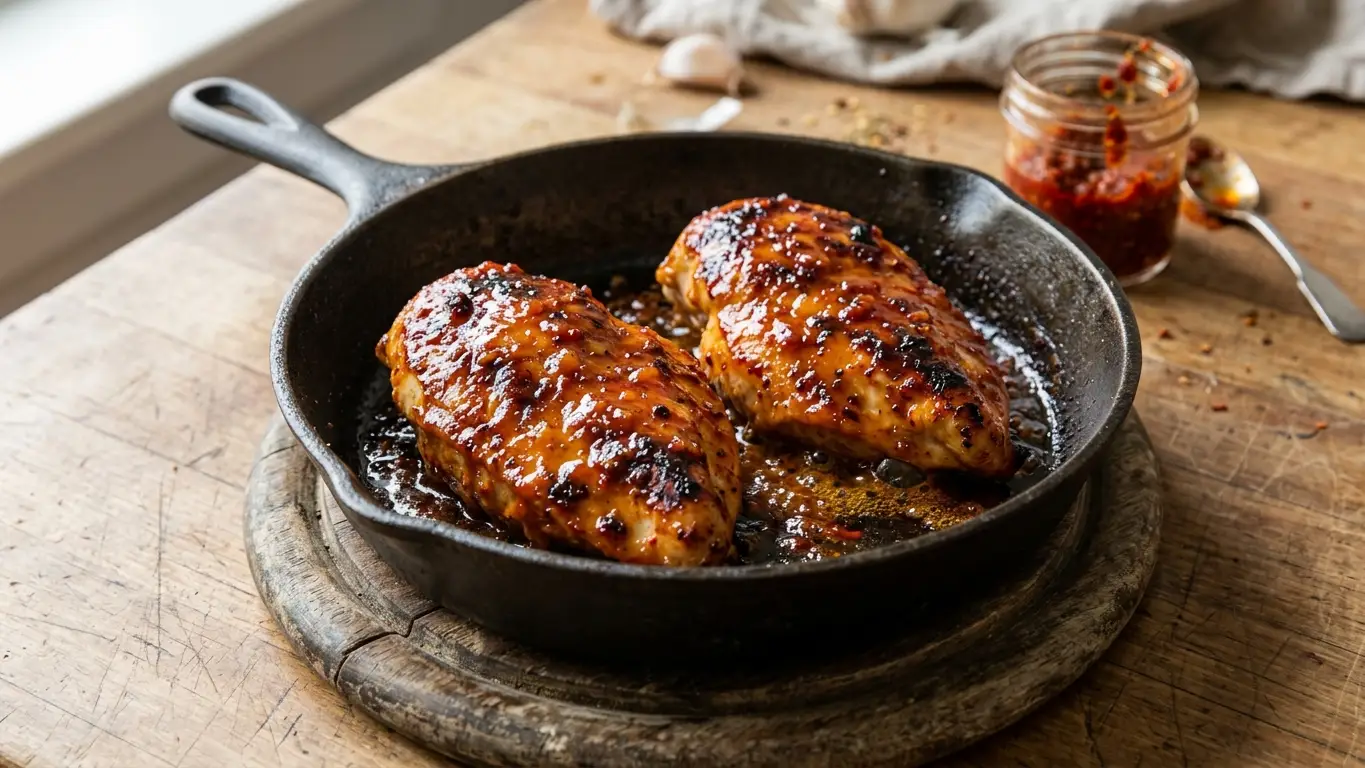
Place a heavy cast iron skillet over medium high heat and warm 3 tablespoons olive oil until it ripples. Drop a small pinch of flour into the oil to test the heat. It should sizzle immediately without smoking. Lay the steaks in the pan in a single layer without crowding the edges. Crowding lowers the oil temperature and creates steam instead of a proper golden crust. Let the meat sit undisturbed for 4 minutes to build deep flavor.
3. Flip and brown the second side

Turn each steak over using metal tongs and cook for another 3 minutes until the underside matches the first side. Expect a deep brown crust across the surface. Remove the meat from the skillet and place it on a clean plate while you build the base for the sauce. Do not wipe out the pan because those browned bits left behind add necessary depth to the final gravy.
4. Sauté the aromatics in the pan drippings
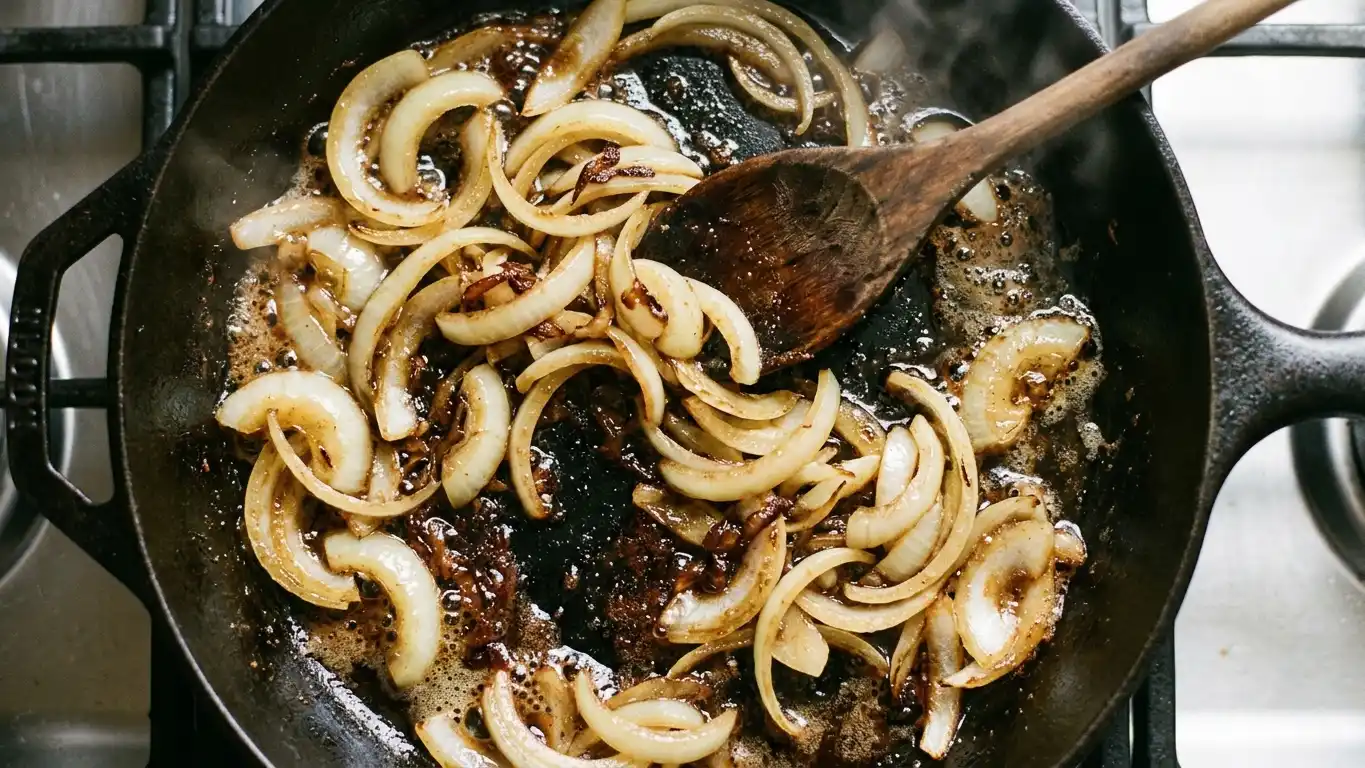
Reduce the heat to medium and toss 1 medium yellow onion sliced thin straight into the remaining oil and pan drippings. Stir the onions constantly with a wooden spoon for 5 minutes until they turn soft and translucent. Scrape up the stuck bits from the bottom of the skillet as the onions release their natural moisture. Raw onions will ruin the savory balance of the dish if they are not cooked down first.
5. Build the rich broth and Worcestershire base

Pour 2 cups beef broth and 1 tablespoon Worcestershire sauce into the skillet with the sautéed onions. Whisk the liquids together briskly to pick up all the remaining pan residue. Bring the mixture to a gentle bubble over medium heat. This liquid base will break down the tough muscle fibers in the beef during the long simmering stage.
6. Return the steak to the simmering liquid
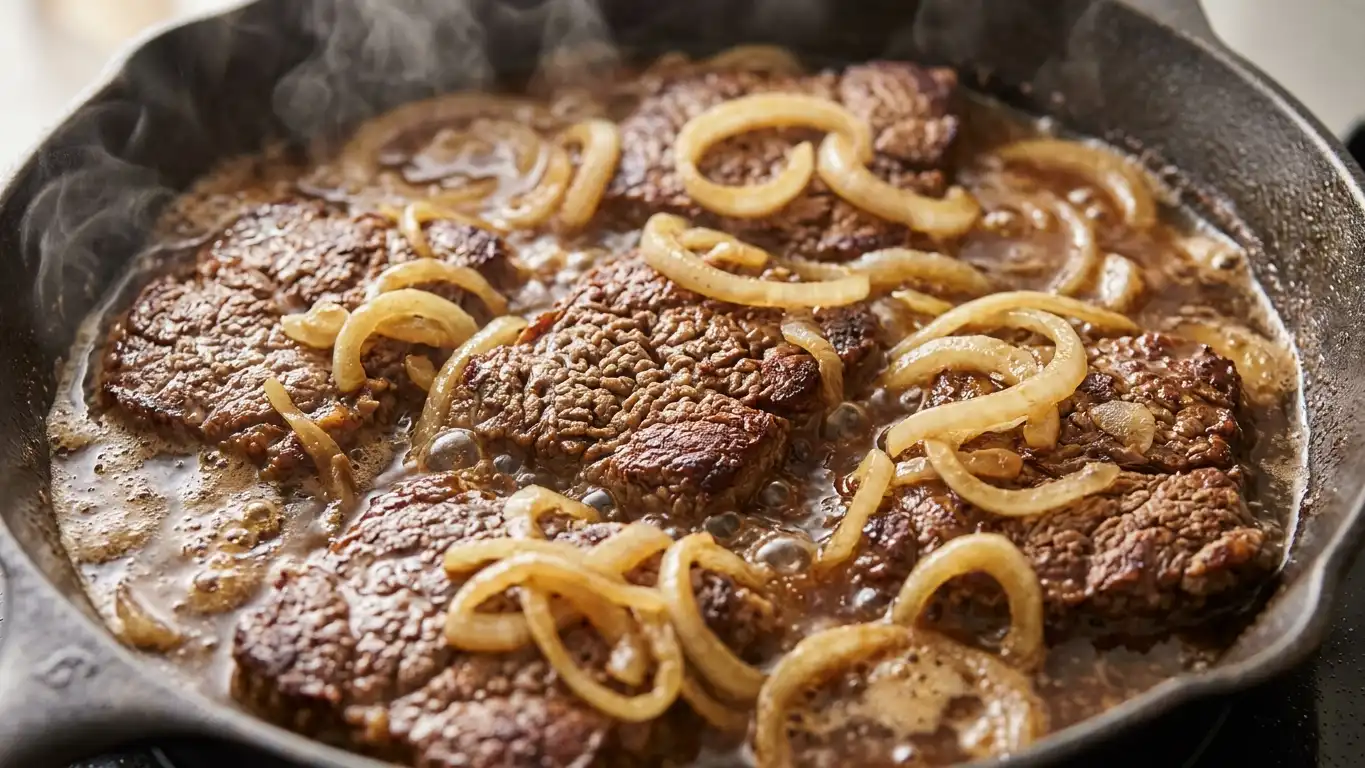
Slide the browned cubed steaks back into the bubbling broth so they overlap slightly in the pan. Spoon some of the onion and liquid mixture over the top of the meat. Turn the heat down to low and cover the skillet with a tight fitting lid. The internal temperature of the beef needs to reach 160 degrees Fahrenheit for tender results.
7. Simmer low and slow for maximum tenderness
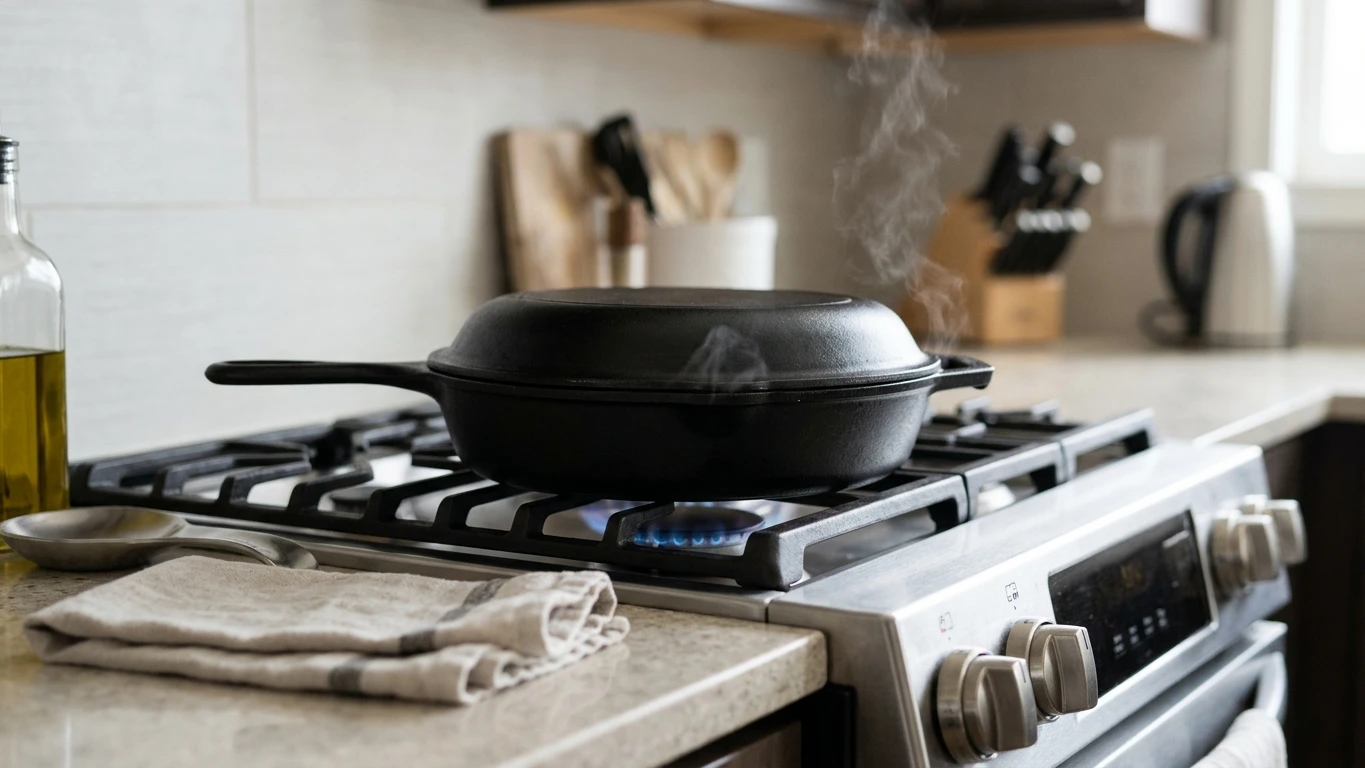
Leave the covered skillet on low heat for 35 minutes so the collagen breaks down completely. Resist the urge to lift the lid because trapped steam does the heavy lifting here. A rapid boil will toughen the protein strands instantly. The meat is done when it yields easily to the gentle pressure of a fork without falling apart entirely.
8. Thicken the savory pan gravy
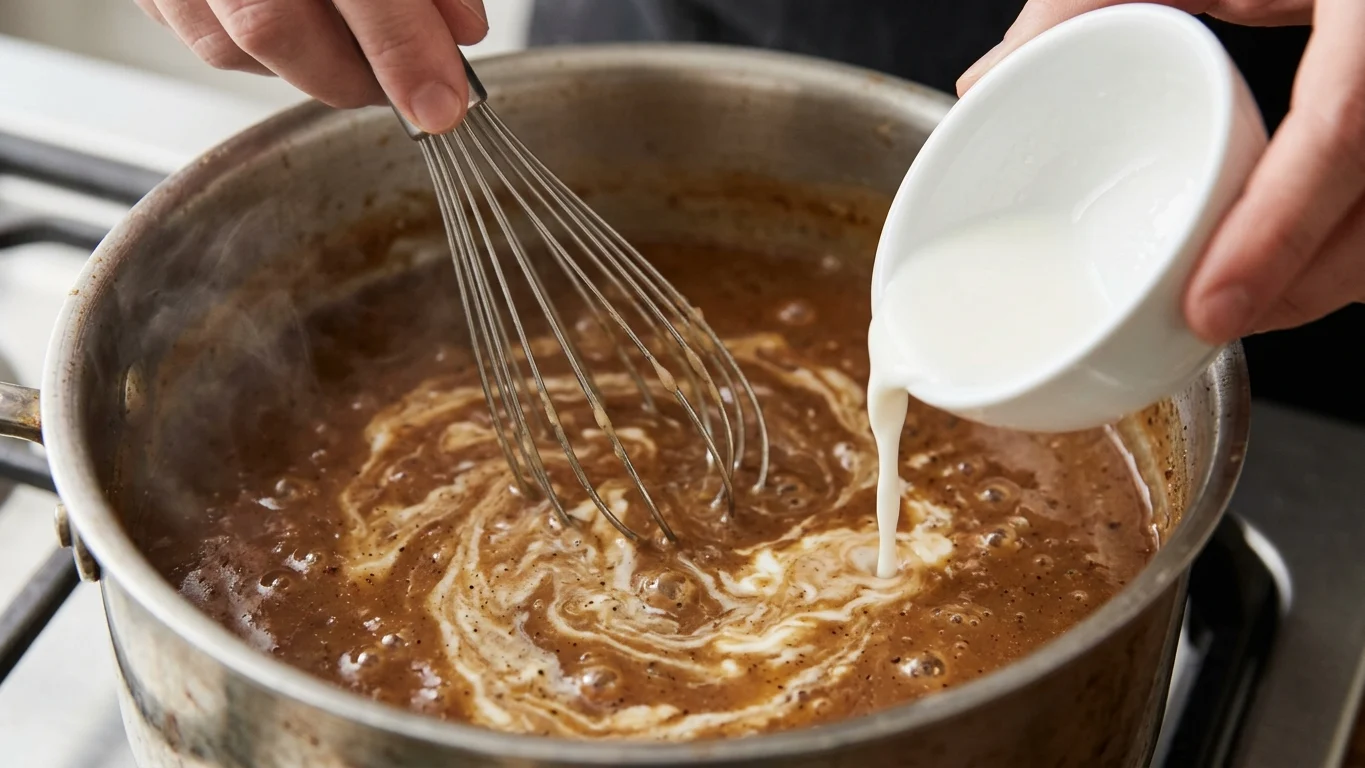
Remove the lid and mix 2 tablespoons of cornstarch with 3 tablespoons of cold water in a small cup. Stir this slurry slowly into the simmering liquid around the edges of the pan. Cook uncovered for 3 minutes until the sauce coats the back of a spoon. Taste the gravy and add a pinch of salt only if the reduction needs more punch.
9. Rescue overcooked tough meat
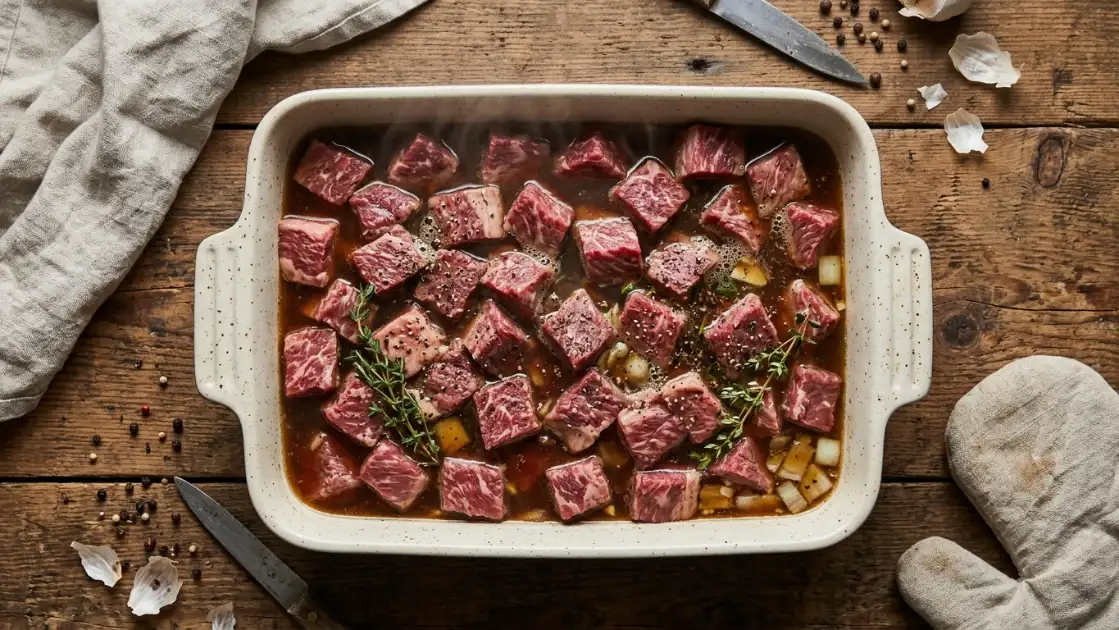
Fix dry or tough cubed steak by submerging the pieces in warm beef broth and baking them covered at 300 degrees Fahrenheit for 45 minutes. High heat causes meat fibers to seize up and squeeze out all their internal moisture. Adding liquid back into a covered baking dish relaxes those tight proteins. Serve this rescued meat directly over mashed potatoes to soak up the extra sauce.
10. Adjust for low carb and gluten free diets
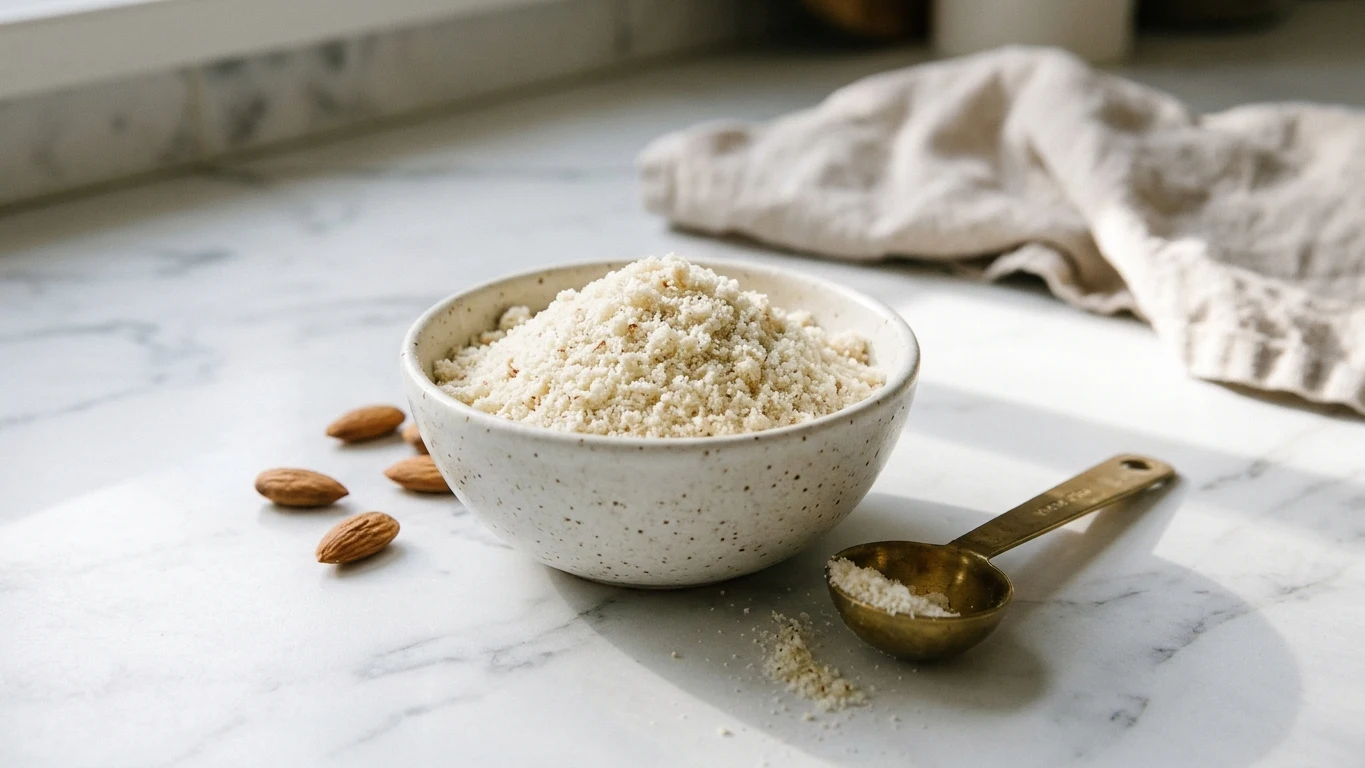
Swap the standard flour dredge for almond flour and bind the pan gravy with xanthan gum instead of cornstarch. Traditional wheat flour adds extra carbs that do not fit a restricted eating plan. Almond flour browns faster in the skillet so reduce your cooking time by 1 minute per side to prevent burning. Use low sodium beef broth to keep the salt levels balanced when omitting starches.
11. Adapt the recipe for slow cooker ease
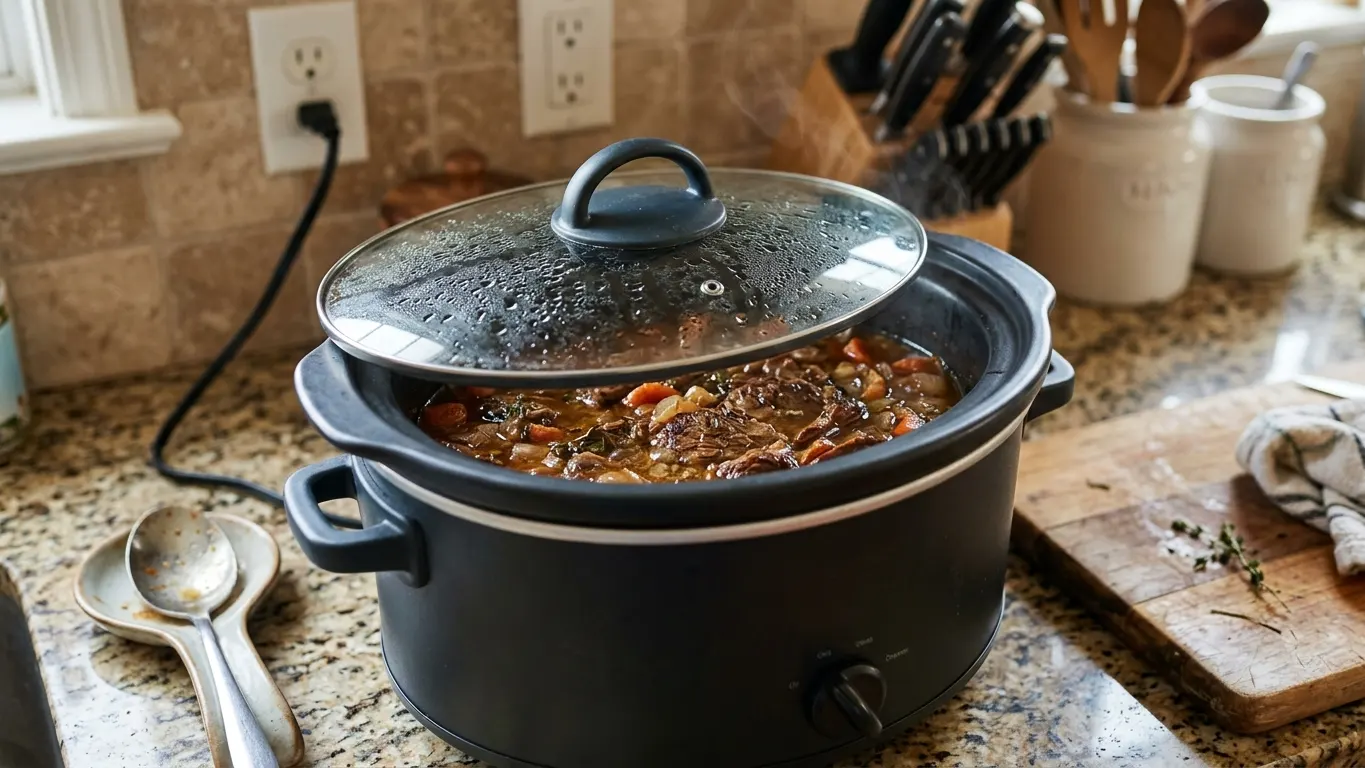
Transfer the browned steaks and sautéed onions into a slow cooker and pour the broth mixture over them. Set the appliance to low for 6 hours or high for 3 hours. Slow cookers trap moisture efficiently which keeps budget cuts tender all day long without constant monitoring. Add the thickening slurry during the last 30 minutes of cooking if you prefer a thicker sauce.
12. Complete the meal with proper side dishes
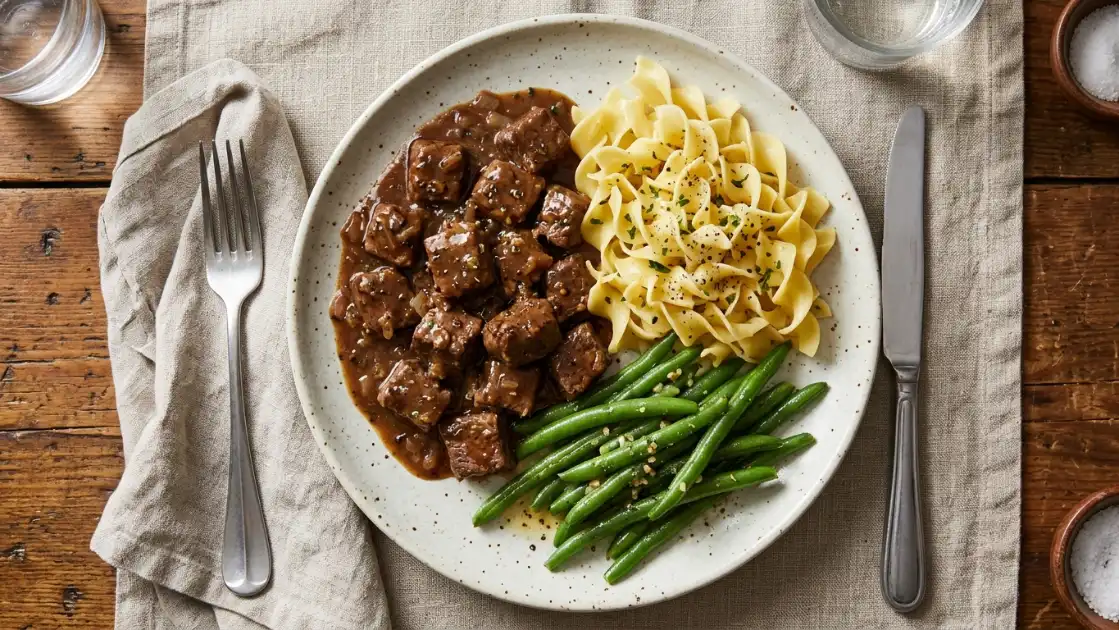
Plate the cooked steaks alongside steamed green beans and buttered egg noodles to balance the heavy gravy. The mild starch of the noodles absorbs the extra liquid without competing with the savory beef flavor. Avoid heavy potato dishes if you used a starch thickener in the sauce to keep the plate feeling light.
Frequently Asked Questions About Cooking Cubed Steak
How long does cubed steak take to cook in a skillet
Cooking cubed steak takes about 8 minutes total on the stovetop when you pan fry it for a crust. If you braise it in liquid afterward expect an extra 35 minutes on low heat. Skipping the braising step leaves budget cuts tough because the mechanical tenderizing machine creates tiny tears that need slow heat to soften.
Why is my cubed steak always tough and chewy
Tough cubed steak happens when the meat is cooked too fast over high heat without any braising liquid. This cut comes from the round primal and has very little internal fat. It requires either a two minute flash fry or a long simmer in broth to break down the connective tissue.
Can I substitute pork cutlets in this beef recipe
Pork cutlets work well in this exact recipe if you adjust the internal cooking temperature to 145 degrees Fahrenheit. Pound the pork pieces gently to match the thickness of standard beef cuts before dredging them in the seasoned flour mix. Simmer them in chicken broth instead of beef broth for a lighter flavor profile.
How do I know when the meat is fully tender
Test the doneness by pressing the center of a steak with the back of a fork. It should offer zero resistance and pull apart with a gentle twist. If the fork bounces off the surface return the pan to the low heat for another 10 minutes.
Summary of the Cooking Process
Start by dredging the beef in seasoned flour and searing it in hot oil to build flavor. Sauté the onions in the pan drippings and whisk in the broth to create a rich braising base. Simmer the meat low and slow until tender before thickening the pan juices into a rich gravy.