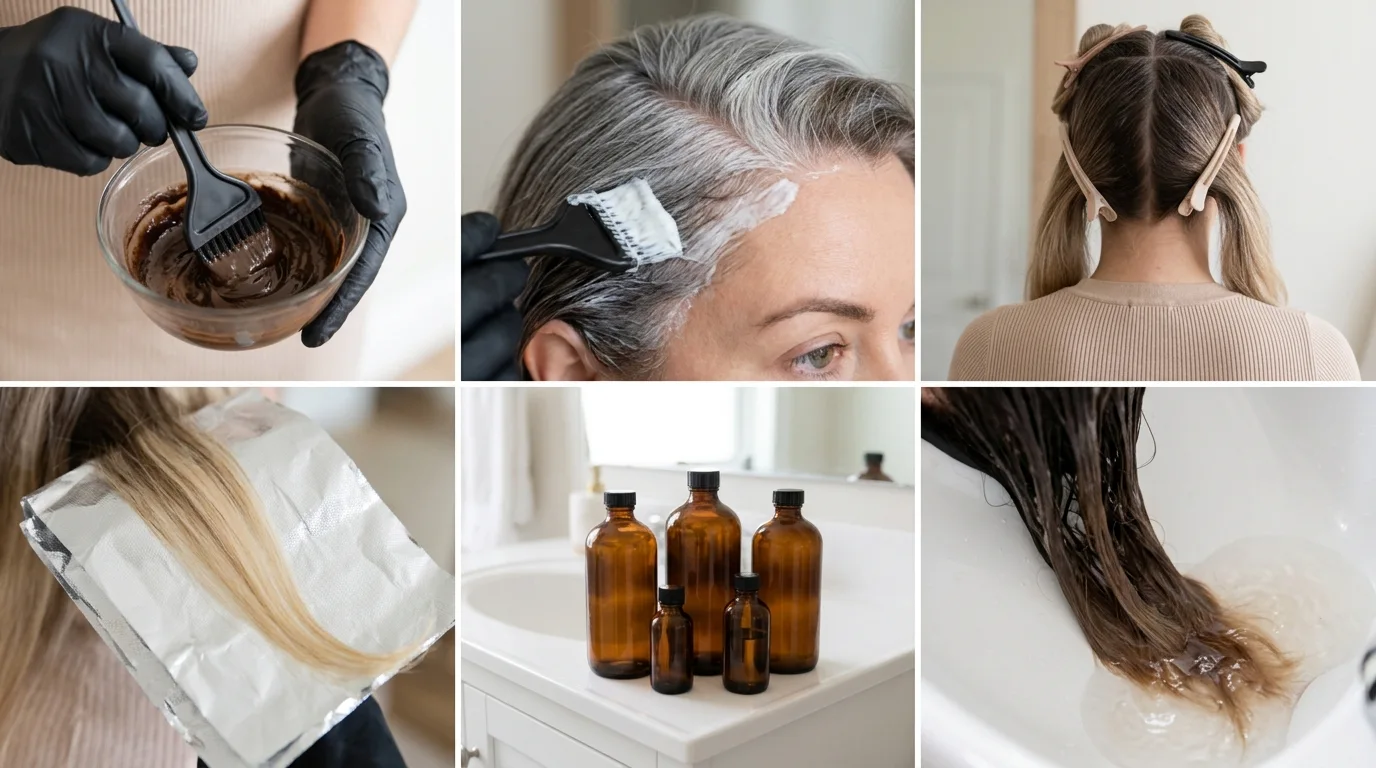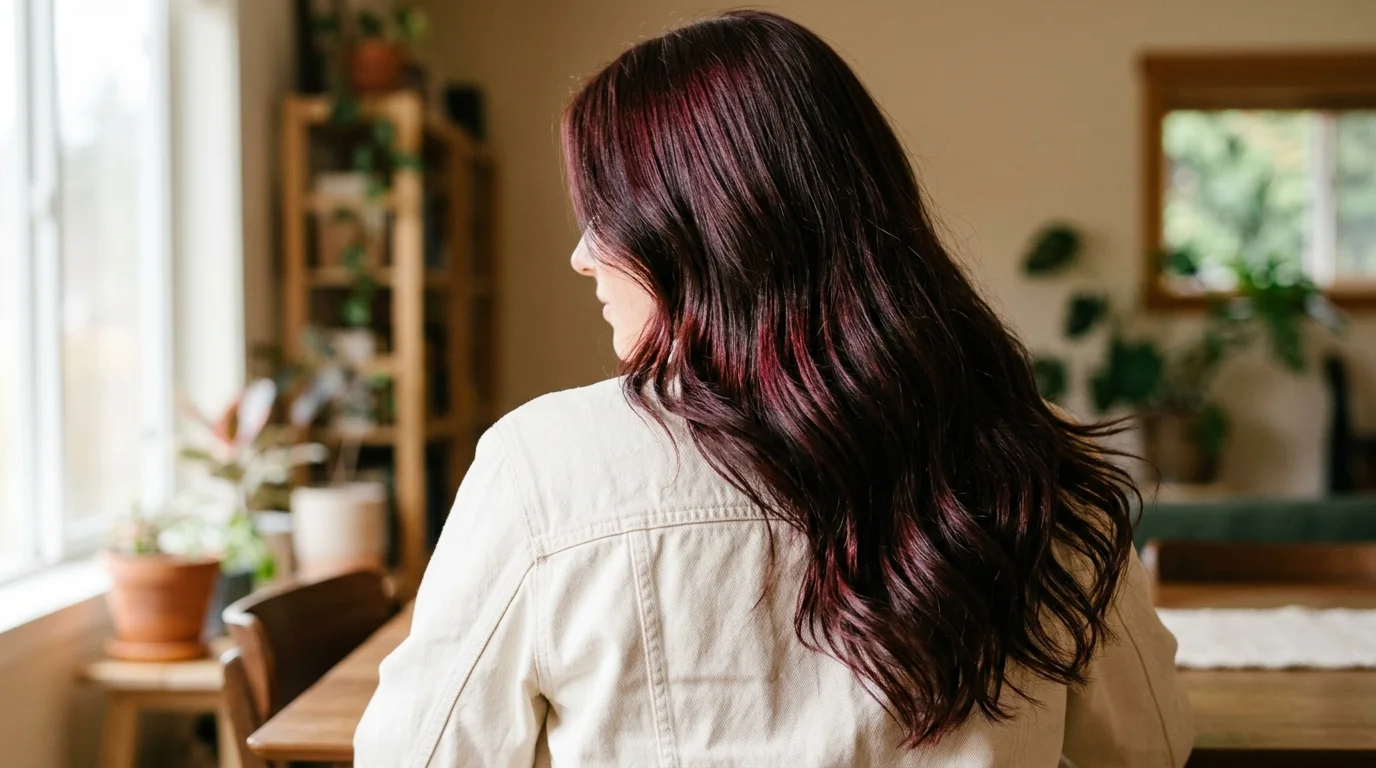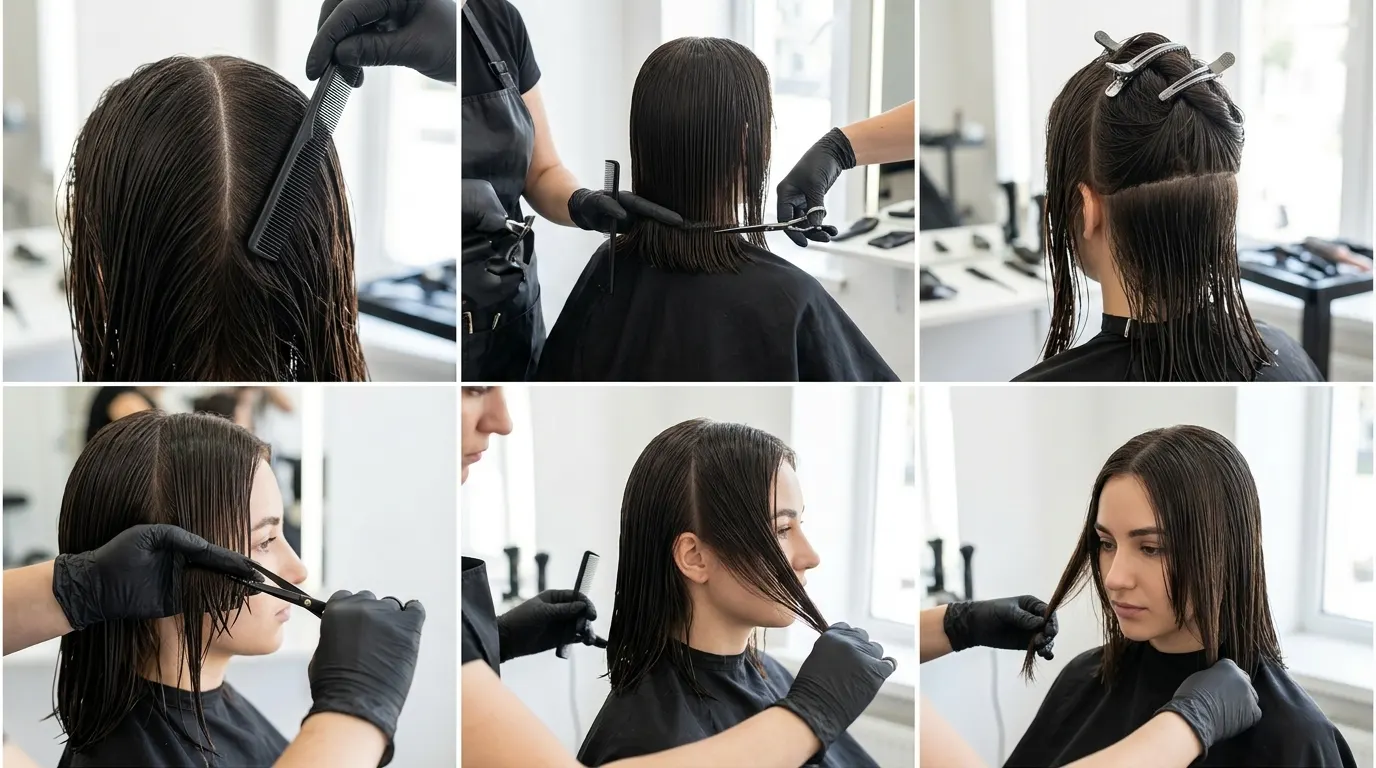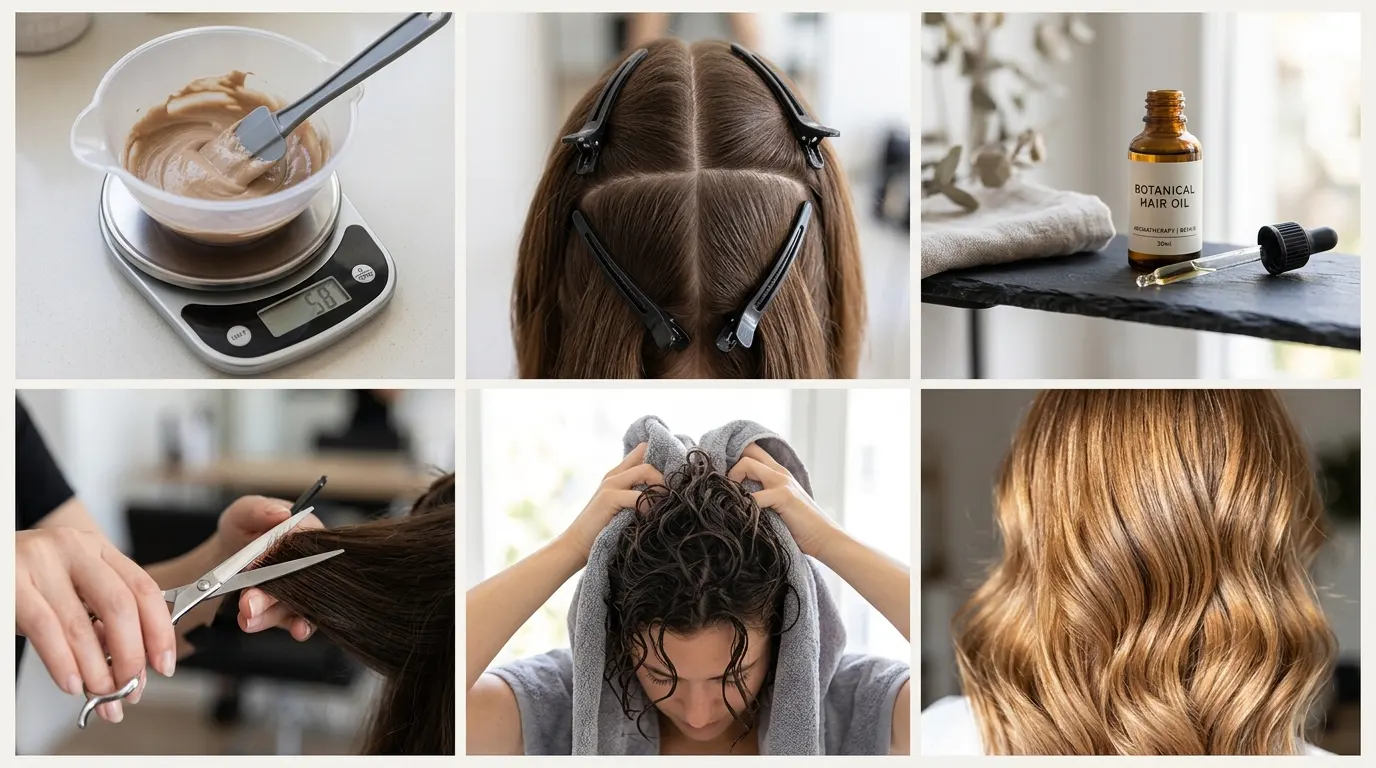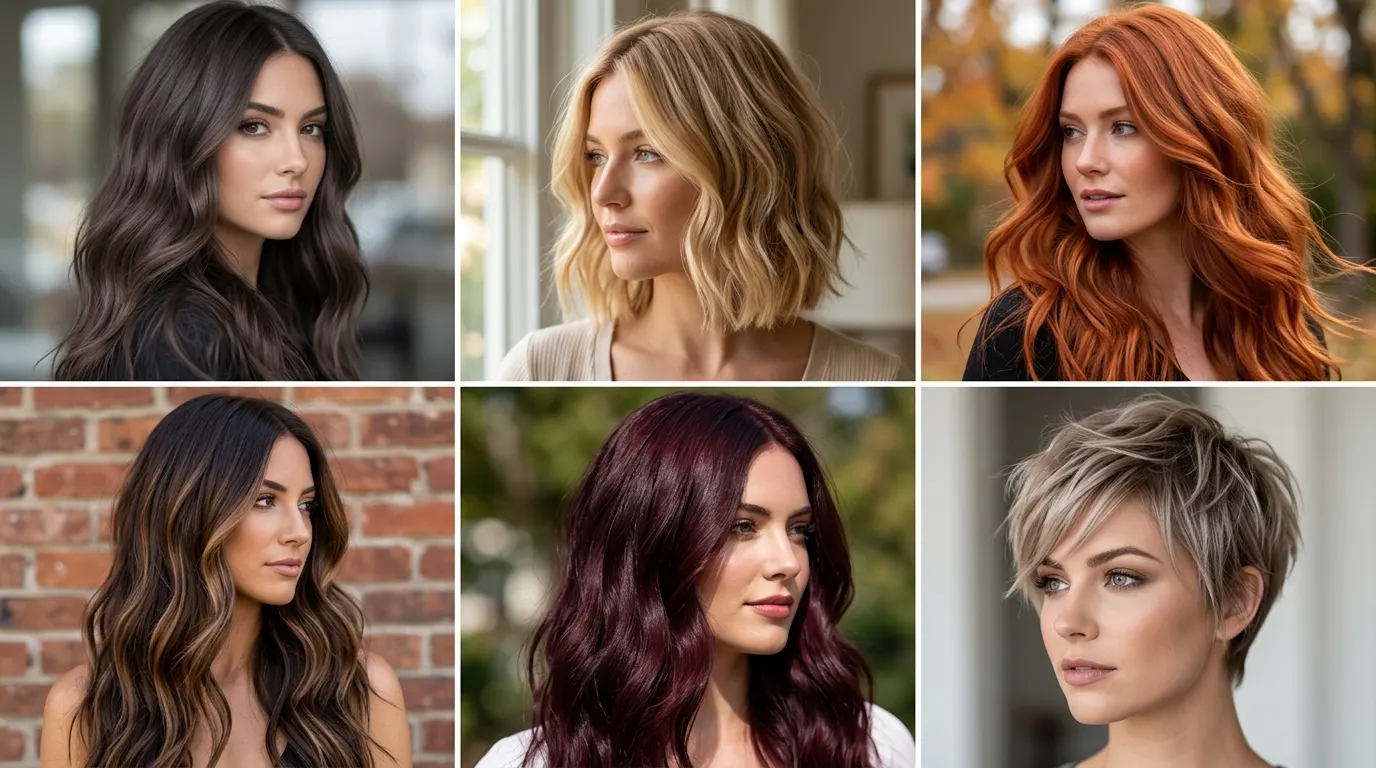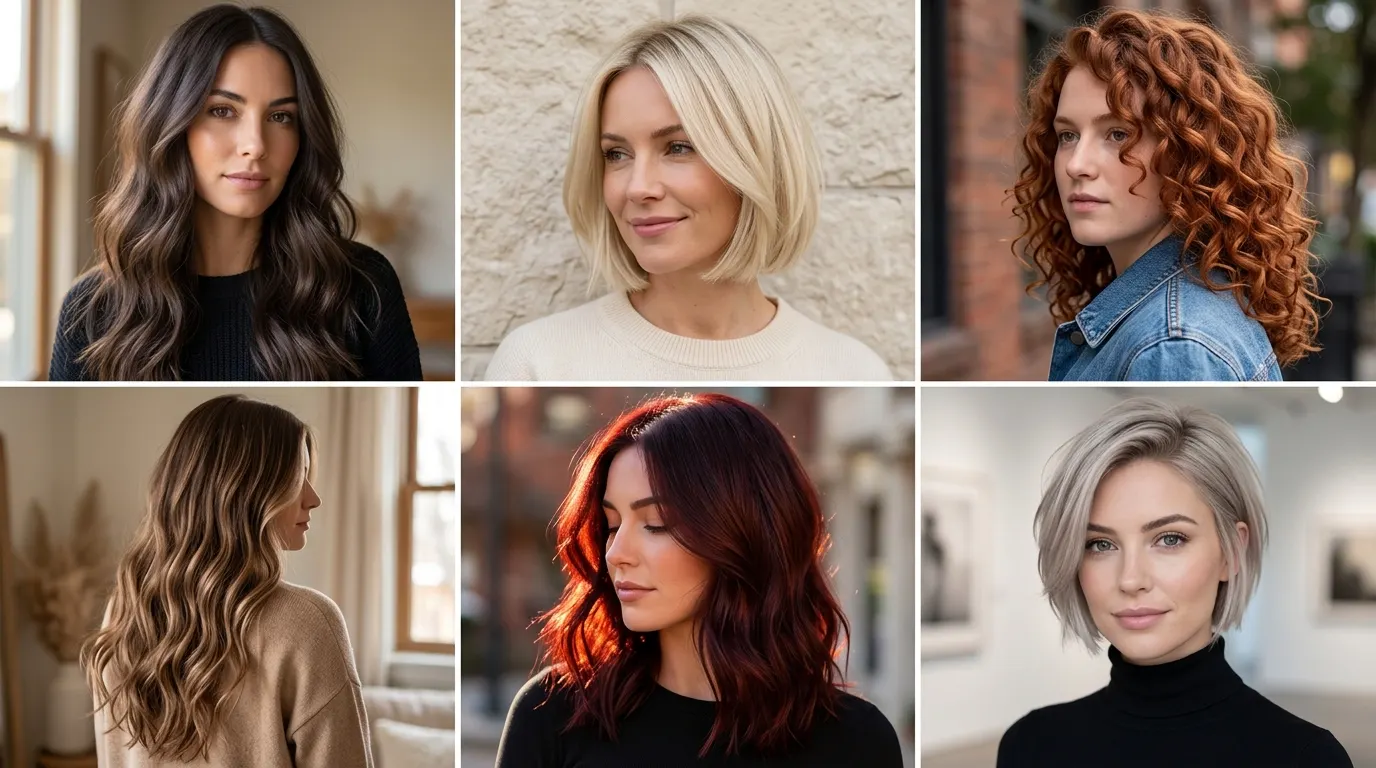

Can you soften incoming silver roots against a deep brunette base without committing to touchups every three weeks? The harsh visual divide between pigmented espresso strands and natural white hair fibers makes traditional solid coverage a grueling chore.
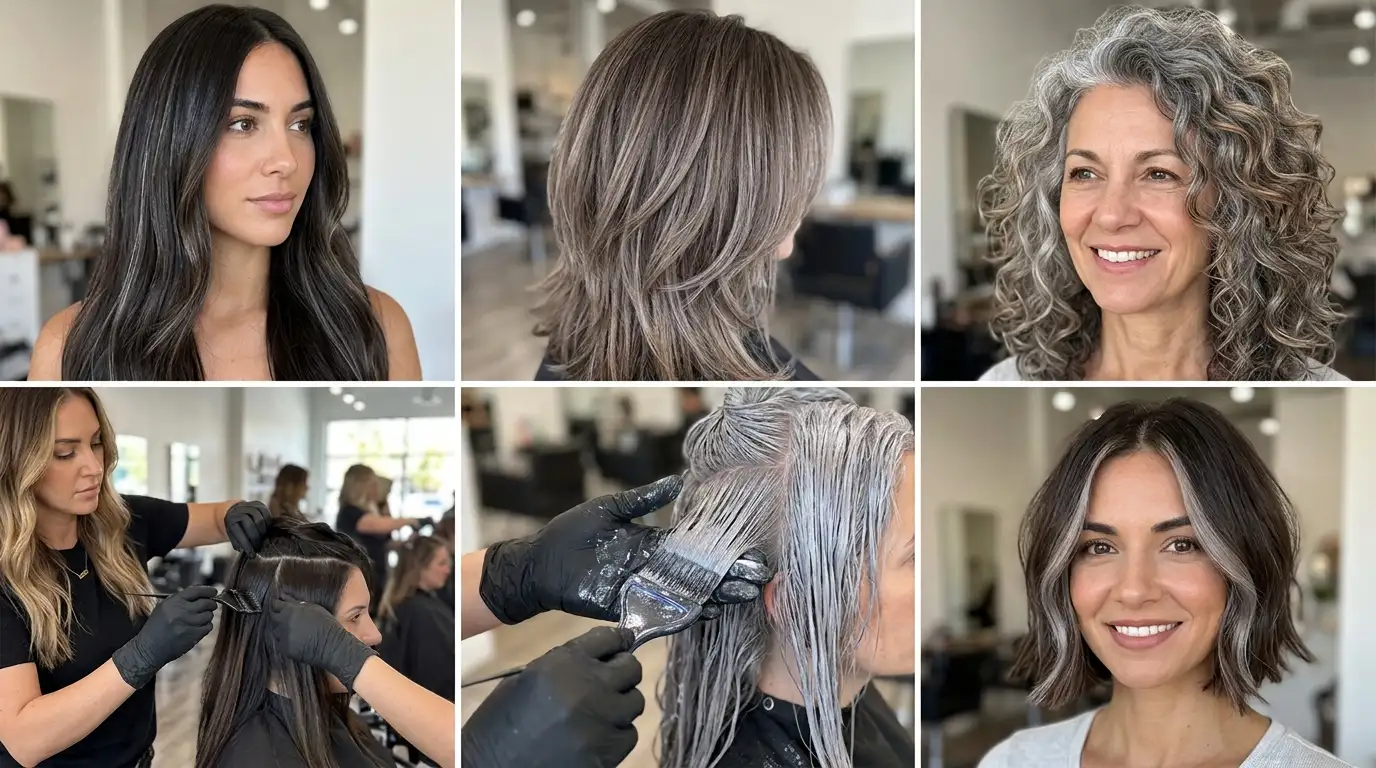
Switching your routine to gray blending hair dark brown turns that rigid line into a diffused, intentional mix of depth and reflection. Achieving a seamless grow-out requires replacing opaque permanent hair dye with low-impact weaves, targeted demi-permanent glazes, and strategic lowlights that honor your natural pattern.
Treating Gray Hair as a Solid Barrier to Paint Over
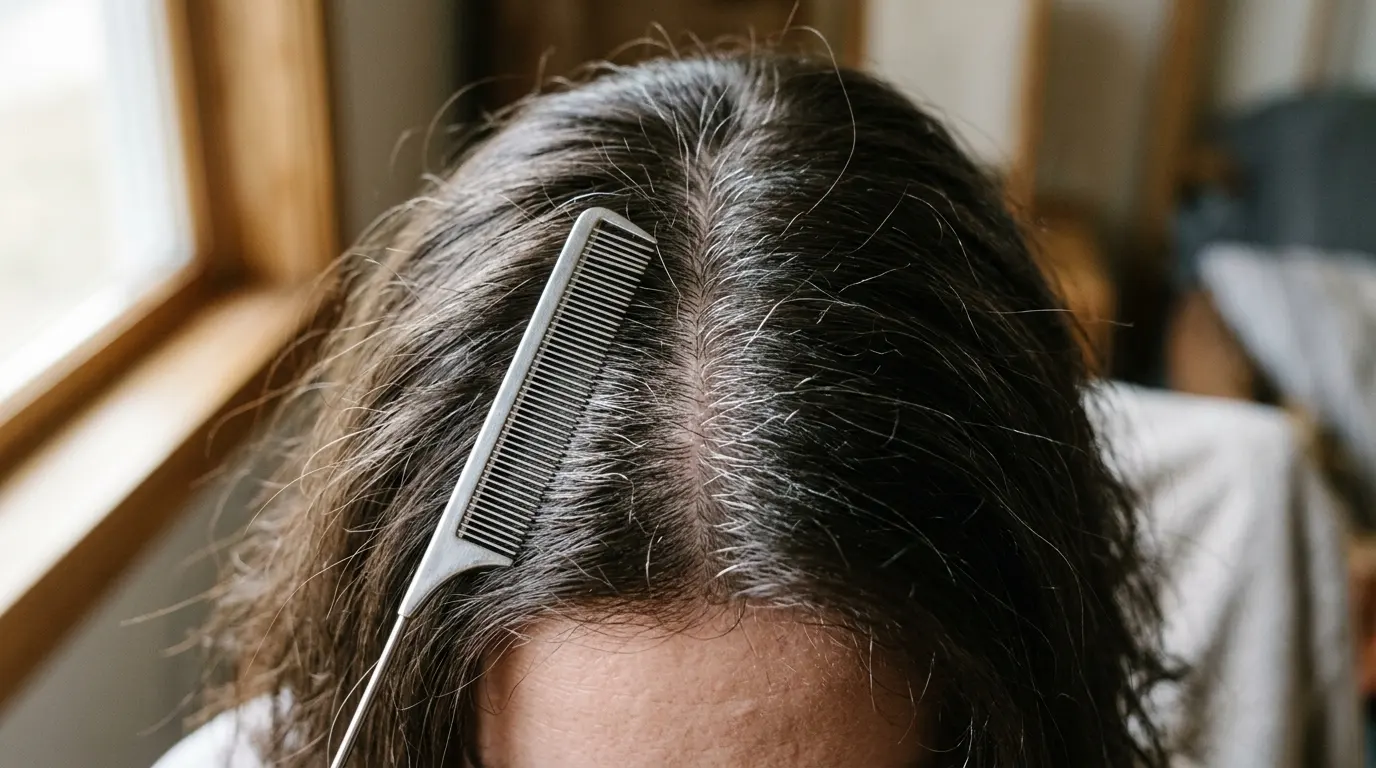
Wiping an opaque level three permanent tint over the scalp seems like the easiest way to silence new silver growth. But human scalp hair grows roughly half an inch every thirty days. That solid application produces a sharp, light-colored gap along your parting line before four weeks pass.
- The root cause: Permanent dye saturates every hair shaft equally, wiping out the natural multi-tonal variation that gives depth to dark brunette textures.
- The technical fix: Transition to a demi-permanent sheer gloss mixed with a low-strength 6-volume developer. This deposits color into translucent gray fibers, turning them into subtle hazelnut and toffee accents while leaving natural dark brown shafts largely untouched.
Expect to spend between $130 and $190 for a professional demi-permanent gloss service in 2026.
This translucent approach will struggle if your head has more than seventy percent coarse white density across the forehead, where sheer pigments can wash out into a pale khaki cast within two weeks.
Blasting Dark Brunette Follicles with High-Lift Bleach
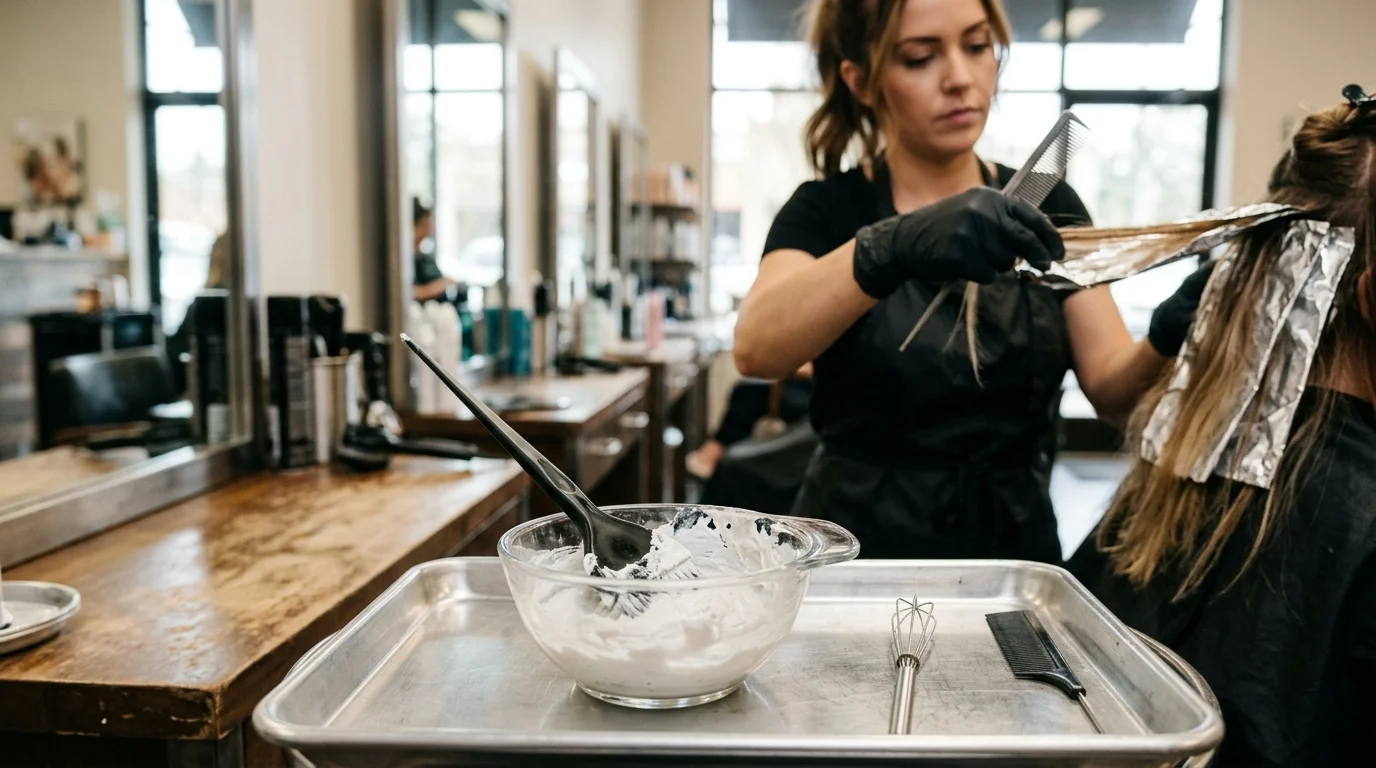
Reaching for high-powered bleach with 40-volume developer to match dark brown strands to cool white hair strips away structural lipids. Dark brown hair contains dense eumelanin and phaeomelanin. High-lift chemicals tear open the hair cuticle, leaving strands feeling like rough wool and exposing brassy orange undertones.
- The root cause: Aggressive chemical processing strips away essential amino acids before dark brunette pigment can clear the stubborn orange phase.
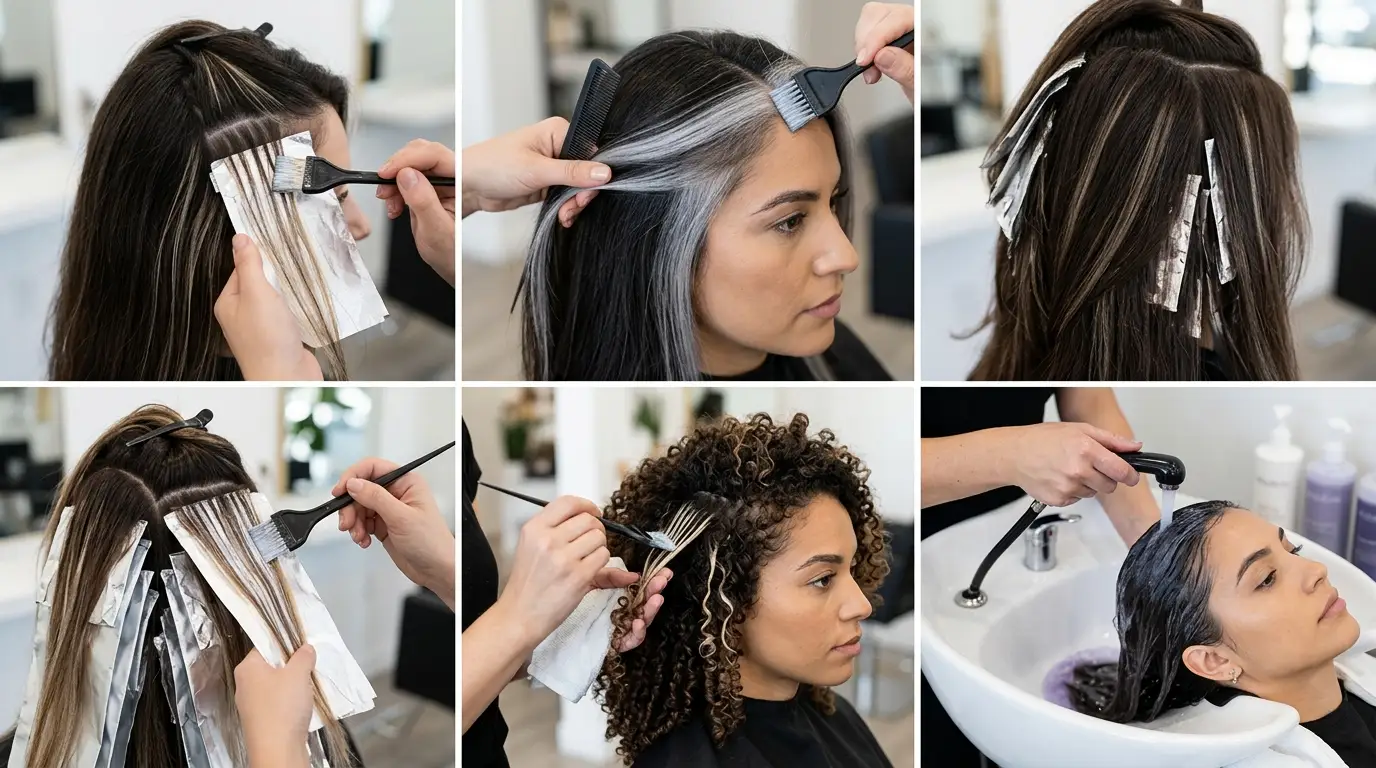
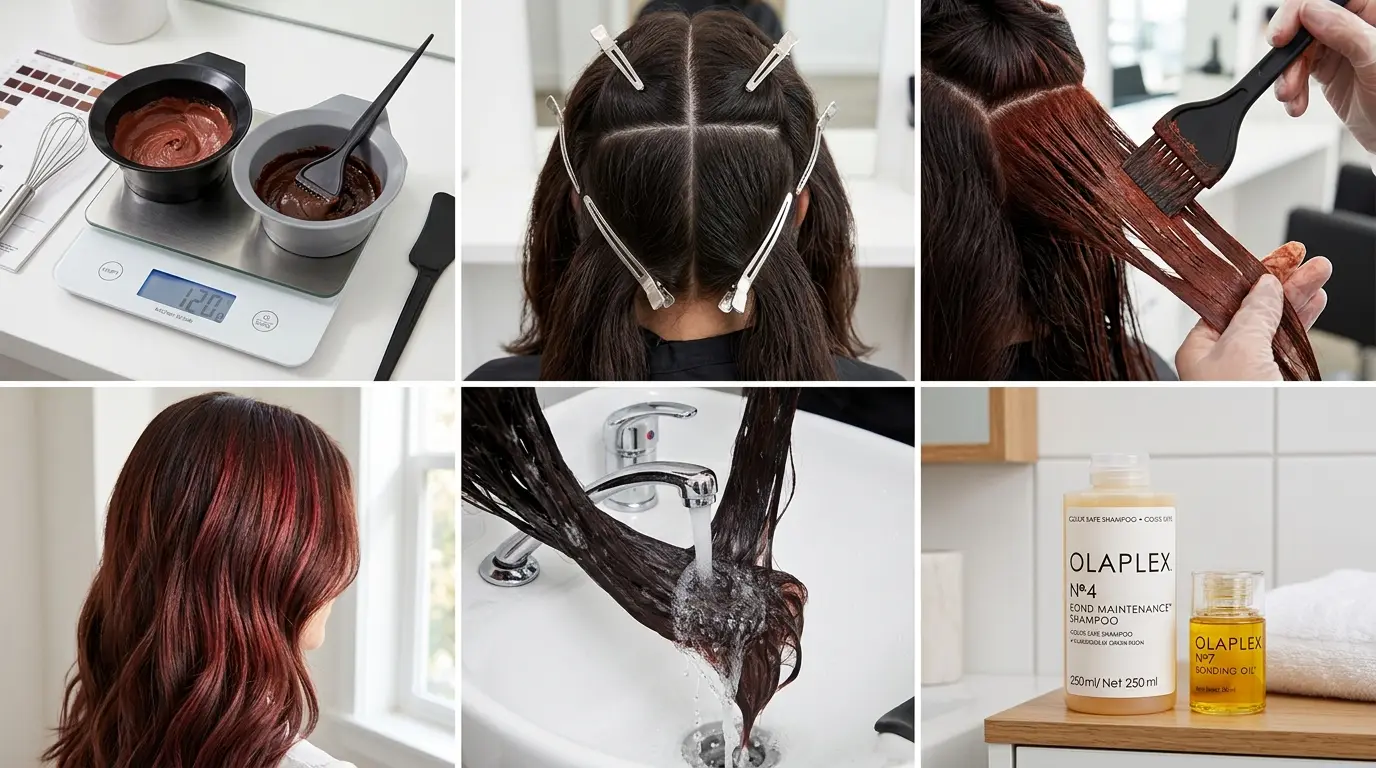
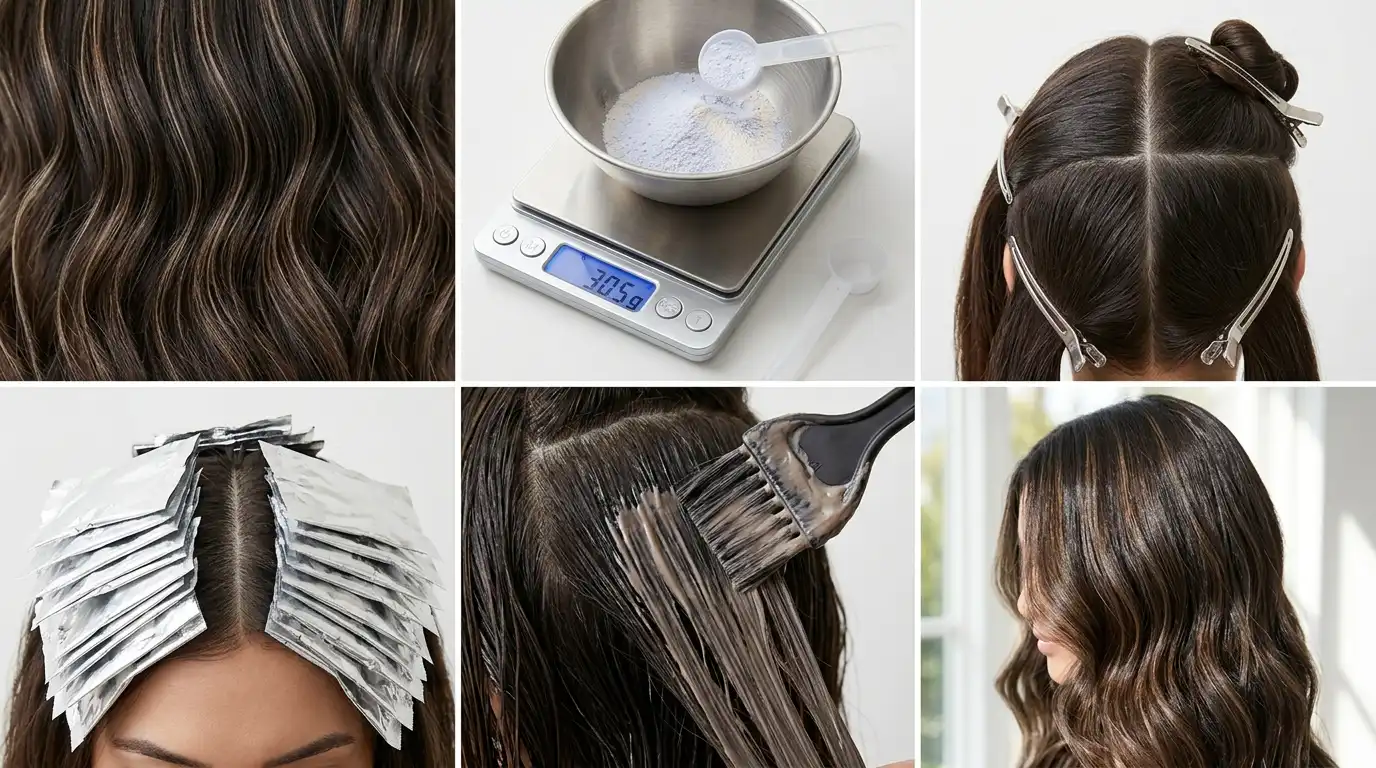
- The technical fix: Paint fine babylights using gentle kaolin clay-based lightener mixed with 20-volume developer. Work in diagonal slices, processing for thirty-five minutes up to a pale level eight gold before applying an ash-violet glaze.
Mix an active bond-building additive containing bis-aminopropyl diglycol dimaleate directly into your bleaching bowl to safeguard protein structure.
Chemically relaxed or permed hair will break under this lifting process, so stick to non-bleach deposit glazes until damaged ends grow out.
Ignoring Old Box Dye Layers Across Mid-Lengths
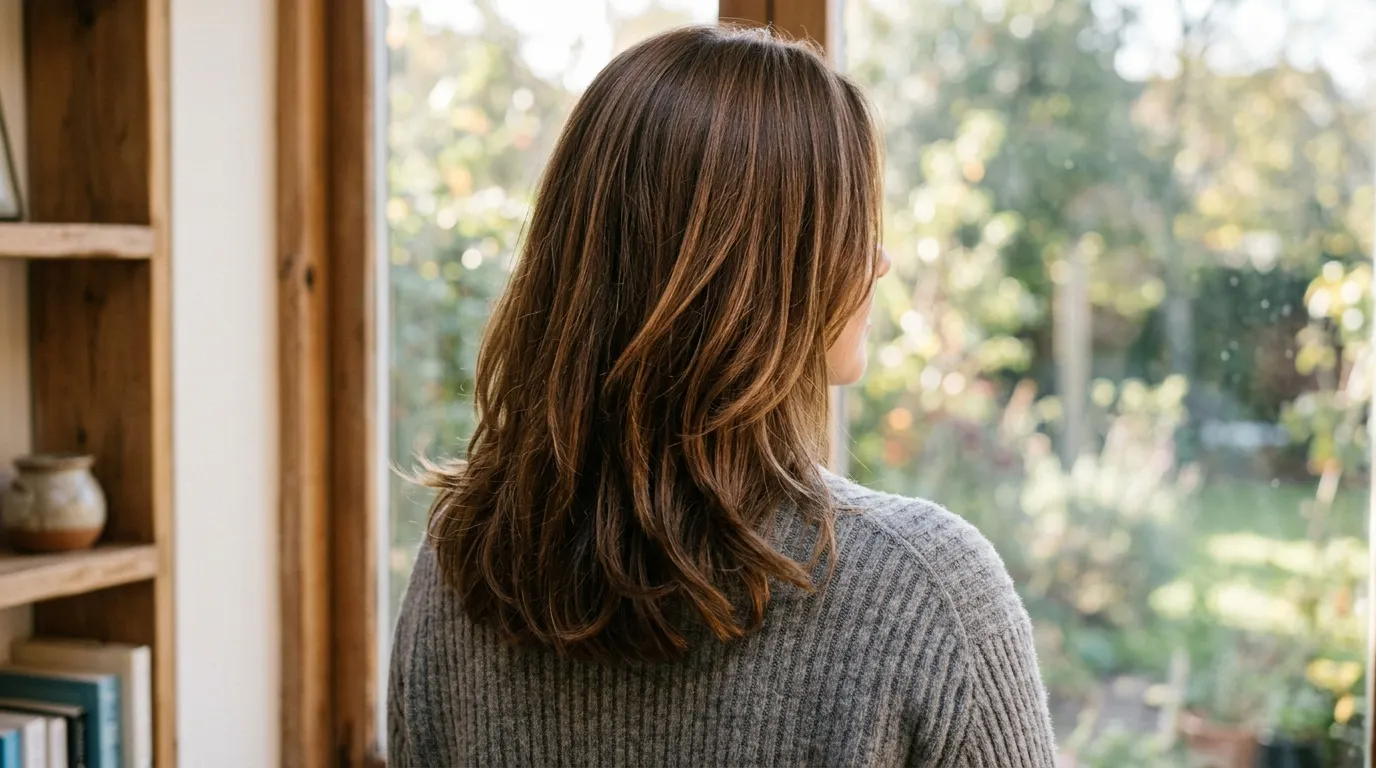
Booking an appointment for salon highlights without detailing three years of drugstore box dye leads straight to orange-banded hair. Drugstore box kits deposit metallic salts and progressive pigments that weld themselves inside the hair cortex over repeated applications.
- The root cause: Lightener lifts virgin roots cleanly to a pale yellow while stalling out against stubborn synthetic dye molecules on the mid-lengths.
- The technical fix: Apply an acidic, sulfur-based color reducer forty-eight hours before your lightening session. This chemical treatment shrinks artificial pigment clusters so they wash away down the drain without altering natural virgin growth.
Always run a test strand on a concealed hair section at the nape to check how much synthetic red remains before proceeding.
Be aware that sulfur color extractors produce a pungent aroma during application, requiring a well-ventilated space and repeated clarifying rinses.
Troubleshooting Gray Blending Problems on Brunette Strands
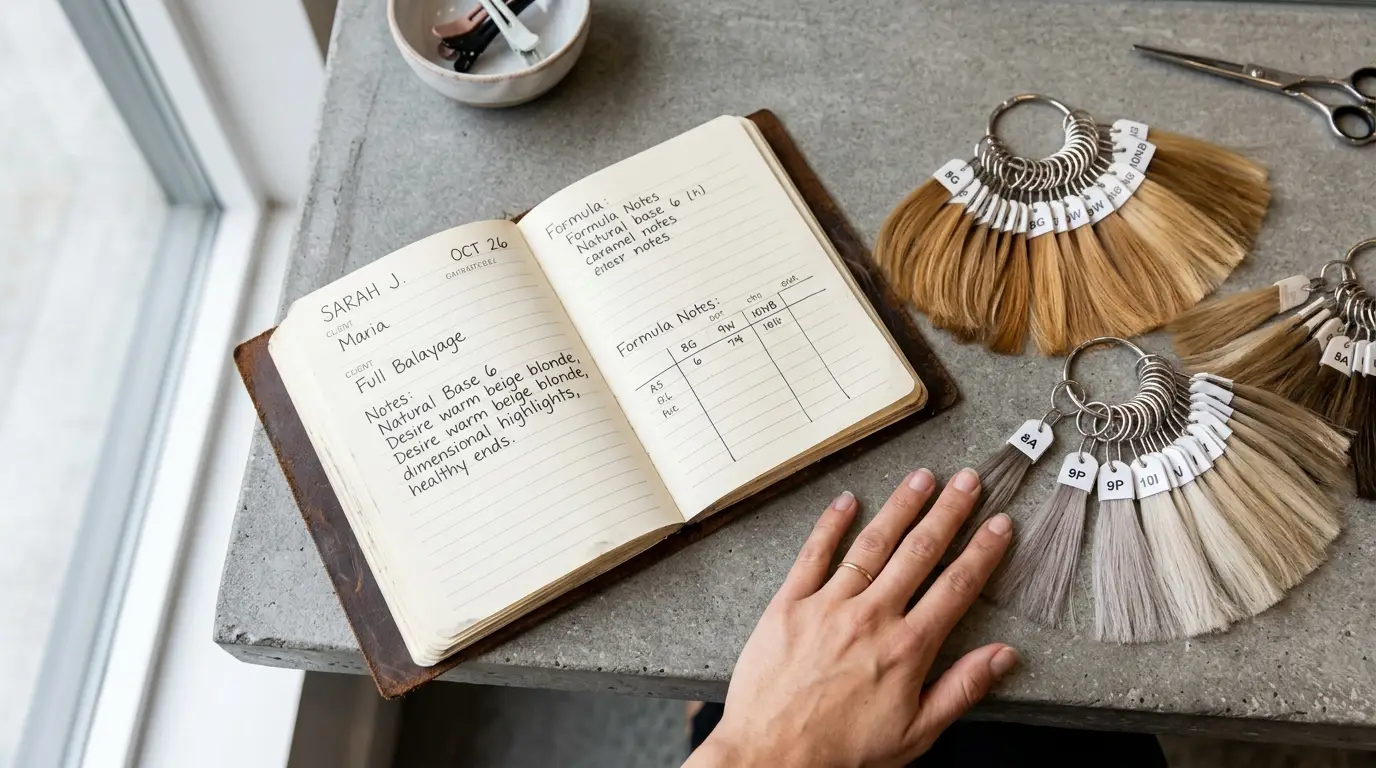
| Problem | What Causes It | What To Do Instead |
|---|---|---|
| Dull green cast on hair ends | Yellow bleached undertones mixed with blue toner pigment | Apply a sheer peach or rose-gold filler toner to replace red undertones before depositing cool ash tones |
| Muddy mid-length bands | Pulling dark lowlights over porous, previously lightened ends | Mist a protein porosity equalizer across damaged zones before brushing through level six neutral lowlights |
| Obvious horizontal stripes | Foiling hair sections parallel to the natural head parting | Place foil packets on a forty-five-degree diagonal angle to scatter light reflections naturally across layers |
Selecting Warm Golden Glazes Instead of Cool Ash Toners
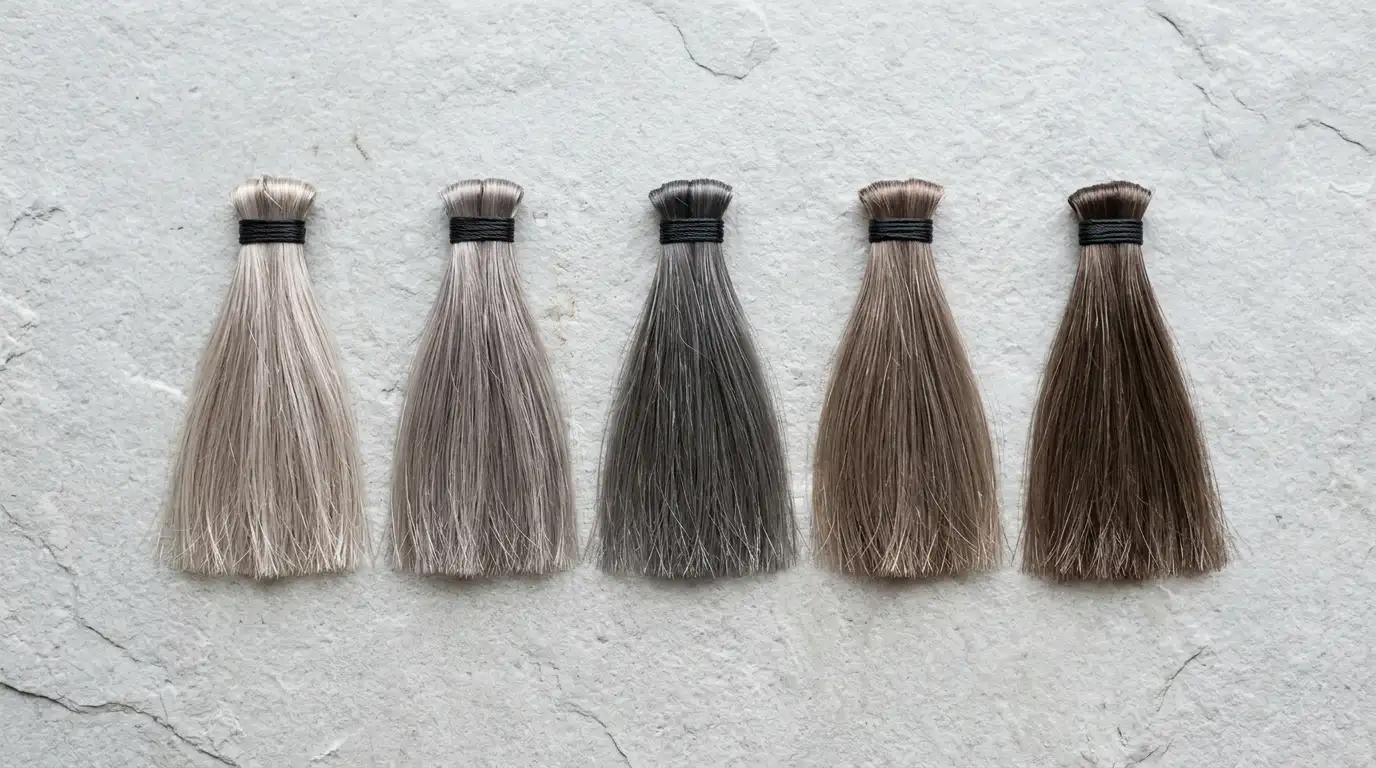
Brushing warm caramel or honey toners over salt-and-pepper hair creates a brassy ring around the forehead and temples. White hair lacks melanin, which makes warm formulations register twice as vibrant on gray strands compared to adjacent dark brown hairs.
- The root cause: Warm gold reflections amplify underlying warmth in lightened strands, clashing with the cool slate hue of natural silver.
- The technical fix: Formulate with a slate pearl or iced mocha toner mixed with a dedicated zero-lift processing lotion. This deposit-only toner neutralizes brass without disturbing your virgin dark brown base.
A salon toner service runs between $85 and $125 in 2026 and takes roughly twenty minutes to develop at the shampoo bowl.
Install a multi-stage shower head filter at home, as trace iron and copper in city tap water will turn cool slate toners brassy in fewer than ten days.
Forcing Frosty Platinum Streaks Over Warm Olive Skin
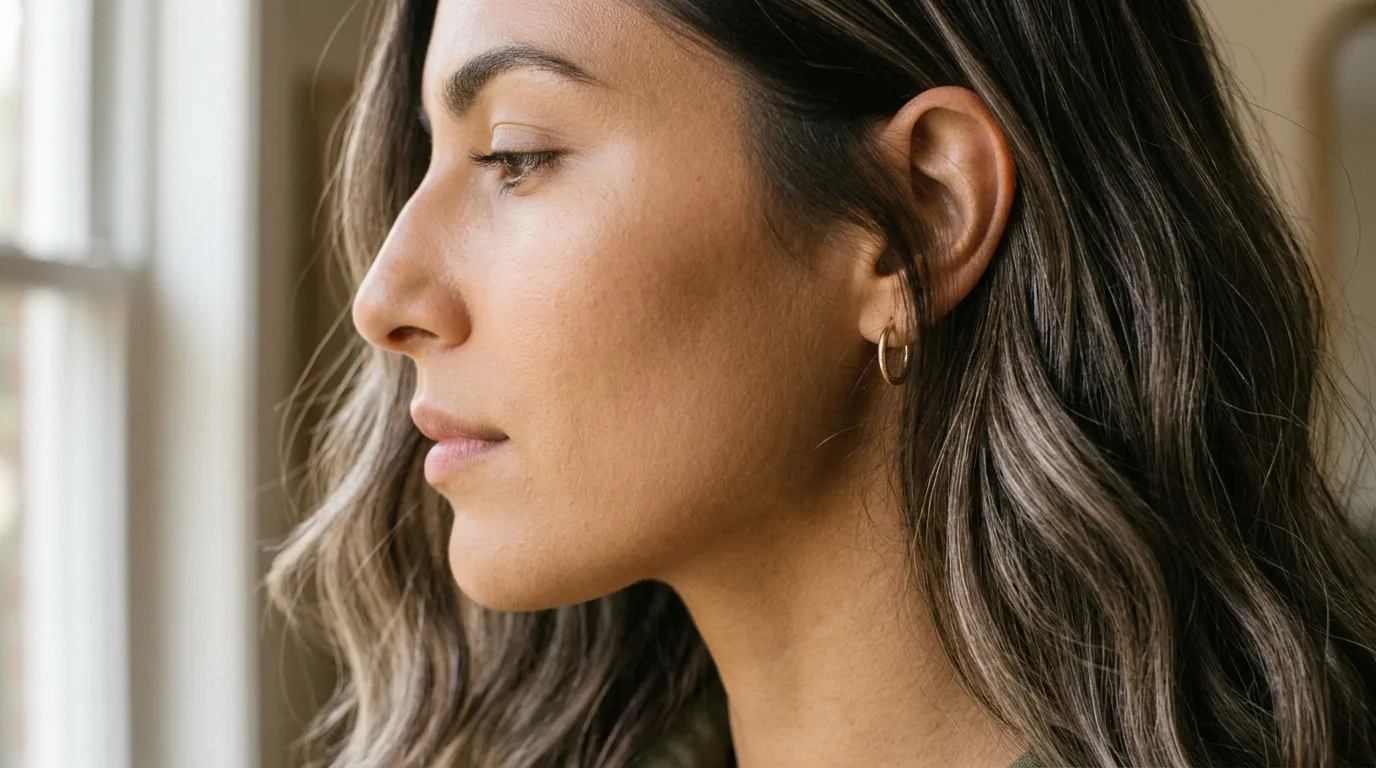
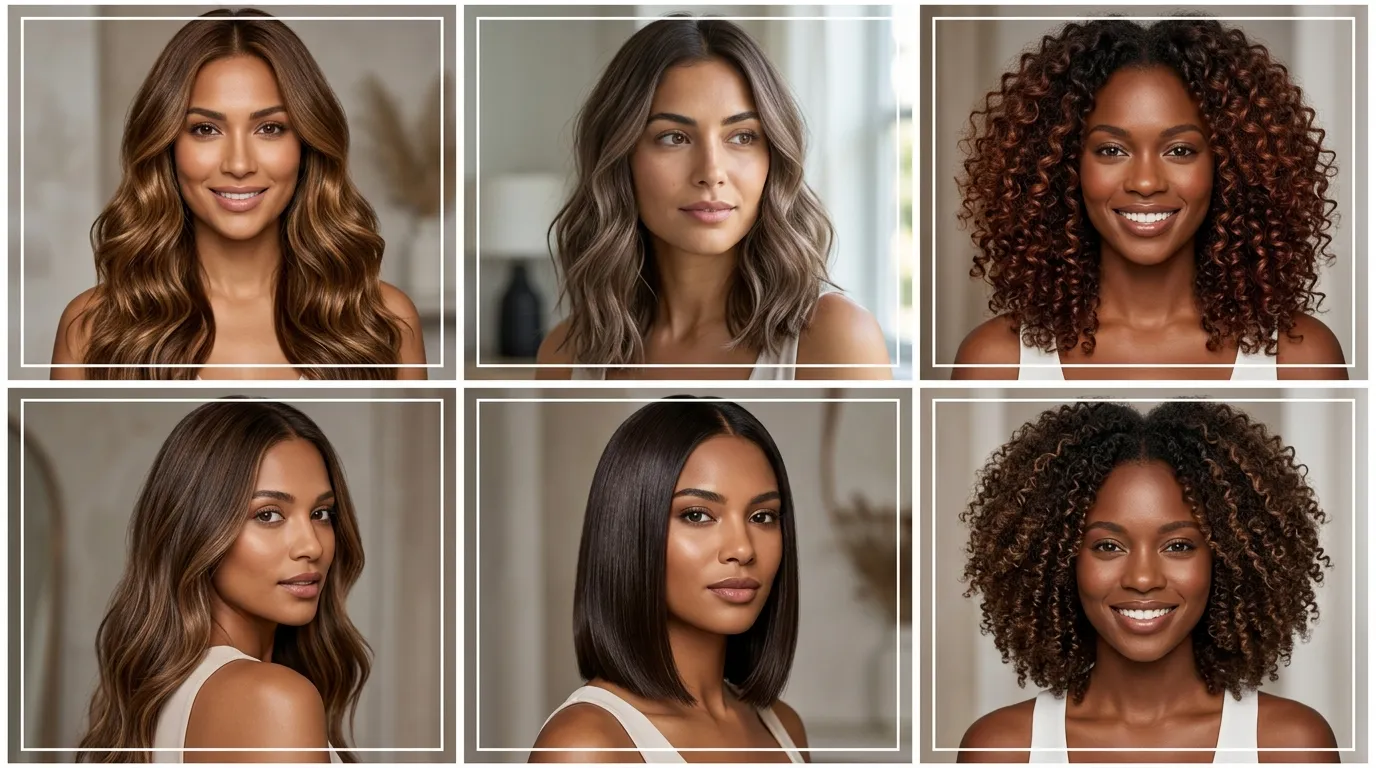
Placing icy white streaks around the perimeter of warm olive or deep golden complexions drains warmth from the skin, leaving your face looking drawn. Gray blending hair dark brown must complement your skin undertones, not just match the silver strands near your scalp.
- The root cause: High-contrast cool reflections cast blue shadows across the jawline, emphasizing hollows and under-eye discoloration.
- The technical fix: Pair subtle mushroom brown lowlights with faded taupe highlights. This balanced palette grounds your overall shade while letting natural silver peek through like fine metallic threads.
Check the underside of your forearm under morning window light; greenish veins point to warm undertones that benefit from neutral mushroom brown rather than icy gray.
This softer tonal balance saves you time and money by avoiding the multiple bleach sessions needed to maintain platinum strands.
Stripping Gloss Toners with Boiling Water and Hot Tools
Toned silver strands turn chalky and brassy within two weeks when hit with scalding water and bare styling irons. Hair that has lost its melanin is naturally porous, meaning it absorbs minerals and sheds salon toner rapidly.
- The root cause: Direct heat past 340 degrees Fahrenheit scorches toner molecules, while hot water expands cuticle scales and washes pigments down the drain.
- The technical fix: Cleanse with an acid-balanced shampoo boasting a pH between 4.5 and 5.5, keeping water temperature under ninety-eight degrees Fahrenheit. Dial curling irons down to 300 degrees Fahrenheit, and apply a lightweight dimethicone heat spray before styling.
Book an in-salon chelating treatment every eight weeks to remove built-up mineral deposits before refreshing your toner.
Neglecting heat protection leaves lightened ends brittle, resulting in fuzzy flyaways and split ends around your face frame.
Erasing All Natural Depth by Skipping Lowlights
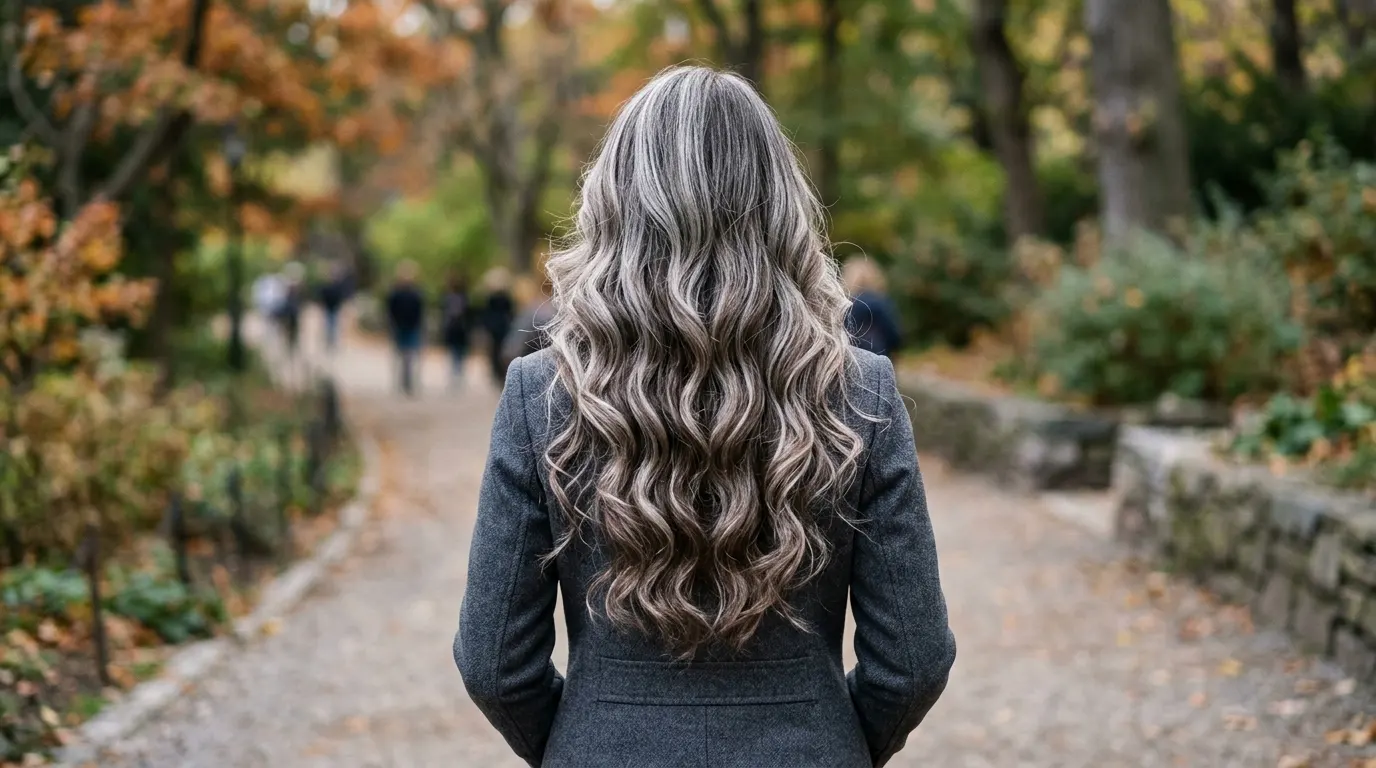
Covering hair that is fifty percent gray with packed blonde foils creates a flat, washed-out finish. Dark hair relies on depth and shadow behind lighter pieces to create the appearance of thickness and movement.
- The root cause: Over-foiling without returning depth wipes out the contrast that makes brunette hair look healthy and dimensional.
- The technical fix: Alternate two lightener foils with one lowlight foil containing a level five neutral brown demi-permanent cream. Focus these deeper ribbons through the interior and under-layers while keeping the hairline soft.
This lowlight placement stretches the gap between full salon visits to twelve or sixteen weeks.
Avoid running lowlights through the hair ends at every visit, as pigment builds up over time and produces dark, murky ends that resist future lightening.
The Most Expensive Gray Blending Pitfall to Dodge
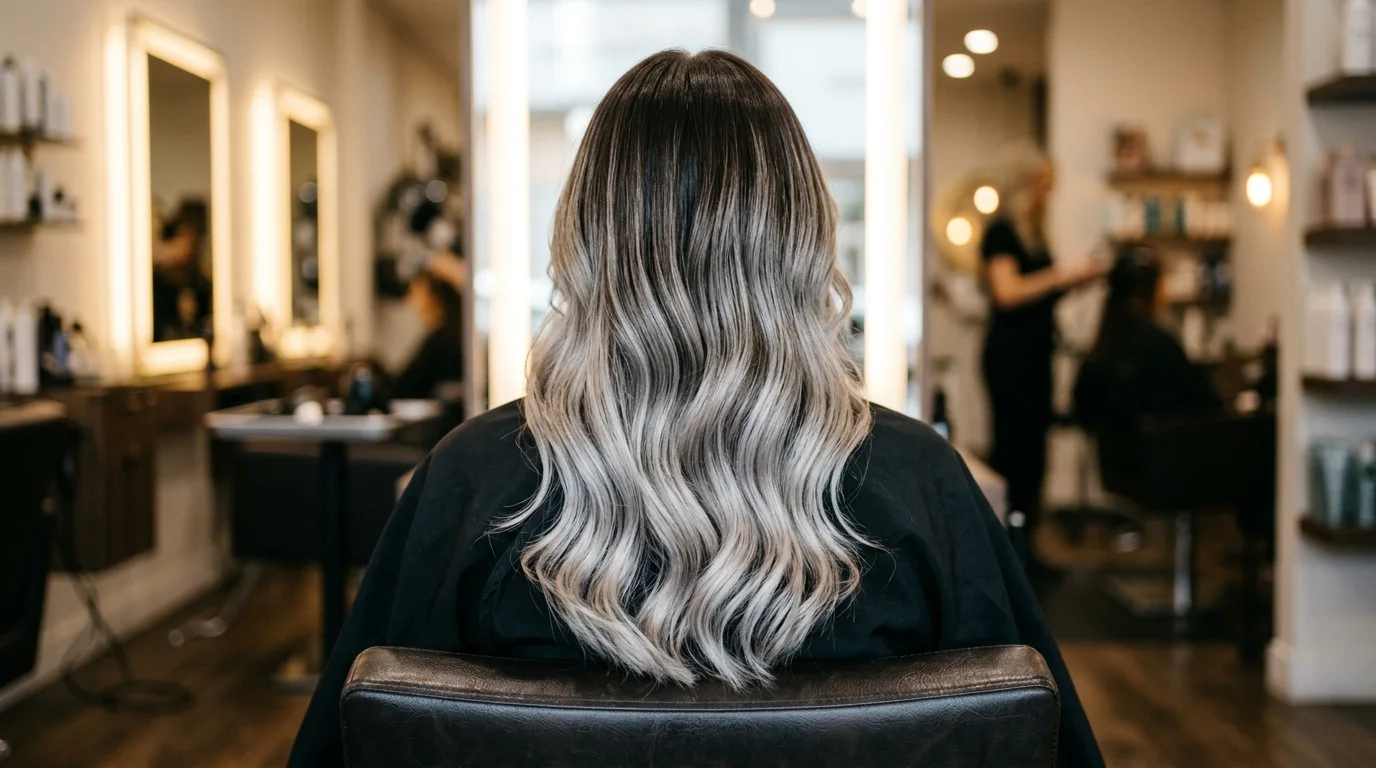
Attempting to dissolve old dark box dye at home using powdered bleach kits remains the costliest misstep in gray blending hair dark brown. Patchy chemical bands and severe hair breakage often demand three separate salon visits that easily run past $650 in corrective charges.
Protect your hair by booking an initial strand consultation to evaluate hair elasticity and growth patterns before putting any bleach on your head. Starting with a gentle demi-permanent root smudge and subtle perimeter babylights gives you low-stress grow-out, minimal salon visits, and healthy, shiny hair through every season.
Frequently Asked Questions
Why does gray hair turn brassy or yellow without hair dye?
Silver hair contains no natural melanin pigments to shield structural keratin from heat and UV rays. Sunlight and flat iron heat break down the amino acid tryptophan within the hair cortex, creating yellowish byproducts called kynurenines that require an occasional violet-tinted wash to neutralize.
Can coarse gray hair take in liquid toners effectively?
Coarse white hair features a tightly packed, glassy cuticle layer that resists watery glazes, whereas porous bleached ends absorb color too quickly. Colorists overcome this by applying an alkaline pre-softener to resistant roots before toner application, creating balanced, uniform pigment absorption across the strand.
What is the mechanical difference between a root smudge and a gray camouflage service?
A root smudge blends lightener foils two inches from the scalp to soften growth demarcation lines. Gray camouflage uses a 5-minute alkaline foam wash that lightly stains gray strands for a subtle peppered look without shifting the tone of the surrounding dark brown hair.
How does curl pattern affect gray blending placement on dark hair?
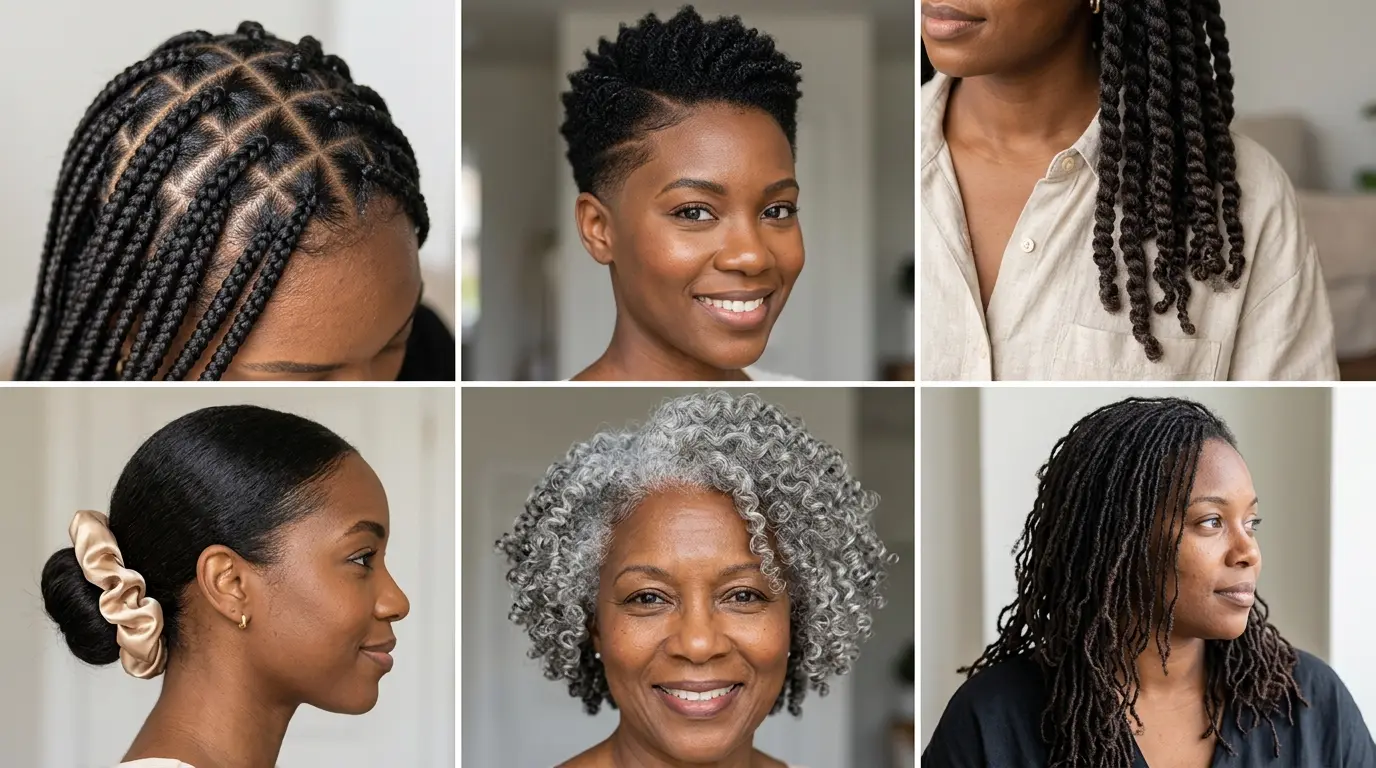
Curly hair groups naturally into distinct ringlets, turning fine foil weaves into an unfocused, frizzy haze. Colorists work around this by hand-painting wider surface ribbons directly along individual curl clusters, preserving curl structure while integrating silver strands into the hair’s natural flow.