
You look in the mirror after a shower and wonder if your flat strands are secretly wavy. Social feeds are packed with clips showing people uncovering ringlets simply by swapping their comb for a handful of gel.
The idea sounds tempting. But trying a curly hair routine on straight hair will not alter your follicle shape. Round hair follicles produce round, smooth strands that resist bending on their own. Oval follicles grow coils. If your hair is truly flat, slathering on heavy butters will only produce slick grease. Yet many people carry an undetected, faint wave that simply needs structural support. Here is how to test your strands, avoid heavy buildup, and set realistic expectations.
1. Clarify with a Sulfate Wash to Reset Buildup
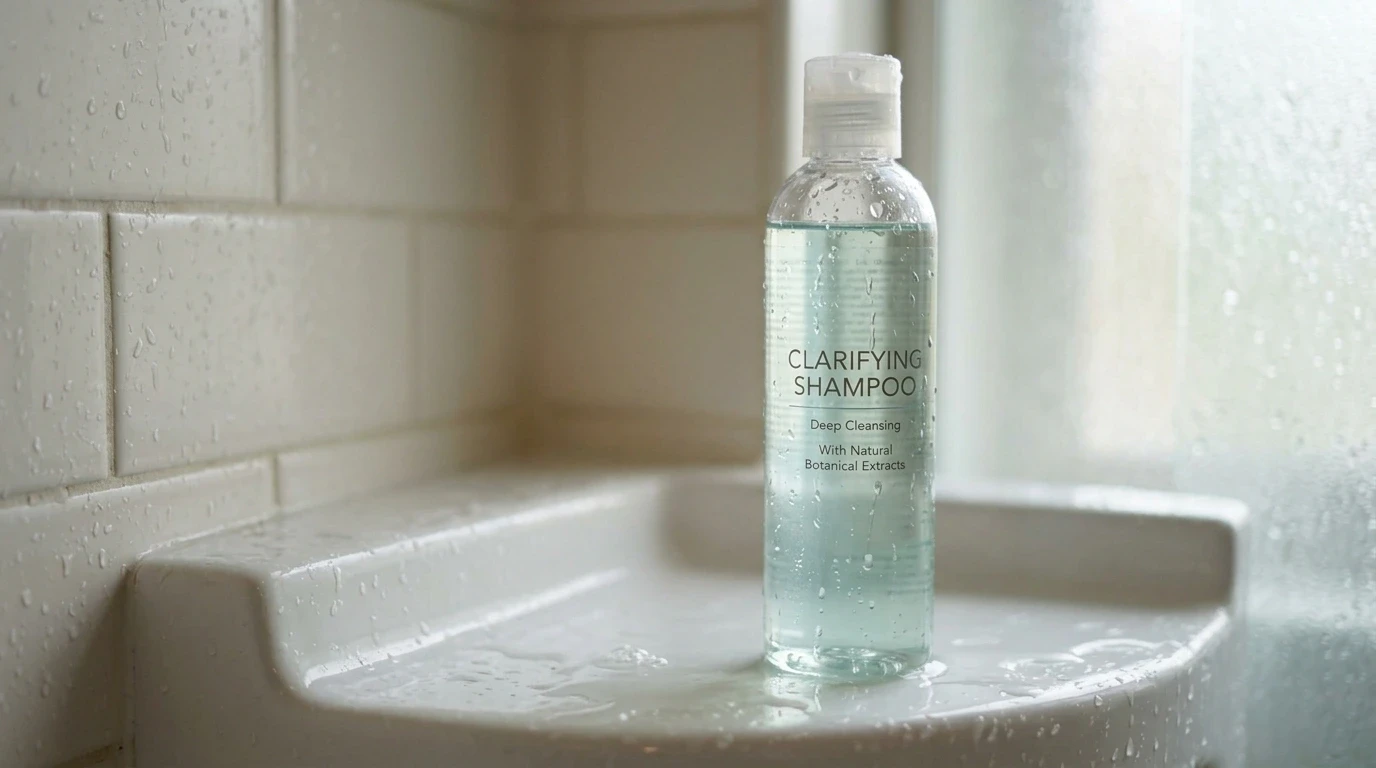
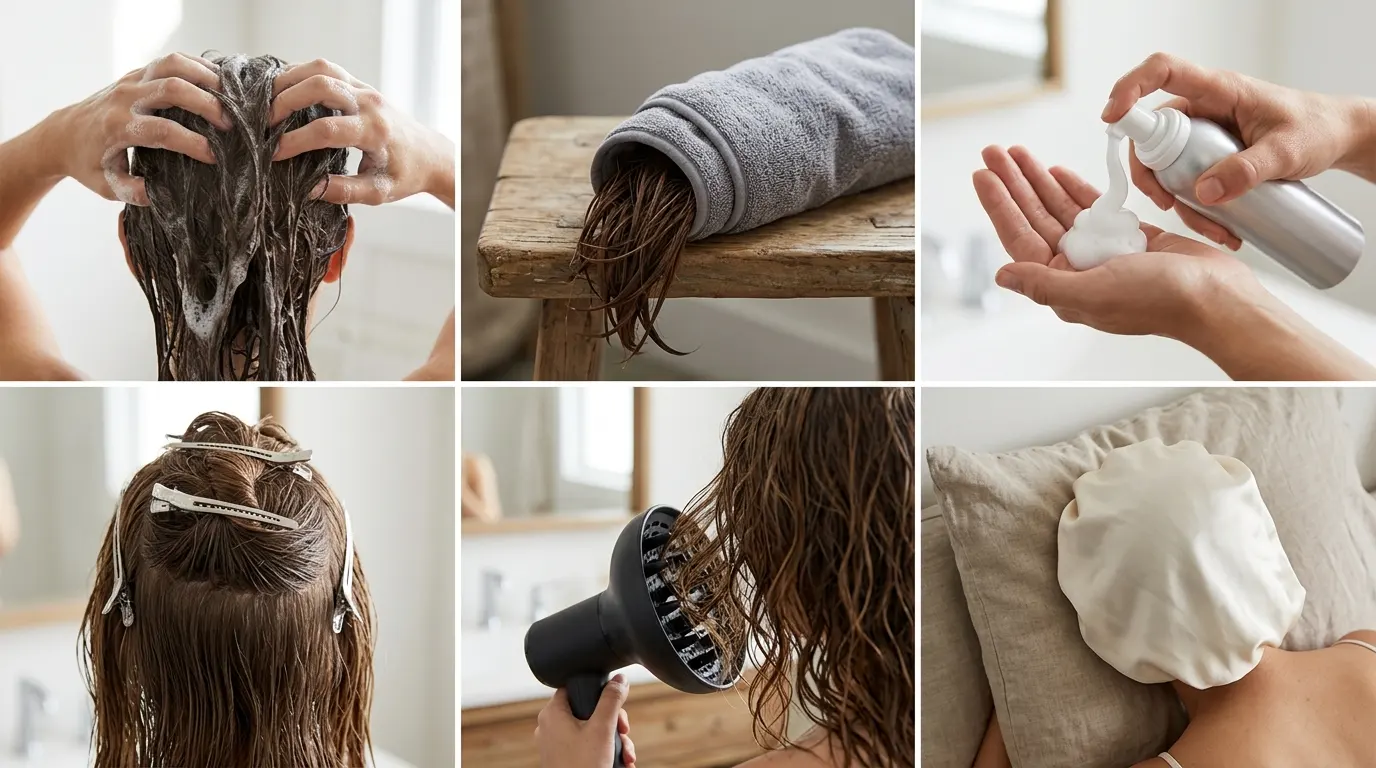
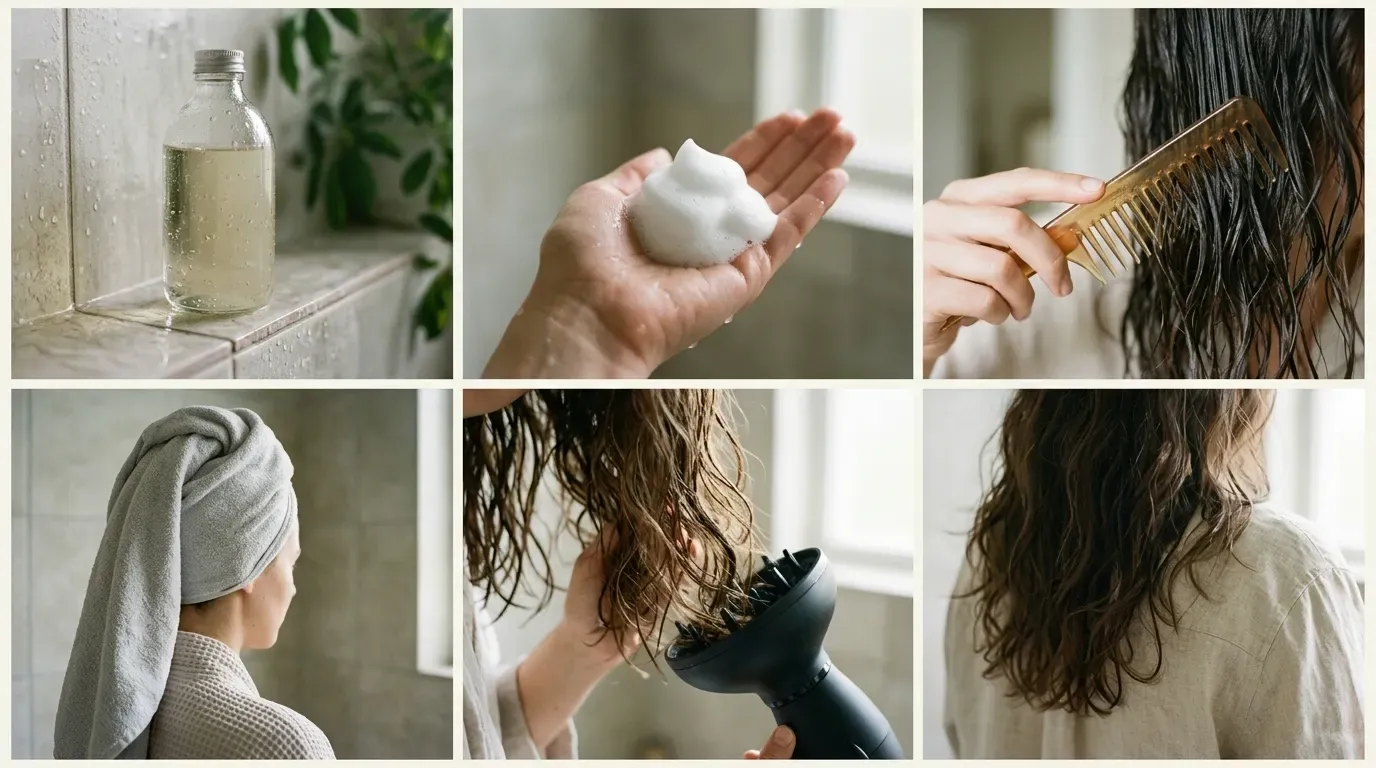
A proper curl experiment begins by stripping away lingering waxes and silicones. Traditional conditioners deposit coatings that weigh down fine texture, making natural movement completely impossible. Grab a basic clarifying shampoo with sodium laureth sulfate to strip the cuticle down to zero.
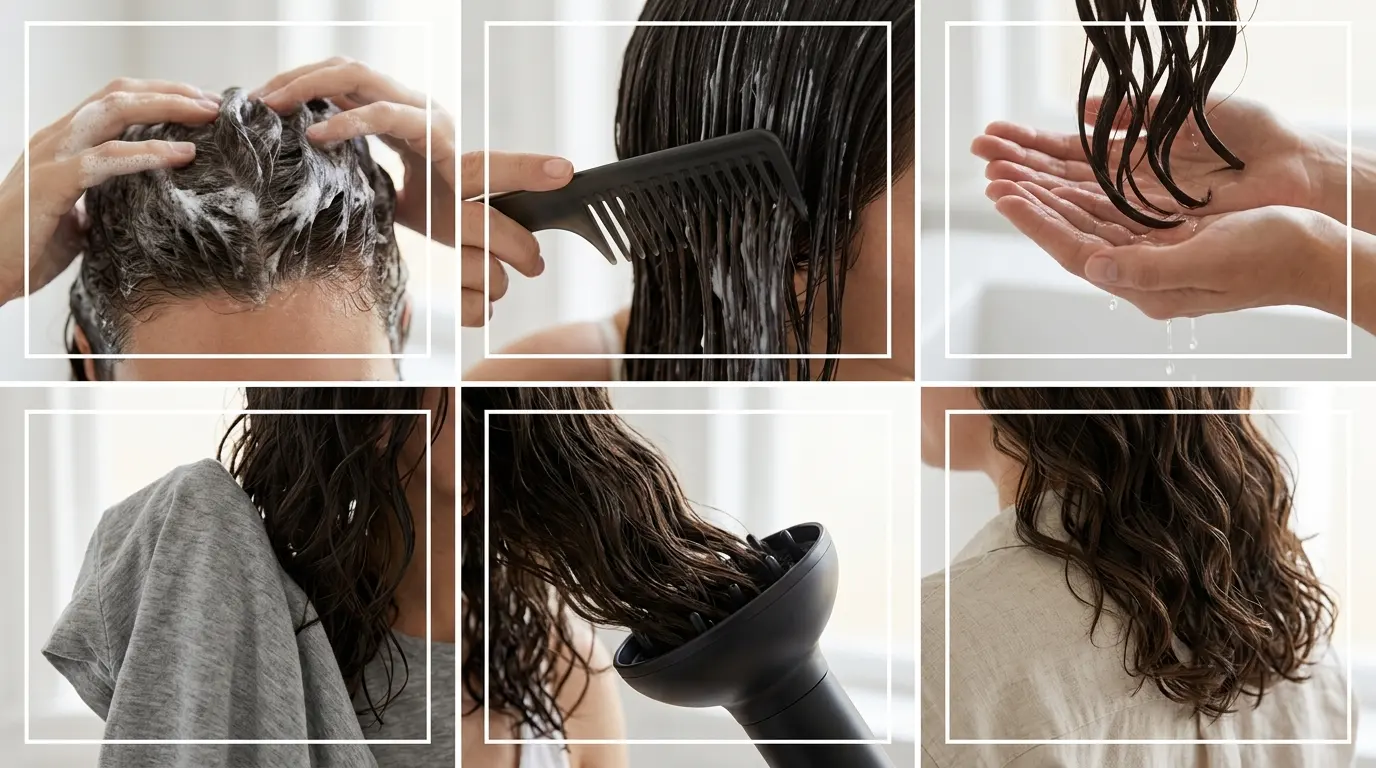
Work the lather directly into your scalp for two full minutes before rinsing with lukewarm water. Your strands will feel rough rather than silky, which indicates a thoroughly cleared surface. Expect to pay between 8 and 14 dollars for an effective clarifying bottle in 2026. This reset should only occur once every few weeks. Doing this daily will strip natural sebum and irritate your skin. This step suits anyone who relies on heavy silicone serums.
2. Replace Cleansing Conditioner with a Weightless Foam
The standard curly girl method urges everyone to co-wash using rich cleansing balms. On flat or fine strands, that practice is a direct path to an oil slick. Conditioner contains mild cleansing agents, but it lacks the surfactant strength needed to lift daily sebum from sleek follicles.
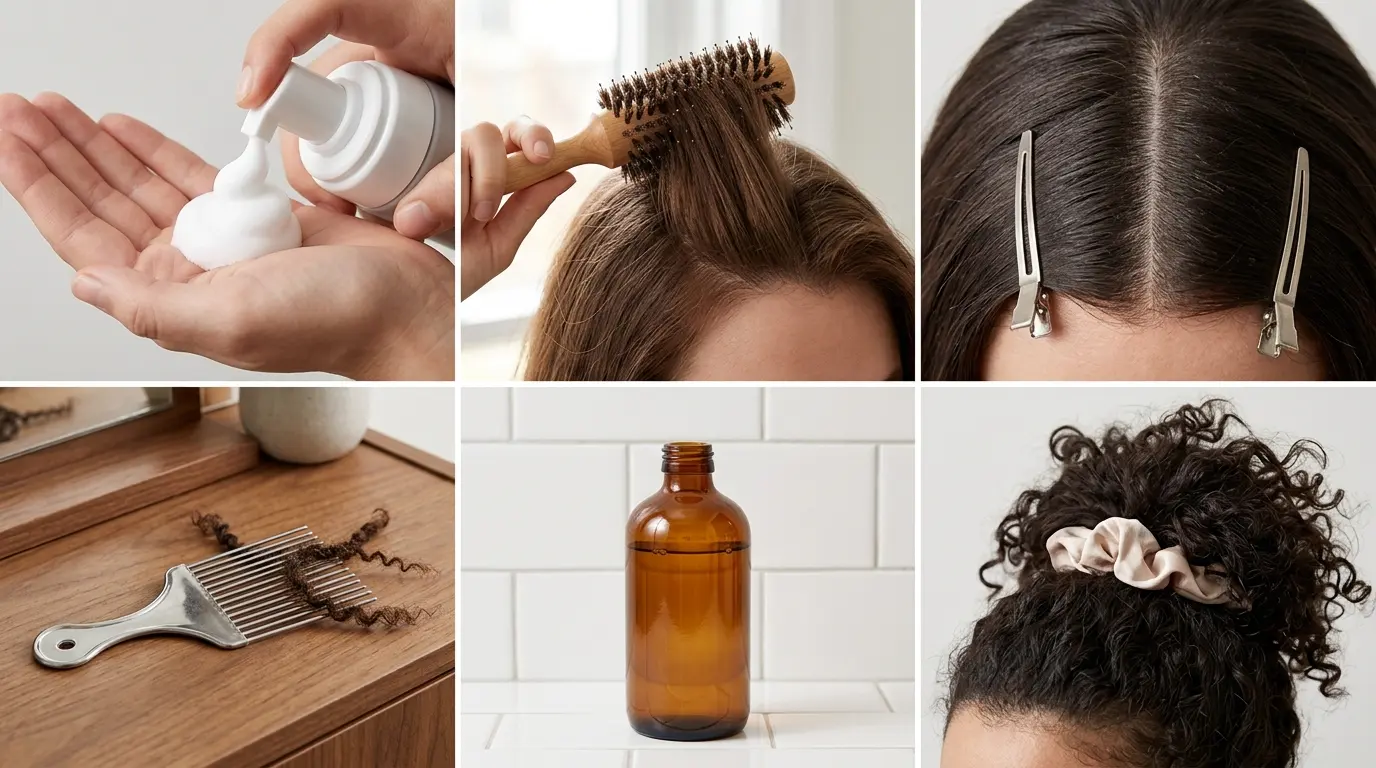
Switch to a sulfate-free foaming wash instead. Massage the foam across your roots with light pressure, letting the suds run through the ends rather than rubbing the lengths together. If you skip this adjustment, your roots will look limp within three hours of air-drying. This trade-off costs roughly 12 to 18 dollars per bottle.
3. Squish Conditioner Horizontally Instead of Upside Down

Conventional advice says to flip your head upside down and scrunch conditioner upward toward the scalp. Flipping forward causes fine strands to tangle severely at the crown, which breaks your pattern the moment you stand upright.
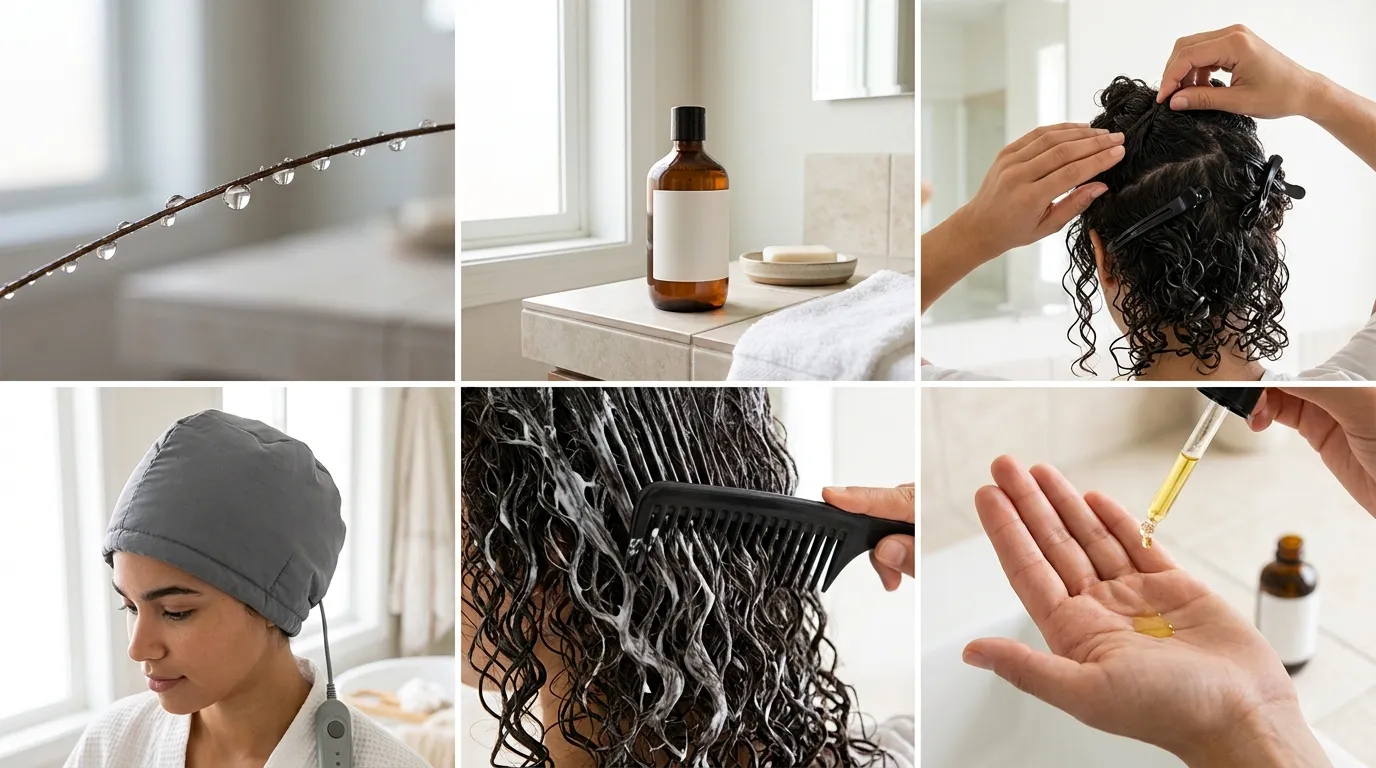
Tilt your head sideways over the tub instead. Glide a dime-sized amount of lightweight, silicone-free conditioner across the mid-lengths, add a splash of water, and squeeze upward. Listen for a squelching sound, which tells you the cuticle is absorbing water rather than merely sitting coated. Comb your parting into place with a wide-tooth rake while the lotion sits. Skip this if your hair is shorter than three inches, as the moisture will migrate directly onto your scalp.
4. Detangle Only While Soaked with Slip
Dry brushing tears through delicate bends and creates an unruly cloud of static. Always comb through your lengths while the conditioner is actively working on wet strands. The product provides slip, allowing knots to unravel without snapping the hair shaft.
Fine waves are fragile when wet, so pull a wide-tooth comb from the bottom two inches upward in small sections. Raking straight down from the root yanks the follicle and causes breakage. A sturdy comb costs roughly 6 dollars and prevents mechanical damage. Pair this step with a gentle water rinse that leaves twenty percent of the conditioner behind on the ends.
5. Apply Strong-Hold Gel to Soaking Wet Strands
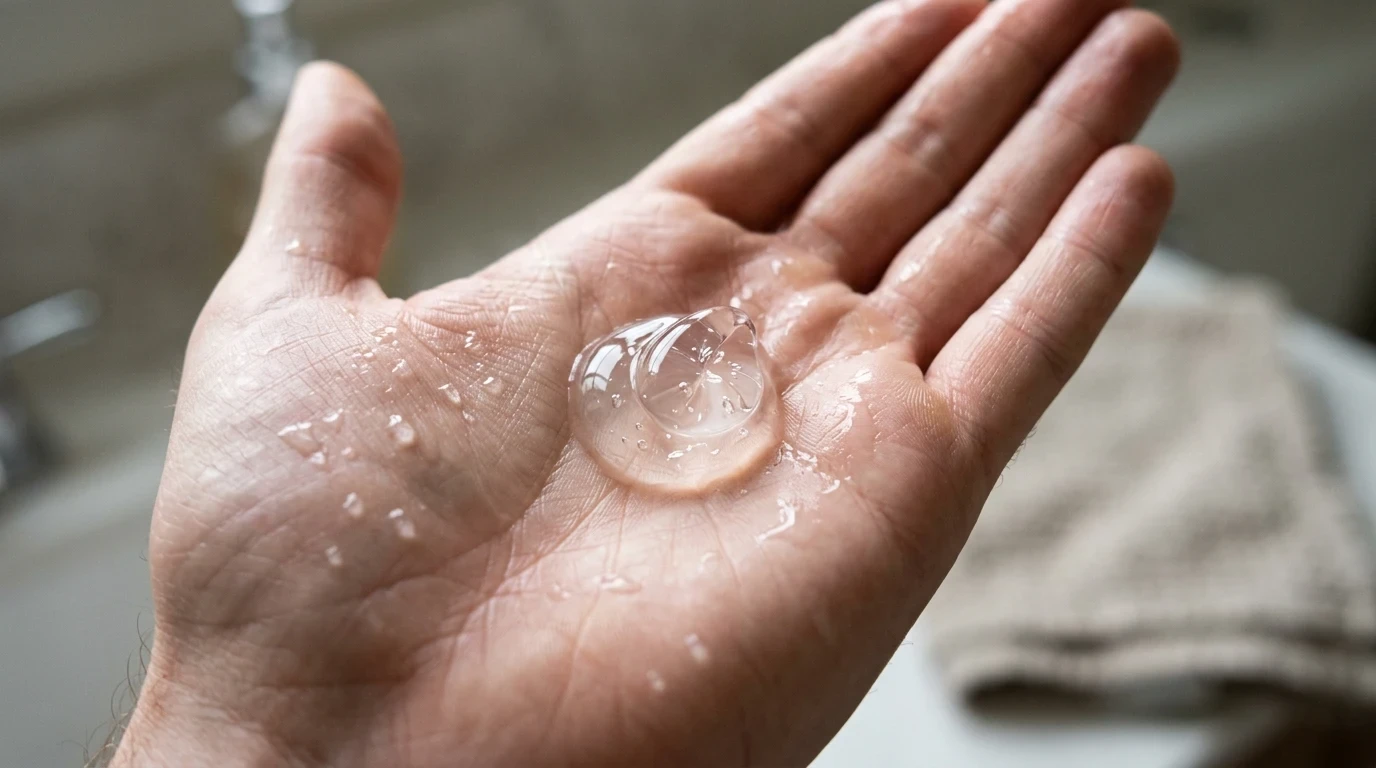
Styling products need water to spread evenly without gluing hair together in clumsy clumps. When testing a curl routine for straight hair, apply your styler before stepping out of the shower spray. Emulsify a nickel-sized amount of hard-hold gel between wet palms and glaze it lightly over the surface of your hair.
Squeeze upward toward the roots, feeling for the strands to bunch into ribbons. Cream stylers fail here because their shea and oil bases pull straight strands downward within minutes. Strong polymer gels dry into a firm structure that keeps faint bends suspended. Expect to spend 7 to 11 dollars for a drugstore styling gel.
6. Swap Heavy Creams for an Airy Volumizing Foam
Anyone attempting a straight curly hair girl routine must steer clear of curl creams. Leave-in butters are formulated to hydrate tight, coarse coils that struggle to pull sebum down from the scalp. Sleek hair naturally moves oil downward with ease, meaning added fats will make your hair look unwashed.
Distribute an egg-sized cloud of lightweight mousse across your damp ends instead. The polyquaternium polymers in foam deliver hold and volume without the suffocating density of plant oils. Avoid this product if your formula contains denatured alcohol high on the ingredient list, as drying alcohols cause brittleness over time. This approach works best for individuals with low-density strands that flatten easily.
7. Squeeze Excess Water with a Microfiber Towel

Standard terry cloth towels have large, looped fibers that snag delicate hair cuticles and disrupt forming wave clumps. A flat-weave microfiber cloth or a plain cotton t-shirt absorbs water smoothly without causing friction.
Lay the fabric flat across your open palm, gather your ends into it, and press upward toward your scalp. Hold each compression for five seconds to draw out moisture without rubbing the fabric back and forth. Vigorous towel rubbing creates immediate frizz and separates whatever faint texture exists. A good microfiber hair wrap costs around 14 dollars in 2026.
8. Plop Hair for Exactly Fifteen Minutes
Plopping uses cotton fabric to accordion your damp waves against the crown of your head while they begin setting. Spread a long-sleeve cotton shirt on your bed with the neck facing you. Bend over, lower your ends onto the center, drop your crown down, and wrap the fabric around the base of your neck.
Leave the wrap in place for ten to fifteen minutes at most. Keeping hair compressed for longer drives moisture back into the roots and creates bizarre, flattened kinks along the scalp line. This timing allows the gel cast to start setting without losing hair volume. Skip this method if you have very short layers, which end up sticking out at awkward right angles.
9. Understanding Hair Porosity Before Buying Products
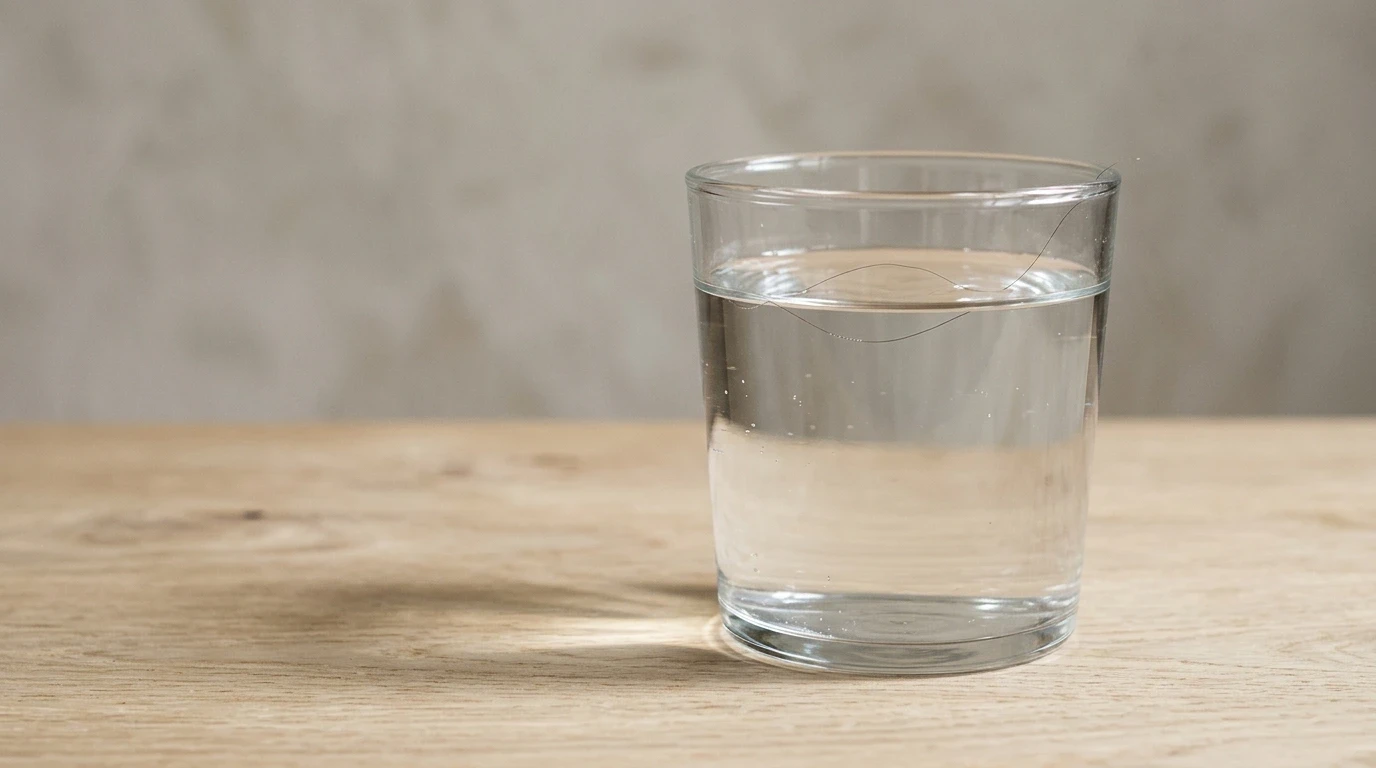
Follicle structure dictates how your hair absorbs moisture, and forcing rich curly hair products on straight hair without checking porosity causes immediate problems. Drop a clean, dry strand of shed hair into a glass of room-temperature water. If it floats after five minutes, your cuticles are tightly sealed, meaning heavy oils will sit on top like grease.
If it sinks, your hair is porous and absorbs hydration rapidly. Most straight textures feature low porosity and smooth cuticles that reject dense styling pastes. Test a small section of hair near your neck before coating your entire head in novel styling formulas to ensure your scalp does not react poorly to concentrated styling resins.
10. Hover Diffuse on Medium Heat to Freeze Shape
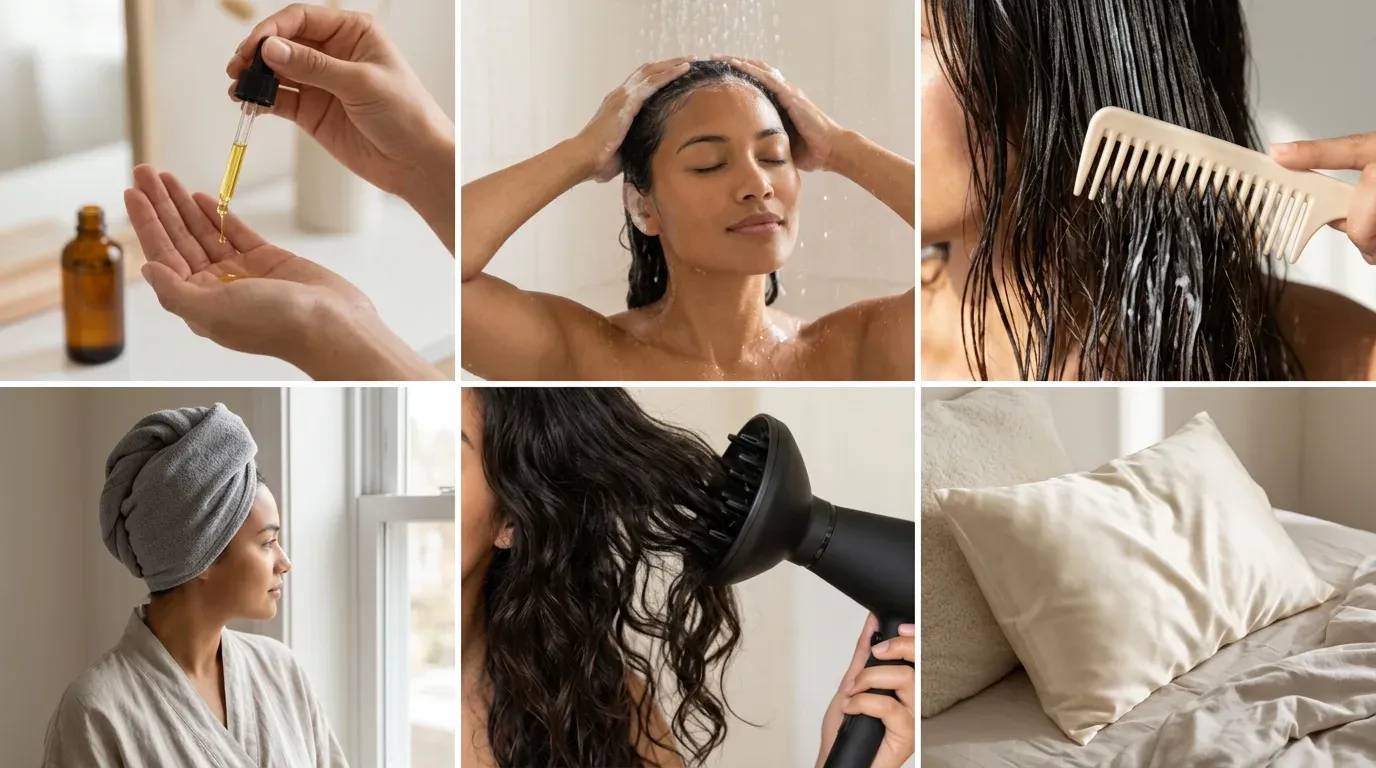
Letting fine strands air-dry allows gravity and water weight to stretch out whatever curve you formed in the shower. A blow dryer fitted with a deep-bowl diffuser locks the exterior shell before the wave drops. Keep the dryer setting on medium heat and low airflow.
Hold the diffuser nozzle three inches away from your hair and circle your head without touching the wet strands. This hardens the outer crust of the gel. Once the surface feels firm to the touch, gently cup the ends in the bowl and press upward against your head for thirty seconds per quadrant. A universal diffuser attachment costs about 15 to 22 dollars.
11. Scrunch Out the Crunch with Dry Bare Hands

Once your hair is completely dry, it will feel stiff, shiny, and frozen. This protective gel shell preserves the shape during drying and must now be released. Never touch your hair while it is even slightly damp, or the fragile wave will collapse into frizz.
Cup your dry hands around the lengths and squeeze upward until the stiff cast breaks apart into pliable waves. You will hear a light crackling noise as the polymer film softens. Avoid coating your palms in hair oil for this step, because added lubricants will immediately flatten fine texture. This method suits anyone who wants visible shape without a wet, shiny residue.
12. Test a Basic Curly Hair Routine for Pin Straight Hair
If you are dealing with a curly hair routine for pin straight hair, standard scrunching will produce zero wave. Truly straight hair has a symmetrical, circular cortex that will not hold a bend without mechanical tension. You can still use the method to build exceptional body and separation.
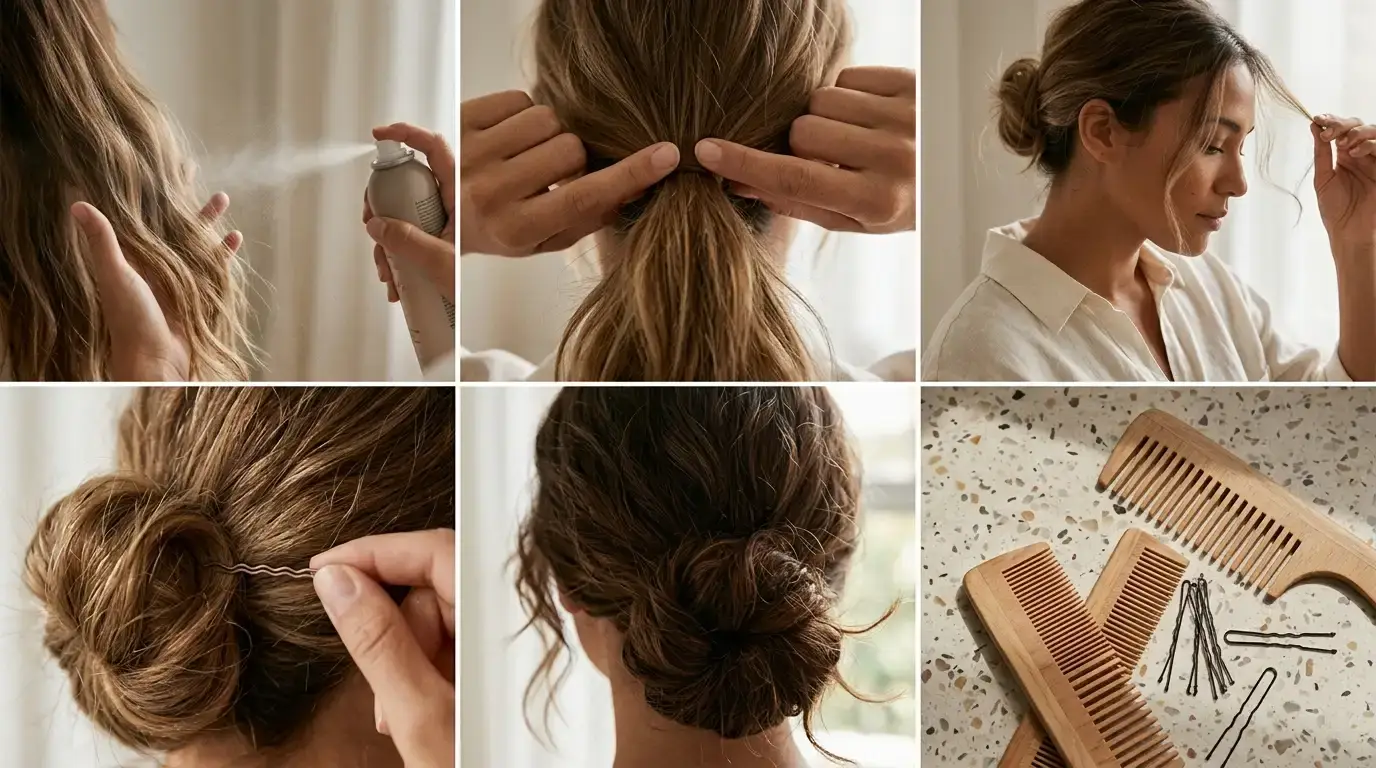
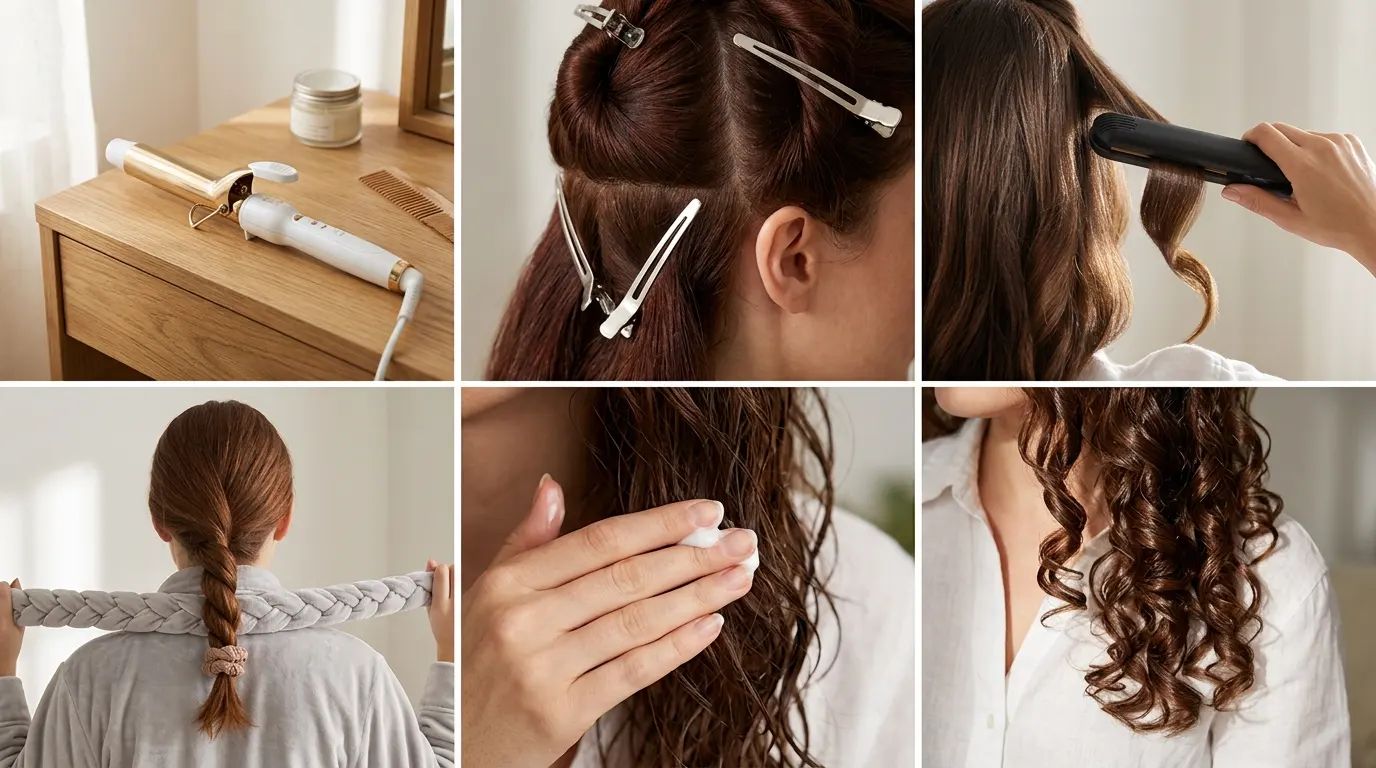
Apply a palm of styling foam to damp strands, comb it flat, and braid your hair into two loose plaits before bed. In the morning, unweave the plaits and scrunch upward with bare hands. You achieve lasting texture without needing a curling iron. Pair this with a light dusting of dry texture spray at the crown for lift that lasts until evening.
13. Adapt the Process into a Curly Hair Routine for Guys

Shorter hair requires smaller amounts of product and much less drying time. Men seeking a curly hair routine for guys should cut every product quantity down to a pea-sized drop. Work a light styling paste or sea salt spray through damp lengths right after washing.
Cup your palm over the top of your head and rotate your hand in small circles to encourage short pieces to group together. Use a compact diffuser nozzle for three minutes on low heat to set the crown without blowing short strands flat. Skip heavy conditioning rinses entirely if your hair is under two inches, as it will weigh down the crown and create scalp irritation.
14. Try a Curly Hair Routine Without Products Using Water Tension
You can test how your hair reacts to shaping without buying a single bottle. Wash your strands with your usual cleanser, rinse thoroughly, and step out of the shower leaving the lengths dripping wet. Divide the hair into four sections and twist each rope tightly away from your face.
Pin the twisted buns securely against your head with metal bobby pins and let them dry completely across six hours. Unpin the twists and gently shake your fingers through the roots without dragging your nails through the lengths. This technique relies entirely on the temporary hydrogen bonds formed as wet hair dries around a shape. It costs nothing and spares your scalp from unwanted product buildup.
Does a Curly Hair Routine Work on Straight Hair?
The short answer is no, a curly hair routine on straight hair will not turn genuinely straight strands into curls. Hair texture is dictated by the shape of the follicle buried under your scalp. Round follicles grow straight hair, while curved or elliptical follicles create waves, curls, and coils. No amount of scrunching or sulfate-free washing can change your genetic hair structure.
What the routine actually does is reveal hidden wave patterns in people whose hair was never straight to begin with. Many people brush out subtle, wavy hair patterns every day, mistaking the resulting puffiness for damage or frizz. If you follow these steps and your hair dries completely flat with a sticky film, your strands are naturally straight. In that situation, your hair simply thrives on simple clarifying, light moisture, and blowouts rather than complex curl layering.
Frequently Asked Questions
Will curl-enhancing creams turn straight strands wavy?
No. Curl creams contain conditioning emollients that hydrate and clump existing bends together. On straight hair, these ingredients simply coat the shaft, making the strands look limp and oily without creating any bend.
Why does my hair feel sticky after trying these steps?
Your hair feels sticky because you used styling products formulated for thick curls. Low-porosity straight hair cannot absorb heavy polymers and plant oils, leaving them sitting directly on the hair surface.
How often can I use a diffuser on fine hair?
Use a diffuser two to three times a week on medium heat. Always keep the nozzle moving and apply a thermal protectant spray beforehand to prevent dry, brittle ends.
What is the best cut to help subtle waves appear?
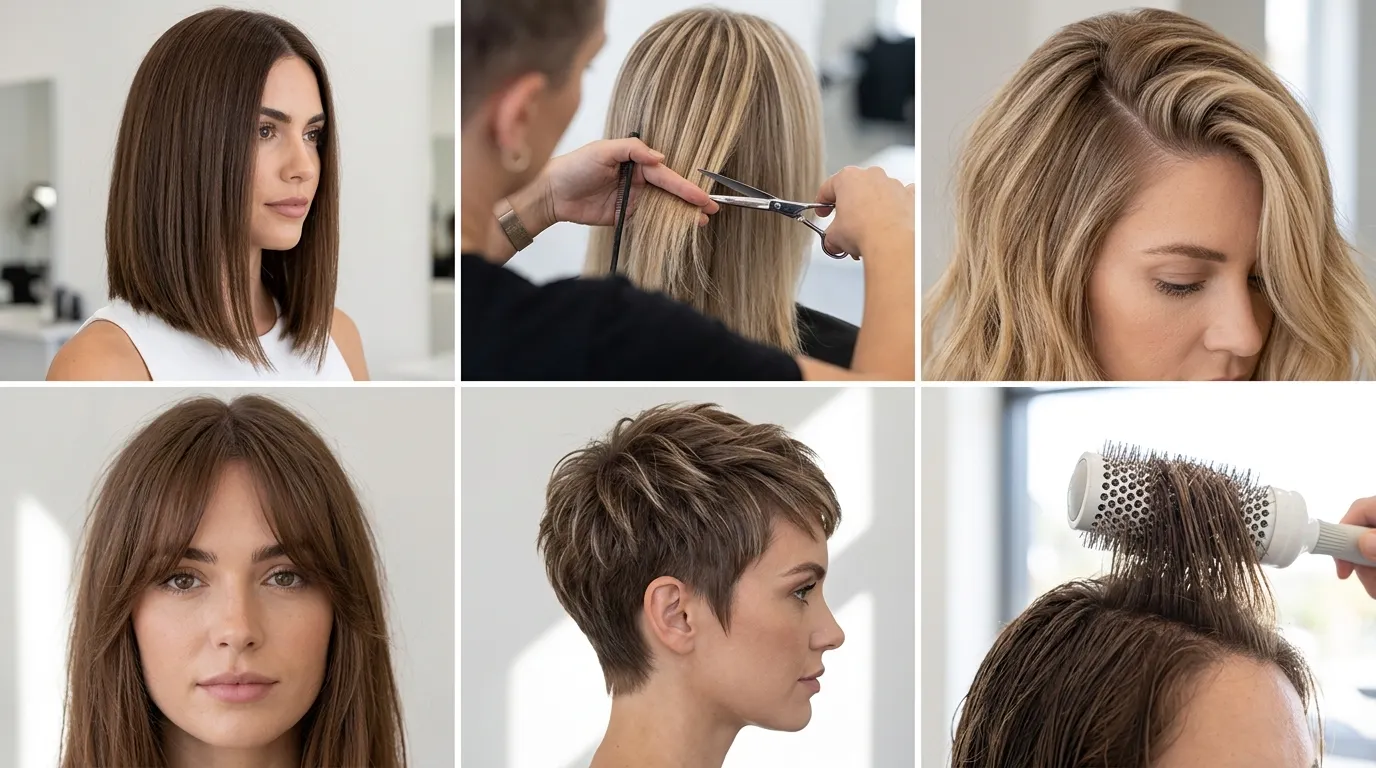
Ask for long, interior layers and textured ends. Blunt, heavy cuts weigh down fine hair, while strategic layering removes bulk and allows subtle wave patterns to spring upward.
Does sleeping on a silk pillowcase help keep hair wavy?
Yes. Silk and satin create minimal surface friction compared to cotton. This prevents your delicate wave pattern from tangling, fraying, or flattening overnight.
The Best First Step for Testing Your Hair Pattern
Before spending money on a cabinet full of specialized gels and diffusers, start with just one change: apply a standard styling foam to wet hair and diffuse it dry. This single step reveals whether your strands hold any natural wave without overloading your scalp with heavy oils.
If your hair dries with distinct movement and soft shape, you can slowly experiment with stronger gels and microfiber wraps. If it dries completely straight and stiff, your hair is naturally sleek. Knowing your real texture saves time, protects your wallet, and keeps you from fighting your hair’s natural tendencies.