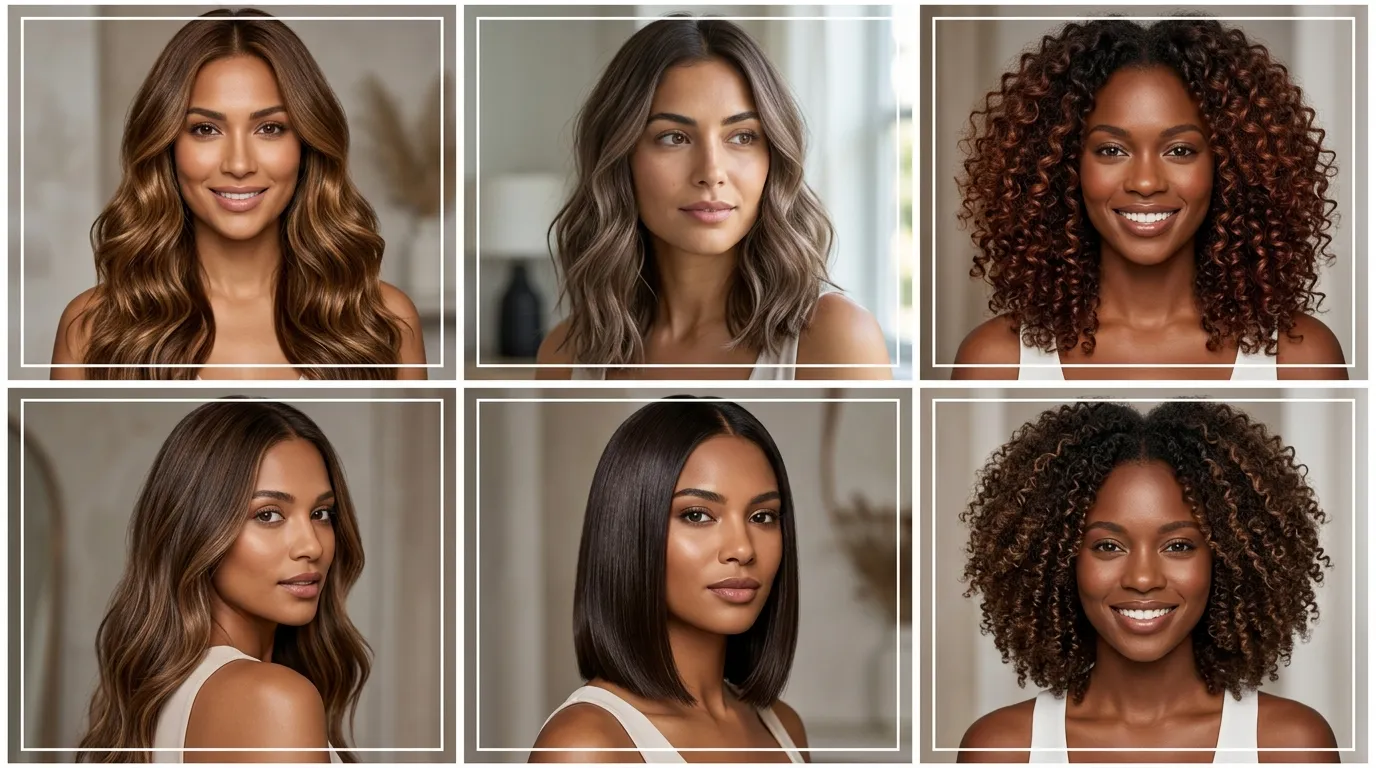

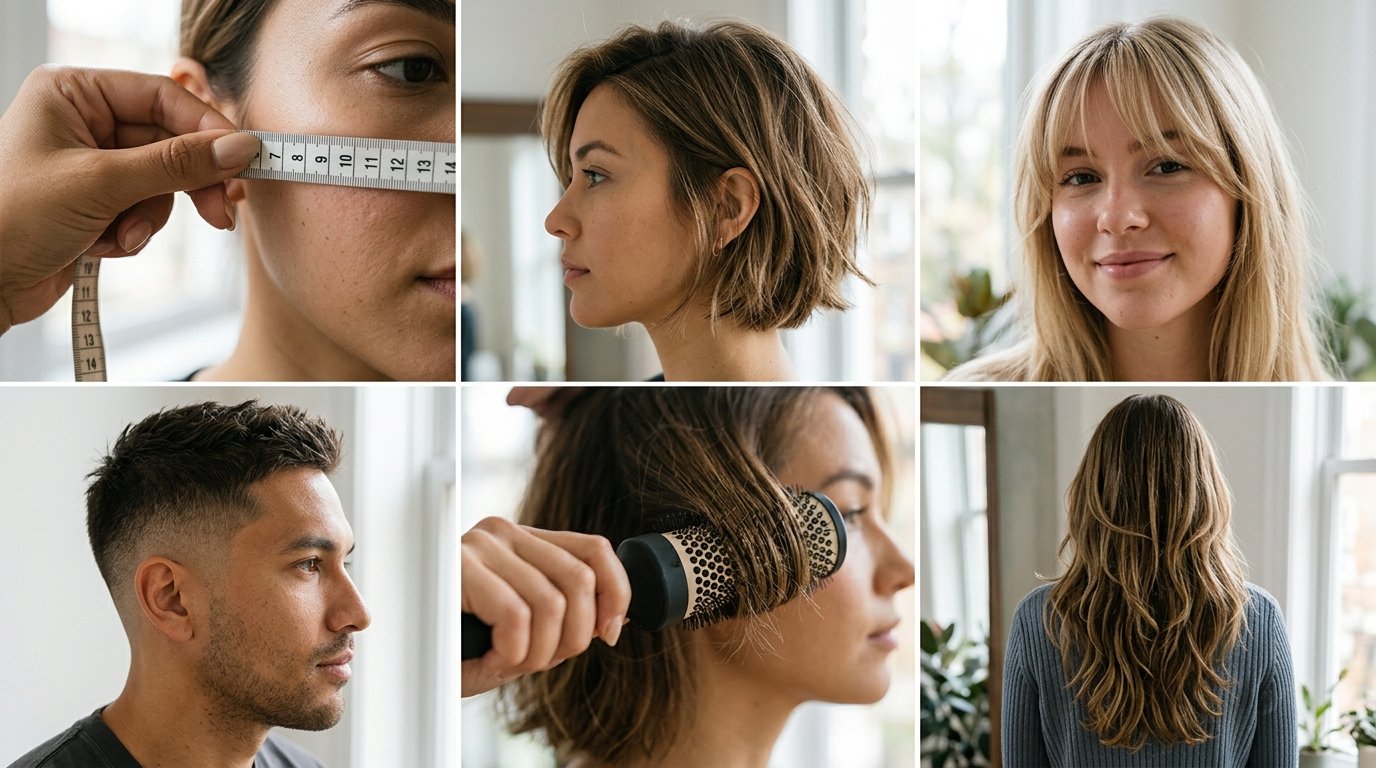
High, angular cheekbones paired with a narrow hairline and a pointed chin define diamond face geometry, requiring hairstyles that build outward width at the temples and jawline. Selecting a diamond face shape haircut comes down to softening dramatic bone structure rather than piling height onto the crown. Balancing these proportions gives naturally prominent facial bones an effortless frame instead of making the face look pinched.
Identifying Diamond Face Proportions Before Cutting

Measuring the Zygomatic Arch Against Forehead and Jaw
Grab a soft tape measure and stand directly before a mirror. Pull your strands flat against your head using a salon clip. Measure across the widest point of your cheekbones, then check the width across the center of your forehead between your temples, followed by the distance across your jawline. If your cheekbones represent the largest number while both your forehead and jaw taper into narrower widths, your bone structure is diamond. Faces that carry equal width across the forehead and cheekbones lean oval or oblong, which respond poorly to diamond-specific texturizing.
Detecting Angular Lines Versus Curved Contours
Profile lines reveal details that frontal angles conceal. Look directly at your hairline near the temples; diamond shapes show a compact, triangular convergence rather than a rounded or square perimeter. The chin drops into an unmistakable pointed apex rather than a blunt horizontal jaw edge. If your lower face carries soft flesh that hides the bone edge, you may have a round or inverted triangle shape. Understanding these architectural markers ensures you do not select a cut designed for square jaws that leaves your midface looking disproportionately wide.
Begin every consultation by pointing out your cheekbone width to your stylist so they establish where the widest layers fall.
Framing Options for Diamond Face Shape Haircut Female Clients
Chin-Length Bobs That Fill Out the Lower Face
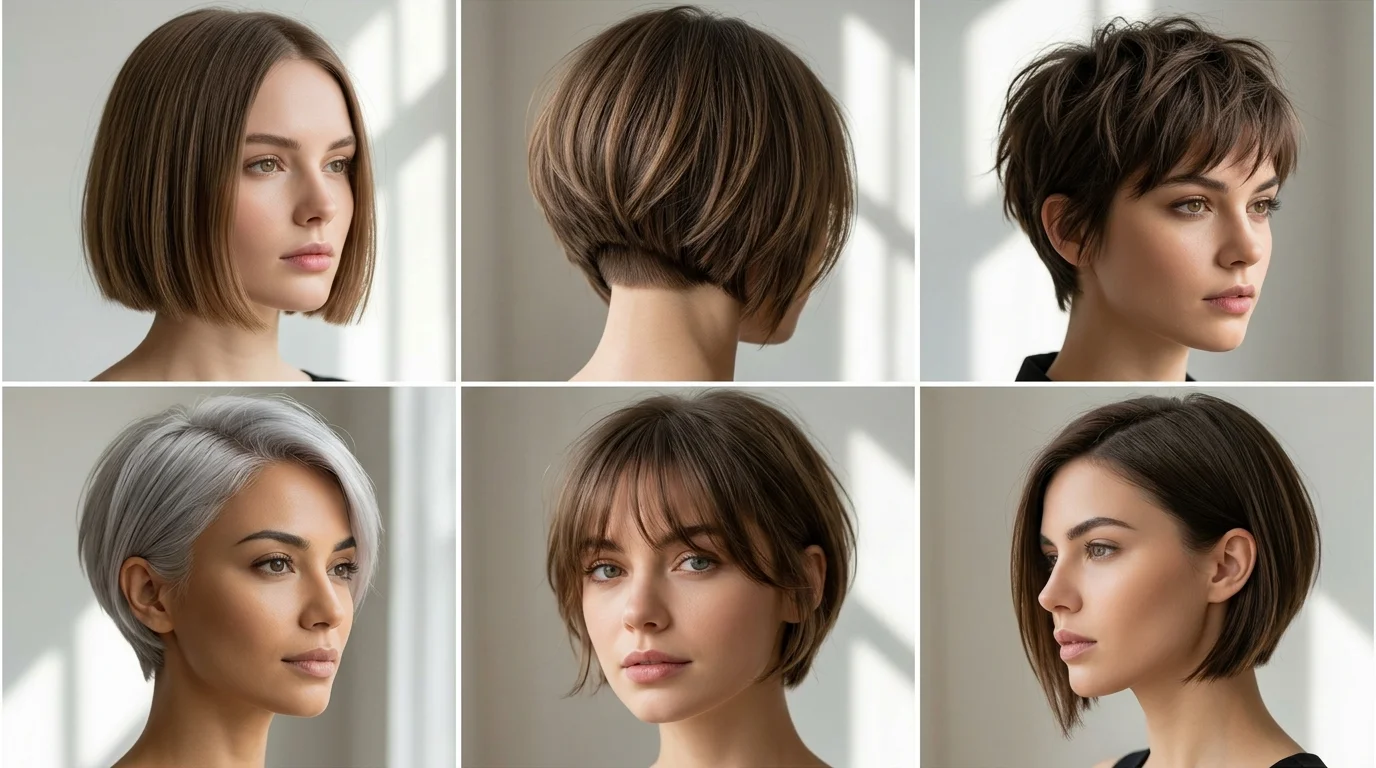
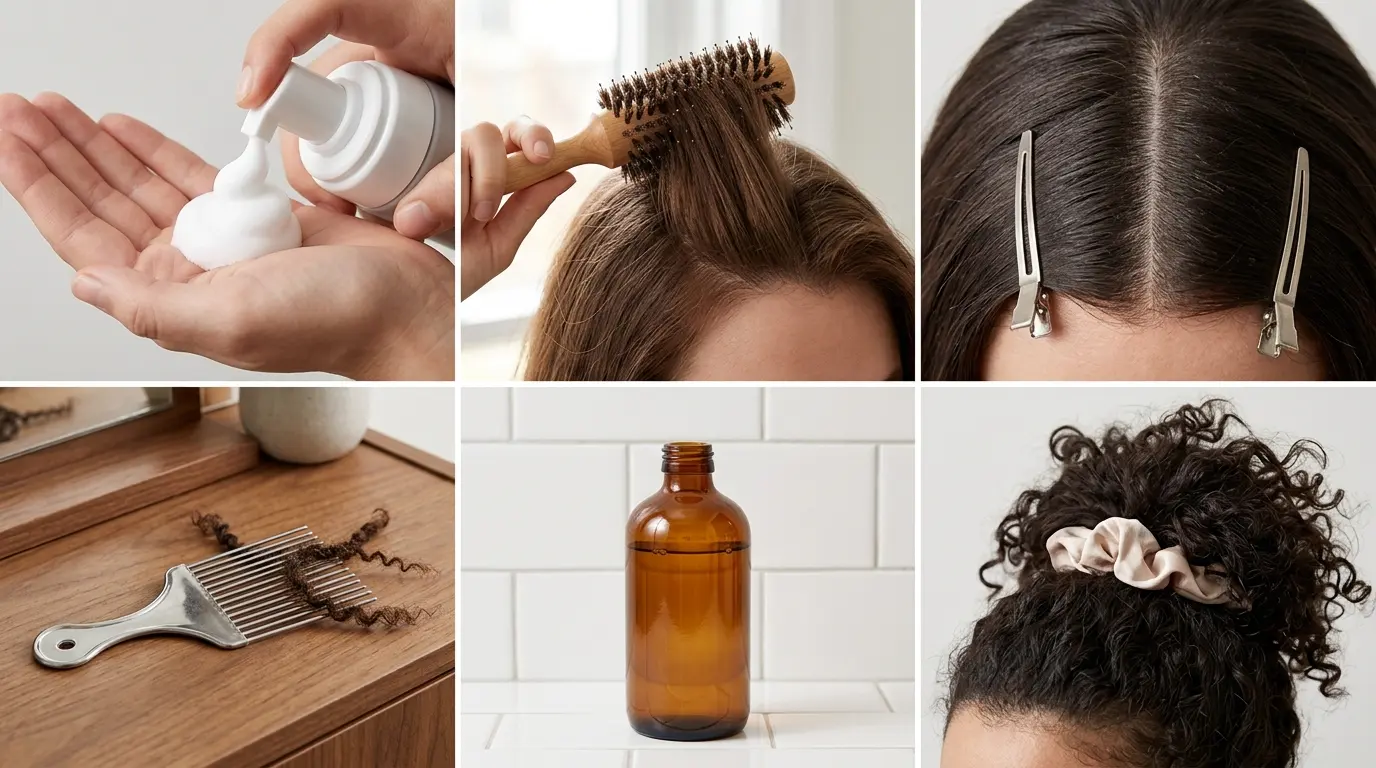
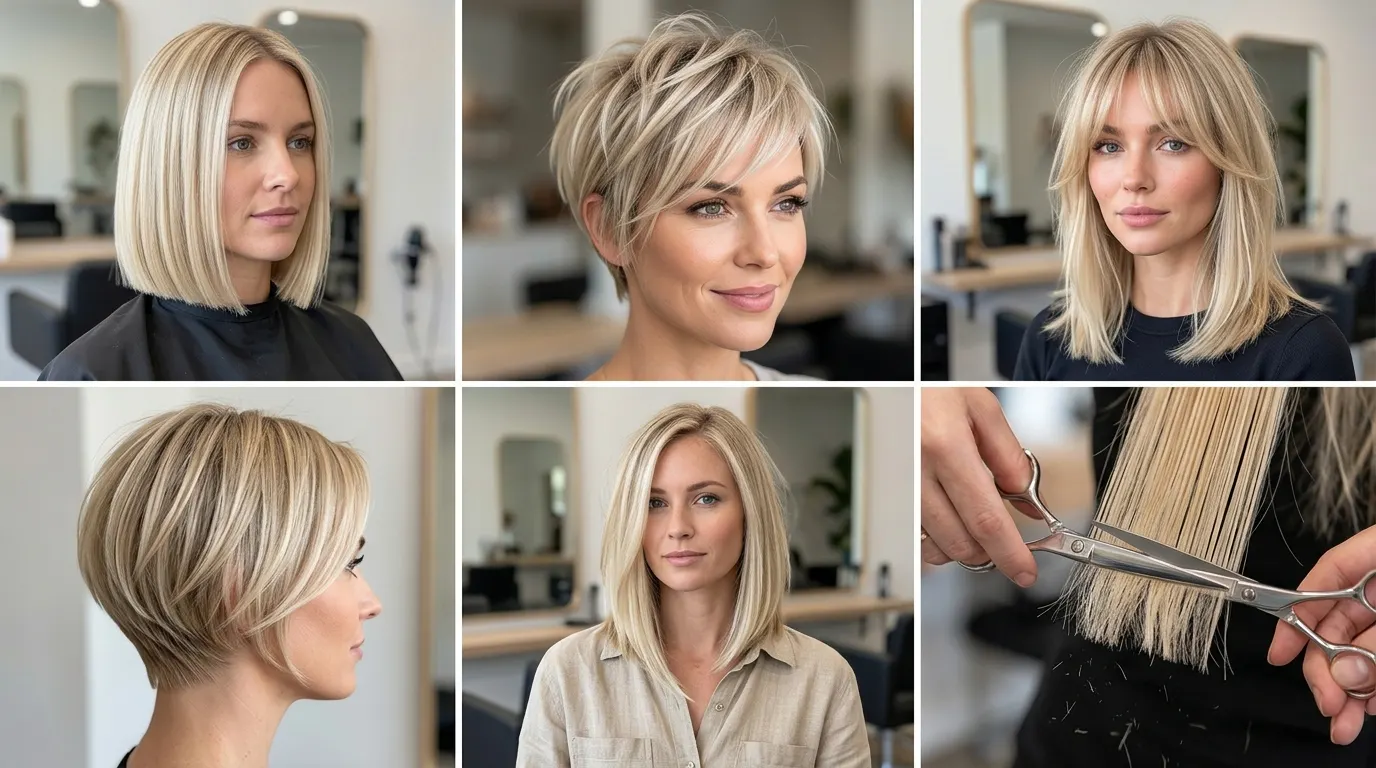
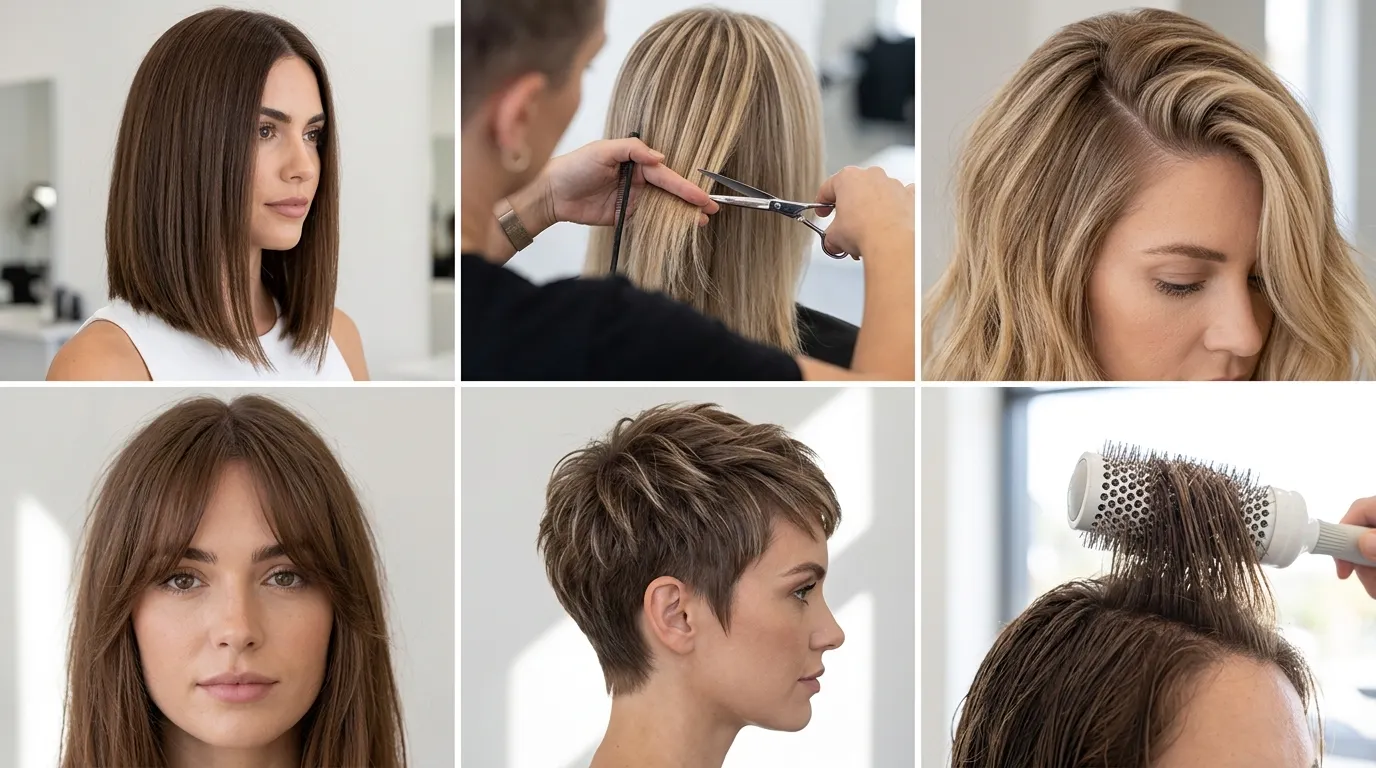
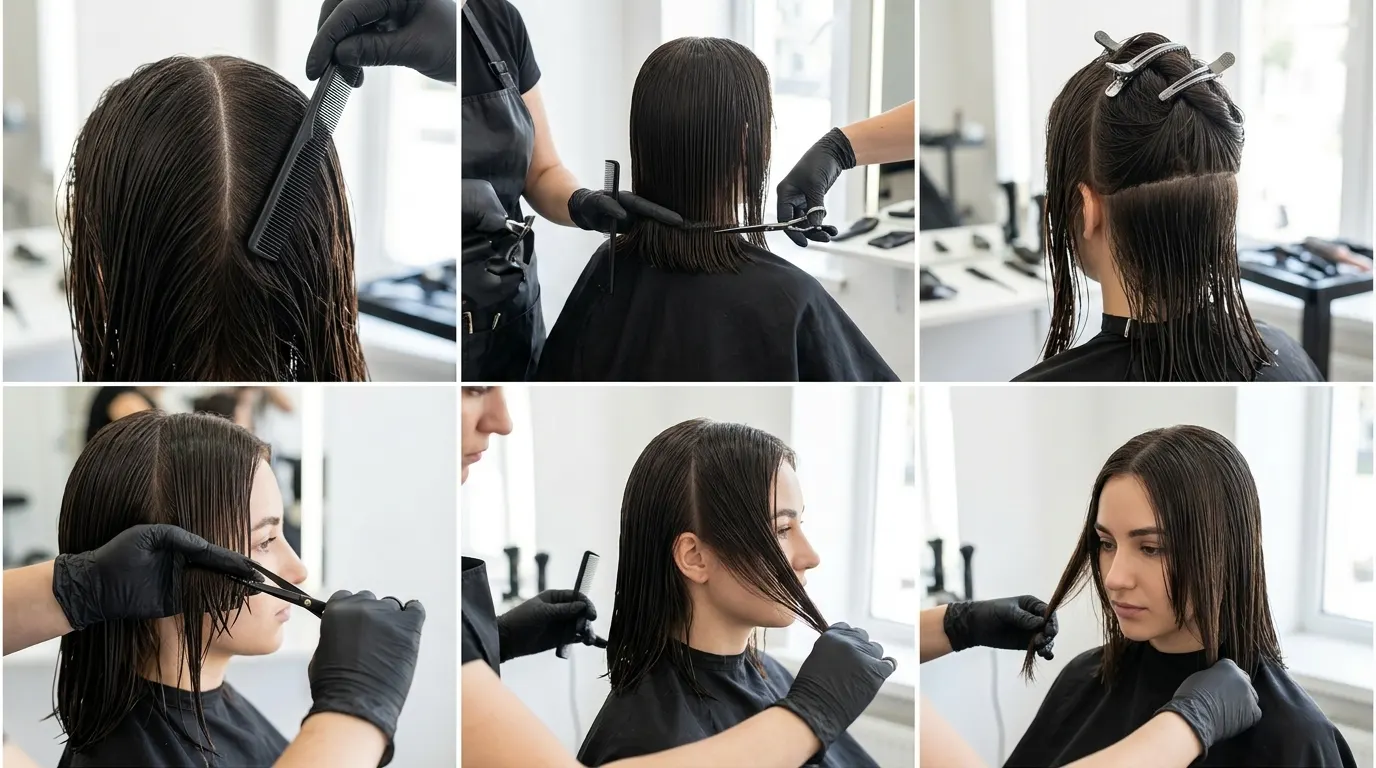
A classic blunt bob cut precisely at the jawline counters the narrowness of a pointed chin. When strands terminate directly beside the jaw, they deposit horizontal density where the bone structure lacks mass. Request slight internal graduation with shears rather than a razor, preserving weight along the perimeter edge. Styling requires applying a palm-sized puff of volumizing mousse to damp ends and blowing dry with a round ceramic brush turned inward. This blunt perimeter prevents the chin from looking excessively sharp.
Side-Swept Volume and Deep Parted Waves
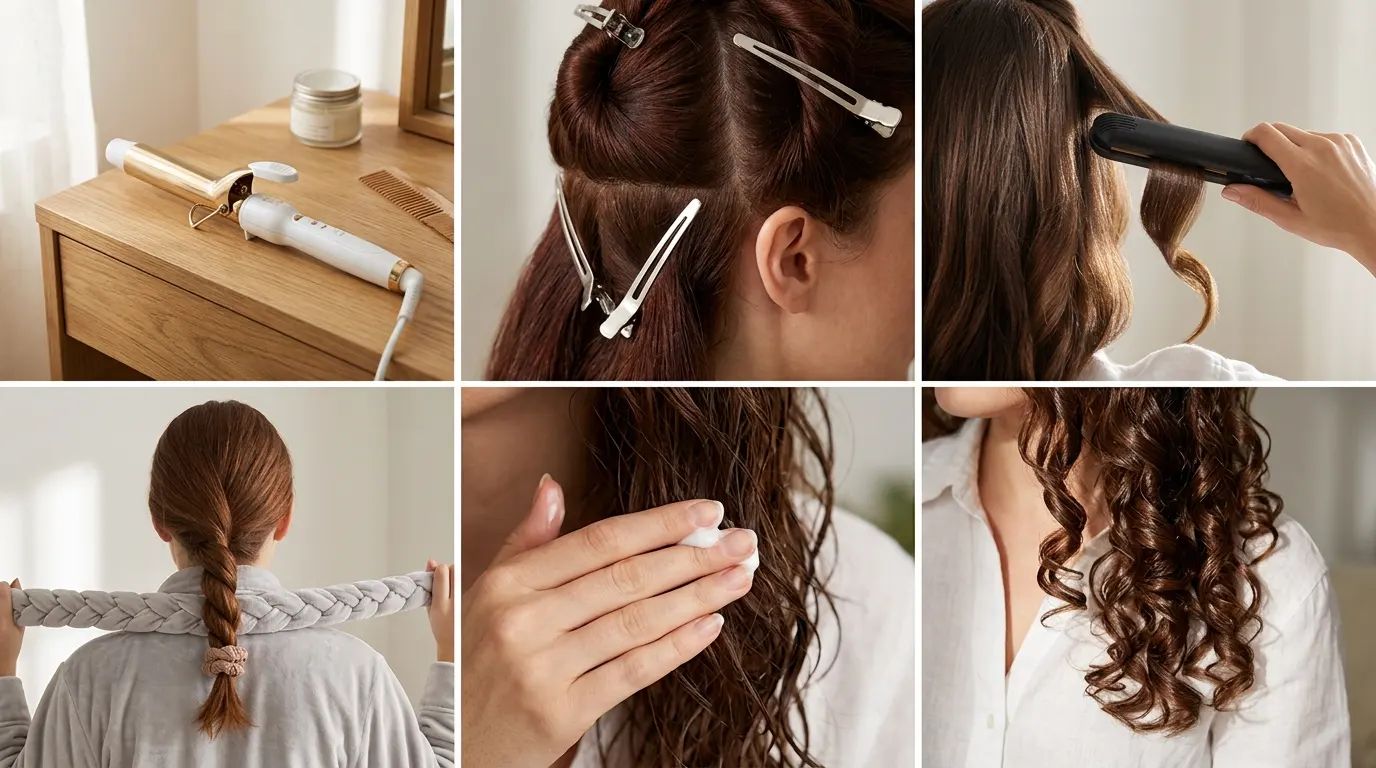
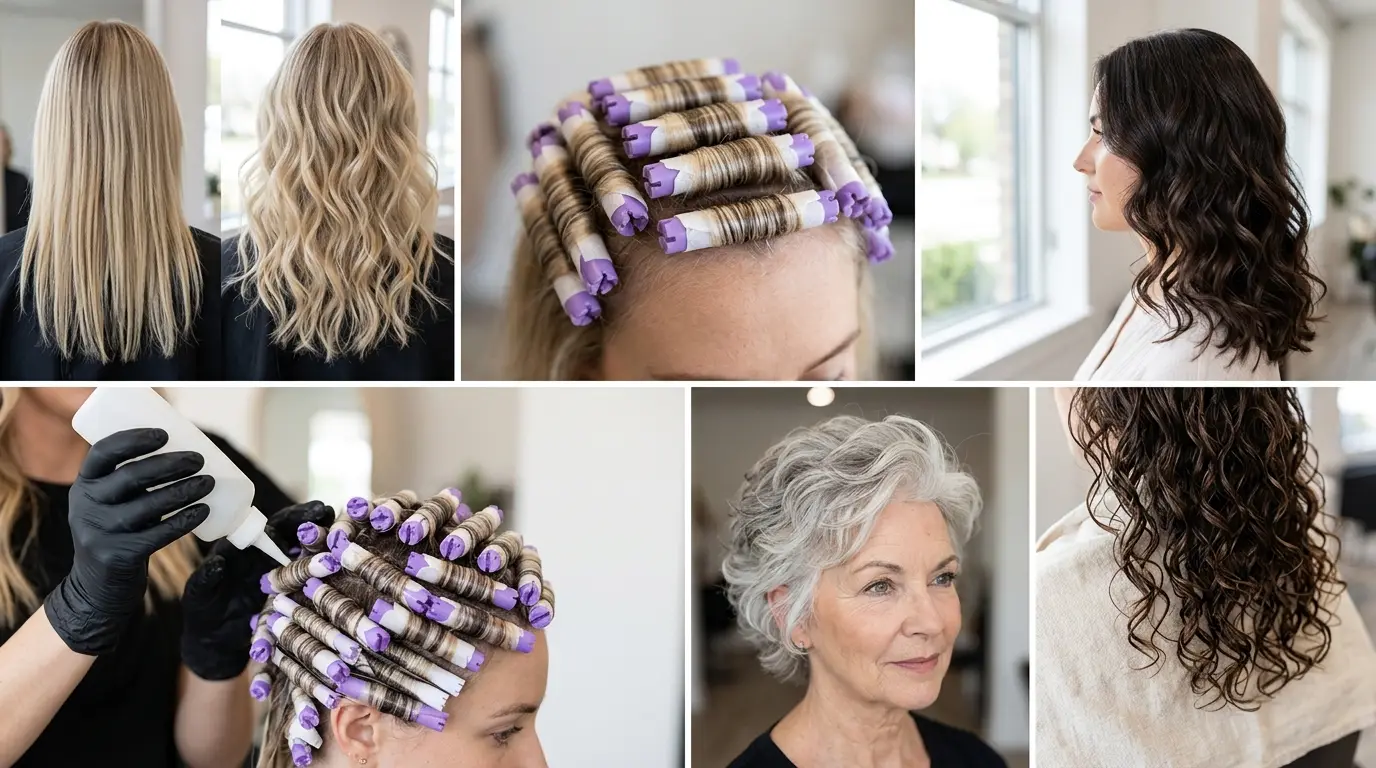
Center parts draw a severe vertical line directly down the face, accentuating length while exposing pinched temples. Shifting your part two inches to the side builds sweeping diagonal movement across the forehead, mimicking broader bone structure. Pair this placement with loose mid-shaft waves set with a 1.25-inch curling iron. Spritz a light mist of peppermint-infused thermal spray across strands before heat styling to preserve natural cuticle moisture without greasy residue.
Keep the widest curve of any wave stacked level with the lips rather than resting on top of the cheekbones.
Strategic Fringe Styles That Broaden the Upper Face

Feathery Curtain Bangs Parted at the Eye Line
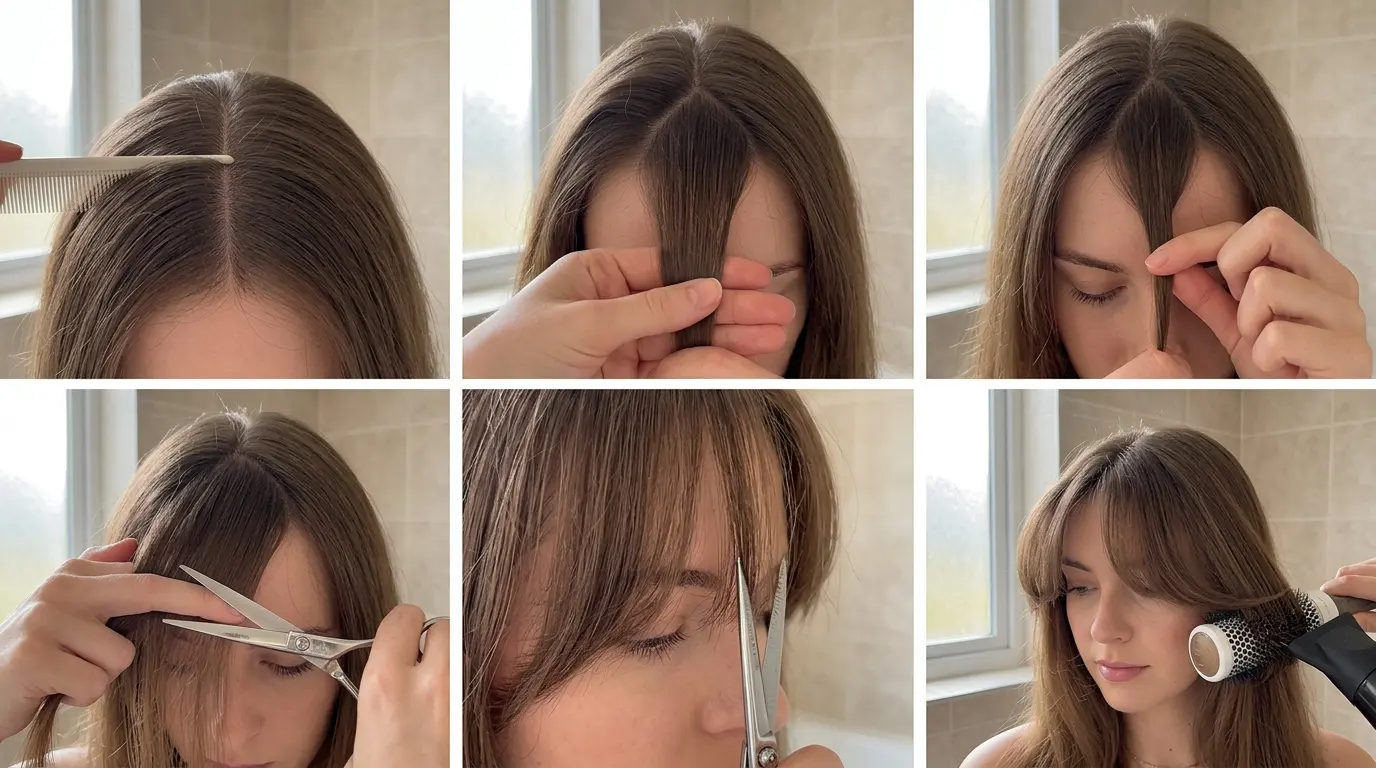
Tapered foreheads look significantly broader when framed with parted fringe that separates at the eyebrow arch. Have your stylist cut the shortest center pieces to hit the bridge of the nose while angling the outer pieces downward to graze the top of the cheekbones. This outward arc covers the inward curve of the temples, visually stretching the upper third of the skull. Blow dry the fringe forward using a medium round boar bristle brush, then roll it backward away from the face to create soft, winging outer edges.
Wispy Side Bangs for Soft Forehead Camouflage
Heavy, blunt bangs cut straight across the forehead chop the face in half, drawing attention directly to wide cheekbones beneath. A fine, wispy fringe swept diagonally creates a gentle transition that masks a narrow hairline without boxing in your features. Request point-cutting through the ends to keep the weight distribution sheer and airy. When hair texture is naturally fine, distribute a nickel-sized dab of styling lotion through the roots to keep strands from parting awkwardly during the day.
Avoid trimming bangs when wet because shrinkage will expose the hairline and shrink your forehead width.
Layered Approaches for Long Strands and Dense Hair
Collarbone Grazing Layers That Add Movement
Carrying heavy, unlayered length pulls the root flat, emphasizing the lateral flare of cheekbones. Introduce stepped layering that begins at the collarbone and cascades downward to preserve weight through the perimeter. When creating a diamond face shape haircut long hair look, thin out dense bulk beneath the occipital bone using texturizing shears. This approach maintains swinging motion around the neck while preventing dense hair from stacking into an unflattering triangle shape along the shoulders.
Spiral Textures and Diffused Mid-Length Waves
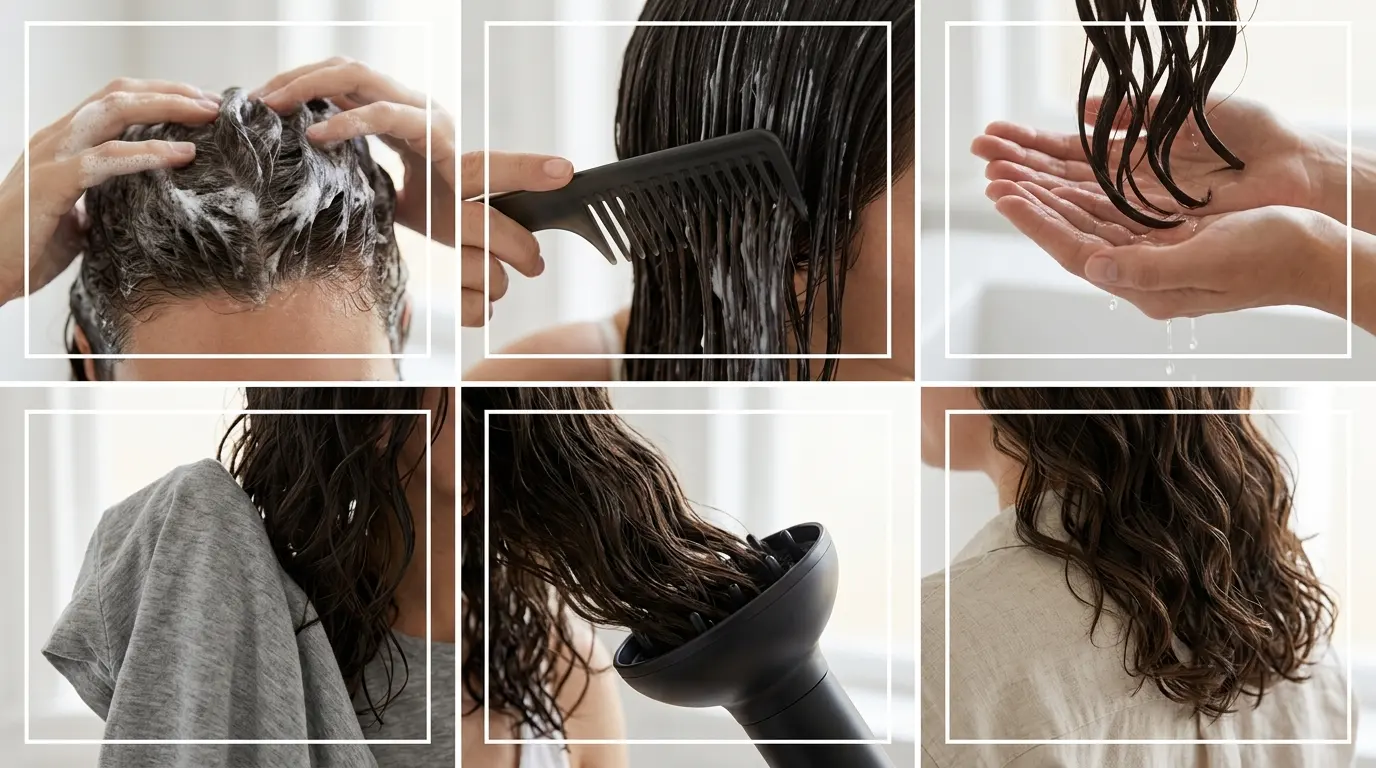
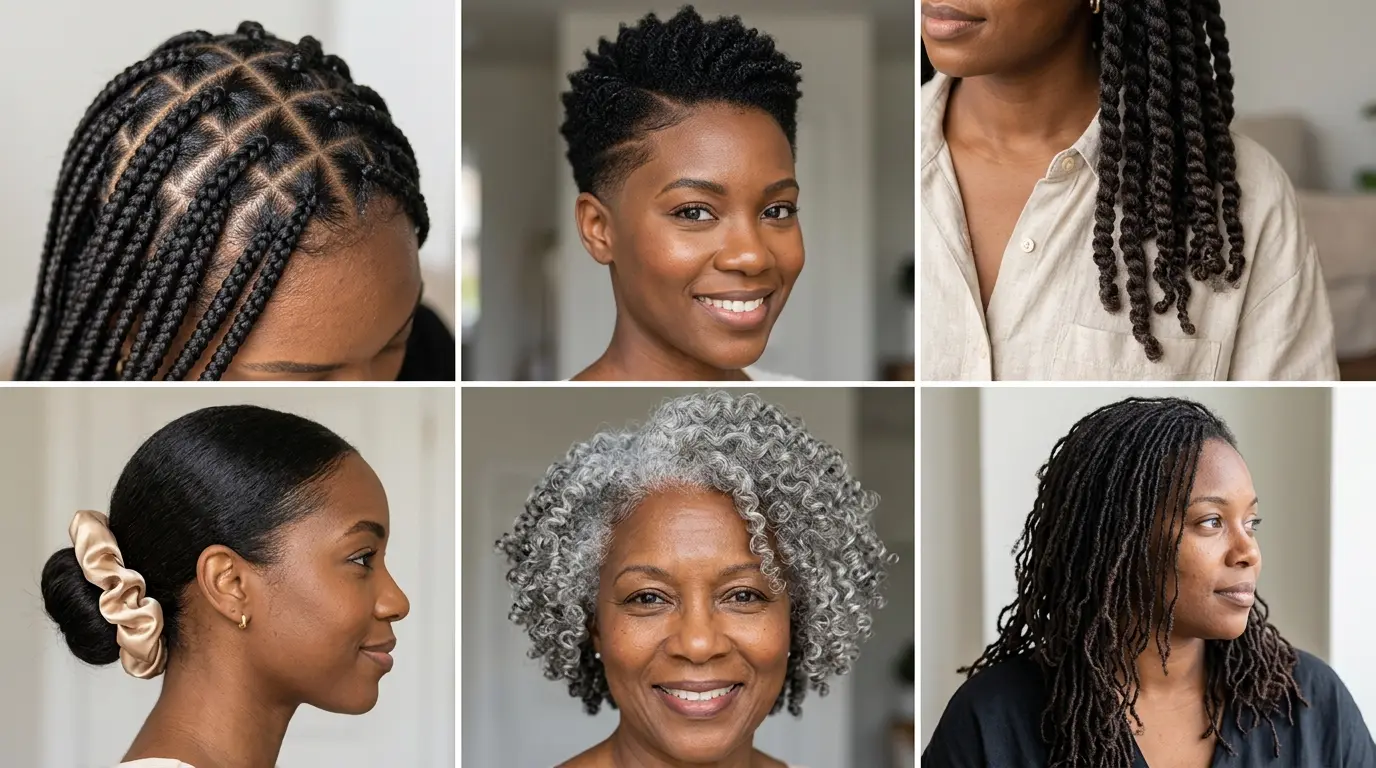
Tight spiral curls naturally expand outward, making them suitable for filling in the hollow space below sharp cheeks. Distribute a quarter-sized pool of hydrating botanical curl jelly through soaking lengths, scrunching upward from ends to mid-shaft. Dry the style using an eight-inch bowl diffuser set to medium heat and low airflow, cupping strands without touching the roots. The resulting horizontal body softens severe facial planes, creating balanced width across the jawline.
Skip texturizing layers above the lip line so density gathers exclusively where the jaw requires volume.
Precision Cuts for Men and Boys with Angular Features
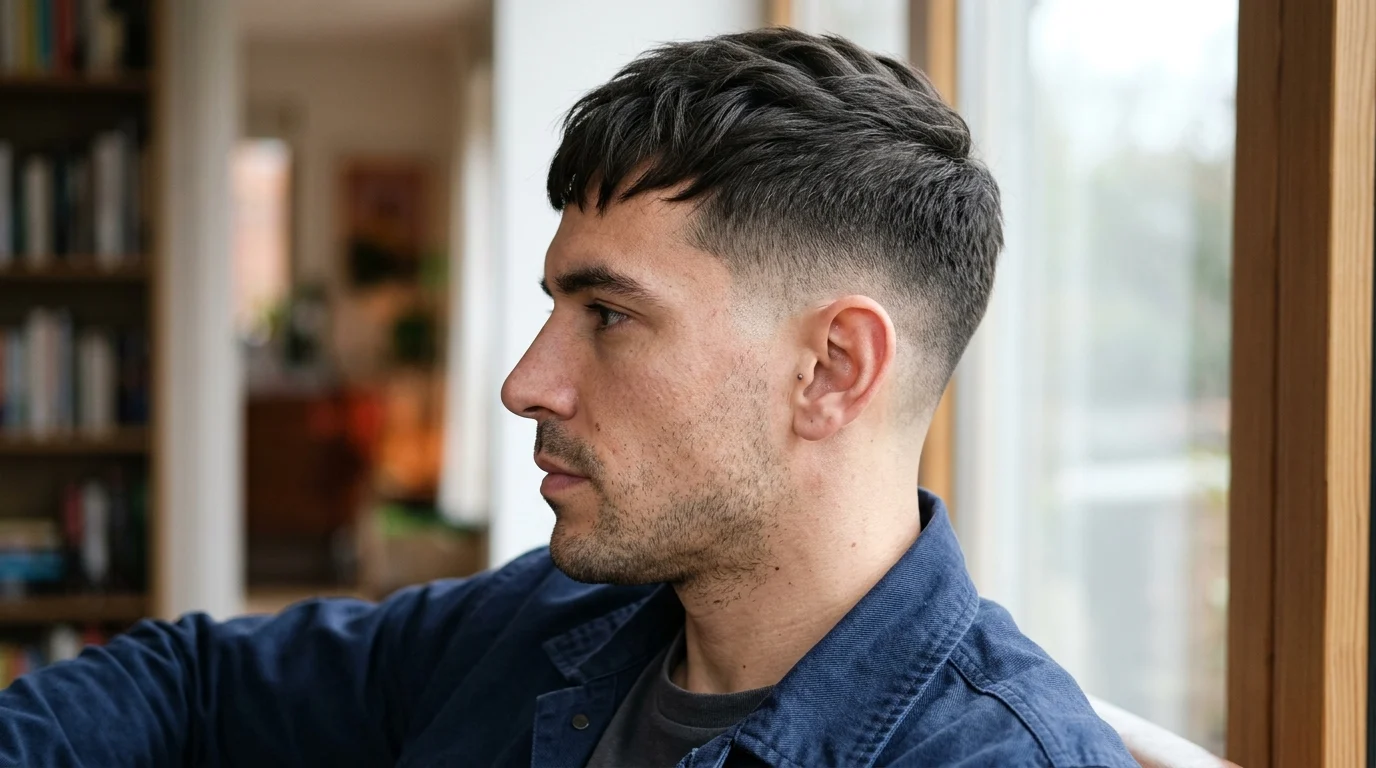
Textured Crop Cuts with Low Tapered Fades
High skin fades exaggerate cheekbone projection by exposing bare bone, whereas a low taper maintains clean density around the ears. When cutting a diamond face shape haircut short men style, leave two to three inches of point-cut length across the crown. Rub a dime-sized amount of matte styling clay between dry palms and rake it forward, creating a messy, piecy fringe that rests across the forehead. This provides a rugged balance that softens an angular jawline while disguising narrow temples.
Classic Side Parts and Soft Scissor Tapers
Men looking for structured corporate styles benefit from scissor-over-comb cuts that leave three-quarters of an inch of length along the sides. Keep the top around four inches long to establish a clean side part without creating an exaggerated pompadour peak. Comb damp strands into place using a water-soluble styling pomade priced around eighteen dollars in 2026, setting the hair flat along the recession line. This neat alignment broadens the upper perimeter while respecting natural growth whorls.
Tell the barber to avoid high skin fades that strip away side bulk around the temples.
Younger Styles for Boys and Teenagers

Messy Faux Hawks with Controlled Crown Height
Younger boys often want modern height without looking stiff, making a textured top a solid choice for a diamond face shape haircut for boys. Keep the sides trimmed with a number three guard to retain visual thickness beside the ears. Use thinning shears across the top to remove bulk, then pinch small clusters upward using sea salt spray. Do not spike the center into a narrow, sharp ridge, as extreme height stretches the face into an elongated diamond.
Shaggy Skater Cuts with Cheekbone Grazing Fringe
Medium-length shag cuts offer relaxed maintenance for teenage boys with naturally straight or wavy strands. Cut choppy, disconnected layers that fall past the ears, letting pieces frame the jaw. Texturize the perimeter with a feather razor to produce casual, separation-friendly ends that disguise sharp facial corners. A two-minute air dry with a dime-sized amount of lightweight grooming cream keeps the hair soft and prevents frizzy expansion throughout the day.
Check that the front fringe rests slightly below the eyebrows so it breaks up facial length naturally.
Modifying Cuts for Combined Face Geometries

Softening the Oblong and Diamond Hybrid Structure
Certain bone structures exhibit both extended vertical length and prominent cheekbone width, creating an oblong and diamond face shape haircut challenge. For this hybrid shape, eliminate any styling volume on top of the head completely. Style long, face-framing pieces to flip outward right at the hollow of the neck using a large barrel curling iron. This horizontal flick halts vertical eye movement, effectively shortening the face while supplying width below the cheeks.
Addressing the Upside Down Diamond Variant
A wider forehead coupled with prominent cheekbones and an ultra-narrow jaw represents an upside down diamond face shape haircut scenario. Here, the goal flips toward minimizing top width while inflating the jawline area. Choose an A-line lob where the front pieces sit two inches longer than the back, terminating just past the collarbone. Curl the ends outward away from the neck using flat iron bends to expand the lower perimeter of the style.
Never apply high-volume root-lifting sprays along the parietal ridge if your face leans long.
Diamond Face Shape Haircuts to Avoid at All Costs

Center Parted Sleek Bobs Without Texture
Pin-straight, flat-ironed bobs parted directly down the middle create two vertical curtains that hug the sides of the face. This styling pushes the cheekbones forward, making them look abnormally wide while accentuating the lack of width at the temples and jaw. If you love a blunt bob, introduce textured bends and flip your part to the side. Wearing hair glued flat against the skull strips away the softening perimeter that diamond angles demand.
Towering Pompadours and High Top Fades
Adding three inches of vertical volume at the crown pulls the entire silhouette upward, stretching the face into an exaggerated diamond. High top fades and spiked quiffs remove side bulk while multiplying height, drawing focus directly to a sharp chin. Keep vertical styling restricted to less than one inch of height off the scalp, focusing styling products toward side expansion rather than ceiling-bound lift.
Skip slicked-back high ponytails unless you leave two thick, wavy tendrils loose around the ears.
Daily Styling Techniques and Professional Tool Selection
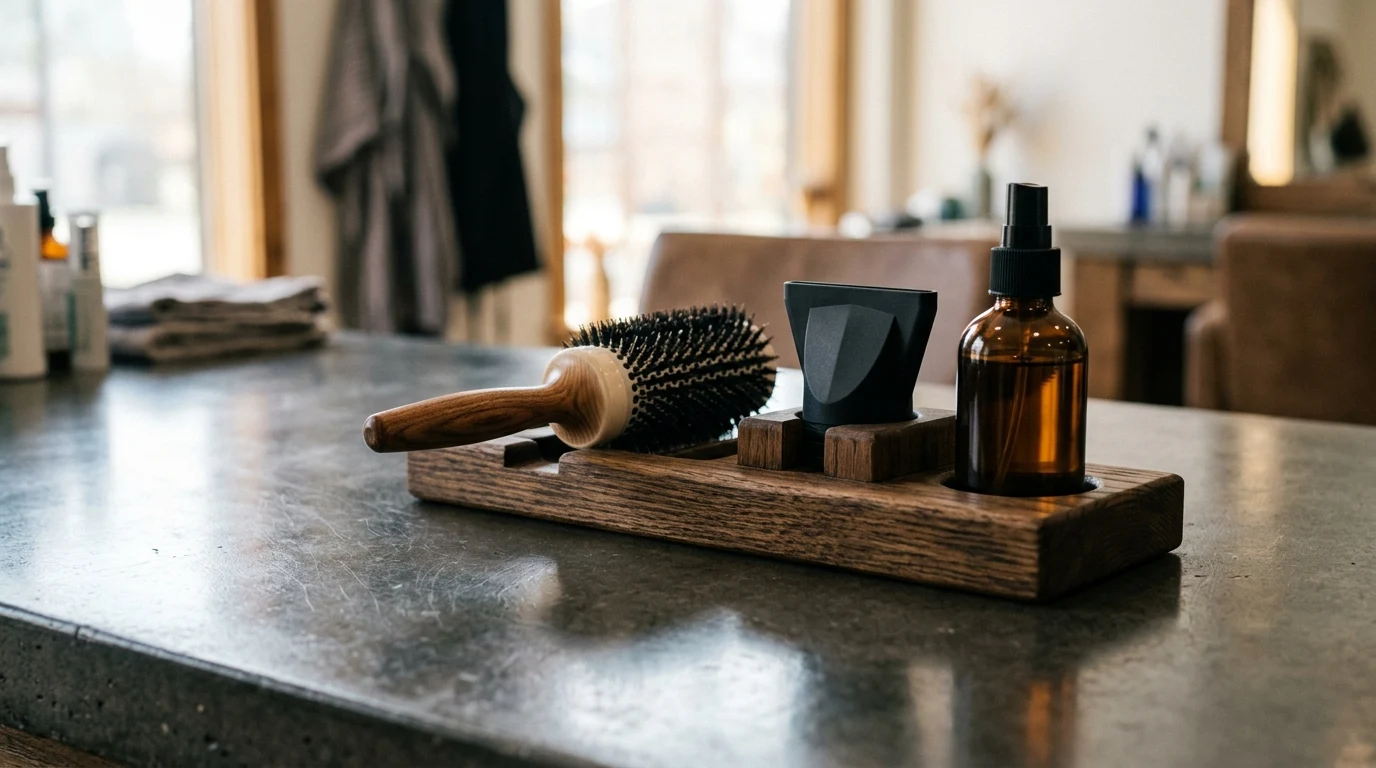
Choosing the Right Round Brush and Barrel Diameter
Styling angular bone structures requires mastering directional tension with the right implements. Select a 1.75-inch ceramic round brush for shoulder-length hair to generate smooth, outward flips that pad out the jawline. Wood-barrel brushes with natural boar bristles work best on fine strands, smoothing the cuticle without generating static cling. Work around the head in four distinct sections, directing airflow downward from the nozzle to prevent cuticle disruption.
Product Weight and Strategic Residue Prevention
Heavy styling waxes and silicone-laden serums drag textured cuts down, destroying the horizontal expansion that balances cheekbones. Swap thick pomades for light sea salt texturizers and water-based styling foams that add grip without oily shine. Apply a single drop of nourishing hair oil across the ends using a patting motion rather than smoothing it through the roots. This keeps the crown lightweight while sealing vulnerable ends against split damage.
Mist hairspray onto your palms and smooth the surface flyaways rather than spraying the cut directly.
Upkeep Timelines and Growth Management
Trimming Cycles for Short Crops and Fringes
Textured pixies and tapered necklines lose their structural proportions within three to four weeks as hair grows along the neck. Schedule a perimeter touch-up every twenty-one to twenty-eight days to prevent the sides from puffing outward past your cheekbones. Curtain bangs require trimming every three weeks; otherwise, the shortest pieces drop down to the cheek level, visually expanding the widest part of your face instead of opening up your temples.
Preserving Layer Balance on Mid-Length Styles
Shoulder-length bobs and layered cuts enjoy longer grace periods, requiring maintenance cuts every eight to ten weeks. As layers grow out, their weight drops downward, shifting volume from the jawline down to the chest. Inform your stylist to shorten internal layers without removing overall perimeter length to restore the horizontal bounce beside your chin. Regular dusting of the ends prevents split ends from climbing the shaft and thinning out the lower boundary of your cut.
Book your next appointment before leaving the salon so natural growth does not derail your facial balance.
Common Questions About Styling Diamond Faces
Can a diamond face shape carry off a short pixie cut?
A textured pixie cut flatters diamond faces when cut with soft, side-swept bangs and subtle volume at the temples. Keep the hair around the ears soft rather than shaved to prevent cheekbones from protruding excessively.
What parting works best to balance wide cheekbones?
A deep side part provides the strongest visual balance for angular bone structures. Shifting your part breaks up the harsh symmetry of the face, sweeping across a narrow forehead to create the appearance of upper width.
How do men style facial hair to support a diamond jawline?
Growing a full, squared beard adds physical bulk to a narrow, pointed chin. Keep the beard trimmed shorter along the sides of the cheeks while maintaining length and density around the jaw to create a masculine, balanced base.
Selecting Your Next Cut with Confidence
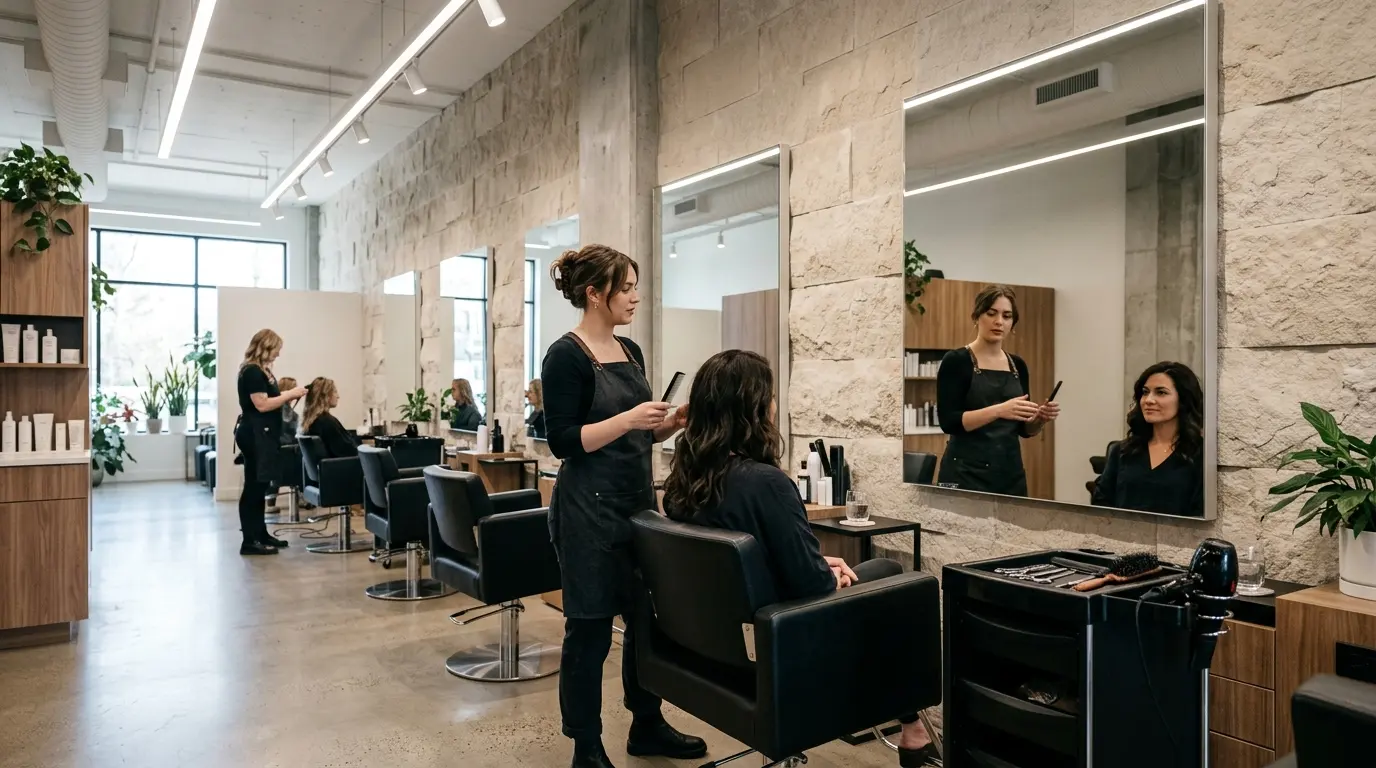
Determining the ideal cut for your face structure relies on one fundamental principle: add width at the temples and chin while letting your cheekbones remain the natural centerpiece. Whether you choose a sweeping bob, a textured crop, or flowing waves, focus on building body through the lower perimeter. Bring reference photos showing both the front angle and profile to your stylist, and enjoy the sculptural beauty of your distinct bone structure.
Related reads: Flattering Hairstyles for Thin Hair and Round Face Shapes, How to Curl Your Hair With Lasting Shape and Minimal Friction and The Best Short Haircuts for Fine Thin Hair to Boost Volume.