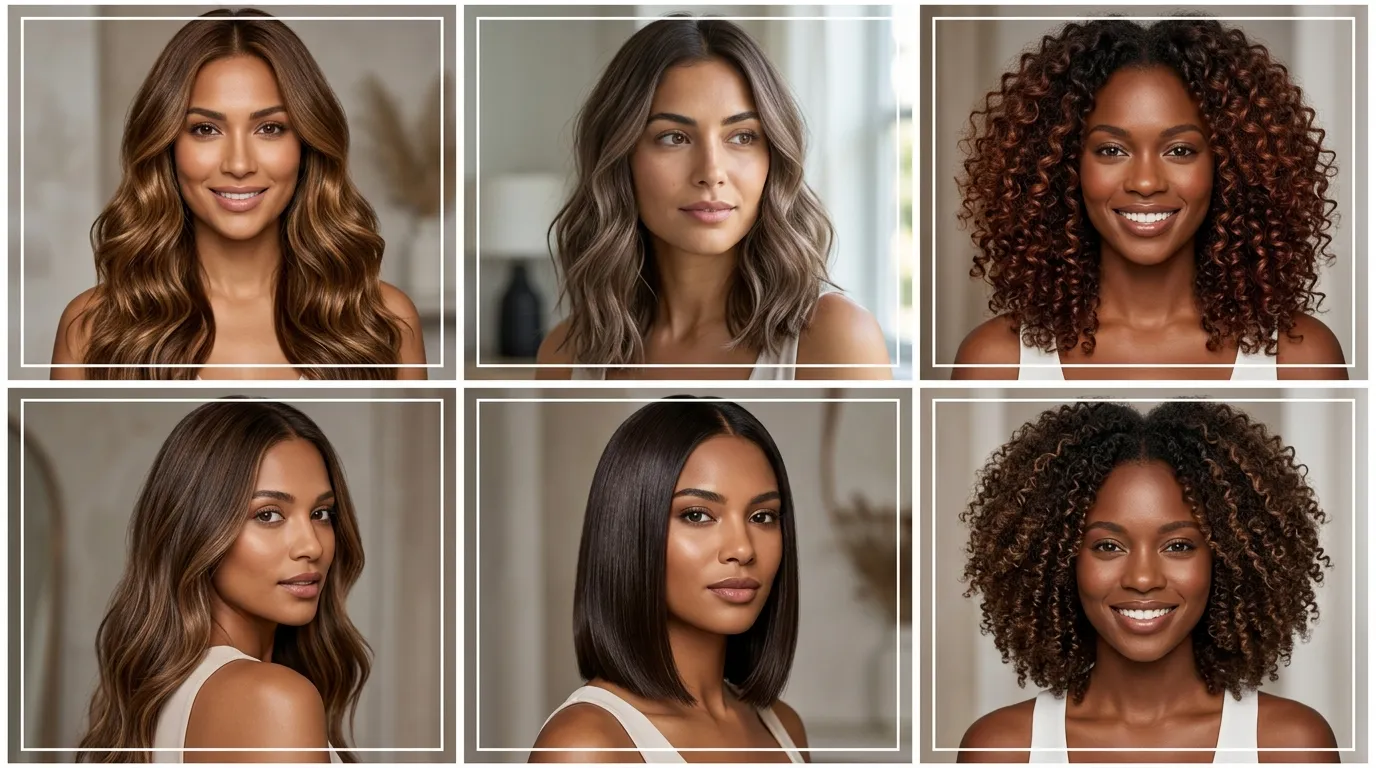

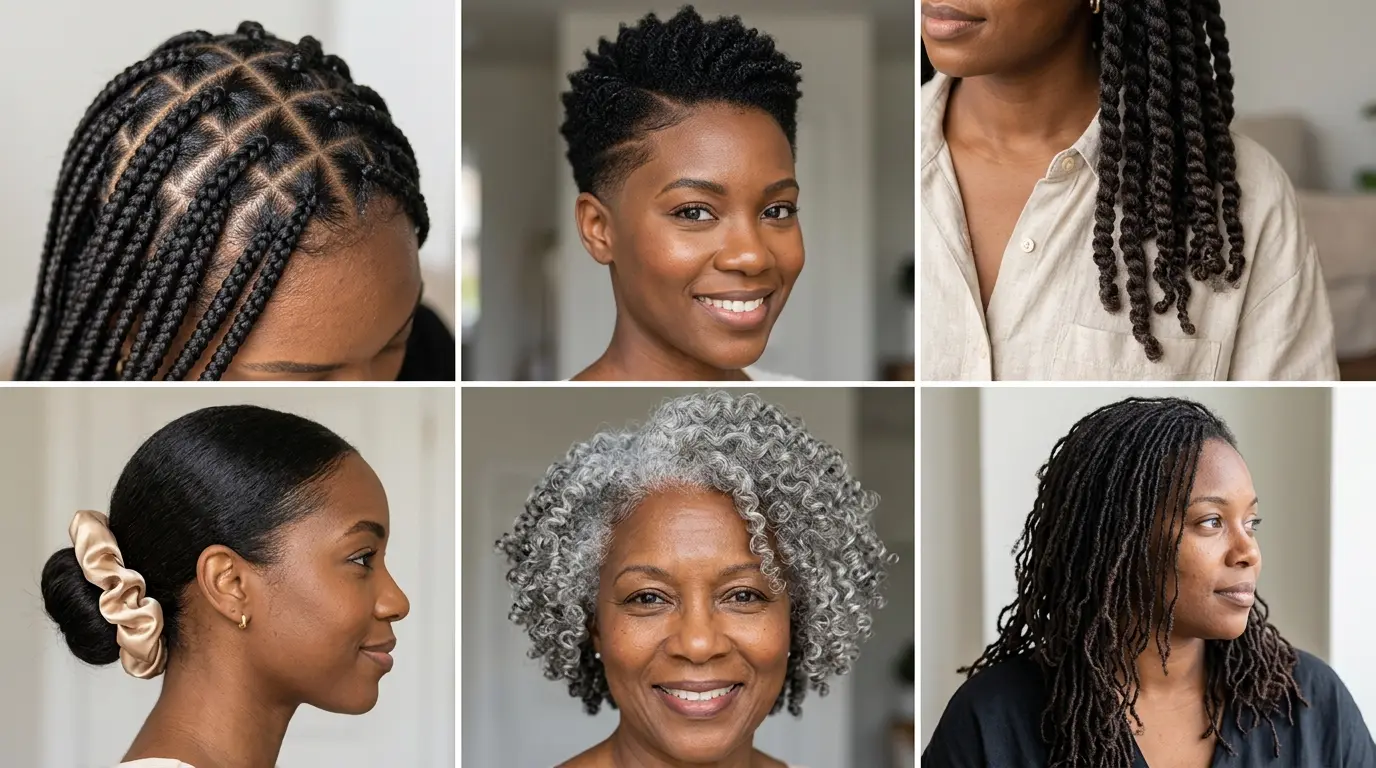
Tight mornings leave little room for multi-step wash days or complex heat routines. When you select low maintenance hairstyles black women often find that the real key to lasting retention is matching the mechanical structure of the haircut to your specific strand diameter and scalp tendencies. The wrong look forces daily restyling and invites traction damage.
Some women carry fine type 4 coils that break under tension, while others manage dense, wiry textures that reject heavy creams. Working women, busy mothers, and fitness enthusiasts each face different environmental stresses like sweat, friction, and humidity.
True ease is not about ignoring your crown for six weeks under synthetic extensions. It comes down to styling your natural fiber so it holds its shape through sleep, workouts, and weather shifts with minimal daily intervention.
Fine Type 4C Strands Prone to Breakage: The Soft Tapered Fro

Fine individual hair fibers arranged in a dense 4C pattern snap quickly when subjected to tight braided tension. This cut serves women with fragile perimeters who want to stop manipulating their edges every morning. It fails for anyone wanting long, swinging lengths or those unwilling to trim their perimeter every six weeks.
Ask your barber for a scissor taper that leaves three inches of length across the center crown while fading the occipital bone and temples down to a number two guard. In 2026, expect to spend around $45 to $75 for this precision cut at an experienced natural salon.
Wash with a sulfate-free cleansing cream. Coat damp strands with a quarter-sized puddle of lightweight flaxseed gel rather than heavy petroleum butters. Run a two-sided textured styling sponge over the crown in clockwise circles for thirty seconds to define the curl clusters. At night, tie a silk scarf flat around the sides and leave the top free against a satin pillowcase. Wake up, shake your head, and mist the top with pure distilled water.
High Porosity Coils That Dry Out Fast: Chunky Two-Strand Twists

High porosity hair features open cuticle scales that absorb hydration instantly but release it just as quickly into dry indoor air. This option is engineered for women with mid-back or shoulder-length coils who battle chronic dryness and mid-shaft splits. Skip this style if you have fine, low-density hair, as large partings will expose broad sections of scalp.
Work in six to eight large sections directly on damp, freshly conditioned hair. Coat each section from root to tip with a shea-based butter cream to lock moisture deep inside the cortex. Divide each section into two even ropes and twist them firmly toward the ends, twirling the final half-inch around your index finger with a dab of castor oil to anchor the unraveling point.
These chunky twists remain intact for ten to fourteen days. Spritz your scalp two mornings a week with rosewater and jojoba oil. Never unravel them while damp, or you will trigger immediate halo frizz across the entire twist surface.
Active Lifestyles with Heavy Daily Sweat: The Sculpted Buzz Cut
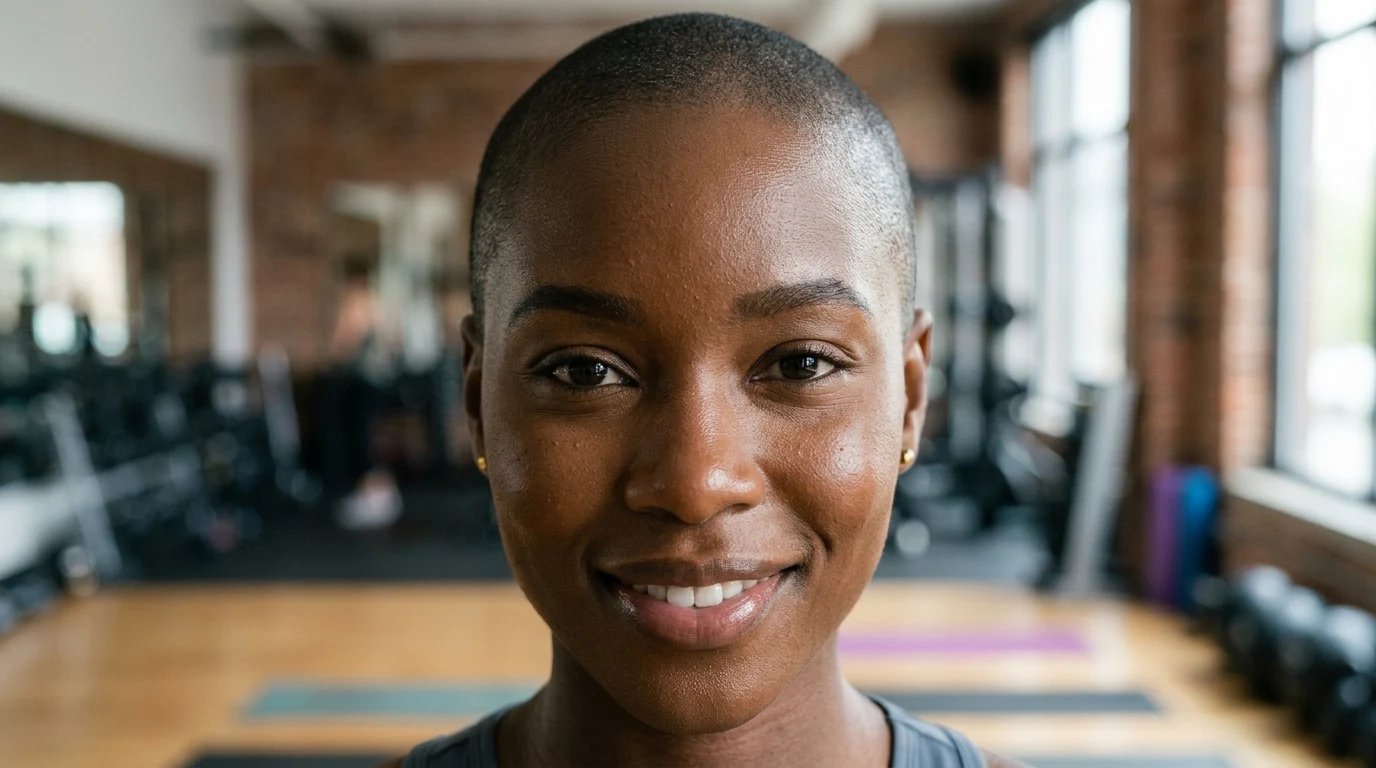
Athletes, runners, and daily gym-goers face salt accumulation at the roots that ruins set styles within forty-eight hours. The buzz cut delivers the ultimate answer for women who refuse to choose between their workout routine and their hair health. Do not choose this look if you are attached to ponytail versatility or have active, untreated scalp psoriasis that requires concealed treatment.
Have your stylist clip the entire head evenly using a guard length between three-eighths and one-half inch. This clean base eliminates all detangling, drying tools, and structural products from your life.
Shower, let warm water rinse the daily workout salt off your scalp, and massage in four drops of botanical tea tree oil while the skin remains damp. No blow dryers or clips are needed. It takes ninety seconds from start to finish. You only need a quick maintenance buzz every three to four weeks to keep the neckline crisp.
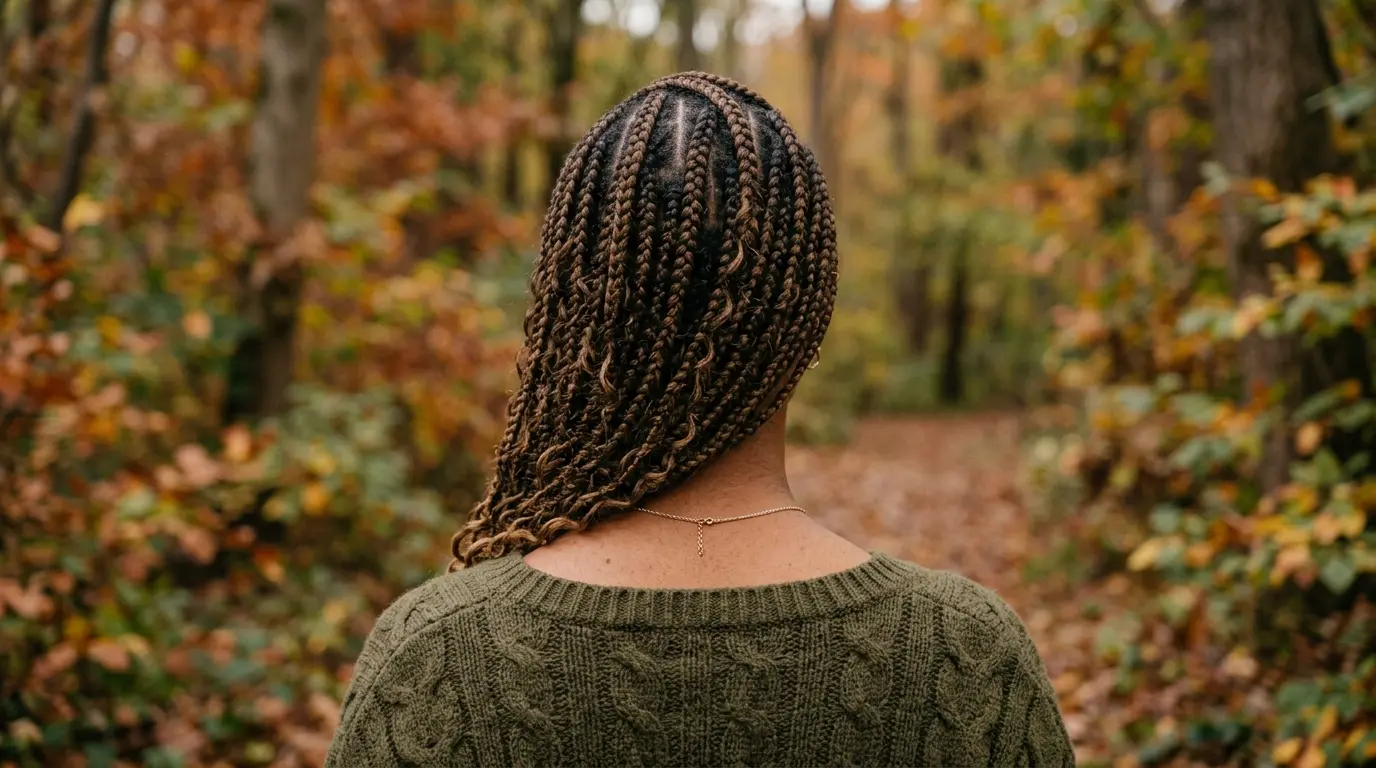
Low Porosity Strands That Repel Moisture: Floating Knotless Braids
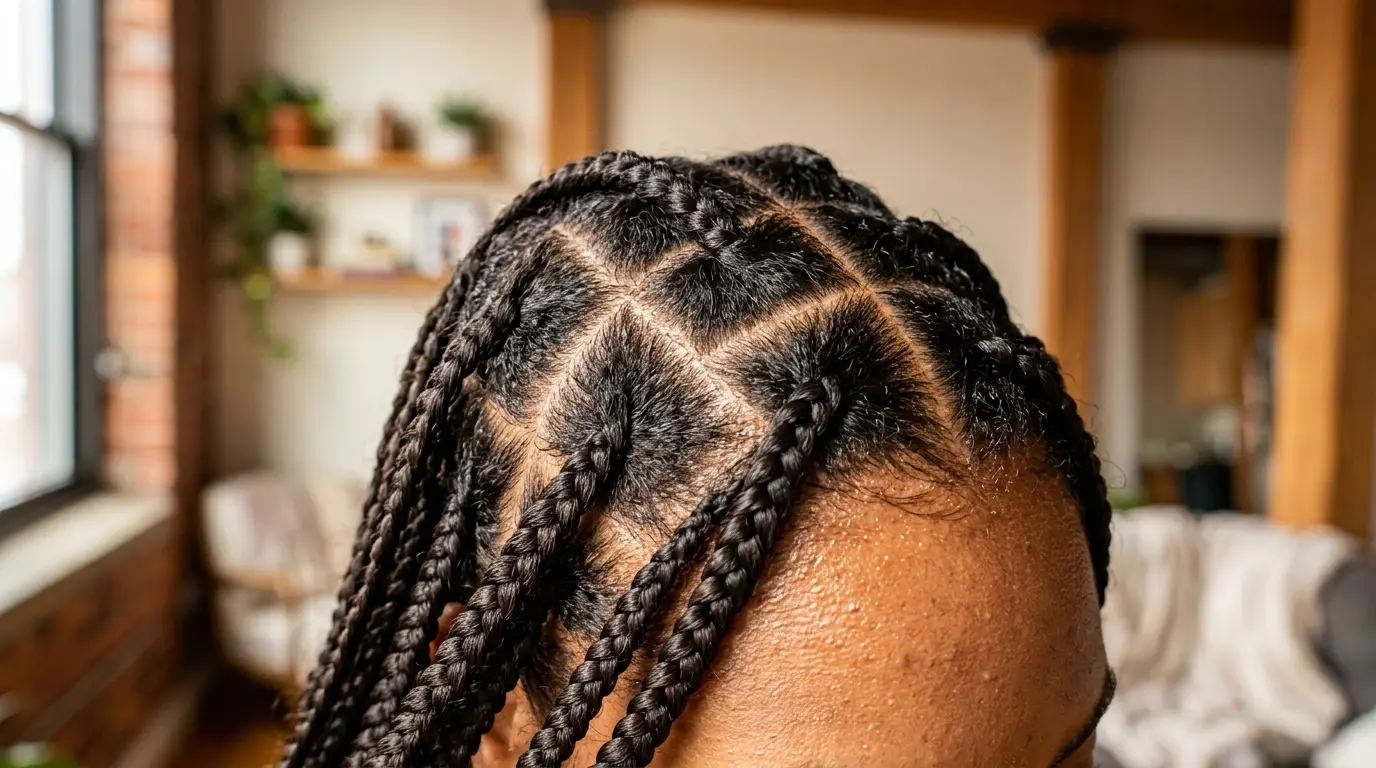
Low porosity hair has tightly packed cuticle layers that resist water absorption, causing products to sit on the surface like grease. Knotless styling is the best protective choice for women wanting weeks of peace without root tension headaches. It is not suitable for women experiencing active telogen effluvium or traction thinning around the temporal hairline.
Your braider must begin each plait with your biological hair, feeding in synthetic or human braiding hair two inches down the shaft. This eliminates the heavy knot at the scalp that pulls at the delicate follicular unit. Keep the parting size medium to distribute the gravitational weight across broad square bases.
Cover your hair with a silk scarf for 15 to 20 minutes to set the style, and it can last three to four days with a quick morning edge refresh without touching the plaits themselves. The entire set lasts six to eight weeks. Spray your exposed partings twice weekly with an aloe vera juice mist to hydrate your natural hair tucked inside the extensions.
Low Maintenance Short Hairstyles Black Women: The Pixie Fade
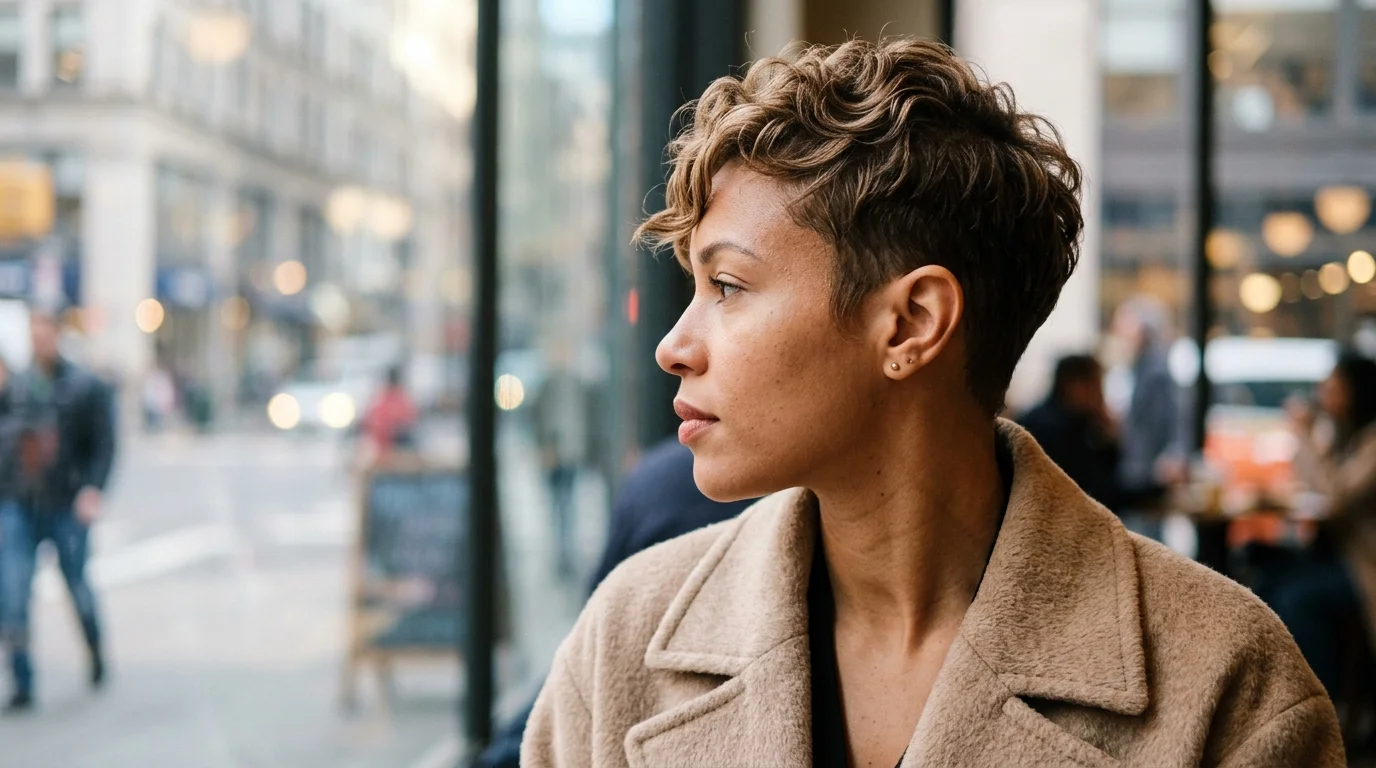
Tightly cropped perimeters combined with soft, textured length on top give short natural crops a refined, intentional shape without daily hot tools. This style belongs to working professionals who want a polished aesthetic with less than five minutes of morning effort. It will not work for anyone who dislikes frequent barber visits, as the nape requires cleanup every three weeks.
The cut utilizes clipper-tapered sides paired with scissor-sculpted curls through the top that fall slightly forward toward the brow. It delivers a modern, flattering silhouette that stays fresh across long workdays.
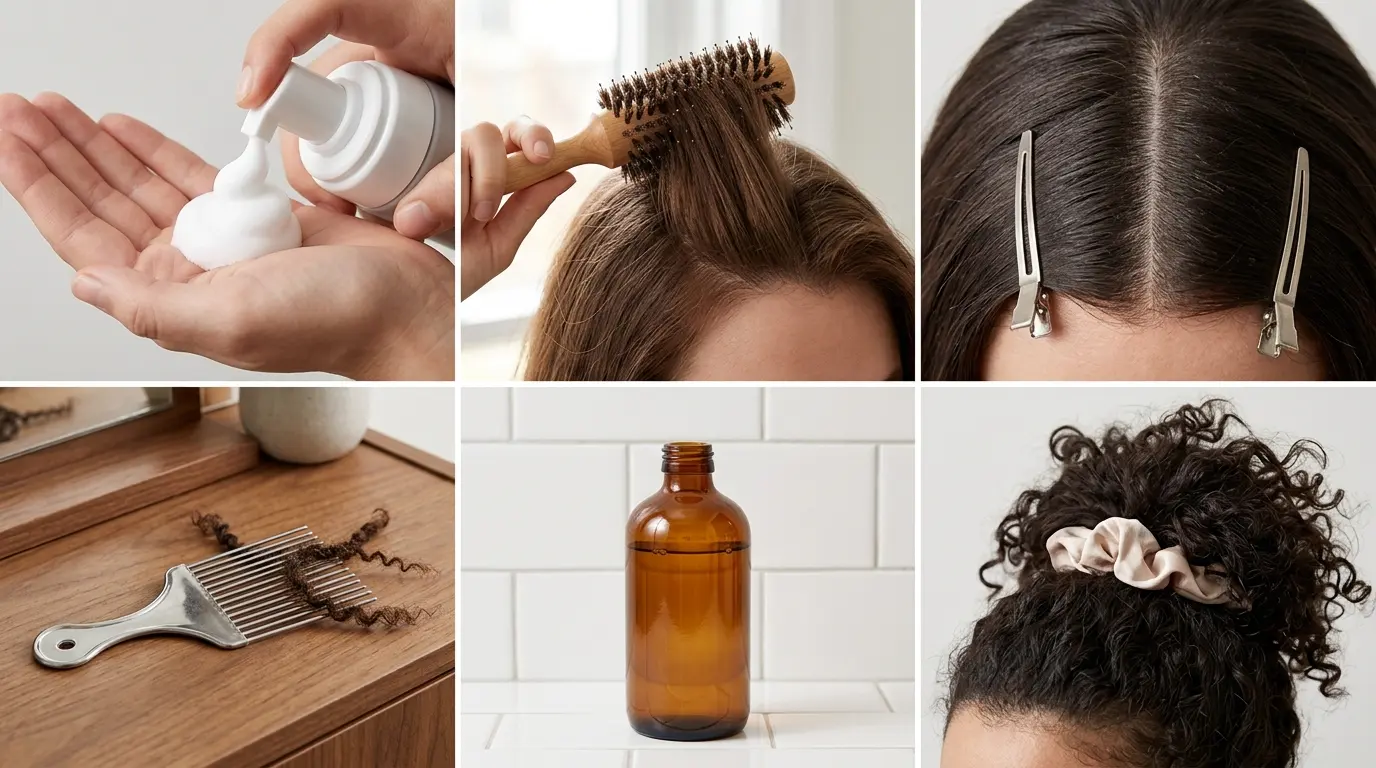
Rub a nickel-sized amount of botanical setting foam between your palms. Smooth it over the damp top curls, press the sides flat with your palms, and tie a breathable mesh wrap over your perimeter for ten minutes while you dress. Remove the wrap, run your fingers once through the front fringe to separate the curls, and head out the door.
Low Maintenance Hairstyles for Black Women with Natural Hair: The Flat Twist Halo
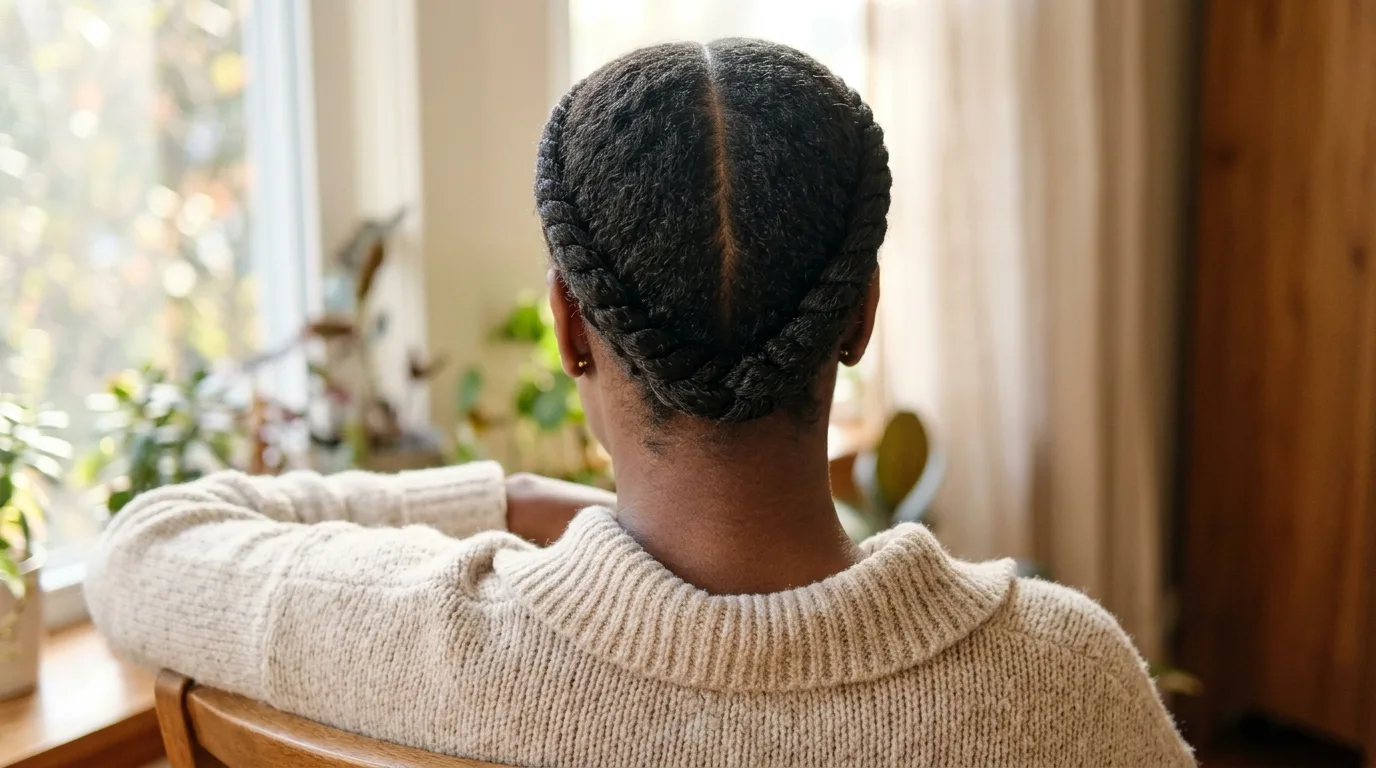
Loose natural hair often tangles against coat collars and car seats during daily commutes, causing friction breakage at the nape. The flat twist halo provides a tucked, protective perimeter for women with medium to long natural coils who want an elegant updo that survives an entire workweek. It is a poor pick if your front perimeter is fragile or recovering from chemical thinning.
Part your hair down the center or slightly off to one side. Apply an alcohol-free aloe edge gel along the part line. Flat twist each side backward against the scalp, moving from the forehead down toward the nape while keeping your hands close to the head to avoid loose loops.
Cross the two twist ends at the nape, fold the tips under, and secure them with two flat matte bobby pins tucked into the twists. The friction against your ends drops to zero because the delicate tips stay safely hidden inside the structure. At night, slip on a wide-band satin bonnet. In the morning, you simply remove the bonnet and go.
Easy Low Maintenance Hairstyles for Black Women: The French Pin Roll
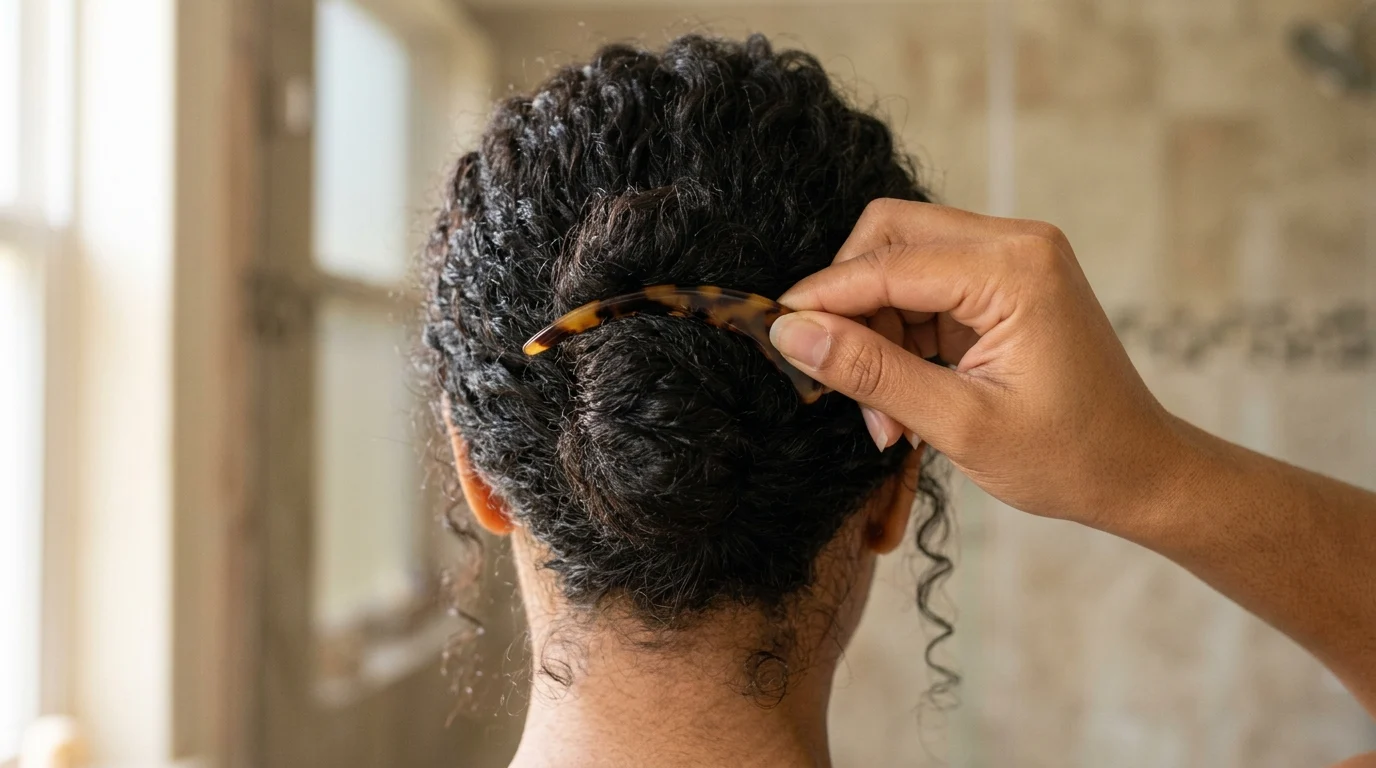
Busy mornings demand styles that come together in sixty seconds without heat, elastics, or complicated partings. This pinned updo serves medium-length curly or blown-out textures that need a quick, damage-free alternative to tight rubber bands. It does not hold on silk-pressed hair that is shorter than collarbone length, as the hair will slip free from the pin.
Gather your curls loosely at the nape with your dominant hand. Twist the hair rope upward against the back of your head until the ends fold down toward the base.
Take a three-inch u-shaped tortoiseshell or metal French hairpin. Catch the edge of the hair roll with the pin facing outward, flip the pin backward against the scalp, and slide it firmly into the center of the roll. The mechanical tension between the hair mass and the curved prongs anchors the entire weight without pulling your edges or snapping fragile nape hairs.
Low Maintenance Pixie Cut Hairstyles Black Women: Textured Finger Waves
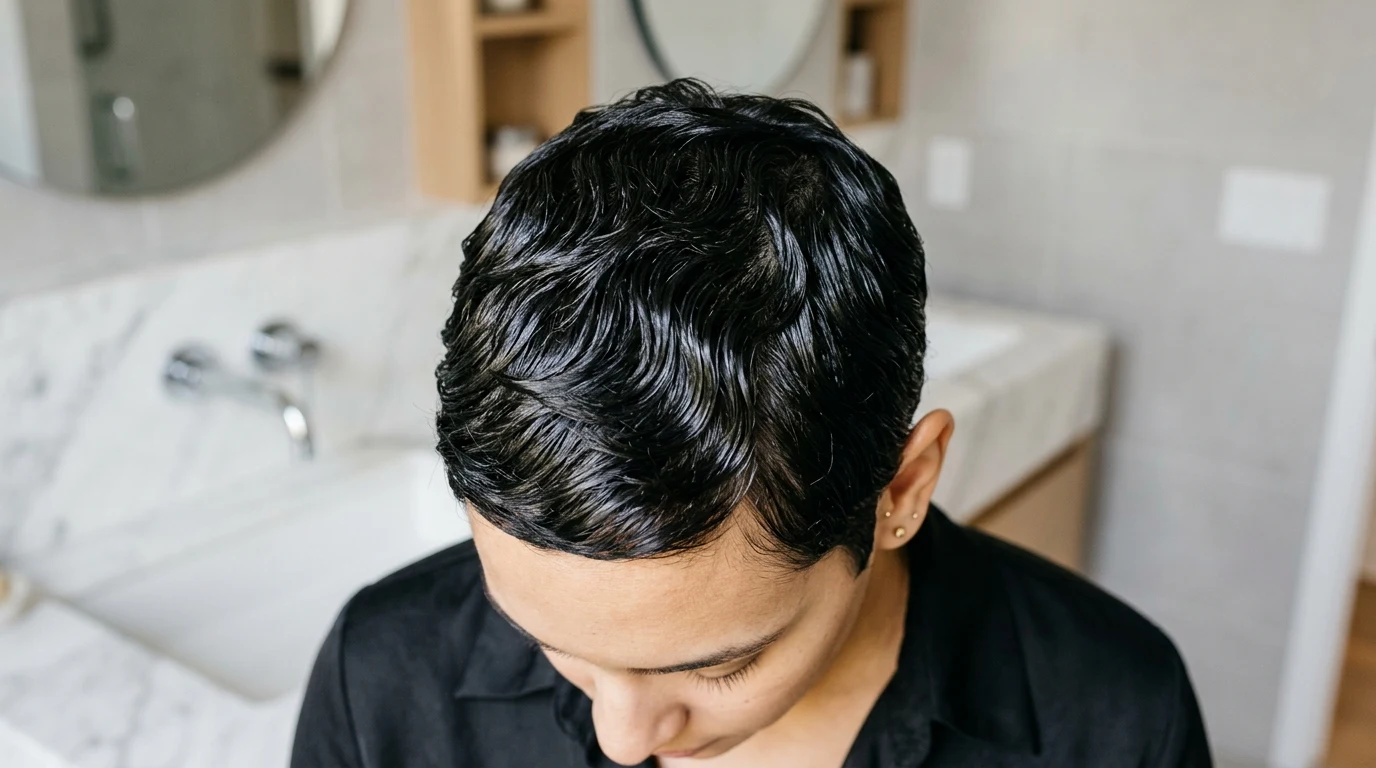
Textured short hair often collapses into a messy, shapeless state after sleeping. Modern finger wave pixies provide an intentional, durable pattern for relaxed, texturized, or soft curl patterns that stay sleek for multiple days. This technique fails on coarse, untreated type 4 hair that has not been softened, as the cuticles will resist laying flat.
Saturate damp short hair with a generous pump of firm-hold panthenol styling foam. Comb the hair flat against the scalp using a fine-toothed styling comb. Use the side of your middle finger to hold the hair in place while the comb shifts the adjacent hair half an inch in the opposite direction, creating a series of soft, undulating ridges across the crown.
Sit under a hard-hat dryer for twenty-five minutes until the foam cures into a lightweight, glossy shell. Once set, this style lasts four to five days without manipulation. Sleep in a flat silk wrap, and in the morning, smooth a single drop of argan oil across the ridges with the flats of your hands to dissolve any surface stiffness.
Low Maintenance Medium Hairstyles for Black Women Over 50: The Layered Shag

Hormonal changes during perimenopause and post-menopause often lead to strand miniaturization and reduced scalp density. A softly layered medium shag gives women over fifty built-in volume and movement without requiring round-brush blowouts or heavy styling resins. Avoid this cut if you prefer clean, blunt perimeters or wear tight protective styles that require uniform hair lengths.
Ask your stylist for dry-cut interior layers starting around the cheekbones, combined with soft curtain fringe that disguises temporal recession. The haircut does all the visual work, allowing the natural salt-and-pepper or dyed pattern to spring upward on its own.
Apply a weightless curl-activating fluid to damp lengths. Scrunch upward with a waffle-weave microfiber towel to encourage the curl clumps, then allow the hair to air-dry. The built-in tiers prevent the bottom from looking thin while keeping the crown elevated, giving you consistent shape day after day with zero roller sets.
Black Low Maintenance Hairstyles: Classic Cornrow Rows
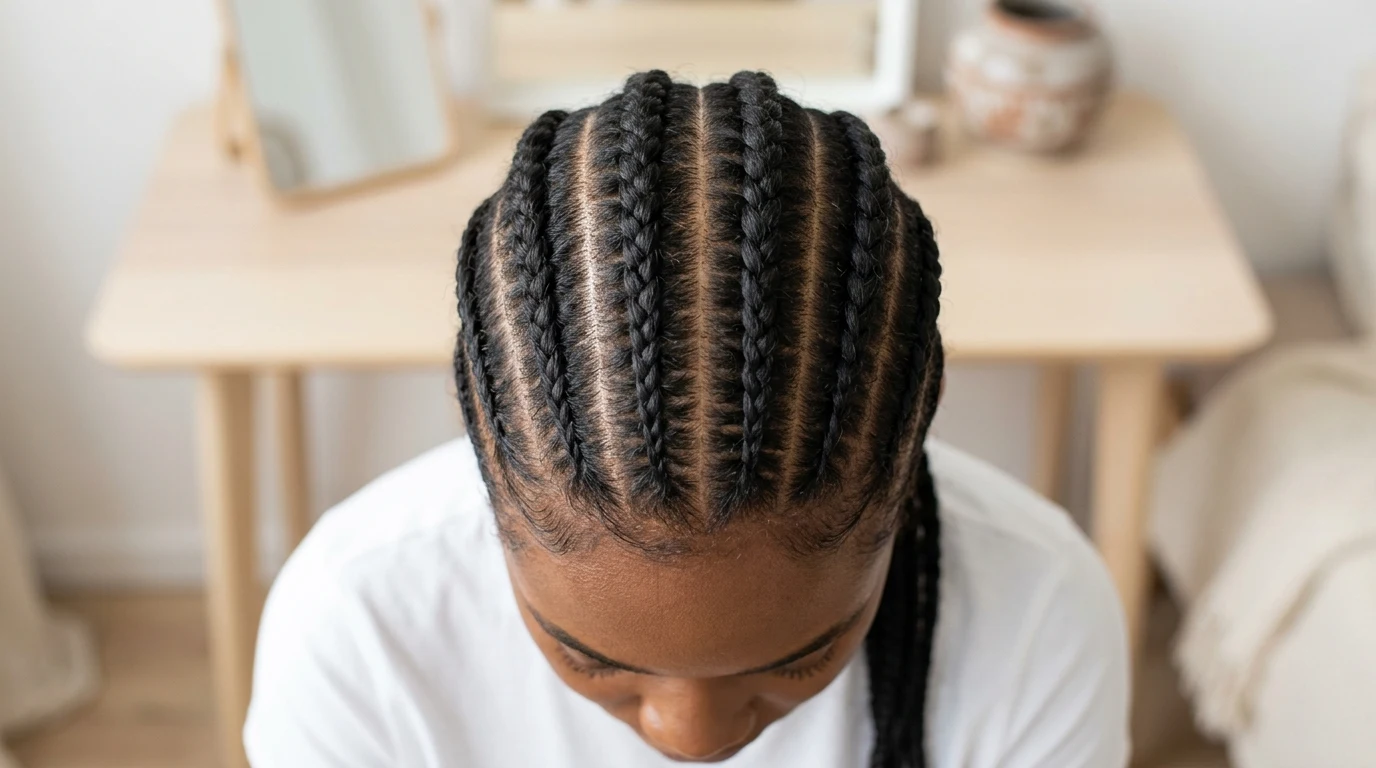
Active routines and outdoor professions expose the hair shaft to sun, wind, and mechanical friction that cause severe moisture loss. Straight-back cornrows offer a dependable, durable foundation for women who need a style that stays neat for four full weeks. They will not suit anyone who dislikes exposed scalp partings or those suffering from active scalp dermatitis that requires daily topical ointments.
Divide your detangled hair into six to eight clean vertical lanes from the front hairline to the nape using the tail of a metal comb. Apply a modest dab of pure murumuru butter to each lane to provide strand lubrication. Braid each section flat against the scalp with steady, even tension.
The secret to preventing tension bumps is keeping your fingers close to the roots rather than pulling outward away from the skull. Band the ends with small silicone elastics. Mist the braids three times a week with a lightweight tea tree and water spray to keep the exposed scalp clean and comfortable.
Low Hairstyles for Black Women: The Low Satin-Wrapped Bun

Tension alopecia frequently develops when hair is pulled into the exact same high ponytail day after day. A low-placed bun shifts the physical strain away from the delicate temple area down to the denser hair at the nape. It serves anyone who needs an instant, elegant look for corporate settings or dinner engagements. It will not hold on hair shorter than chin length unless supplemental hairpieces are added.
Part your hair down the center or sweep it smoothly backward. Smooth the sides using an alcohol-free flaxseed edge control and a soft boar-bristle brush, guiding the hair directly toward the hollow of your neck.
Secure the base using a wide satin-covered scrunchie, keeping the tension moderate rather than pulled tight. Twist the ponytail tail into a neat cinnamon roll around the base and secure it with three u-shaped hairpins. Never use uncovered rubber bands, which chew through the cuticle and create localized breakage spots right at the center of your hair shaft.
Low Maintenance Hairstyles for Older Women: The Tapered Silver TWA

Embracing natural silver textures often comes with a shift in porosity, as gray strands can feel coarse, wiry, and resistant to moisture. The tapered teeny-weeny afro, or TWA, gives mature women an effortless, striking silhouette that highlights facial structure without hours of detangling. It is not suitable for women who feel uncomfortable with prominent facial exposure or short hair lengths.
The cut keeps the crown at approximately one to one-and-a-half inches of length, with the sides and back softly faded to follow the natural contour of the skull. This eliminates the heavy, untamed look that unmanaged silver hair can develop as it grows outward.
Smooth two pumps of a lightweight leave-in conditioner formulated with provitamin B5 over the hair every morning right after washing your face. Follow with a tiny dab of golden jojoba oil to seal the cuticles and impart a clean, healthy shine to silver strands without yellowing them. There is no comb required; simply use your clean hands to shape the soft crown.
No Maintenance Hairstyles for Black Women: Sisterlocks or Microlocs
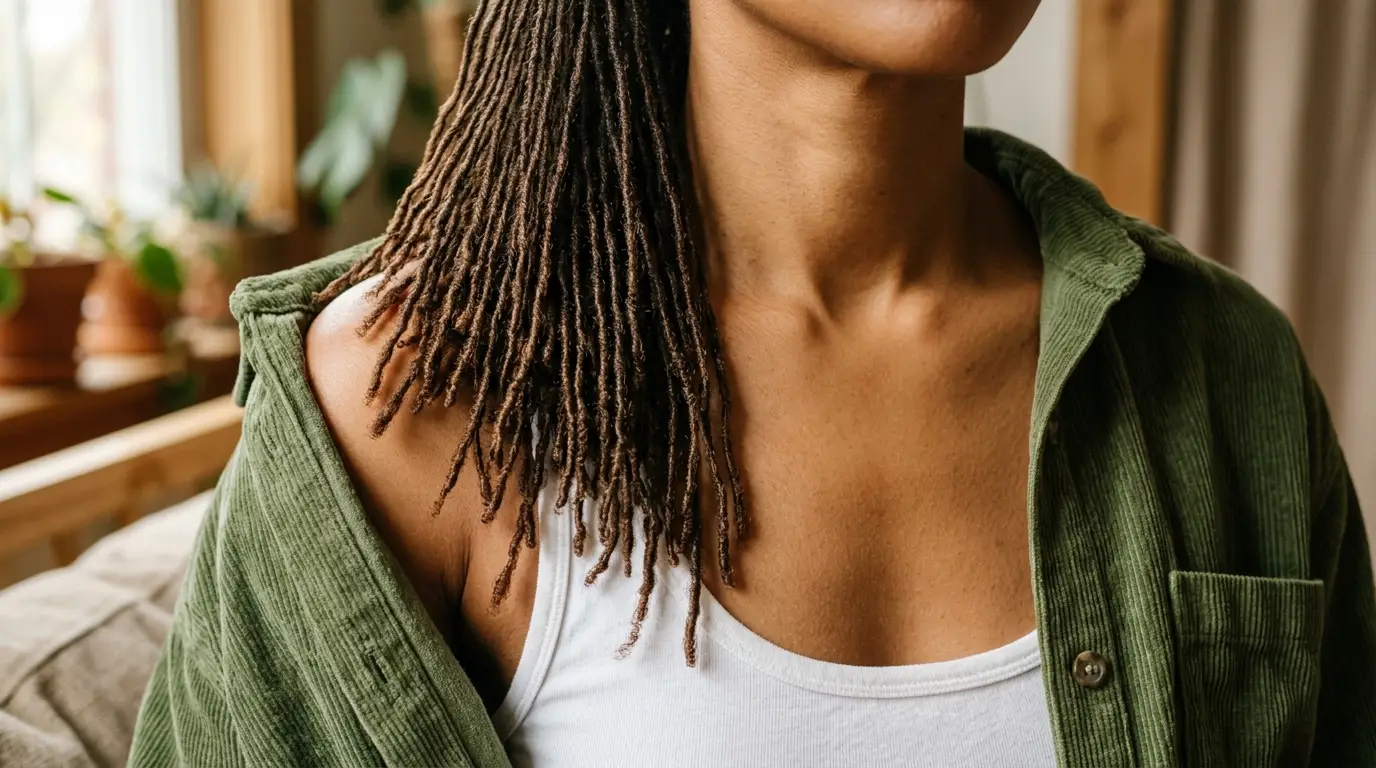
Traditional loose hair routines require constant washing, detangling, deep conditioning, and protective styling schedules. Locs provide a permanent, self-sustaining hair structure for women who want complete freedom from daily styling tools and chemical upkeep. This commitment is not for anyone who enjoys changing their hair length or texture frequently, as comb-outs require extensive time and effort.
Installed using an interlocking tool rather than palm rolling, these micro-sized locs create a versatile grid across the entire scalp. Initial installation takes between fifteen and thirty hours depending on hair density and length, but once established, daily effort drops to zero.
You wake up, mist your scalp lightly with pure rosewater, shake your head, and step out the door. The hair moves, drapes, and styles just like loose strands without any detangling sessions. You only need a professional retightening session every six to eight weeks to secure the new growth at the root bed.
| Hair Situation | Recommended Style | Key Tool or Product | Maintenance Cycle | Primary Benefit |
|---|---|---|---|---|
| Fine 4C Strands | Soft Tapered Fro | Textured curl sponge | 6-week shape trim | Zero tension on fragile edges |
| High Porosity Dry Coils | Chunky Two-Strand Twists | Shea-based butter cream | 10-14 days | Locks hydration deep in cortex |
| Daily Sweat & Gym Work | Sculpted Buzz Cut | Botanical tea tree oil | 3-4 week clipper buzz | 90-second morning routine |
| Low Porosity Moisture Shield | Floating Knotless Braids | Aloe vera hydration spray | 6-8 weeks | No root tension headaches |
| Polished Office Morning | The Pixie Fade | Breathable mesh setting wrap | 3-week nape cleanup | Crisp shape in 5 minutes |
| Friction-Heavy Commutes | Flat Twist Halo | Alcohol-free aloe gel | 5-7 days | Ends tucked away from friction |
| 60-Second Updo Needs | The French Pin Roll | 3-inch u-shaped hair pin | Restyle as needed | No elastic damage or snapping |
| Sleek Multiday Ridges | Textured Finger Waves | Panthenol styling foam | 4-5 days | Glossy hold without daily heat |
| Thinning Crown Over 50 | Layered Medium Shag | Waffle microfiber towel | 8-week texture trim | Built-in crown elevation |
| Extended Outdoor Protection | Classic Cornrow Rows | Pure murumuru butter | 4 weeks | Complete strand containment |
| Fragile Temporal Margins | Low Satin-Wrapped Bun | Satin-covered scrunchie | Daily restyle (2 mins) | Protects delicate front edges |
| Coarse Wiry Silver Hair | Tapered Silver TWA | Golden jojoba oil | 6-week barber taper | Brightens and softens silver |
| Permanent Zero-Fuss Needs | Sisterlocks or Microlocs | Rosewater moisture mist | 6-8 week retighten | Zero detangling or daily tools |
Deciding on Low Maintenance Hairstyles Black Women Love
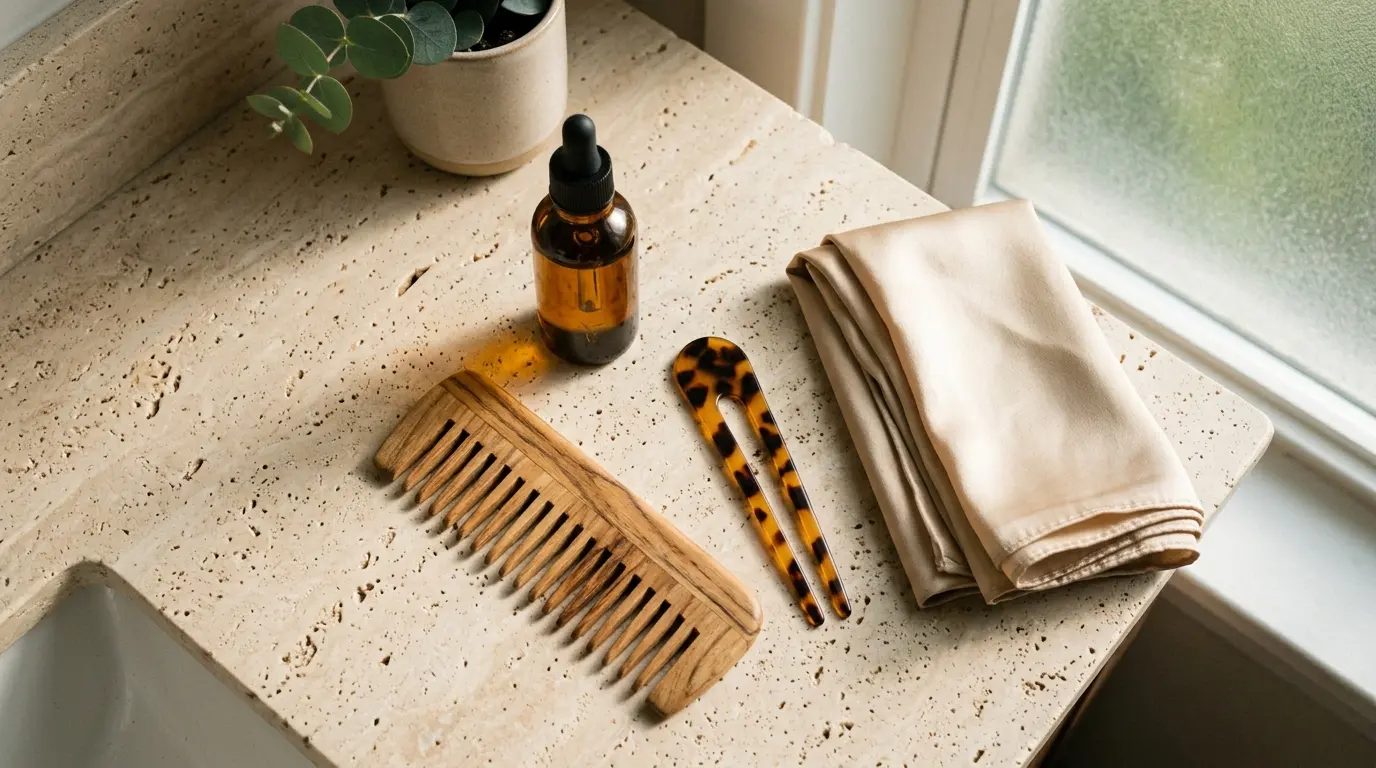
Selecting your optimal approach comes down to an honest assessment of your weekly schedule and how much hands-on time you want to spend on your crown. If you want a cut that works straight out of bed, a short crop or locs will eliminate morning stress entirely. If you prefer keeping your length, large twists or loosely anchored knotless plaits protect your ends without demanding daily styling products.
Tension is the issue, not the style itself. Whenever a look pulls at your scalp or causes small red bumps around your temples, remove it immediately to protect your follicles. The most rewarding hair journey is the one that lets you live your life freely without being trapped in front of a mirror every morning.
Frequently Asked Questions
How do I choose between standard box braids and knotless plaits for root comfort?
Choose knotless plaits if your scalp is sensitive to tension or if your hairline has fine, fragile baby hairs that pull easily. The gradual feed-in technique distributes the synthetic hair weight down the shaft rather than anchoring a heavy knot directly at your root follicle.
Should I choose a short tapered cut or a full buzz cut for managing heavy sweat?
Select a full buzz cut if you exercise vigorously every day and want to rinse your scalp under the shower without styling steps. Opt for a tapered cut if you still want curl definition and shape around the crown while keeping your neck and temples cool.
How do I pick the right styling product weight based on hair porosity?
Check your hair porosity before buying products. If water beads up on your strands before soaking in, choose light, water-based leave-in sprays with aloe vera. If your hair absorbs water instantly and turns dry an hour later, select heavy shea butters and castor oil to seal the raised cuticle layer.
What is the best way to choose between locs and traditional loose hairstyles?
Choose locs if you are ready for a long-term commitment that eliminates daily detangling, combing, and heat styling entirely. Keep your loose natural hair if you enjoy regularly switching between wash-and-go sets, blowouts, and temporary protective braids.
Should older women choose a blunt bob or a layered cut to restore volume?
Choose a layered cut if you are experiencing hair thinning or a widening part line, as shorter interior layers reduce downward weight and push hair upward at the root. Pick a blunt bob only if your hair density remains thick from root to tip and you want a sharp perimeter.
The Clear Direction for Low-Stress Hair
If you are staring at your bathroom mirror feeling completely overwhelmed by product bottles and styling tools, make one decisive change: pick a style that requires no daily manipulation. Book a tapered shape-up or put your clean, damp hair into eight simple two-strand twists tonight. Once your scalp feels comfortable and your mornings are free, you will wonder why you spent so many years fighting your natural hair.
Disclaimer: Persistent scalp soreness, excessive shedding, or visible circular bald patches should be evaluated promptly by a board-certified dermatologist. Always conduct a twenty-four-hour skin patch test behind your ear before using new styling gels or synthetic braiding hair.
Related reads: Fall Hairstyles for Black Women That Survive the Season, Low Porosity Hair Care: Solving Moisture Resistance and Cuticle Buildup and The Honest Guide on How to Get Volume in Hair for Every Texture.