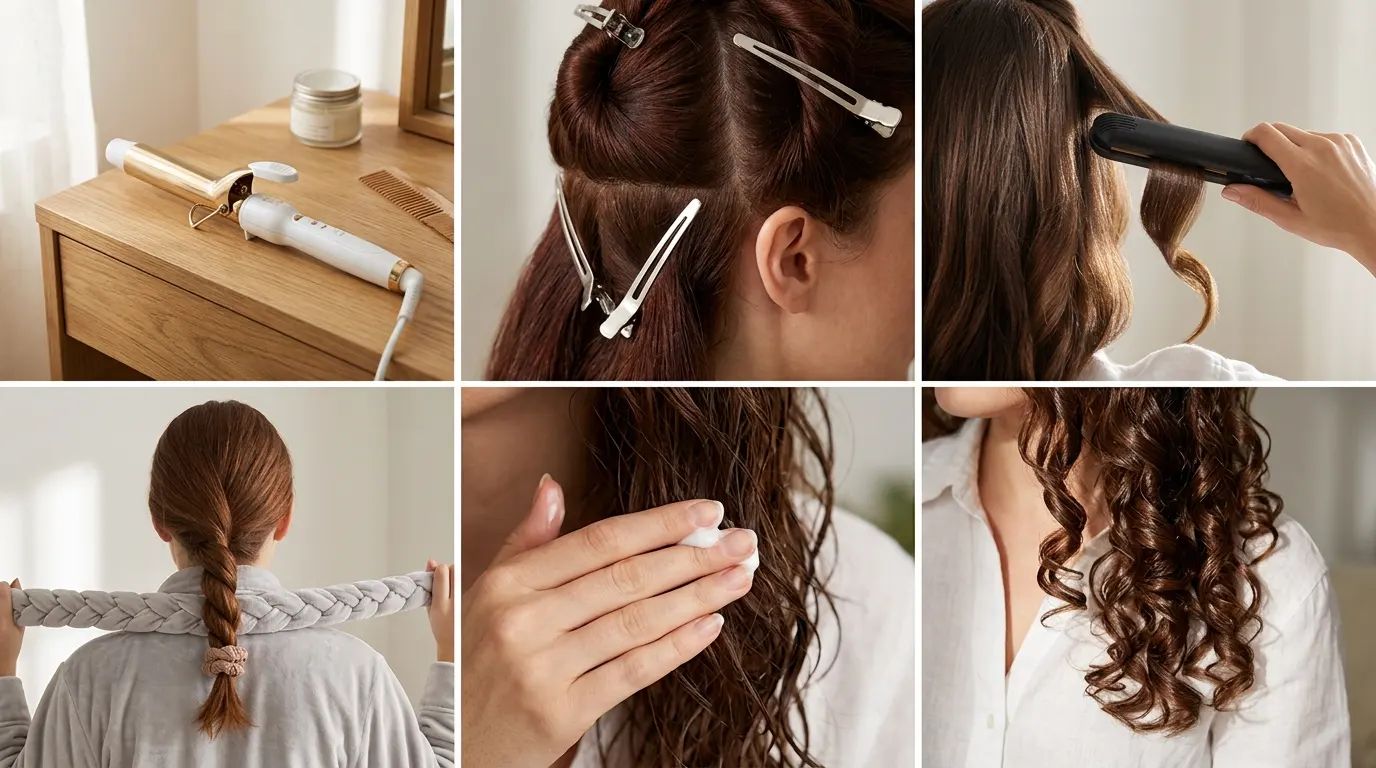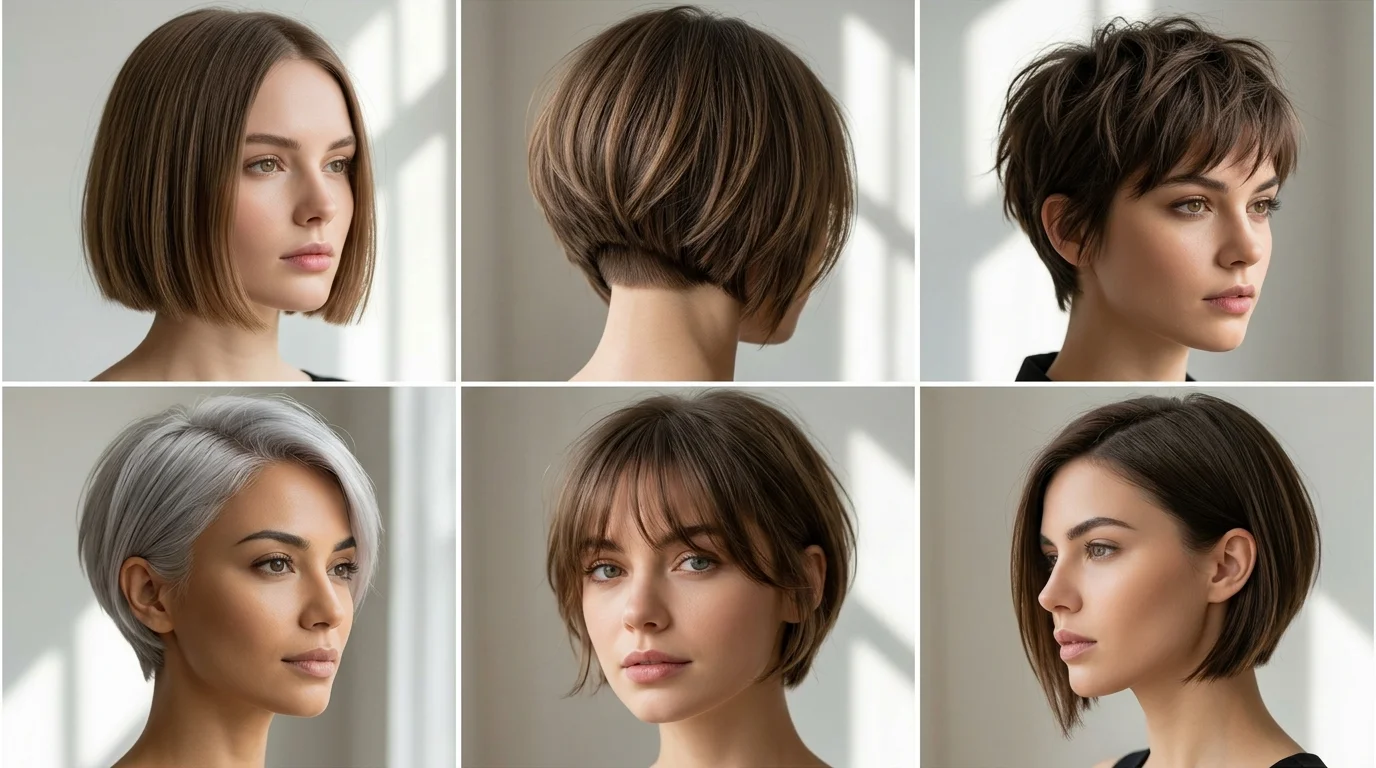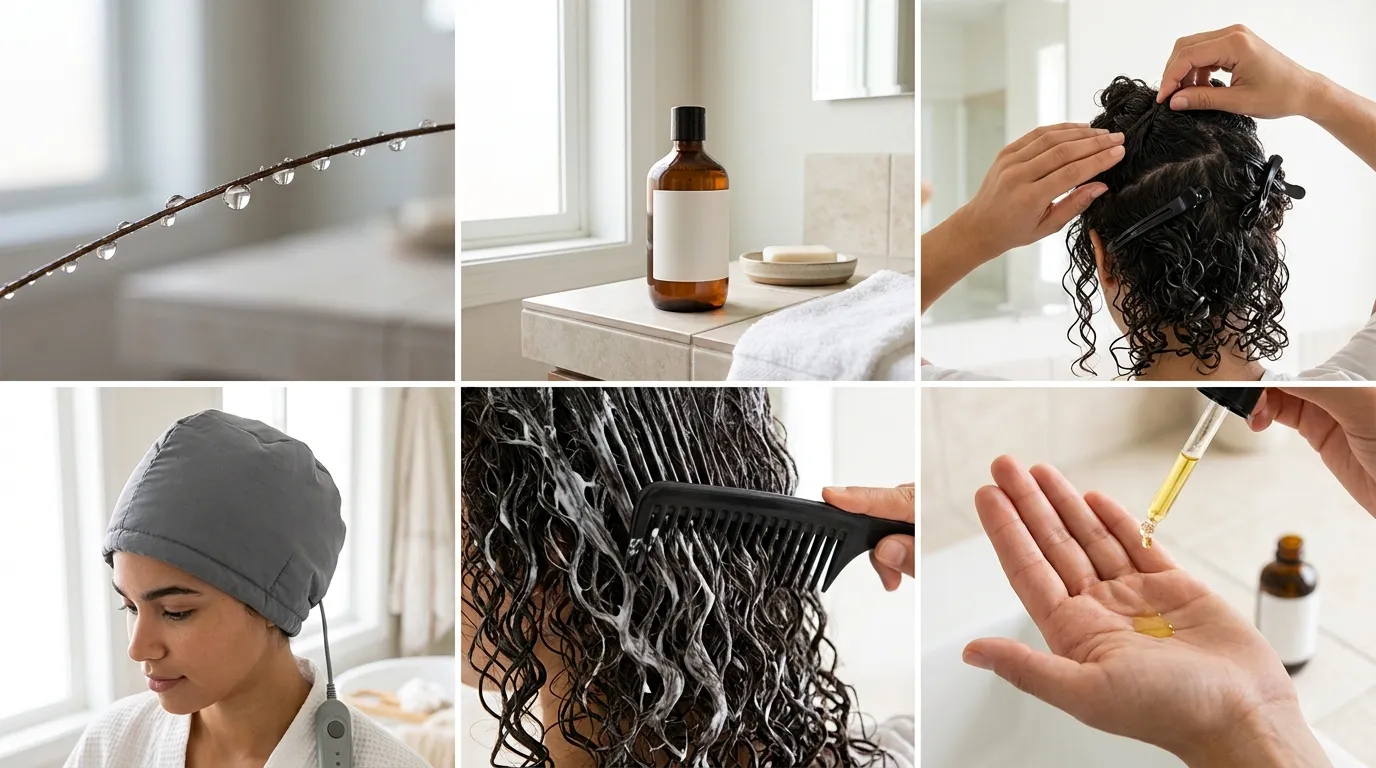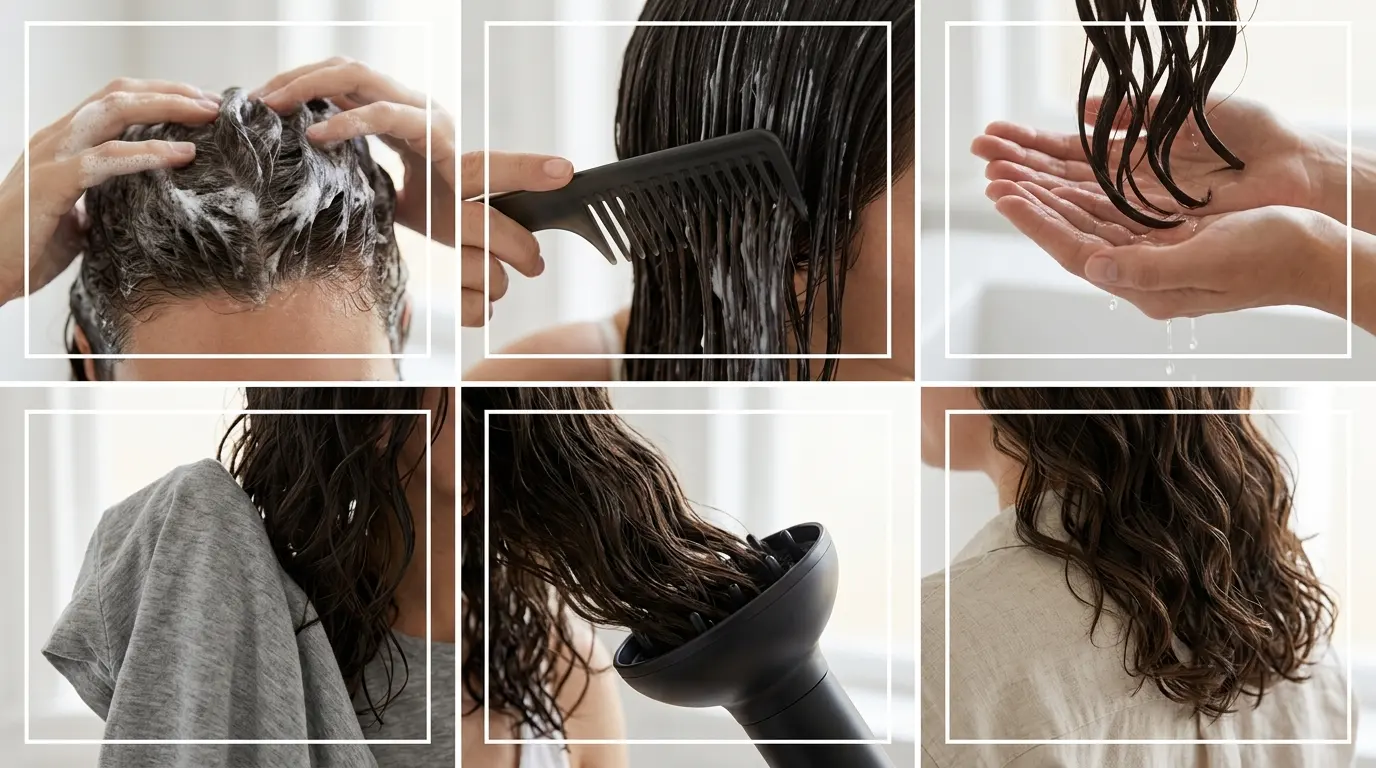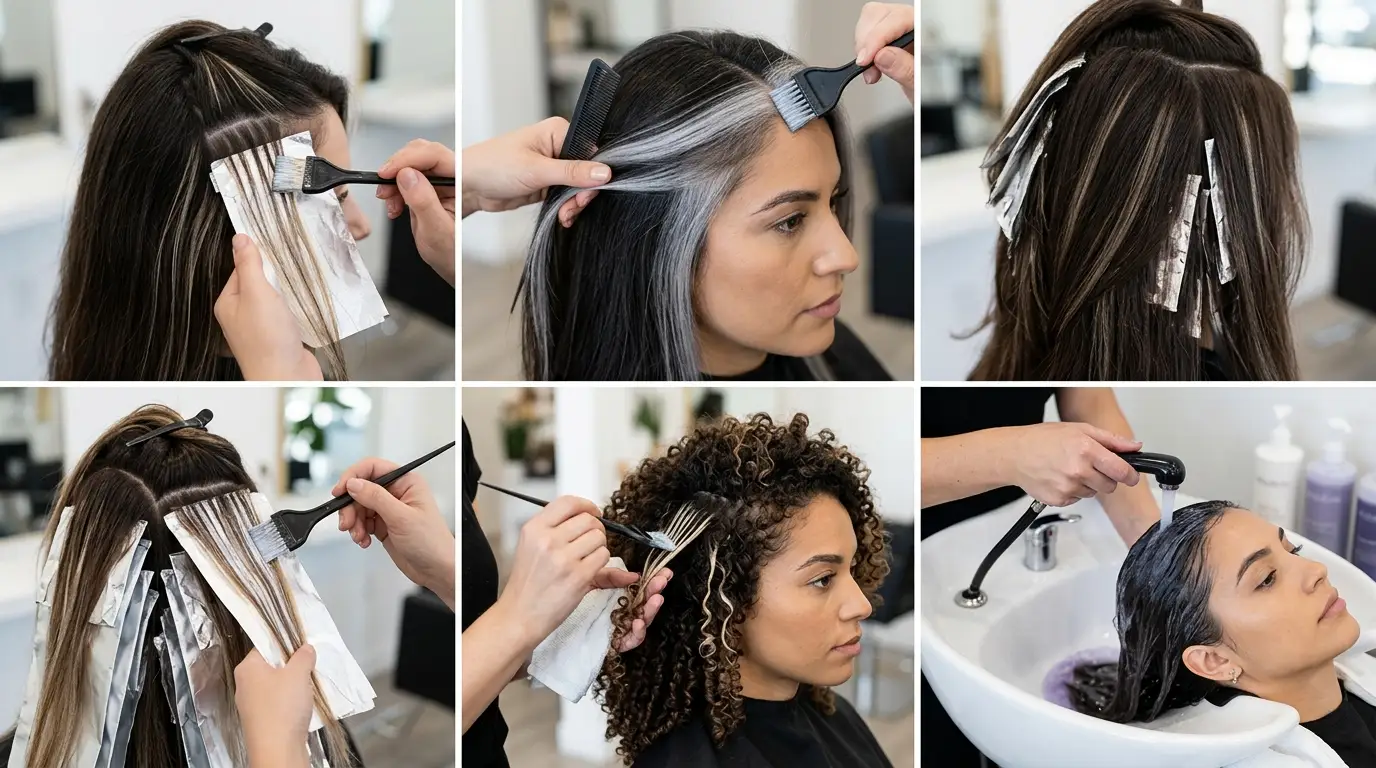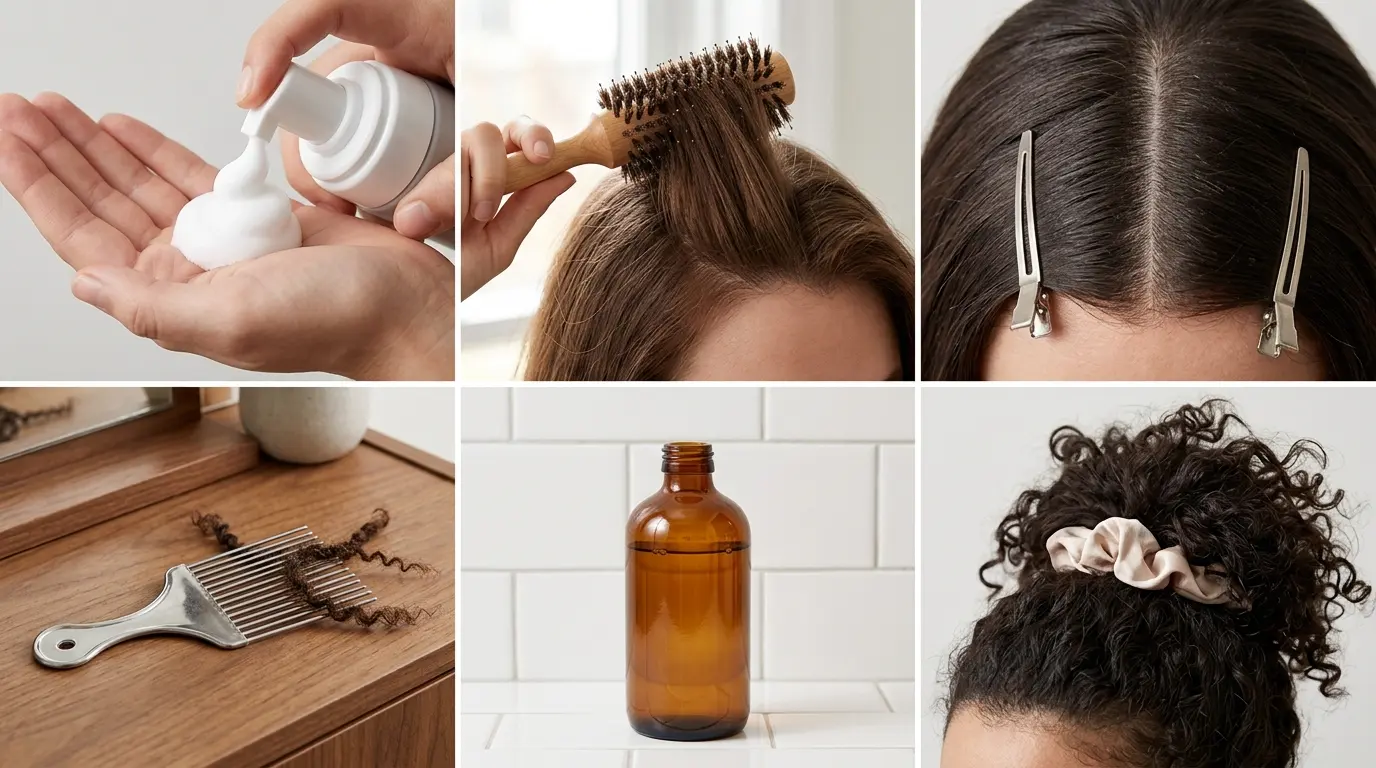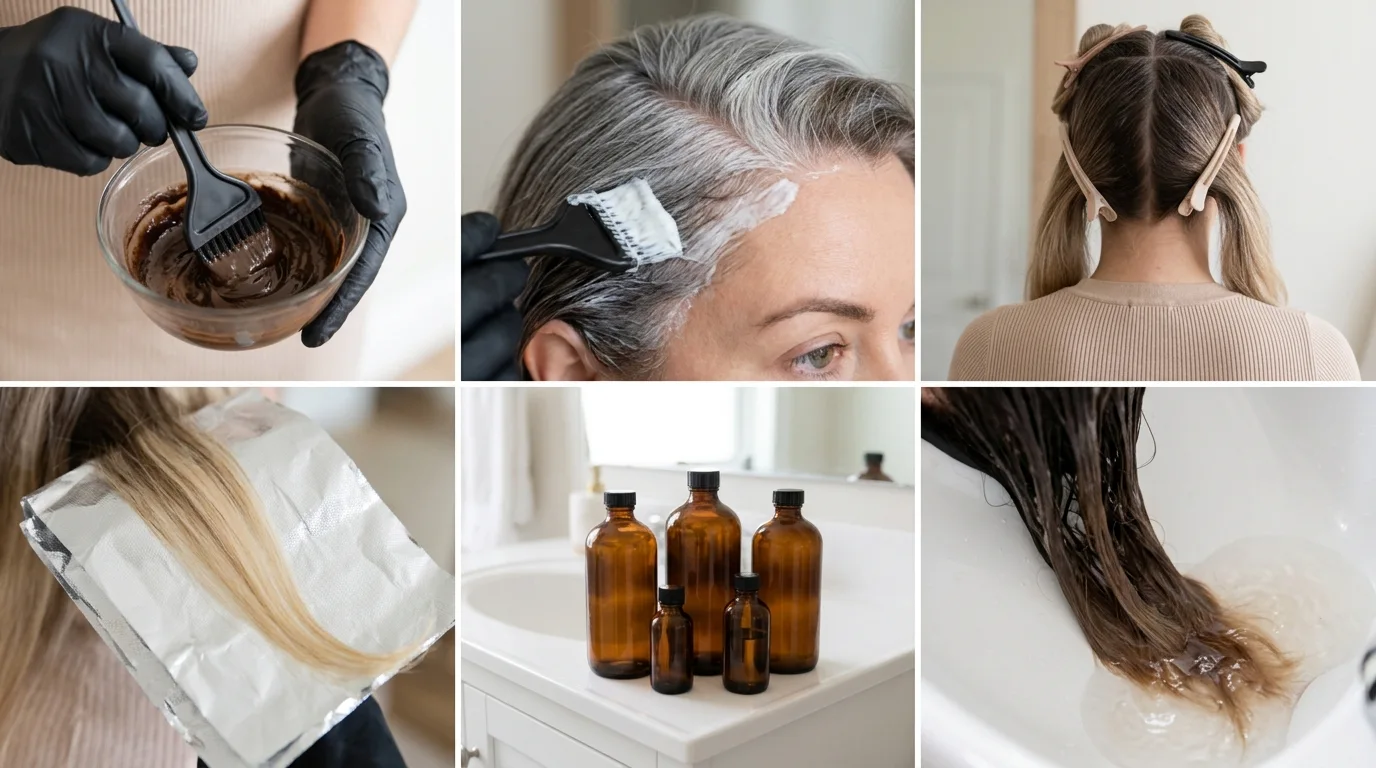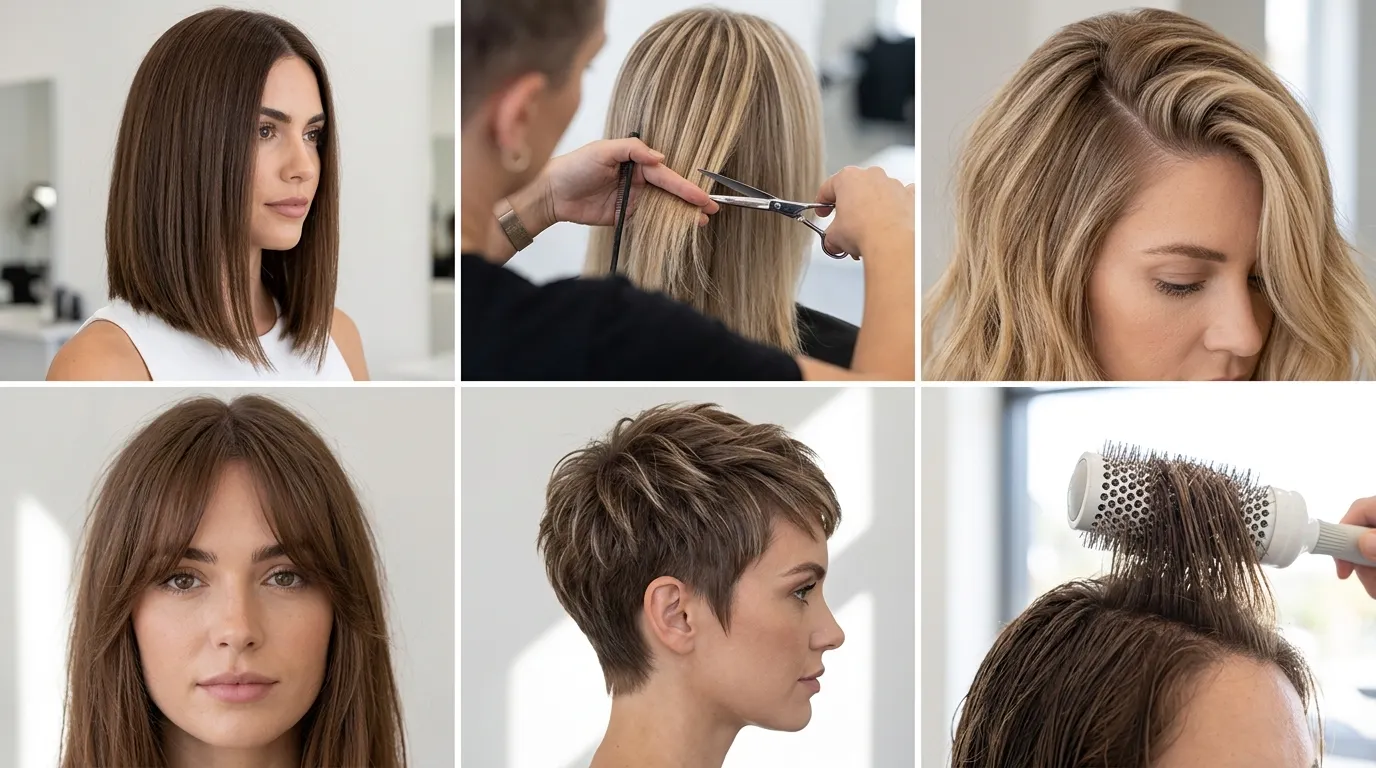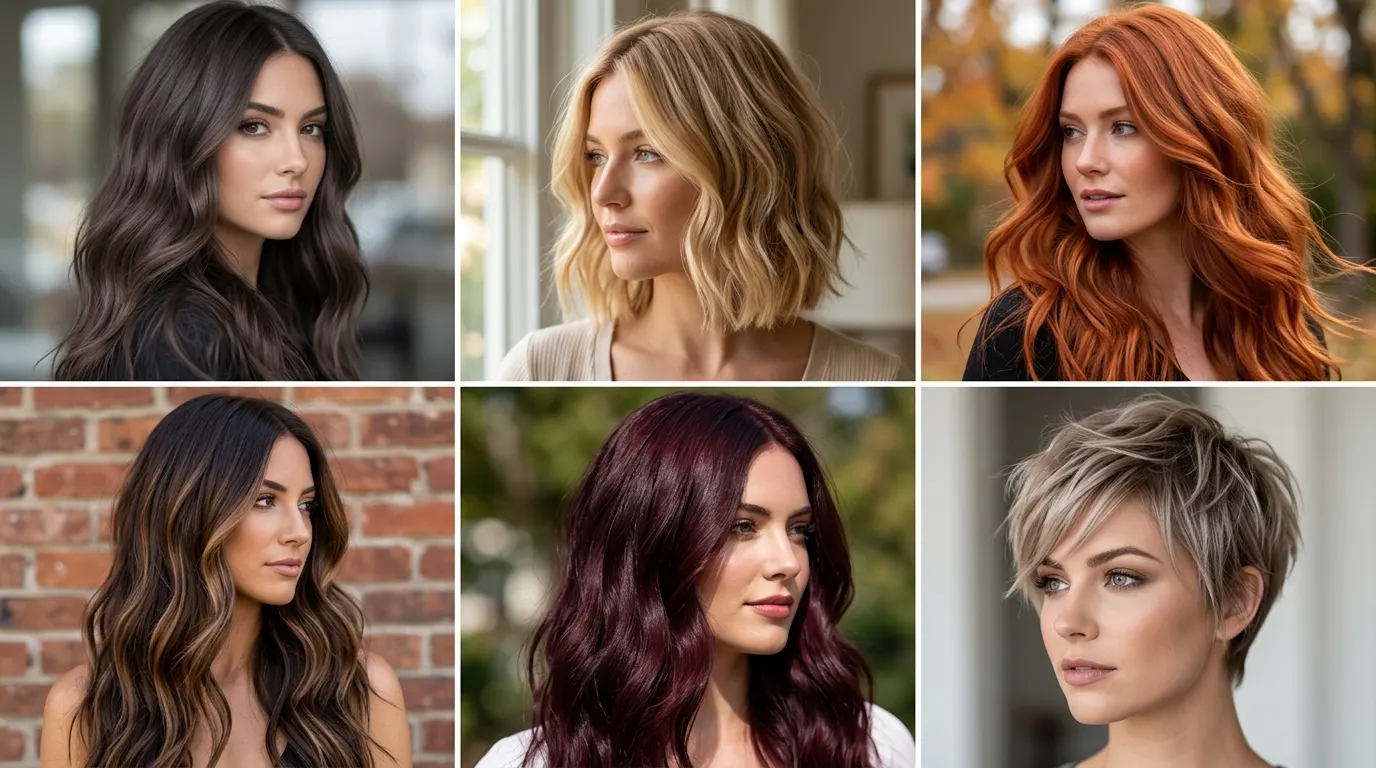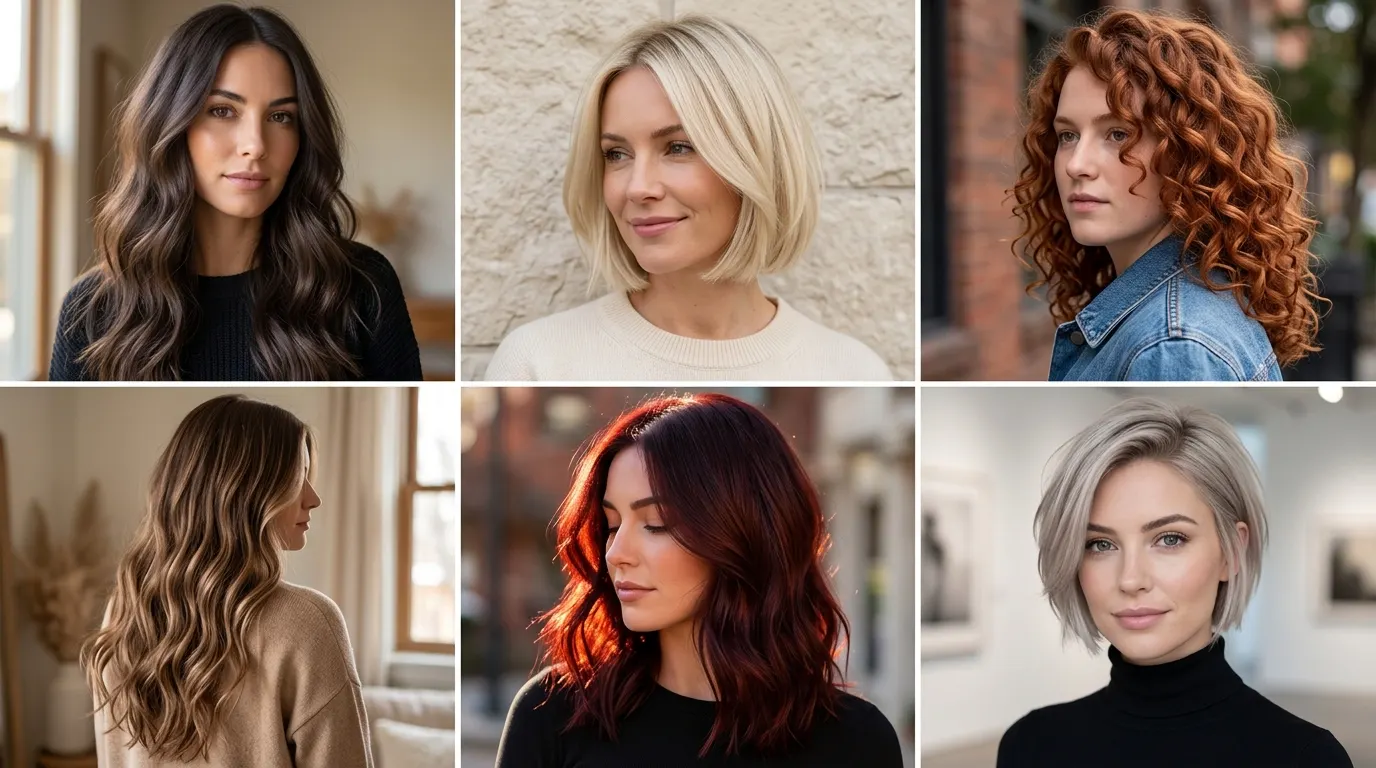

Thin strands collapse because narrow hair shafts lack structural diameter, leaving the canopy hanging flat against the head. Looking at perms for fine hair before and after reveals that success is not about creating tight coils. It comes down to restructuring the cortex so fine fibers gain mechanical grip and lift away from the scalp.
Fine-haired individuals seeking volume face very different biological obstacles depending on porosity and length. Some readers carry fragile blonde hair that snaps under alkaline exposure, while others possess slippery virgin locks that shed wave patterns within a month.
Chemical reshaping requires choosing the exact chemistry, rod diameter, and wrapping pattern suited to your base condition. This guide examines thirteen distinct fine hair situations so you can predict your exact transformation before sitting in the stylist chair.
Virgin Pin-Straight Strands: The Gentle Acid Wave
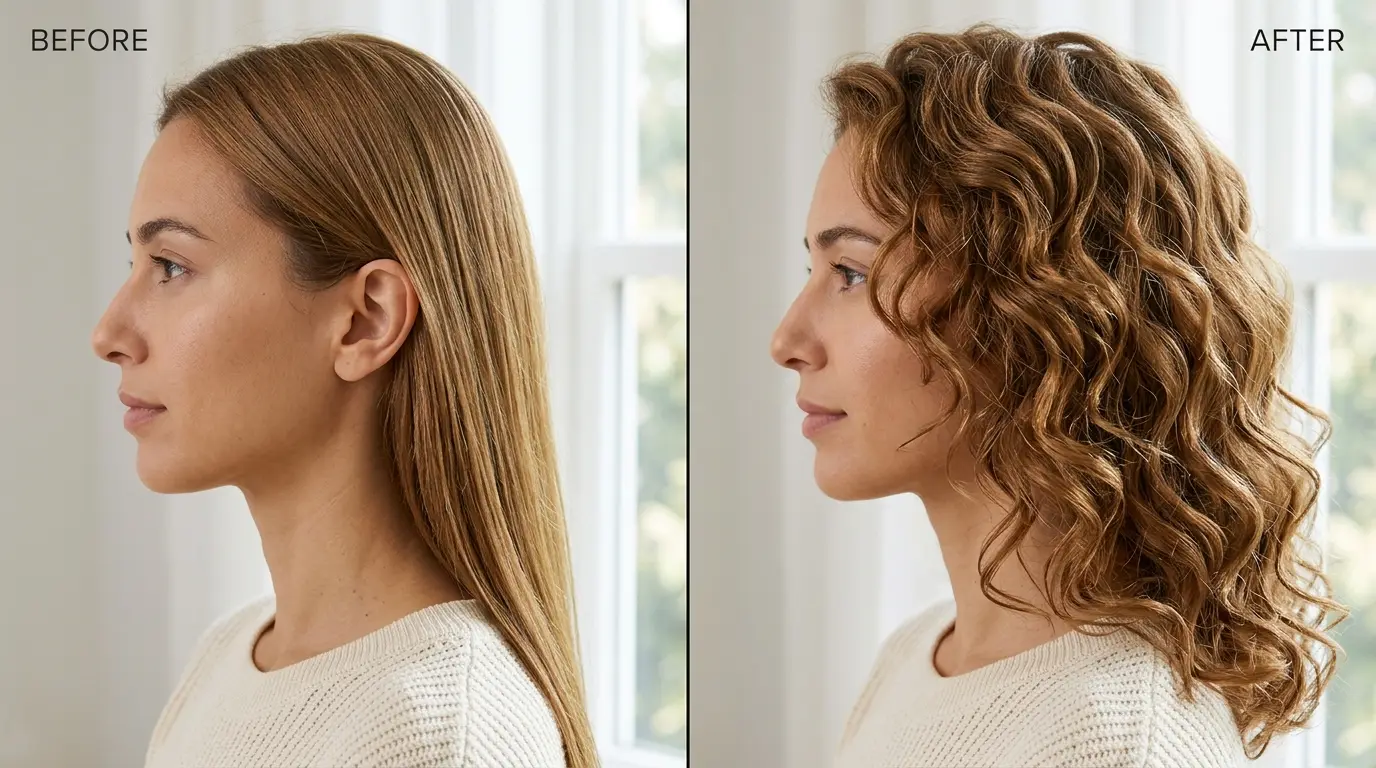
Untreated, non-porous hair features tight cuticle scales that resist moisture and chemical penetration. This transformation is engineered for individuals with healthy, glossy hair that has never touched bleach or high-lift dyes. It will not work on hair previously coated with heavy cosmetic silicones, as product buildup prevents the reduction solution from breaking internal bonds evenly.
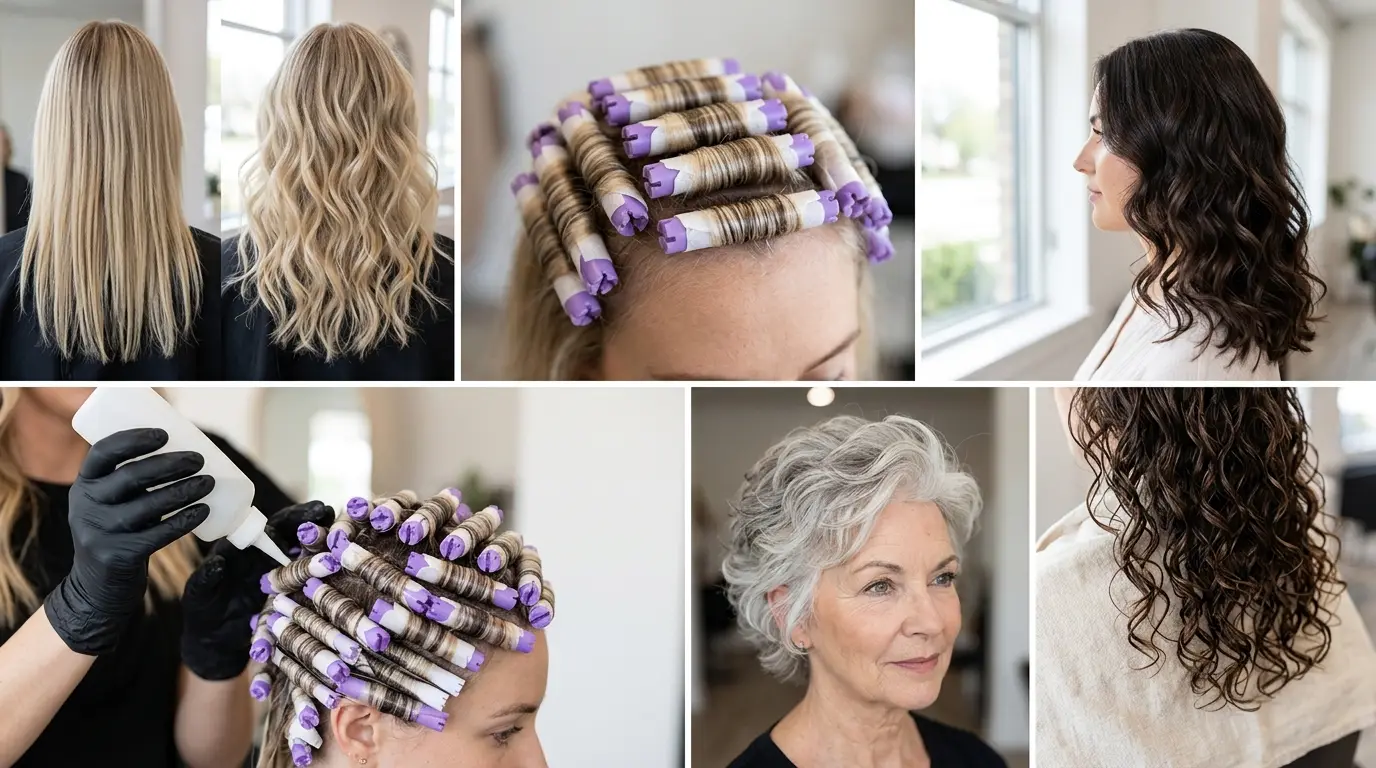
Before the appointment, the hair hangs limp and glassy, parting down the center without natural movement. During the service, the stylist wraps hair around medium convex perm rods using an acid wave solution containing glycerol monothioglycolate with a buffered pH between 6.5 and 8.0. In 2026, expect to spend around $90 to $140 for this salon service.
After processing and neutralization, the straight strands emerge with a loose, springy S-pattern. The finished texture creates enough physical friction between neighboring fibers to double crown width without drying out the natural cuticle shine.
Bleach-Damaged Highlights: The Cysteamine Recovery Wave
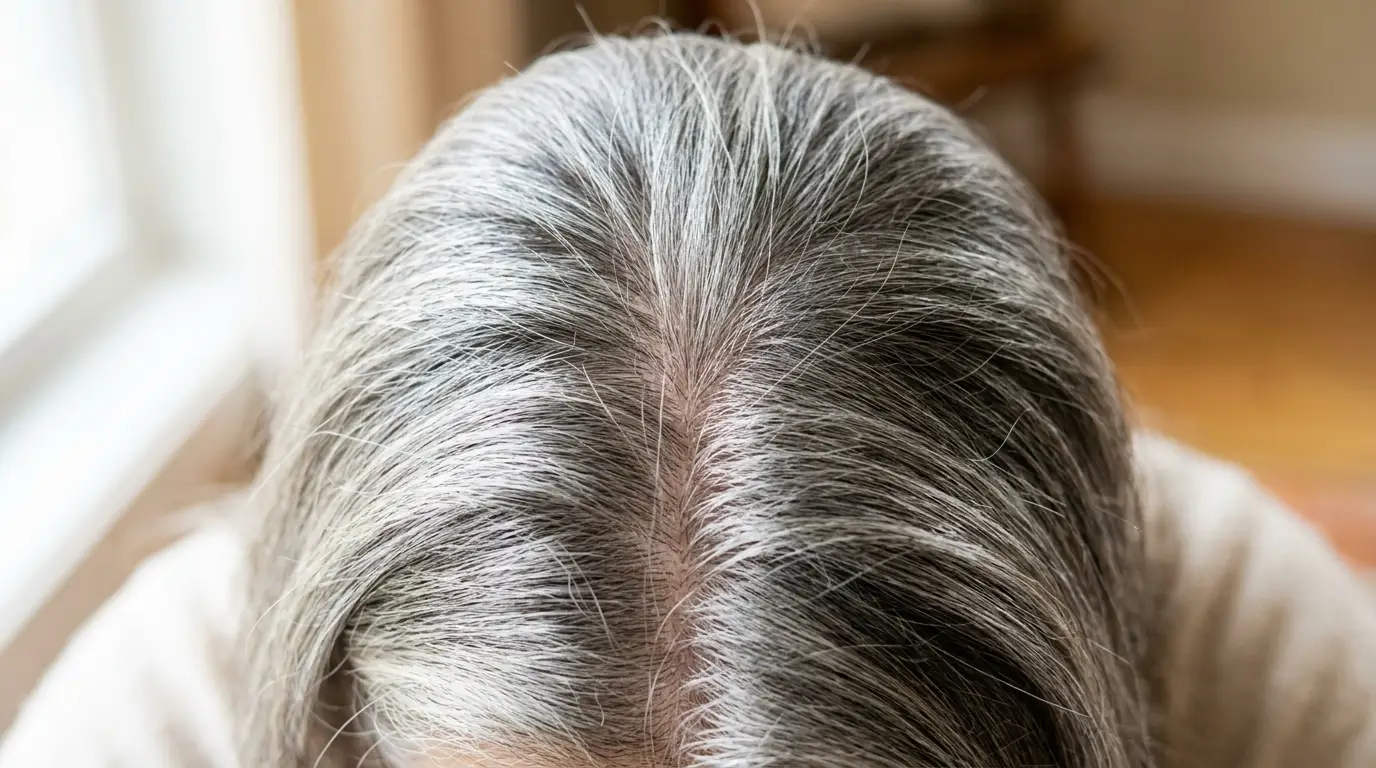
Lightened hair contains broken keratin chains and high porosity, making traditional alkaline solutions a recipe for chemical breakage. This delicate protocol serves people with dimensional highlights who want texture without dissolving their fragile lightened strands. Skip this process if your wet hair stretches like chewing gum and fails to snap back, which indicates severe structural failure.
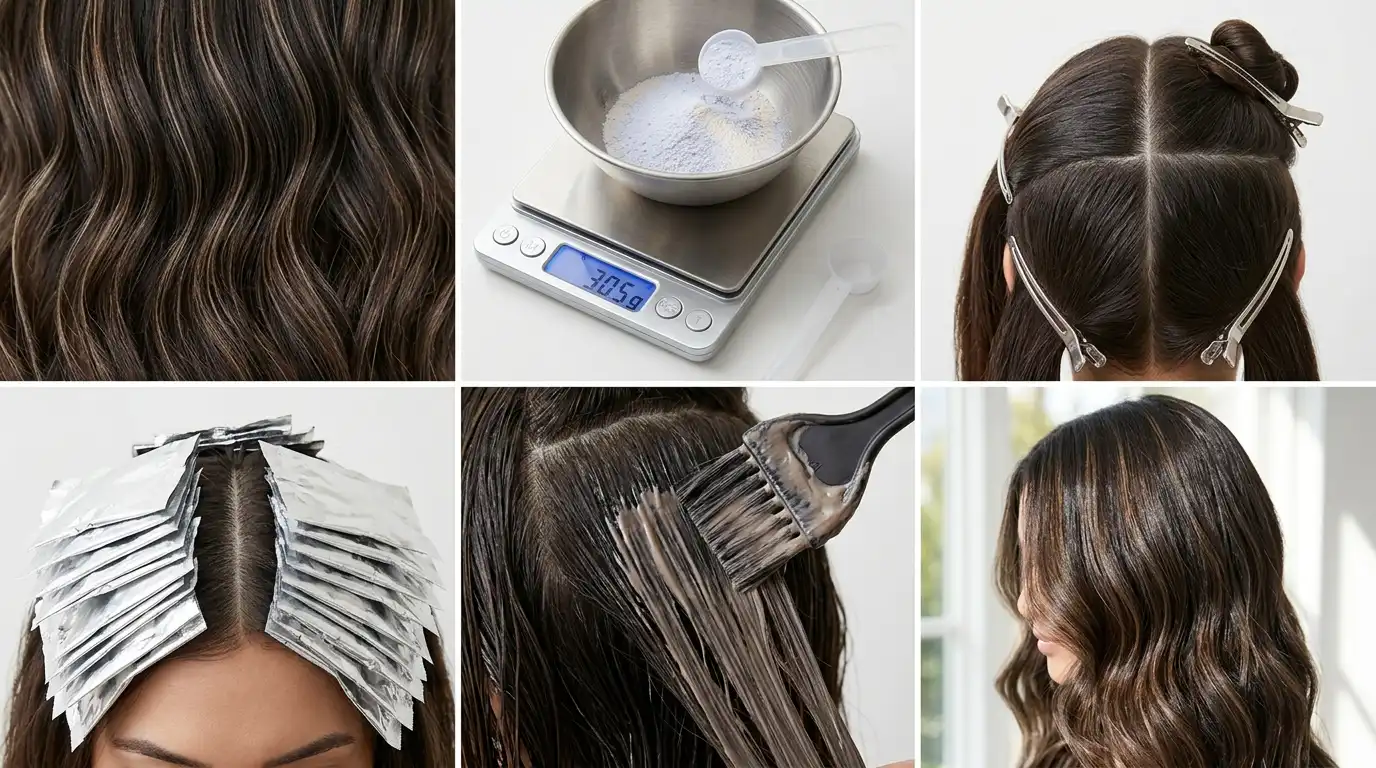
Before treatment, the highlighted sections appear frizzy, matte, and fragile next to darker roots. The stylist isolates vulnerable pieces and applies a cysteamine-based perm formula rather than harsh ammonium thioglycolate. The American Wave Perm solution is a gentle formula only restructuring up to 25% of the hairs bonds, protecting compromised strands from chemical distress.
After neutralizing, the lightened hair transitions into soft, undulating ribbons. You gain uniform body from roots to ends without the crispy, over-processed texture typical of old-school chemical services.
Limp Shoulder-Length Tresses: The Large-Barrel Body Wave
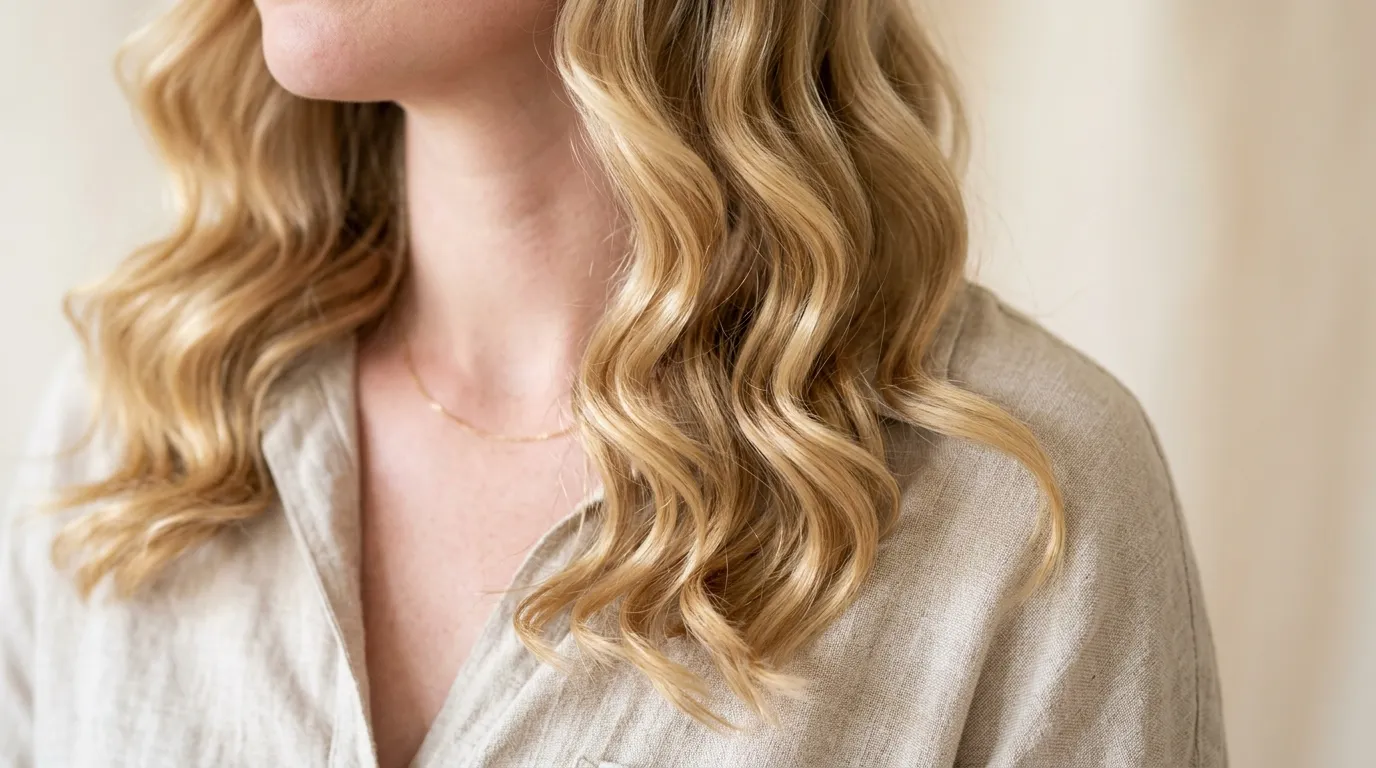
Medium-length fine hair tends to pull itself flat under its own cumulative weight, creating a lifeless curtain around the collarbone. This method belongs to women seeking casual wave dimension and crown movement without dealing with tight curls. It fails on blunt, heavy cuts that lack face-framing layers to support the wave formation.
Before the wrap, the strands cling tightly to the jawline and neck. The stylist selects soft jumbo flexi-rods or thick gray and white perm cylinders, wrapping large two-inch subsections from ends to mid-shaft. Looking at body perms for fine hair before and after proves that larger rods provide volume rather than tight ringlets.
Afterward, the hair expands into voluminous, loose bends. To maintain this shape, use a wide tooth comb on wet hair and let strands air-dry with a lightweight botanical foam, completely avoiding heavy smoothing balms.
Asian Fine Hair: The Heated Digital Reconstruction
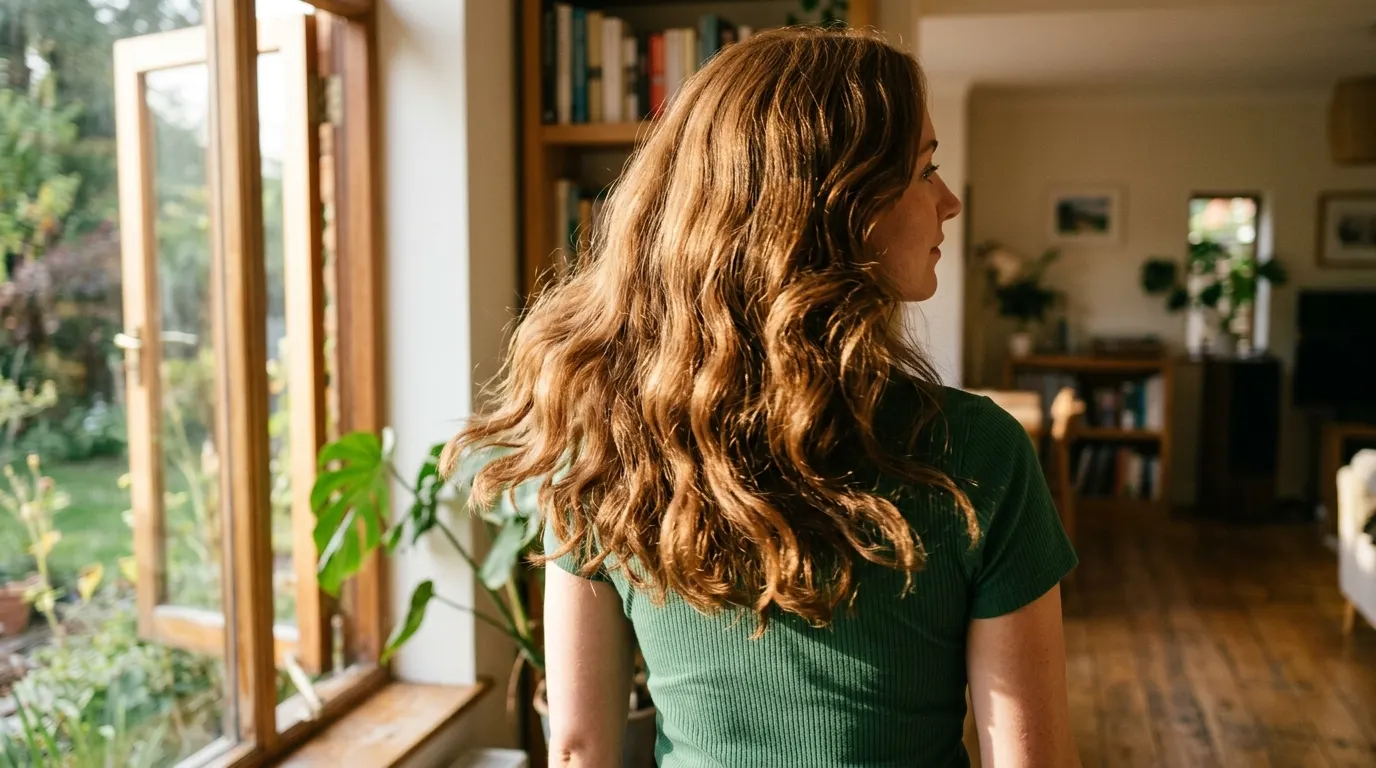
Asian fine hair is known for its round follicular cross-section and resistant outer layer, causing standard cold perms to drop loose within three weeks. This specialized process serves clients of East Asian descent wanting defined, glossy waves that mimic a fresh curling wand set. It is unsuitable for extremely short pixie cuts, as digital perm rods must not touch the scalp skin.
Before treatment, the hair is heavy, straight, and resistant to holding curls for more than three hours. The technician applies an alkaline softening cream, rinses it clean, and winds hair onto temperature-controlled ceramic rods wired to a digital heating unit. Most salons start at around $250-$300 for a digital perm.
The heat bakes the memory into the cortex at 190 degrees Fahrenheit. After neutralization, the curls appear relaxed while wet but tighten into crisp, bouncy waves as the hair dries, lasting between six and eight months.
High-Lift Gray Crowns: The Targeted Root Lift Perm
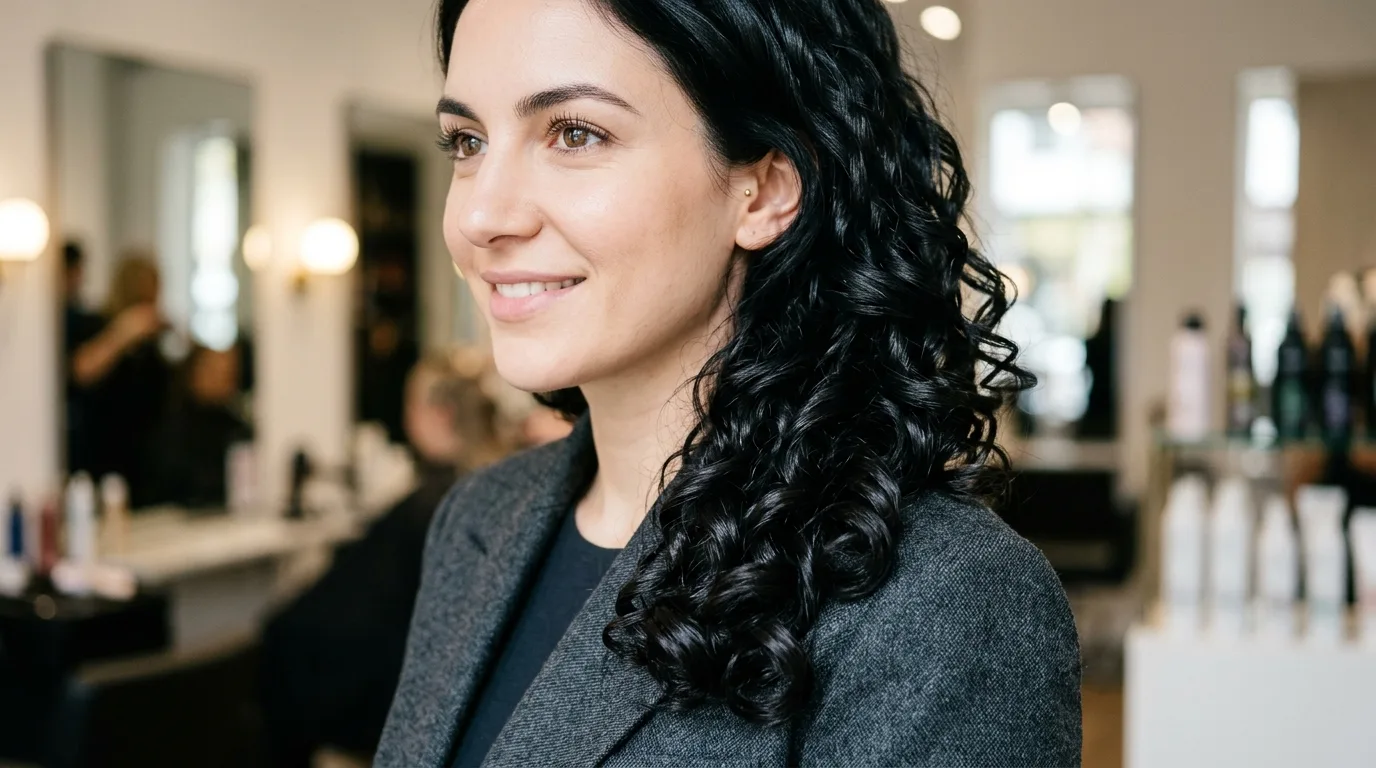
Mature silver hair often grows alongside thinning follicles, creating localized transparency across the vertex and central parting. This focused method serves older women who need volume focused on the first few inches of hair without altering their natural ends. It fails on long hair exceeding eight inches, as the weight of the ends drags down the lifted root base.
Before the service, silver strands lie flat against the scalp, exposing the skin under bright lighting. The stylist places small perm rods solely across the crown, wrapping only the first two inches of growth while shielding the remaining hair with thick protective cream.
Looking at a hair perm before and after for root volume reveals immediate elevation. The new base angle directs hair straight upward off the scalp by a full half-inch, allowing you to bypass daily backcombing and teasing combs.
Ultra-Fine Fragile Strands: The Cold Wave Alkaline Perm
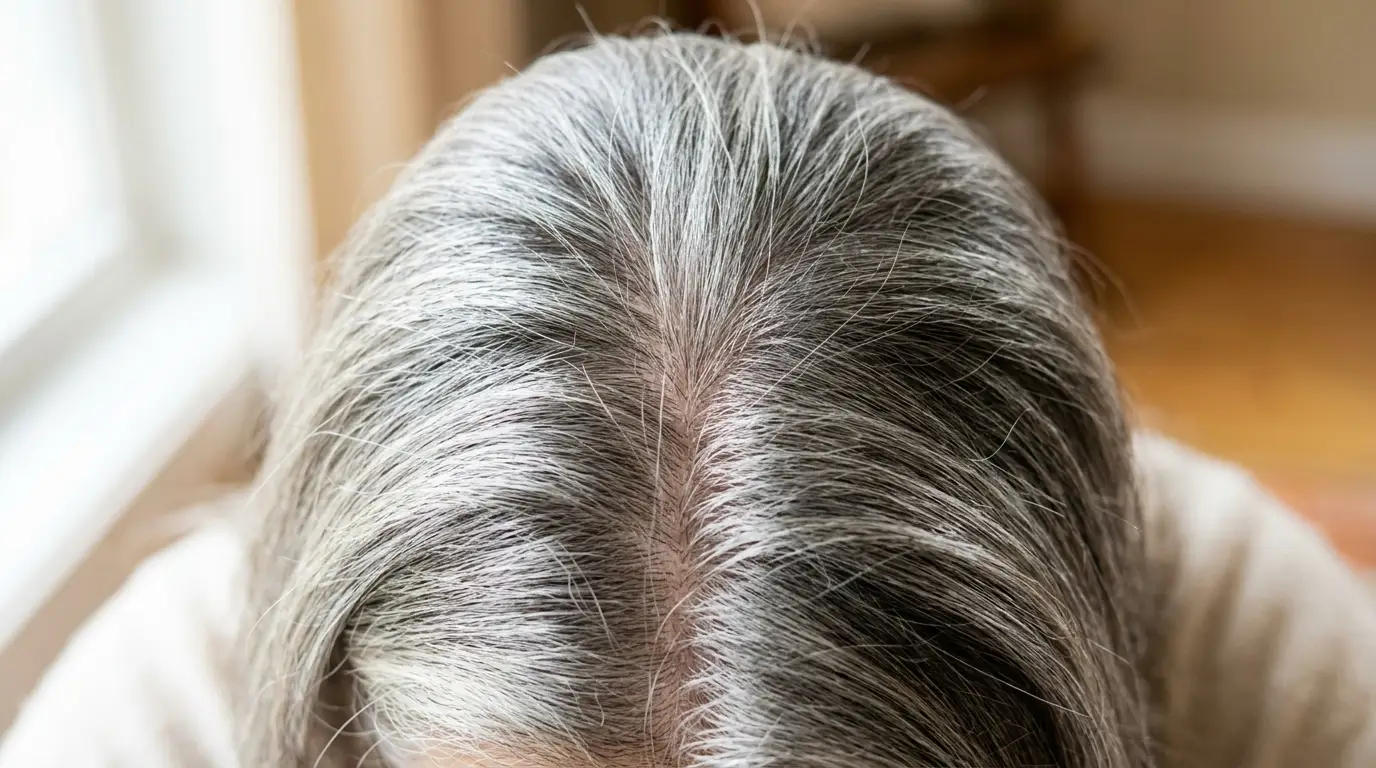
Extremely fine hair with a narrow cortex often collapses under mild acid waves because the chemical reduction is too weak to hold a new shape. This classic approach is for clients with resilient, untreated hair who cannot get waves to hold with gentle formulas. Do not attempt this if your hair has been relaxed with sodium hydroxide, as the conflicting chemicals dissolve hair fibers.
Before the process, the hair is flat, slippery, and incapable of holding an iron curl for an entire afternoon. The stylist uses an ammonium thioglycolate cold wave with a pH around 9.0 to 9.5, swelling the cuticle quickly to reshape internal bonds without external heat.
Reviewing the best perm for fine thin hair before and after demonstrates that this technique produces firm, bouncy curls that retain definition even through summer humidity. The outcome is a resilient, textured head of hair that washes and dries without flattening out.
Long Layered Lengths: The Piggyback Double-Rod Wrap
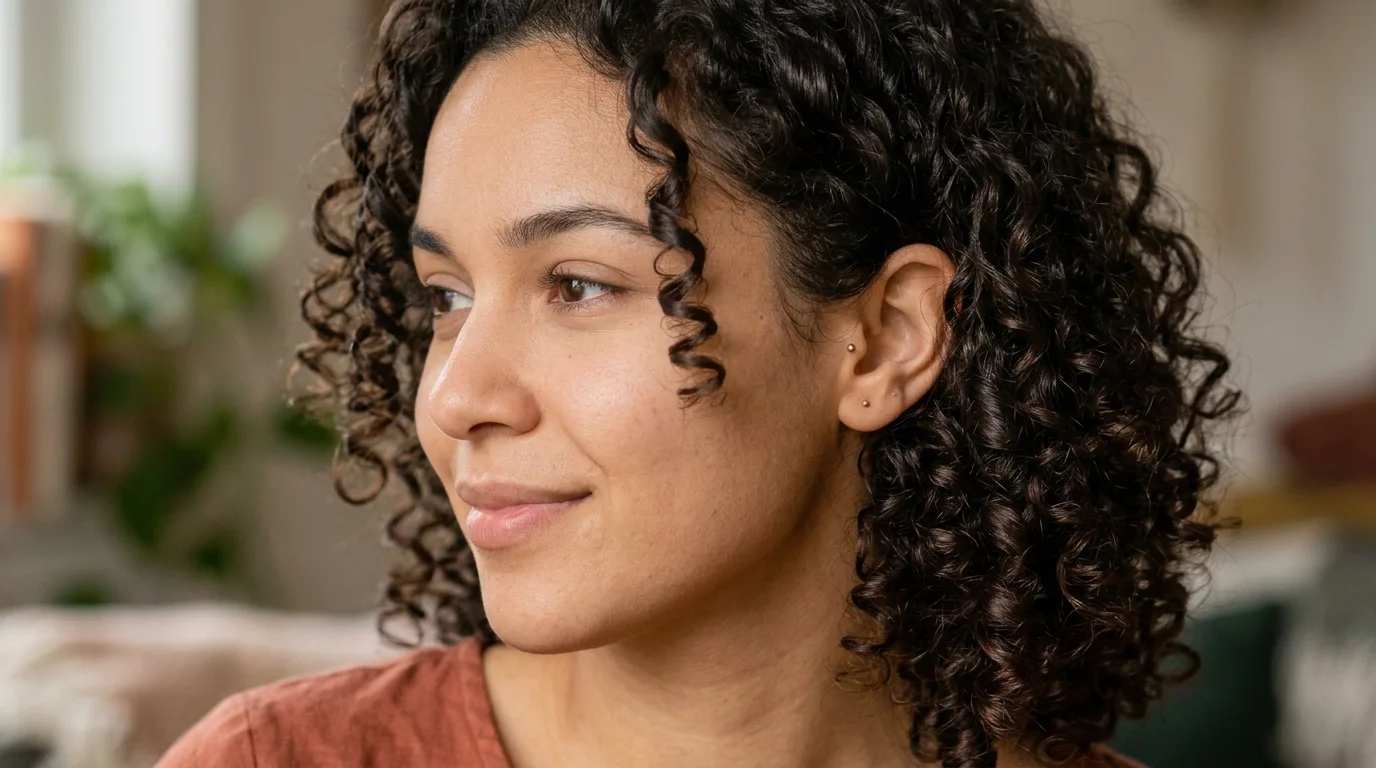
Fine hair past the mid-back presents an uneven distribution of weight that pulls the upper curl straight while over-processing the fragile ends. This technique is designed for long-haired clients who want uniform wave density from scalp to ends. It is not suitable for fine hair with thin, see-through ends, which look ragged once curled.
Before the service, the crown is completely flat while the lower perimeter hangs like limp strings. To solve this, the stylist sections the hair and executes a piggyback wrap, winding the mid-lengths onto a rod resting at the scalp and wrapping the remaining ends onto a second rod stacked beneath it.
Assessing a perm for long hair before and after showcases complete structural balance. The upper canopy bounces with identical curl diameter to the ends, eliminating the limp crown syndrome common in long-haired chemical services.
Asymmetrical Bobs and Pixie Cuts: The Directional Bricklay Perm
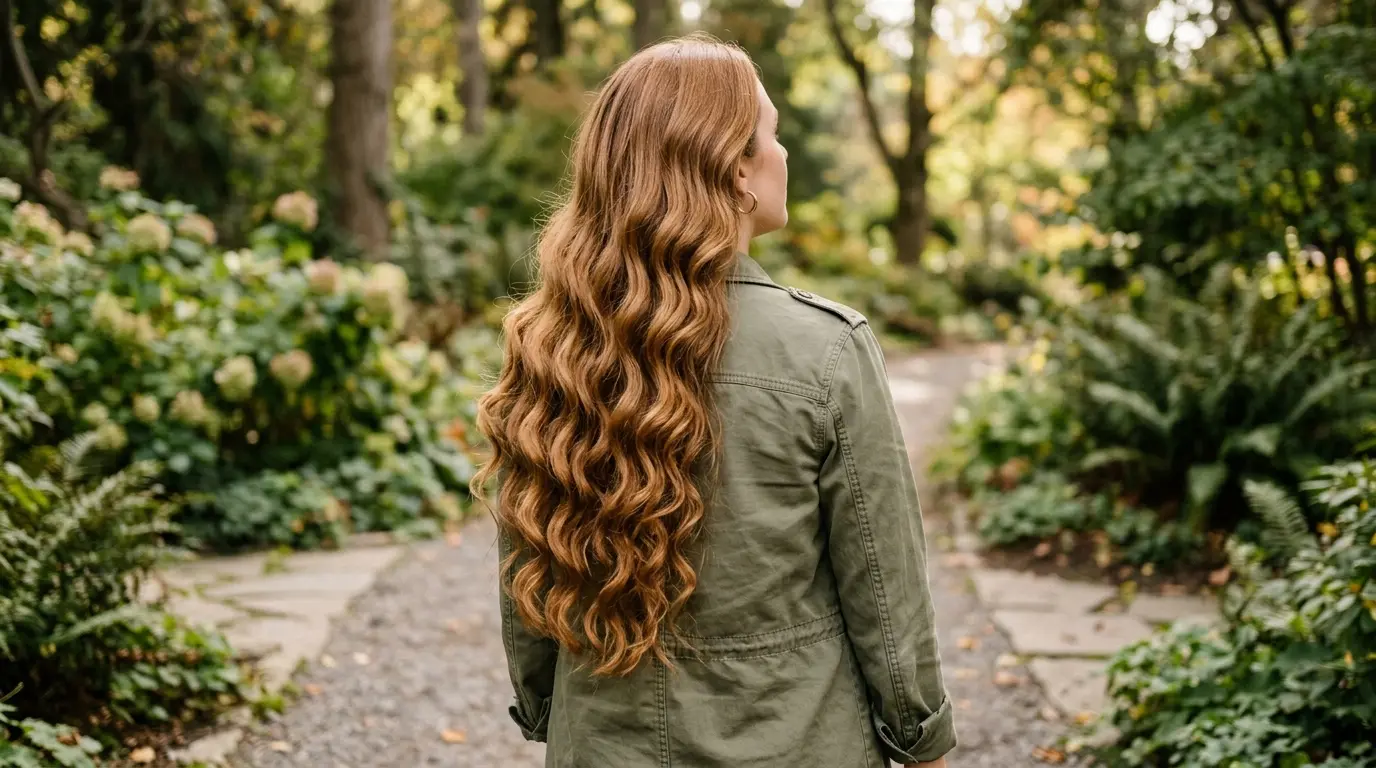
Short fine hairstyles collapse when hair follows an arbitrary parting down the center of the head. This wrapping style serves short crops and bobs needing multi-directional volume that can be swept forward, back, or to the side. It does not work on buzzed fades shorter than one inch, as hair cannot wrap around even the smallest perm tool.
Before the transformation, short layers stick flat to the skull, requiring daily blowouts and sticky waxes to create shape. The stylist applies rods in an overlapping brickwork pattern, staggering rod bases so no straight line of scalp is exposed.
After unwinding and air-drying, the short strands fall into soft, piecey waves that tumble naturally without revealing parting lines. Run a nickel-sized dab of water-based pomade through the tips to secure an effortless shape that holds through a full workday.
Men with Sparse Vertex Crowns: The Textured Modern Crop
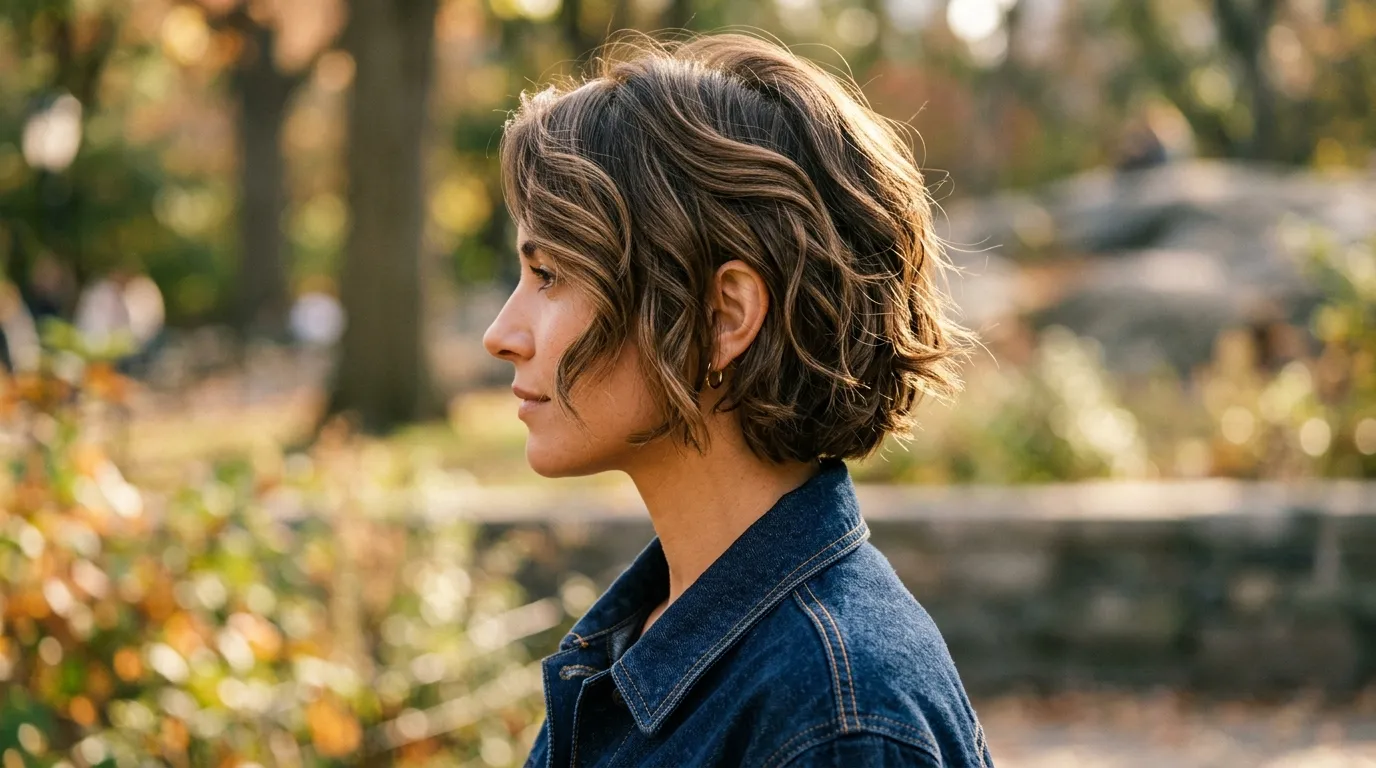
Male pattern thinning often leaves the crown weak while the temples retain straight, stubborn density. This targeted technique is for men who want a textured, forward-swept French crop with amplified crown fullness. It is a poor choice for men with advanced receding hairlines, as tight curls can emphasize bare temples.
Before the service, the straight fringe falls flat over the forehead while the crown reveals visible scalp thinning. The stylist isolates the top horseshoe zone, applying slender cylindrical rods in a forward orientation while leaving the faded sides completely untreated.
Looking at perms before and after on fine-haired men shows an instant density shift. The curled strands layer over one another, creating an opaque shield of textured volume across the crown that completely conceals the widening whorl.
Sun-Bleached Porous Waves: The Demi-Permanent Wave
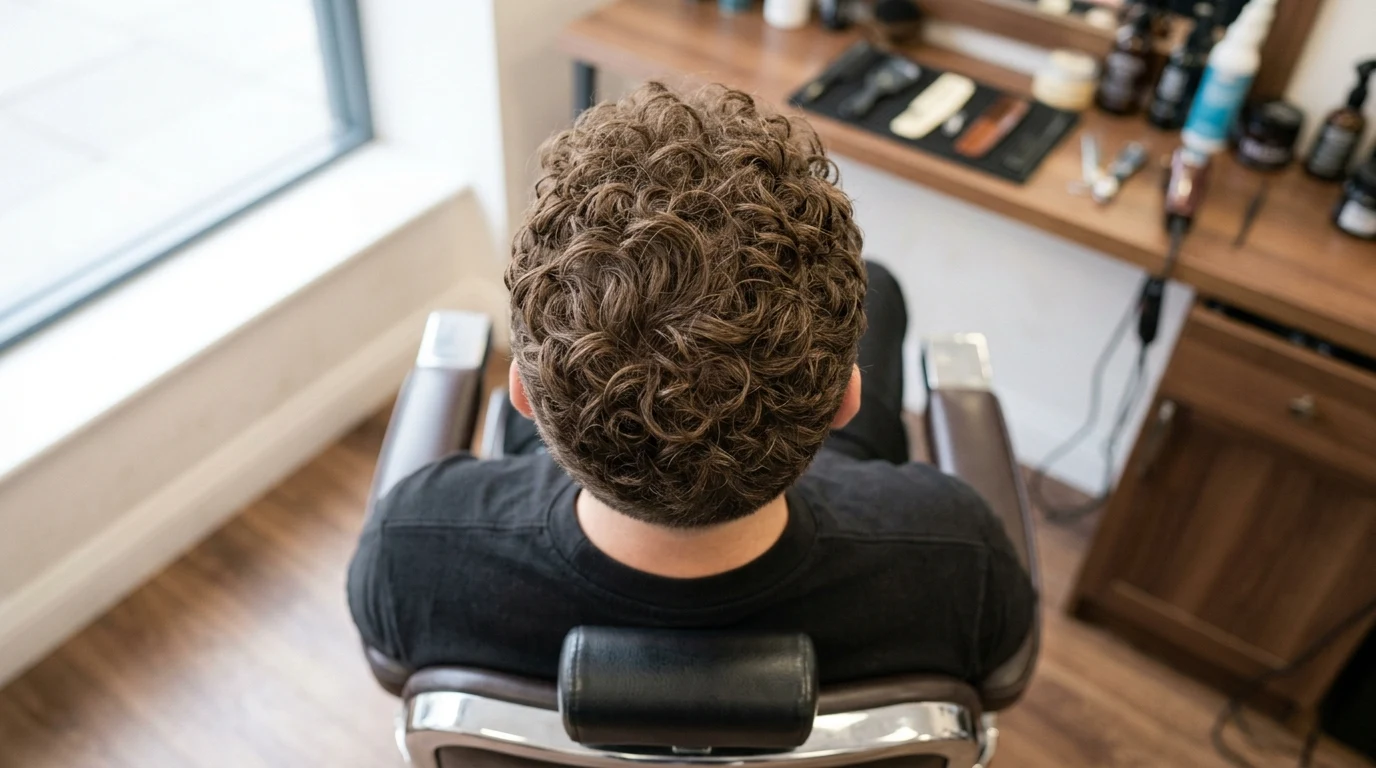
Fine hair exposed to intense summer UV radiation develops porous, uneven patches along the outer canopy. This balancing service suits outdoor enthusiasts who need curl structure without aggravating sun-bleached cuticles. It fails on hair that has been treated with metallic salts or compound henna dyes, which react violently with chemical neutralizers.
Before the appointment, the exterior hair canopy is dry, brittle, and lighter than the healthy underlayers beneath it. The stylist applies an equalizing porosity spray containing keratin amino acids to balance the cuticle before wrapping on medium pastel rods with a buffered demi-formula.
The resulting waves emerge smooth, silky, and uniform from crown to nape. The porosity-balancing step prevents the bleached canopy from over-processing, delivering a soft wave pattern that catches the light without frizz.
Low-Porosity Resistant Strands: The Pre-Softened Alkaline Set
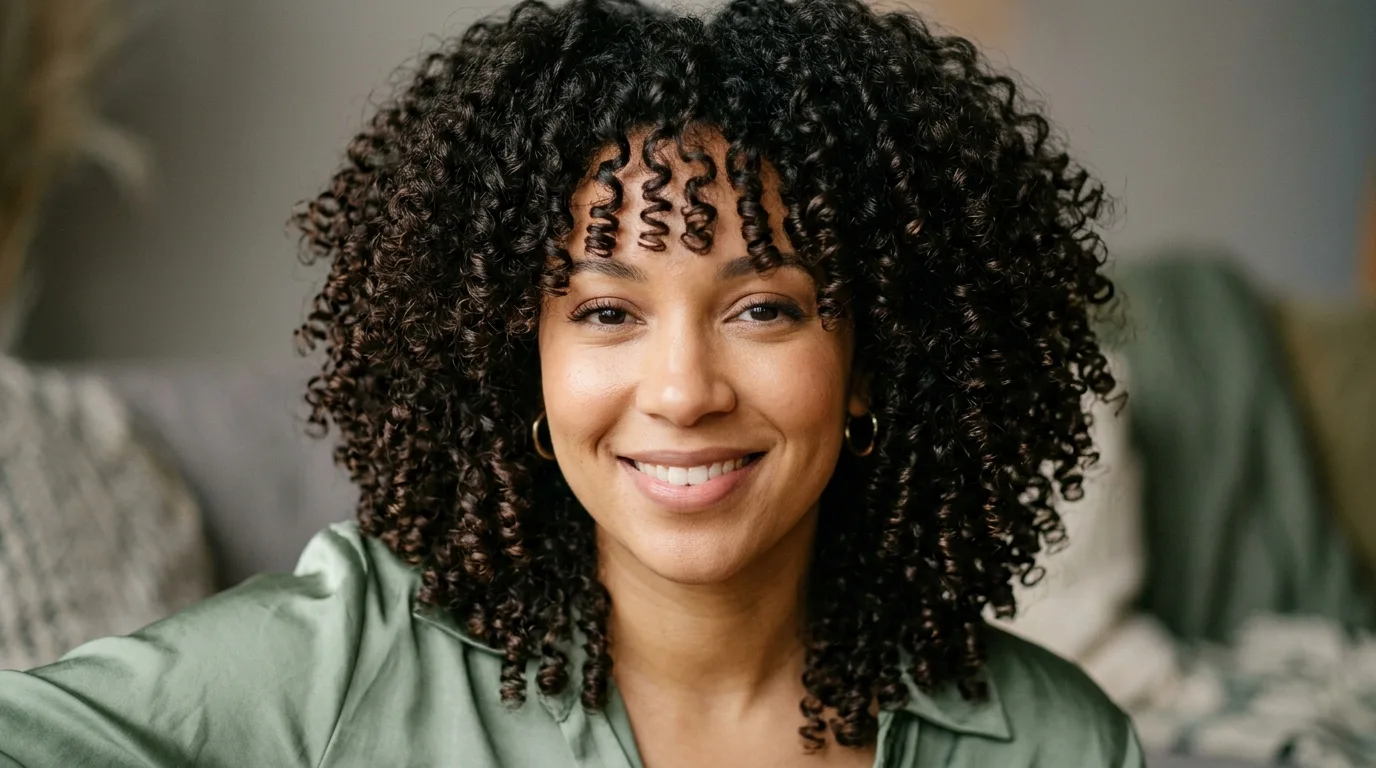
Certain fine hair profiles possess an unusually dense cuticle shield that repels wave lotions entirely, leaving the hair unaffected after standard timings. This routine is engineered for anyone whose previous perms dropped out within seven days of application. Skip this if your hair is porous, as pre-softening will cause chemical burning on delicate fibers.
Before the process, the hair is stiff, glassy, and completely resistant to hot tools or styling foams. The stylist applies a mild alkaline pre-softener for five minutes to nudge the cuticle scales open before winding the hair on firm ribbed rods.
This specialized protocol for perms for fine hair locks in reliable wave architecture. After applying the neutralizer and rinsing thoroughly, the hair displays defined, durable curls that refuse to drop loose, giving you months of predictable bounce.
Mature Salt and Pepper Tresses: The Low-Ammonia Wave
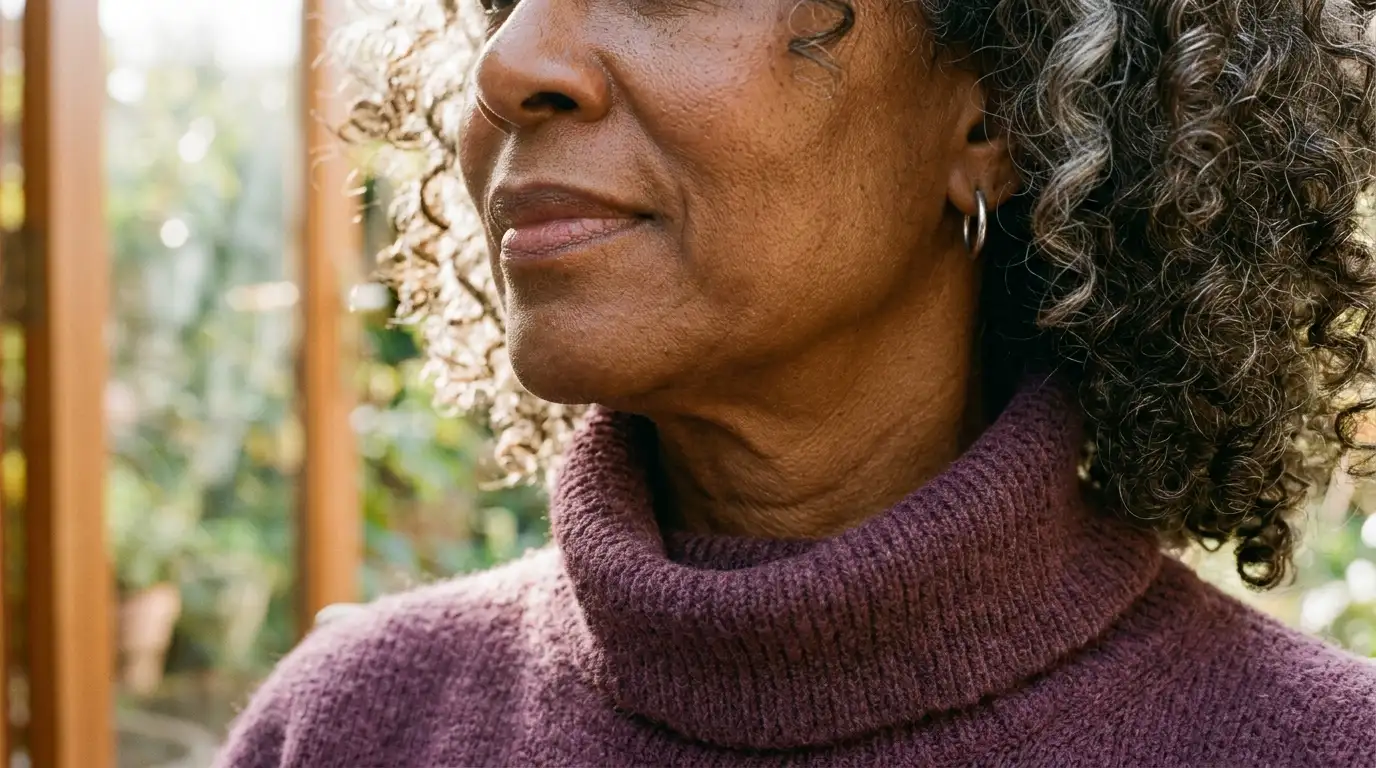
Aging follicles produce coarse, unpigmented white hairs alongside fine, pigmented strands, creating an unpredictable mixed texture. This service serves mature women who want an easy wash-and-wear style that unifies these contrasting fibers into cohesive curls. Avoid this if you rely on daily flat irons, as heat restyling permanently distorts the fresh curl pattern.
Before treatment, the white hairs stand out with wiry stiffness while the dark hairs hang flat and limp. The stylist selects a low-odor, low-ammonia perm formula enriched with plant lipids to soften the wiry silver strands without overwhelming the fine brown hairs.
This application of perms for women with fine hair produces uniform, soft curls that blend the two textures seamlessly. Silver strands reflect ambient light beautifully, creating the visual impression of a salon blowout straight out of the shower.
Bathroom Self-Application: The Boxed Home Perm Kit
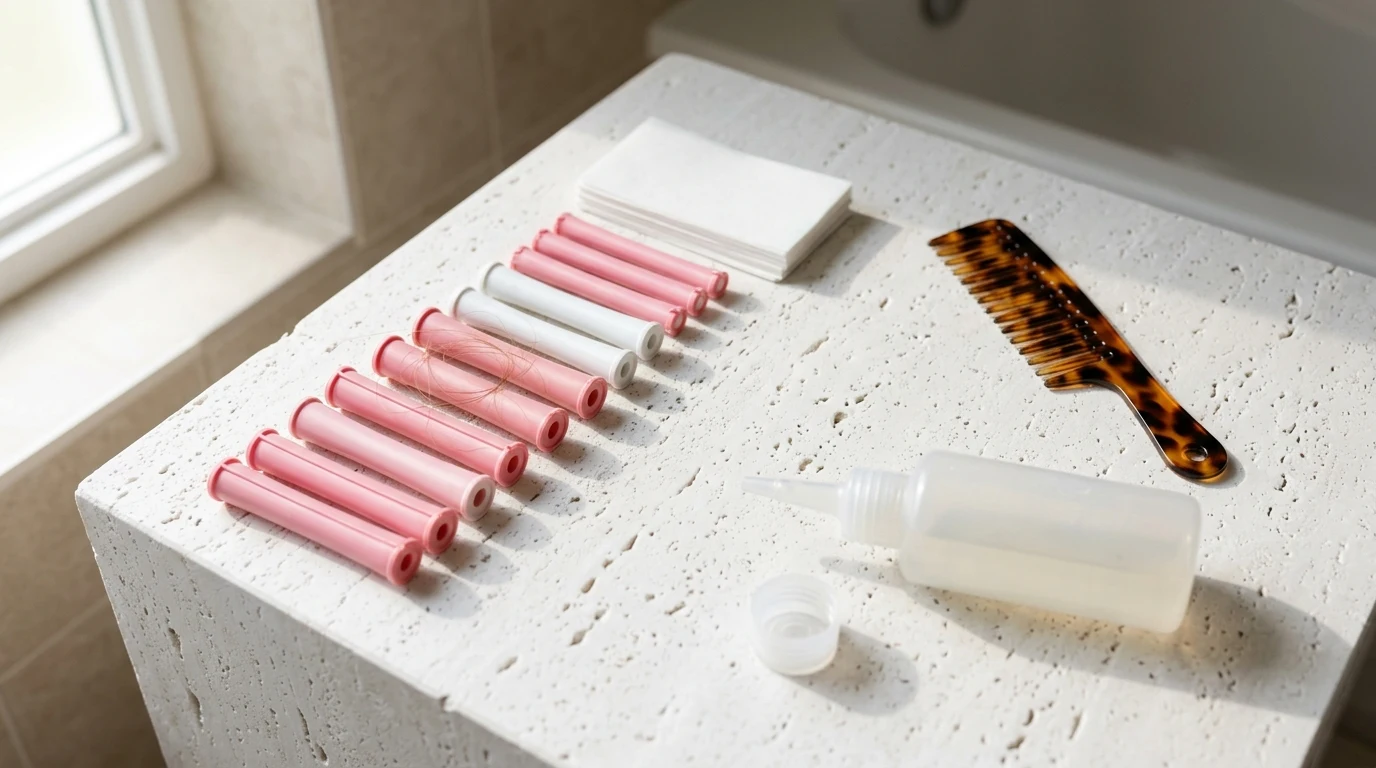
Attempting a chemical perm without professional assistance carries real hazards for low-diameter hair fibers. This home-use protocol is for confident DIY enthusiasts who need an affordable texture update using off-the-shelf drugstore kits. It is completely unsuitable for multi-processed, colored, or previously bleached hair, where uneven home application triggers immediate breakage.
Before starting, the hair is flat, limp, and lacks natural bounce. The user selects one of the best home perms for fine hair containing a gentle thermal heat cap and non-drip lotion. Wrap hair carefully using end papers to keep fragile tips smooth against the rods.
Work with clean, uniform tension; pulling too tight causes breakage at the rod band, while loose wrapping yields half-formed waves. Rinse with warm water for five full minutes before applying neutralizer. The result is a simple, budget-friendly body wave that adds fullness to your everyday routine.
| Hair Situation | Recommended Perm Chemistry | Target Rod Size & Wrap | Service Cost (2026) | Longevity Expectation | Primary Risk |
|---|---|---|---|---|---|
| Virgin Pin-Straight | Acid wave (buffered pH) | Medium convex cylinders | $90 – $140 | 4 – 6 months | Silicone buildup blocking wave lotion |
| Bleach-Damaged Highlights | Cysteamine-based wave | Soft loop flexi-rods | $150 – $220 | 3 – 4 months | Chemical breakage on lightened strands |
| Limp Shoulder-Length | Large alkaline body wave | Jumbo 1.5-inch gray rods | $100 – $150 | 3 – 5 months | Curls dropping flat under hair weight |
| Asian Fine Hair | Digital thermal system | Heated ceramic cylinders | $250 – $350 | 6 – 8 months | Scalp burns from hot ceramic tools |
| High-Lift Gray Crowns | Zonal root lift perm | Small pink crown rods | $50 – $85 | 8 – 10 weeks | Weight of long ends flattening roots |
| Ultra-Fine Fragile | Cold wave alkaline thioglycolate | Slender white ribbed rods | $95 – $130 | 5 – 7 months | Chemical over-processing on thin cortex |
| Long Layered Lengths | Dual-action buffered wave | Piggyback double-rod wrap | $180 – $260 | 4 – 6 months | Uneven processing from crown to ends |
| Short Pixie Crops | Low-pH balancing lotion | Directional bricklay placement | $85 – $120 | 2 – 3 months | Visible scalp partings between rods |
| Men’s Sparse Vertex | Targeted alkaline solution | Forward-angled small rods | $65 – $95 | 3 – 4 months | Exposing receded temple areas |
| Sun-Bleached Porous | Demi-permanent equalized | Medium pastel spiral wrap | $110 – $160 | 3 – 5 months | Blistering porous canopy cuticles |
| Low-Porosity Resistant | Pre-softened alkaline formula | Tight concave ribbed tools | $120 – $170 | 6 – 8 months | Over-softening undamaged virgin cuticles |
| Mature Salt & Pepper | Low-ammonia conditioning wave | Soft foam roller bricklay | $95 – $145 | 4 – 6 months | Yellowing delicate silver hair strands |
| Budget Home Application | Store kit cysteamine lotion | Self-grip flexible curlers | $14 – $22 | 8 – 12 weeks | Band breakage from excessive tension |
Maintaining Your Results and Next Steps
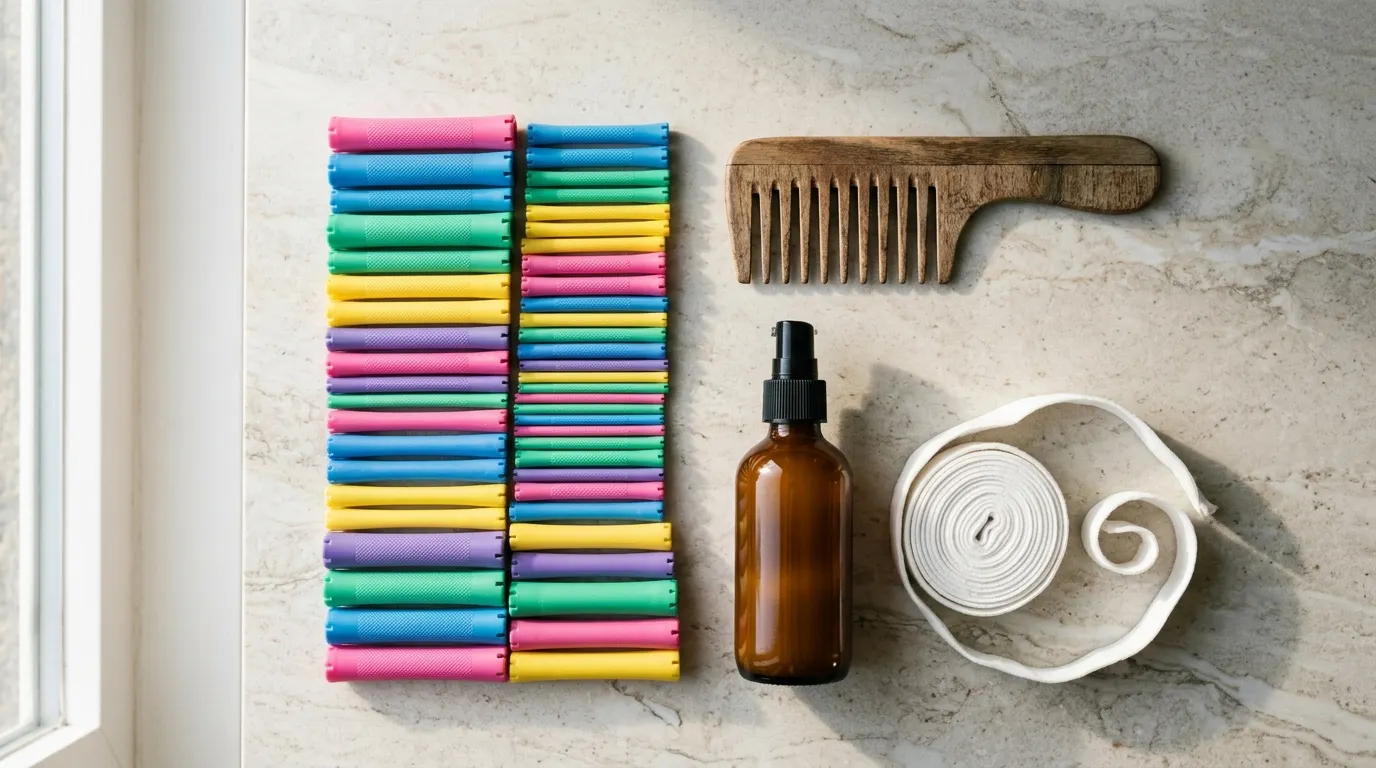
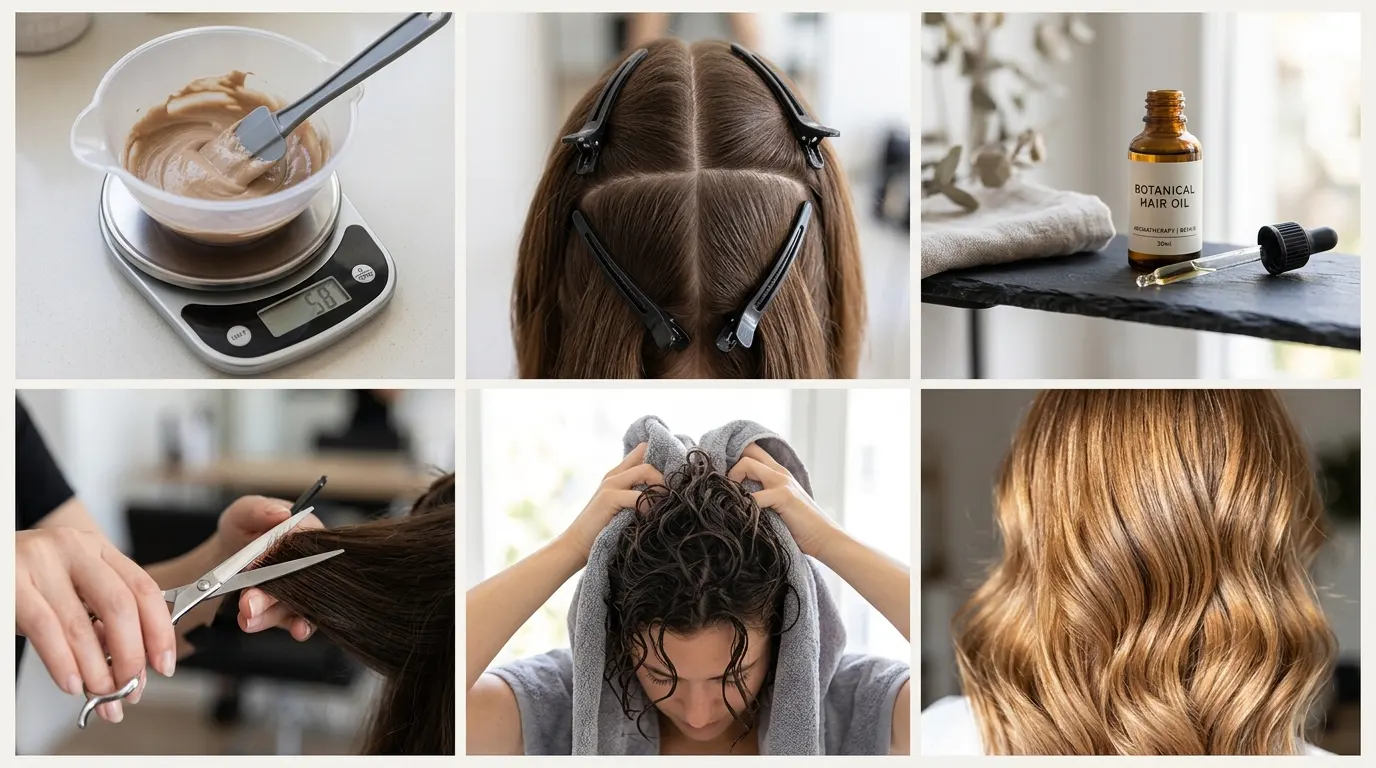
Deciding whether to cut hair before or after perm services depends on the health of your perimeter; cutting dead ends first saves solution, but the final texturizing must happen after curls settle. Be aware you will need to wait 48 hours after your perm to wash your hair with shampoo so the disulfide bonds fully stabilize in their new shape.
Rinse only with cold or lukewarm water if your scalp feels dry during those first two days. Sleep on a silk pillowcase to prevent sleep friction from pulling out your new wave pattern.
Brushing curly hair isn’t always the best idea, you will want to use a wide tooth comb or your fingers to detangle when wet. Avoid tight hair ties or tight clips that leave permanent dents in the freshly restructured cuticle during the initial week.
Frequently Asked Questions
How do I choose between an acid perm and an alkaline perm for delicate strands?
Choose an acid perm if your fine hair is colored, highlighted, or fragile, as the lower pH treats porous cuticles with minimal swelling. Select an alkaline perm if your fine hair is untreated, healthy, and resistant to holding curls, as it penetrates tight cuticles to deliver durable curl memory.
Should I choose a cold wave perm or a digital perm for natural waves?
Pick a digital perm if your hair is medium to long and you want soft, polished waves that become more defined as they dry naturally. Choose a traditional cold wave if your hair is short or cropped close to the scalp, since digital rods cannot safely get close to the skin.
How do I decide on the right rod diameter to avoid an overly tight curl?
Select a rod diameter that is at least twice the size of the curl you want, because wet permed curls loosen and drop by about thirty percent once dried. If you want a casual wave, choose jumbo flexi-rods or large gray and white rollers; reserve slender blue and pink rods for tight, retro ringlets.
Which perm formulation should I choose if I have sensitive scalp skin?
Choose a low-ammonia or cysteamine-based perm formula that processes at a neutral pH. These modern formulas release fewer fumes and reduce the risk of chemical burns on sensitive scalp skin, though you should still have your stylist apply a protective barrier ointment along your hairline.
How do I choose between a full-head perm and a root-only perm?
Choose a root-only perm if your mid-lengths and ends have healthy volume or previous chemical wave memory, and you only need lift across the first two inches of regrowth. Opt for a full-head perm if your entire strand length hangs flat and needs consistent texture from the scalp to the tips.
The Decisive Rule for Fine Hair Perms

If you are hesitating in front of the mirror, use one decisive standard: never perm hair that cannot survive a simple bleach strand test. Take a few shed strands from your brush, submerge them in water, and pull gently; if they stretch and bounce back, book an acid perm on medium rods. If they snap instantly between your fingers, postpone the perm and spend eight weeks rebuilding strand proteins with bond-repair treatments first.
Disclaimer: Chemical hair processing carries a risk of scalp irritation, hair breakage, and allergic reactions. Always perform a patch test behind the ear 48 hours before applying chemical wave lotions, and seek a professional consultation if your hair has been chemically lightened or relaxed.
Related reads: The Best Short Haircuts for Fine Thin Hair to Boost Volume, 13 Smart Low Maintenance Hairstyles for Black Women by Texture Profile and The Definitive Guide to Finding a Haircut for Fine Thin Hair.