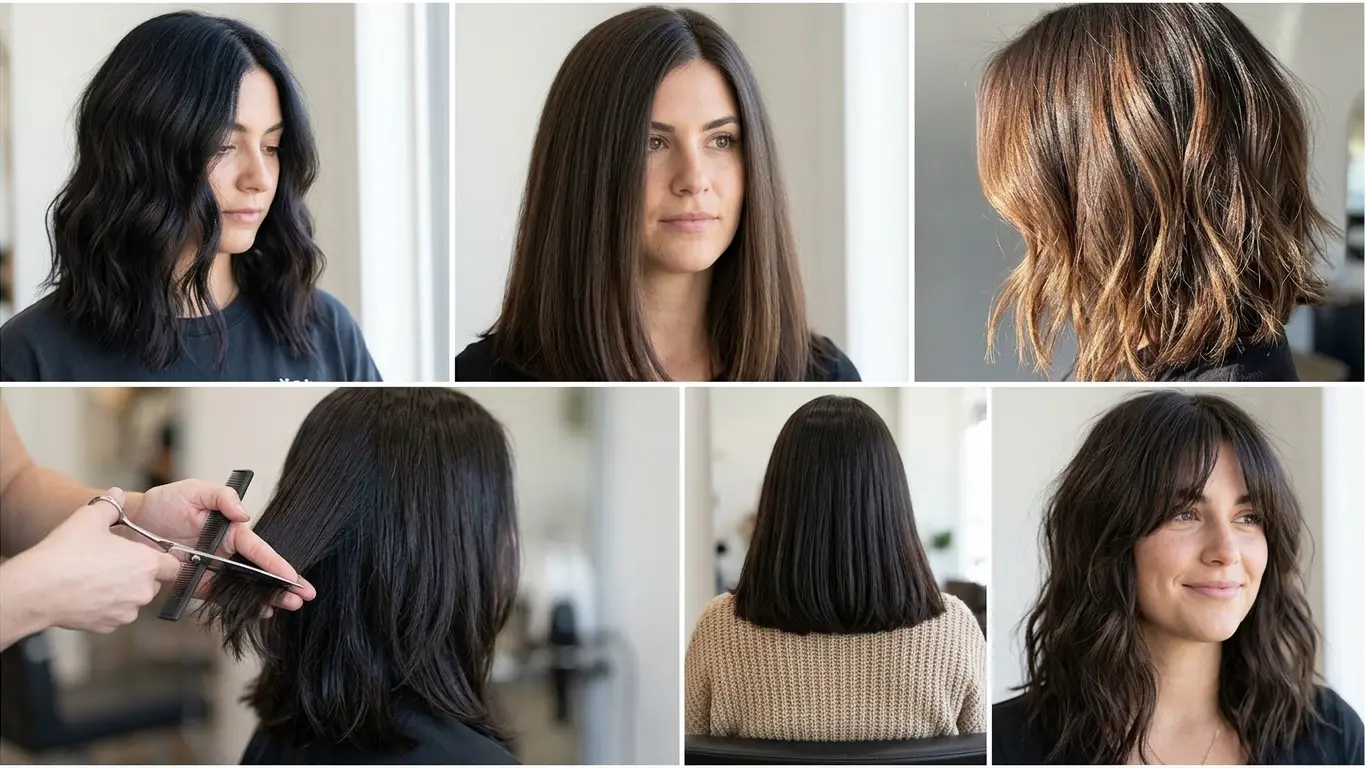

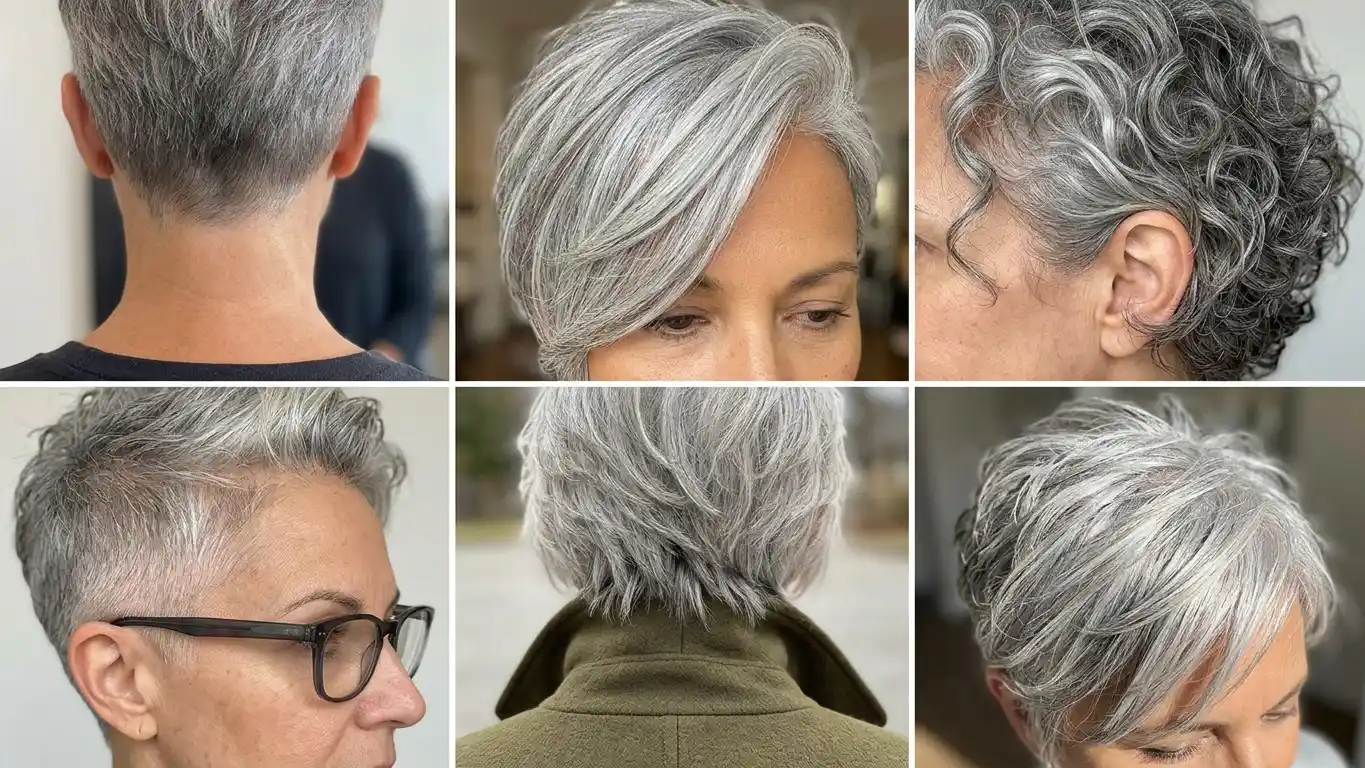
Hair behavior changes across decades as natural lipid production slows down and follicle diameters shrink. A cropped silhouette eliminates dragging weight, but choosing the wrong perimeter creates awkward gaps or unnecessary morning work. This guide serves women transitioning from mid-length cuts to short crops, alongside those troubleshooting an existing crop that collapses by noon.
Finding the right shape depends entirely on physical texture, root density, and the exact minutes you plan to spend with styling products each morning. Selecting pixie haircuts for older women should simplify your daily routine rather than add extra steps in front of a mirror.
Thinning Hair at the Crown and Temple

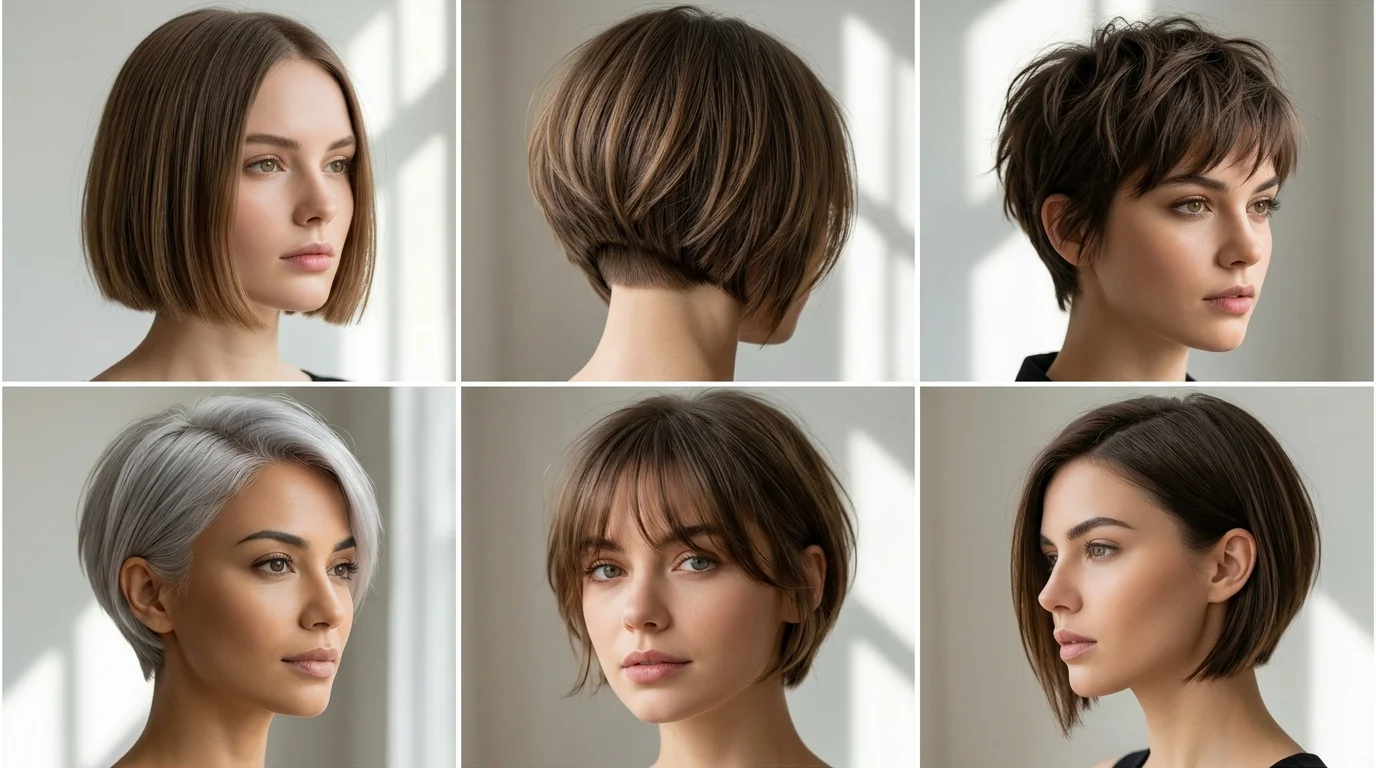
Hair loss along the frontal hairline and vertex requires structural lift rather than heavy layering. A micro crop with a shattered, forward-swept fringe disguises sparse areas along the temples without creating an artificial shelf. Stylists clip the back sections tight to the occipital bone, which forces the eye upward toward the fullest part of the scalp.
Who it is for: Women with low density, fine strand diameters, and receding front corners.
Who should skip it: Anyone with strong cowlicks at the forehead or high density, coarse hair that resists lying flat.
Do not allow a stylist to run thinning shears through this cut. Removing interior bulk from already sparse strands leaves visible patches of scalp when the hair shifts. Work a pea-sized amount of lightweight matte styling clay across your fingertips and tap it into dry roots. A clay tub costs around 22 dollars in 2026 and lasts six months. Avoid heavy pomade or argan oil formulations because they glue thin strands together into exposed clumps. Expect to schedule salon trims every four weeks to prevent the neckline from looking unkempt.
Coarse Gray and Silver Strands

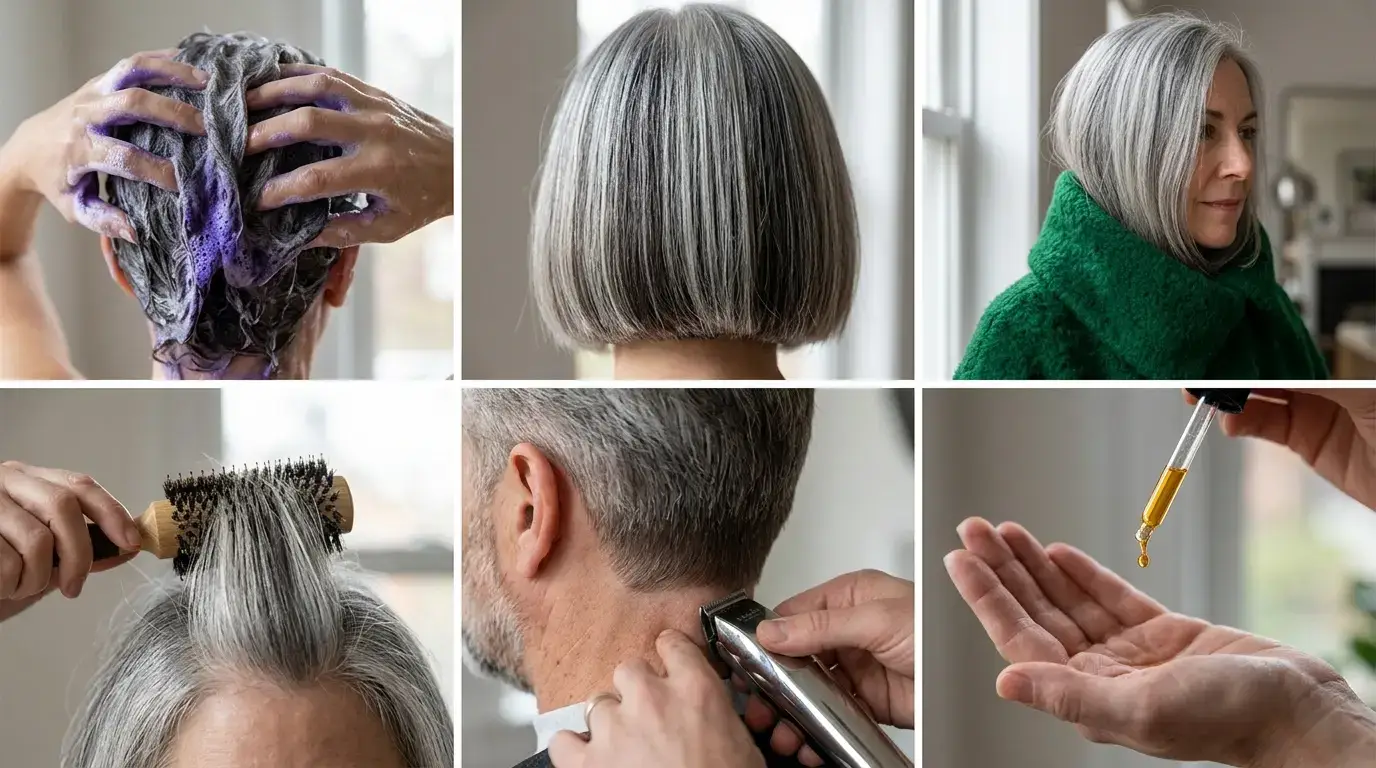
Unpigmented silver hair naturally produces less sebum, resulting in wiry, stubborn strands that fight rounded styling brushes. A structured, blocky chop with disconnected interior length gives stiff silver strands the weight needed to lie smooth. Ask for point-cutting through the perimeter to break up harsh lines while preserving bulk through the middle crown.
Who it is for: High density, coarse, fully gray or salt-and-pepper textures that feel naturally wiry.
Who should skip it: Fine, limp hair textures that need artificial fullness and backcombing to show volume.
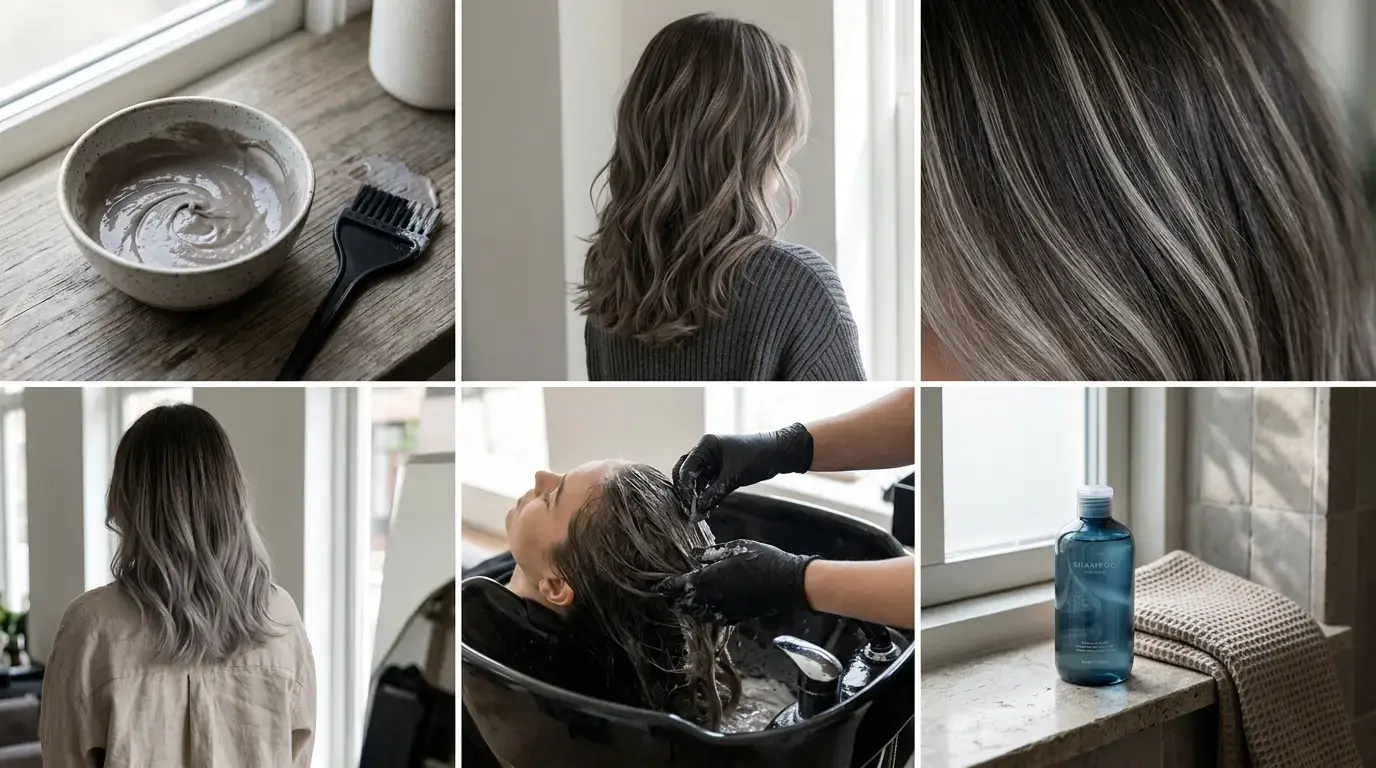
Washing with a dedicated purple shampoo once every seven days counteracts yellowing caused by heat styling and mineral tap water. Follow with an intensive hydrating mask to keep the wiry cuticle flexible. Rub three drops of lightweight squalane oil over the top canopy before blow drying with a flat paddle brush. Never force coarse gray hair into delicate, feathered micro-bangs because the stiff root direction will cause the fringe to stand straight up. Reshape the perimeter every five weeks.
Natural Waves and Loose S-Curves

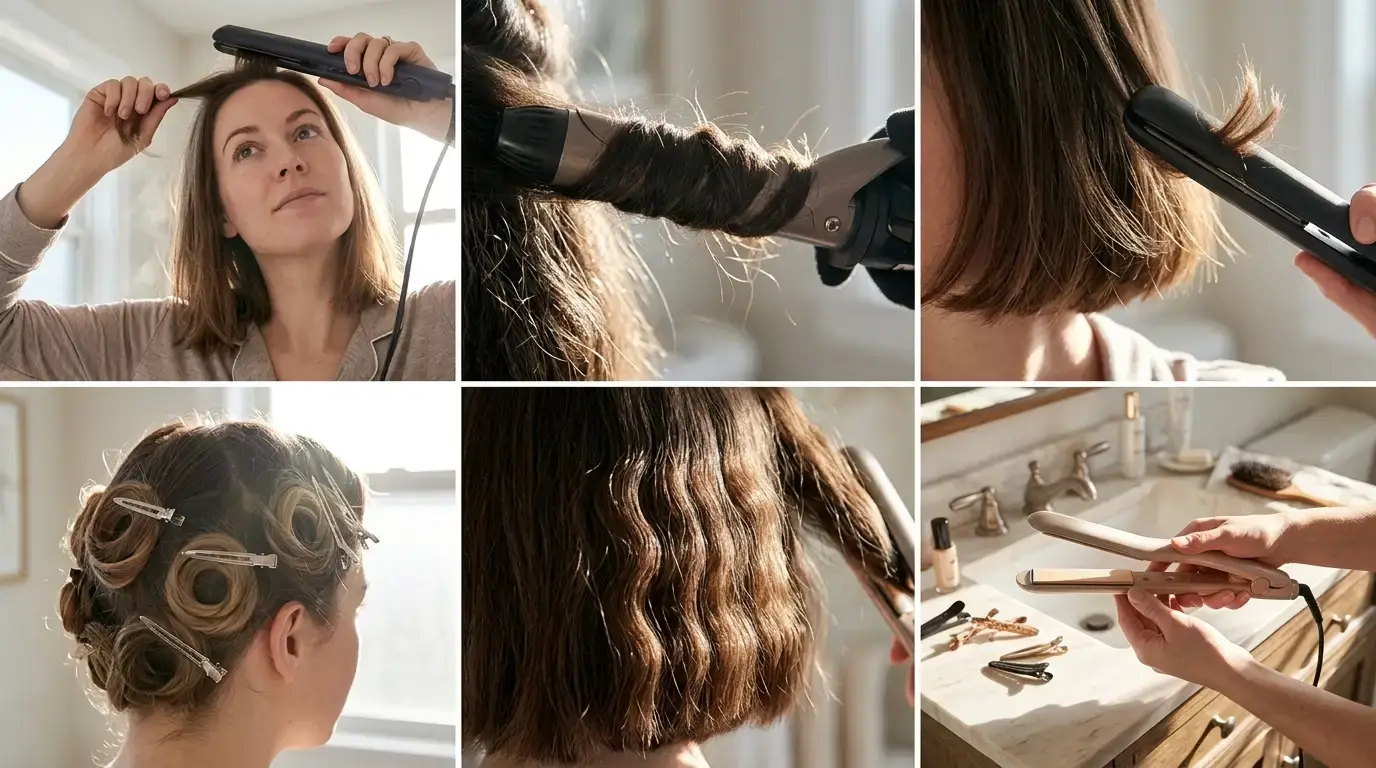
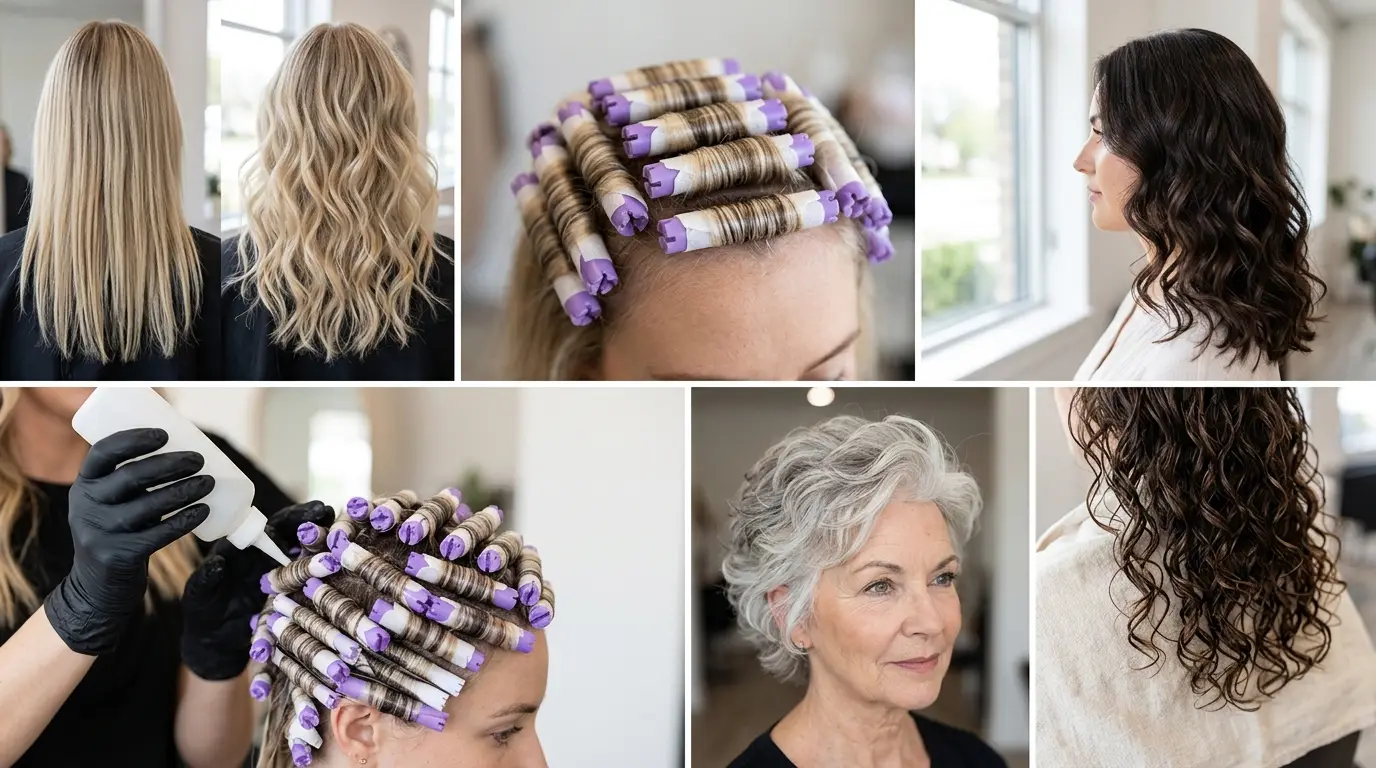
Natural wave patterns create built-in body when cut to the right tier. A graduated bixie hybrid preserves two to three inches of wave across the crown while tapering closely around the ears and nape. The natural bend supplies height without backcombing, making this an ideal low maintenance pixie haircuts for older women who refuse to blow dry daily.
Who it is for: Medium to thick hair displaying an S-curl or loose wave pattern.
Who should skip it: Bone-straight, pin-flat hair types that require hot tools to hold any curvature.
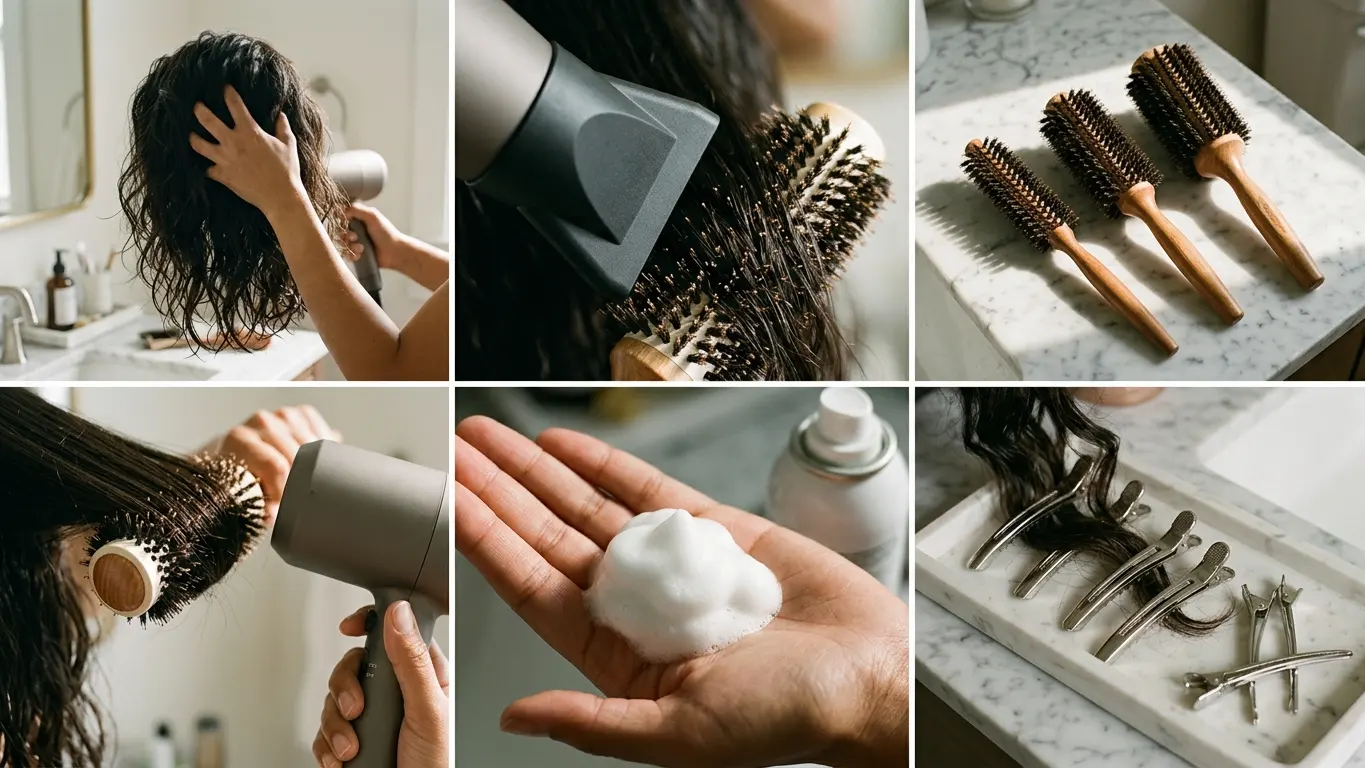
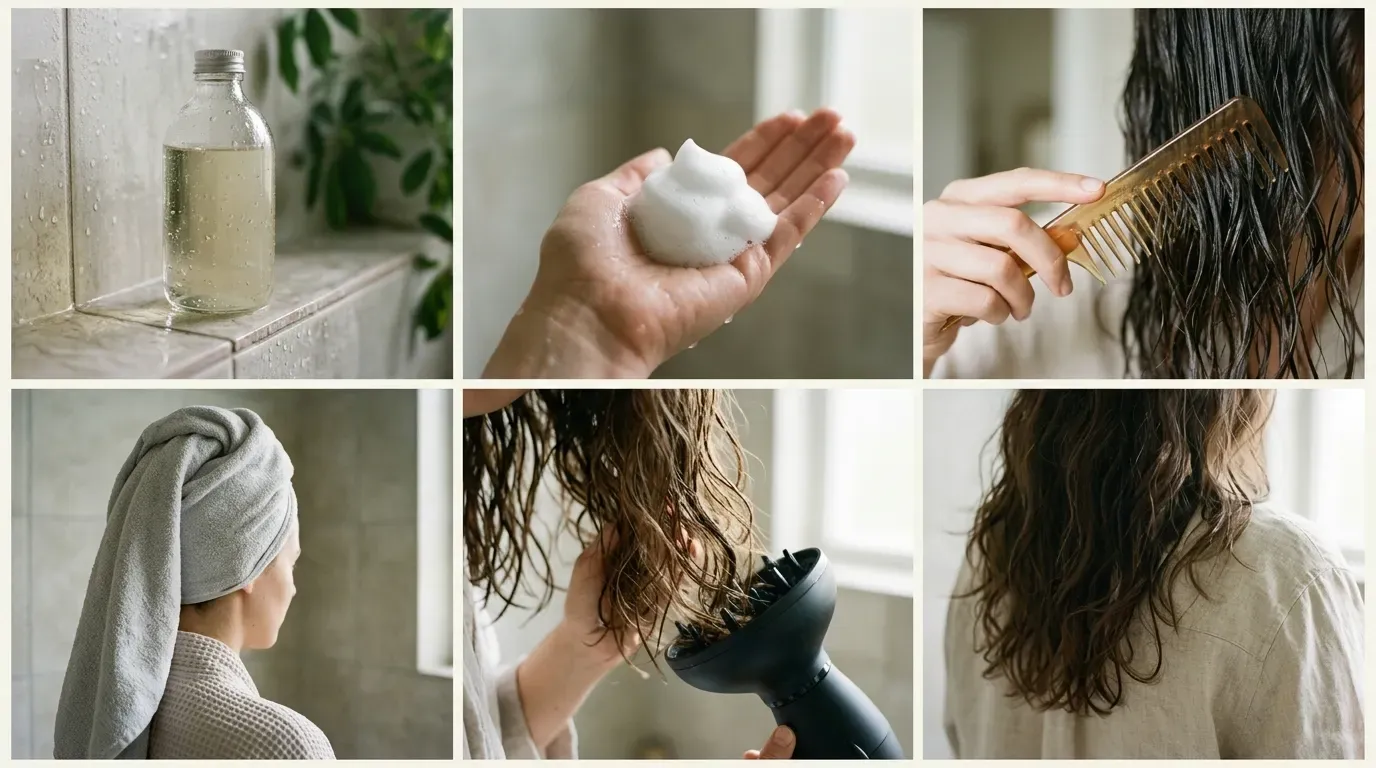
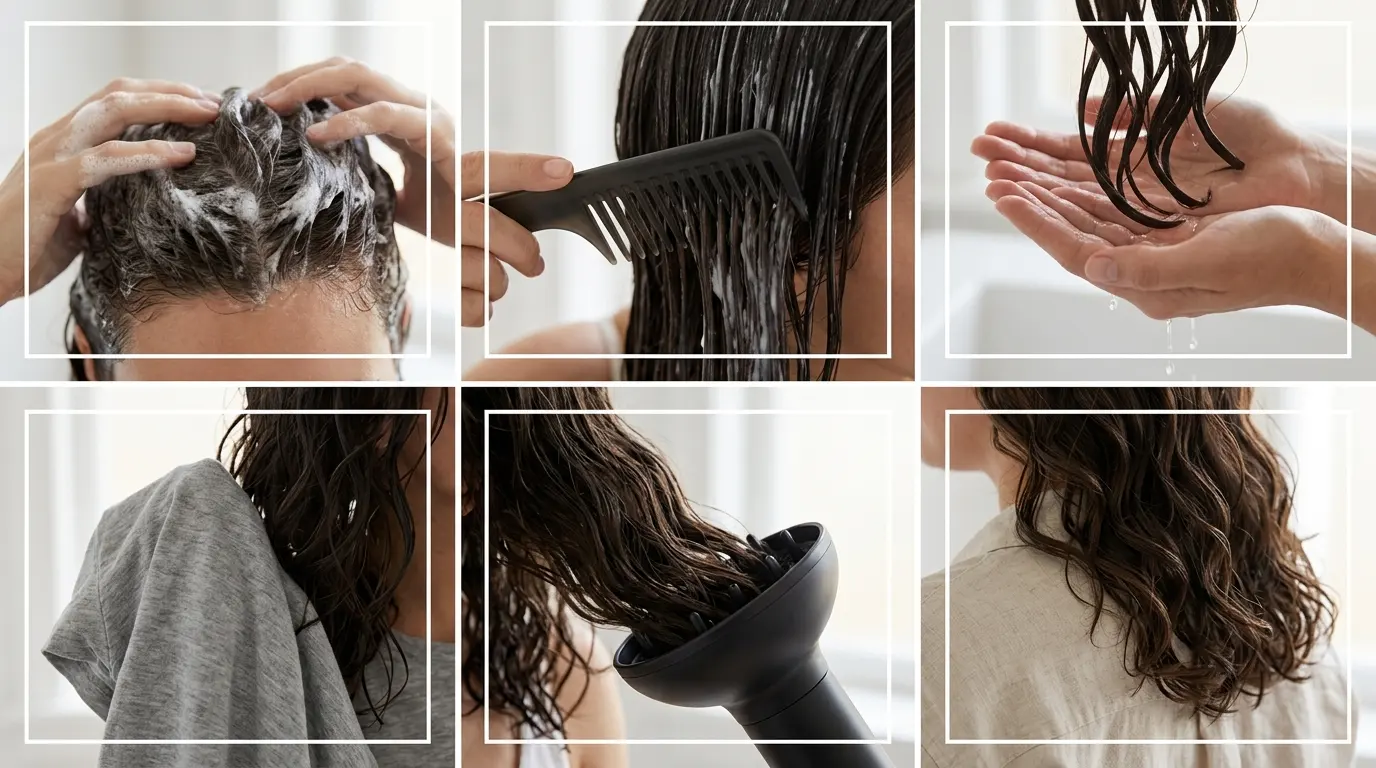
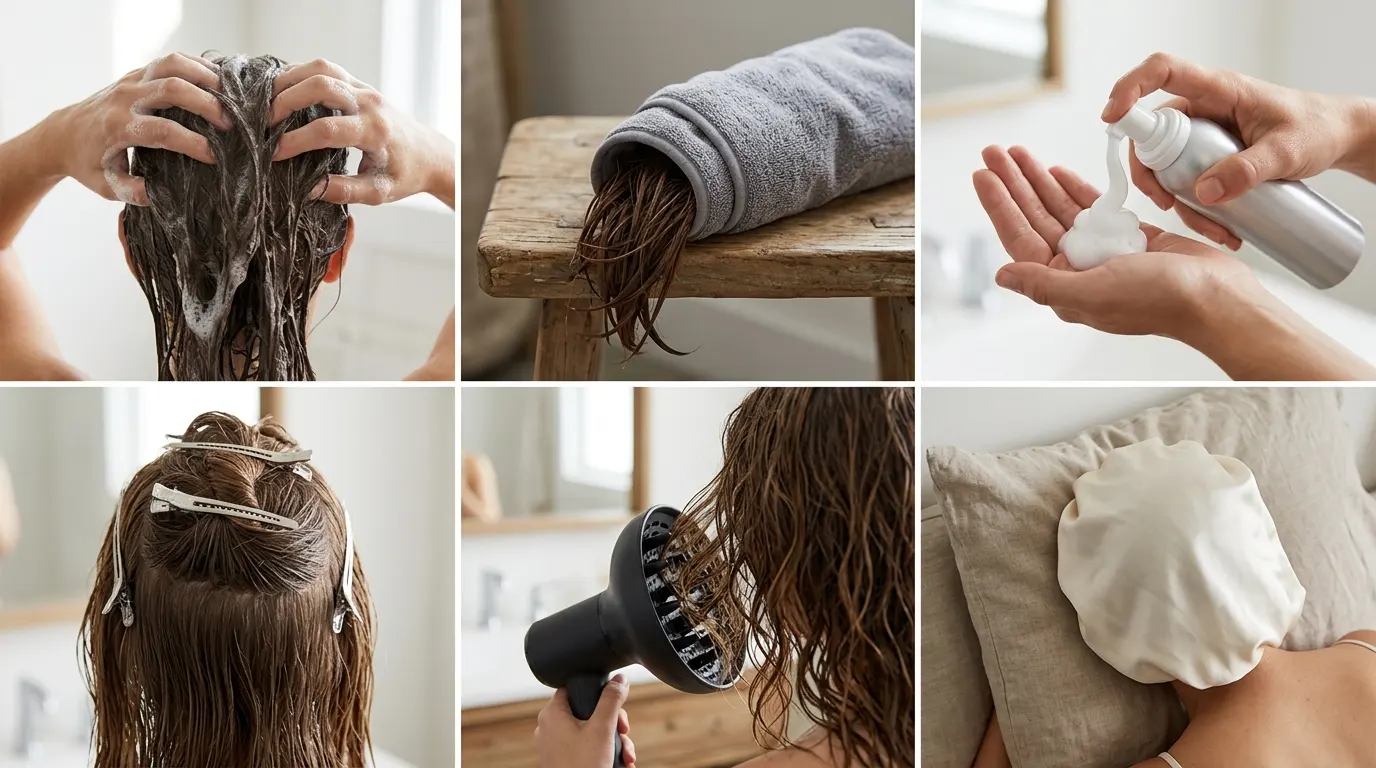
Diffusing on low heat with a curl-defining foam yields defined texture in under four minutes. Apply foam to damp strands, tilt your head sideways, and cup the hair in the diffuser bowl without touching it with your fingers. Touching the hair while it dries breaks the curl cast and invites immediate surface frizz. A standard diffuser attachment costs roughly 18 dollars in 2026. If the crown layers are clipped shorter than two inches, the wave will retract into an unintended triangular shape. Refresh on non-wash mornings by misting lightly with filtered water and scrunching with a microfiber cloth.
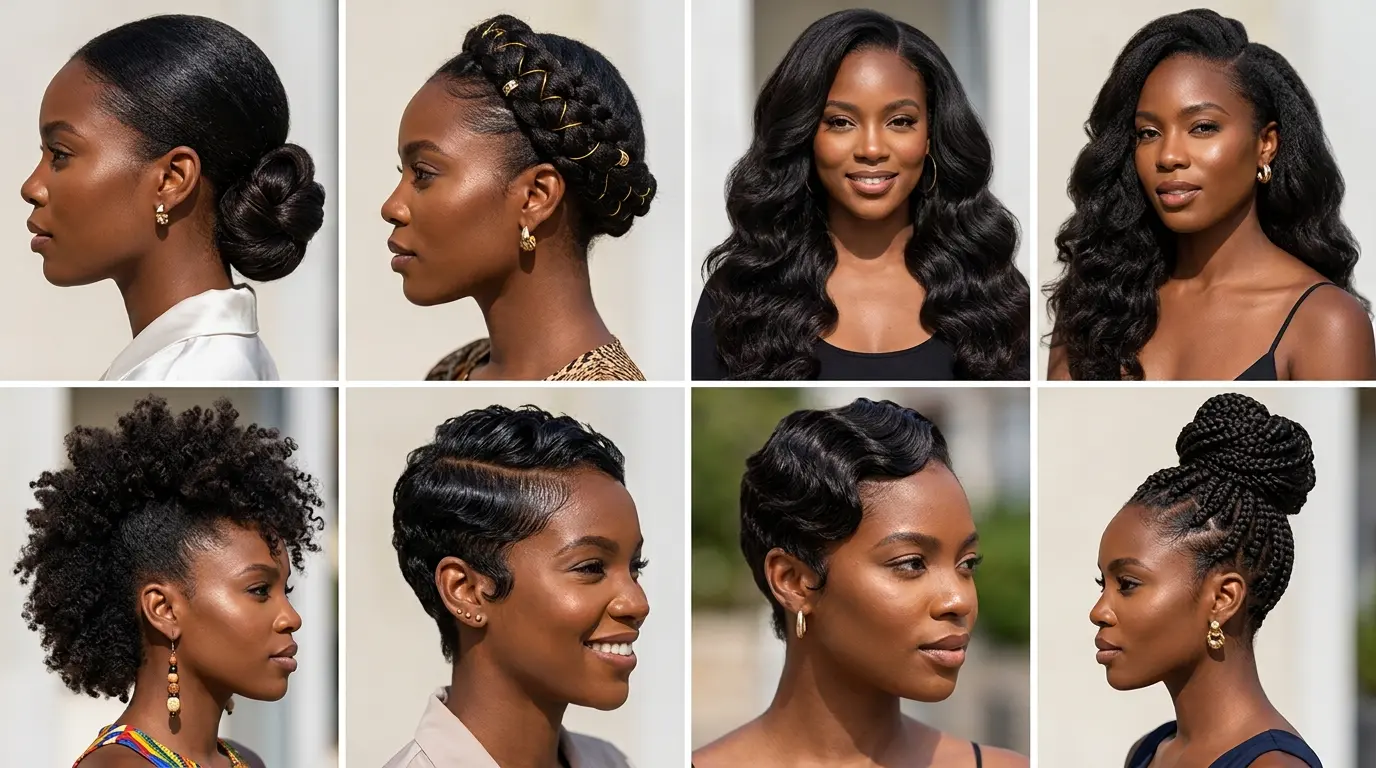
Tight Curls and Coiled Textures

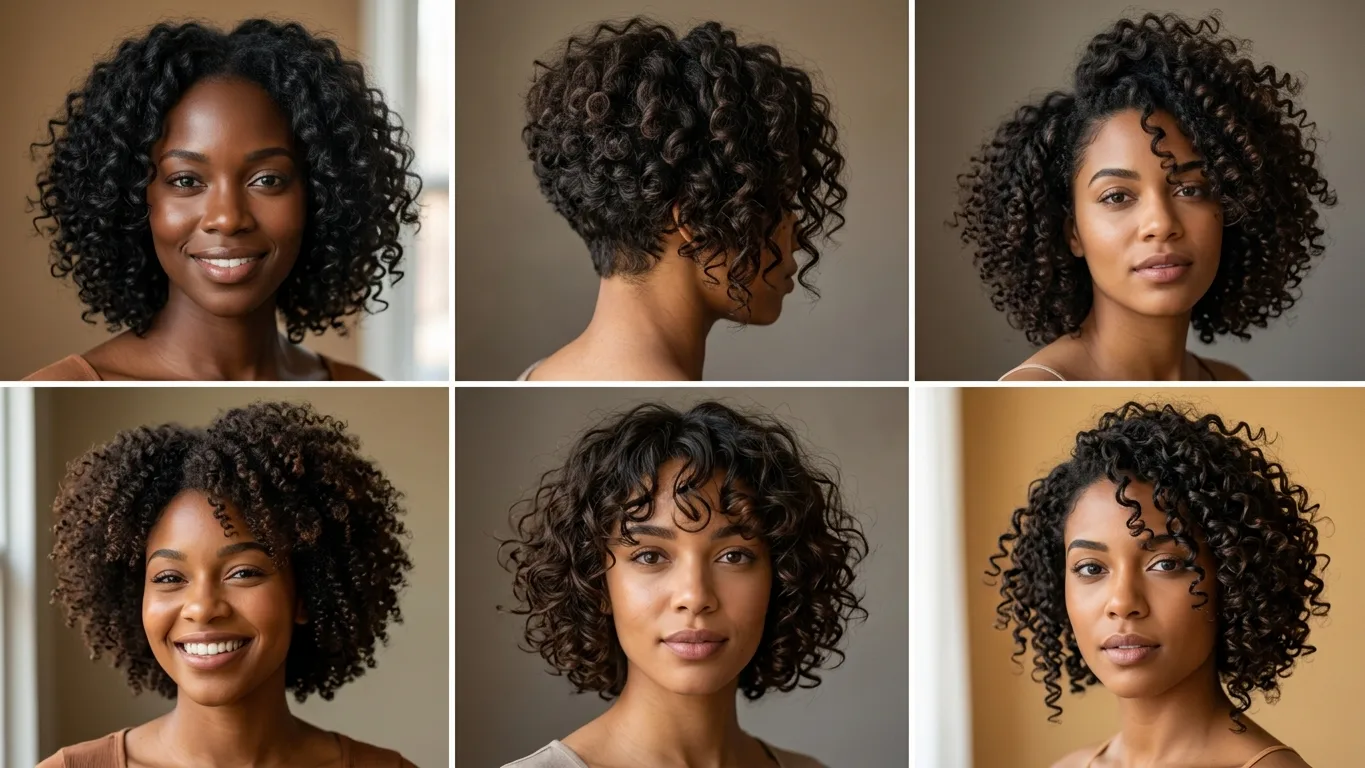
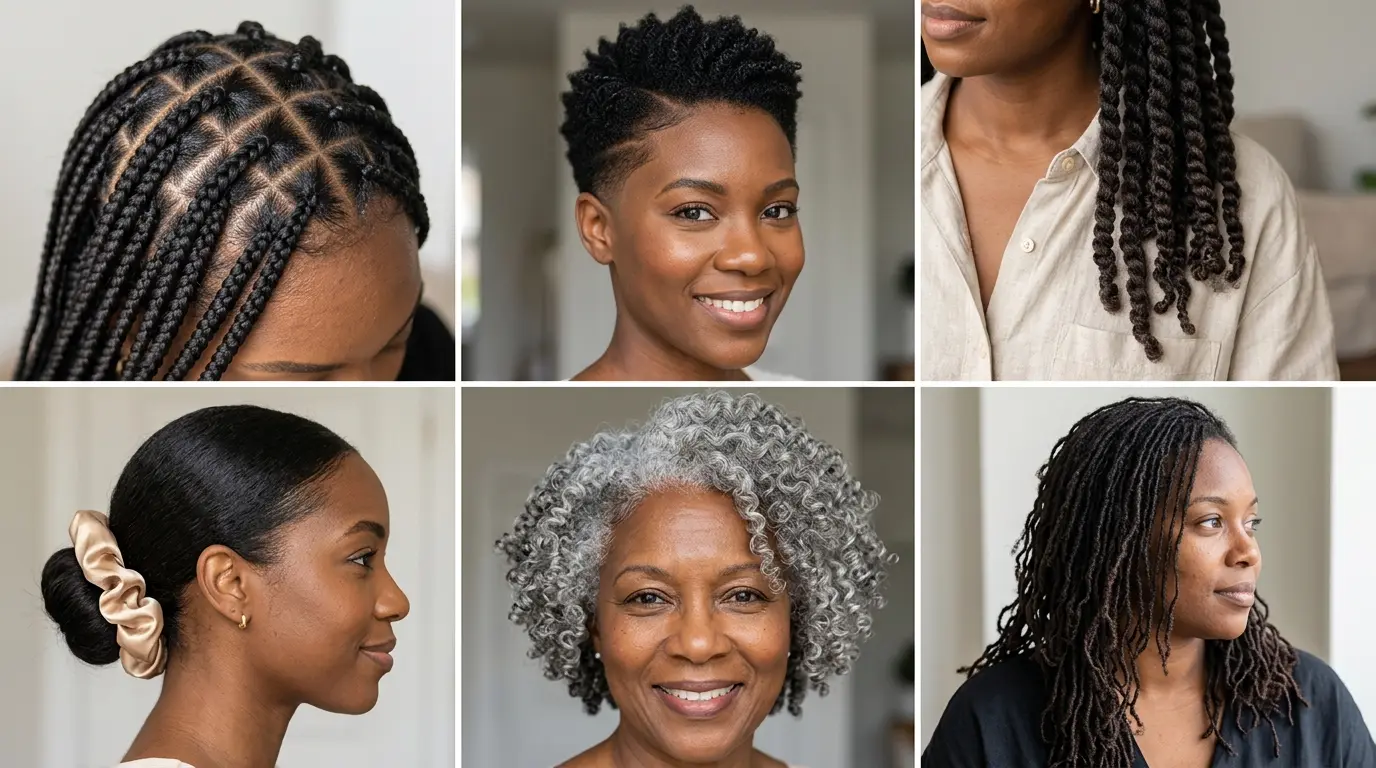
Coiled hair shrinks significantly as it dries, which alters how a crop frames the cheekbones. Cutting tightly along the sides while sculpting a rounded, elevated top preserves your natural volume while keeping the jawline clear. This silhouette delivers great impact for pixie haircuts for elderly women who want zero perimeter weight pulling down on the neck.
Who it is for: Type 3 and Type 4 curl patterns seeking defined structure and minimal detangling time.
Who should skip it: Relaxed or chemically straightened hair that lacks natural spring and rebound.
Carve the outline when the hair is dry and stretched to ensure the final curl shrinkage does not expose unwanted areas around the ears. Seal the coils daily with a quarter-sized amount of shea butter cream to combat ambient moisture loss. Sleeping on a standard cotton pillowcase pulls essential moisture from coiled hair, leading to broken ends and morning flat spots. Switch to a 100 percent mulberry silk pillowcase to protect the shape overnight. Book a maintenance appointment every seven weeks to refine the tapering at the nape.
Fine Straight Hair Needing Crown Volume

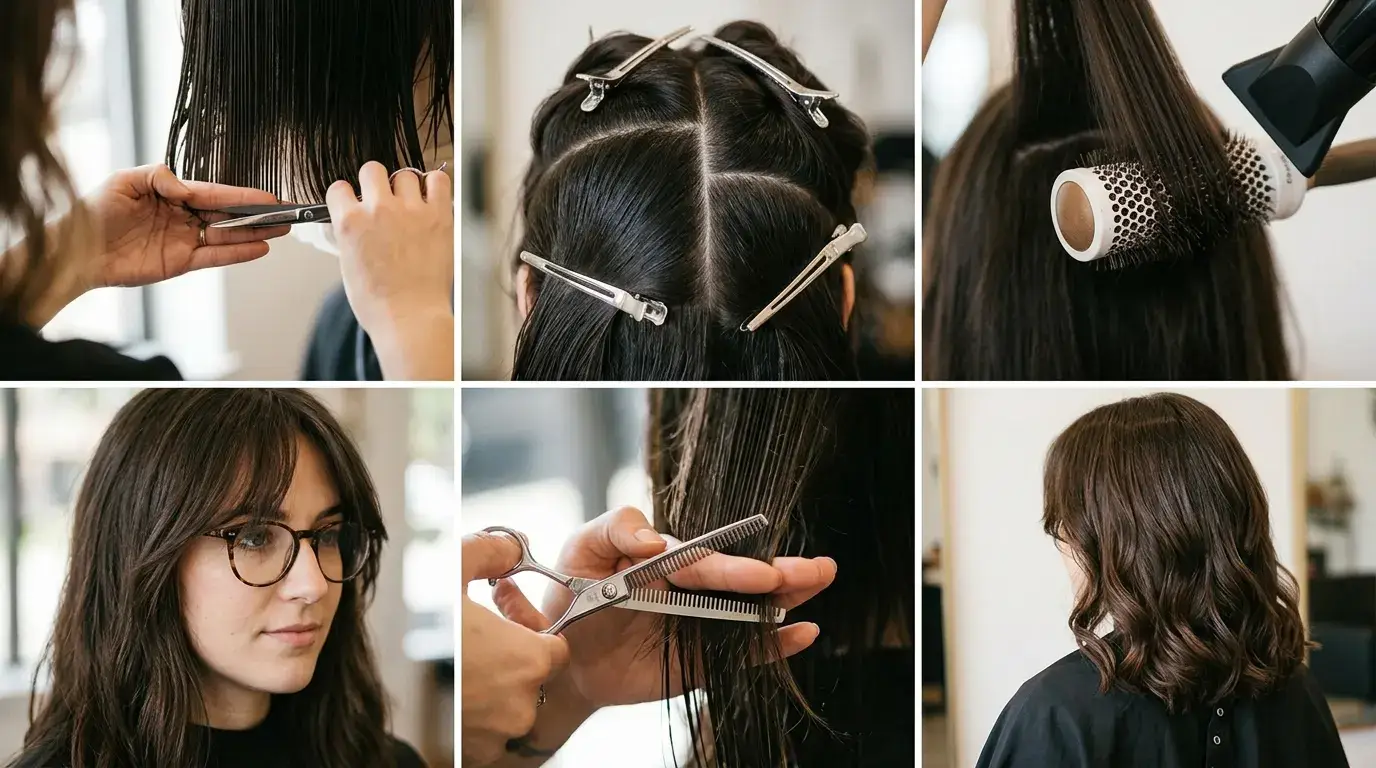
Fine hair lies flat against the skull unless a haircut creates mechanical support underneath. A choppy pixie pixie haircuts for older women uses short, notched interior pieces that act as tiny pillars to lift longer surface strands. Stylists achieve this by elevating sections 90 degrees from the skull and cutting with a feather razor.
Who it is for: Straight, slippery hair that refuses to hold volume when grown past the earlobes.
Who should skip it: Extremely thick, frizzy textures where razor cuts create split, fuzzy ends.
Spritz a mineral sea salt spray directly at the base of damp roots before styling. Direct the warm airflow from a concentrator nozzle against the natural growth direction to build immediate base volume. Finish with a dime-sized dab of dry texture paste worked only into the upper crown. If you apply paste to the ends, the weight will drag the crown down within an hour. This cut demands a strict six-week trim cycle to prevent the razor-cut layers from collapsing under new growth.
Full Cheeks and Rounded Facial Contours

Rounded facial features benefit from vertical lines and asymmetrical angles rather than blunt perimeters. An asymmetrical chop with an elongated, sweeping fringe shifts the focal point diagonally across the face. This makes short pixie haircuts for older women with round faces an exceptional choice for sharpening cheekbone definition.
Who it is for: Round or heart-shaped faces seeking visual length and angular structure.
Who should skip it: Narrow, rectangular faces, as added top height exaggerates facial elongation.
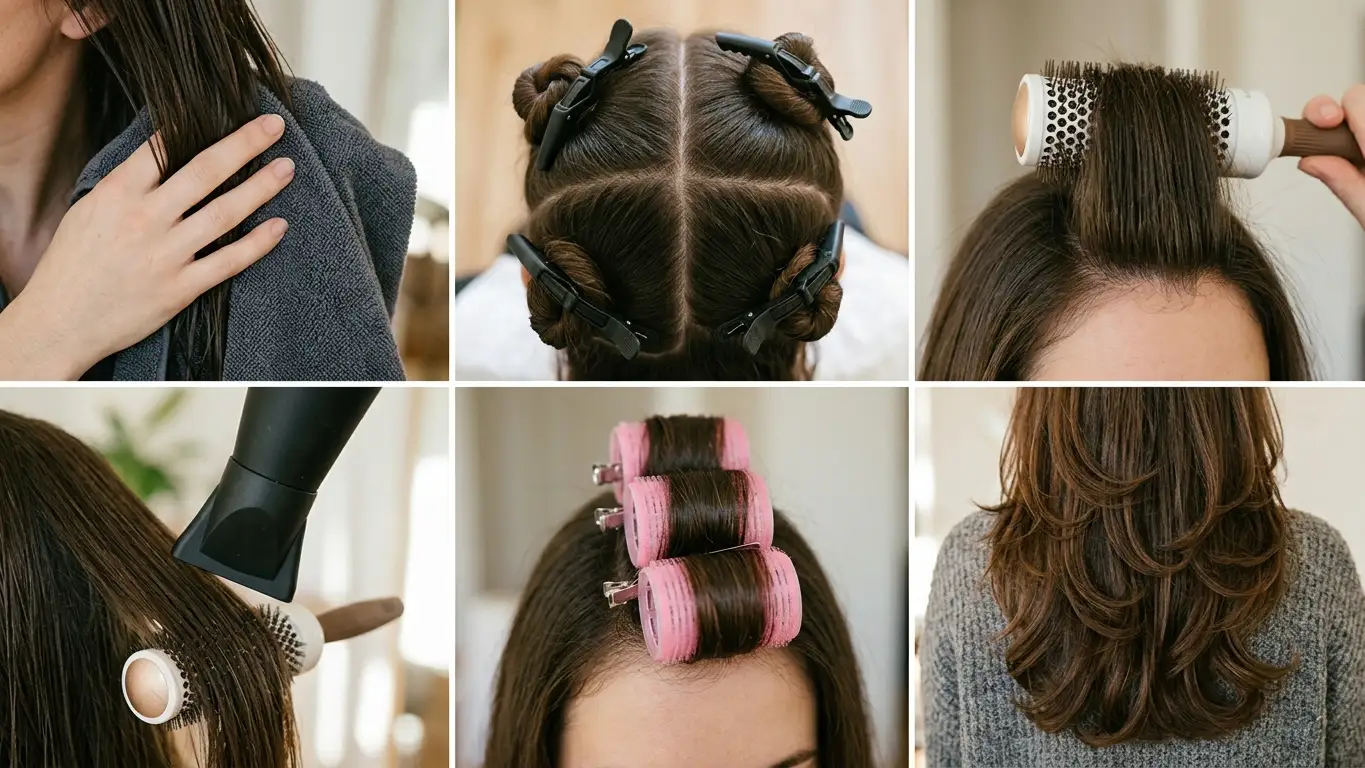
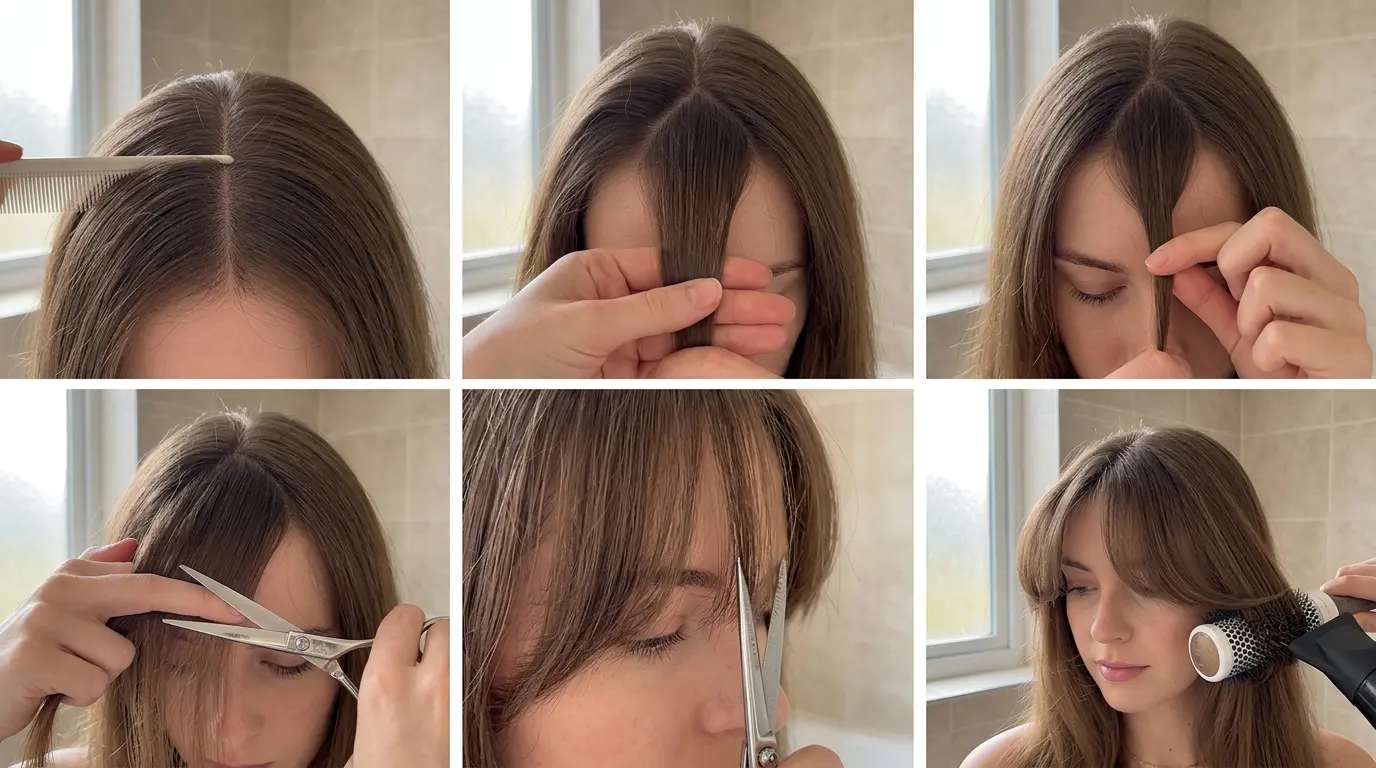
Keep the side sections flat and trimmed tight against the temples to avoid adding width to the sides of the head. Dry the sweeping fringe across the forehead using a one-inch ceramic round brush, angling the airflow toward the ear. A medium-hold paste keeps the side sweep locked in place without stiffening into a solid block. Trimming the fringe yourself between salon visits is a common error that ruins the diagonal angle. Let a professional clean up the fringe line every three weeks, which most salons offer as an inexpensive walk-in service.
Prominent Eyewear and Reading Glasses

Eyeglass temples disrupt the hair around the ear, causing short cuts to flare outward unpredictably. An undercut crop clears the perimeter cleanly above the top frame wire, preventing plastic or metal frames from pushing your hair into wings. Keeping the top textured and forward-directed ensures the hair complements your frame silhouette.
Who it is for: Daily glasses wearers tired of their frames creating messy bulges behind their ears.
Who should skip it: Anyone uncomfortable showing their ears or jawline openly.
Bring your primary pair of glasses to the salon and wear them while the stylist carves the perimeter around the ears. The baseline must sit at least a quarter-inch above where the glasses temple rests on your ear. Rub a drop of lightweight grooming lotion through the top to keep the strands flexible and mobile. In 2026, a tube of salon-grade styling lotion runs about 24 dollars. Skipping this product leads to a dry, flyaway look that clashes with the polished lines of modern designer eyewear.
Square Jawlines and Angular Bones

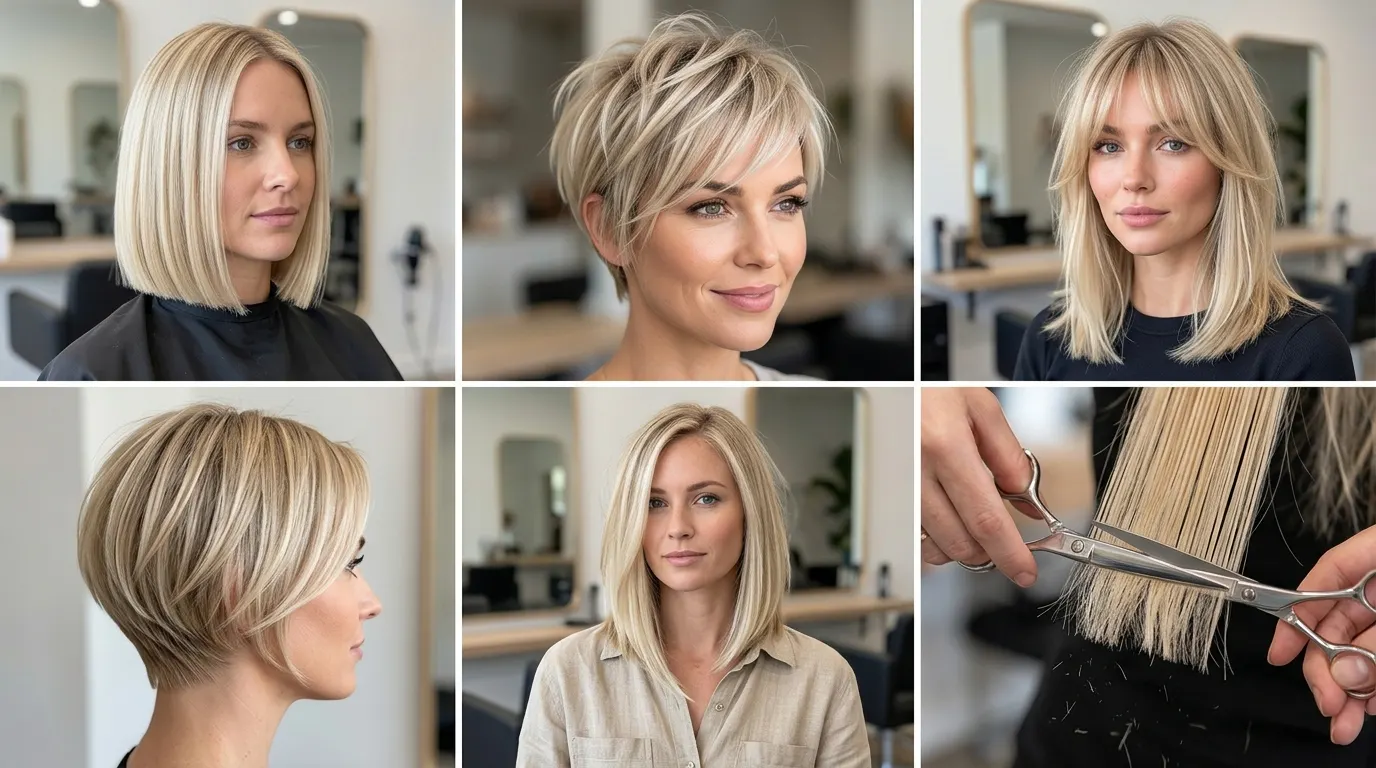
Sharp jawlines require softened, tapered borders to avoid a severe appearance. Choosing long pixie haircuts for older women leaves feathery, wispy layers around the ears and nape that soften sharp bone angles. Incorporating side bangs breaks the width of a broad forehead and adds fluid motion.
Who it is for: Strong, square jaws and prominent cheekbones that carry structured, sweeping shapes well.
Who should skip it: Very soft, undefined jawlines that disappear without crisp exterior boundaries.
Instruct your stylist to point-cut the nape into a soft, tapered neckline rather than a blunt, squared-off clipper line. A blunt line at the neck exaggerates the width of the jaw. Blow dry using your fingers instead of a round brush to encourage organic, relaxed separation through the front layers. Finish by misting a flexible-hold hairspray twelve inches away from the head to lock the flow without adding shine. Reschedule every six to seven weeks to keep the bottom taper from growing over your collar.
Cowlicks and Irregular Growth Patterns
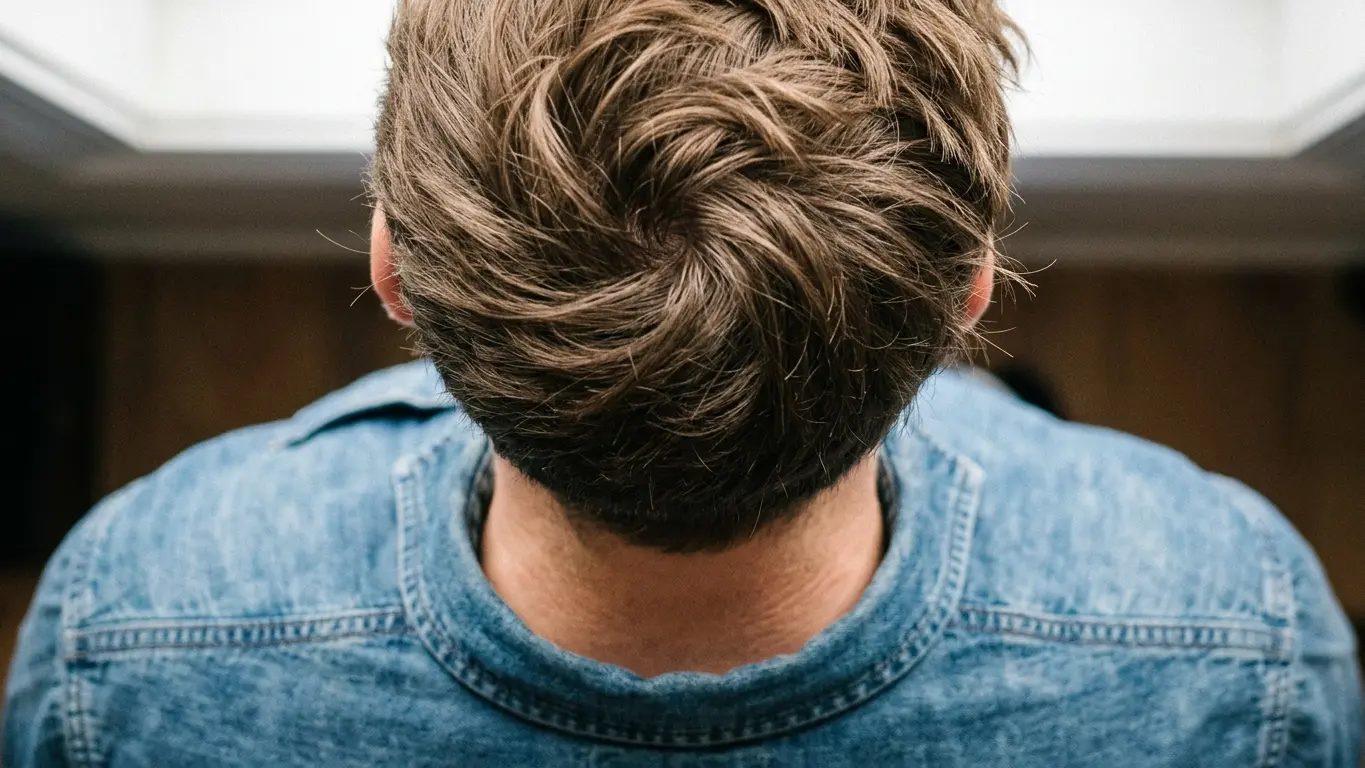
A stubborn cowlick at the crown or hairline turns symmetrical cuts into daily styling battles. A tousled, multi-directional chop embraces erratic growth patterns by mixing disconnected layer lengths across the crown. The deliberate lack of symmetry allows stubborn whorls to blend directly into the overall shape.
Who it is for: Strong swirl patterns at the crown or front hairline that resist neat parts.
Who should skip it: Anyone who prefers clean, sleek, perfectly combed styling.
Work with your growth pattern rather than fighting it with round brushes and high heat. Apply a pea-sized amount of styling pomade to dry hair, twisting random clusters of strands in the natural direction of the cowlick. This method turns rebellious sections into intentional surface texture in less than thirty seconds. Trying to force a crown cowlick into a flat side part is a mistake that causes the cut to split open by midday. Book an appointment every five weeks to preserve the balance between long and short sections.
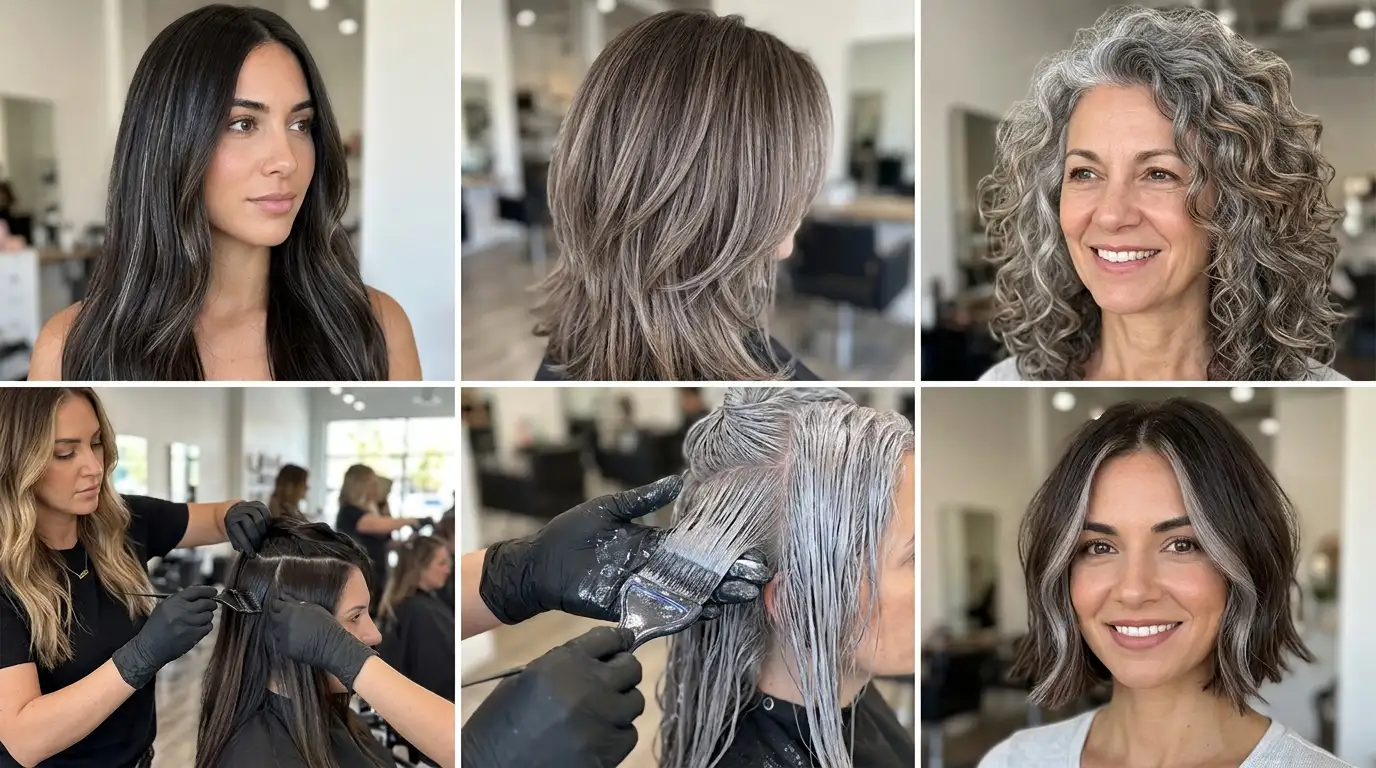
High-Contrast Color and Dimensional Highlights
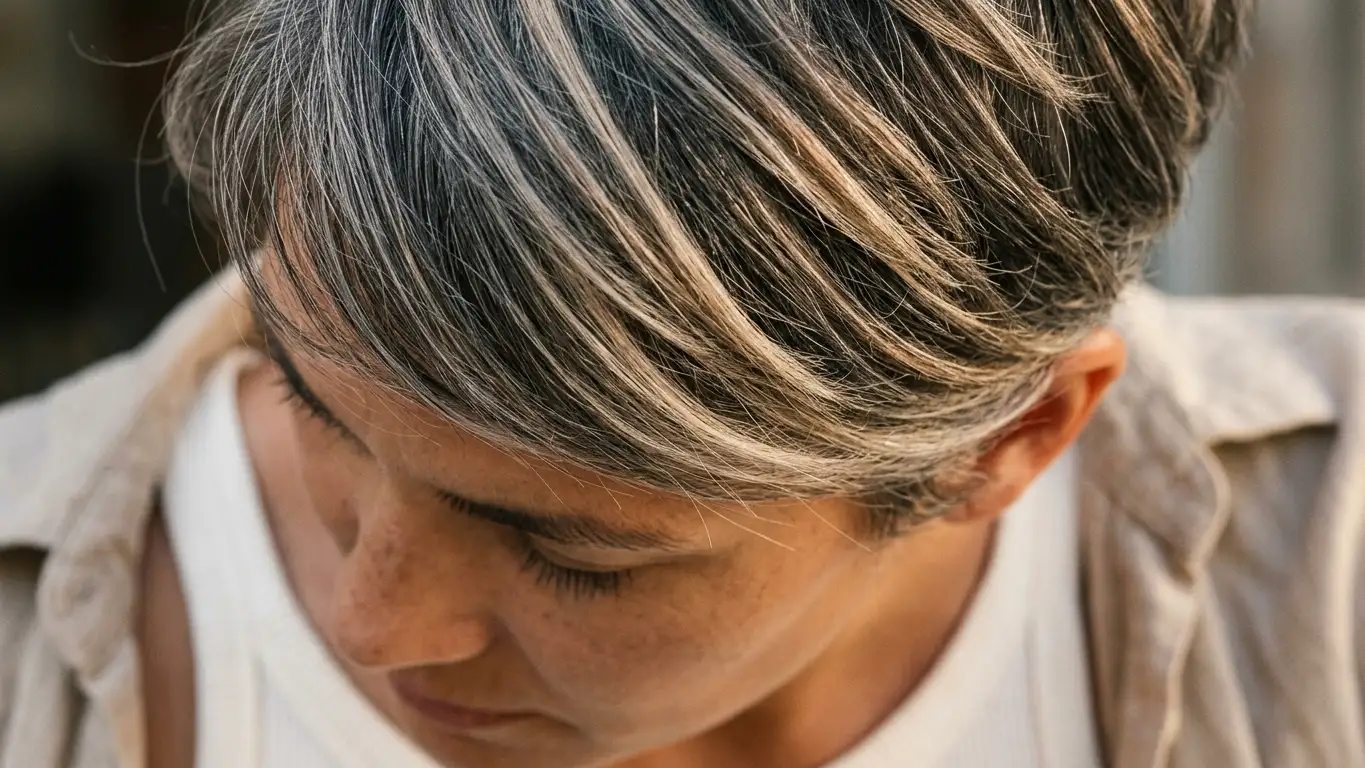
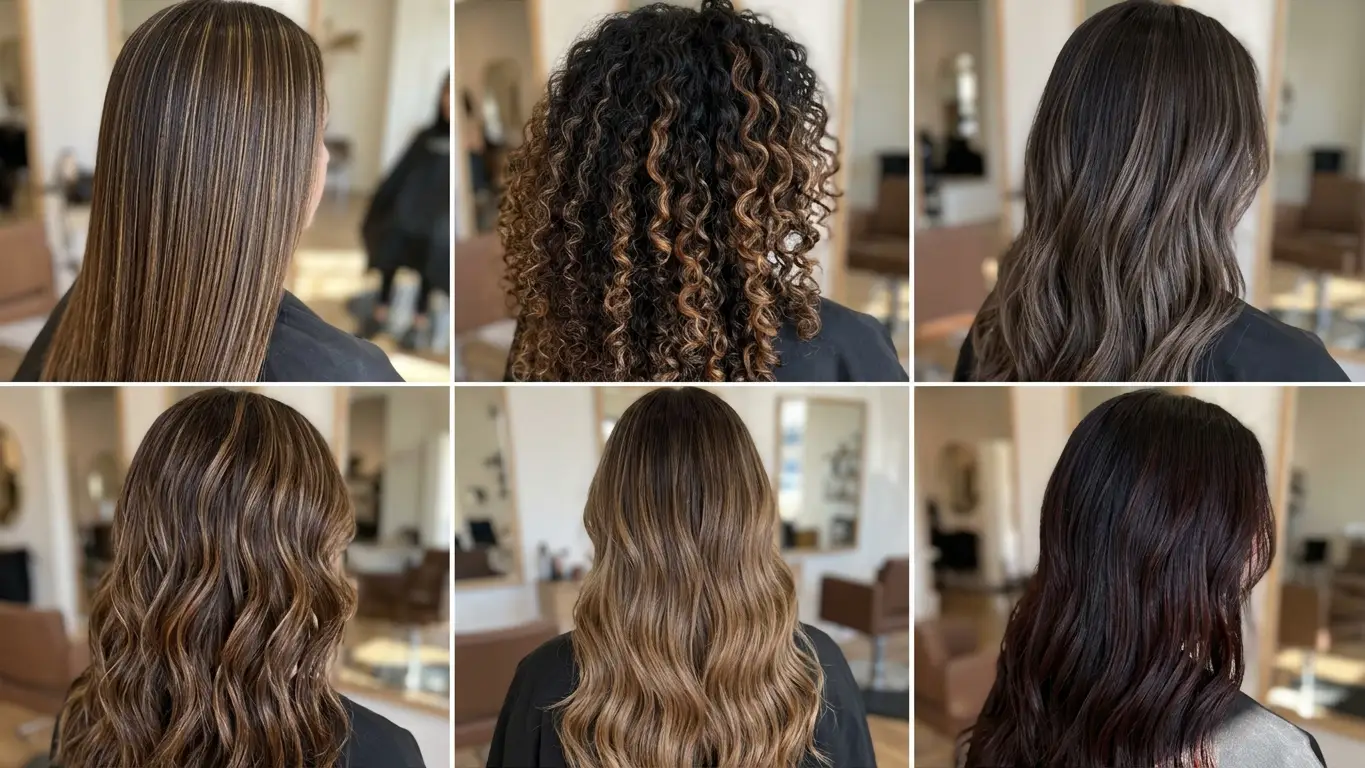
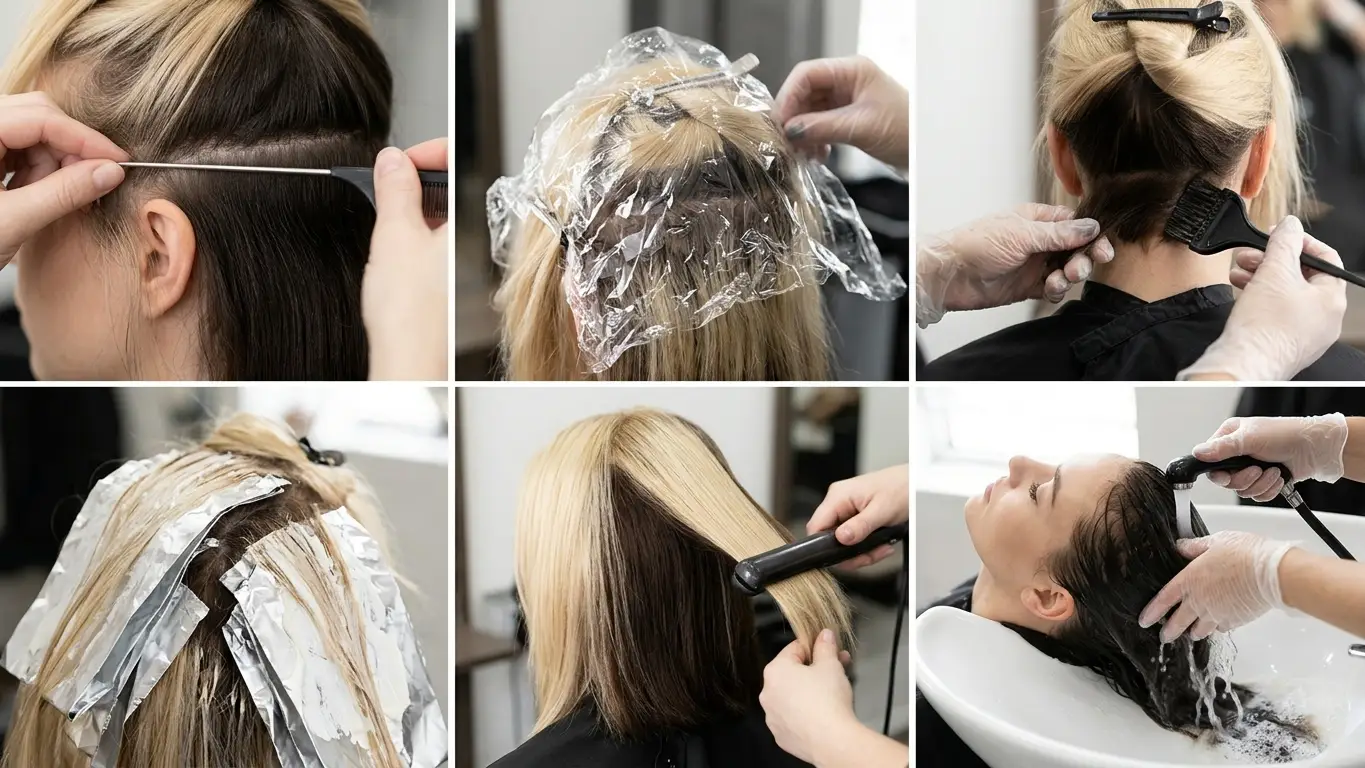
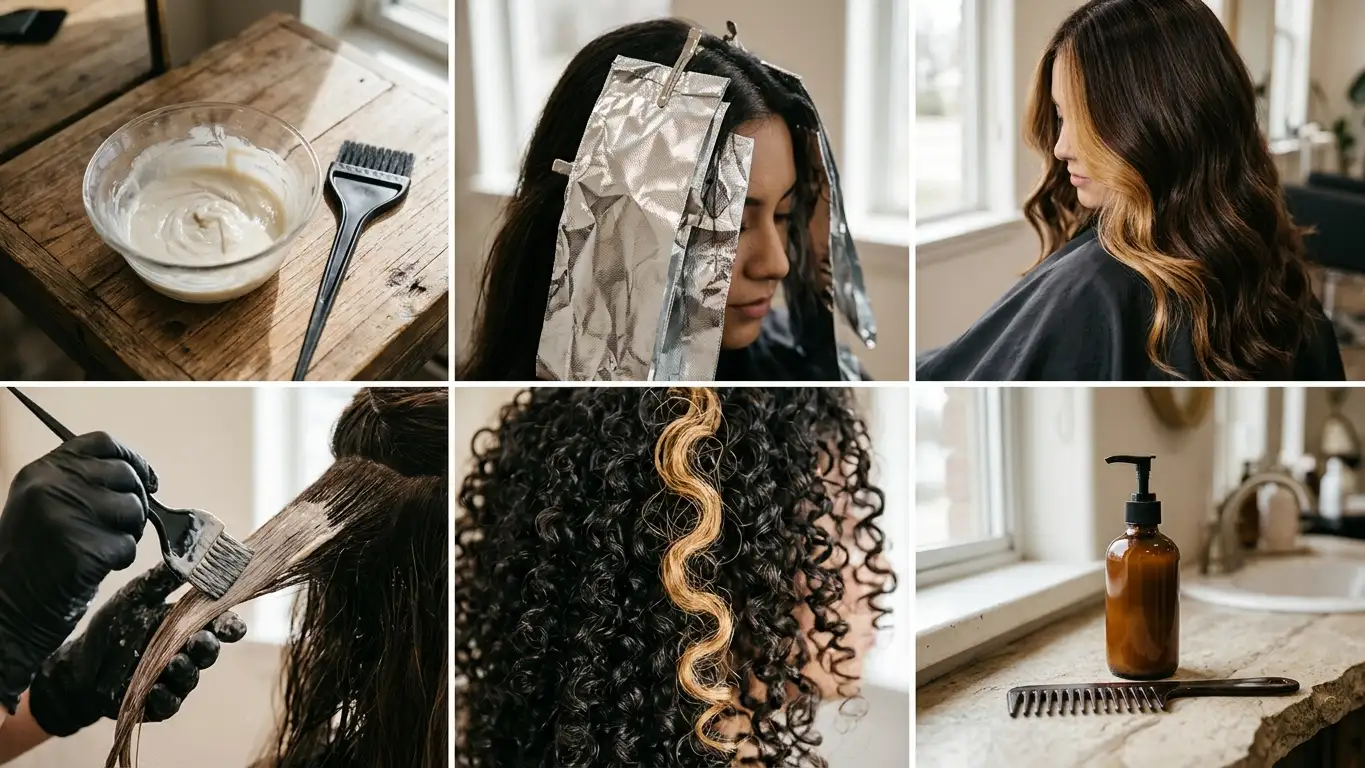
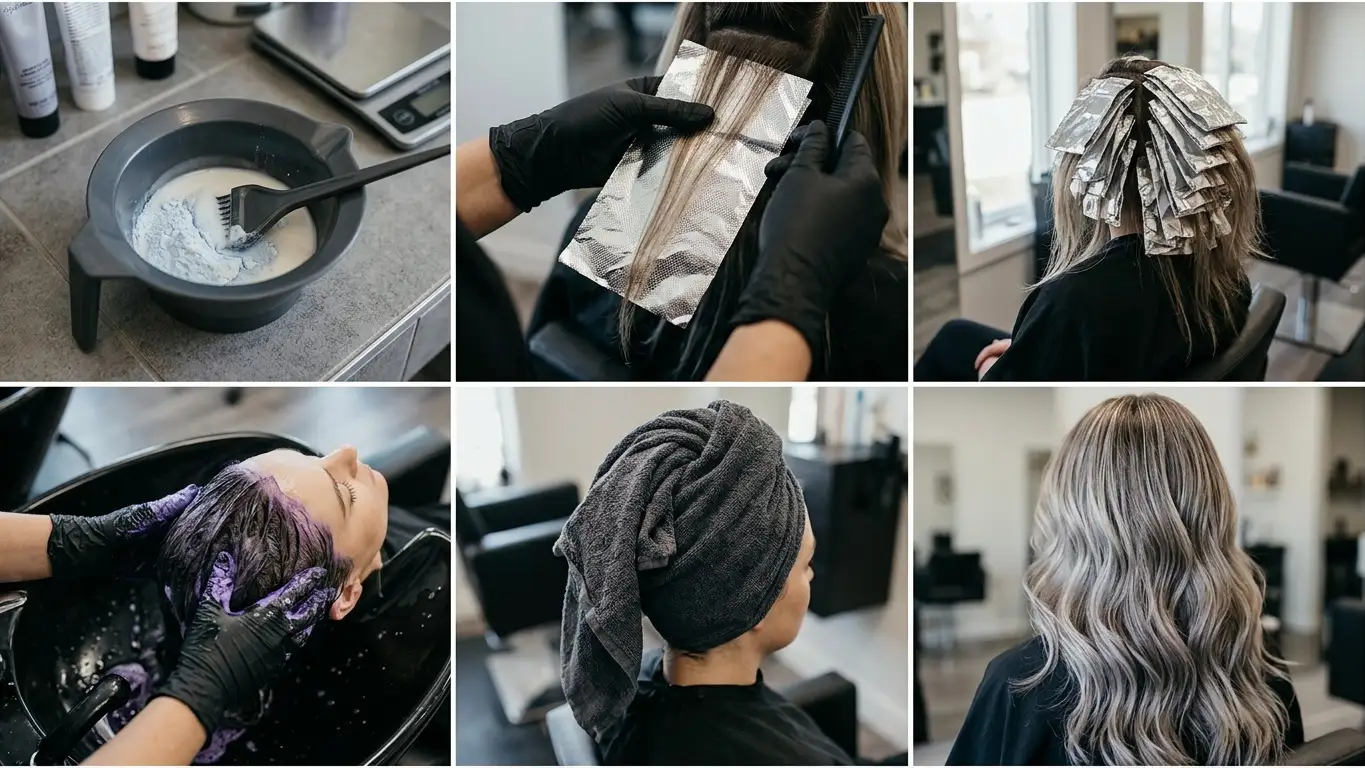
Adding short haircuts to dimensional color accentuates the movement of each cut layer. Integrating a low-contrast balayage across the fringe adds depth that prevents cropped cuts from appearing flat or monochrome. This technique suits pixie hair for older women who want low-maintenance color that blends naturally with root regrowth.
Who it is for: Multitonal hair colors, frosted highlights, and individuals growing out gray borders.
Who should skip it: Solid jet-black or stark single-process colors that obscure interior layering.
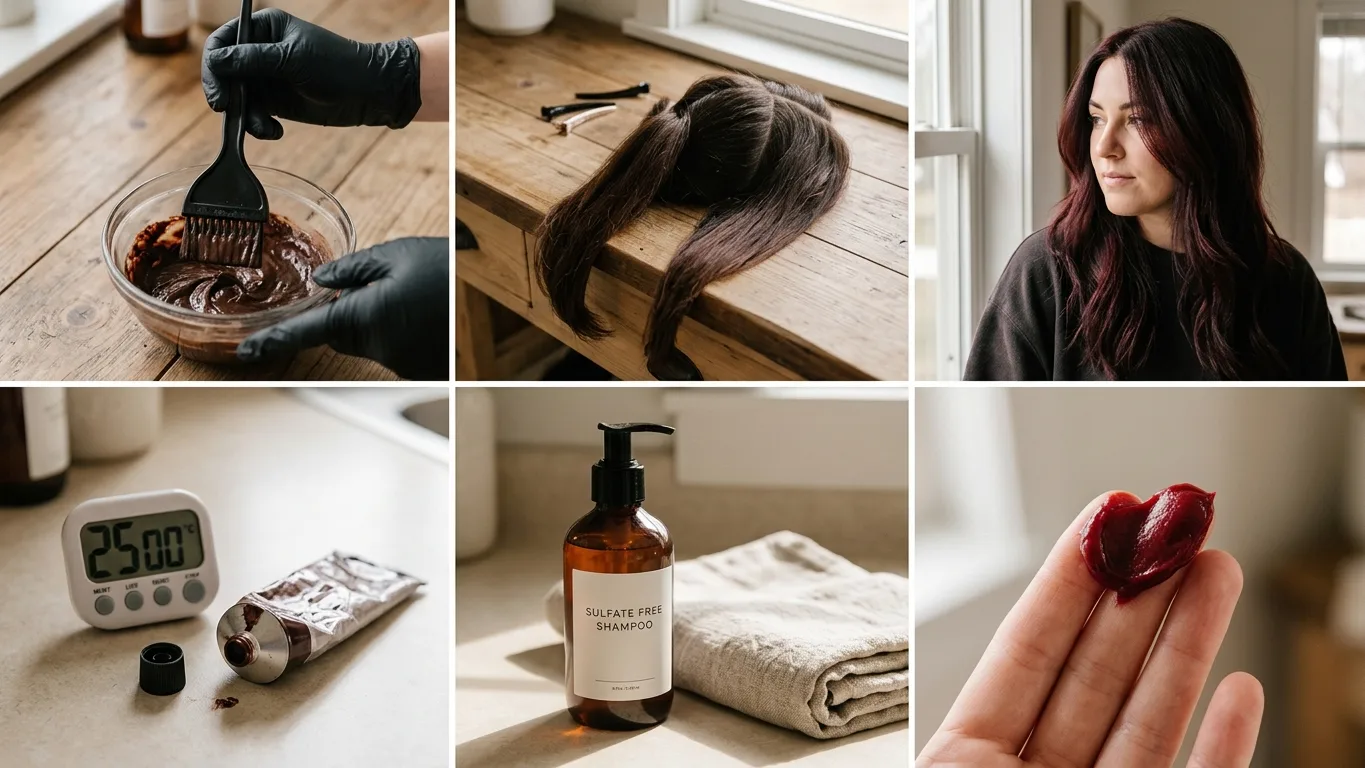
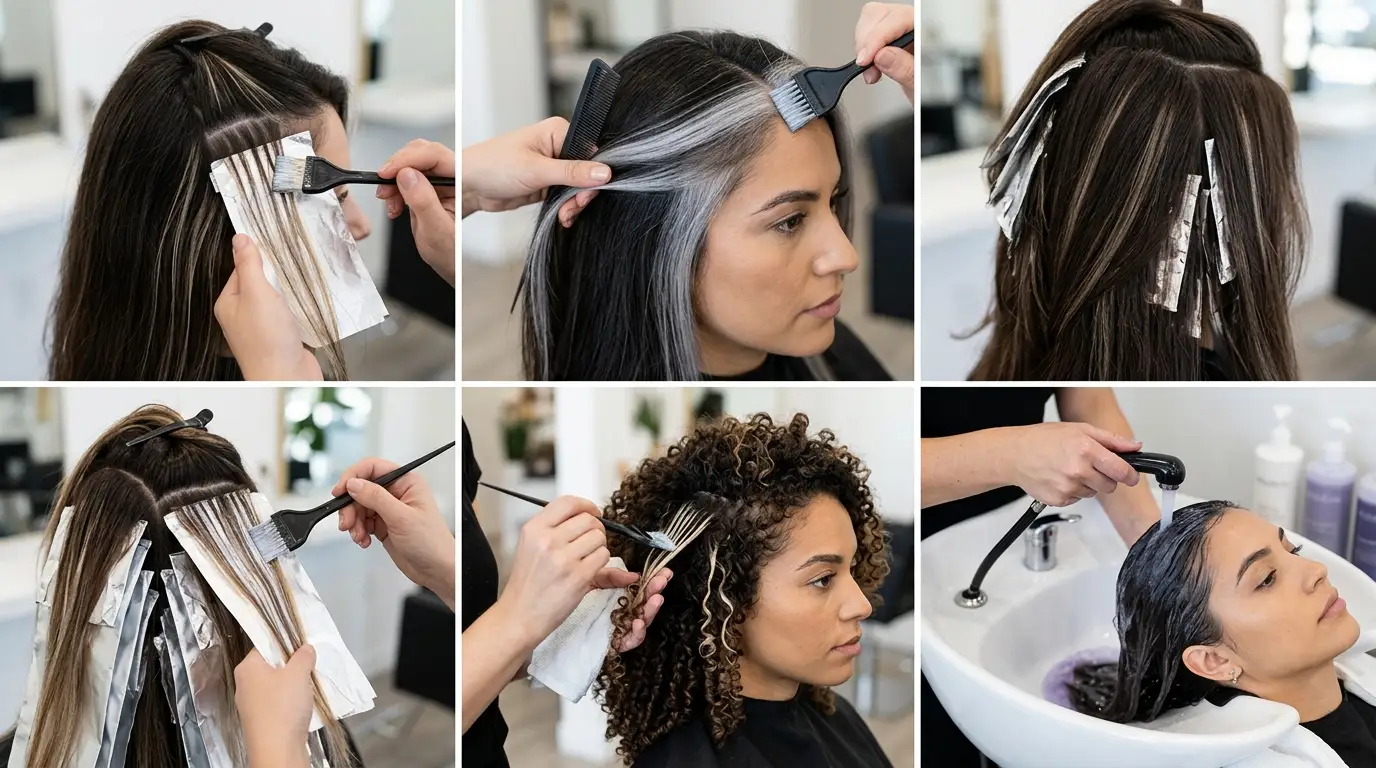
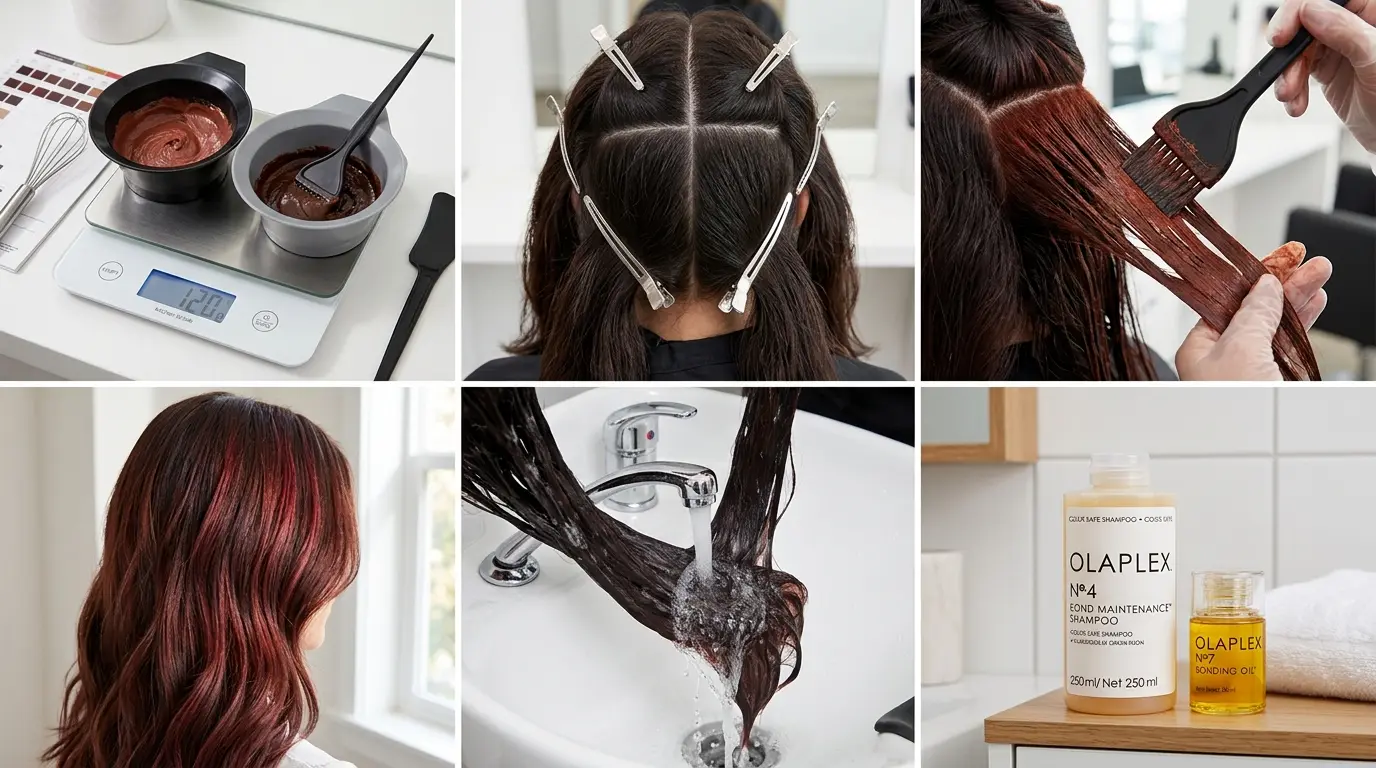
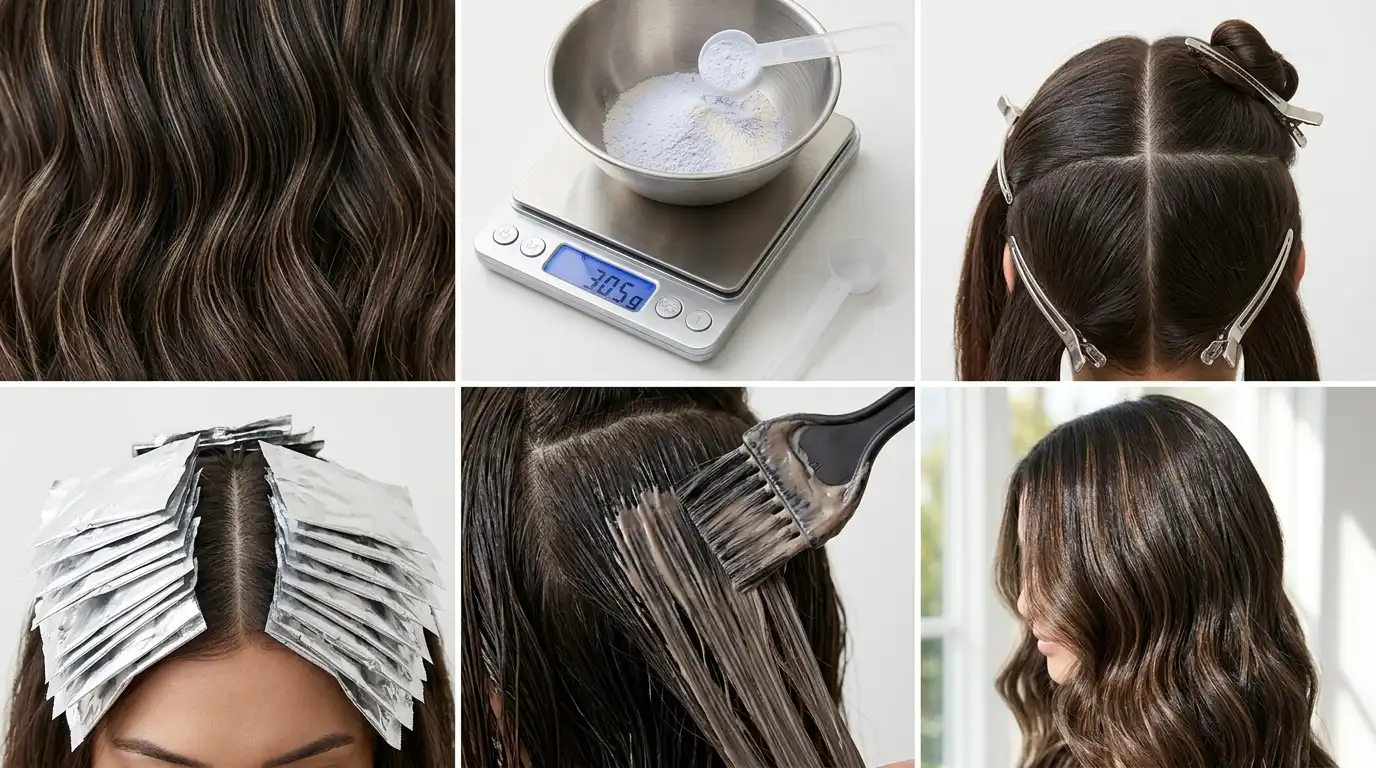
A partial surface balayage focuses exclusively on the top layers and fringe, keeping salon service costs around 85 to 110 dollars in 2026. Use a color-safe, sulfate-free shampoo to prevent the lightened tips from fading into brassy tones. Wash with lukewarm water because hot water strips protective color molecules from short strands. Condition only the ends of the crown layers to avoid weighing down root volume. Refresh the highlights every twelve weeks while keeping up with four-week structural haircut trims.
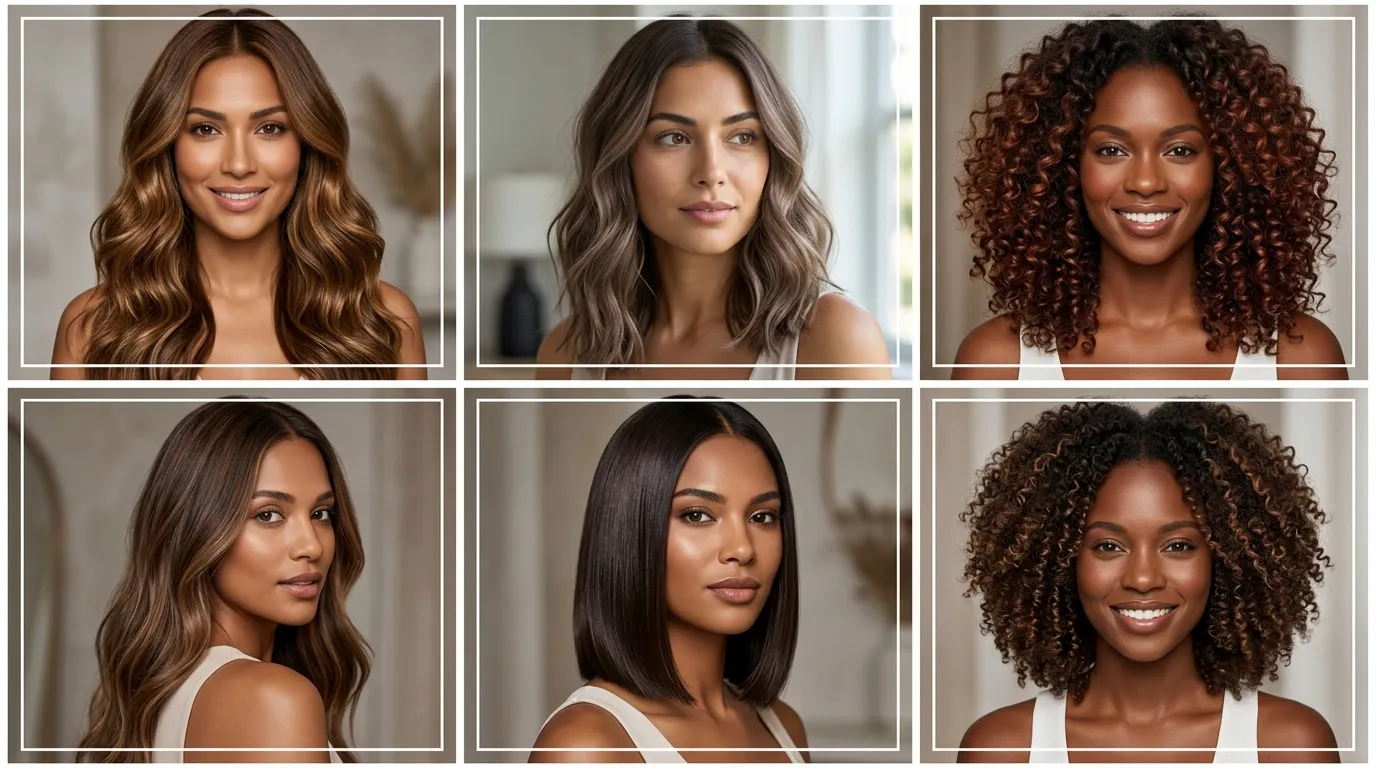
How to Select Your Cut by Hair Texture and Density

Evaluating your natural hair properties before sitting in the salon chair prevents disappointing cuts and styling frustration. The following breakdown pairs individual physical characteristics with the ideal silhouette, trimming frequency, and everyday product requirements.
| Hair Situation | Recommended Silhouette | Upkeep Frequency | Primary Styling Product | Common Issue to Avoid |
|---|---|---|---|---|
| Sparse Crown and Temples | Forward-swept micro crop | 4 weeks | Matte styling clay | Thinning shears that expose scalp |
| Wiry Gray Strands | Disconnected blocky chop | 5 weeks | Squalane oil | High-heat yellowing without purple shampoo |
| Natural S-Waves | Graduated bixie hybrid | 6 weeks | Curl-defining foam | Clipping crown layers under 2 inches |
| Tight Coiled Hair | Sculpted high-top crop | 7 weeks | Shea butter cream | Cotton pillowcase friction and breakage |
| Fine Flat Strands | Razor-notched crown cut | 6 weeks | Mineral sea salt spray | Heavy wax dragging down roots |
| Round Facial Shape | Asymmetrical long sweep | 4 weeks | Medium-hold paste | Wide, bulky side sections over ears |
| Constant Eyewear | High-tapered ear crop | 5 weeks | Lightweight lotion | Hair flaring over eyeglass frames |
| Angular Square Jaw | Feathered nape crop | 7 weeks | Flexible-hold hairspray | Blunt clipper lines across the neck |
| Rebellious Cowlicks | Multi-directional chop | 5 weeks | Styling pomade | Forcing a flat side part |
| Multitonal Color | Highlighted top crop | 4 weeks cut, 12 weeks color | Sulfate-free wash | Hot water fading toner |
Five Rules for Choosing Your Next Short Style
How do I know if a short crop will suit my thinning hairline?
Examine your temples in natural daylight. If scalp visibility extends more than an inch past your brow bone, select a forward-directed fringe rather than an exposed, pushed-back quiff.
How should I choose between a classic crop and a longer bixie?
Assess your willingness to visit the salon. If a four-week schedule feels like a burden, a longer bixie allows you to stretch salon appointments to eight weeks without the neckline looking untidy.
Can I wear a short crop if my hair texture is uneven across my head?
Yes, but you must ask your stylist to dry-cut the perimeter. Dry-cutting allows the stylist to see how the curly and straight zones interact without the false uniformity created by wet combing.
What is the best way to choose a style that accommodates reading glasses?
Select shapes that taper cleanly above the ear cartilage. Any cut that leaves bulky layers resting directly on top of your ears will push your glasses out of alignment.
How do I select between razor texturizing and traditional shears?
Choose shears if your strands are naturally coarse, wiry, or chemically lightened. Razor texturizing works best on untreated, fine straight strands that require feathered separation.
Deciding on Your Haircut

Take an honest look at your current morning schedule before committing to scissors. If spending ten minutes with a blow dryer and styling brush sounds exhausting, choose a cut that relies entirely on natural texture and quick air-drying. The most flattering crop is always the one that fits your real routine. When you are ready to book, schedule your first appointment during the middle of the week so your stylist has ample time to map your natural growth patterns without rushing. Choosing the right pixie haircuts for older women gives you confidence, easy mornings, and a fresh look that feels natural.