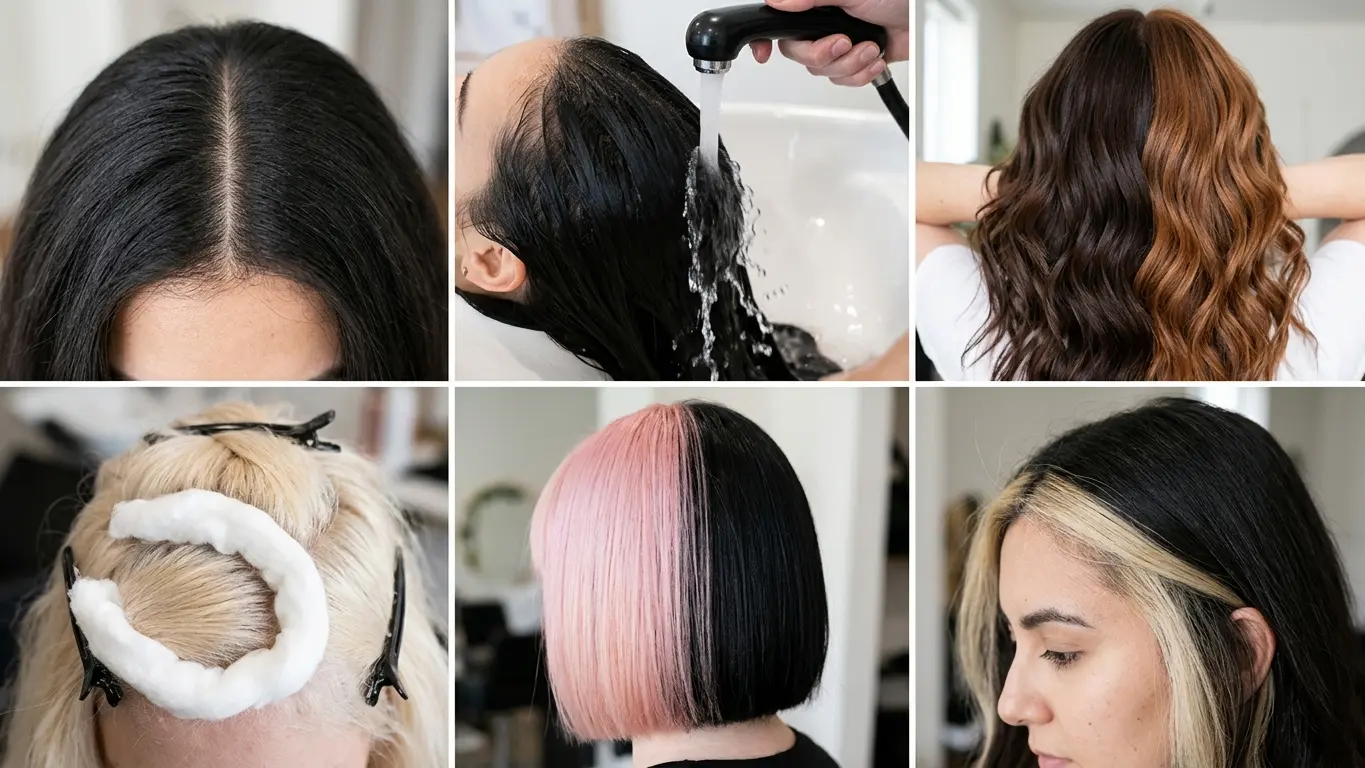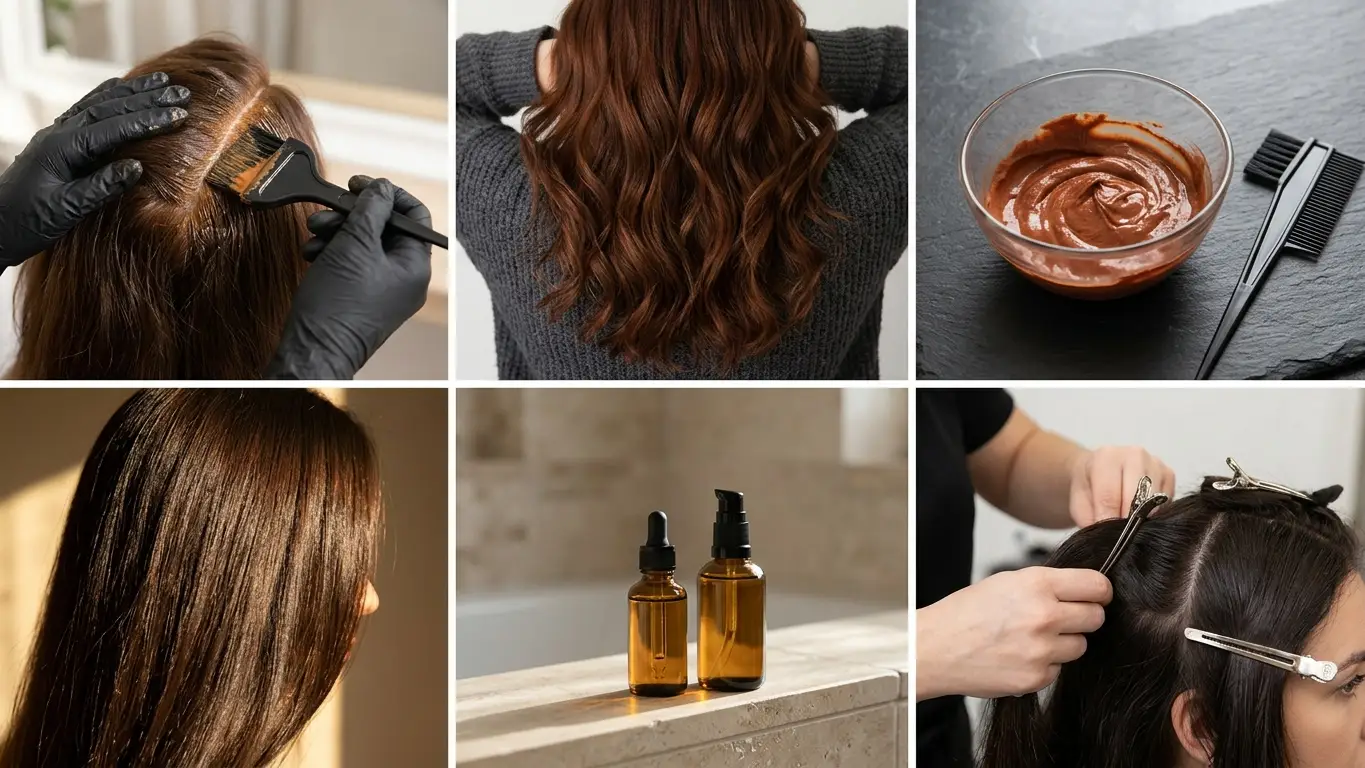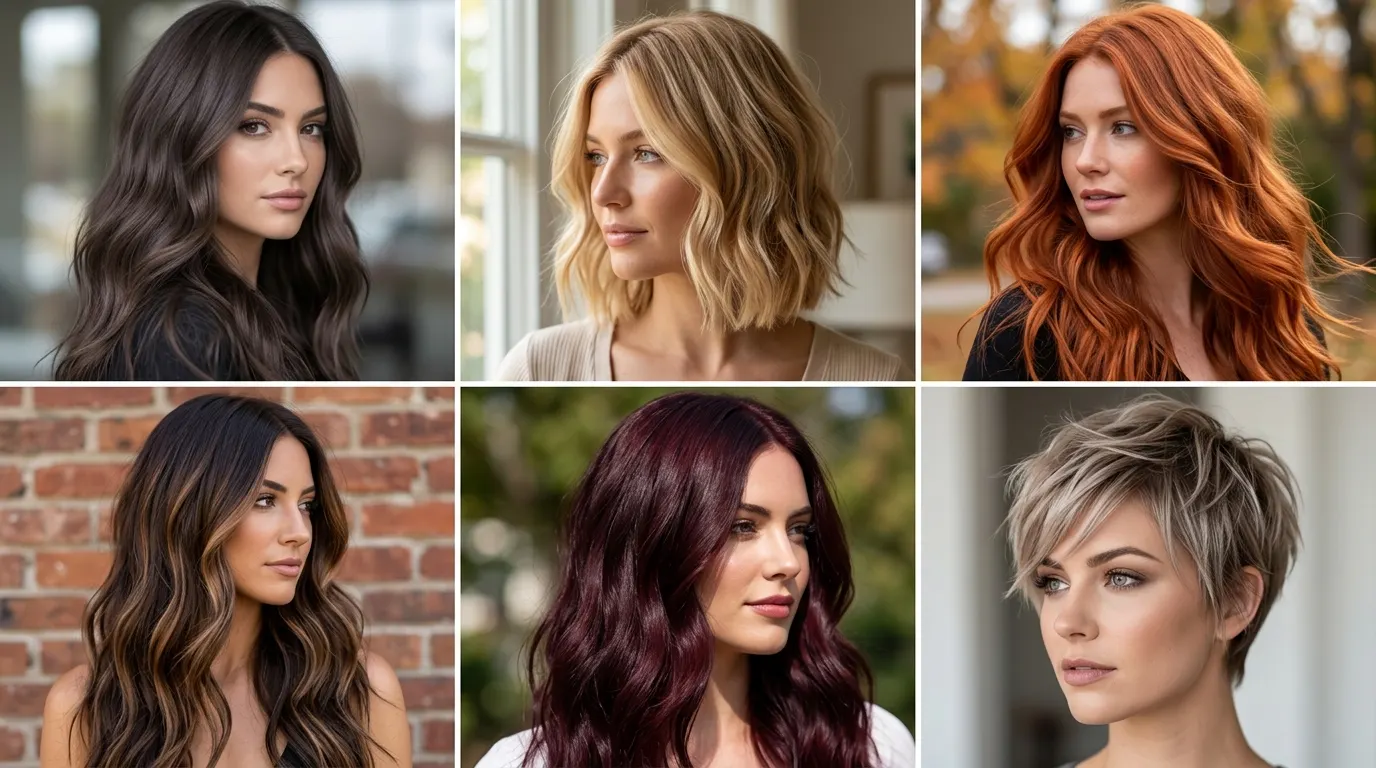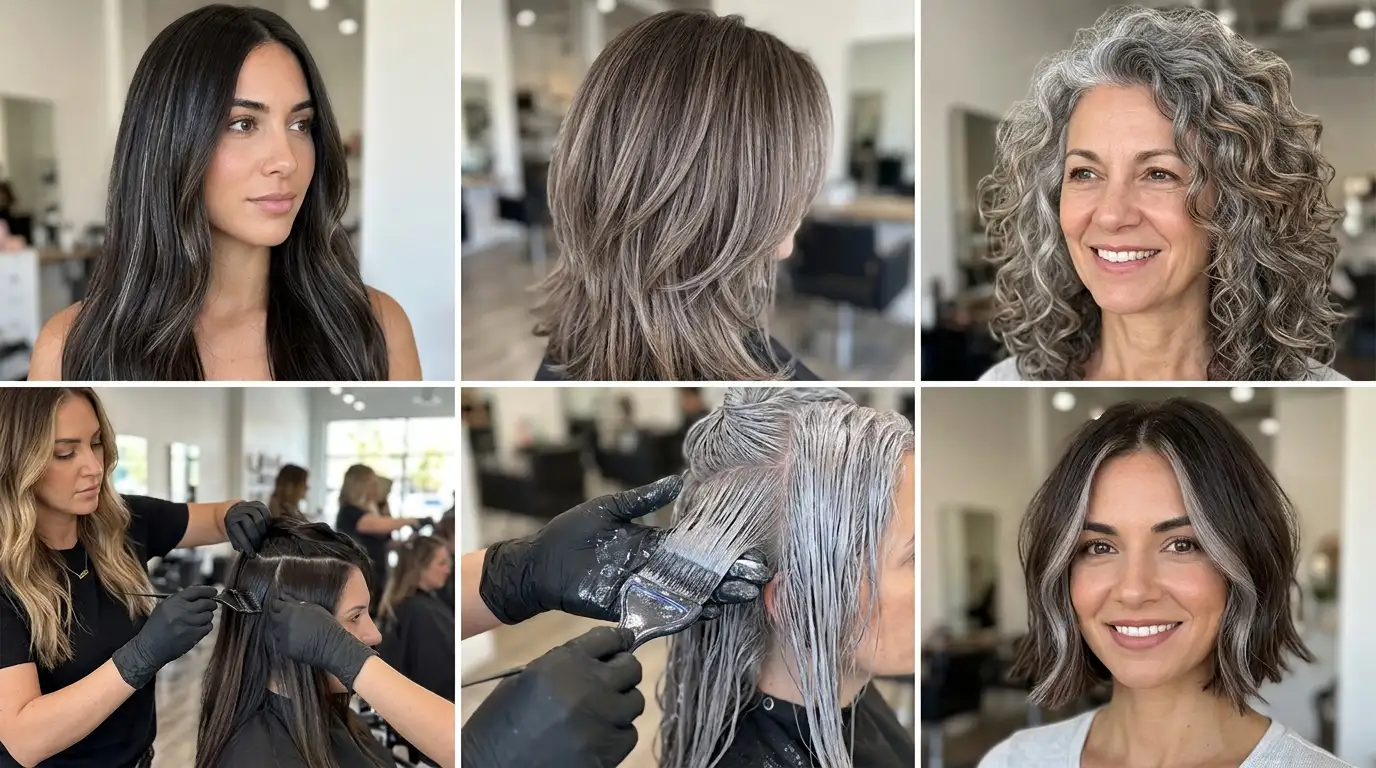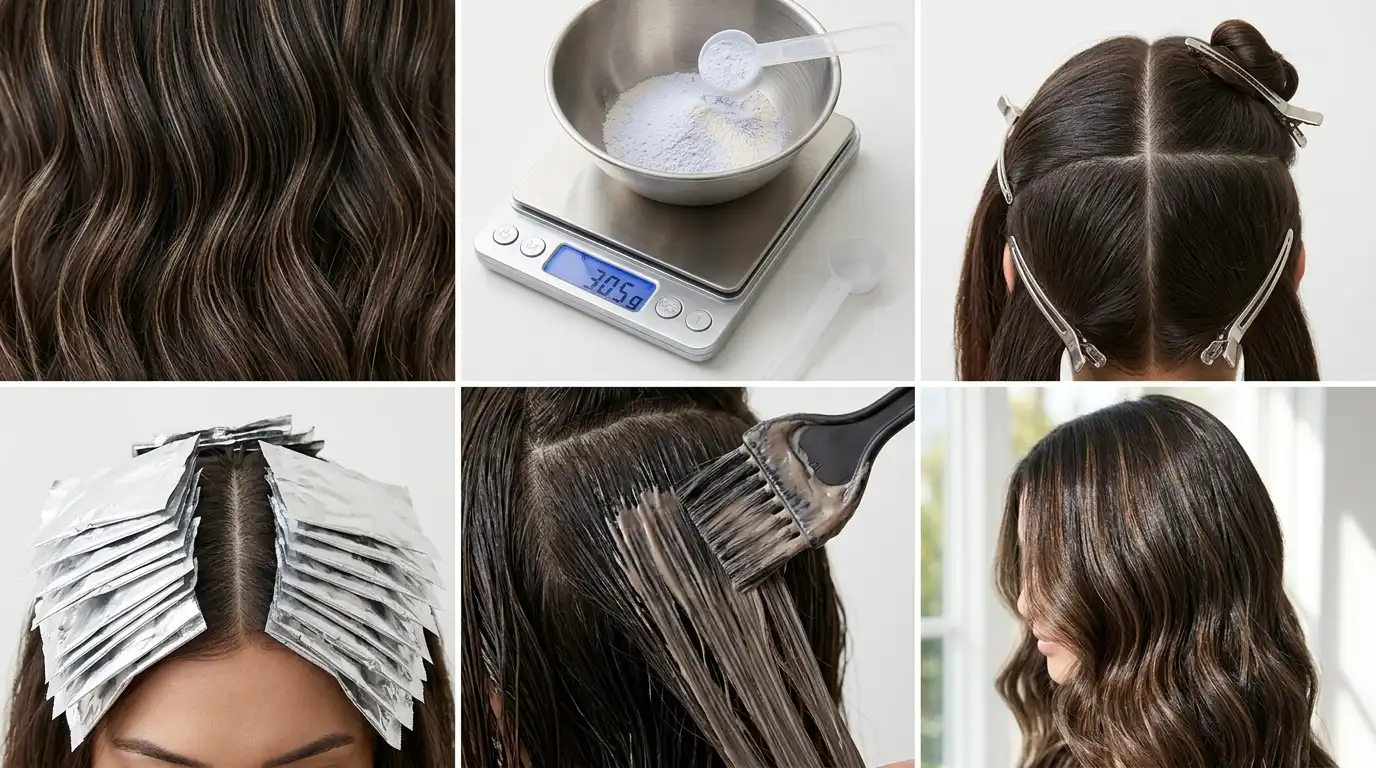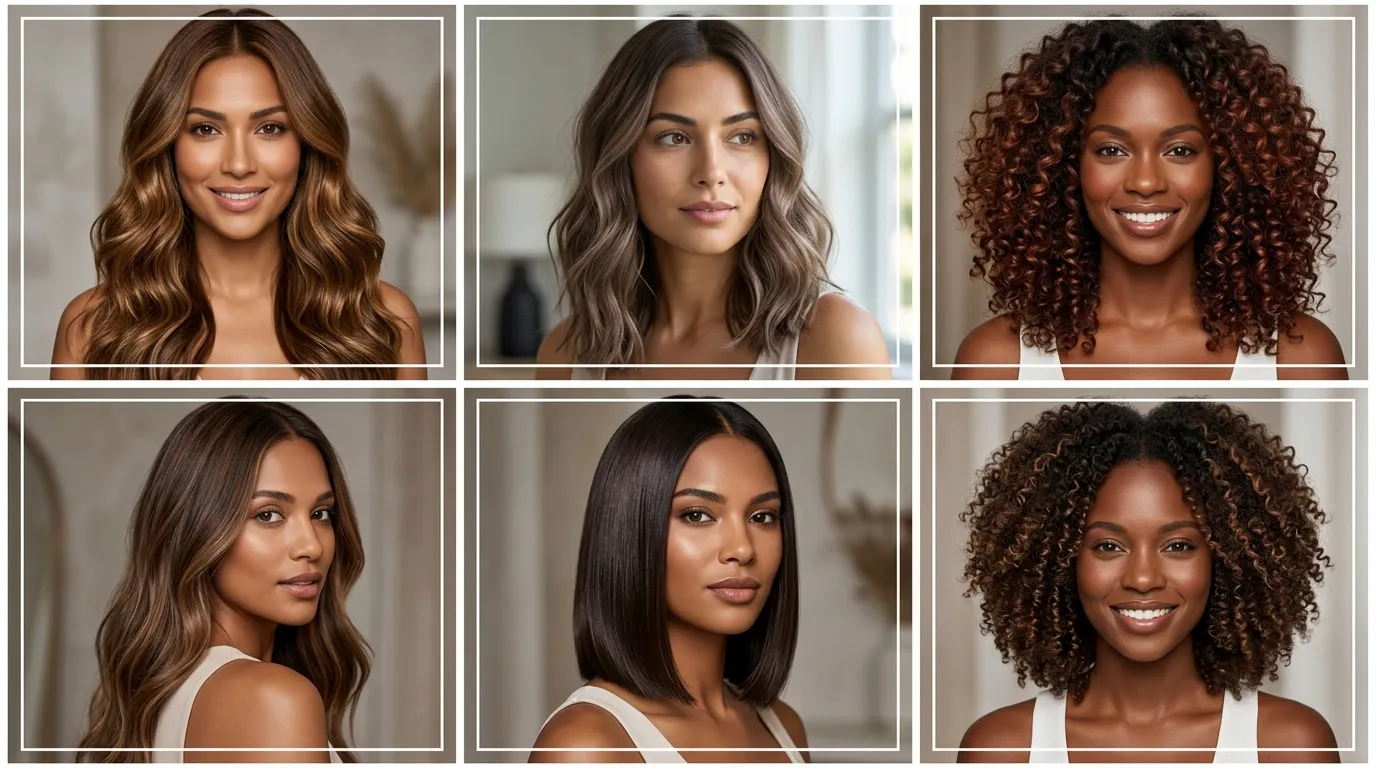

Getting crisp ash blonde highlights on dark hair requires fighting through underlying orange tones. Natural dark pigments hold heavy red and copper warmth that shows up immediately during bleaching. If you deposit toner before lifting past that copper phase, the color turns muddy within two wash cycles.
What you need:
- Powder lightener with a built-in bond protecting additive
- 20-volume cream developer
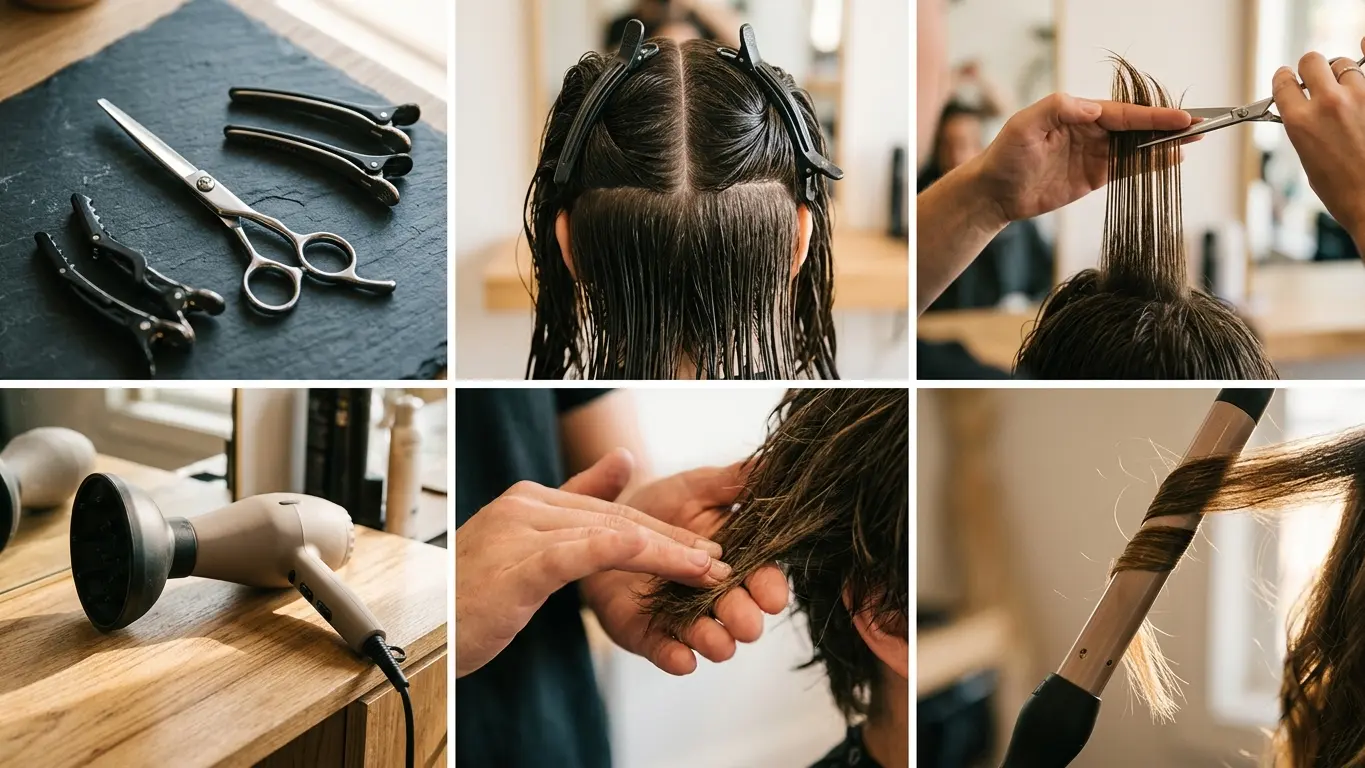
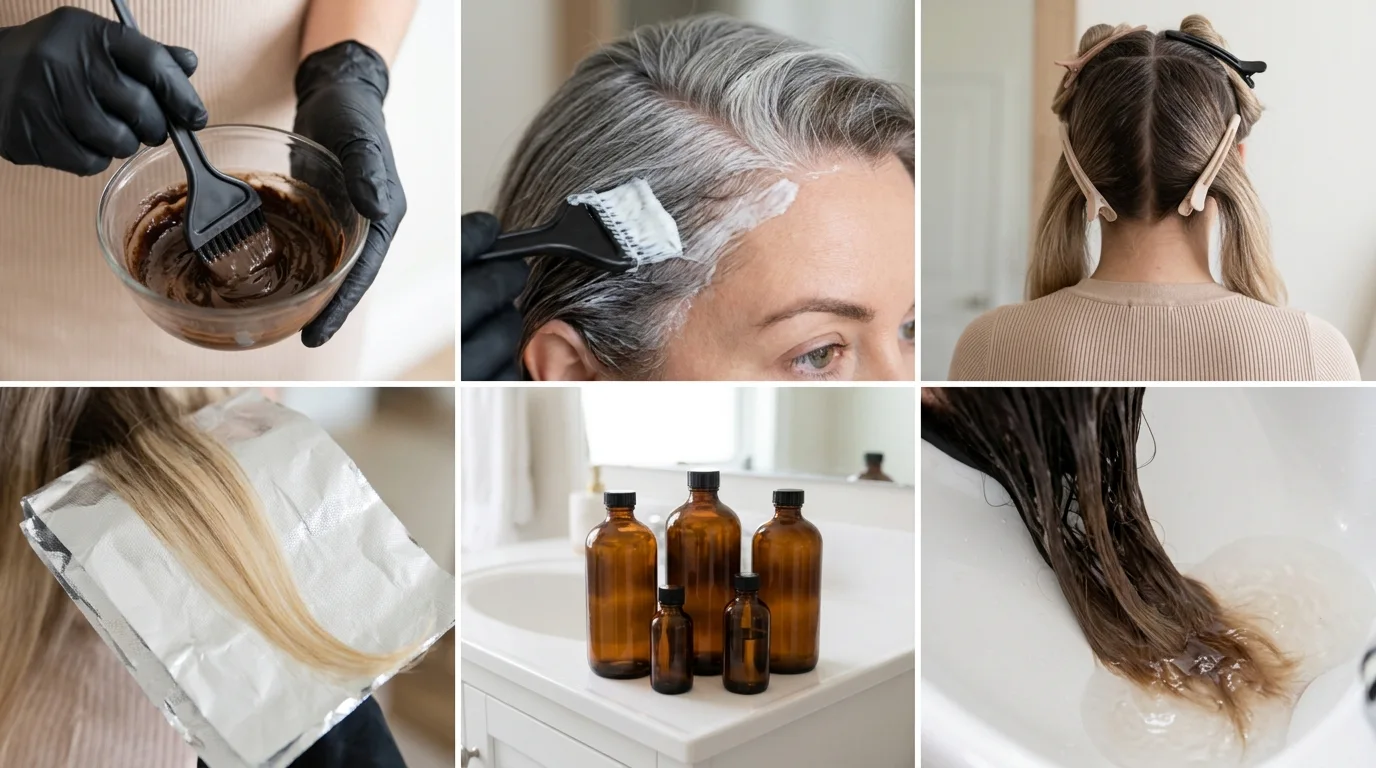
- Sectioning clips, plastic mixing bowl, and a silicone tint brush
- Professional aluminum foil sheets cut to eight-inch lengths
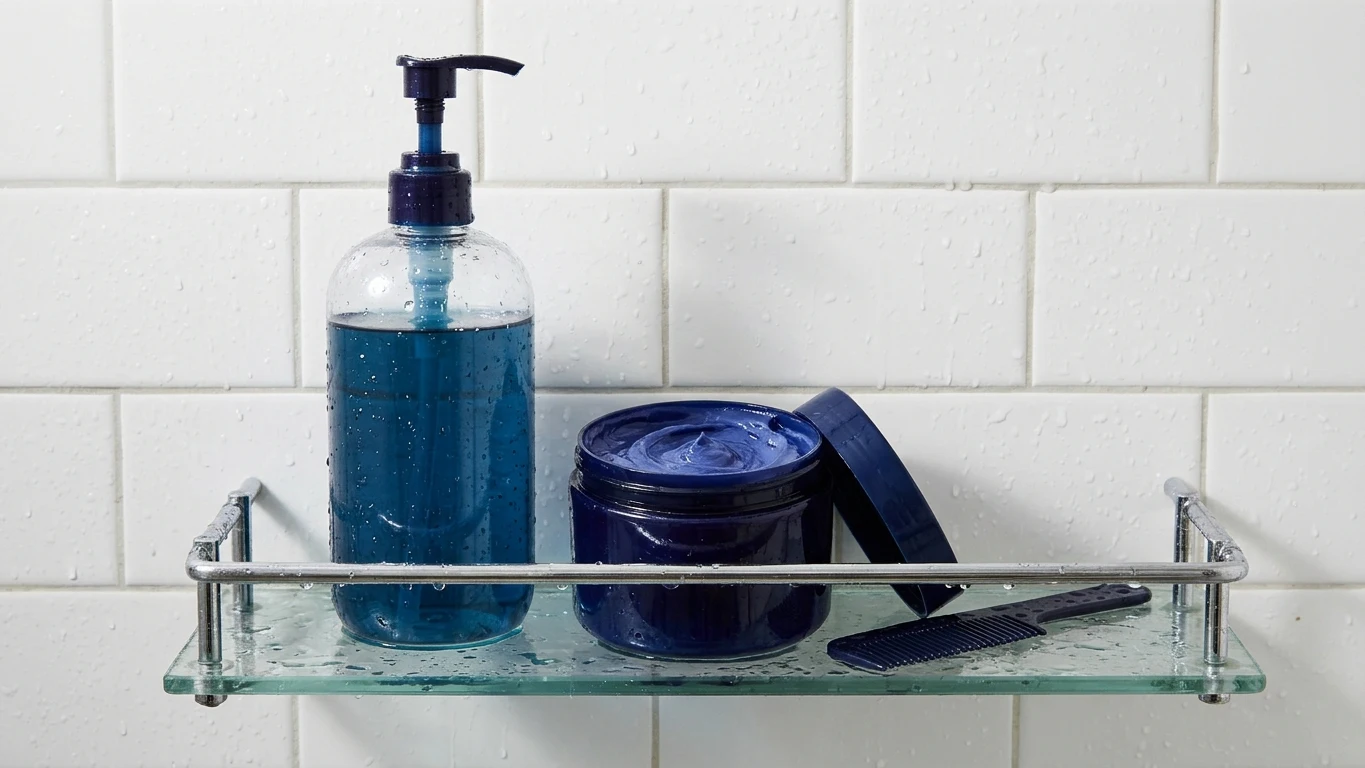
- Acidic liquid demi-permanent toner with blue-violet pigments
- Dedicated 6-volume or 7-volume processing lotion
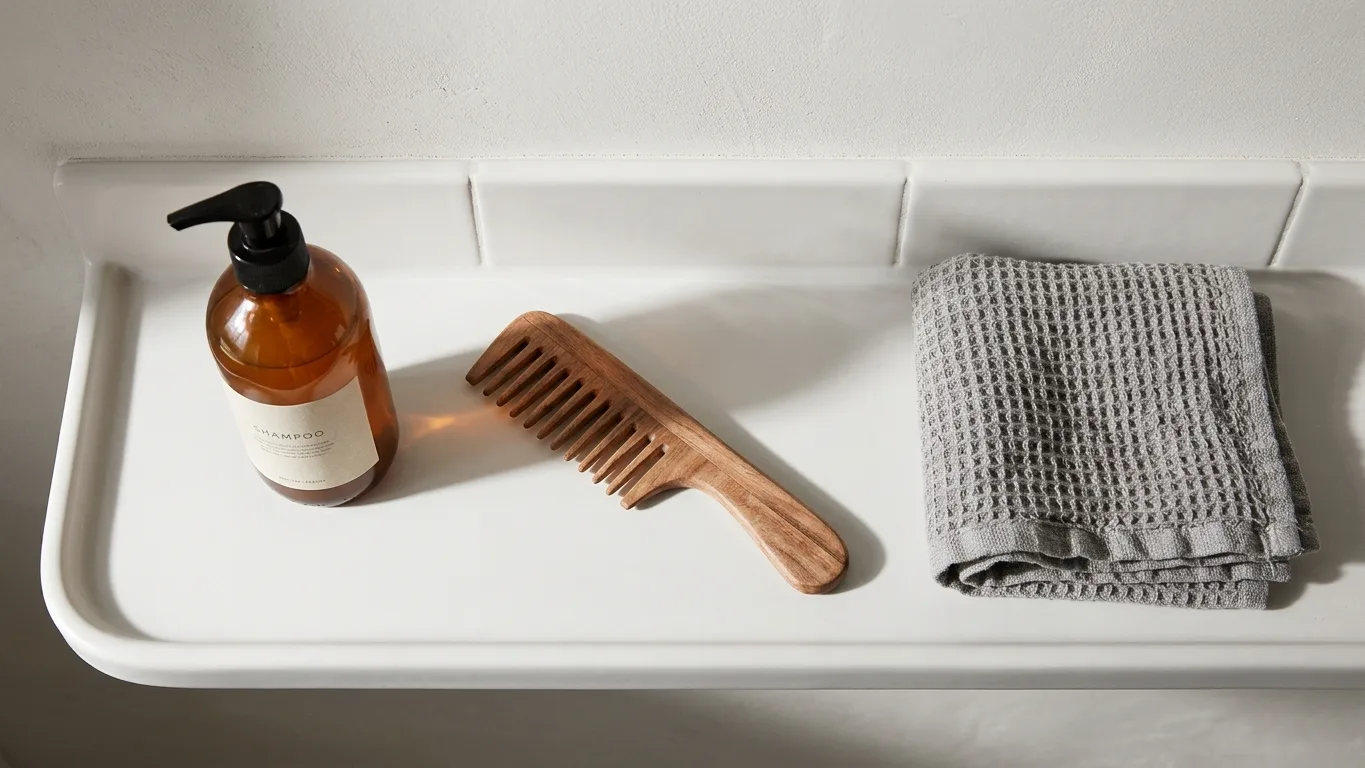
- Sulfate-free violet toning shampoo and deep moisture hair mask
Map your placement and separate hair sections
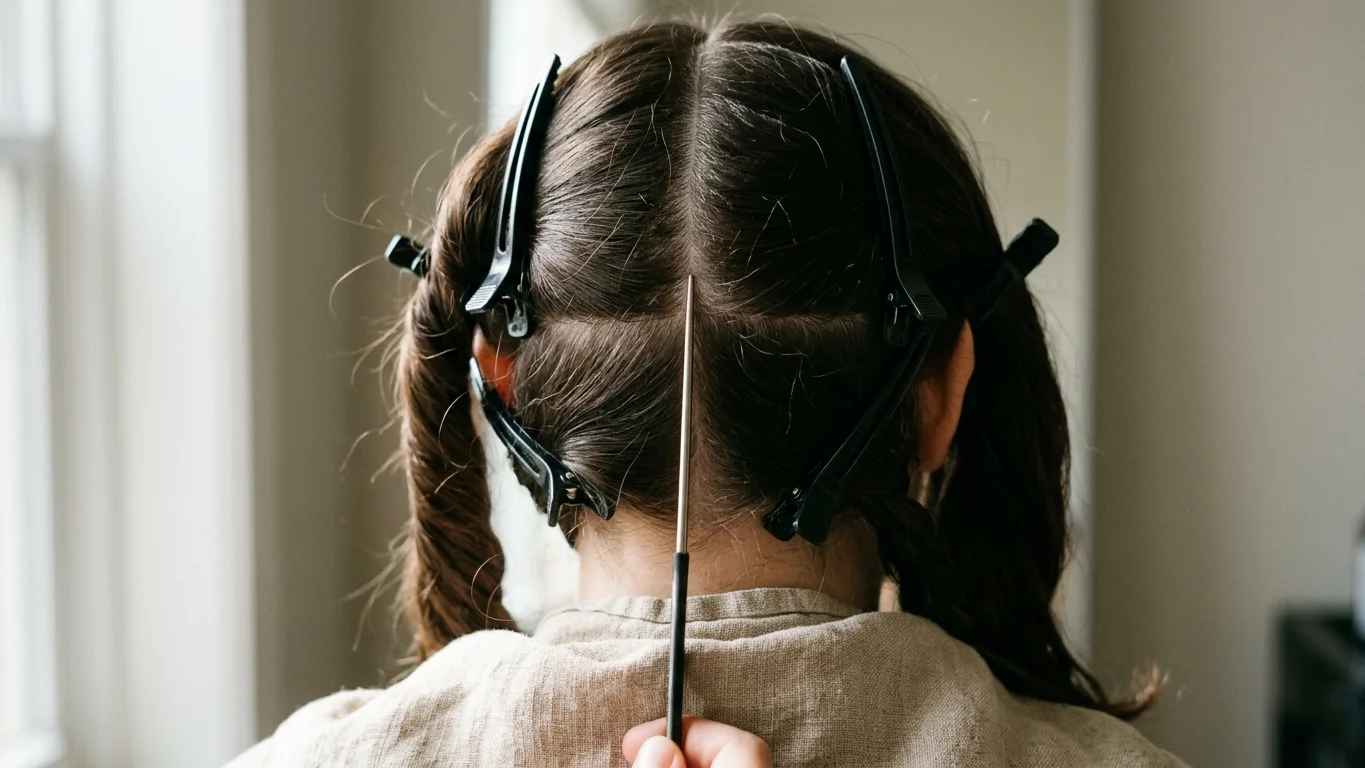
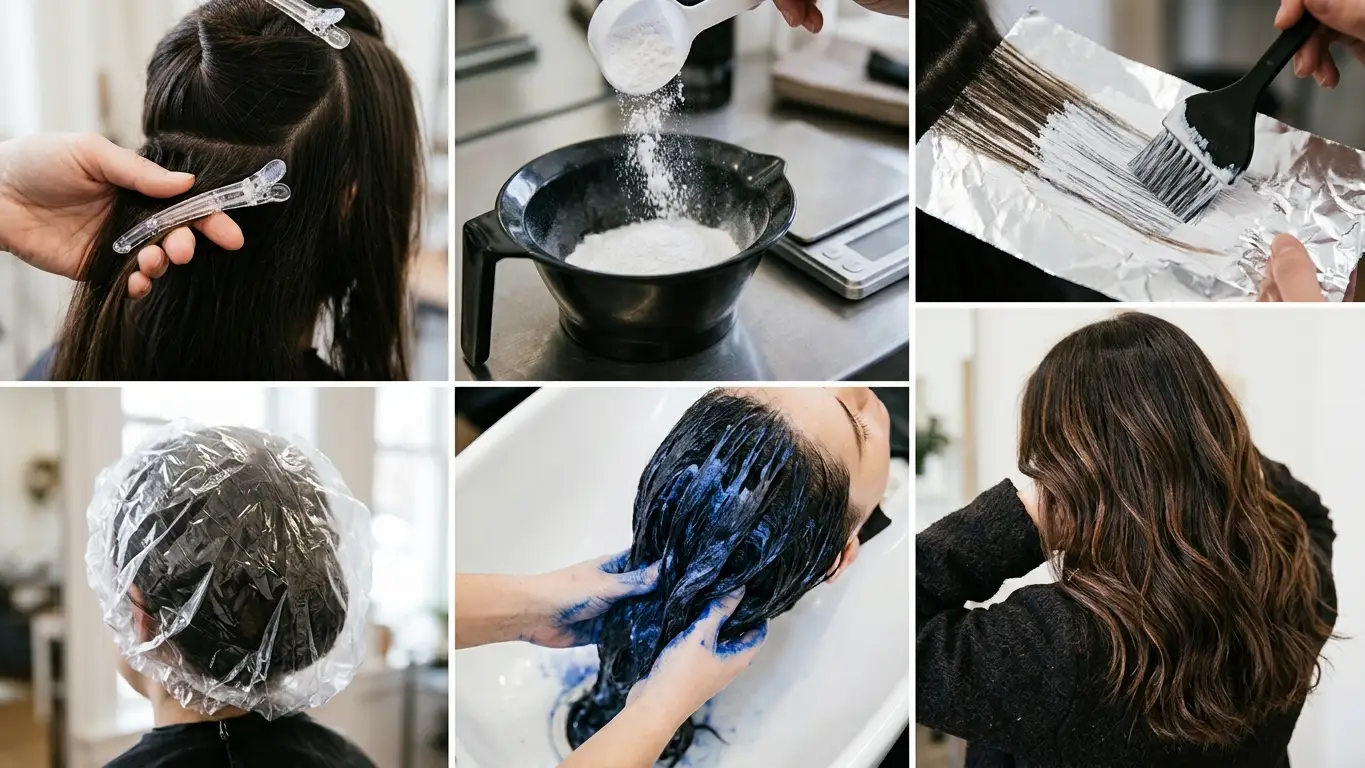
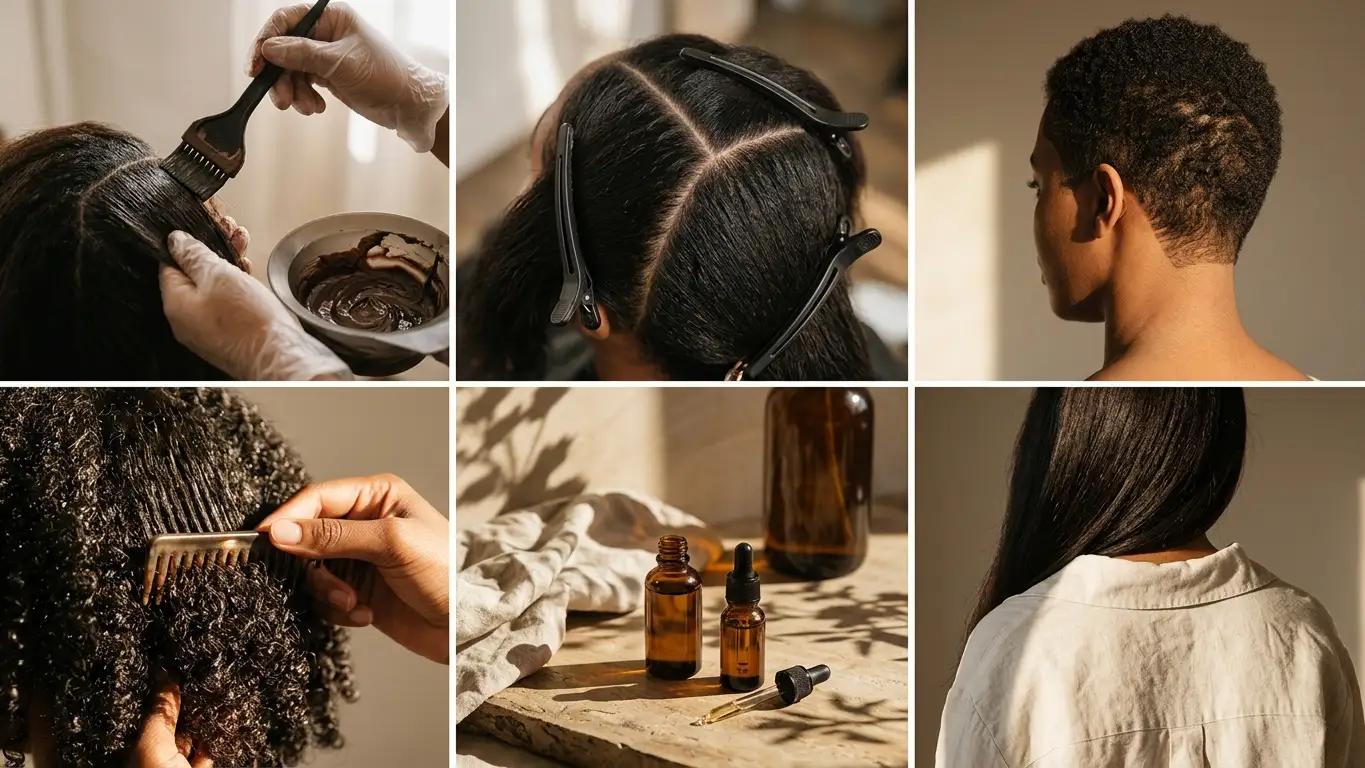
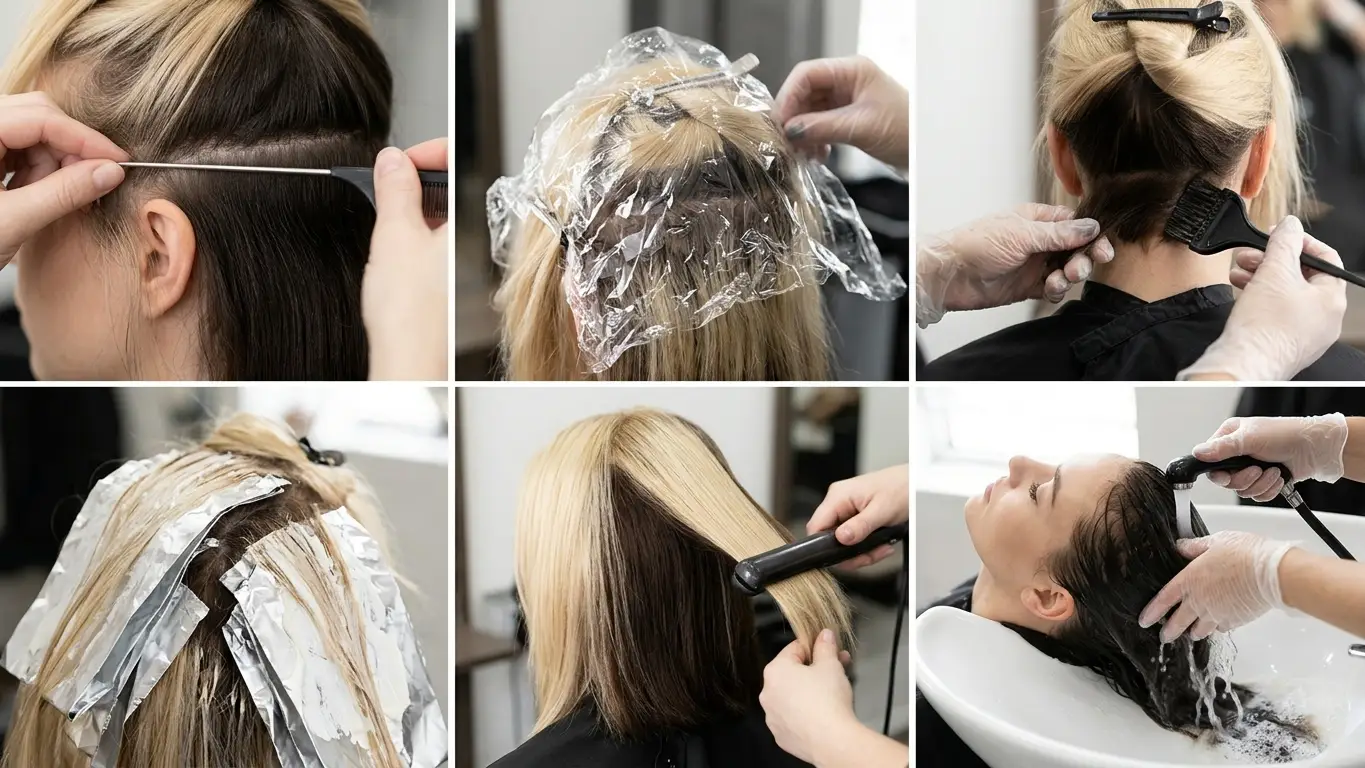
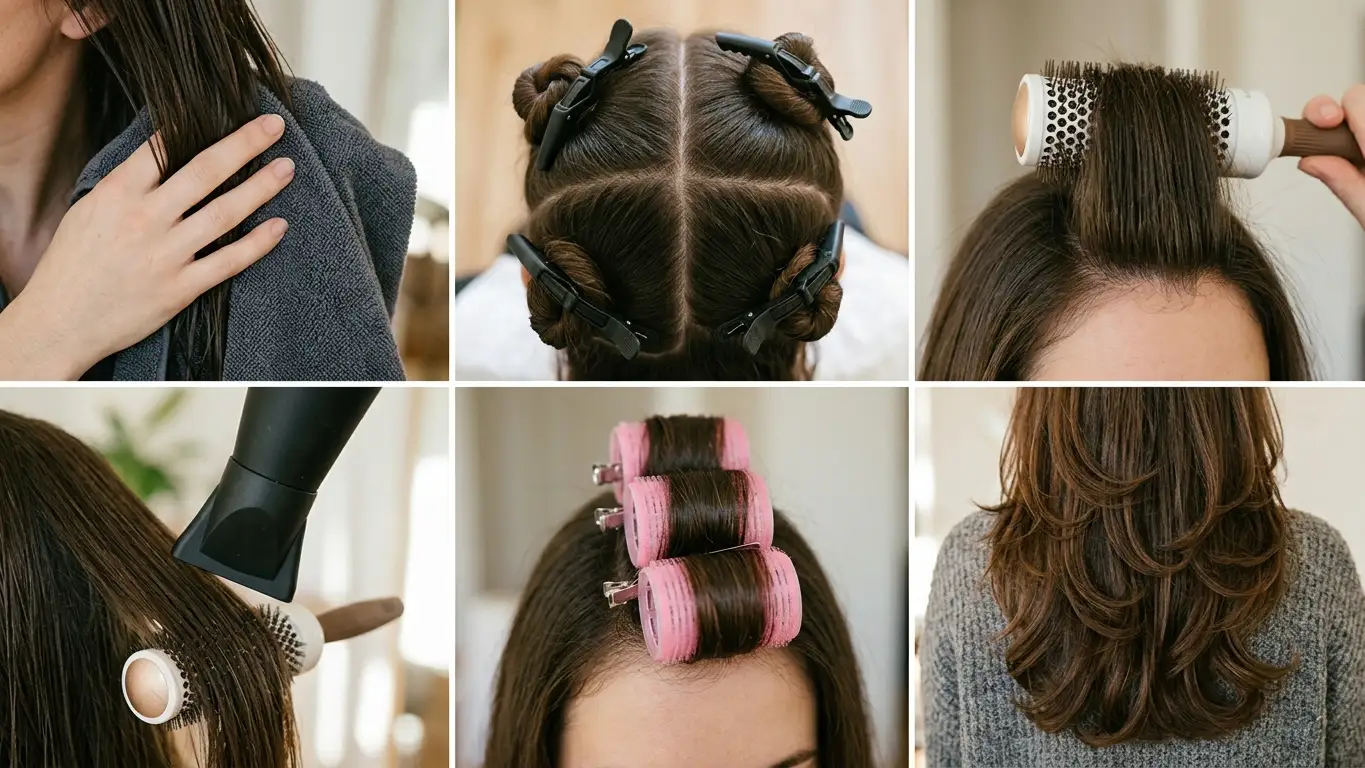
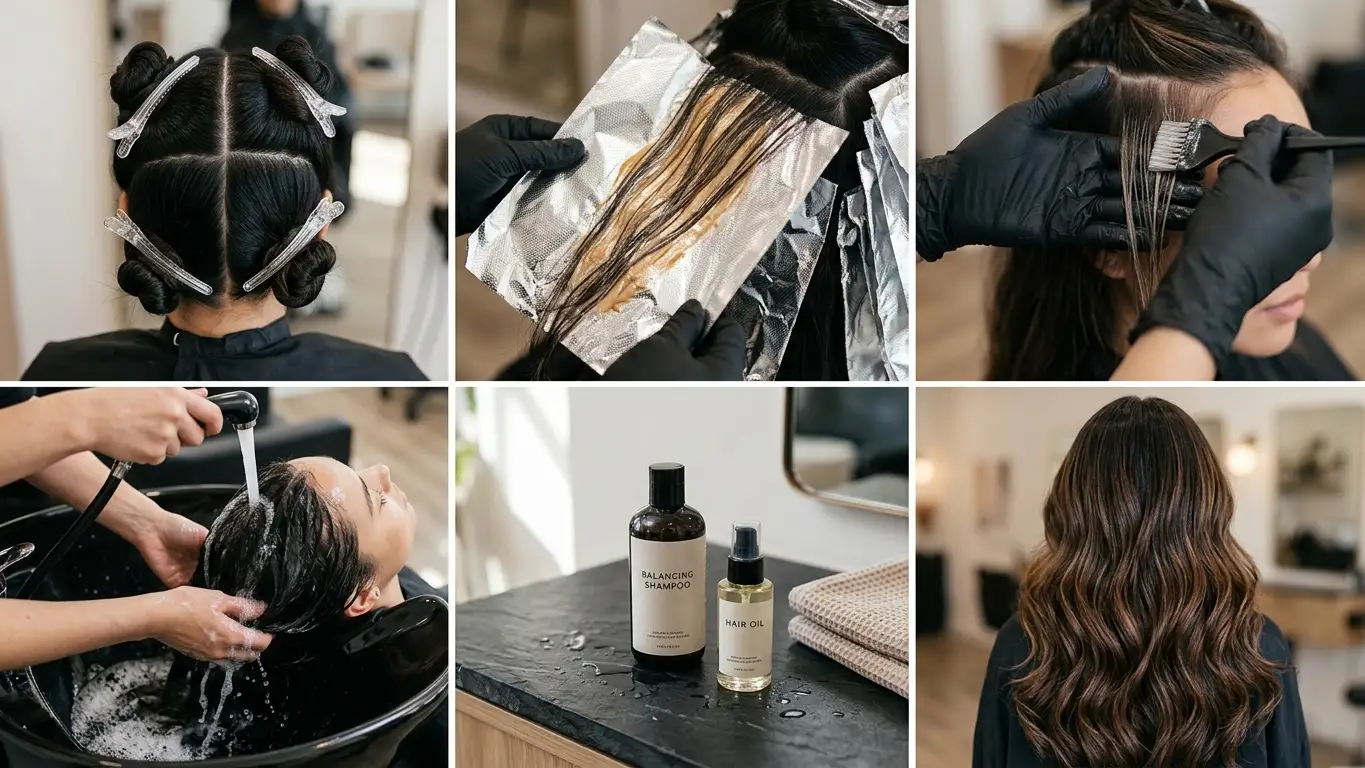
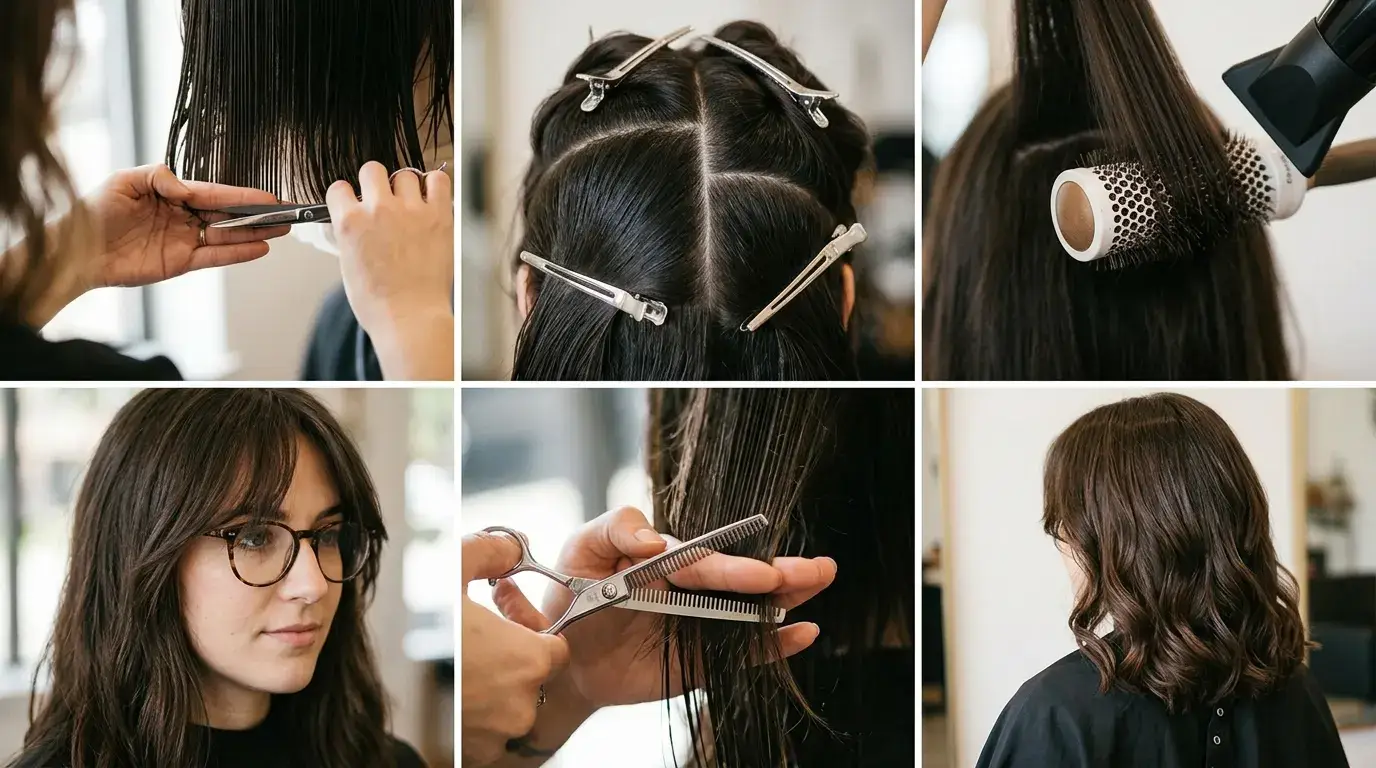
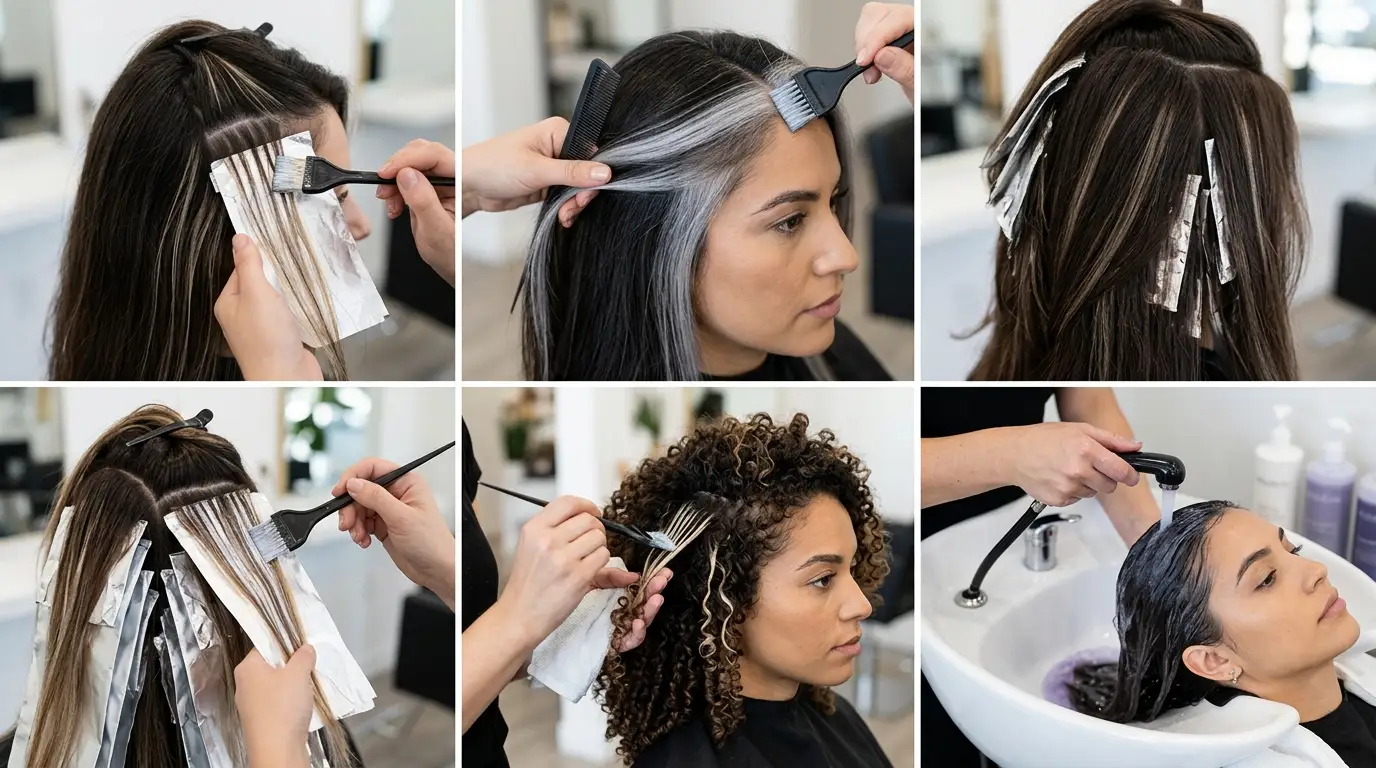
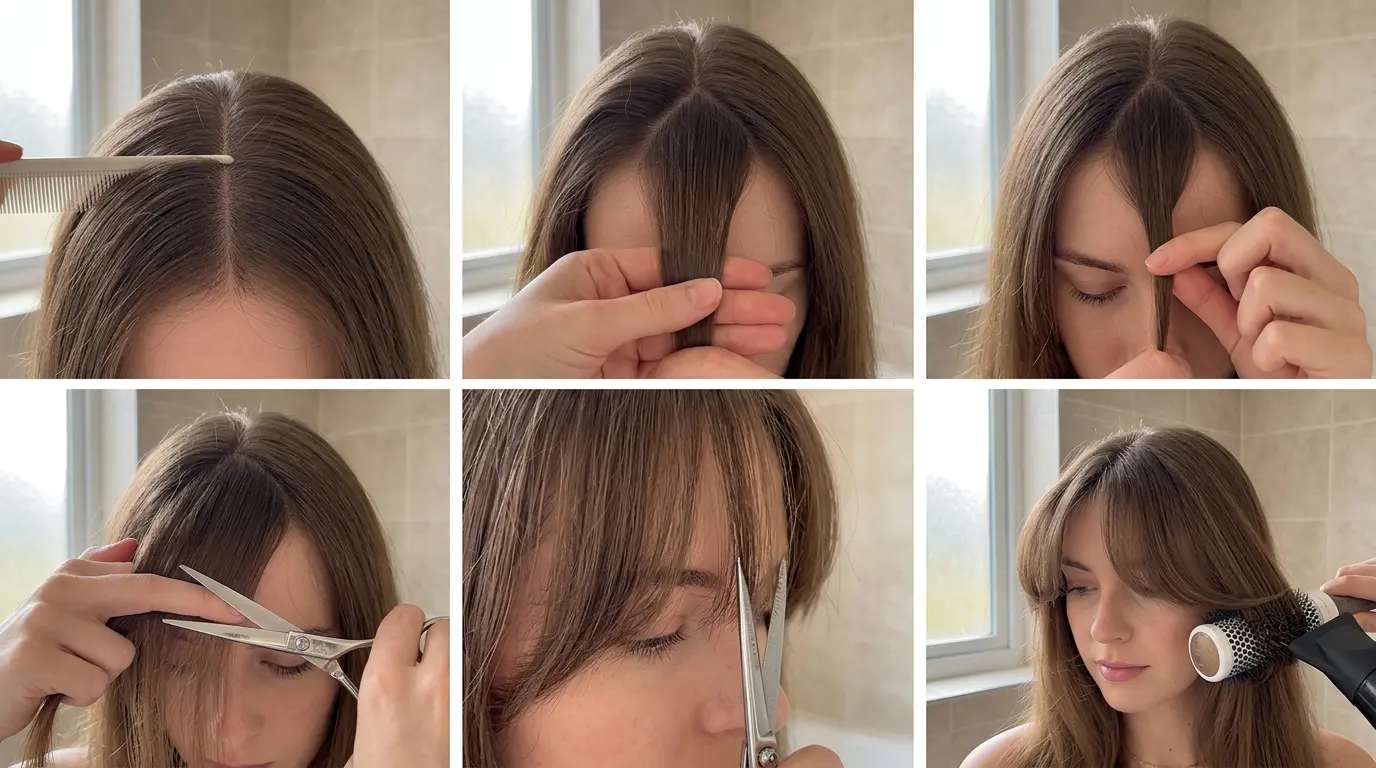
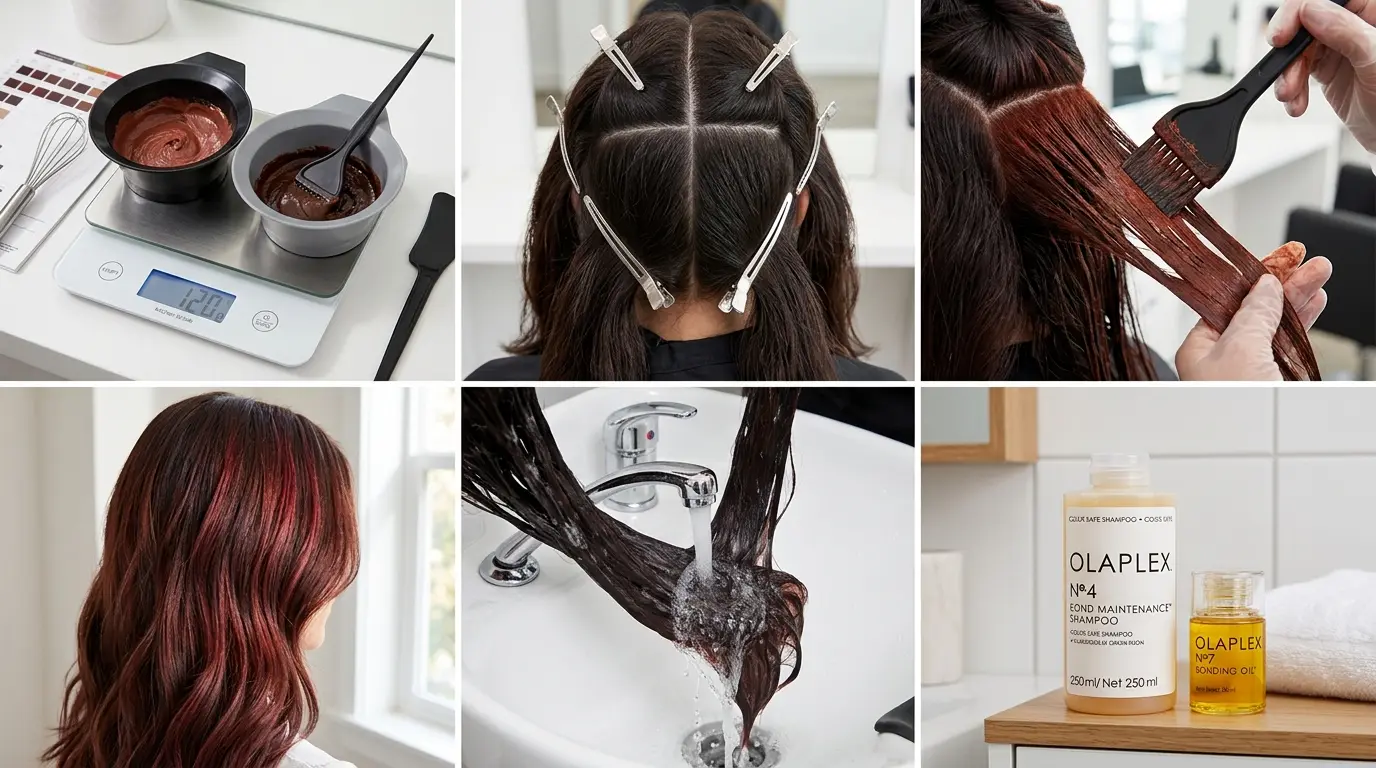
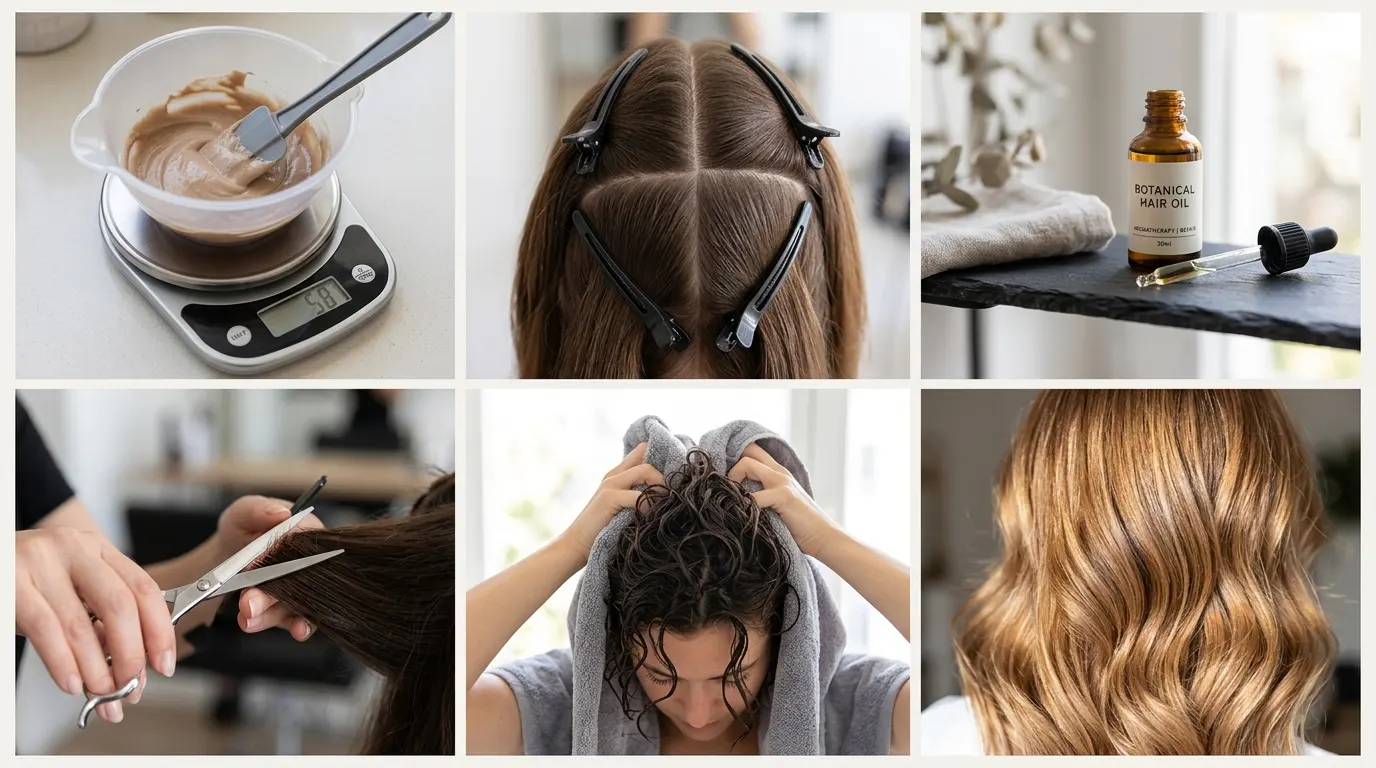
Work only on clean, dry strands that have not been washed for twenty-four hours. Natural scalp oils shield delicate skin against developer irritation. Divide the entire head into four distinct quadrants using your tail comb.
Run a clean parting straight down the center from your forehead to the nape of the neck. Next, run a horizontal part from the apex of your crown down to the top of each ear. Twist three sections away tightly and secure them with non-metal clips.
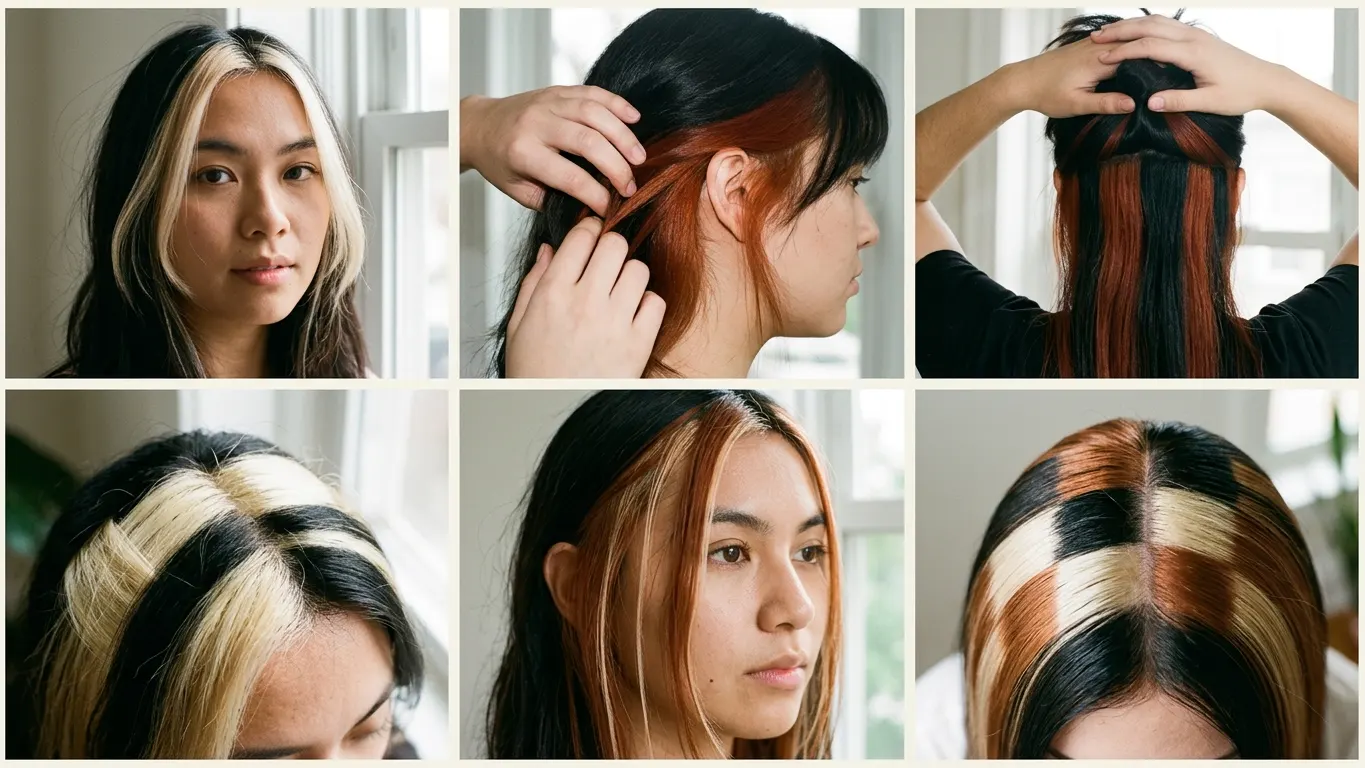
Starting on one back quadrant makes application manageable. Take fine horizontal slices that measure no thicker than one-eighth of an inch. Weaving thin ribbons creates a soft, diffused lift. Thick chunks lead to uneven developer penetration and banded spots.
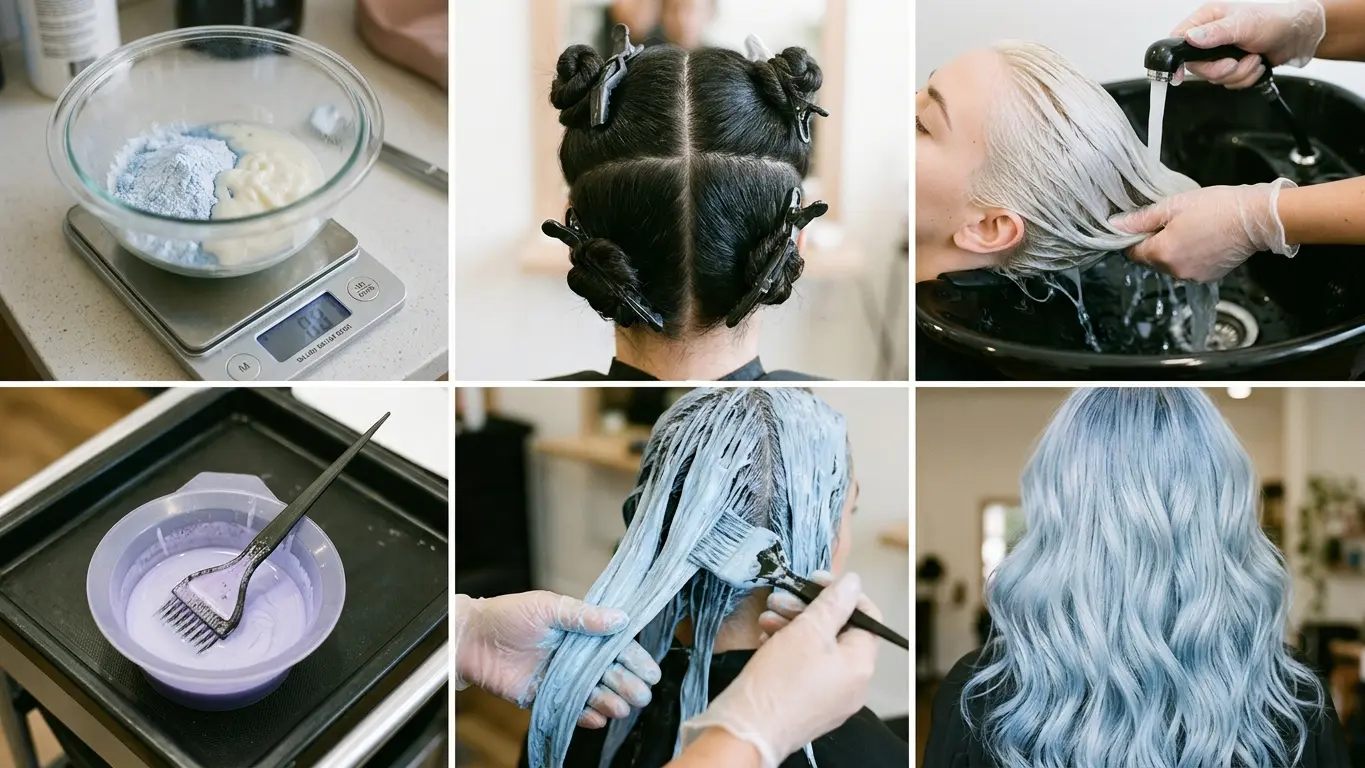
Mix powder lightener with twenty-volume cream developer
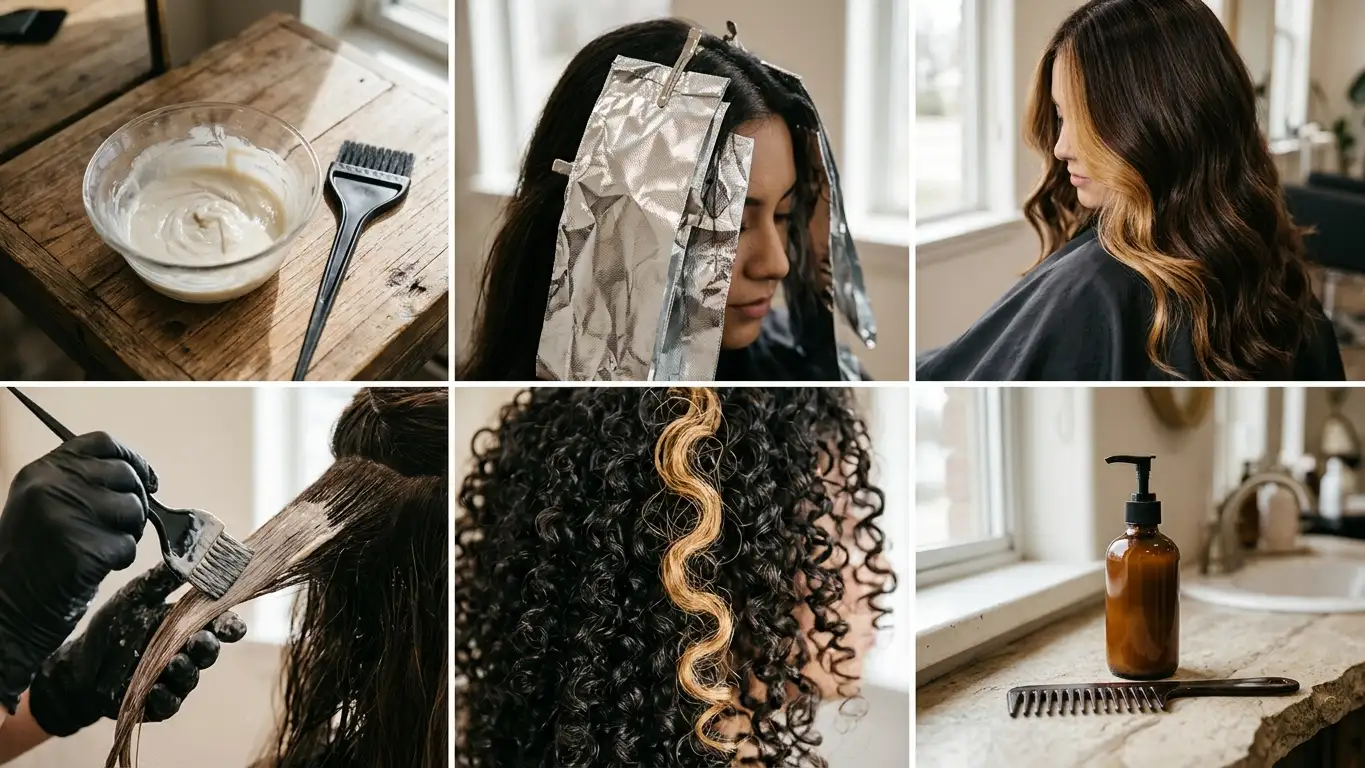
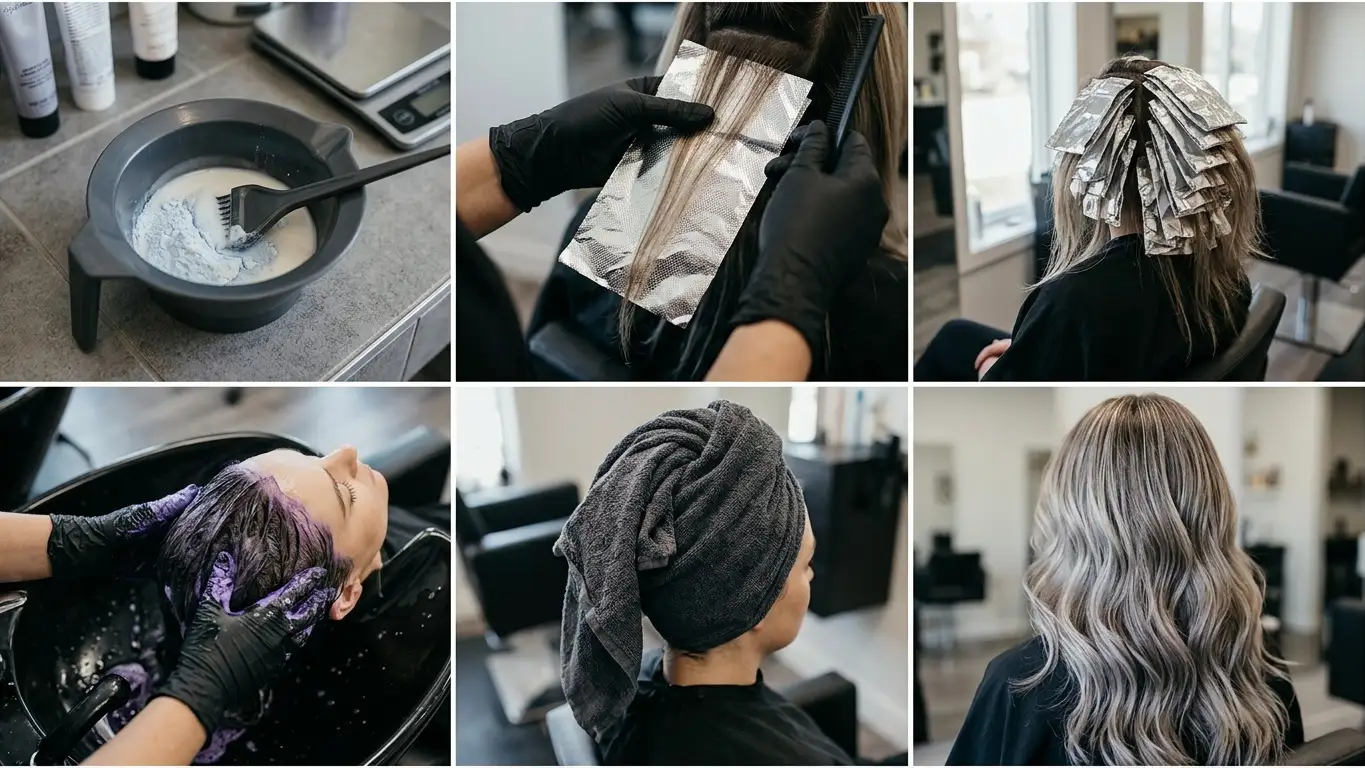
Measure one part powder lightener to two parts twenty-volume cream developer inside your plastic bowl. Never use metal utensils because metallic bowls spark oxidation that heats the bleach uncontrollably.
Stir the mixture until the consistency matches thick Greek yogurt. Runny bleach swells and slips down the hair shaft, leaking outside the foil lines. That bleed causes bright orange splotches near the scalp.
For beginners wondering how to get ash blonde highlights on dark hair evenly, twenty-volume is the safest ceiling. Higher developers lift too fast, giving you zero working time across four quadrants while burning hair cuticle scales.
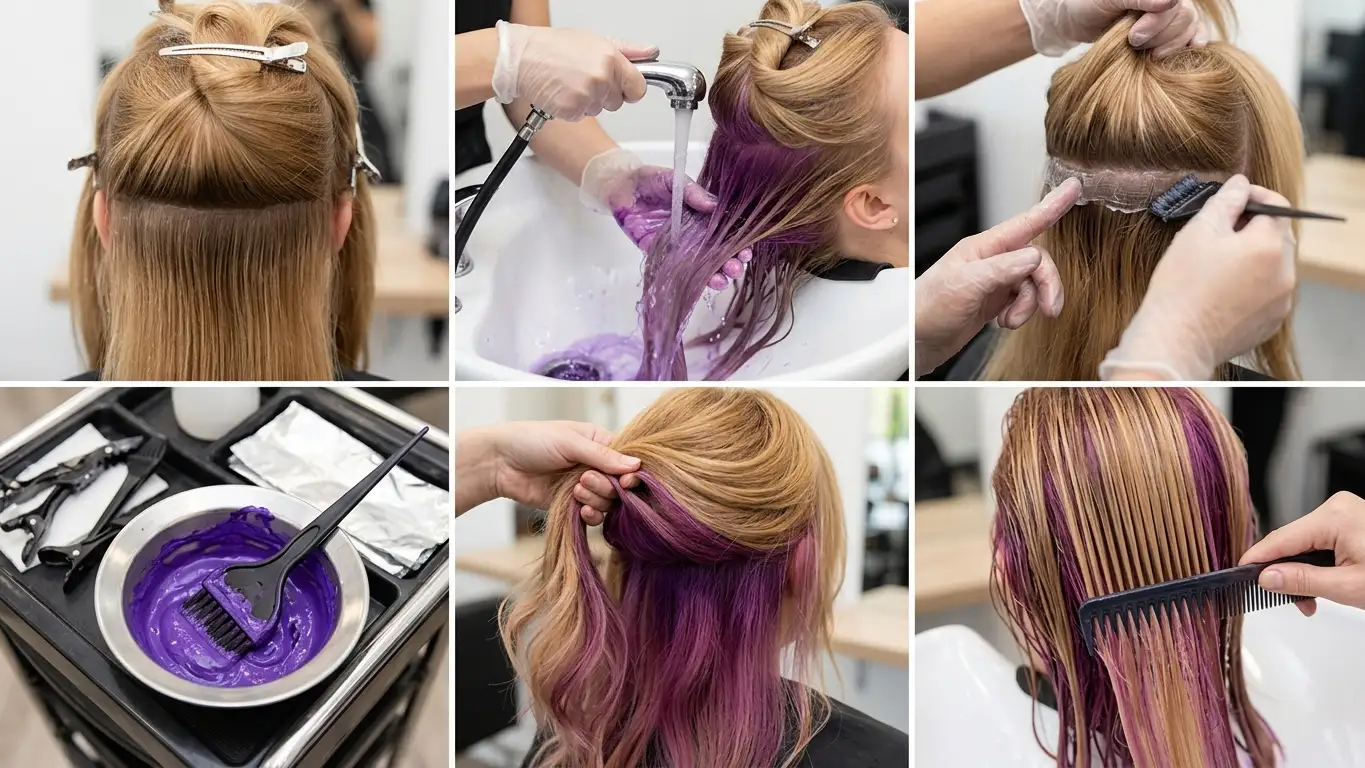
Feather the formula onto foil for clean ash blonde streaks in brown hair
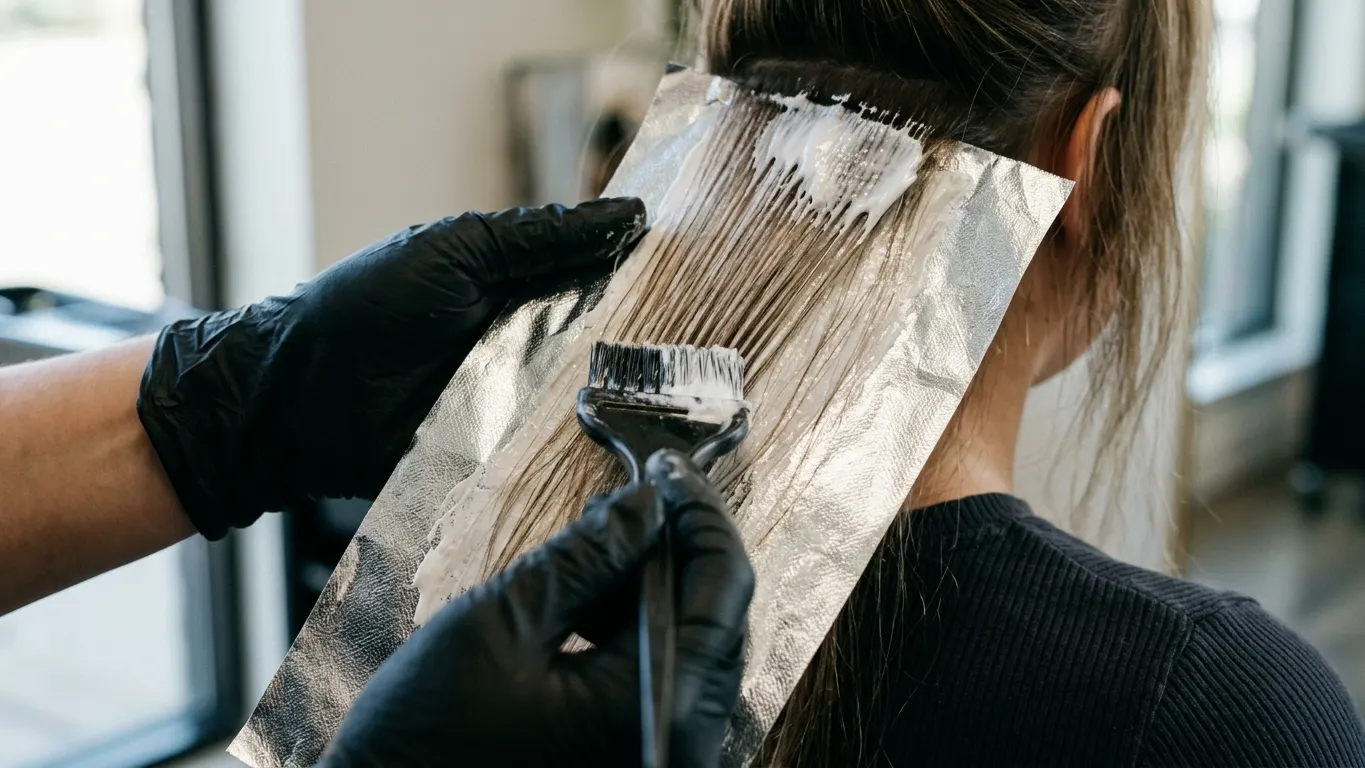
Slide an eight-inch foil directly beneath your woven hair slice, pressing the top edge close against your scalp line. Paint lightener starting at mid-lengths, working down toward ends.
Once your ends are saturated, use what remains on your brush bristles to feather upward toward the root. Keep your brush vertical rather than horizontal. A blunt horizontal brush line creates harsh stripes, which ruins delicate ash blonde streaks in brown hair.
Fold the bottom third of the foil up, then crease each side inward. Crease gently without flattening the packet like a sheet of paper. Trapping excessive heat inside a tight foil pocket causes the lightener to expand and cook the hair fiber.
Monitor the lift stages until natural warmth clears
Check your foils every ten minutes. Wipe a tiny corner of lightener off with a damp towel to read the true underlying pigment rather than the white powder hue.
Dark hair shifts through red, orange, gold, and pale yellow. To carry crisp silver ash blonde highlights, the underlying strand must lift cleanly to level nine or ten. If you rinse while strands remain amber, silver toner cannot neutralize the base.
Never leave lightener on longer than forty-five minutes total. Bond structures start degrading after forty minutes as developer activity drops. Rinse immediately with lukewarm water once you reach a pale banana-peel shade.
Saturate strands with acidic blue-violet toner
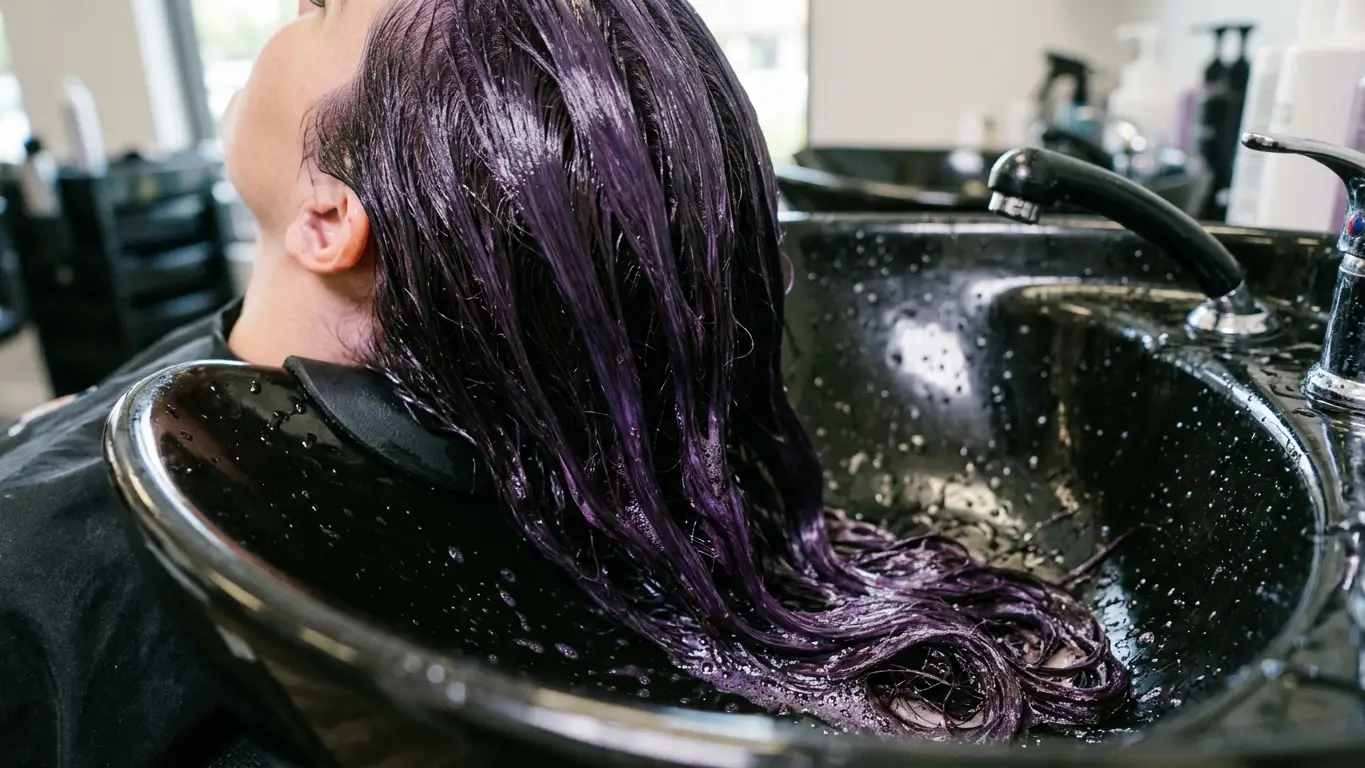
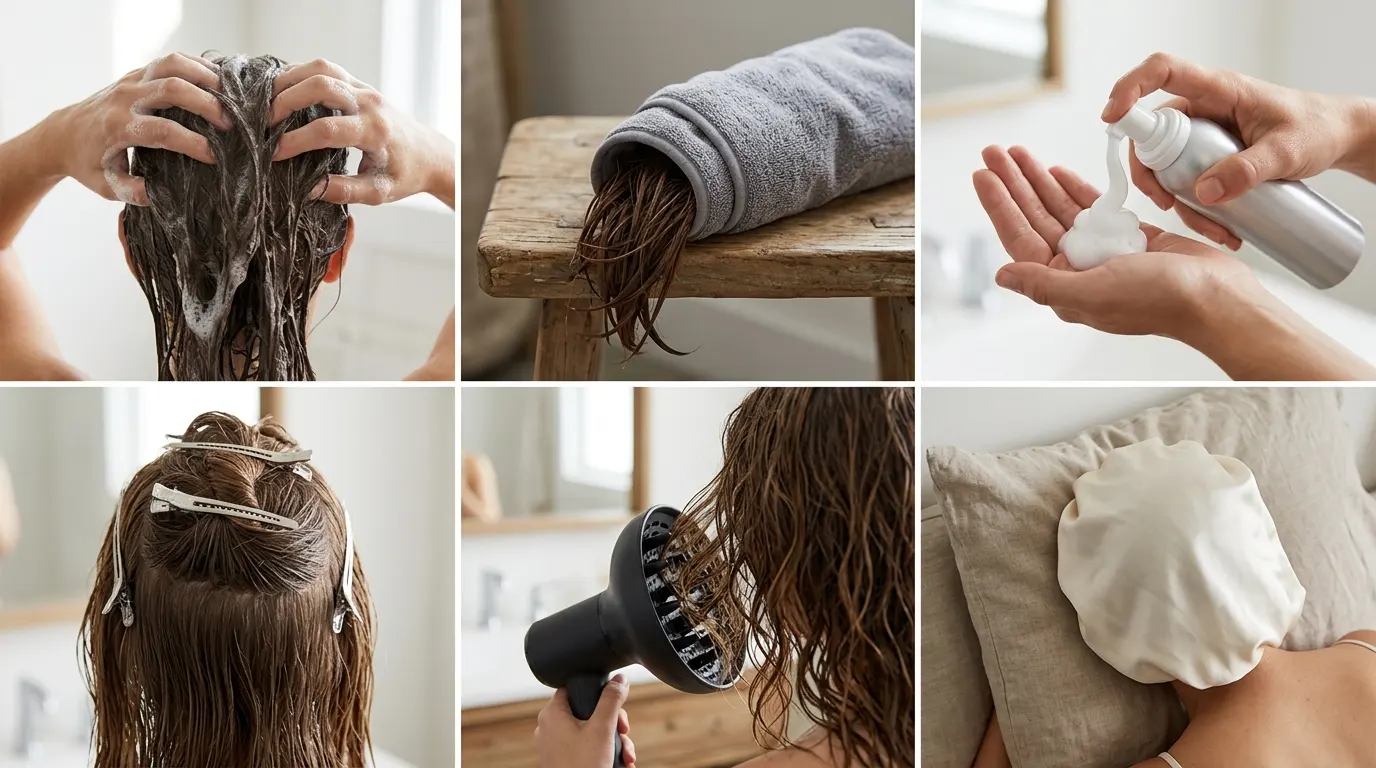
Towel dry lifted hair thoroughly until it is damp rather than soaking wet. Waterlogged hair dilutes toner, creating weak results that fade within two weeks.
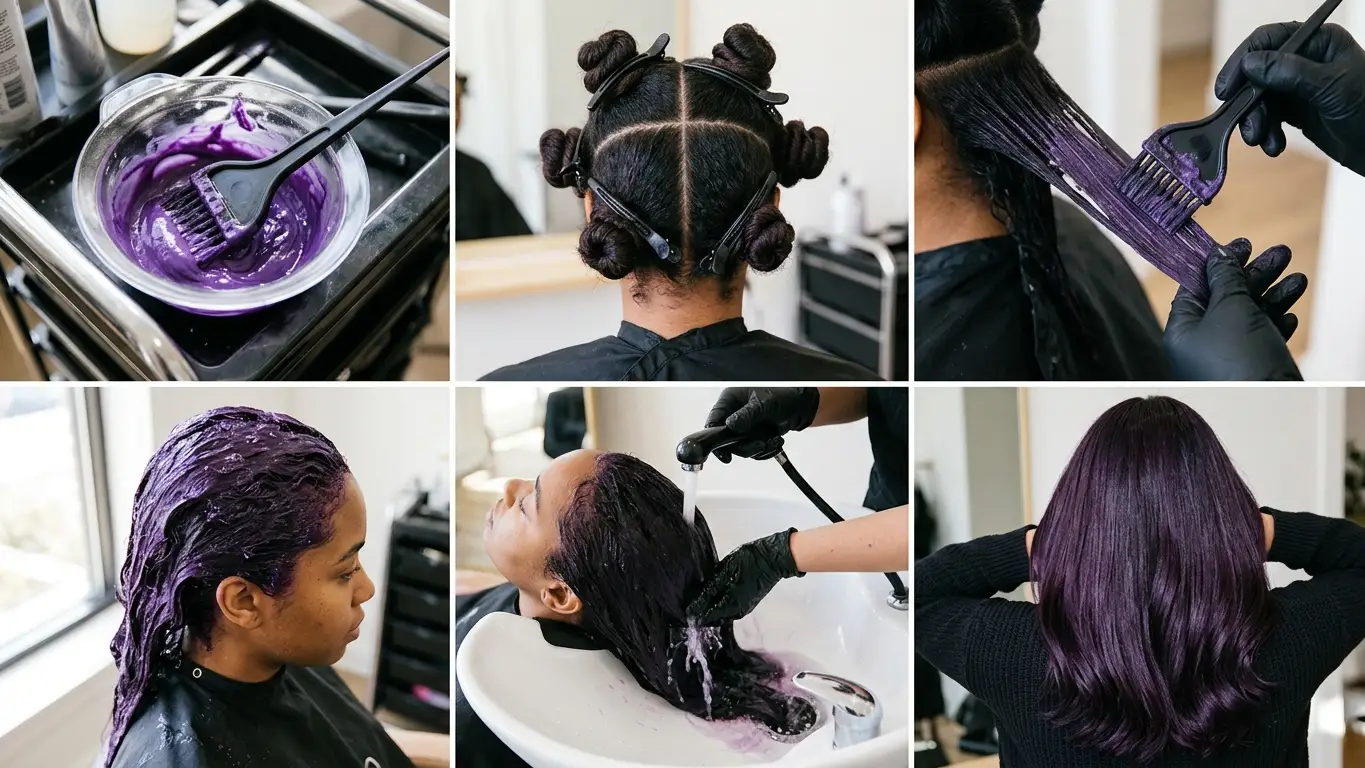
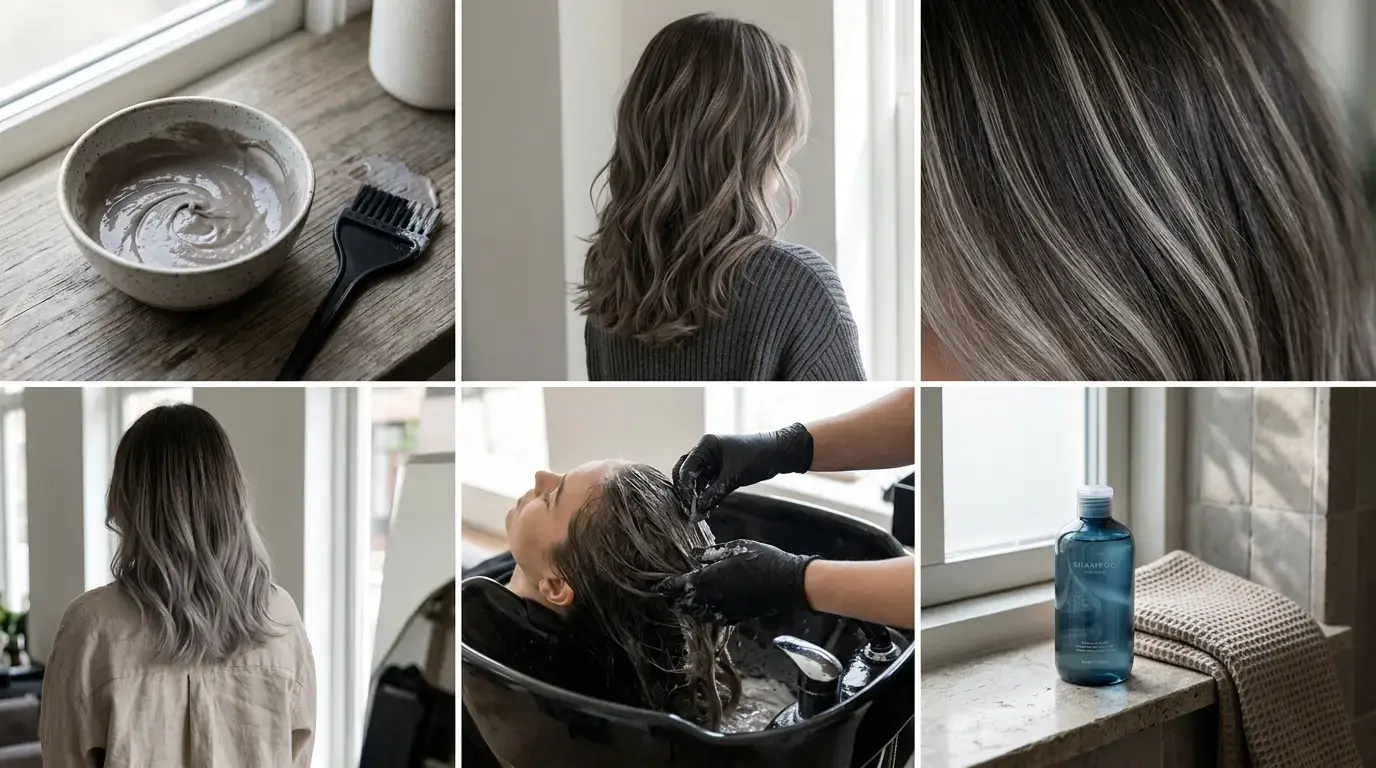
Mix your acidic liquid toner with dedicated developer at a one-to-one ratio. A blue-base pigment targets residual orange, while violet cancels lingering yellow tones. When creating dark ash blonde with highlights, a level eight toner keeps depth while stripping brass.
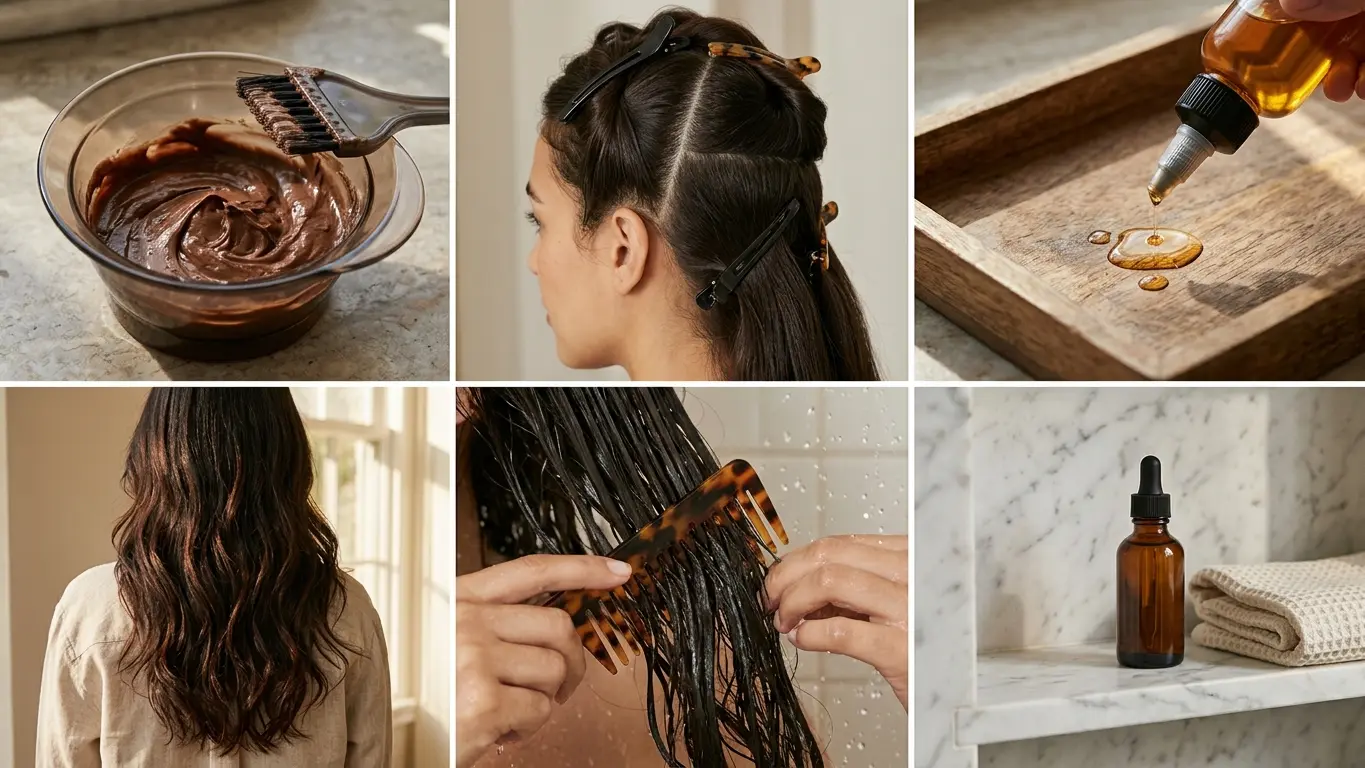
Distribute the toner evenly through all lightened sections using a wide-tooth comb. Let it process for twenty minutes. Do not panic when the toner turns dark indigo on your head; that reaction confirms pigment deposit.
Rinse with cool water and lock in hydration
Wash the toner out using water at sixty-five degrees. Cool water seals outer cuticles down flat, locking new pigment molecules inside the cortex.
Hot water forces cuticle scales open, rinsing toner straight down the drain. Follow your rinse with a bond-repairing deep conditioning mask containing amino acids.
Leave the mask saturated on your lengths for ten minutes. Bleached strands lose fatty acid layers during oxidation, which leaves hair thirsty. Rinse thoroughly until water runs completely clear, then air dry gently.
What to do when tones turn brassy, muddy, or dull
Bleached hair can react unpredictably to mineral buildup and stubborn underlying pigment. Here is how to correct the three most common tonal failures:
- Muddy green cast: This happens when ash toner hits yellow hair without sufficient violet in the mix. Clarify immediately with a warm vitamin C paste, then apply a sheer pale peach gloss for five minutes to restore balance.
- Stubborn orange bands: If the bleach did not process long enough, tone will not take. Wait two weeks to protect hair integrity, then spot-bleach the dark spots using ten-volume developer.
- Dull, chalky appearance: Highly porous hair drinks toner too fast. Apply a clear acidic shine gloss mixed with three drops of lightweight argan oil to seal the surface.
Set up an at-home wash schedule to protect ash blonde highlights on brunette bases

Water exposure remains the primary enemy of cool hair tones. Limit washing your hair to twice per week to prevent premature fading.
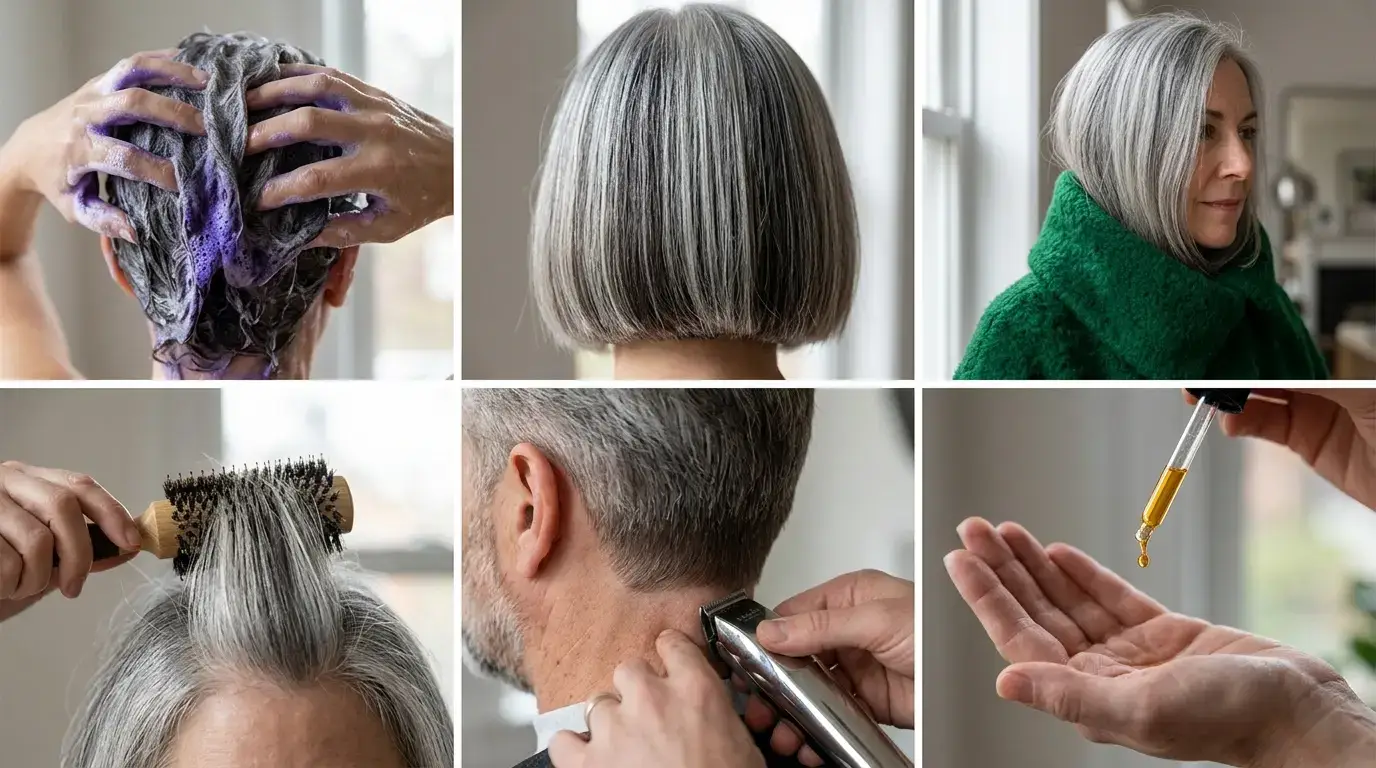
Rotate a sulfate-free purple shampoo into your shower routine once every seven to ten days. Leave the purple lather on for three minutes before rinsing. Using purple shampoo every single wash causes violet buildup that makes blonde strands appear dark and dingy.
For the second weekly wash, use a gentle moisturizing shampoo. If you swim in chlorinated pools, coat hair in leave-in conditioner first. Chlorine oxidizes brass instantly.
Budget real salon touch-up intervals and maintenance costs
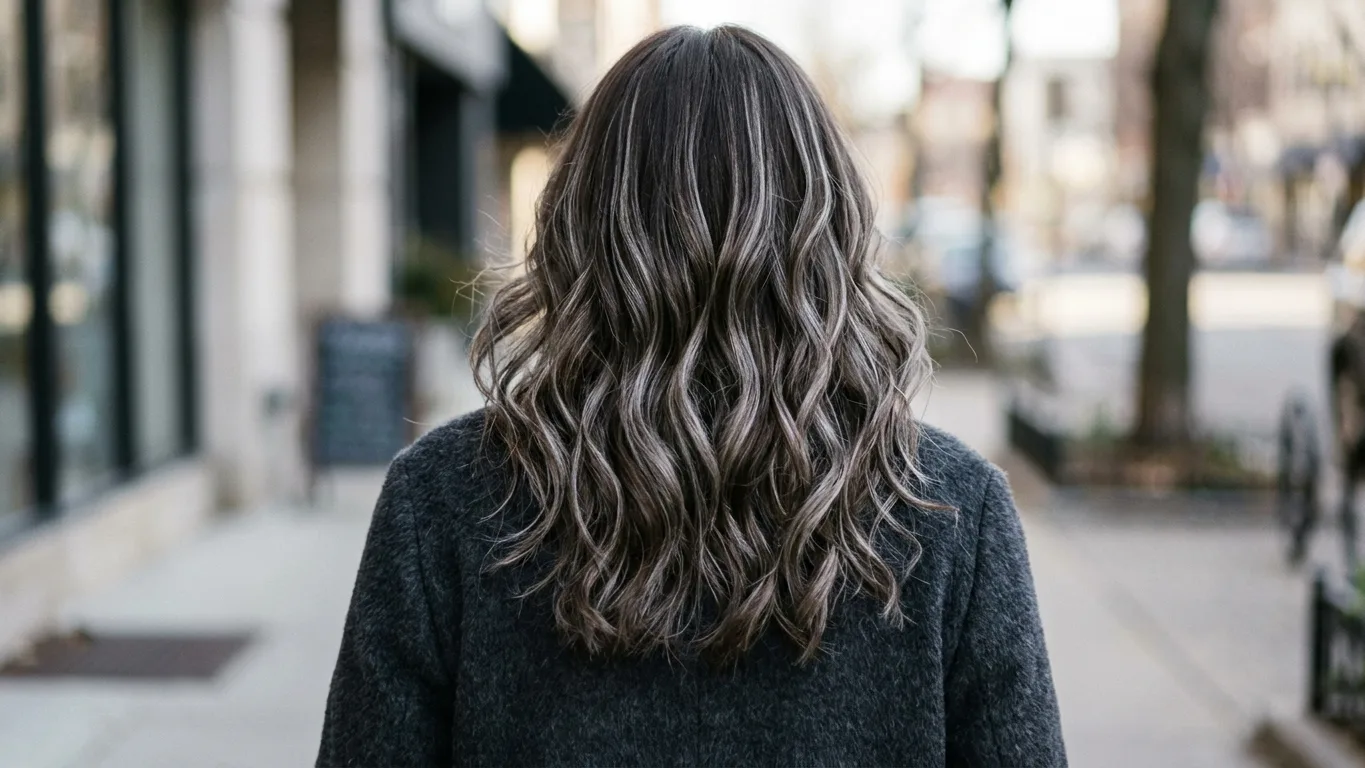
Salon services in 2026 for a full foil highlight and glaze generally range between $180 and $350 depending on your city. Toner refreshes cost around $65 to $110 per appointment.
Schedule a quick gloss appointment every six to eight weeks. Demi-permanent toners wash out after twenty-four shampoos, so a fast gloss keeps your hue icy without needing more bleach.
Full highlight touch-ups are necessary only every twelve to sixteen weeks. The natural root growth creates a soft shadow root effect, making the grow-out line diffuse rather than harsh.
Questions often asked about lightening dark hair
Can you put ash blonde highlights on brown hair without bleaching?
No. Lightening brown hair requires stripping natural melanin pigments out of the strand. Color cannot lift artificial color, and standard hair dye only lifts two levels while leaving heavy warm brass behind.
Does ash blonde make you look older or younger?
It depends entirely on your skin undertone. Cool ash complements pink, neutral, and cool olive undertones by neutralizing facial redness. On warm golden skin, overly gray tones wash out your complexion, making skin appear fatigued.
How does a stylist tone dark ash blonde hair color versus light ash blonde hair?
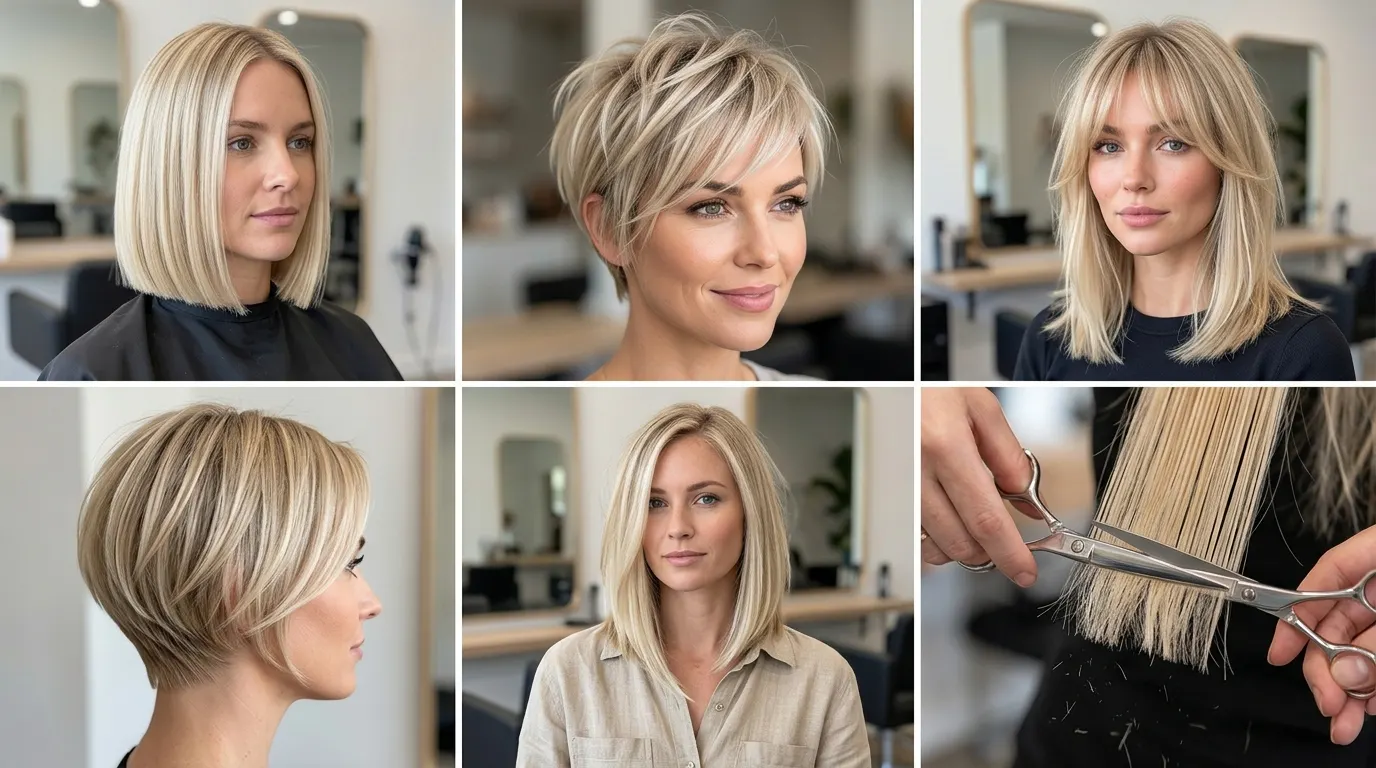
Dark ash blonde hair color uses a level six or seven toner dominated by blue ash pigment to eliminate heavy brass. Light ash blonde hair requires lifting to level nine, followed by violet toner to counter soft pale yellow.
Can you blend ash blonde hair with lowlights on dark blonde bases?
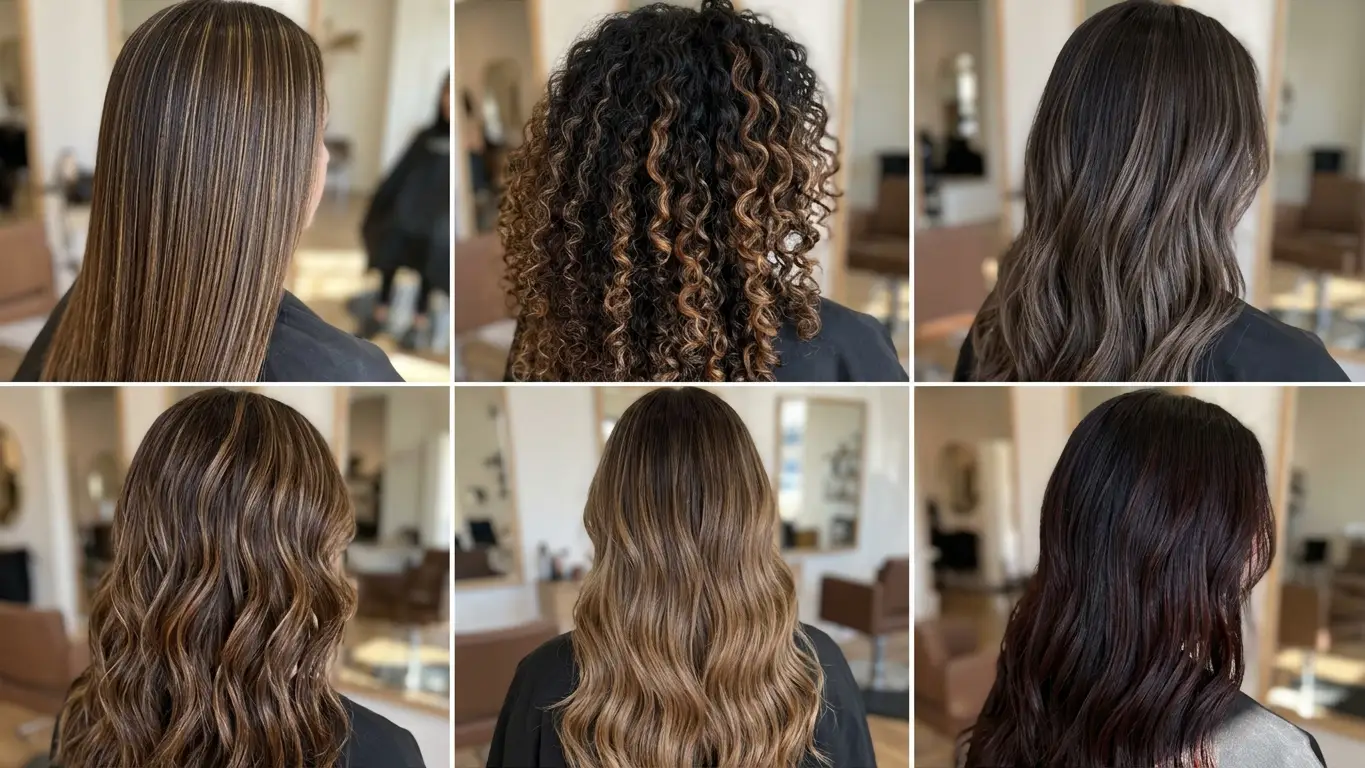
Yes. Weaving deep mushroom brown lowlights alongside cool blonde ribbons adds dimension. This balance keeps dark ash blonde with highlights from looking flat or solid.
Final steps for cool toned highlights
Follow each phase in sequence: section the quadrants, lift thin weaves with twenty-volume developer, check process stages, and apply targeted blue-violet toner. Maintain the cool balance with cool rinses and bi-weekly purple toning. Skipping steps or rushing developer strength leads to damage, while disciplined aftercare keeps cool tones bright for weeks.