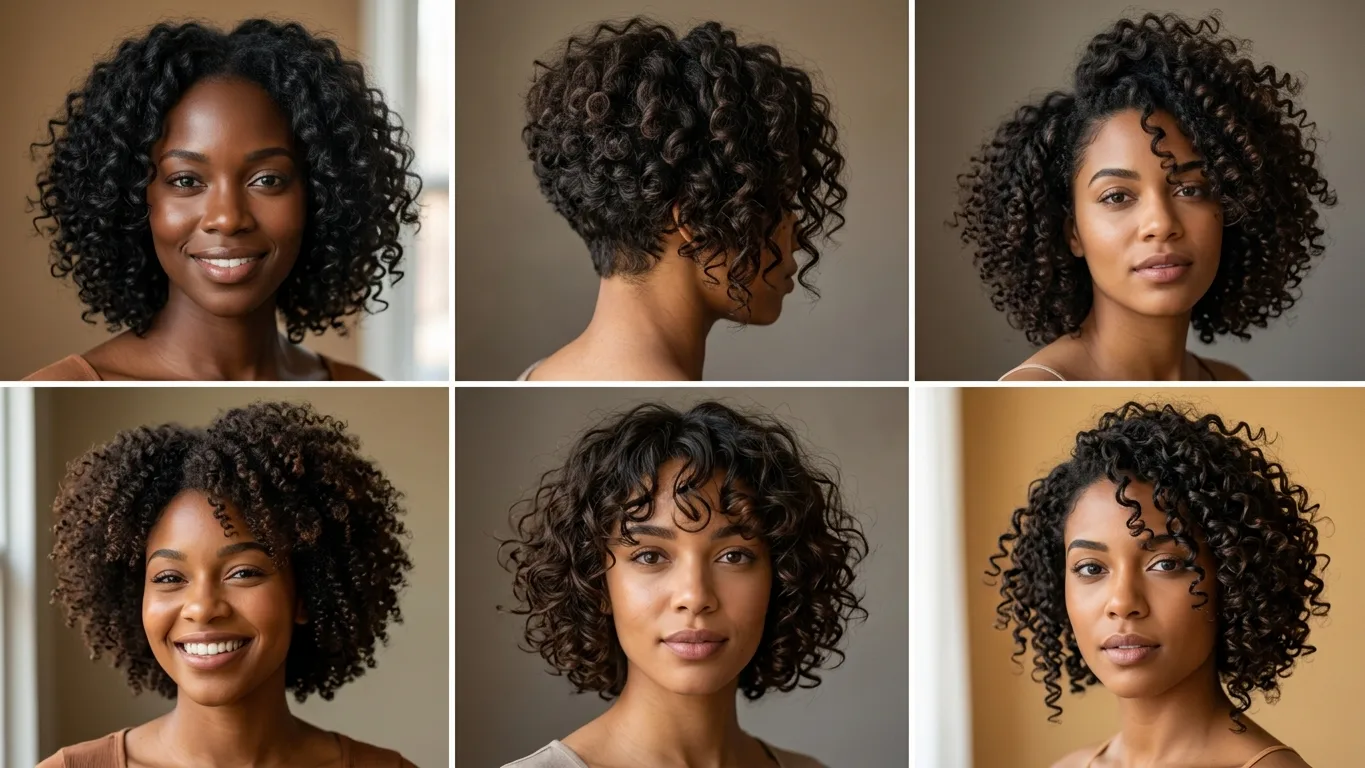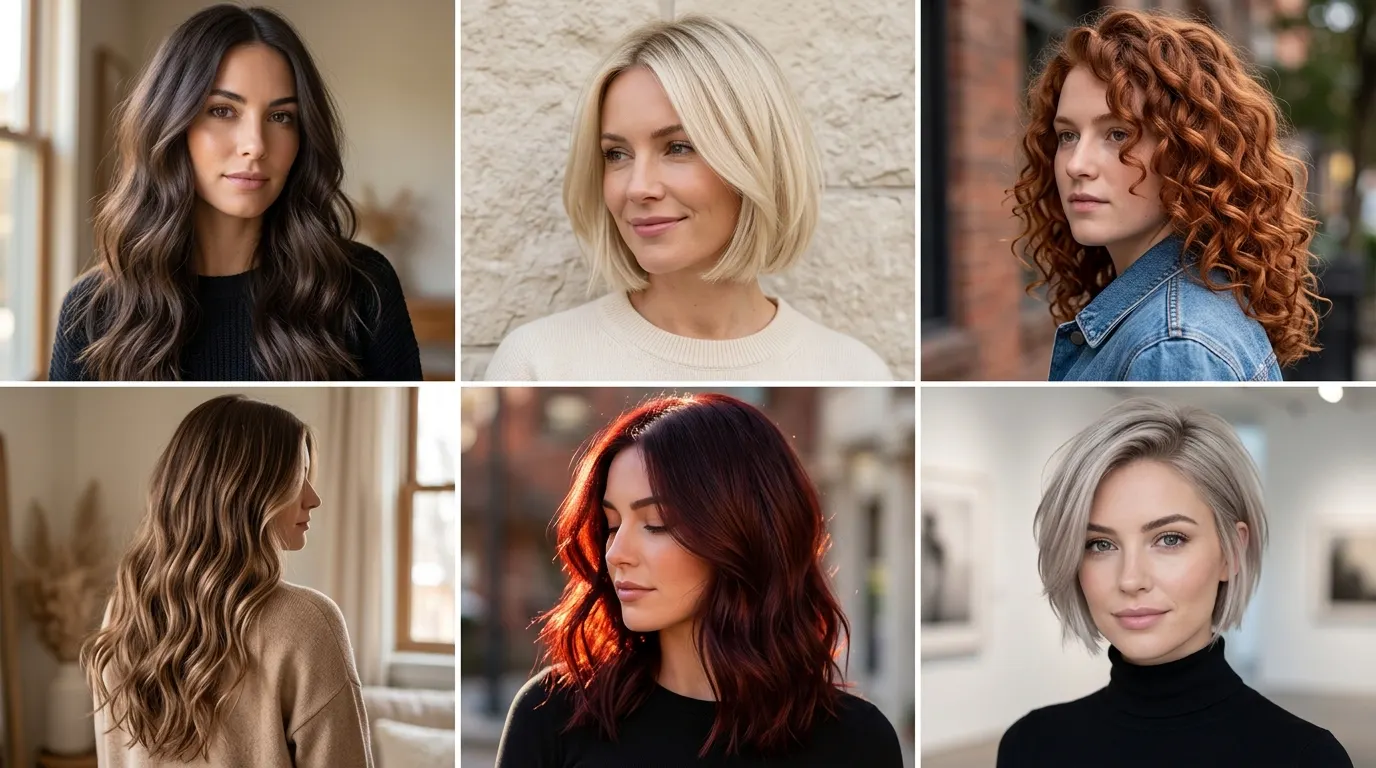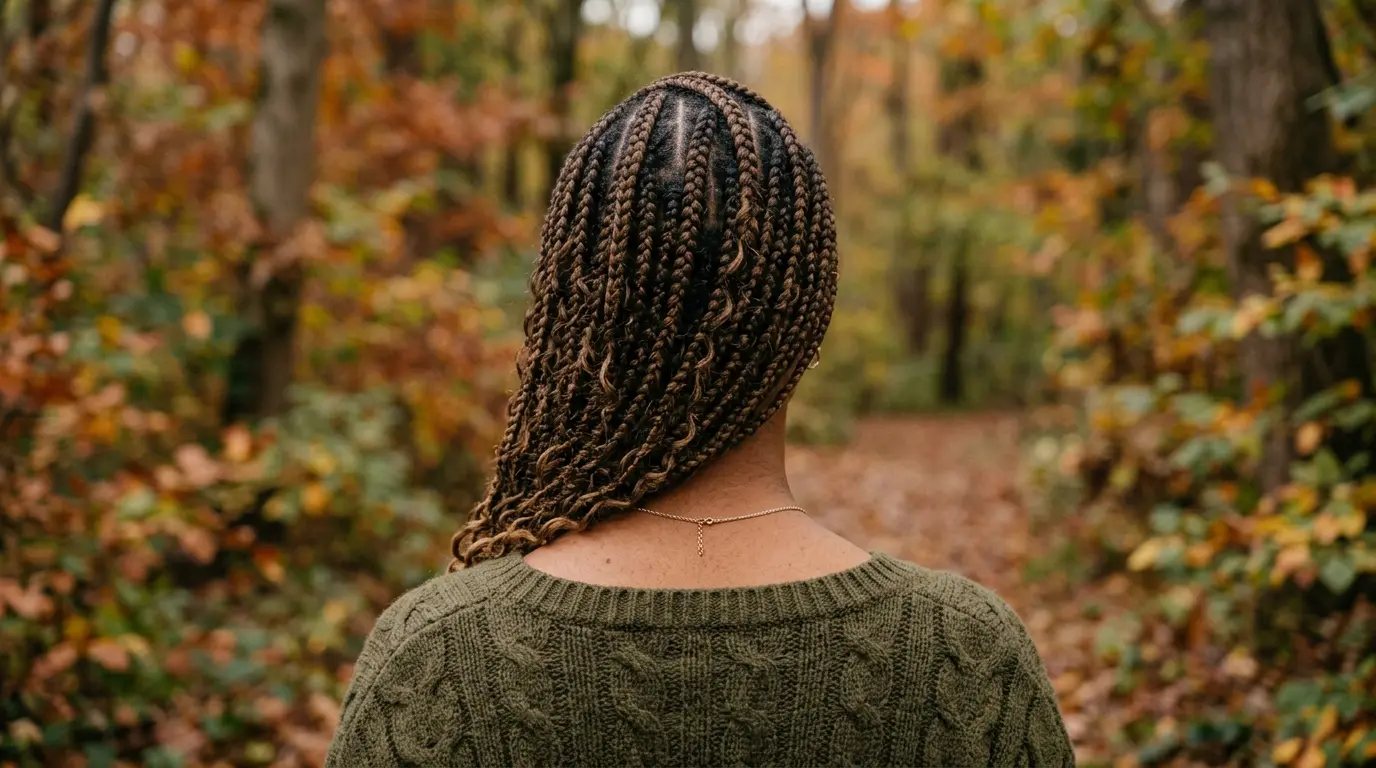

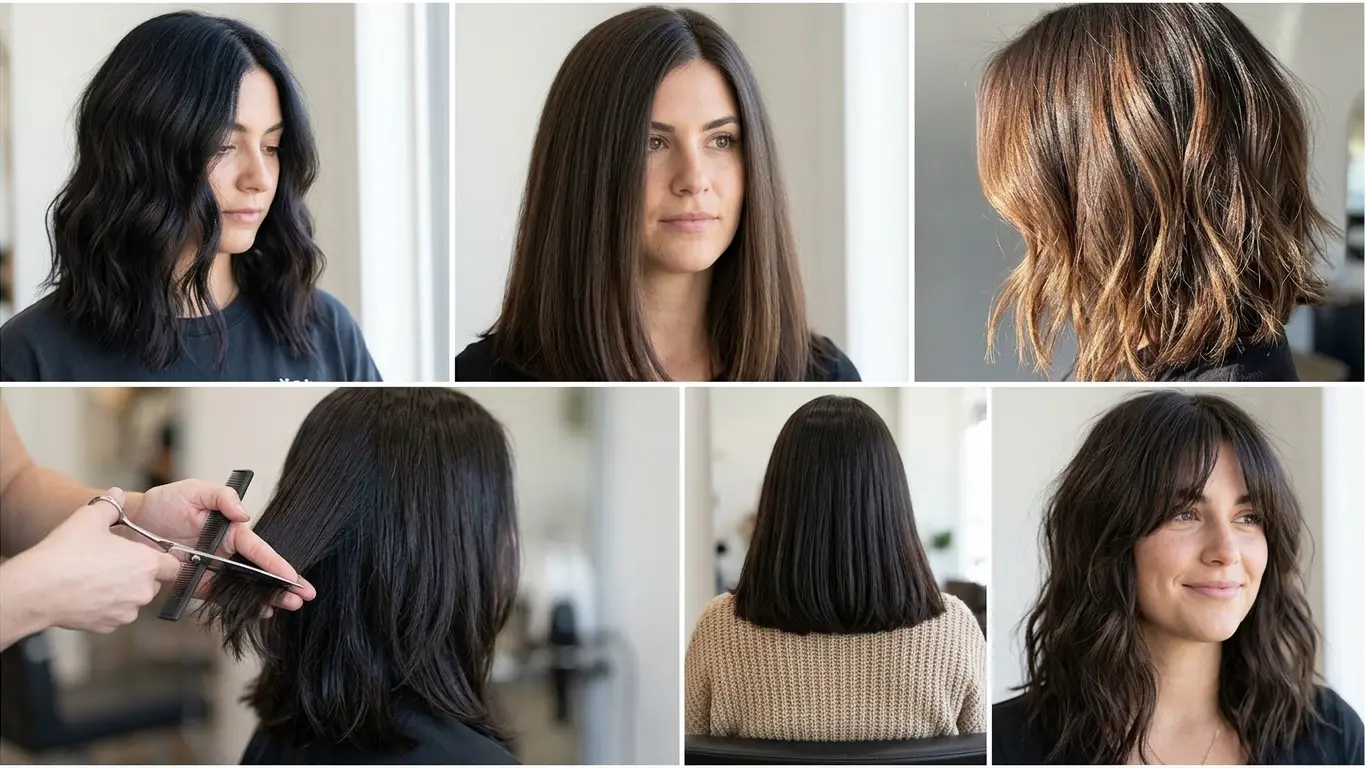
Can dense hair actually look light in a collarbone cut without blowing out into an uncontrollable pyramid? Anyone living with high-density strands knows that chopping length often creates an aggressive, shelf-like perimeter that fights round brushes and expands sideways the second humidity hits seventy percent.
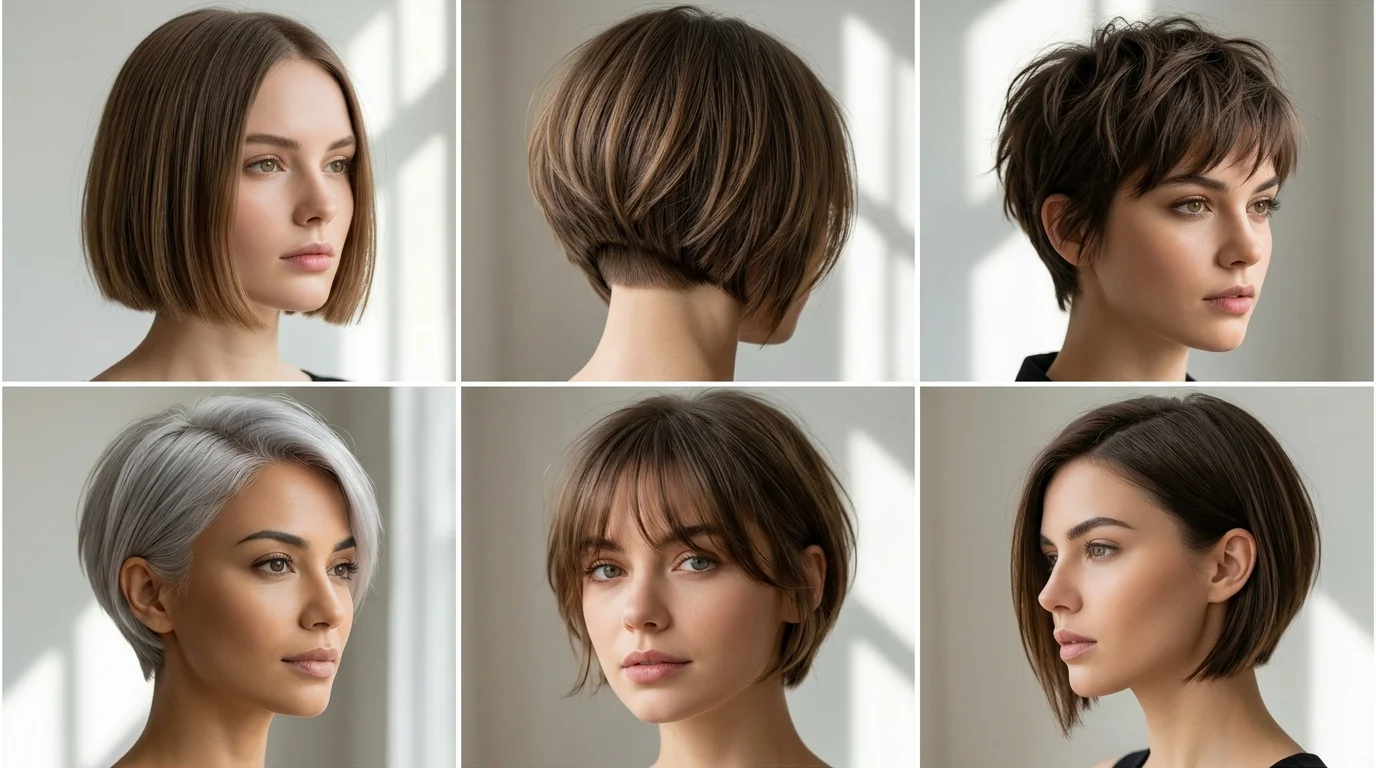
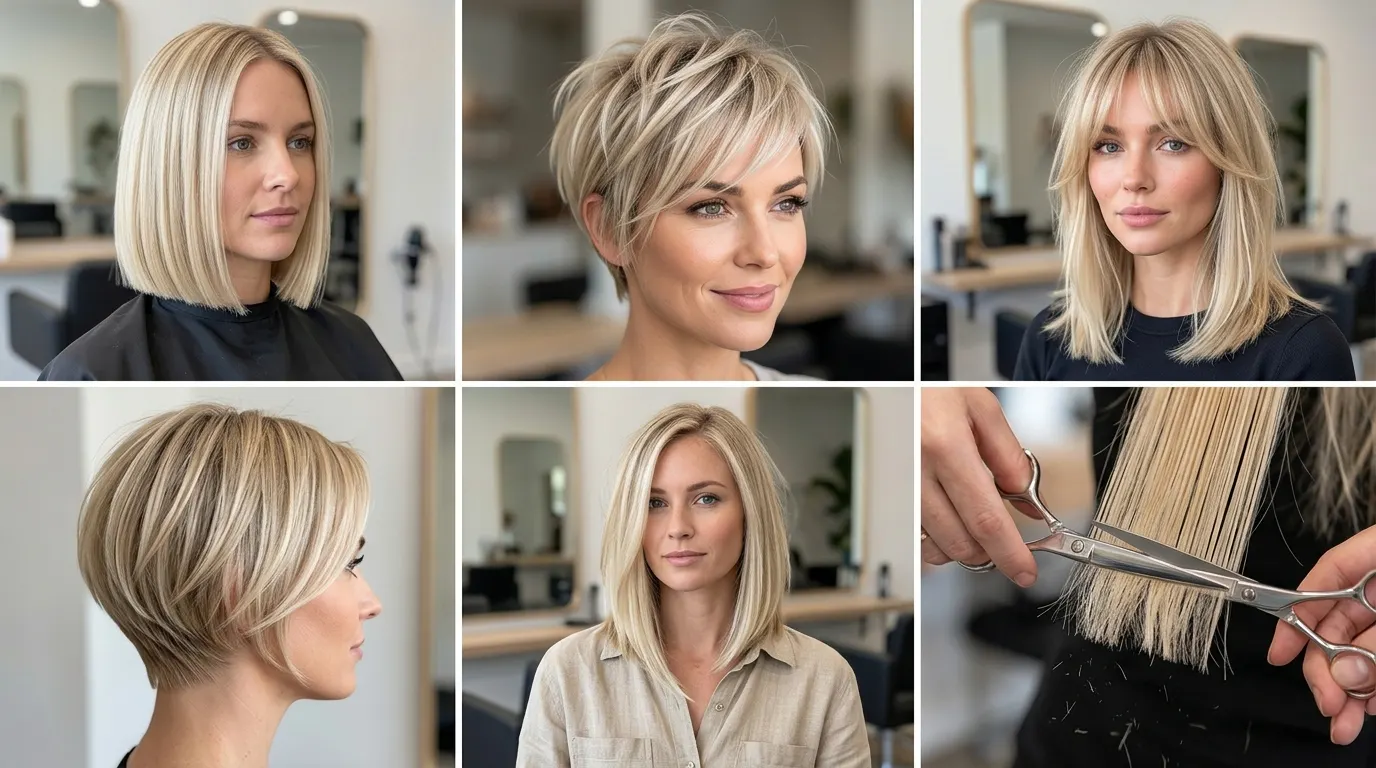
The solution relies on architectural weight redistribution rather than standard thinning shears. Selecting lob hairstyles for thick hair gives your mane enough physical drop to pull downward, while deliberate carving eliminates the dense interior bulk that forces the outer hair to puff out.
Blunt Perimeter Cuts Create a Pyramid Shape on Dense Manes
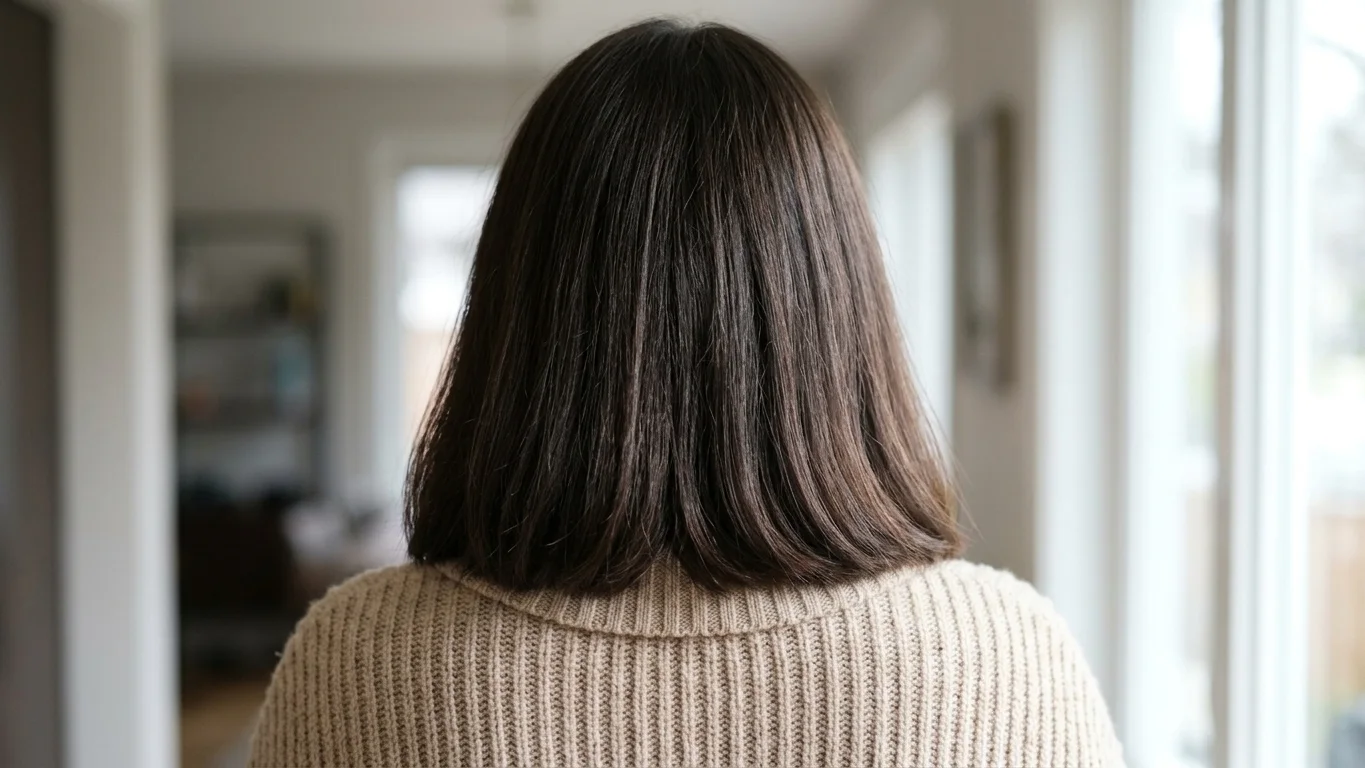
Cutting straight across the bottom hemline on high-density strands causes each lock to stack directly on top of the one below it. This stacking forces the bottom perimeter outwards into an exaggerated triangle shape that rests heavily across your shoulders.
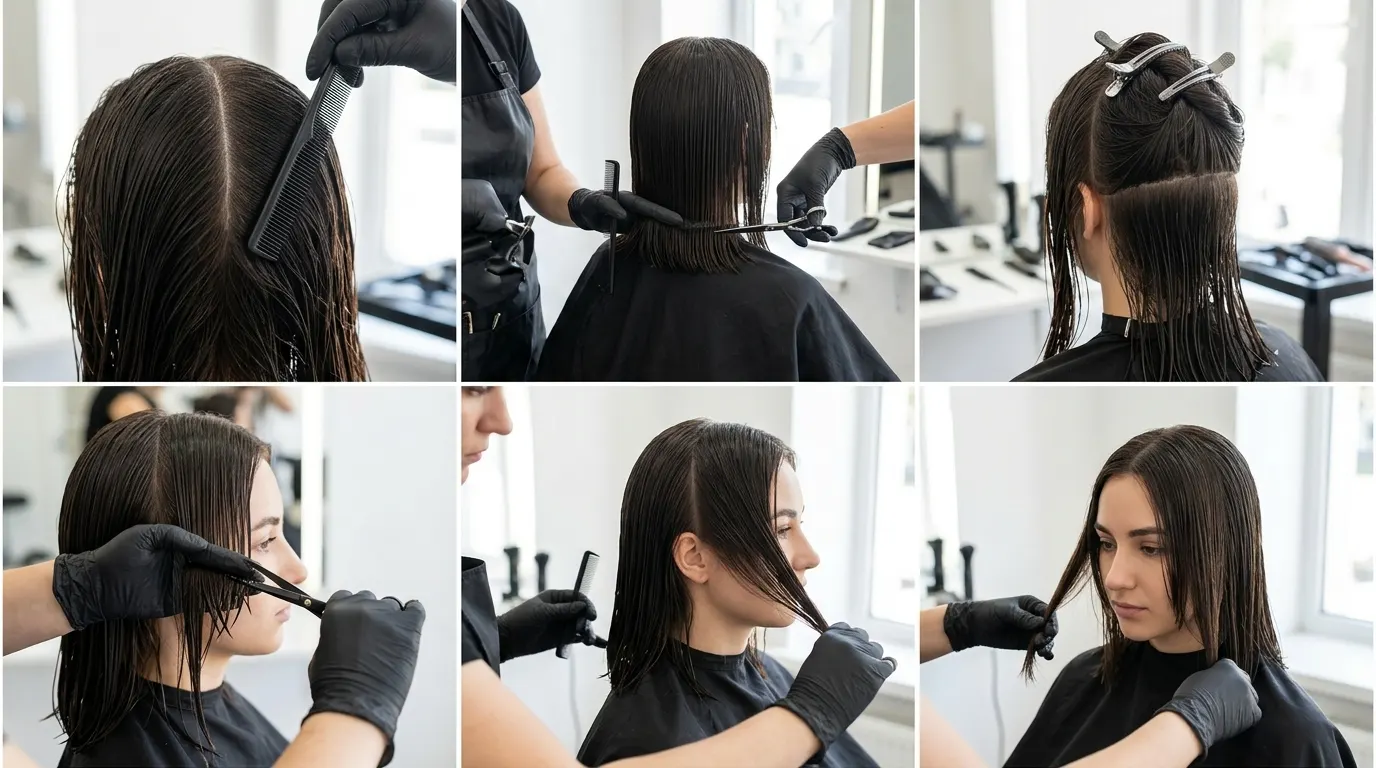
Ask your stylist for an undercut interior or point cutting along the baseline. A blunt lob haircut for thick hair only works when the lowest one-inch section at the nape is cut roughly one-quarter inch shorter than the outer veil of hair. This invisible graduated drop creates an internal recess, letting the heavier exterior fall flat and close to the neck instead of flaring wide.
Thinning Shears Shred the Midshaft and Multiply Surface Frizz
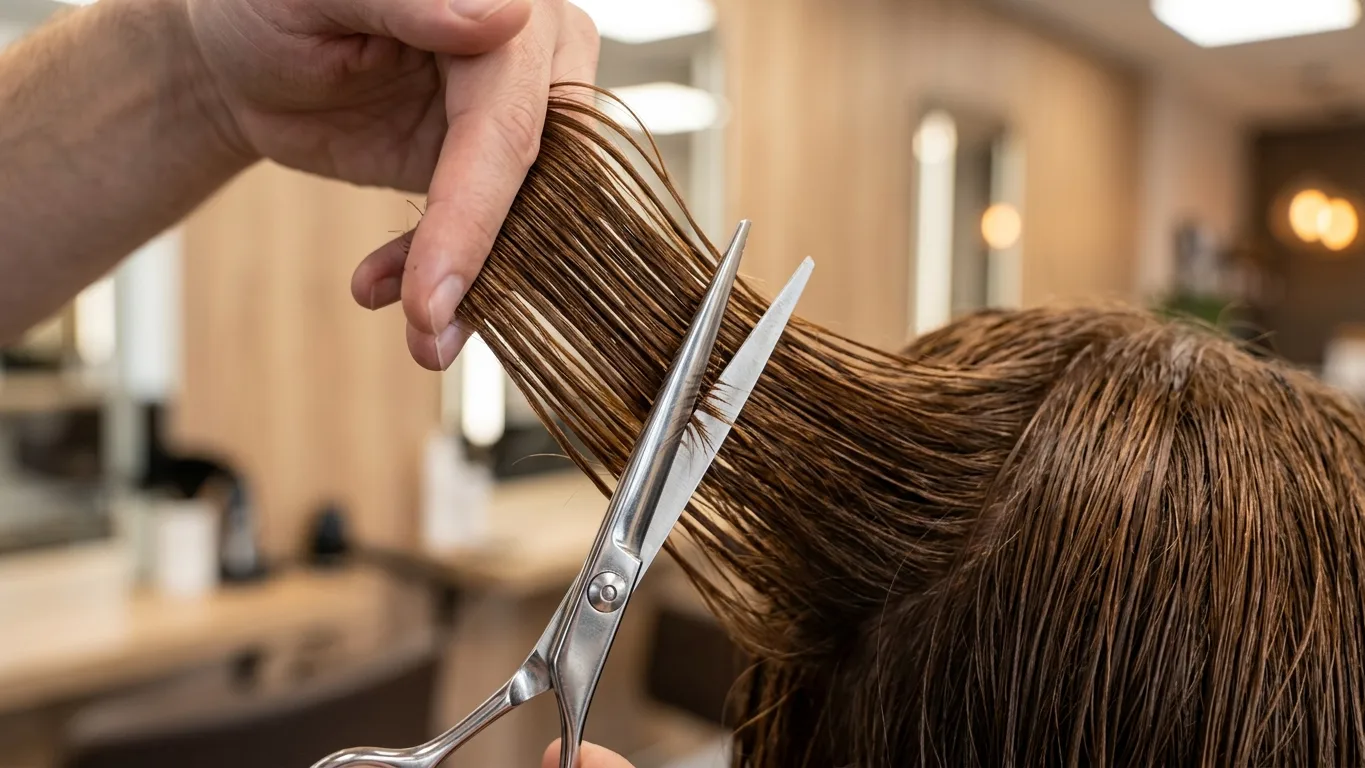
Stylists who rely on notched thinning shears often snip deep into the midshaft to strip out bulk fast. This shortcut creates thousands of short, stiff hairs underneath that act like tiny springboards, pushing the longer top layers outward and generating fuzzy flyaways within three wash cycles.
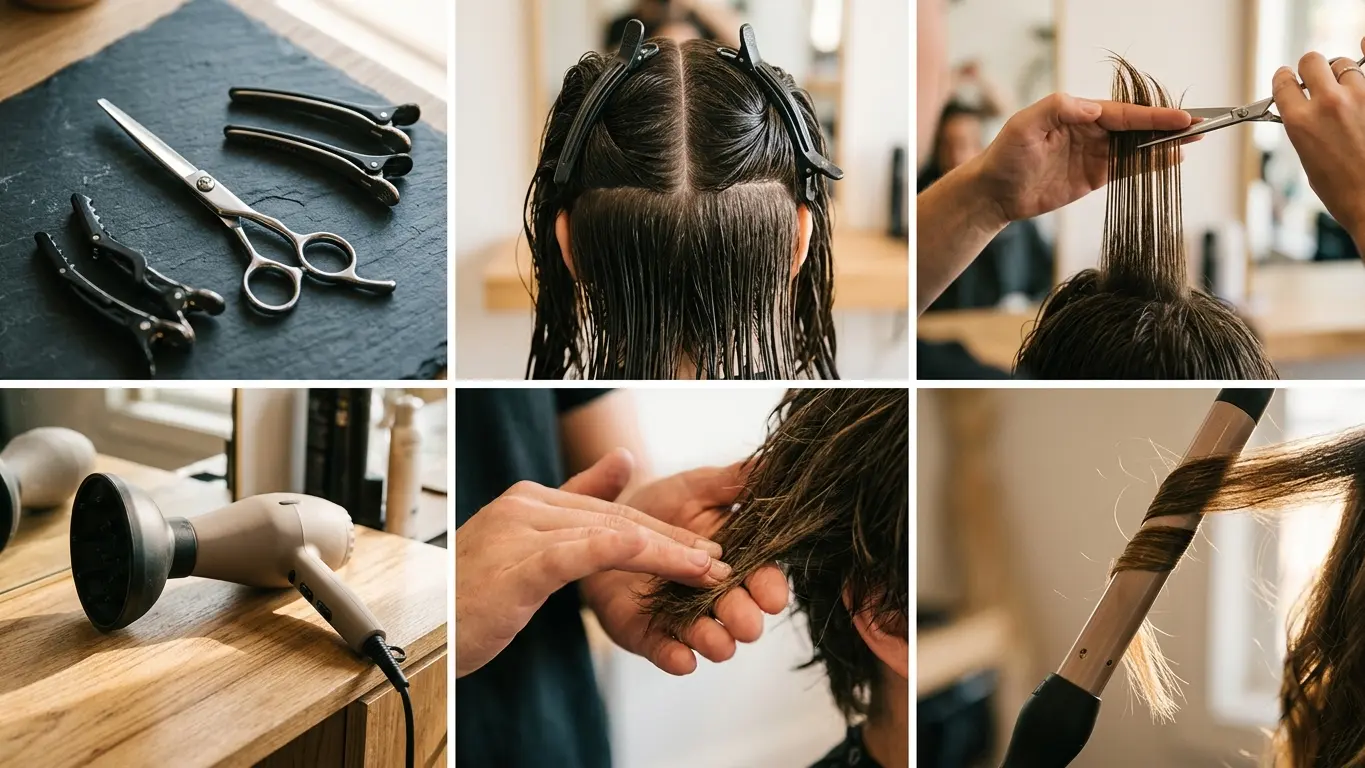
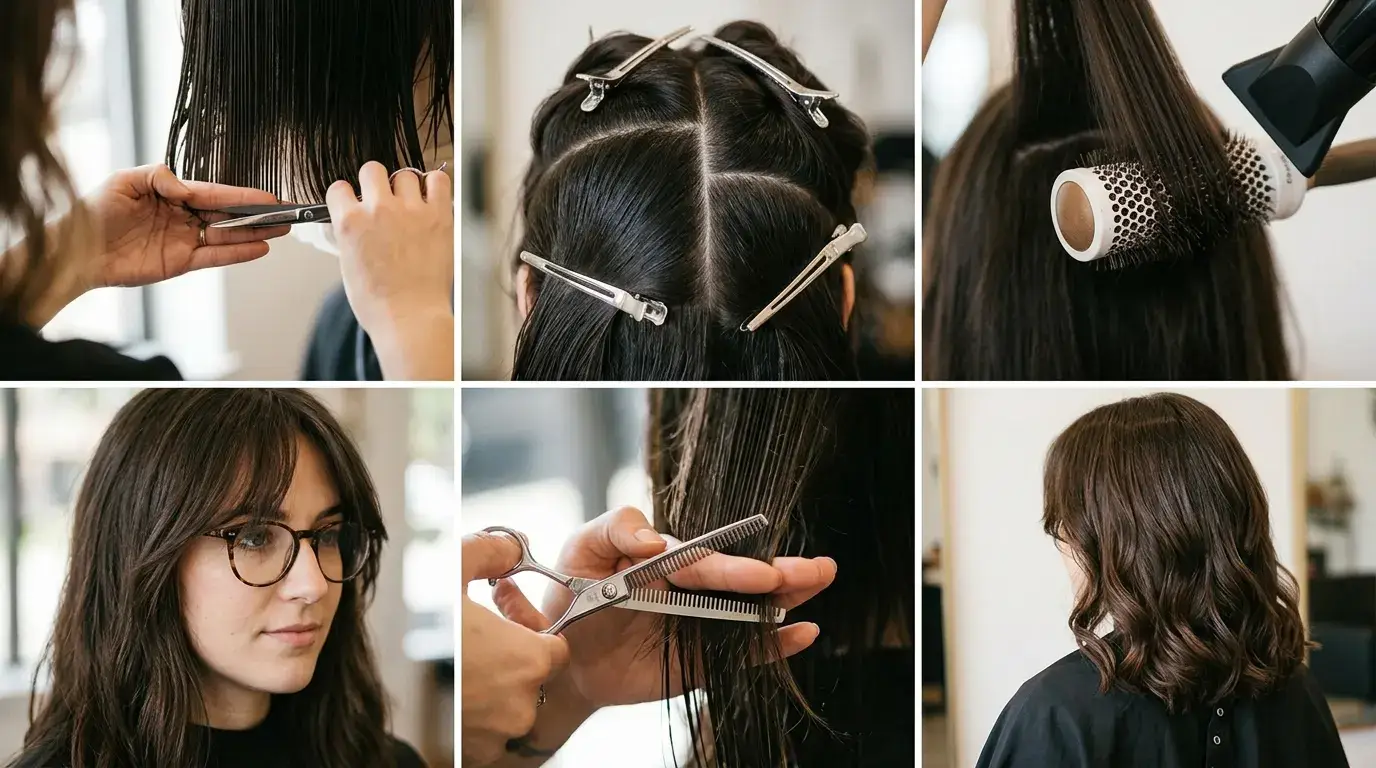
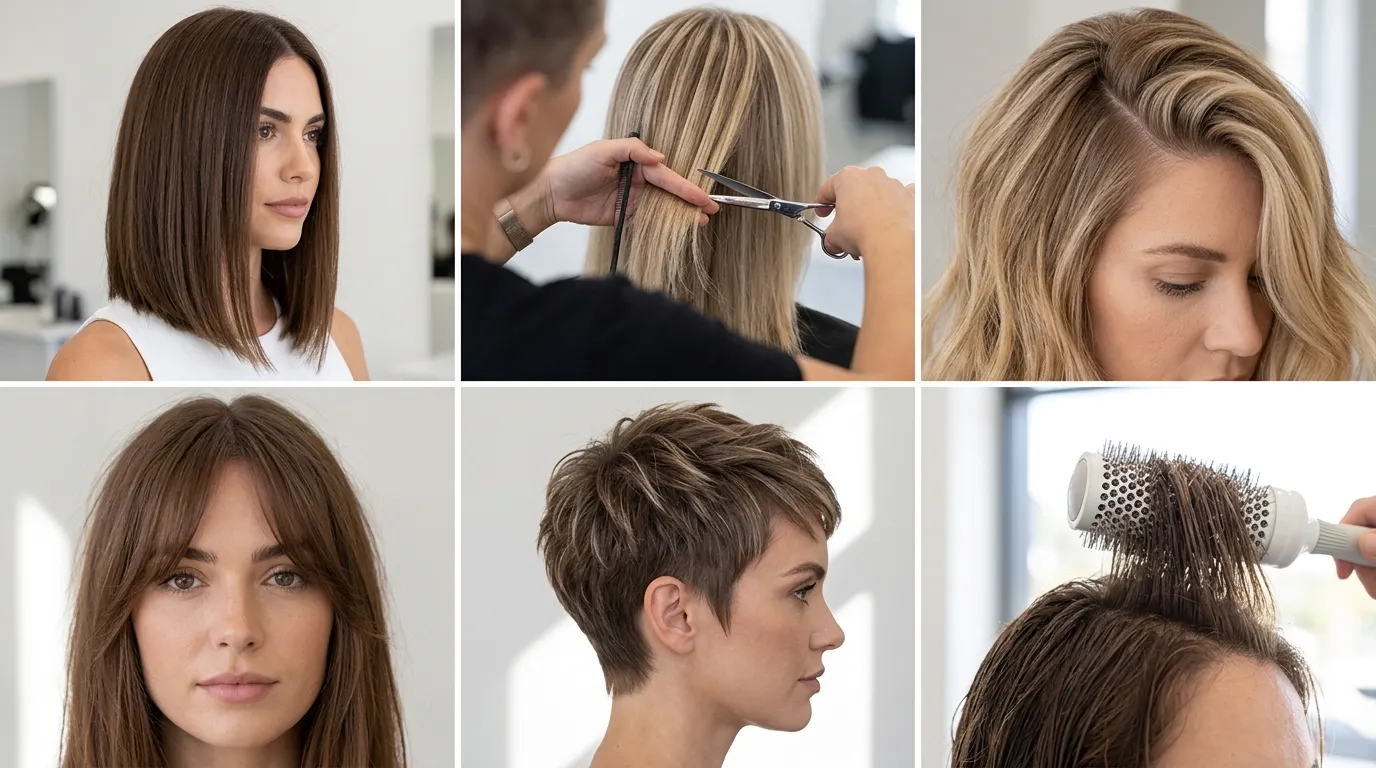
Point cutting and slide cutting with straight steel shears remove weight without creating short bristle layers. Your stylist should carve vertical channels down through the interior sections while holding the blades parallel to your hair shaft. This method creates negative space inside the perimeter so dense strands rest against each other flatly without fuzz.
Chin-Length Bobs Lack the Necessary Weight to Hang Flat
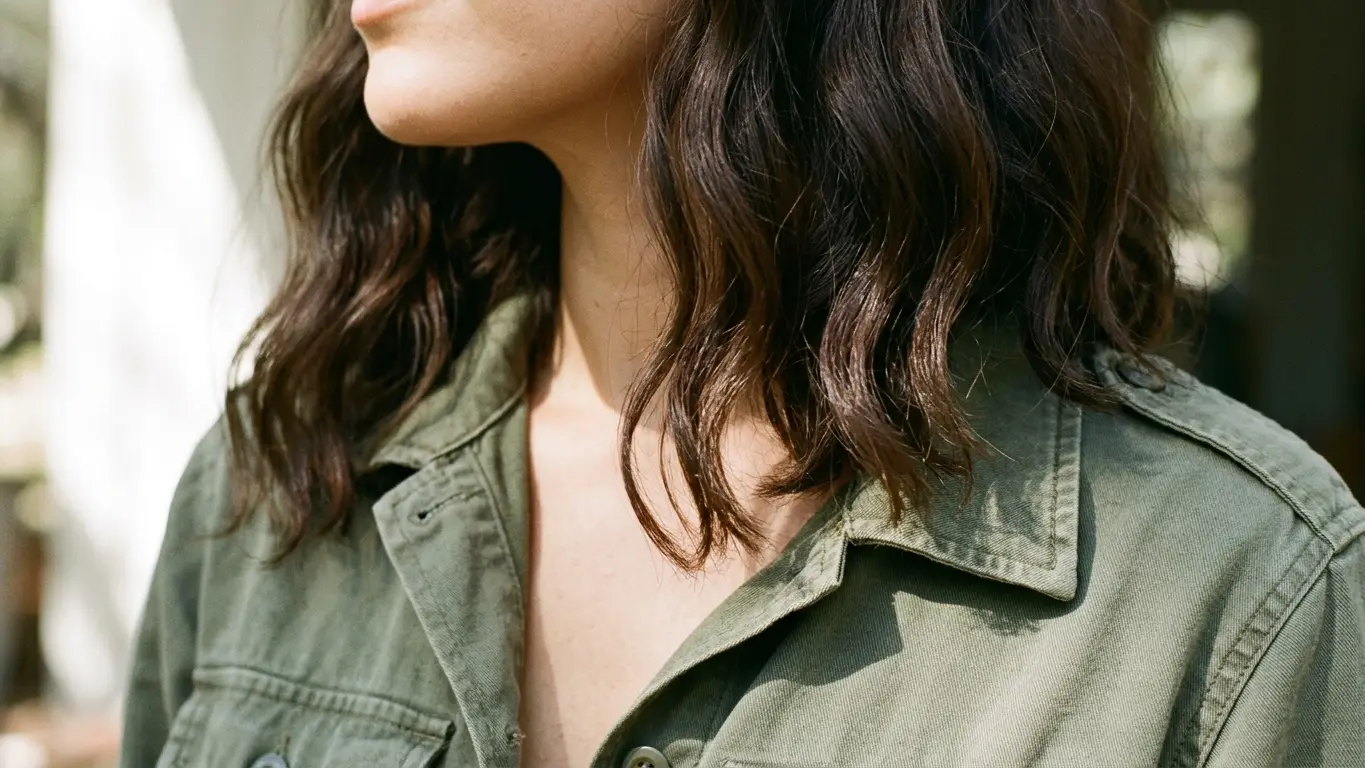
Dense textures cut level with the jawline lack the physical ounce weight required to pull natural bounce flat. Short strands rebound instantly, creating a rounded mushroom shape that demands twenty minutes of flat iron tension every single morning.
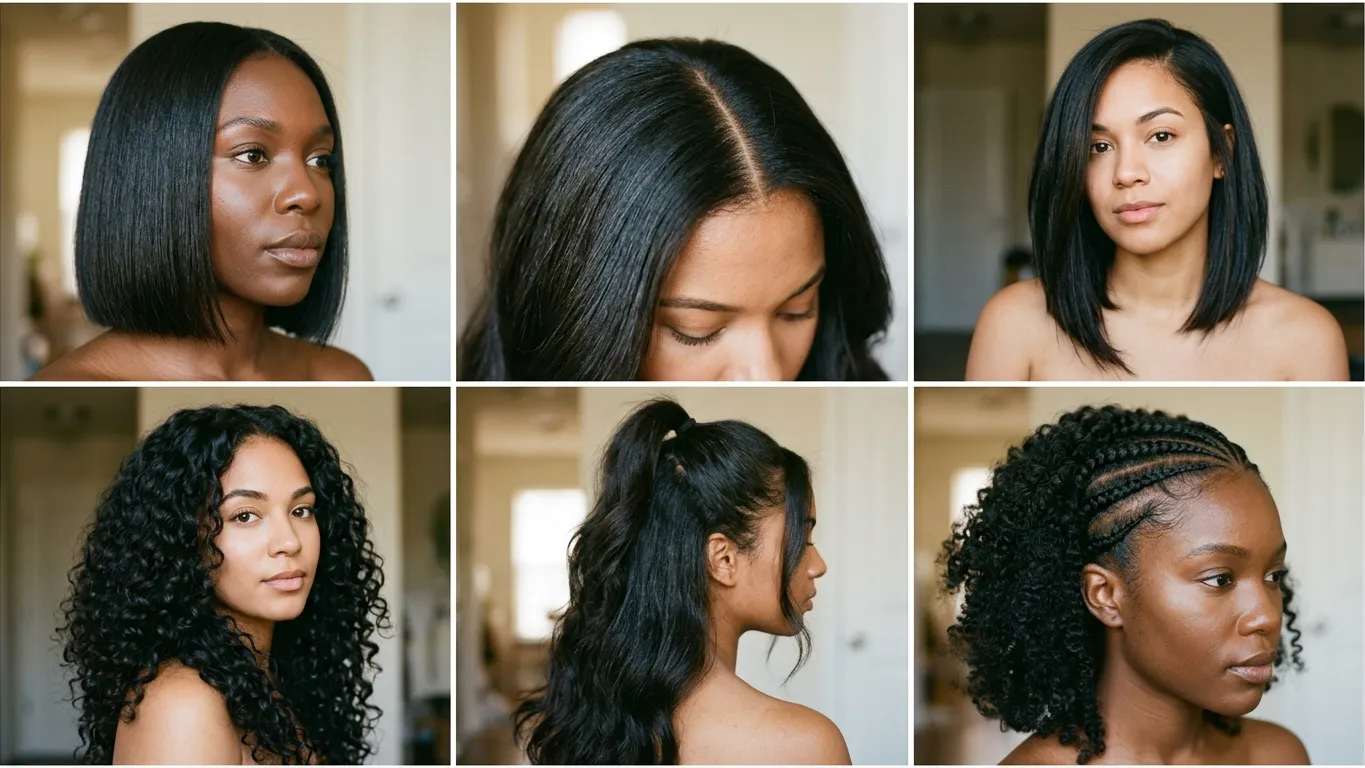
Letting your length reach the collarbone provides the physical drop needed to hold volume down. Testing collarbone lob haircuts for thick hair gives dense curls and waves the room they need to stretch out into loose bends. The weight of that extra three inches keeps the roots from puffing up while framing your neck and shoulders cleanly.
Over-Layering the Crown Produces an Outdated Shag Silhouette
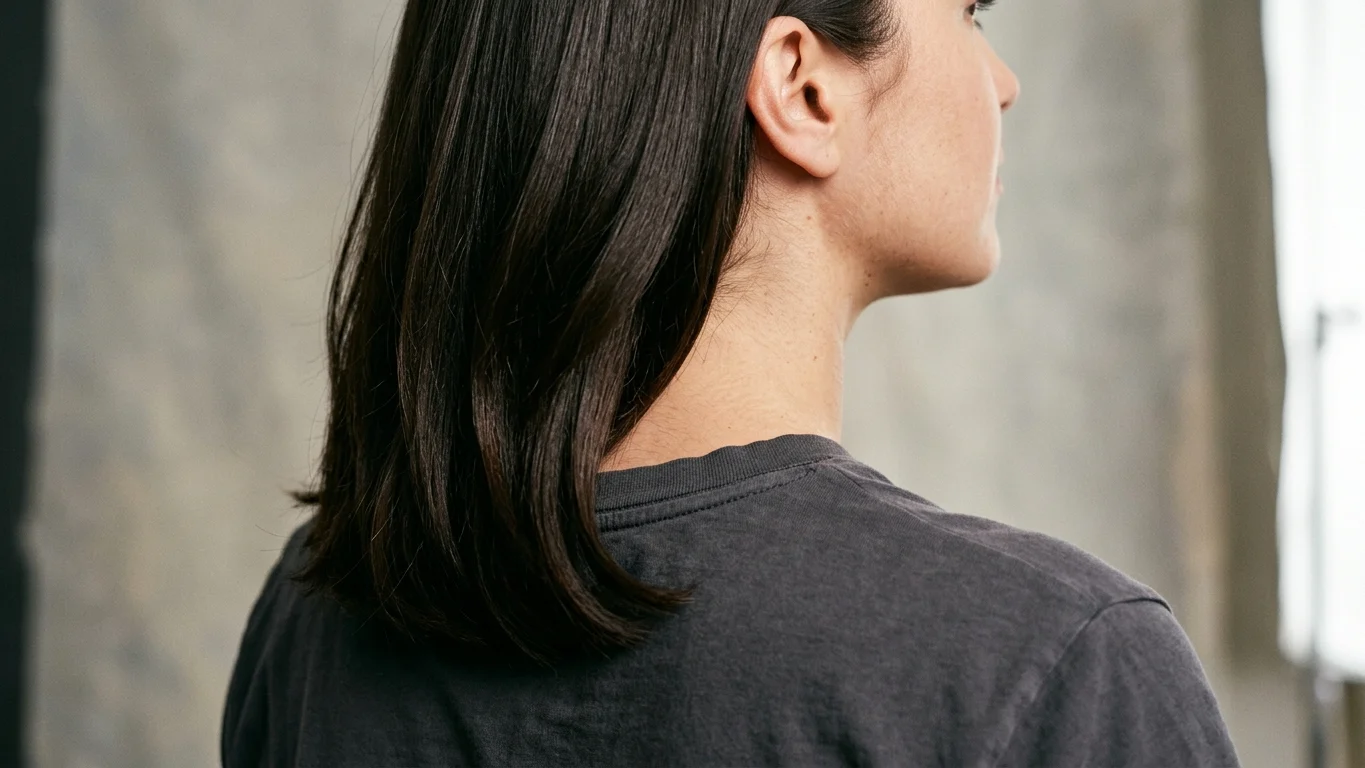
Adding short surface layers around the crown to lighten heavy hair often backfires by creating a separated two-tier haircut. The top puffs into a dense bubble while the perimeter ends look sparse and disconnected.
Request long interior slivers that start no higher than cheekbone level. Modern lob hairstyles for thick hair with layers rely on invisible weight removal, leaving the outer canopy completely solid. This maintains a sleek surface finish while removing up to thirty percent of the dense under-bulk that traps heat and sweat at the nape.
Symmetrical Parts Expose Bulk Lines and Flatten the Root

A dead-center part line forces equal hair weight to fall straight down both sides of your head. On thick hair, this creates an unmovable wall of density that makes the crown look flat while exaggerating wide, bulky ends.
Flip your hair into an irregular side part roughly one inch off-center. Moving the part line breaks up the surface mass and instantly lifts the root canopy without teasing or volumizing mousse. If your hair stubbornly falls back, flip your part while strands are eighty percent damp and set it with a large duckbill clip for ten minutes while air-drying.
Razored Ends Fray Coarse Strands and Turn Ends Ragged
Razors drag along coarse, wide hair shafts, roughing up the outer cuticle scale and leaving raw, tapered ends. After two weeks of blow-drying, those thinned ends split apart, making the bottom of your cut feel rough and dry.
Insist on dry hand-finishing with Japanese steel shears. Your stylist should evaluate your hair dry in its natural resting state, using blunt point cuts to chip away small pockets of weight. Preserving a clean, sharp edge keeps the cut looking modern and intentional while preventing early moisture loss.
Air Drying Without Tension Expands Dense Hair Sideways
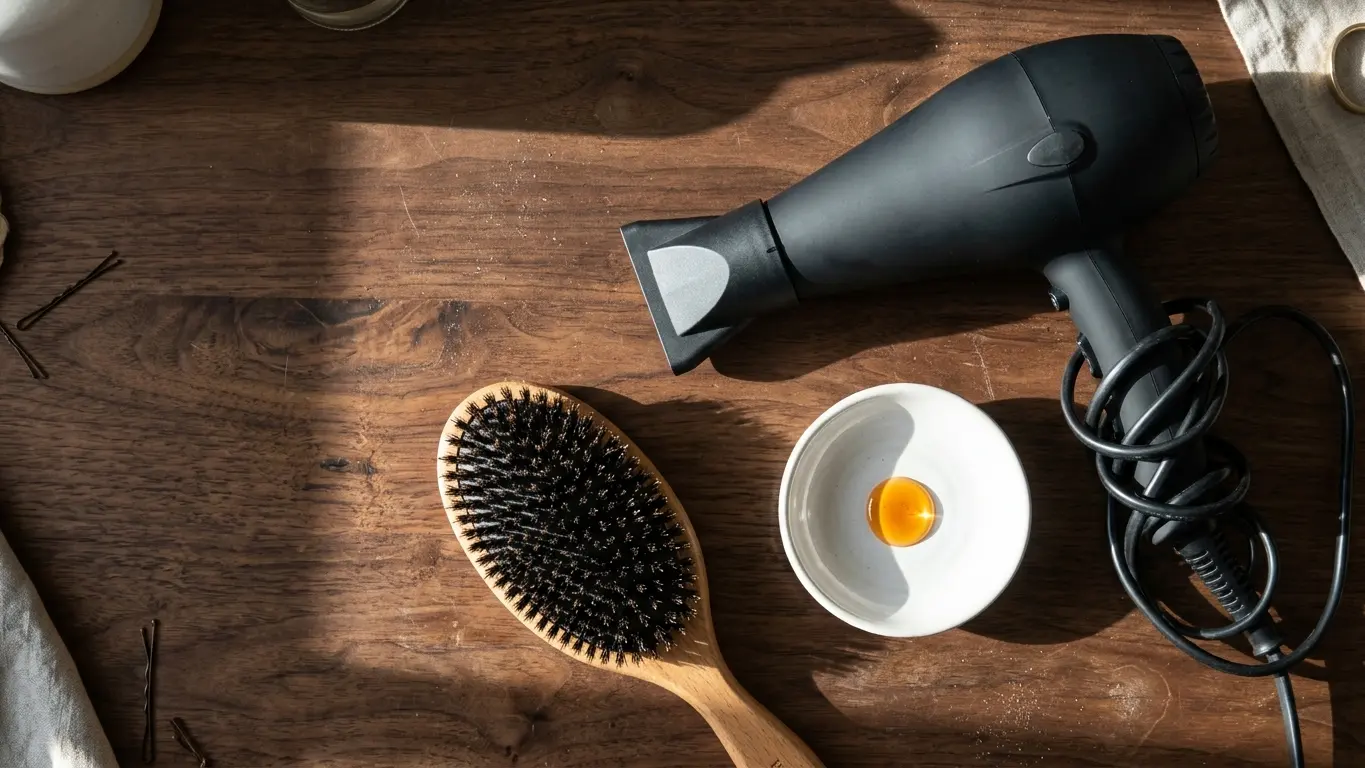
Leaving thick strands to dry naturally without a setting agent lets each hair shaft swell to its absolute maximum diameter. The hair absorbs atmospheric moisture, expanding sideways into a wide, shapeless mass.
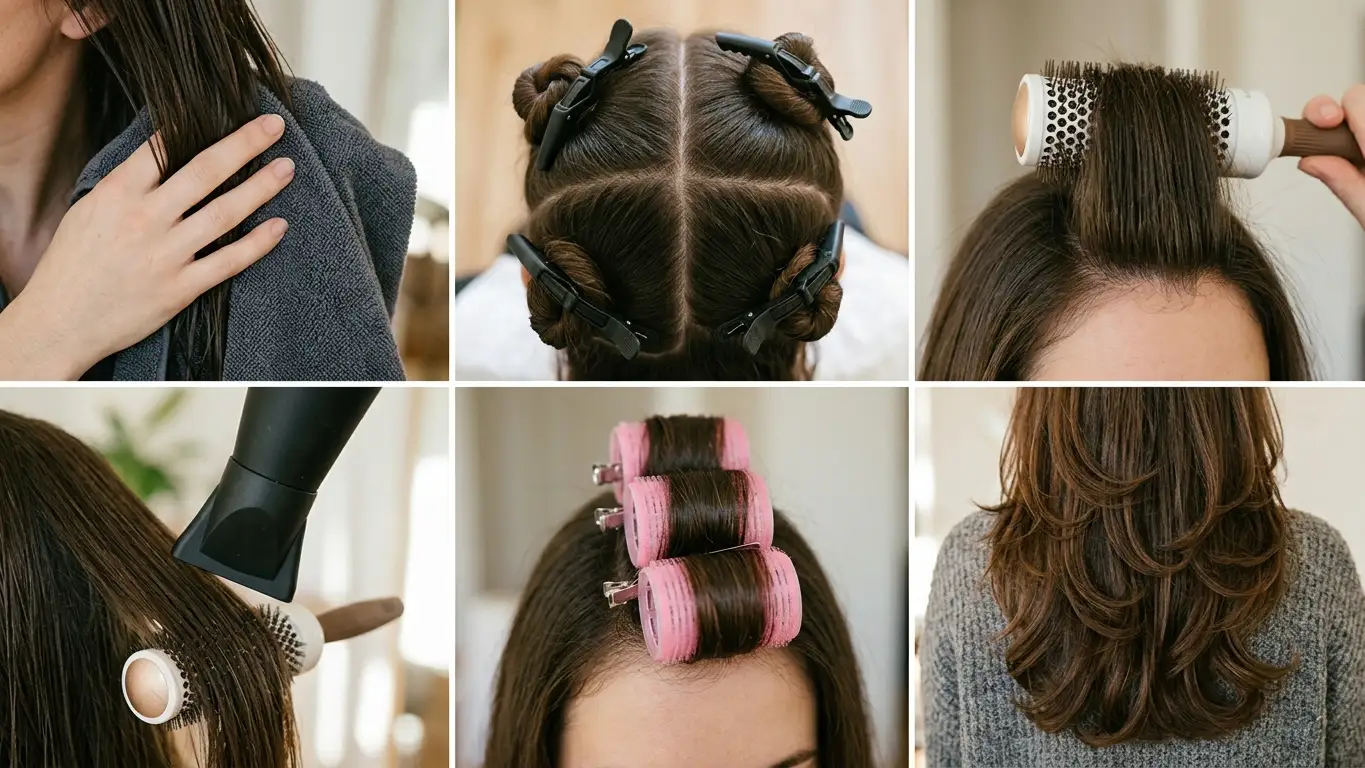
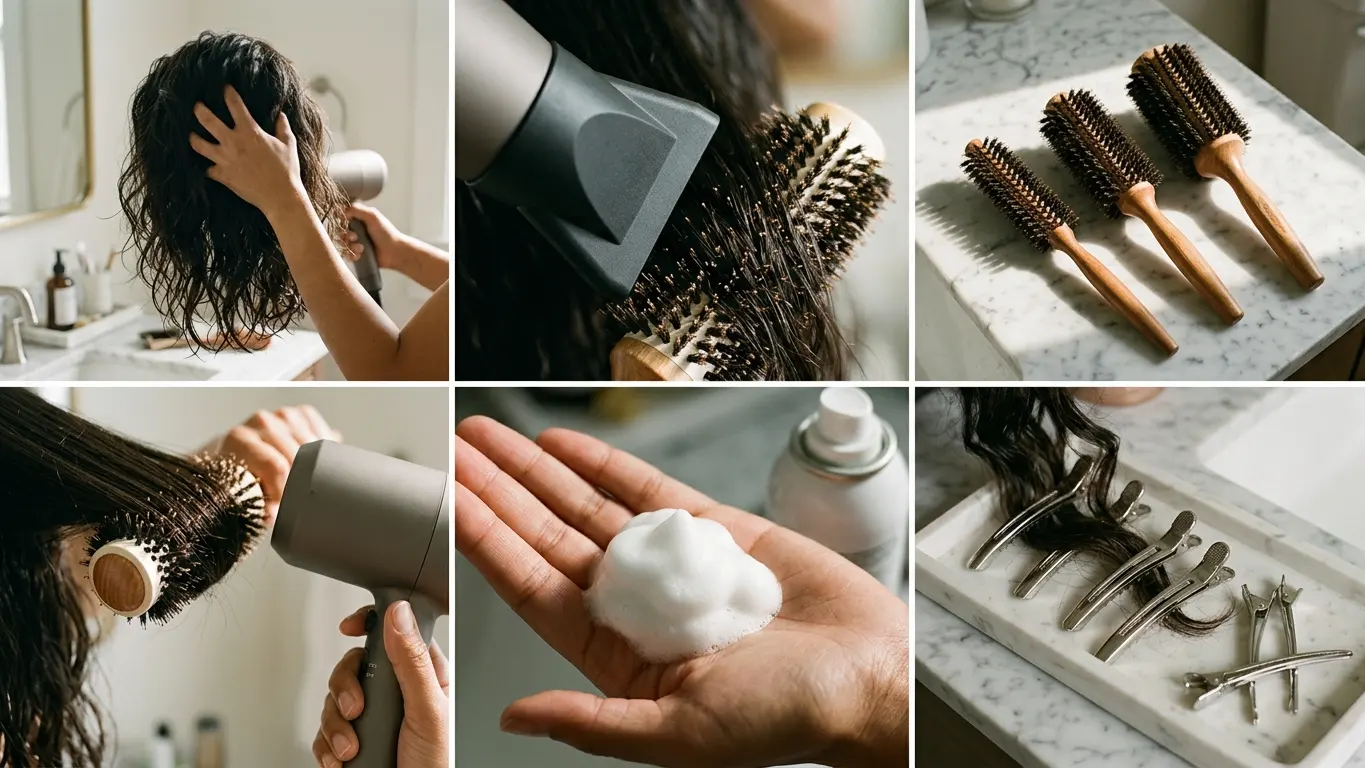
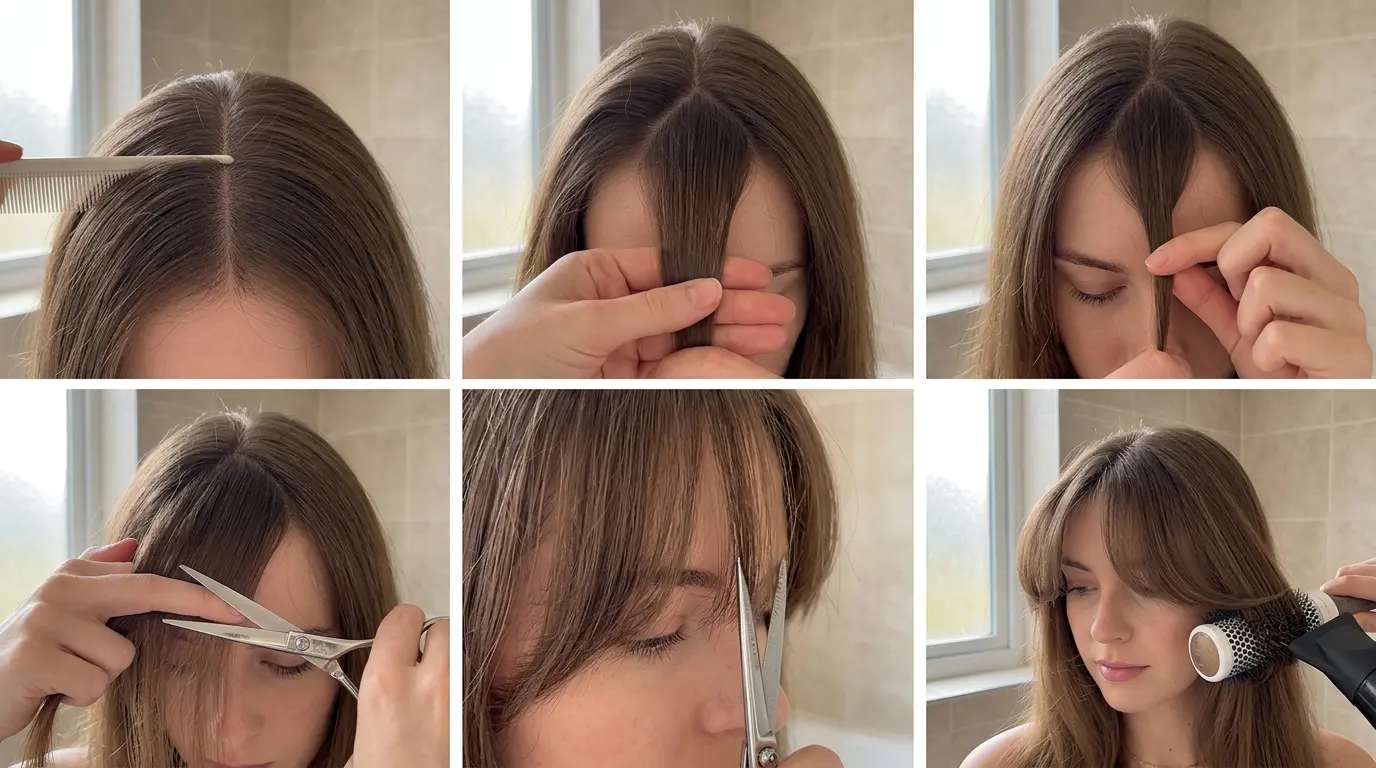
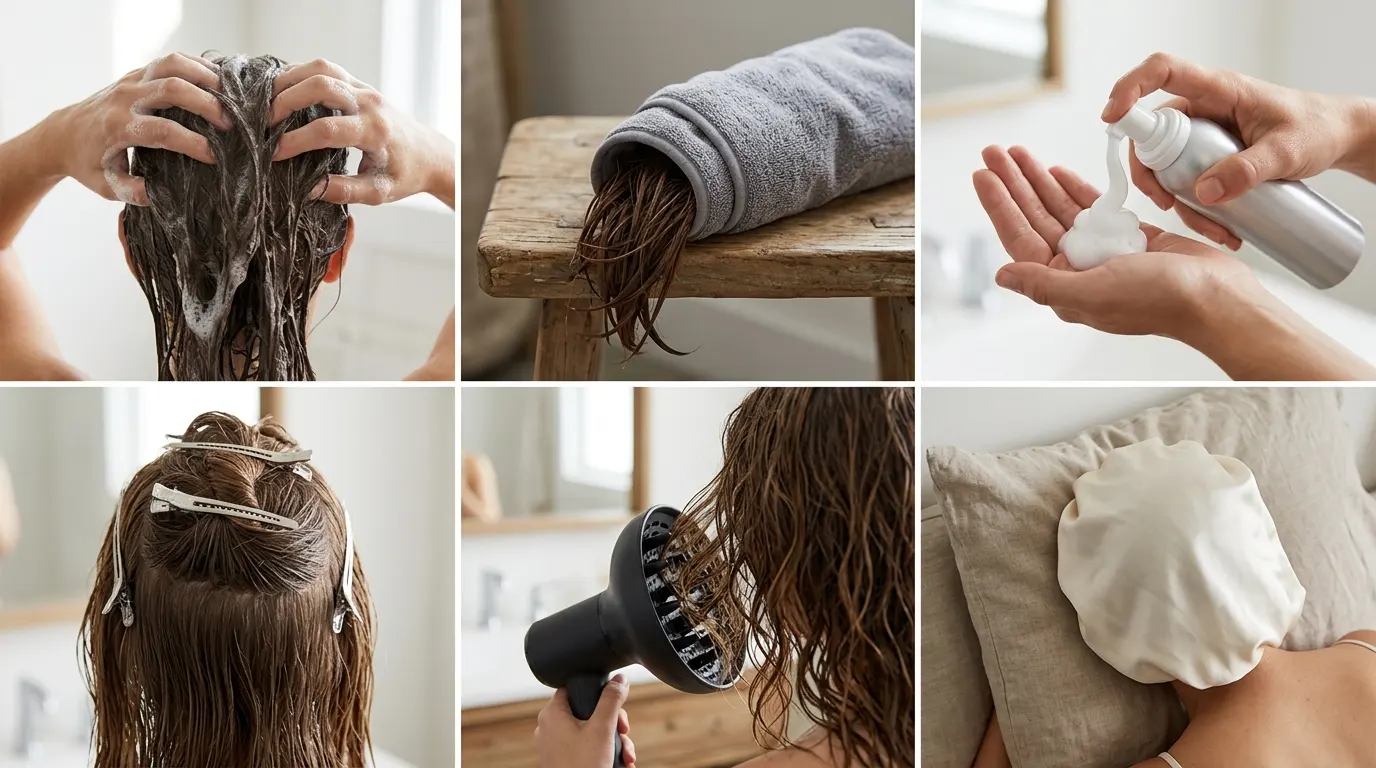
Work a nickel-sized dab of heat protectant cream through wet lengths and wrap sections loosely around your fingers. If you want a controlled finish, use a concentrated nozzle on your blow dryer and a boar bristle paddle brush. Aim the airflow down the hair shaft from roots to ends at medium heat to seal the cuticle before moisture pushes it open.
| Cut Problem | Underlying Cause | Corrective Cutting Strategy |
|---|---|---|
| Triangle silhouette | Hair stacks evenly on a single blunt baseline | Carve an undercut nape with vertical point cuts |
| Puffed surface crown | Short exterior layers bounce outward | Keep the outer veil solid and layer the interior |
| Ragged dry ends | Razor slicing tears open the strand cuticle | Cut blunt edges dry with straight steel shears |
| Horizontal expansion | Air drying unsealed cuticles in humid air | Apply leave-in cream and dry under downward airflow |
Skipping the Texturizing Shears on Mature Hair Leaves the Perimeter Heavy
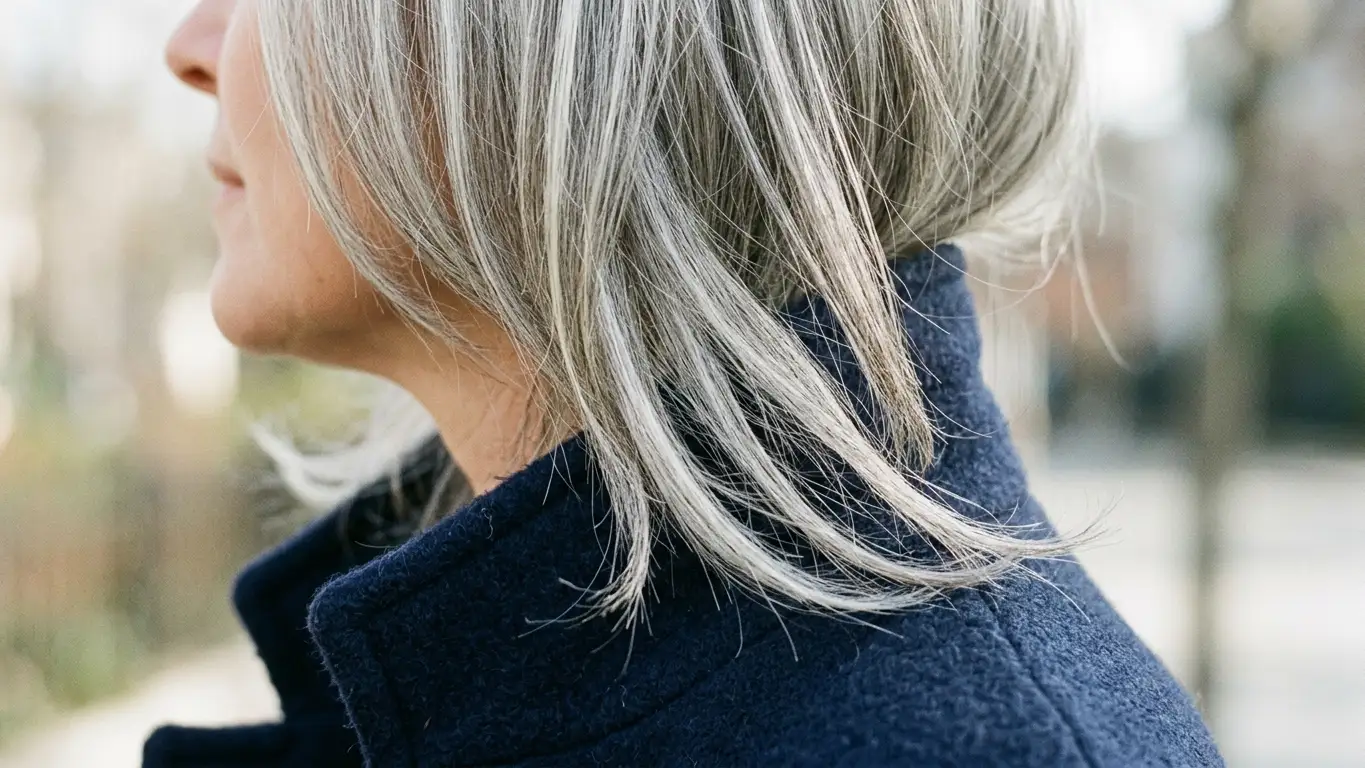
Hair texture shifts over time, often becoming coarser, drier, and more resistant to bending at the ends. Leaving a uniform perimeter on mature, wiry strands creates a stiff, rigid frame around the neck that refuses to move naturally.
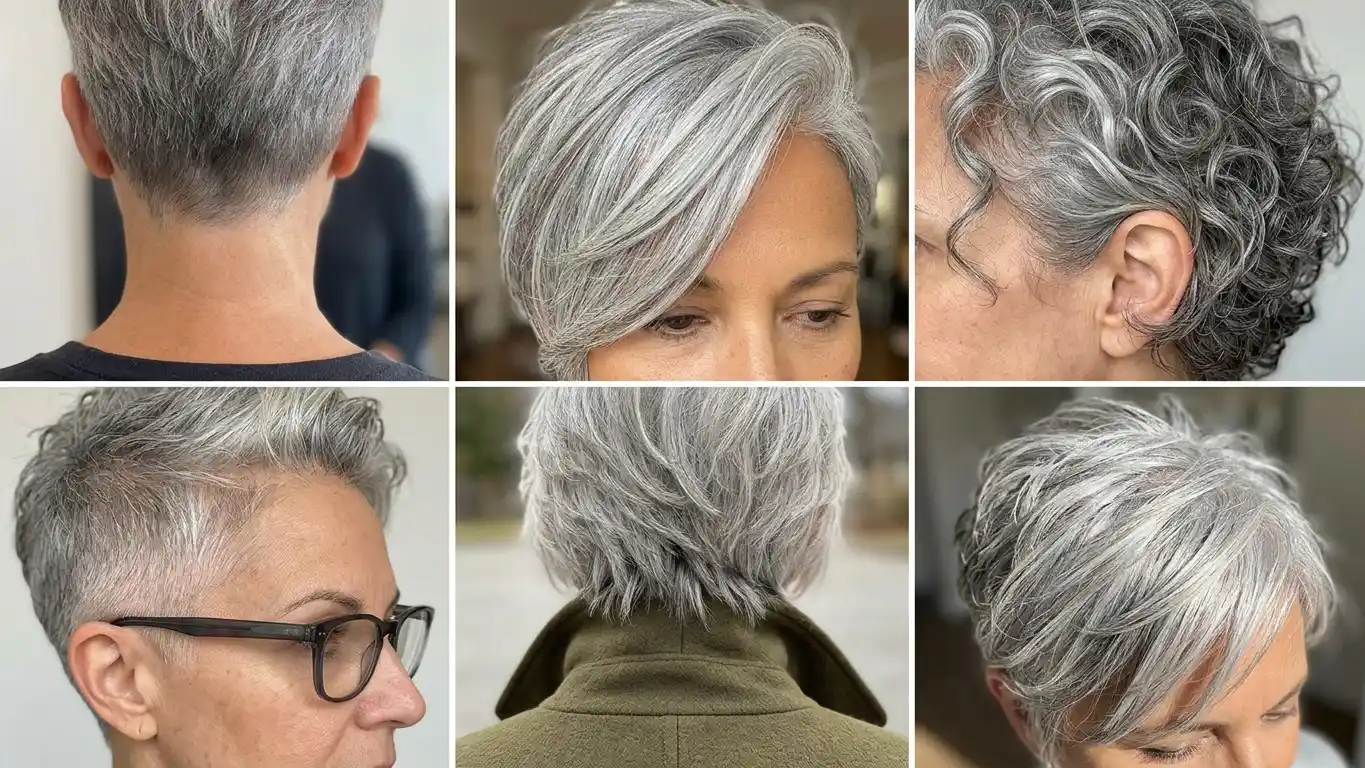
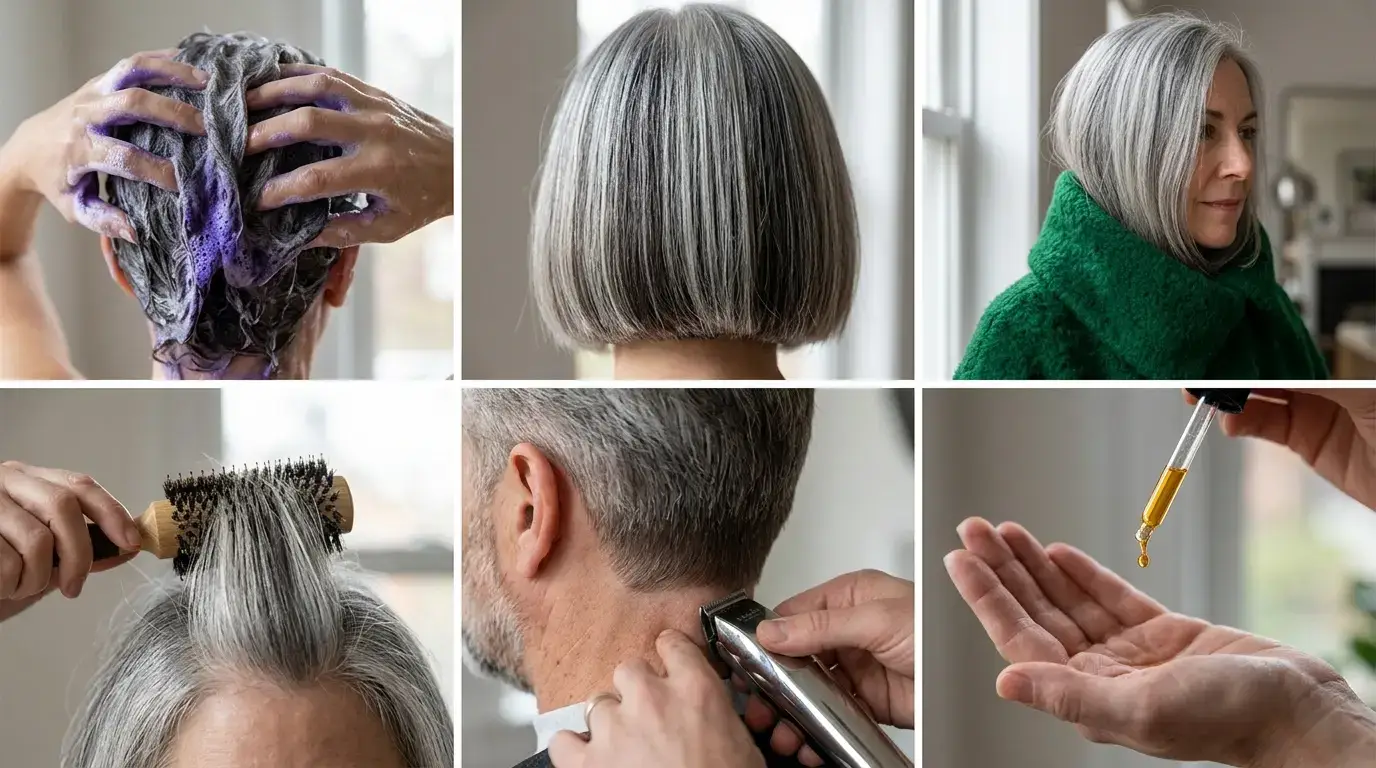
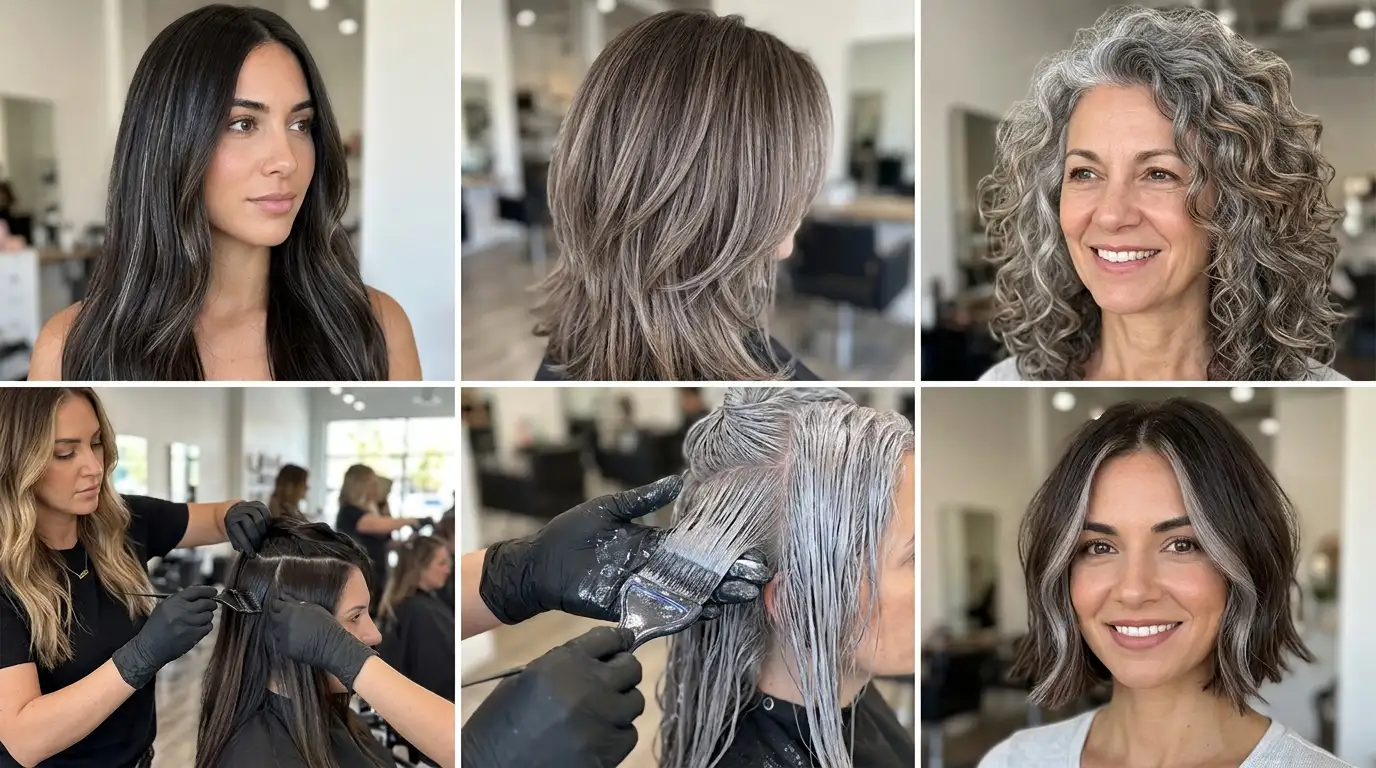
Strategic internal slide cutting softens this stiffness without sacrificing density. Choosing lob hairstyles for thick hair over 60 allows you to maintain full body while releasing tension around the jaw. Removing bulk behind the ears allows wiry silver and gray strands to sweep back smoothly rather than bunching up over your collars.
Heat Styling Small Sections Doubles Total Styling Time
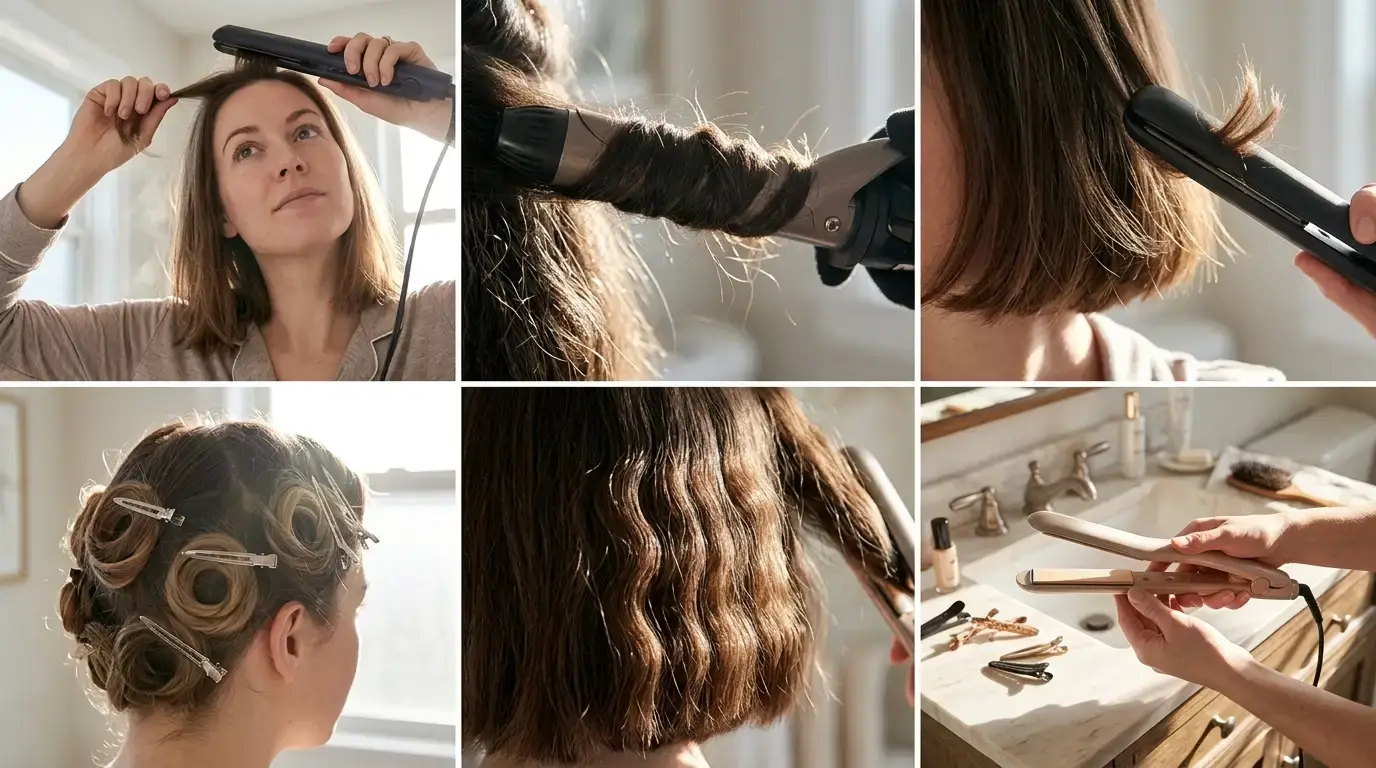
Taking half-inch sections with a curling iron or flat iron on a full head of thick hair turns morning styling into a forty-five-minute chore. It also subjects the same pieces of hair to excessive, repeated heat exposure that causes dullness.
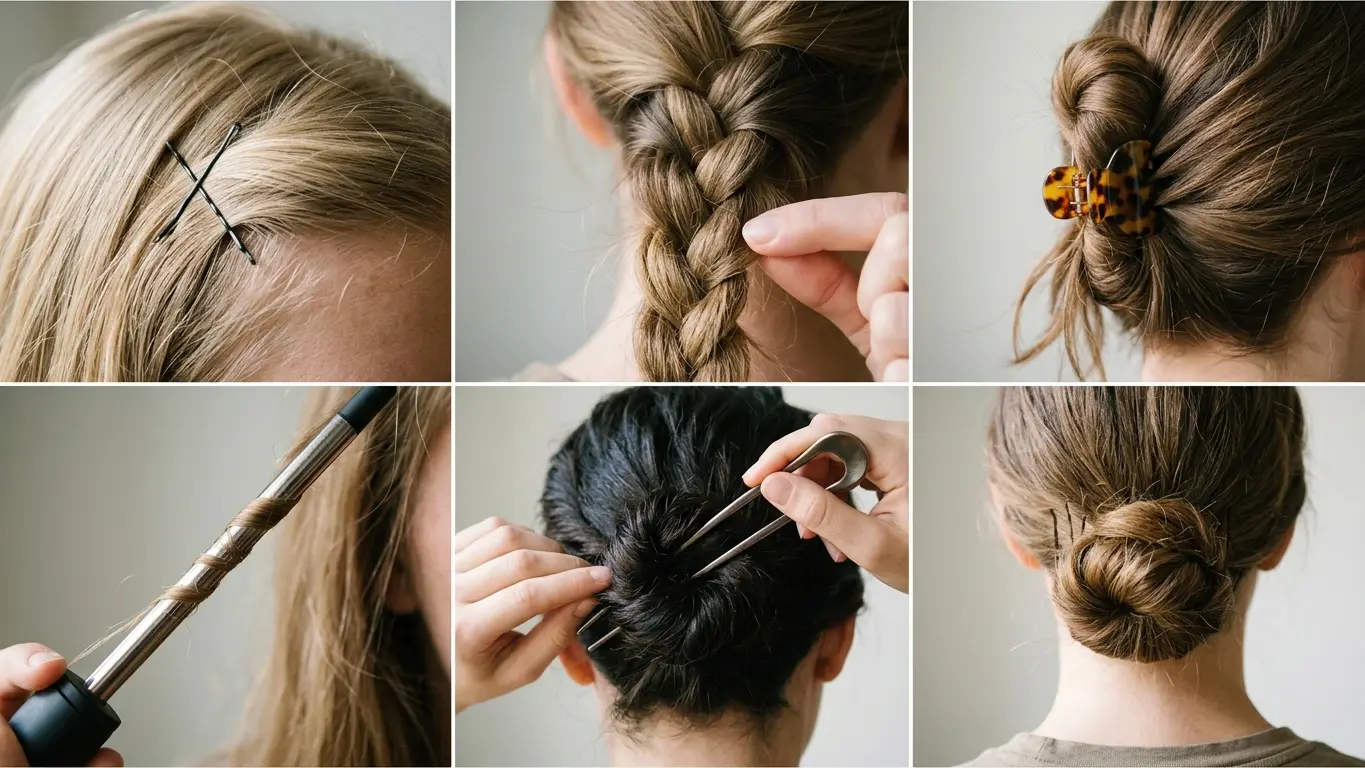
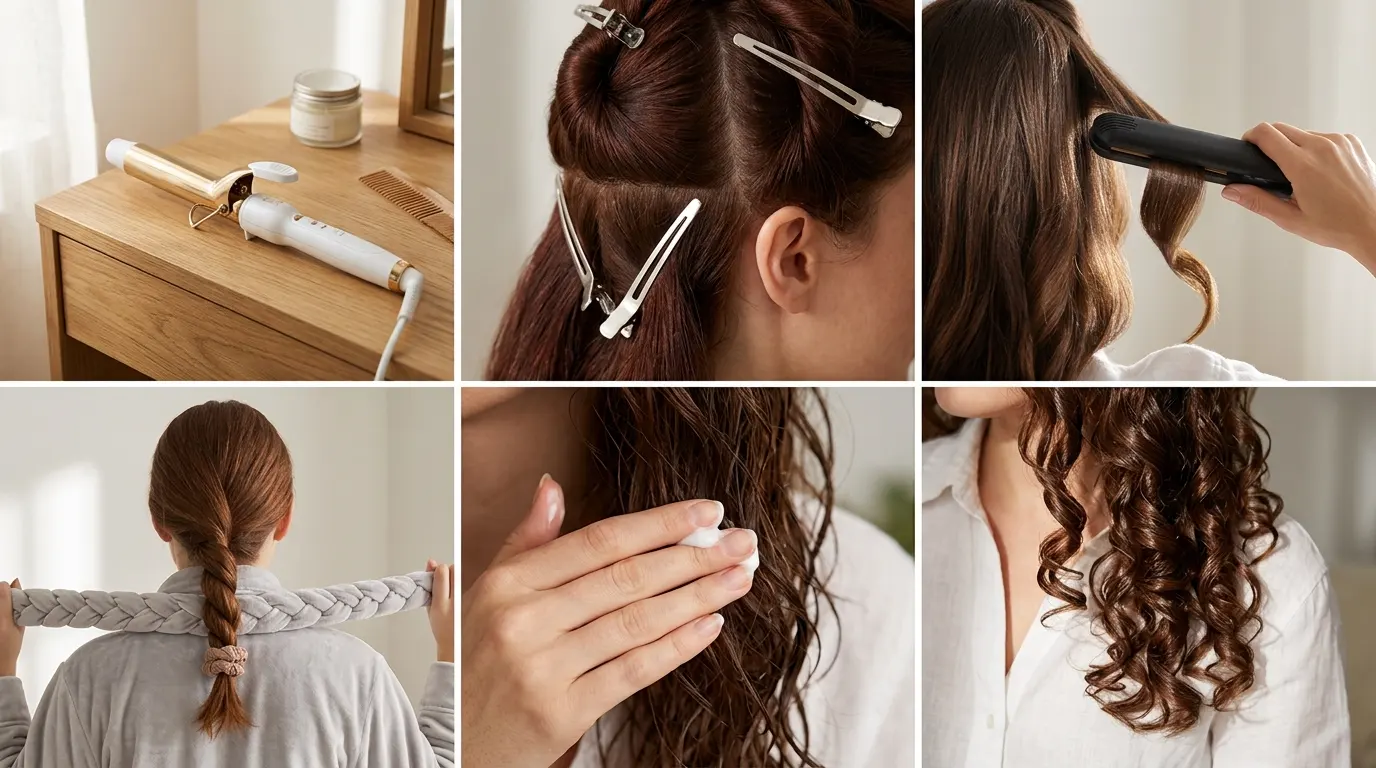
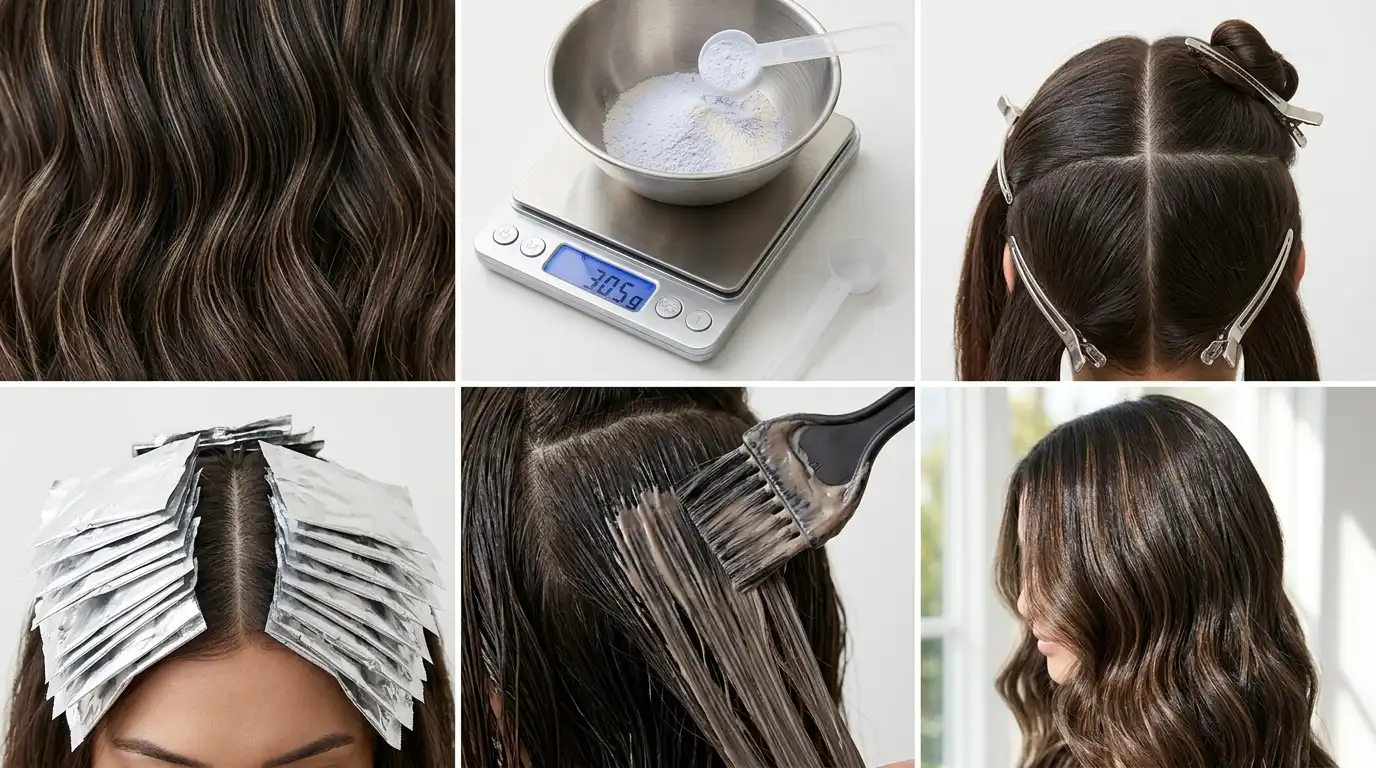
Section your hair into just four large quarters using strong grip clips. Use a one-and-one-quarter-inch barrel curling iron set to 360 degrees Fahrenheit, wrapping larger two-inch sections while leaving the last inch of hair out. The larger iron produces relaxed bends that allow choppy lob hairstyles for thick hair to show piecey movement without puffing up into tight ringlets.
One-Length Styling Eliminates Natural Movement on Dark Bases
Dense hair colored in uniform dark tones absorbs ambient light, making a standard long bob look like a heavy, solid helmet with zero visible dimension. The absence of contrast hides the separation in your layers.
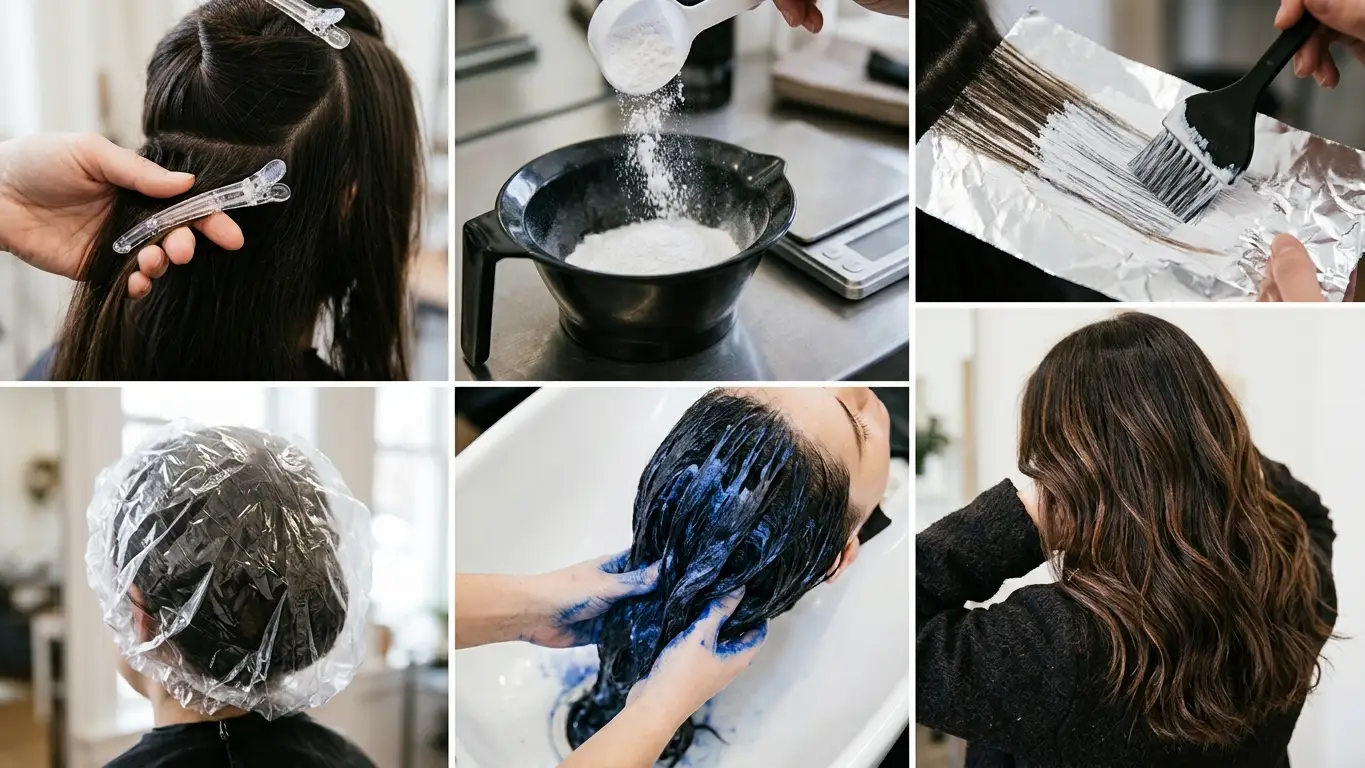
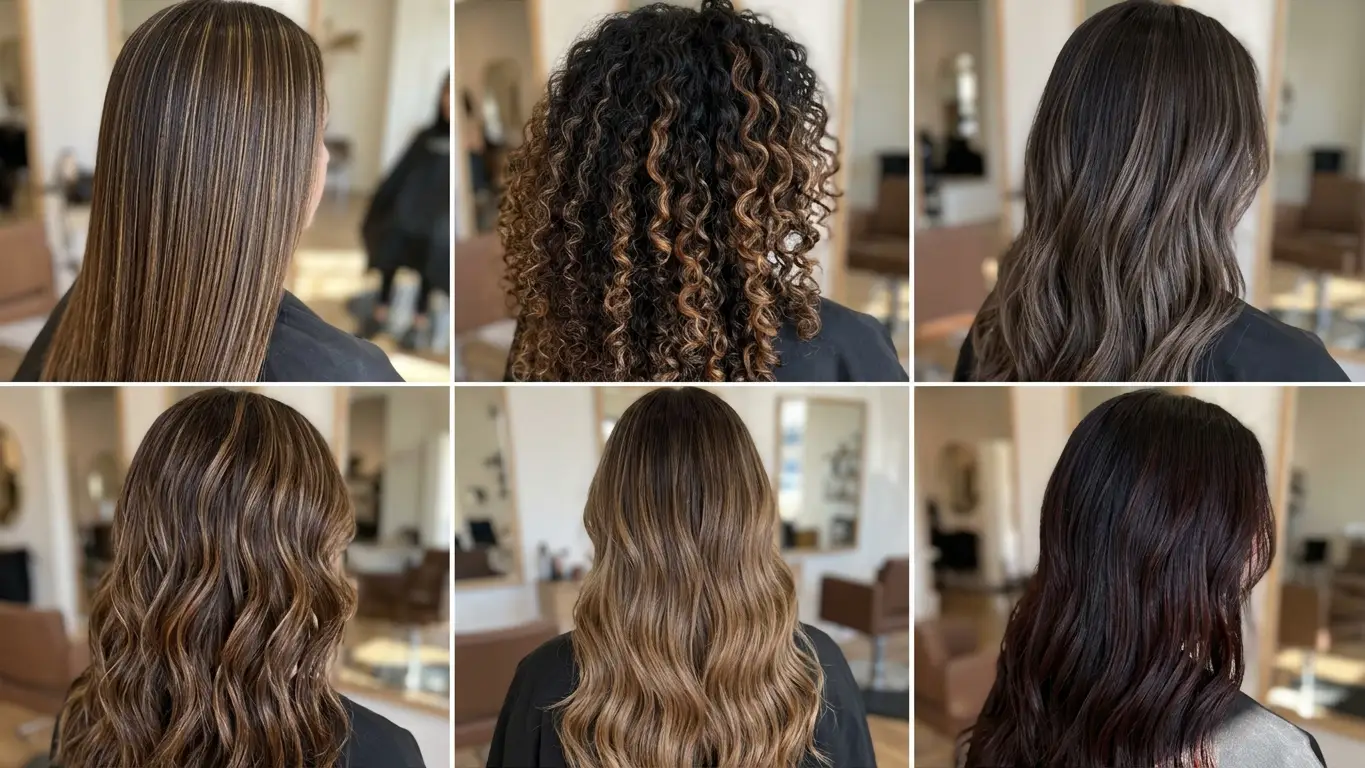
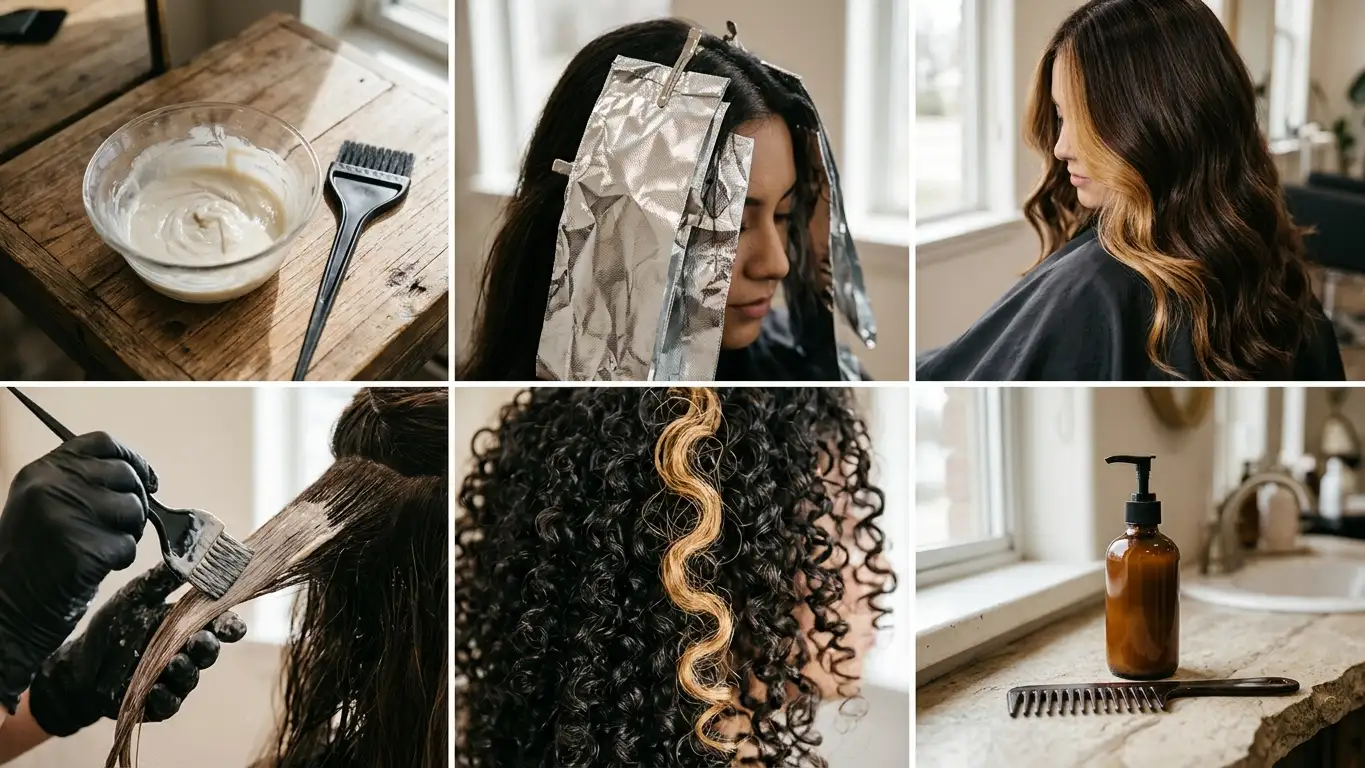
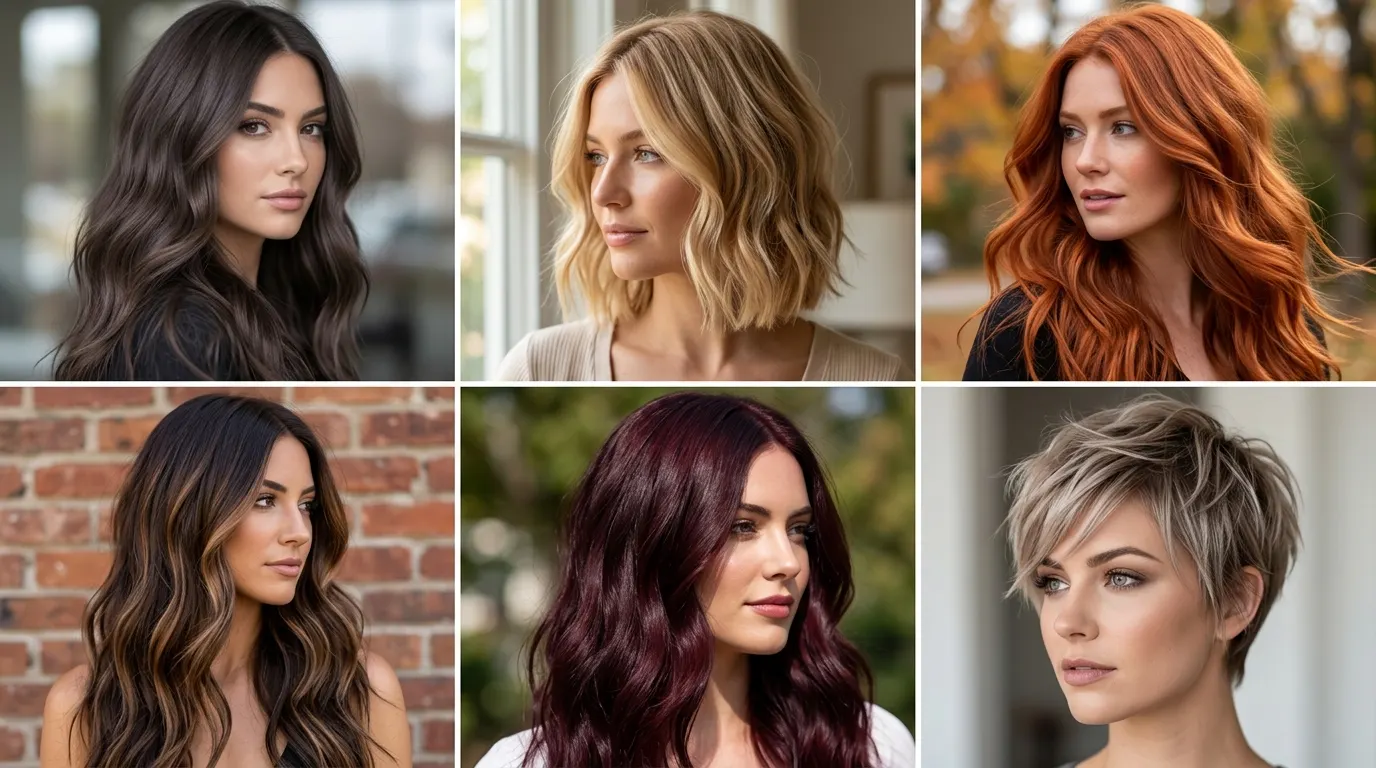
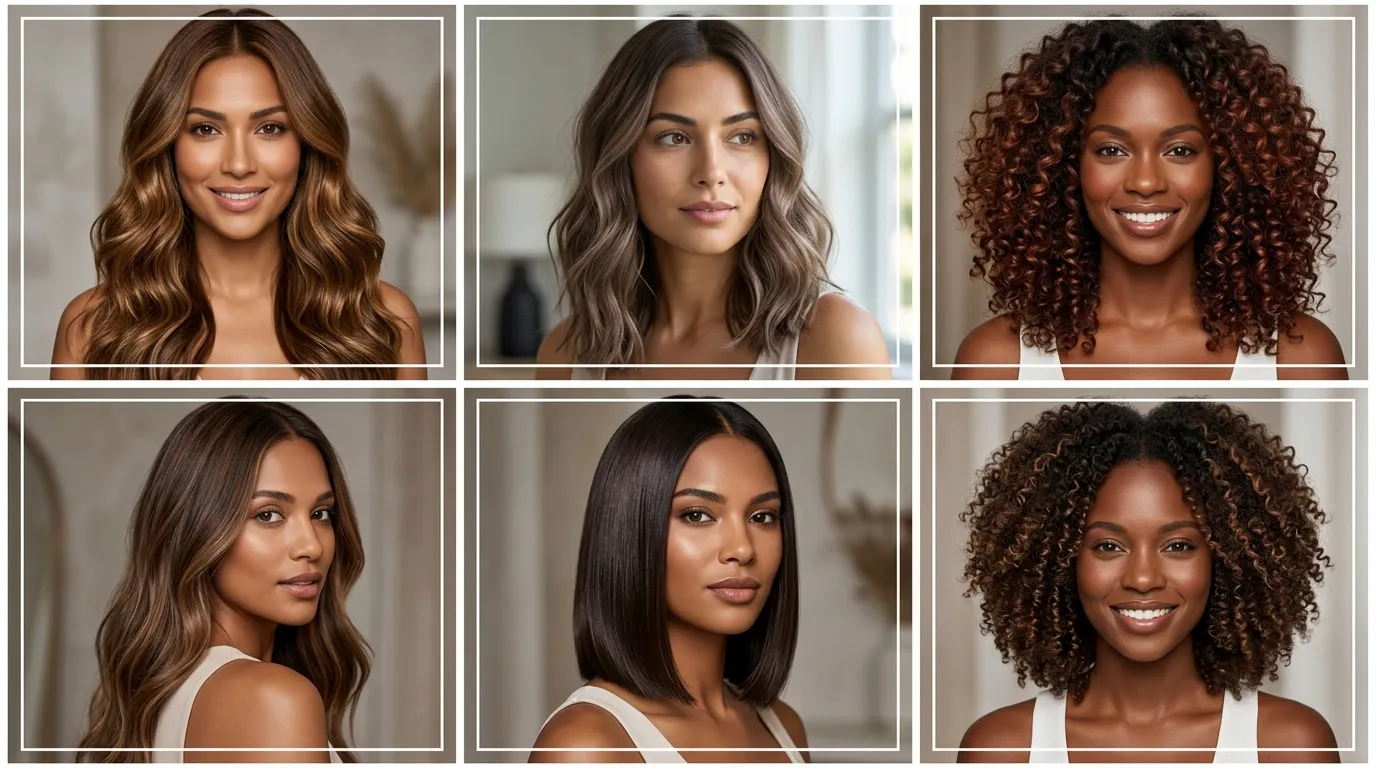
Incorporate subtle caramel or toffee balayage hand-painted strictly along the mid-lengths and face-framing corners. A soft ribbon of color two shades lighter than your natural base allows light to catch the interior texture. This visual depth tricks the eye into seeing airy separation without needing extra styling paste.
Heavy Silicone Serums Weigh Down Medium Cuts Into Greasy Strands

Applying dense silicone glosses to tame thick hair often coats the strand exterior, trapping oil at the roots while leaving the inner fibers dry. Within six hours, the hair looks stringy at the ends yet remains bulky underneath.
Switch to a lightweight dry oil spray containing camellia or jojoba seed oil. Spray two light mists into your palms, rub your hands together to warm the oil, and rake your fingers solely through the bottom two inches of hair. This conditions the coarsest ends, seals out room humidity, and prevents flyaways without collapsing natural volume.
How Do I Find the Right Long Bob for My Thick Texture?
Is a long bob cut genuinely flattering on dense hair?
Yes, provided the length hits cleanly between the collarbone and top of the chest. This length carries sufficient physical weight to hold the roots flat while providing enough canvas for internal weight removal.
How often should I get an internal thinning cut trimmed?
Schedule maintenance every eight to ten weeks. While the overall length can grow for months, the carved negative space inside the cut fills back in around week eight, causing the baseline to feel heavy again.
Can I wear blunt bangs with a full-bodied long bob?
Curtain bangs or long, cheekbone-skimming side fringe work far better than heavy blunt bangs. Solid bangs take too much hair away from the sides, concentrating massive volume directly over your ears.
Does sleeping on high-density hair ruin the shape overnight?
Sleeping on a cotton pillowcase creates friction that fluffs open the hair cuticle, producing morning volume you must iron out. Switching to a silk pillowcase keeps the outer veil flat, cutting morning touch-up time down to two minutes.
Avoiding Razor-Thinning Disasters That Take Months to Grow Out
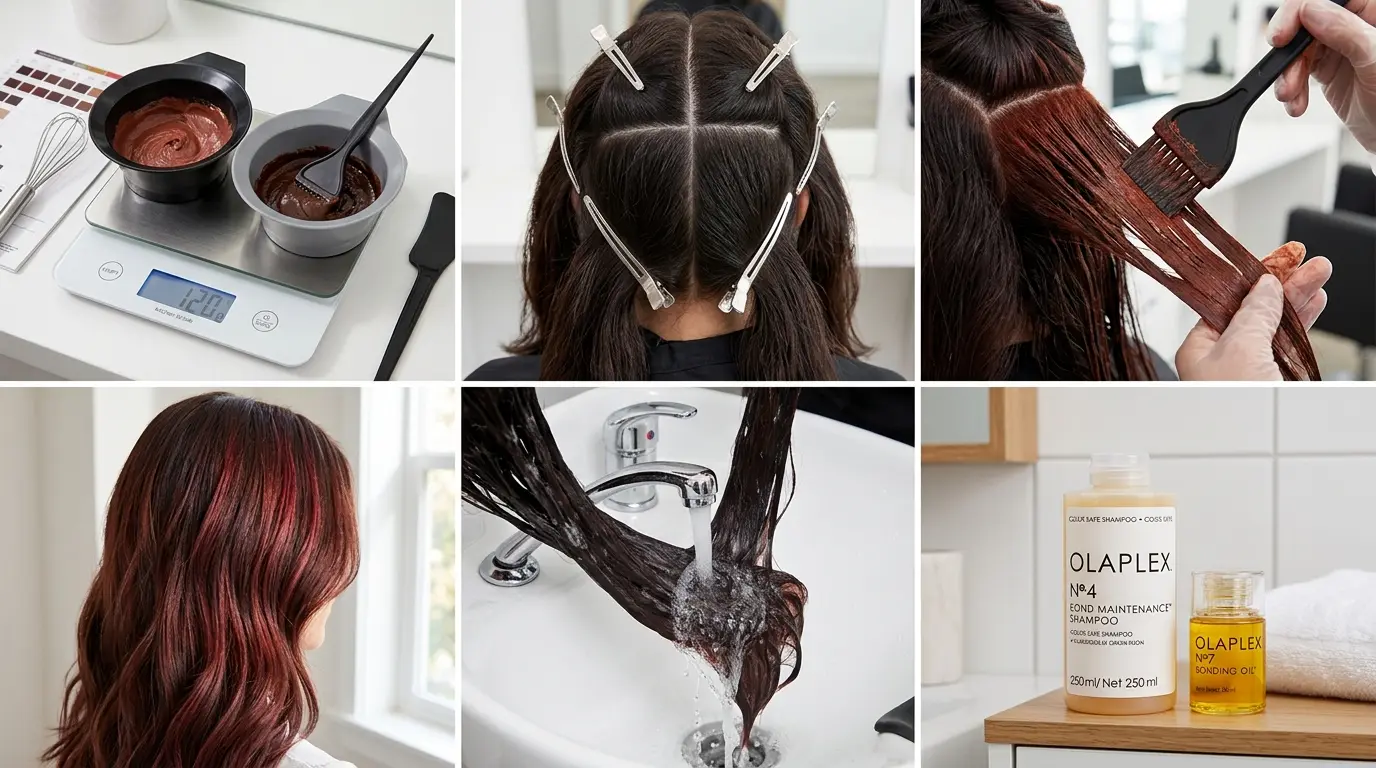
The costliest mistake you can make with high-density hair is letting an inexperienced stylist aggressively hack through your canopy with a razor or texturizing comb. While your hair feels delightfully weightless for forty-eight hours, those shredded short inner pieces grow back as sharp bristles within four weeks, propping up the outer hair and multiplying your triangle problems. Correcting that mistake requires waiting six to twelve months for the inner pieces to reach the hemline. Always demand dry point cutting with shears so your lob hairstyles for thick hair remain balanced, smooth, and effortless to manage.