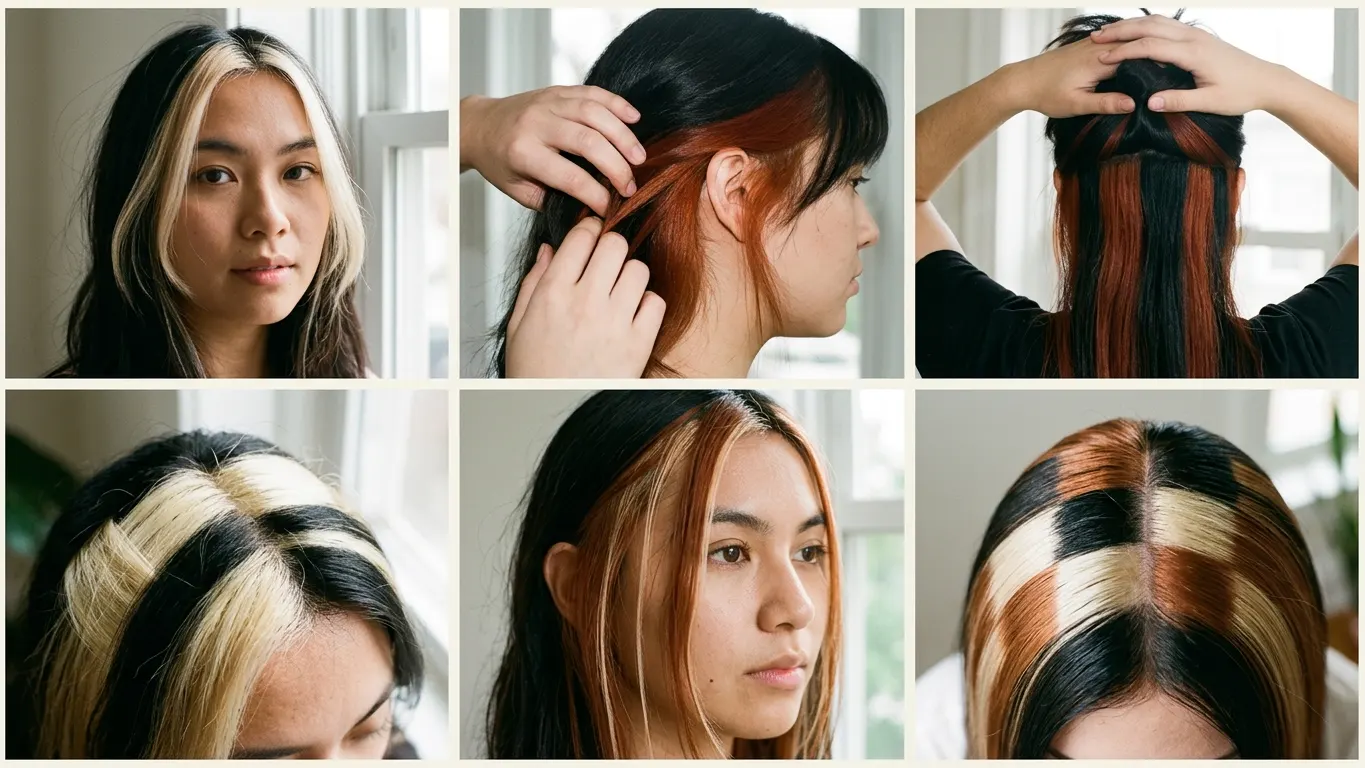

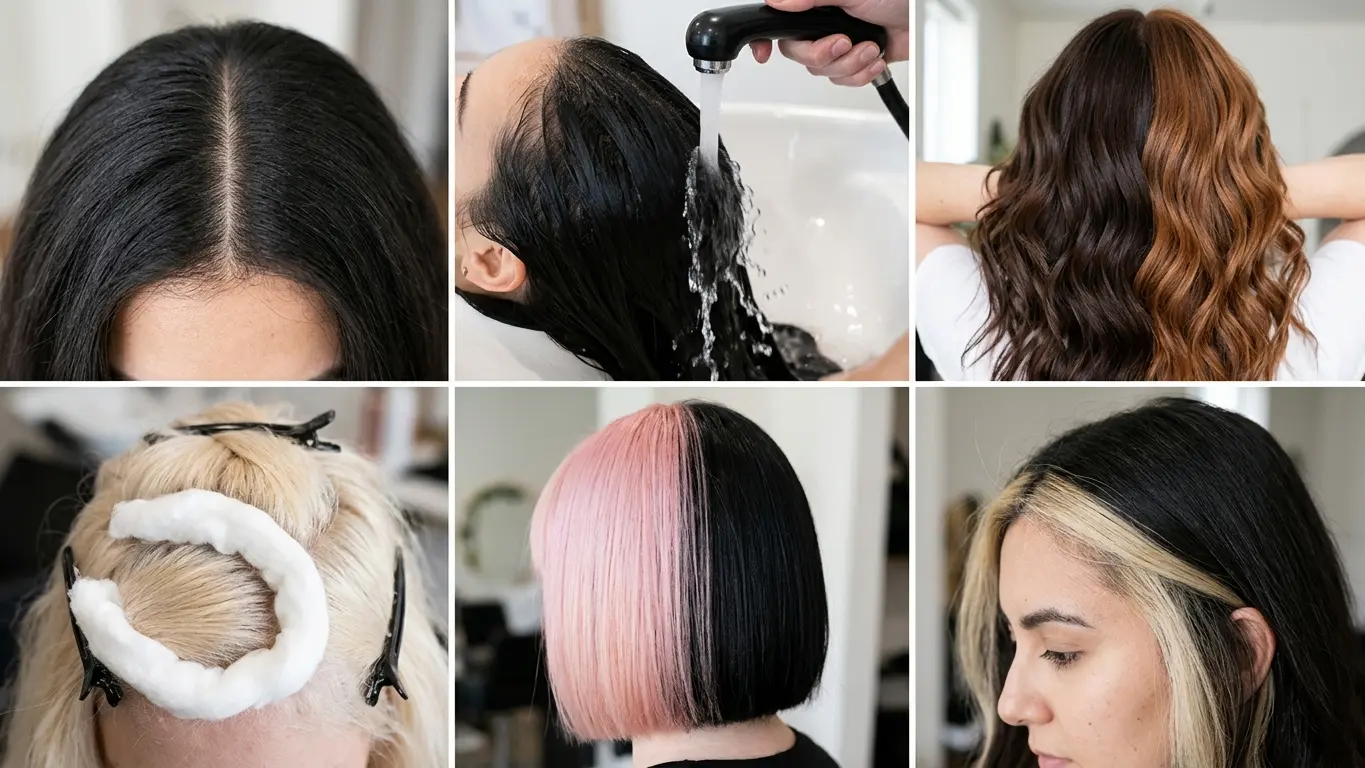
Are you looking for split dyed hair ideas that will not turn into a muddy mess the first time you wash your hair? Half and half hair color looks striking online, but keeping two contrasting shades completely separate takes deliberate technique.
Carrying two distinct formulas on one head introduces chemical conflicts you never face with a single process. One side fades faster, developer bleeds across the center, and washing both together can stain your lighter half instantly. Here is how to plan your placement, handle the lift, and solve the practical issues that crop up with dual-tone hair.
Bleach Bleeding Across A Crooked Center Part
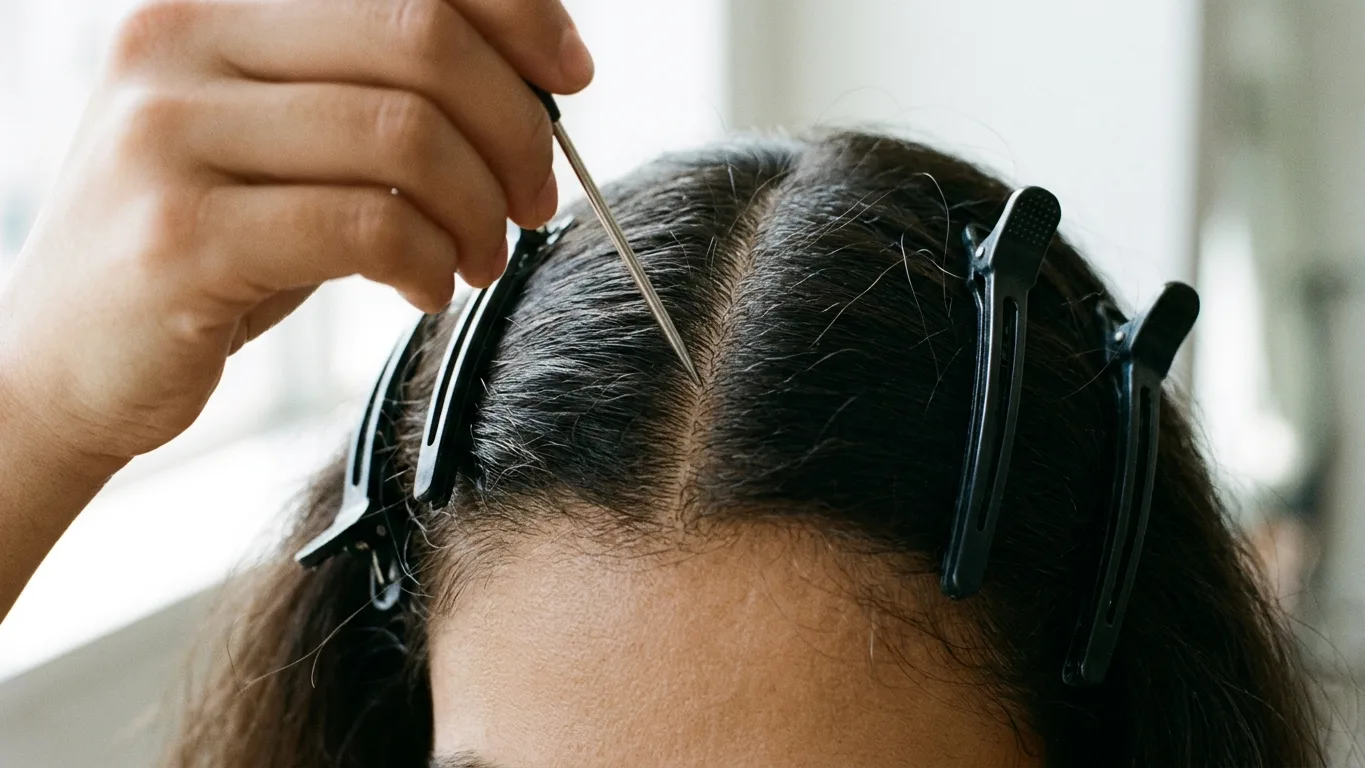
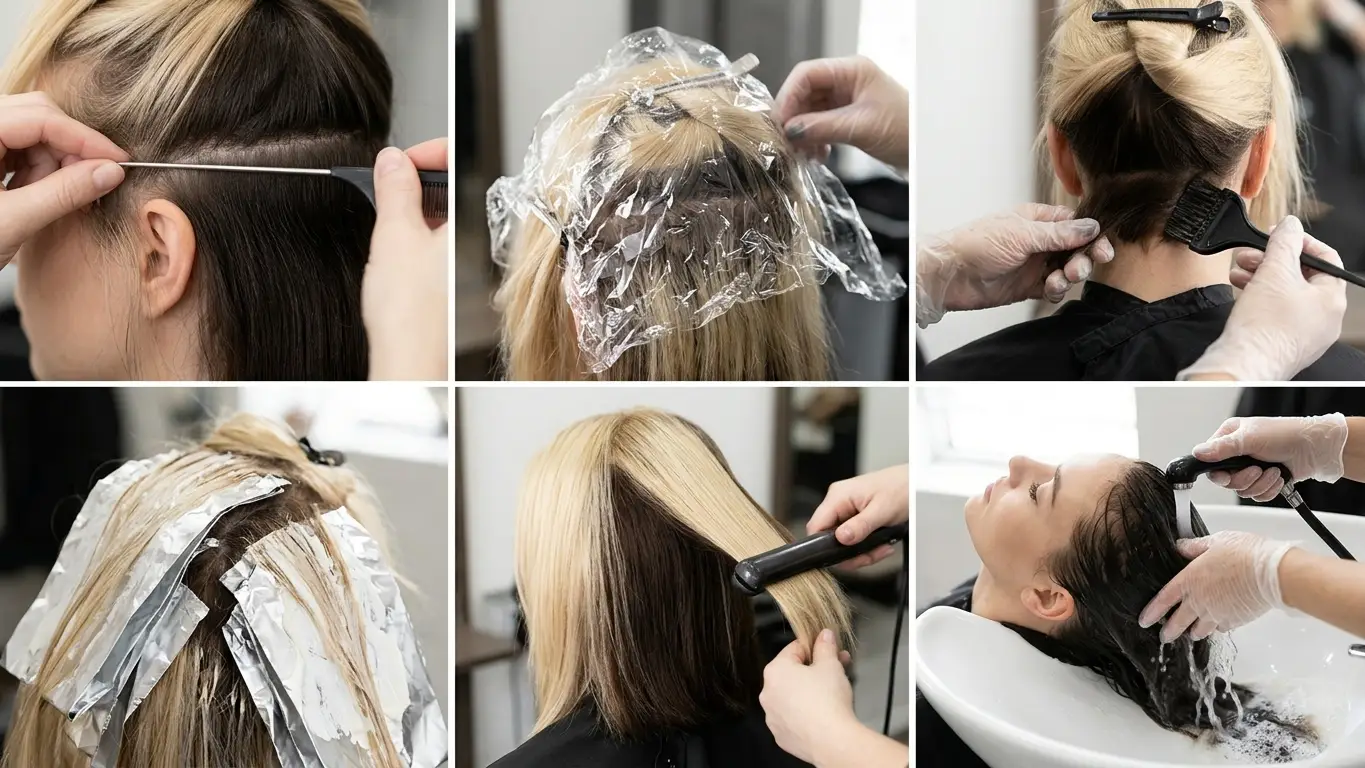
Attempting to separate hair down the middle using fingers or a wide brush leads to uneven color overlap. When lightener creeps even two millimeters across your scalp line, it leaves a patchy halo on the darker section.
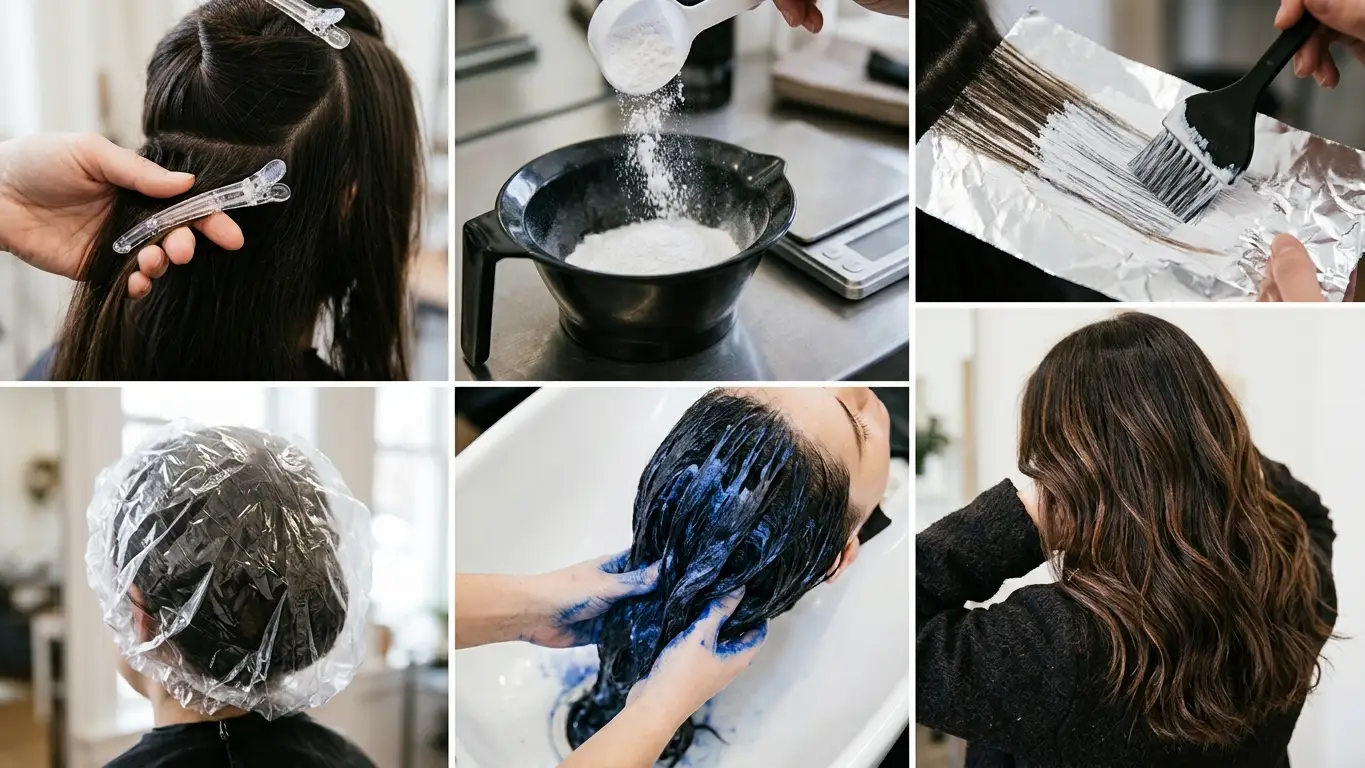
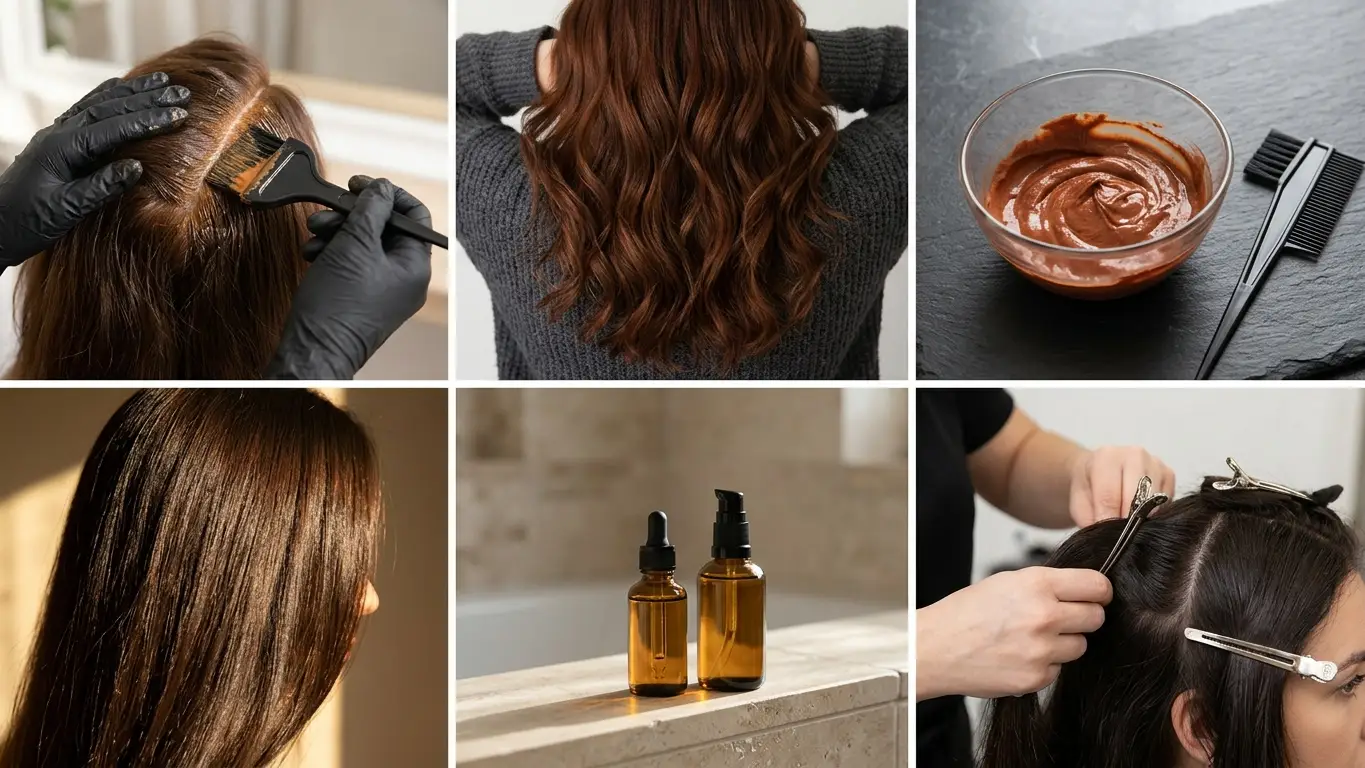
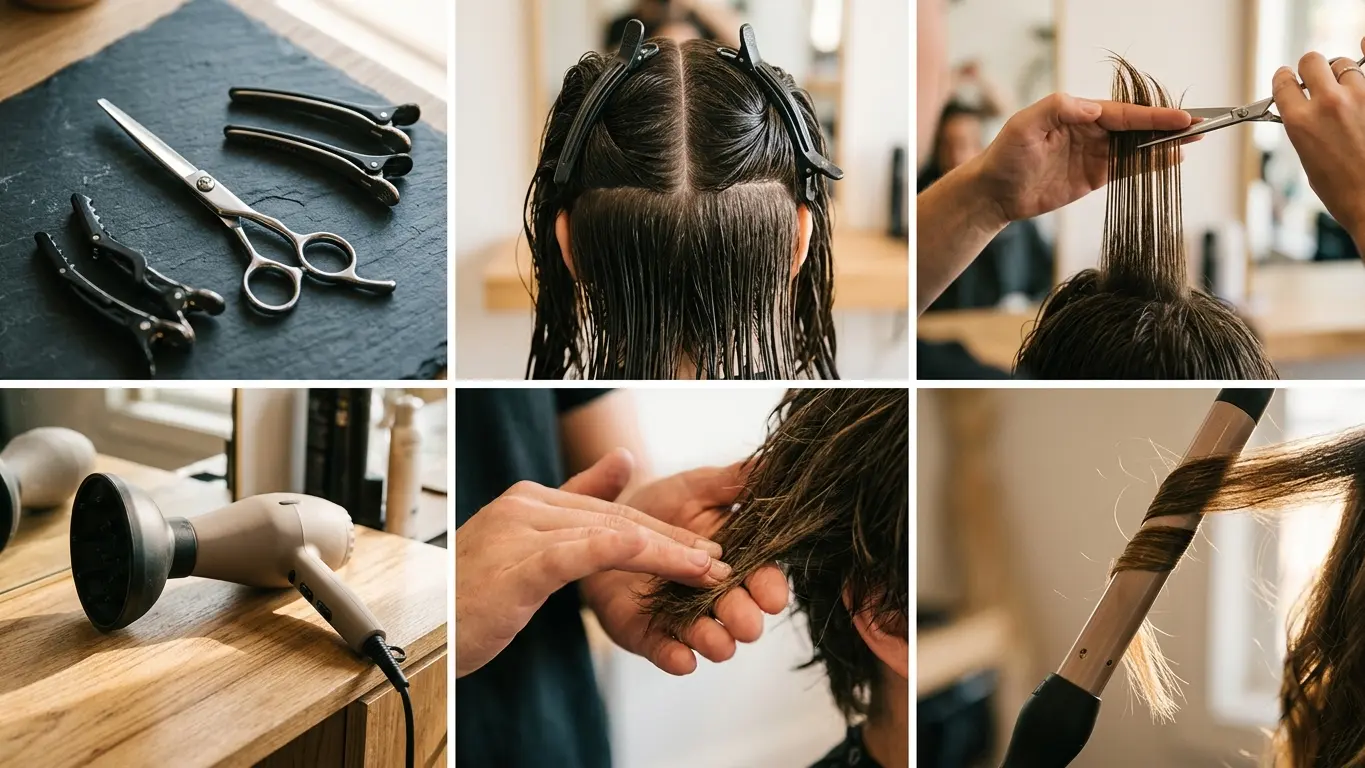
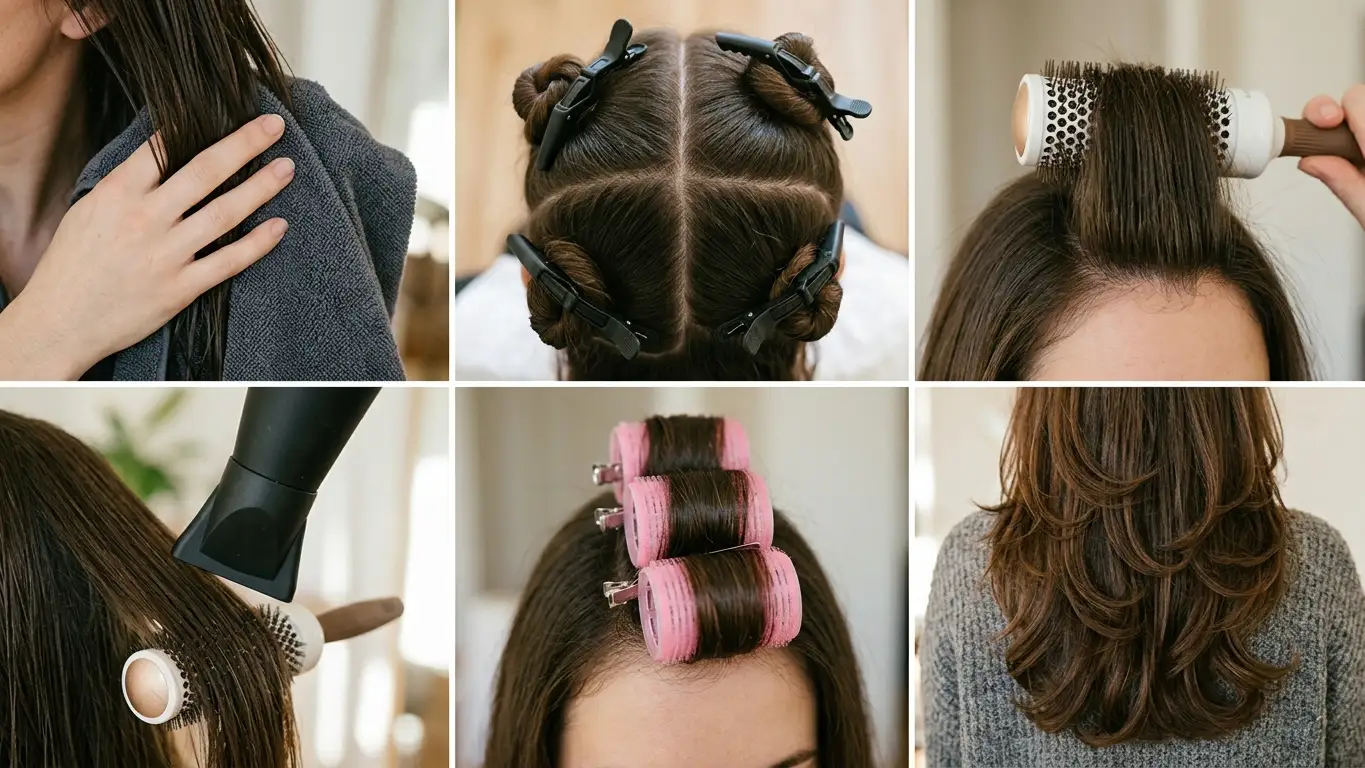
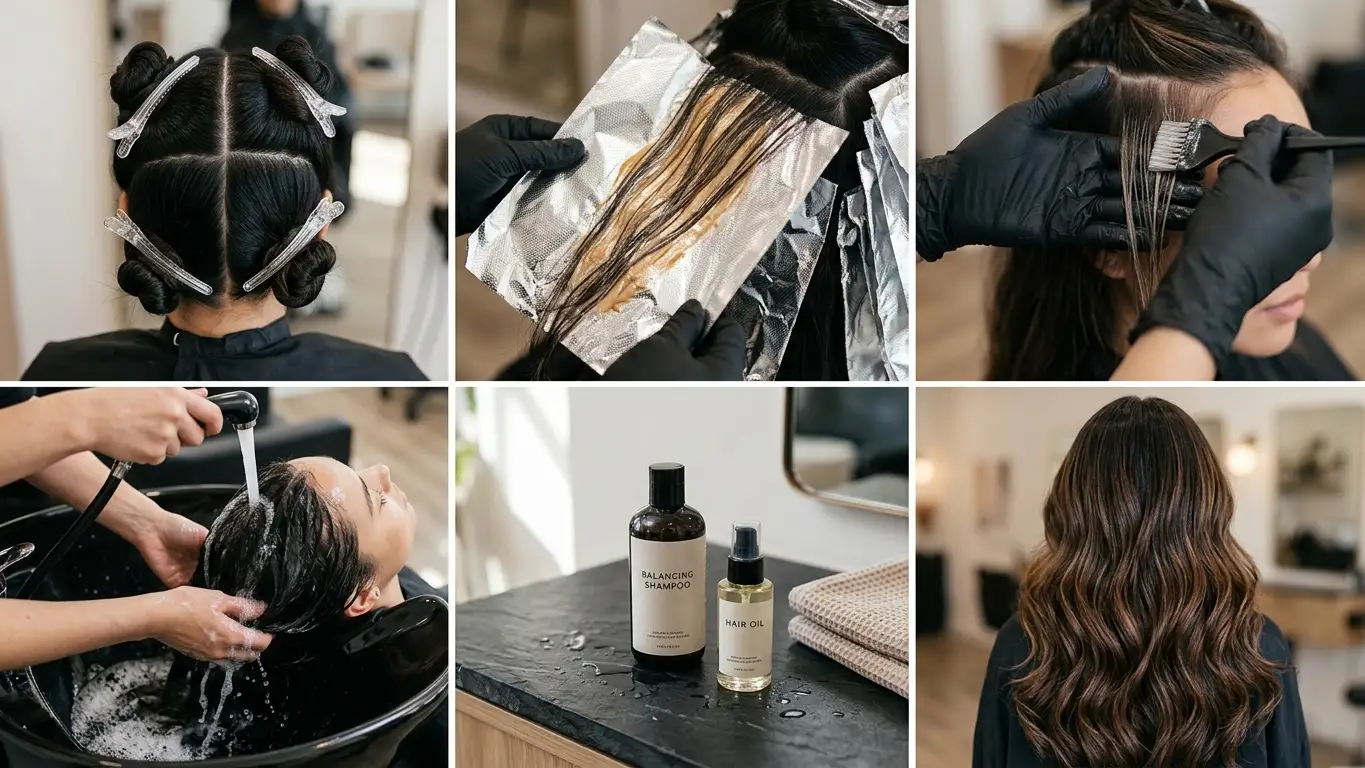
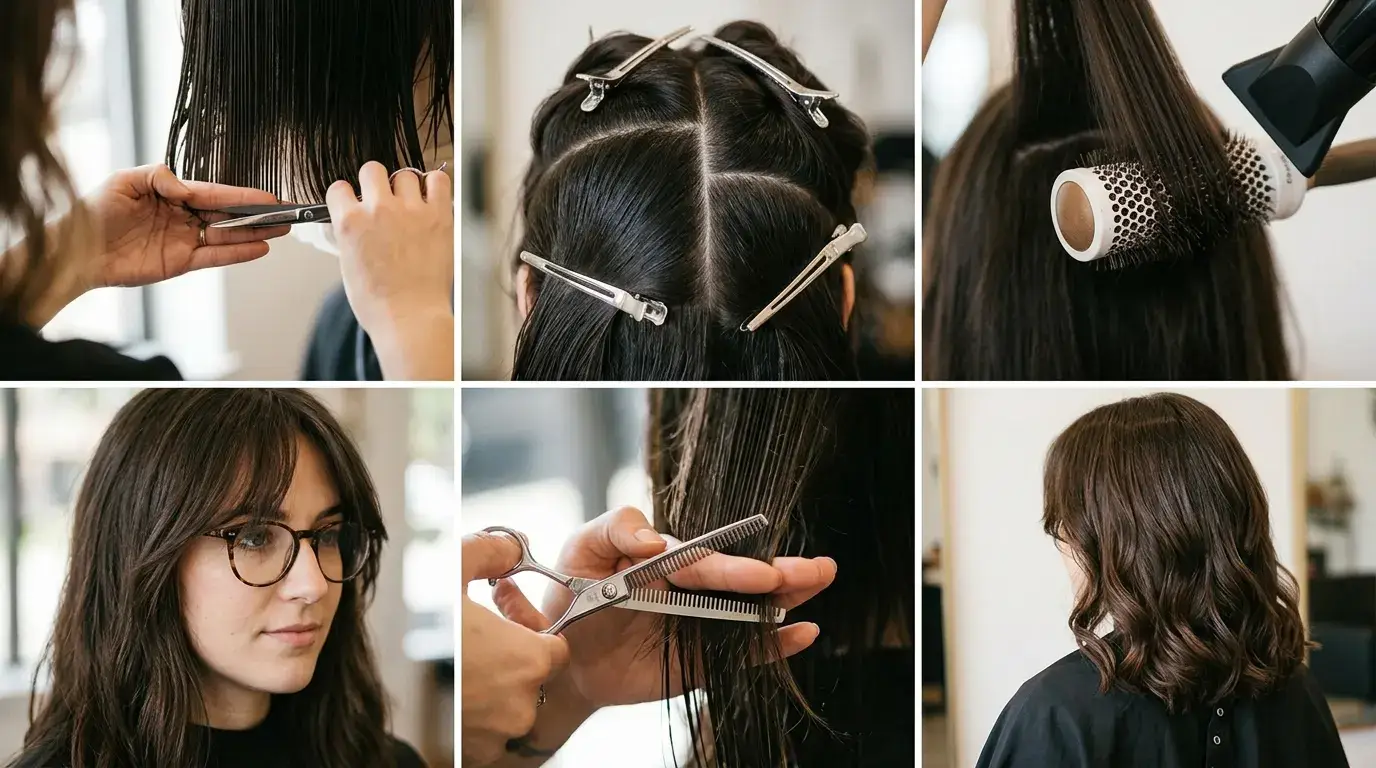
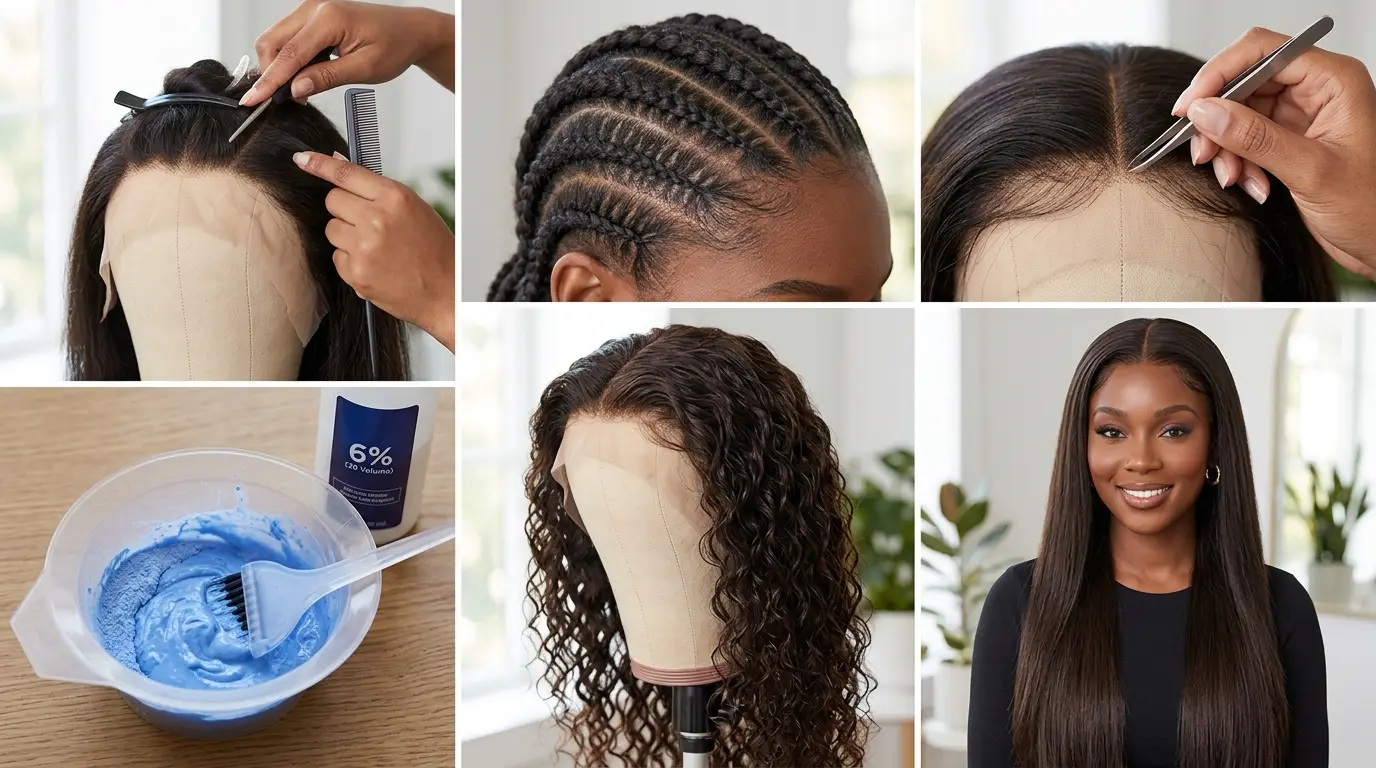
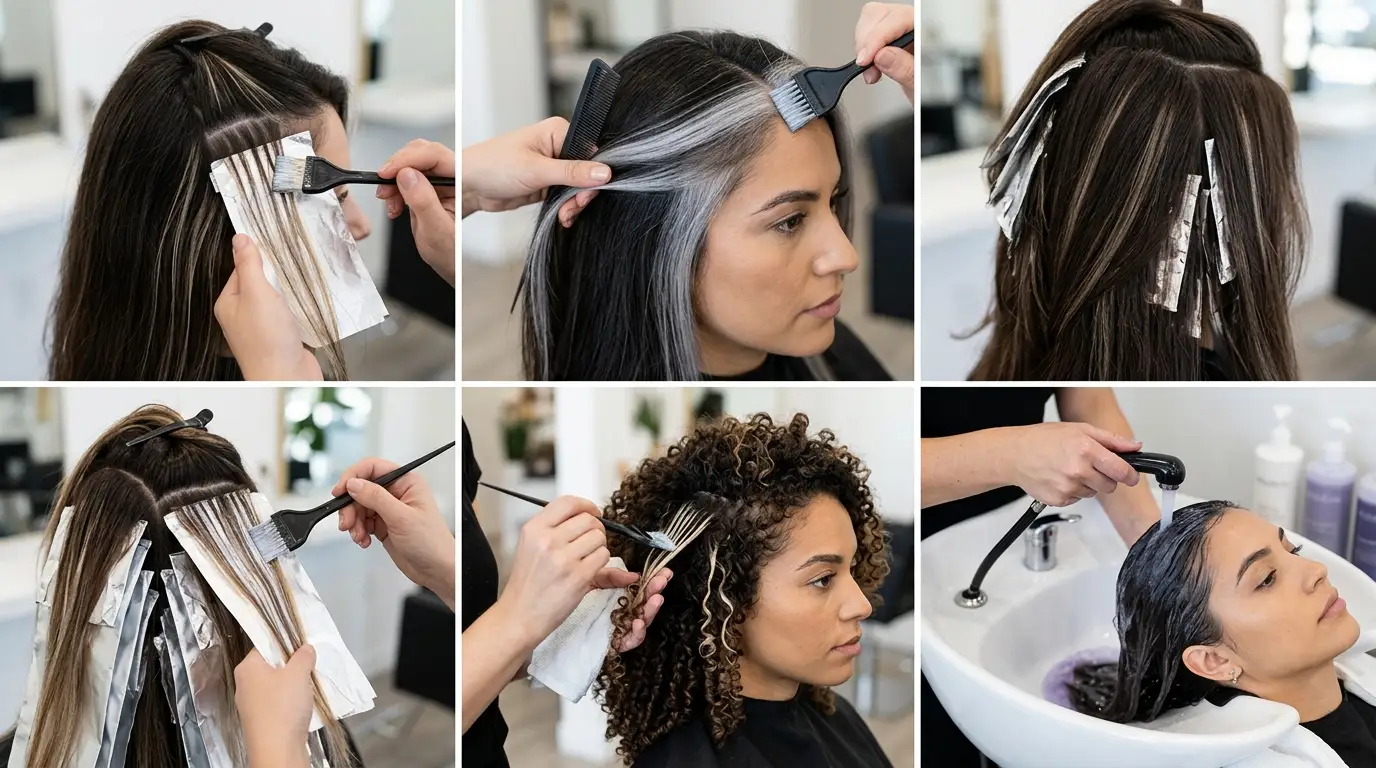
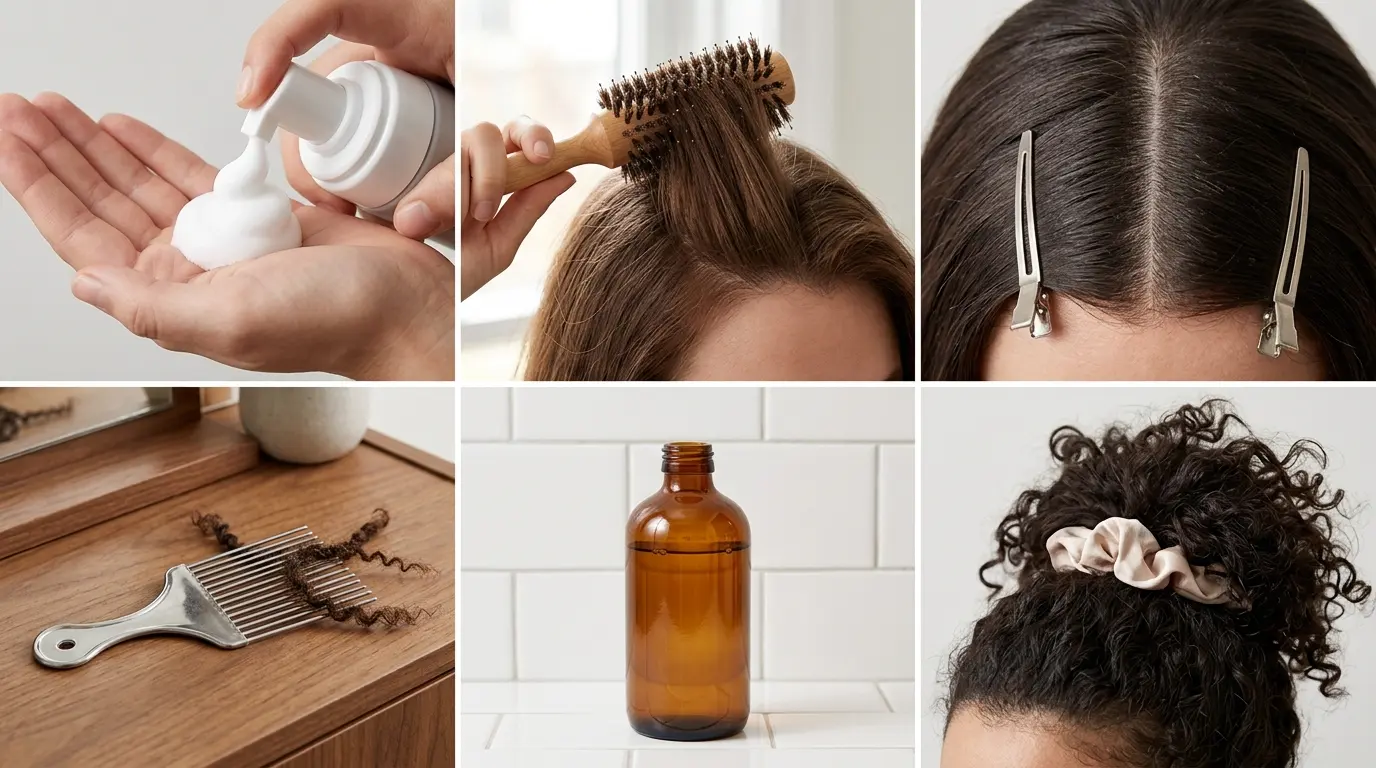
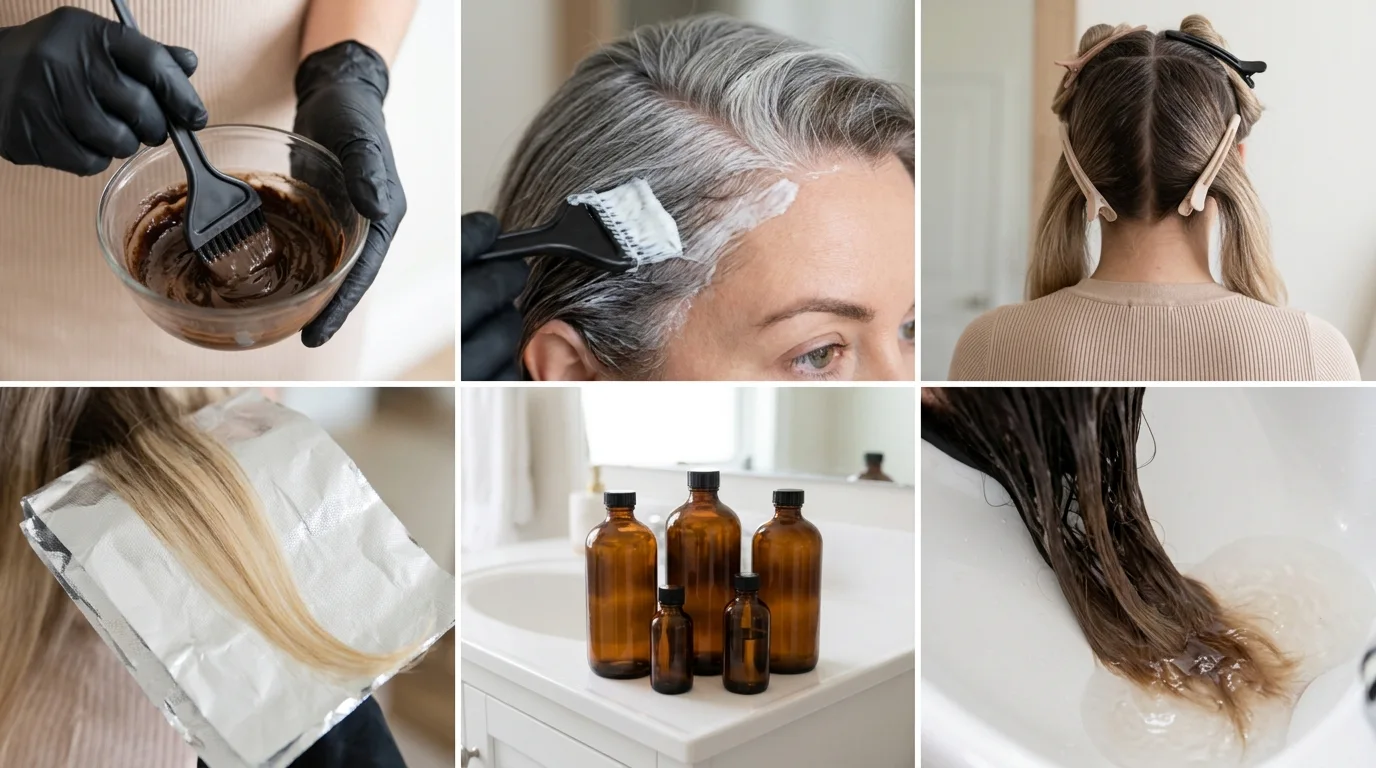
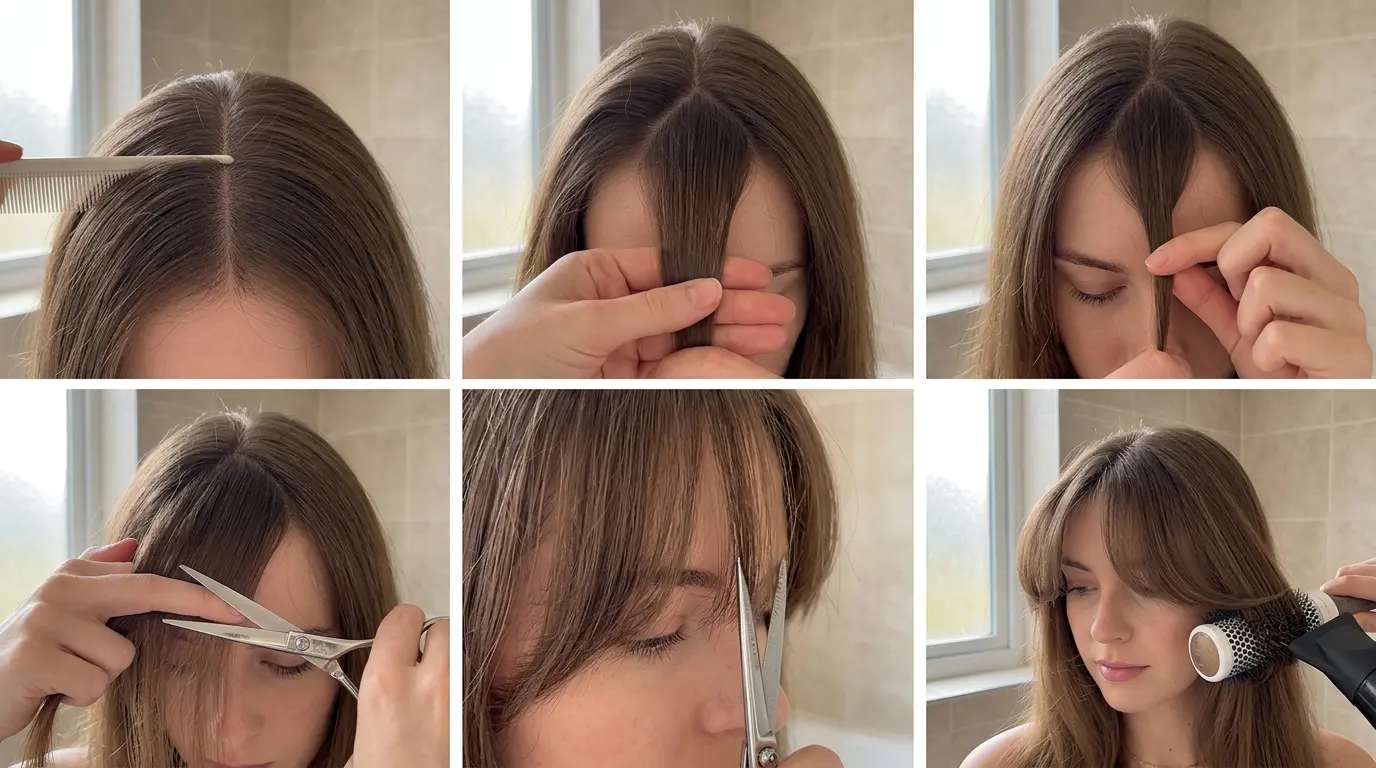
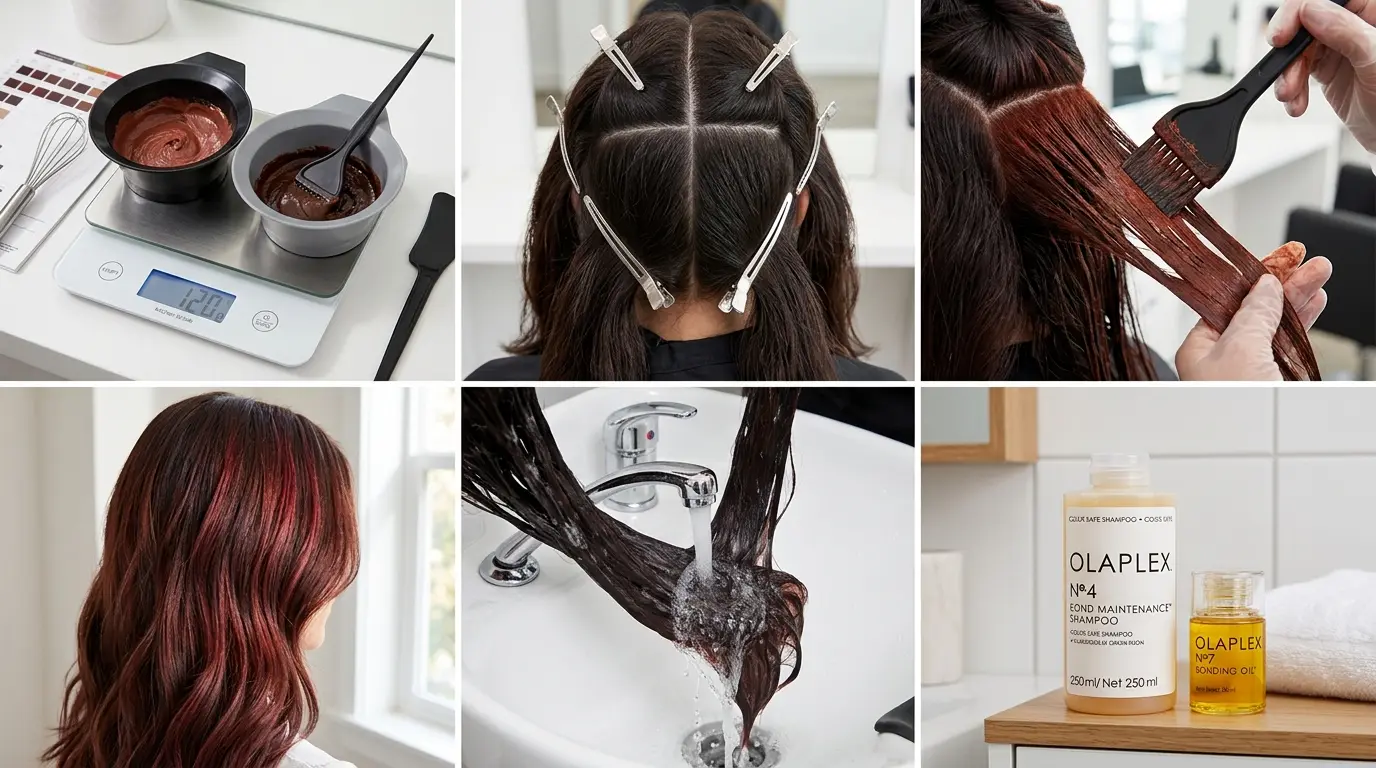
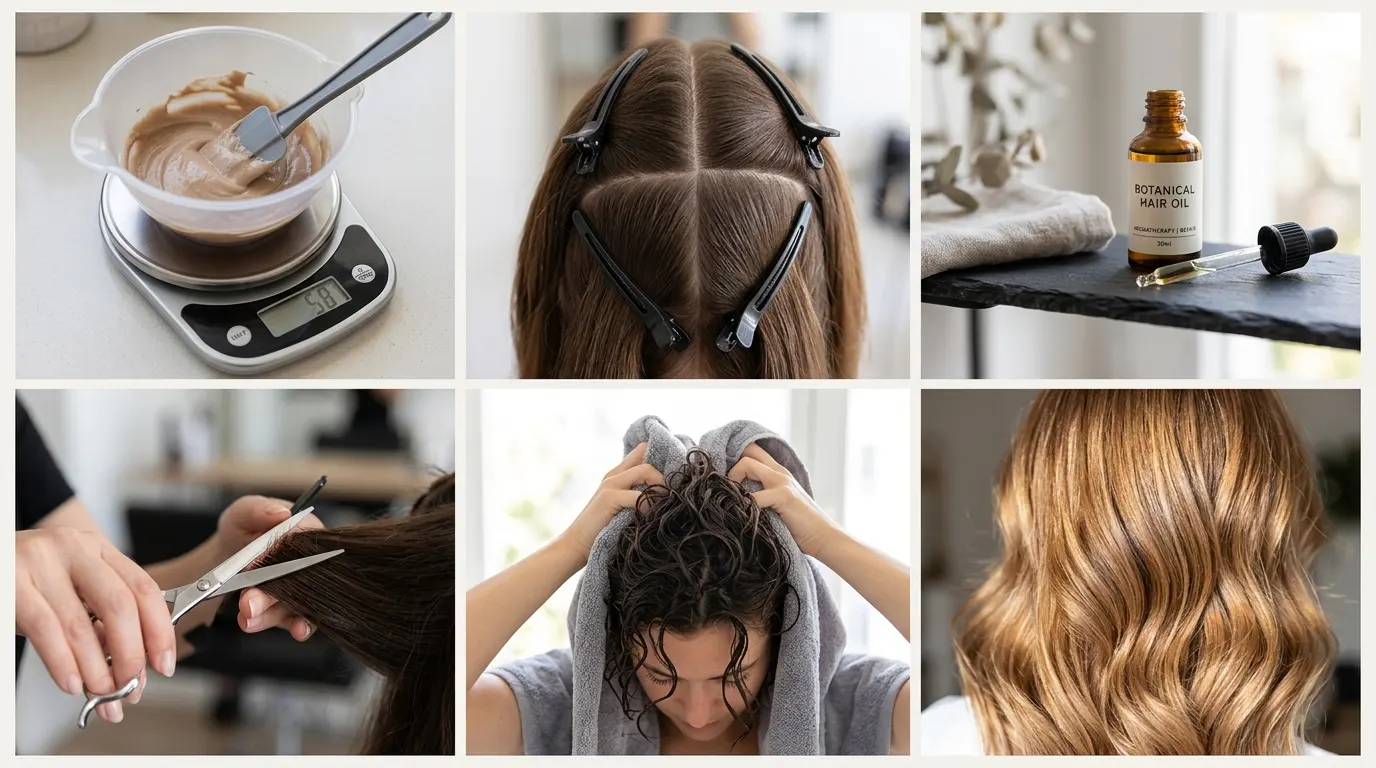
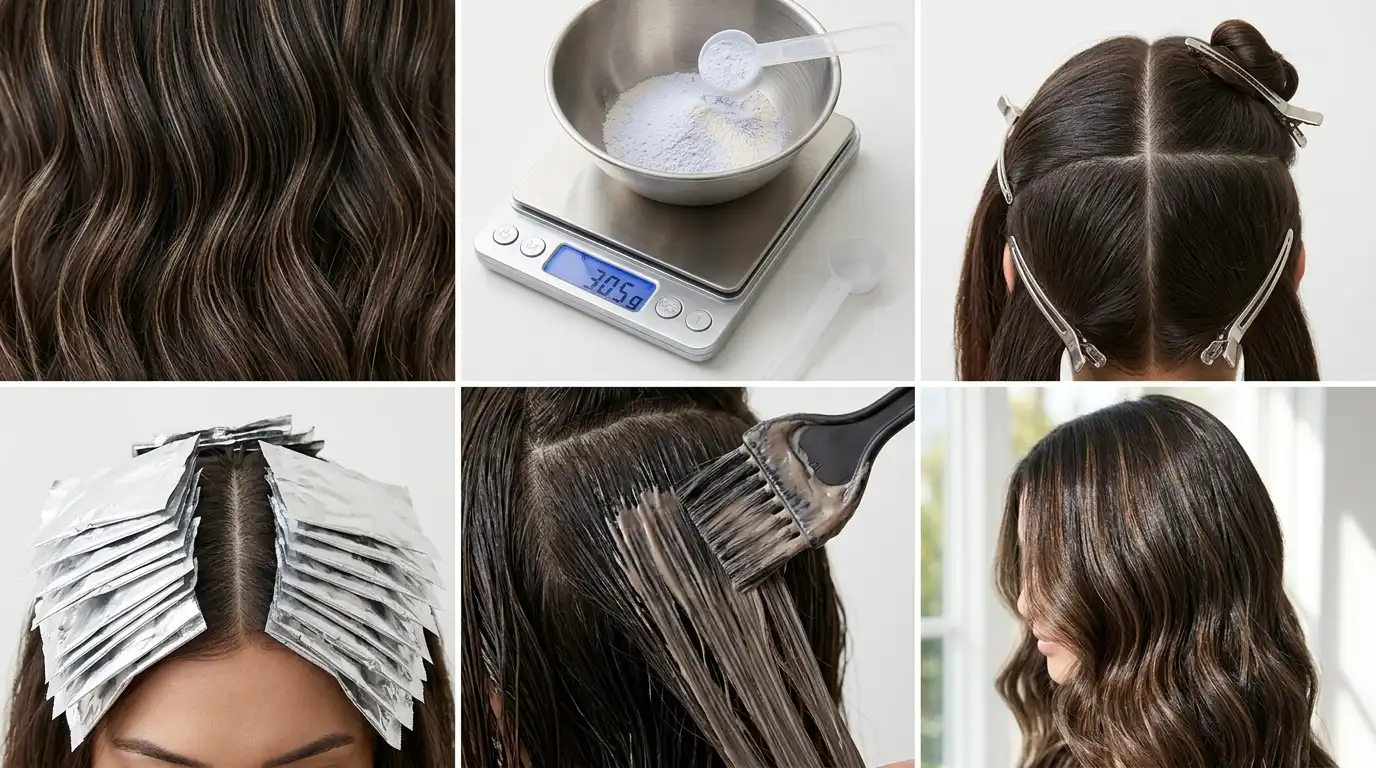
Take a stainless steel pin tail comb to carve your parting line while strands are completely dry. Work from the bridge of your nose across the crown and down to the nape of your neck. Clip the resting side away with four tight alligator clamps. Apply a barrier cream along the scalp parting to block chemical migration before applying developer.
Uneven Lift On Dark Strands Next To Pastels
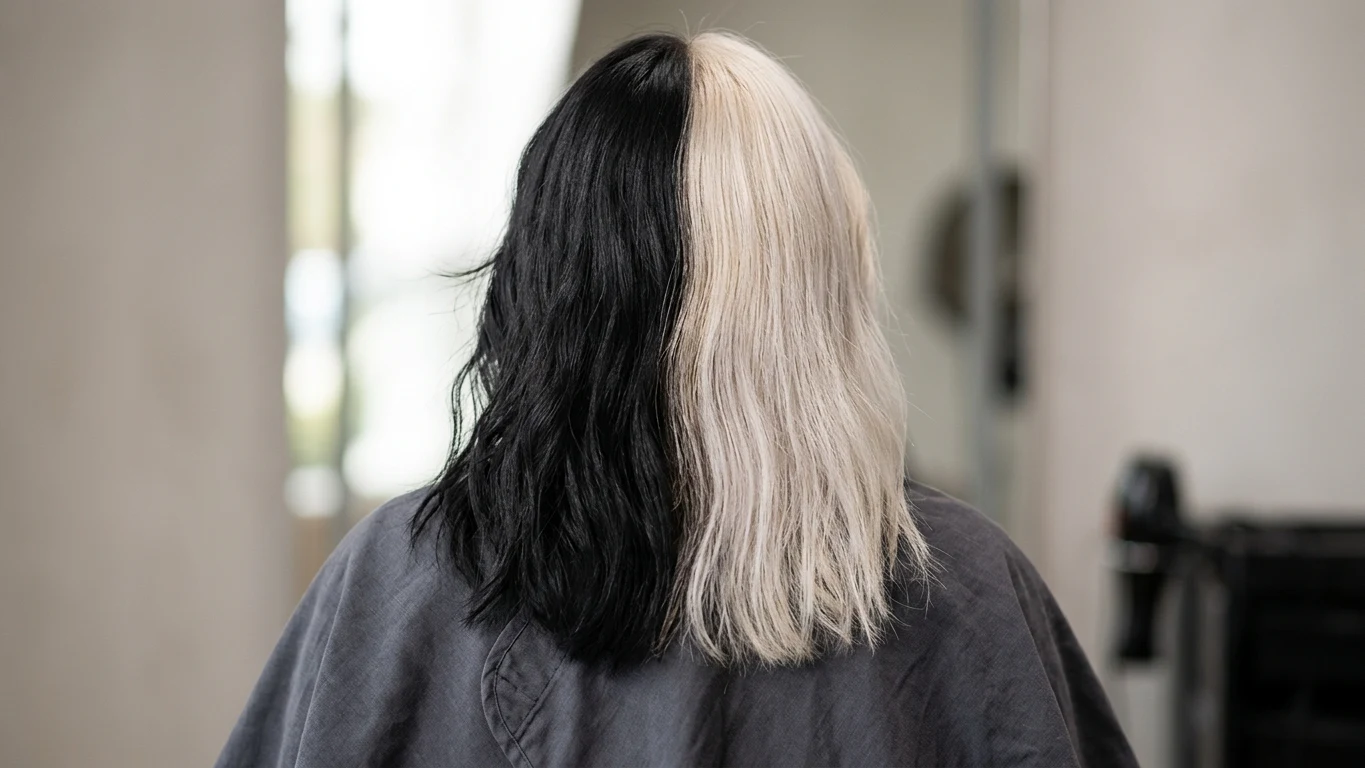
Pairing a deep shade like black or cayenne brown with a light pastel requires lifting one half to a pale level ten blonde. Placing bleach on natural hair without factoring in existing mineral buildup produces brassy banding near the roots.
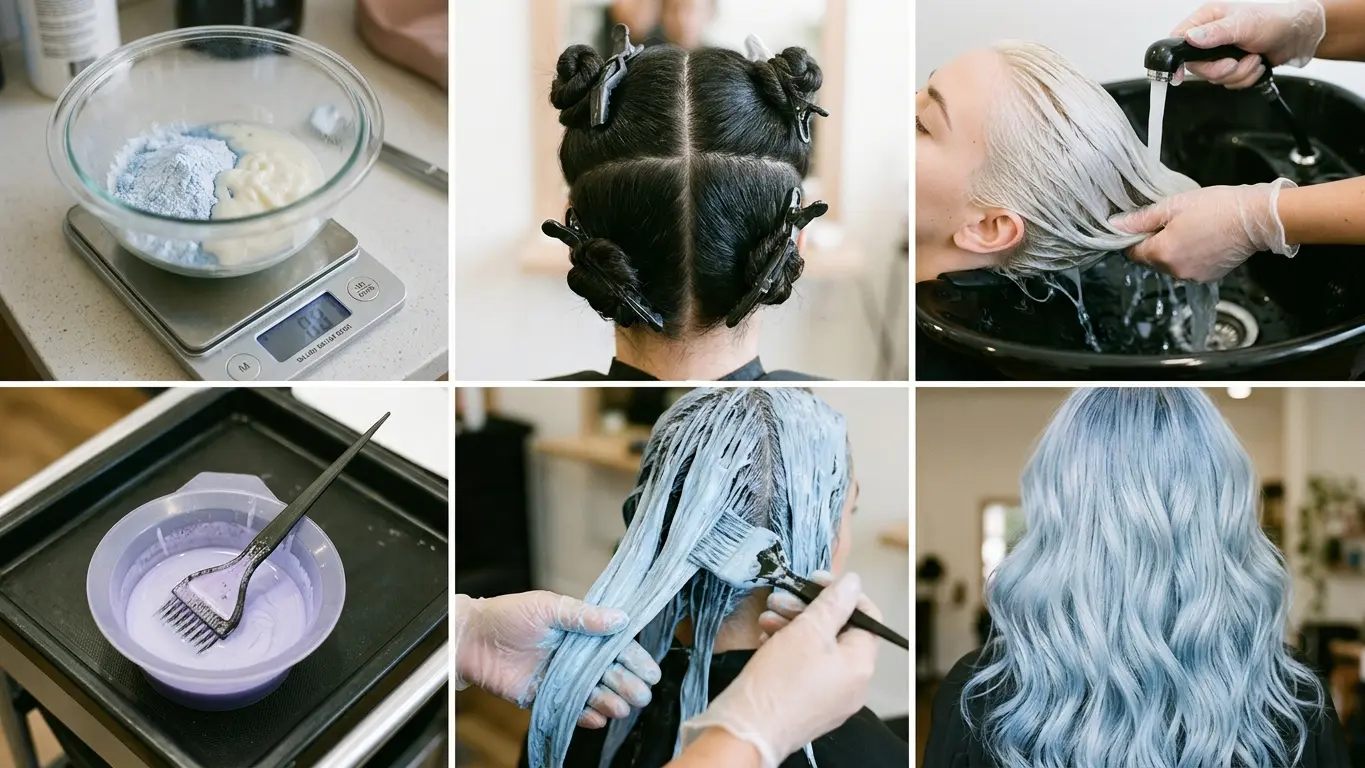
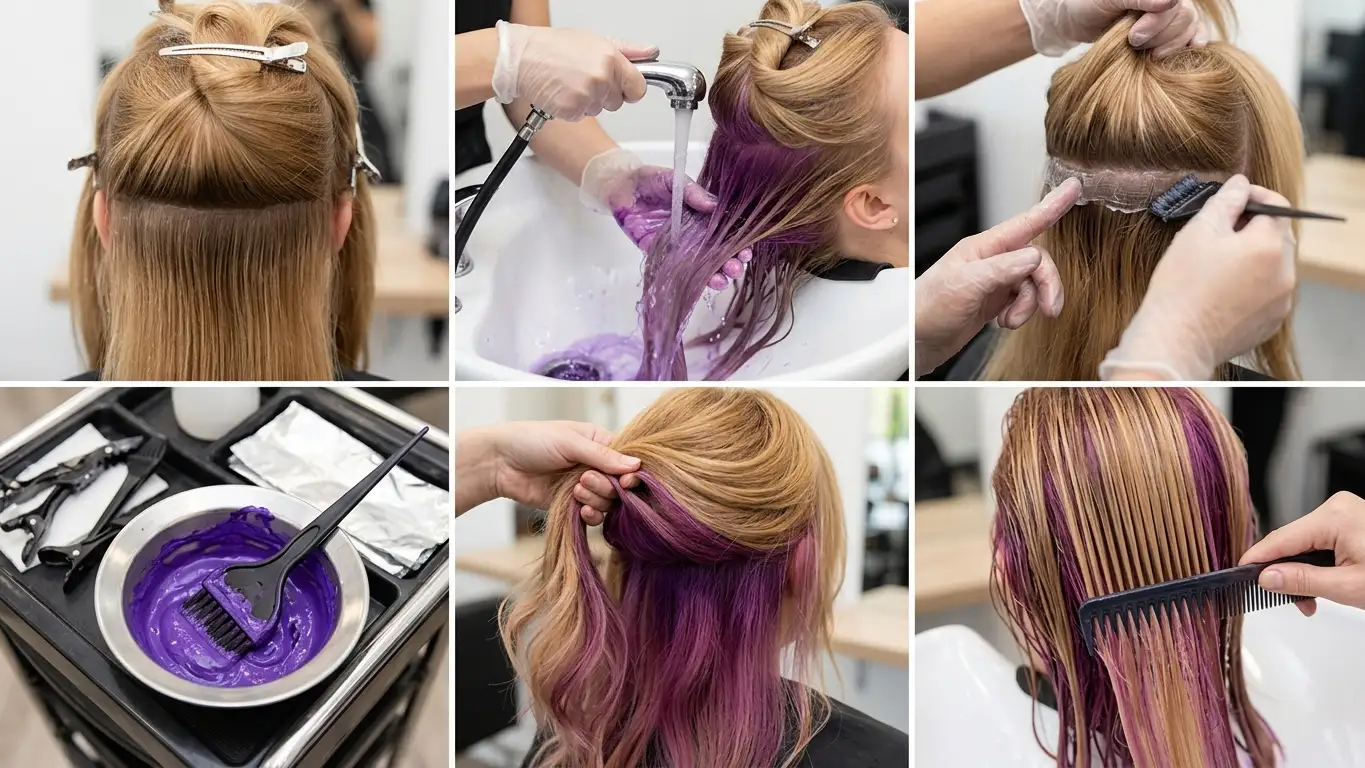
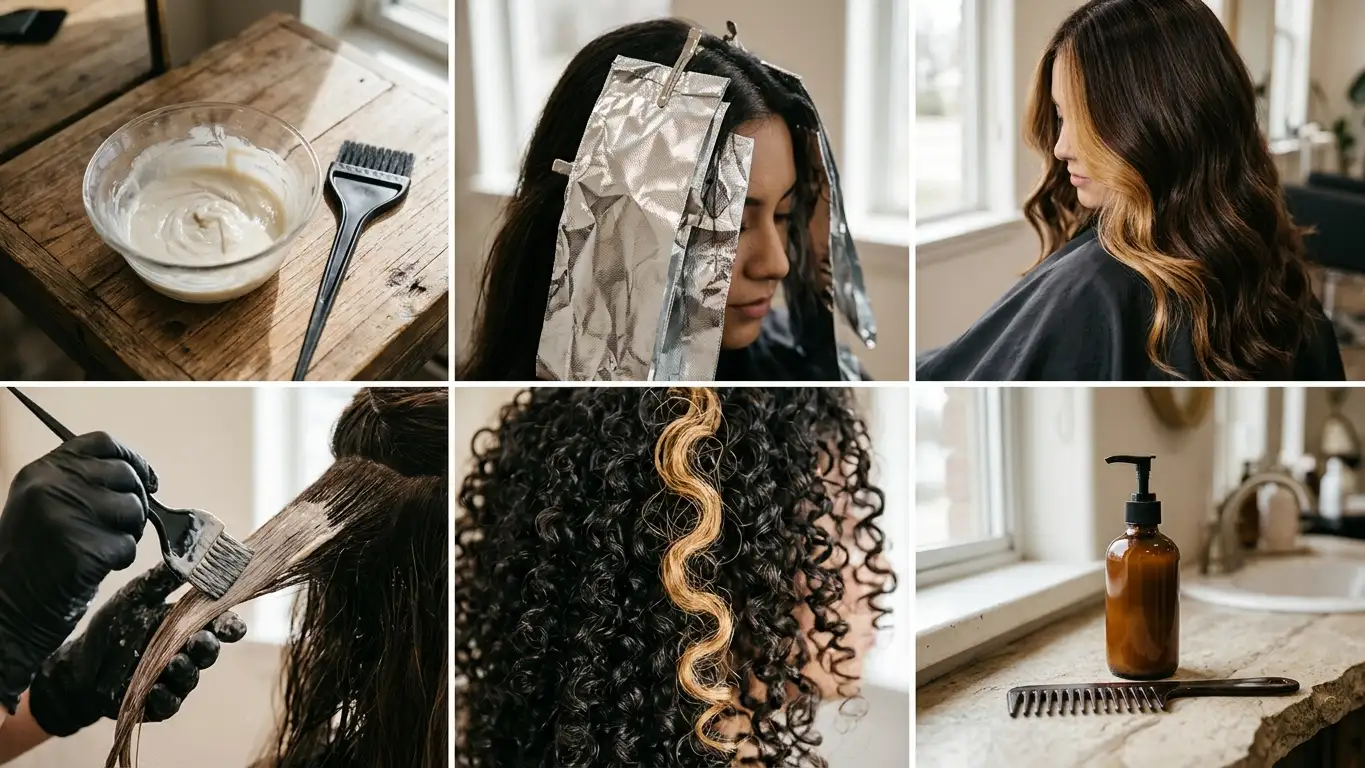
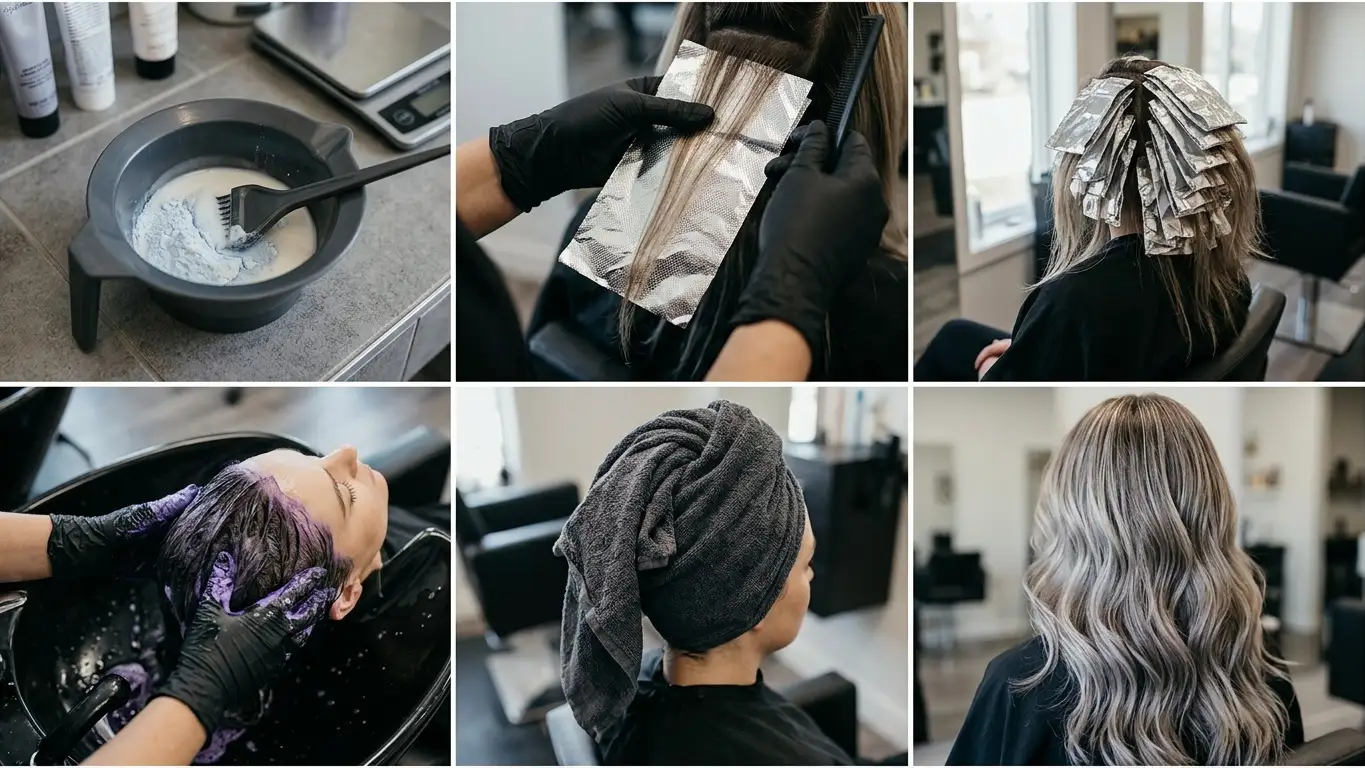
Lift the light section in thin horizontal slices using twenty volume developer rather than forty volume. The lower strength lifts slower but prevents rapid moisture loss. Rinse the lightened side thoroughly until the water runs completely clear before applying your pastel tint. Skipping a neutralizing toner on the pale side creates muddy green or yellow undertones under cool dye.
Color Bleeding In The Shower On Wash Day
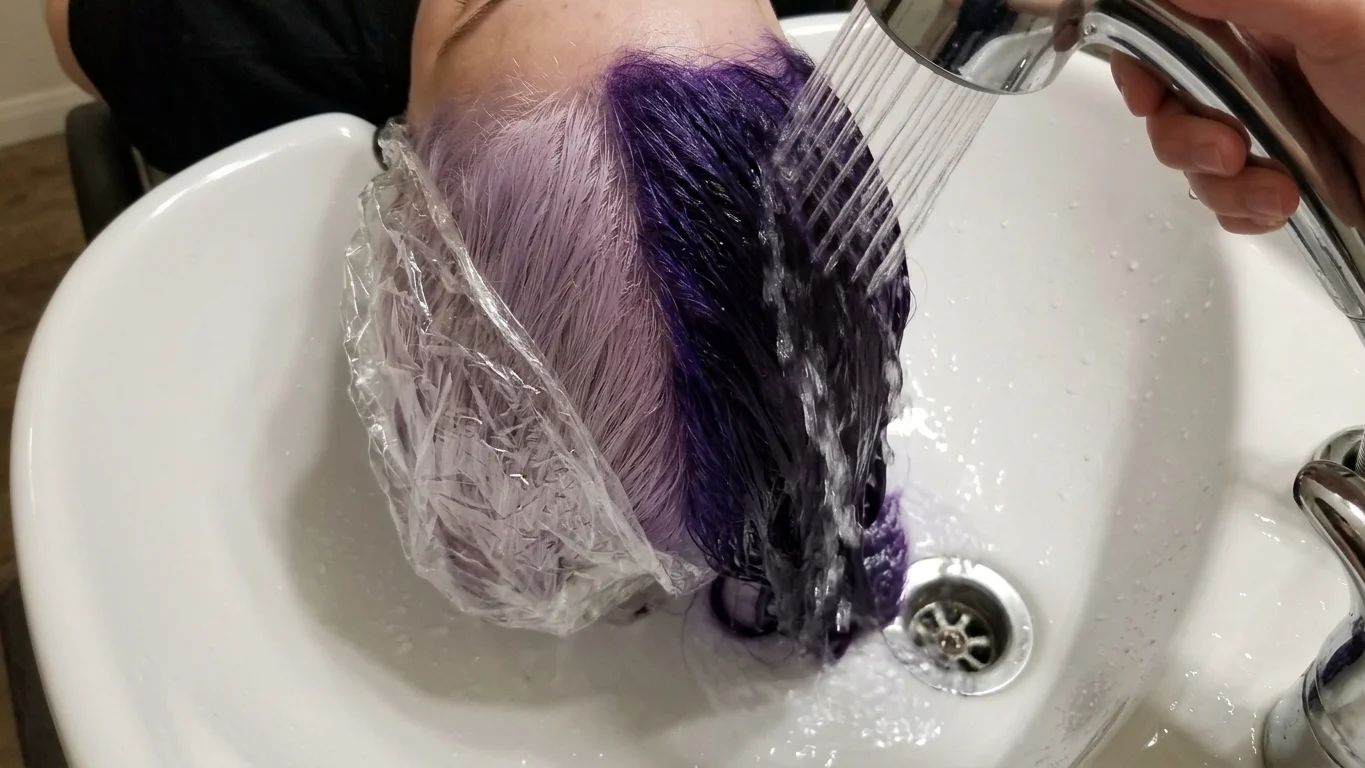
Washing two contrasting dyes together under warm water causes the darker pigment to run directly onto the lighter half. A vibrant crimson or deep purple will permanently discolor an adjacent platinum side in under thirty seconds.
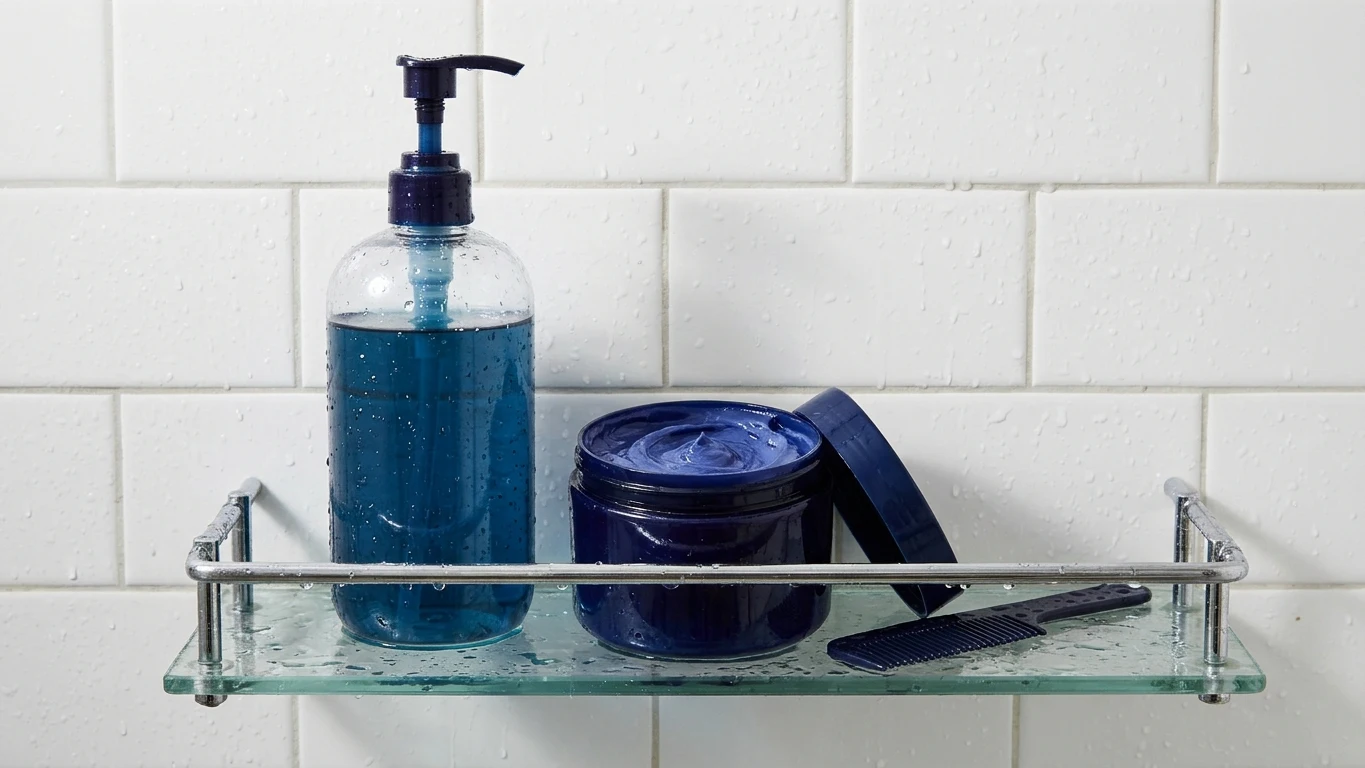
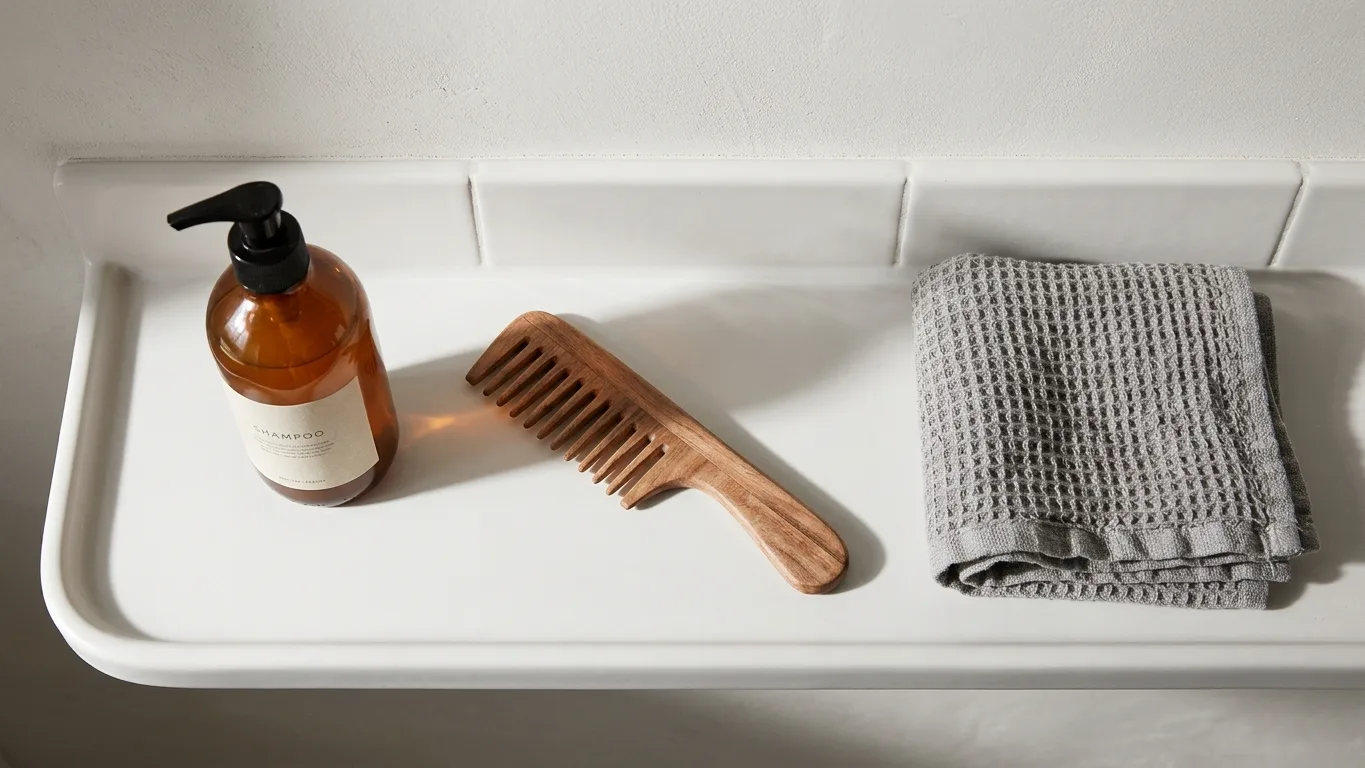
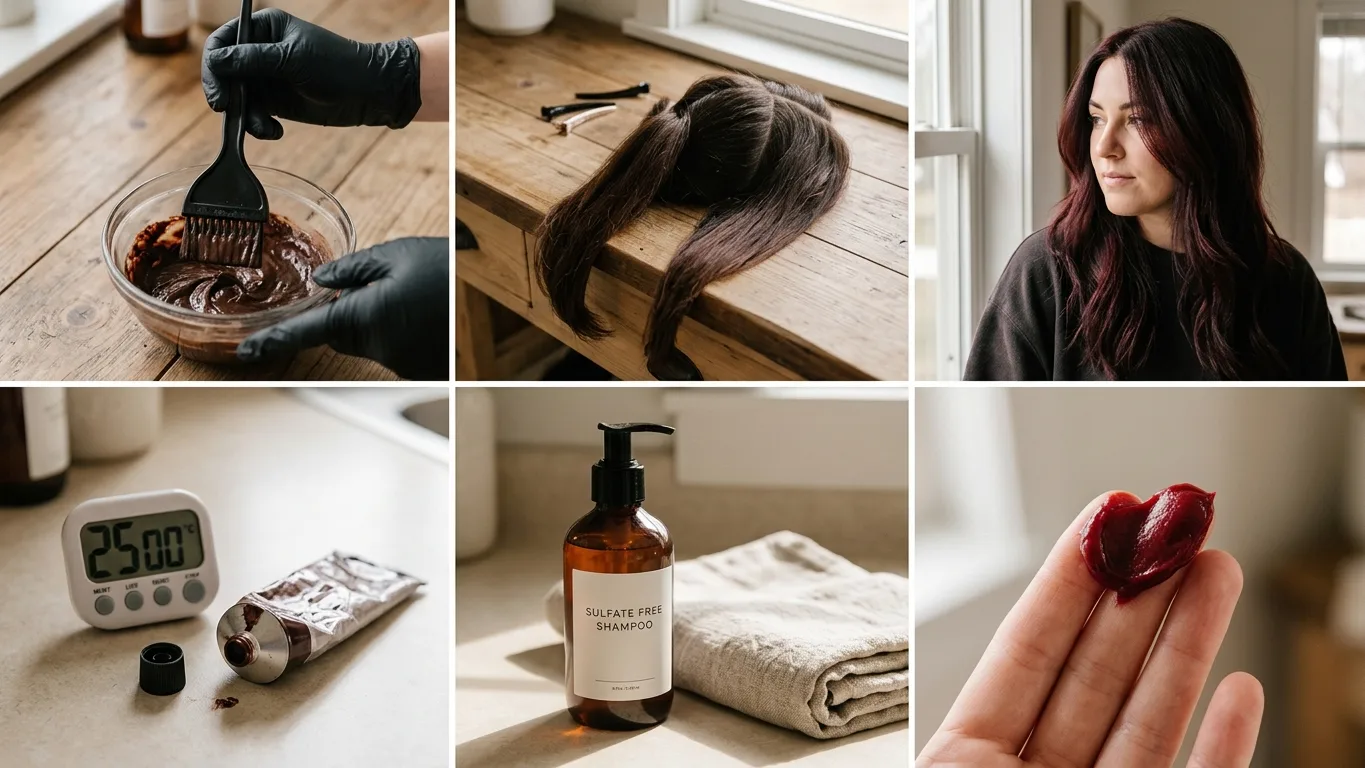
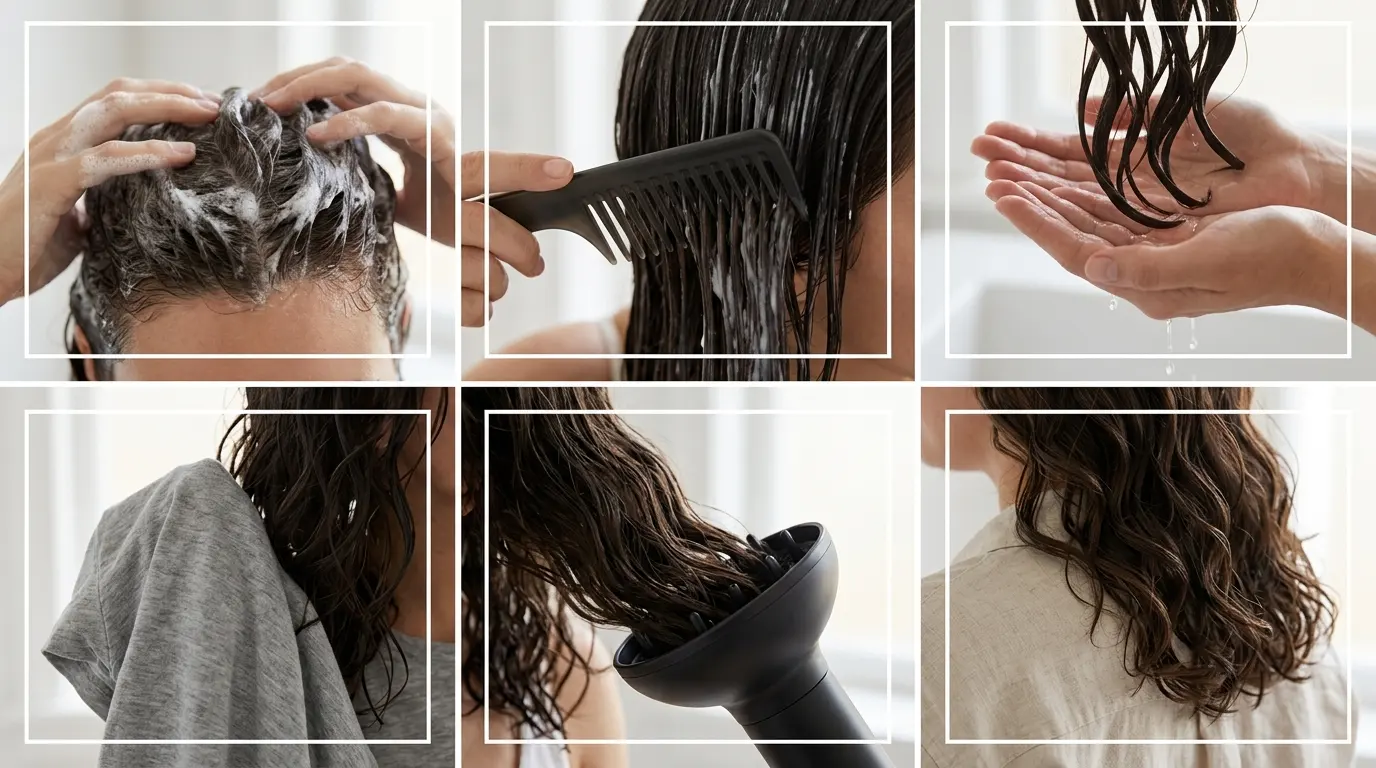
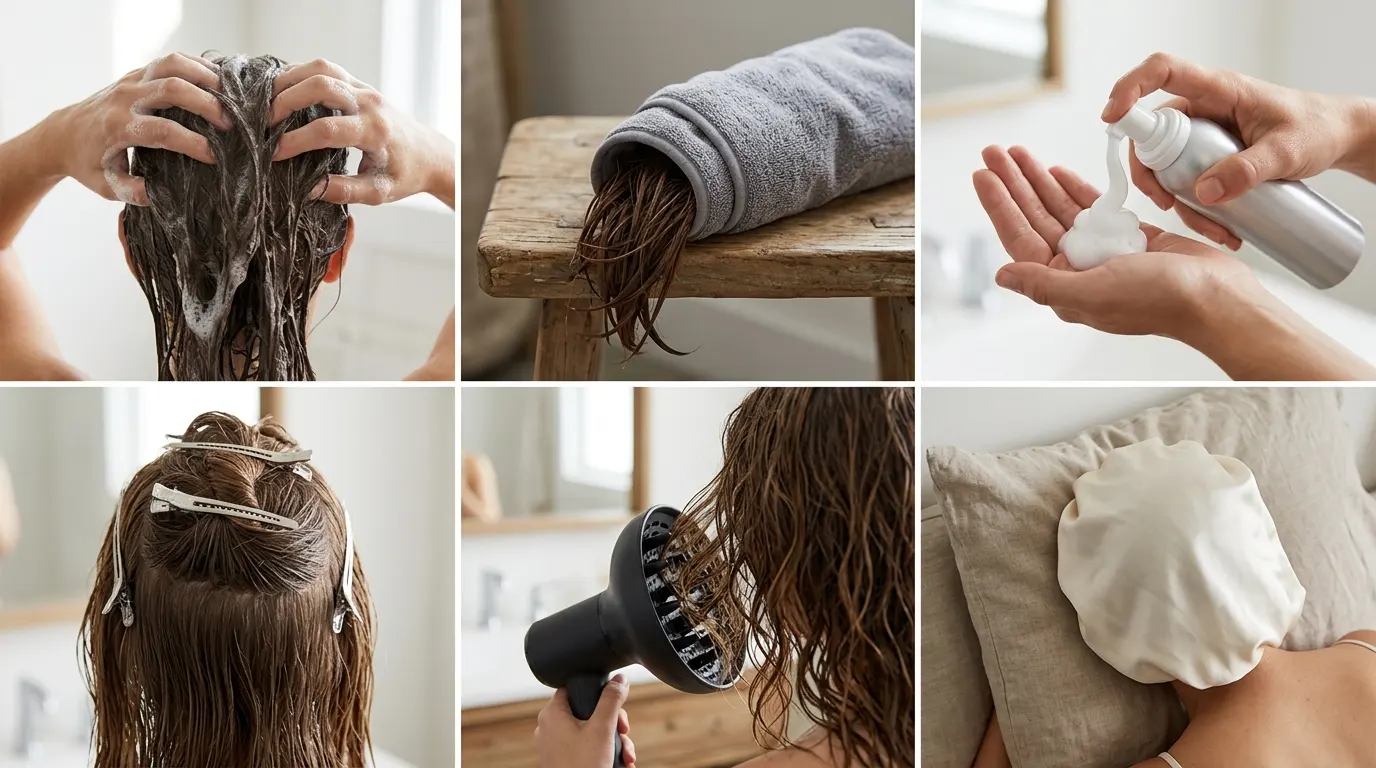
Wash each half of your head individually using cold water. Tie up the pale side in a waterproof cap while shampooing the darker side with a sulfate free formula. Once rinsed, switch the cap to the freshly washed half and clean the lighter side using cool water. Expect to spend around thirty to forty dollars on color safe cleansers in 2026 to keep vivid dyes locked in for up to sixty five days.
Skipping Strand Tests Before Committing Both Sides
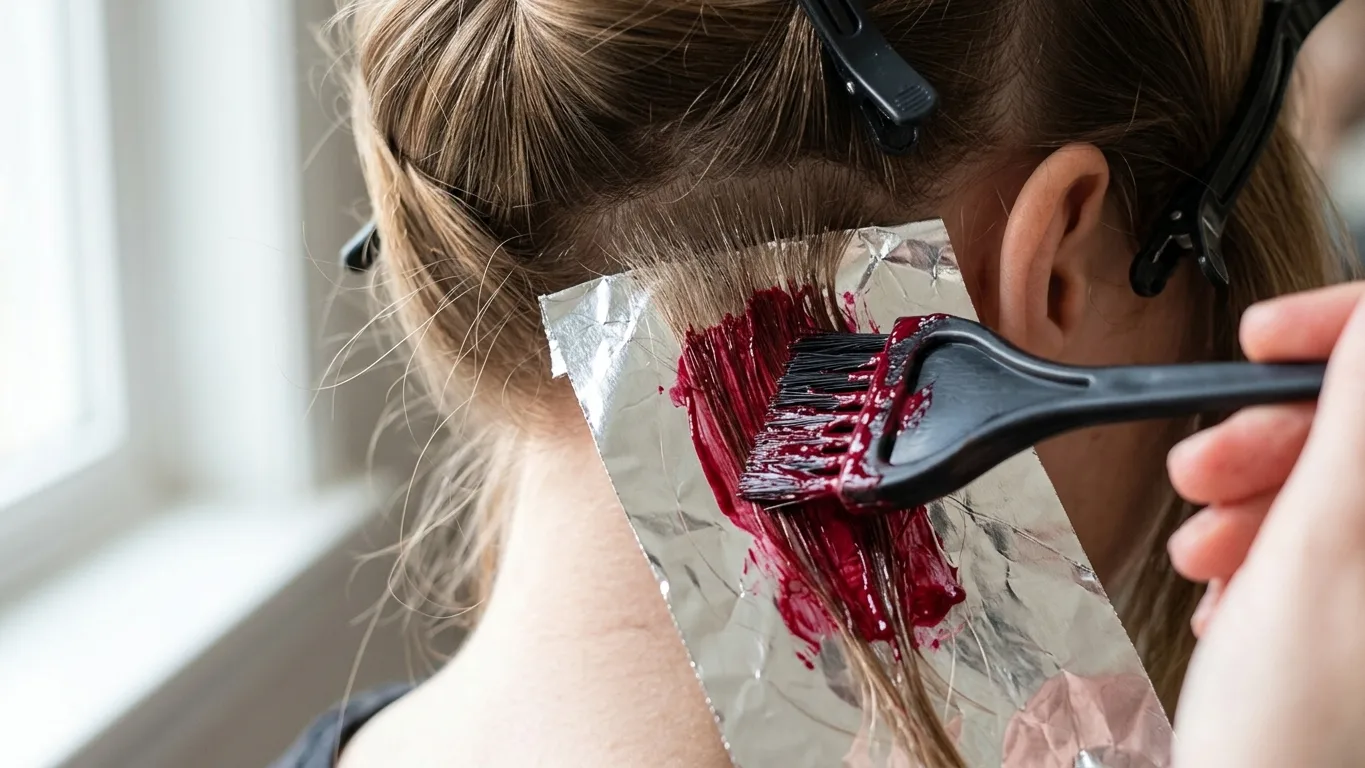
Applying permanent dye directly across an entire half of your head without a test swatch leads to unpredictable processing. Hair porosity differs between sides, especially if one half has seen previous heat styling or sun exposure.
Snip a small quarter inch section from behind your ear on each side to test your dye formulas. Leave the paste on for exactly thirty minutes to verify true color saturation and scalp comfort. Always perform a patch test behind the neck forty eight hours beforehand to check for contact dermatitis. Skipping this step risks severe scalp irritation that stops you from applying color evenly.
High Contrast Maintenance Burning Out Your Routine
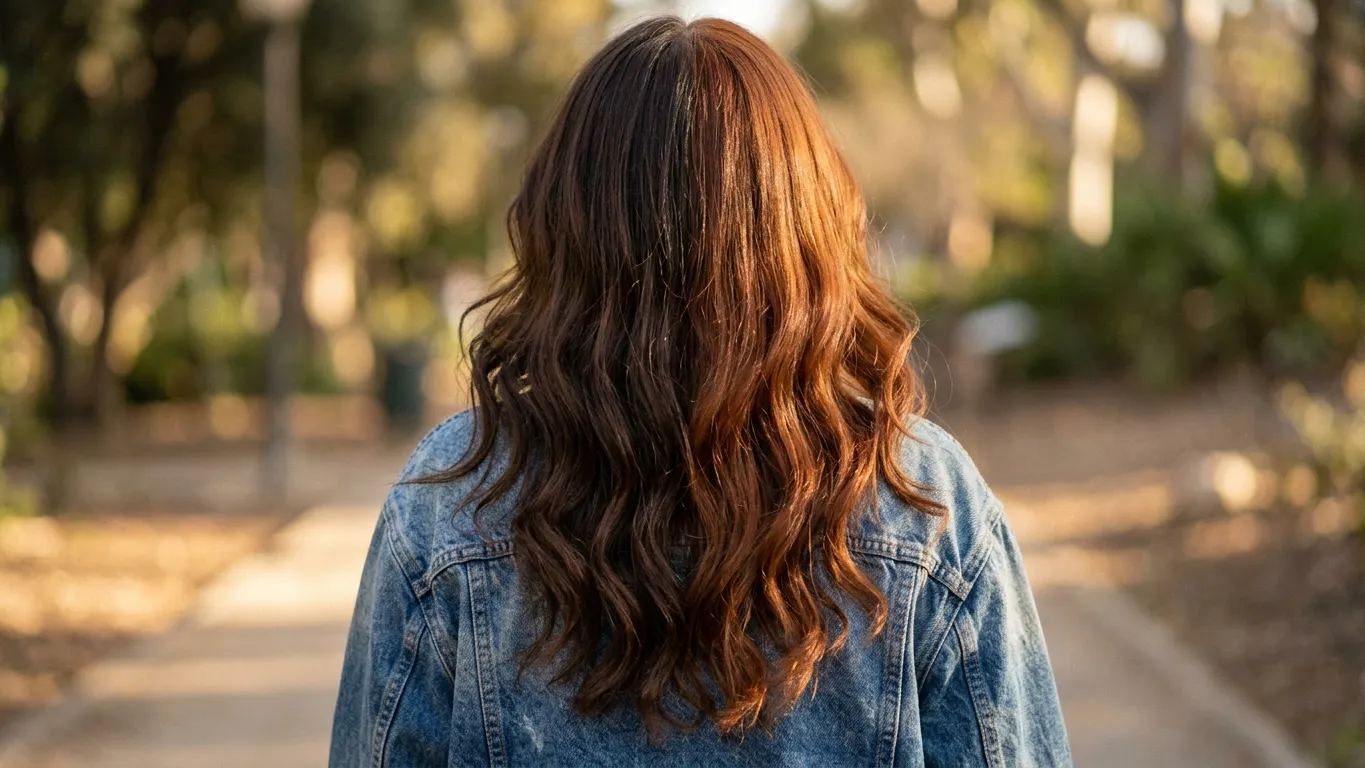
Choosing stark black paired with platinum blonde demands root touchups every three weeks to prevent visible line of demarcation. The immense difference in maintenance schedules between a dark tint and high lift bleach exhausts most people quickly.
| Problem | What Causes It | What To Do Instead |
|---|---|---|
| Bleach bleed on part line | Uneven comb lines and no physical barrier | Carve line with pin tail comb and apply barrier balm |
| Color transfer during rinsing | Warm water runoff across contrasting sides | Wash each half separately with cold water |
| Rapid pastel washout | Weak pigment load rinsed in warm water | Use deposit-only masks every four weeks |
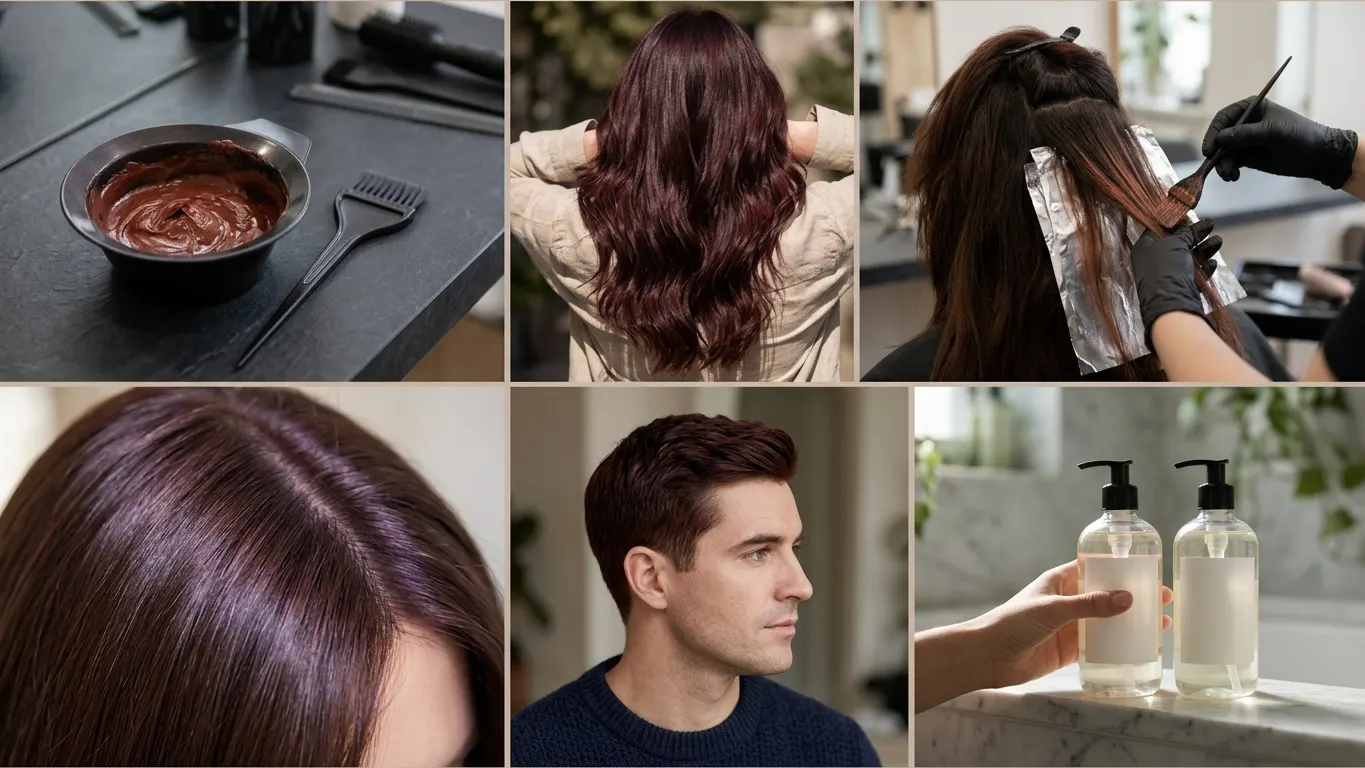
Pair tones that share similar lift requirements instead of opposites. Combining chocolate brown with auburn or plum with crimson lets both sides grow out at an identical pace. If you pick a pastel, refresh it every four to six weeks, while deeper jewel tones can easily stretch to eight weeks between touches.
Overlapping Lightener Causing Breakage Along The Middle

Reapplying bleach to previously lifted strands along the center division snaps delicate hairs right at the scalp. This creates short, bristly flyaways that stand straight up along your main part.
Use dry cotton coils tucked firmly between the sections to shield already lightened hair. Coat the previously bleached line with a heavy ceramide mask before you lay down fresh lightener on the new growth. Work with a flat tint brush held vertically along the parting line to feather the lightener instead of slapping it on horizontally.
Hair Staining Across Porous Under Layers
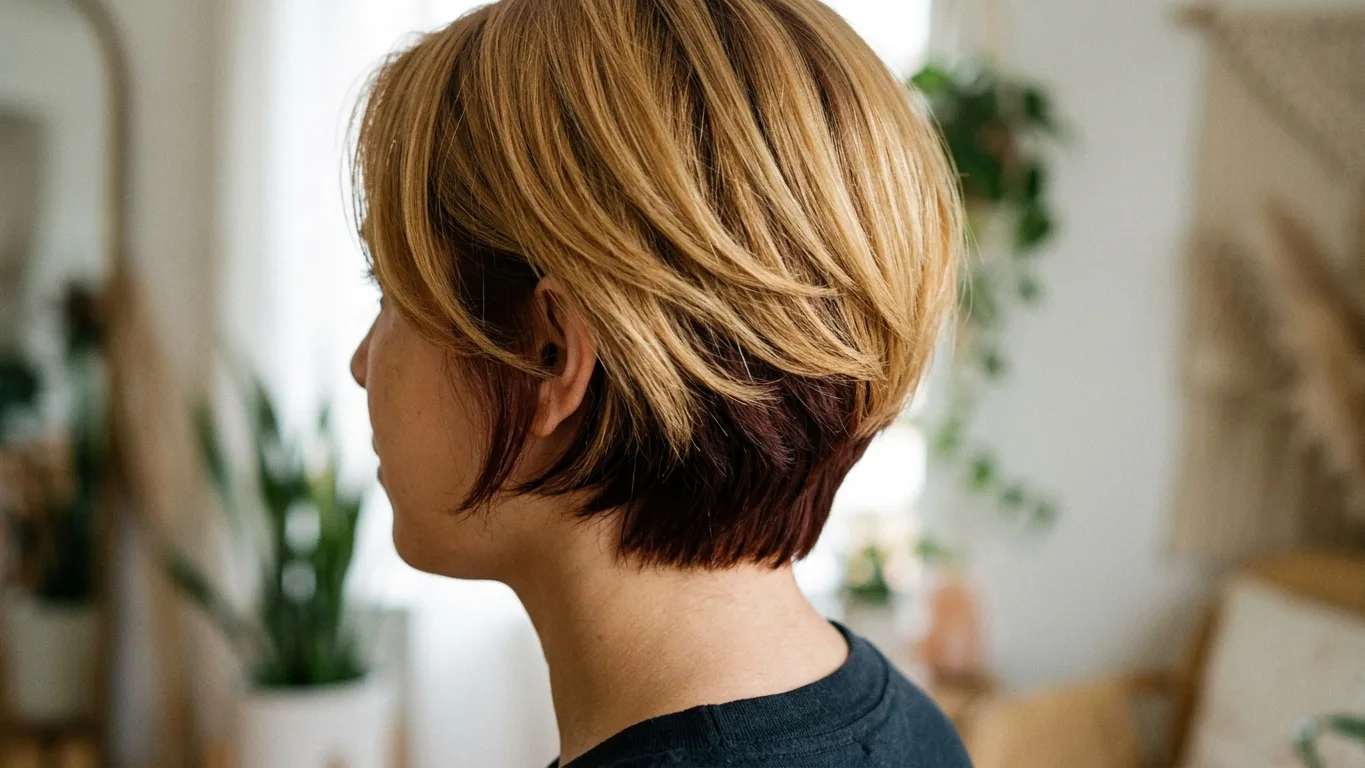
Splitting hair horizontally with a light outer canopy and dark under layers often results in the top layer absorbing dark dye runoff. Friction from day to day movement rubs pigments together at the nape.
Keep the darker formula restricted to the bottom three inches of your nape where direct contact with the upper canopy is limited. Rinse the lower dark section upside down over the edge of a tub so water never flows upward into the canopy. Always blast wet hair completely dry before styling, because damp strands transfer dye through mechanical friction.
Asymmetrical Face Framing Disrupting Facial Features
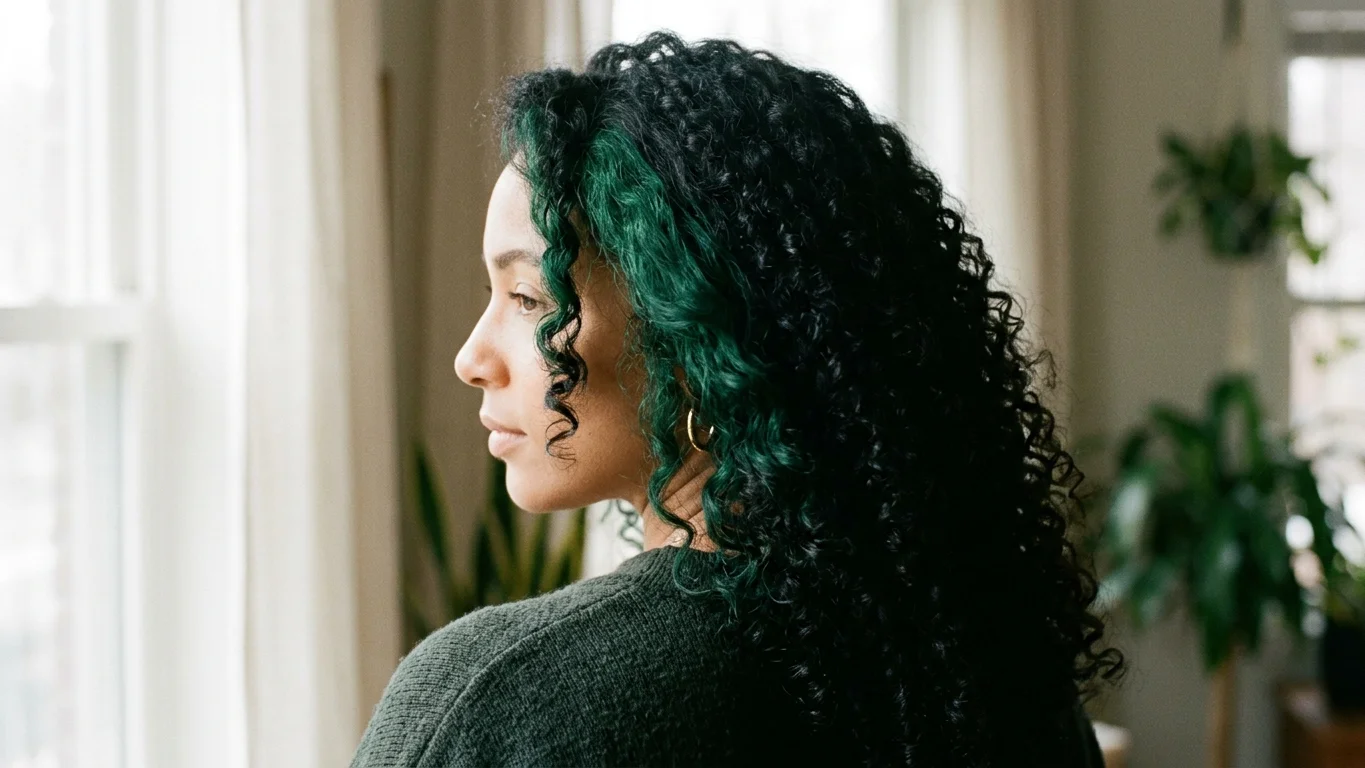
Parting hair directly down the center does not flatter every face shape, particularly if you have an uneven hairline or a strong cowlick. Forcing a rigid middle division can make features appear skewed.
Try an offset split where one accent color covers a large chunk along the hairline, stopping roughly a quarter of the way back. This face framing accent brightens the complexion without forcing you to commit to a strict ear to ear or forehead to crown division. It lets you wear an off center part while keeping the two tones balanced visually.
Faded Warm Tones Clashing Against Cool Undertones
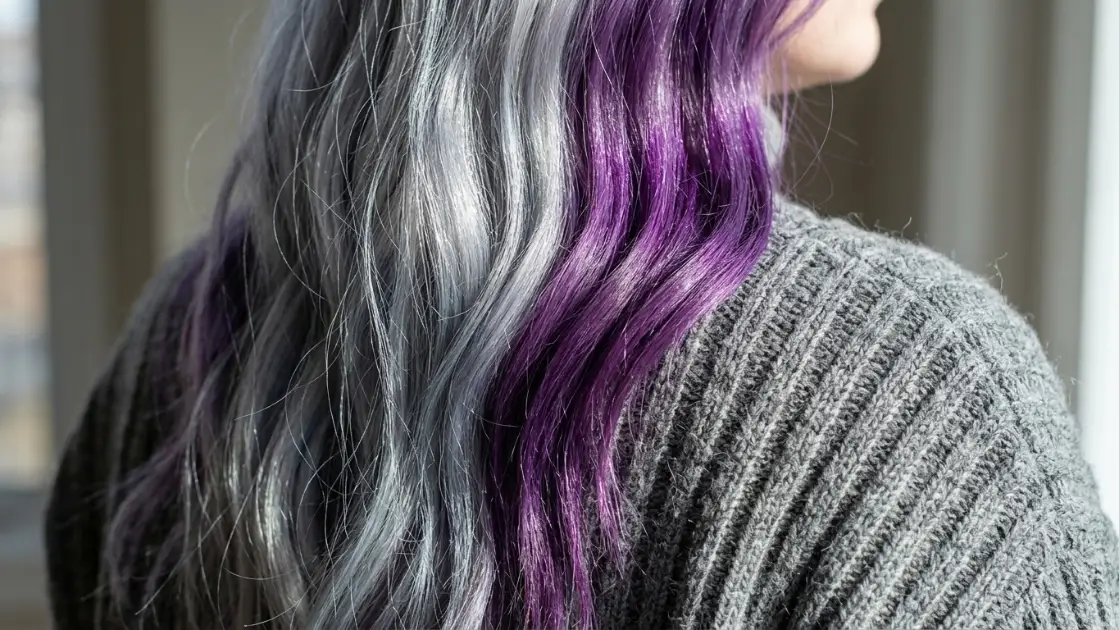
Watching a cool ash blonde fade into brassy yellow while paired against cool emerald green creates a visual mismatch. Dyes break down at different rates depending on their chemical base.
Counteract warm fade by applying targeted color depositing conditioners formulated for each specific side. Apply an ash toner to the blonde while using an emerald color mask on the green side. Doing this prevents either half from shifting undertones over time, preserving the intended contrast between your shades.
Porosity Imbalance Making Dyes Absorb Unevenly

Bleached sections absorb liquid pigment much faster than unbleached virgin strands, leading to blotchy, oversaturated patches. One side drinks up the product instantly while the other rejects it.
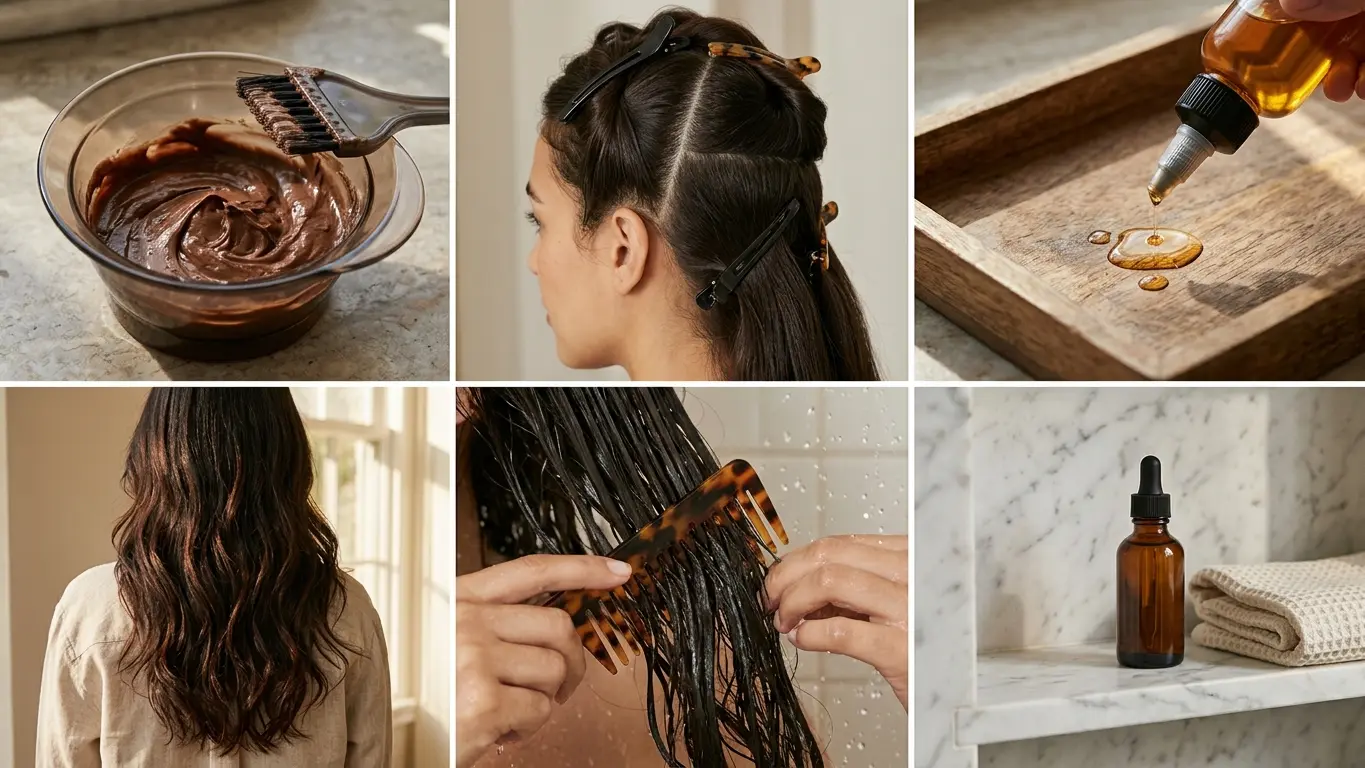
Apply an equalizing protein spray to porous, bleached hair twenty minutes before coloring. This fills microscopic gaps in the cuticle, creating a uniform base for the dye to grip. Work the dye through the hair using gloved hands, pressing the pigment into every section rather than simply skimming the surface with a brush.
Frequently Asked Questions
How often do split dyed hair ideas need chemical touchups?
Deeper shades like auburn or black need root maintenance every six to eight weeks. Pastels and bright neon colors require color refreshing every four weeks to stop them from looking washed out.
Can you split dye hair without using lightener first?
You can apply semi permanent dark formulas over unbleached hair, but bright vivids and pastel shades will not show up on dark natural strands without lifting the base first.
What tools keep hair dyes from mixing during application?
A metal pin tail comb, thick plastic processing clips, dry cotton coil strips, and two completely separate sets of mixing bowls and application brushes prevent accidental color transfer.
Why does one side fade noticeably faster than the other?
Cool blue and pastel tones have smaller pigment molecules that wash out faster than large, stubborn red or black dye molecules under standard tap water.
Stopping Center Breakage Before It Destroys Your Hairline
The single problem that costs the most time and money to repair is chemical breakage right along the center dividing line. Overlapping bleach on previously lightened roots snaps hair at the scalp, leaving a prickly ridge that takes years to grow back out.
Prevent this by applying a thick barrier paste directly to previously lightened borders before your developer touches fresh roots. Feather your brush strokes vertically to keep lightener from pooling at the overlap point. Taking ten extra minutes to shield the center boundary keeps both sides growing healthy and intact.
All chemical hair lighteners and artificial colorants carry risks of allergic reaction or scalp irritation. Always conduct a skin patch test behind your ear forty eight hours before applying dye, and consult a licensed cosmetologist for high lift chemical procedures.