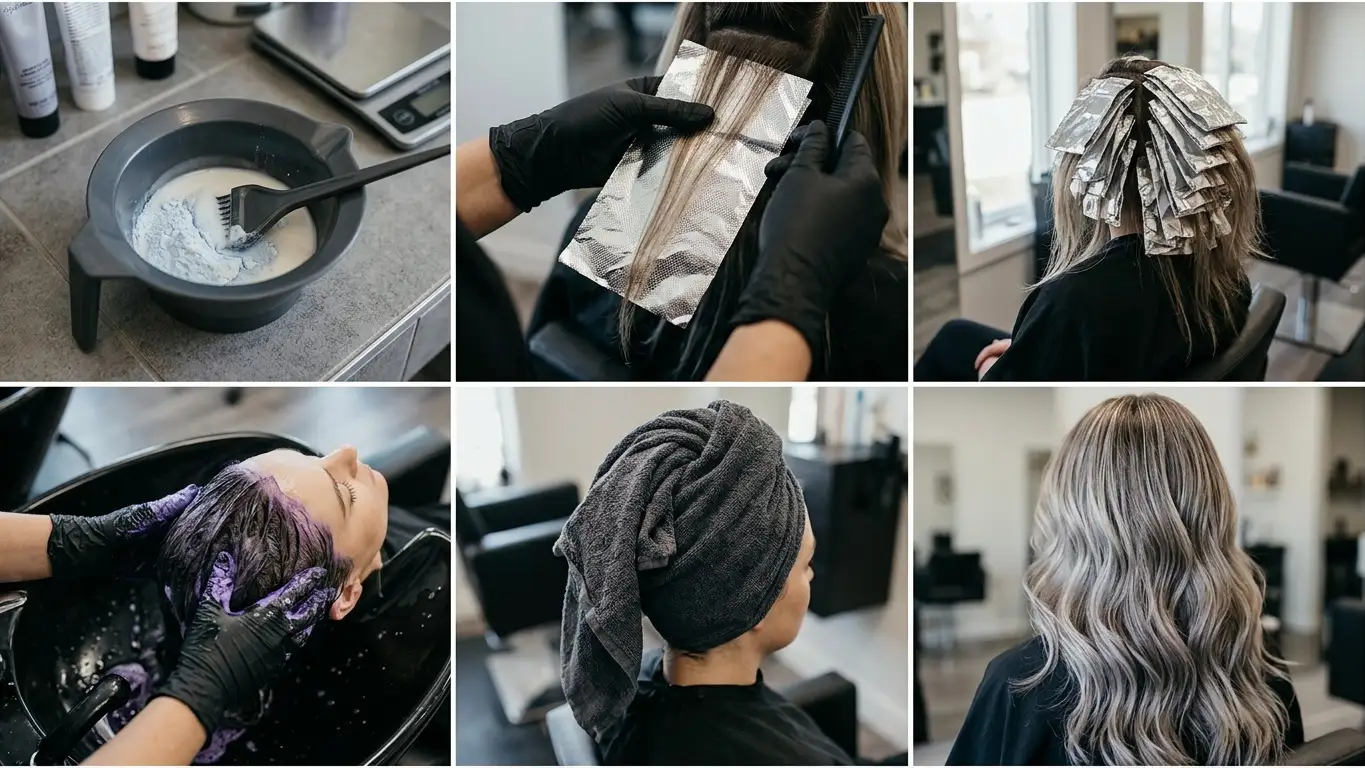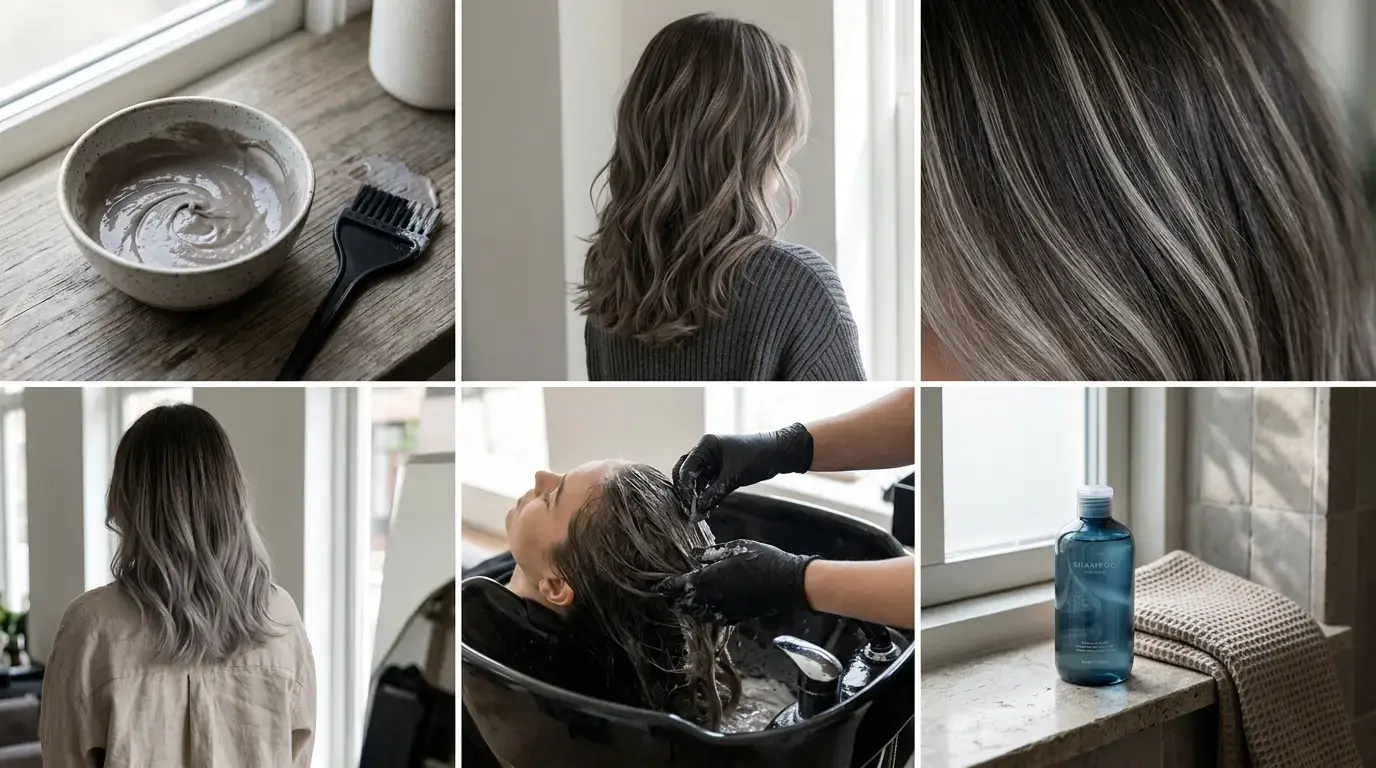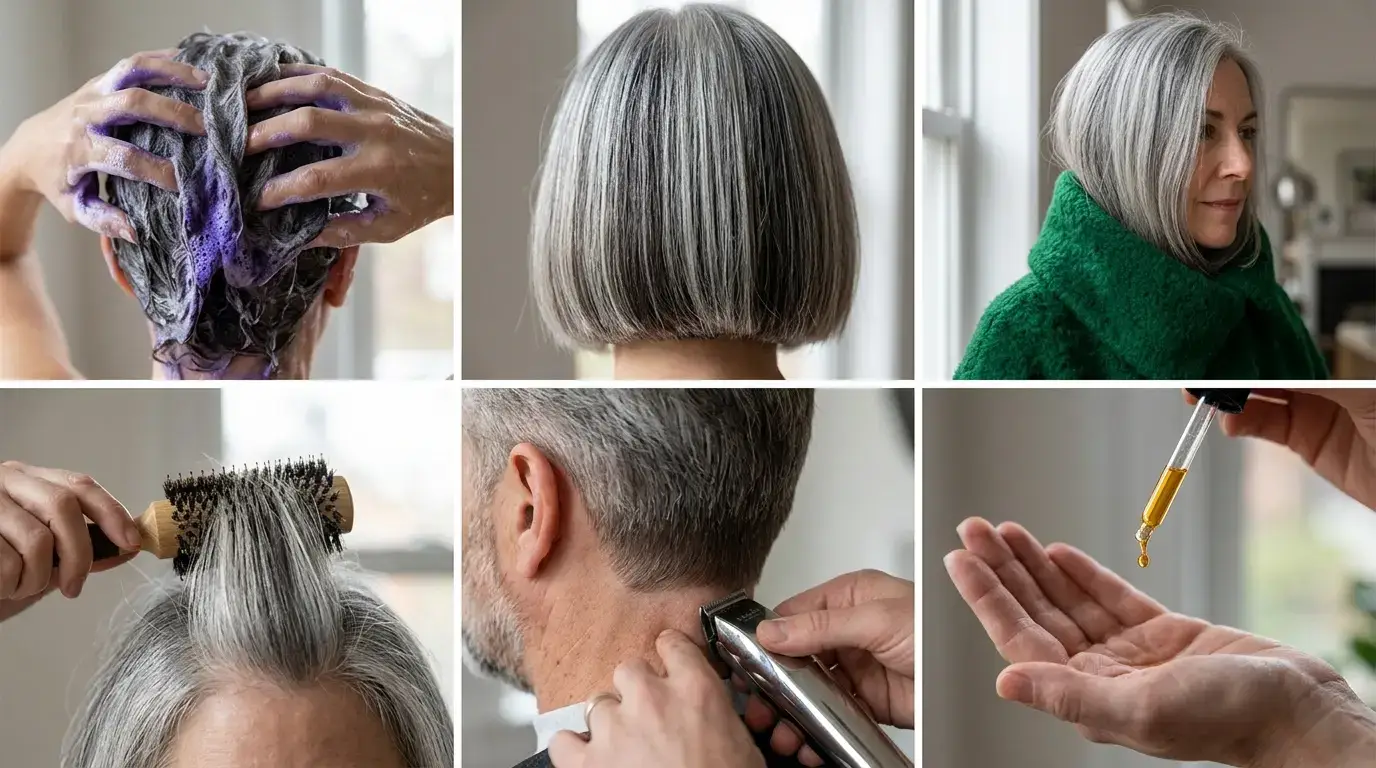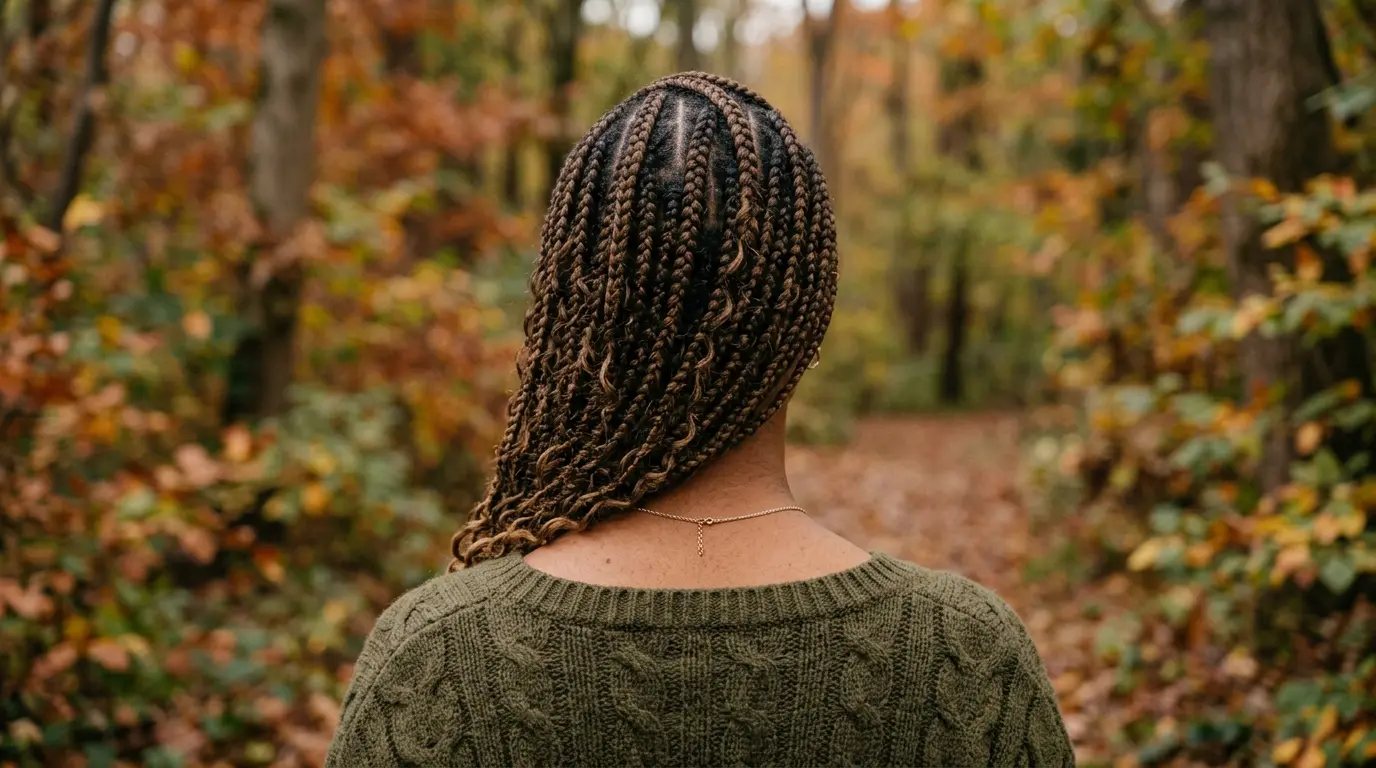

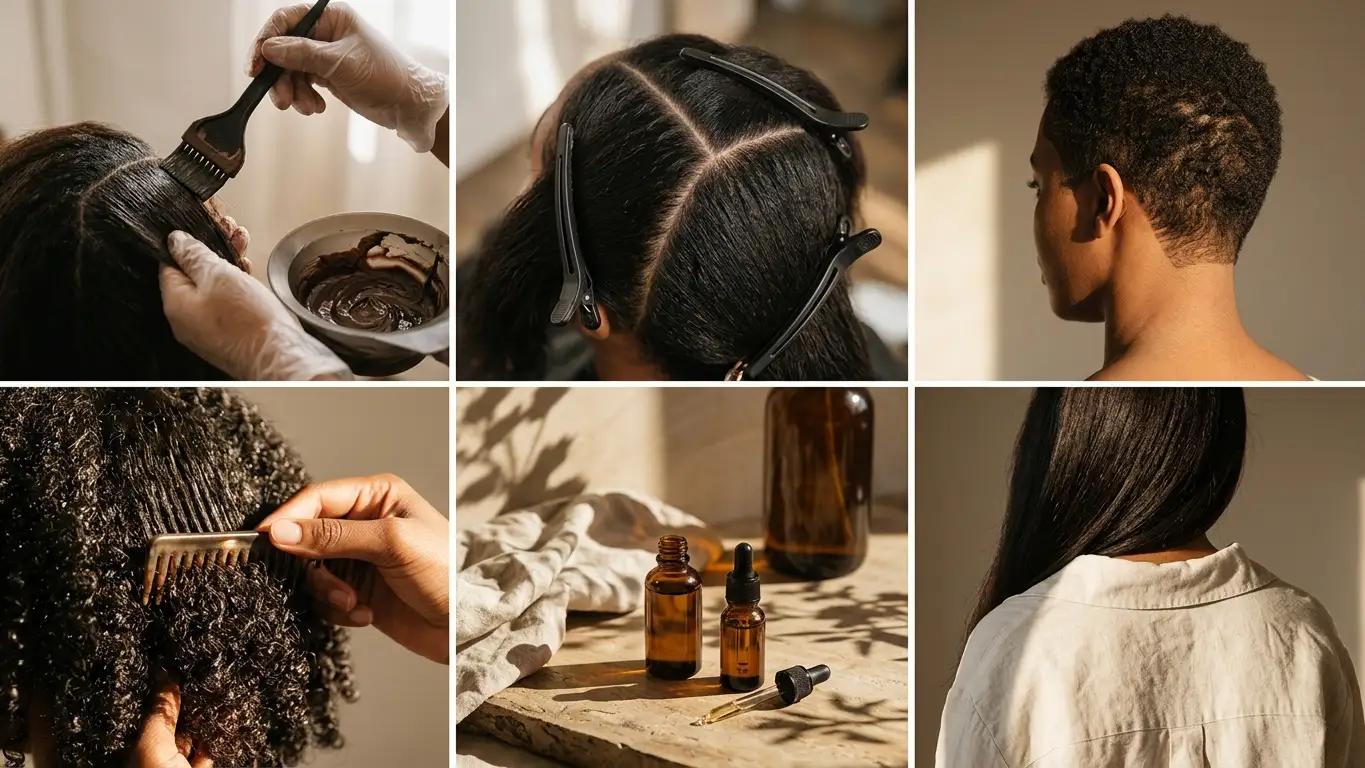
Going to level one black transforms your overall contrast, yet pigment selection requires calculated steps. This deep dye path serves clients who want maximum visual depth, low fade rates, and a sharp outline against their features.
Two distinct profiles benefit most from this commitment: individuals with low-porosity virgin strands seeking uniform color coverage, and color veterans transitioning away from high-lift blonde damage toward a single-process routine. If your strands are chemically fragile or your schedule cannot accommodate gloss maintenance, read through each scenario below before choosing your bottle or salon visit.
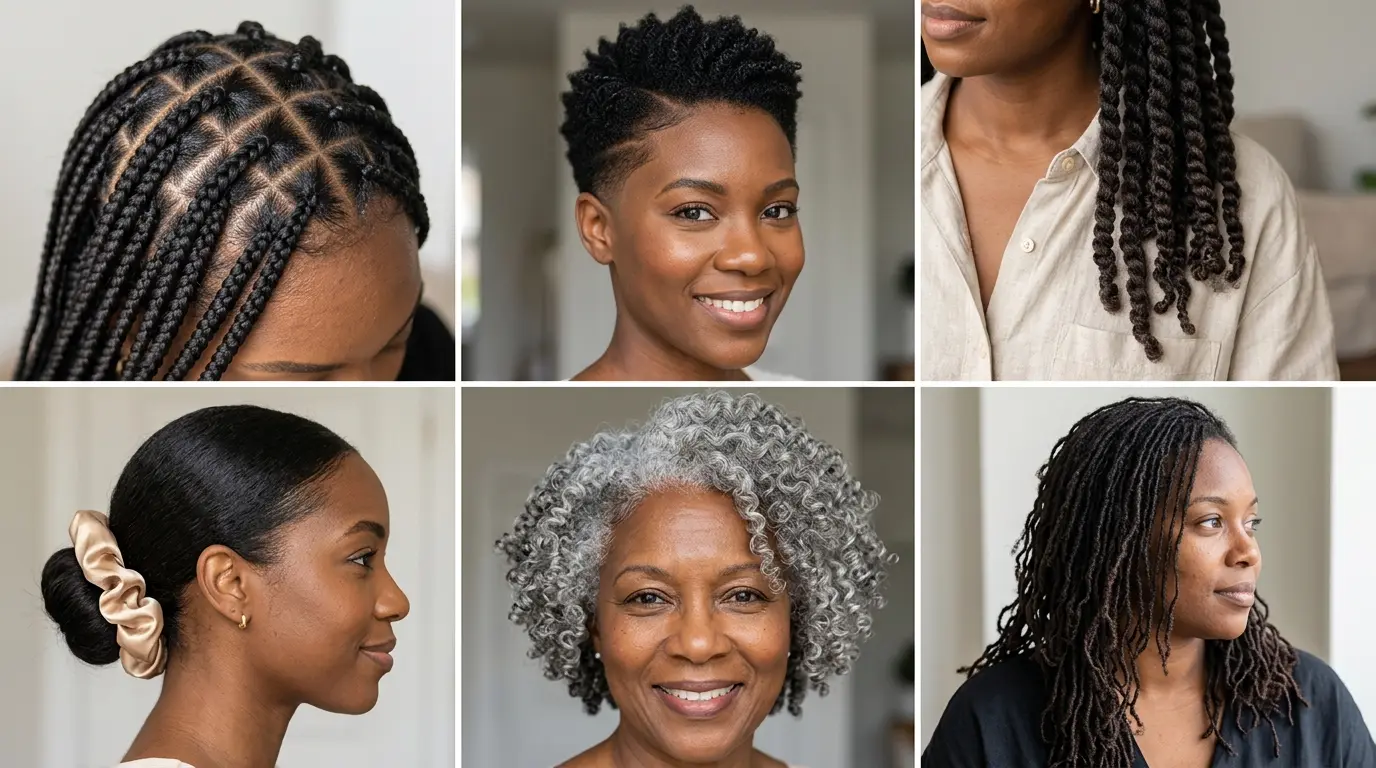
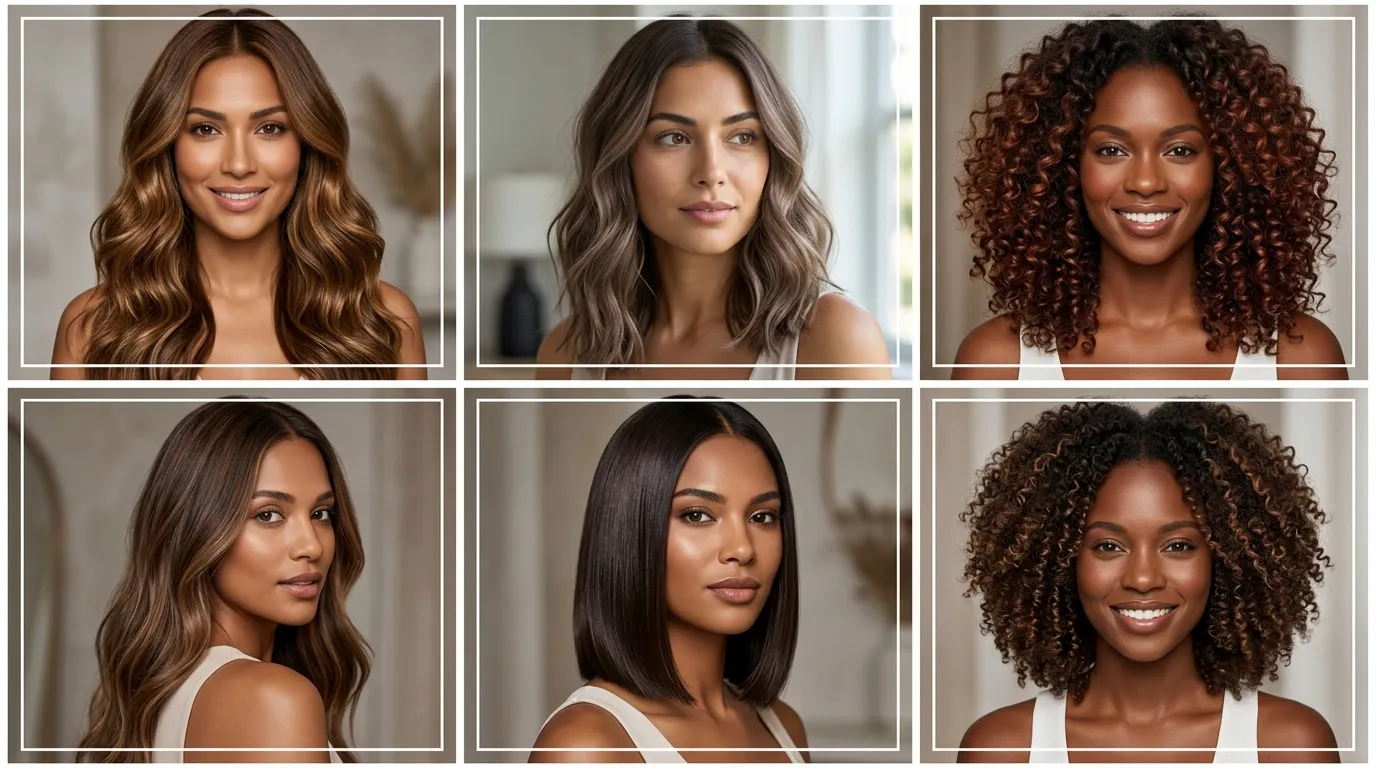
Jet Black Hair Black Women: Undertone Matching for Warm Complexions

Rich golden and bronze skin tones carry yellow, peachy, or reddish reflections. When selecting a level one dye, flat carbon pigments can wash out golden undertones, leaving the face looking tired.
Choose a formula infused with subtle violet or mocha-brown background tones. This base creates a bridge between your warm jawline and your hairline. Avoid stark ash or slate-blue toners here. The mistake many colorists make involves applying universal true black directly over honey-colored ends, which pulls green under daylight. Request a warm deposit-only semi-permanent gloss that sits between level one and level two. It retains natural gleam without flattening your facial depth.
Blue Toned Pigment Selection for Cool Complexions

Cool complexions feature red, pink, or neutral espresso undertones that shine next to midnight shades. Selecting an ink-colored formula with blue-violet dominance brightens the whites of your eyes and defines the jawline.
Formulations built with blue additives neutralize any brassiness lingering from previous dye jobs. Work with a demi-permanent product using five or ten volume developer to prevent unnecessary cuticle swelling. The risk here is over-toning. Leaving an intense blue booster on porous coils for forty minutes turns fine temple hairs into an inky denim shade. Check your temple strands after fifteen minutes. Rinse as soon as the blue base saturates the strand.
High Porosity Strands and True Black Color Retention
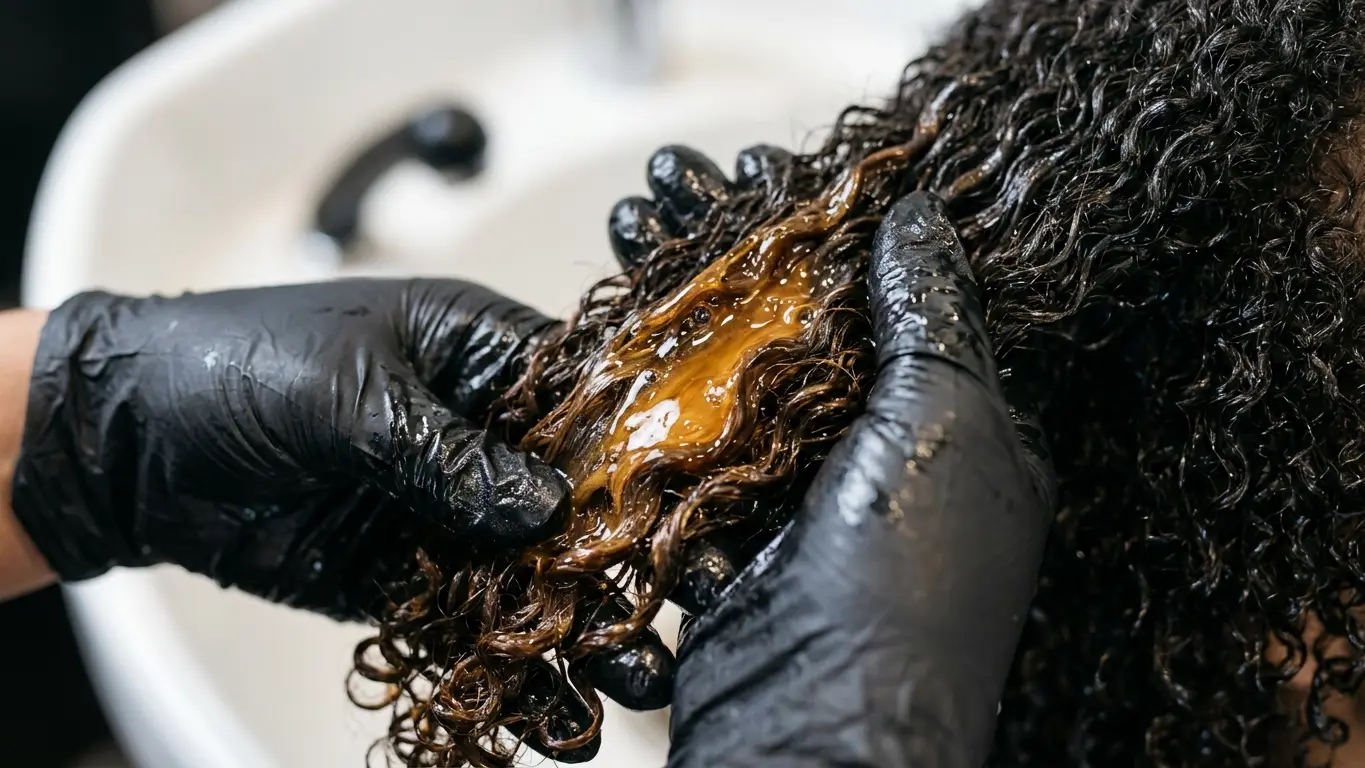
Chemically treated or previously bleached coils possess lifted cuticles that drink up liquid rapidly. They also release color molecules just as fast, leading to muddy patches within two weeks.
Before applying any dark dye, fill the hair shaft with a protein filler or a red-copper protein demi-glaze. This base layer prevents the dark dye from grabbing too dark at the ends while looking hollow in the mid-lengths. Skip twenty-volume permanent boxed sets entirely on high-porosity curls. Instead, use an acidic liquid gloss formula. These deposit pure pigment at a lower pH, sealing cuticles down tight while holding depth across porous zones.
Low Porosity Coils Requiring Heat Assisted Penetration
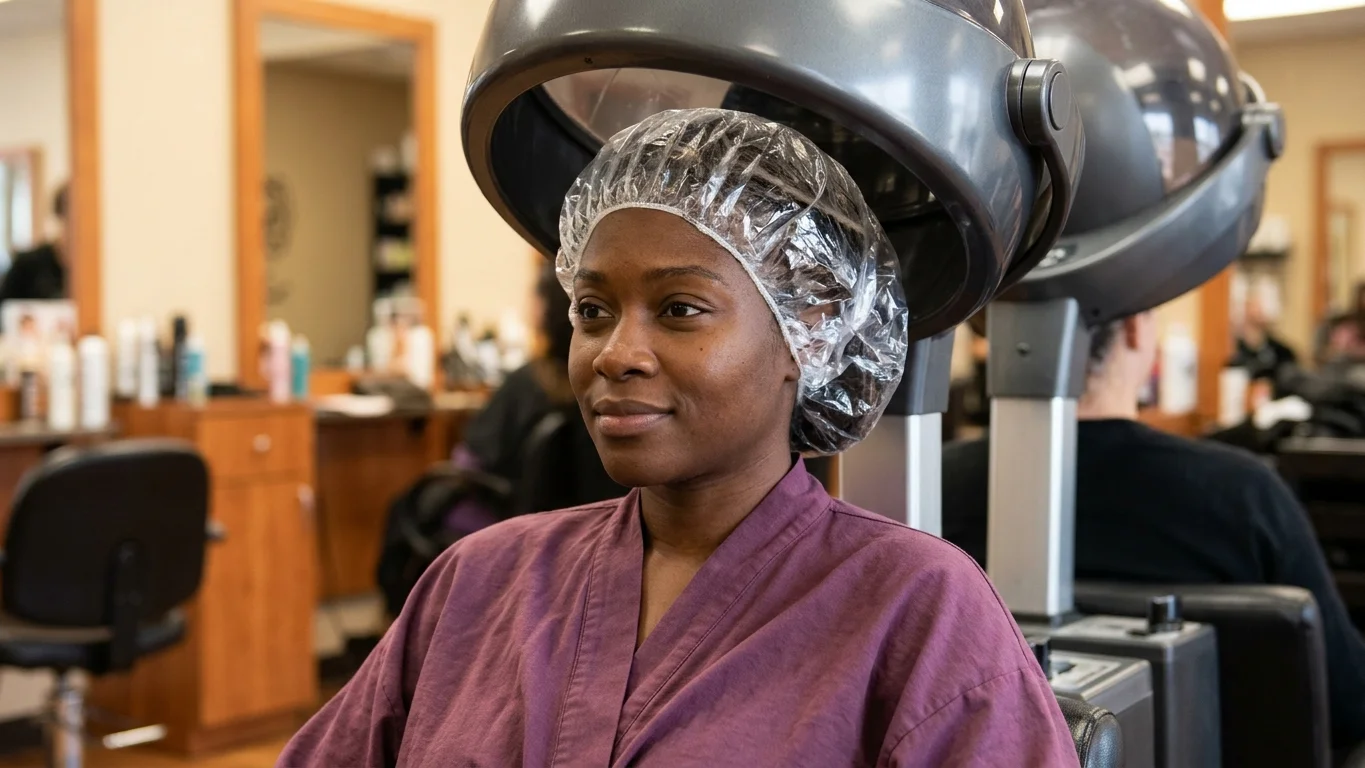
Tightly sealed cuticle layers resist dark dye penetration, resulting in patchy application where the root remains brown while the ends turn dark. Low-porosity textures require mechanical help to let black pigments settle into the cortex.
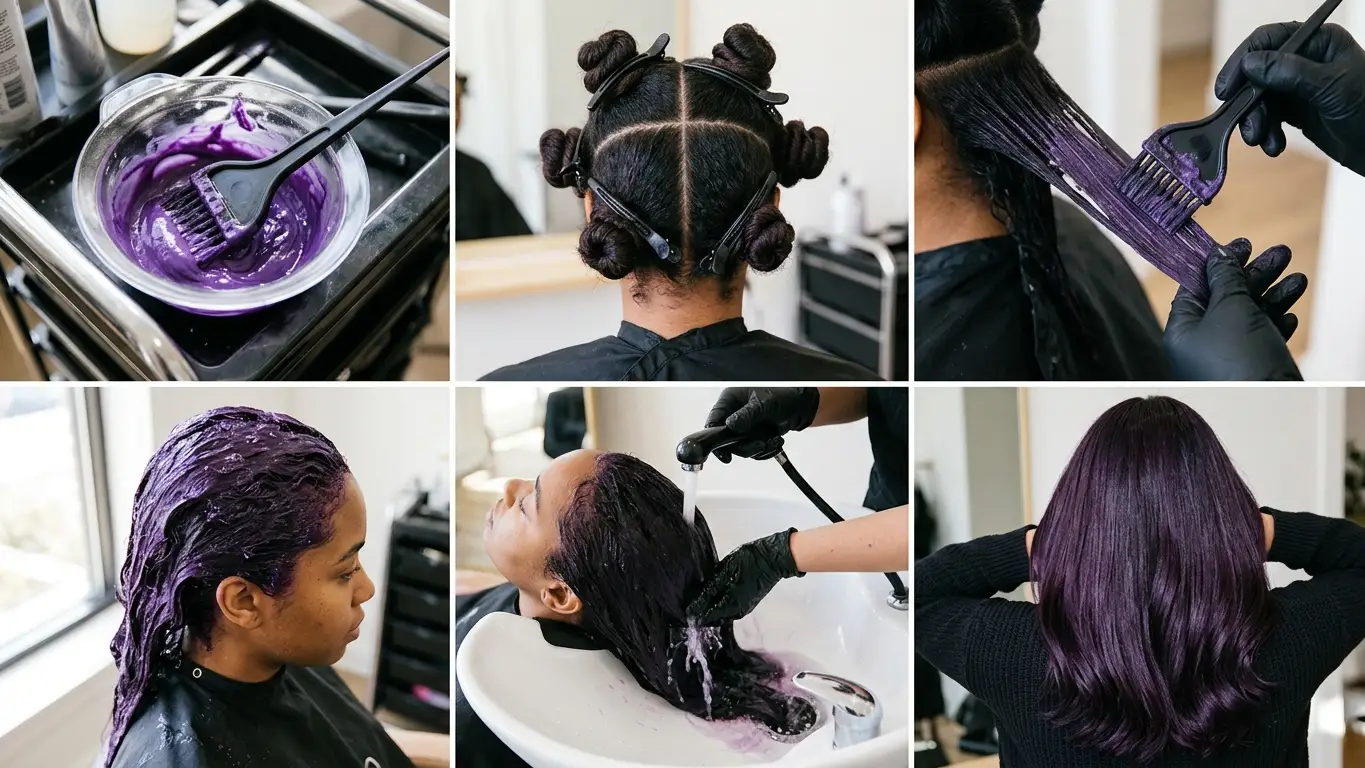
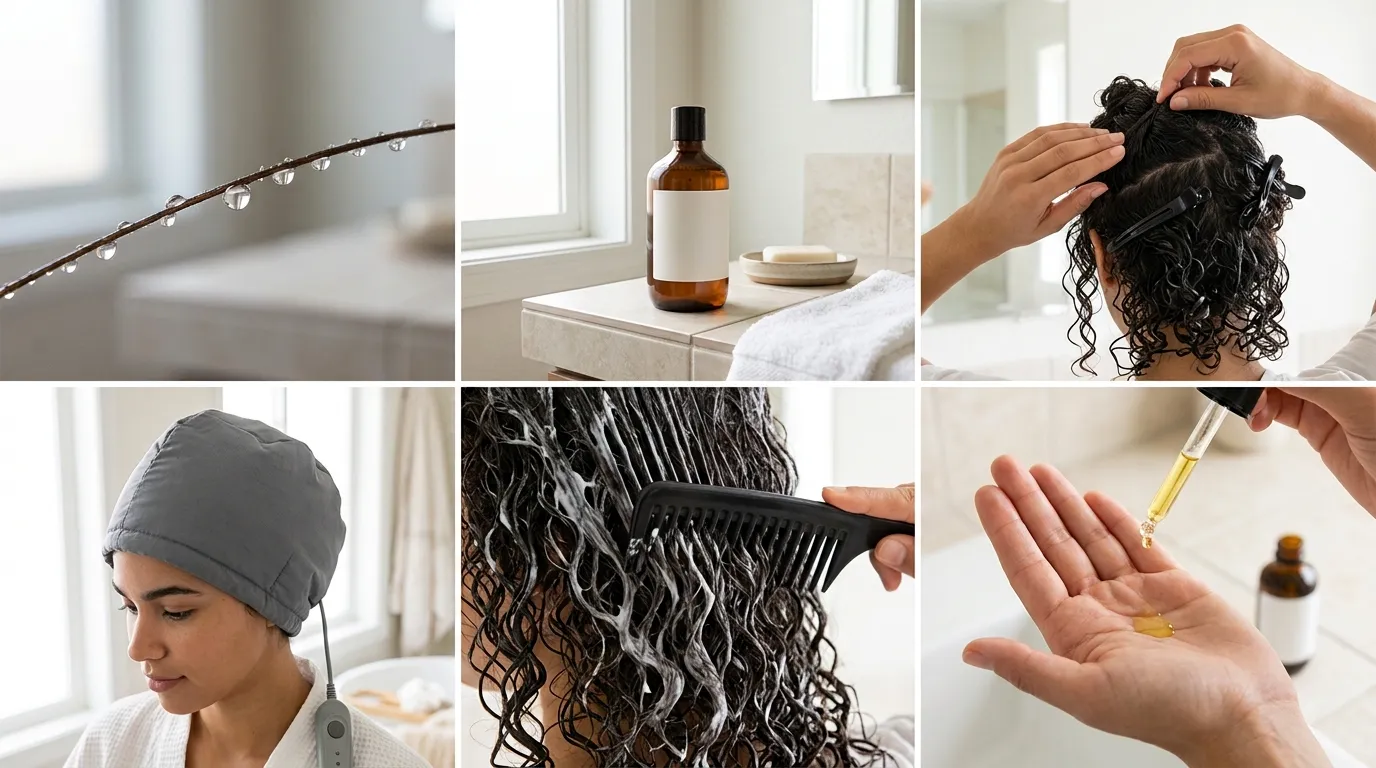
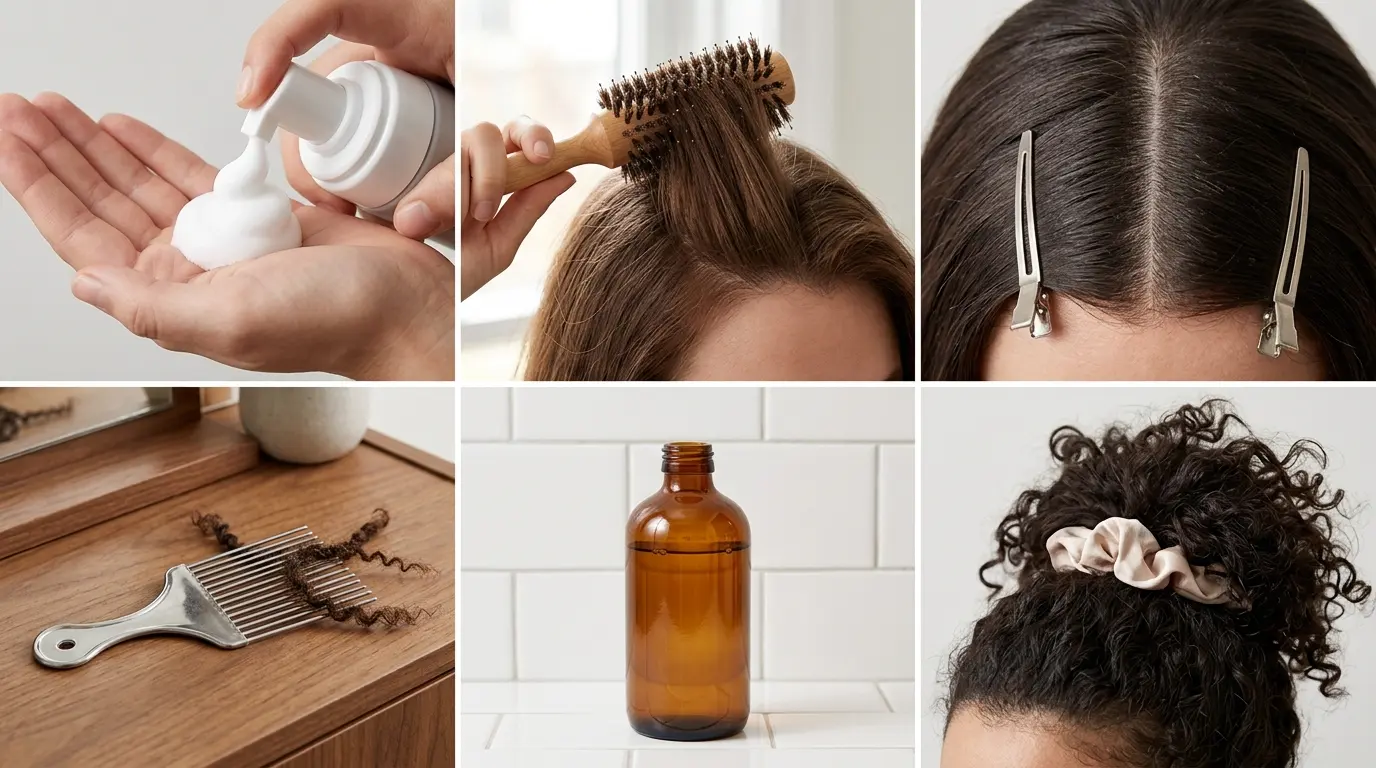
Clarify your scalp forty-eight hours before coloring using a gentle chelating shampoo to strip silicone residue. Apply your deposit formula evenly using half-inch partings. Sit under a hooded dryer on medium heat for twelve minutes to lift stubborn cuticles without chemical aggression. Allow the hair to cool completely for five minutes before washing out. That cooling step contracts the cuticle layers back down, locking the midnight pigment inside.
Transitioning Naturally Dark Curls Over Early Grays
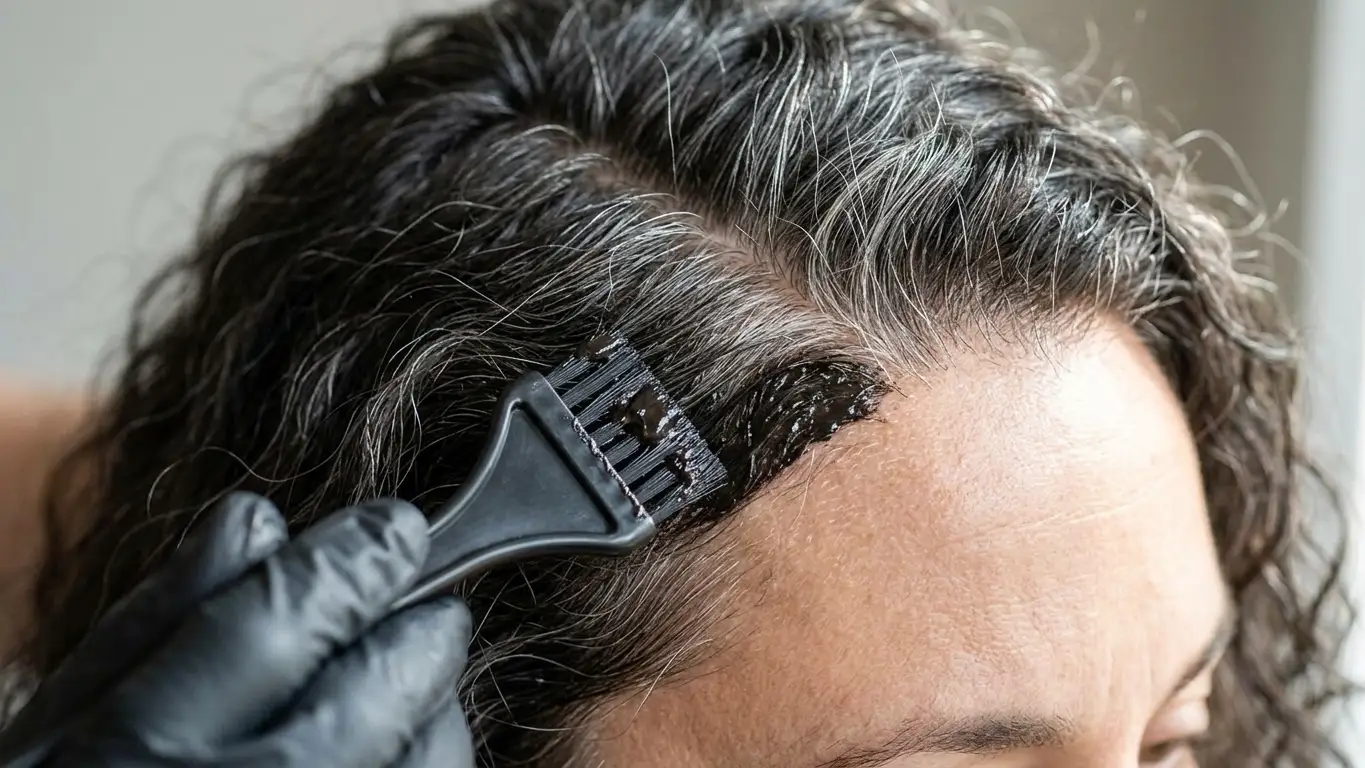
Fine silver strands popping up along your temples demand specific formulation strategies. Gray hair lacks all natural pigment, meaning a sheer midnight rinse will slide straight off, leaving behind a translucent slate smudge.
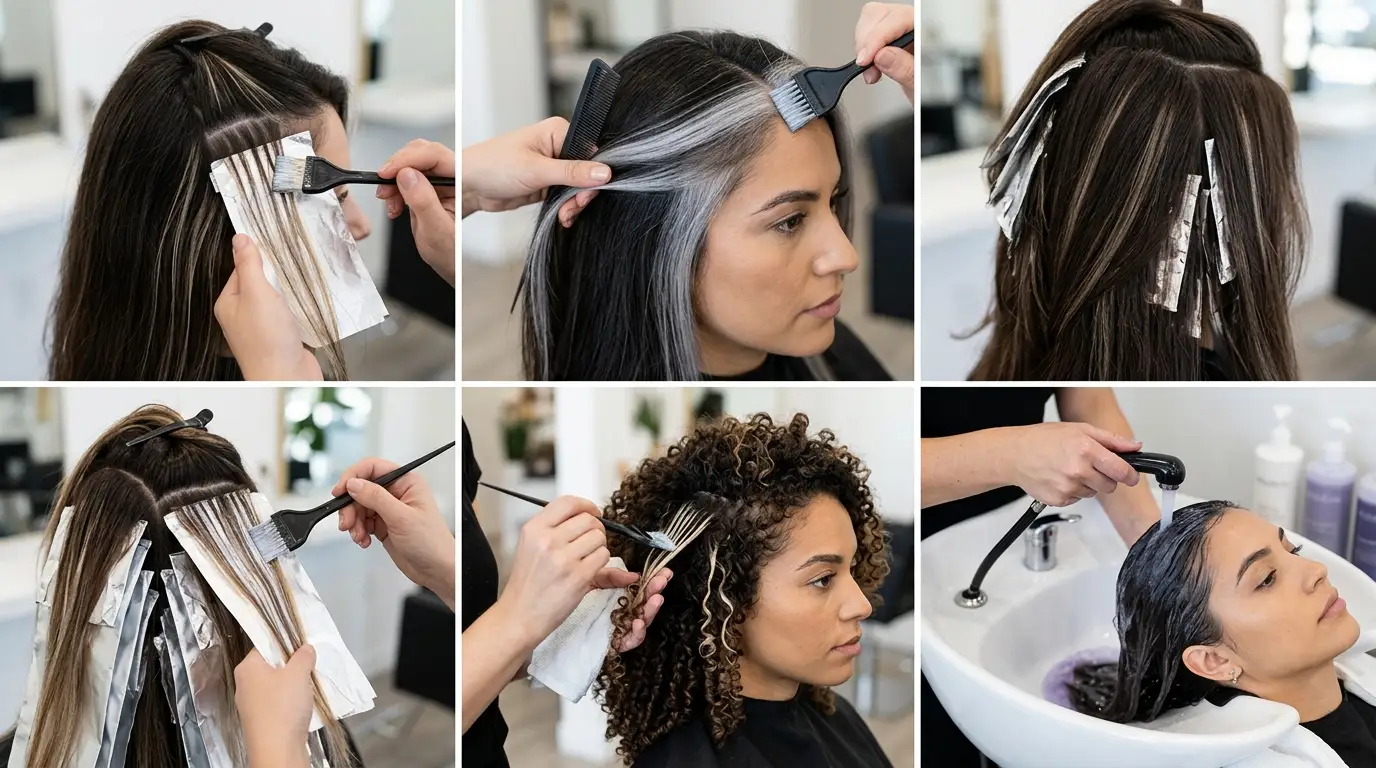
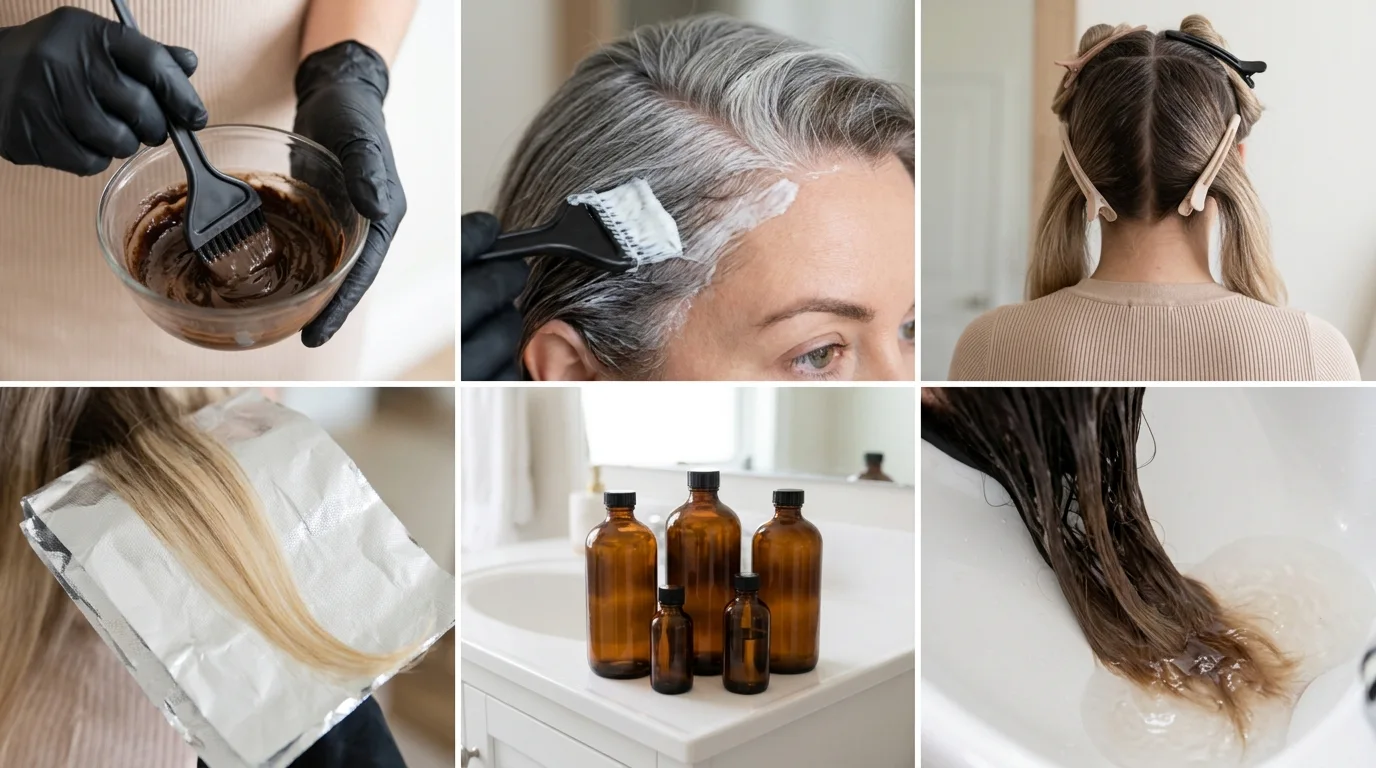
Opt for a permanent neutral-black cream containing equal parts natural base and level one tone. Mix with twenty-volume developer strictly on the new growth to soften resistant gray cuticles. Apply the cream with an angled brush directly to gray patches first, giving them an extra ten minutes of processing time. Avoid pulling permanent color through your ends every month. Refresh the lengths solely with a five-minute conditioning foam gloss to stop chemical buildup.
The Low Maintenance Routine for TWA Cuts

Teeny weeny afros let you experiment with extreme contrast because hair turns over rapidly with regular shaping. A tapered cut keeps the silhouette sharp while shedding colored ends every six to eight weeks.
Pick a gentle ammonia-free demi-permanent gloss that conditions while it deposits. Because edges and nape zones grow out fast, schedule quick touch-ups every four weeks alongside your barber lineup. Do not use permanent boxed dyes on a very short crop. The scalp absorbs unnecessary chemicals when hair is under an inch long, and dye easily stains the skin along fresh razor lines. A conditioning color wax offers another safe alternative if you switch styles frequently.
Silk Press Routines on Flat Black Strands
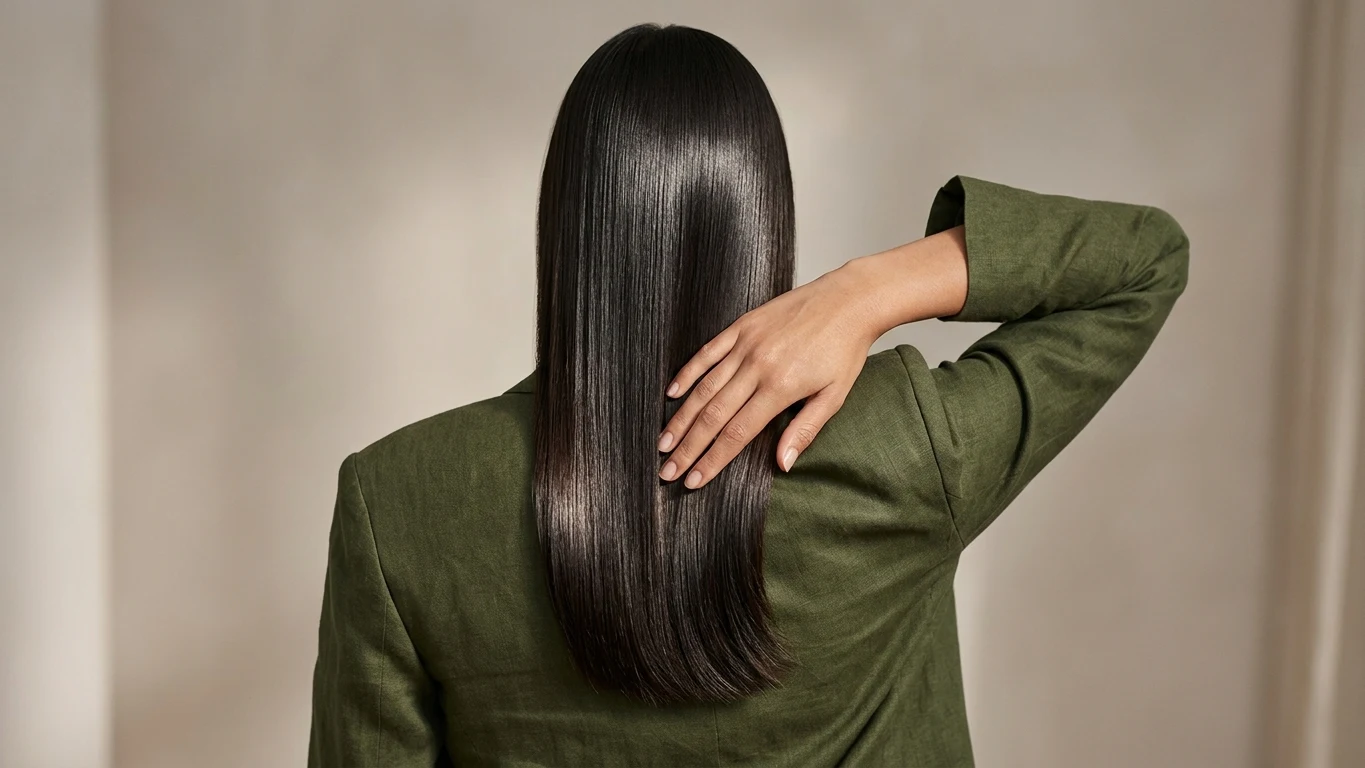
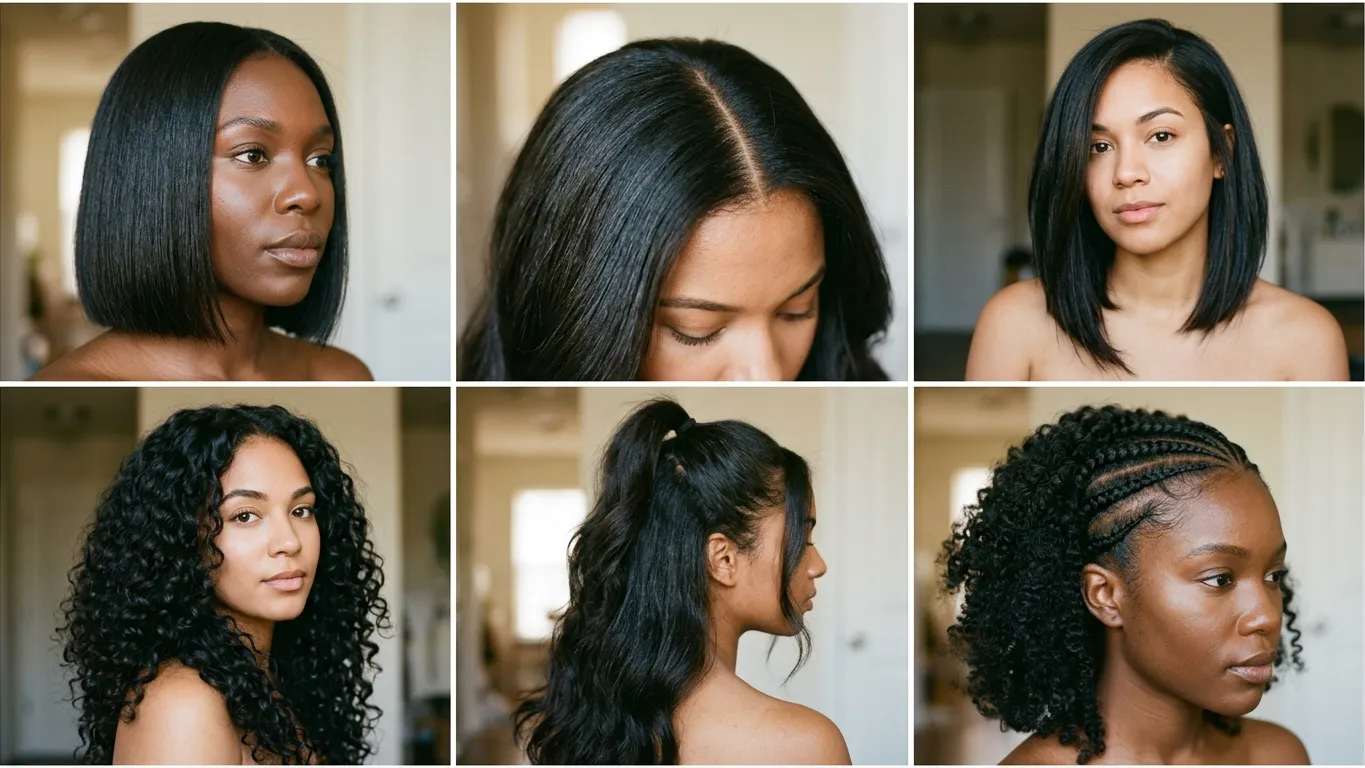
Bone-straight styling on level one strands displays every split end, flyaway, and dry zone. Deep tones absorb light rather than bouncing it, which means dull surfaces look noticeably matte unless styled with precision.
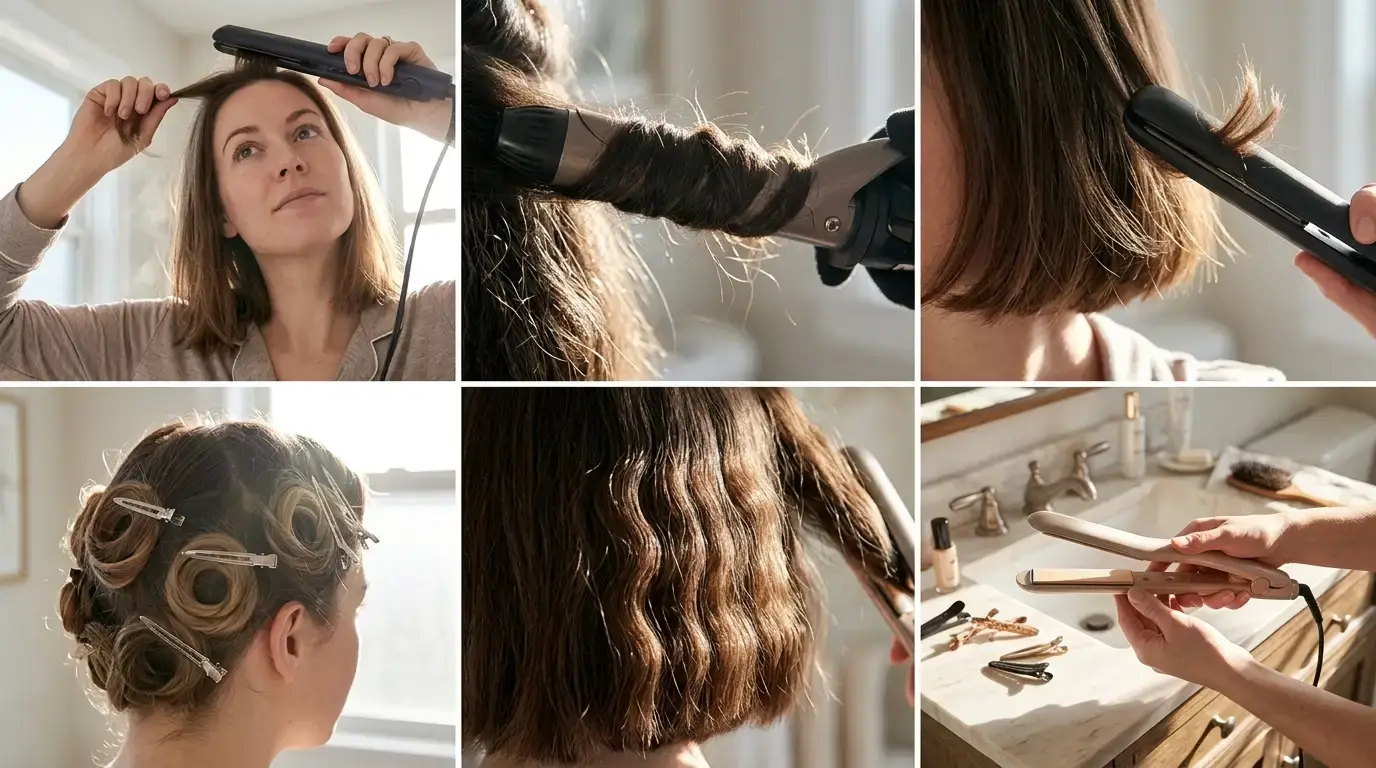
Apply a silicone-based thermal serum containing argan oil before using your blow dryer and paddle brush. Set your titanium flat iron between 365 and 385 degrees Fahrenheit. Running plates above 400 degrees scorches artificial black pigment, stripping it to a dingy rust shade within seconds. Limit heat exposure to a single steady pass down each section. Wrap your strands tightly in a circular pattern each night under a pure mulberry silk scarf to protect the luster.
Defining Tight 4C Coils Under Dark Dye
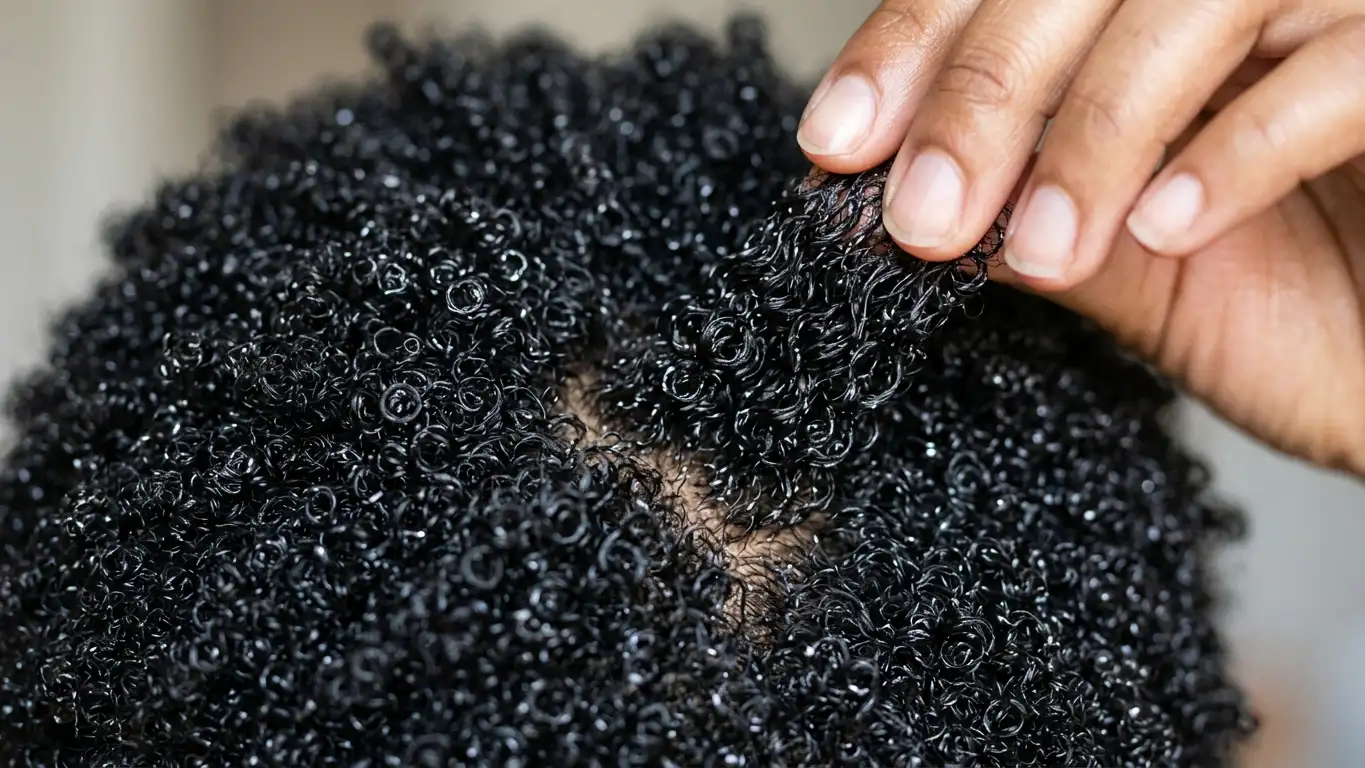
Deepest obsidian color can make dense coils appear like a solid mass, obscuring curl pattern and texture definitions. Restoring visual separation requires specific moisture techniques.
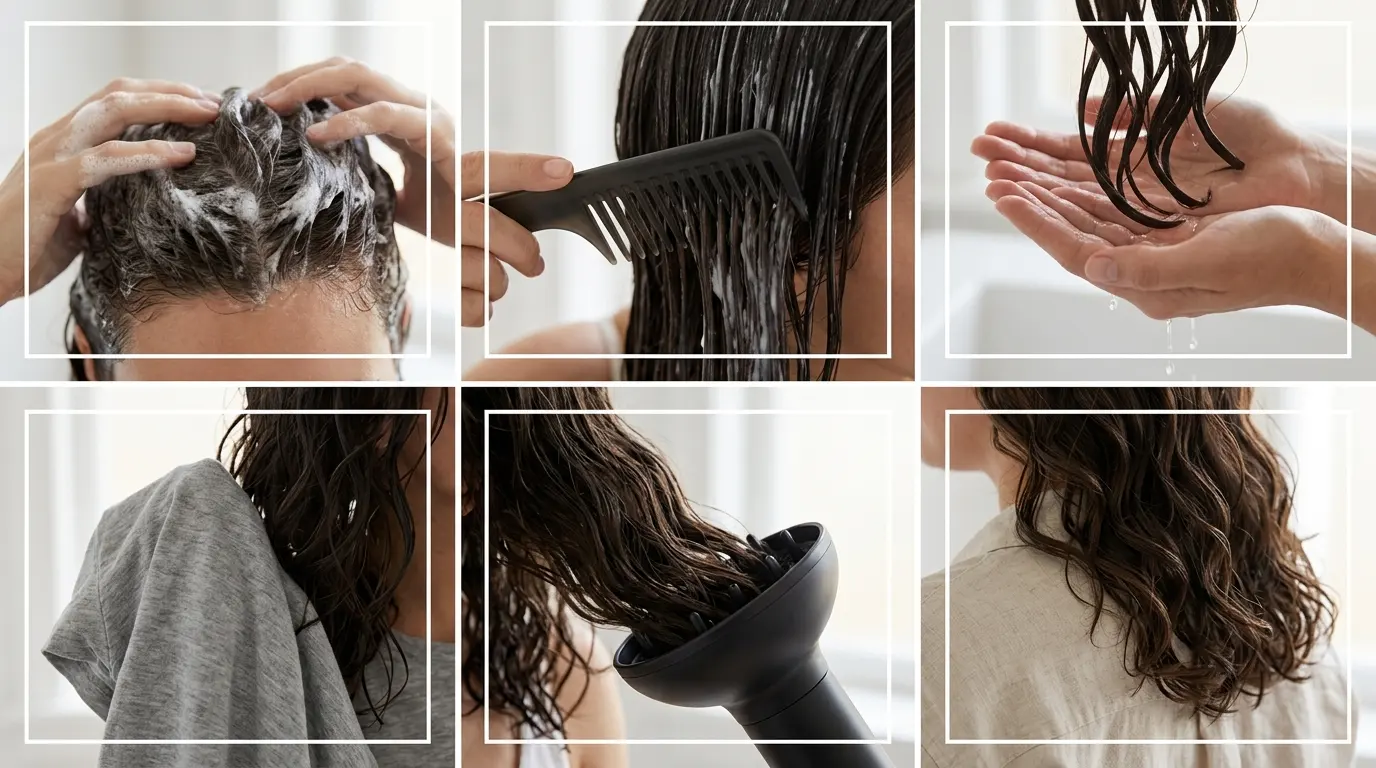
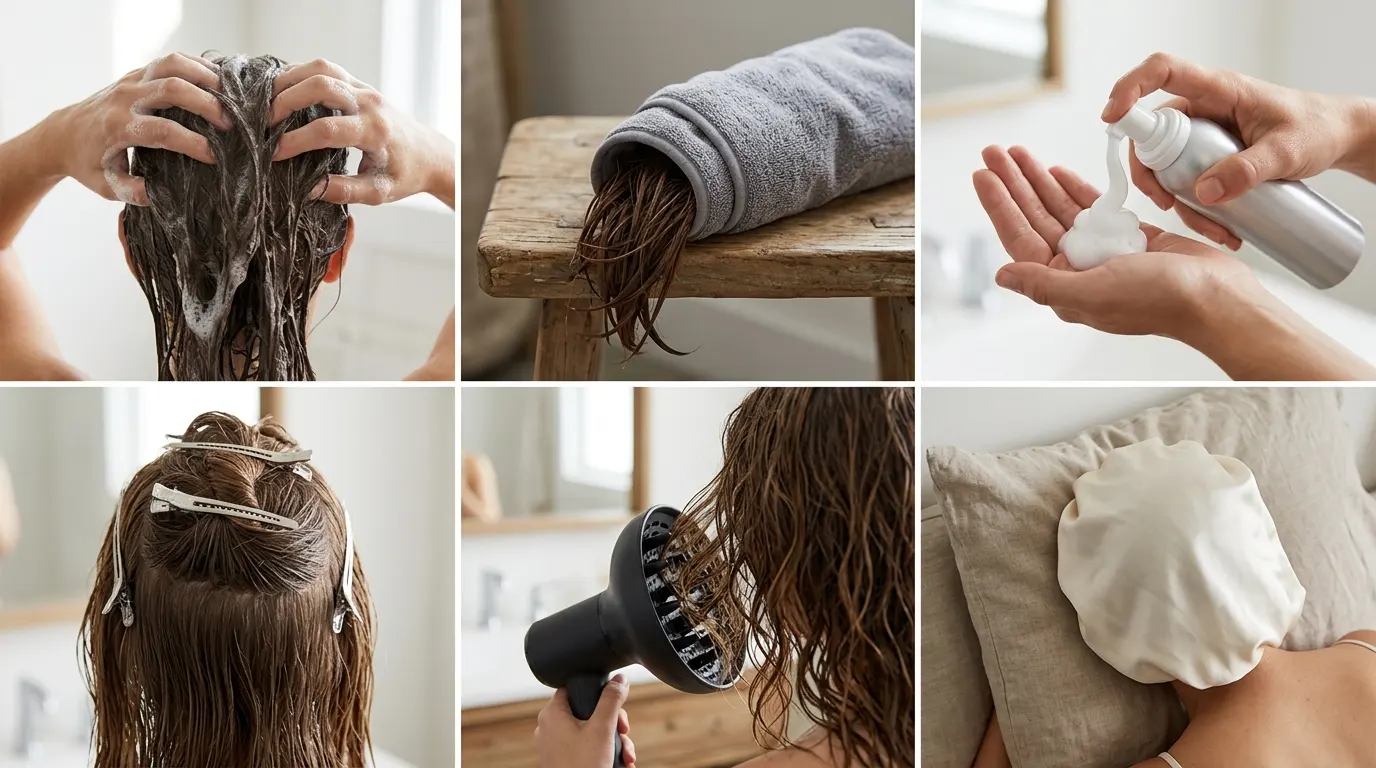
Rely on botanical curling custards paired with pure aloe vera gel rather than heavy petroleum pomades. Heavy greases trap dust, making dark curls look cloudy after three days. Apply your defining gel to soaking-wet hair using the shingling method, smoothing product down small groups of strands until coils pop. Dry using a diffuse dryer attachment on low speed to set the cast without disturbing the curl formation. The resulting shine reflects light across individual loops, highlighting texture.
Selecting Semi Permanent Rinses for Salon Skeptics
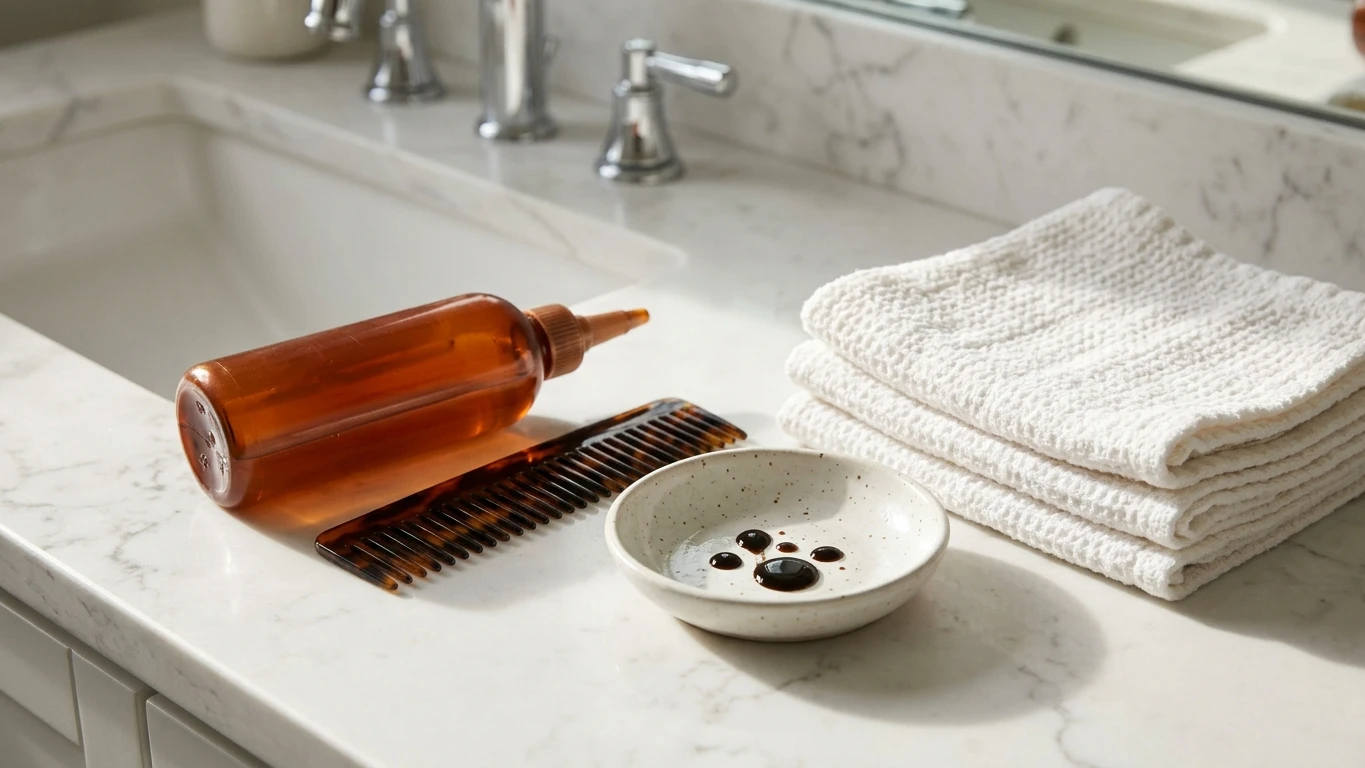
If you dislike long-term chemical commitment, semi-permanent rinses coat the outside of the hair shaft without opening the cortex. This gentle method lets you enjoy midnight tones for six to twelve shampoos before fading naturally.
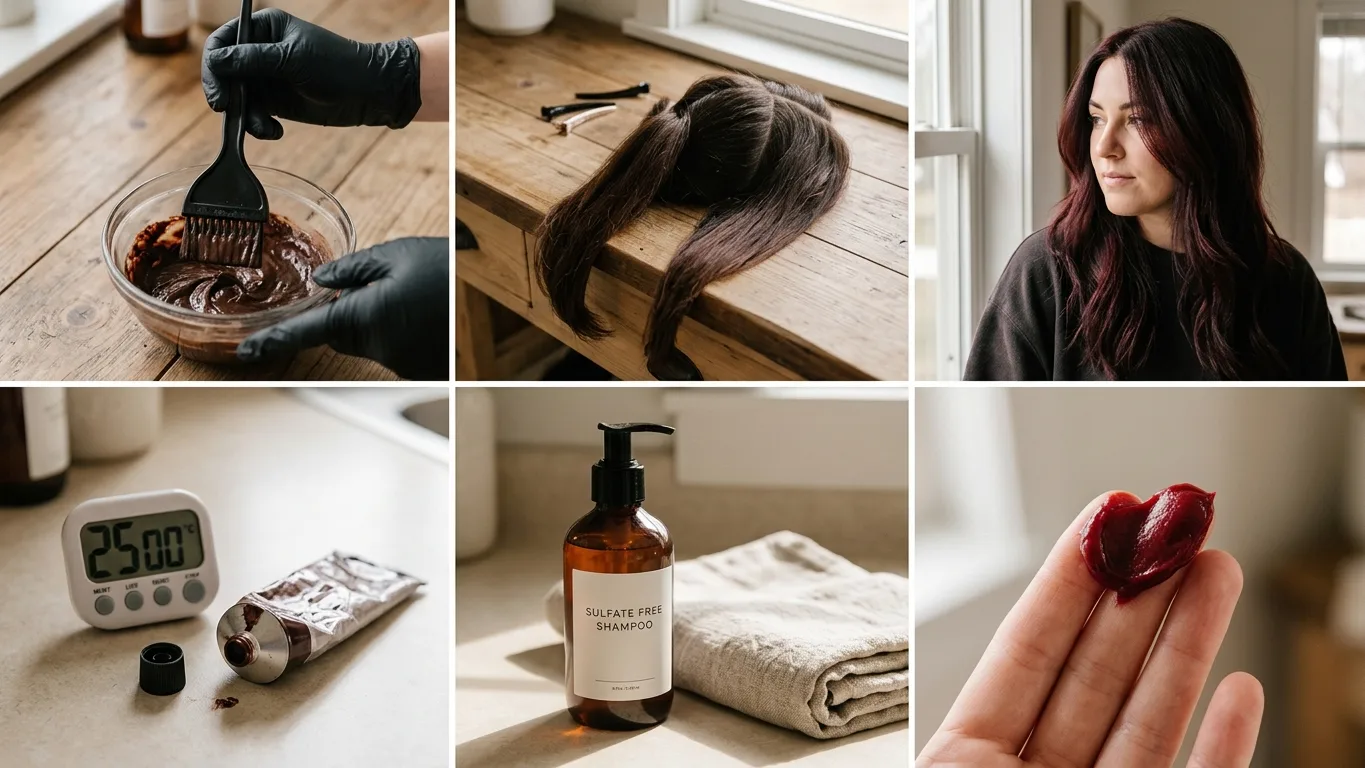
Pour the liquid rinse into an applicator bottle and work through clean, damp curls right at the sink. Cover with a plastic processing cap and leave on for twenty-five minutes without heat. This approach fails if you want to lift your base or if you swim weekly in chlorinated pools, which washes out surface dyes instantly. For individuals testing dramatic contrast before buying extensions or wigs, a non-damaging rinse gives an accurate visual preview without permanent stakes.
Protective Braiding and Extension Color Alignment
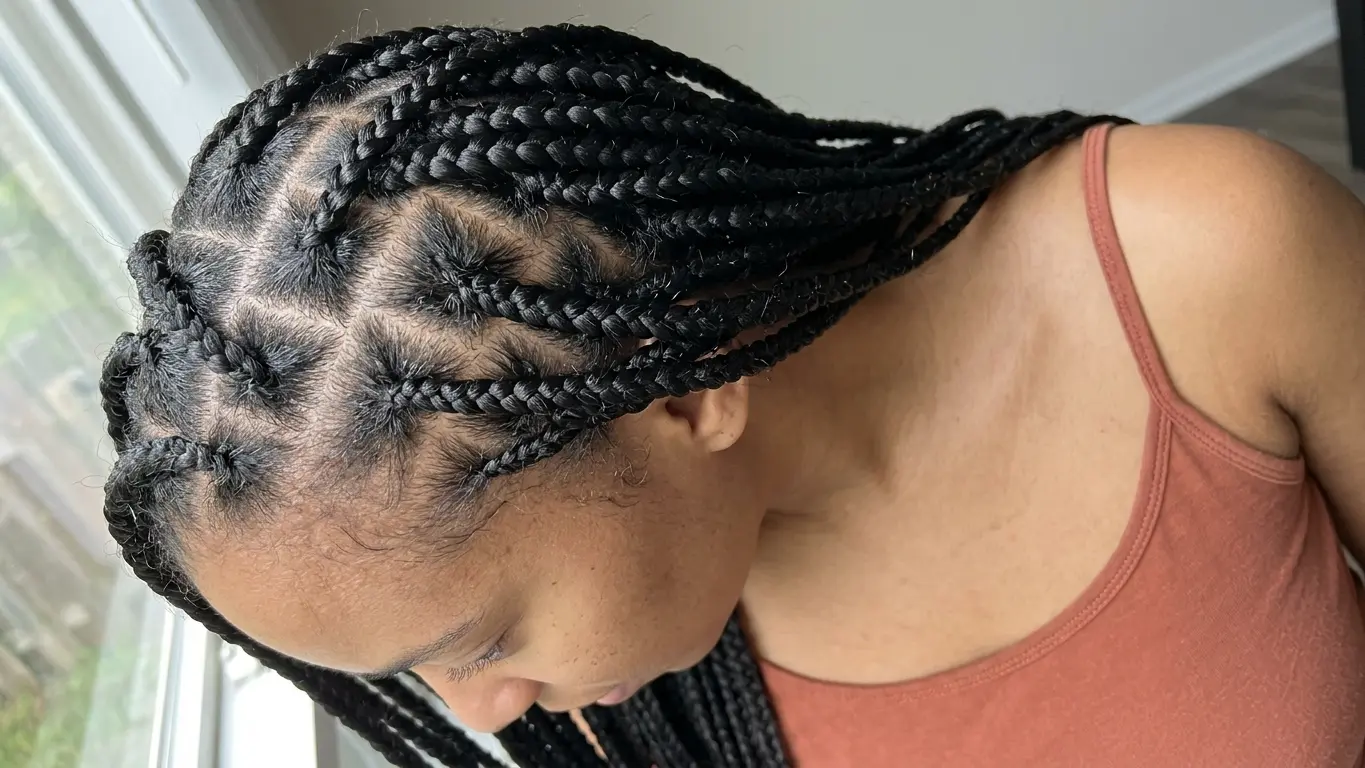
Installing braids, twists, or sew-in bundles demands an exact match between your natural perimeter and the synthetic or human extension fiber. Mismatched shades create a distracting line of demarcation along your scalp.
Synthetic braiding fibers labeled 1B lean toward dark ash-brown, whereas 1 represents true midnight black. If your natural hair is 1B, braid packs in 1 look stark and unnatural at the roots. Dye your own leave-out with a conditioning gloss to reach level one before your install, or purchase extensions labeled off-black to match untreated curls. Synthetic fibers cannot absorb hair dye, so adjust your own strands to the hairpieces rather than attempting to color extension packs at home.
Color Care Regimens for Swimming and Active Lifestyles
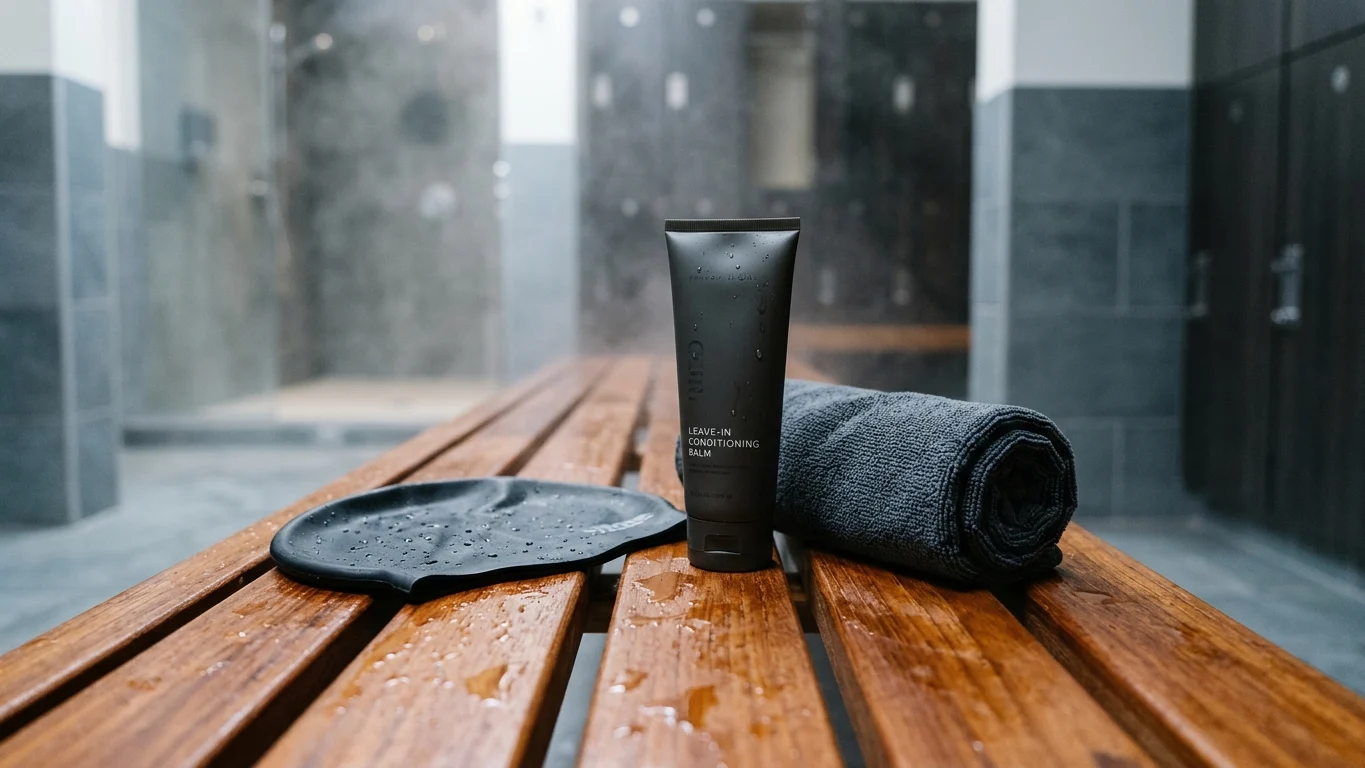
Daily workouts, sweat, and pool chlorine strip artificial dark pigment fast, turning rich tones brassy and parched. Salt and minerals open cuticles, allowing deposited color molecules to rinse down the shower drain.
Coat damp strands with a water-resistant leave-in balm before tucking your curls into a snug silicone swim cap. Wash hair afterward with an apple cider vinegar rinse or an anti-chlorine cleansing milk instead of foaming sulfate shampoos. Expect to spend around twenty-two to thirty dollars in 2026 for a bond-repairing color-safe mask. Apply this treatment weekly for five minutes to rebuild broken bonds and prevent salt-induced dryness from dulling your tone.
Emergency Neutralization for Green and Ashen Tones
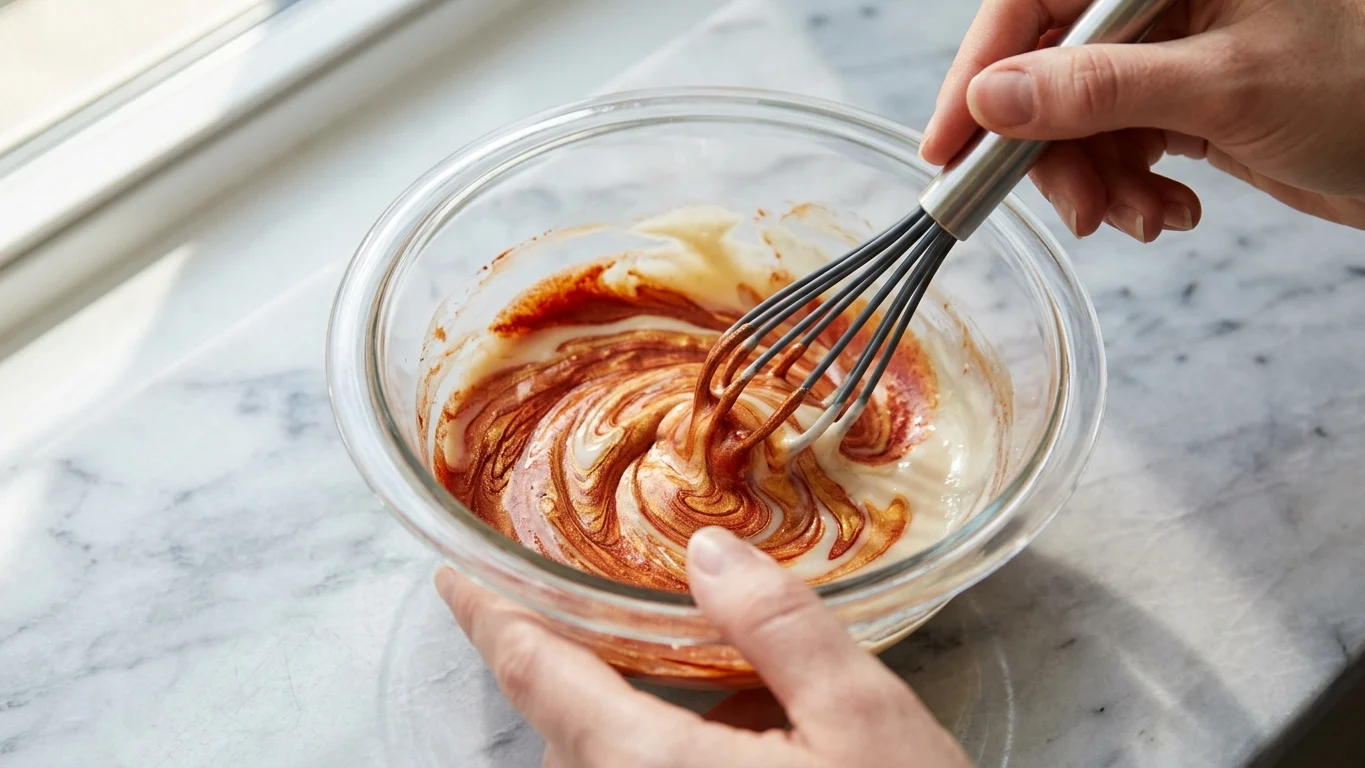
Over-depositing blue-based dyes over previously lightened or porous strands often produces a flat, sickly greenish cast under fluorescent lights. This happens because blue pigment overlays yellow-orange undertones without enough red filler in between.
Correct this tone imbalance by applying a deposit-only copper or warm auburn color gloss directly over the greenish zones for eight minutes. The warm red-orange molecules instantly cancel out the green hue, bringing the hair back to a natural espresso base. Avoid applying more dark blue dye to fix this problem, as stacking blue over green only intensifies the murky finish. If the cast persists, use a gentle clarifying wash containing vitamin C powder to lift surface molecules safely.
Formulations Mapped to Lifestyle and Texture
Finding the best match depends on your weekly routine, hair history, and maintenance capacity.
| Situation | Recommended Formulation | Maintenance Cadence | What to Avoid |
|---|---|---|---|
| Natural 4C Coils | Acidic Demi-Permanent Gloss | Every 6 to 8 weeks | High-volume permanent developers |
| Early Gray Coverage | 20-Vol Permanent Cream at Roots | Every 4 weeks | Pulling permanent dye through ends |
| Active Swimmer | Keratin Conditioning Rinse | Every 3 weeks | Sulfate-heavy clarifying shampoos |
| Silk Press Enthusiast | Bond-Building Semi-Permanent | Every 6 weeks | Hot tools exceeding 390 degrees |
| TWA Short Haircut | Ammonia-Free Foam Tint | Every 4 weeks | Staining skin with liquid formulas |
| Virgin Low Porosity | Heat-Activated Gloss | Every 8 weeks | Processing without a thermal cap |
Choosing the Right Formulation
What is the safest way to tell if true black suits my facial contrast?
Hold a jet black velvet garment against your bare jawline in clean morning daylight. If your features look sharper and your eye color pops, the tone works. If the fabric highlights dark undereye circles or drains your skin, an espresso brown is a safer alternative.
Should I choose boxed kits or separate beauty supply bottles?
Pick separate bottles of professional liquid demi-permanent pigment and dedicated low-volume developer. Boxed kits typically include standard twenty-volume developer, which lifts unnecessary cuticles on hair that only needs color deposit.
How do I stop dark dye from staining my scalp along the hairline?
Spread a thick ring of pure shea butter or petroleum jelly along your ears, forehead, and nape before applying color. Keep the barrier cream a quarter-inch away from your actual baby hairs so it does not block dye absorption at the roots.
Can I bleach my strands back to blonde after wearing black dye?
Lifting artificial level one pigment requires multiple aggressive lightening sessions that frequently shatter textured coils. If you plan to wear blonde or copper highlights within the next twelve months, avoid permanent black formulas entirely.
Why does my dyed hair feel stiff and wire-like after coloring?
High-pH chemical color alters hair protein structure and strips natural lipid coatings. Counteract this stiffness immediately by applying a five-minute acidic bonding treatment to lower the hair pH back to its natural 4.5 zone.
A Final Rule for the Undecided
If you hesitate between deep dark brown and true midnight, pick the deep brown first. Artificial level one pigment stains the inner cortex stubbornly, making removal difficult without scissors or severe chemical damage. Starting with level two or three gives you rich contrast, preserves your flexibility, and lets you evaluate the depth before taking the final step into total black.