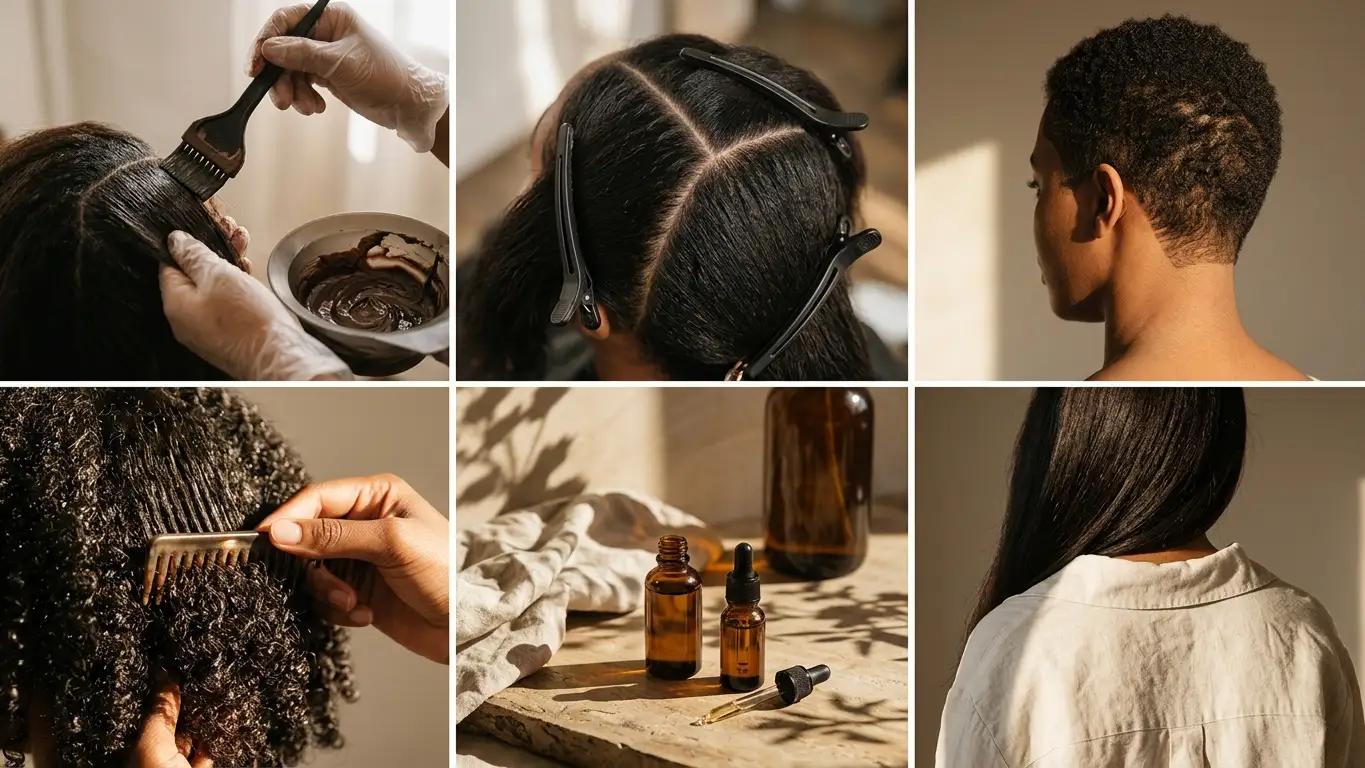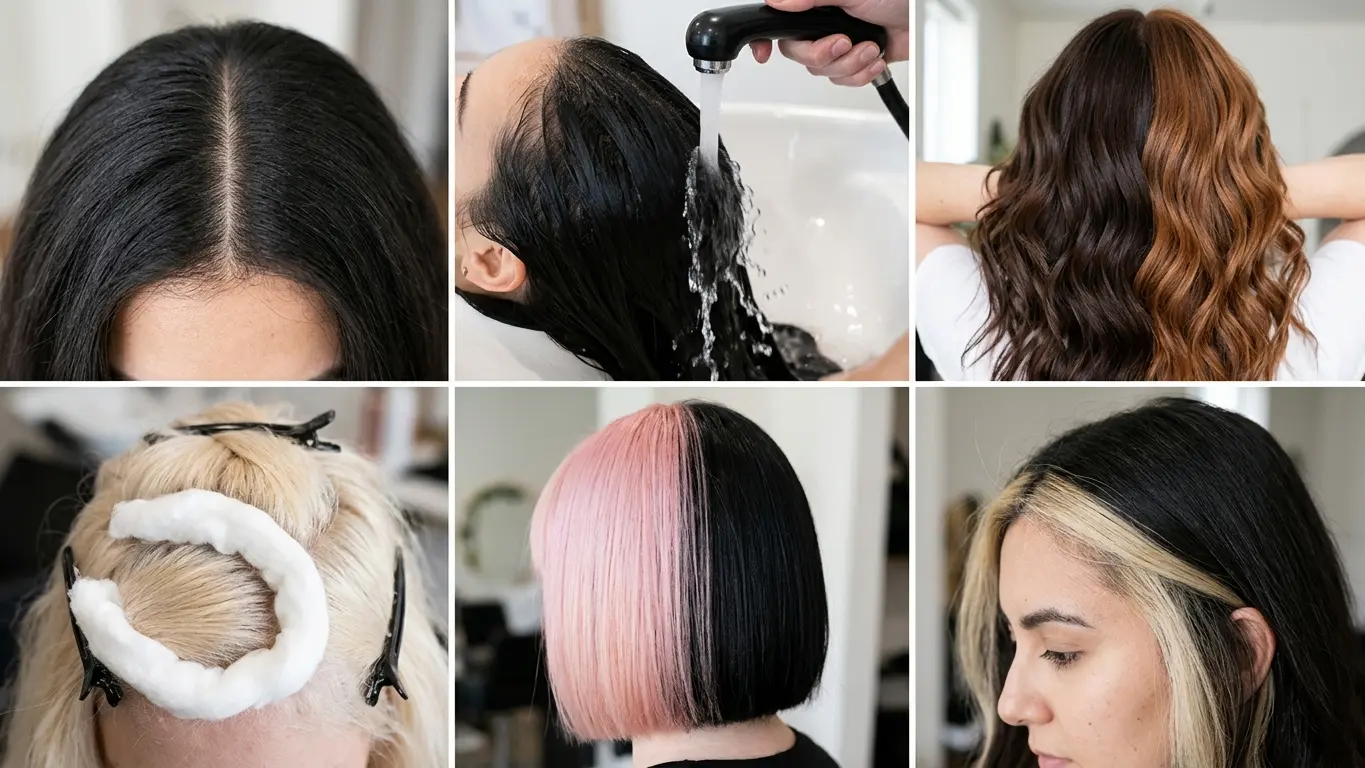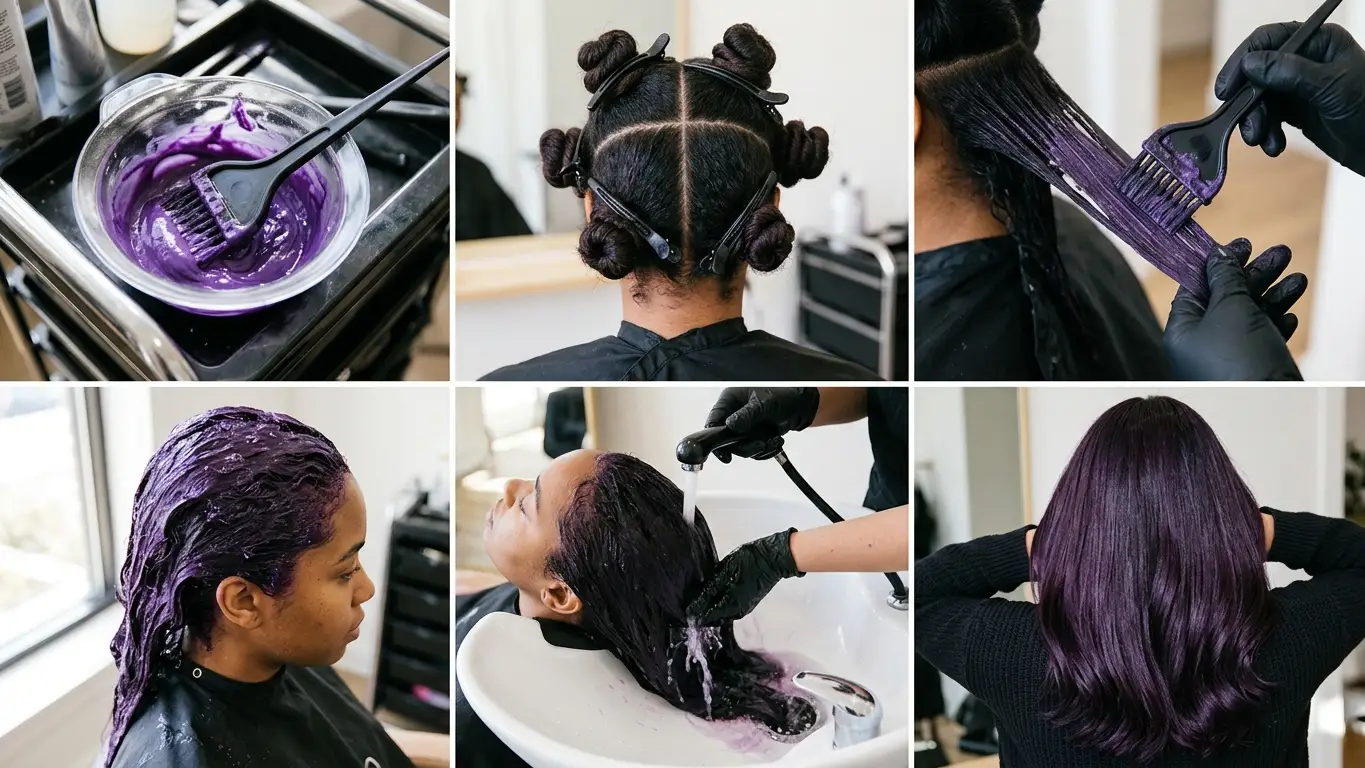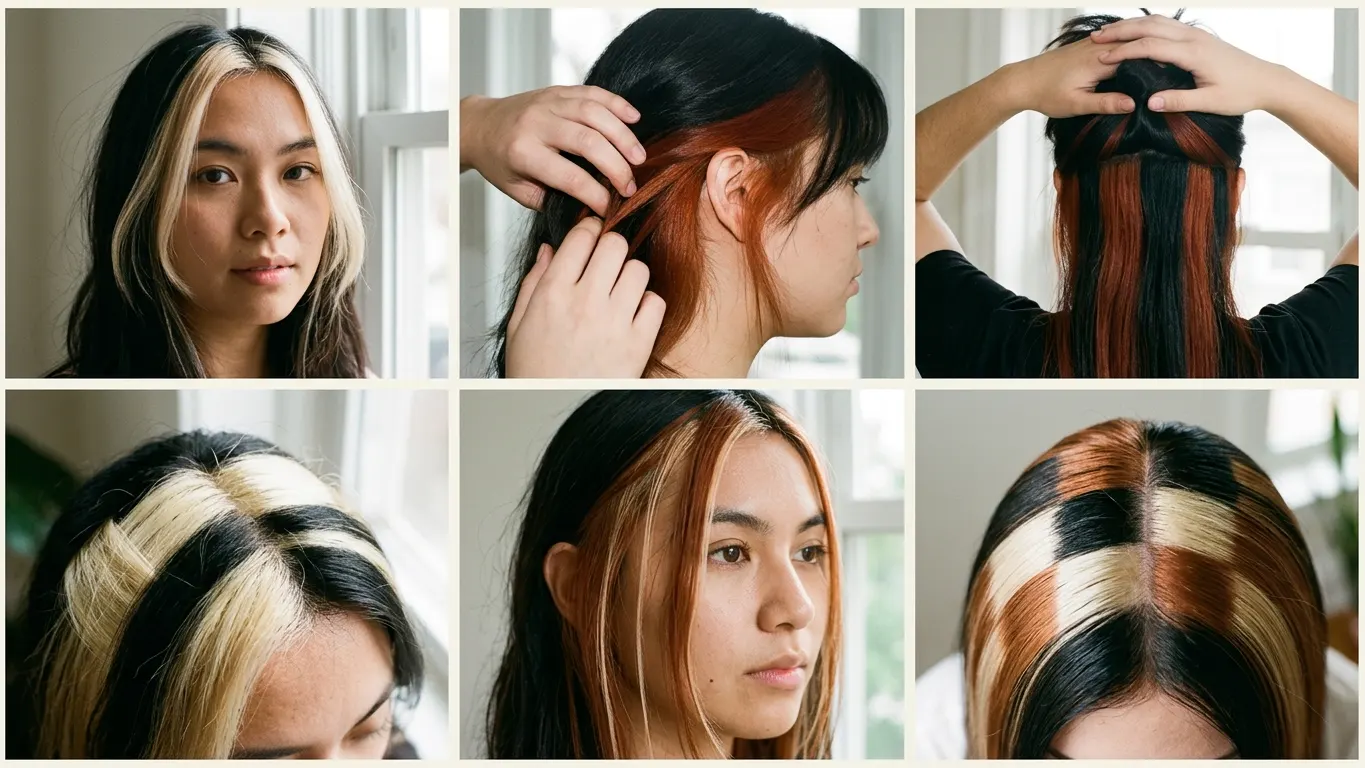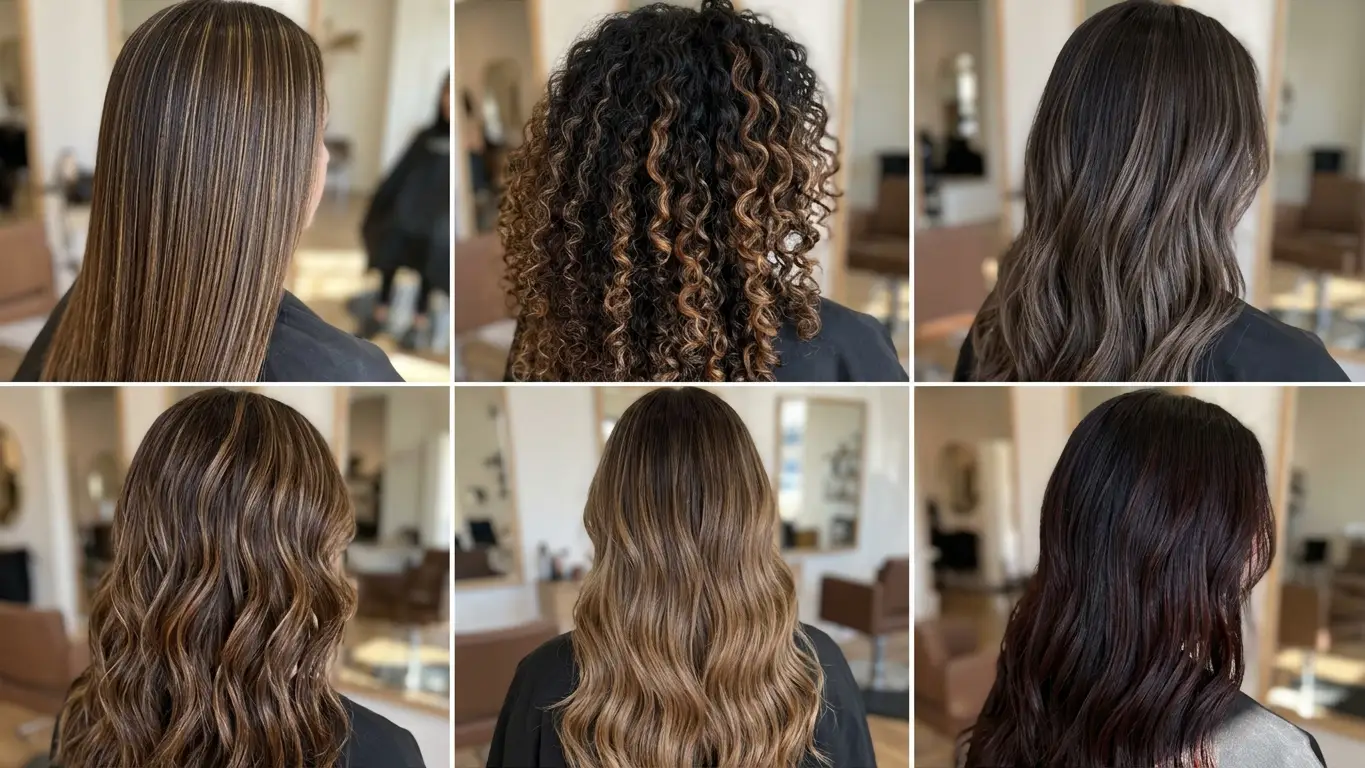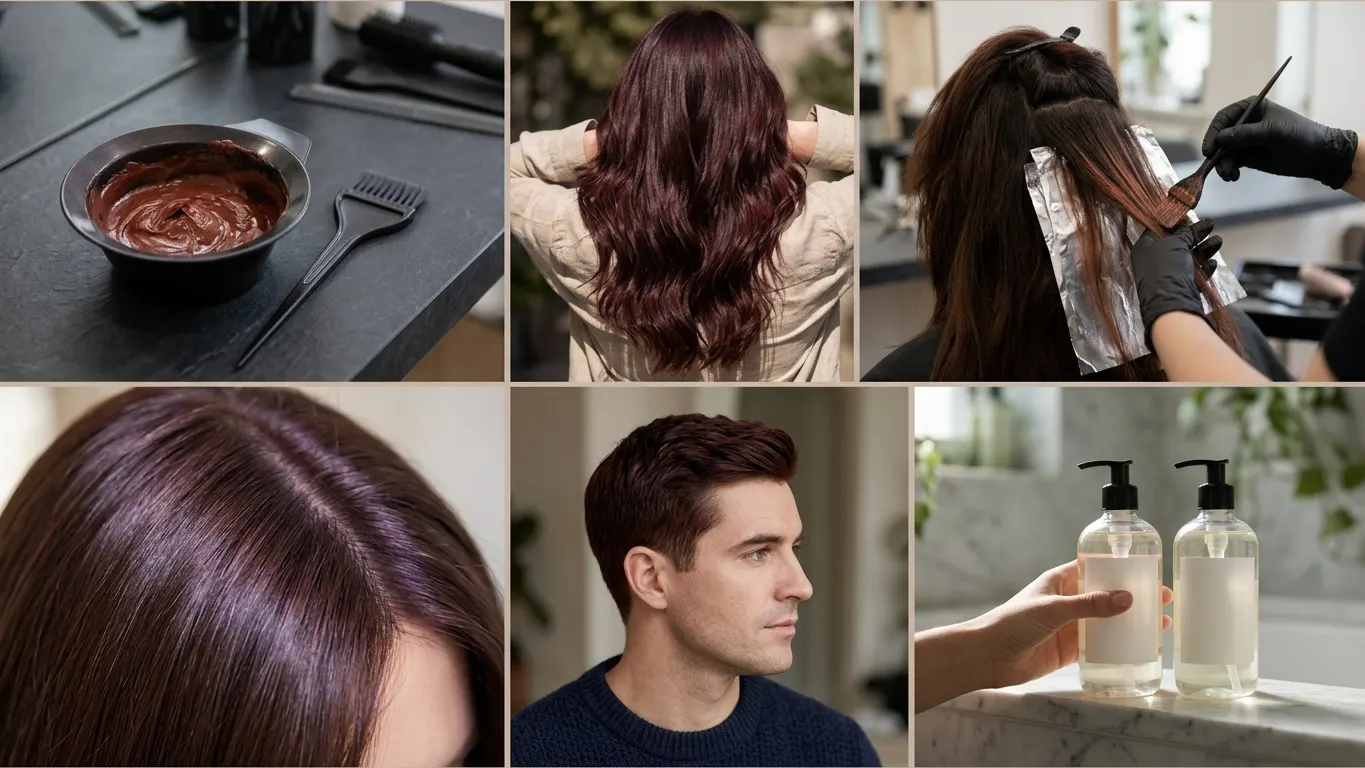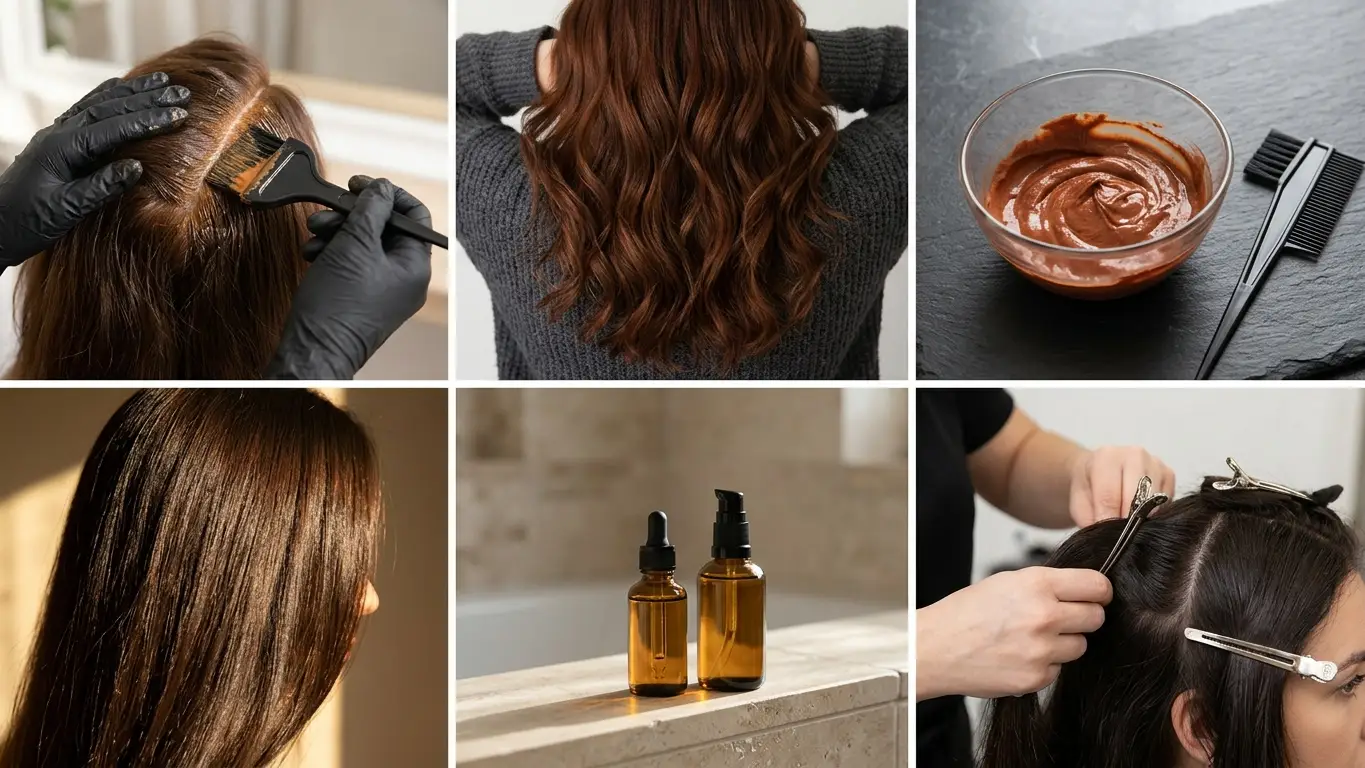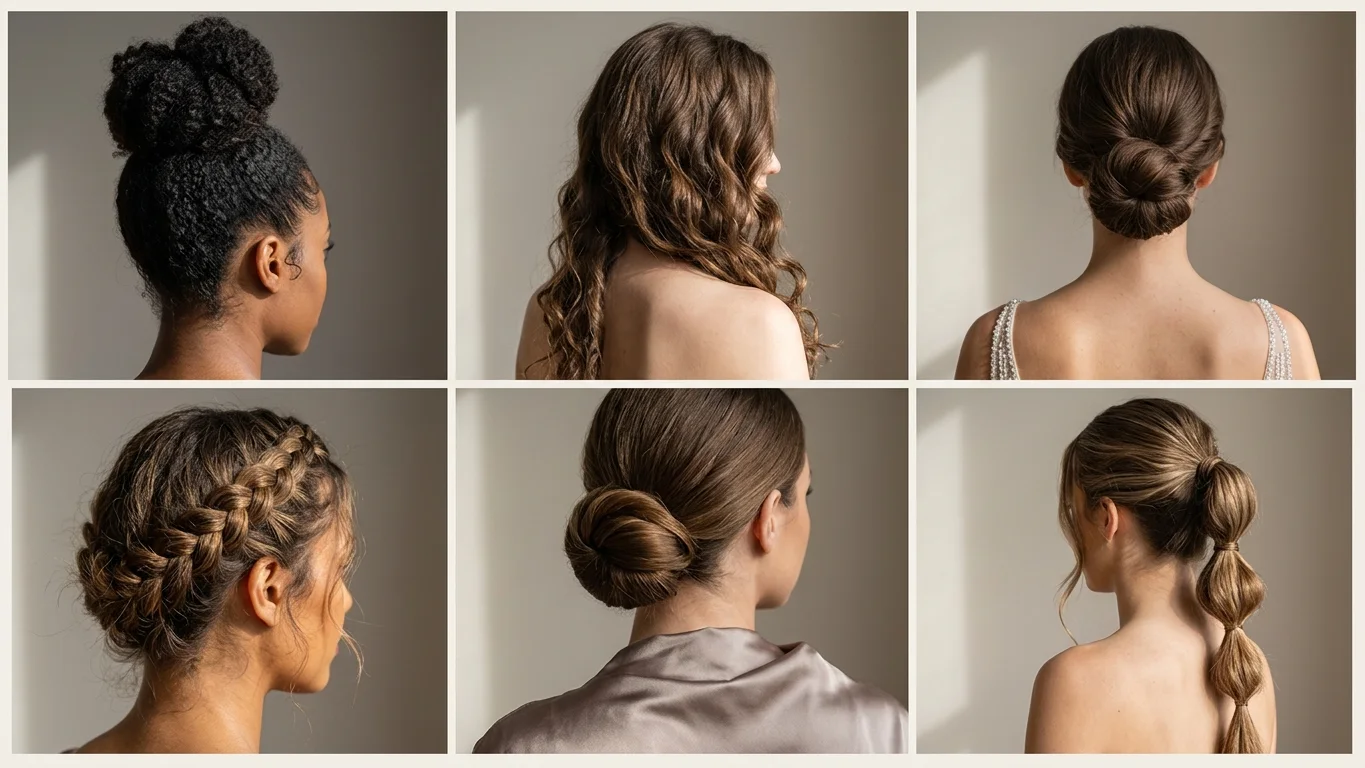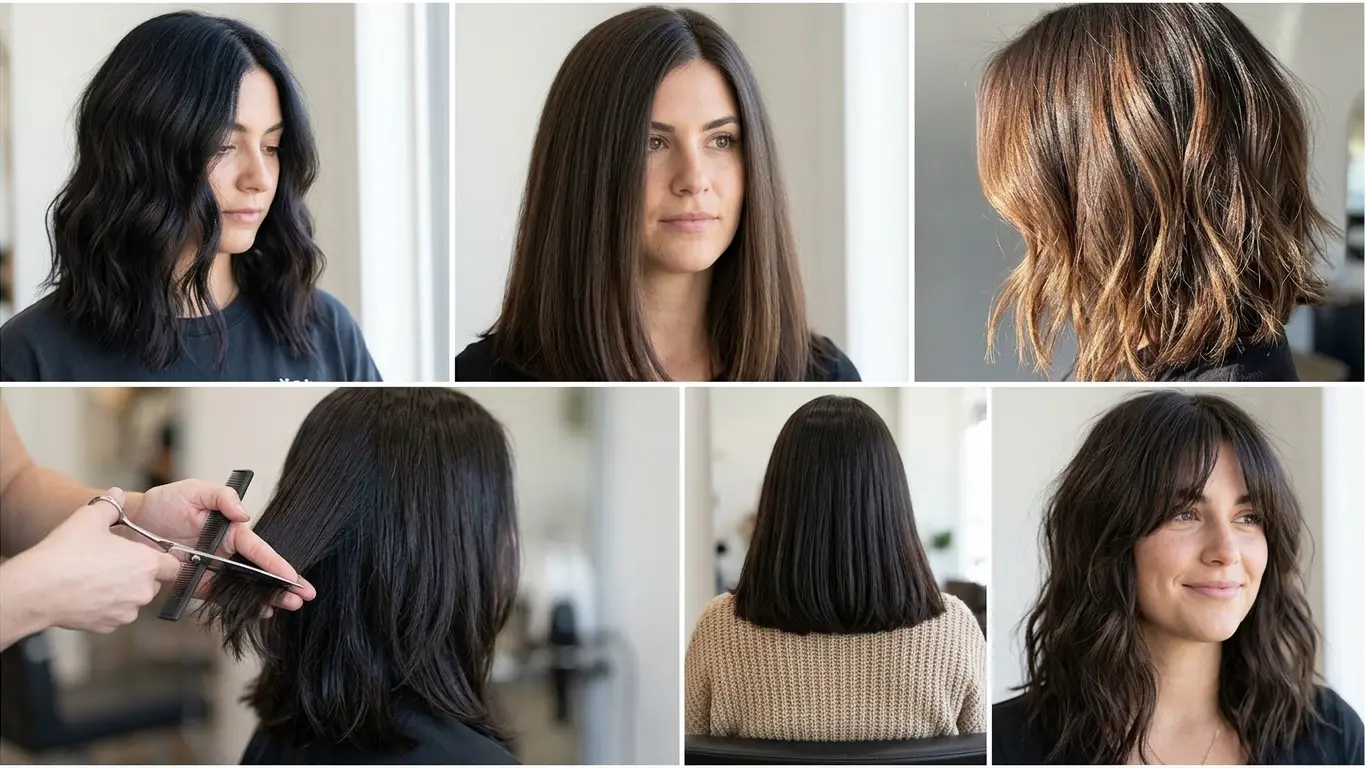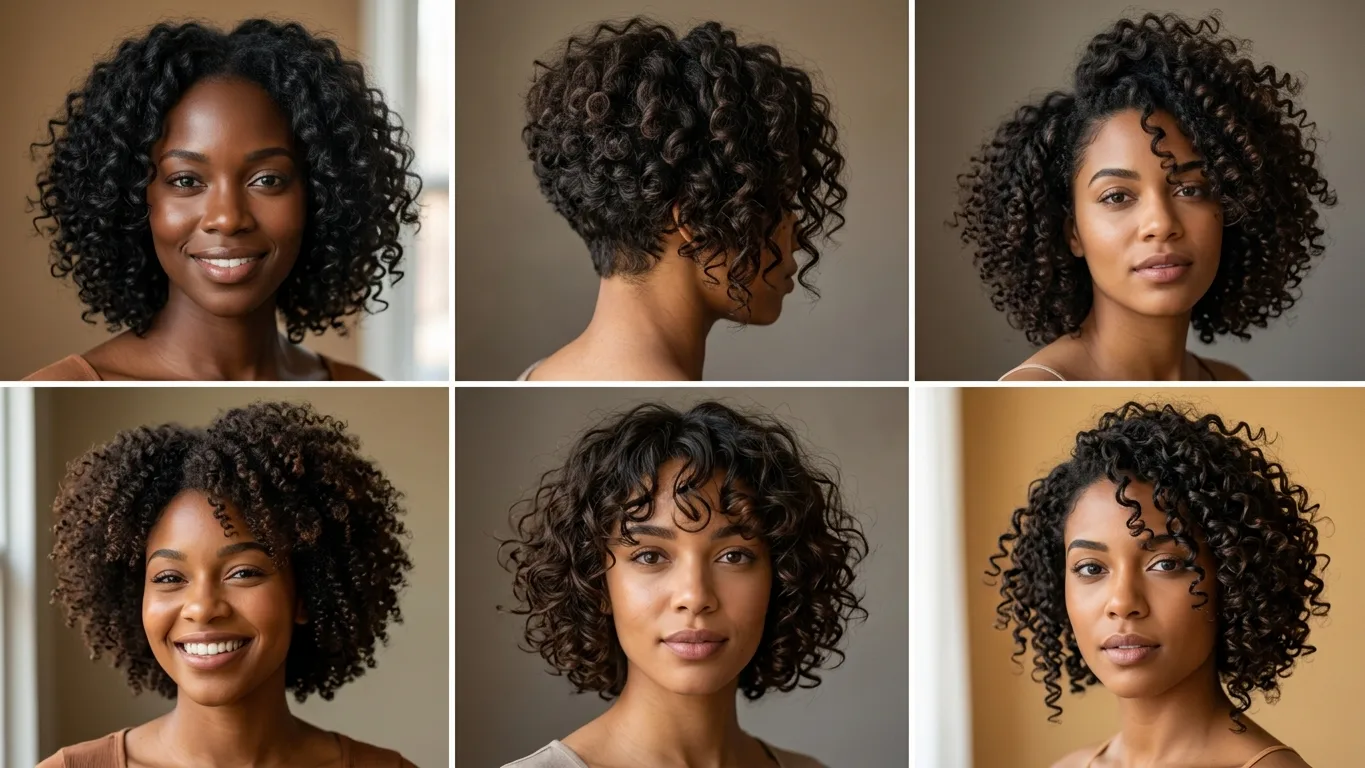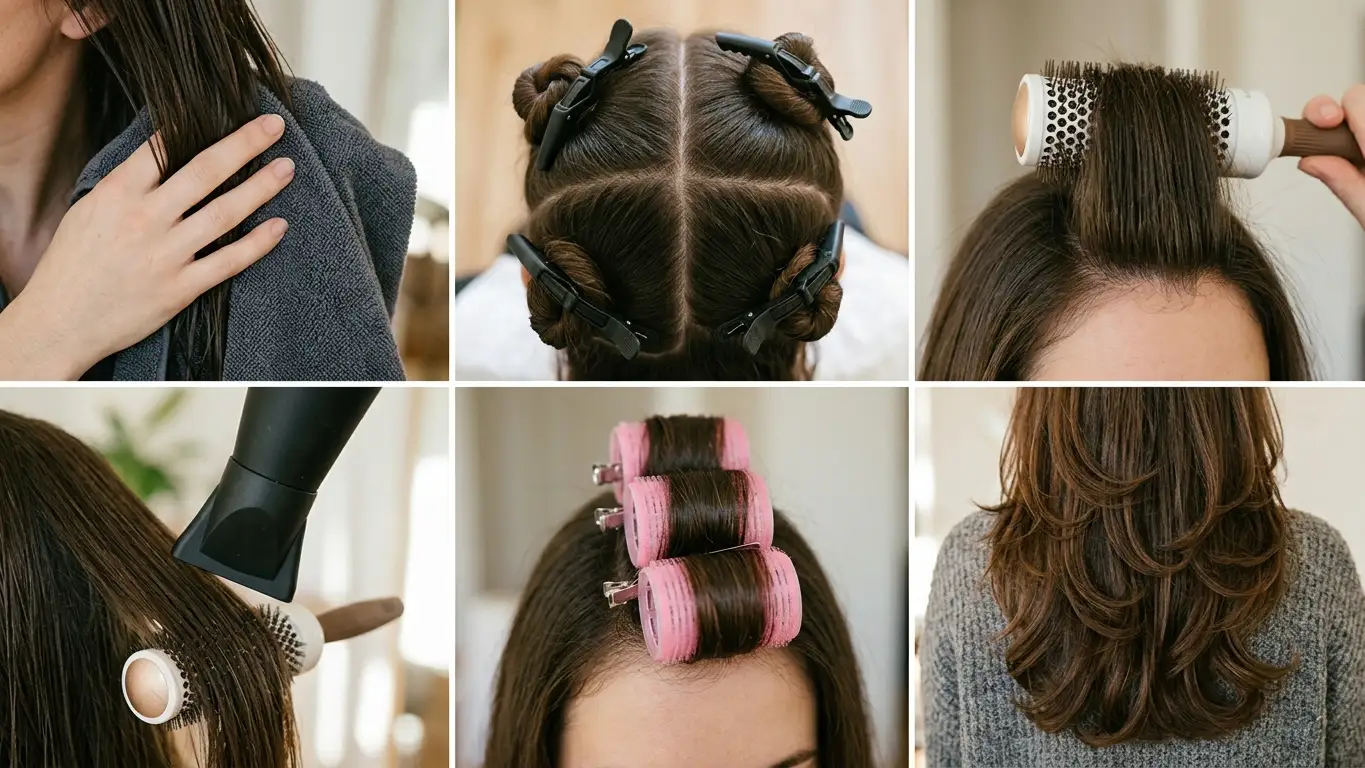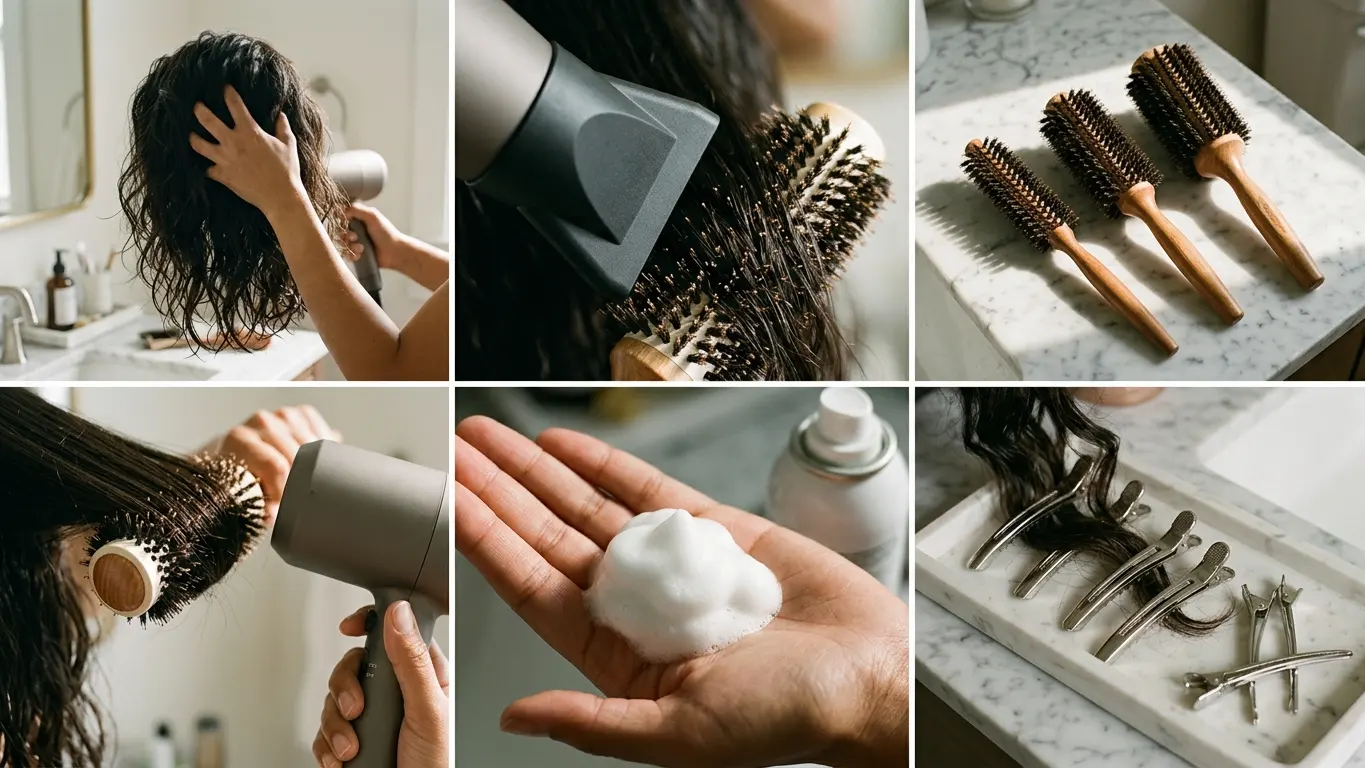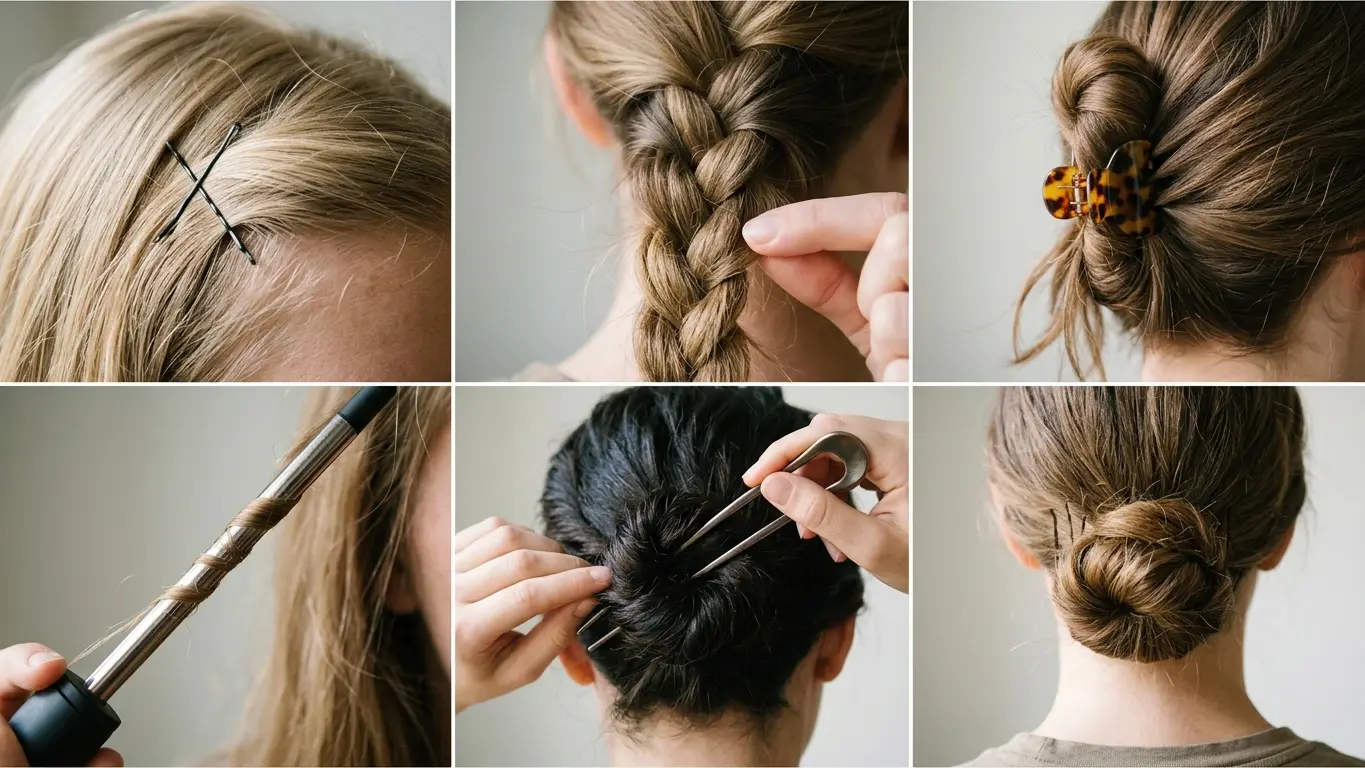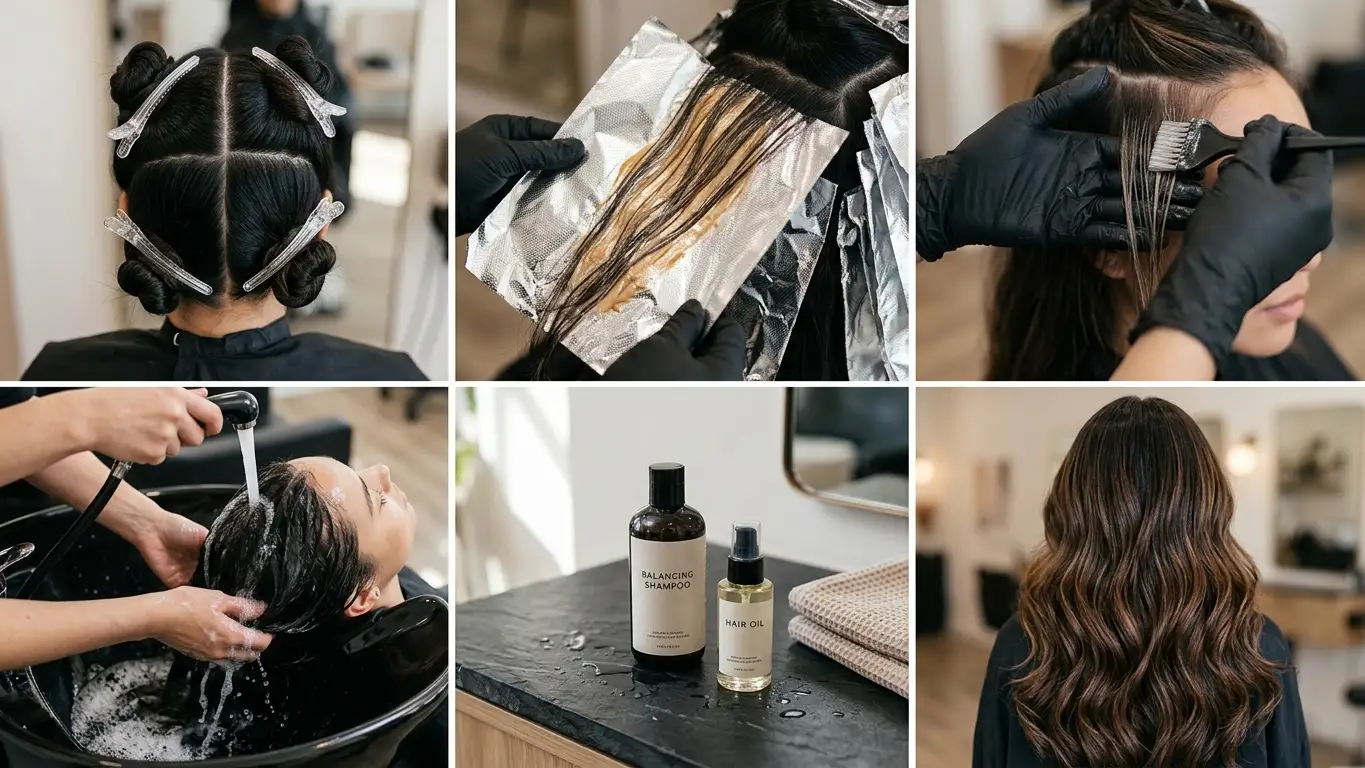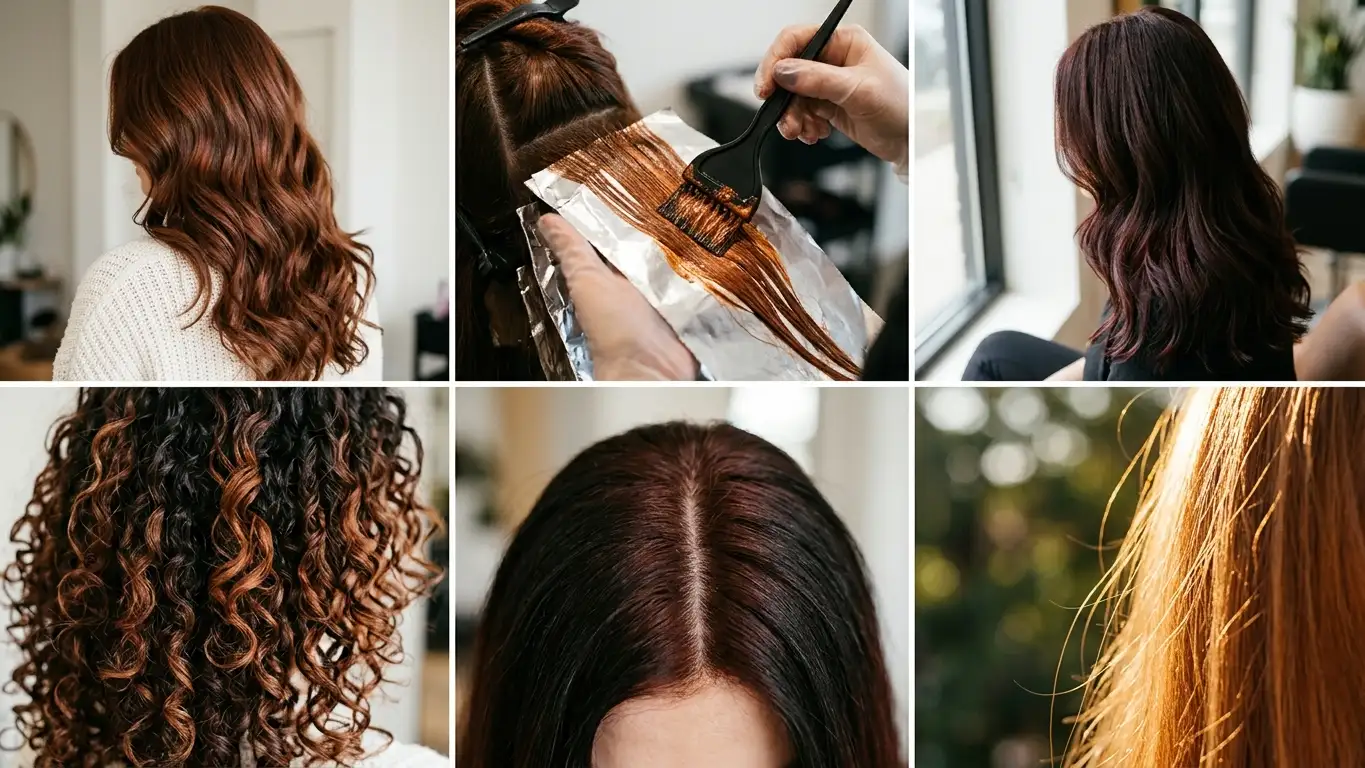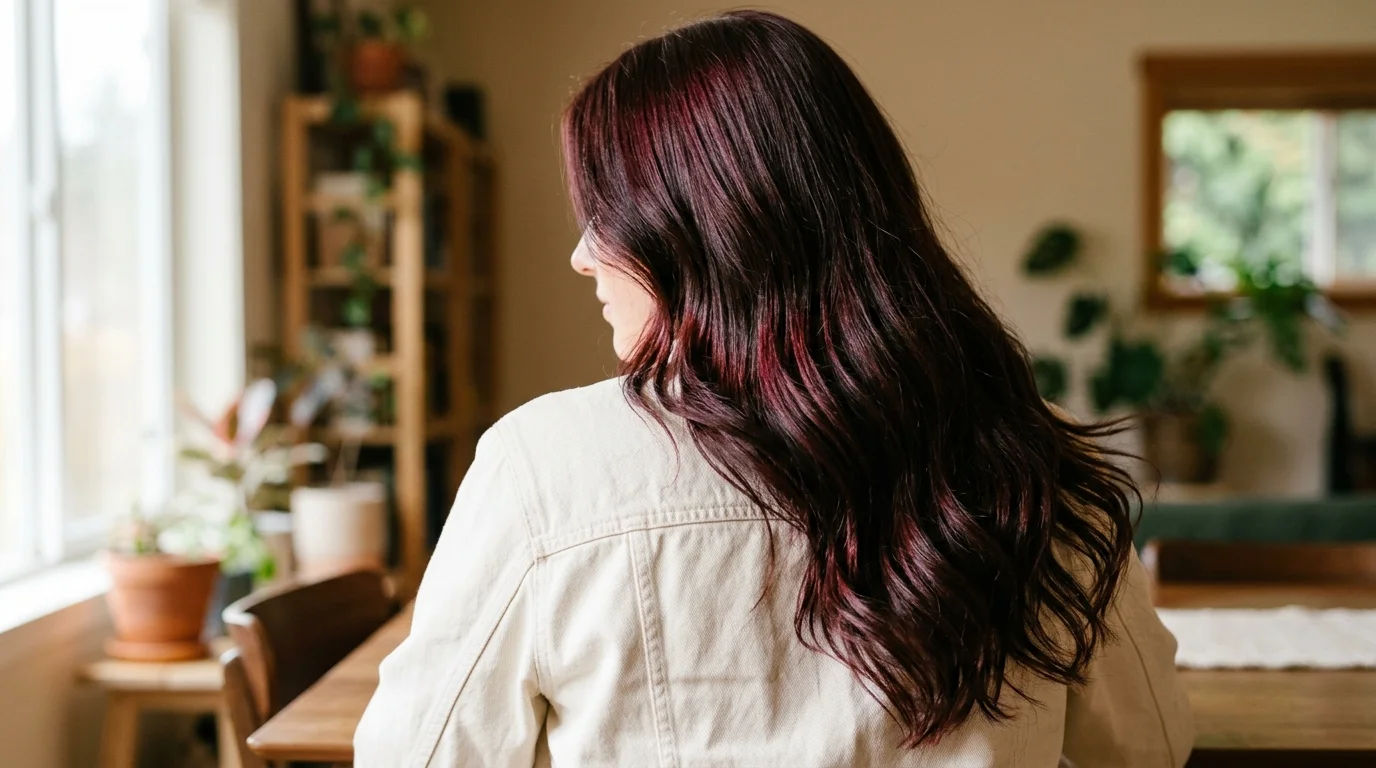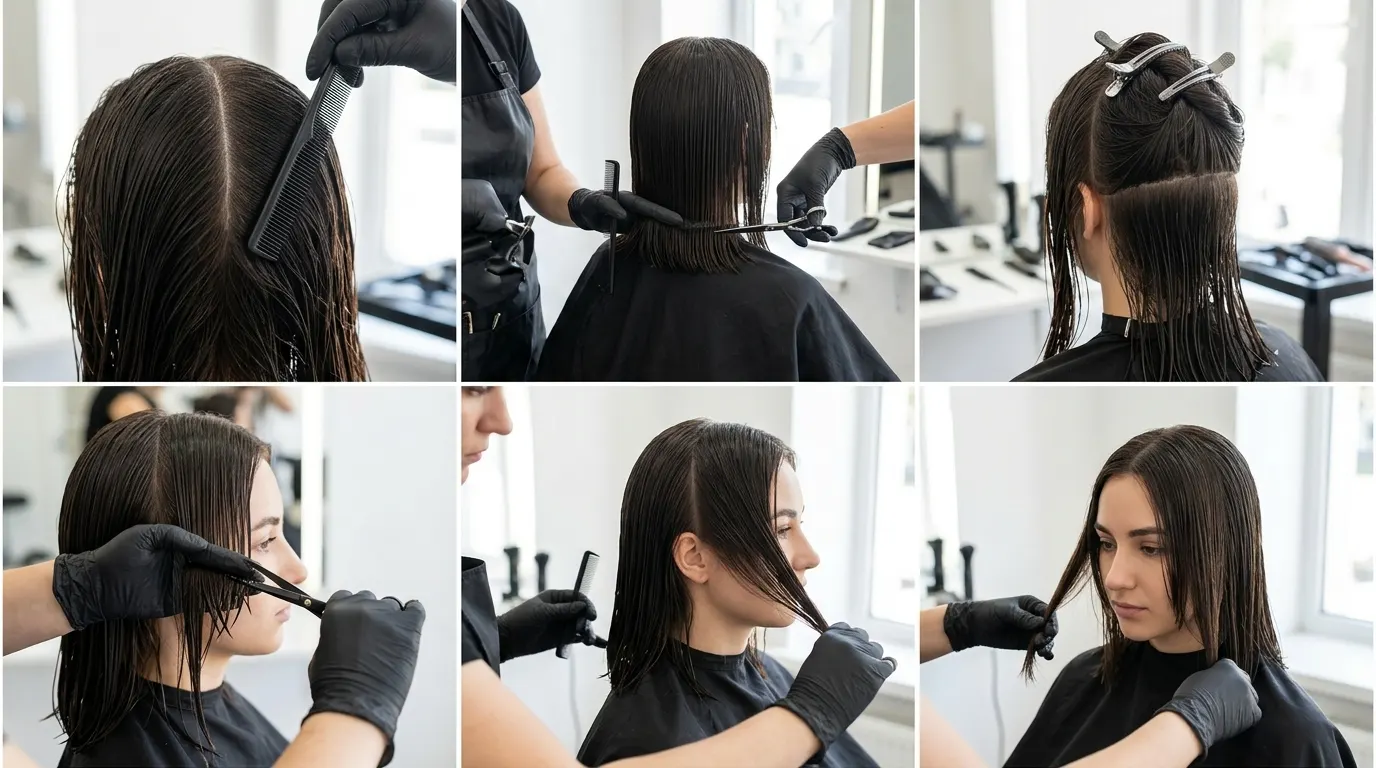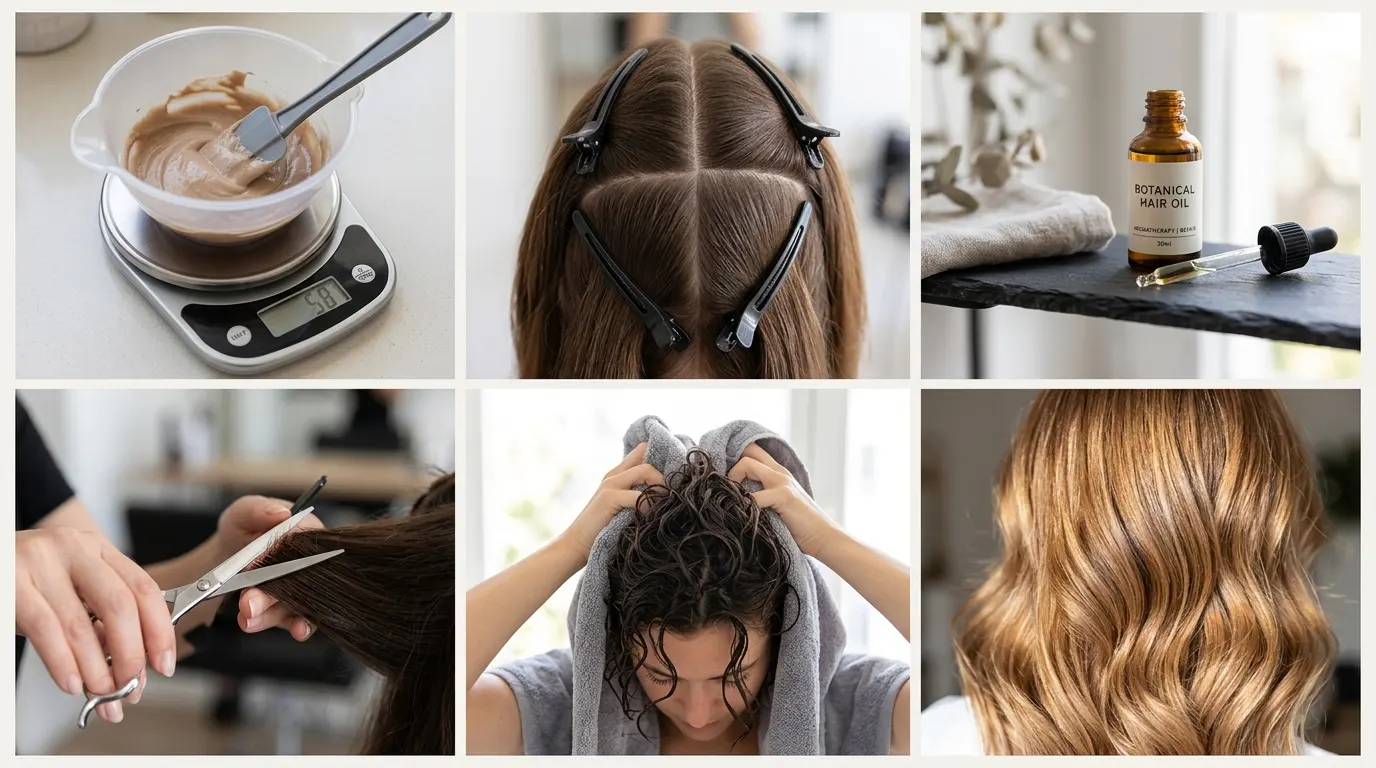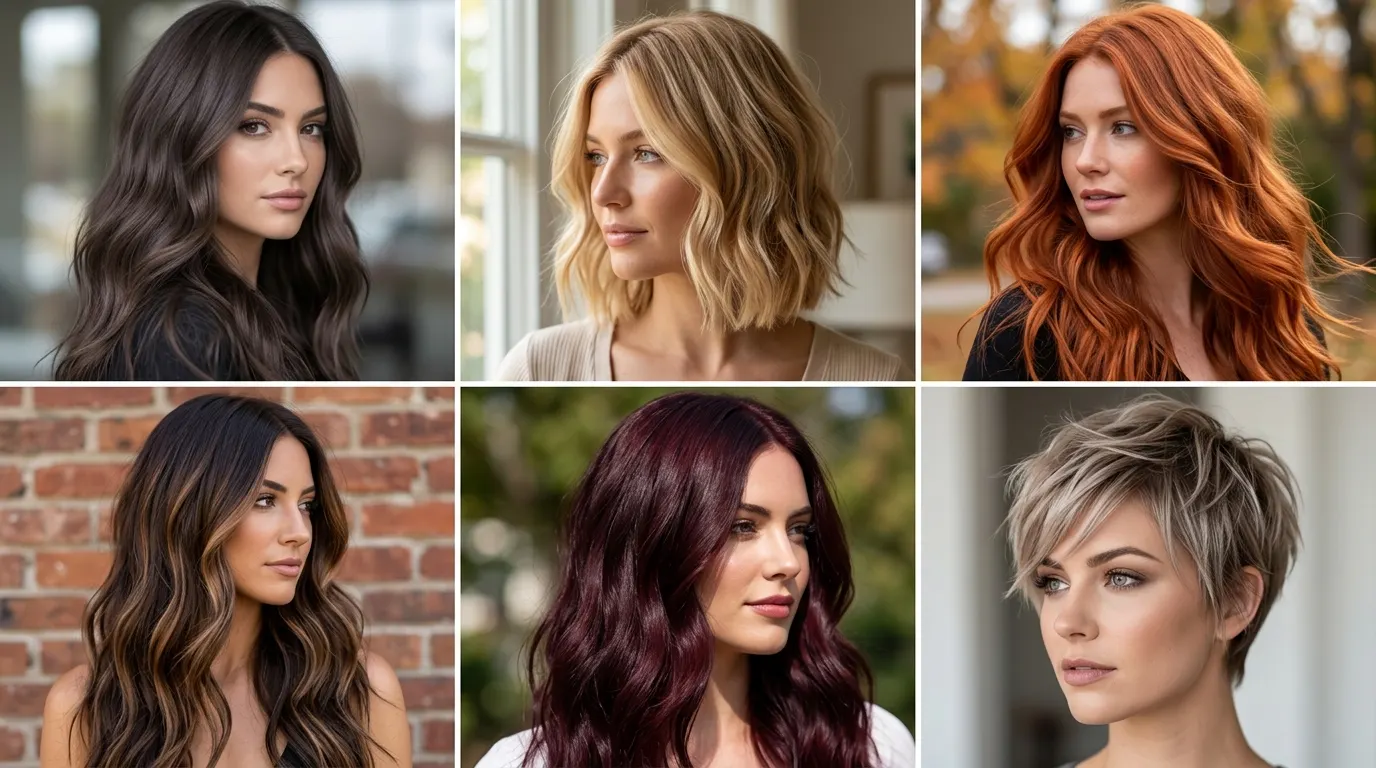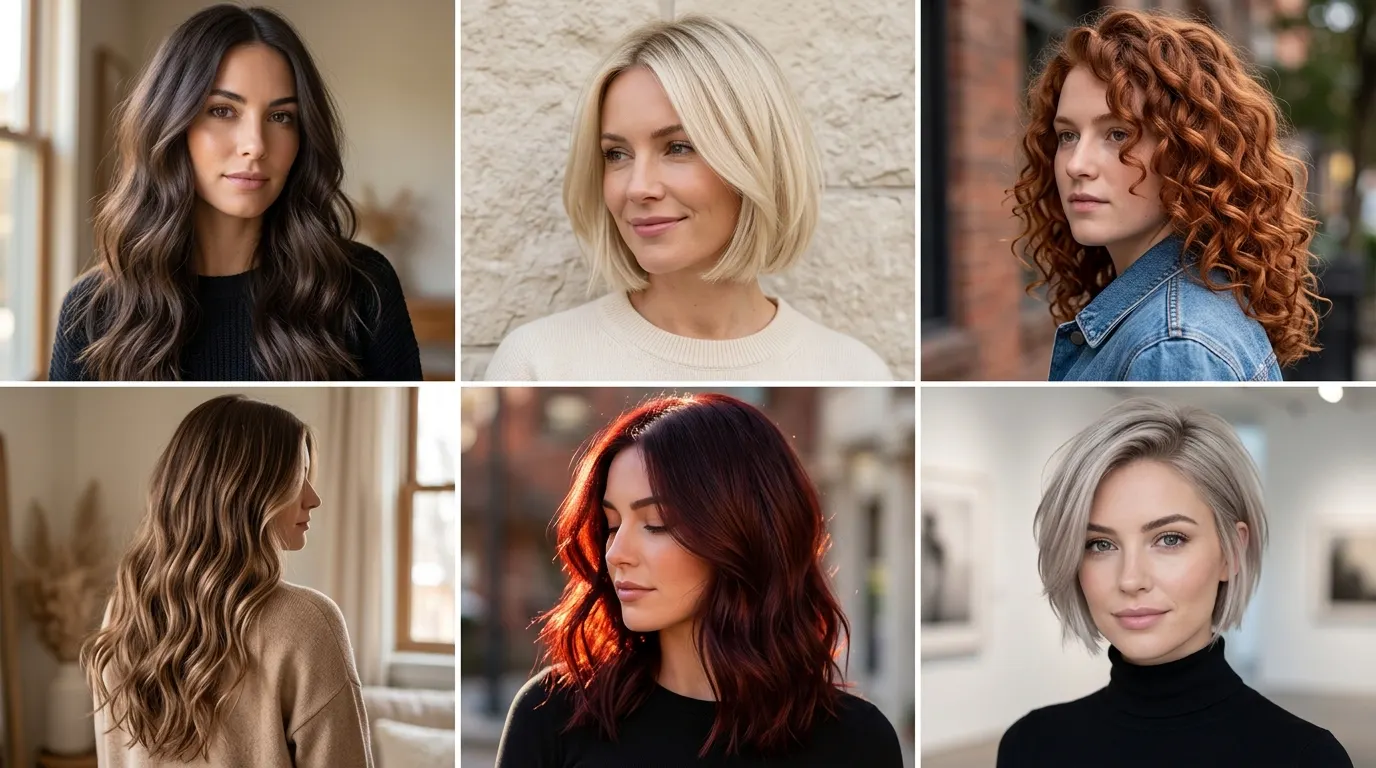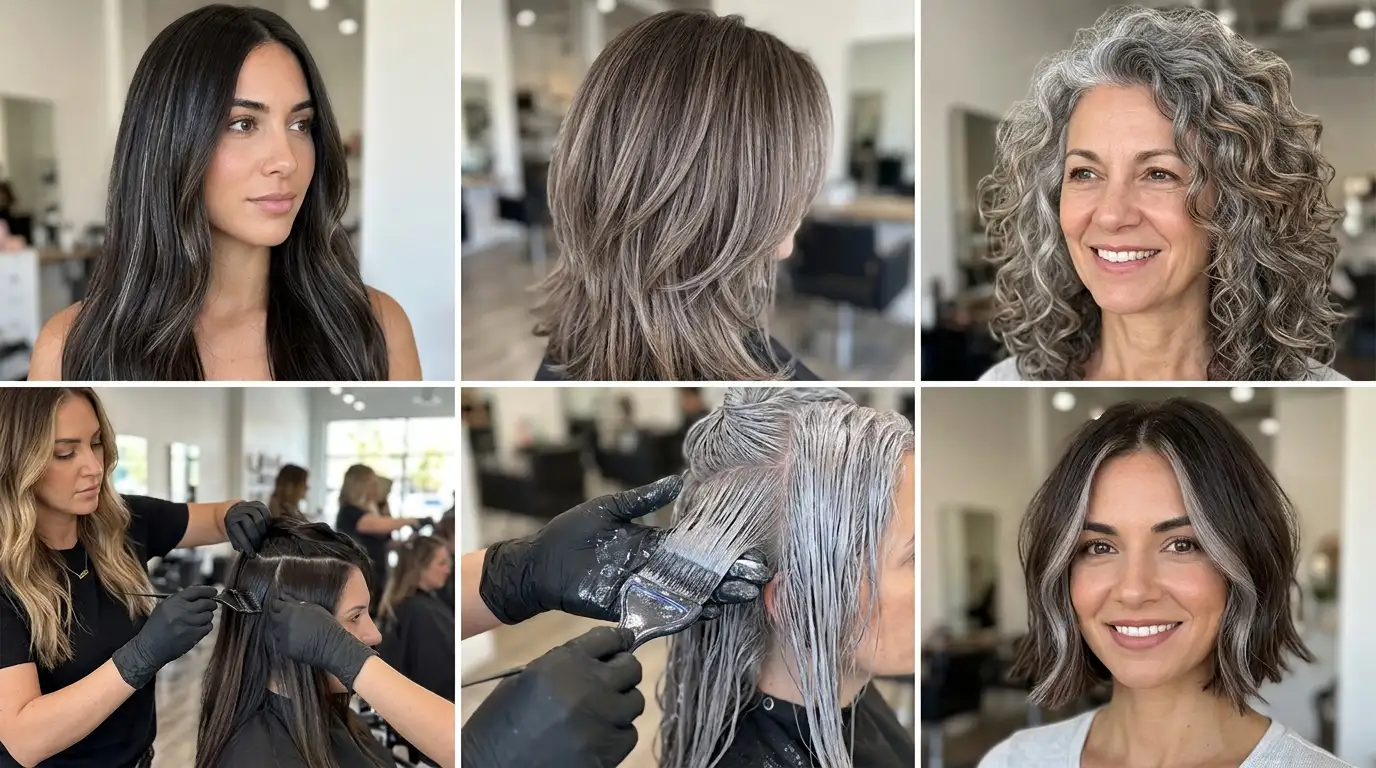

A flat brunette shade can leave your complexion looking drained during transitional seasons. Finding a color that adds luminous energy without veering into bright pumpkin territory is the exact puzzle that leads people to chocolate cobrizo.
This shade blends an espresso or cocoa foundation with balanced copper reflections that flare under direct sunlight. When mixed correctly, the underlying warmth lifts the face while preserving the dimensional weight of dark hair.
- Base Level Selection for Chocolate Cobrizo Oscuro
Achieving a rich chocolate cobrizo oscuro requires starting on a level four or five base. Placing copper pigments onto a base darker than a level three results in a murky cast where the copper disappears entirely indoors. If your natural base sits at a deep charcoal brown, the formula needs a twenty volume developer to lift the cuticle just enough to expose underlying red tones. A standard formula combines two parts level five natural brown with one part level five copper mahogany. Applying this over virgin growth yields an earthy cocoa tone with an amber sheen that emerges only when moving beneath halogen or daylight lamps. This depth suits olive and deep tan complexions that turn sallow under pale, brassy tones.
- Lifting to a Balanced Chocolate Cobrizo Claro
Shifting into chocolate cobrizo claro demands a level six or seven foundation to allow the copper reflection room to breathe. Lifting dark roots to this stage exposes raw yellow-orange underlying pigment, which easily turns into unwanted brass if unmanaged. You must introduce a secondary ash or neutral violet reflect into your bowl to anchor the copper without dulling it. Combine sixty milliliters of a level seven natural light brown with twenty milliliters of copper booster and ten milliliters of pearl tone. Using a twenty volume developer provides up to two levels of lift on untreated mid-lengths. This lighter variant flatters fair skin showing pink undertones because the golden-orange warmth softens facial redness rather than accentuating it.
- Formulating with Chocolate Cobrizo Igora
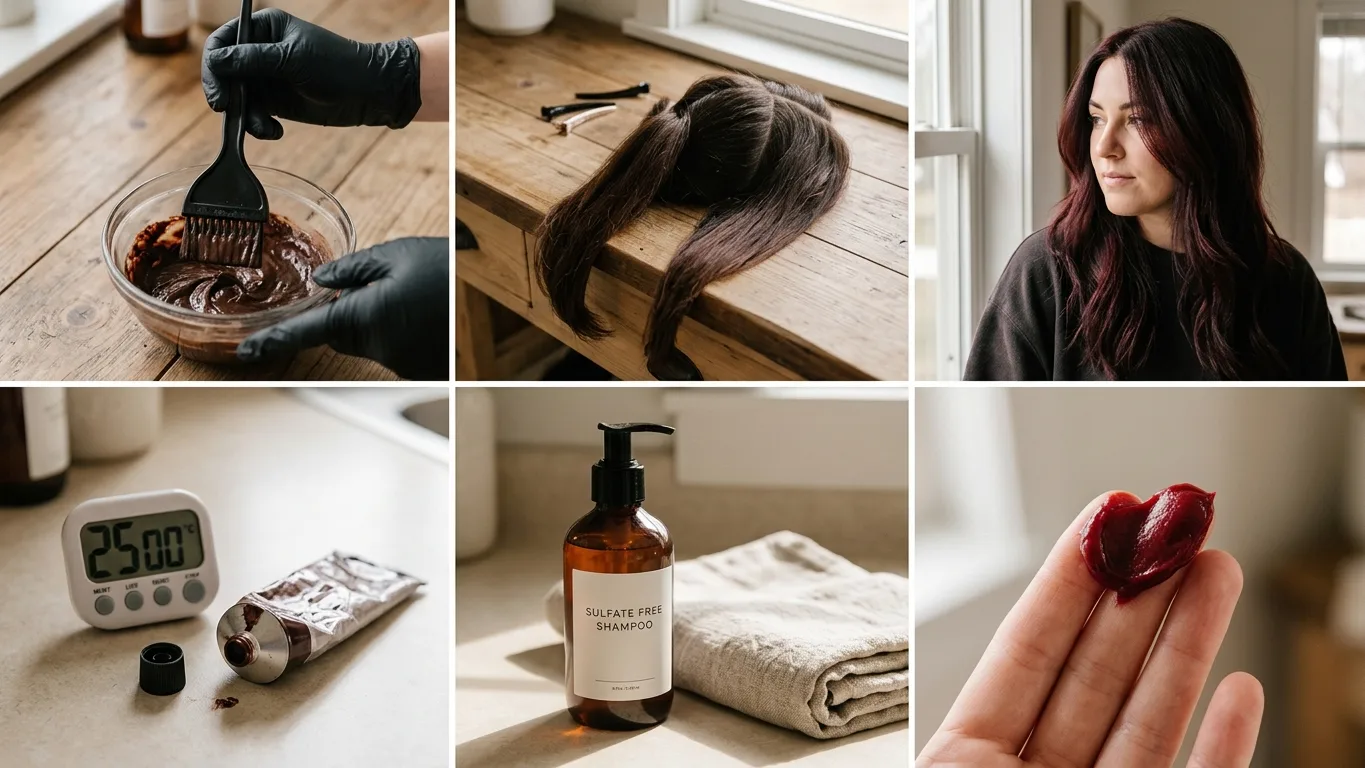
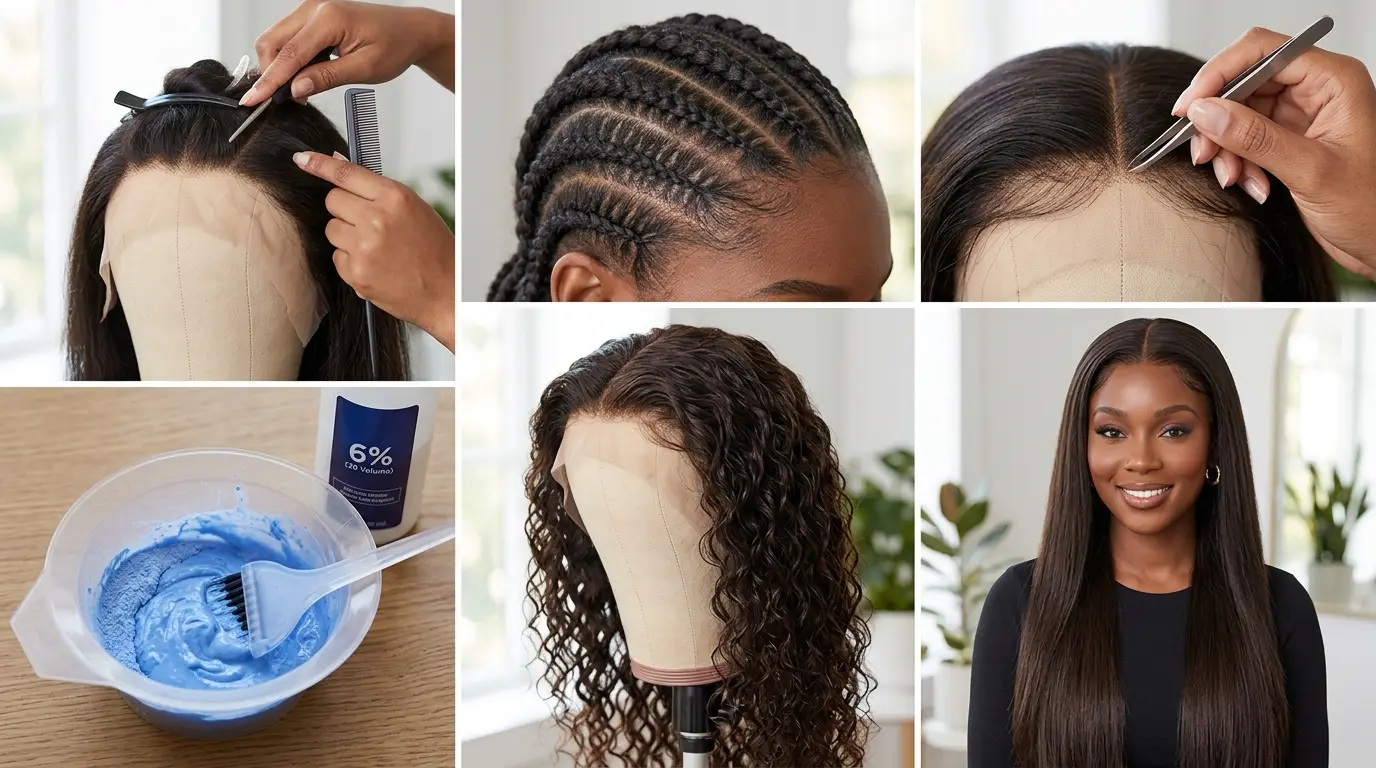
Working with professional lines like Igora Royal simplifies the math because their system utilizes clear number codes for primary and secondary tones. For this specific look, mix equal measures of shade 5-68 and 6-77 using their oil developer at six percent concentration. The 5-68 delivers the chocolate base along with red depth, while the 6-77 injects saturated copper intensity that prevents the end result from settling into a standard chestnut. Mix the cream and developer using a one-to-one ratio inside a non-metallic bowl, stirring until the emulsion reaches the texture of thick Greek yogurt. Let the mixture develop for thirty-five minutes at room temperature without adding external heat. Expect to spend around twenty-two dollars for the color tube and developer duo in 2026.
- Drugstore Application Using Chocolate Cobrizo Garnier
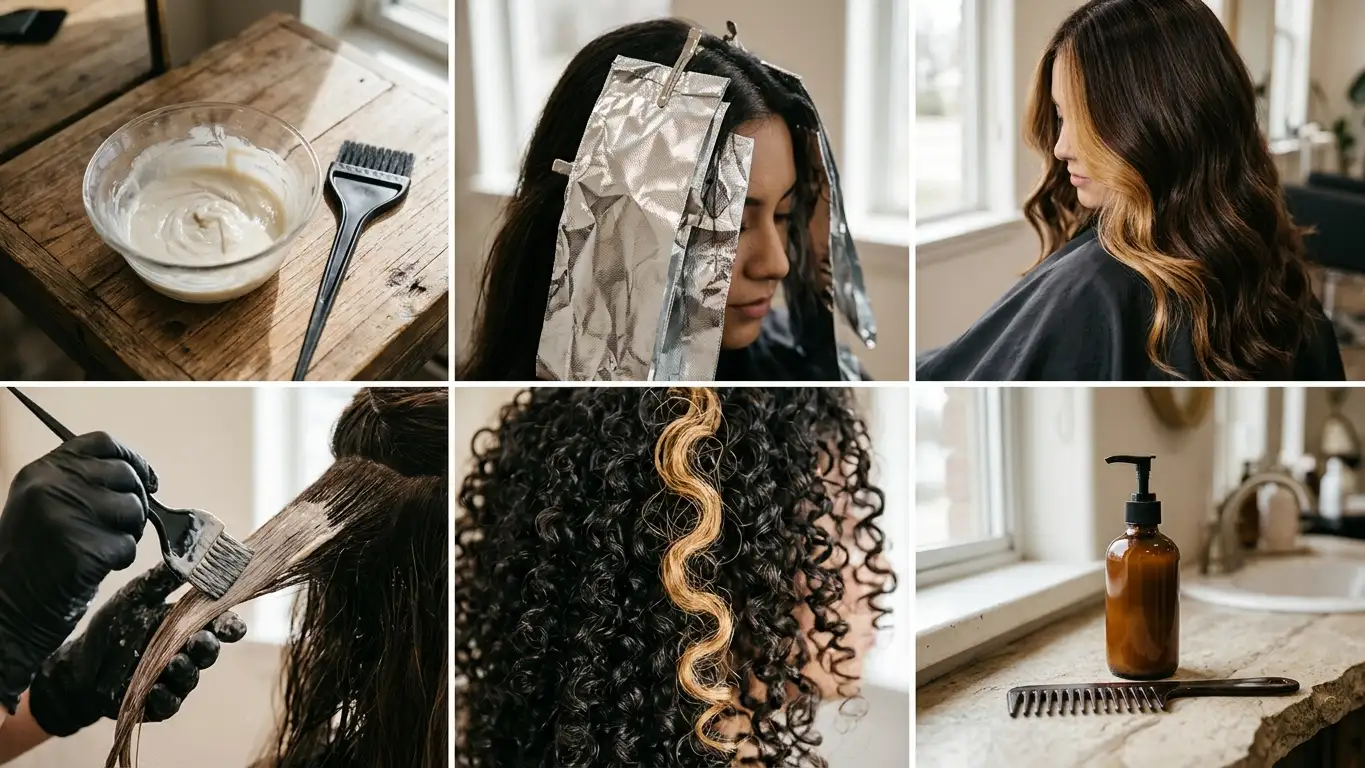
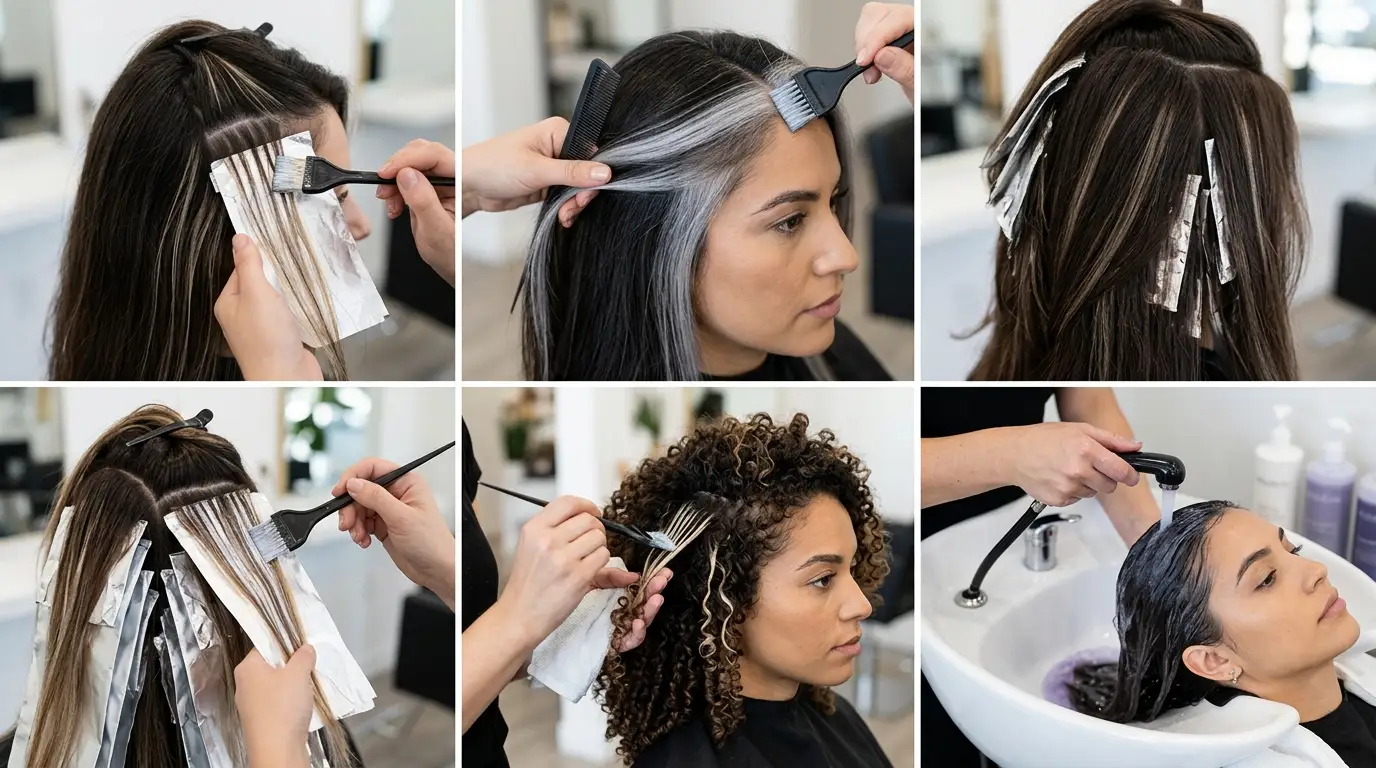
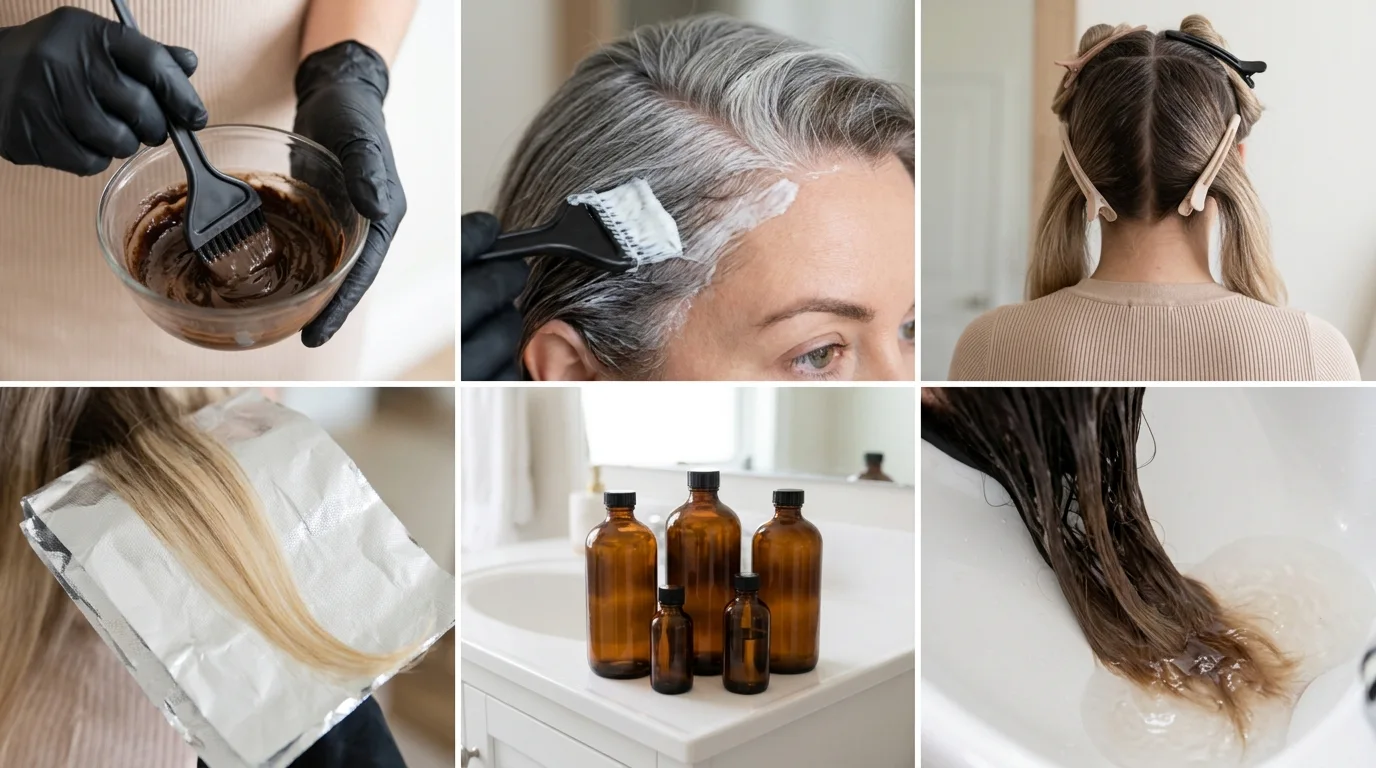
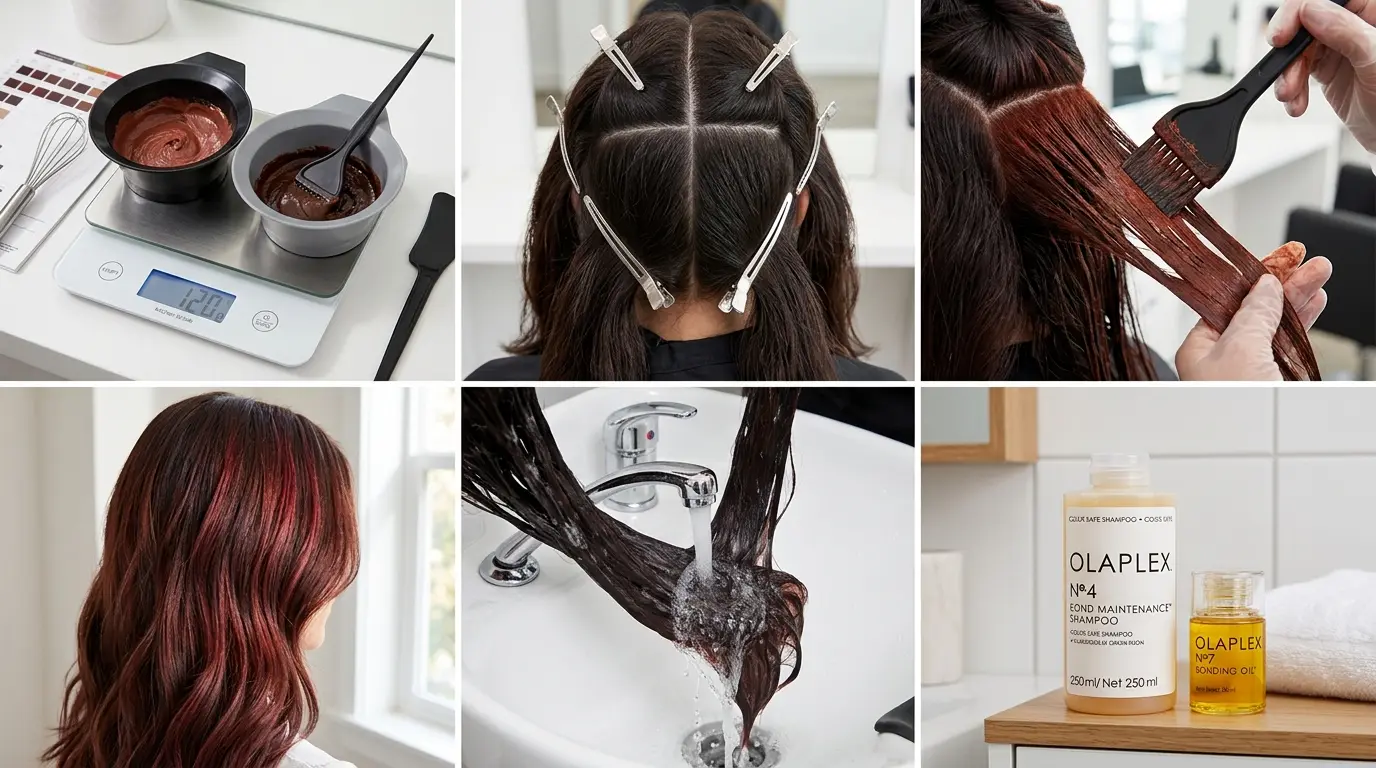
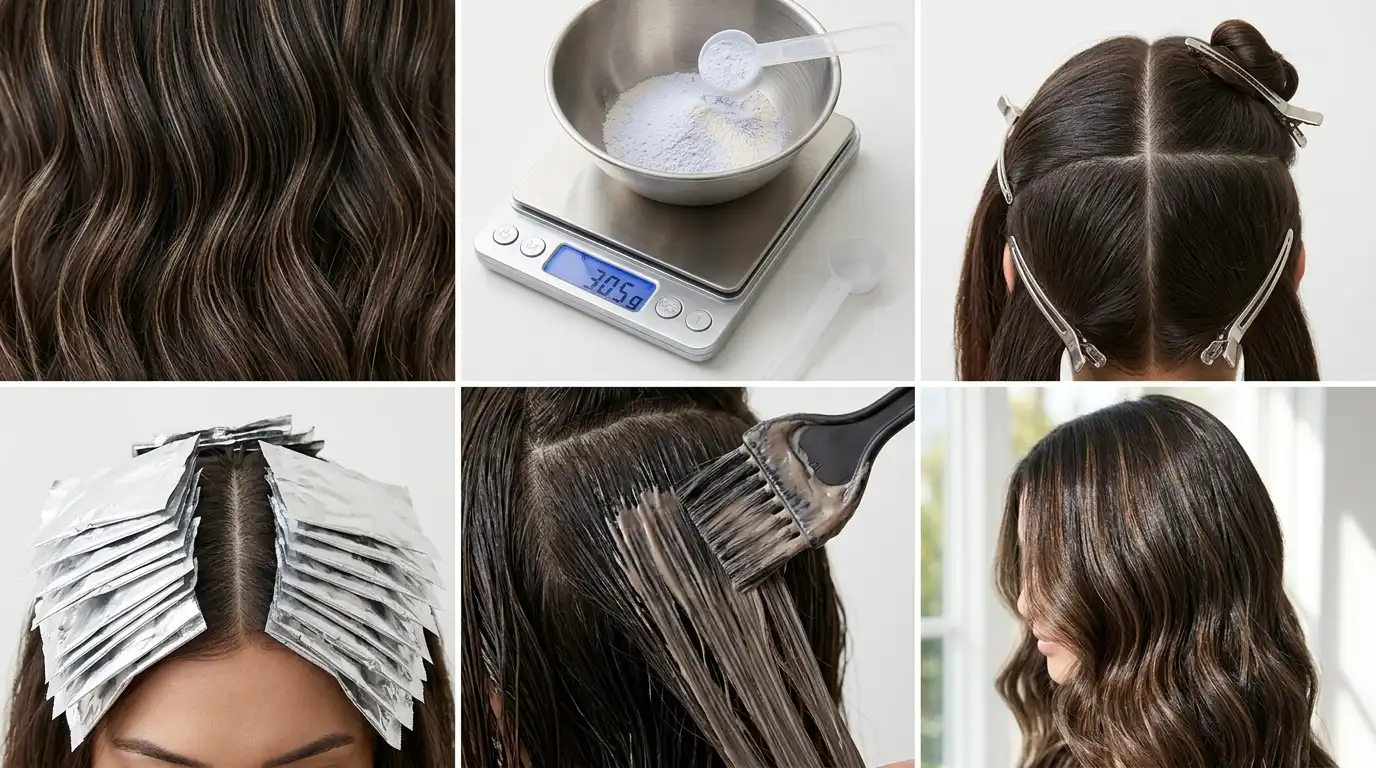
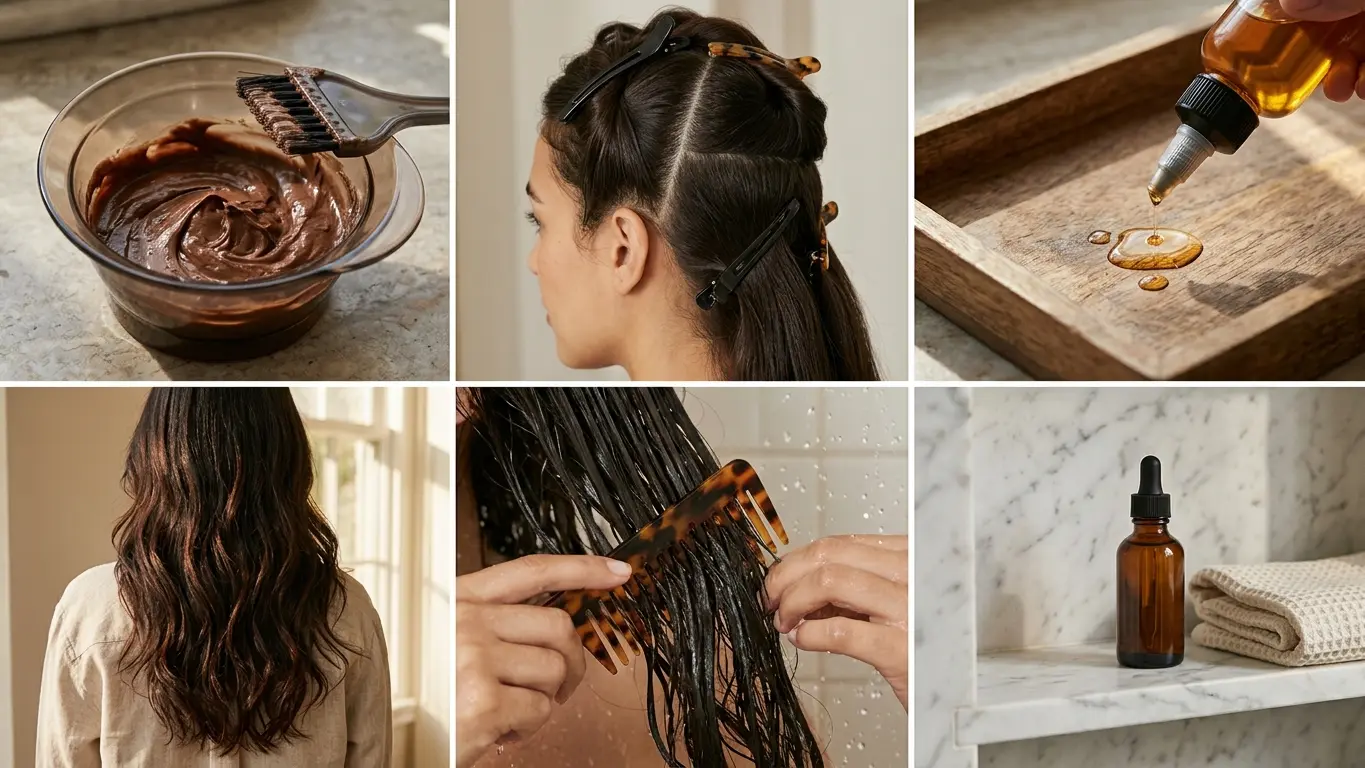
Box kits like Garnier Nutrisse offer convenience, yet they carry a fixed twenty-volume developer that reacts unpredictably on porous lengths. When using a pre-packaged chocolate cobrizo garnier kit, divide your hair into four quadrants secured with plastic sectioning clips. Paint the formula exclusively onto the regrowth area first, setting a timer for twenty minutes before pulling the remaining emulsion through your ends. Process the ends for only eight minutes to prevent pigment buildup, which turns mid-lengths noticeably darker than the roots. If your ends feel brittle from previous bleach, skip pulling the permanent dye through entirely and refresh those strands with a deposit-only gloss instead.
- Dimensional Blending on Chocolate Cobrizo Cabello
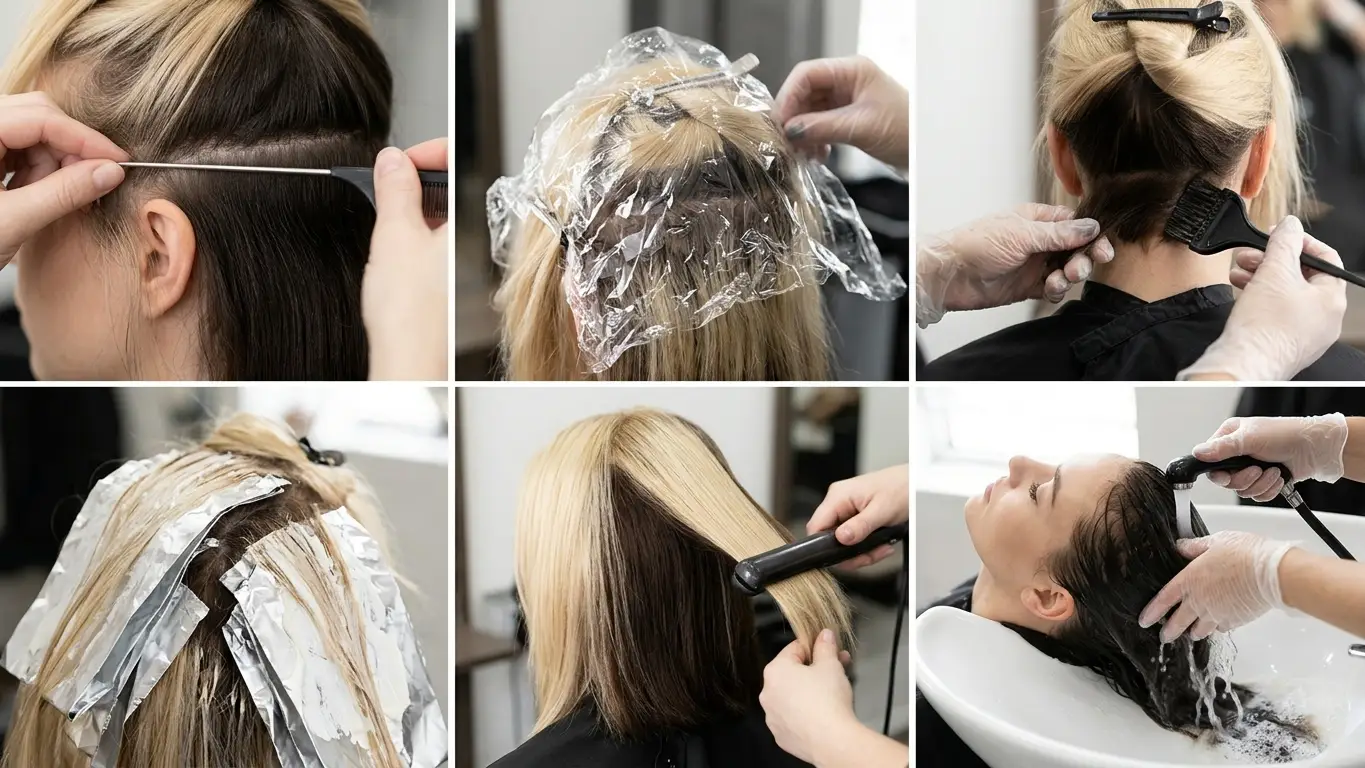
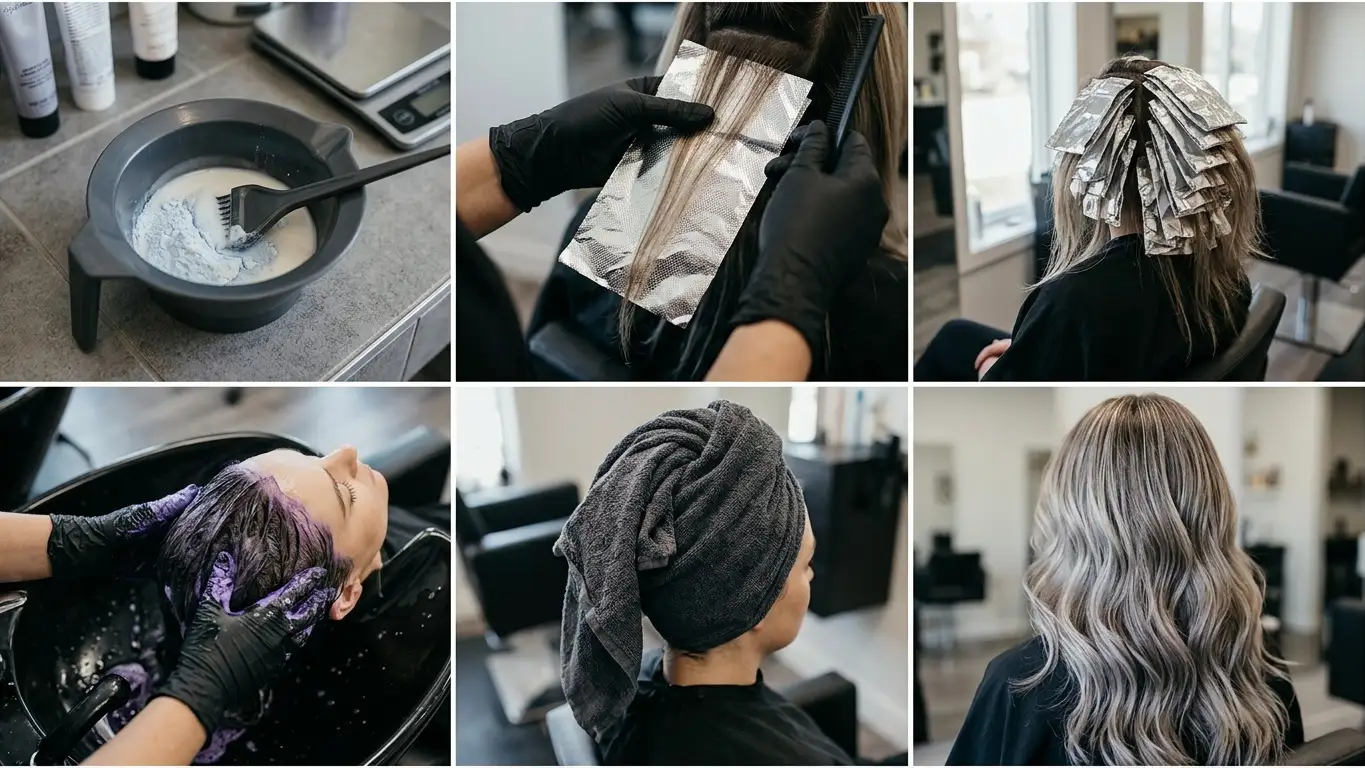
Applying a single uniform shade from scalp to ends creates a wig-like appearance on chocolate cobrizo cabello. Dimension comes from introducing micro-fine surface weaves through the crown before laying down the overall tint. Paint a clay lightener mixed with ten volume developer across selected strands using a balayage board, lifting those pieces to a clean level seven. Once rinsed and dried, lay your copper-chocolate toner over the whole head. The lightened ribbons pull the bright copper reflections forward, while the untouched base retains the deep cocoa ground underneath. This dual-tone placement gives fine, straight hair an illusion of density that flat single-process color strips away.
- Pigment Concentration with Chocolate Cobrizo Kuul
The Kuul Color system is known for high dye load, which means the copper reflect can quickly overpower the brown base if unmeasured. Blend shade 6.34 with shade 5.1 in a three-to-one ratio to build a chocolate cobrizo kuul mixture that keeps the brassiness contained. The addition of the ash point-one tone neutralizes excessive raw orange during the initial oxidation phase. Apply this cream along parting lines using a firm angled brush, laying down enough product that the hair fibers disappear under the dye. Processing requires forty-five minutes because the dense pigments need full development time to stabilize against wash-out. This heavy-pigment route fails on previously bleached, porous hair because the porous sections will drink up the copper and turn neon penny red.
- Essential Developer and Strand Preparation Rules
Permanent tint cannot lift previously deposited artificial dark color. If your lengths carry layers of dark brown dye from past sessions, spreading a fresh copper-brown cream over the top produces bright copper roots and completely dark, unchanged ends. Clean the slate first using an evaporative color reducer formulated with hydrosulfite rather than a harsh bleach bath. Mix the two-phase reducer in equal parts, saturate dry hair thoroughly, and trap it beneath a plastic processing cap for twenty minutes. Rinse continuously under hot running water for ten full minutes to flush every shrunk dye molecule out of the cortex before applying any fresh formula.
- Professional Tonal Control with Chocolate Cobrizo Alfaparf
Formulators using Alfaparf Evolution of the Color rely on shade 5.35 combined with 6.4 to yield a sophisticated molten finish. Alfaparf utilizes a low-ammonia base that minimizes structural cuticle damage, making it suitable for coarse textures prone to split ends. Stir sixty grams of color cream with ninety grams of Oxid’o twenty-volume developer, adhering to their standard one-to-one-and-a-half mixing ratio. Work through the hair rapidly, as this formula initiates oxidation within eight minutes of contact with the air. The resulting color balance shows a refined hazelnut undertone paired with a crisp copper cast that reflects light like polished metal.
- Economical Formulation Using Chocolate Cobrizo Anven
Anven color lines provide high-coverage gray blending without pushing the budget past fourteen dollars in 2026. To create a dependable chocolate cobrizo anven formula on hair with thirty percent gray, blend shade 5.4 with natural level five in equal measures. Using pure copper on unpigmented gray fibers produces translucent, glowing orange strands that look detached from the rest of the head. The natural level five base fills the missing keratin matrix, giving the copper molecules an anchor to grab. Process for a full forty minutes, keeping the room above sixty-eight degrees Fahrenheit to avoid sluggish chemical action from chilly ambient air.
- Color Longevity and Home Tinte Maintenance
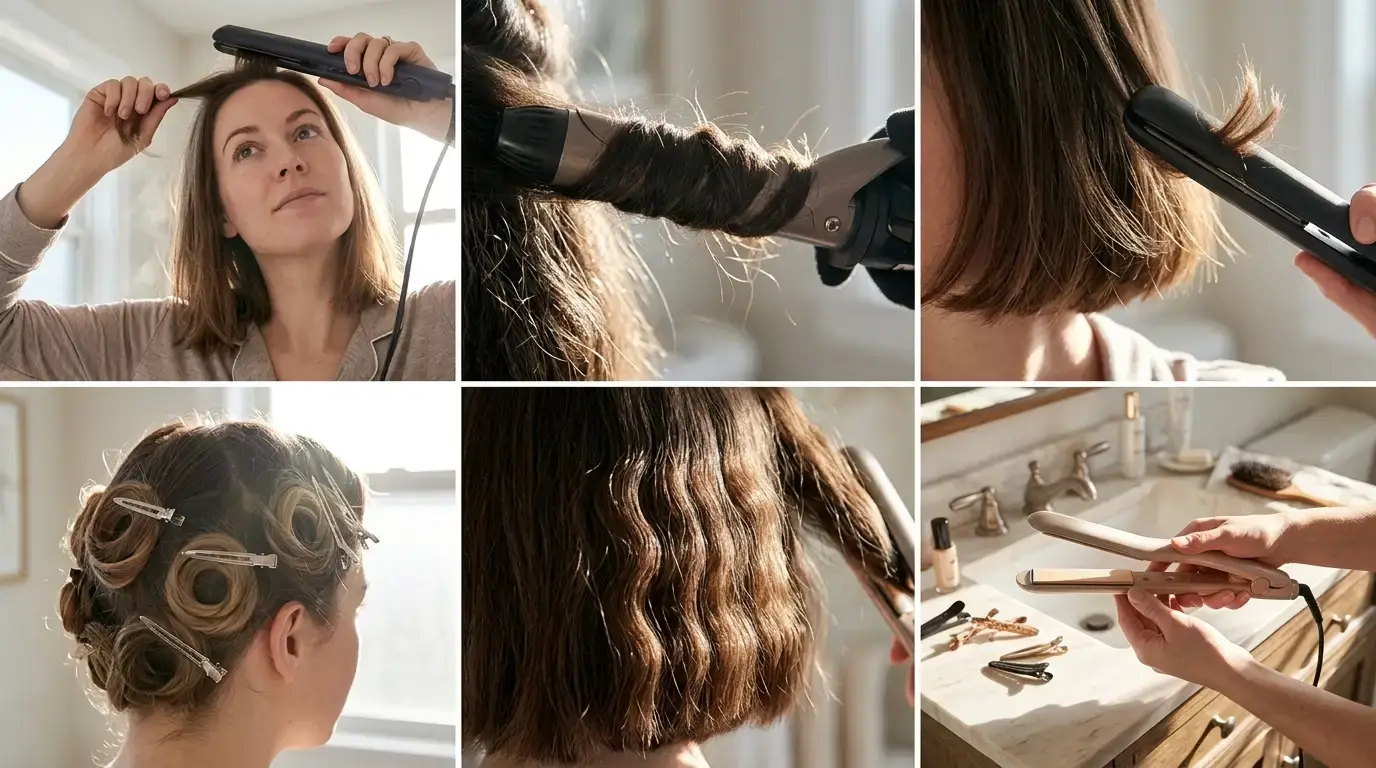
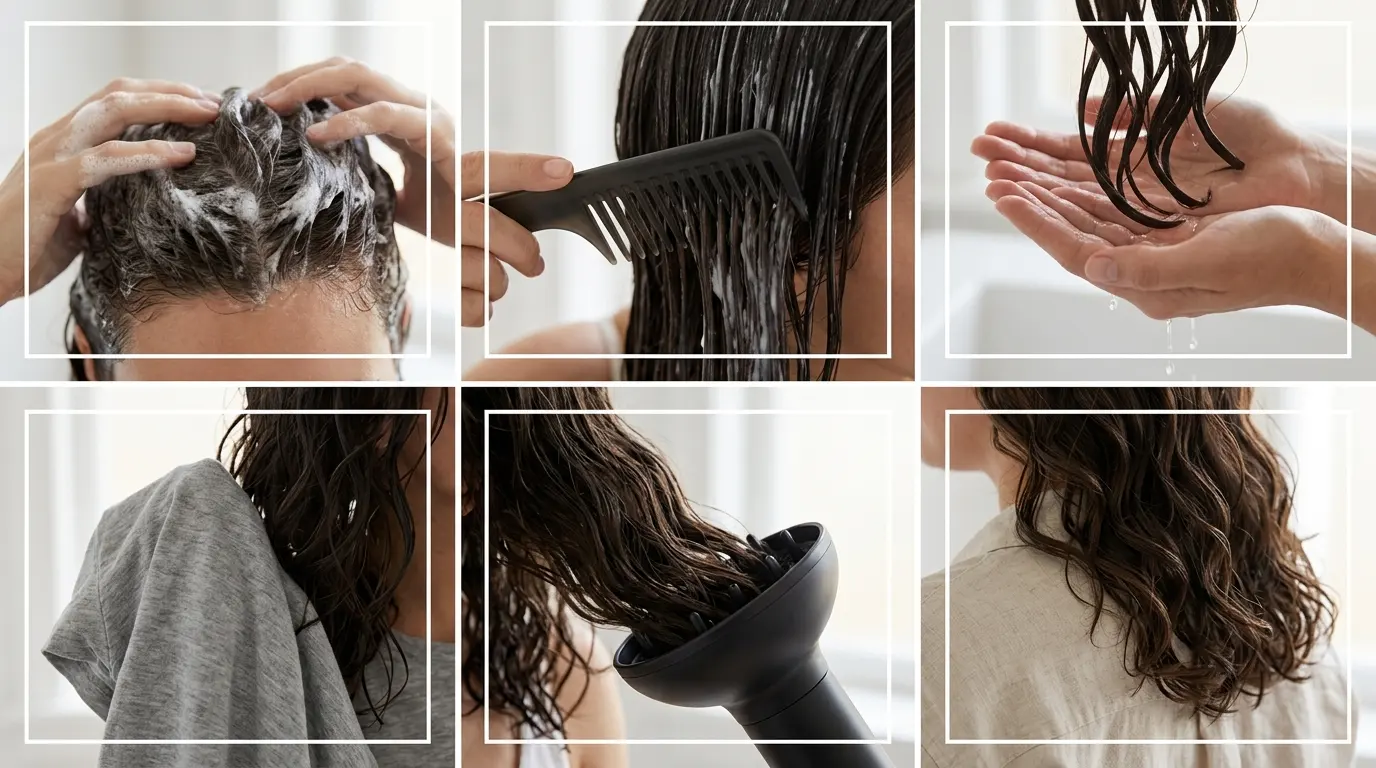
A vibrant chocolate cobrizo tinte starts shedding its red and orange reflections within three weeks due to the small molecular size of copper dye. Hot water opens the cuticle layer instantly, allowing those delicate copper pigments to rinse straight down the drain. Wash hair using tepid or cool water only, spacing wash days to twice per week by leaning on cornstarch-based dry shampoo. Swap standard sulfate shampoos for low-foaming amino-acid cleansers with an acidic pH between 4.5 and 5.5 to keep the cuticle tightly sealed. Skipping heat protectant when using a curling iron strips the copper cast in a single pass, turning the treated strands into a dull bronze.
- Correcting Muddy Tones and Tone Drift
Hair with high porosity absorbs too much brown base, turning the overall result muddy and hiding the copper shimmer under indoor bulbs. Fix this dullness by running a clarifying chelating wash through damp hair for five minutes to strip away mineral deposits and surface buildup. Follow immediately with a customized acidic color glaze made from a quarter ounce of copper direct dye blended into three ounces of deep conditioning mask. Comb this blend through damp strands after every third shampoo, leaving it on for seven minutes before rinsing. This deposits sheer amber reflections without lifting the cuticle or disturbing the deep chocolate foundation underneath.
Selecting the Right Chocolate Cobrizo Color for Your Skin Undertone


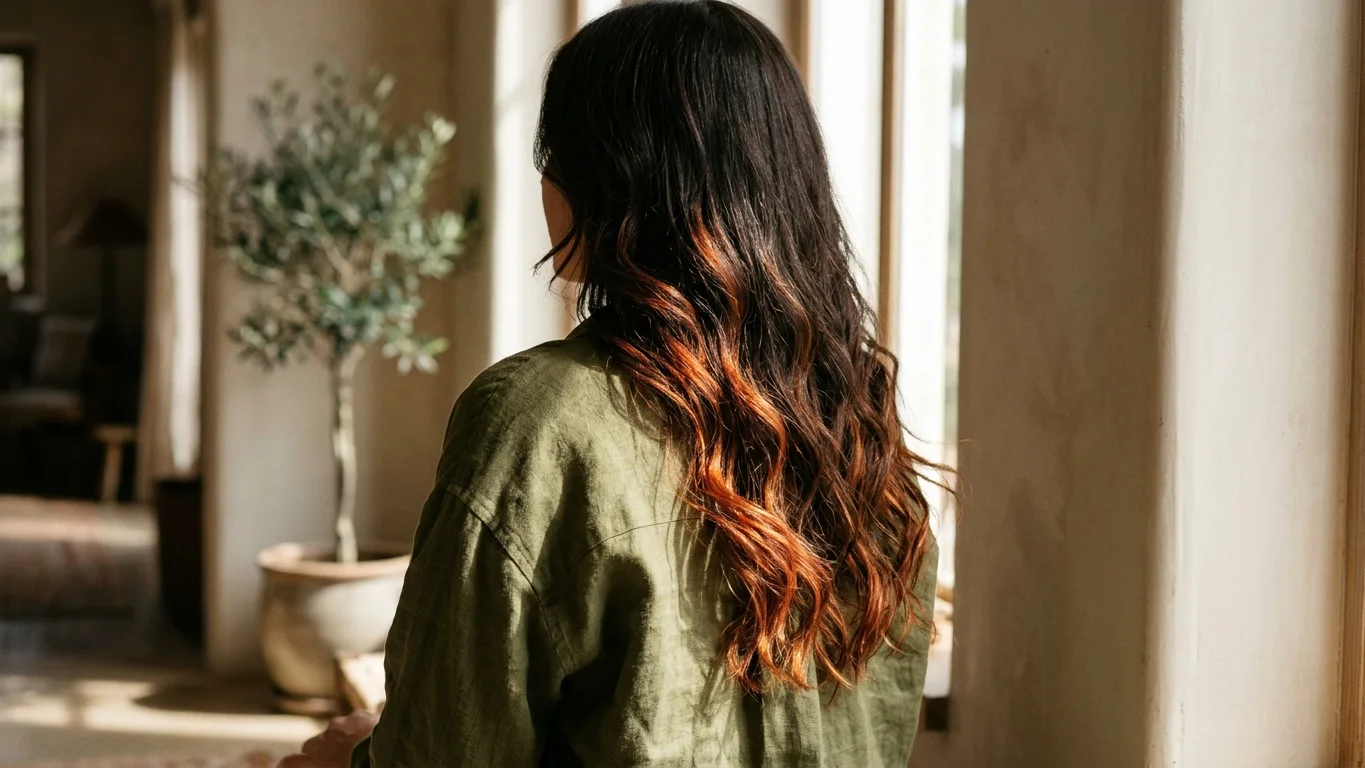

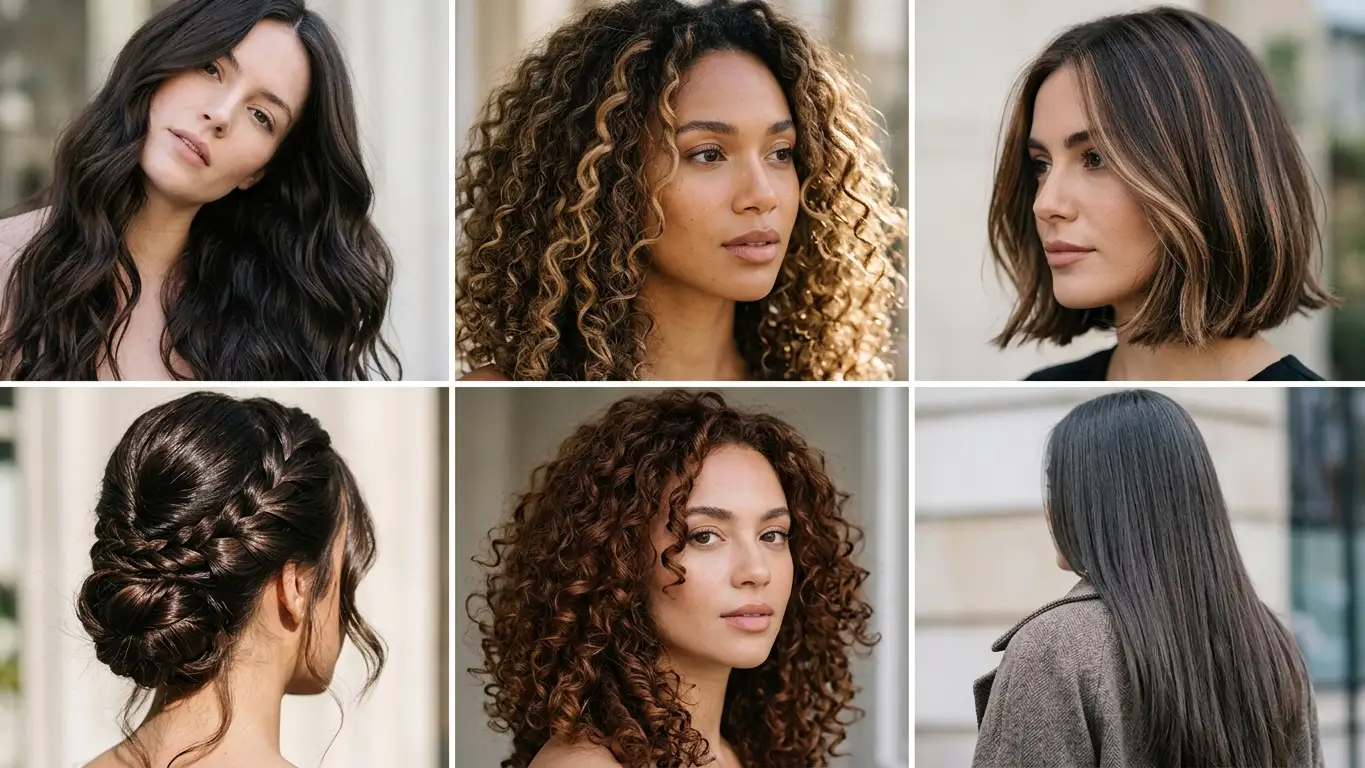
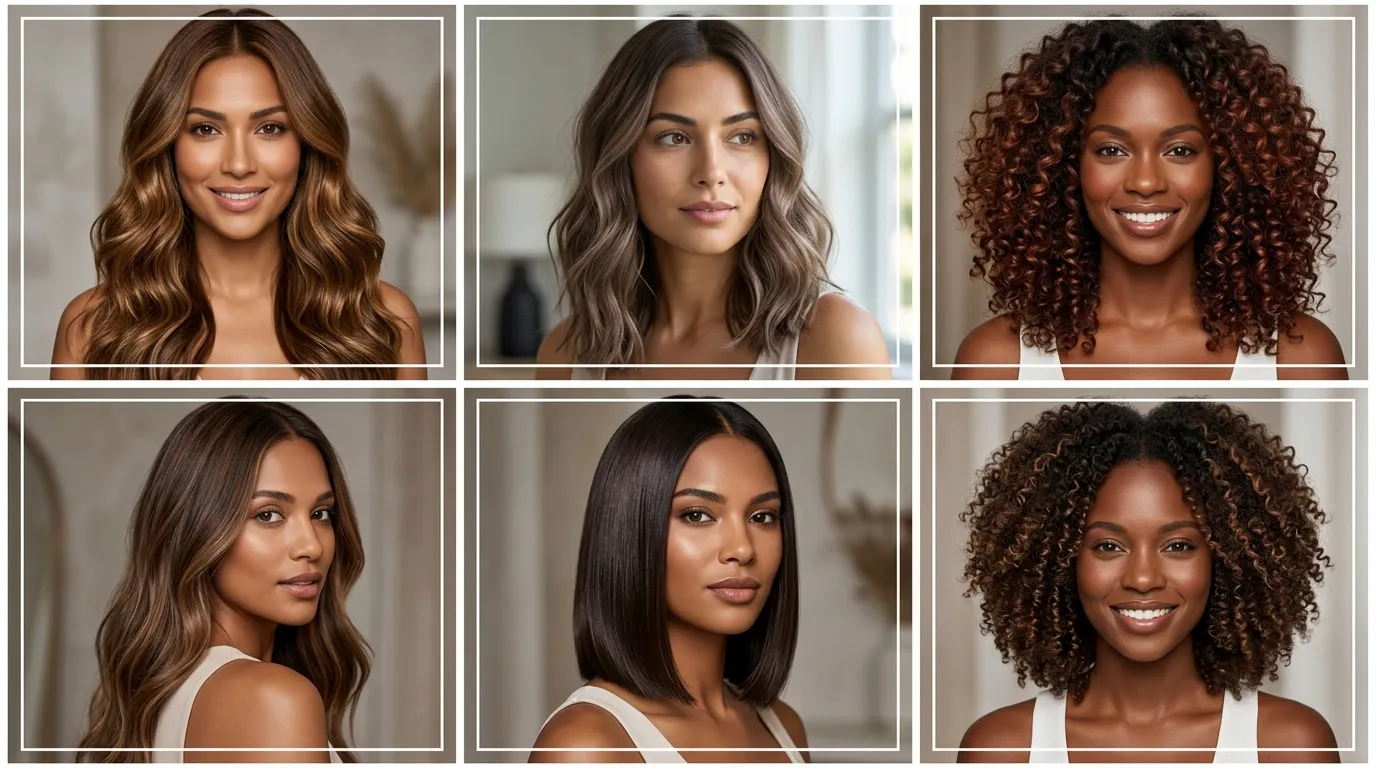
Skin undertones dictate whether your formula should lean heavily into espresso depth or flash with bright ginger highlights. Cool undertones with blue or pink veins demand a cocoa base dominated by violet or mahogany secondary reflects, keeping the copper as a faint tertiary shimmer. If someone with cool undertones wears an aggressive golden-copper brunette, the orange reflect emphasizes under-eye circles and uneven redness across the nose. Warm and olive complexions can handle high-voltage copper concentrations mixed into a medium level six base, which enhances golden flecks in brown and hazel irises.
Frequently Asked Questions
Can I switch to this color directly from salon bleached blonde hair?
Bleached hair lacks the red and orange filler pigments required to hold a deep brunette shade. Applying this color over platinum locks creates a hollow, swampy green-brown. You must first fill the hair using a demi-permanent protein filler at a level six copper-gold before applying your final chocolate formula.
How often does this specific tone need a salon gloss touch up?
The copper reflect requires a fresh deposit every four to five weeks to prevent fading into a flat, washed-out bronze. The permanent base color on your roots can wait six to eight weeks depending on your natural growth rate, but the surface shine demands frequent glossing.
Will swimming in chlorinated pools alter the copper reflect?
Chlorine oxidizes copper dye molecules rapidly, stripping the warm sparkle and leaving the brown base looking dry and greenish. Coat hair with clean tap water and a dime-sized amount of leave-in jojoba oil before entering the water, sealing the strands inside a silicone swim cap.
Why did my roots turn brighter than my dark ends after application?
The heat radiating from your scalp accelerates chemical processing within the first inch of hair, creating what stylists call hot roots. To avoid this, always formulate your root mixture half a shade darker than your mid-lengths, or apply the product to your mid-lengths ten minutes before touching your roots.
Can I keep this tone using purple shampoo?
Purple shampoo deposits cool blue-violet pigments designed to neutralize yellow tones in pale blonde hair. Using purple shampoo on this copper-brown shade dulls the radiant amber finish, turning the hair into an ashen, muddy mess. Use copper-depositing conditioners instead.
Starting Your Brunette Formulation
The cleanest path to a successful transformation is starting with a demi-permanent gloss at a level six before reaching for high-lift permanent color. A demi-permanent formula coats the hair shaft and slips into the outer cuticle without permanently shifting your natural melanin, giving you a zero-risk preview of how the copper reflect interacts with your daily makeup and wardrobe. Once you verify that the amber warmth flatters your skin tone, you can mix a permanent formulation with complete confidence.
Always conduct a patch test behind your ear forty-eight hours before applying any chemical dye mixture to your scalp.