

Rich evening meals without cow milk depend entirely on smart fat emulsion rather than synthetic replacements. A standard dairy sauce uses butterfat to coat your tongue, but you can achieve that exact mouthfeel using reduced chicken stock, crushed seeds, or pureed starchy tubers. This guide outlines reliable non dairy dinner recipes that keep meats tender, produce savory sauces, and feed a full household without digestive misery.
Prep time: 15 minutes
Cook time: 25 minutes
Total time: 40 minutes
Servings: 4 servings
Ingredients:
- 1.5 pounds boneless skinless chicken breasts, sliced horizontally into cutlets
- 2 tablespoons olive oil
- 1 medium shallot, minced fine
- 3 cloves garlic, minced
- 0.75 cup low sodium chicken bone broth
- 0.5 cup unsweetened raw cashew cream soaked and blended smooth
- 2 tablespoons fresh lemon juice
- 1 tablespoon capers, drained
- 0.5 teaspoon sea salt
- 0.25 teaspoon freshly cracked black pepper
- 2 tablespoons flat leaf parsley, chopped coarse
Understanding Non Dairy Dinners and Plant Fats
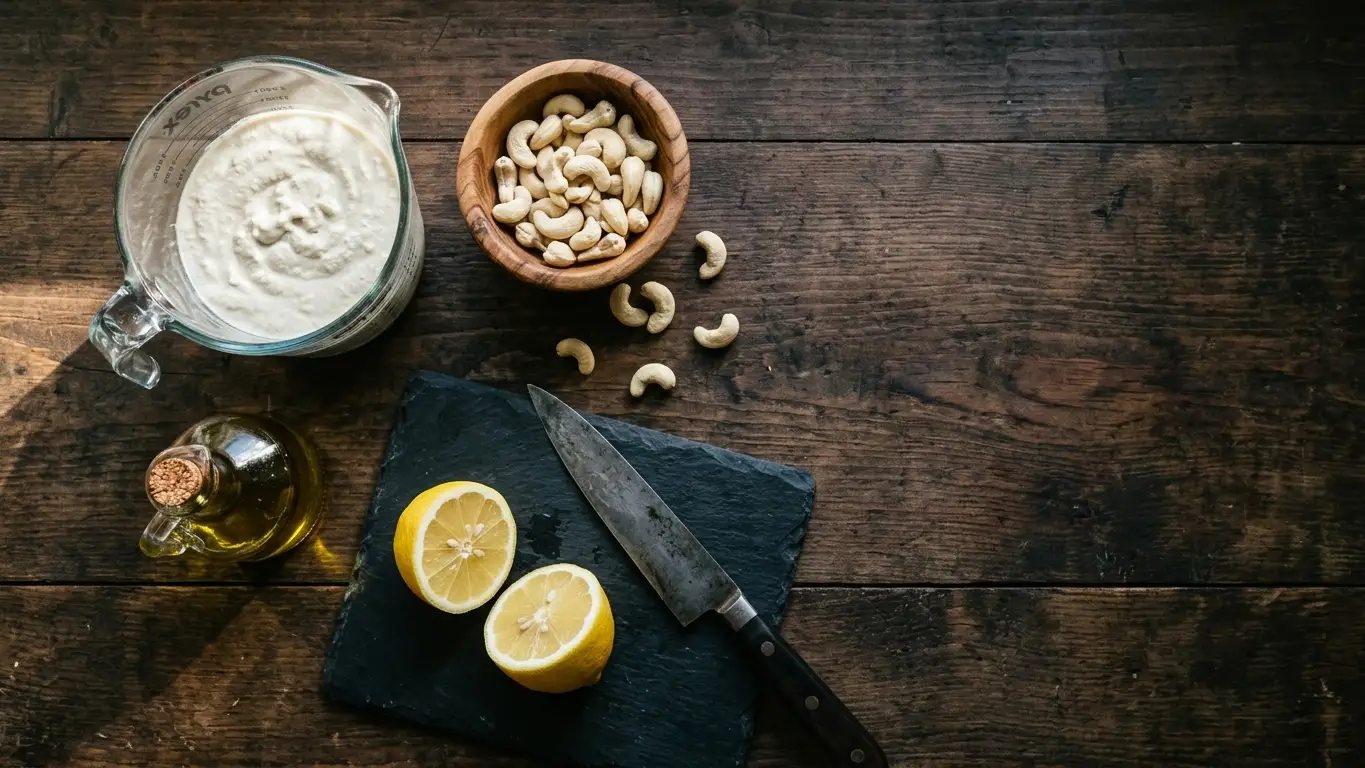
Cow butter melts at body temperature, leaving a slick coating across the palate that carries herbs and aromatics. Plant oils remain liquid, which means they slide off meats unless you force them into an emulsion using starch or egg proteins.
The Structure of Plant Milk
Using almond milk in a reduction fails immediately because its water content exceeds ninety percent, causing the liquid to evaporate into a thin, watery grey film. Full fat canned coconut milk contains enough solid plant lipid to thicken soups, yet its distinct aroma clashes with garlic and tomato pastes. Unsweetened cashew puree remains the absolute workhorse for non dairy dinners because its starch content swells under gentle heat, mimicking standard heavy whipping cream.
Managing Acidity and Separation
High heat destroys plant emulsions when fresh citrus juice or wine enters the skillet. Simmer your broth down by half before adding any nutty creams. Whisk the acid in during the final thirty seconds off the direct burner to prevent grainy clumps from marring your skillet pan sauce.
Choosing the Right Solid Fat
Refined coconut oil offers a neutral flavor profile with a high smoke point around four hundred degrees. Rendered poultry schmaltz or beef tallow delivers exceptional savoriness for roasting vegetables when you need to avoid store bought vegan butter sticks that contain palm oil and high sodium.
Keep your cooking temperature below a rapid rolling boil once nuts or seeds hit the skillet.
Flavorful Skillet Meals with Chicken Breast
Cooking poultry without butter baths requires careful moisture traps to stop the meat fibers from tightening into chalk. A quick sear in olive oil followed by a tight lid rest preserves the juices.
Pan Searing Techniques
Pat your poultry cutlets completely dry with paper towels to ensure direct skillet contact. Dredge lightly in arrowroot flour rather than wheat flour to produce a golden shell that grips reductions without becoming gummy. Sear for precisely three minutes per side over medium high heat in a heavy twelve inch stainless steel pan.
Emulsified Pan Gravy
After lifting the seared cutlets, pour bone broth across the browned surface to lift the fond from the metal. Stir minced shallots into the bubbling broth until translucent. Whisking two spoons of blended sunflower seed butter into this broth creates a glossy, golden gravy that coats the back of a wooden spoon.
Temperature Control
Pull the poultry off the fire the moment an instant read thermometer hits one hundred sixty degrees. Residual carryover heat finishes the cook to the safe mark of one hundred sixty five degrees during a five minute board rest, preventing liquid loss.
Pour any escaped resting juices from the cutting board straight back into the skillet sauce before dishing out portions.
Starchy Roots and Vegetables for Creamy Sauces

Blended tubers create luscious textures that fool the palate without a single drop of processed grocery store dairy cheese substitutes.
Cauliflower and Potato Purees
Boil peeled Yukon Gold potatoes alongside cauliflower florets in heavily salted water until a paring knife pierces them with zero resistance. Drain thoroughly, reserving half a cup of the cooking water. Run the warm vegetables through a mechanical food mill rather than a blender to prevent the potato starches from shearing into glue.
Seasoning for Umami
Vegetable purees lack the natural lactic acid found in cultured creams. Whisk nutritional yeast, raw garlic paste, and two teaspoons of white miso paste into the puree to supply that aged bite. A quarter teaspoon of grated nutmeg mimics the finish of classic French cream sauces.
Handling Leftovers
Tubers release moisture as they cool in the refrigerator overnight. Reheat root purees gently in a saucepan over low heat while beating in warm chicken broth one splash at a time to restore the original velvety texture.
Taste the puree directly before serving, as cold storage dulls the impact of salt in starchy purees.
Quick Baking Sheets for Busy Families
Roasting everything across a single sheet pan cuts cleanup time while delivering crispy textures that appeal to picky household eaters.
Spacing and Heat Circulation
Crowding diced proteins and vegetables onto a rimmed tray steams the food instead of roasting it. Use an eighteen by thirteen inch half sheet pan and leave clear metal showing between chunks of sweet potatoes, broccoli florets, and sausage links. Set your oven rack to the lower third position at four hundred twenty five degrees.
Safe Cooking Oils
Choose avocado oil for sheet pan suppers because it withstands oven temperatures up to five hundred degrees without burning. Toss raw diced vegetables in a large metal bowl with two tablespoons of oil before spreading them out, ensuring complete coverage across every crevice.
Timing Staggered Ingredients
Dense root vegetables require thirty five minutes to soften, while delicate salmon fillets or chicken tenders finish within twelve to fifteen minutes. Slide the tray out halfway through roasting to toss the potatoes before nestling your raw proteins onto the empty spaces.
Never line your baking trays with wax paper, as high oven heat melts the coating directly into your dinner.
Hearty Seed and Nut Pastas

Gluten free non dairy dinner recipes often fail when watery sauces slide off smooth rice noodles without sticking.
Building Clinging Sauces
Raw cashews soaked in boiling water for twenty minutes break down into microscopic particles inside a high speed blender. Blend one cup of softened nuts with three quarters cup of warm vegetable broth until silky. Starchy pasta cooking water provides the final bridge, bonding the nut fats directly to the hot grain noodles.
Alternative Seed Creams
Hulled hemp hearts offer an allergen friendly substitute for tree nuts, requiring zero soaking time before hitting the blender jar. Combine hemp hearts with roasted garlic, lemon juice, and sea salt for an earthy green sauce that coats ribbed rigatoni evenly.
Preserving Pasta Texture
Pull your noodles out of the boiling pot two minutes before the package directions indicate al dente status. Finish cooking the noodles directly inside the warm sauce pan, tossing constantly with metal tongs so the pasta absorbs the savory fat.
Save a mug of salted pasta water before dumping the pot into a sink strainer.
Savory Broths and Satisfying Soups
Clear broths can feel insubstantial for a winter evening meal unless you reinforce their viscosity with collagen or pureed beans.
Thickening with White Legumes
Pureeing one can of drained cannellini beans into a vegetable soup base creates an opaque, silky broth without altering the primary flavor profile. The dissolved legume starches suspend aromatic seasonings throughout the pot, keeping the liquid cohesive.
Building Deep Broth Flavor
Brown your mirepoix vegetables in olive oil until dark caramel edges form along the sliced onions. Add dried bay leaves, whole peppercorns, and dried thyme sprigs, simmering uncovered for forty minutes to concentrate the liquid volume.
Canned Coconut Milk in Savory Soups
Red curry pastes and tomato soups benefit immensely from the high saturated fat of canned coconut milk. Shake the can vigorously before opening to incorporate the hardened top cream into the watery bottom liquid.
Avoid boiling canned coconut milk hard, as extreme heat separates the white coconut solids from clear oil droplets.
Skillet Stir Fries and Wok Cooking

High heat searing cooks proteins in minutes while locking in crisp textures across sliced cabbage, peppers, and green beans.
Protein Prep for Maximum Crisp
Cut chicken breast or firm tofu into uniform half inch strips to ensure identical cooking times. Press tofu slabs between clean lint free towels weighed down by a cast iron skillet for twenty minutes to expel internal water before tossing with cornstarch.
Building the Wok Sauce
Whisk gluten free tamari, toasted sesame oil, minced ginger, and a dash of rice vinegar in a glass jar. A teaspoon of arrowroot powder dissolved into this mixture thickens into a glossy glaze the instant it hits the searing pan edges.
Cooking in Batches
Tossing two pounds of cold meat into a hot pan drops the metal temperature instantly, boiling the meat in its own juices. Cook your protein in two separate additions, remove to a side plate, sear the hard vegetables, and combine everything during the final sixty seconds.
Drizzle toasted sesame oil across the finished stir fry off the heat to preserve its delicate aromatics.
Batch Cooking and Freezing Guidelines
Meal prepping without dairy fats requires deliberate ingredient choices to avoid watery separation after thawing.
Ingredients That Freeze Cleanly
Lentil stews, shredded beef carnitas, and tomato based meat sauces freeze reliably for up to three months in airtight glass containers. Leave half an inch of headspace at the top of jars to accommodate liquid expansion during the freezing process.
Ingredients That Degrade in the Freezer
Avoid freezing non dairy sauces containing cooked potatoes or high proportions of almond milk. The starches weep liquid upon defrosting, resulting in a spongy, grainy mess that breaks apart in the pan.
Safe Thawing Protocols
Move frozen containers from the freezer to the refrigerator twenty four hours before cooking time. Reheat thawed soups in a saucepan over medium low heat, whisking constantly to encourage separated fats to recombine with the cooking liquid.
Label every container with the freeze date using masking tape and a dark marker to manage inventory cleanly.
Upkeep for Skillet Cast Iron and Nonstick Pans

Cooking without butter requires disciplined kitchen pan care to keep foods from bonding stubbornly to cooking surfaces.
Caring for Seasoned Iron
Dairy-free marinades containing vinegar or citrus peel break down the polymer oil finish on cast iron pans if left to simmer too long. Wash seasoned iron immediately after dinner with warm water, dry over a burner flame, and buff a drop of neutral oil across the warm surface before storing.
Maintaining Ceramic Nonstick
Cook over medium heat exclusively when using ceramic coated pans for dairy-free egg or tofu dishes. High temperatures degrade the slippery silicone surface, causing lean proteins to scorch and stick without butter to protect them.
Removing Burnt Starch Glazes
Soak stainless steel pans with warm water and two tablespoons of baking soda to lift caramelized nut creams without gouging the metal with wire sponges.
Store heavy pans with felt protectors between them to preserve the cooking surfaces for years of weeknight dinners.
What Should I Make for Dinner Dairy Free
Deciding on an evening meal becomes effortless when you assemble dinners around a clean protein, a roasted carbohydrate, and an emulsified olive oil dressing. Build a quick meal by searing skinless chicken breasts in avocado oil, serving alongside roasted rosemary potatoes, and pouring a warm lemon caper pan sauce over the top. When time is tight, toss cooked gluten free noodles with pureed white beans, garlic, and fresh herbs for a filling bowl that delivers high flavor without stomach upset.
Everyday Household Questions About Dairy Free Meals
Can non dairy milk curdle when making hot dinner sauces?
Yes, high heat combined with acidic ingredients like wine or lemon juice causes thin plant milks to split into watery curds. Protect your sauces by turning off the stove burner before whisking in nut milks, or choose stable high fat liquids like raw cashew cream or canned coconut milk.
What is non dairy versus dairy free on grocery ingredient labels?
Non dairy products can legally contain milk derivatives such as sodium caseinate, which triggers severe reactions in people with dairy allergies. The label dairy free guarantees that the product contains absolutely no animal milk proteins, caseins, or whey components.
How do I make family dinners creamy without using store bought cheese shreds?
Blend soaked raw cashews or boiled white beans with nutritional yeast, garlic powder, sea salt, and warm chicken broth until completely smooth. This homemade sauce coats macaroni noodles and vegetables evenly without the plastic texture or artificial aftertaste of commercial processed shreds.
Choosing Wholesome Fats for Long Term Weeknight Success
Eliminating dairy butter and cow cream from your evening routine opens up exciting cooking techniques driven by unrefined oils, rich stocks, and hearty seeds. Stock your kitchen pantry with raw cashews, canned coconut milk, high quality olive oil, and low sodium broths to ensure you can assemble a velvety sauce at a moment’s notice. Once you master the simple art of balancing plant fats with natural starches, these reliable non dairy dinner recipes will become regular favorites across your family table.