
Affiliate disclosure. This post contains affiliate links. We may earn a small commission at no extra cost to you if you purchase through these links. Always perform a patch test forty eight hours prior to applying lightener or direct dyes to screen for skin allergies.
How do you get purple peekaboo highlights blonde hair looking sharp without staining the rest of your hair? That single question brings most people to a salon chair after an experiment goes sideways at home.
Lighter strands act like an open sponge. A vibrant violet tone underneath seems simple until the first wash turns your golden locks into a dull gray smudge.
Bleeding During Rinse Out Stains the Top Canopy
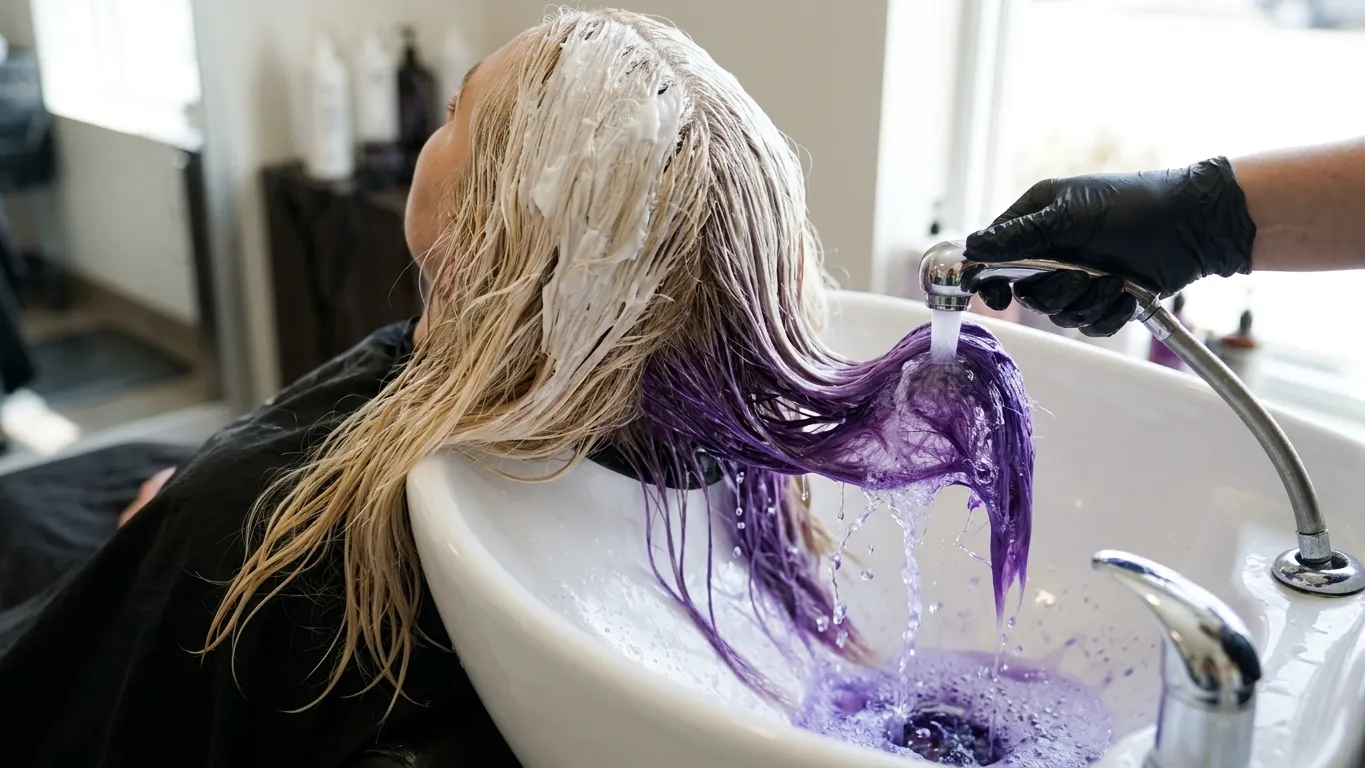
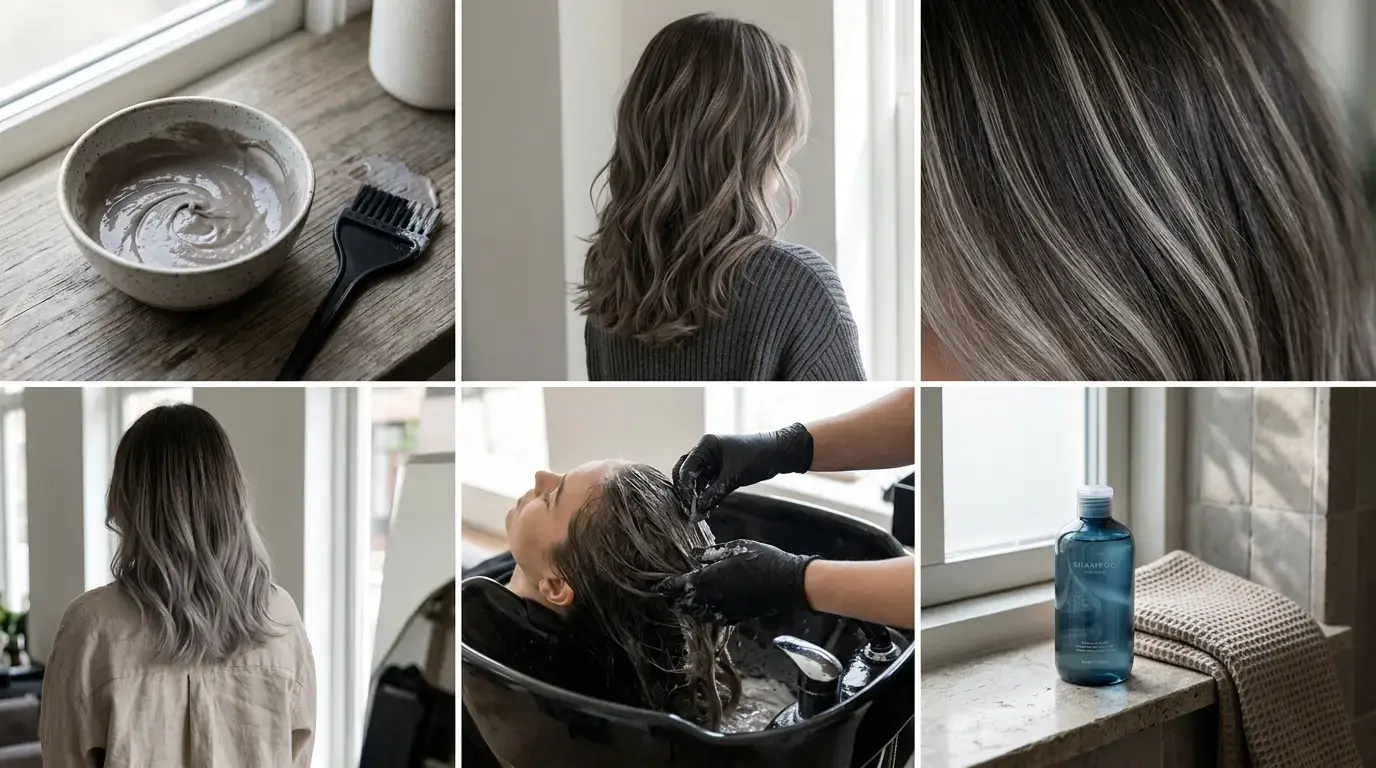
Direct dyes do not lock into hair cuticles the way oxidative permanent color does. When you rinse violet dye out under warm water, the pigment flows across your pale upper canopy and instantly grabs onto the porous ends. That ruins your base immediately.
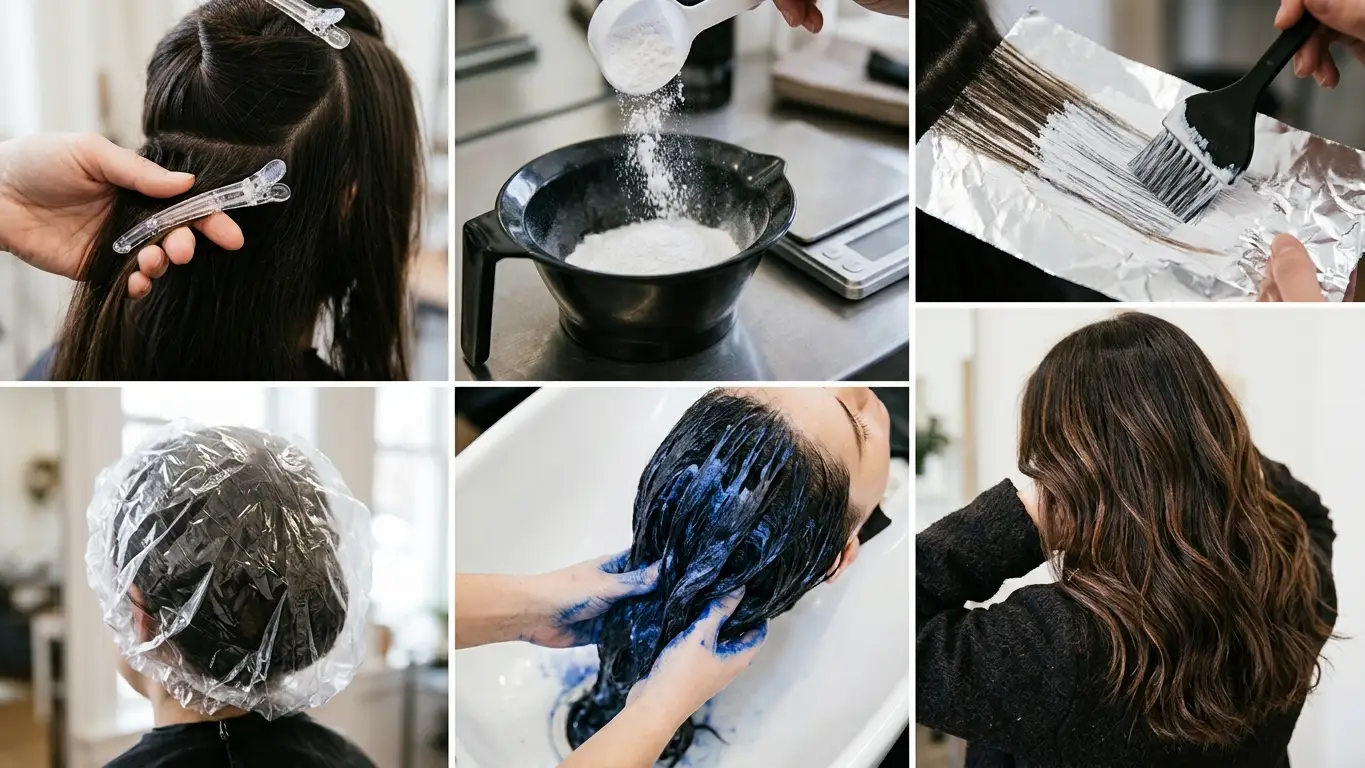
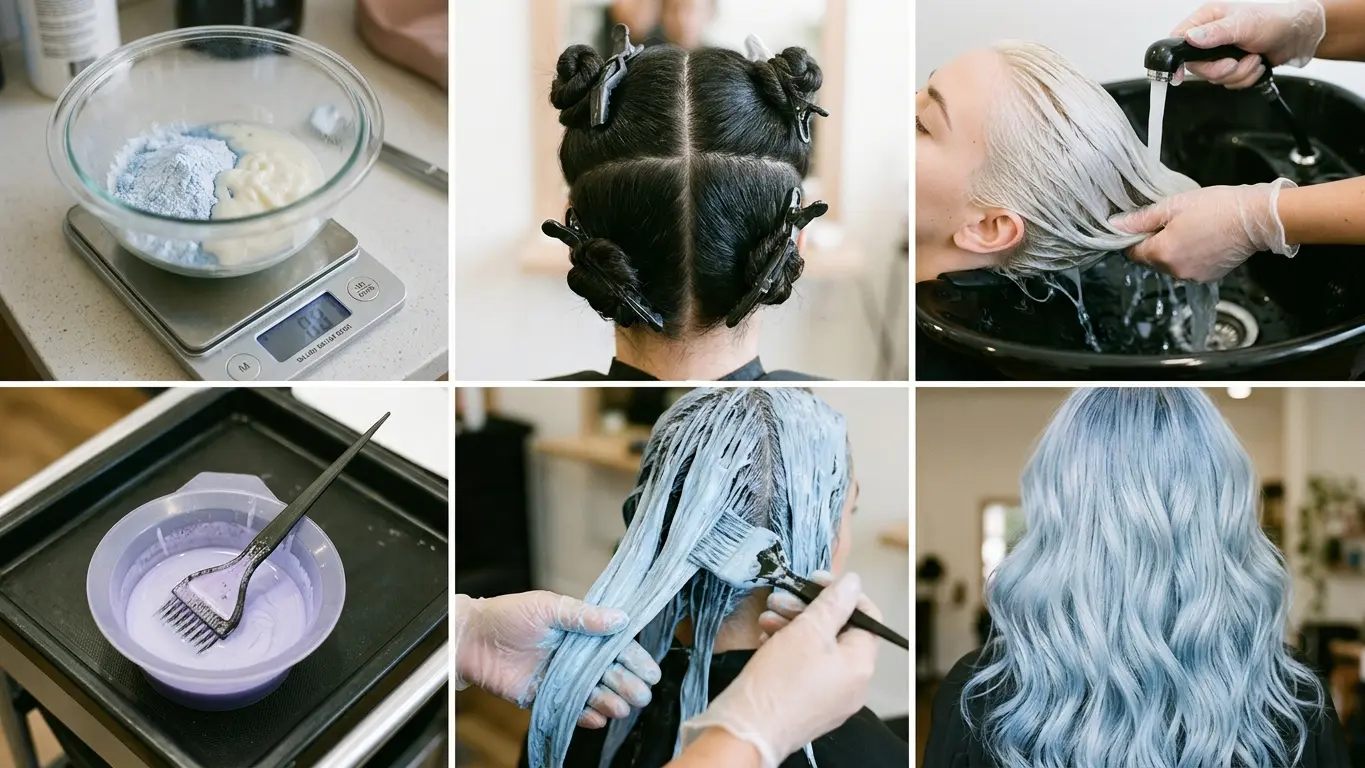
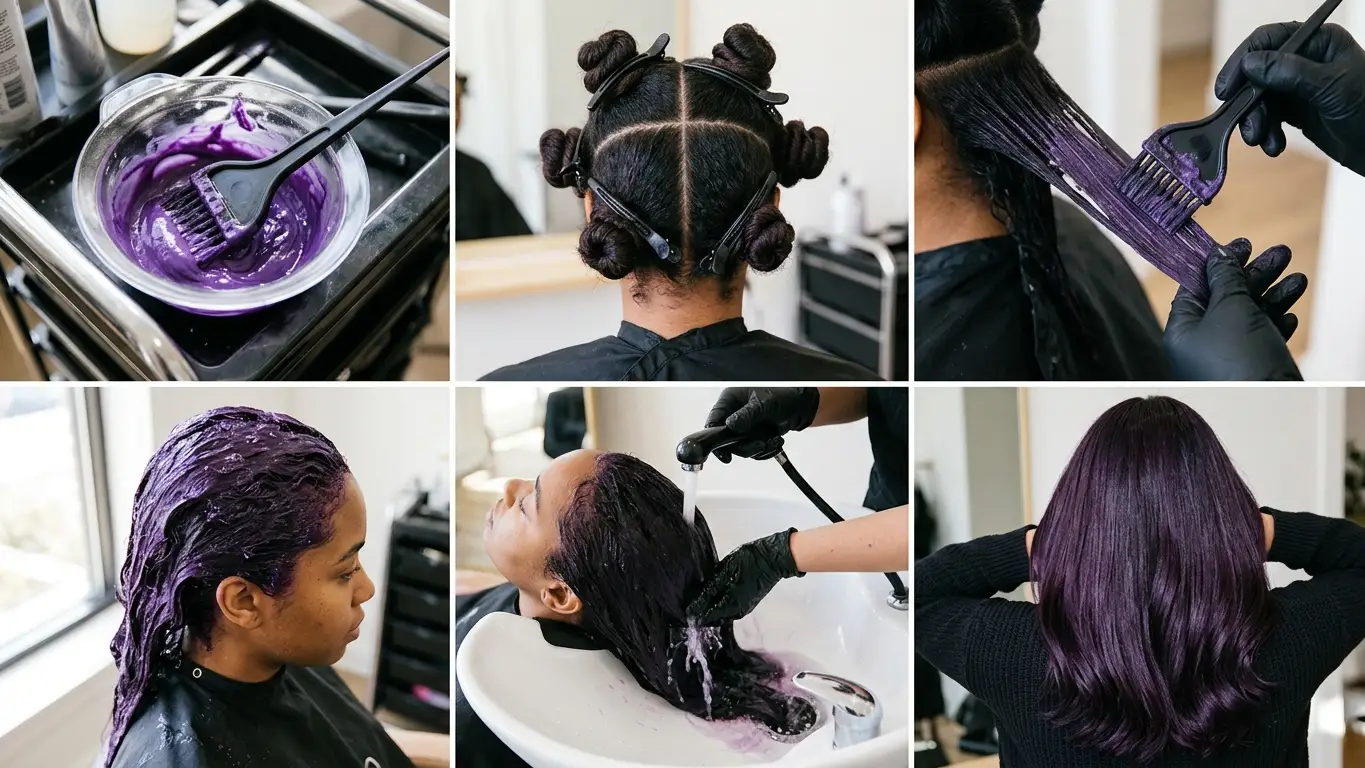
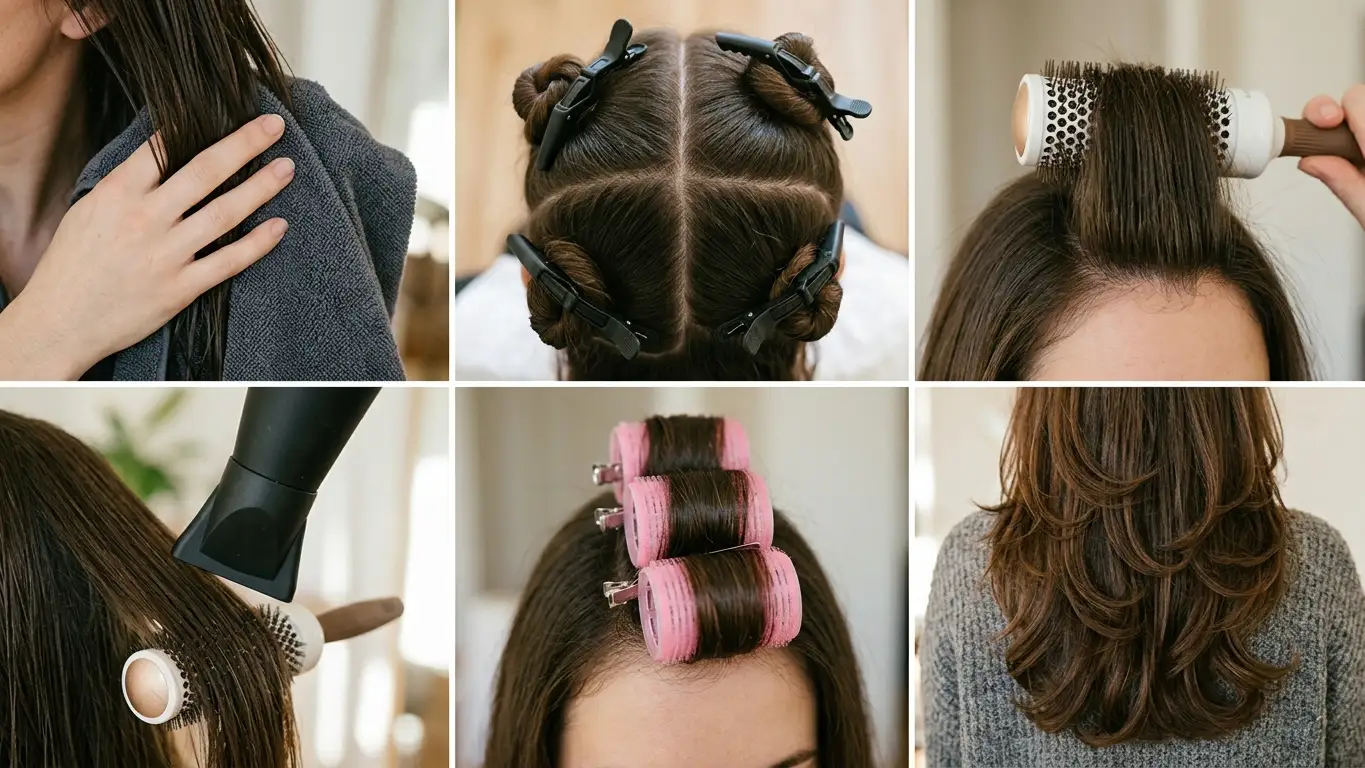
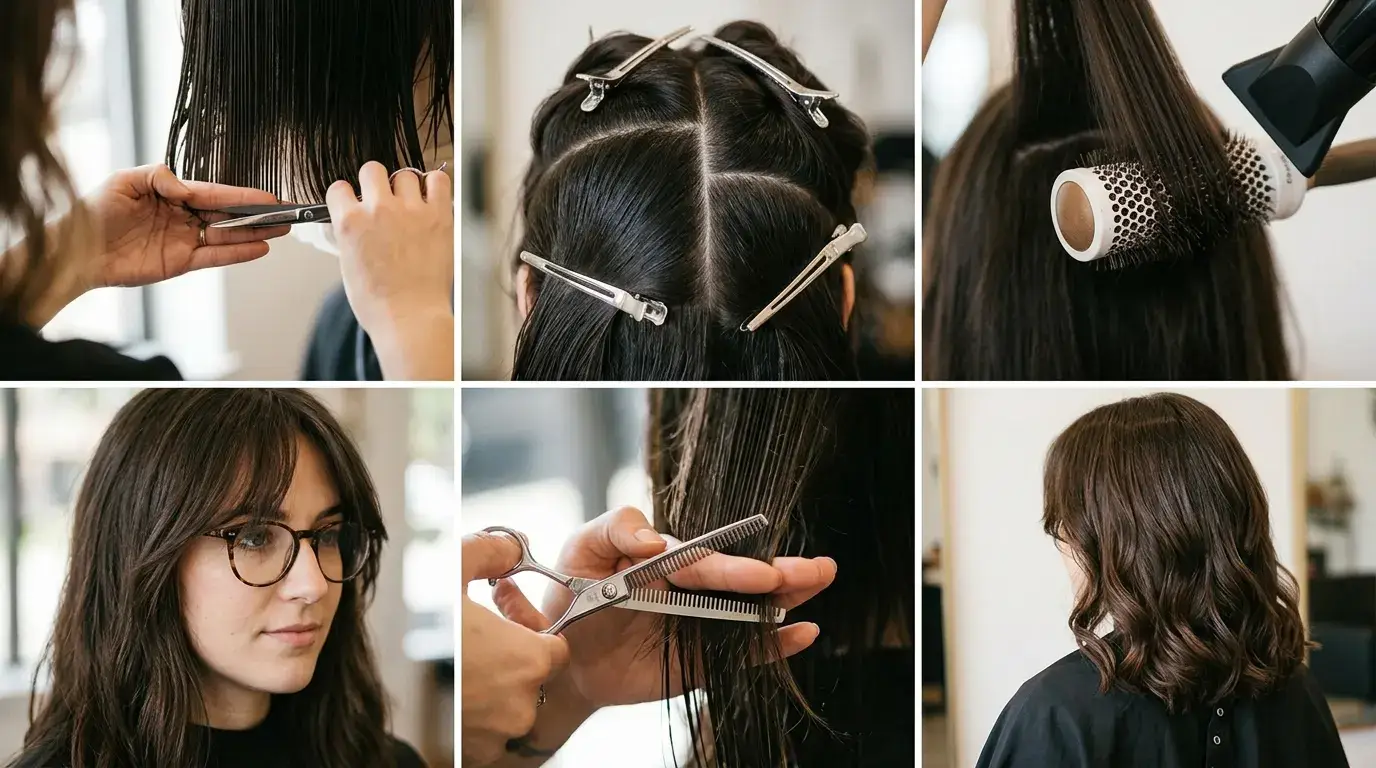
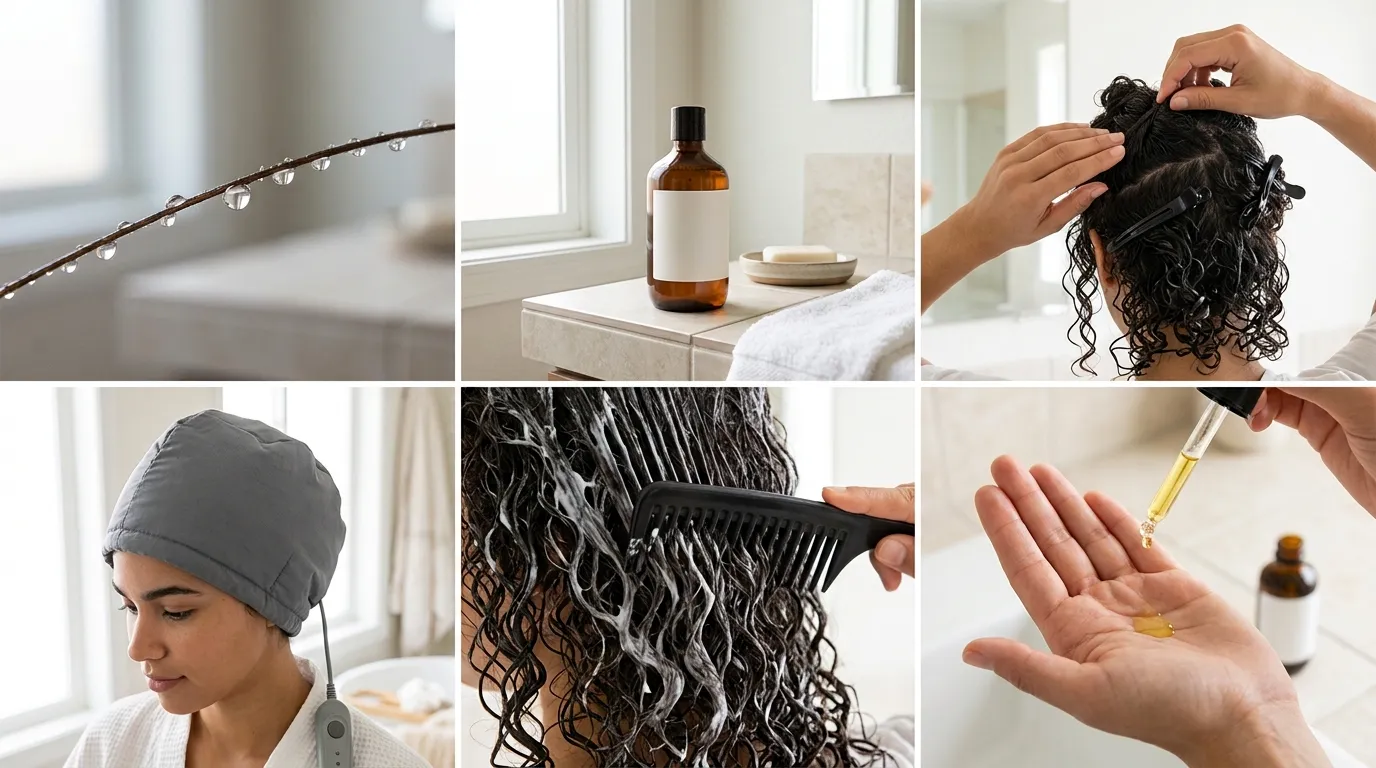
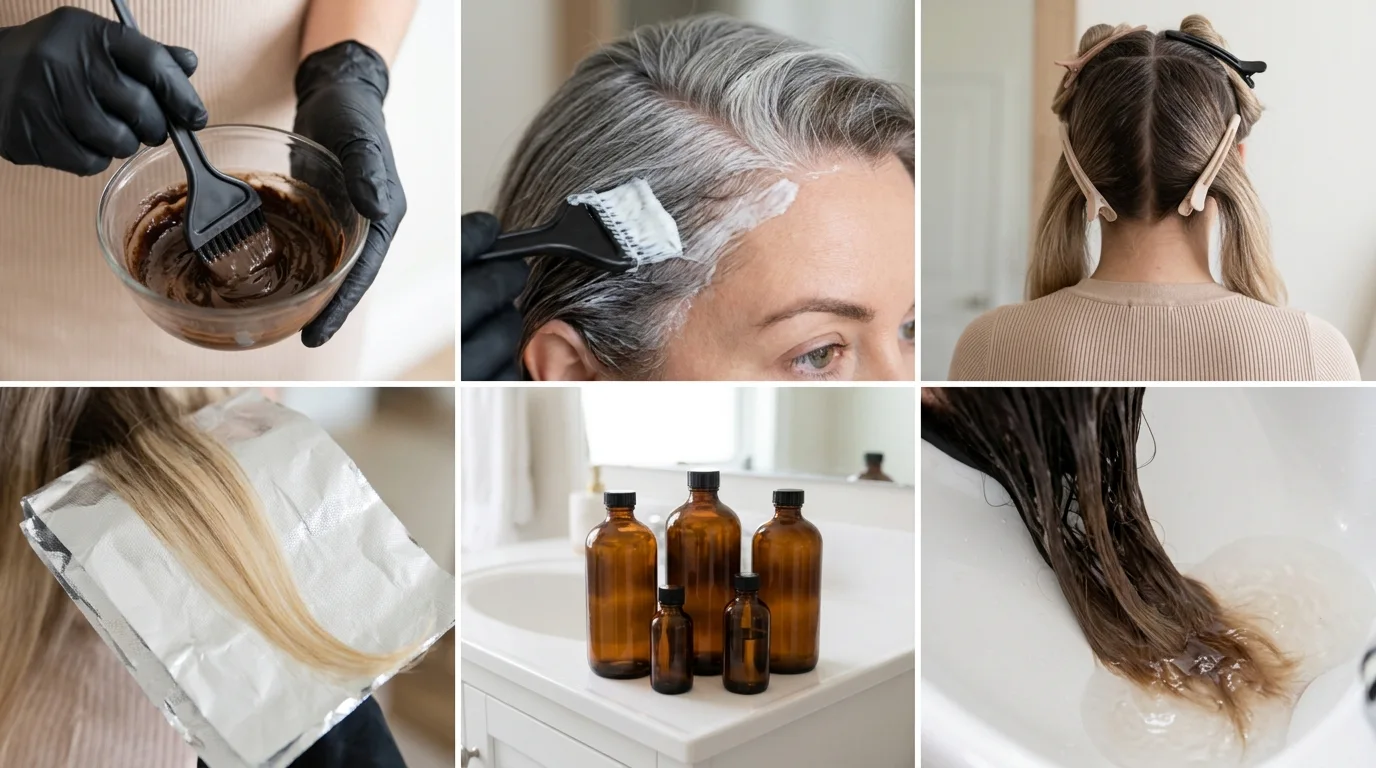
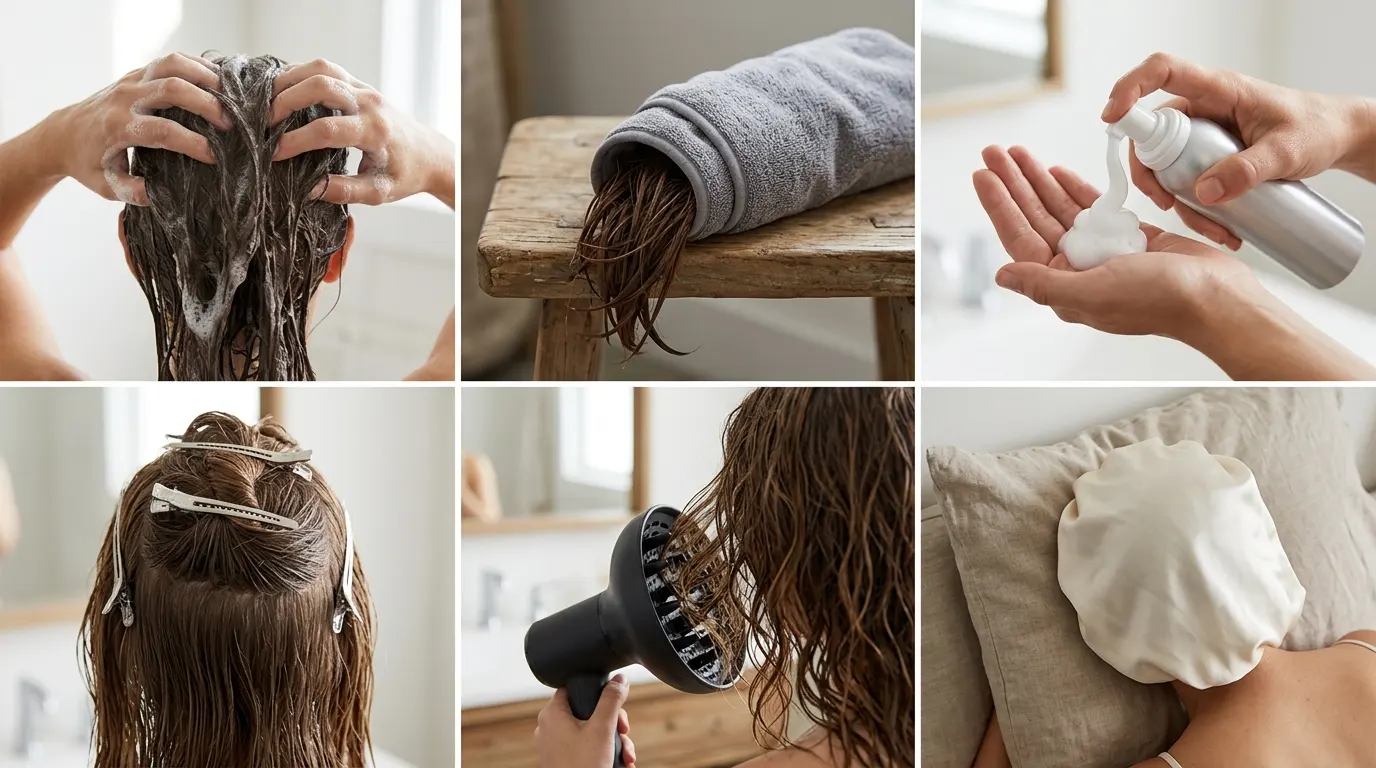
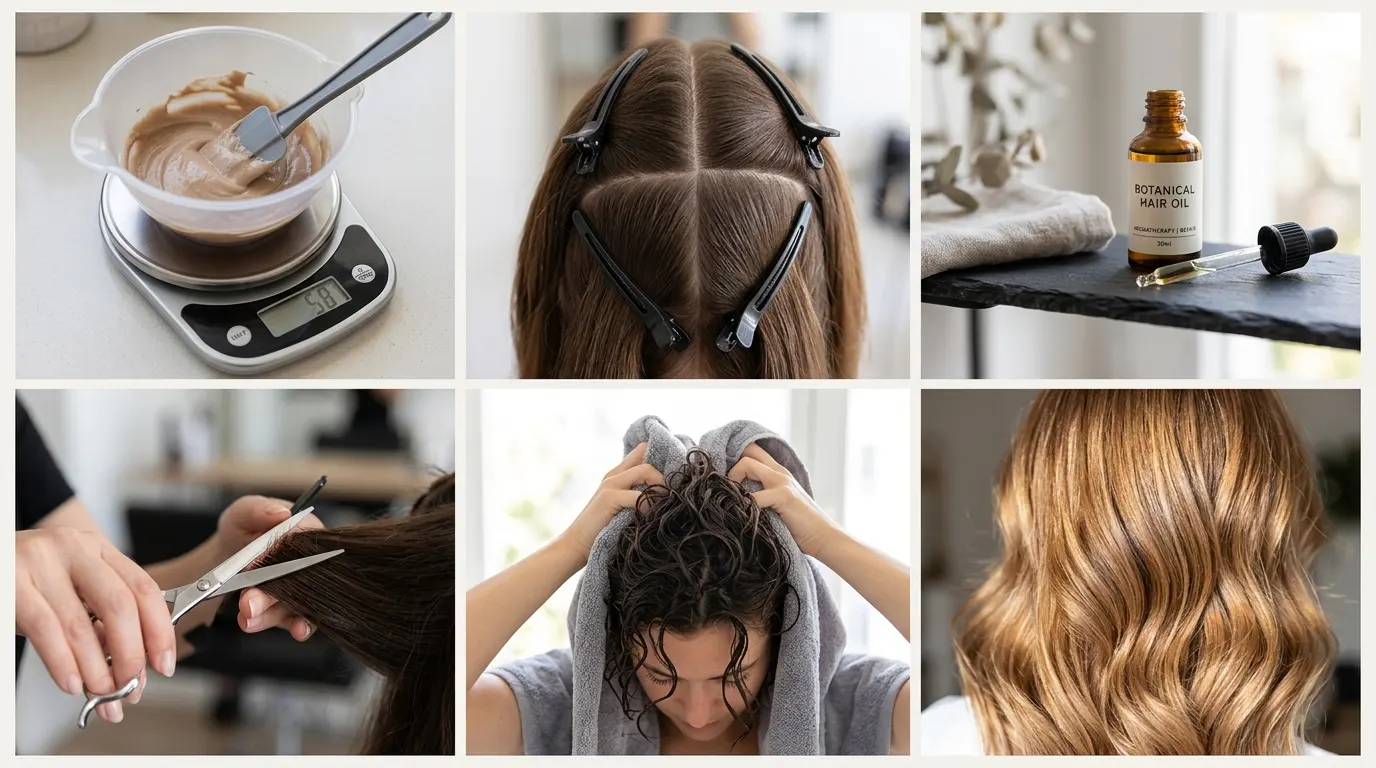
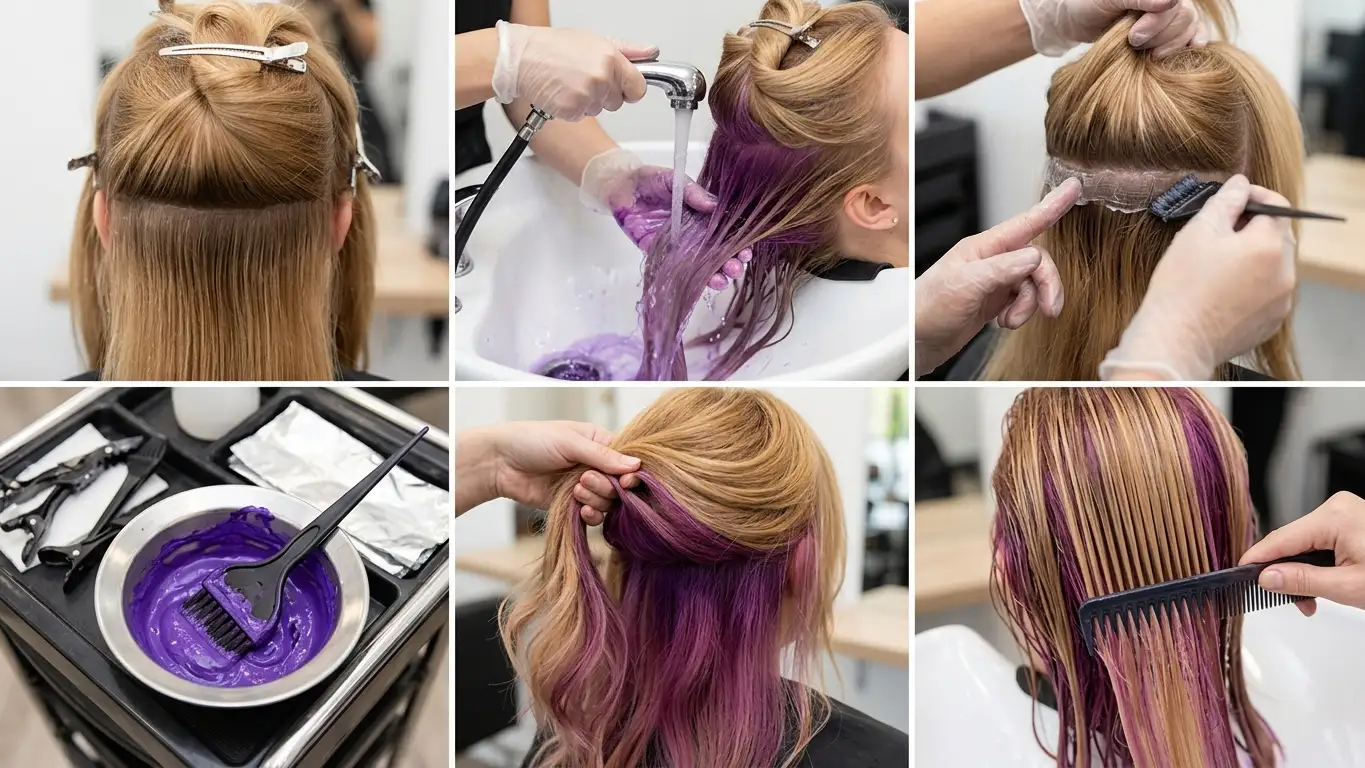
The fix requires cold water and physical separation. Clip your top blonde sections tightly out of the way before washing. Rinse the underlayer downward away from the crown using ice cold water until the runoff is clear.
Apply a thick white conditioner over your top strands prior to rinsing. That layer acts as a physical barrier. It stops rogue dye droplets from grabbing your pale hair during the process.
Lifting Dark Hair Underneath Leaves Uneven Orange Patches
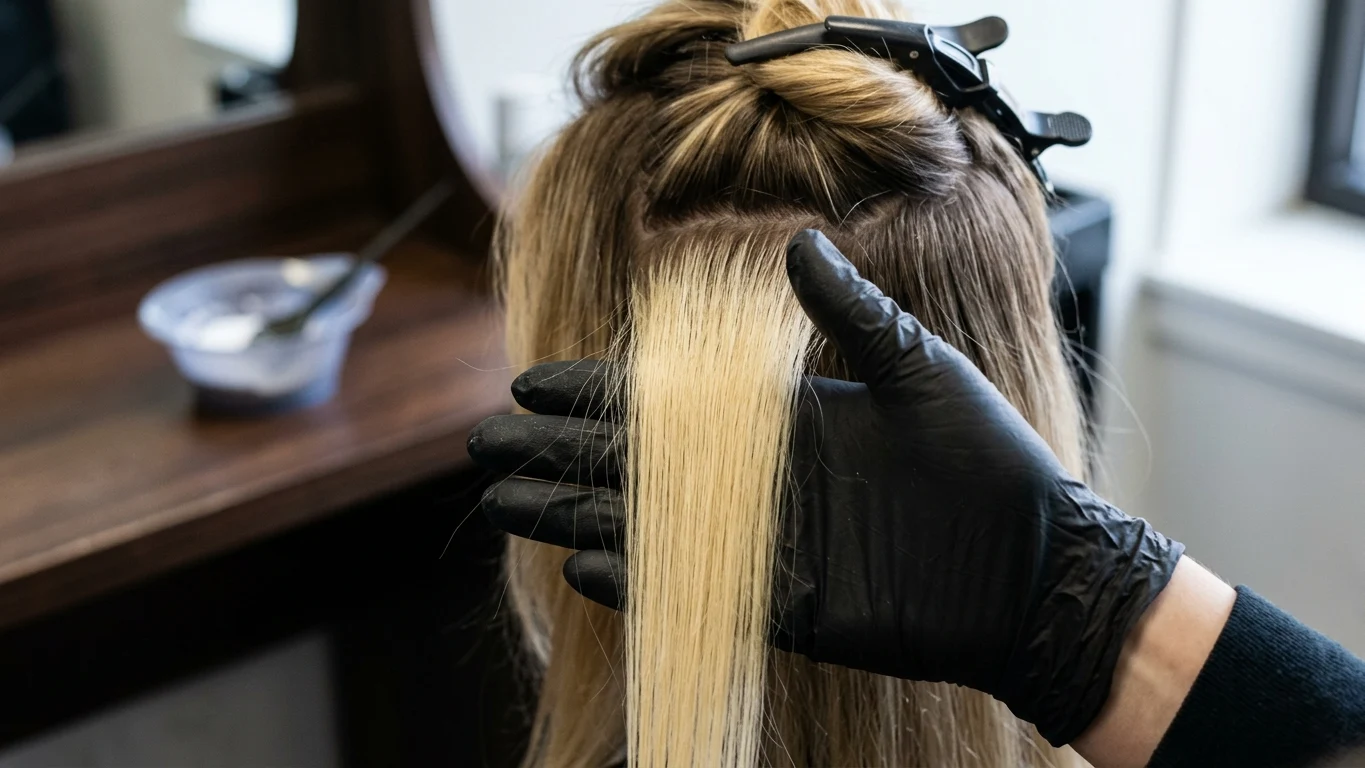
Trying to lay violet pigment over raw brass produces a muddy brown result. Violet sits opposite yellow on the color wheel, which means a dark purple peekaboo on dirty blonde hair will simply cancel out warmth into a murky slate if the hair is not lifted high enough.
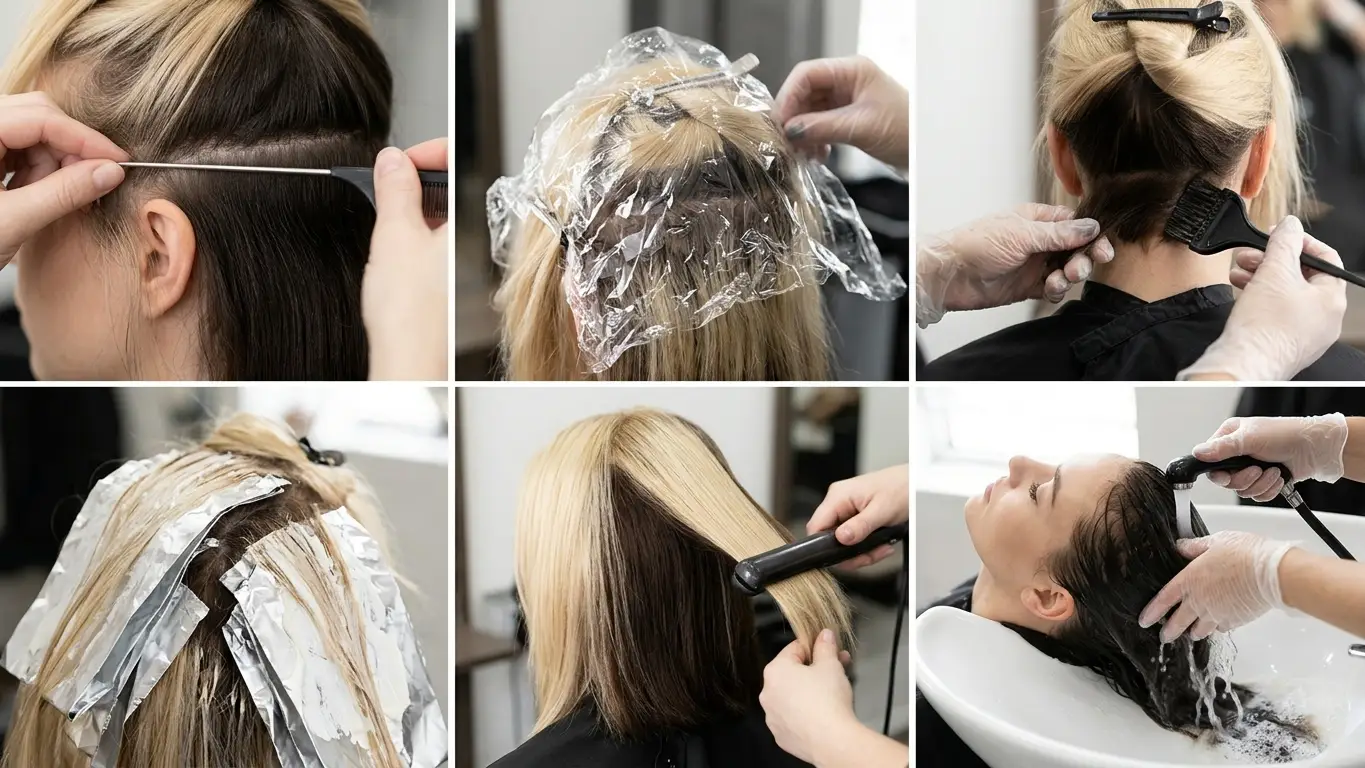
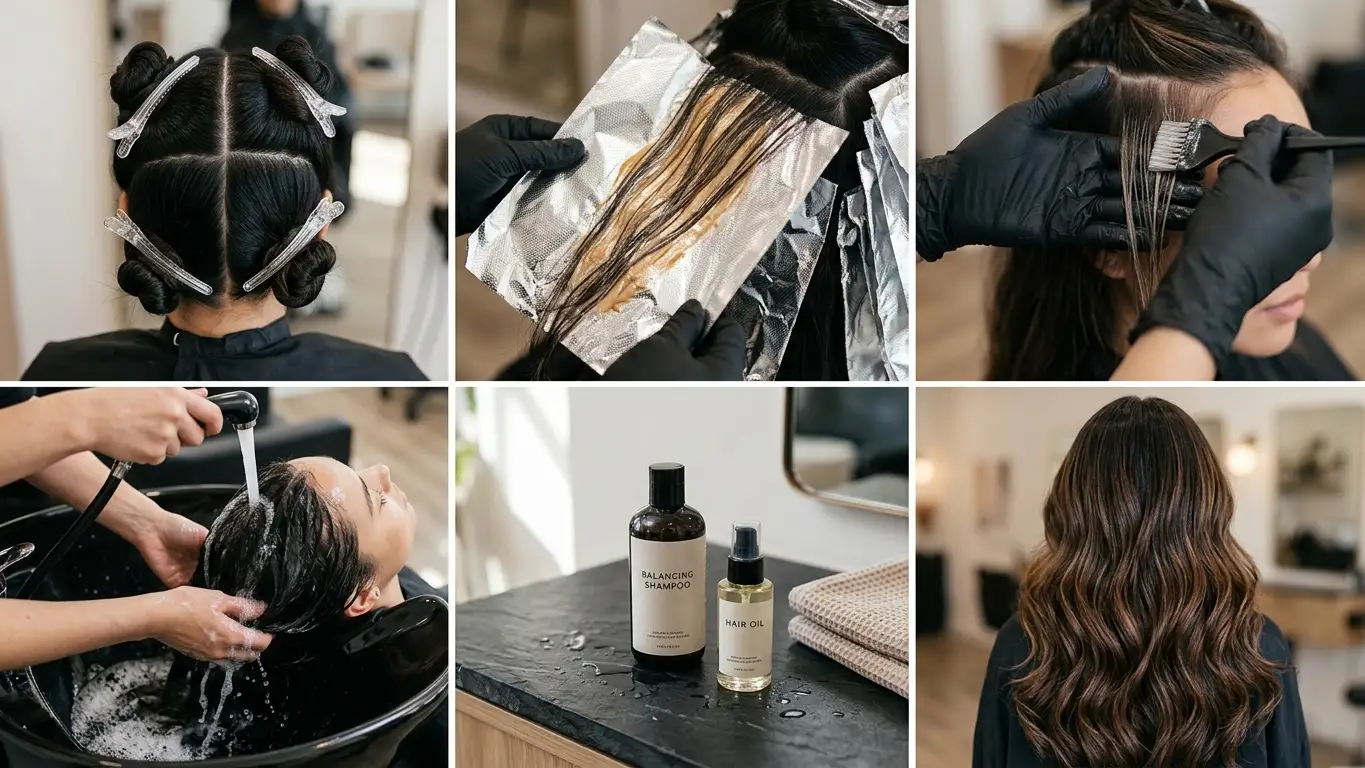
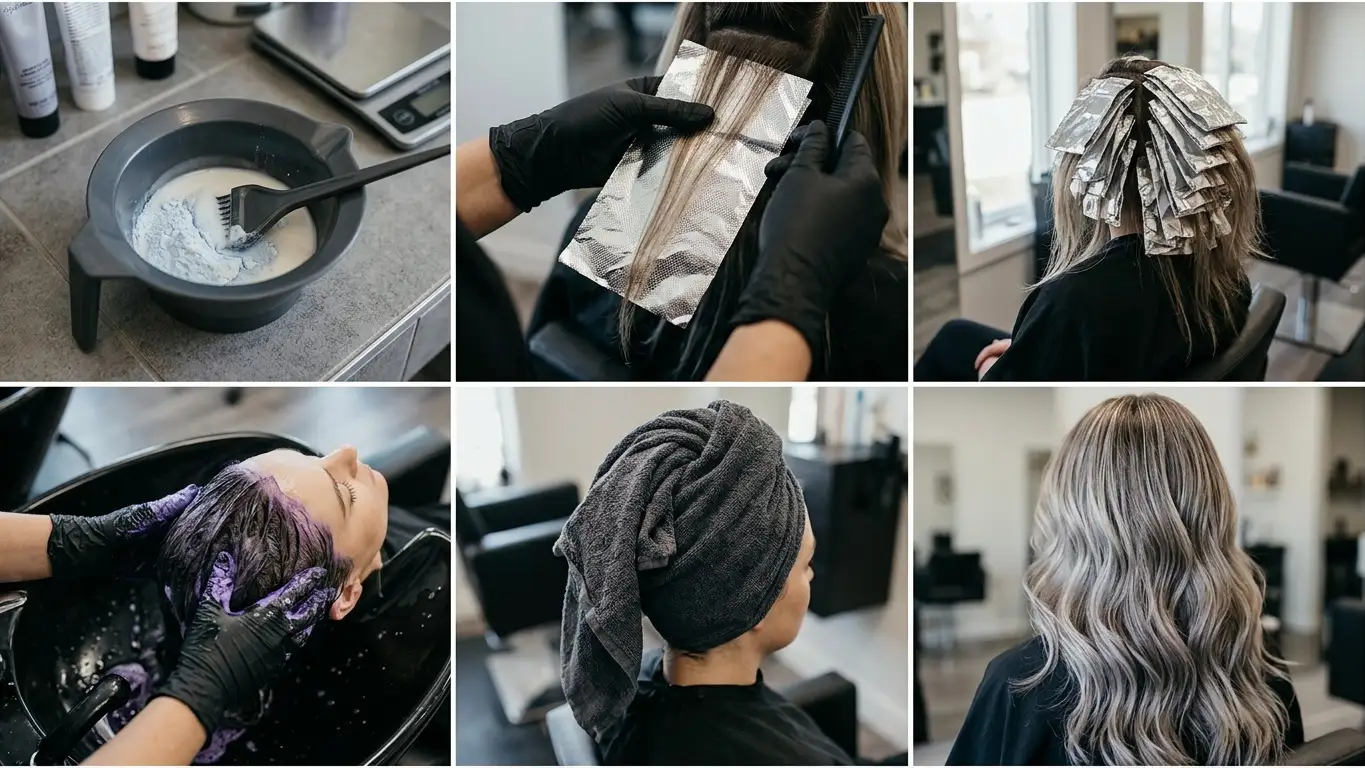
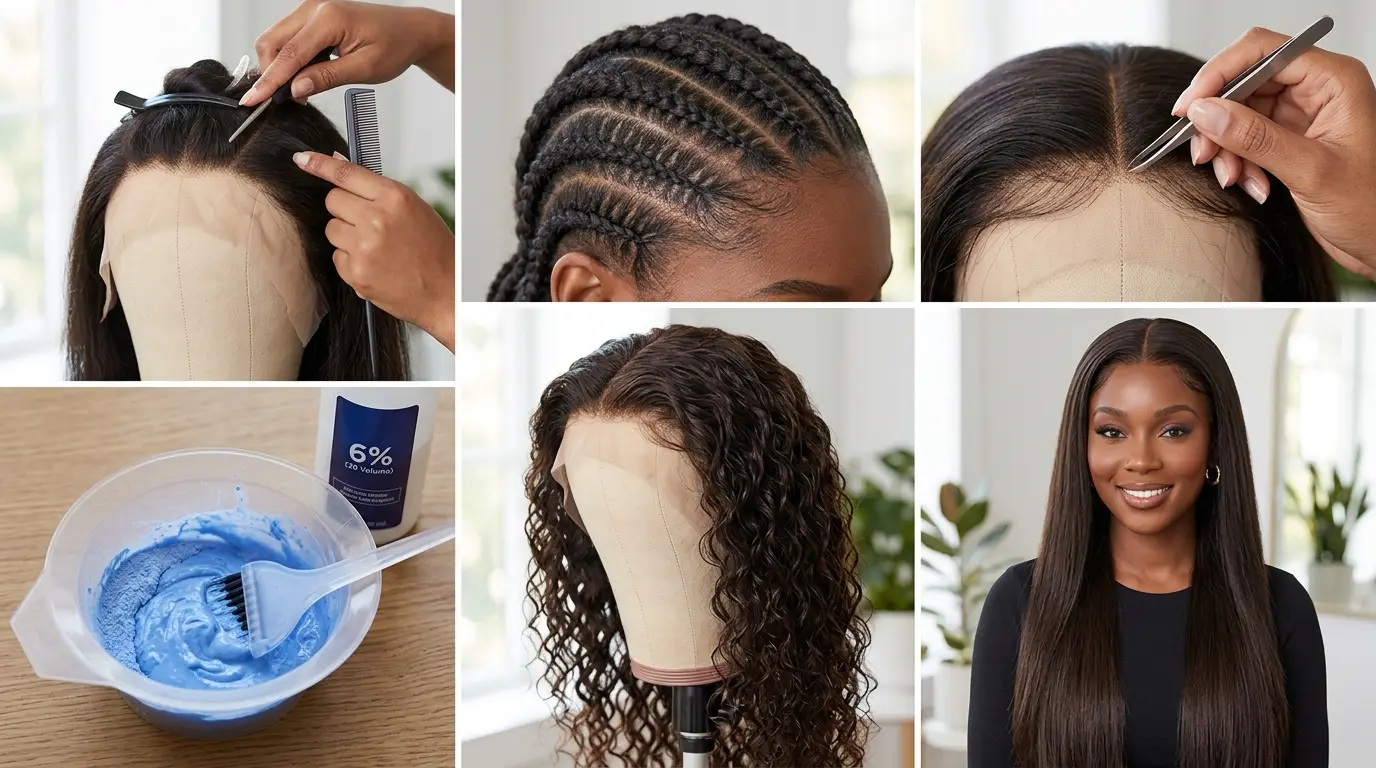
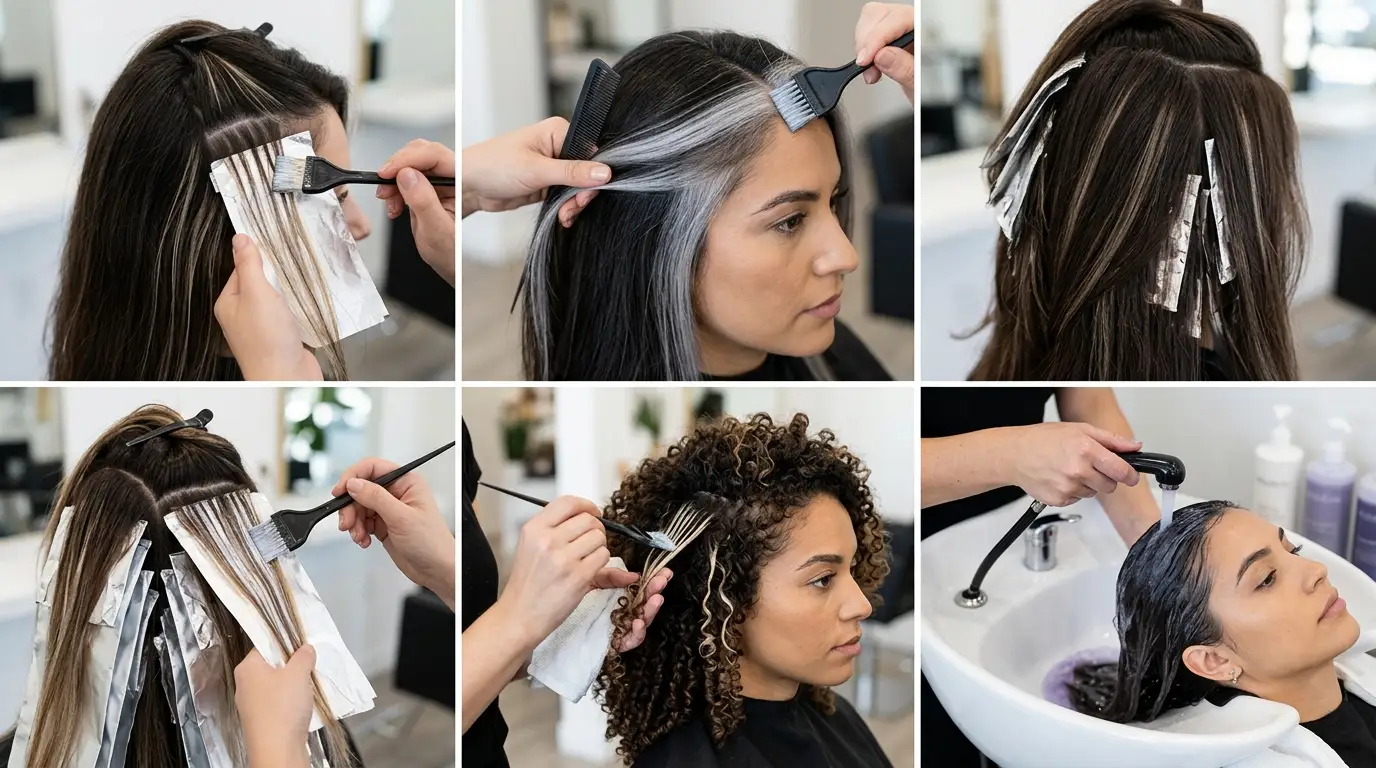
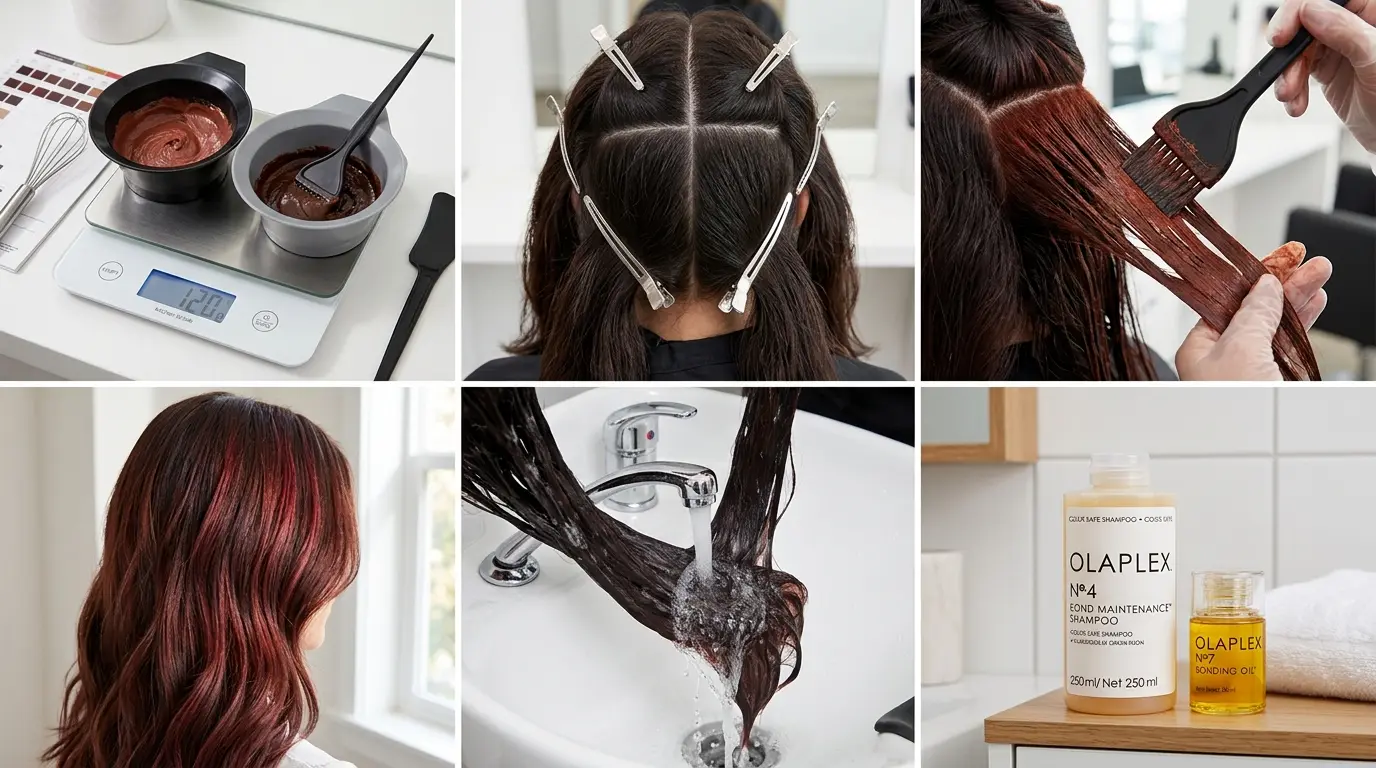
You must lift the hidden section to a clean level nine or ten pale yellow. Use a twenty volume developer with bond protecting powder lightener. Check the processing foil every ten minutes.
Never guess processing time by the outside of the foil. Wipe a tiny strand clean with a damp towel to verify that all orange tones have cleared before you rinse and apply your fashion dye.
Wide Sectioning Makes the Underlayer Look Heavy
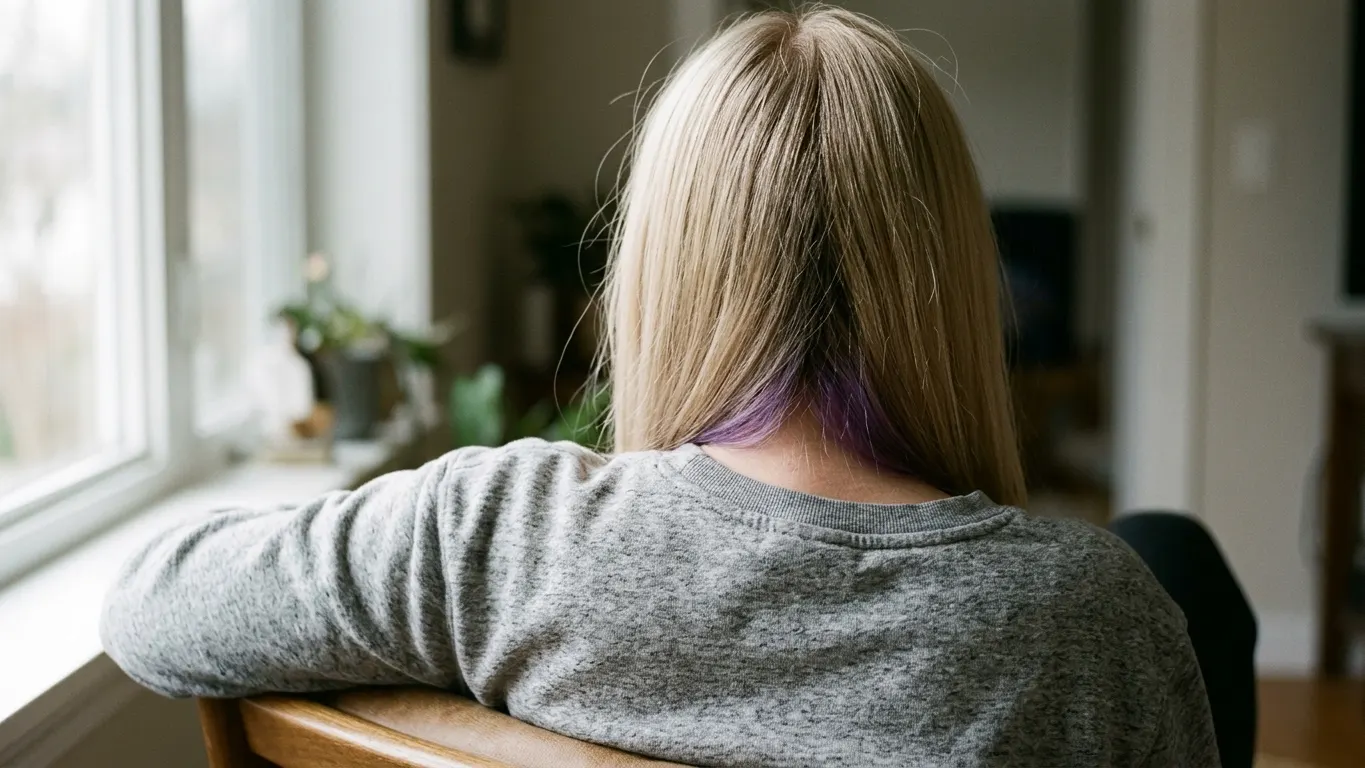
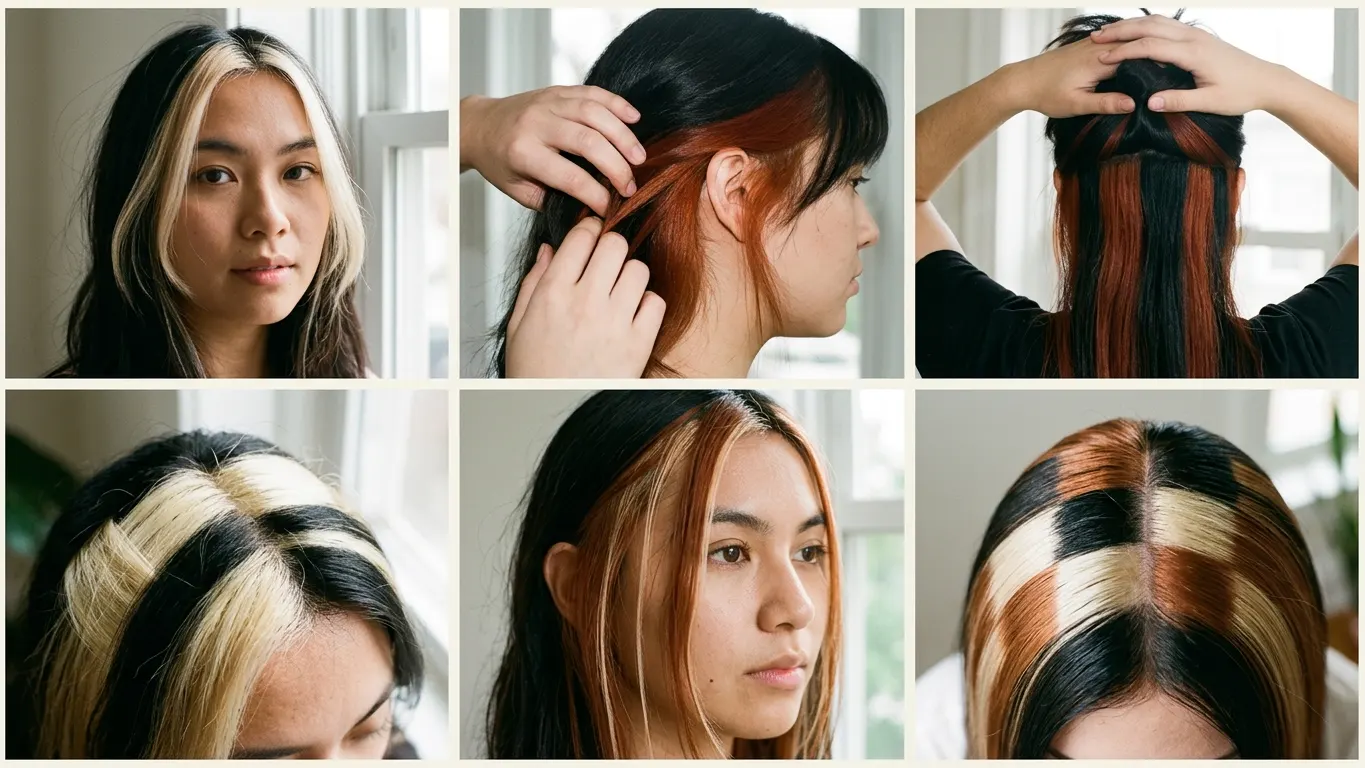
Taking a slice of hair that reaches too close to your crown destroys the peekaboo effect. The colored hair overpowers the blonde, turning a subtle flash of tone into an accidental half and half dye job.
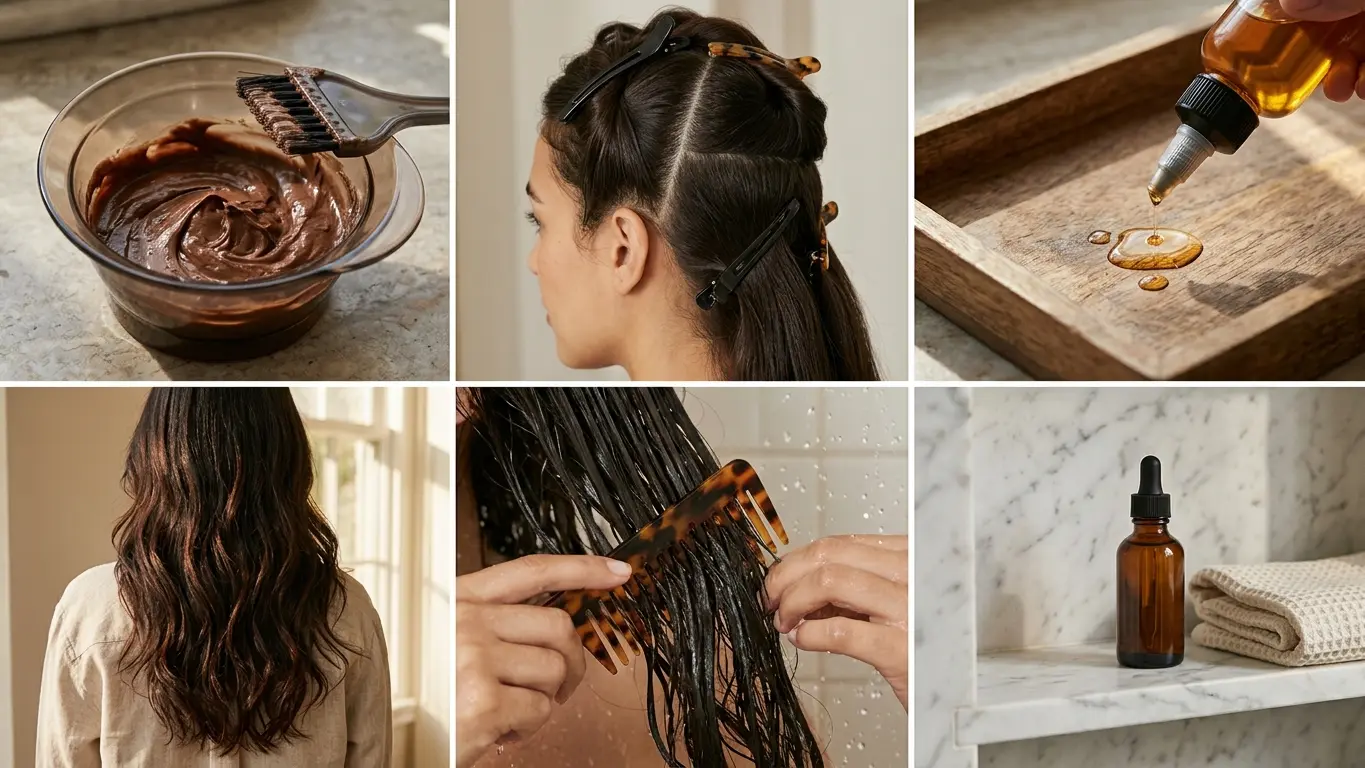
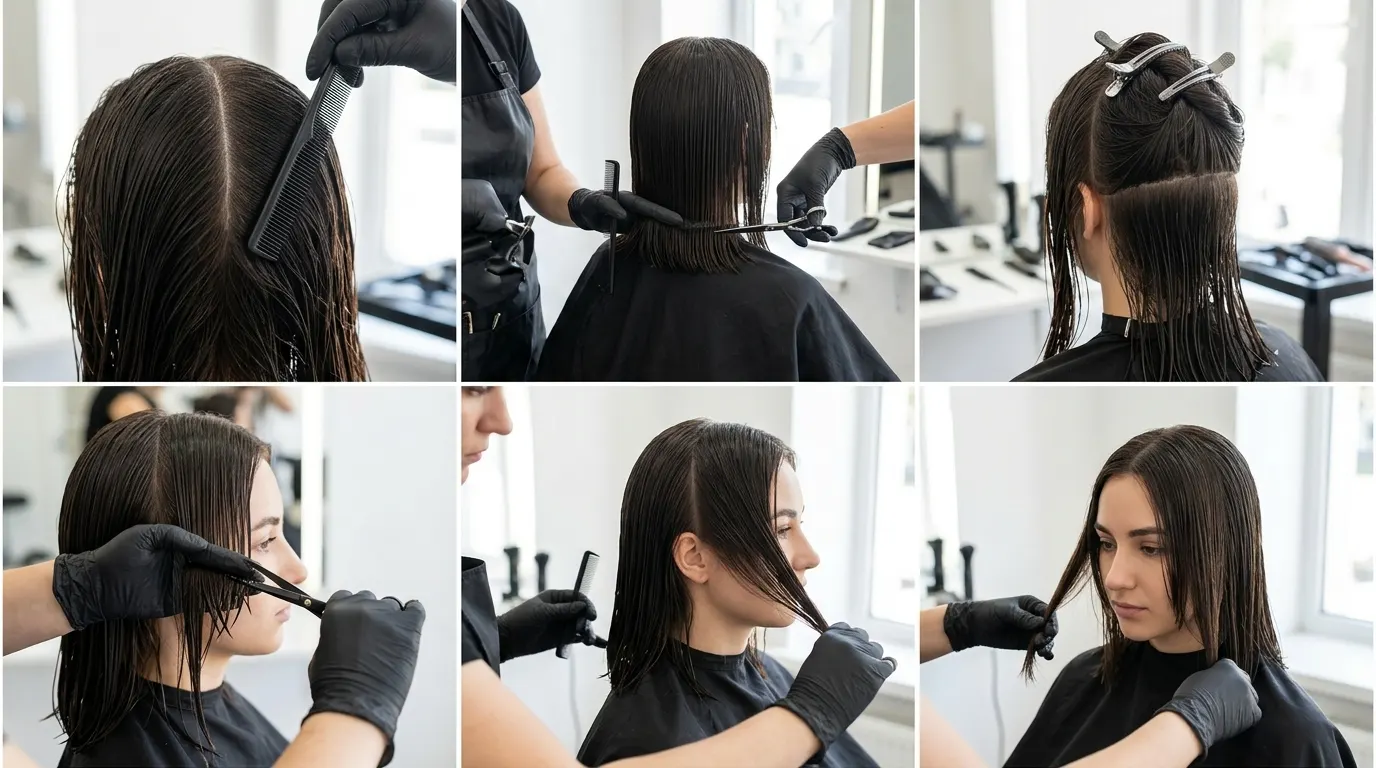
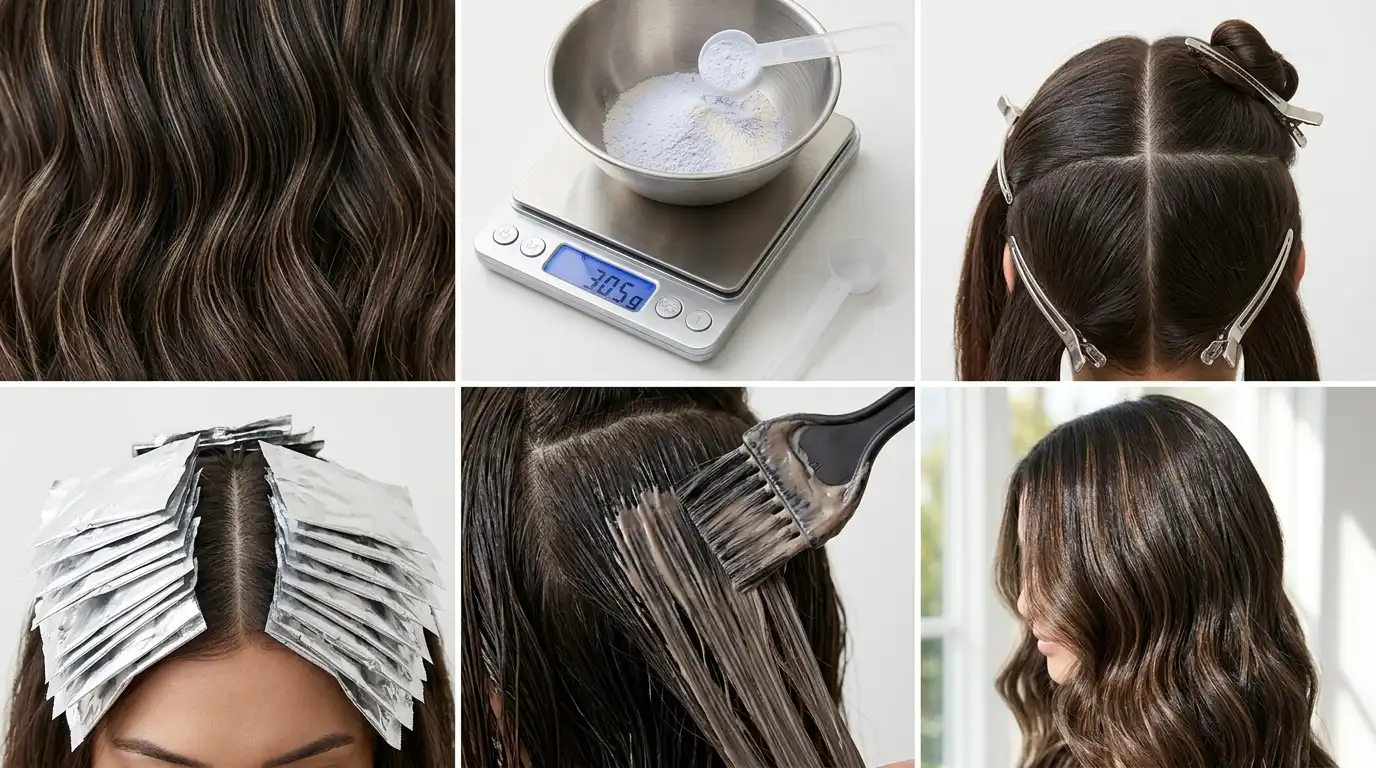
Keep your sectioning strictly below the occipital bone. Part the hair in a clean horizontal line from behind the top of one ear across to the other.
Pin everything above that line securely out of reach. Your colored veil should never exceed one third of your total hair density if you want the pale canopy to drape naturally over it.
Purple Peekaboo Highlights Blonde Blonde Hair Turning Muddy After Three Washes
When pale yellow strands grab residual violet during ordinary showers, the contrast disappears into a dusty, ash tone. This specific issue with purple peekaboo highlights blonde blonde hair happens because shampoo lifts the hair cuticle and redistributes loose pigment molecules.
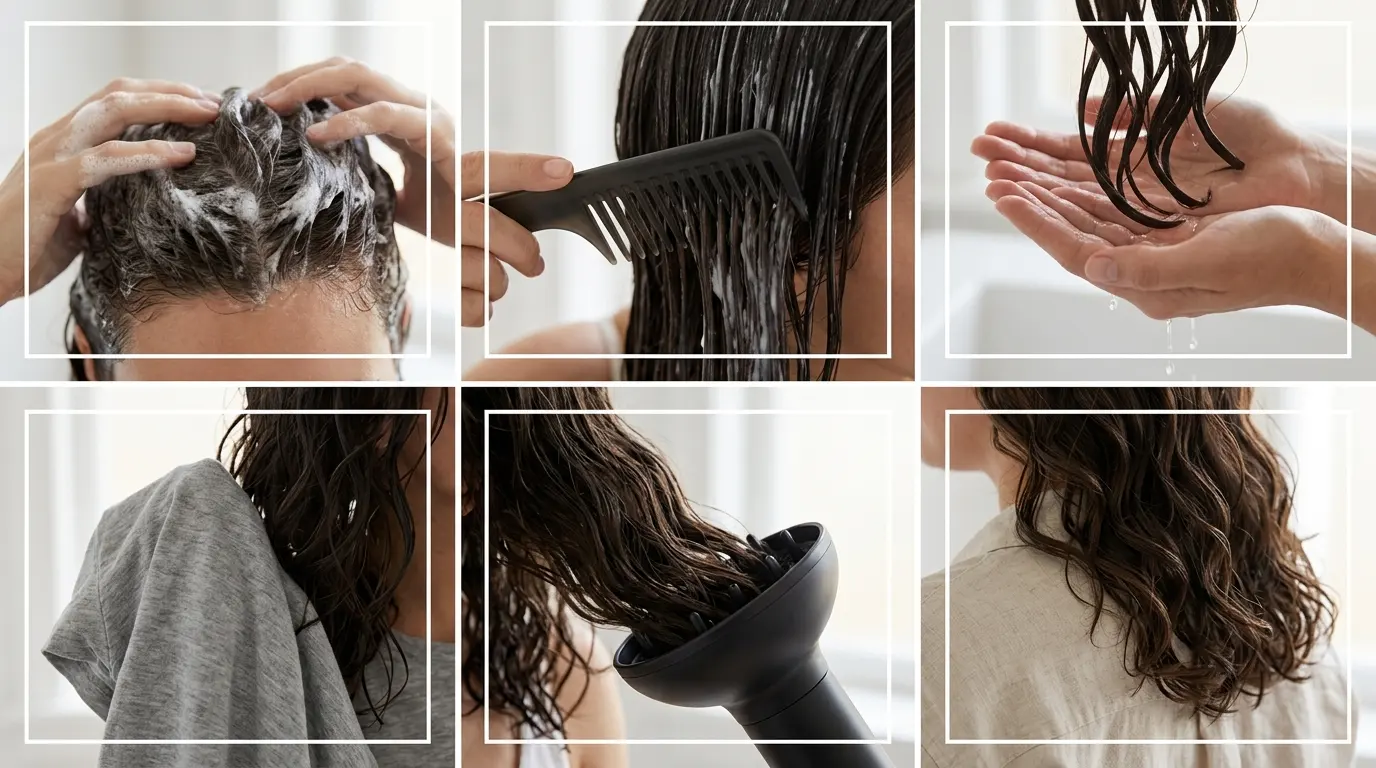
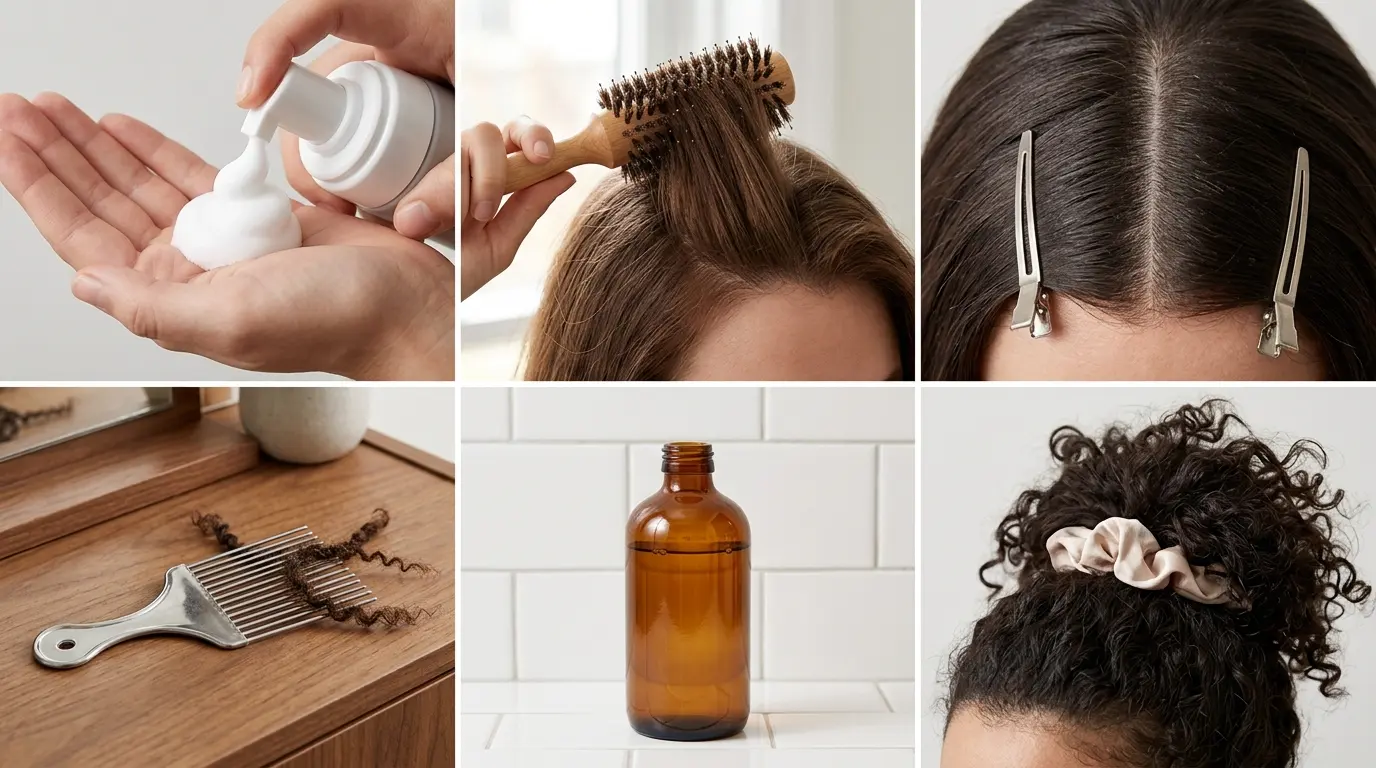
Switch entirely to washing your hair in separate steps. Lean forward over your sink to wash the blonde canopy with a clarifying or purple balancing shampoo.
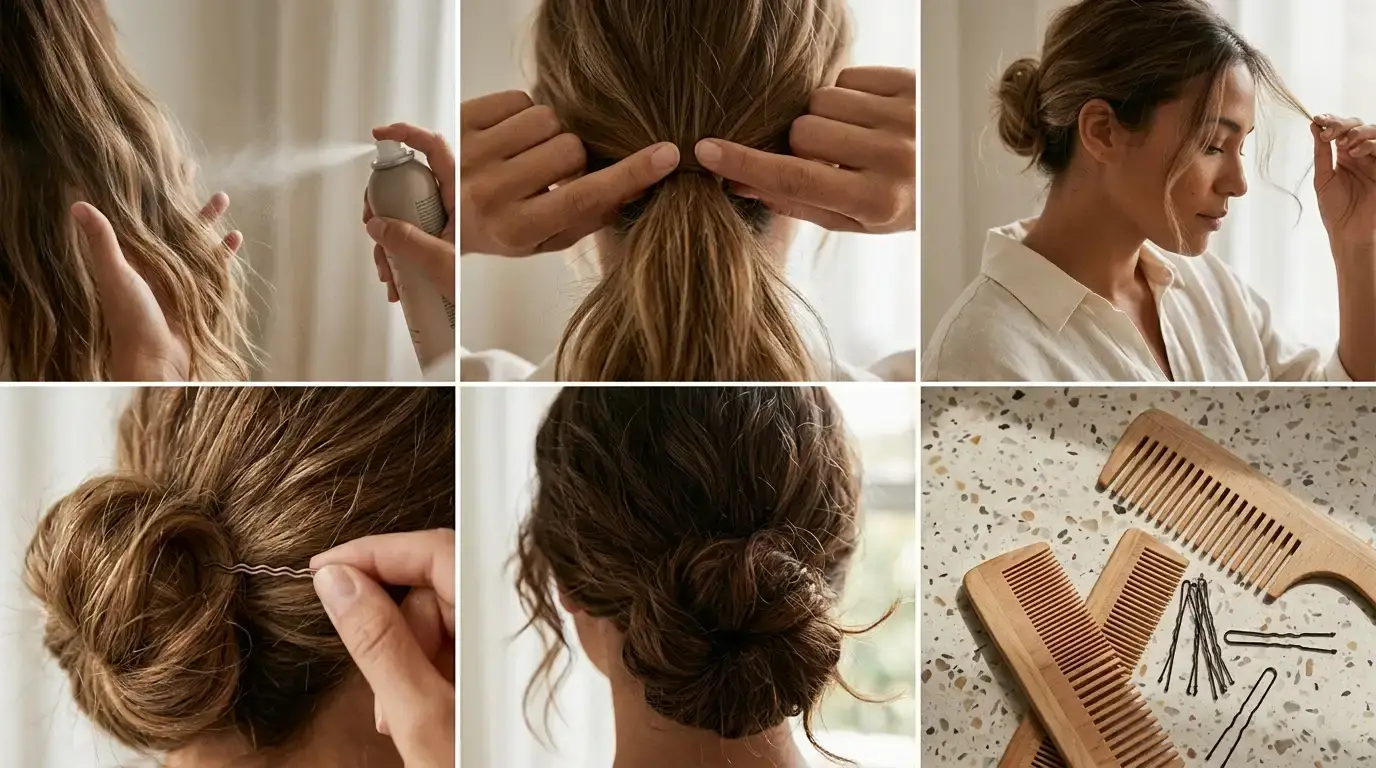
Clean the peekaboo layer separately using a color preserving, sulfate free cleanser. Wash your hair no more than twice a week and rely on dry shampoo to manage scalp oil between washes.
High Salon Prices for Basic Hidden Slices
Salons often quote standard double process prices for a service that uses very little lightener. The cost of peekaboo highlights typically ranges from one hundred twenty dollars to two hundred fifty dollars in 2026, depending on salon tier and city rates.
Paying full foil prices for three small underlayer slices is an unnecessary hit to your wallet. You can ask your stylist for a partial specialty accent instead of a full creative color application.
Book your appointment as an accent foil service with an add on gloss. That simple change in salon booking categories usually shaves fifty to eighty dollars off your final bill while giving you the exact same result.
Choosing the Wrong Tone for Your Natural Base
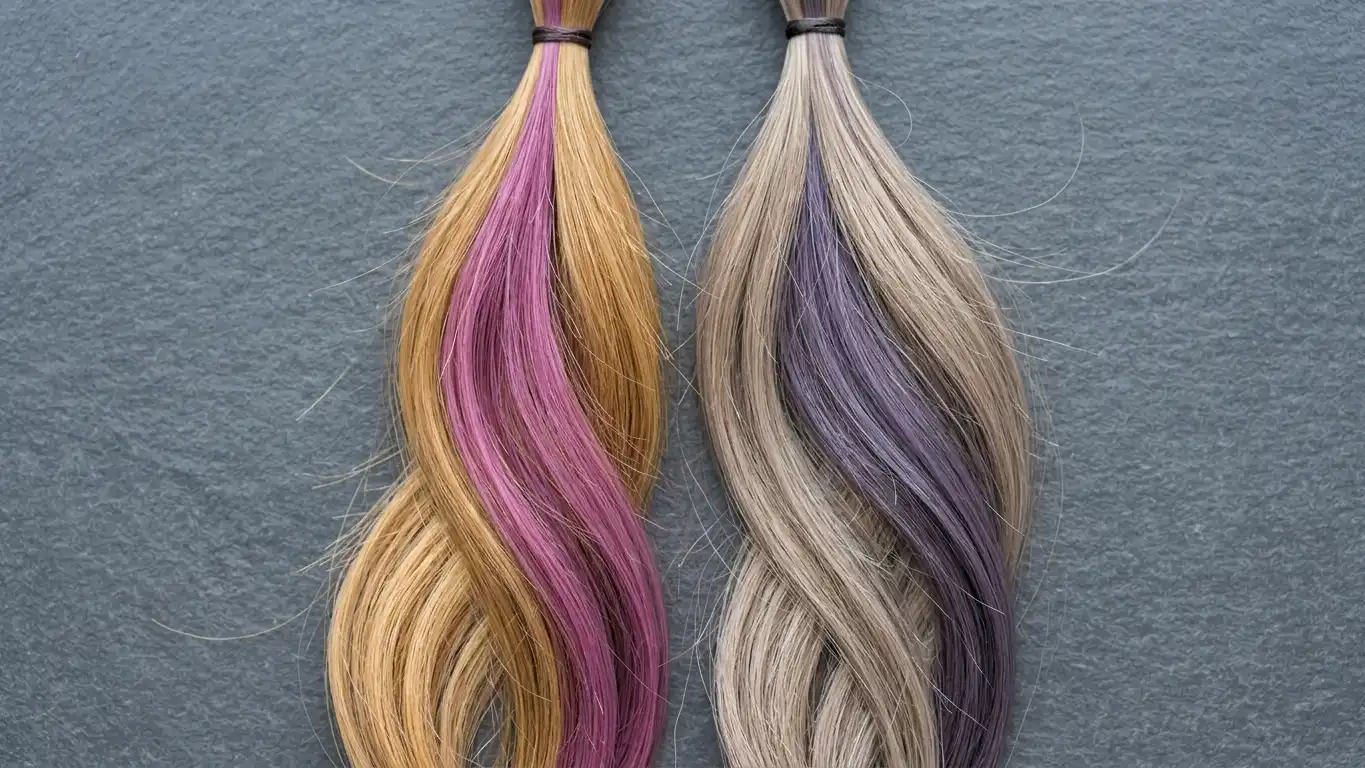
Slapping a blue leaning indigo underneath a honey blonde base creates an aggressive green fade. Blonde and purple highlights need to share matching temperature values to look cohesive as they grow out.
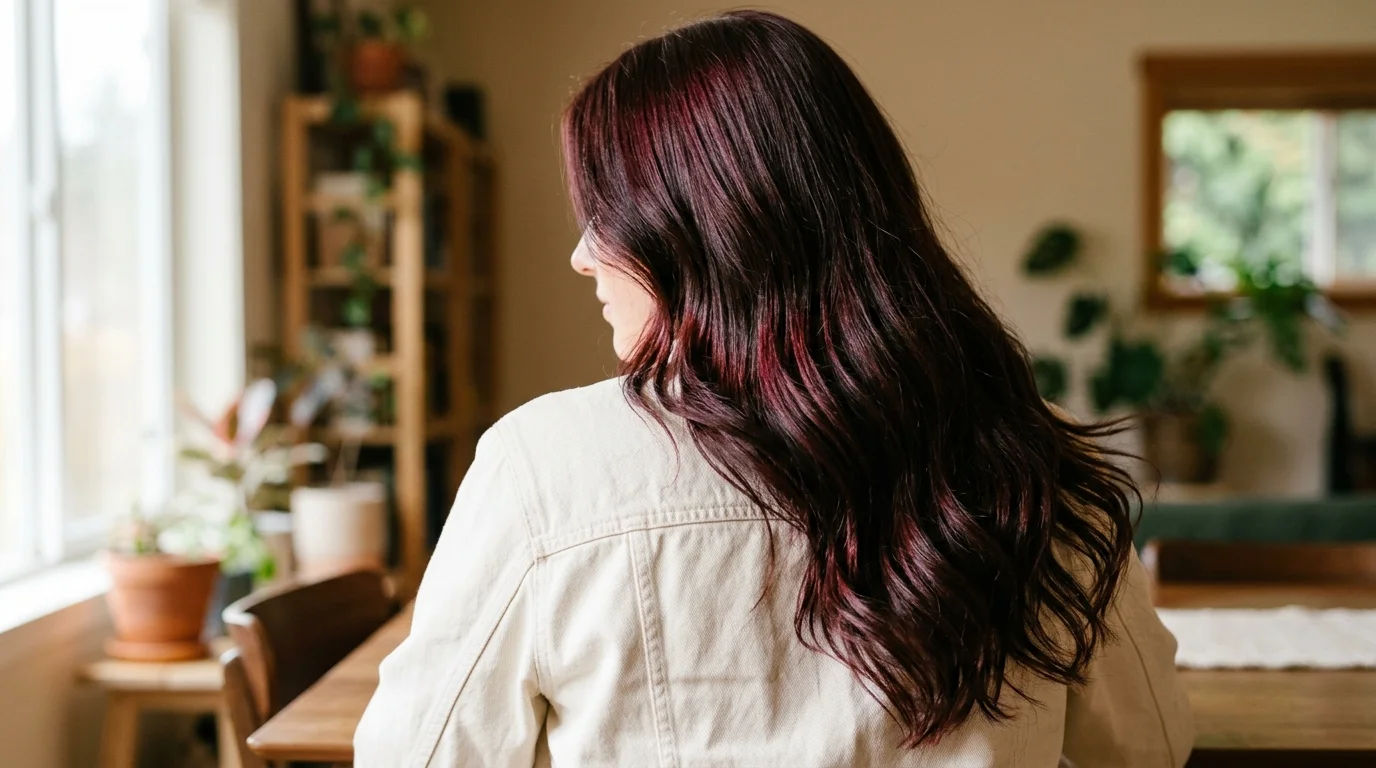
Honey and golden bases pair best with red leaning plums, orchids, and magentas. Cool ash or platinum bases require lavender, lilac, or pure royal violet.
Look closely at your natural undertone in natural window light before purchasing your dye tube. Matching warm to warm and cool to cool prevents that awkward clash when the color begins to fade.
Uneven Parting Lines Around the Ears
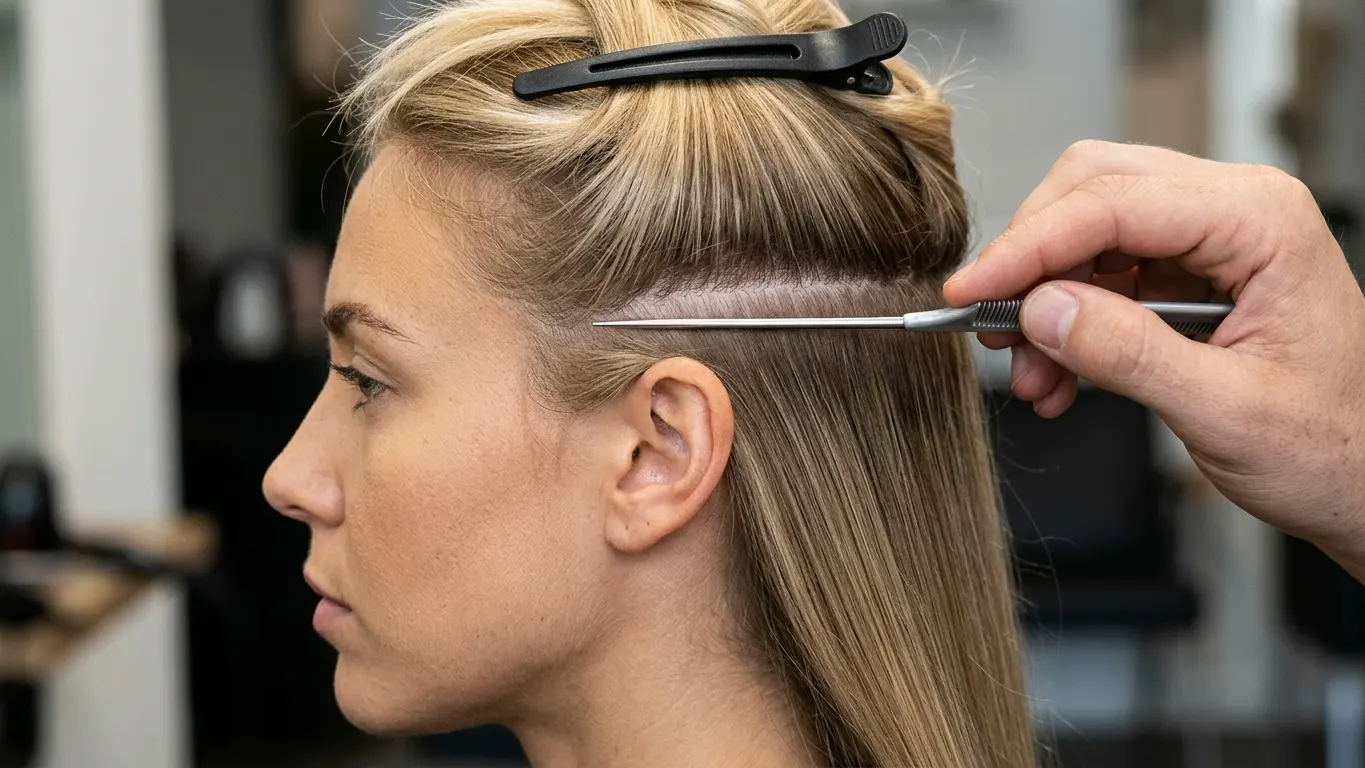
Diagonal or shaky sectioning lines cause the colored strands to spill forward over your shoulders unevenly. That gives you an unbalanced look where one side of your face has heavy violet streaks while the other looks completely pale.
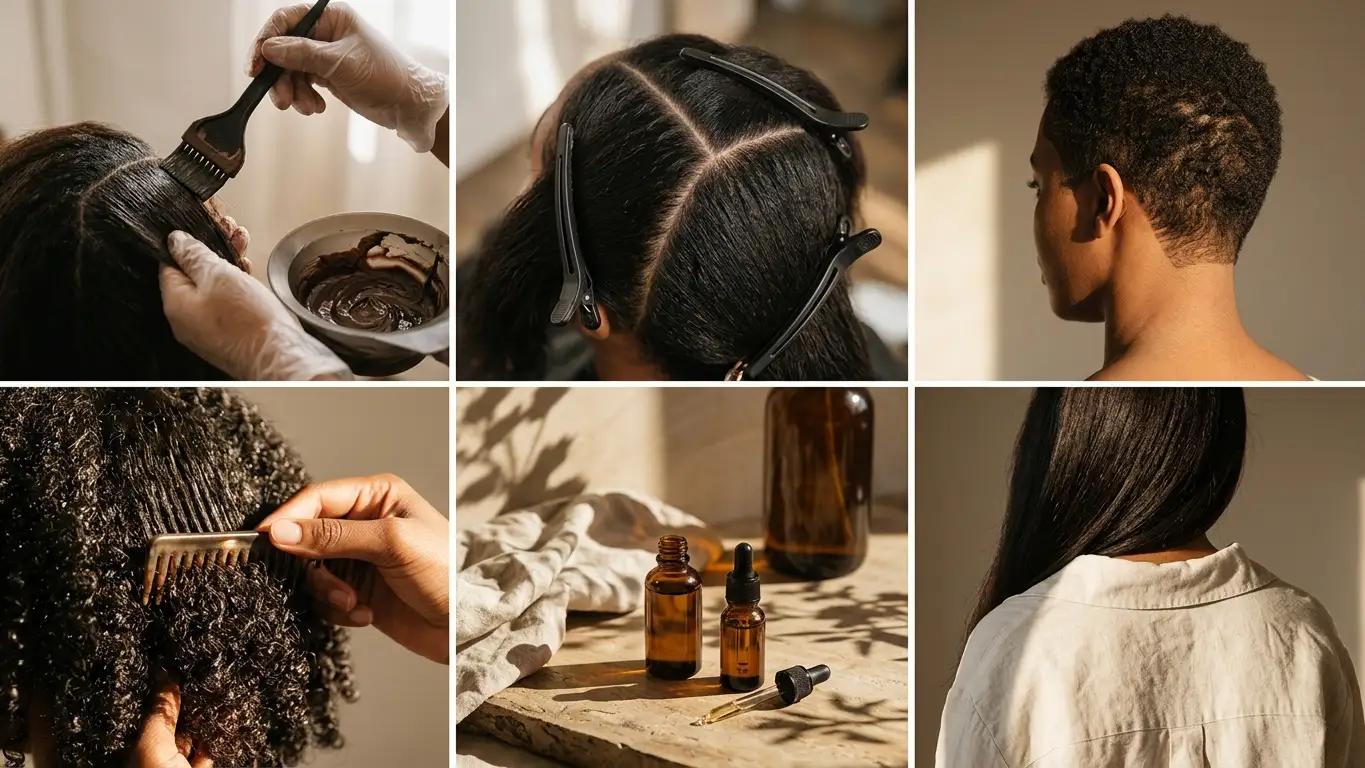
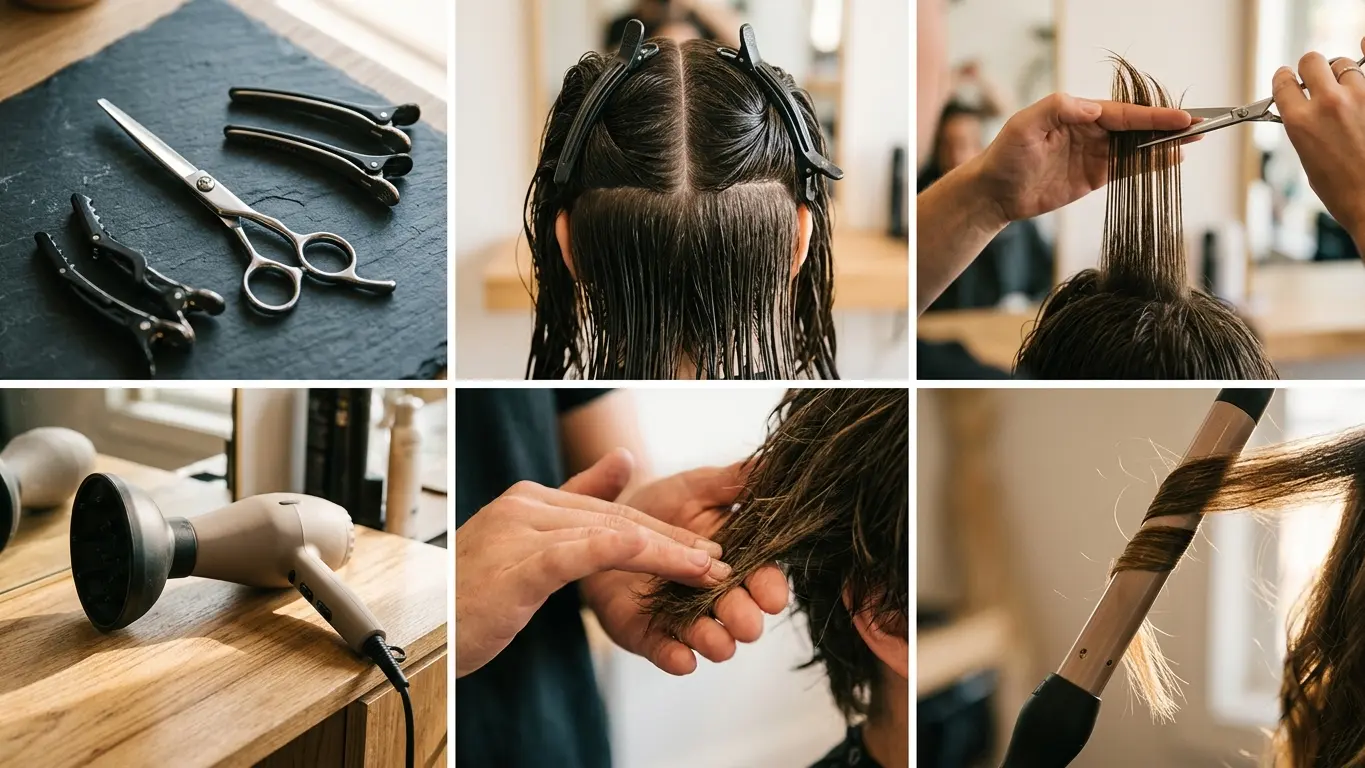
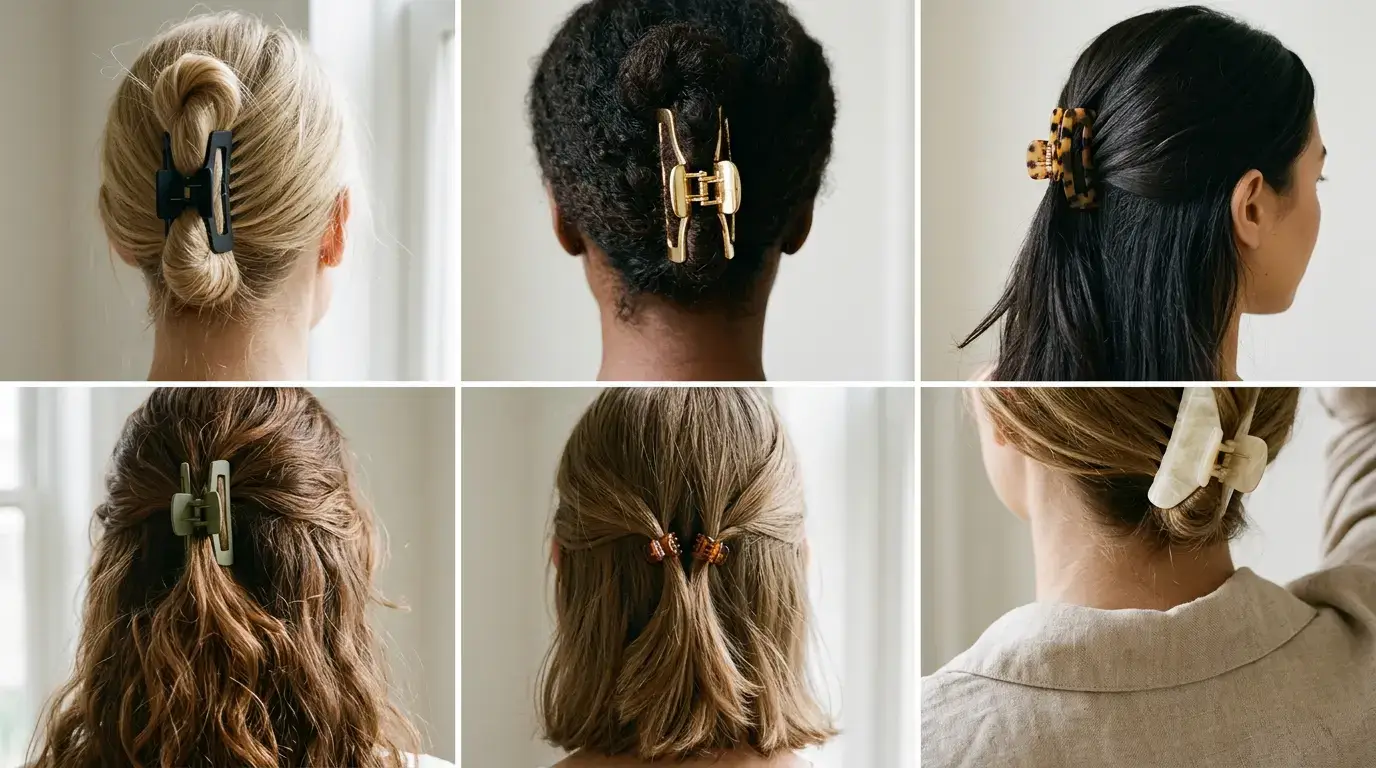
Use a metal tail comb to create a clean, crisp perimeter line. Secure the upper section using flat, non slip styling clips rather than standard claw clips that pull hair loose.
Check your parting with a handheld mirror angled against your bathroom wall mirror. If the parting line wobbles by even a quarter inch, unclip and re-part the hair until it sits completely straight across your nape.
Quick Reference for Common Application Problems
| Problem | What Causes It | What to Do Instead |
|---|---|---|
| Greenish fade on ends | Blue violet dye over yellow brass | Use magenta based purple or lift hair to pale yellow |
| Streaky blonde canopy | Water runoff during first wash | Coat blonde hair in thick conditioner and rinse with cold water |
| Dull matte finish | High porosity from over bleaching | Seal with a clear acidic gloss post color |
| Color bleeds into pillow | Unsealed direct dye molecules | Blow dry completely and sleep on dark satin pillowcases |
Direct Dye Staining Porous Bleached Hair Permanently
Deep violet pigments often contain chemical blues that stain bleached keratin bonds for months. When you eventually want to switch to a blonde peekaboo highlights style later on, that stained underlayer will fight every bleach attempt and pull stubborn mint green.
Use a semi permanent formula free of direct blue undertones if you plan to change colors frequently. You can mix your purple dye with a white silicone free hair mask to dilute its staining power while maintaining richness.
Avoid applying heat during the direct dye stage. Let the dye sit at room temperature for thirty five minutes to ensure surface saturation without driving artificial pigment too deep into the hair cortex.
Hot Styling Tools Stripping Color in a Single Pass
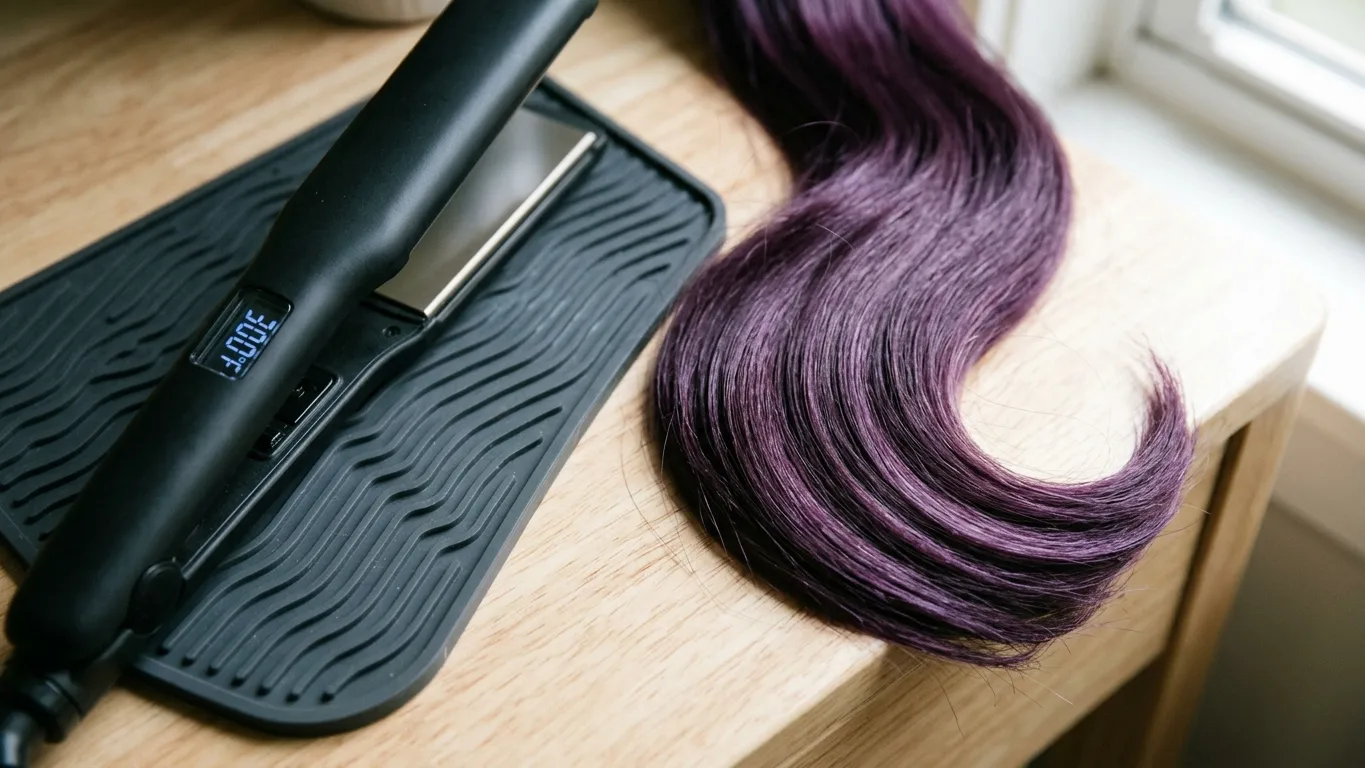
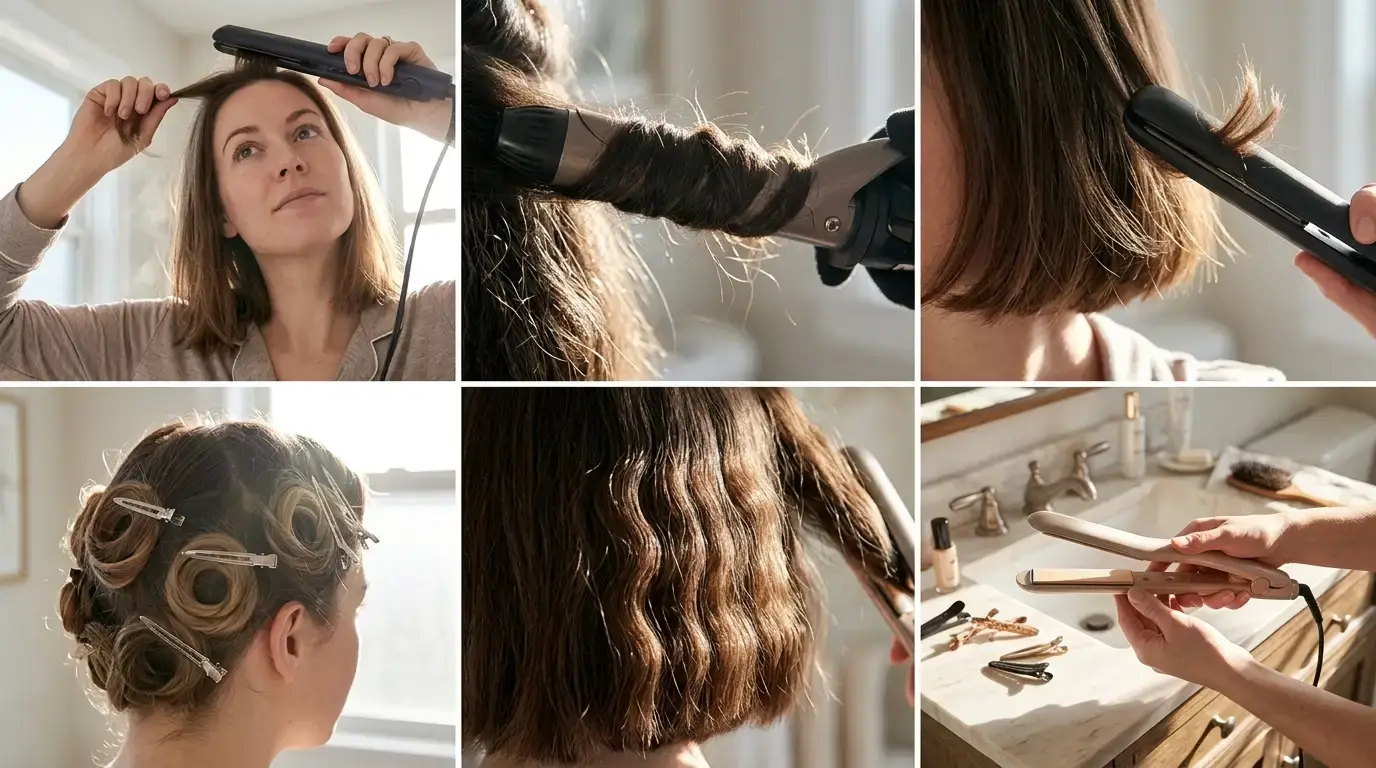
Touching a flat iron heated above three hundred fifty degrees to direct dye will instantly scorch the pigment out of the strand. You will watch your rich purple vanish into a dull pale yellow right on the iron plate.
Dial your heat tools down to three hundred degrees immediately. Always apply a silicone based heat protectant mist across both the blonde canopy and the purple underlayer before styling.
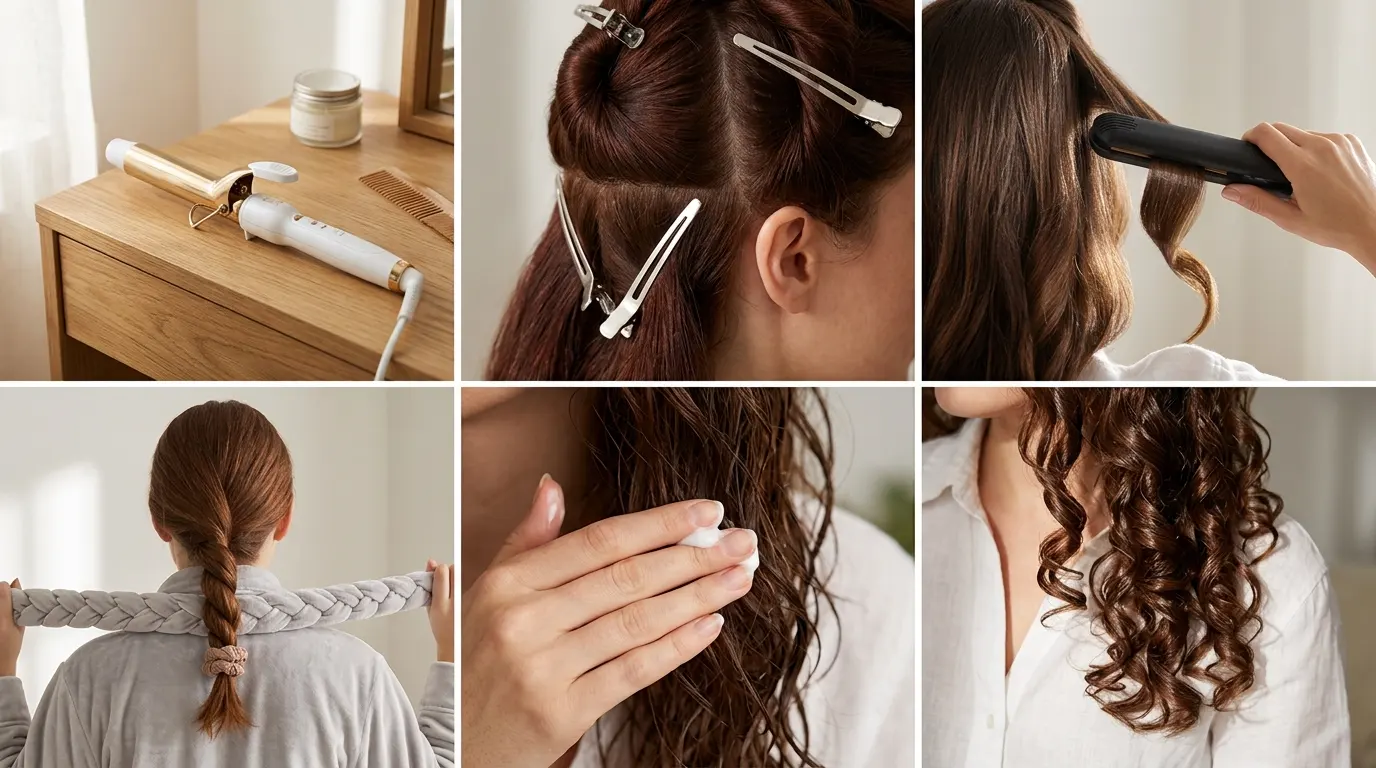
Work in single, fluid passes rather than clamping the iron over the same section repeatedly. Better yet, swap out hot irons for heatless overnight foam rollers to preserve the vibrancy of your purple peekaboo hair.
Misplaced Slices That Stay Hidden in Updos
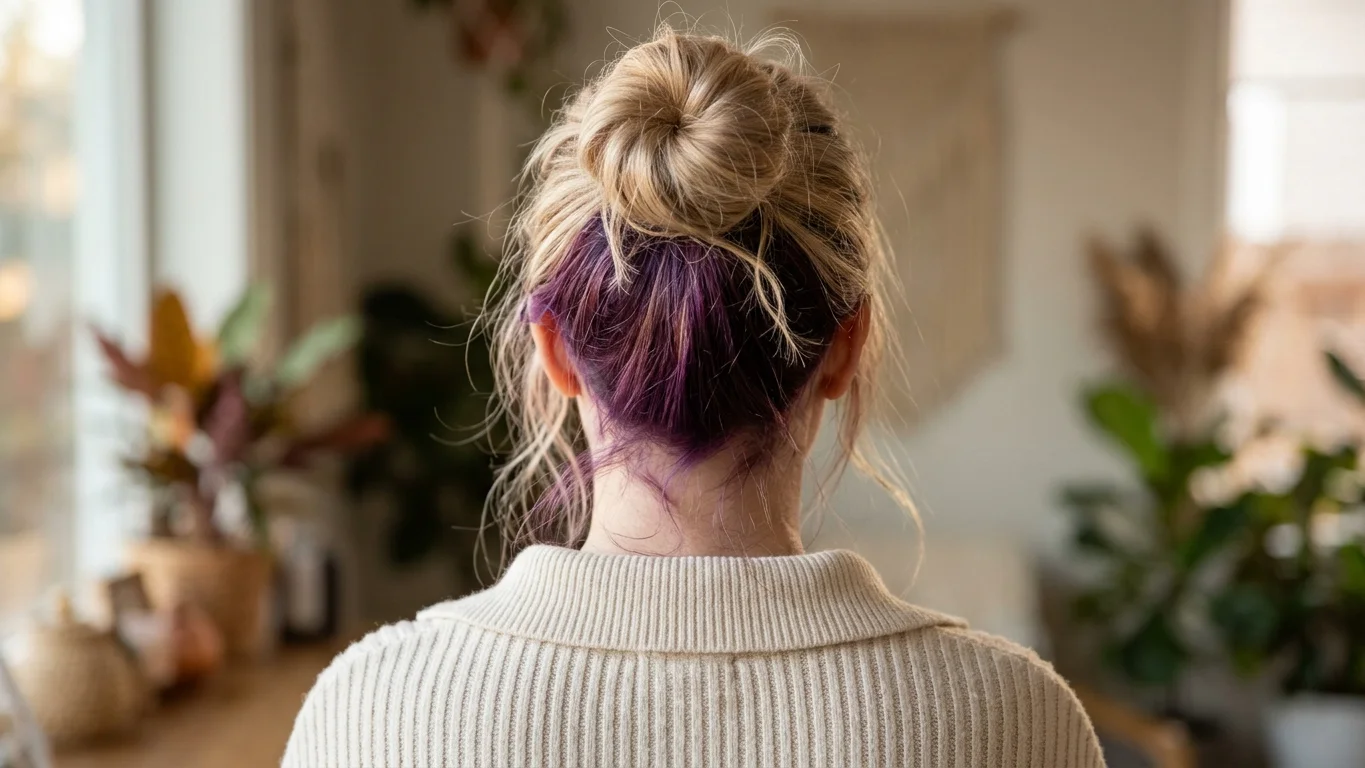
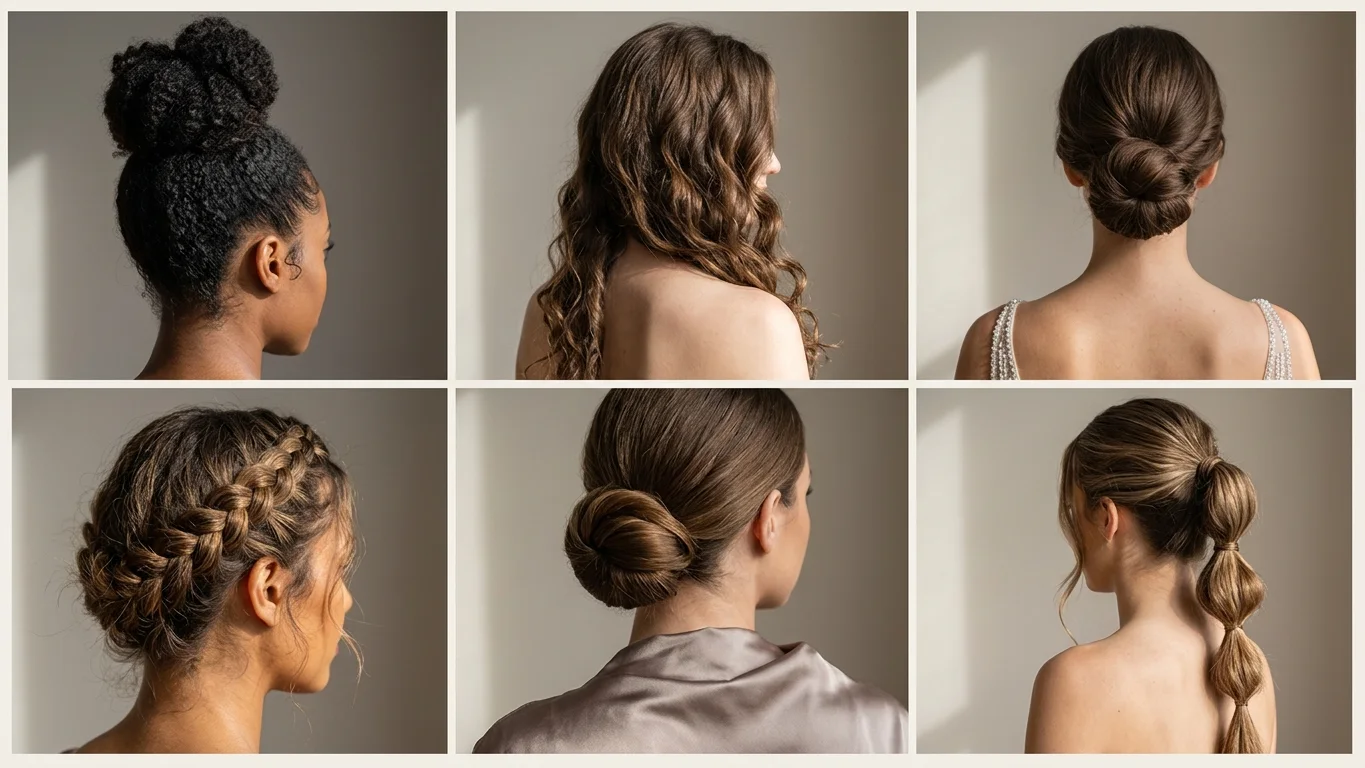
Placing the color band entirely flat across the lower nape means it vanishes the moment you pull your hair up into a messy bun or ponytail. It only shows when your hair hangs bone straight down your back.
Incorporate small diagonal slices right behind the earlobes alongside the nape section. These side accents catch the light whenever your hair moves or gets tucked behind your ear.
Keep the slices narrow, roughly one quarter inch thick. This ensures they pop against your updo without dominating your overall look when worn down.
Reverse Application Ruining Existing Dimension
Some people try reverse peekaboo highlights by bleaching the underlayer pale blonde while keeping the top dark or vivid. When the dark top color fades, it bleeds downward over the pale bottom layer, producing a messy, dingy contrast.
The top layer must always receive the more stable, lighter formula if bleeding is a concern. If you do run deep tones on top, use an oxidative demi permanent color with a low developer instead of runny direct dyes.
Keep the lighter underlayer sealed with an acidic post color rinse. An acidic pH closes the hair cuticle and repels loose pigments floating down from the canopy.
Color Fading into Patchy Lavender Within Ten Days
Hot showers, harsh shampoos, and tap water minerals strip purple pigment out at a rapid rate. Within a couple of weeks, you are left with uneven splotches of gray and faint lavender across the nape.
Mix two tablespoons of your original purple direct dye into an eight ounce bottle of color safe conditioner. Apply this custom color deposit mask to your underlayer once a week for five minutes while in the shower.
This routine replenishes lost pigment molecules before the base can turn patchy. It keeps the hue saturated without requiring a full reapplication session every month.
Clashing Colors on Multi Toned Hair
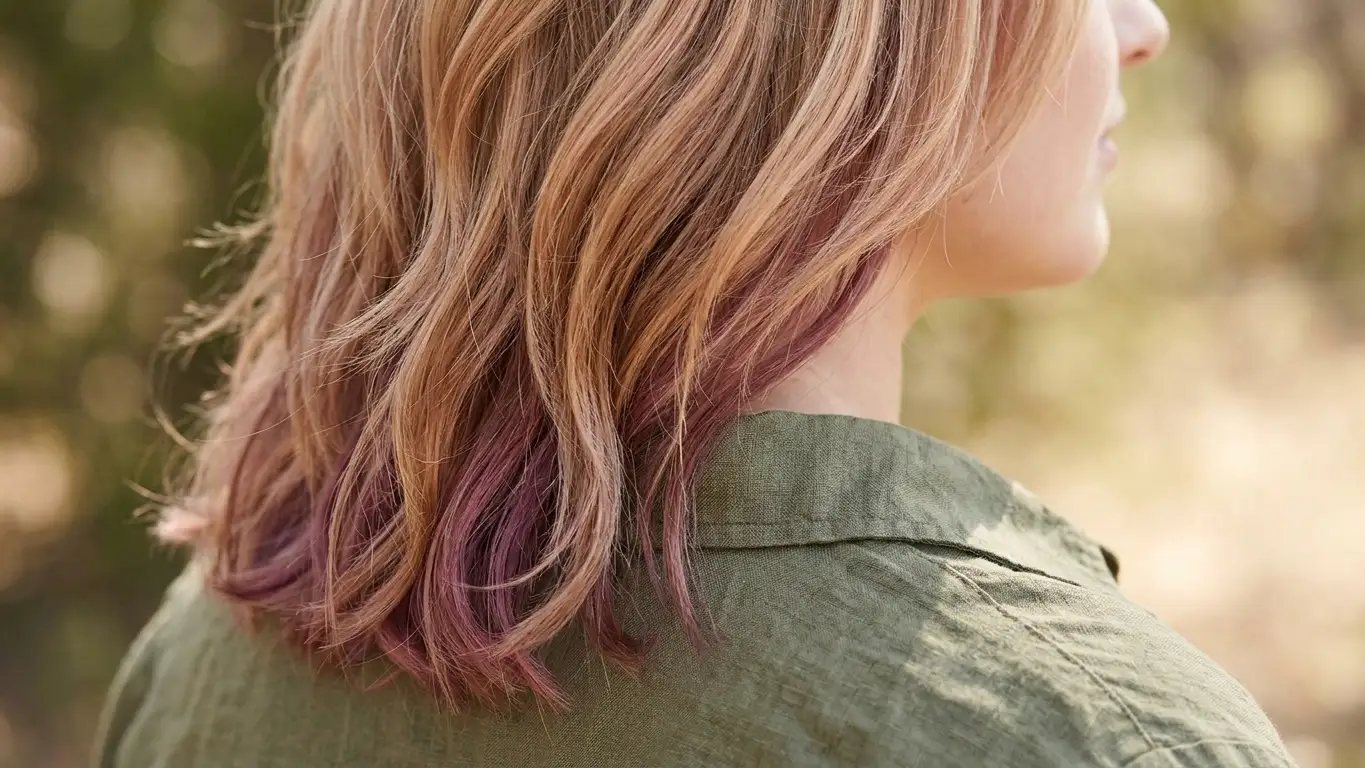
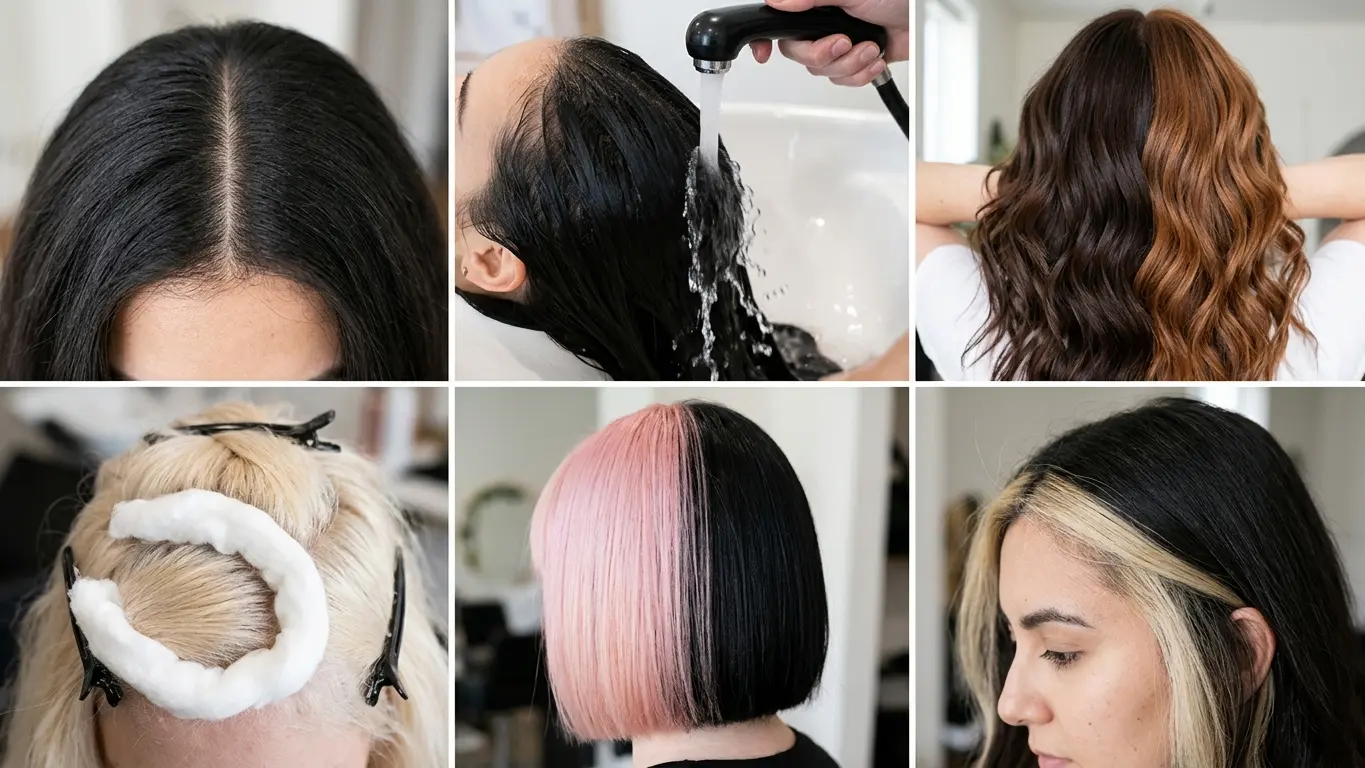
Throwing deep violet into hair that already has pink peekaboos, blonde streaks, and dark roots creates visual chaos. Hair that features blonde hair with pink peekaboos needs thoughtful shade coordination before adding a third intense tone.
Pick a purple that shares the undertone of your existing accent pieces. A rose violet or raspberry tone bridges the gap between pink accents and blonde highlights effortlessly.
Limit your accent sections to two complementary hues at most. Anything beyond that looks accidental rather than planned, especially as different dyes fade at different rates.
Trying Darker Alternative Styles on Fragile Bases
Searchers often see black with lagoon peekaboo highlights on social media and try to recreate that moody, deep look on fragile hair. Transitioning from pale blonde back to pitch black underneath requires filling the hair with warm red protein filler first.
Skipping that protein filler causes dark dye to turn a hollow, swampy green over bleached strands. Once that happens, stripping the black out to return to a lighter look causes massive breakage.
Stick to direct fashion dyes that do not use developer if your hair is already compromised from previous blonde lightening. Fashion colors stain the surface without punching chemical holes into the hair shaft.
Fixing the Most Expensive Peekaboo Mistake
The single problem on this list that costs the most money and salon time to fix is chemical bleeding onto over processed blonde hair. A stylist often has to spend six hours performing a color correction, alternating between bleach foils and clarifying treatments at roughly eighty to one hundred dollars an hour.
Preventing this disaster comes down to simple prep and temperature control. Saturate your blonde canopy with a thick barrier cream or heavy conditioner, rinse strictly with ice cold water, and wash your layers separately.
Taking ten extra minutes to clip and rinse your hair in zones protects your investment, keeps your blonde bright, and ensures your purple peekaboo highlights blonde hair stays rich for weeks.
Frequently Asked Questions
What color highlights work best over dirty blonde hair?
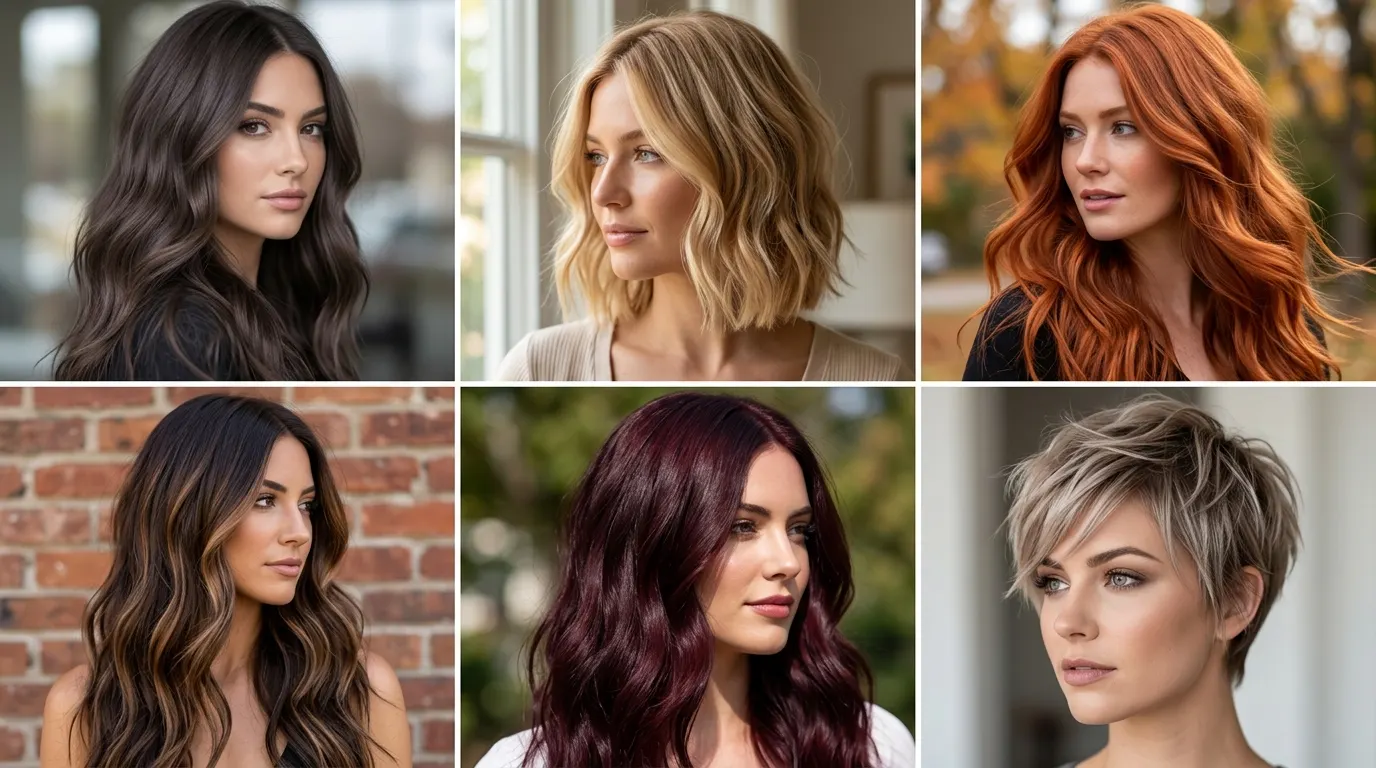
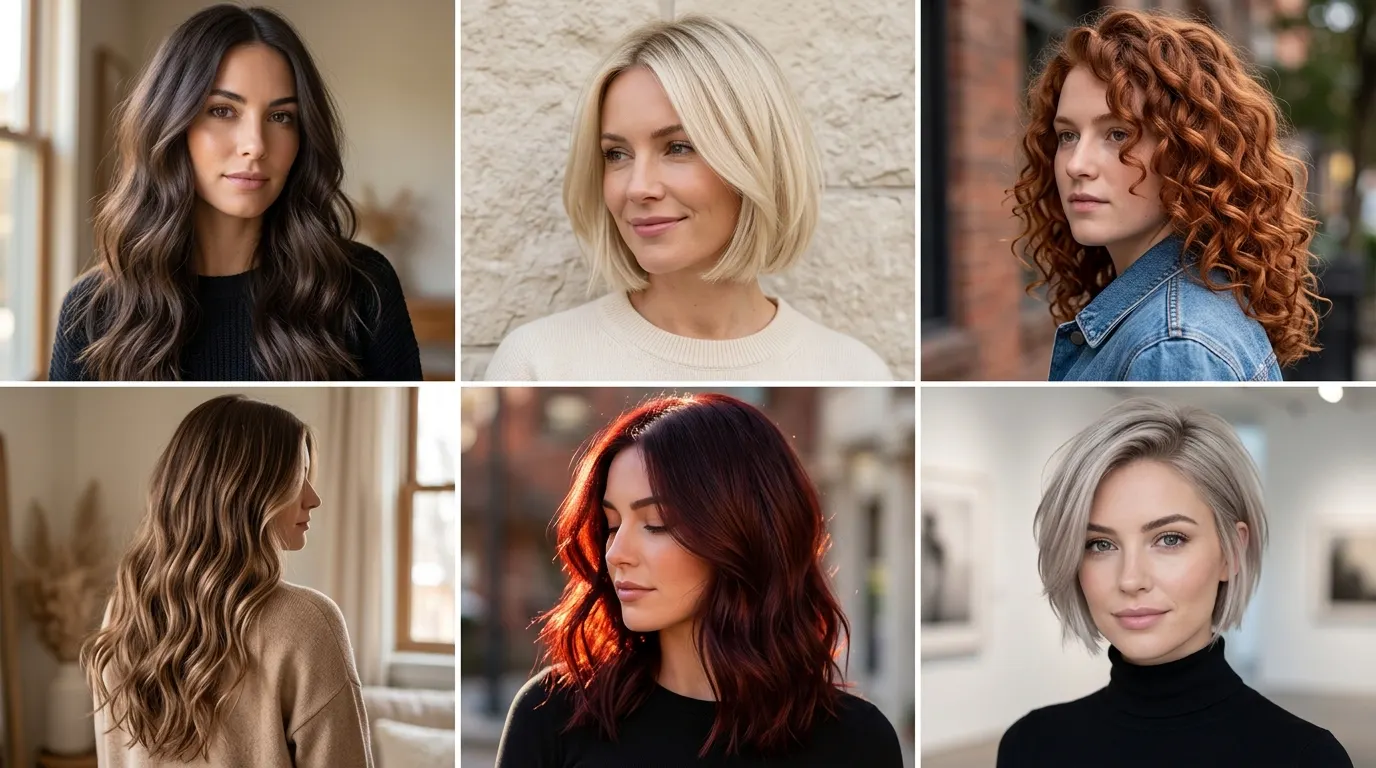
Plum, rich berry, and deep violet work best over dirty blonde bases because they have enough tonal depth to create contrast without requiring the base hair to be lifted to platinum. Avoid pastel lavender on unbleached dirty blonde hair because it lacks the pigment strength to show up.
How long do peekaboo highlights usually last before needing a refresh?
Semi permanent direct dyes last between fifteen and twenty five washes depending on water temperature and shampoo formula. You will generally need to refresh the purple gloss every four to six weeks, while the lightened base section only needs a bleach root touch up every twelve weeks.
Can you do peekaboo highlights at home on virgin hair?
Yes, provided you section with precision and use a twenty volume bleach kit to lift the hidden layer to a pale yellow level nine before applying color. Never attempt this at home if your hair has existing dark box dye, as the bleach will lift unevenly into stubborn bands of orange.
Where exactly should peekaboo highlights be placed on fine hair?
Place the colored slices strictly along the mid nape and just behind the ears, keeping at least two inches of natural canopy on top. Fine hair separates easily, so placing the color any higher will cause the top hair to part and expose the foil lines beneath.