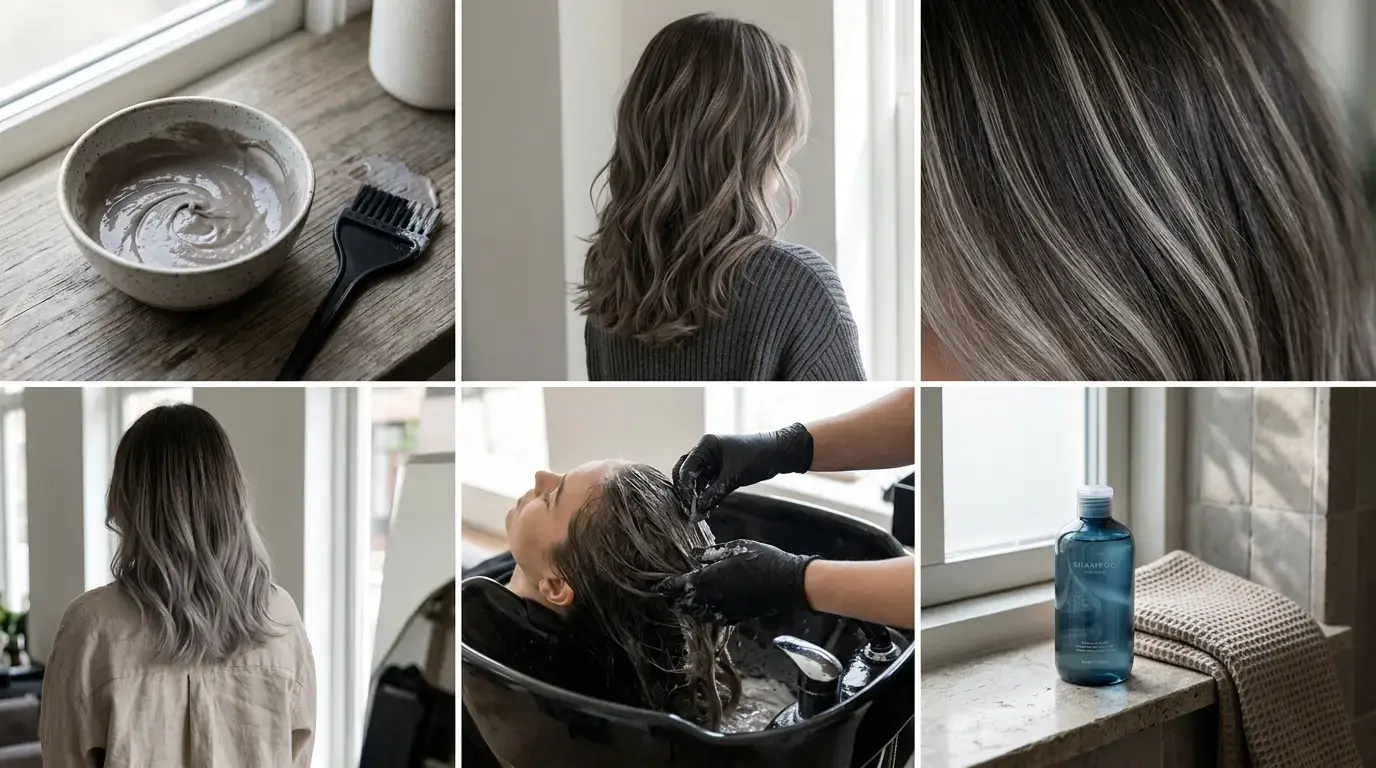

Getting an immaculate frosty shade requires surgical precision with lightener. Cool blue & icy blue hair sits on the very edge of the color wheel, which means any leftover warmth underneath will instantly pull the final tone toward an unwanted murky swamp green. The process demands stripping the hair fiber down to a pale butter-yellow level ten before depositing delicate pigment. Doing this in your bathroom requires patience, strict timing, and specific chemical ratios.
What you need:
- Powder lightener with bond builder
- 20-volume cream developer
- 10-volume cream developer
- Violet-base neutralizing toner
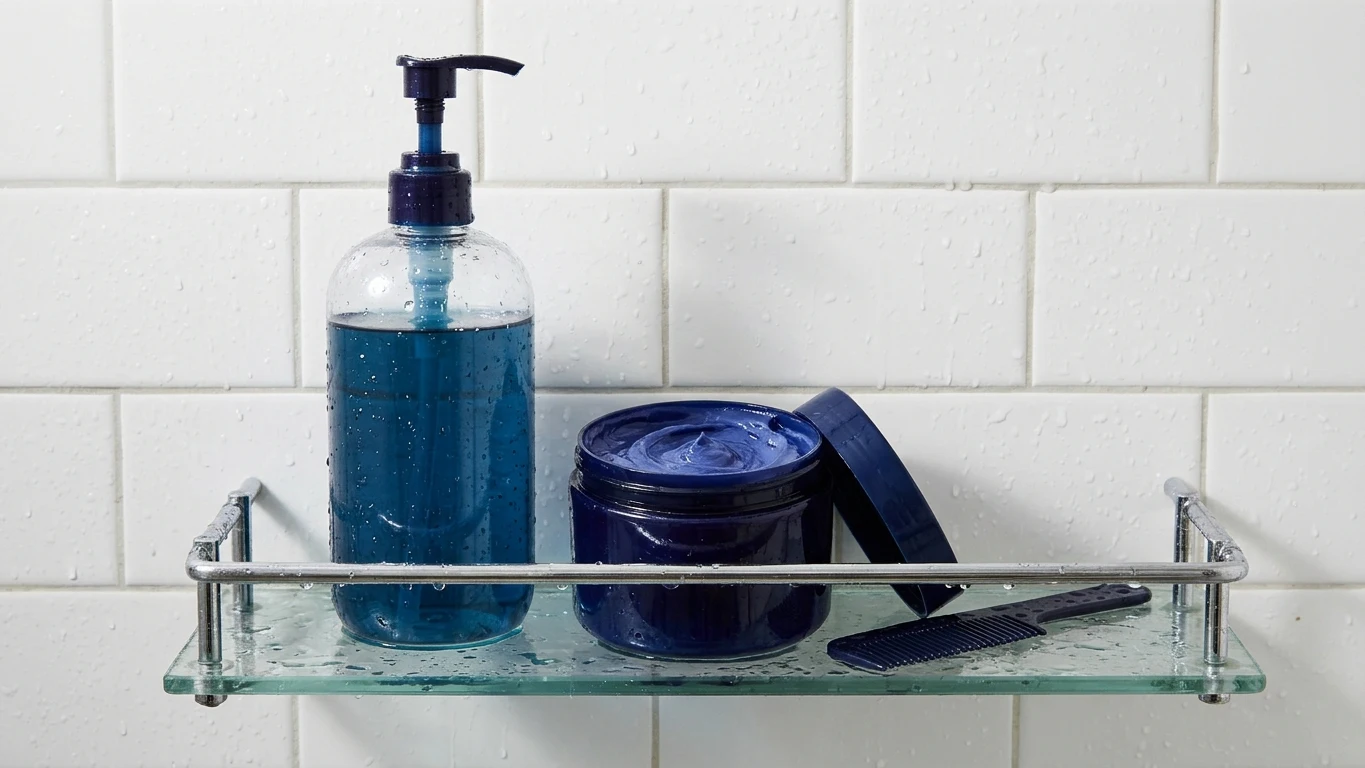
- Semi-permanent ice blue hair dye
- Non-metallic mixing bowl and wide tint brush
- Plastic sectioning clips
- Digital gram scale
- Deep pH-balancing conditioning mask
Test Strand Porosity and Perform a Patch Check
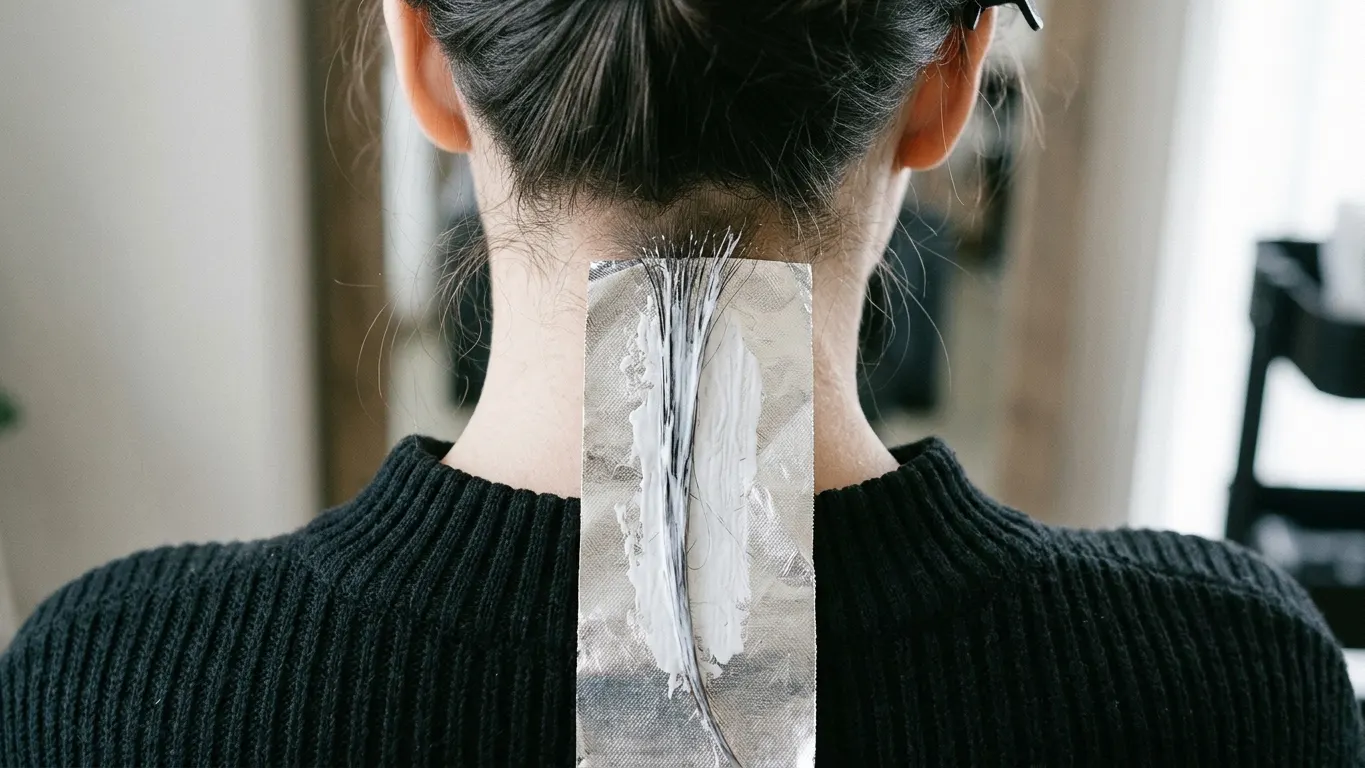
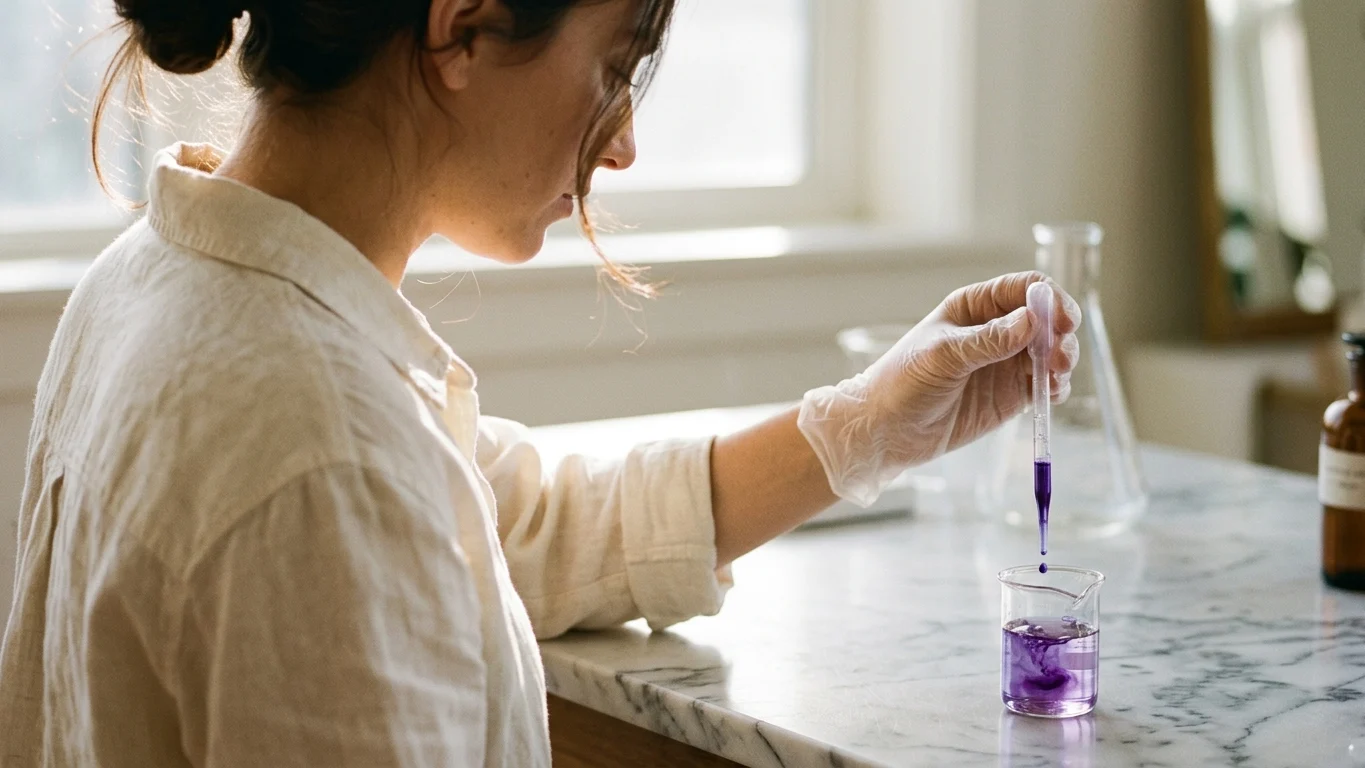
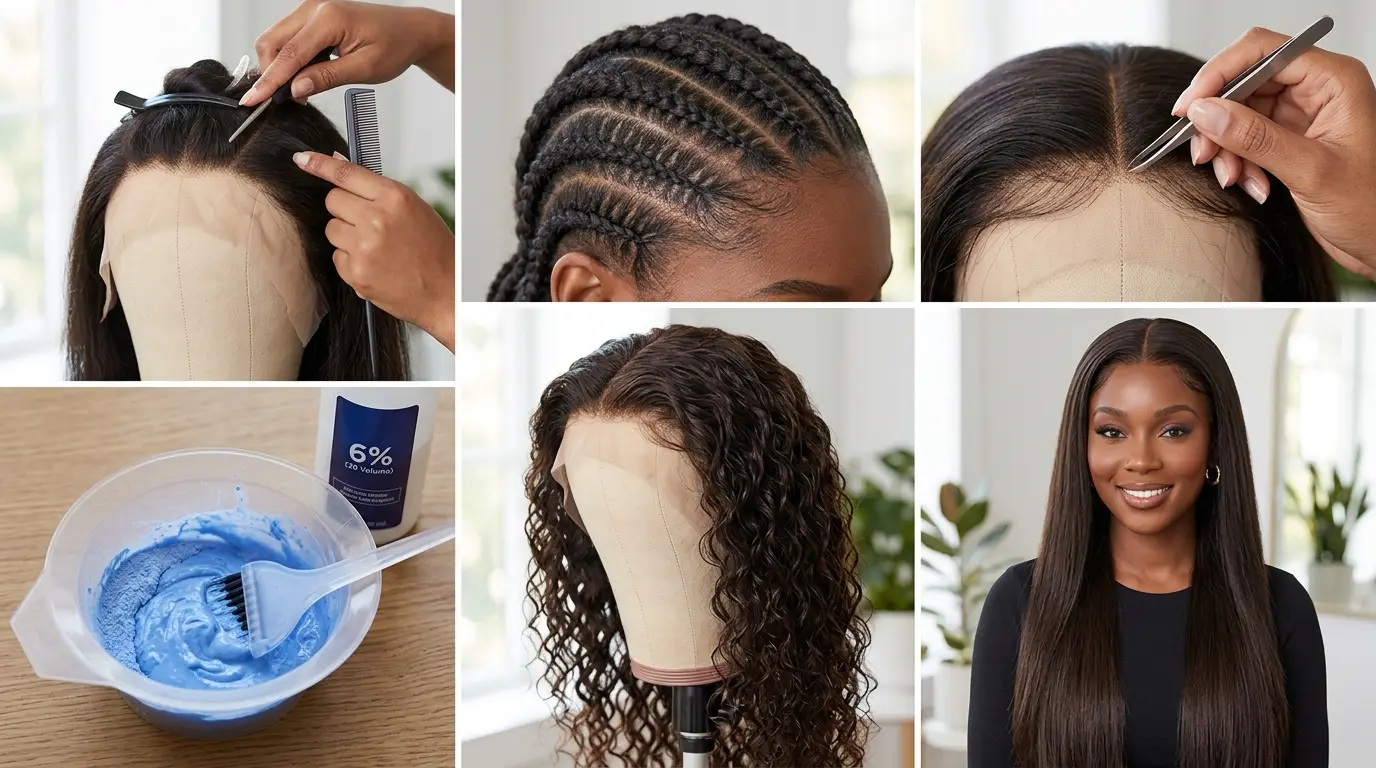
Never apply bleach to your scalp without testing both your skin and your hair fibers first. Mix five grams of powder lightener with ten grams of 20-volume developer inside a clean glass dish. Snip a half-inch strand of hair from the nape of your neck, coat it thoroughly, and fold it inside a small sheet of aluminum foil. Check the strand every ten minutes for up to forty-five minutes to see how your natural melanin lifts and whether the hair maintains structural elasticity.
Dab a pea-sized drop of the mixed developer and lightener behind your earlobe and let it sit uncovered for forty-eight hours. If you feel itching, burning, or notice raised bumps, stop immediately. Do not proceed with full chemical processing. Expect to spend around 25 to 40 dollars in 2026 for a standalone bond-protecting patch test kit at a standard beauty supply shop. Healthy baseline elasticity ensures your cuticles will not dissolve during the lifting stage.
Section Strands and Mix Lightener Ratios
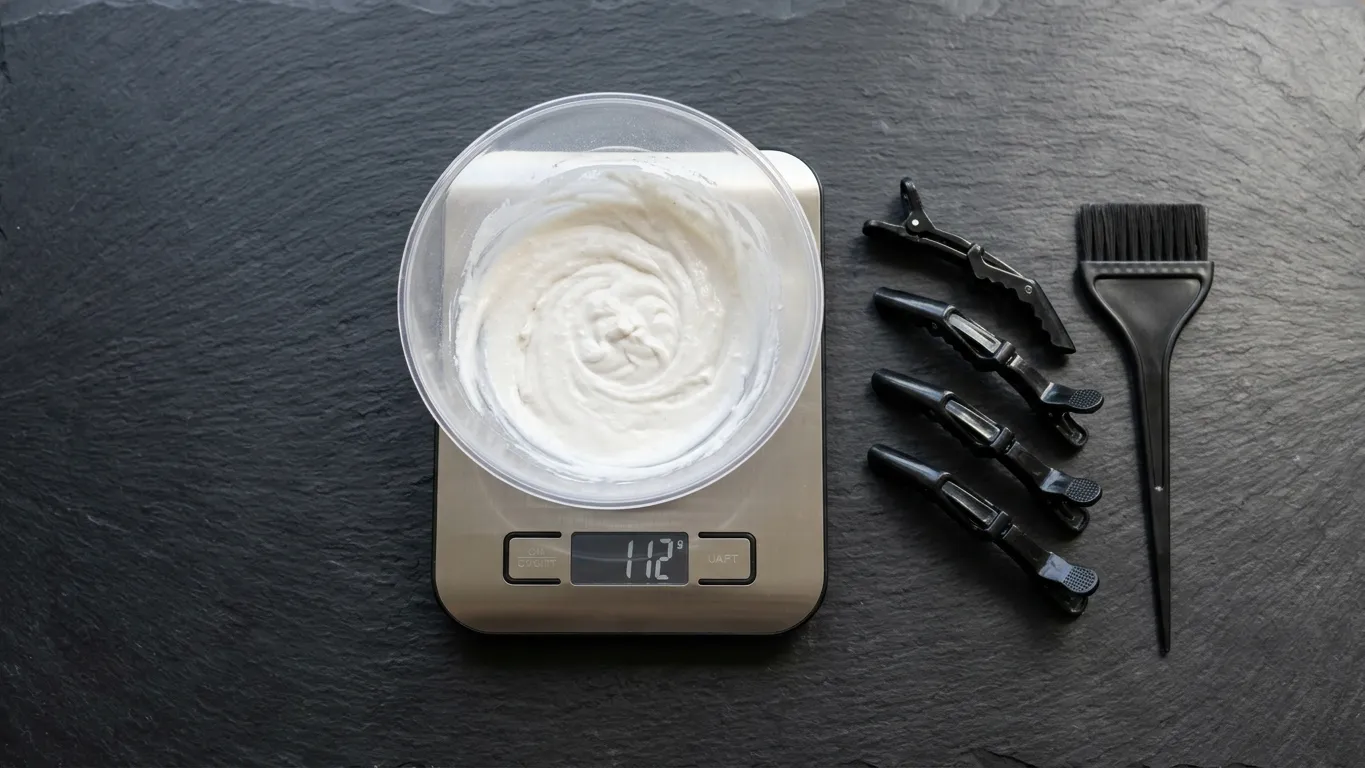
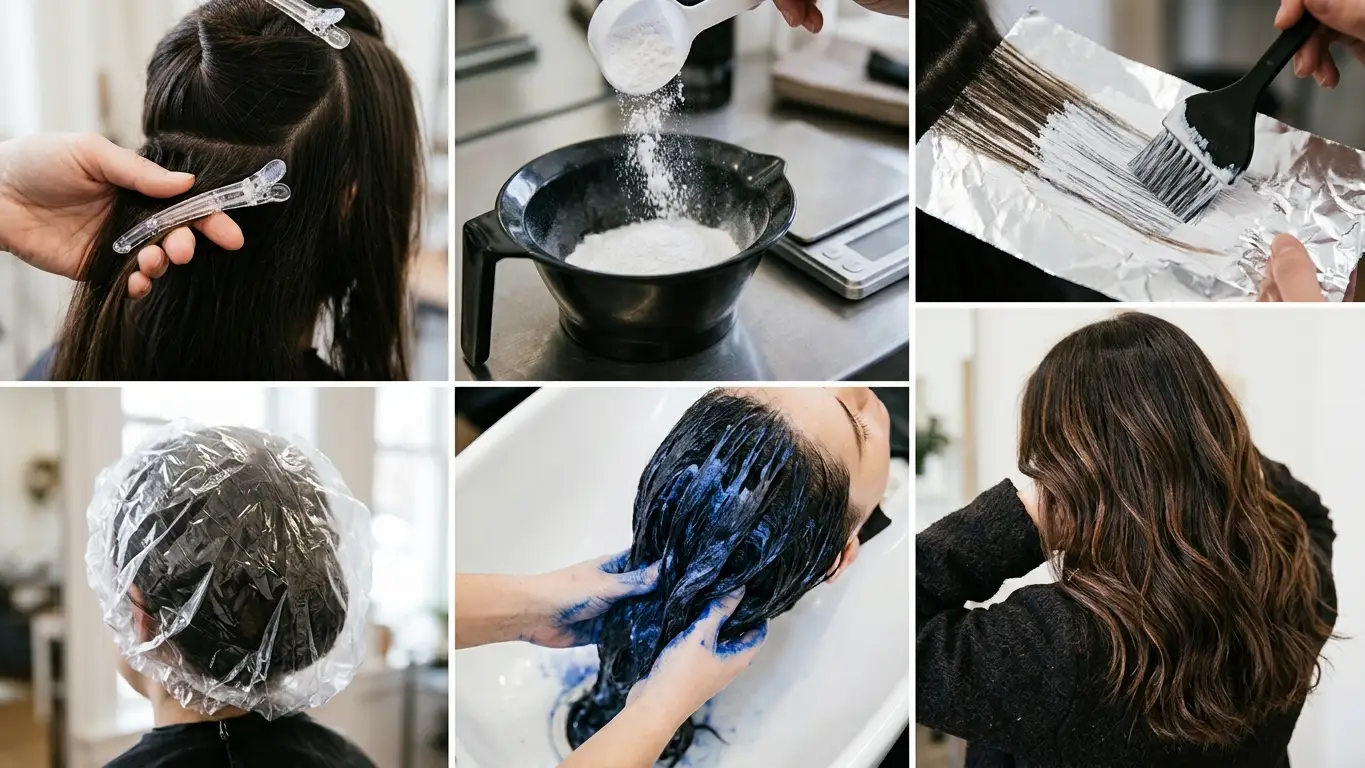
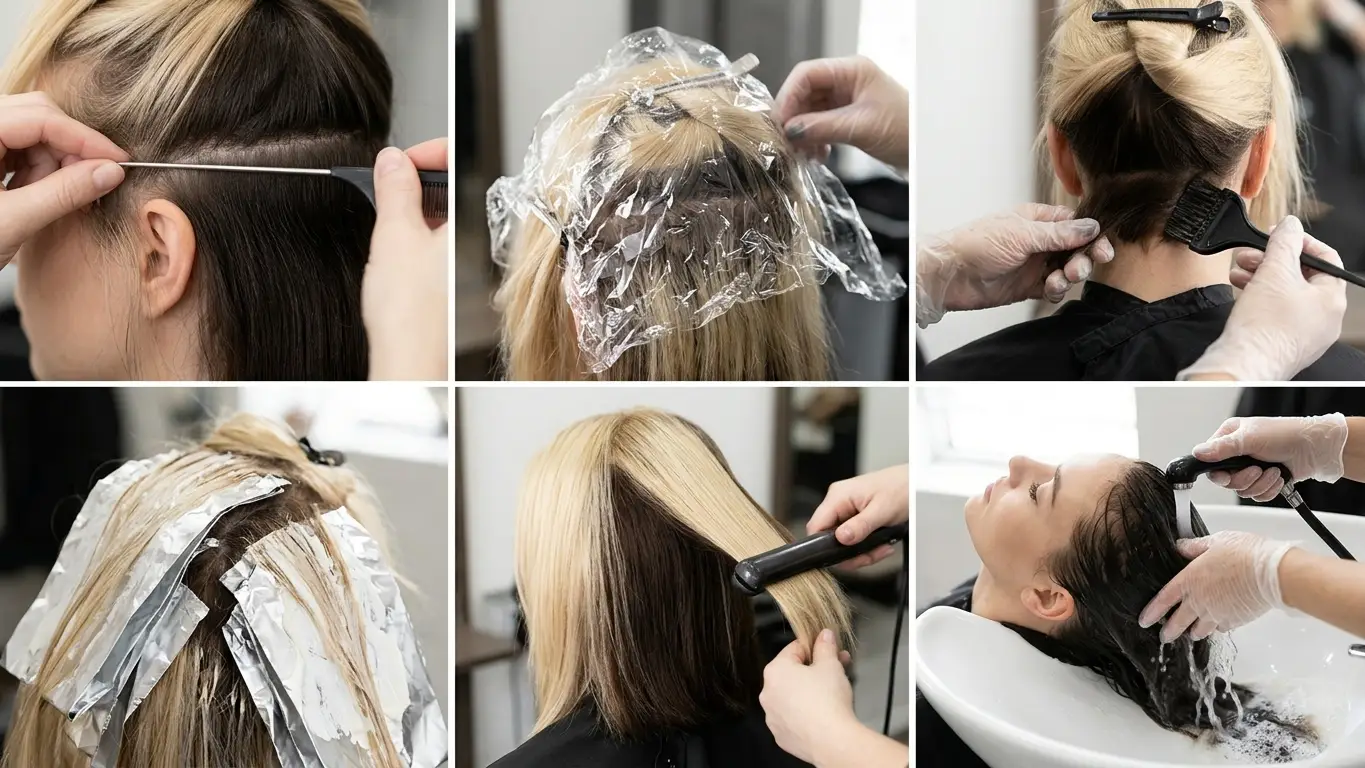
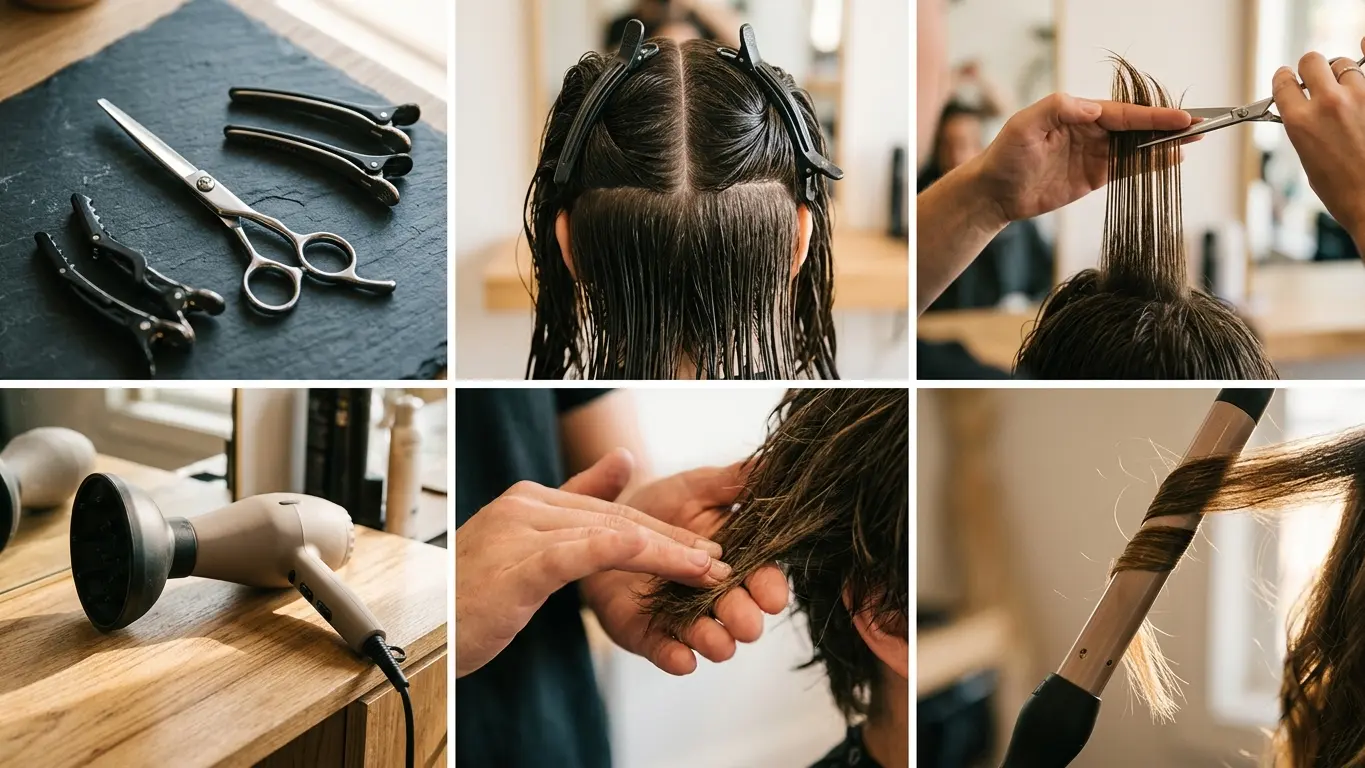
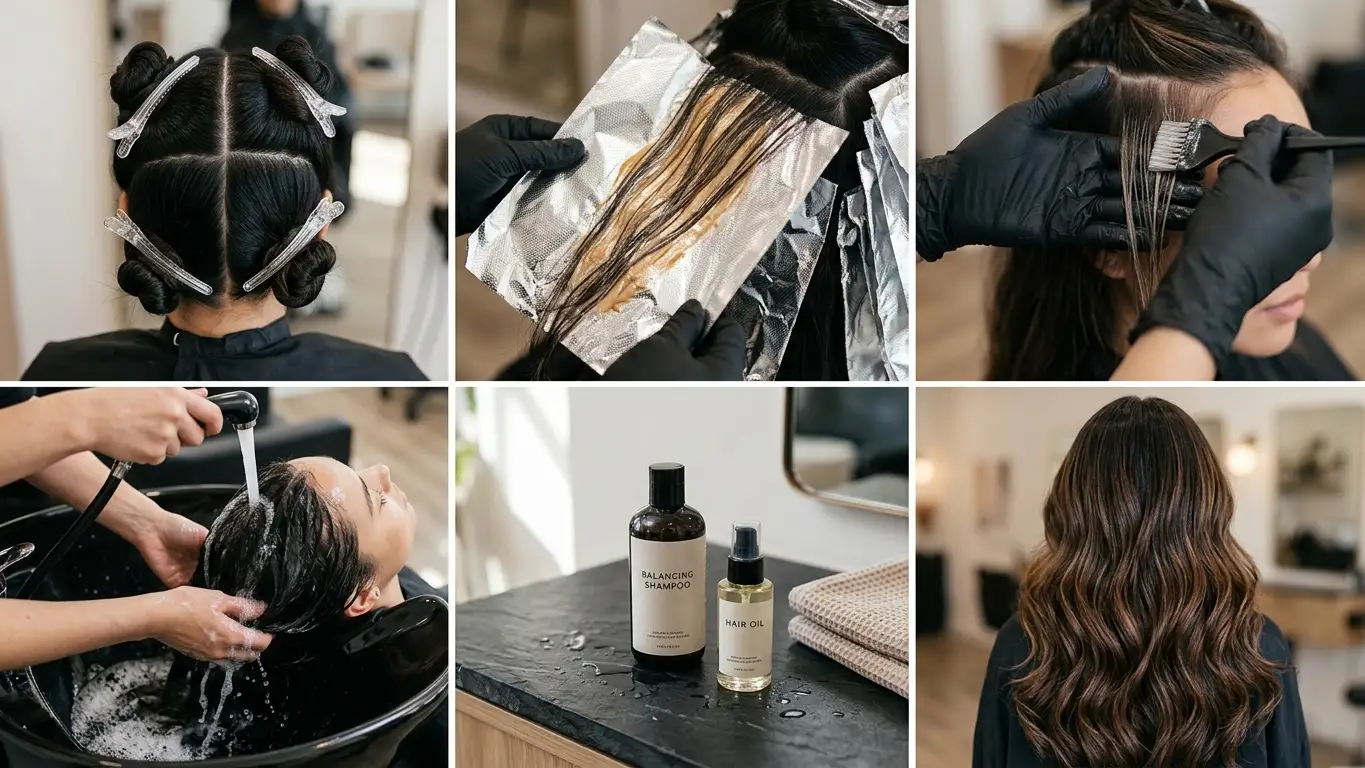
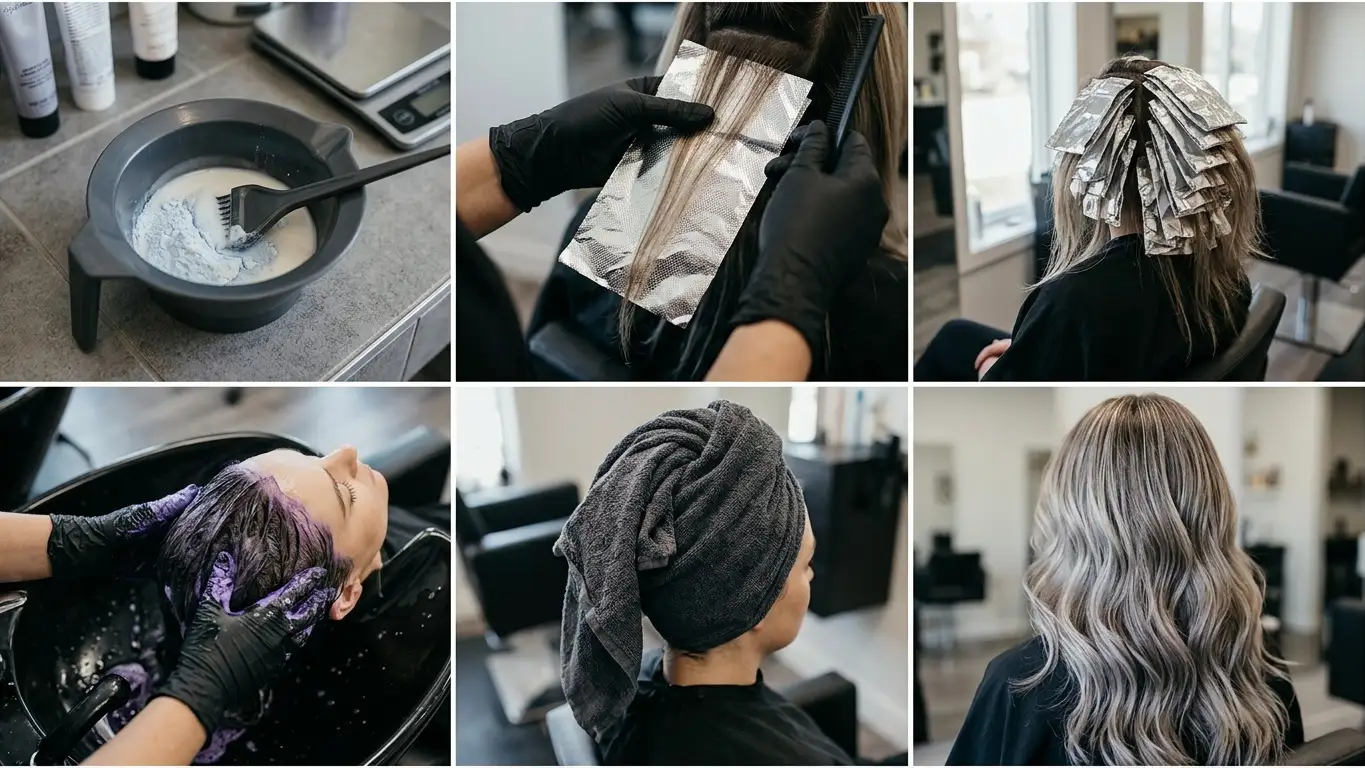
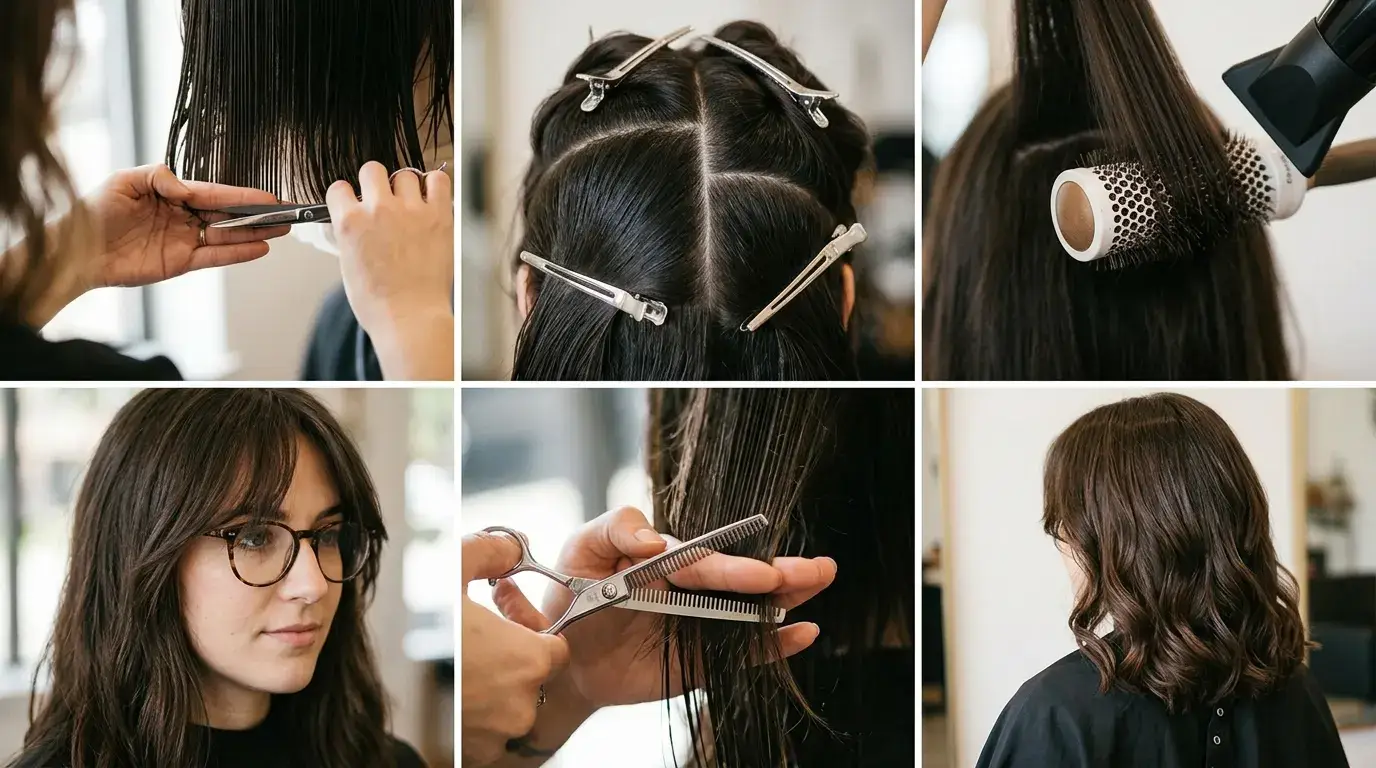
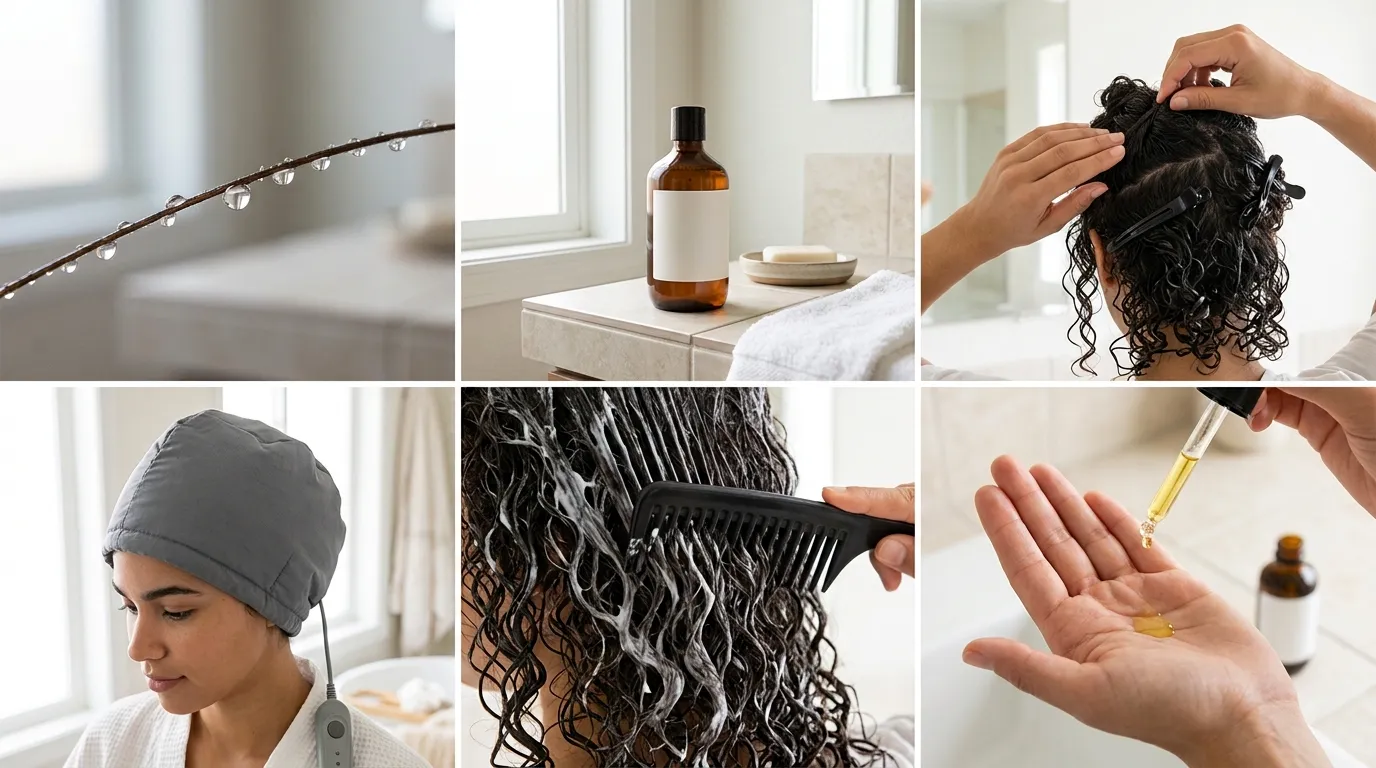
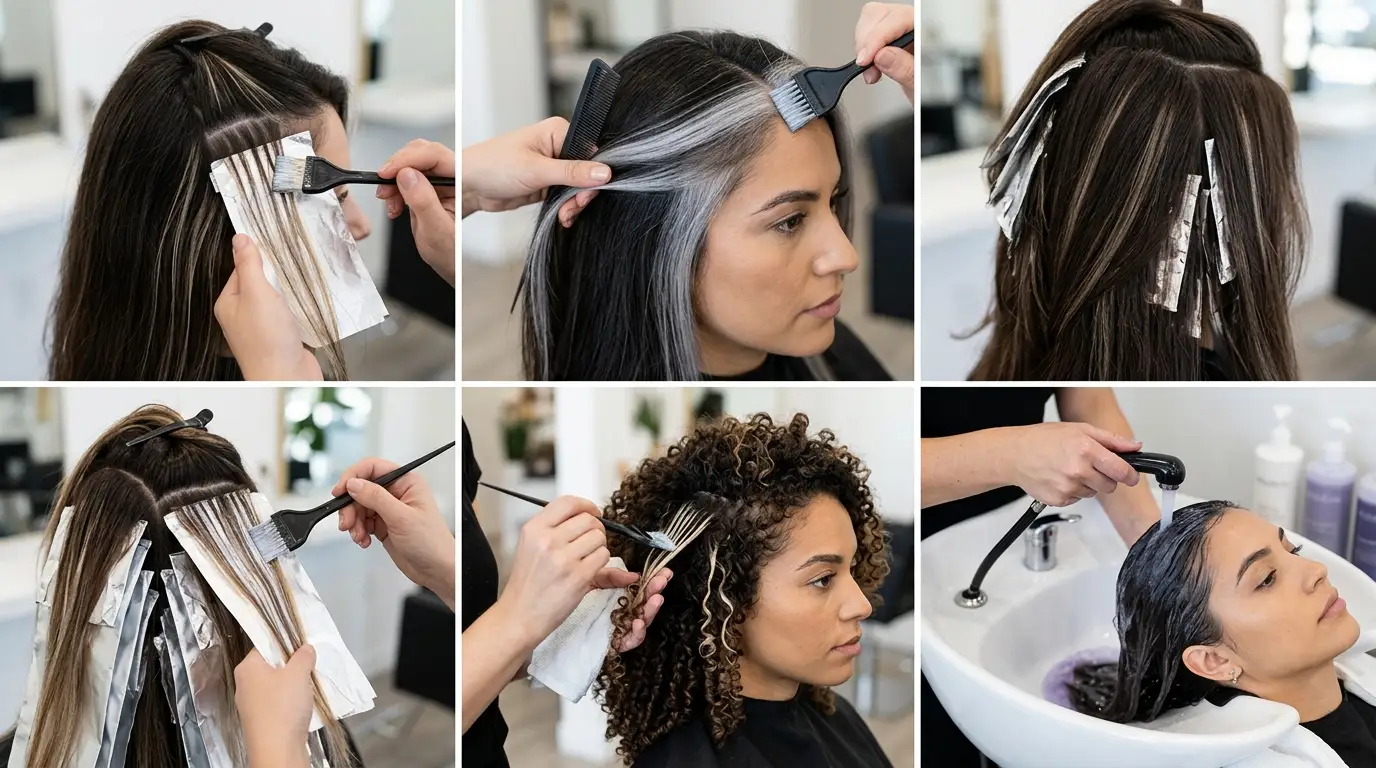
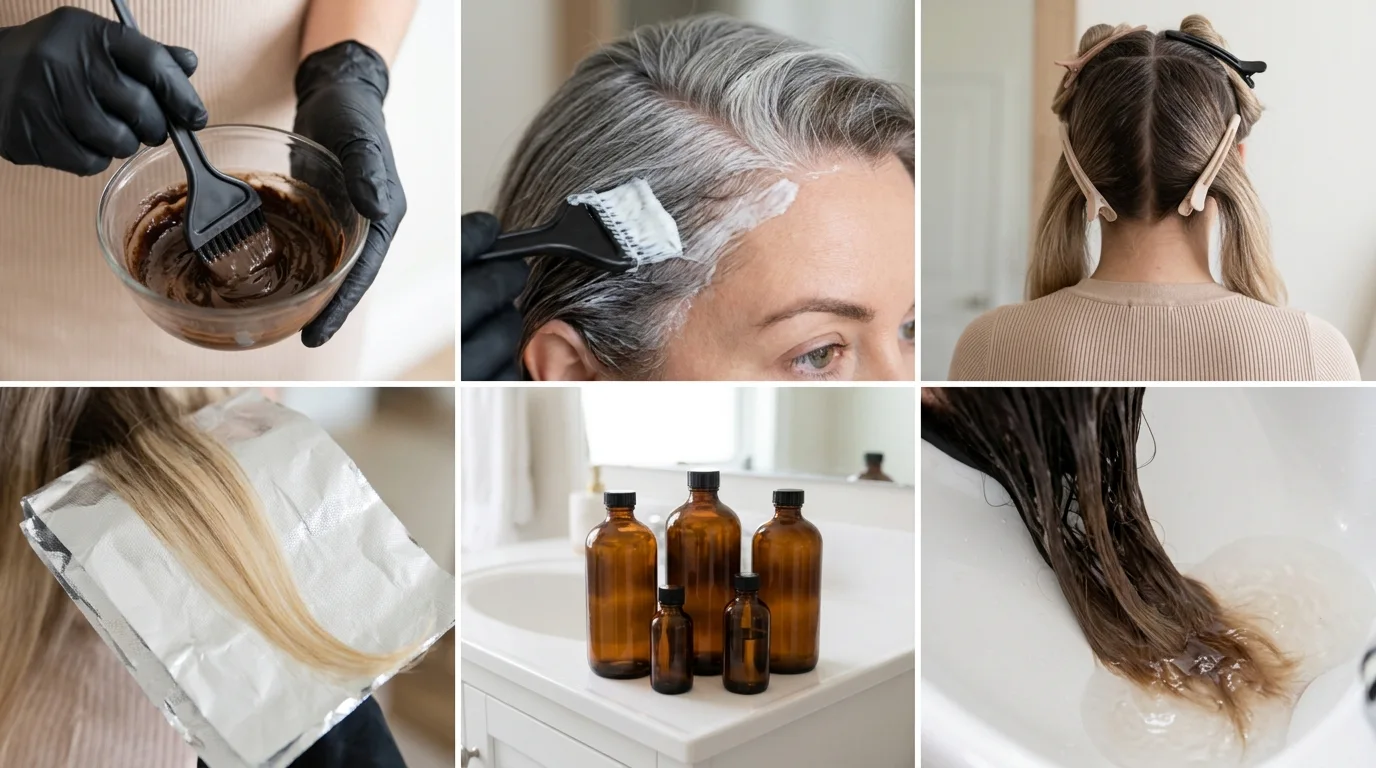
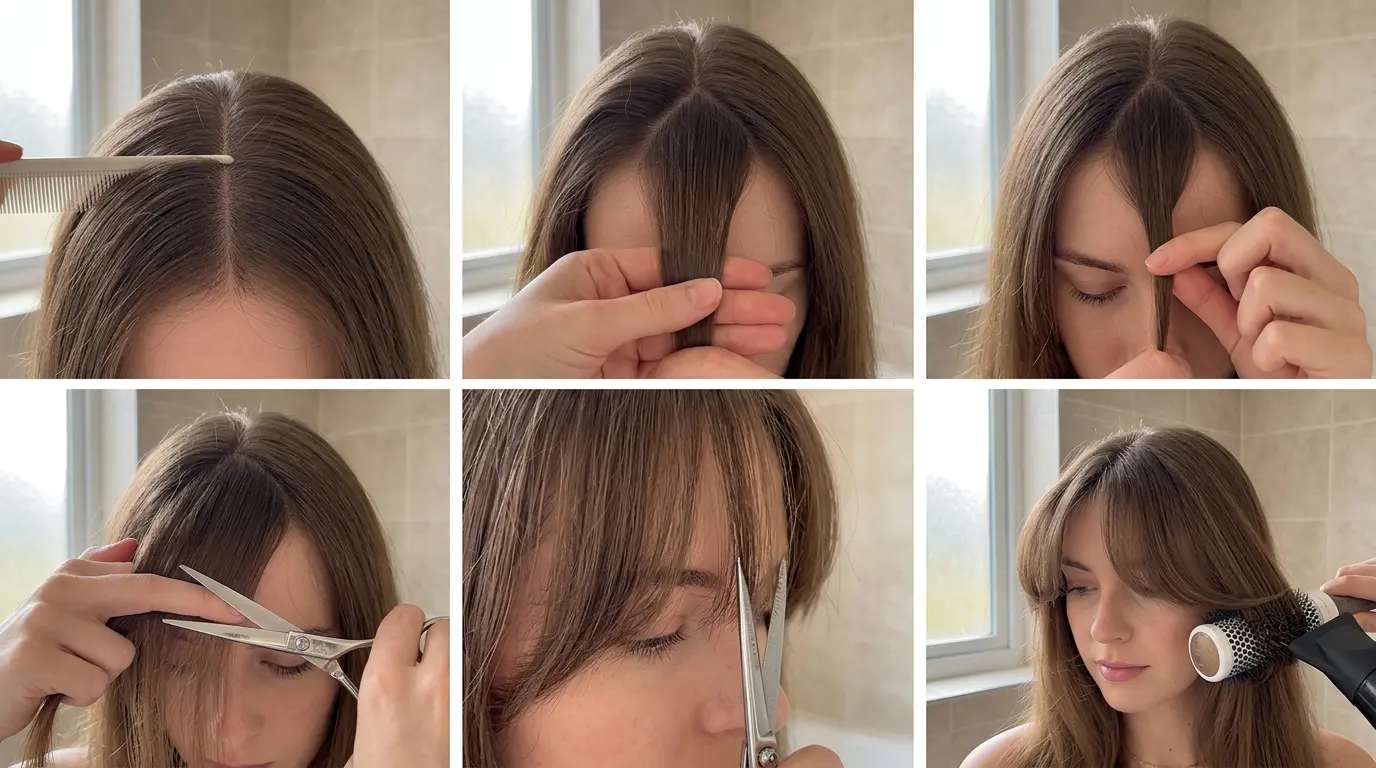
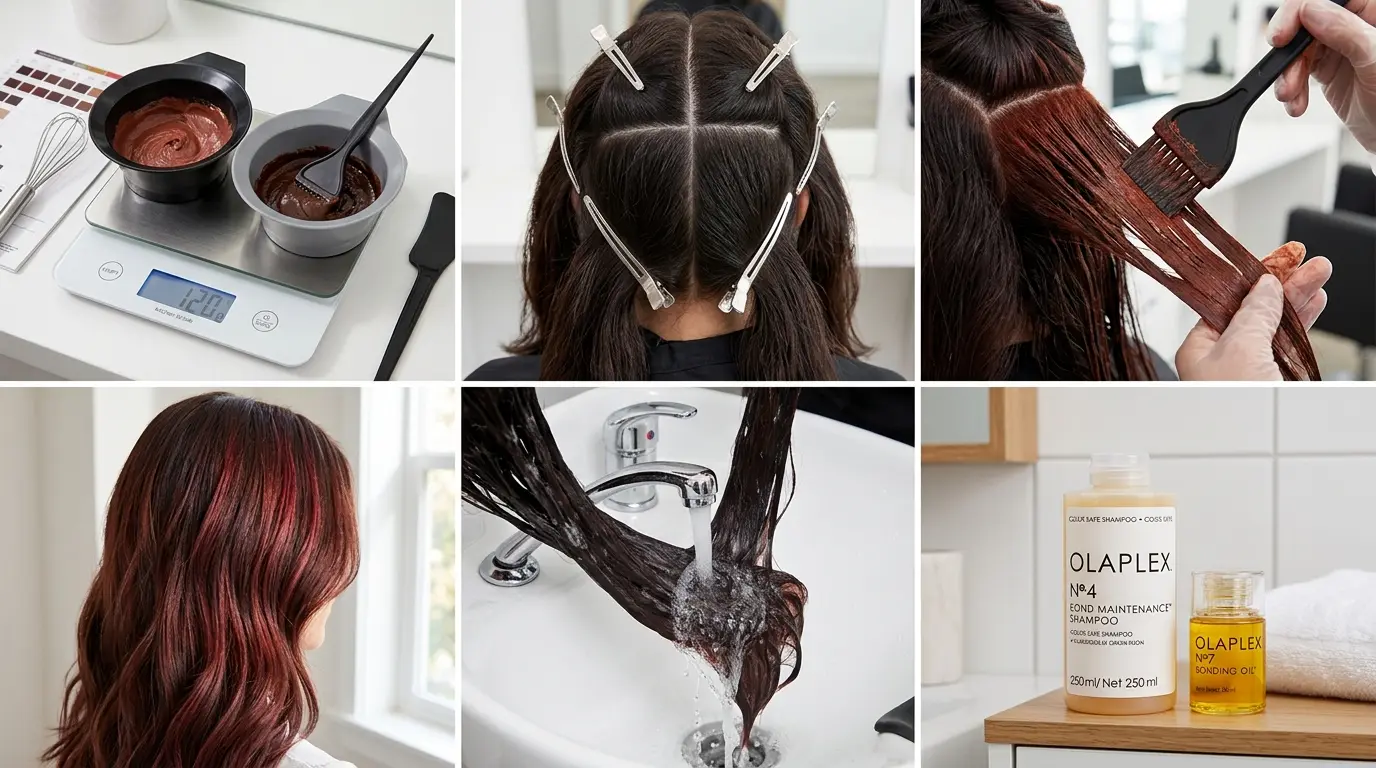
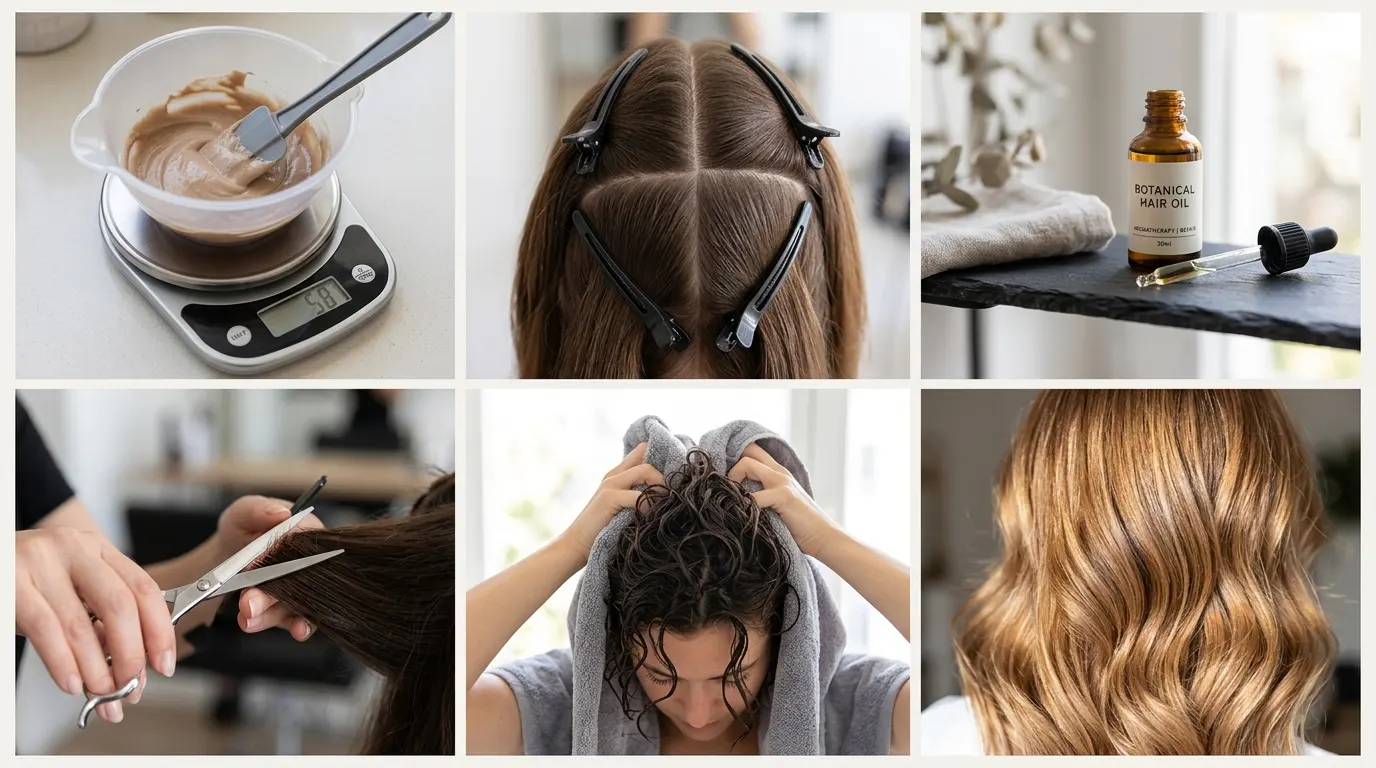
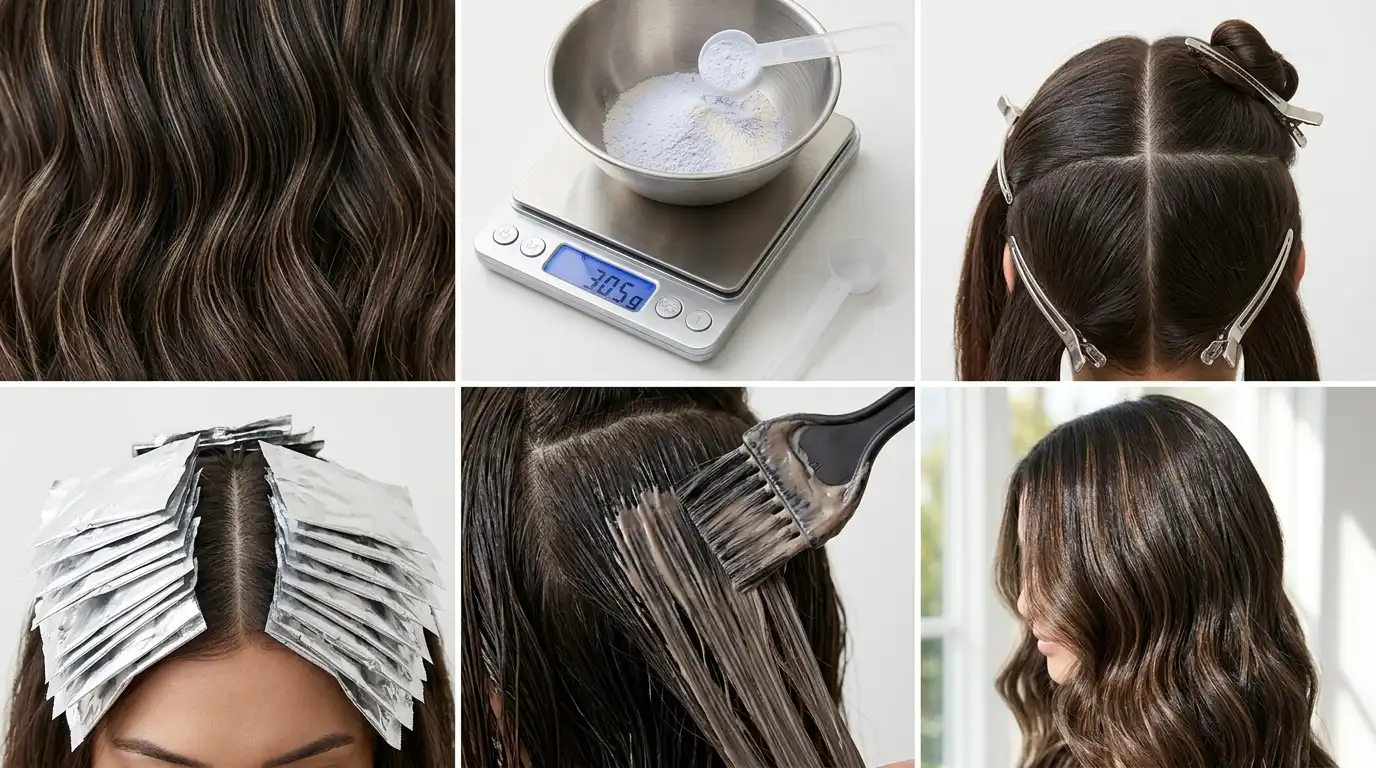
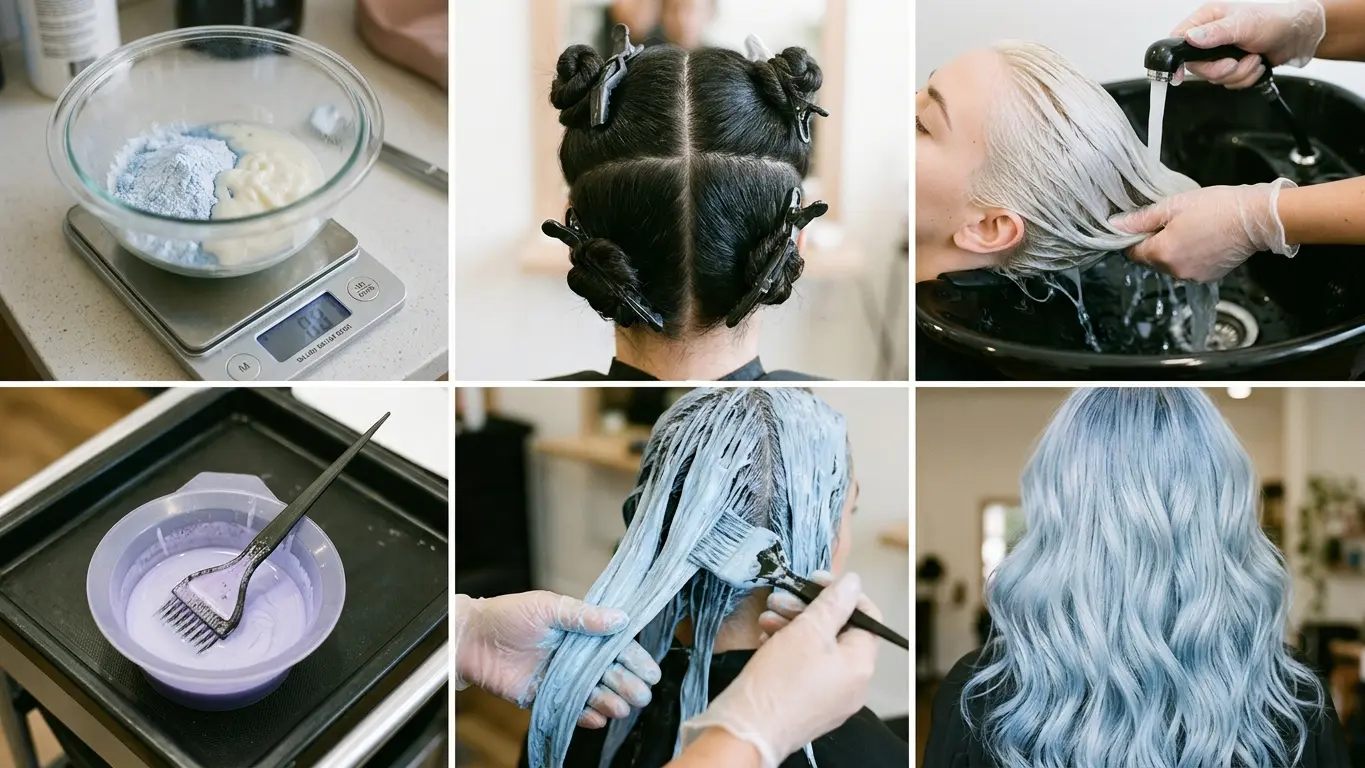
Divide dry, unwashed hair into four quadrants by parting cleanly from the forehead to the nape, then from ear to ear. Fasten each section with plastic duckbill clips. Metal clips react chemically with peroxide and will create heat pockets that snap strands.
Place your plastic bowl on the digital scale. Measure a strict one-to-two ratio: thirty grams of dust-free lightener to sixty grams of 20-volume developer. Whisk the mixture using a plastic tint brush until the texture mimics smooth cake batter.
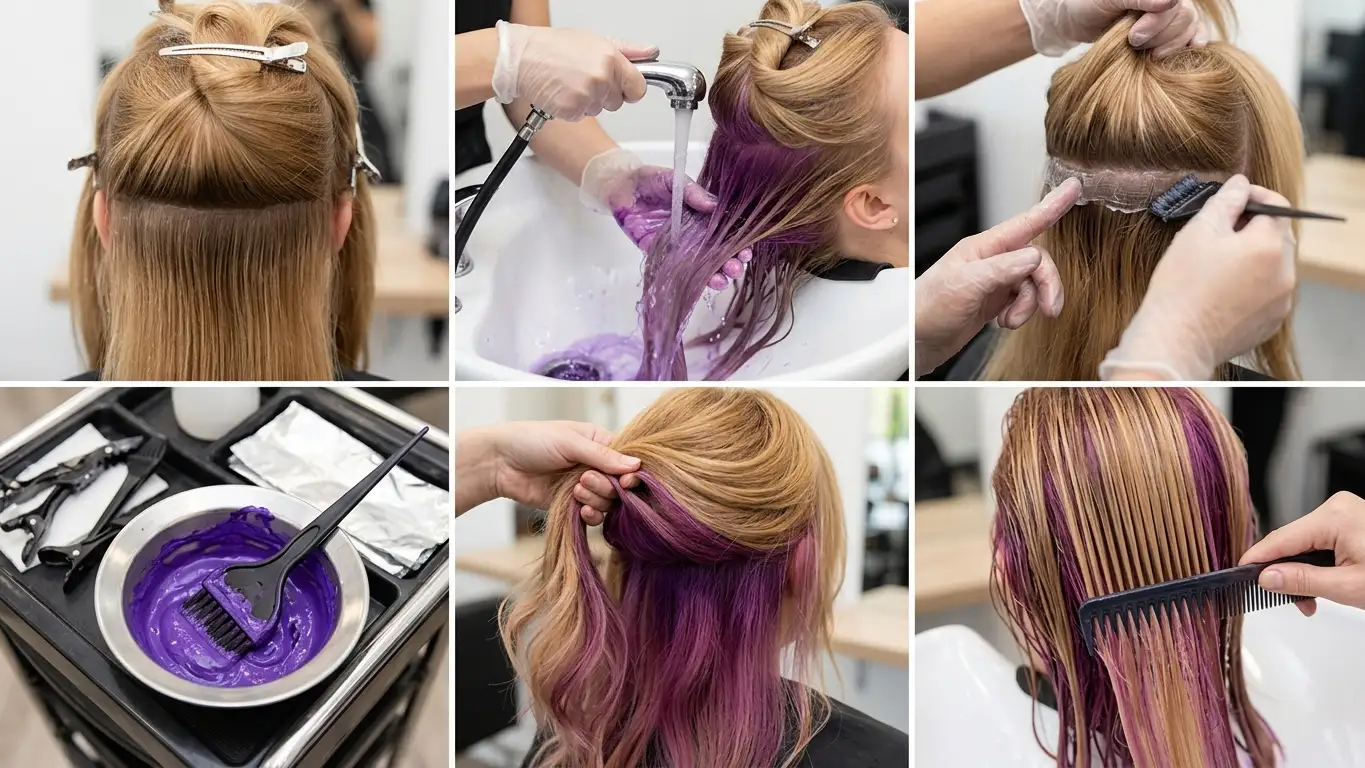
Work through the back quadrants first because hair at the crown is coarser and lifts slower than the hair framing your face. Take thin, quarter-inch horizontal slices. Coat each sub-section heavily from mid-lengths to ends while keeping lightener exactly one inch away from the scalp. Your natural body heat accelerates processing at the root, so applying product there too early results in severe chemical banding.
Lift Hair to an Even Level Ten Platinum
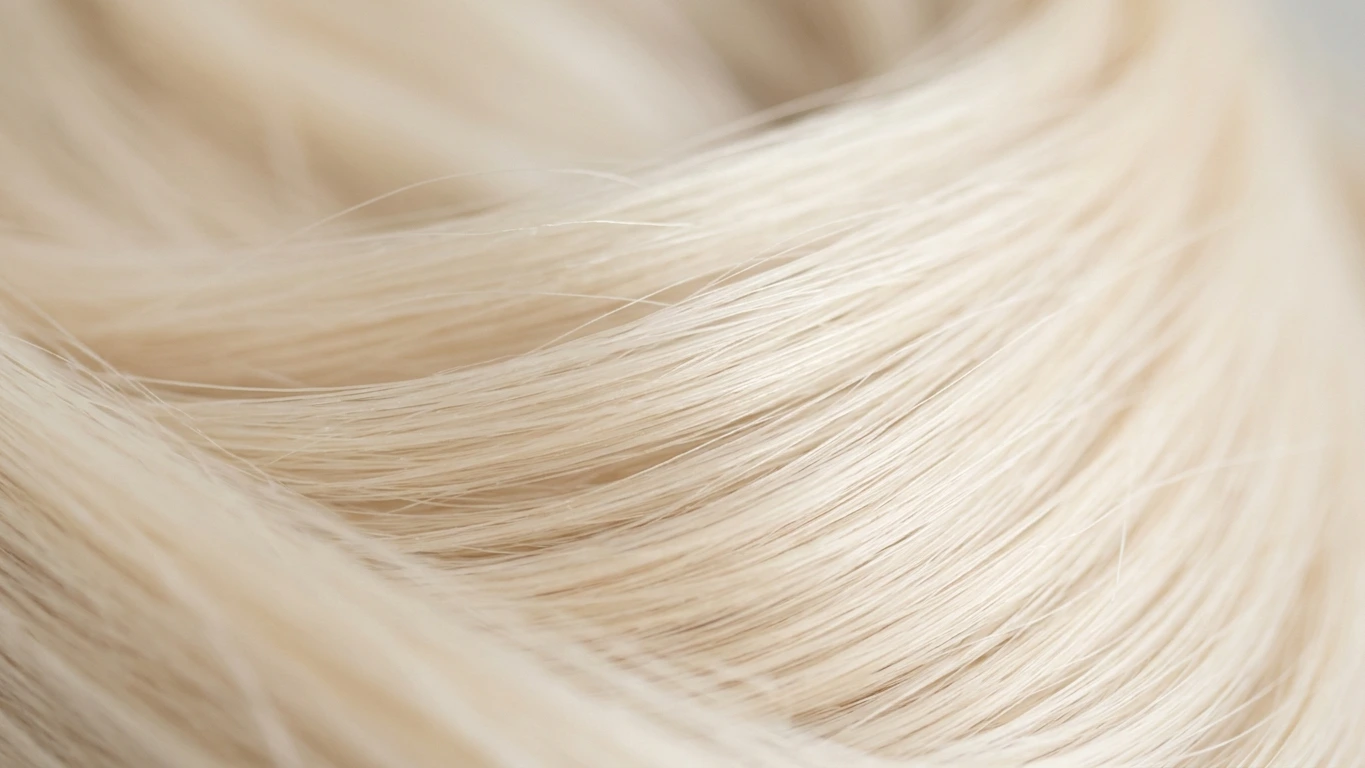
Let the bleach process uncovered at room temperature for thirty-five minutes. Spray dried sections with a light mist of water if they begin to crust over, as drying stops the active lifting agent. Once the mid-lengths lift to a pale banana-flesh hue, mix a fresh batch of lightener with gentle 10-volume developer.
Paint this gentler mixture directly onto the warm scalp zone. The heat radiating from your head will bring those roots to a level ten within fifteen to twenty minutes. Keep watch every five minutes.
Rinse the hair thoroughly with tepid water for five full minutes once all sections match an even, pale cream shade. Skip shampoo completely. Squeeze out excess moisture with an old cotton t-shirt instead of a terrycloth towel to protect the sensitized cuticles from friction damage.
Neutralize Lingering Yellow with a Violet Toner
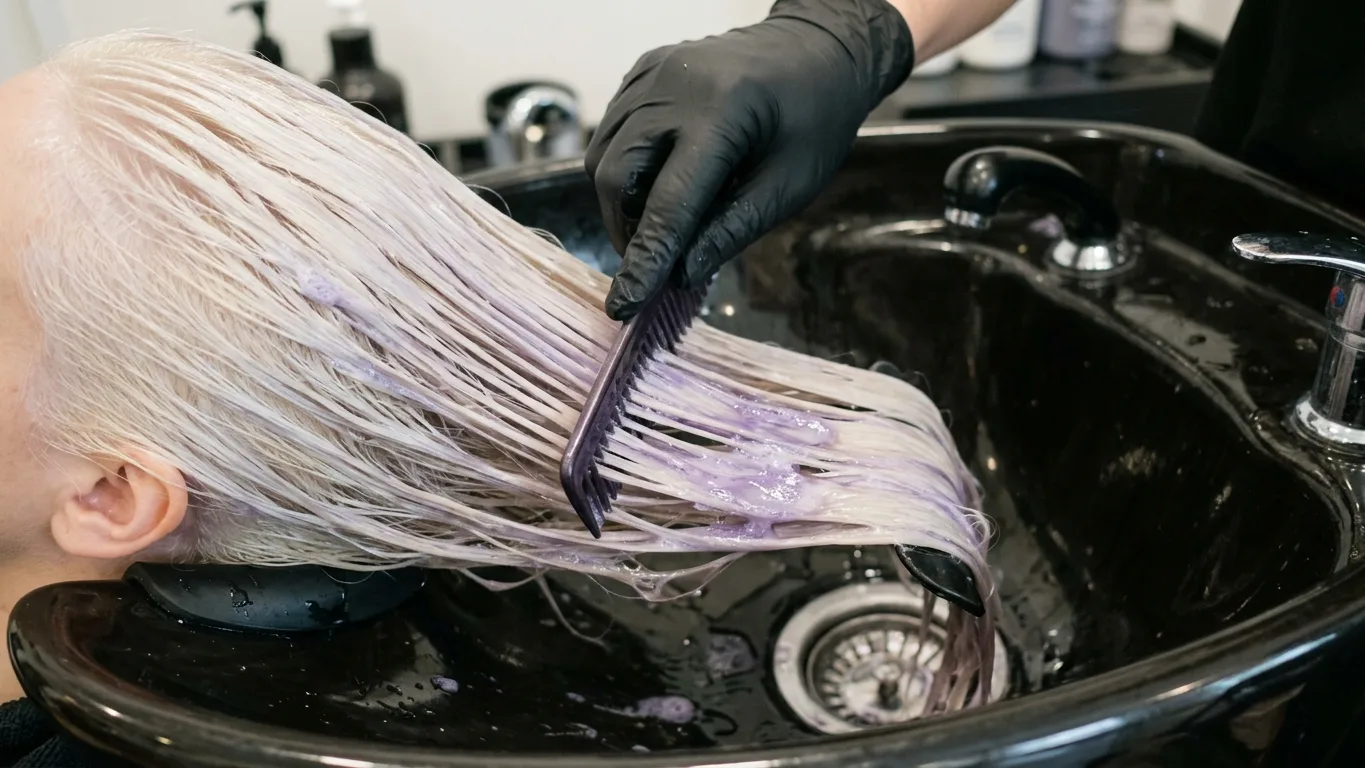
Pale yellow hair mixed with direct blue dye creates grass green. Neutralization is the non-negotiable bridge between lifting and coloring. Pour equal parts liquid violet toner and 10-volume developer into an applicator bottle. Shake vigorously for thirty seconds.
Apply the liquid toner rapidly to damp strands at the sink, saturating roots down to the tips. Comb through with a wide-tooth detangling tool to distribute the liquid evenly.
Watch the color shift in the mirror. You will see the brassy tones vanish within seven to ten minutes as the violet cancels the remaining yellow warmth, leaving crisp silver strands.
Rinse with cool water the moment the yellow disappears. Leaving toner on longer than twelve minutes deposits a dull charcoal film that blocks vibrant dye molecules from anchoring.
Formulate and Deposit the Cool Blue Shade
Dry your hair completely with a hair dryer set to cool air. Semi-permanent pigments slide off wet hair shafts, so bone-dry strands are vital for deep, even saturation.
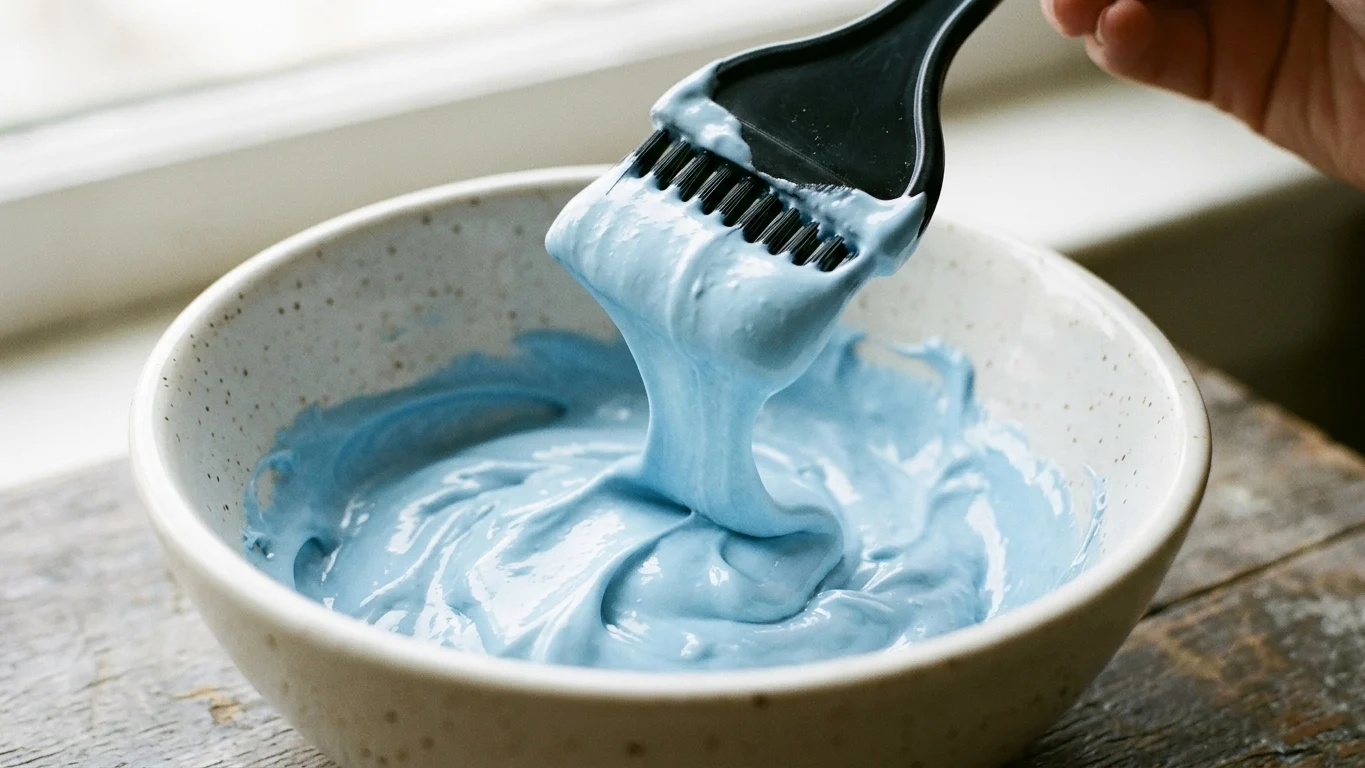
If you want dark icy blue hair, blend three parts clear pastel mixer with one part navy direct dye. For an airy icy pastel blue, place sixty grams of white conditioning mask into your bowl and stir in a pea-sized drop of concentrated sky-blue dye.
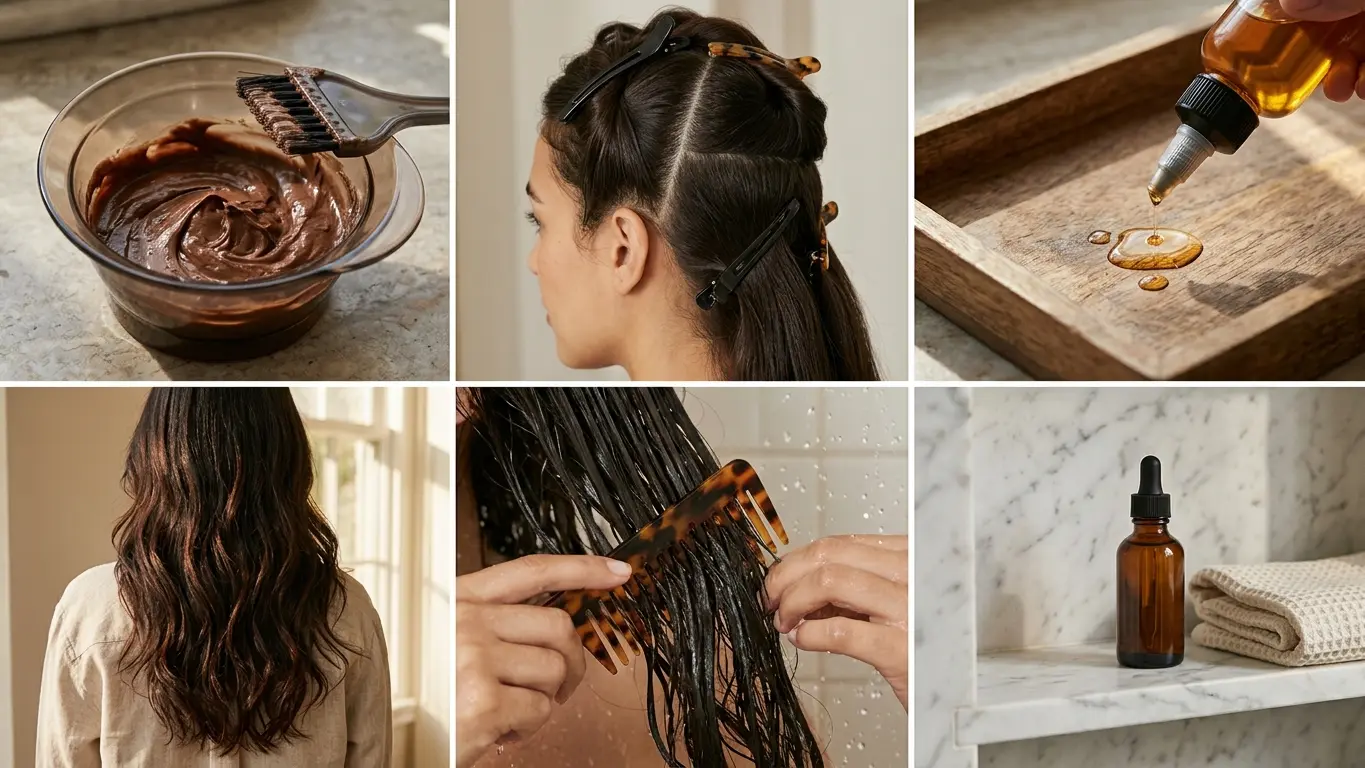
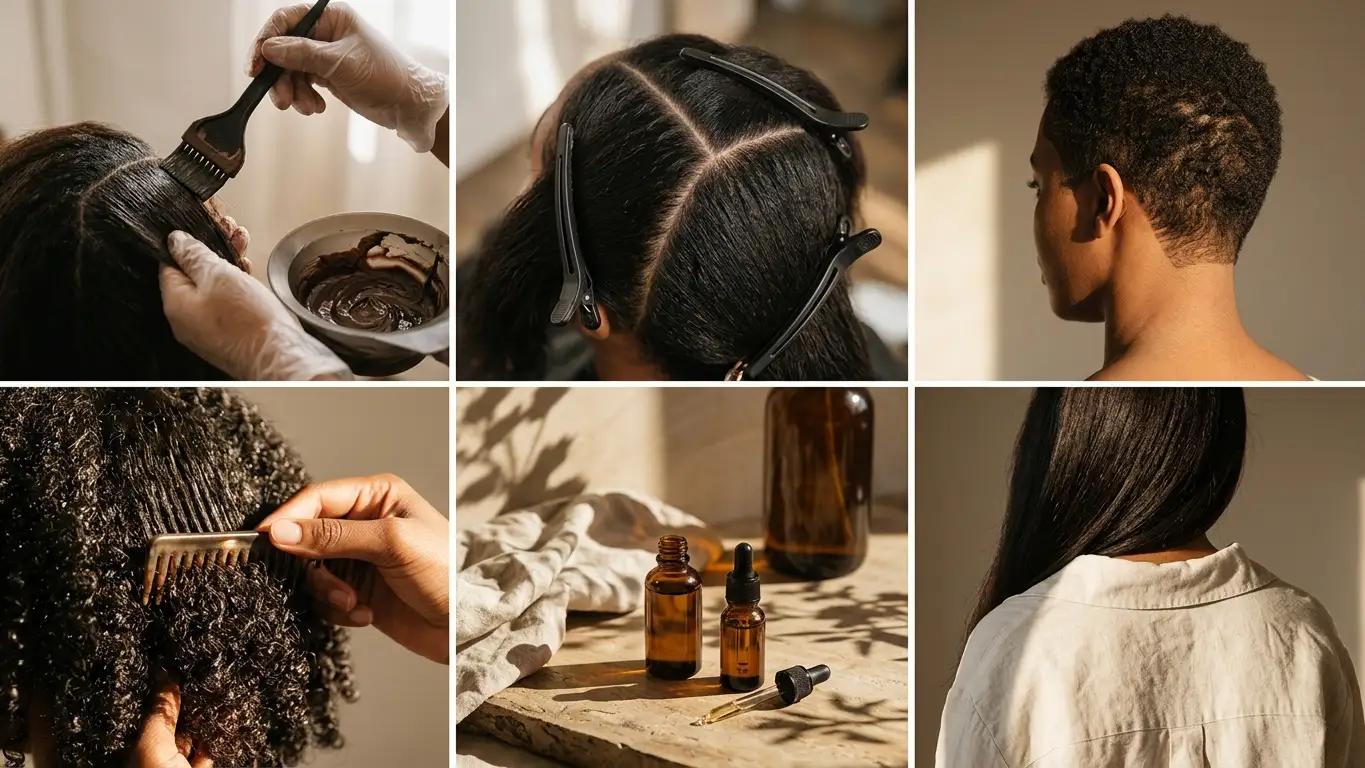
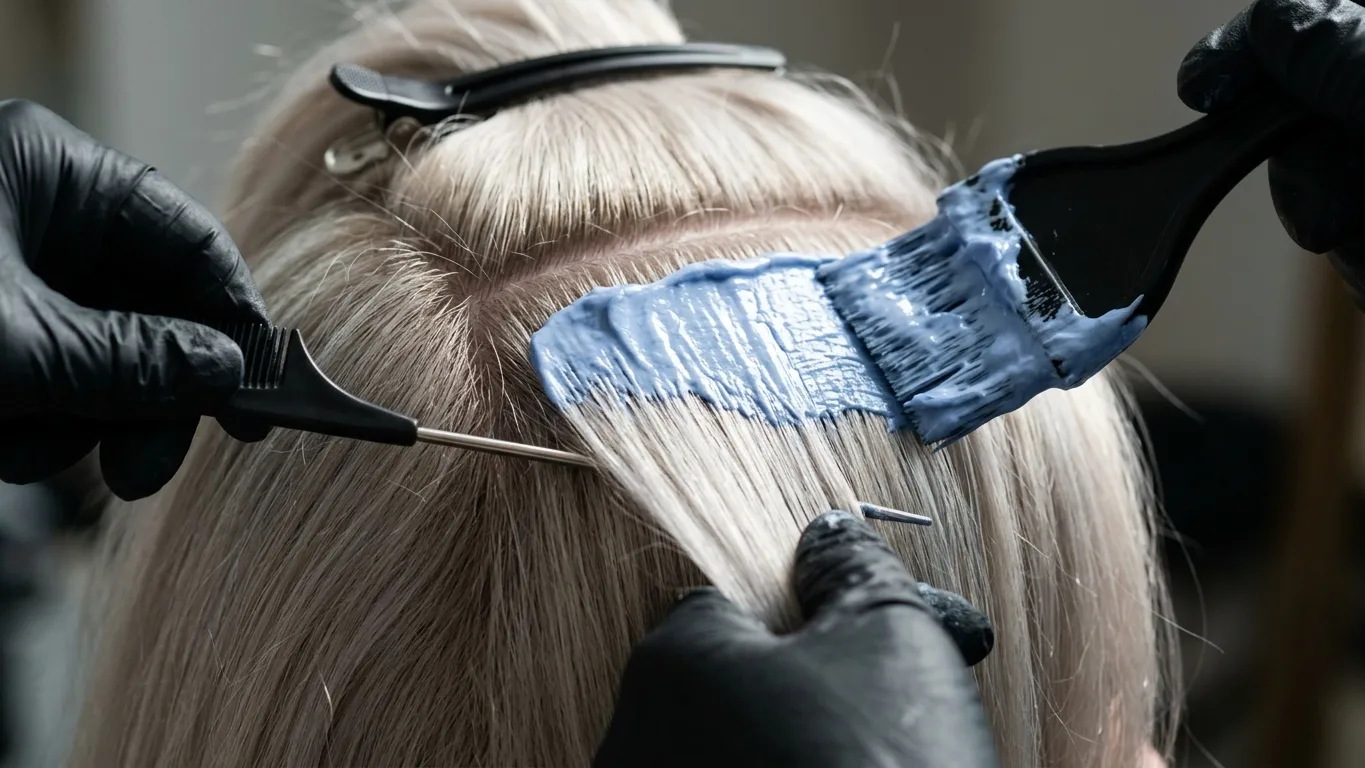
Work the dye through half-inch horizontal sections using your tint brush, then knead the cream into the strands with gloved fingers. Ensure full saturation across every layer.
Cover your hair with a plastic processing cap to lock in ambient humidity. Let the direct dye cure for forty-five minutes. Because deposit-only color contains zero ammonia or developer, leaving it on past thirty minutes simply conditions the hair while maximizing pigment density.
Rinse with Cold Water to Lock the Cuticle
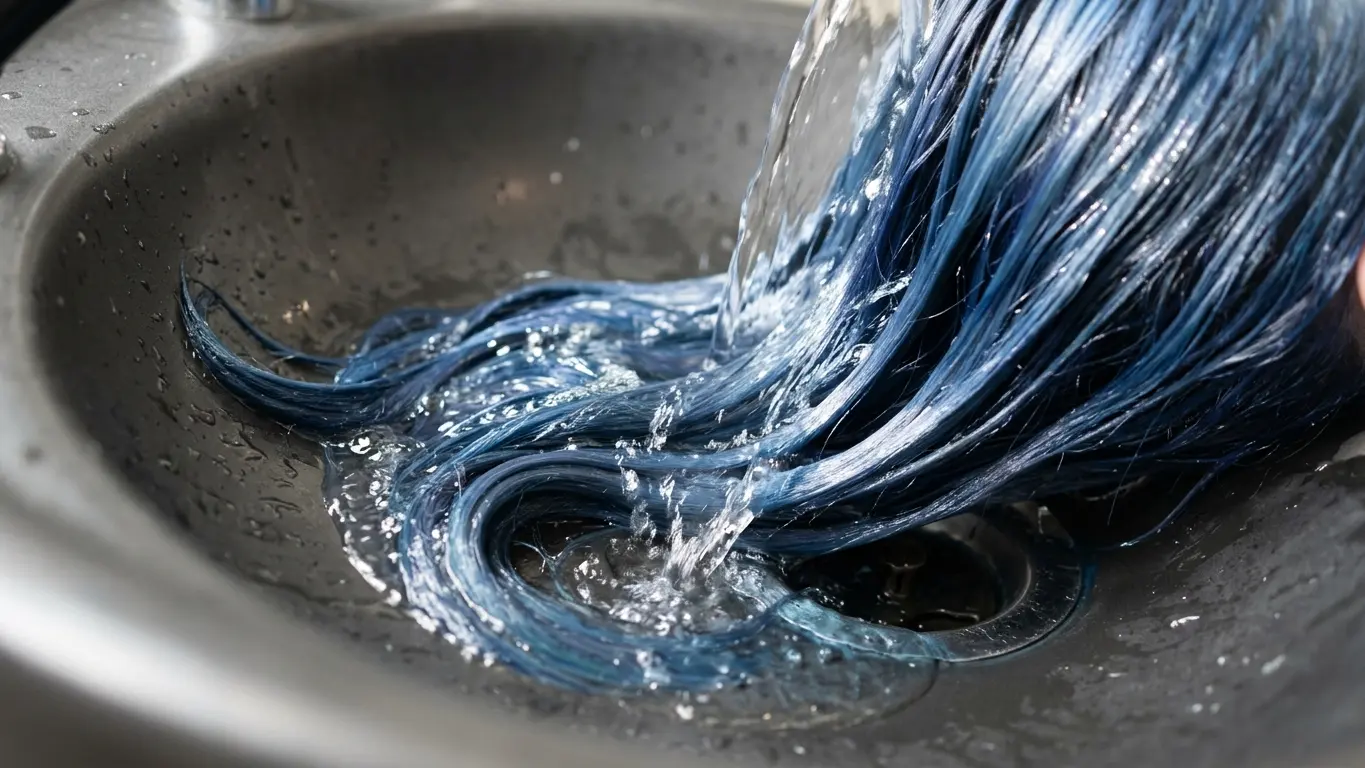
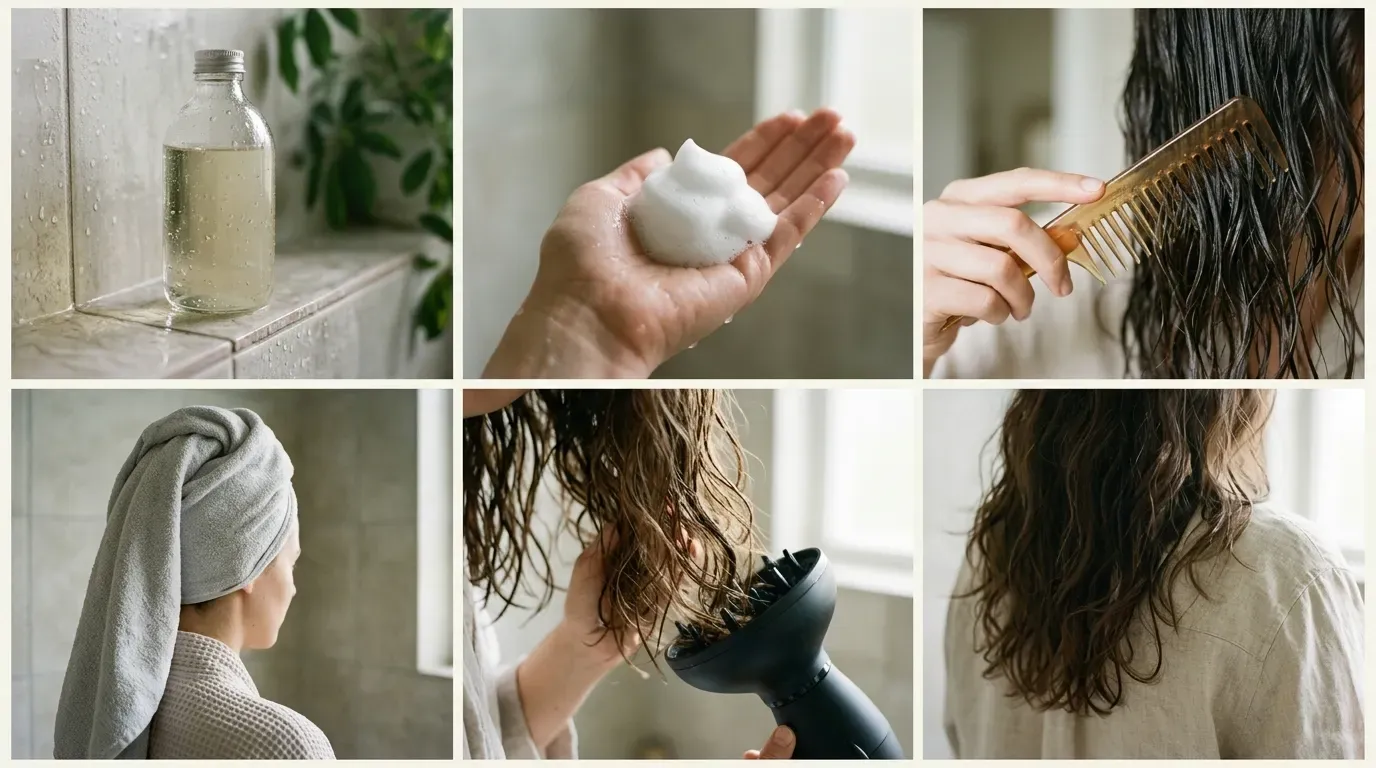
Step under a cold shower stream to rinse the direct dye away. Freezing water snaps the outer cuticle scales shut, locking the pigment molecules securely inside the cortex.
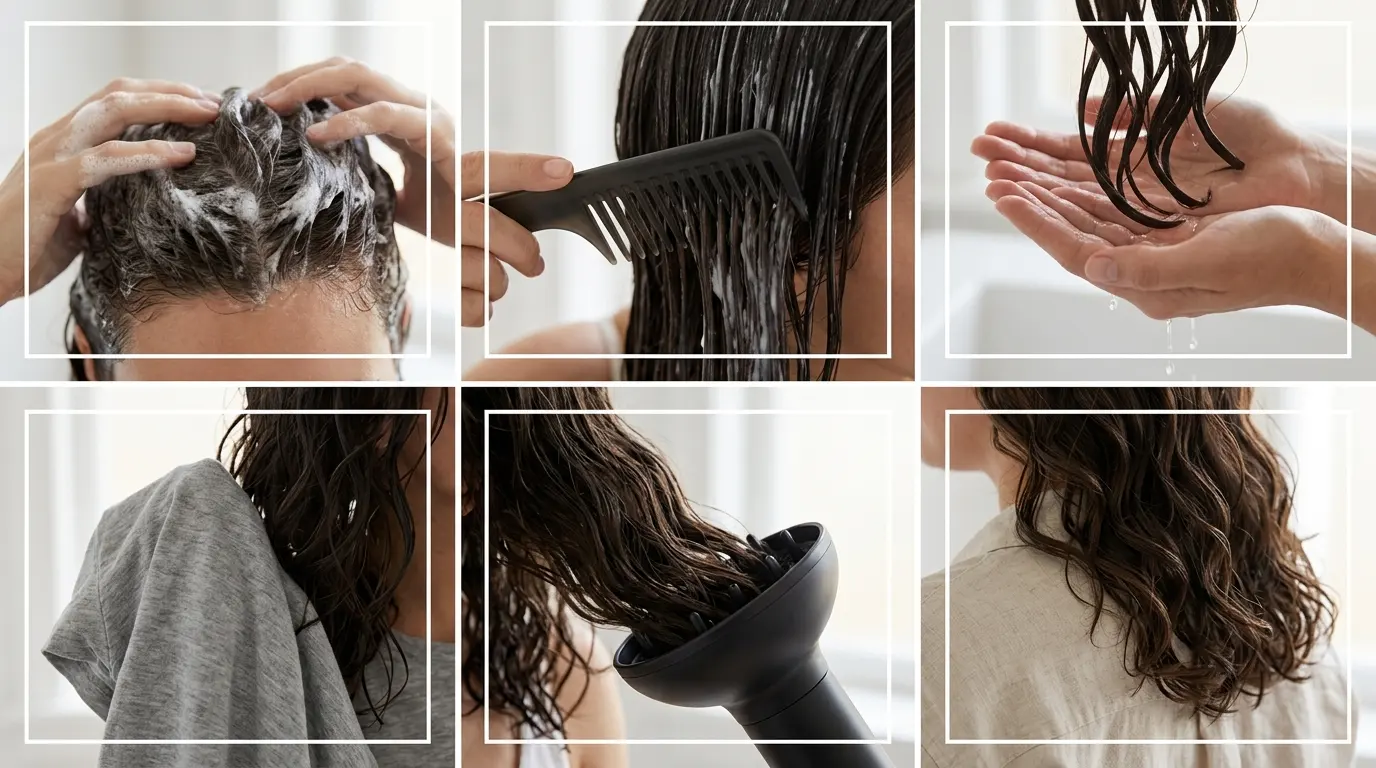
Wash without sulfate shampoo. Rinse until the water runs clear in the basin, which takes around four minutes.
Smooth a low-pH bonding conditioner through the lengths and allow it to sit for three minutes before a final two-minute cold rinse.
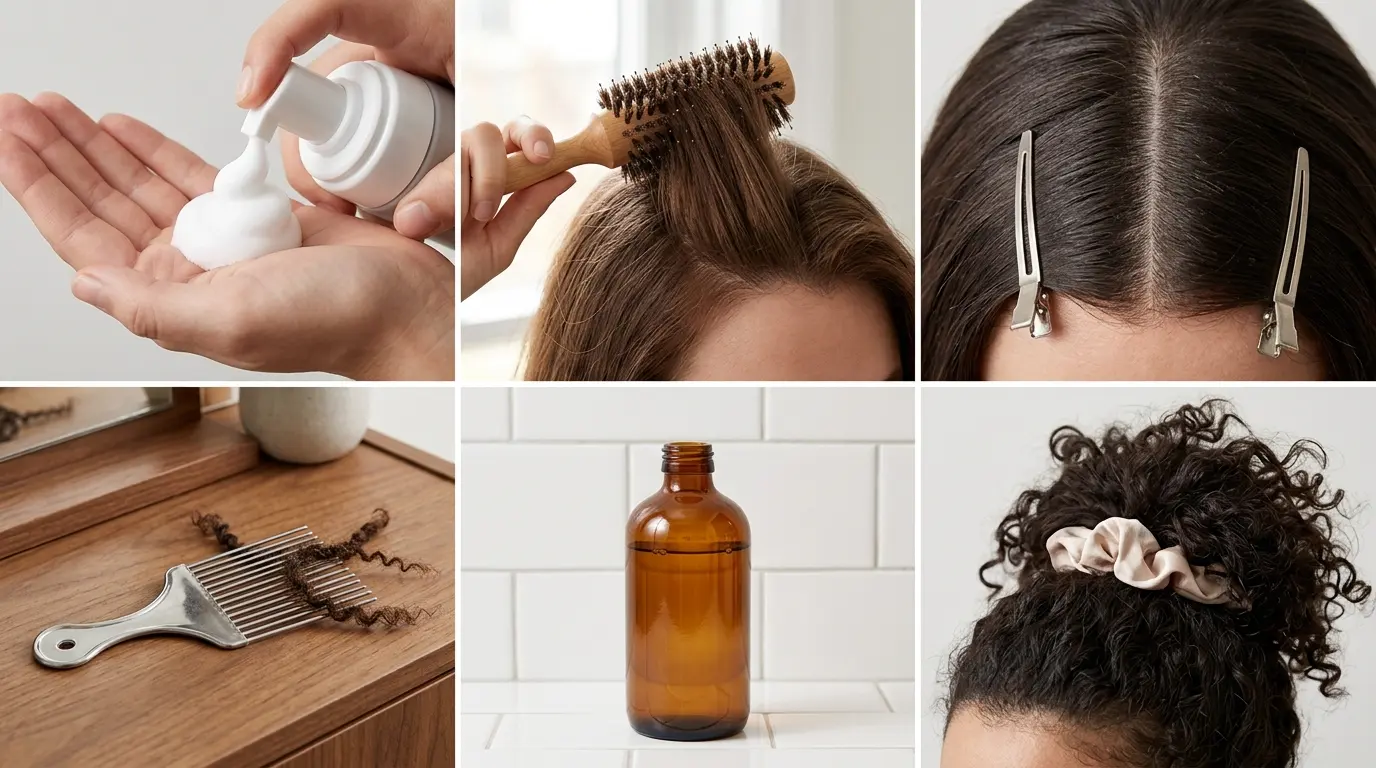
Gently press moisture from the hair with a microfiber towel. Air dry completely or use a blow dryer on low heat paired with a ceramic round brush. Avoid curling irons or flat irons for the first seventy-two hours, as intense heat plates singe away delicate pastel molecules instantly.
Maintain Vibrancy and Balance Brass
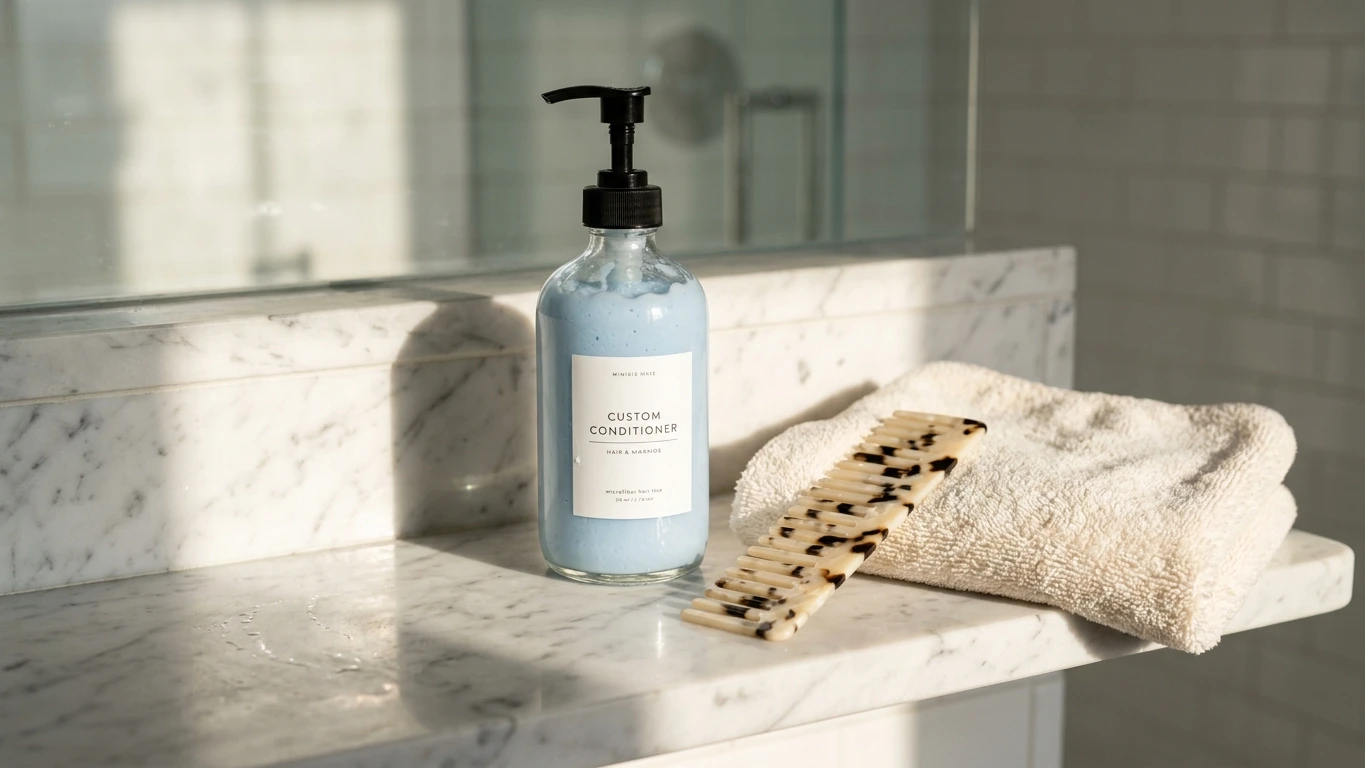
Pastel pigments wash out quickly, often fading within four to six gentle lathers. Mix two tablespoons of your leftover direct dye into eight ounces of white conditioner to create a custom pigment-depositing wash.
Use this blend once weekly, leaving it on for five minutes in the shower to replenish color.
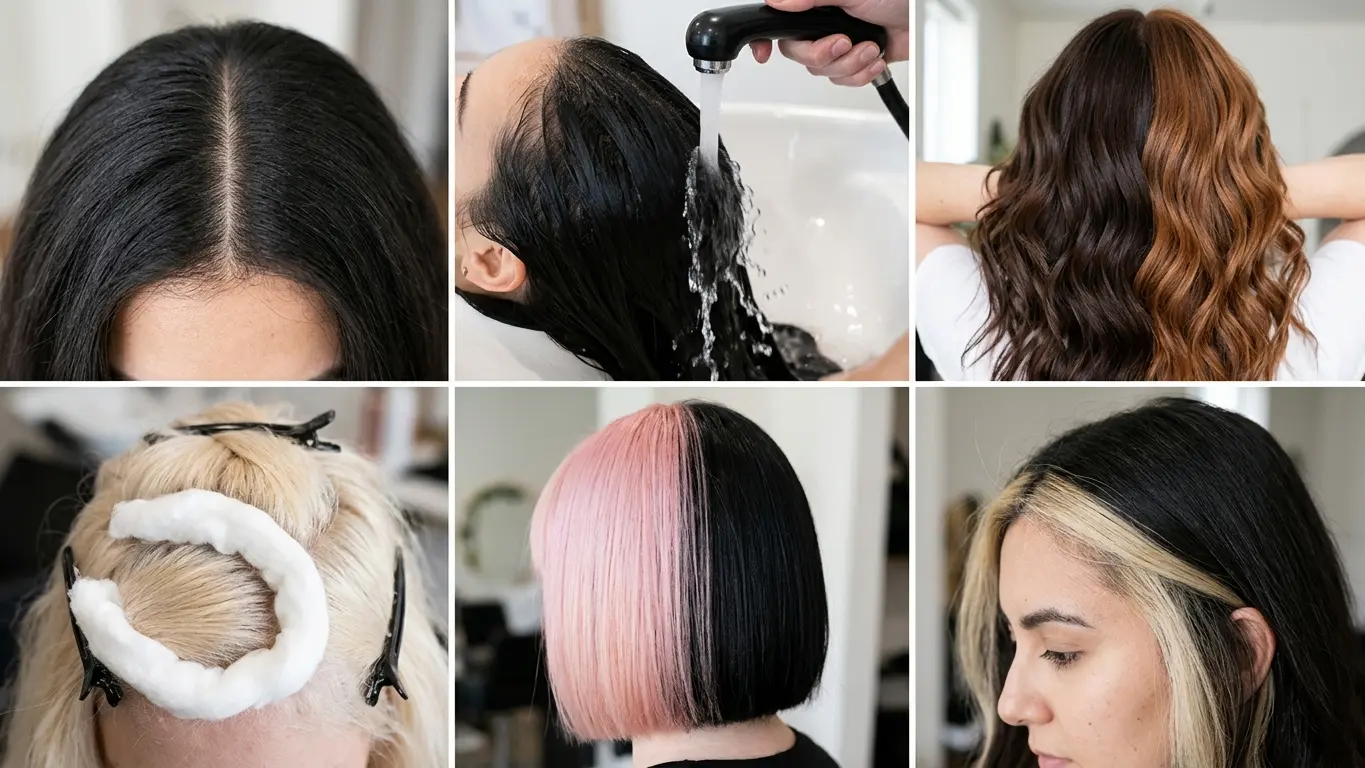
When you want to blend dark natural growth against frosted ends, ask a colorist for icy blue highlights on black hair to soften the regrowth line.
Keep your water temperature tepid and wash hair only twice a week. Install a shower head filter if your home has hard water, because mineral deposits like copper and iron turn lightened hair chalky green within a month.
Fix Patchy Roots and Accidental Green Tones
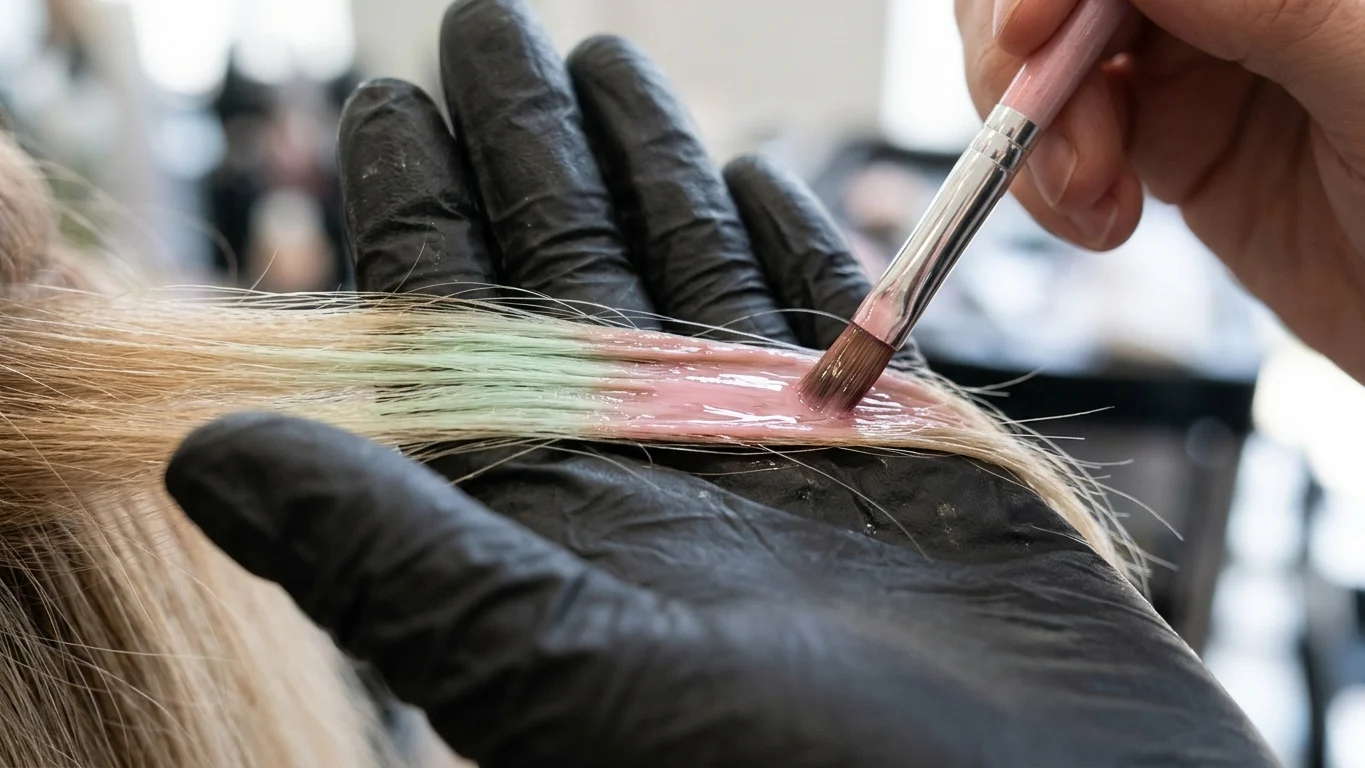
If your finished result looks muddy green in spots, your base hair still contained yellow keratin undertones before you laid down the blue dye.
Rescue the color by applying a diluted rose-gold or sheer pink semi-permanent rinse over the greenish areas. Red sits opposite green on the color wheel and will neutralize the mossy hue back into a crisp ash slate.
If roots lifted unevenly and display brassy patches, spot-treat those dark sections with a 10-volume bleach mixture using a clean mascara wand for pinpoint control.
Never bleach the entire head a second time to fix one small band. Target only the dark spots, rinse immediately when pale, and dab on fresh blue direct dye.
How to Get Cool Blue & Icy Blue Hair to Last

A successful color service relies on a strict order of chemical applications.
You must lift natural pigments to a pale cream baseline, strip the remaining yellow out with a violet toner, deposit direct dye onto bone-dry hair, and seal everything shut with cold water.
Skipping the toning step or rushing through your strand test ruins the end result every single time. Take your time, monitor the lightener closely, and enjoy the crisp frosty finish.
Frequently Asked Questions
What color is icy blue hair?
It is a stark, frosted shade of pale blue with heavy silver and white undertones, showing zero warmth or yellow cast.
How to color dark hair blue without hot roots?
Leave a one-inch margin at the scalp untouched during your first application, letting the mid-lengths lift for thirty minutes before coating the roots with a lower volume developer.
What color will blue hair fade to over several washes?
Properly toned hair fades into a silvery seafoam or clean powder gray, whereas hair that had yellow underneath fades to a dull mint green.
Can you put ice blue hair dye over unbleached light brown hair?
No, the dye will not show on light brown hair, producing only a murky oil-slick sheen visible under direct sunlight.